GemVoyage Team • World
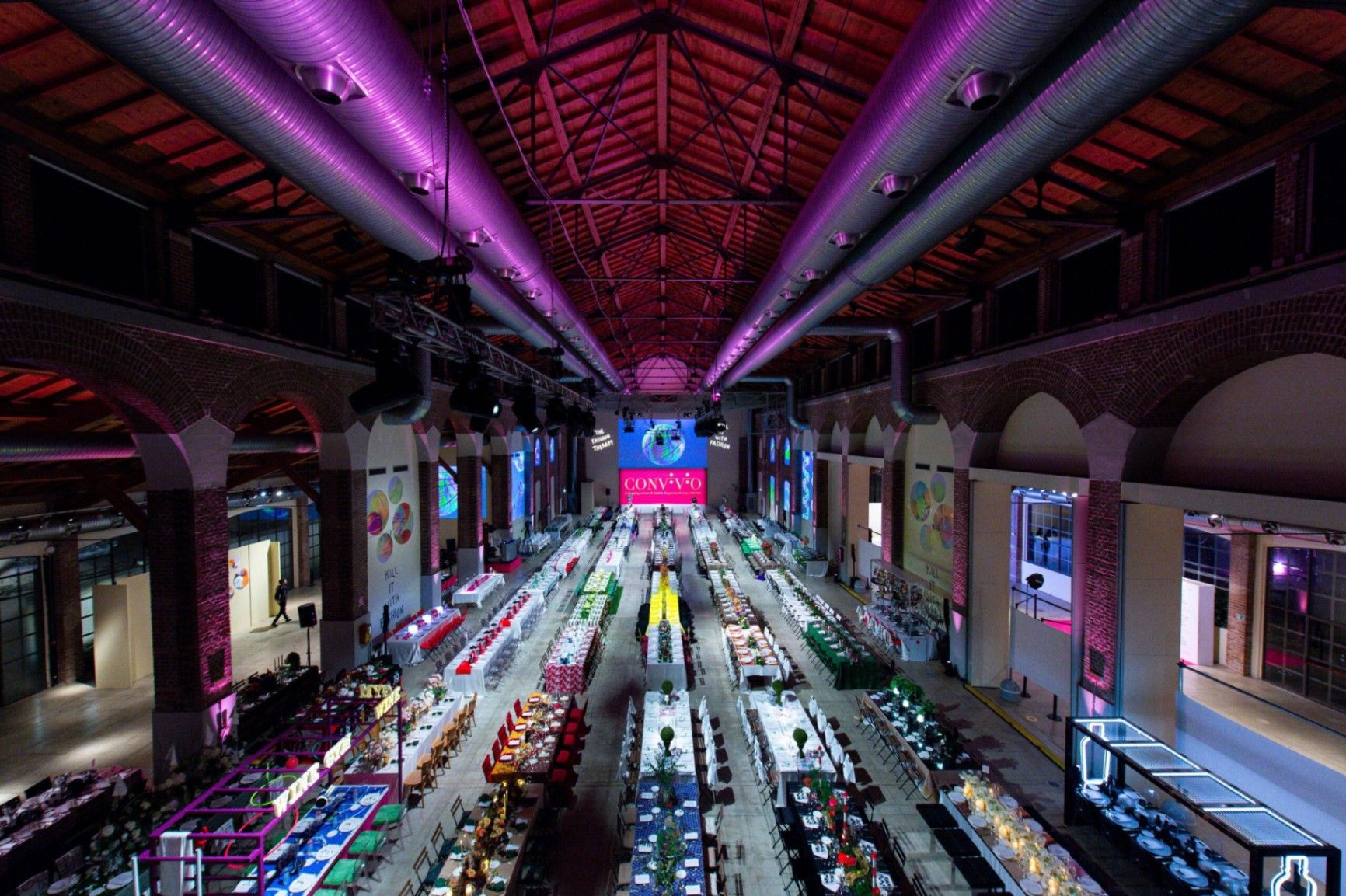
Fabbrica del Vapore (The Steam Factory) is one of Milan’s most dynamic cultural spaces, blending the city’s industrial heritage with modern artistic innovation. Once a 19th-century tram factory, this vast complex has been transformed into a creative hub where art, design, music, and technology converge.
Built in 1899 by the industrial company Carminati Toselli & C., the factory originally produced railway and tram components that helped power Milan’s early transportation system. After being abandoned for decades, it was restored by the Municipality of Milan and reopened in the early 2000s as a center for contemporary culture. Today, Fabbrica del Vapore hosts art exhibitions, concerts, theater performances, film screenings, workshops, and international festivals, making it one of the city’s leading spaces for artistic experimentation.
What makes it truly unique is the fusion of past and present — the red-brick industrial architecture remains intact, featuring steel beams, arched windows, and tall chimneys, while the interiors have been adapted into modern galleries and studios. It’s a place where graffiti murals coexist with fine art, and digital installations share space with traditional sculpture.
A lesser-known fact is that Fabbrica del Vapore houses several artist residencies and creative collectives, offering workspaces to young talents in fields like multimedia design, theater, and fashion. The site has also hosted collaborations with international institutions, including the Triennale Milano and global art biennales, strengthening its role as a bridge between Milan’s industrial past and its cultural future.
Fabbrica del Vapore is located at Via Procaccini 4, in the Sempione district of Milan, Lombardy, Italy. It’s just north of the city center, not far from Cimitero Monumentale and Parco Sempione.
To get there:
The area is easily accessible and well-connected by Milan’s public transport system, making it an ideal cultural stop during a day of exploring the city.
Fabbrica del Vapore is a testament to Milan’s ability to reinvent itself — turning an old industrial site into a thriving center of contemporary creativity. Whether you’re an art lover, a music enthusiast, or simply curious about Milan’s modern cultural pulse, this space offers an ever-changing landscape of ideas and inspiration. Its blend of history and innovation makes it one of the city’s most authentic cultural experiences, perfectly reflecting the spirit of Milan itself.
1. What is Fabbrica del Vapore?
It’s a former tram factory turned into a cultural and creative center, hosting exhibitions, performances, and workshops.
2. When was it built?
The original factory was constructed in 1899 and later transformed into a cultural space in the early 2000s.
3. Where is it located?
At Via Procaccini 4, in the Sempione district of Milan, Italy.
4. Is there an entrance fee?
General entry is free, though some temporary exhibitions or events may have separate ticket prices.
5. What kind of events are held there?
You can find art exhibitions, concerts, theater productions, film screenings, design fairs, and creative workshops throughout the year.
6. Can visitors take photos?
Yes, photography is allowed, especially of the architecture. For certain exhibitions, check signage or ask staff for permission.
Discover more hidden gems you might love.
Tarasp
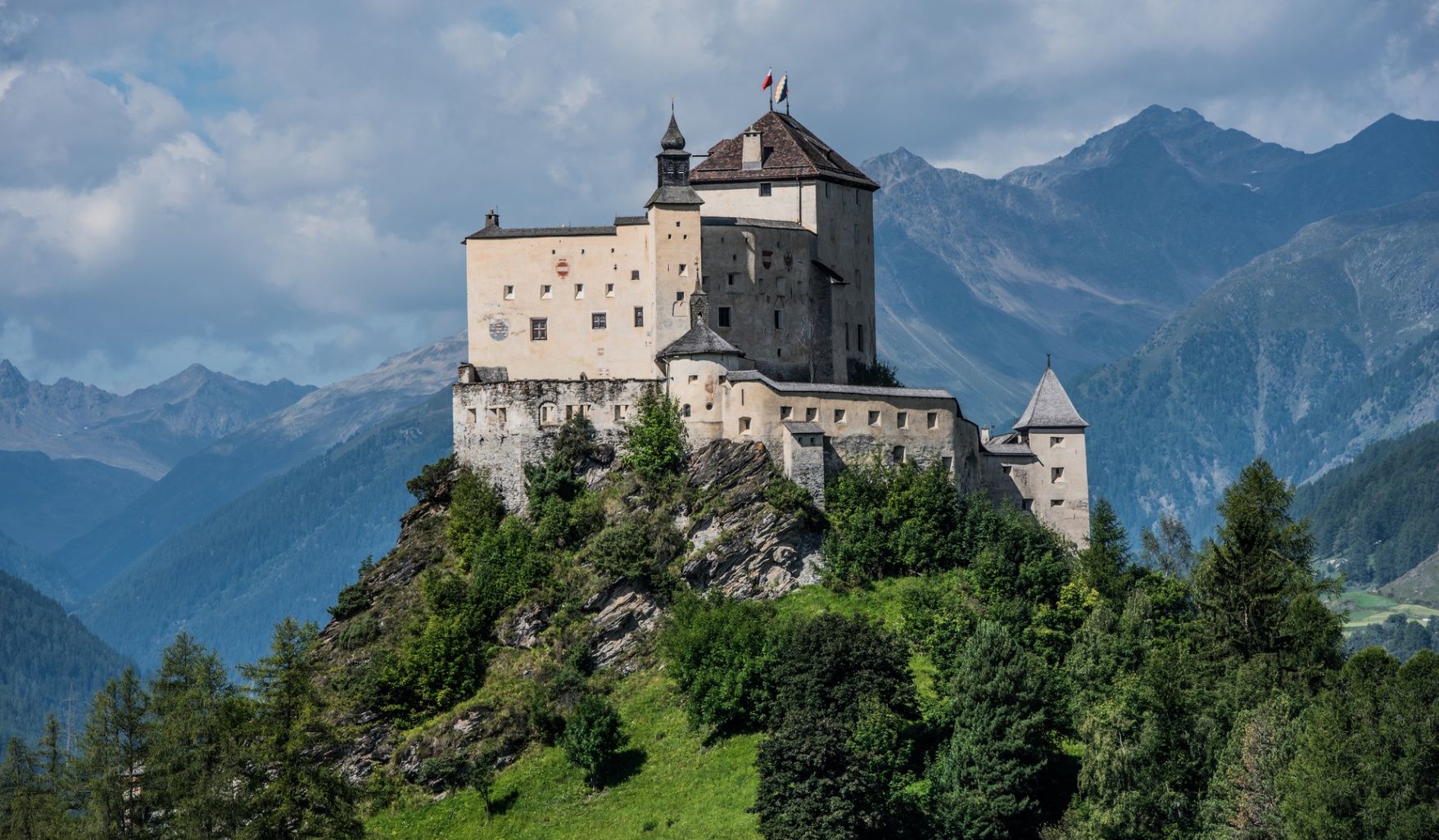
## Description Schloss Tarasp is one of Switzerland’s most impressive and best-preserved medieval castles, dramatically perched on a rocky hill overlooking the Lower Engadin Valley. With its imposing towers, thick stone walls, and commanding views, the castle feels like a scene straight out of a historical epic. Dating back to the 11th century, Schloss Tarasp has played a significant role in the region’s political and cultural history and remains a powerful symbol of the Engadin. What makes Schloss Tarasp truly unique is its combination of medieval architecture and refined interior artistry. While many castles focus mainly on defensive structures, Schloss Tarasp surprises visitors with richly decorated rooms, ornate furniture, and an exceptional collection of art and antiques. One little-known fact is that the castle houses a famous private organ, installed in the early 20th century, which is still used for concerts today. Another lesser-known detail is that the castle once belonged to industrialist August Lingner, the inventor of Odol mouthwash, who restored it extensively and transformed it into a cultural landmark. Today, Schloss Tarasp can only be visited through guided tours, which add depth and storytelling to the experience, making history come alive for visitors of all ages. ## Location Schloss Tarasp is located in **Switzerland**, in the **Graubünden** canton, within the **Lower Engadin** region. The castle stands above the village of Tarasp, near the town of Scuol, surrounded by alpine landscapes and mountain scenery. To get there, travelers can take a train on the Rhaetian Railway to **Scuol-Tarasp** station, which is well connected to other parts of Switzerland. From the station, local buses run toward Tarasp village, and from there a short uphill walk leads to the castle entrance. Visitors arriving by car can drive to Tarasp and park near the base of the hill, followed by a scenic walk up to the castle. ## Tips * Schloss Tarasp can only be visited on guided tours, so check tour times in advance and arrive early to secure a spot. * Wear comfortable shoes, as the walk up to the castle is steep and the interiors include uneven stone floors and stairs. * Photography may be restricted in certain rooms, so always follow the guide’s instructions. * Plan extra time to enjoy the panoramic views of the Engadin Valley from the castle grounds. * Combine your visit with a stop in nearby Scuol, known for its thermal baths and traditional Engadin architecture. * Tours are often offered in multiple languages, but availability may vary depending on the season. ## Conclusion Schloss Tarasp offers a rare and immersive journey into Switzerland’s medieval past, enriched by art, music, and stunning alpine scenery. Its dramatic setting, well-preserved interiors, and guided storytelling make it one of the most memorable castle visits in the country. ## FAQ **Do I need to book tickets in advance?** Advance booking is recommended, especially during summer and peak travel seasons, as tour sizes are limited. **Is Schloss Tarasp suitable for children?** Yes, guided tours are generally engaging for children, though very young kids may find the tour length challenging. **How long does a guided tour last?** Most guided tours last between 60 and 90 minutes. **Is the castle accessible for people with limited mobility?** Due to its medieval structure, access can be difficult for visitors with limited mobility. It is best to check accessibility details in advance. **When is the best time to visit Schloss Tarasp?** Late spring to early autumn is ideal, when the weather is mild and travel routes are fully accessible. ## Links * [Schloss Tarasp Information](https://www.myswitzerland.com/en-us/experiences/schloss-tarasp-chaste-da-tarasp/)
GemVoyage Team • World
São Tomé and Príncipe
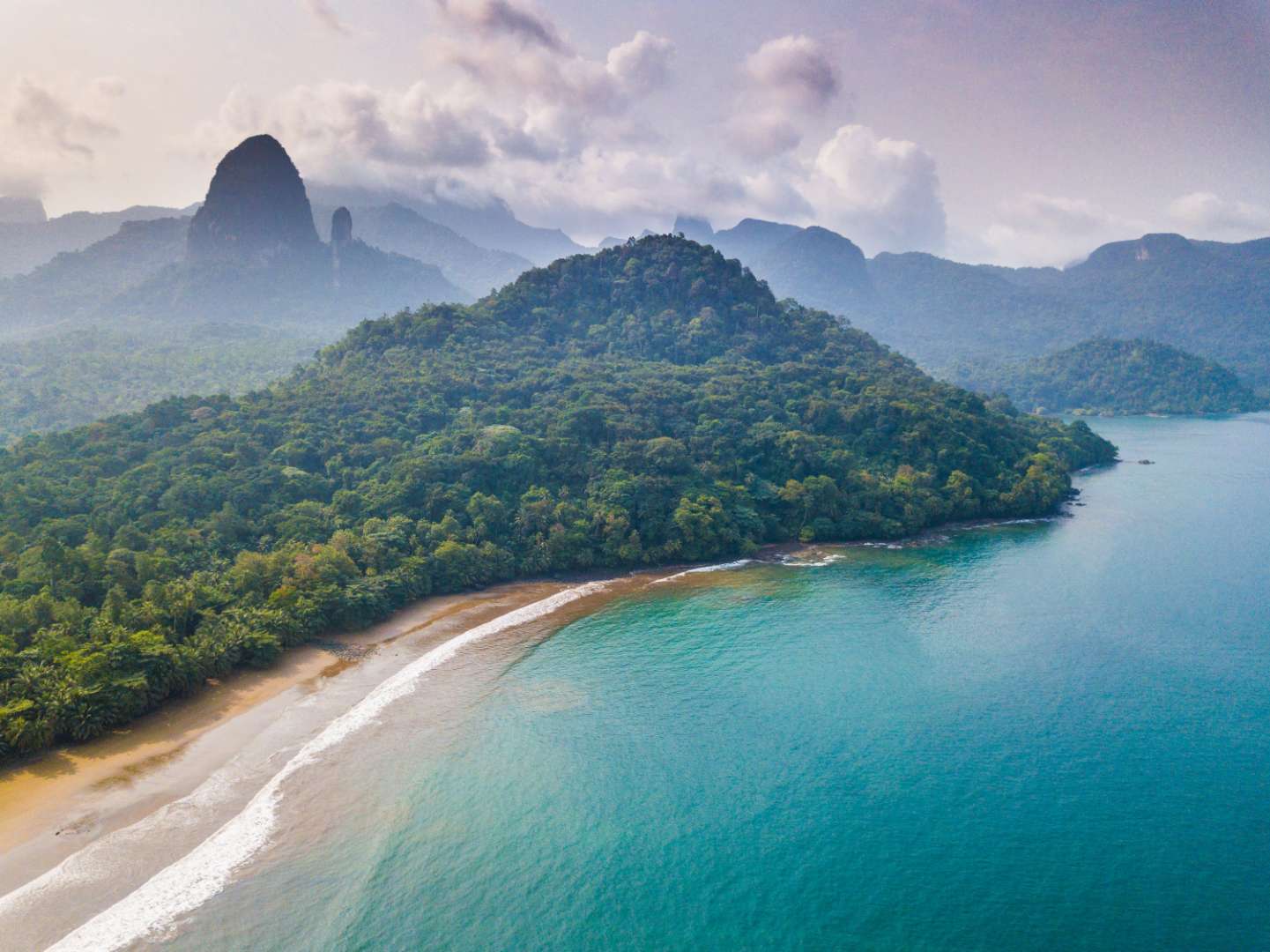
## Description São Tomé Island is a lush, volcanic paradise floating in the Gulf of Guinea, off the western coast of Central Africa. As the larger of the two main islands that make up the nation of São Tomé and Príncipe, it offers a rare blend of untouched nature, vibrant culture, and colonial charm. With its emerald rainforests, dramatic coastlines, and warm, welcoming locals, São Tomé is a destination that feels like a well-kept secret. The island is dominated by Pico de São Tomé, a towering peak that rises to 2,024 meters and is surrounded by dense jungle and misty cloud forests. Much of the island’s interior is protected within the Obô Natural Park, a biodiversity hotspot teeming with endemic species, waterfalls, and hiking trails. Along the coast, you’ll find palm-fringed beaches, fishing villages, and remnants of Portuguese colonial architecture. A little-known fact: São Tomé is located just north of the equator, and you can actually stand on the equator itself by visiting the nearby Ilhéu das Rolas islet. Another fascinating detail is that the island is part of the Cameroon Volcanic Line, a geological formation that includes several volcanic islands and mountains stretching from Cameroon into the Atlantic Ocean. ## Location São Tomé Island is located in the **Democratic Republic of São Tomé and Príncipe**, in the **Gulf of Guinea**, off the coast of **Central Africa**. The capital city, **São Tomé**, is situated on the northeastern coast of the island and serves as the political, cultural, and economic hub. ### How to Get There: - **By Air**: The main gateway is São Tomé International Airport (TMS), which receives flights from Lisbon, Accra, Luanda, and other regional hubs. - **From Europe**: TAP Air Portugal offers direct flights from Lisbon several times a week. - **From Africa**: Regional carriers connect São Tomé with cities like Libreville, Luanda, and Accra. - **Local Transport**: Once on the island, taxis, minibuses, and rental cars are available. Hiring a local guide is highly recommended for exploring remote areas. ## Tips for Visitors To make the most of your São Tomé adventure, keep these tips in mind: - **Best Time to Visit**: June to September is the dry season and ideal for hiking and beach activities. Avoid December to February, which is the rainy season. - **Currency**: The local currency is the São Tomé and Príncipe dobra (STN). Euros are widely accepted, especially in hotels and restaurants. - **Language**: Portuguese is the official language. Learning a few basic phrases can go a long way. - **Local Cuisine**: Don’t miss dishes like moqueca de peixe (fish stew), banana pão (breadfruit), and blá-blá (smoked fish). - **Eco-Tourism**: Respect the island’s fragile ecosystems. Stick to marked trails and avoid disturbing wildlife. - **Connectivity**: Internet access is limited in rural areas. Download maps and travel info in advance. ## Conclusion São Tomé Island is a captivating blend of volcanic landscapes, rich biodiversity, and cultural depth. Whether you're trekking through cloud forests, lounging on secluded beaches, or exploring colonial-era plantations, the island offers a peaceful and authentic escape from the modern world. ## FAQ **1. Is São Tomé Island safe for tourists?** Yes, São Tomé is considered one of the safest countries in Africa. Petty theft can occur, so basic precautions are advised. **2. Do I need a visa to visit São Tomé?** Visa requirements vary by nationality. EU citizens can enter visa-free for short stays. Check with your local embassy before traveling. **3. What is the official language of São Tomé?** Portuguese is the official language. Creole languages like Forro and Angolar are also spoken. **4. Can I hike Pico de São Tomé?** Yes, but it’s a challenging multi-day trek. Hiring a guide is essential due to the dense forest and changing weather. **5. Are there good beaches on São Tomé Island?** Absolutely. Praia das Conchas, Praia Jalé, and Praia Micondó are among the most beautiful and least crowded. **6. Is São Tomé suitable for family travel?** Yes, though infrastructure is basic. Families should plan ahead for accommodations and transport. ## Links - [São Tomé Island – Wikipedia](https://en.wikipedia.org/wiki/S%C3%A3o_Tom%C3%A9_%28island%29) - [Visit São Tomé – Official Tourism Portal](https://www.visitsaotomeprincipe.st/)
GemVoyage Team • World
Lahore
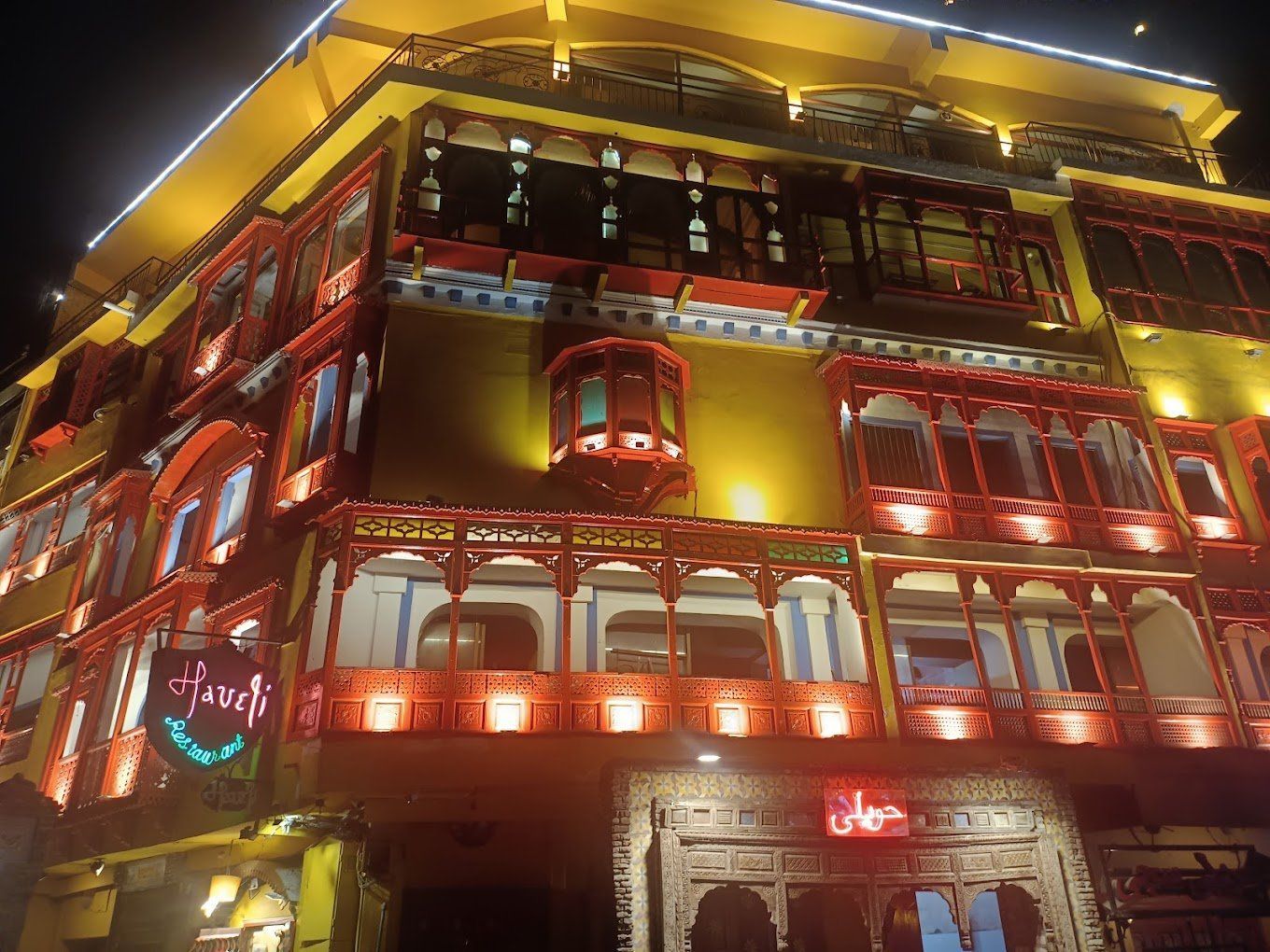
## Description Haveli Restaurant on Lahore Food Street is one of the city’s most atmospheric dining destinations, especially for visitors who want a meal that also feels like an introduction to Lahore’s historic soul. The appeal is not only the food, though the menu is certainly part of the draw. The real magic is the setting: a restored or heritage-inspired space overlooking some of the most iconic sights of the old city, where a meal can come with views of the Badshahi Mosque, Lahore Fort, and the surrounding historic district. In a city known for hospitality and strong culinary traditions, Haveli stands out because it turns dinner into a panoramic cultural experience. What makes the restaurant memorable is how it channels the feeling of old Lahore without turning it into a sterile theme. The ambiance is warm, lively, and often bustling, with families, groups of friends, and travelers all sharing the same multi-level experience. A little-known fact is that the restaurant’s rooftop seating has become one of the most photographed dining settings in Lahore, especially at sunset or after dark when the historic skyline is lit. Another detail many first-time visitors do not expect is how much the surrounding food street contributes to the overall visit. Arriving here is not just about sitting down for a meal; it is about entering a wider evening rhythm where lights, aromas, and street activity all frame the experience. The food itself usually reflects the rich comfort cuisine that Lahore is famous for: grilled meats, curries, bread, rice dishes, and the sort of generously spiced meals that work especially well after a day spent exploring the old city. Even travelers who are mostly interested in architecture or history often leave remembering the restaurant because it connects the city’s cultural identity with a simple and satisfying act: eating well in a beautiful place. ## Location Haveli Restaurant is on or near Lahore Food Street in the historic old-city area of Lahore, Punjab, Pakistan, close to the major heritage zone around the Badshahi Mosque, Lahore Fort, and the old fort-road corridor. The location makes it especially convenient for travelers already visiting the Walled City, because it fits naturally into an evening route through Lahore’s most famous monuments. The easiest way to reach it is usually by taxi or rickshaw, followed by a short walk into the food street area. Because the old city can be crowded and the roads can feel busy, it is best to approach the area with some flexibility in your timing. Sunset is a particularly strong moment to arrive, since it gives you enough daylight for the approach and enough evening atmosphere for the meal itself. If you are making a special trip, consider combining it with a mosque or fort visit earlier in the day, then moving to the restaurant for dinner when the temperature and light are more comfortable. ## Tips - Reserve or arrive early if you want the best rooftop tables. - Sunset is often the most rewarding time for both photos and atmosphere. - Plan a little extra time for the walk around Food Street before or after your meal. - Try signature local dishes rather than ordering too broadly. - Dress respectfully, especially if you are moving between heritage sites and dinner. - Use the restaurant as part of a larger old-city evening rather than a standalone stop. ## Conclusion Haveli Restaurant is one of Lahore’s most appealing places for visitors who want food, heritage, and views in the same experience. It captures the mood of the old city while offering a memorable and scenic meal. ## FAQ ### Is Haveli Restaurant good for tourists? Yes. It is especially good for travelers who want a dinner setting tied to Lahore’s historic atmosphere. ### What is the best time to go? Sunset and early evening are usually the most impressive times. ### Is rooftop seating worth it? Yes. The rooftop views are one of the main reasons people choose this restaurant. ### Can I combine it with sightseeing? Absolutely. It fits perfectly after visiting the Walled City, Lahore Fort, or the Badshahi Mosque. ## Links - [Lahore Food Street information](https://walledcitylahore.gop.pk/) - [Wikipedia on Lahore](https://en.wikipedia.org/wiki/Lahore) - [Badshahi Mosque](https://en.wikipedia.org/wiki/Badshahi_Mosque)
GemVoyage Team • World
Kaimonkawashiri
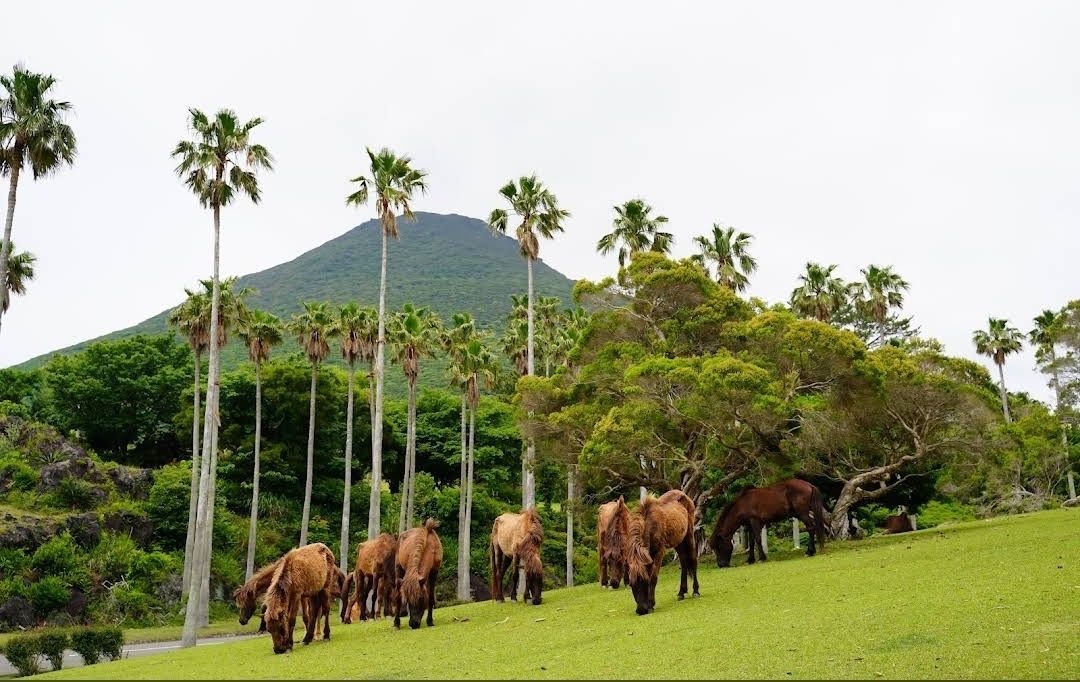
## Description **Kaimon Foothills Nature Park** is a serene and picturesque destination located at the base of Mount Kaimon, often nicknamed the “Fuji of Satsuma” because of its elegant, conical shape that resembles Japan’s iconic Mount Fuji. This park is a favorite among nature enthusiasts, hikers, and families looking for a peaceful escape into lush greenery and panoramic landscapes. What makes Kaimon Foothills Nature Park unique is its perfect blend of natural beauty and cultural significance. The area offers walking trails surrounded by seasonal flowers, open lawns ideal for picnics, and scenic viewpoints where visitors can admire Mount Kaimon towering in the distance. On clear days, you can even catch a glimpse of **Yakushima Island**, a UNESCO World Heritage Site known for its ancient cedar forests. A little-known fact is that the park is home to rare flora native to the Kagoshima region, making it a hidden gem for botany lovers. Another interesting detail is that the park also serves as a base for those who want to climb Mount Kaimon, with the trailhead conveniently located nearby. ## Location Kaimon Foothills Nature Park is located in **Ibusuki City**, within **Kagoshima Prefecture** in southern **Kyushu, Japan**. The park sits at the base of Mount Kaimon, which rises 924 meters above sea level and is a defining landmark of the Satsuma Peninsula. Getting there is straightforward. From **Kagoshima City**, travelers can take the **JR Ibusuki-Makurazaki Line** to **Kaimon Station**. From the station, the park is just a short taxi ride or a leisurely walk. Alternatively, those traveling by car can reach the park in about 90 minutes from central Kagoshima via Route 226, a scenic coastal road. For visitors who enjoy road trips, this drive offers stunning views of Kagoshima Bay and the surrounding countryside. ## Tips To make the most of your visit to Kaimon Foothills Nature Park, keep these tips in mind: * **Wear comfortable shoes** – The park has walking trails and natural terrain, so sturdy footwear will make your visit more enjoyable. * **Bring a picnic** – With wide open spaces and shaded areas, the park is perfect for relaxing and enjoying a homemade lunch outdoors. * **Check the weather** – Clear days provide the best views of Mount Kaimon and the surrounding region, so plan accordingly. * **Combine with a hike** – If you’re up for adventure, start your climb up Mount Kaimon from the trailhead near the park. The hike typically takes 3–4 hours round trip. * **Visit nearby attractions** – Ibusuki is famous for its unique **sand baths**, where visitors are buried in naturally heated volcanic sand. It’s an excellent way to relax after exploring the park. * **Bring a camera** – Whether it’s the seasonal flowers, the majestic peak of Mount Kaimon, or the sunset views, the park is full of photo-worthy moments. ## Conclusion **Kaimon Foothills Nature Park in Japan** is a charming and peaceful destination that offers both relaxation and adventure. With its breathtaking views of Mount Kaimon, lush greenery, and cultural significance, it’s the perfect spot for families, hikers, and nature lovers alike. Conveniently located in Ibusuki, Kagoshima, the park also serves as a gateway to exploring southern Kyushu’s natural wonders. ## FAQ **1. What is Kaimon Foothills Nature Park best known for?** The park is best known for its scenic location at the base of Mount Kaimon, offering beautiful views, picnic areas, and access to the hiking trail up the mountain. **2. Can you climb Mount Kaimon from the park?** Yes, the park serves as a starting point for the Mount Kaimon hiking trail, which takes about 3–4 hours to complete round trip. **3. When is the best time to visit?** Spring and autumn are ideal, with pleasant weather and colorful seasonal flowers. However, the park is open year-round and offers different charms in each season. **4. Is the park family-friendly?** Absolutely. The open lawns, easy walking paths, and picnic spots make it a great destination for families with children. **5. How long should I plan to stay?** Most visitors spend 1–2 hours enjoying the park, but if you add a Mount Kaimon hike or nearby Ibusuki attractions, you can easily plan a full-day trip. **6. Are there facilities like restrooms or shops?** Yes, the park has basic facilities, but it’s a good idea to bring your own snacks and drinks, especially if you plan to stay for a while. ## Links * [Japan Travel – Kyushu Attractions](https://www.japan.travel/en)
GemVoyage Team • World
Berlin
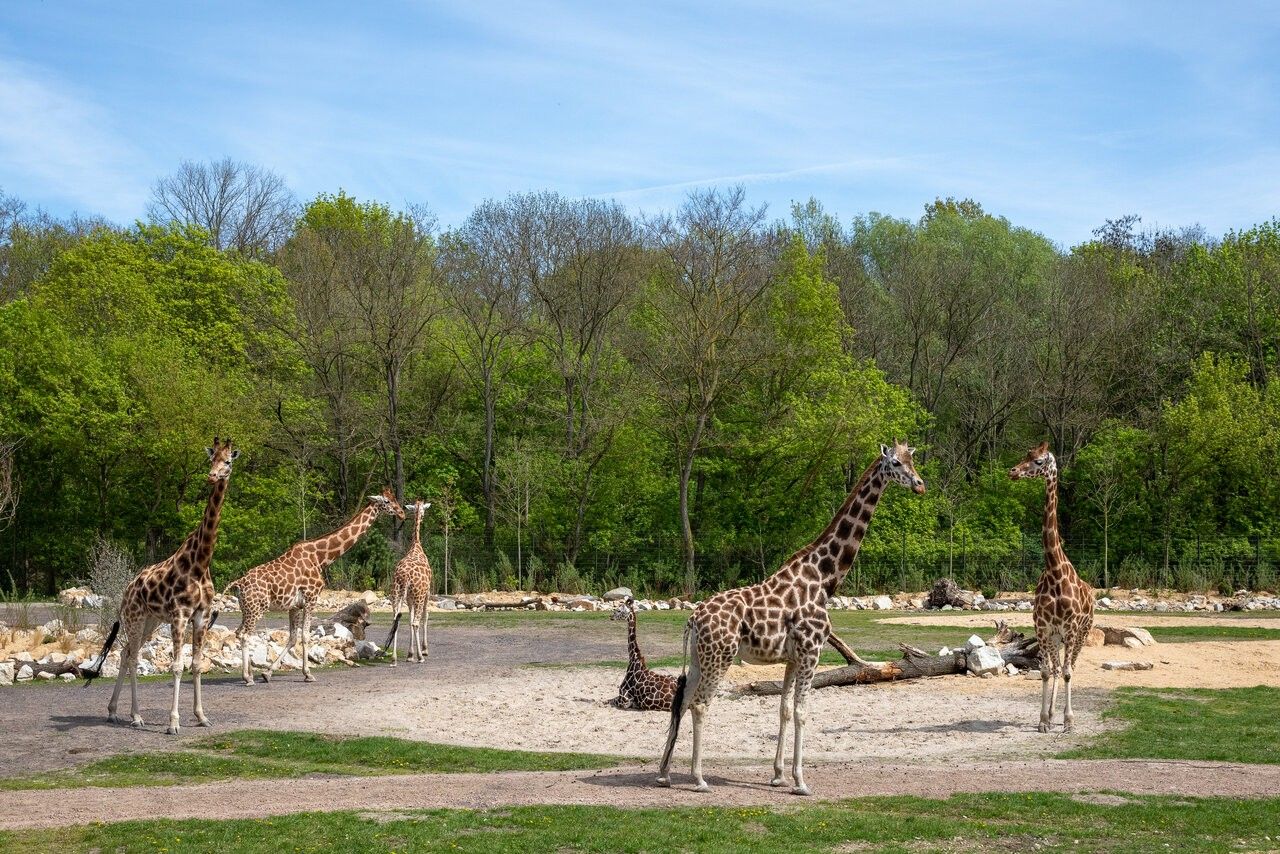
## Description Tierpark Berlin is one of the most impressive zoological parks in Europe and a standout attraction in the German capital. Unlike traditional city zoos, Tierpark Berlin is designed as a vast landscape park where animals live in spacious, naturalistic enclosures spread across rolling lawns, wooded areas, and historic parkland. With more than 160 hectares to explore, it offers a relaxed and immersive experience that feels closer to a nature reserve than a conventional zoo. What makes Tierpark Berlin truly unique is its scale and setting. It is the largest zoo in Europe by area, allowing animals such as elephants, giraffes, bison, and big cats to roam in environments that closely resemble their natural habitats. A little-known fact is that the zoo is located on the former grounds of Friedrichsfelde Palace, an 18th-century baroque residence that still stands at the heart of the park and is open to visitors. Another lesser-known detail is that Tierpark Berlin was established in 1955 in what was then East Berlin, serving as the counterpart to Zoo Berlin in the western part of the city during the Cold War. Today, Tierpark Berlin combines animal conservation, education, and leisure, making it especially appealing for families, nature lovers, and visitors seeking a slower-paced zoo experience. ## Location Tierpark Berlin is located in **Germany**, in the city-state of **Berlin**, within the **Lichtenberg** district. It lies in the eastern part of the city, surrounded by residential neighborhoods and green spaces. Getting there is simple using public transportation. The most convenient option is the U-Bahn (metro): take Line U5 to **Tierpark** station, which exits directly in front of the main entrance. Several bus and tram lines also stop nearby. For visitors traveling by car, parking is available close to the entrances, though public transport is generally the easiest and most efficient way to reach the zoo. ## Tips * Allow plenty of time for your visit; exploring Tierpark Berlin properly can take four to six hours or more. * Wear comfortable walking shoes, as distances inside the park are long. * Consider renting a wagon or using the park’s internal transport options if visiting with small children. * Bring snacks or enjoy one of the on-site cafés and restaurants, especially during longer visits. * Visit on weekdays or outside school holidays to enjoy a quieter atmosphere. * Check feeding times and animal talks in advance for a more educational experience. ## Conclusion Tierpark Berlin offers a unique zoo experience defined by space, greenery, and a strong focus on animal welfare. Its combination of wildlife, historic surroundings, and relaxed atmosphere makes it one of Berlin’s most rewarding attractions for visitors of all ages. ## FAQ **How is Tierpark Berlin different from Zoo Berlin?** Tierpark Berlin is much larger and more spacious, focusing on landscape-style enclosures, while Zoo Berlin is more compact and centrally located. **How long does a visit usually take?** Most visitors spend between four and six hours, though a full day is ideal for seeing everything at a relaxed pace. **Is Tierpark Berlin suitable for children?** Yes, it is very family-friendly, with playgrounds, open spaces, and child-focused facilities. **Is the zoo accessible for people with limited mobility?** Yes, the park has wide paths and is generally accessible, though the large size may require planning. **Can I visit Tierpark Berlin year-round?** Yes, the zoo is open throughout the year, with seasonal highlights in every season. ## Links * [Tierpark Berlin Official Website](https://www.tierpark-berlin.de) * [Visit Berlin Official Tourism Website](https://www.visitberlin.de)
GemVoyage Team • World
Paris
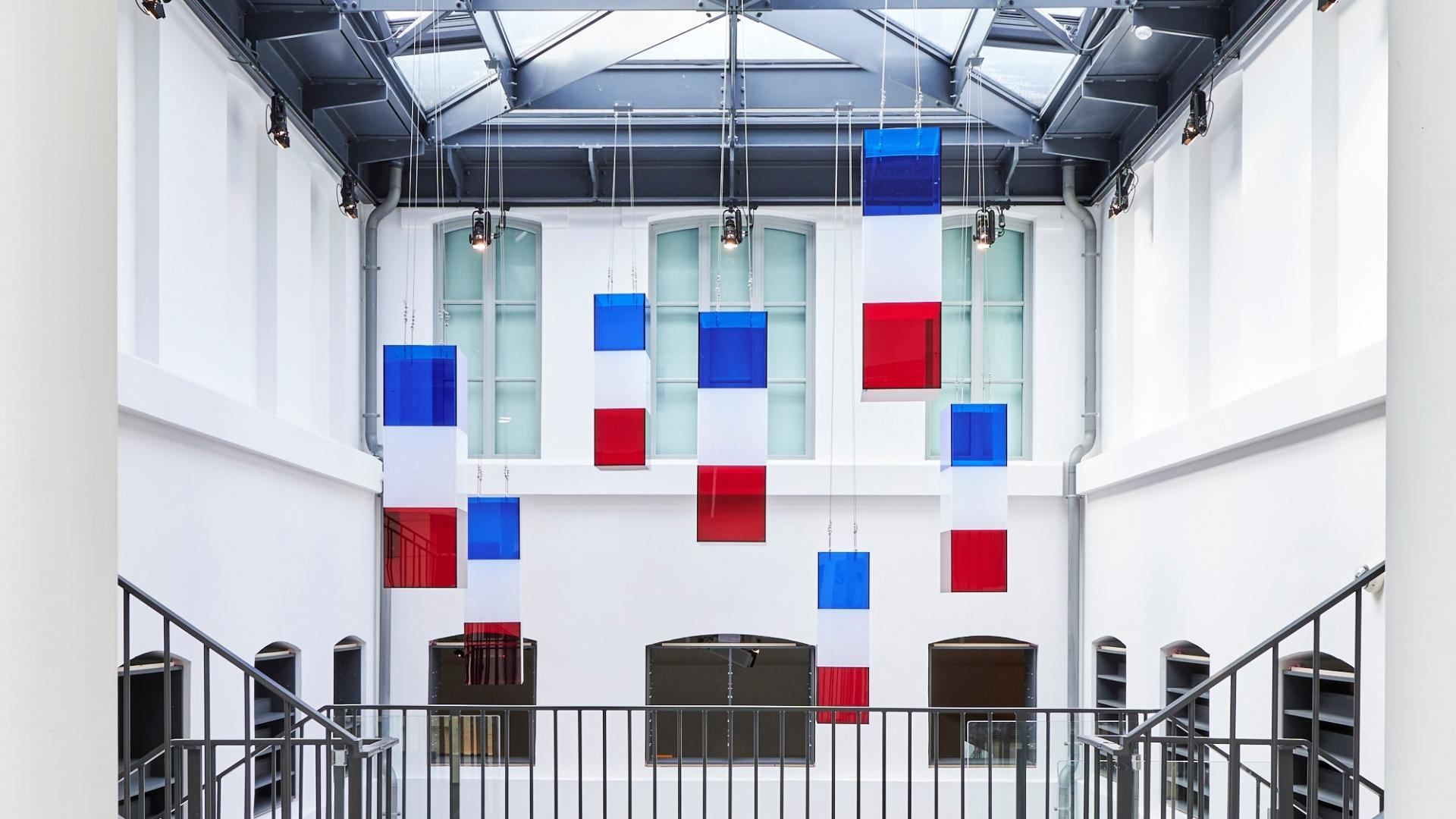
## Description **The Liberation of Paris Museum (Musée de la Libération de Paris – Musée du Général Leclerc – Musée Jean Moulin)** is one of the most important modern history museums in the French capital. Dedicated to the **German occupation of Paris (1940–1944)**, the **French Resistance**, and the **Liberation of Paris**, the museum offers a clear, unsentimental account of how the city endured, resisted, and ultimately reclaimed its freedom during World War II. What distinguishes this museum is its **focus on individuals rather than abstract events**. Through personal letters, photographs, uniforms, clandestine newspapers, and everyday objects, the museum tells the story of ordinary Parisians alongside key historical figures such as **Jean Moulin**, a central figure of the French Resistance, and **General Philippe Leclerc**, commander of the Free French forces that entered Paris in August 1944. The narrative is chronological and grounded, avoiding glorification while emphasizing moral courage and civil resistance. One of the museum’s most striking features is the preserved **underground command bunker** used by Colonel Henri Rol-Tanguy during the final days of the liberation. Visitors can descend into this space, which remains intact, offering a rare and visceral sense of wartime decision-making under pressure. A lesser-known fact is that this bunker was rediscovered relatively late and restored as part of the museum’s redesign. Another notable detail is that the museum relocated in 2019 to its current site to better reflect the historical geography of the liberation events. The museum is immersive without being overwhelming. It balances historical rigor with accessibility, making complex political and military developments understandable without diluting their seriousness. ## Location **Country:** France **Region:** Île-de-France **City:** Paris **Arrondissement:** 14th arrondissement The museum is located on **Place Denfert-Rochereau**, a historically symbolic site connected to resistance activity and wartime infrastructure. ### How to Get There * **By metro:** * Lines 4 and 6 to **Denfert-Rochereau** station. * **By RER:** * RER B stops at Denfert-Rochereau, providing direct access from airports and suburbs. * **By bus:** * Several bus lines stop directly at the square. * **On foot:** * Easily reachable from Montparnasse and surrounding neighborhoods. ## Tips * **Allow sufficient time:** Plan **1.5 to 2 hours** to fully absorb the exhibitions. * **Do not skip the bunker:** Access is limited in capacity but is a core part of the experience. * **Read the personal testimonies:** These provide emotional depth beyond dates and events. * **Visit before or after nearby sites:** The Paris Catacombs and Montparnasse Cemetery are close by. * **Suitable for older children and adults:** Some content may be intense for very young visitors. * **Free entry:** Take advantage of the museum’s permanent free access. ## Conclusion The Liberation of Paris Museum offers a sober, powerful exploration of one of the city’s defining moments. Through personal stories, preserved spaces, and clear historical context, it transforms the liberation of Paris from a symbolic event into a deeply human experience. ## FAQ **1. Is the museum free to visit?** Yes, permanent exhibitions are free for all visitors. **2. How long does the visit take?** Approximately **90 minutes to 2 hours**, depending on interest level. **3. Is the underground bunker accessible?** Yes, but access may be limited at busy times due to space constraints. **4. Is the museum suitable for non-French speakers?** Yes. Exhibits are well-labeled, and much of the content is available in multiple languages. **5. Does the museum focus only on Paris?** Primarily, but it also addresses broader resistance networks and Free French operations. **6. Is photography allowed?** Photography is generally permitted, but flash and tripods may be restricted. ## Links * [City of Paris museums portal](https://www.paris.fr) * [Official Museum Website](https://www.museeliberation-leclerc-moulin.paris.fr/en)
GemVoyage Team • World

Comments