GemVoyage Team • World
The Museo delle Illusioni – MDI in Milan is a contemporary museum designed to challenge the viewer’s understanding of vision, perception, spatial logic, and cognitive bias. Unlike traditional museums that focus on historical artifacts or fine arts, MDI operates at the intersection of science, psychology, and interactive entertainment, offering an environment where visitors actively participate in the experience rather than observe passively.
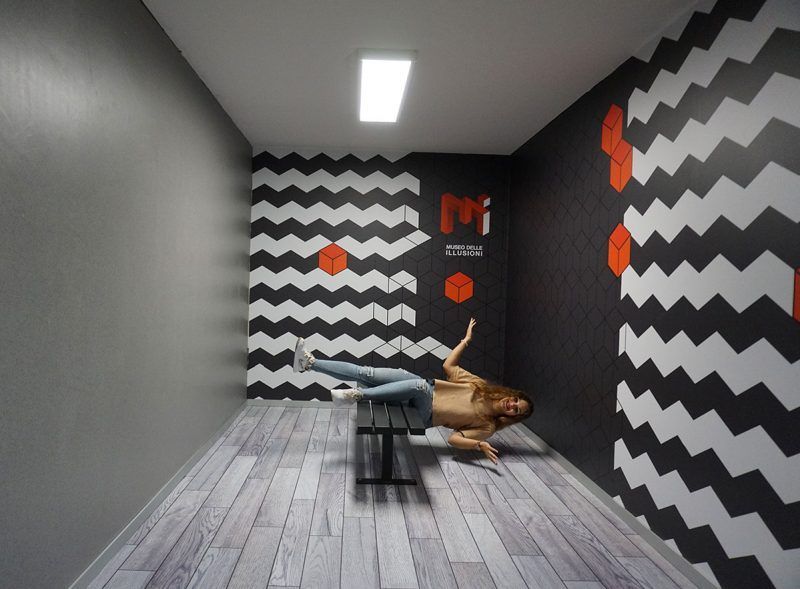
The space is filled with optical illusions, perspective rooms, rotating installations, holograms, paradox structures, and sensory challenges that push visitors to reconsider how the brain interprets visual information. Every room is intentionally constructed to distort scale, depth, orientation, and movement. The museum’s core idea is simple but effective: what you see is not always what exists, and the brain can be easily misled when context changes.
What differentiates Milan’s MDI from similar illusion museums elsewhere is its emphasis on sleek design and technical precision. Installations are engineered with high production quality and clean aesthetics consistent with Milan’s reputation as a design capital. The lighting, angles, and surfaces are calibrated to deliver strong photographic effects, making the museum particularly popular among visitors who enjoy creative photography and social media content.
Many exhibits demonstrate foundational principles of Gestalt psychology, neuroscience, and geometry, though without overwhelming visitors with complex scientific language. The goal is to make scientific concepts intuitive, experiential, and playful. By physically stepping into illusions, visitors experience cognitive phenomena that are normally confined to textbooks or laboratory experiments.
A little-known fact is that several rooms in the museum use forced perspective techniques originally borrowed from early film production and Renaissance stage design. Another interesting detail is that some of the illusions at MDI come from a global research network of visual-perception experts who continually update the installations based on emerging cognitive science findings.
Emotionally, the museum operates on a gradient between surprise and curiosity. Children laugh at rooms where gravity seems reversed, adults puzzle over patterns that appear to move, and groups experiment with depth tricks to produce impossible photographs. The museum’s strength lies in its ability to make intellectual play accessible, bridging the gap between learning and entertainment.
MDI is not a large museum, and it does not intend to be. Its impact comes from concentration, novelty, and careful choreography. A visit typically moves quickly, but the density of experiences ensures that visitors remain mentally engaged throughout.
In a city known for design excellence, the Museo delle Illusioni offers a refreshing and contemporary counterpoint: an environment where visual culture becomes an interactive game, and where perception becomes the main exhibit.
The Museo delle Illusioni – MDI is located in the central area of Milan, close to major attractions and easily accessible on foot or by public transport.
City: Milan
Region: Lombardy (Lombardia)
Country: Italy
Address Area: Near Porta Venezia and the Corso Buenos Aires district
* M1 (Red Line) to Porta Venezia; the museum is a short 5–7 minute walk.
Its central location makes it convenient to pair with shopping, dining, or museum visits in the same outing.
The Museo delle Illusioni – MDI in Milan delivers an intelligent, playful, and visually rich exploration of how the mind constructs reality. With its polished installations, scientific underpinnings, and strong interactive component, it stands out as one of the city’s most modern cultural experiences. It offers not only entertainment, but also a clear reminder that perception is fundamentally subjective.
1. How long does a typical visit take?
Most visitors spend about one hour exploring the installations.
2. Is the museum suitable for children?
Yes. It is highly family-friendly, with exhibits designed for all ages.
3. Do I need to book in advance?
Yes. Online reservation is recommended to secure preferred time slots.
4. Can I take photos inside?
Absolutely. Photography is encouraged, and many rooms are designed for it.
5. Is the museum accessible?
Most areas are accessible for visitors with reduced mobility, though some illusions may be difficult to experience physically.
6. Is it crowded?
It depends on the time and day. Weekends and holidays are the busiest.
Discover more hidden gems you might love.
Zaragoza
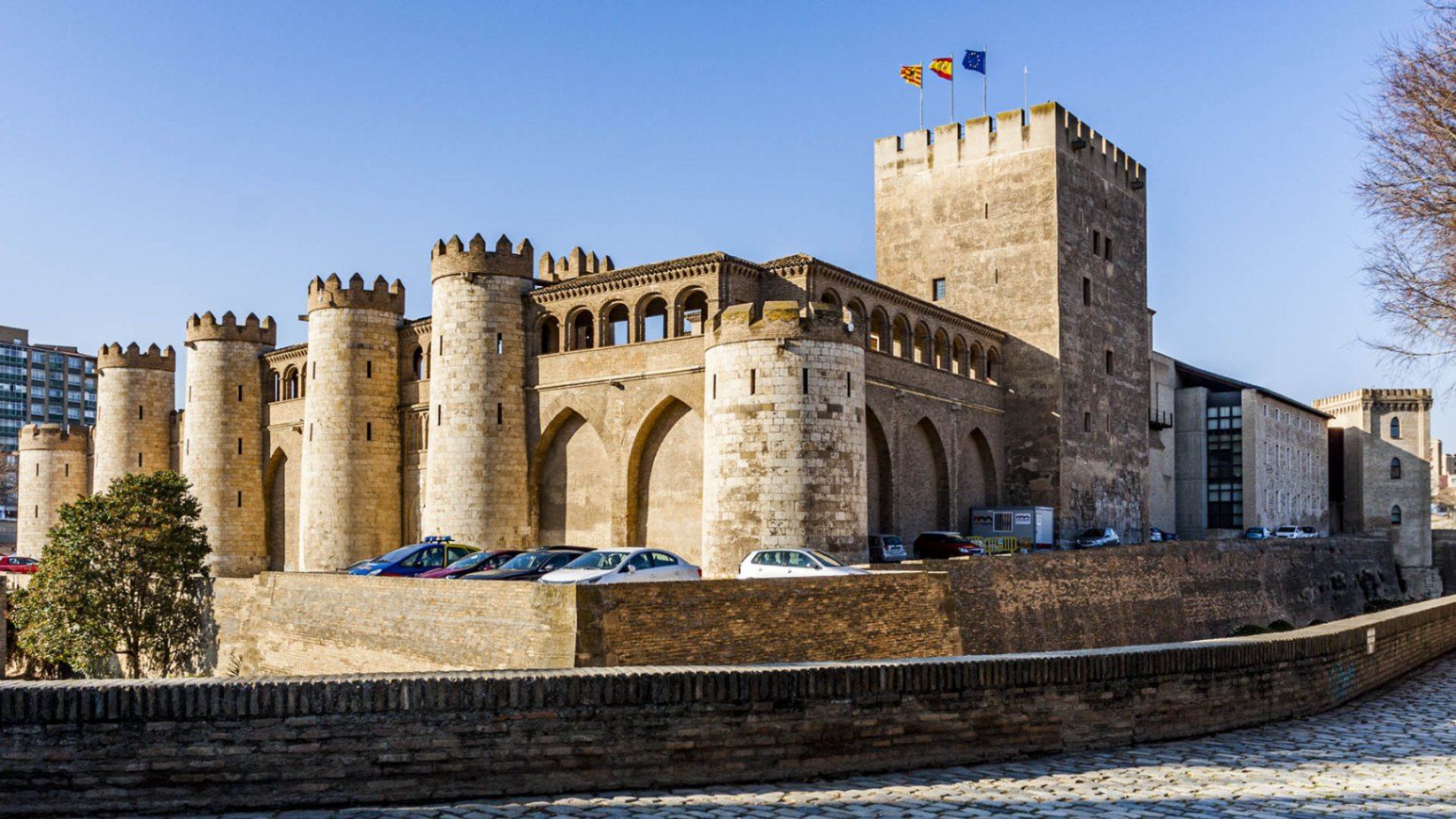
## Description The **Palacio de la Aljafería** is one of Spain’s most remarkable monuments, a living testimony to the country’s diverse cultural and architectural history. Built in the second half of the 11th century by the Muslim rulers of Zaragoza, the palace originally served as a fortified royal residence during the taifa kingdom period. Its delicate arches, intricate stucco work, and lush courtyards reflect the splendor of Islamic art at its peak in the Iberian Peninsula. What makes Aljafería unique is the way its history is layered within its walls. After the Christian conquest of Zaragoza in 1118, the palace was transformed into the residence of the Catholic monarchs, Ferdinand and Isabella, who added Renaissance elements while preserving much of the Islamic structure. Later, it served as a military barracks, and today it houses the regional parliament of Aragón. Few buildings in Spain embody such a continuous blend of Islamic, Christian, and modern political life. A little-known fact is that the palace inspired key architectural motifs in Spain’s most famous Moorish monument, the **Alhambra in Granada**. Another fascinating detail is that the palace appears in literature: it is the setting for *Las Cortes de la Muerte*, a play by Lope de Vega, reflecting its enduring cultural significance. ## Location The Aljafería Palace is located in **Zaragoza**, the capital of the **Aragón** region in northeastern **Spain**. The palace lies just west of Zaragoza’s city center, on Calle de los Diputados, about 20 minutes on foot from the Plaza del Pilar, where the Basilica of Our Lady of the Pillar stands. Visitors arriving by train to Zaragoza-Delicias station can reach the palace in around 10 minutes by bus or taxi. From Madrid or Barcelona, Zaragoza is easily accessible by high-speed AVE train in just over 1.5 hours, making the Aljafería an ideal stop for travelers exploring northern Spain. Walking or public transport is the best way to reach the palace once in the city. ## Tips * **Book in advance:** Entry is limited, and guided tours often sell out quickly, especially in peak tourist seasons. * **Take a guided tour:** Guides explain the symbolism of the Islamic decorations and the historical transitions that shaped the palace. * **Check opening hours:** The palace is closed on certain public holidays and has reduced hours in winter. * **Combine with other sites:** Pair your visit with the Basilica del Pilar and La Seo Cathedral for a full picture of Zaragoza’s religious and cultural heritage. * **Photography tip:** Morning light is best for photographing the courtyards and intricate arches. Flash photography inside is not permitted. * **Allow enough time:** Set aside at least 1.5–2 hours to fully enjoy the architecture, exhibitions, and gardens. ## Conclusion The **Aljafería Palace** is a masterpiece of Islamic architecture in Spain, later enriched with Christian and Renaissance elements. Its rich history, architectural beauty, and continued political role make it one of Zaragoza’s most important landmarks. For travelers seeking to understand Spain’s layered cultural identity, the Aljafería is an unmissable destination. ## FAQ **1. What is the Aljafería Palace best known for?** It is best known for its Islamic architecture from the taifa period, its later Christian additions, and its role as the seat of the Aragonese parliament. **2. How much time do I need to visit?** A thorough visit takes about 1.5 to 2 hours, especially if you join a guided tour. **3. Is the palace family-friendly?** Yes, the palace is suitable for families. Children often enjoy exploring its courtyards and fortress-like exterior. **4. Are guided tours available in English?** Yes, guided tours in English and other languages are available but should be booked in advance. **5. Is the palace included in UNESCO World Heritage?** The Aljafería itself is not individually listed, but it is part of the broader UNESCO designation of **Mudejar Architecture of Aragón**, recognized for its cultural significance. **6. Can I buy tickets online?** Yes, tickets can be purchased online through official Zaragoza or Aragón tourism websites. ## Links * [Official Tourism of Aragón – Aljafería Palace](https://www.turismodearagon.com) * [Zaragoza Tourism – Palacio de la Aljafería](https://www.zaragoza.es/turismo)
GemVoyage Team • World
Berlin
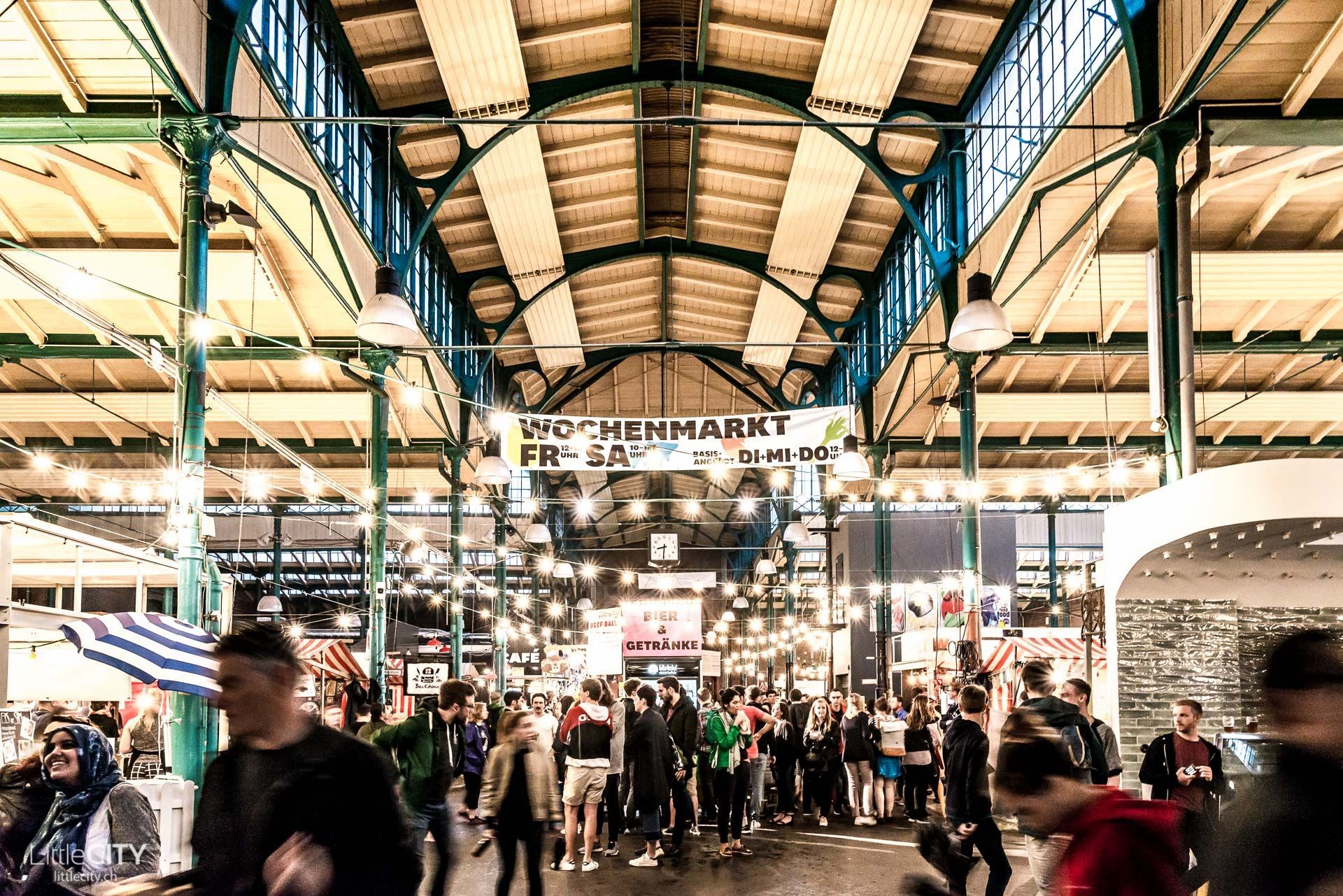
## Description Markthalle Neun is one of Berlin’s most engaging food destinations because it combines history, neighborhood identity, and culinary experimentation in a single space. Unlike a polished shopping mall or a generic indoor market, it feels deeply rooted in Kreuzberg’s local culture. The building itself carries the atmosphere of a traditional market hall, but the life inside it is contemporary and dynamic. Visitors come for food, but they stay because the market offers a sense of community and urban character that is hard to fake. One of the hall’s greatest strengths is variety. Depending on the day and the event schedule, you might encounter street food, specialty produce, artisan products, small-batch drinks, or themed market programming. That flexibility is part of why Markthalle Neun has become such an important Berlin institution. It is not frozen in one format. Instead, it adapts to local tastes and seasonal ideas while still keeping the market tradition visible. That makes it feel both authentic and current. The hall is especially known for helping local and sustainable food culture gain a stronger public profile. Many visitors think of it as a place to eat, but it is also a platform for small producers and creative cooks. A lesser-known fact is that the market has played a major role in shaping Berlin’s reputation as a city where food can be casual, ethically minded, and inventive without being stiff or overly formal. Another is that the hall’s atmosphere often feels more neighborhood-driven than tourist-driven, which gives the experience a welcome sense of local rhythm. The best visits are usually those where you arrive with time to sample, browse, and absorb the setting. The hall can feel energetic but not overwhelming, and that balance makes it pleasant for visitors who enjoy urban food culture. It is a place where lunch can turn into an afternoon, especially if there is a special market theme or event happening. Because of that, Markthalle Neun is more than a place to eat. It is a place to understand one of Berlin’s most appealing everyday social spaces. ## Location Markthalle Neun is in Berlin, Germany, in the Kreuzberg district. The location places it in one of the city’s most culturally active neighborhoods, with cafés, bars, shops, and street life all around it. Public transport is the easiest way to get there. From other central Berlin neighborhoods, you can reach Kreuzberg quickly and then continue on foot. That works especially well if you want to combine the market with a broader walk through the district. Because Kreuzberg is lively and dense, walking the neighborhood after the market can be just as rewarding as the market itself. If you are planning around a particular event or market day, check the schedule in advance. The hall’s activity changes significantly depending on what is happening there, and timing can shape the entire experience. ## Tips Arrive hungry, but do not fill up too fast. It is better to sample a few things and leave room for whatever looks best once you are inside. Check which day or theme is running before you go, because the market’s identity changes with programming. Some days are much stronger for specific types of food than others. Bring a little flexibility. The hall is most rewarding when you let yourself wander and compare options rather than trying to decide everything immediately. If you care about atmosphere as much as food, pair the visit with a Kreuzberg walk. The market becomes even more meaningful when seen as part of the neighborhood around it. The hall is also useful for travelers who want to understand Berlin through everyday culture rather than only through monuments and museums. Kreuzberg’s identity has long been shaped by migration, experimentation, and community-based creativity, and Markthalle Neun reflects that very clearly. Even if you only stop in for a snack, the space gives you a stronger sense of how Berlin’s food scene is tied to local life, not just to polished hospitality. ## Conclusion Markthalle Neun is one of Berlin’s best food-focused attractions because it combines historic market architecture with a modern, community-oriented food culture. It is a standout stop for travelers who want a taste of local life. ## FAQ **What is Markthalle Neun known for?** It is known for its food culture, market events, and strong local identity in Kreuzberg. **Is it only for lunch?** No. The market can be worth visiting at different times depending on programming and special events. **How long should I stay?** One to two hours is a good baseline, longer if you want to eat, shop, and explore the area. **Is it touristy?** It attracts visitors, but it still feels strongly tied to local Berlin food culture. **Should I check the schedule first?** Yes. The market’s offerings can change significantly depending on the day. ## Links - [Official website](https://markthalleneun.de/en/)
GemVoyage Team • World
Yokohama
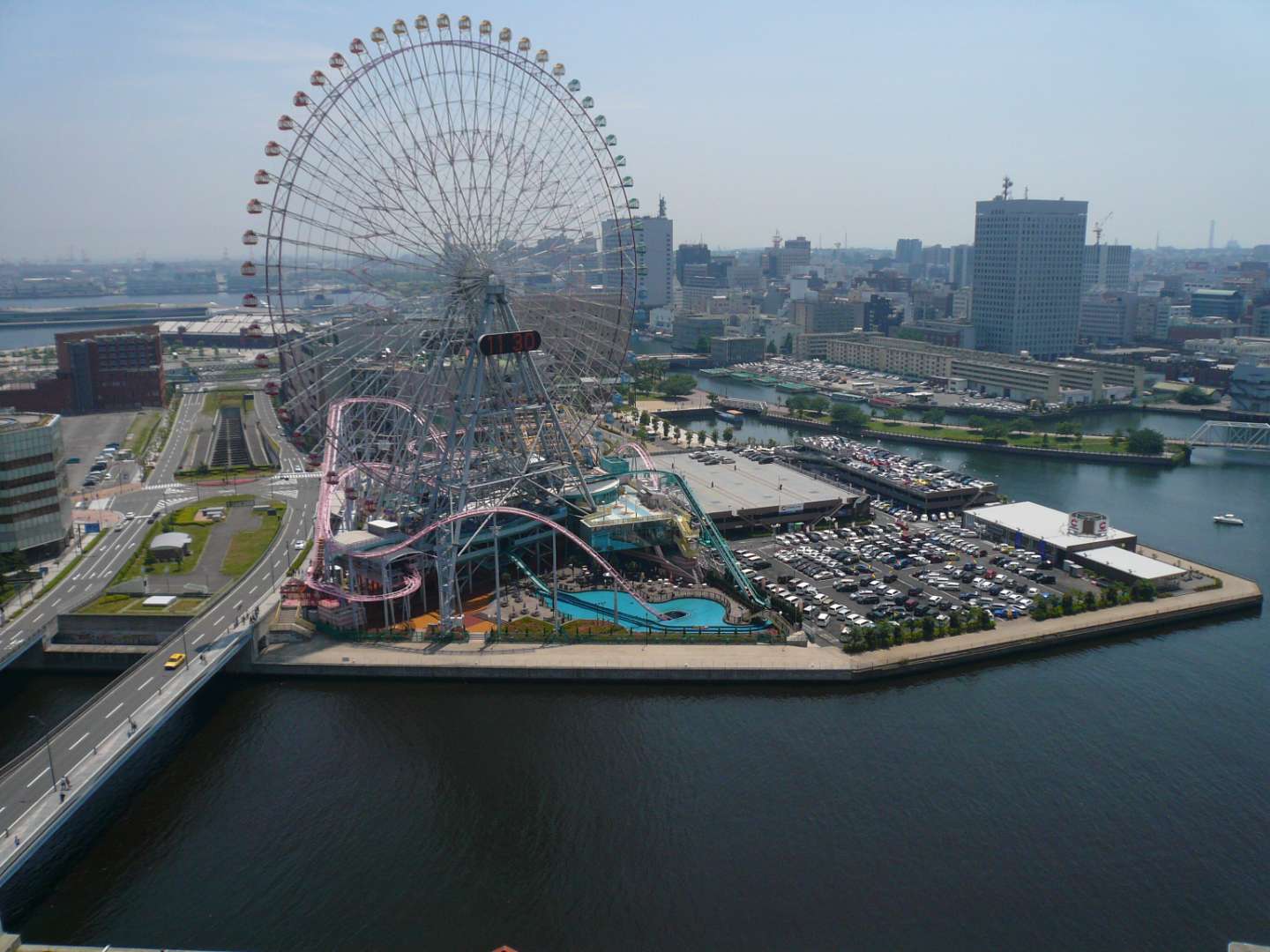
## Description Cosmo World in Yokohama is a vibrant urban amusement park that blends thrilling rides, family-friendly attractions, and waterfront views into one unforgettable experience. Located in the heart of the Minato Mirai 21 district, this compact yet dynamic park is best known for its iconic Ferris wheel, Cosmo Clock 21, which once held the title of the world’s largest Ferris wheel with a clock. Towering over the city skyline, it offers panoramic views of Yokohama Bay and the surrounding urban landscape, especially stunning at night when the wheel lights up in dazzling colors. The park is divided into three distinct zones: the Wonder Amuse Zone, Burano Street Zone, and Kids Carnival Zone. Each area caters to different age groups and interests. The Wonder Amuse Zone features high-adrenaline rides like the Diving Coaster: Vanish, a roller coaster that plunges into a tunnel beneath a pool of water. The Burano Street Zone offers quirky attractions such as mirror mazes and haunted houses, while the Kids Carnival Zone is perfect for younger children with gentle rides and arcade games. A little-known fact: Cosmo World originated from the Yokohama Exotic Showcase in 1989, and the Ferris wheel was part of a temporary exhibition before becoming a permanent fixture. Another unique detail is that admission to the park is free—you only pay for the rides you choose to enjoy, making it an accessible destination for all budgets. ## Location Cosmo World is located in **Japan**, in the **Kanagawa Prefecture**, within the city of **Yokohama**. It sits in the **Minato Mirai 21 district**, a modern waterfront area known for its shopping, entertainment, and cultural attractions. ### How to Get There - **By Train**: The park is a short walk from Minato Mirai Station (Minato Mirai Line) and Sakuragicho Station (JR Keihin-Tohoku Line and Yokohama Municipal Subway Blue Line). - **By Bus**: Several local buses stop near the Minato Mirai area. - **By Foot**: If you're exploring the waterfront, Cosmo World is easily accessible from nearby attractions like Landmark Tower and the Yokohama Red Brick Warehouse. - **By Car**: Parking is available in nearby lots, though public transport is recommended due to traffic and convenience. Its central location makes it an easy addition to any Yokohama itinerary. ## Tips - **Visit in the Evening**: The illuminated Ferris wheel and waterfront views are especially magical after sunset. - **Buy a Ride Pass**: While entry is free, purchasing a ride pass can save money if you plan to try multiple attractions. - **Check Height Restrictions**: Some rides have strict height and age requirements, so check ahead if visiting with children. - **Avoid Peak Hours**: Weekends and holidays can be crowded. Weekday afternoons are generally quieter. - **Bring Cash**: Some ticket booths and vending machines may not accept cards. - **Combine with Nearby Attractions**: Pair your visit with a trip to CupNoodles Museum or a harbor cruise for a full day of fun. ## Conclusion Cosmo World in Yokohama is a compact yet exhilarating amusement park that offers something for everyone—from heart-pounding roller coasters to scenic Ferris wheel rides. Its waterfront location, free entry, and diverse attractions make it a must-visit for families, couples, and solo travelers alike. ## FAQ **1. Is there an entrance fee to Cosmo World?** No, admission is free. You only pay for the rides you choose to go on. **2. What are the operating hours?** Typically, the park operates from 11:00 AM to 8:00 PM, but hours may vary seasonally or due to weather. **3. Is Cosmo World suitable for young children?** Yes, the Kids Carnival Zone is designed specifically for younger visitors. **4. Can I buy tickets online?** Ride tickets are generally purchased on-site. Some packages may be available through travel agencies. **5. Is the Ferris wheel wheelchair accessible?** Yes, Cosmo Clock 21 is accessible for wheelchair users. **6. Are food and drinks allowed inside the park?** Outside food and drinks are not permitted, but there are cafés and vending machines within the park. ## Links - [Cosmo World Official Website](https://cosmoworld.jp/about/?lang=en) - [Yokohama Cosmo World – Wikipedia Overview](https://en.wikipedia.org/wiki/Yokohama_Cosmo_World)
GemVoyage Team • World
Thessaly
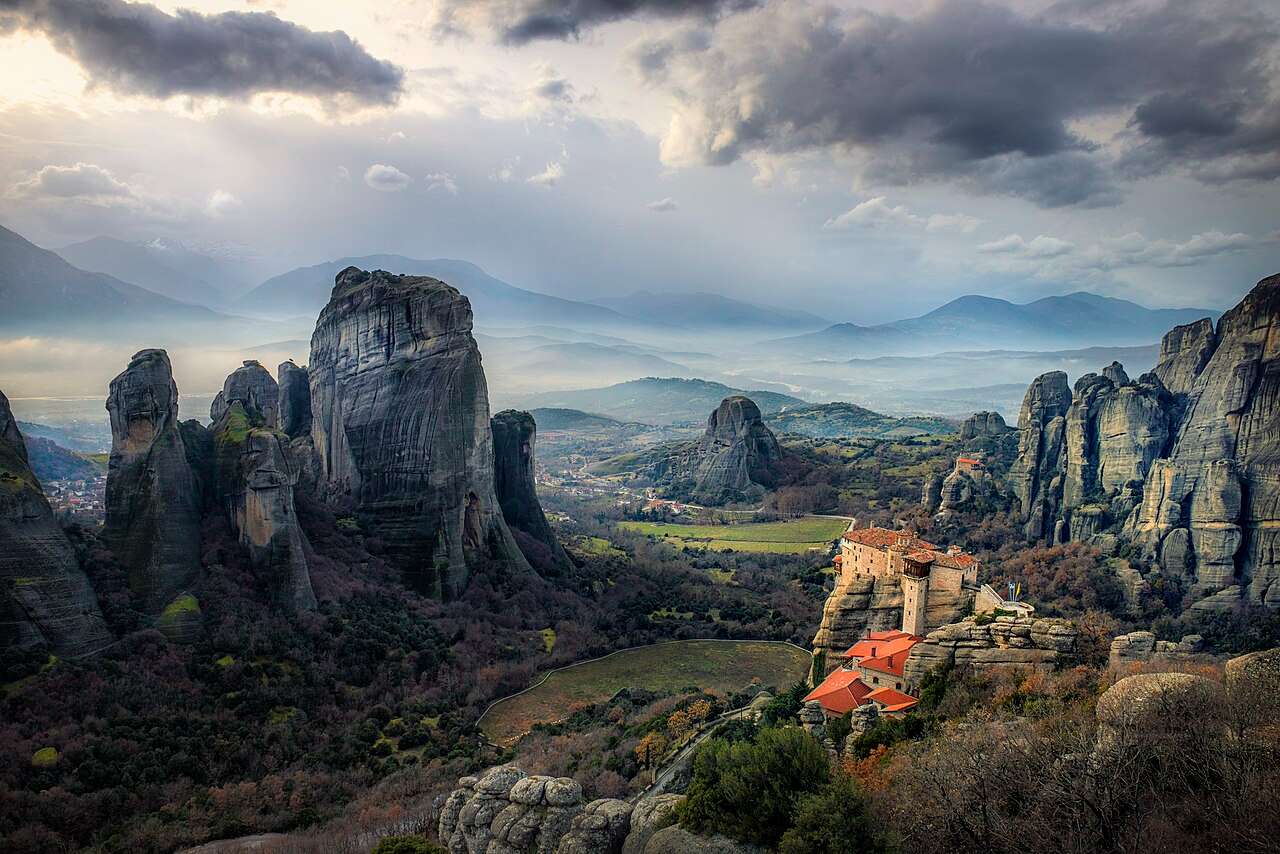
## Description The Meteora is one of Greece’s most awe-inspiring destinations, a place where nature and spirituality converge in dramatic fashion. Towering sandstone pillars rise from the plains of Thessaly, crowned by centuries-old Eastern Orthodox monasteries that seem to defy gravity. The name “Meteora” translates to “suspended in the air,” a fitting description for these monastic retreats perched atop rock formations that reach heights of over 400 meters. The site’s uniqueness lies not only in its geological wonder but also in its spiritual and historical significance. Monks began settling in the area as early as the 11th century, seeking solitude and safety from invading forces. By the 14th century, they had constructed monasteries atop the cliffs, accessible only by rope ladders and winches. Today, six of the original twenty-four monasteries remain active and open to visitors: Great Meteoron, Varlaam, Rousanou, St. Nicholas Anapausas, Holy Trinity, and St. Stephen. A little-known fact: the rock formations of Meteora are composed of sandstone and conglomerate, formed over millions of years from river deposits. Another intriguing detail is that the Monastery of Holy Trinity was featured in the James Bond film “For Your Eyes Only,” adding a touch of cinematic fame to its spiritual legacy. ## Location The Meteora is located in **Greece**, in the **Thessaly region**, near the **town of Kalabaka** and the **village of Kastraki**. It sits at the northwestern edge of the Thessalian Plain, close to the Pindus Mountains. ### How to Get There - **By Train**: From Athens, take a direct train to Kalabaka (approximately 4.5–5 hours). Trains also run from Thessaloniki via Palaiofarsalos. - **By Bus**: Buses connect Athens and Thessaloniki to Trikala, with onward connections to Kalabaka. - **By Car**: Driving from Athens takes about 4–5 hours. The route offers scenic views and flexibility for exploring nearby villages. - **By Tour**: Guided day trips from Athens or Thessaloniki are available and often include transportation, monastery visits, and local insights. Once in Kalabaka, the monasteries are accessible by car, taxi, or hiking trails. ## Tips - **Dress Appropriately**: Modest clothing is required. Men should wear long pants, and women should wear skirts below the knee and cover their shoulders. Some monasteries provide wraps at the entrance. - **Start Early**: Begin your visit in the morning to avoid crowds and enjoy cooler temperatures. - **Check Opening Hours**: Each monastery has its own schedule and may be closed on specific days. Plan accordingly. - **Wear Comfortable Shoes**: Many monasteries require climbing steps or walking on uneven terrain. - **Bring Water and Snacks**: Facilities are limited, especially on hiking trails. - **Explore Beyond the Monasteries**: The surrounding landscape offers excellent hiking, photography, and opportunities to visit traditional villages like Kastraki. ## Conclusion The Meteora is a breathtaking blend of natural grandeur and spiritual heritage. With its towering rock formations and cliff-top monasteries, it offers a profound experience for travelers seeking beauty, history, and tranquility in one of Greece’s most iconic landscapes. ## FAQ **1. How many monasteries can be visited at Meteora?** Six monasteries are open to the public, each with its own unique architecture and history. **2. Is there an entrance fee?** Yes, each monastery charges a small fee (usually around €3–5 per person). **3. Can I hike between the monasteries?** Yes, well-marked trails connect many of the monasteries. Hiking is a popular way to explore the area. **4. Are guided tours available?** Yes, local guides offer walking tours, cultural insights, and transportation options. **5. Is Meteora suitable for children?** Yes, but some monasteries require climbing steep steps, so supervision and physical readiness are important. **6. What is the best time to visit Meteora?** Spring and autumn offer mild weather and fewer crowds. Summer can be hot and busy, while winter is quieter but colder. ## Links - [Meteora – Wikipedia Overview](https://en.wikipedia.org/wiki/Meteora) - [Visit Meteora – Monastery Guide and Tours](https://visitmeteora.travel/meteora-monasteries/)
GemVoyage Team • World
Dubysa
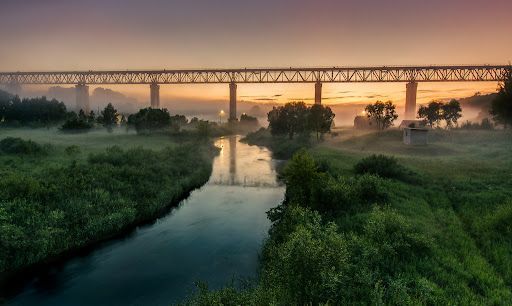
## Description Lyduvėnai Bridge is an arresting piece of nineteenth- and twentieth-century engineering that spans the deep, wooded Dubysa River valley near Lyduvėnai. Its soaring iron arches and lattice work combine functional railway engineering with a sculptural presence that is particularly striking when framed by the steep gorge below. Photographers, history enthusiasts and hikers are drawn to the site for the dramatic perspectives it creates—an industrial monument suspended over a wild, verdant canyon. Over time the bridge has required restorations and careful maintenance, and those interventions are part of its layered history. Local preservation efforts have sought to keep the bridge operational while respecting its historical materials and structure. The engineered spans and riveted ironwork tell a story about rail transport, regional development and the craft of steel construction. Beyond its technical merits, Lyduvėnai Bridge sits within a landscape of trails, viewpoints and small rural roads that allow visitors to explore the canyon from multiple angles. Birdsong and river sounds contrast with the bridge’s metallic lines, and seasonal changes—spring greens, autumn foliage—transform the setting dramatically, offering different moods for photographic study. ## Location Lyduvėnai Bridge is located near the village of Lyduvėnai in Raseiniai district municipality, Kaunas County, central-western Lithuania. It spans the Dubysa River in a steep, forested valley that is characteristic of the region’s mixed agricultural and wooded landscape. Access is most convenient by car: follow regional roads from Raseiniai and nearby towns. Public transport to the immediate vicinity is limited, so visitors relying on buses or trains should plan for a taxi or private transfer for the final leg. The rural setting rewards a slower pace—park at designated pullouts or village car parks and follow marked trails toward viewpoints. ## Tips - Photograph at golden hour—early morning or late afternoon—when light sculpts the ironwork and the valley takes on warm tones. - Never walk on active tracks; use official viewpoints and trails to keep a safe distance while still getting dramatic compositions. - Bring sturdy shoes and insect repellant for nearby trails; the area can be steep and overgrown in parts. - Combine the visit with local villages, riverside hikes and birdwatching; pack water and snacks as amenities are sparse. - Check local guidance on accessibility—some viewpoints require steep walks, while others are more level and family-friendly. ## Conclusion Lyduvėnai Bridge is an exemplar of how engineering and landscape can produce a site of compelling beauty. The bridge rewards visitors who slow down to observe structural detail, changing light and the interplay of human craft with natural settings. Whether you come for history, photography or a quiet day outdoors, the bridge and its surrounding valley offer memorable vistas and a distinct slice of regional heritage. ## FAQ Q: Can visitors walk across the bridge? A: No. For safety and legal reasons, do not walk on active railway tracks. Use the designated viewpoints and trails which provide safe vantage points. Q: Is the bridge accessible by car? A: Yes, but roads are rural and sometimes narrow—drive carefully and park only in designated areas or official pullouts. Q: Are there guided tours or information panels on site? A: Information is limited on-site; local heritage groups sometimes publish guides or online materials—check regional tourism resources for up-to-date information. Q: What wildlife might I see in the Dubysa valley? A: The valley supports woodland birds, small mammals and a range of plant life; spring and autumn are best for birdwatching and seasonal flora. Q: Is it possible to photograph the bridge from below? A: Some viewpoints near the riverside allow lower-angle shots, but access may be steep and require caution; respect private property and posted restrictions. ## Links - [Lyduvėnai Bridge](https://militaryheritagetourism.info/en/military/sites/view/800)
GemVoyage Team • World
Jeddah
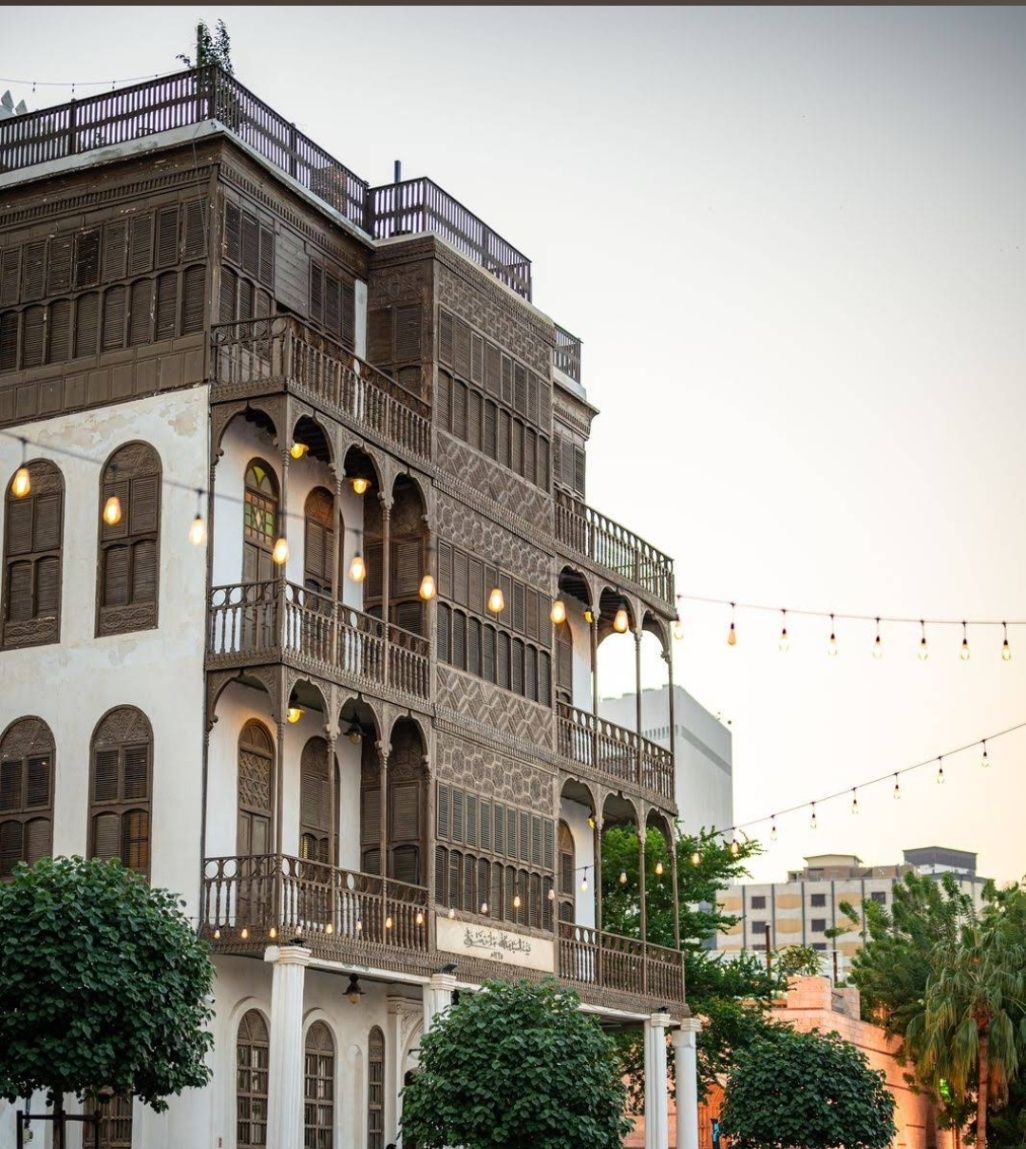
## Description The **Al Sharbatly House**, also known as **Beit Al Sharbatly**, is one of the most iconic heritage houses in **Al-Balad**, the historic district of Jeddah. This grand residence is a striking example of traditional Hijazi architecture, characterized by its intricate wooden lattice windows known as **“Rawasheen”**, coral stone walls, and spacious inner courtyards. Built during the late 19th century, the house reflects the wealth and influence of Jeddah’s prominent merchant families during the height of its trade connections across the Red Sea and Indian Ocean. What makes Al Sharbatly House unique is not just its architectural beauty but also its cultural significance. The house was once the residence of the **Egyptian Consulate** in Jeddah and later became the home of the well-known Sharbatly family, who played a vital role in the region’s economy. Today, it stands as a preserved monument within Jeddah’s UNESCO-listed Old Town, attracting both tourists and architecture enthusiasts. A lesser-known fact is that the house, like many other buildings in Al-Balad, was constructed using **coral stones sourced from the Red Sea**, combined with lime mortar. This gave the structure both strength and natural ventilation suited for Jeddah’s hot climate. Another interesting detail is that the elaborately carved wooden windows were not only decorative but also functional, allowing families to observe the busy streets outside without being seen themselves. ## Location Al Sharbatly House is located in **Al-Balad**, the historic center of **Jeddah**, in the **Makkah Province of Saudi Arabia**. This district is a living museum of Hijazi culture, with dozens of preserved houses, mosques, and souks dating back hundreds of years. Getting there is convenient. If you are traveling from **King Abdulaziz International Airport (JED)**, it takes around 30 minutes by car to reach Al-Balad. Taxis and ride-hailing services like Uber and Careem are readily available. Once inside Al-Balad, the best way to explore is on foot, as the narrow alleys and pedestrian-friendly streets are filled with heritage houses, traditional markets, and cultural landmarks. Guided walking tours are also available and highly recommended for first-time visitors. ## Tips Here are some helpful tips to make your visit to Al Sharbatly House and the Al-Balad district more enjoyable: * **Dress modestly** – As with all cultural and historical sites in Saudi Arabia, visitors should wear modest clothing in line with local customs. * **Visit in the evening** – The area comes alive at night when the houses are beautifully lit, and the markets bustle with activity. * **Hire a guide** – To fully appreciate the history and architecture, consider joining a guided tour that includes the house and other landmarks. * **Bring a camera** – The Rawasheen windows, carved doors, and narrow alleyways make for stunning photography opportunities. * **Stay hydrated** – Jeddah’s climate can be hot and humid, so carry water, especially if exploring during the day. * **Combine with nearby attractions** – Don’t miss other notable houses like Beit Nassif and the old souks in Al-Balad, which offer a full cultural immersion. ## Conclusion The **Al Sharbatly House in Jeddah** is a shining example of traditional Hijazi architecture and a key highlight of the city’s historic district. With its coral stone walls, elegant Rawasheen windows, and rich history, it offers visitors a glimpse into the heritage of one of Arabia’s most important Red Sea port cities. Whether you’re passionate about history, culture, or architecture, a visit to this house and its surroundings is a journey into Jeddah’s fascinating past. ## FAQ **1. What is Al Sharbatly House famous for?** It is known for its traditional Hijazi architecture, coral stone construction, and intricate wooden lattice windows (Rawasheen). **2. Can tourists enter Al Sharbatly House?** Access may vary, as some heritage houses in Al-Balad are open for tours, while others are preserved as cultural landmarks. Guided tours often include visits to the house. **3. Is Al-Balad a UNESCO World Heritage Site?** Yes, Jeddah’s Al-Balad district, where Al Sharbatly House is located, was inscribed on the UNESCO World Heritage List in 2014. **4. How long does it take to visit Al Sharbatly House and Al-Balad?** A half-day visit is recommended to explore the house and the surrounding historic district, though history enthusiasts may wish to spend longer. **5. When is the best time to visit?** Evenings are ideal due to cooler temperatures and the lively atmosphere in the old town. **6. What other attractions are nearby?** Nearby attractions include Beit Nassif, the Old Souk (Souq Al-Alawi), historic mosques, and several other heritage houses in Al-Balad. ## Links * [Saudi Tourism – Visit Jeddah](https://www.visitsaudi.com) * [UNESCO World Heritage – Historic Jeddah](https://whc.unesco.org/en/list/1361)
GemVoyage Team • World

Comments