GemVoyage Team • World
Villa Tittoni Traversi, also known as Villa Cusani Tittoni Traversi, is an elegant neoclassical villa that represents an important chapter in the architectural and cultural history of the Milan area. Originally conceived as a noble residence, the villa stands out for its refined design, harmonious proportions, and its close relationship with the surrounding landscape. Today, it serves as a cultural venue, hosting exhibitions, events, and public activities that keep its historical legacy alive.
What makes Villa Tittoni Traversi unique is its artistic pedigree. The villa was redesigned in the early 19th century by the renowned architect Giuseppe Piermarini, the same architect behind Milan’s Teatro alla Scala. Its interior spaces were later enriched with frescoes and decorative elements that reflect the tastes of Lombard aristocracy. A lesser-known fact is that the villa’s park was influenced by early landscape garden concepts, blending formal and naturalistic elements. Another interesting detail is that the building has passed through the hands of several prominent families, including the Cusani and Tittoni families, each leaving their mark on its design and function.
The villa offers a refined yet approachable atmosphere, making it appealing to visitors interested in history, architecture, and cultural life outside Milan’s most crowded attractions.
Villa Tittoni Traversi is located in Italy, in the Lombardy region, near the city of Milan, in the town of Desio, north of the city center. Although often associated with Milan due to its proximity, the villa is technically within Desio, making it an easy and worthwhile day trip from the city.
Reaching the villa is convenient. Visitors can take a regional train from Milan to Desio Station, which is well connected and only a short walk from the villa. Several bus routes also serve the area. For those driving, Desio is easily accessible by road, and parking is generally available near the villa and its park.
Villa Tittoni Traversi is a graceful example of Lombard neoclassical architecture and cultural heritage. Its blend of history, art, and green space makes it a rewarding destination for visitors seeking a more intimate and refined experience near Milan.
Is Villa Tittoni Traversi open to the public?
Yes, the villa is open to the public during exhibitions, events, and scheduled visiting hours.
How long does a visit usually take?
Most visits last between one and two hours, depending on exhibitions and time spent in the park.
Is there an entrance fee?
Entrance fees may apply during special exhibitions or events, while access to the park is often free.
Is the villa suitable for families?
Yes, the open park and cultural events make it suitable for families, though children should be supervised indoors.
Can the villa be reached easily from Milan?
Yes, it is easily accessible by train or car from Milan in under an hour.
Discover more hidden gems you might love.
Los Angeles
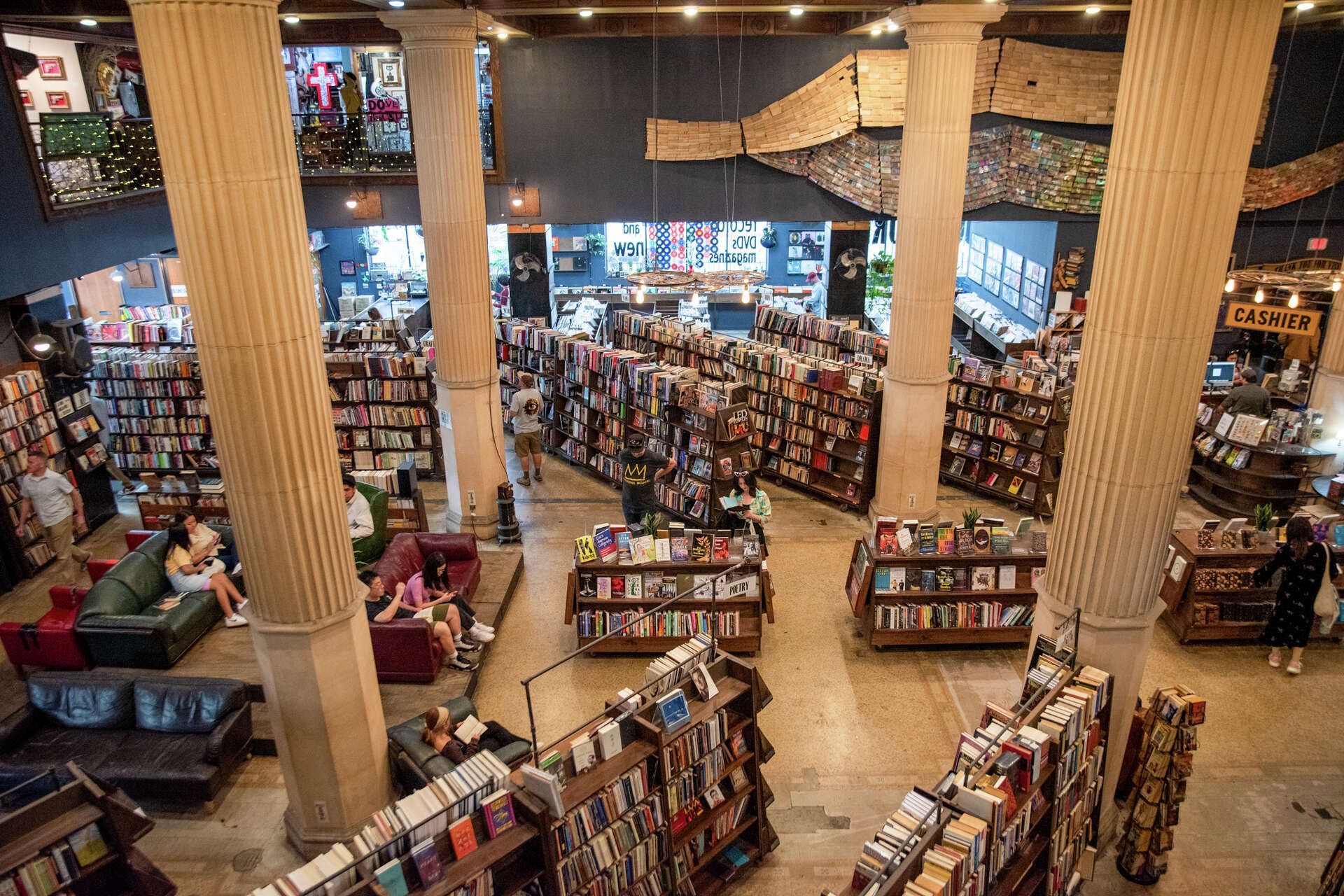
## Description The Last Bookstore in downtown Los Angeles is one of the city's most evocative cultural landmarks: a cavernous, artful emporium of new and used books, vinyl records, and unexpected installations. What sets it apart is not only its enormous inventory but its theatrical presentation — towering shelves, mezzanines, and artistic nooks create a browsing experience more like exploring a story-driven installation than shopping. Housed in a 1920s bank building, patrons encounter reclaimed wood staircases, arches of stacked books, and curated displays that transform each aisle into a visual narrative. Beyond the surface spectacle, the store is a living community hub. It hosts readings, author events, film screenings, and local art exhibitions, and its staff are often keen curators who can guide visitors through genres or find niche titles. Little-known facts: a number of the store’s sculptural book installations are made from unsaleable or damaged stock repurposed by local artists, and the mezzanine houses a secret "book tunnel" — a photogenic corridor built entirely from books that started as a one-off art project and became an enduring fixture. The appeal is broad: bibliophiles will find rare and out-of-print editions; casual visitors will appreciate the visual drama and chance finds; and creatives will enjoy the store as an inspirational setting. The Last Bookstore's blend of commerce, culture, and craft keeps it relevant in an era when many independent bookstores struggle to survive. ## Location The Last Bookstore is located in downtown Los Angeles, California, USA, in the historic core near Spring Street. The postal address and exact entry points change slightly due to neighboring businesses, but it remains centrally placed, within walking distance of the Walt Disney Concert Hall, The Broad, and Pershing Square. Getting there: If you’re arriving by public transit, take the Metro B or D Line to Pershing Square station or any bus that stops in downtown LA; the store is a short walk from the station. Driving is possible but downtown parking can be expensive — seek out nearby private lots or use street parking meters and apps to locate spots. Rideshares and taxis are convenient and drop-offs at the curb are common. For visitors staying in nearby neighborhoods like Koreatown or Pasadena, plan for roughly 20–40 minutes by car depending on traffic. ## Tips - Arrive early on weekends to avoid crowds and secure good spots for browsing in popular areas like the mezzanine or the book tunnel. - Bring cash if you prefer for small purchases or tips, though the store accepts cards. - If searching for a rare or out-of-print title, ask staff first; they maintain backroom stock and can often locate hidden gems. - Photography is welcome but be mindful of events or private bookings where rules might change. - Wear comfortable shoes — the store is larger than it looks and you’ll want to explore several levels. - Visit during a weekday late morning to combine quieter browsing with access to barista-driven coffee shops nearby. - Check the events calendar on the store’s website before visiting — you might catch an author talk or a cultural event that enhances your visit. ## Conclusion The Last Bookstore is more than a retail space — it’s a cultural anchor that celebrates books as artifacts, art, and shared stories. Its imaginative layout, rich inventory, and community programming make it a must-visit for travelers and locals who appreciate literary culture with theatrical flair. ## FAQ Q: Is The Last Bookstore family-friendly? A: Yes. Children enjoy the visual elements, and the atmosphere is generally welcoming, though some events may be adult-oriented. Q: Can I sell or consign books there? A: The store buys and sells used books; check their buying policies online or call ahead for specifics. Q: Are there guided tours? A: There are no formal guided tours, but staff can give insights and point out notable installations. Q: Is there wheelchair access? A: The main floor is accessible, but some mezzanine areas may have limited access — contact the store for accommodations. Q: Do they ship internationally? A: The store ships books and merchandise; check the online store for shipping details and fees. ## Links - [Official site](https://lastbookstorela.com) - [Wikipedia: The Last Bookstore](https://en.wikipedia.org/wiki/The_Last_Bookstore)
GemVoyage Team • World
Brussels
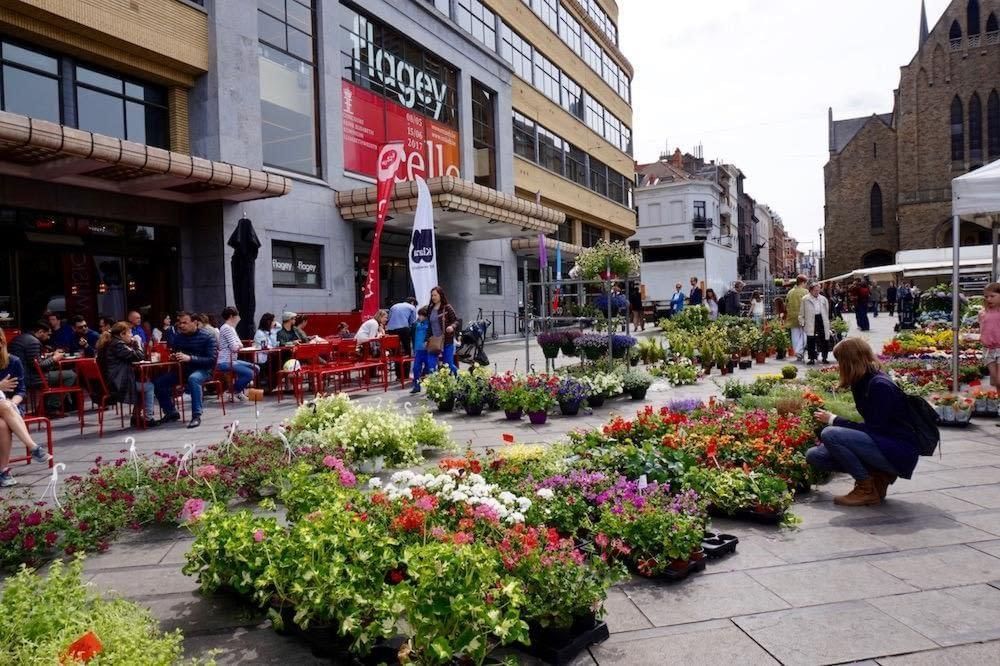
## Description Flagey Square Market is one of the most characterful weekly markets in Brussels, and it feels less like a simple shopping stop than a snapshot of the city’s everyday rhythm. Set around the wide, lively Place Flagey in Ixelles, the market brings together fresh produce, flowers, cheeses, baked goods, spices, and the kind of seasonal local ingredients that reveal how Brussels really eats. For visitors, its appeal is not just what is sold but how the place works as a social scene: neighbors catch up over coffee, families fill baskets for the week, and travelers get a direct taste of the city beyond the usual museum circuit. What makes Flagey Square Market especially memorable is the contrast between its practical purpose and its setting. Place Flagey is bordered by elegant urban architecture and sits near the ponds of Ixelles, which means a trip to the market can easily turn into a broader walk through one of Brussels’ most attractive districts. A lesser-known detail is that the square is closely associated with Brussels’ cultural life, so the market often feels like it belongs to a wider neighborhood ecosystem of design, music, and café culture rather than standing alone as a tourist attraction. Another advantage is the market’s pace: it is big enough to be interesting, but not so overwhelming that it loses its local feel. If you are interested in food travel, Flagey Square Market is a place to observe small but revealing habits. Look for vendors selling regional cheeses from Wallonia, seasonal fruit that reflects the calendar rather than a global supermarket standard, and flowers that are often carried home by residents heading back to nearby apartments. The best markets are the ones where the transaction is only part of the experience, and this one excels because it invites lingering, tasting, and people-watching in equal measure. You can come away with ingredients for a picnic, a gift for someone back home, or simply a better understanding of Brussels as a lived-in city. It is also a strong choice for travelers who prefer neighborhoods over monuments. The market gives you a reason to spend time in Ixelles, an area with a cosmopolitan reputation but also a distinctly Brussels identity. That balance of local routine and cosmopolitan variety is what makes Flagey Square Market worth including in any city itinerary. ## Location Flagey Square Market is located at Place Flagey in Ixelles, Brussels-Capital Region, Belgium. The square sits in the southeastern part of central Brussels, close to the Ixelles Ponds and within easy reach of the city’s main cultural and dining areas. It is one of the most walkable parts of Brussels, and that is part of the attraction: the market can be paired with a stroll around the ponds, a coffee in the Flagey neighborhood, or a longer walk toward Avenue Louise and the surrounding streets. Getting there is straightforward. From central Brussels, the easiest route is often public transport, especially trams or buses that connect the square with major districts and the city center. If you are staying in Ixelles or near the European Quarter, a taxi or rideshare is simple, but public transport usually provides the most efficient and authentic option. Walking is also realistic if you like to explore Brussels on foot, though the distance will depend on your starting point. Cycling can work well too, especially on a good weather day, since the neighborhood is relatively bike-friendly by urban standards. If your goal is to visit the market at its best, aim for a morning arrival. That is when the produce is freshest and the atmosphere is most active, with enough local shoppers to create energy without making the aisles feel crowded. Pairing the market with the nearby ponds is one of the smartest ways to structure a half-day in Brussels. ## Tips Arrive early if you want the widest choice of fruit, bread, cheese, and prepared foods. Later in the day you may still find good items, but the market is more rewarding when stock is full and the pace is relaxed. Bring a reusable bag or two. Markets like this are at their best when you can buy a few things spontaneously, and having a bag makes it easy to leave with snacks, picnic ingredients, or a small bouquet of flowers. Carry some cash, even if many vendors accept cards. Markets are practical places, but payment habits can vary from stall to stall, and cash can save time when you are buying a small item. Do not rush. Flagey Square Market is not only about shopping; it is also about atmosphere. Stop for coffee, ask vendors what is in season, and pay attention to the products locals reach for most often. That is often the best guide to quality. If the weather is pleasant, plan to continue to the Ixelles Ponds after the market. That small extension turns a food stop into a genuinely enjoyable neighborhood outing. ## Conclusion Flagey Square Market is one of Brussels’ best places to experience local life at street level. It combines food, neighborhood character, and a pleasant urban setting in a way that feels genuine rather than staged. For travelers who want a market that reflects the city’s daily rhythm, it is an excellent stop. ## FAQ ### When is Flagey Square Market open? Market days can vary by season and local scheduling, so it is best to check current opening times before you go. In general, the busiest and most rewarding hours are in the morning, when produce selection is strongest and the atmosphere feels most lively. ### Is Flagey Square Market good for tourists? Yes. It is especially good for visitors who want to see a neighborhood market that locals actually use. It is also easy to combine with nearby walks, cafés, and the Ixelles Ponds, so it fits naturally into a city day. ### What should I buy there? Fresh fruit, bread, cheese, flowers, and seasonal snacks are the most reliable purchases. If you want a taste of Brussels, look for local dairy products, pastries, or ingredients that are clearly tied to the season. ### How long should I spend there? Most visitors will enjoy 45 minutes to 2 hours, depending on whether they want to shop, eat, and explore the surrounding neighborhood. If you plan a full brunch or picnic outing, you may want even longer. ## Links - [Flagey](https://www.flagey.be/en) - [Place Flagey on Visit Brussels](https://visit.brussels/en/place/place-flagey)
GemVoyage Team • World
Tokyo
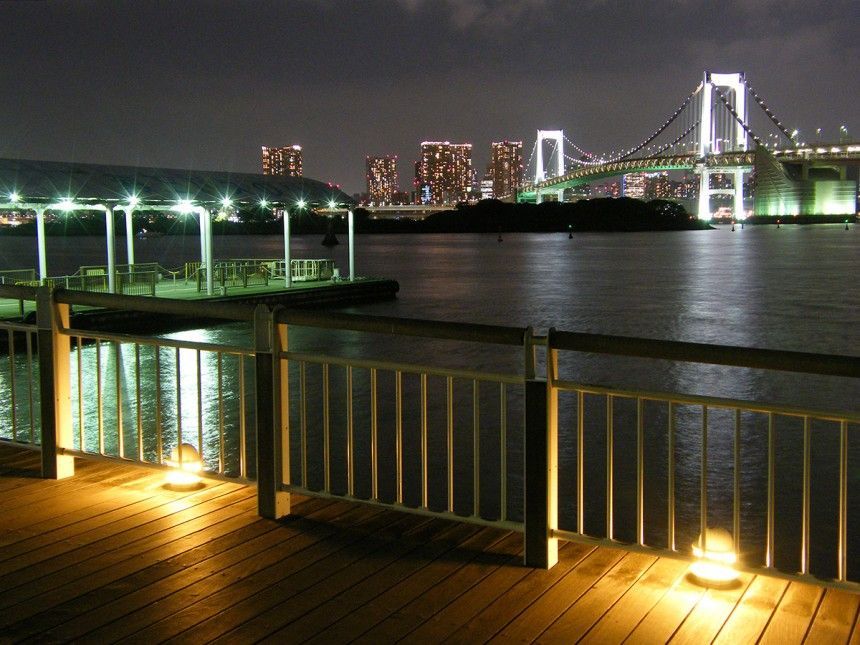
## Description Odaiba Seaside Park is one of Tokyo’s most enjoyable waterfront attractions because it offers a rare combination of open sky, coastal views, and easygoing public space in a city usually defined by density. The park is set on Tokyo Bay, and that location shapes everything about the experience. Instead of narrow streets, you get broad horizons. Instead of constant urban pressure, you get a slower rhythm, with people walking, sitting, cycling, or simply watching the water and the skyline. What makes the park appealing is the sense of contrast. Tokyo is famous for its intensity, but Odaiba gives you a place where the city meets the sea in a more relaxed way. You can see modern structures, bridges, and across-the-water views that feel both futuristic and calm. That blend is especially strong at sunset, when the light across the bay changes the atmosphere dramatically. Visitors often come for photographs, but they stay because the park is genuinely pleasant to spend time in. One little-known fact is that Odaiba itself was originally connected to ambitious land-reclamation and harbor development ideas, so the area reflects a distinctly modern Tokyo story rather than an ancient one. Another is that the park offers a valuable break in a city itinerary because it lets you slow down without feeling disconnected from the urban landscape. The water, beach-like edges, and sightlines make it feel open, but it still belongs fully to Tokyo. The park also works well as part of a larger Odaiba visit. It pairs naturally with shopping, entertainment, and other bay-area attractions, but it does not require you to spend money to enjoy it. That makes it especially useful for travelers who want a scenic stop that is easy to fit into a flexible day. If your idea of Tokyo includes both high energy and moments of calm, Odaiba Seaside Park delivers one of the cleanest transitions between the two. ## Location Odaiba Seaside Park is in Odaiba, Tokyo, Japan, on the waterfront facing Tokyo Bay. The area is well connected to the rest of the city and is one of the most recognizable modern districts in Tokyo’s bay zone. The easiest way to get there is by public transport, including the Yurikamome line or other transit options that serve the Odaiba area. Once you arrive, the park is straightforward to reach on foot. Because the district is designed for visitors and leisure, navigating it is generally simpler than navigating the city’s older, denser neighborhoods. If you are planning a full day, combine the park with nearby attractions or a walk through the broader Odaiba area. That gives you a better sense of why the district has become one of Tokyo’s most photogenic waterfront destinations. ## Tips Go near sunset if possible. The water, skyline, and bridges are especially attractive in the late afternoon and evening light. Bring a light jacket if you are visiting near the water, since the breeze can be stronger than in inland parts of the city. If you like photography, take your time moving around the shoreline. Different angles give you very different views of the city and bay. Use the park as a slower reset during a busier Tokyo itinerary. It is ideal after a day of dense urban exploration. Because Odaiba is so closely tied to modern Tokyo, the park can also feel cinematic in a way that many urban attractions do not. Bridges, towers, water, and open sky create a broad scene that changes with the light. That makes it especially good for visitors who like to photograph cityscapes or simply stand still and take in a less compressed part of Tokyo. The sense of openness is the whole point, and it is one of the reasons the park remains memorable after a busy day elsewhere in the city. It is also useful as a reminder that Tokyo is not only a city of movement but also of carefully designed public space. Odaiba Seaside Park gives you room to breathe without leaving the urban experience behind, and that balance is part of what makes it valuable. If you have already spent time in the tighter streets of central Tokyo, the park offers a visual and psychological reset that can make the rest of your itinerary feel more manageable. ## Conclusion Odaiba Seaside Park offers a refreshing waterfront perspective on Tokyo, combining open space, bay views, and modern city scenery. It is a strong choice for travelers who want a calmer but still distinctly urban experience. ## FAQ **Is Odaiba Seaside Park worth visiting?** Yes, especially if you want open views and a break from Tokyo’s denser districts. **What is the best time to go?** Late afternoon and sunset are especially attractive. **How do I get there?** Public transport to Odaiba is the easiest and most convenient option. **Is it good for families?** Yes. It is a relaxed public space that works well for all kinds of visitors. **Can I combine it with other Odaiba attractions?** Absolutely. It fits naturally into a broader waterfront itinerary. ## Links - [Tokyo Parks guide](https://www.tptc.co.jp/parks/odaiba)
GemVoyage Team • World
Aqaba
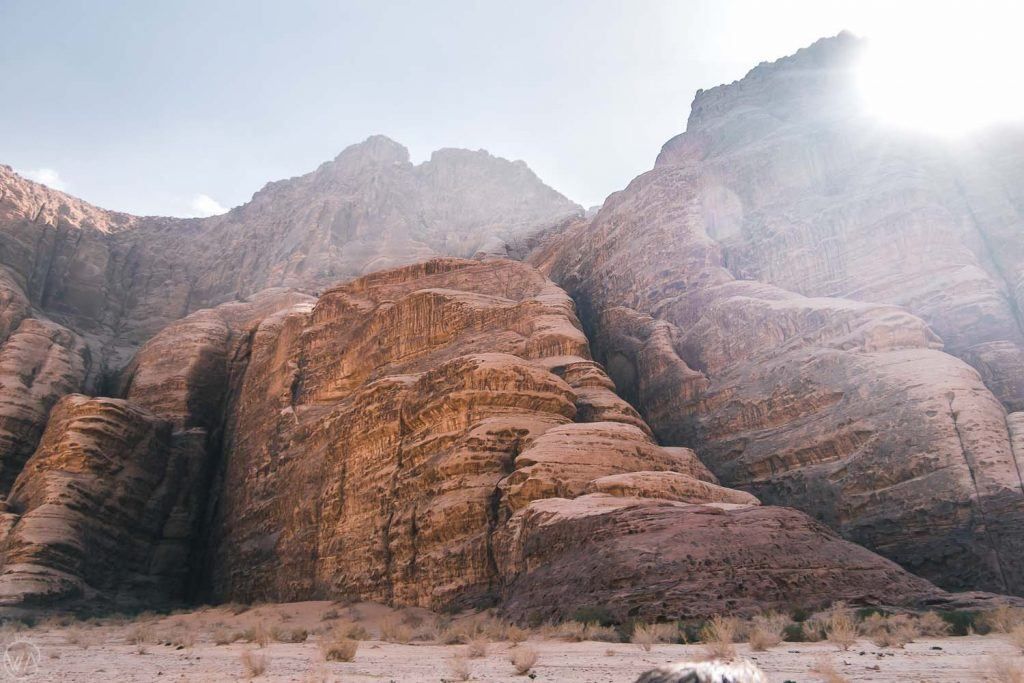
## Description **Jabal Umm ad Dami** is the highest mountain in Jordan, rising to approximately **1,854 meters above sea level**. Located deep in the southern desert near the Saudi border, it offers a dramatically different experience from the country’s more famous historical sites. Rather than monuments or ruins, Jabal Umm ad Dami is about **scale, silence, and raw landscape**. The mountain dominates the horizon with a stark, rocky profile that feels both remote and elemental. What makes Jabal Umm ad Dami truly special is the **sense of isolation and elevation** it provides. From the summit, on clear days, it is possible to see across vast stretches of desert and, remarkably, into **Saudi Arabia**, the Red Sea, and even parts of the Sinai Peninsula. This expansive visibility is rare in the region and contributes to the mountain’s reputation as one of Jordan’s most rewarding viewpoints. Geologically, the mountain is part of the same ancient granite formations that shape the surrounding desert, giving it rugged textures and warm reddish hues, especially striking at sunrise and sunset. Unlike heavily trafficked peaks elsewhere in the world, Jabal Umm ad Dami remains **largely untouched by mass tourism**, preserving a sense of authenticity and wilderness. A lesser-known fact is that the mountain has long been used as a **navigation landmark by Bedouin tribes**, who relied on its prominence to orient themselves across the desert. Another overlooked detail is that, despite being Jordan’s highest point, the climb is considered **moderate rather than technical**, making it accessible to fit hikers without advanced mountaineering skills when guided properly. Jabal Umm ad Dami is not a place of crowds or amenities. Its appeal lies in its honesty: an uncompromising desert mountain that rewards effort with perspective. ## Location **Country:** Jordan **Region:** Aqaba Governorate **Nearest Area:** Wadi Rum Desert **Proximity:** Near the Jordan–Saudi Arabia border The mountain lies south of the protected desert landscapes of **Wadi Rum**, often referred to as the “Valley of the Moon,” though it sits outside the main tourist circuit. ### How to Get There * **From Aqaba:** * Travel north toward Wadi Rum by car, then continue south with a **4x4 vehicle**. * **With a local guide:** * The most practical and safest option. Bedouin guides know the terrain and access routes. * **From Wadi Rum:** * Many guided excursions combine Wadi Rum exploration with a hike to Jabal Umm ad Dami. * **Public transport:** * Not available for the final approach; private transport is required. Independent travel without proper navigation and a suitable vehicle is strongly discouraged. ## Tips * **Hire a local Bedouin guide:** This is not optional if you want a safe and meaningful experience. * **Start early:** Heat and exposure increase significantly later in the day. * **Bring sufficient water:** There are no water sources on or near the mountain. * **Wear sturdy footwear:** The terrain is rocky and uneven. * **Check weather conditions:** Wind can be strong at the summit. * **Combine with camping:** An overnight desert camp enhances the experience significantly. ## Conclusion Jabal Umm ad Dami is Jordan at its most elemental: vast, quiet, and uncompromising. As the country’s highest point, it offers unmatched views and a powerful sense of perspective, rewarding visitors who value wilderness and authenticity over convenience. ## FAQ **1. Is Jabal Umm ad Dami difficult to climb?** The hike is moderate but requires fitness, proper footwear, and guidance. **2. Do I need a guide to visit?** Yes, a local guide is strongly recommended for safety and navigation. **3. How long does the hike take?** The ascent and descent typically take **3 to 4 hours** in total. **4. Is it suitable for beginners?** Yes, for physically fit beginners accompanied by an experienced guide. **5. Can you see Saudi Arabia from the summit?** Yes, visibility into Saudi Arabia is possible on clear days. **6. Is there an entrance fee?** Fees vary depending on tour operators and guide arrangements. ## Links * [Wiki Page](https://en.wikipedia.org/wiki/Wadi_Rum)
GemVoyage Team • World
Berlin
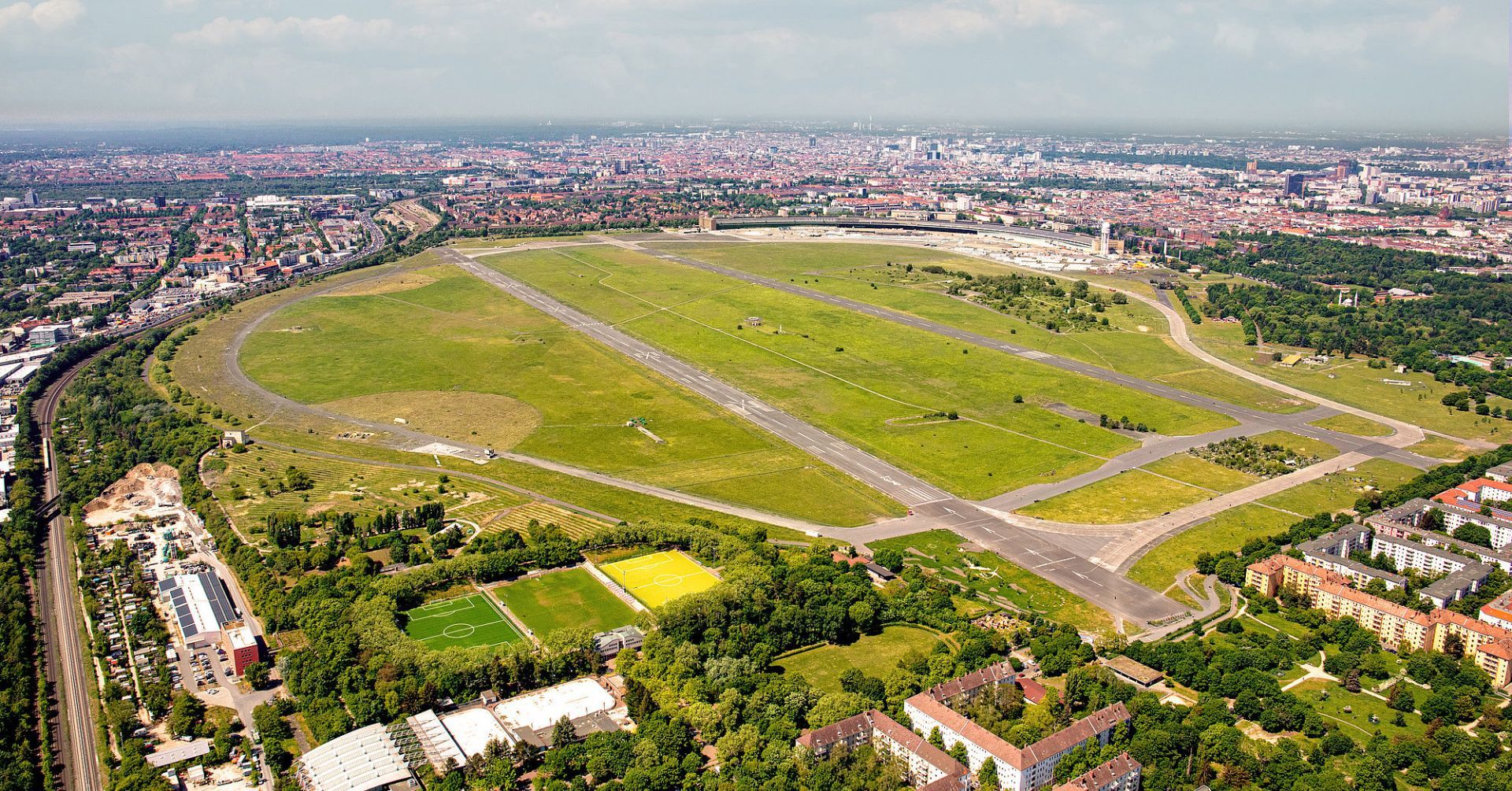
## Description Tempelhofer Feld is one of Berlin's most unusual public spaces, and perhaps one of the most extraordinary urban parks in Europe. Built on the site of the former Tempelhof Airport, the area preserves a sense of scale that is rare in any city. Instead of dense landscaping or ornamental design, visitors are met with immense open runways, broad skies, and wide horizons that make the park feel almost cinematic. It is a place where Berlin's history, civic imagination, and appetite for public space come together in a striking way. What makes Tempelhofer Feld unique is how many different activities it can support without ever feeling crowded. Cyclists, skaters, runners, families, kite flyers, gardeners, and people simply sitting in the grass all share the space comfortably because it is so large. The former airport infrastructure is still visible in many places, which adds a sense of industrial memory to the recreational experience. You are not just visiting a park; you are walking through a piece of 20th-century urban history that has been repurposed for contemporary life. One little-known fact is that Tempelhof's runways and hangars helped shape the modern meaning of the site long before it became a park, and the airport itself became a powerful symbol during the Berlin Airlift. Another is that the area is often used for community gardens and events, making it both open and socially active rather than simply passive green space. That mix of openness and civic use is part of why Berliners defend the field so strongly. The atmosphere changes throughout the day. In the morning it can feel calm and almost meditative, with joggers tracing long loops beneath big skies. In the afternoon it becomes more playful, with people flying kites, practicing sports, or meeting friends for picnics. Sunset is particularly memorable because the flat openness gives you an unobstructed view of the light changing across the field. Tempelhofer Feld also tells a broader story about Berlin's identity. The city is often associated with reinvention, and this site embodies that idea without erasing the past. Rather than demolish every trace of the airport, Berlin turned the space into an active commons. For visitors, that means the park is both relaxing and intellectually interesting, especially if you enjoy places where landscape and history overlap. If you want one destination that shows how Berlin handles scale, memory, and public access, Tempelhofer Feld is hard to beat. It is not decorative in the traditional sense, but it is deeply satisfying because it gives you room to move, think, and experience the city in a different register. ## Location Tempelhofer Feld is located in southern-central Berlin, Germany, on the grounds of the former Tempelhof Airport. It lies in the Tempelhof-Schöneberg district and is easy to reach from several parts of the city. The most convenient ways to get there are by U-Bahn, S-Bahn, or bicycle, depending on where you are staying. Several entrances serve the park, and once inside, the flat terrain makes it easy to orient yourself. Because the space is large, choosing the entrance closest to your planned activity can save time. ## Tips Bring water and weather protection. The openness that makes the field special also means it can be windy or exposed to strong sun. If you like cycling or skating, Tempelhofer Feld is one of the best places in Berlin for it because the former runways offer long, smooth stretches. Do not expect a landscaped park with many shaded paths. The design is intentionally open, so plan for a more minimalist experience. Visit during golden hour or sunset if you want the strongest visual impression. Check the park rules before arrival, especially if you plan to use a drone, barbecue, or special equipment. Set aside enough time to walk farther than you think. The scale of the field is part of the experience. ## Conclusion Tempelhofer Feld is a rare urban park that turns a former airport into a vast public landscape, offering freedom, history, and an unmistakably Berlin sense of scale. ## FAQ ### Can you still see the airport at Tempelhofer Feld? Yes, much of the airport's structure and runway layout remains visible, which is part of the site's appeal. ### Is Tempelhofer Feld good for families? Yes, families often enjoy the open space, though you should bring what you need because there are no dense park facilities everywhere. ### Is there an entrance fee? The park itself is generally free to enter. ### What is the best way to experience it? Walking, cycling, or simply spending time on the open grass are all good ways to appreciate the space. ## Links - [Tempelhofer Feld](https://www.tempelhoferfeld.de/)
GemVoyage Team • World
Seville
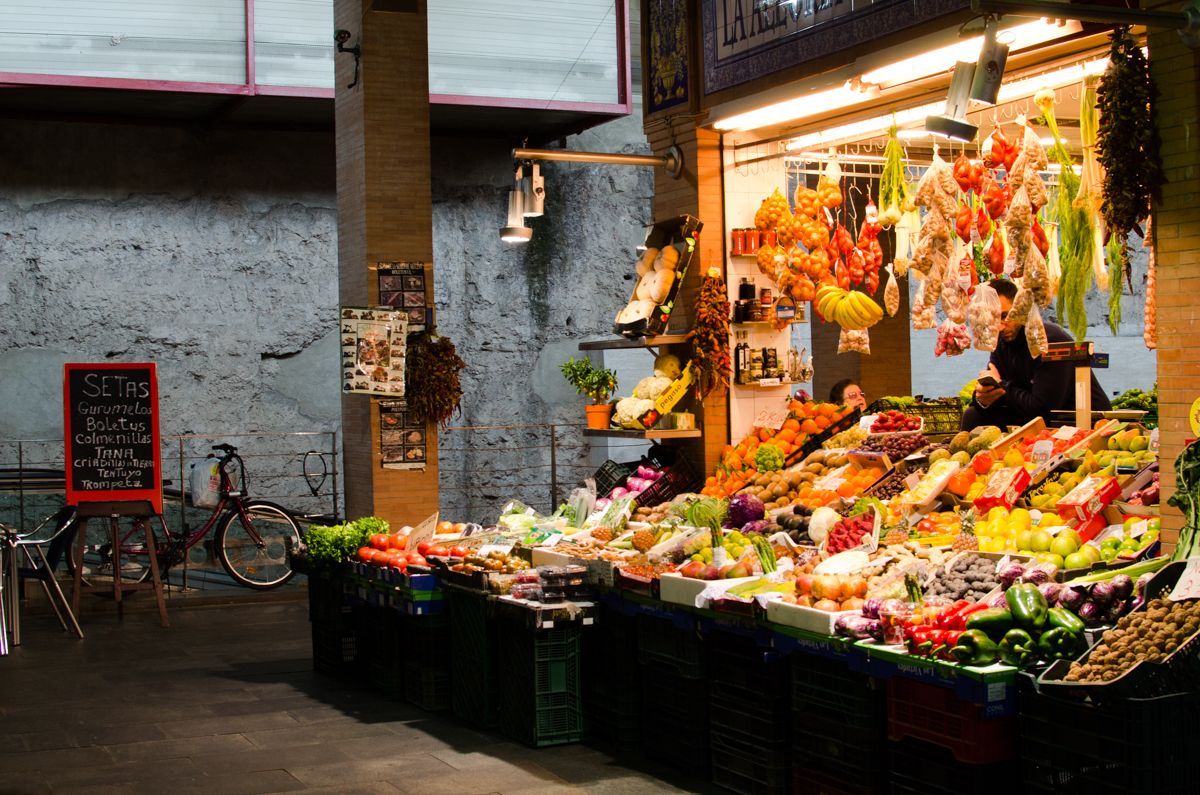
## Description Triana Market is one of the most characterful places to experience everyday Seville beyond the postcard version of the city. Set in the Triana neighborhood, it combines the energy of a traditional neighborhood market with the atmosphere of a place shaped by river life, ceramics, flamenco, and strong local identity. Visitors come here for produce, but they often stay longer because the market feels like a living introduction to the district itself. It is not a polished tourist stage. It is a working market where stallholders greet regulars, chefs shop for ingredients, and curious travelers can see how Seville still feeds itself in a very local way. What makes Triana Market especially appealing is the balance between food and history. The market sits close to the Guadalquivir River and near the area where Triana’s old artisan traditions developed, so a visit naturally turns into a wider walk through one of Seville’s most distinctive quarters. You can browse fruit, fish, meat, olives, pastries, spices, and tapas-style snacks while hearing the rhythm of a neighborhood that has long been associated with sailors, potters, and performers. A little-known detail is that the market stands near archaeological remains tied to the former Castle of San Jorge, which adds a historical layer that many visitors miss when they come only for lunch. Another less obvious fact is that the market is often the place where locals go to buy ingredients for home cooking rather than a destination designed mainly for tourists, which is part of why it feels authentic. The best experience here is not rushed. Start by looking around rather than ordering immediately, because the market rewards observation. The colors of the fruit stalls, the smell of fried food, the chatter from the bars, and the pace of local shopping all help explain why Triana is one of Seville’s most beloved neighborhoods. If you are interested in local culture, this is also an excellent point of departure for exploring ceramics shops, riverfront views, and the streets around Calle Betis and the Triana Bridge. ## Location Triana Market is in the Triana neighborhood on the west bank of the Guadalquivir River in Seville, Andalusia, Spain. The neighborhood sits just across the river from the historic center, so the market is easy to include in a day of sightseeing. If you are already in central Seville, the simplest approach is to walk across the Triana Bridge and continue into the market area on foot. That route is especially enjoyable because it gives you a clear sense of how the city changes from the monument-filled center to the more residential and traditionally working-class Triana side. If you are coming from farther away, a taxi, city bus, or a combination of walking and public transport will work well. The market is compact, so once you arrive, you will not need additional transport. It also pairs naturally with nearby river walks, ceramic workshops, and tapas stops, which makes it a practical base rather than a standalone quick stop. In hot weather, plan your arrival earlier in the day, since the surrounding streets can become warm by midday and the market itself is more enjoyable before the lunch rush. ## Tips - Go in the morning if you want the fullest market atmosphere and the best selection of produce and seafood. - Bring both cash and a card, because some smaller stalls prefer one or the other. - Do not limit yourself to shopping; the bars inside and around the market are part of the experience. - Combine the visit with a walk through Triana’s ceramic streets and the riverfront. - If you want photos, arrive early enough to avoid the busiest lunch crowd. - Ask stallholders what is in season, since that is often the fastest way to taste the most local products. ## Conclusion Triana Market is one of the most rewarding places in Seville for travelers who want local flavor, neighborhood character, and a real sense of daily life. It is easy to reach, rich in atmosphere, and memorable well beyond a simple shopping stop. ## FAQ ### Is Triana Market worth visiting even if I am not cooking? Yes. The market is worth visiting for its atmosphere, food counters, and neighborhood character even if you do not plan to buy ingredients. ### What is the best time to visit Triana Market? Morning is usually best, especially if you want fresh produce and a calmer pace before the lunch rush begins. ### Can I eat inside or near the market? Yes. The market and the surrounding streets have bars and food counters where you can eat casually and try local dishes. ### How long should I spend there? Plan at least one hour, and more if you want to combine shopping, snacks, and a walk through the neighborhood. ## Links - [Wikipedia](https://en.wikipedia.org/wiki/Triana,_Seville) - [Seville tourism information](https://www.visitasevilla.es/en)
GemVoyage Team • World


Comments