Discover extraordinary places shared by our community of travelers
Berlin
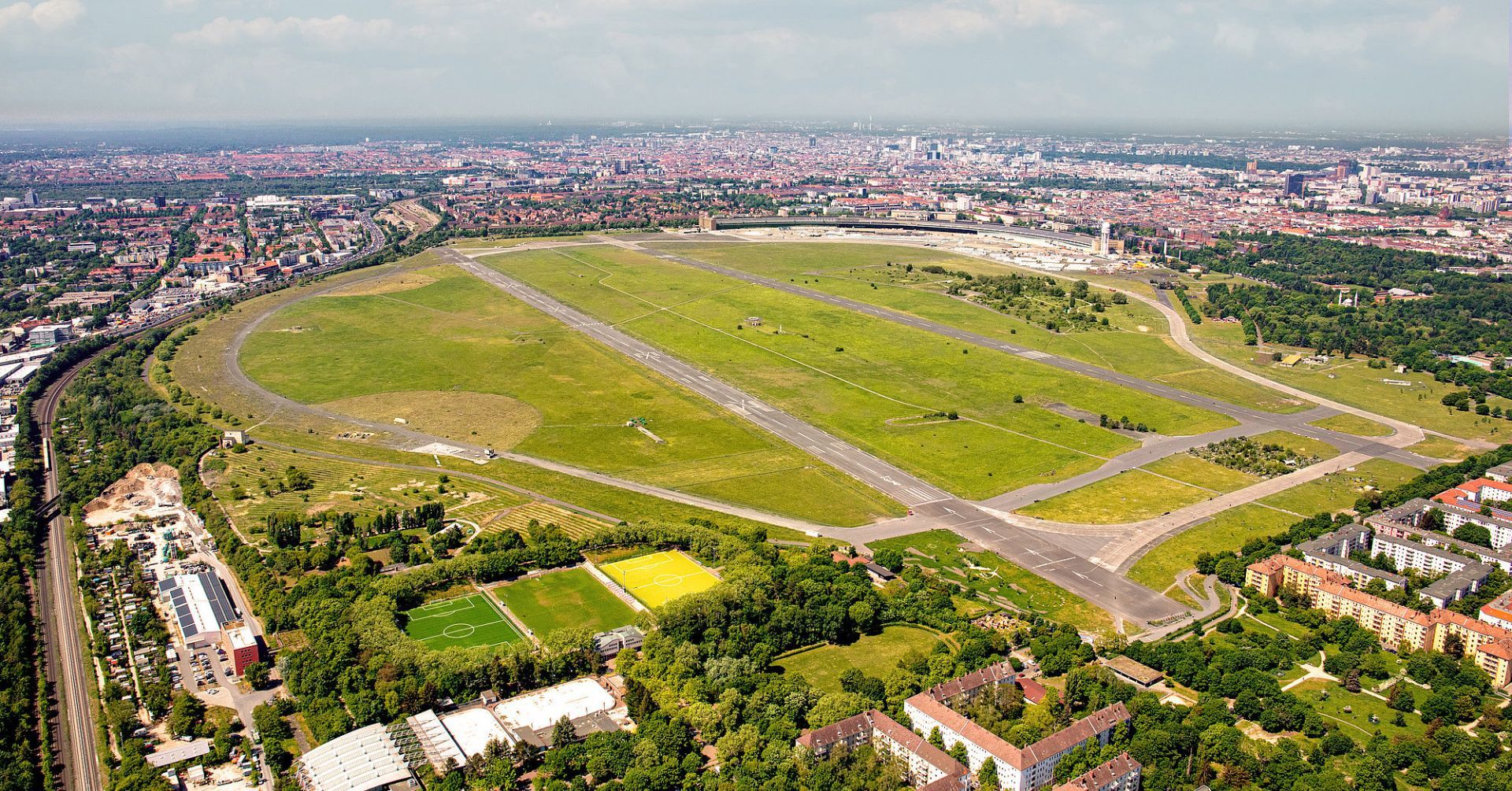
## Description Tempelhofer Feld is one of Berlin's most unusual public spaces, and perhaps one of the most extraordinary urban parks in Europe. Built on the site of the former Tempelhof Airport, the area preserves a sense of scale that is rare in any city. Instead of dense landscaping or ornamental design, visitors are met with immense open runways, broad skies, and wide horizons that make the park feel almost cinematic. It is a place where Berlin's history, civic imagination, and appetite for public space come together in a striking way. What makes Tempelhofer Feld unique is how many different activities it can support without ever feeling crowded. Cyclists, skaters, runners, families, kite flyers, gardeners, and people simply sitting in the grass all share the space comfortably because it is so large. The former airport infrastructure is still visible in many places, which adds a sense of industrial memory to the recreational experience. You are not just visiting a park; you are walking through a piece of 20th-century urban history that has been repurposed for contemporary life. One little-known fact is that Tempelhof's runways and hangars helped shape the modern meaning of the site long before it became a park, and the airport itself became a powerful symbol during the Berlin Airlift. Another is that the area is often used for community gardens and events, making it both open and socially active rather than simply passive green space. That mix of openness and civic use is part of why Berliners defend the field so strongly. The atmosphere changes throughout the day. In the morning it can feel calm and almost meditative, with joggers tracing long loops beneath big skies. In the afternoon it becomes more playful, with people flying kites, practicing sports, or meeting friends for picnics. Sunset is particularly memorable because the flat openness gives you an unobstructed view of the light changing across the field. Tempelhofer Feld also tells a broader story about Berlin's identity. The city is often associated with reinvention, and this site embodies that idea without erasing the past. Rather than demolish every trace of the airport, Berlin turned the space into an active commons. For visitors, that means the park is both relaxing and intellectually interesting, especially if you enjoy places where landscape and history overlap. If you want one destination that shows how Berlin handles scale, memory, and public access, Tempelhofer Feld is hard to beat. It is not decorative in the traditional sense, but it is deeply satisfying because it gives you room to move, think, and experience the city in a different register. ## Location Tempelhofer Feld is located in southern-central Berlin, Germany, on the grounds of the former Tempelhof Airport. It lies in the Tempelhof-Schöneberg district and is easy to reach from several parts of the city. The most convenient ways to get there are by U-Bahn, S-Bahn, or bicycle, depending on where you are staying. Several entrances serve the park, and once inside, the flat terrain makes it easy to orient yourself. Because the space is large, choosing the entrance closest to your planned activity can save time. ## Tips Bring water and weather protection. The openness that makes the field special also means it can be windy or exposed to strong sun. If you like cycling or skating, Tempelhofer Feld is one of the best places in Berlin for it because the former runways offer long, smooth stretches. Do not expect a landscaped park with many shaded paths. The design is intentionally open, so plan for a more minimalist experience. Visit during golden hour or sunset if you want the strongest visual impression. Check the park rules before arrival, especially if you plan to use a drone, barbecue, or special equipment. Set aside enough time to walk farther than you think. The scale of the field is part of the experience. ## Conclusion Tempelhofer Feld is a rare urban park that turns a former airport into a vast public landscape, offering freedom, history, and an unmistakably Berlin sense of scale. ## FAQ ### Can you still see the airport at Tempelhofer Feld? Yes, much of the airport's structure and runway layout remains visible, which is part of the site's appeal. ### Is Tempelhofer Feld good for families? Yes, families often enjoy the open space, though you should bring what you need because there are no dense park facilities everywhere. ### Is there an entrance fee? The park itself is generally free to enter. ### What is the best way to experience it? Walking, cycling, or simply spending time on the open grass are all good ways to appreciate the space. ## Links - [Tempelhofer Feld](https://www.tempelhoferfeld.de/)
GemVoyage Team • World
Tokyo
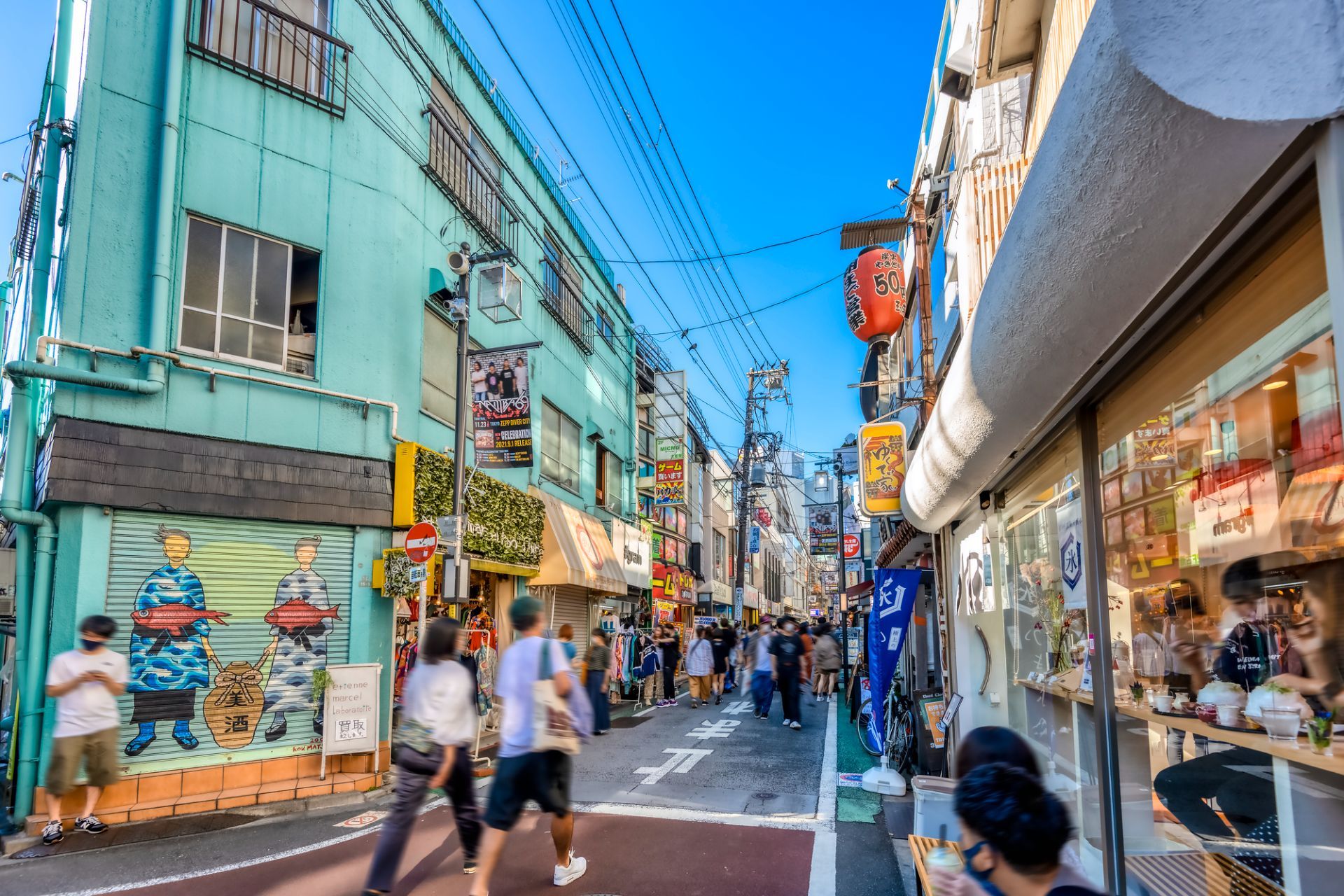
## Description Shimokitazawa is one of Tokyo's most beloved neighborhoods for travelers who want a creative, youthful, and slightly offbeat urban experience. Known for its indie shops, vintage fashion, small music venues, cafes, bars, and relaxed street culture, the area feels like a counterpoint to the polished intensity of central Tokyo. It is dense enough to feel exciting but compact enough to explore without stress, which makes it ideal for wandering. The neighborhood's appeal lies in its mix of everyday life and subculture. You can spend an afternoon browsing record stores, secondhand clothing shops, zines, and design goods, then stop for coffee or a casual meal in a tiny restaurant tucked into a side street. The area has long been associated with theater, music, and youth culture, so even when it is busy it retains an unmistakable creative identity. Many visitors describe it as a place where Tokyo becomes more approachable and personal. One little-known fact is that Shimokitazawa's reputation as a vintage hub grew gradually over decades, rather than through a single development plan, which gives its retail landscape an organic feel. Another is that the neighborhood has been shaped by rail infrastructure and urban redevelopment, yet it still preserves a strong sense of small-scale community in its alleys and side streets. That balance between change and continuity is central to its character. The streets themselves are part of the experience. Unlike hyper-structured shopping districts, Shimokitazawa encourages detours. A turn into a narrow lane may reveal a tiny jazz bar, an art space, or a cafe with a deliberately handmade interior. This makes the neighborhood especially rewarding for repeat visits, because the pleasure comes from discovering layers rather than checking off landmarks. Food is another reason to stay longer than expected. Shimokitazawa has everything from casual ramen and curry to dessert shops and specialty coffee. The density of places to eat means you can shape the day around browsing, resting, and browsing again. In the evening the district softens into a social district, with bars and live venues drawing a crowd that is varied but usually relaxed. For travelers who want a neighborhood that captures a more intimate and creative side of Tokyo, Shimokitazawa is an excellent choice. It is stylish without feeling exclusive and lively without feeling overwhelming. That combination is rare, and it is what keeps the area high on many repeat visitors' lists. ## Location Shimokitazawa is a neighborhood in Setagaya, Tokyo, Japan, located in the western part of the inner city. It is known for the station area and the streets that radiate from it. The easiest way to get there is by train, especially via the Odakyu Line or Keio Inokashira Line. Once you arrive, the district is best explored on foot. Because the neighborhood is compact, you can comfortably combine shopping, food, and nightlife in one visit. ## Tips Go without a rigid plan. The neighborhood is best enjoyed through spontaneous exploration. Visit both daytime and evening if you can. Daytime is better for shopping, while evening brings a more social atmosphere. Bring cash or a card that works widely in Japan, since smaller shops may have different payment preferences. If you are interested in vintage fashion, be prepared to spend time. Good finds often take patience. Look for smaller side streets rather than staying only near the station exits. Use Shimokitazawa as a half-day or full-day stop, depending on how much you want to browse and eat. ## Conclusion Shimokitazawa offers one of Tokyo's most distinctive neighborhood experiences, blending indie culture, vintage shopping, and relaxed urban energy in a compact and walkable district. ## FAQ ### What is Shimokitazawa famous for? It is famous for vintage clothing, independent cafes, small live music venues, theater, and a creative neighborhood atmosphere. ### Is Shimokitazawa worth visiting for first-time travelers to Tokyo? Yes, especially if you want a more local and youthful district beyond the major sightseeing areas. ### How much time do I need there? At least half a day, though many visitors stay longer because of the shopping and food options. ### Is Shimokitazawa good for nightlife? Yes, but it is a more relaxed nightlife scene than the biggest entertainment districts in Tokyo. ## Links - [Shimokitazawa](https://en.wikipedia.org/wiki/Shimokitazawa) - [Tokyo tourism](https://www.gotokyo.org/en/)
GemVoyage Team • World
Aswan
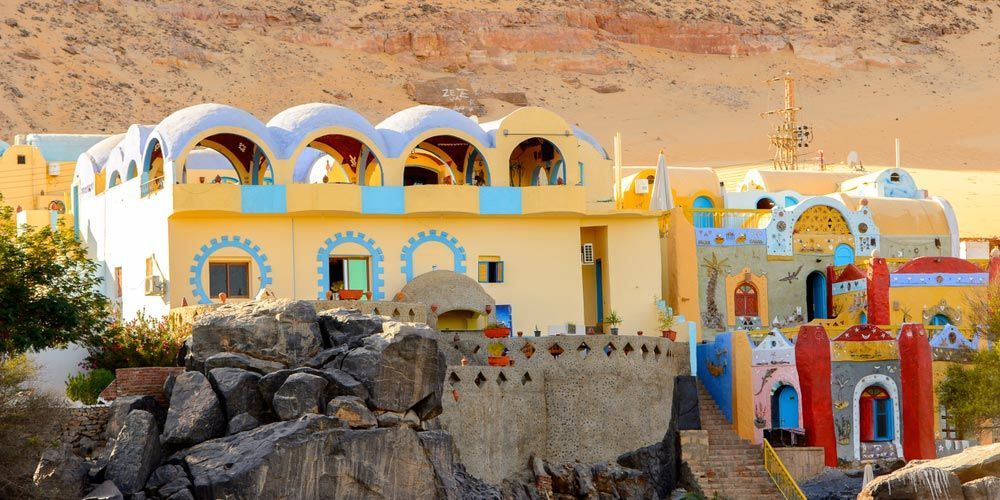
## Description The Nubian Village near Aswan is one of the most memorable cultural experiences in Upper Egypt. Famous for its bright houses, warm hospitality, and strong Nubian identity, the village offers visitors a chance to see a living culture that is distinct from the mainstream Egyptian tourist circuit. The colors of the buildings, the rhythm of the Nile, and the presence of local traditions create a setting that feels both welcoming and deeply rooted. What makes the Nubian Village special is that it is not merely a scenic stop. It is a place where everyday life, architecture, food, music, and crafts come together. Visitors often arrive expecting a photo opportunity and leave having learned about Nubian history, language, and resilience. The district's visual style is striking, with painted walls, decorative motifs, and domed or vaulted forms that reflect a practical response to climate as well as aesthetic preference. One lesser-known fact is that Nubian communities have faced major displacement over the 20th century, especially due to dam construction and changing river conditions, which makes cultural preservation particularly important. Another is that many decorative motifs on homes and walls are not random ornamentation; they often carry symbolic references to fertility, protection, heritage, or local storytelling. These details give the village a richness that rewards close observation. Food and hospitality are central to the experience. Meals may include local dishes, tea ceremonies, and conversations that help visitors understand the social fabric of the community. Music and handicrafts are also common parts of the visit, giving travelers a chance to see how traditions are maintained through daily practice rather than only through museums. The setting near the Nile adds another layer of beauty. The river shapes the village's pace and identity, and many visits include boat access or riverside views that connect the community to the wider Aswan landscape. This is not an isolated theme park version of culture; it is a place where river life, memory, and domestic space remain closely connected. For travelers who value cultural encounters over checklist tourism, the Nubian Village offers one of the most rewarding experiences in Aswan. It is colorful, welcoming, and meaningful, especially for visitors who take time to listen and engage respectfully. ## Location The Nubian Village is located near Aswan in southern Egypt, along the Nile River. It is associated with the Nubian communities of the Aswan area and is often reached by boat from the city or nearby riverfront points. The easiest way to visit is usually through a local boat transfer or an organized excursion from Aswan. Because access can vary depending on the exact village and seasonal river conditions, it is wise to confirm arrangements with a local guide or hotel before departure. ## Tips Bring small cash if you plan to buy crafts or refreshments, as small local purchases are common. Ask before taking close-up photos of people or private homes. Respectful behavior matters in a community setting. Go with a guide if you want a fuller understanding of Nubian history and symbolism. Try the local food or tea if offered, but do so in a way that feels thoughtful rather than rushed. Wear comfortable clothing suitable for warm weather and walking through village streets. Remember that the village is a living community, not just a tourist stop, so keep your pace and expectations respectful. ## Conclusion The Nubian Village near Aswan combines river scenery, cultural depth, and genuine hospitality, making it one of the most meaningful places to experience Nubian heritage in Egypt. ## FAQ ### What is the Nubian Village known for? It is known for colorful houses, Nubian culture, hospitality, crafts, and its setting along the Nile near Aswan. ### Can I visit the village independently? Often yes, but many visitors go by boat or with a guide to simplify access and improve the experience. ### Is it appropriate to take photos? Yes, but always ask before photographing people or private spaces. ### What should I buy there? Common souvenirs include crafts, textiles, and handmade items associated with Nubian culture. ## Links - [Aswan](https://en.wikipedia.org/wiki/Aswan)
GemVoyage Team • World
Tunis
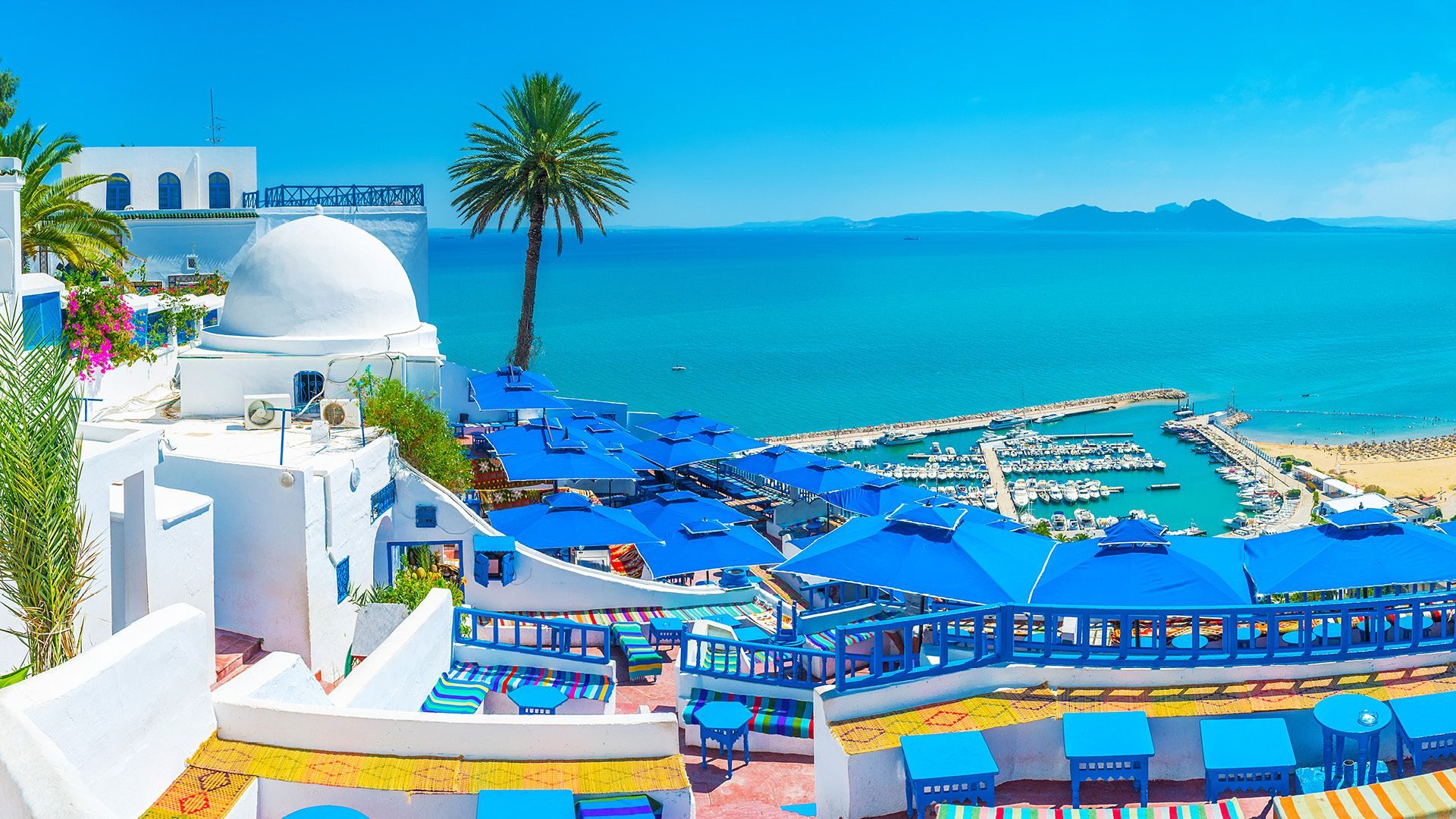
## Description Sidi Bou Said is one of the most iconic destinations in Tunisia, famous for its whitewashed walls, blue doors, bougainvillea, sea views, and elegant hilltop atmosphere. Perched above the Mediterranean near Tunis, the town feels both picturesque and culturally rich, with a strong artistic heritage that has attracted painters, writers, and travelers for generations. It is one of those places that can seem almost too beautiful in photographs, yet still manages to feel authentic when you walk its streets. The appeal of Sidi Bou Said is not just visual. Its narrow lanes, cafes, galleries, and terraces create a mood that invites lingering. Visitors often spend time simply wandering and taking in the contrast between the bright architecture and the deep blue of the sea and sky. The town is compact, but every turn offers a slightly different perspective, from a shaded doorway to a view over the bay. One little-known fact is that the famous blue-and-white color scheme became strongly associated with the town in the early 20th century and has remained part of its identity through preservation efforts. Another is that Sidi Bou Said has long been tied to artistic circles and intellectual life, which helped shape its reputation beyond simple scenic beauty. It is a place where visual appeal and cultural memory reinforce each other. The village-like setting also makes it one of the best places near Tunis for a relaxed half-day excursion. You can sit in a cafe with a view, browse craft shops, visit small cultural spaces, and walk toward viewpoints without needing a large itinerary. That simplicity is part of the charm. The town feels refined but not sterile, traditional but not frozen. Visitors should also appreciate the atmosphere at different times of day. In the morning, the streets are calm and luminous. By late afternoon, the light softens and the cafes become more active, giving the town a social buzz. Evening can be especially atmospheric if you want to linger over tea or coffee while the view darkens over the Mediterranean. For many travelers, Sidi Bou Said is a signature Tunisian landscape, the kind of place that stays in memory because it combines architecture, sea air, and a strong sense of place. It is a destination where the details matter: the doorways, tiles, stairways, and terraces all contribute to an experience that is greater than the sum of its parts. ## Location Sidi Bou Said is located just northeast of Tunis, Tunisia, overlooking the Gulf of Tunis on the Mediterranean coast. It is one of the easiest scenic day trips from the capital. The most convenient way to get there is by taxi, car, or rail from Tunis. Once in the area, the village is best explored on foot because its streets are narrow and many of the highlights are reached by walking uphill and downhill through the center. ## Tips Go early if you want fewer crowds and clearer views of the town's architecture. Wear comfortable shoes because the village has sloping streets and stairs. Allow time for a cafe stop. Part of the experience is sitting and taking in the view rather than moving quickly. Bring a camera, but do not forget to look up and around. Many details are easy to miss if you only focus on wide shots. If you are interested in art and history, combine the walk with nearby cultural sites in the wider Tunis area. Expect a popular destination. The town can be busy, so patience and a flexible schedule help. ## Conclusion Sidi Bou Said blends coastal scenery, iconic blue-and-white architecture, and a strong artistic atmosphere into one of Tunisia's most beautiful and memorable places to visit. ## FAQ ### Why is Sidi Bou Said so famous? It is famous for its distinct white-and-blue architecture, hillside views over the Mediterranean, and artistic heritage. ### Is Sidi Bou Said worth visiting from Tunis? Yes, it is one of the most rewarding short trips from the capital. ### How long should I stay? Half a day is enough for a relaxed visit, though some travelers stay longer for cafes and sunset views. ### Is it a historic village? Yes, it has deep historical and cultural associations and has been carefully preserved as a distinctive settlement. ## Links - [Sidi Bou Said](https://en.wikipedia.org/wiki/Sidi_Bou_Said) - [Tunisian tourism](https://www.tourismtunisia.com/)
GemVoyage Team • World
Athens
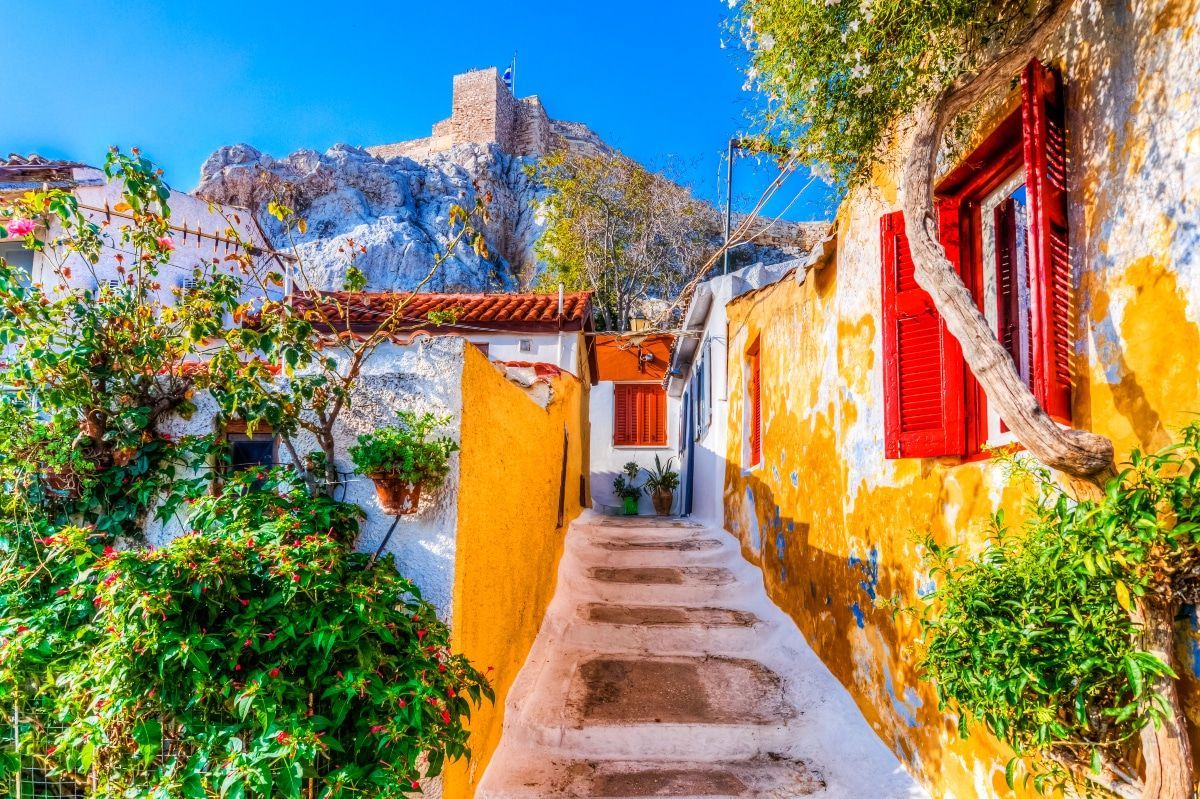
## Description Anafiotika is one of Athens' most surprising neighborhoods, a tiny enclave of whitewashed houses and narrow stairways tucked beneath the Acropolis. Often described as a slice of the Cyclades in the middle of the Greek capital, it feels different from the surrounding city in both scale and mood. Quiet lanes, small courtyards, potted plants, and bright facades create the impression of a village hidden inside a metropolis. The neighborhood's charm comes from its contrast. Athens is energetic, dense, and historically layered, but Anafiotika seems almost suspended above the bustle. You can move through its lanes slowly, hearing less traffic and more footsteps, cats, and the occasional conversation from a nearby home. Because the district is small, its appeal lies not in quantity but in atmosphere. Every path, stair, and turn feels composed for wandering. One little-known fact is that Anafiotika was built in the 19th century by builders from the island of Anafi, who brought Cycladic construction traditions with them. Another is that the neighborhood survived urban pressures partly because of its difficult terrain and its fit with the hillside rather than because of any grand preservation scheme. That makes it a kind of accidental treasure within the city. Architecturally, Anafiotika is fascinating because it expresses island vernacular in an urban setting. White walls reflect the Athenian light, and the small houses seem scaled for intimate daily life rather than status. The area does not have broad tourist infrastructure, which is part of why it feels special. Travelers who arrive expecting monuments may instead find a mood, a viewpoint, and a rare sense of quiet. The setting near the Acropolis also makes Anafiotika ideal for combining with other central Athens sights. You can move from major archaeological landmarks into a neighborhood that feels almost private. That transition from monumental to domestic is one of the most compelling urban experiences in the city. If you enjoy neighborhoods that reward patience and sensitivity, Anafiotika is a standout. It is not large enough for a long itinerary, but it is rich enough to justify a slow walk and a few careful photographs. It offers a memorable reminder that some of the best parts of Athens are found in its in-between spaces. ## Location Anafiotika is located on the northeastern slope of the Acropolis Hill in central Athens, Greece, close to the Plaka district. The easiest way to get there is on foot from the Acropolis Metro area or from Plaka. Because the neighborhood consists of narrow passages and stairways, walking is the only practical way to explore it. Expect uneven surfaces and some uphill sections. ## Tips Visit early in the day for softer light and fewer people. Be respectful of residents. Anafiotika is a living neighborhood, not just a scenic backdrop. Wear shoes with good grip because the pathways can be steep and uneven. Do not expect many signs. The pleasure comes from getting a little lost and then finding your way back. Combine the visit with nearby Plaka and Acropolis viewpoints for a fuller day in central Athens. ## Conclusion Anafiotika is a small but unforgettable neighborhood that brings a quiet Cycladic atmosphere to the heart of Athens, making it one of the city's most atmospheric hidden corners. ## FAQ ### What is Anafiotika? It is a tiny historic neighborhood built in a Cycladic style on the slopes of the Acropolis in Athens. ### Is it easy to find? It can be a little hidden, which is part of its charm, but it is reachable on foot from central Athens. ### Can I take photos there? Yes, but be mindful that people live there and privacy should be respected. ### How much time do I need? Usually 30 to 90 minutes is enough, depending on how much you want to wander and photograph. ## Links - [Anafiotika](https://en.wikipedia.org/wiki/Anafiotika) - [Acropolis of Athens](https://en.wikipedia.org/wiki/Acropolis_of_Athens)
GemVoyage Team • World
Cologne
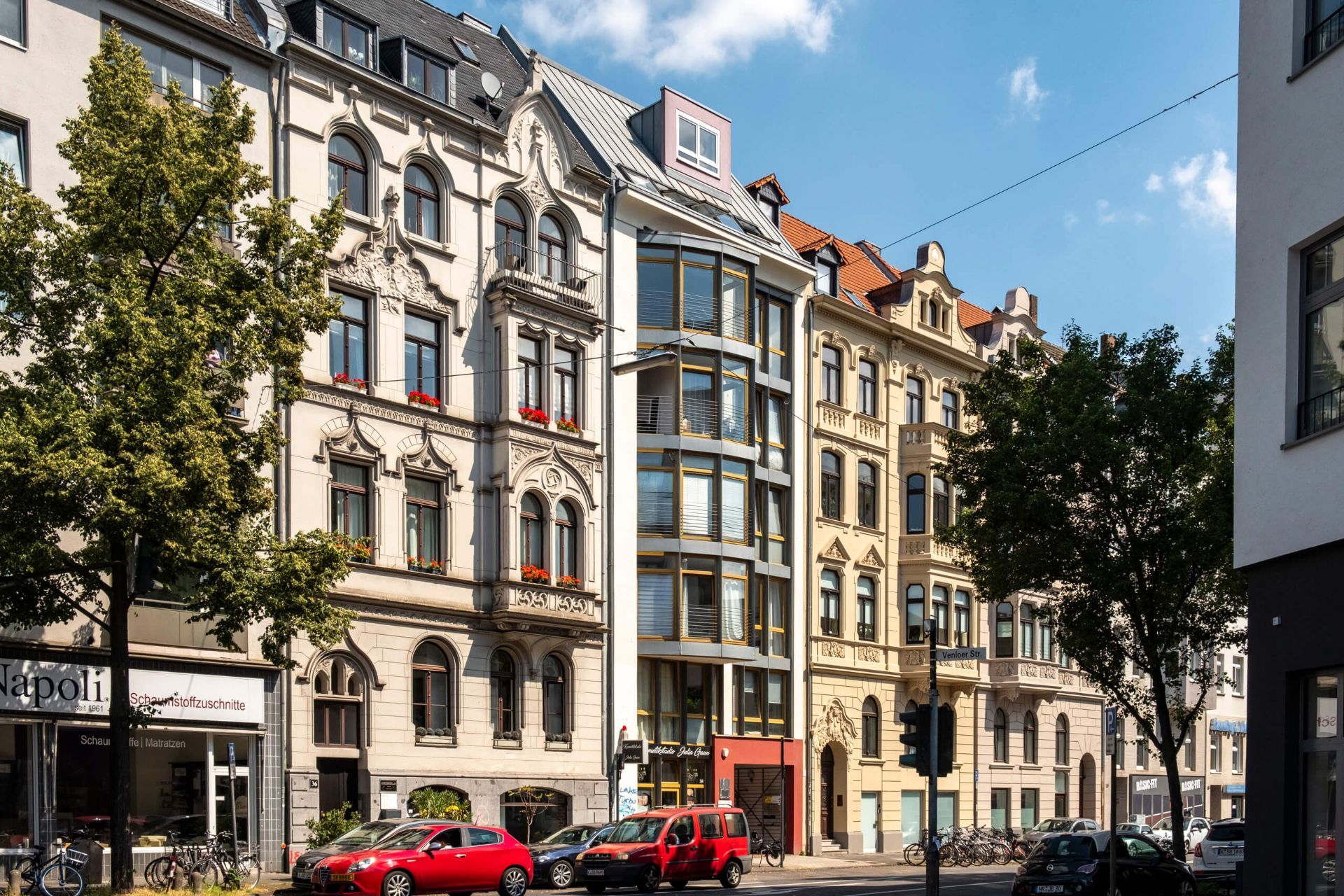
## Description The Belgian Quarter, or Belgisches Viertel, is one of Cologne's most fashionable and creative neighborhoods. Known for its boutiques, galleries, cafes, bars, and attractive residential streets, the district offers a distinctly urban experience that feels polished without becoming impersonal. It is a place where design, food, and everyday city life meet in a compact and walkable area. What distinguishes the Belgian Quarter is its balance of trendiness and livability. Rather than being a single-purpose nightlife zone, it functions as a full neighborhood with shops, apartments, workspaces, and public life. Visitors can browse independent stores, sit at outdoor cafes, look at street art, or simply enjoy the architecture and pace of the streets. The atmosphere is youthful and creative, but not limited to one type of crowd. One lesser-known fact is that the neighborhood's name reflects an old street-naming scheme rather than a strong historical link to Belgium itself. Another is that the area has become a notable center for interior design, fashion, and boutique hospitality, which has helped it develop a reputation as one of Cologne's most style-conscious quarters. That reputation is visible in the carefully curated shopfronts and the relaxed confidence of the streets. The architectural texture of the neighborhood also contributes to its appeal. Tree-lined avenues, classic apartment buildings, and modern retail spaces create an environment that feels pleasant to walk through in almost any season. Because the district is not dominated by one major landmark, the pleasure comes from a series of smaller impressions: a corner cafe, a design store window, a terrace filled with locals, or a low-key bar that becomes lively after dark. For travelers interested in local city culture rather than major monuments, the Belgian Quarter offers a strong sense of Cologne's contemporary lifestyle. It is where people go to meet friends, shop for something unusual, or spend an evening in a setting that feels social but still residential. That gives it a more authentic rhythm than a nightlife strip alone. If you enjoy urban neighborhoods with personality, the Belgian Quarter is one of the best places in Cologne to spend a relaxed afternoon or evening. It is easy to navigate, pleasant to linger in, and rich enough in small details to reward curious travelers. ## Location The Belgian Quarter is located in central Cologne, North Rhine-Westphalia, Germany, just west of the city center. It is easy to reach by tram, bus, or on foot from central Cologne. Once there, the district is best explored on foot because its character depends on browsing, people-watching, and short detours between shops and cafes. ## Tips Go in the afternoon if you want a blend of shopping and cafe culture. If you like design or independent fashion, budget extra time because many stores are worth browsing slowly. Evenings can be lively, but the neighborhood still feels relatively relaxed compared with larger nightlife districts. Combine the visit with a coffee stop or dinner to experience the district's social rhythm. Look beyond the main streets. Some of the best discoveries are one block off the busiest routes. ## Conclusion The Belgian Quarter is one of Cologne's most appealing urban districts, offering a stylish mix of cafes, shops, and neighborhood energy that feels both modern and easygoing. ## FAQ ### Why is it called the Belgian Quarter? The name comes from the street names and the area's historical naming pattern, not from it being a Belgian enclave. ### Is it good for shopping? Yes, especially if you are interested in independent boutiques, design items, and fashion. ### Is the Belgian Quarter touristy? It attracts visitors, but it remains a lived-in neighborhood rather than a purely tourist district. ### What is the best time to visit? Afternoon into evening is ideal if you want to enjoy cafes, shops, and a social atmosphere. ## Links - [Cologne tourism](https://www.cologne-tourism.com/)
GemVoyage Team • World
Lisbon
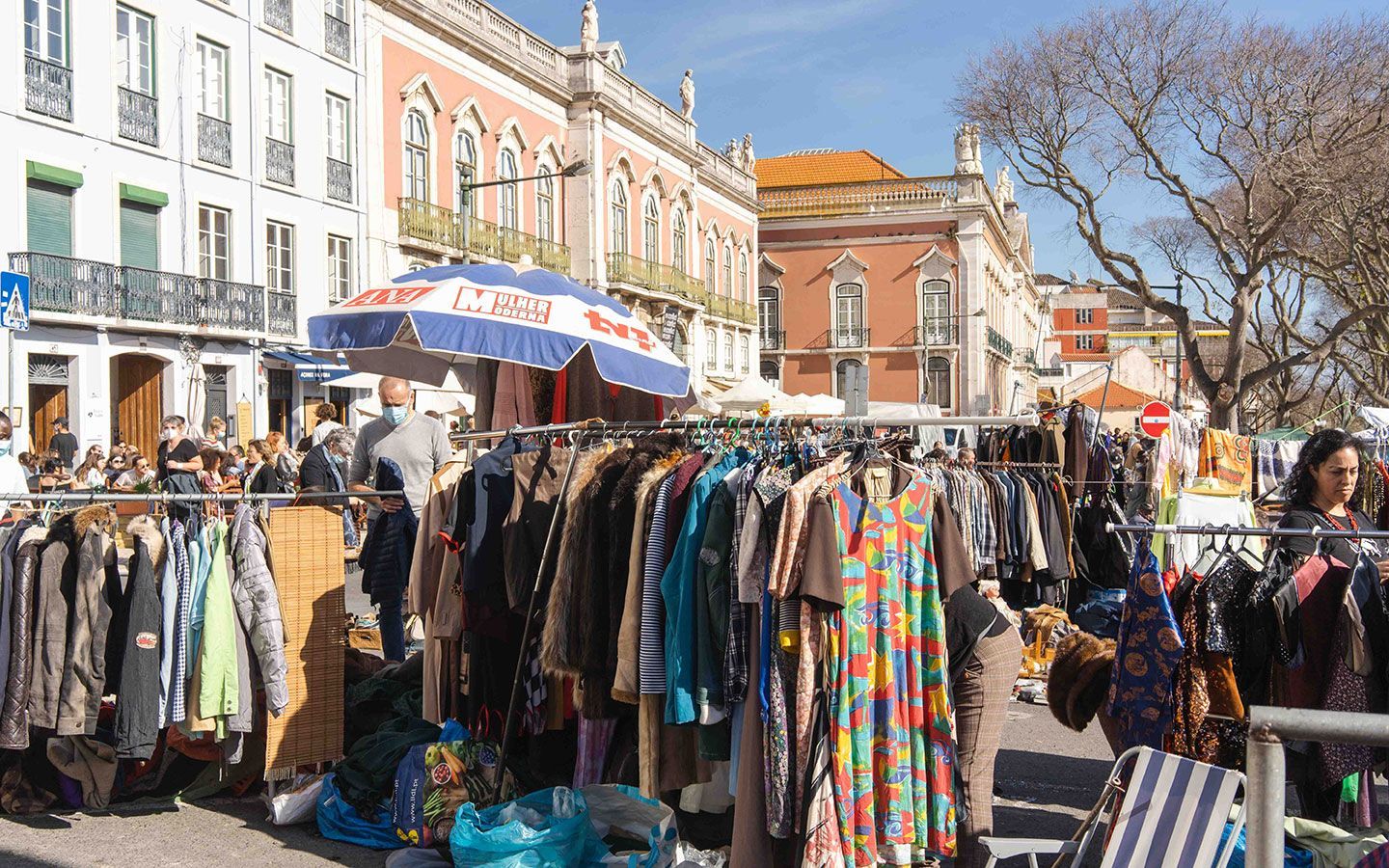
## Description Feira da Ladra is Lisbon’s most atmospheric flea market, a living patchwork of Portuguese life, history and commerce. More than a simple collection of stalls, it functions as a social square where generations of Lisboetas and visitors mingle among secondhand fabrics, antique furniture, faded postcards and artisan curios. The market’s energy is tactile and sensory: the smell of roasted chestnuts on a cool morning, the clack of wooden crates being stacked, and the low negotiation voices that form an audible backdrop to careful inspection of objects that often carry long personal histories. The market’s layout is informal and sprawling across Campo de Santa Clara and adjacent streets, which gives Feira da Ladra a serendipitous quality. Shoppers come for the big-ticket antiques as often as for tiny discoveries — old postcards that reveal vanished streets, or a single ceramic shard that hints at an earlier factory’s palette. Stallholders tend to be people who work in niches: collectors who’ve spent years sourcing porcelain and glass, families passing down boxes of personal effects, or young makers showcasing vintage-inspired handicrafts. That variety is exactly what makes the market valuable for cultural and material history research as well as for treasure hunting. Historically, the name "Feira da Ladra" — literally "thief’s fair" — is layered in nuance rather than literal accusation. Its origin reflects an age when informal markets, barter and secondhand trade were common ways to redistribute goods brought by sailors, seasonal workers and small-time traders. Over centuries, the market evolved from ad-hoc trading to an organized, municipally permitted event; yet it has preserved that improvisational spirit. Locals often stroll the market not just to shop but to socialize, to enjoy street food and to find oddities that become stories to tell. From a visitor’s perspective, Feira da Ladra rewards patience and curiosity. The most memorable finds are rarely the first item seen; rather, they emerge from methodical, slow browsing and conversations with vendors. For photographers and writers, the market provides rich visual and narrative material: candid portraits, evocative still lifes and oral histories that surface in impromptu discussions. For collectors, the market can be a source of rare pieces — old military medals, ill-fitted mirrors with gilded frames, and long-forgotten vinyl records — provided you take the time to look beyond the more tourist-oriented stands. To add practical depth: prices at Feira da Ladra vary widely, from a few euros for secondhand books to hundreds or thousands for verified antiques. If you are buying a significant artifact, ask for provenance information and vendor contact details; many dealers will provide a short history or provenance note for higher-value items. If you're an academic or conservator, the market can be a useful place to connect with sources, restorers and individuals who work in regional crafts. Conversations at stalls often yield unexpected context — the name of a maker, the story of how an item arrived in Portugal, or a tip about a specialist restorer in nearby neighborhoods. For visitors who want a focused approach, consider creating a short checklist: categories of interest (textiles, ceramics, books), approximate size limits for what you can carry, and a preliminary budget. This lets you sift quickly while staying alert for serendipity. Photographers may want to prioritize early hours when stalls are being set up; the quality of light in the plaza and narrow alleys often enhances texture and color in ways that late-day crowds do not. ## Location Feira da Ladra is anchored in Campo de Santa Clara, a broad plaza in Lisbon’s Alfama quarter, a neighborhood known for winding alleys, Fado houses and terraced viewpoints. The market commonly takes place on Tuesdays and Saturdays, though schedules can vary for holidays and municipal regulations — always verify current opening days before traveling. Getting there: the iconic Tram 28 winds through Alfama and stops within reasonable walking distance of Campo de Santa Clara, offering a scenic approach that doubles as a short city tour. For those who prefer other transit, buses and the nearby Santa Apolónia train station provide alternatives. Driving is possible but parking in central Lisbon is limited; rideshares and taxis are convenient options. Because the market sprawls across cobbled streets, wear sturdy shoes and be prepared for narrow passages. Insider transit tip: if you’re trying to avoid the busiest hours on Saturdays, arrive just after opening or target a Tuesday visit. Weekdays mean fewer tourists and better chances to speak with long-term stallholders. Also note that in summer months local festivals and holiday schedules can push setup times earlier or later. ## Tips - Visit early: stalls are fresher and the best items are still available in the morning. - Bring small bills and coins: many vendors prefer cash and it speeds up negotiations. - Learn a few Portuguese phrases for polite bargaining; a warm greeting goes far. - Inspect goods carefully — antiques and vintage items can have hidden damage. - Pack a reusable bag and a small tape measure; some items will need measurements. - Leave time to explore Alfama after the market: viewpoints, narrow streets, and authentic eateries nearby make for a full day. - Respect vendors: ask before photographing and approach trades with courtesy. - If planning larger purchases, discuss delivery options in advance; some vendors have recommended couriers and can help with packing. - Consider bringing a handheld UV light if you’re assessing paper items and stamps — it helps detect repairs and alterations (use respectfully and sparingly). ## Conclusion Feira da Ladra is more than a market: it’s a cultural habit of Lisbon, where history, economy, and daily life intersect. The market rewards visitors who slow down, ask questions and let discoveries find them. Whether you’re a focused collector, a photographer seeking texture and color, or a traveler searching for a distinctive souvenir, Feira da Ladra offers an authentic experience rooted in local rhythms and old-world charm. Suggested half-day itinerary: arrive at opening, walk the perimeter for an overview, focus on two or three categories of interest, take a mid-morning coffee at a nearby cafe, and return for a second pass before noon to finalize purchases. This rhythm helps you avoid decision fatigue and increases the chance of discovering a meaningful item. ## FAQ Q: When is Feira da Ladra open? A: The market normally runs on Tuesdays and Saturdays, with the largest crowds on Saturday mornings. Special municipal events, public holidays, or seasonal adjustments may change the schedule — check local listings or municipal websites for the latest calendar. Q: Is haggling acceptable and common? A: Yes. Polite bargaining is part of the experience, especially for antiques and larger items. Start with a respectful offer and keep interactions friendly; vendors are more likely to lower prices for warm, patient customers. Q: What should I bring to shop at Feira da Ladra? A: Bring cash (small denominations), a sturdy bag for purchases, comfortable shoes, and a phone or notebook to capture vendor details if you’re researching a find. If you plan to purchase large items, have transportation arranged in advance. Q: Are there authentic antiques or mostly tourist souvenirs? A: You’ll find a mix. Some stalls explicitly cater to tourists with souvenirs, but many dealers and long-term stallholders sell genuinely antique or collectible items. Careful browsing and asking informed questions helps locate authentic pieces. Q: Is the market family-friendly and safe? A: Generally yes — it’s a lively neighborhood market with families, collectors, and tourists. Standard urban precautions apply: watch your belongings, be mindful in crowded aisles, and avoid displaying large sums of cash. ## Links - [Wikipedia: Feira da Ladra](https://en.wikipedia.org/wiki/Feira_da_Ladra) - [Lisbon tourism info (markets)](https://www.visitlisboa.com)
GemVoyage Team • World
Mexico City
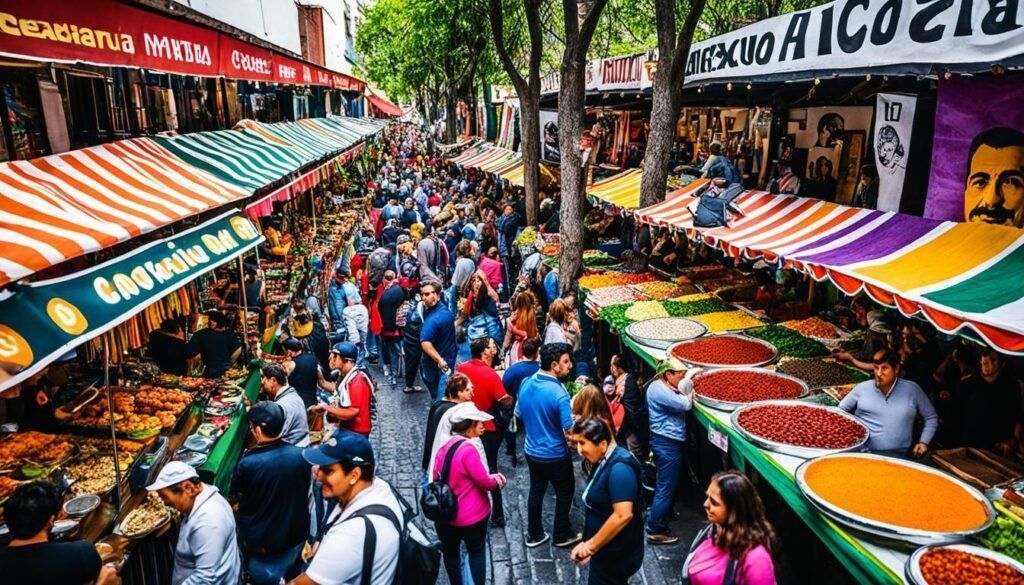
## Description The Coyoacán Market is one of the most atmospheric places in Mexico City for experiencing neighborhood life, local food, and a strong sense of cultural identity. Located in the historic district of Coyoacán, the market is more than a place to buy ingredients or snacks. It is a lively social space where residents, visitors, and vendors interact in a setting that feels deeply rooted in daily life. What makes the market stand out is the combination of color, aroma, and pace. You can move between stalls offering traditional food, produce, sweets, crafts, and everyday goods while hearing the sounds of bargaining and conversation around you. The experience is lively but not sterile, and that makes it especially appealing for travelers who want to feel the city rather than simply observe it. One lesser-known fact is that Coyoacán itself has long had a strong artistic and intellectual identity, which gives the market a broader cultural backdrop than many food markets. Another is that some visitors come for classic Mexican street food and stay because the market also acts as a gateway to the district's broader historic center, where plazas, museums, and cafes are all close by. That makes it easy to turn a market stop into a full neighborhood visit. The food is the heart of the experience. You will usually find tacos, antojitos, fresh juices, sweets, and regional specialties that reflect the diversity of Mexico's culinary traditions. For many travelers, the market becomes one of the most memorable meals of the trip because the setting feels unfiltered and alive. There is a practical pleasure in eating where locals eat and seeing how food organizes everyday routines. The market also works well as a cultural snapshot. It is not just about buying something; it is about watching the choreography of vendors, families, and visitors moving through a shared space. That social energy is what gives the market its depth. Even if you spend only an hour there, you leave with a better understanding of the neighborhood's texture. If you are exploring Mexico City and want a place that combines food, atmosphere, and local identity, Coyoacán Market is an excellent stop. It is energetic without being overwhelming and grounded in a neighborhood that already feels rich with history. ## Location The Coyoacán Market is located in the Coyoacán district of southern Mexico City, Mexico, near the historic center and other local attractions. The easiest way to get there is by taxi, ride-hailing service, or public transit followed by a short walk. Because Coyoacán is a popular destination, weekend visits can be busy, so timing matters if you want a smoother experience. ## Tips Go hungry. The market is one of the best places in the area to sample local food. Carry small bills and some cash, as many vendors may prefer it for quick purchases. Visit earlier in the day for a fresher, less crowded experience. Explore beyond the market itself and spend time in the surrounding Coyoacán streets and plazas. If you are trying several foods, share dishes with companions so you can taste more without overdoing it. Be prepared for crowds, especially on weekends and holidays. ## Conclusion Coyoacán Market is a lively and flavorful introduction to one of Mexico City's most characterful districts, blending food, local commerce, and neighborhood culture in one place. ## FAQ ### What can I buy at Coyoacán Market? You can find food, produce, sweets, crafts, and everyday household items. ### Is it mainly for tourists? No, it remains a real neighborhood market used by locals as well as visitors. ### What food should I try there? Traditional tacos, antojitos, fresh juices, sweets, and regional snacks are good starting points. ### Is the market close to other attractions? Yes, it is well placed for combining with the rest of Coyoacán's historic center. ## Links - [Coyoacán](https://en.wikipedia.org/wiki/Coyoac%C3%A1n) - [Mexico City](https://en.wikipedia.org/wiki/Mexico_City) - [Mexico City tourism](https://mexicocity.cdmx.gob.mx/)
GemVoyage Team • World
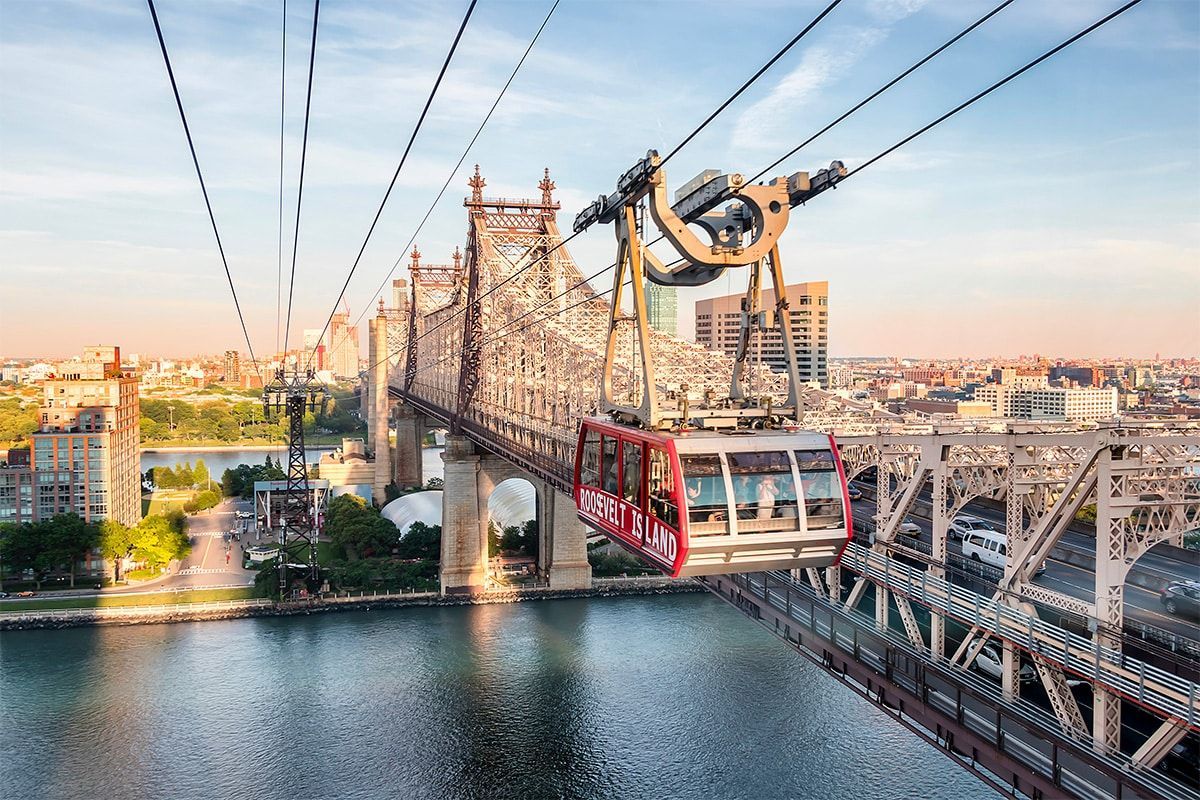
New York
## Description The Roosevelt Island Tram is one of New York City's most unusual and rewarding transit experiences. Unlike the subway or ferry, this aerial tramway gives passengers a moving view over the East River, Midtown Manhattan, and Roosevelt Island itself. It is at once practical, scenic, and slightly unexpected, which is exactly why it has become a favorite for both residents and visitors. What makes the tram special is the perspective it provides. In only a few minutes, you rise above traffic and water, watching the city unfold from a vantage point that feels cinematic. The ride is smooth and surprisingly calming, especially when compared with the intensity of the streets below. For many visitors, the tram is less about destination and more about the feeling of crossing the river in the air. One little-known fact is that the tram originally opened in 1976 as a temporary transit solution and became so popular that it remained in service as a permanent part of the city's transport network. Another is that Roosevelt Island itself has changed identities many times over the centuries, from farming and institutional uses to a planned residential community. The tram is therefore not just a tourist novelty; it is the visible connector to an island with its own layered story. The ride is especially appealing because it works well in both directions. You can take it to reach Roosevelt Island for a stroll, then use it simply as a memorable return to Manhattan. On clear days, the views are excellent; on cloudy days, the skyline can appear dramatic and atmospheric. Either way, the experience is more than transportation. It is a brief reset within a dense urban day. Roosevelt Island itself also makes the tram more worthwhile. Once there, visitors can walk the waterfront, explore parks and memorials, and enjoy a quieter pace than in Manhattan. The tram becomes a gateway to a calmer landscape without leaving the city. That contrast is part of why it stands out in New York, a city famous for movement but not often for this kind of quiet transition. If you want one transit experience in New York that is memorable, efficient, and visually distinctive, the Roosevelt Island Tram is an easy recommendation. It is short, affordable relative to the view it offers, and unlike almost anything else in the city. ## Location The Roosevelt Island Tram operates between Manhattan and Roosevelt Island in New York City, crossing the East River from the Upper East Side area. The tram is easily reached by subway or bus from Manhattan, followed by a short walk to the station. Since it is a working part of the city's transit system, it is best treated like a transport option rather than a theme-ride attraction, even though the experience feels scenic. ## Tips Ride during daylight if you want the best views of the skyline and river. If possible, take it in one direction and return another way so you can compare the perspectives. Be aware that the tram can be busy during commute times and weekends. Bring your camera or phone ready, but do not spend the whole ride behind a screen. Plan a little time on Roosevelt Island itself so the ride is part of a fuller outing. Check service status before going, especially during weather events or maintenance periods. ## Conclusion The Roosevelt Island Tram is a short but unforgettable New York experience that combines transit, skyline views, and a unique way to cross the East River. ## FAQ ### Is the Roosevelt Island Tram worth it for tourists? Yes, it is one of the most distinctive and scenic transit rides in New York City. ### How long is the ride? It is short, usually only a few minutes, which makes the views feel concentrated and memorable. ### Does it operate like public transit? Yes, it is part of the city's transportation system rather than a private sightseeing attraction. ### Is Roosevelt Island worth visiting? Yes, especially if you want a quieter waterfront walk and a different view of Manhattan. ## Links - [Roosevelt Island Tramway](https://en.wikipedia.org/wiki/Roosevelt_Island_Tramway) - [Roosevelt Island](https://en.wikipedia.org/wiki/Roosevelt_Island)
GemVoyage Team • World