GemVoyage Team • World
What distinguishes the Belgian Quarter is its balance of trendiness and livability. Rather than being a single-purpose nightlife zone, it functions as a full neighborhood with shops, apartments, workspaces, and public life. Visitors can browse independent stores, sit at outdoor cafes, look at street art, or simply enjoy the architecture and pace of the streets. The atmosphere is youthful and creative, but not limited to one type of crowd.
One lesser-known fact is that the neighborhood's name reflects an old street-naming scheme rather than a strong historical link to Belgium itself. Another is that the area has become a notable center for interior design, fashion, and boutique hospitality, which has helped it develop a reputation as one of Cologne's most style-conscious quarters. That reputation is visible in the carefully curated shopfronts and the relaxed confidence of the streets.
The architectural texture of the neighborhood also contributes to its appeal. Tree-lined avenues, classic apartment buildings, and modern retail spaces create an environment that feels pleasant to walk through in almost any season. Because the district is not dominated by one major landmark, the pleasure comes from a series of smaller impressions: a corner cafe, a design store window, a terrace filled with locals, or a low-key bar that becomes lively after dark.
For travelers interested in local city culture rather than major monuments, the Belgian Quarter offers a strong sense of Cologne's contemporary lifestyle. It is where people go to meet friends, shop for something unusual, or spend an evening in a setting that feels social but still residential. That gives it a more authentic rhythm than a nightlife strip alone.
If you enjoy urban neighborhoods with personality, the Belgian Quarter is one of the best places in Cologne to spend a relaxed afternoon or evening. It is easy to navigate, pleasant to linger in, and rich enough in small details to reward curious travelers.
It is easy to reach by tram, bus, or on foot from central Cologne. Once there, the district is best explored on foot because its character depends on browsing, people-watching, and short detours between shops and cafes.
If you like design or independent fashion, budget extra time because many stores are worth browsing slowly.
Evenings can be lively, but the neighborhood still feels relatively relaxed compared with larger nightlife districts.
Combine the visit with a coffee stop or dinner to experience the district's social rhythm.
Look beyond the main streets. Some of the best discoveries are one block off the busiest routes.
Discover more hidden gems you might love.
Amsterdam
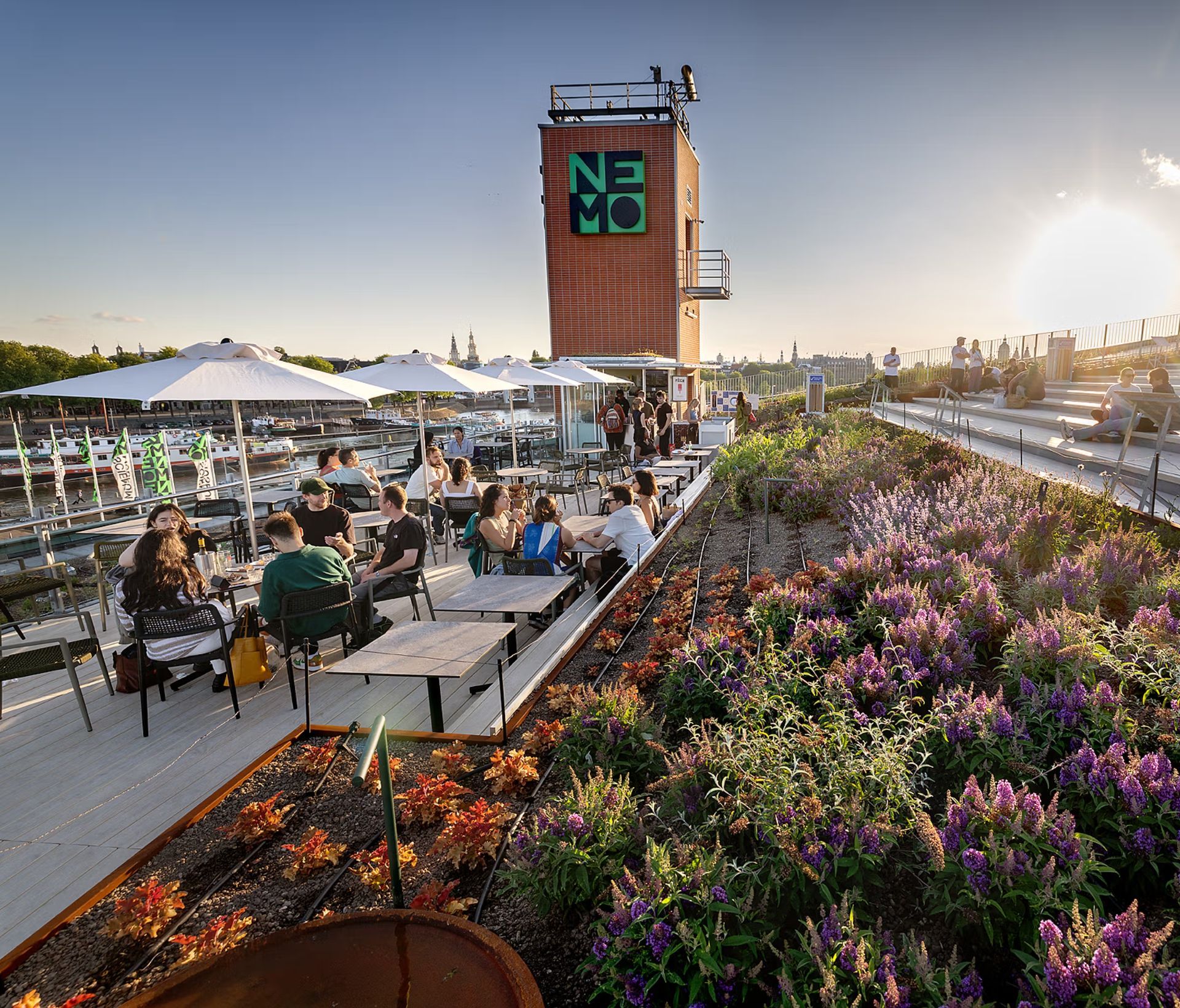
## Description Amsterdam is a city of canals, bicycles, and centuries of history layered into every brick and bridge. Among its many attractions, one of the most underrated and genuinely delightful experiences is the rooftop terrace of NEMO Science Museum. Sitting on top of one of the city's most architecturally distinctive buildings, the rooftop offers a panoramic view over the historic city center that is difficult to match from any other vantage point. What makes it particularly remarkable is that access to the rooftop is entirely free, even for visitors who do not have a ticket to the museum itself. NEMO is housed in a building designed by the renowned Italian architect Renzo Piano, who is also responsible for landmarks such as the Centre Pompidou in Paris and The Shard in London. The building, which opened in 1997, is shaped to resemble the bow of a large ship emerging from the water of the Oosterdok harbor. This is no coincidence: the building was designed in the shape it has because it sits directly above the entrance to the IJ tunnel, one of the major road tunnels running beneath Amsterdam's waterways. The rooftop continues this nautical theme, with its sloping green surface and tiered terraces that feel like the decks of a great vessel. One fact that many visitors do not know is that in summer the rooftop transforms into a seasonal outdoor swimming spot. A small temporary pool is set up on the roof, offering an extraordinary place to swim with views over one of Europe's most beautiful city skylines. This is one of the more unusual and memorable experiences available in Amsterdam and yet it remains relatively unknown outside the city. Another interesting detail is that the rooftop is accessible via an outdoor staircase on the side of the building, meaning you do not need to pass through the museum entrance at all, making it a truly accessible and free outdoor space. The view from the top takes in the historic canal houses of the city center, the Centraal Station, the open harbor, the Scheepvaartmuseum, and on clear days extends far into the distance across the flat Dutch landscape. Sunset from the rooftop is particularly spectacular, with the low northern light casting long golden shadows across the water and rooftops below. ## Location NEMO Science Museum is located in the Oosterdok area of central Amsterdam, in the Netherlands. The full address is Oosterdok 2, 1011 VX Amsterdam. It sits on a man-made peninsula that juts into the Oosterdok harbor, directly adjacent to the historic city center. Getting there is straightforward. From Amsterdam Centraal Station, the museum is a short walk of approximately 10 to 15 minutes. Head east along the waterfront, passing the Scheepvaartmuseum and following the signs for NEMO. The building is unmistakable from a distance given its distinctive ship-like form rising above the harbor. Tram and bus routes also stop near the museum, and the area is easily navigated by bicycle, which is of course the most Amsterdam way to travel. There is limited parking for cars in the area, so public transport or cycling is recommended. ## Tips - **Access the rooftop for free.** The outdoor staircase on the side of the building leads directly to the rooftop without requiring a museum ticket. This makes it an excellent option for travelers on a budget or those who simply want the view. - **Arrive around sunset.** The rooftop faces west and southwest, making it an ideal spot to watch the sun go down over the city. The light during golden hour is extraordinary and the view becomes particularly photogenic. - **Visit during summer for the rooftop pool.** If you are visiting Amsterdam between late June and August, the temporary rooftop swimming pool is a unique experience. Check NEMO's website for the exact dates each year as they vary. - **Combine the visit with the museum.** If you have children or are interested in science and technology, the NEMO museum itself is excellent and well worth a visit. The interactive exhibits are engaging for adults as well as children. - **Go on a clear day.** The view is best when the weather is clear. Amsterdam's weather can be unpredictable, so check the forecast and pick a clear afternoon for the best experience. - **The rooftop has seating and a cafe in season.** During the summer months, a cafe operates on the rooftop serving drinks and light food. Arriving with time to sit and take in the view is well worthwhile. ## Conclusion The rooftop of NEMO Science Museum is one of those rare places that manages to be both completely free and genuinely extraordinary. In a city as beautiful and well-visited as Amsterdam, finding a spot that offers such a commanding view without crowds or admission fees is a genuine discovery. Whether you are visiting for the view, the architecture, the seasonal swimming pool, or simply a quiet place to sit above the city, the NEMO rooftop delivers an experience that will stay with you long after you have left Amsterdam. ## FAQ **Is the NEMO rooftop really free to access?** Yes. The rooftop terrace is accessible via an outdoor staircase that does not require a museum ticket. You can visit the rooftop completely free of charge at any time during the museum's opening hours. Note that during special evening events the rooftop may have a separate admission. **What are the opening hours of the rooftop?** The rooftop is generally accessible during the same hours as the museum, which is typically open Tuesday through Sunday from 10:00 AM to 5:30 PM. It is closed on most Mondays except during school holidays. Always verify the current hours on the official NEMO website before visiting. **When does the rooftop swimming pool open?** The swimming pool on the NEMO rooftop is a seasonal installation that operates during the summer months, typically from late June to late August. Exact dates vary each year and should be checked on the official NEMO website. **Who designed the NEMO building?** The NEMO building was designed by Italian architect Renzo Piano. It opened in 1997 and has since become one of Amsterdam's most recognizable modern landmarks. The building's ship-like shape is a reference to its location above the IJ tunnel and the surrounding harbor. **Is NEMO suitable for adults without children?** Absolutely. While NEMO is particularly popular with families and school groups, the museum's exhibits are engaging for adults as well. Even visitors who have no interest in the museum interior will find the rooftop rewarding. **Is the rooftop accessible by wheelchair?** The outdoor staircase that provides free access to the rooftop is not wheelchair accessible. However, wheelchair users can access the rooftop via the elevator inside the museum, which does require a museum ticket. NEMO is generally well equipped for visitors with mobility requirements. ## Links - [NEMO Science Museum Official Website](https://www.nemosciencemuseum.nl/en) - [NEMO Science Museum on Wikipedia](https://en.wikipedia.org/wiki/NEMO_(museum)) - [Amsterdam Tourism Official Website](https://www.iamsterdam.com)
GemVoyage Team • World
Rome
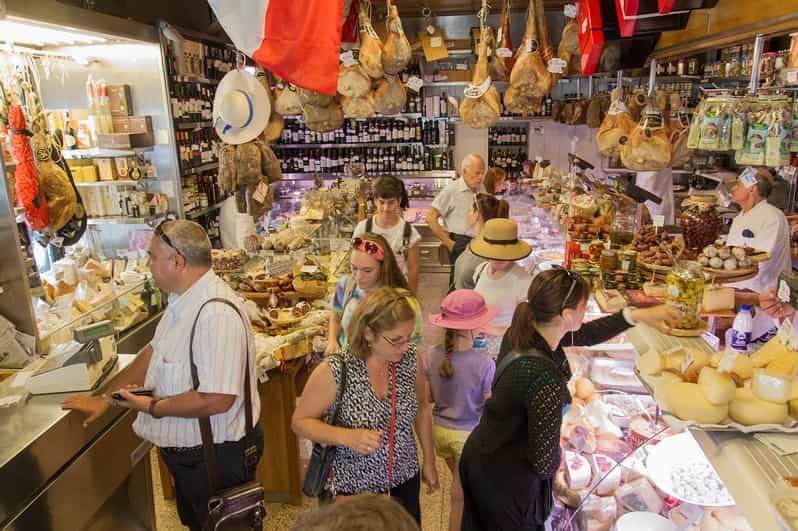
## Description Testaccio Market (Mercato Testaccio) is a lively, authentic food market at the heart of one of Rome’s most food-forward neighborhoods. Unlike the tourist-heavy markets closer to the historic center, Testaccio retains a working-market energy: long-time vendors sell seasonal fruit and vegetables, butchers and fishmongers prepare daily stock, and small eateries and street-food counters push culinary tradition forward. The market is famed for staples such as porchetta sandwiches, supplì and a wide selection of Italian cheeses and cured meats, while newer artisanal stalls introduce contemporary flavors, craft gelato and fusion snacks. What distinguishes Testaccio is its deep connection to the local history. Monte Testaccio—an artificial mound of broken amphorae from the Roman period—anchors the area’s archaeology and speaks to the neighborhood’s centuries-long role as Rome’s distribution and storage quarter. That heritage informs the food culture: local producers, family-run stalls and traditional recipes coexist with experimental kitchens, meaning a single visit can offer both classic Roman comfort foods and creative reinterpretations. The market’s compact layout makes it an ideal stop for tasting rather than full dining—sample multiple vendors over a morning and build a small feast. Culinary tours often include the market because it presents both quality ingredients and convivial daily life: you’ll hear vendors bartering, watch knives at work behind counters, and find specialty shops selling olive oil, aged cheeses and regional preserves. ## Location Testaccio Market is located in the heart of the Testaccio neighborhood, south of the Aventine Hill and a short ride from Rome’s historic center. The nearest metro stop is Piramide on Line B; several bus routes also serve the area, and many visitors walk from nearby neighborhoods like Trastevere or the Aventine for a scenic stroll. The market is close to other attractions—Pyramid of Cestius, riverfront walks and a lively restaurant scene—making it easy to build a food-focused itinerary. If you prefer to mix shopping with sightseeing, plan an early morning visit for the freshest produce and a quieter atmosphere, or go mid-afternoon to sample street food and sample plates as vendors prepare for evening trade. ## Tips - Arrive in the morning for peak freshness and to see the market at full pulse; many vendors begin packing up by late afternoon. - Be adventurous with sampling: try porchetta, supplì, fresh pasta to-go and the market’s cured meats—ask vendors for their recommendations. - Carry small change and a reusable bag; while many places accept cards now, smaller stalls still prefer cash. - If you want a guided tasting, several local food tours include the market and introduce signature stalls and historical anecdotes. - After browsing, explore nearby eateries in Testaccio for fuller meals or head to the riverfront for a relaxed walk. ## Conclusion Testaccio Market is a living portrait of Roman food culture: hands-on, edible and evolving. It’s the place to taste ingredients in their most immediate form, to listen to local foodways in conversation and to discover how centuries of commerce and community shaped a distinctly Roman palate. For culinary travelers seeking authentic flavors and friendly vendor encounters, Testaccio remains indispensable. ## FAQ Q: What are the market’s opening hours? A: Hours vary by stall, but most vendors open early morning and many close by late afternoon; specialty eateries may open again for evening service—check specific stall times if you have a destination vendor. Q: Can I eat on-site or should I take food away? A: Both. Many stalls prepare foods to eat immediately and provide small eating areas or counters; taking items to nearby picnic spots or a short walk is also common. Q: Is Testaccio Market suitable for dietary restrictions? A: Yes—ask vendors about ingredients. You can find vegetarian pasta, vegetable-based dishes and some stalls that accommodate allergies, but always ask about preparation and cross-contamination. Q: Are there guided tours of the market? A: Yes, several local food-tour operators include Testaccio in tasting itineraries; a guided tour is a great way to discover favorite stalls and sample local specialties. Q: Is the market touristy? A: Testaccio retains a local feel despite growing interest from visitors; early mornings are best for a more authentic experience. ## Links - [Testaccio](https://www.lavitaroma.com/blog/2017/03/17/testaccio-market-rome)
GemVoyage Team • World
Boa Vista
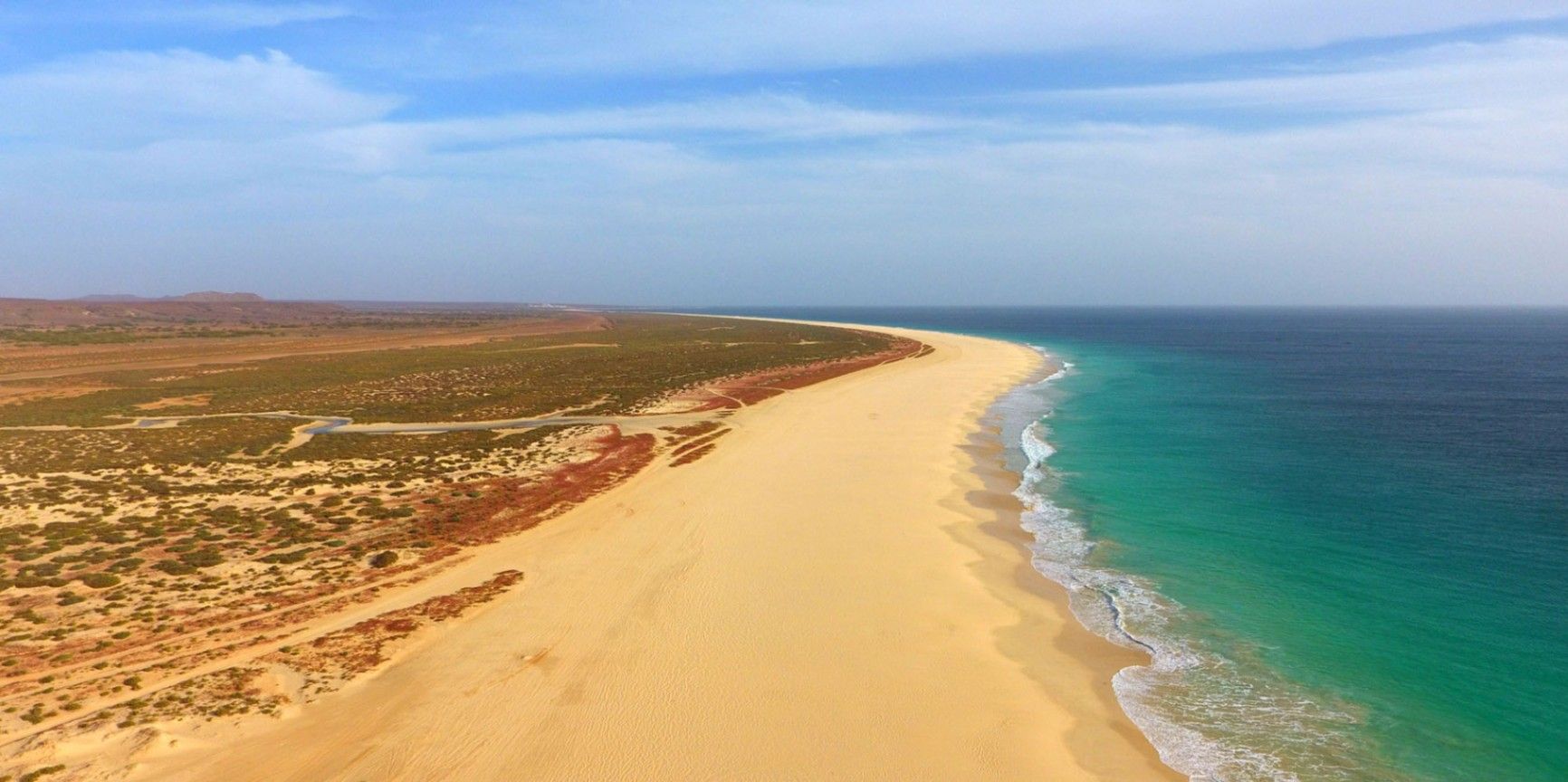
## Description Praia de Santa Mónica is often described as one of the most beautiful beaches in the world—and with good reason. Stretching over 18 kilometers along the southern coast of Boa Vista, Cape Verde, this vast expanse of golden sand and turquoise water remains almost untouched by development. Its name, “Santa Mónica,” was inspired by California’s famous beach, yet its charm lies in its wild and pristine character. The beach is unique because of its sheer size and tranquility. Unlike other popular destinations, Praia de Santa Mónica rarely feels crowded, even during peak travel seasons. Visitors are treated to panoramic views of rolling dunes, crystal-clear waves, and endless horizons. The beach is also known for being a nesting site for sea turtles, particularly the endangered Caretta caretta (loggerhead turtle). During nesting season, guided tours allow travelers to observe these creatures responsibly, making for a truly unforgettable experience. A little-known fact is that the beach is part of the Morro de Areia Nature Reserve, a protected area aimed at conserving both marine and terrestrial biodiversity. This adds an extra layer of significance for those seeking eco-friendly and sustainable travel experiences. ## Location Praia de Santa Mónica is located on the island of **Boa Vista**, one of the ten main islands of **Cape Verde**, an archipelago off the west coast of **Africa** in the Atlantic Ocean. The beach lies on the southwestern coast of Boa Vista, approximately 20 kilometers from the island’s capital, Sal Rei. To reach Praia de Santa Mónica, most visitors first arrive at Aristides Pereira International Airport (BVC) in Boa Vista. From there, taxis or guided tours can take you to the beach in around 40 minutes. Since public transport is limited on the island, arranging private transfers or joining an organized excursion is recommended. Off-road vehicles are often used, as some roads to the beach remain unpaved, adding a sense of adventure to the journey. ## Tips * **Bring essentials:** There are few facilities on-site, so pack water, snacks, sunscreen, and shade if you plan to spend several hours there. * **Swimming caution:** While the water looks inviting, currents can sometimes be strong. Check local conditions before swimming and stick to calmer areas. * **Best time to visit:** Early morning or late afternoon provide not only cooler temperatures but also the most stunning light for photography. * **Turtle watching:** If visiting between June and October, book a guided turtle-watching excursion to witness the nesting or hatching process. These tours are regulated to ensure the animals are not disturbed. * **Respect the environment:** Stay on marked paths to protect dunes and wildlife, and avoid leaving litter behind. * **Combine with a tour:** Many excursions include stops at Santa Mónica along with other highlights of Boa Vista, such as the Viana Desert or the shipwreck of Cabo Santa Maria. ## Conclusion Praia de Santa Mónica in Cape Verde is a destination for those seeking unspoiled beauty, peace, and a connection with nature. With its endless sandy shores, rich biodiversity, and breathtaking views, it offers a paradise-like escape far removed from crowded tourist resorts. For travelers looking to experience Cape Verde at its most authentic, this beach is an absolute must. ## FAQ **1. Is Praia de Santa Mónica suitable for families?** Yes, families can enjoy the wide sandy beach, but parents should monitor children closely when swimming due to occasional strong currents. **2. Are there restaurants or shops nearby?** No, the beach is largely undeveloped. It’s best to bring supplies from Sal Rei or your hotel before heading there. **3. How long should I plan to spend at the beach?** Many visitors spend a half-day to enjoy the scenery and relax, but nature lovers and photographers often stay longer. **4. Is it possible to surf or kiteboard at Santa Mónica?** The beach can offer good waves, but it’s less developed for water sports than other parts of Boa Vista. Consult local guides if you’re looking for surfing or kitesurfing opportunities. **5. Can I see turtles on my own?** For conservation reasons, turtle watching should only be done with licensed guides. This ensures the safety of both the turtles and visitors. **6. What’s the best way to get there?** The easiest way is by booking a taxi or an organized 4x4 tour from Sal Rei or your resort. Public transport does not reach the area. ## Links * [Cape Verde Tourism Official Site](https://www.visit-caboverde.com) * [Boa Vista Tourism Guide](https://www.boavistaofficial.com)
GemVoyage Team • World
Rome
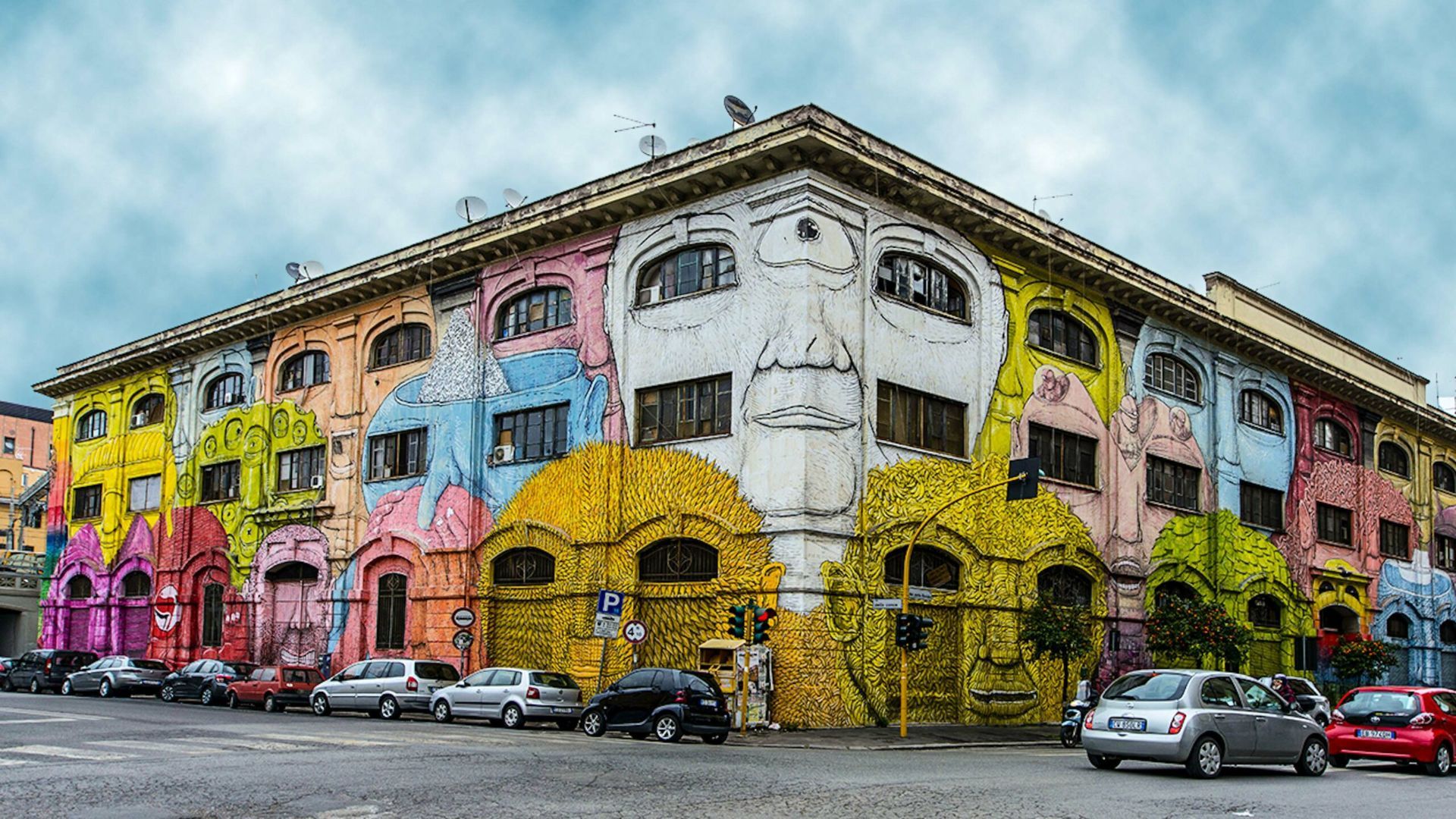
## Description Ostiense in Rome is a neighborhood that quietly combines industrial history, creative reinvention, and a growing street-art scene. Long overlooked in favor of the city’s classical core, Ostiense has become a canvas for large-scale murals, community art projects, and cultural venues that repurpose former warehouses and factories. The area’s atmosphere is energetic and contemporary—the kind of place where gritty, working-class textures meet curated cafes, design-driven restaurants, and cultural centers. One lesser-known detail: many of the murals and public artworks here are the result of organized collaborations between international and Italian artists, local associations, and municipal regeneration programs, meaning the pieces often reflect a distinct local voice rather than random tagging. Ostiense is also notable for nearby cultural institutions such as Centrale Montemartini—an arresting museum that juxtaposes classical sculpture with industrial architecture—as well as evolving food halls and waterfront promenades that add to the neighborhood’s appeal. The daily rhythm here is different from Rome’s historic center: it’s more local, less hurried, and often the setting for pop-up markets, gallery openings, and late-night dining. ## Location Ostiense lies south of Rome’s historic center, adjacent to Stazione Ostiense and the Gasometro area. The neighborhood is easily reachable by metro (Piramide station on Line B), regional trains, and buses, making it convenient for travelers who want to pair a visit with nearby attractions or evening dining options. ## Tips - Walk the streets deliberately and allow time for visual discoveries—large murals and hidden installations are often tucked down industrial lanes. - Consider a guided street-art tour to gain context on the murals, the artists, and the local regeneration efforts that funded them. - Combine visits with cultural stops: Centrale Montemartini, the former Gasometro, and nearby food markets offer a rounded itinerary. - Respect private property and photograph from public sidewalks—some murals occupy private building facades. - Best times: weekday afternoons for quieter explorations, and early evenings for the dining scene; weekends may have markets and events. ## Conclusion Ostiense offers a living gallery of contemporary street art woven into an urban tapestry of industrial heritage and modern cultural life. For travelers who appreciate street art, creative urban renewal, and a less-touristed side of Rome, Ostiense is a rewarding stop that captures both local momentum and adventurous city-making. ## FAQ Q: Are Ostiense’s murals permanent? A: Many are long-term projects, but street art can be transient—check local galleries or tour operators for the most current highlights. Q: Are guided street-art tours available? A: Yes; several local guides and cultural organizations run walking tours that explain the art, artists, and history behind the works. Q: Is Ostiense safe to visit at night? A: Generally yes—areas around the train station and main streets are lively at night, though standard urban caution is advised in quieter lanes. Q: Can I photograph the murals? A: Absolutely; murals in public spaces are typically fine to photograph—avoid obstructing traffic or private entrances while shooting. Q: What else is nearby to pair with an Ostiense visit? A: Centrale Montemartini, food halls, and the riverside promenade are excellent nearby additions. ## Links - [Ostiense](https://www.partir-a-rome.com/quartiers-rome/ostiense-tor-marancia)
GemVoyage Team • World

Rome
## Description Janiculum Hill (Gianicolo) stands as one of Rome’s most rewarding scenic vantage points, offering sweeping panoramas of the city’s rooftops, domes and spires, with St. Peter’s Basilica prominently on the skyline. Unlike the classical seven hills of ancient Rome, Janiculum sits to the west of the Tiber and has a distinct character: it combines leafy public gardens, impressive monuments to Italy’s 19th-century unification heroes, and pockets of quiet away from the densest tourist routes. Visitors come to linger on terraces and balustrades, photograph the city at golden hour, and stroll the shaded promenades lined with cypress and plane trees. What makes Janiculum special is its layered atmosphere — it’s part memorial, part urban park and part living neighborhood. Statues and memorials, including the commanding equestrian statue of Giuseppe Garibaldi, recall Italy’s Risorgimento period and add historic depth to the views. The hill is studded with small chapels, fountains such as the striking Fontana dell'Acqua Paola (also called Il Fontanone), and hidden viewpoints that look across the Tiber to the heart of ancient Rome. Little-known facts: Janiculum is home to several international monuments (including busts and memorials to foreign volunteers who fought for Italy) and there’s a long-standing local tradition of a noon cannon shot — a historical custom that punctuates the day and ties the hill into Rome’s lived rituals. ## Location Janiculum Hill is located in Rome, Lazio region, Italy, on the west bank of the Tiber River opposite the historic Trastevere and the ancient core of the city. The main terraces and the most frequented viewpoints cluster along the Via Garibaldi and the Passeggiata del Gianicolo, a ridge that runs north-south. The nearest neighborhoods are Trastevere (below the hill) and the residential Monteverde and Gianicolense districts. To get there: from central Rome, one of the most pleasant routes is to walk up from Piazza Trilussa in Trastevere and ascend via the Viale del Gianicolo or the stairways that connect Trastevere’s lanes to the hill’s terraces. Public transport options include buses that serve nearby stops (check local routes such as lines that head to Trastevere and Monteverde) or taking tram/bus to the Trastevere rail station and walking up. Taxis or ride-hailing services can drop you near the top terraces for a short walk. For visitors who prefer a guided introduction, many walking tours of Trastevere and the Janiculum combine history and views. ## Tips - Timing: For the most stunning light, aim for the hour before sunset (golden hour) for warm, cinematic views and photographs. Early morning offers quieter conditions and softer light. The hill can be breezy in late afternoon. - Crowds: The terraces are popular but not overcrowded like central squares. Weekdays and early mornings are best to avoid local visitors during weekends. - Security & comfort: Pickpocketing is less common here than in dense tourist hubs, but keep usual precautions. Wear comfortable shoes for cobbled paths and steps. - Amenities: There are a few cafés and kiosks nearby, but consider bringing water, especially in summer. Public restrooms are limited; plan accordingly. - Seasons: Spring and autumn are ideal for pleasant temperatures; summer can be hot and busier. Winter offers crisp air and clearer long-distance visibility on good days. - Photography: Bring a zoom lens for close-ups of city details and a wide angle for sweeping skyline shots. Some viewpoints are fenced; respect barriers and private property. ## Conclusion Janiculum Hill is a peaceful, evocative corner of Rome where panoramic views meet commemorative monuments and shady walks. It rewards visitors who step just a little off the busiest tourist routes with moments of true perspective—on the city’s urban spread, its historical layers, and its daily life. Whether you come for sunset, a reflective stroll among monuments, or to trace lesser-known aspects of modern Italian history, Janiculum offers an intimate, memorable encounter with Rome. ## FAQ Q: Is Janiculum Hill within walking distance from the historic center? A: Yes. From Trastevere and several central points it is a manageable walk; stairways and slopes connect it to the historic center. Q: Is there an entrance fee? A: No. Janiculum’s public terraces and gardens are free to visit. Q: Are there guided tours available? A: Yes. Many walking tours of Trastevere and specialized history tours include Janiculum; private guides can provide deeper context on the monuments. Q: Is the area safe at night? A: Generally yes, but standard urban precautions apply—stick to well-lit areas and main promenades. Q: Can I drive up? A: Driving is possible to some upper roads and viewpoints, but parking is limited. A drop-off is convenient. ## Links [Wikipedia: Gianicolo (Janiculum)](https://en.wikipedia.org/wiki/Janiculum) [Roma Turismo / Visit Rome (official tourism guides)](https://www.turismoroma.it)
GemVoyage Team • World
Paris
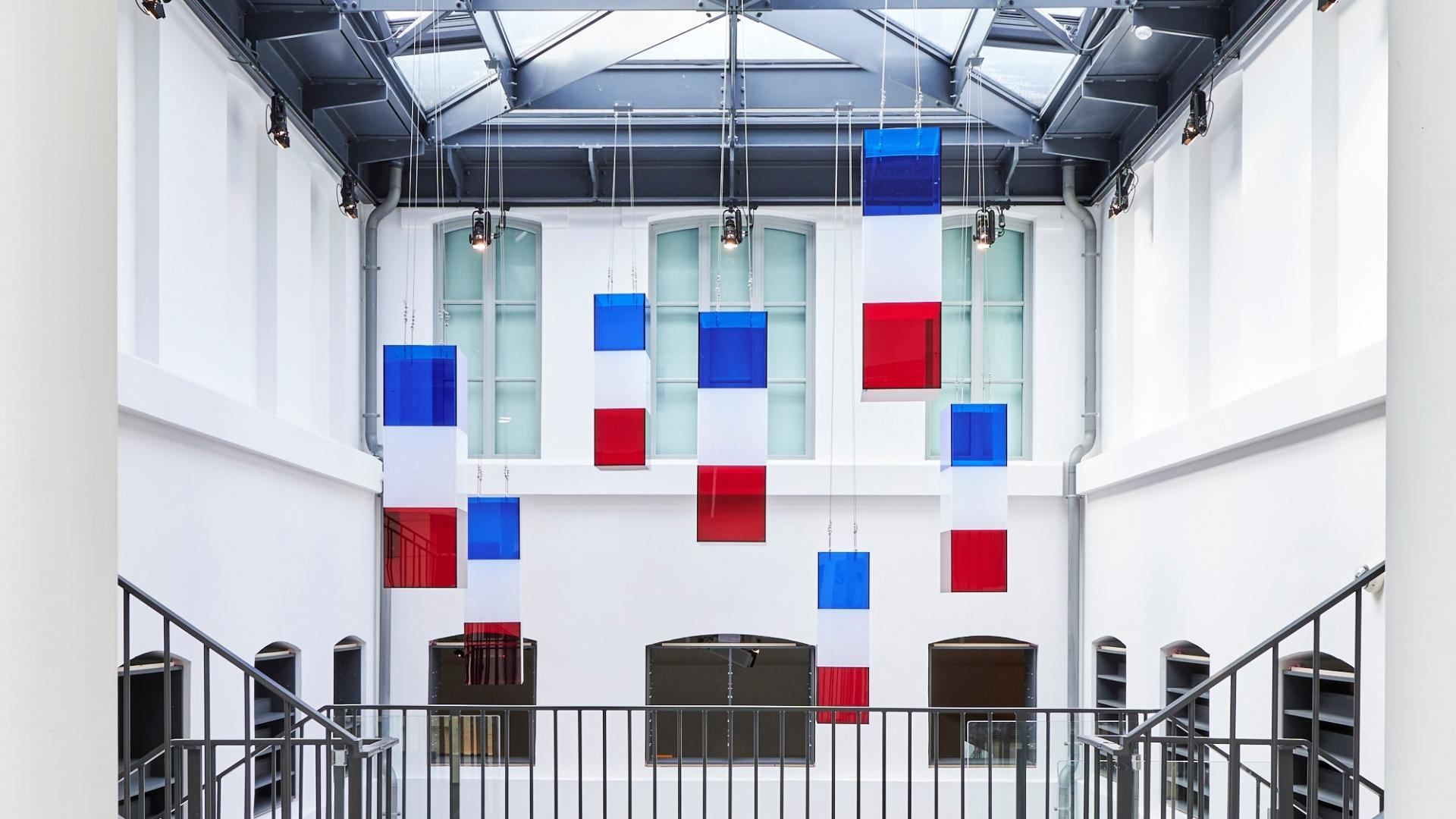
## Description **The Liberation of Paris Museum (Musée de la Libération de Paris – Musée du Général Leclerc – Musée Jean Moulin)** is one of the most important modern history museums in the French capital. Dedicated to the **German occupation of Paris (1940–1944)**, the **French Resistance**, and the **Liberation of Paris**, the museum offers a clear, unsentimental account of how the city endured, resisted, and ultimately reclaimed its freedom during World War II. What distinguishes this museum is its **focus on individuals rather than abstract events**. Through personal letters, photographs, uniforms, clandestine newspapers, and everyday objects, the museum tells the story of ordinary Parisians alongside key historical figures such as **Jean Moulin**, a central figure of the French Resistance, and **General Philippe Leclerc**, commander of the Free French forces that entered Paris in August 1944. The narrative is chronological and grounded, avoiding glorification while emphasizing moral courage and civil resistance. One of the museum’s most striking features is the preserved **underground command bunker** used by Colonel Henri Rol-Tanguy during the final days of the liberation. Visitors can descend into this space, which remains intact, offering a rare and visceral sense of wartime decision-making under pressure. A lesser-known fact is that this bunker was rediscovered relatively late and restored as part of the museum’s redesign. Another notable detail is that the museum relocated in 2019 to its current site to better reflect the historical geography of the liberation events. The museum is immersive without being overwhelming. It balances historical rigor with accessibility, making complex political and military developments understandable without diluting their seriousness. ## Location **Country:** France **Region:** Île-de-France **City:** Paris **Arrondissement:** 14th arrondissement The museum is located on **Place Denfert-Rochereau**, a historically symbolic site connected to resistance activity and wartime infrastructure. ### How to Get There * **By metro:** * Lines 4 and 6 to **Denfert-Rochereau** station. * **By RER:** * RER B stops at Denfert-Rochereau, providing direct access from airports and suburbs. * **By bus:** * Several bus lines stop directly at the square. * **On foot:** * Easily reachable from Montparnasse and surrounding neighborhoods. ## Tips * **Allow sufficient time:** Plan **1.5 to 2 hours** to fully absorb the exhibitions. * **Do not skip the bunker:** Access is limited in capacity but is a core part of the experience. * **Read the personal testimonies:** These provide emotional depth beyond dates and events. * **Visit before or after nearby sites:** The Paris Catacombs and Montparnasse Cemetery are close by. * **Suitable for older children and adults:** Some content may be intense for very young visitors. * **Free entry:** Take advantage of the museum’s permanent free access. ## Conclusion The Liberation of Paris Museum offers a sober, powerful exploration of one of the city’s defining moments. Through personal stories, preserved spaces, and clear historical context, it transforms the liberation of Paris from a symbolic event into a deeply human experience. ## FAQ **1. Is the museum free to visit?** Yes, permanent exhibitions are free for all visitors. **2. How long does the visit take?** Approximately **90 minutes to 2 hours**, depending on interest level. **3. Is the underground bunker accessible?** Yes, but access may be limited at busy times due to space constraints. **4. Is the museum suitable for non-French speakers?** Yes. Exhibits are well-labeled, and much of the content is available in multiple languages. **5. Does the museum focus only on Paris?** Primarily, but it also addresses broader resistance networks and Free French operations. **6. Is photography allowed?** Photography is generally permitted, but flash and tripods may be restricted. ## Links * [City of Paris museums portal](https://www.paris.fr) * [Official Museum Website](https://www.museeliberation-leclerc-moulin.paris.fr/en)
GemVoyage Team • World

Comments