GemVoyage Team • World
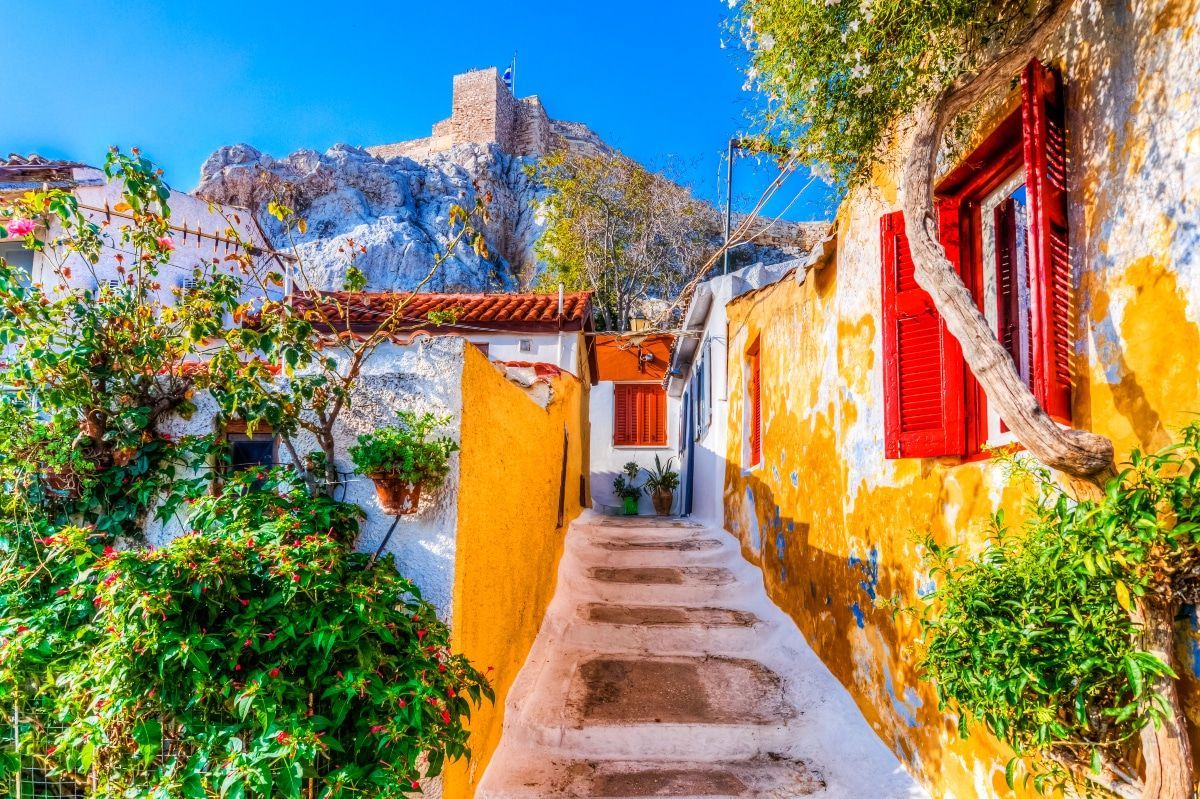
The neighborhood's charm comes from its contrast. Athens is energetic, dense, and historically layered, but Anafiotika seems almost suspended above the bustle. You can move through its lanes slowly, hearing less traffic and more footsteps, cats, and the occasional conversation from a nearby home. Because the district is small, its appeal lies not in quantity but in atmosphere. Every path, stair, and turn feels composed for wandering.
One little-known fact is that Anafiotika was built in the 19th century by builders from the island of Anafi, who brought Cycladic construction traditions with them. Another is that the neighborhood survived urban pressures partly because of its difficult terrain and its fit with the hillside rather than because of any grand preservation scheme. That makes it a kind of accidental treasure within the city.
Architecturally, Anafiotika is fascinating because it expresses island vernacular in an urban setting. White walls reflect the Athenian light, and the small houses seem scaled for intimate daily life rather than status. The area does not have broad tourist infrastructure, which is part of why it feels special. Travelers who arrive expecting monuments may instead find a mood, a viewpoint, and a rare sense of quiet.
The setting near the Acropolis also makes Anafiotika ideal for combining with other central Athens sights. You can move from major archaeological landmarks into a neighborhood that feels almost private. That transition from monumental to domestic is one of the most compelling urban experiences in the city.
If you enjoy neighborhoods that reward patience and sensitivity, Anafiotika is a standout. It is not large enough for a long itinerary, but it is rich enough to justify a slow walk and a few careful photographs. It offers a memorable reminder that some of the best parts of Athens are found in its in-between spaces.
The easiest way to get there is on foot from the Acropolis Metro area or from Plaka. Because the neighborhood consists of narrow passages and stairways, walking is the only practical way to explore it. Expect uneven surfaces and some uphill sections.
Be respectful of residents. Anafiotika is a living neighborhood, not just a scenic backdrop.
Wear shoes with good grip because the pathways can be steep and uneven.
Do not expect many signs. The pleasure comes from getting a little lost and then finding your way back.
Combine the visit with nearby Plaka and Acropolis viewpoints for a fuller day in central Athens.
Discover more hidden gems you might love.
Lisbon
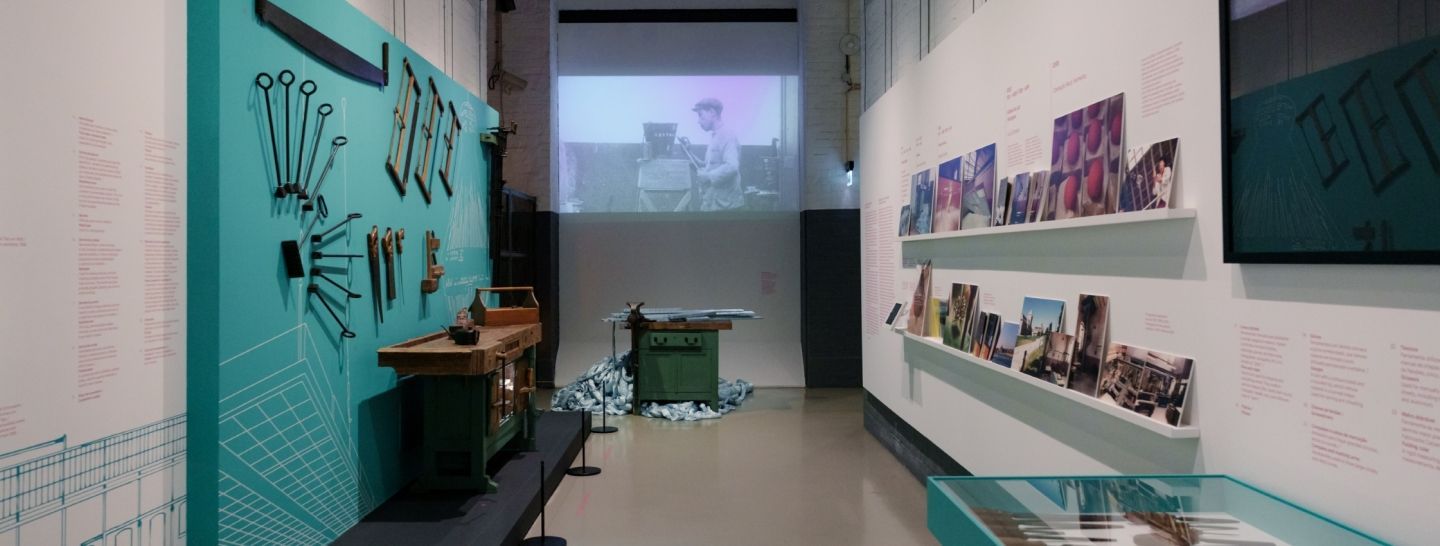
## Description MAAT (Museum of Art, Architecture and Technology) is a contemporary cultural center on Lisbon’s Belém waterfront with a bold, sculptural building and a program that explores intersections of art, architecture, and digital culture. The museum’s sinuous façade and rooftop promenade make it immediately recognizable in Lisbon’s riverside panorama, while its galleries host rotating exhibitions, commissions, and conferences that emphasize contemporary art practices. Inside, MAAT presents a mix of international and local artists, with a particular interest in projects that engage new media, digital art, and design. The museum’s programming frequently includes public talks, workshops for families, and collaborations with design festivals—evidence of its ambition to operate as a civic platform rather than a static collection. The building’s rooftop terrace is itself a public amenity, offering panoramic views across the Tagus River and serving as a flexible event space for outdoor performances and gatherings. MAAT’s curatorial approach is often experimental, pairing architectural interventions with media installations and time-based works that reward repeat visits. For visitors, this means each visit can feel different: sometimes the highlight is a single striking installation, other times the rooftop programming and view become the defining memory. The museum’s thoughtfully designed visitor flow and bilingual signage make it accessible to tourists and locals alike. ## Location MAAT is located in Belém, west of Lisbon’s historic center, adjacent to the Belém Cultural Center and near landmarks like Jerónimos Monastery and the Belém Tower. Public transport options include tram 15, buses, and taxis; it’s also a pleasant walk from other Belém attractions if you have the time. ## Tips - Book timed-entry tickets for busy exhibition periods to avoid queues, especially on weekends and during tourist high season. - Visit the rooftop terrace close to sunset for beautiful views of the Tagus and soft evening light for photography. - Check MAAT’s event calendar for family workshops and talks that may align with your travel dates. - Pair a visit with nearby sites—Jerónimos Monastery, Belém Tower, and the pastry shops known for pastéis de nata. ## Conclusion MAAT is a dynamic cultural destination that combines striking architecture, a thoughtful contemporary program, and public-facing amenities. It’s an essential stop for visitors interested in contemporary art and design, and its riverside setting makes it easy to fold into a broader day in Belém. ## FAQ Q: Are there timed tickets? A: Yes—popular exhibitions may require timed-entry tickets; book online to secure preferred slots and avoid long waits. Q: Is MAAT family-friendly? A: Definitely—MAAT offers family workshops and programs designed to engage younger visitors, though some installations may have age recommendations. Q: Are English guides available? A: Many exhibitions and staff resources are available in English; check the information desk for guide options or multilingual materials. Q: Can I visit the rooftop without entering the galleries? A: Policies vary—sometimes rooftop access is included with general admission, while special events may require a separate ticket; check the museum’s website. Q: Is photography allowed inside? A: Non-flash photography is generally allowed in public galleries, but some works and special exhibitions may prohibit photography—obey posted restrictions. ## Links - [MAAT (official)](https://www.maat.pt)
GemVoyage Team • World
Cairo
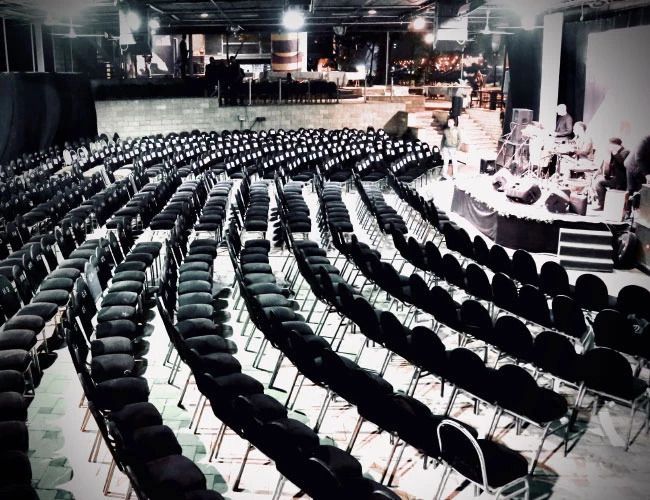
## Description El Sawy Culturewheel (often written as Sawy Cultural Wheel) is a dynamic cultural center in Cairo known for its eclectic program of theater, music, workshops, literary evenings, and community arts activities. Established by Egyptian cultural entrepreneur Mohamed El-Sawy, the center was conceived as a grassroots venue that supports independent artists, nurtures emerging talents, and brings diverse audiences together. The venue’s programming ranges from experimental theater and jazz nights to film discussions and children’s arts workshops, creating an urban cultural laboratory distinctly different from state-run institutions. What sets the Culturewheel apart is its commitment to accessibility and community engagement. It frequently offers affordable events, artists’ talks, and interdisciplinary collaborations that reflect contemporary Egyptian cultural life. A less obvious feature is the center’s role as a networking node—many artists and creative collectives in Cairo trace early collaborations back to events hosted at El Sawy, making it a quiet engine of the city’s cultural ecosystem. ## Location El Sawy Culturewheel is based on Gezira Island in the Zamalek district of central Cairo, Egypt, near the Nile’s western bank. Its central location on Gezira makes it easy to reach from many Cairo neighborhoods. Getting there: From downtown Cairo (Tahrir Square, downtown hotels) a short taxi or ride-share trip reaches Zamalek in under 20 minutes depending on traffic. Some visitors prefer the tram or river ferry options when available; walking across the Qasr El Nil bridge and heading into Zamalek is also feasible for those staying nearby. Parking can be limited during busy events, so public transport or a ride-hailing service is often most convenient. ## Tips - Check the schedule in advance: The Culturewheel’s program changes frequently; review upcoming events on their official channels or social pages to secure tickets for popular shows. - Arrive early: Some events are small and seat availability is limited; arriving early ensures a good seat and time to meet artists or buy refreshments. - Explore related venues: Zamalek has galleries, bookstores, and cafes; make an evening of it by combining a performance with dinner or a gallery visit. - Language: Many performances are in Arabic; however, cultural evenings often include bilingual presentations, translations, or summaries for international visitors—check event details if language is a concern. - Bring cash for smaller events and local craft stalls; bigger performances may accept card or online booking. ## Conclusion El Sawy Culturewheel is Cairo’s pulse for grassroots cultural life—an energetic space where performance, dialogue, and creativity intersect. For visitors interested in contemporary Egyptian arts or seeking a local, community-centered experience, the Culturewheel offers an accessible, varied, and memorable cultural program. ## FAQ Q: What kind of events are held at the Culturewheel? A: The center hosts theater, live music, film nights, literary readings, workshops, and children’s activities. Q: Is there an official timetable? A: Yes. Events are scheduled regularly—check the Culturewheel’s official announcement channels for the latest listings. Q: Are events in English? A: Many events are primarily in Arabic, but there are occasional bilingual events and programs aimed at international audiences. Q: Is the venue family-friendly? A: The center runs children’s workshops and family-oriented events—review event descriptions to verify suitability. ## Links - [Wikipedia: El Sawy Culturewheel](https://en.wikipedia.org/wiki/El_Sawy_Culturewheel) - [El Sawy Culturewheel official website](https://www.culturewheel.com/en)
GemVoyage Team • World
Amsterdam
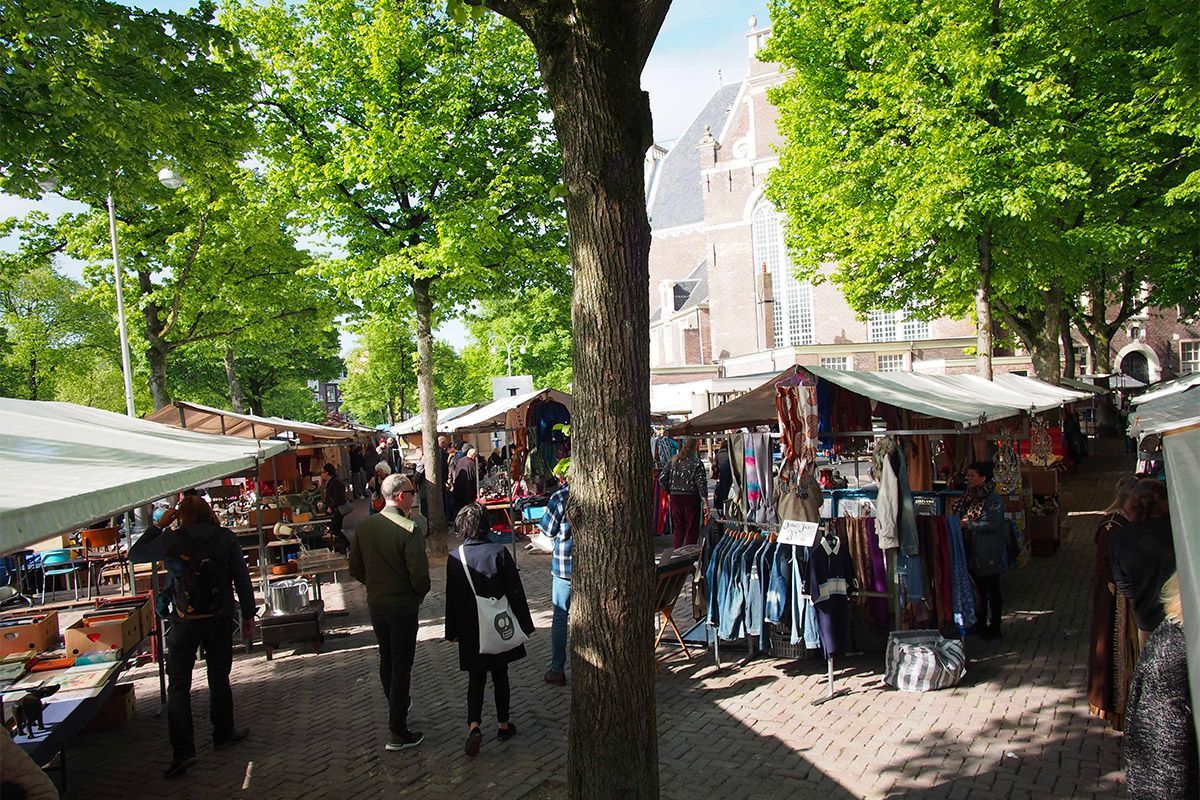
## Description Noordermarkt is one of Amsterdam’s most beloved local market squares, and its reputation comes from how naturally it fits into the fabric of the Jordaan. Rather than feeling like a market created purely for visitors, it feels embedded in neighborhood life. That is a major reason people keep returning. On different days it shifts character: one version is especially known for organic produce, another for antiques and secondhand browsing, but the common thread is a lively, human-scale market atmosphere that reflects Amsterdam at its most practical and convivial. For food travelers, Noordermarkt is a particularly strong stop because the organic market gives you access to fresh, seasonal, and artisanal products in a place that locals actually use. Bakers, cheese sellers, fruit vendors, and farmers bring a quality-first approach that makes browsing feel meaningful rather than transactional. A lesser-known fact is that the square sits beside the Noorderkerk, which means the market occupies a historic urban setting where weekly commerce and neighborhood identity have long been intertwined. Another detail that visitors often appreciate only after arriving is how easy it is to combine market browsing with Jordaan walking routes, canal views, and coffee stops. The atmosphere is relaxed but not sleepy. Noordermarkt has enough energy to feel active, yet it avoids the polished, overproduced feeling that sometimes affects famous market destinations. That is part of its charm. You can browse vegetables, bread, flowers, and prepared foods one moment, then shift to antiques or old objects another day, depending on when you visit. The market is also a good reminder that Amsterdam is a city of local habits, not just major sights. Watching residents shop here tells you something about the city’s pace and values. If you want a market that rewards curiosity and gives you a real sense of the Jordaan, Noordermarkt belongs near the top of your list. ## Location Noordermarkt is located in the Jordaan district of Amsterdam, North Holland, Netherlands, adjacent to the Noorderkerk. The square sits in a central yet neighborhood-oriented part of the city, making it easy to include in a broader day of walking along canals, visiting cafés, and exploring independent shops. Because the Jordaan is one of Amsterdam’s most enjoyable areas on foot, the market works especially well as part of a slow morning or early afternoon route. Getting there is simple by tram, bicycle, or a walk from the historic center. Many visitors find that biking is the most Amsterdam-like way to reach it, though trams and walking are equally practical. Once you arrive, the market is easy to navigate because it is organized around the square and the surrounding streets. If you are interested in the organic market specifically, check the day and time before going, since the square’s character changes across the week. The market is often best in the morning, when produce is freshest and the surroundings still feel animated without being crowded. ## Tips Go early for the best selection, especially if you want produce, bread, or specialty foods. Bring a shopping bag or backpack. The market is ideal for spontaneous purchases, and carrying your own bag makes the experience much easier. Allow time for the neighborhood. Noordermarkt is best when paired with a walk through the Jordaan, so do not treat it as a standalone stop. Be open to seasonal differences. What you find depends heavily on when you visit, and that is part of the appeal. If you enjoy antiques or vintage objects, check whether the day you are visiting aligns with the best browsing opportunities for that side of the market. ## Conclusion Noordermarkt is a classic Amsterdam market with a strong local identity, good food, and a setting that makes it easy to enjoy the Jordaan at a relaxed pace. It is one of the city’s best places to experience daily life with a distinctly neighborhood feel. ## FAQ ### Is Noordermarkt only for tourists? No. It is strongly used by locals, especially for organic produce and everyday shopping, which is a big part of why it feels authentic. ### What can I buy there? Organic food, bread, cheese, flowers, prepared snacks, and on some days antiques or secondhand goods. ### When is the best time to visit? Morning is usually best, particularly if you want the freshest products and a more active market atmosphere. ### Is it easy to combine with sightseeing? Very. Noordermarkt fits naturally into a Jordaan walking route and pairs well with canal-side exploring and nearby cafés. ## Links - [Noordermarkt on Wikipedia](https://en.wikipedia.org/wiki/Noordermarkt)
GemVoyage Team • World
Sedgefield
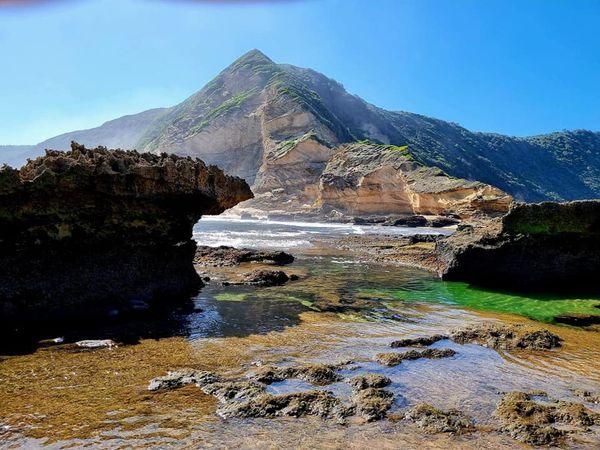
## Description **Gericke’s Point** is one of the hidden gems of South Africa’s Garden Route. Famous for its striking sandstone cliff that resembles the profile of a lion’s head, this natural landmark offers both geological beauty and incredible biodiversity. At low tide, the area transforms into a natural aquarium, revealing tidal pools brimming with colorful marine life such as starfish, sea anemones, and small fish. The rock formation itself is over 150 million years old, part of the ancient Table Mountain sandstone system. Its unusual shape and size make it one of the most photogenic spots along the coast. Beyond its geology, Gericke’s Point is also a birdwatcher’s paradise, with seabirds often seen diving for fish and dolphins occasionally passing offshore. A little-known fact is that the tidal pools here are considered some of the most diverse along the Garden Route, making it a favorite spot for marine biologists and nature enthusiasts. Another fascinating detail is that the rock face has long been a landmark for sailors navigating the coast between Sedgefield and Wilderness. ## Location Gericke’s Point is located near **Sedgefield**, a small town along the **Garden Route** in the **Western Cape Province** of **South Africa**. It lies about 25 kilometers from Knysna and around 40 kilometers from George. To reach the point, visitors typically start at Swartvlei Beach near Sedgefield. From there, a scenic beach walk of about 2–3 kilometers leads to the rock formation. The best time to go is at low tide, when the tidal pools are accessible and the walk is safe. Travelers driving the Garden Route can easily stop at Sedgefield, with parking available near the beach entrance. ## Tips * **Check the tide tables:** Low tide is the only safe and rewarding time to visit. High tide can make the walk dangerous. * **Wear sturdy shoes:** Although the walk is along the beach, exploring the tidal pools requires footwear with good grip. * **Bring a camera:** The lion-shaped rock formation and vibrant tidal pools make for excellent photography opportunities. * **Pack water and sun protection:** There are no facilities along the beach walk, so carry essentials with you. * **Respect marine life:** Avoid disturbing or removing creatures from the tidal pools—this is a fragile ecosystem. * **Stay for sunset:** The area is particularly stunning in the golden light of late afternoon, with the rock formation silhouetted against the ocean. ## Conclusion Gericke’s Point is more than just a rock formation—it is a window into South Africa’s geological past and a living showcase of coastal biodiversity. With its tidal pools, dramatic cliffs, and sweeping ocean views, it offers a perfect mix of adventure and tranquility along the Garden Route. For travelers seeking a memorable nature experience off the beaten path, Gericke’s Point is not to be missed. ## FAQ **1. How long is the walk to Gericke’s Point?** The walk from Swartvlei Beach to Gericke’s Point takes about 30–40 minutes each way, depending on pace and tide conditions. **2. Is it safe to swim near Gericke’s Point?** Swimming is possible in some tidal pools, but the open ocean can be rough. Always exercise caution and avoid strong currents. **3. Can children visit the point?** Yes, children often enjoy exploring the tidal pools, but they should be supervised closely due to slippery rocks and the incoming tide. **4. Is there an entrance fee?** No, Gericke’s Point is free to access, though parking at Swartvlei Beach may sometimes require a small fee. **5. What wildlife might I see?** In addition to tidal pool creatures, visitors may spot dolphins offshore, oystercatchers, and other seabirds. In whale season (June–November), southern right whales are sometimes visible. **6. When is the best time to visit?** The best time is at low tide and preferably in the morning or late afternoon when temperatures are milder and light conditions are ideal. ## Links * [Visit Garden Route – Sedgefield](https://www.visitgardenrouteandkleinkaroo.com) * [South African Tourism – Garden Route](https://www.southafrica.net)
GemVoyage Team • World
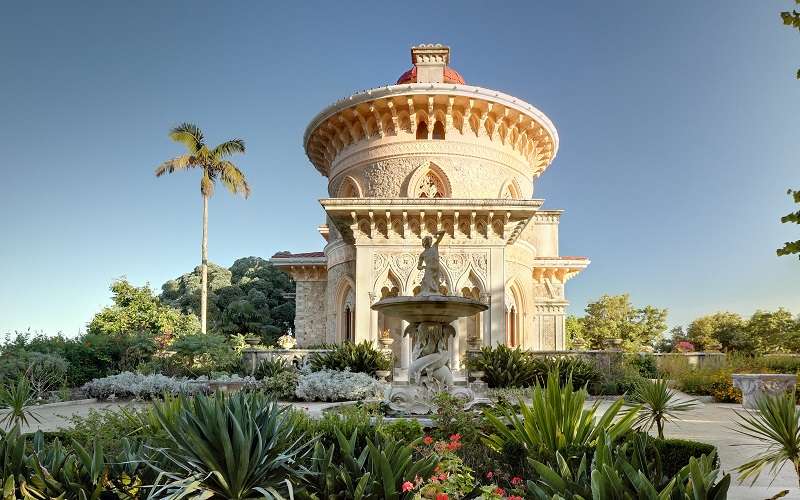
Sintra
## Description Monserrate Palace in Sintra is one of Portugal’s most exquisite and underrated architectural treasures. Nestled in the lush hills of the Serra de Sintra, this 19th-century palace is a masterpiece of Romanticism, blending Gothic, Moorish, and Indian architectural styles into a harmonious and visually captivating whole. Commissioned by Sir Francis Cook, a wealthy English art collector, the palace was designed as a summer retreat and reflects his eclectic taste and fascination with exotic cultures. The palace’s interior is a feast for the eyes, with intricately carved marble columns, lace-like stonework, and domed ceilings inspired by Islamic architecture. The Music Room, with its ornate plasterwork and acoustics, is particularly striking and occasionally hosts cultural events. Surrounding the palace is a sprawling botanical garden that features species from all over the world, including a Mexican garden, a Japanese garden, and a rose garden. These gardens were carefully curated to reflect the Victorian passion for exotic landscaping and offer a tranquil escape into nature. A little-known fact: Monserrate was once the home of William Beckford, an eccentric English novelist and art collector, before it was transformed by Francis Cook. Another fascinating detail is that the palace and its gardens were used as a filming location for the NBC miniseries “Gulliver’s Travels,” starring Ted Danson. ## Location Monserrate Palace is located in **Portugal**, in the **Lisbon District**, within the **city of Sintra**. It lies approximately 3.5 kilometers west of Sintra’s historic center, in the heart of the Sintra-Cascais Natural Park. ### How to Get There - **By Train**: From Lisbon, take the train from Rossio Station to Sintra. The journey takes about 40 minutes. - **By Bus**: From Sintra station, take bus 435 (the Villa Express) which stops at Monserrate Palace, as well as other key attractions like Quinta da Regaleira. - **By Car**: Driving from Lisbon takes around 45 minutes. Parking is available near the palace. - **By Tuk-Tuk or Taxi**: Local tuk-tuks and taxis offer scenic rides from Sintra’s center to Monserrate. Its slightly off-the-beaten-path location means it’s often quieter than Sintra’s more famous palaces, making for a more relaxed visit. ## Tips - **Visit Early or Late**: To enjoy the gardens and palace with fewer crowds, aim for early morning or late afternoon. - **Wear Comfortable Shoes**: The gardens are extensive and include uneven paths, so sturdy footwear is recommended. - **Bring a Camera**: The architectural details and lush landscapes are incredibly photogenic. - **Use the Map**: The ticket includes a map of the gardens—use it to explore hidden corners like the Fern Valley and the ruins of the chapel. - **Combine with Nearby Attractions**: Monserrate pairs well with a visit to Quinta da Regaleira or a hike in the Sintra-Cascais Natural Park. - **Check for Events**: Occasionally, concerts and exhibitions are held in the Music Room—check the schedule in advance. ## Conclusion Monserrate Palace is a stunning fusion of art, architecture, and nature. With its exotic design, peaceful gardens, and rich history, it offers a unique and serene alternative to Sintra’s more crowded landmarks. ## FAQ **1. What are the opening hours of Monserrate Palace?** The park is open from 9:00 AM to 7:00 PM, and the palace from 9:30 AM to 6:00 PM. Last admission is 30 minutes before closing. **2. What is the entrance fee?** Adult tickets cost €12, youth (6–17) €10, and seniors €6.50. Children under 6 enter free. **3. Is Monserrate Palace suitable for children?** Yes, the gardens are great for families, though supervision is recommended due to uneven terrain. **4. Can I buy tickets online?** Yes, tickets can be purchased through the official Parques de Sintra website or authorized vendors. **5. Is the palace wheelchair accessible?** The palace has limited accessibility due to its historic structure. The gardens have some accessible paths. **6. How long should I plan for a visit?** Allow 1.5 to 2 hours to explore both the palace and the gardens thoroughly. ## Links - [Official Park and Palace of Monserrate Website](https://www.parquesdesintra.pt/en/parks-monuments/park-and-palace-of-monserrate/)
GemVoyage Team • World
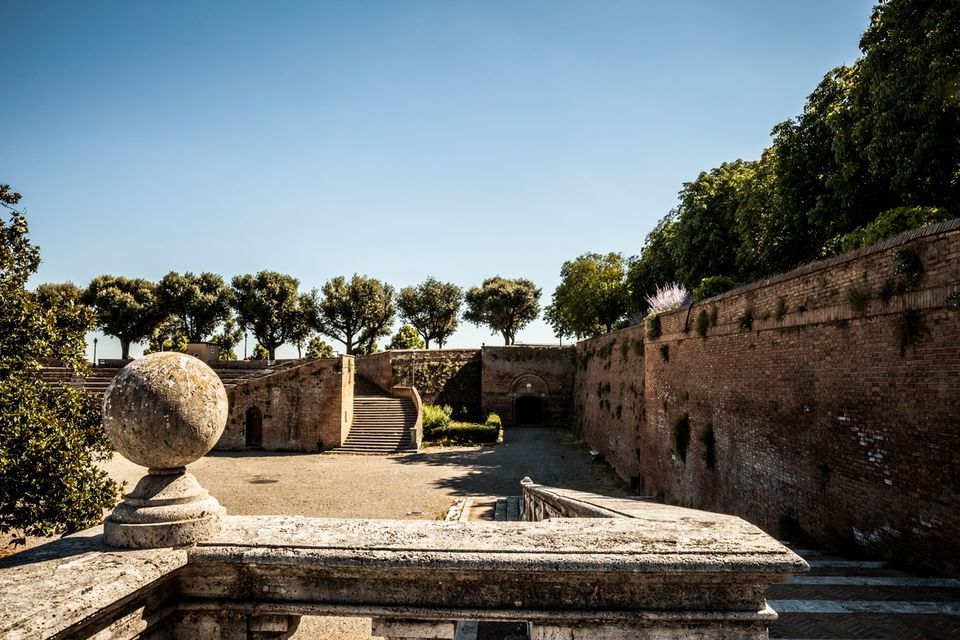
Siena
## Description Fortezza Medicea is one of Siena's most imposing landmarks because it represents a different historical layer from the city's medieval churches and squares. Built after Siena's defeat by Florence, the fortress reflects Medici power and the political reshaping of the region during the Renaissance. Unlike a decorative palace or a purely ceremonial monument, it was designed for strategic control and military presence. Today, however, it functions as a public space where history, viewpoints, and local life meet in a surprisingly relaxed way. The fortress is memorable because of its scale and shape. Its bastioned walls form a strong geometric presence above the city, and the elevated position gives visitors sweeping views over Siena and the surrounding Tuscan landscape. That combination of fortification and panorama makes it especially rewarding for travelers who appreciate places where architecture tells a political story. The walls are not just old stone; they are evidence of conquest, rule, and the reshaping of urban space. One little-known fact is that the fortress became less about defense over time and more about civic and cultural use, showing how military architecture can be repurposed for public life. Another detail many visitors miss is how the fortress helps explain the relationship between Siena and Florence. It is not just a monument standing above the city but a reminder of an era when regional power was expressed through earthworks, bastions, and visible control of the landscape. Visitors often appreciate the fortress for its calm atmosphere. While the city center of Siena can be bustling with tourists, the Fortezza Medicea feels more open and spacious. It is a good place to pause, look out across rooftops and hills, and understand how Siena sits within the broader Tuscan setting. If you are interested in military history, urban viewpoints, or Renaissance politics, the fortress is one of the city's most significant stops. ## Location Fortezza Medicea is in Siena, in Tuscany, Italy, just north of the historic center and within walking distance of major city attractions. Because it sits on elevated ground near the old core, it is easy to include in a walking tour of Siena, though the approach may involve some uphill sections depending on your starting point. If you are coming from Piazza del Campo or the cathedral area, the walk to the fortress is straightforward and can be done on foot. Buses and taxis can take you close as well, but walking is usually the best option because it lets you experience the transition from Siena's dense medieval streets to the more open fortified landscape. The most practical recommendation is to visit it while exploring Siena on foot, especially if you want to combine the fortress with other panoramic stops. Because the site is open and spacious, it works well as a late-afternoon or early-evening destination when the light becomes softer. ## Tips Go for the views as much as for the history. The fortress gives some of the best panoramas in Siena, so bring time to linger and not just pass through. If possible, combine the fortress with a walk through the surrounding park-like areas and nearby city streets. That allows you to see how the fortress integrates into Siena's urban edge rather than treating it as a disconnected monument. Read a little about the Medici and the political history of Siena before your visit. Knowing why the fortress was built changes the experience from a simple architectural stop into a clearer story about conquest and control. Visit on a day with good visibility if scenic views matter to you. The fortress is enjoyable in many conditions, but its strongest appeal is the way it frames the city and countryside. ## Conclusion Fortezza Medicea is one of Siena's most powerful historical sites, combining Renaissance military architecture, city views, and a reminder of the region's complex political past. ## FAQ ### Why was Fortezza Medicea built? It was built as a military fortress after Siena came under Medici control, serving as a symbol of political power and strategic dominance. ### Is the fortress open to visitors? Yes, the grounds and surrounding areas are generally accessible, though specific use may vary over time. ### What is the best part of visiting the fortress? The best part is the combination of panoramic views and the chance to understand Siena's political history. ### How long should I spend there? Most visitors spend between 30 minutes and an hour, depending on how much time they want for walking and views. ## Links - [Siena tourism](https://www.visitsiena.it/en/)
GemVoyage Team • World

Comments