Discover extraordinary places shared by our community of travelers
Dublin
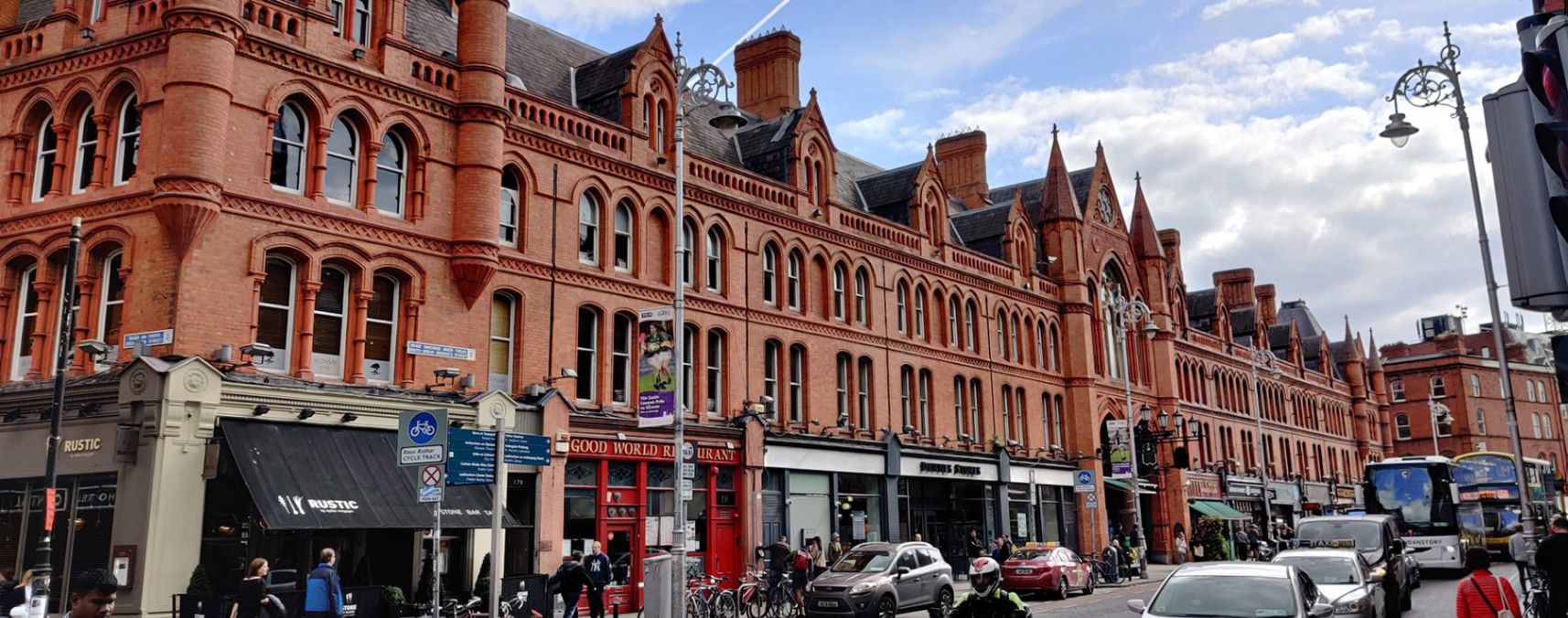
## Description **George’s Street Arcade (Stiúrtha Shráid Sheoirse)** is one of **Dublin’s oldest and most beloved shopping destinations**, offering a delightful blend of history, culture, and creativity. Opened in **1881**, it is one of the earliest purpose-built shopping arcades in Europe and remains a vibrant hub for both locals and visitors. Housed within a beautifully restored **Victorian red-brick structure**, the arcade features high wrought-iron arches, decorative glass roofing, and an atmosphere that blends the old with the contemporary. Inside, the narrow aisles are lined with an eclectic mix of independent stalls and boutique shops selling everything from vintage clothing and handmade jewelry to records, art, books, and collectibles. Street food vendors and cafés add delicious aromas to the air, making the experience as sensory as it is cultural. What makes George’s Street Arcade unique is its **authentic local character**—unlike chain-filled shopping centers, this market has remained fiercely independent for more than a century. It survived a major fire in 1892 and was rebuilt within two years, preserving its original charm. Another lesser-known fact is that the arcade was designed by English architects Lockwood & Mawson, the same team behind the iconic City Hall in Bradford, England. ## Location George’s Street Arcade is located in the heart of **Dublin City Centre**, **Ireland**, on **South Great George’s Street**, between Dame Street and Drury Street. Its central position places it just a few minutes’ walk from popular landmarks such as **Grafton Street**, **Trinity College**, and **Temple Bar**. To get there: * **On foot:** If you’re already exploring the city center, the arcade is within easy walking distance of most attractions. * **By public transport:** Take the **Luas Green Line** to the St. Stephen’s Green stop, or use Dublin Bus routes that pass through Dame Street or Aungier Street. * **By car:** Parking is available at nearby car parks such as Drury Street Car Park, though walking or public transport is recommended due to limited city parking. ## Tips * **Visit in the morning or early afternoon:** Crowds are smaller, and shop owners often have time to chat and share stories about their wares. * **Bring cash:** While many stalls accept cards, some smaller traders prefer cash for quick transactions. * **Try local snacks:** Sample treats from the market cafés — popular picks include crepes, pastries, or locally roasted coffee. * **Look for vintage and handmade goods:** The arcade is known for its one-of-a-kind finds, especially clothing, vinyl, and jewelry. * **Photography tip:** The interior’s glass roof and iron arches make for stunning photos, especially when sunlight filters through the skylights. * **Explore nearby:** After your visit, stroll along South William Street or George’s Street for more indie boutiques, pubs, and street art. ## Conclusion **George’s Street Arcade** is a living piece of Dublin’s history — a place where Victorian architecture meets contemporary creativity. Whether you’re shopping for a unique souvenir, enjoying local food, or simply soaking in the lively ambiance, this market captures the essence of Dublin’s independent spirit. It’s not just a shopping destination; it’s an experience that connects the city’s past with its ever-evolving present. ## FAQ **1. When was George’s Street Arcade built?** It was originally opened in 1881 and rebuilt in 1894 after a devastating fire. **2. What can I buy there?** The arcade offers handmade crafts, vintage fashion, jewelry, books, vinyl records, art, souvenirs, and local food. **3. Is there an entrance fee?** No, entry to the arcade is free for all visitors. **4. What are the opening hours?** Typically open **Monday to Saturday from 9:30 a.m. to 6:00 p.m.** and **Sunday from 12:00 p.m. to 6:00 p.m.**, though hours can vary slightly by shop. **5. Can I find local Irish products?** Yes — many vendors sell handcrafted Irish goods, from Celtic jewelry and wool accessories to local artwork and artisan foods. **6. Is it wheelchair accessible?** Yes, the main entrances and interior walkways are accessible, though some smaller stalls may have tight spaces. ## Links * [Official George’s Street Arcade Website](https://www.georgesstreetarcade.ie) * [Visit Dublin – George’s Street Arcade](https://www.visitdublin.com)
GemVoyage Team • World
.jpg)
Chongqing
## Description Jiefangbei Shopping Street, also known as **Jiefangbei Pedestrian Street**, is one of the most famous commercial districts in China and the beating heart of **Chongqing**. This bustling area is not just a shopping paradise but also a cultural and social hub, attracting millions of visitors every year. It combines luxury boutiques, international brands, local shops, trendy cafés, and street food stalls—all wrapped in the energetic atmosphere of one of China’s fastest-growing cities. At the center of the district stands the **Jiefangbei Monument (Liberation Monument)**, a historic landmark originally built in 1945 to commemorate China’s victory in World War II. Over time, the monument became surrounded by skyscrapers, neon lights, and high-end malls, symbolizing Chongqing’s transformation from a wartime city into a modern metropolis. A little-known fact is that Jiefangbei Shopping Street is often referred to as the **“Times Square of Chongqing”** due to its massive LED screens, vibrant nightlife, and crowds of visitors. Another unique detail is that beneath the pedestrian street lies a **complex underground shopping mall**, where visitors can explore an entire network of shops, restaurants, and entertainment venues. ## Location Jiefangbei Shopping Street is located in the **Yuzhong District of Chongqing, China**, right in the heart of the city’s central business area. Its central location makes it not only a shopping hotspot but also a starting point for exploring Chongqing’s rich culture and modern lifestyle. ### Recommendation on How to Get There The easiest way to reach Jiefangbei is by **metro**. Take **Line 2 or Line 6** of the Chongqing Metro and get off at **Xiaoshizi Station** or **Jiaochangkou Station**, both of which are just a short walk from the monument. Taxis are also widely available, but due to traffic congestion in the area, the metro is often faster and more convenient. For those staying in central hotels, the street is within easy walking distance. ## Tips Here are some useful tips to make the most of your visit to Jiefangbei Shopping Street: * **Shop Smart**: You’ll find everything from international luxury brands to local fashion boutiques. Bargaining is not common in malls but may be possible at smaller shops or street stalls. * **Try the Food**: Don’t miss the chance to taste Chongqing’s famous **spicy hotpot** or sample local street snacks like grilled skewers and spicy noodles. * **Visit at Night**: The area is most impressive in the evening when the neon lights illuminate the skyscrapers and the monument. * **Wear Comfortable Shoes**: The pedestrian street is large, and exploring the underground shopping centers can involve a lot of walking. * **Combine with Sightseeing**: From Jiefangbei, you can easily walk to **Hongya Cave**, a famous riverside complex, or take a short ride to the **Yangtze River Cableway**. * **Stay Aware of Crowds**: The area can get extremely busy, especially on weekends and holidays, so keep an eye on personal belongings. ## Conclusion Jiefangbei Shopping Street is more than just a commercial hub—it’s a cultural and social landmark that reflects Chongqing’s modern energy and historical roots. With its mix of shopping, dining, and entertainment options, along with the iconic Liberation Monument, it offers a truly immersive experience for both locals and tourists. Whether you’re hunting for the latest fashion trends, tasting local delicacies, or simply soaking in the vibrant atmosphere, Jiefangbei is a must-visit destination in southwest China. ## FAQ **1. What is Jiefangbei Shopping Street famous for?** It is famous for its mix of luxury shops, local boutiques, food stalls, and the iconic Liberation Monument. **2. Is it only for shopping?** No, it’s also a cultural and entertainment hub, with restaurants, cafés, cinemas, and nightlife options. **3. When is the best time to visit Jiefangbei?** Evenings are the best, as the neon lights create a lively and colorful atmosphere. **4. How do I get there from Chongqing city center?** The easiest way is by metro, taking Line 2 or Line 6 to Xiaoshizi or Jiaochangkou stations. **5. Is Jiefangbei suitable for families?** Yes, families can enjoy shopping, dining, and sightseeing in the area. However, it can be crowded, so keeping an eye on children is important. **6. Are there hotels near Jiefangbei?** Yes, the area is surrounded by hotels ranging from luxury to budget options, making it convenient for tourists to stay nearby. ## Links * [Official Chongqing Tourism Office](https://www.china-tourism.de/en/provinces/chongqing/)
GemVoyage Team • World
Zagreb
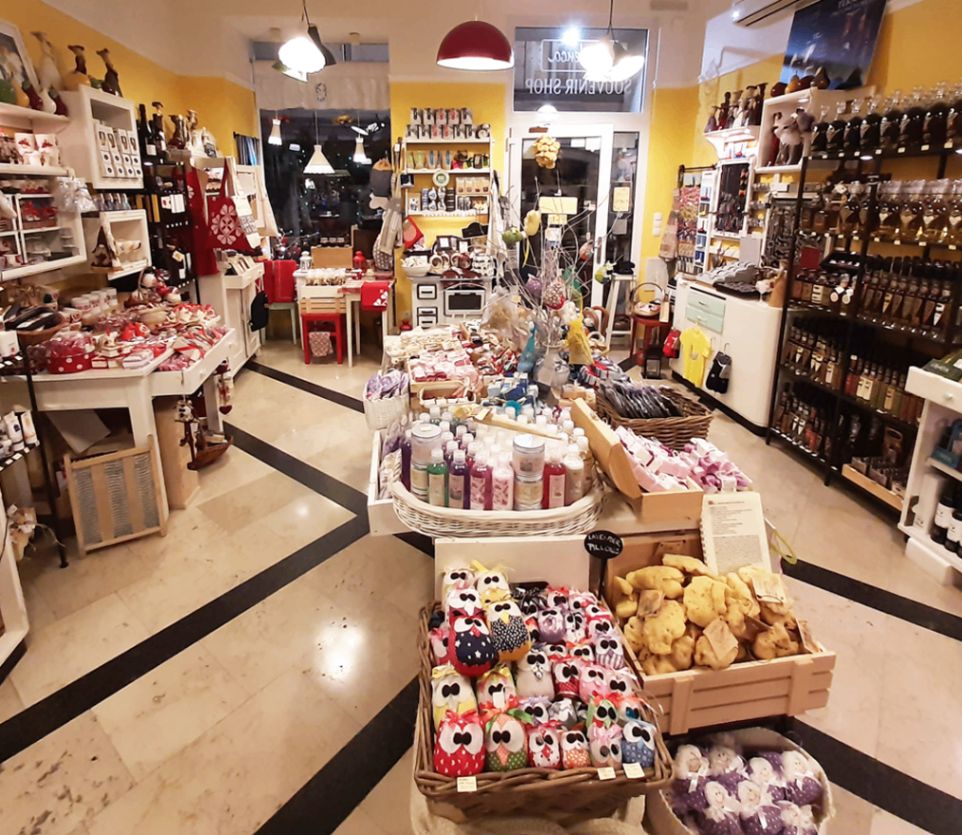
## Description **Kredenca gift shop** in Zagreb is more than just a souvenir store—it’s a showcase of authentic Croatian craftsmanship and flavors. Unlike typical tourist shops filled with mass-produced trinkets, Kredenca offers carefully curated items that represent the country’s rich cultural and culinary heritage. The shop specializes in traditional products like handmade ceramics, natural cosmetics, artisanal chocolates, honey, truffle-infused delicacies, and wines from various Croatian regions. Every item is selected to reflect the uniqueness of Croatia’s traditions and landscapes. One of the little-known facts about Kredenca is that it often collaborates directly with small local producers and family-run farms. This means that by buying something here, visitors are directly supporting Croatian artisans and preserving centuries-old skills. Another charming detail is that the store name “Kredenca” refers to a traditional kitchen cupboard found in Croatian homes, symbolizing a warm, welcoming, and authentic atmosphere. --- ## Location Kredenca is located in **Zagreb**, the capital city of **Croatia**, situated in the **Continental region** of the country. The shop sits right in the heart of the city at **Radićeva Street**, a lively pedestrian zone that connects Ban Jelačić Square with the historic Upper Town. This makes it a convenient stop for anyone exploring Zagreb’s main attractions, such as St. Mark’s Church, Dolac Market, or Tkalčićeva Street. ### How to get there: * If you’re already in the city center, the shop is just a short **walk from Ban Jelačić Square** (about 2–3 minutes). * Travelers arriving by tram can use any line that stops at Ban Jelačić Square and continue on foot. * For those coming from the central train or bus station, it’s a quick tram ride followed by a brief walk. --- ## Tips * **Look beyond souvenirs**: While there are charming trinkets and crafts, the highlight is the **food and drink section**. Many visitors recommend taking home a bottle of Croatian wine, locally made rakija (fruit brandy), or a jar of lavender honey. * **Ask for recommendations**: The staff are known for their friendliness and knowledge—they’ll happily explain the origins of products and suggest the best gifts depending on your budget. * **Taste before you buy**: Some products, especially wines, olive oils, and chocolates, may be available for tasting. Don’t hesitate to ask. * **Visit during weekdays**: The shop can get busy during weekends when tourists flock to the Upper Town. Weekdays usually offer a calmer shopping experience. * **Bring some extra space in your luggage**: Many of the items, like bottles and jars, are best carried in checked baggage if you’re flying home. --- ## Conclusion Kredenca isn’t just a place to pick up a souvenir—it’s a destination that captures the spirit of Croatia in every product it sells. With its mix of artisanal foods, handmade crafts, and unique keepsakes, the shop offers visitors a chance to take home more than just a memory; it’s a way to carry a piece of Croatia’s heritage with you. Whether you’re looking for a thoughtful gift or a treat for yourself, Kredenca is a must-visit while exploring Zagreb. --- ## FAQ **1. What makes Kredenca different from other souvenir shops in Zagreb?** Kredenca focuses on authentic, locally produced items rather than mass-produced souvenirs, giving you a true taste of Croatian culture. **2. Does the shop only sell food and drinks?** No. While food and drinks are highlights, the shop also carries handmade ceramics, natural cosmetics, traditional textiles, and more. **3. Can I sample products before purchasing?** Yes, some items such as wines, olive oils, or chocolates are available for tasting, depending on the day and stock. **4. Is Kredenca located near major attractions?** Yes, it’s right off Ban Jelačić Square, within walking distance of Dolac Market, Tkalčićeva Street, and the Upper Town. **5. Are the products suitable as gifts to bring abroad?** Absolutely—many items are travel-friendly, though it’s best to pack liquids and fragile items in checked luggage if you’re flying. **6. Do they accept credit cards?** Yes, Kredenca accepts major credit cards in addition to cash, making purchases easy for international visitors. --- ## Links * [Official Kredenca Website](https://www.kredenca.com/)
GemVoyage Team • World
Paris
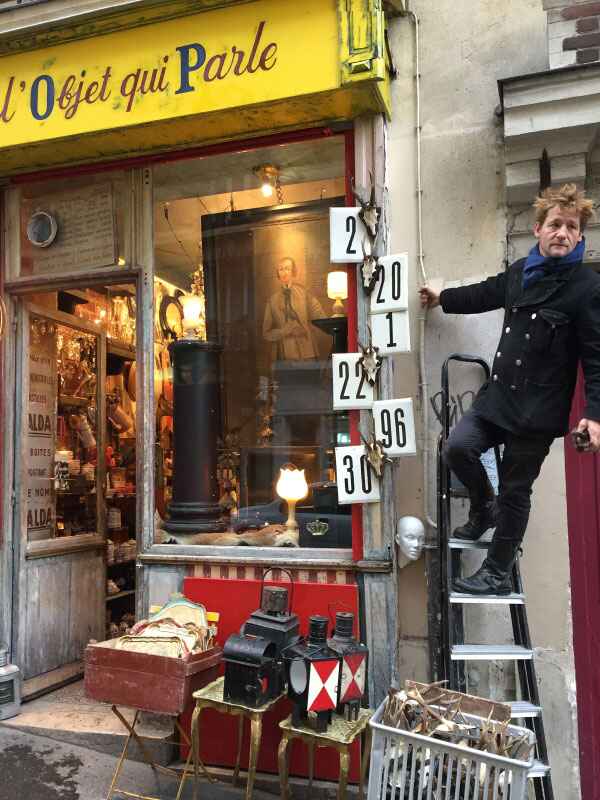
## Description Tucked away in the bohemian neighborhood of Montmartre, **L’Objet Qui Parle** is a small but legendary antique shop that has earned a reputation as one of Paris’s most fascinating hidden gems. Unlike large, glossy antique markets, this boutique offers an intimate and eclectic experience. The moment you step inside, you are greeted with an enchanting jumble of objects—stacked paintings, vintage trinkets, retro furniture, ceramics, mirrors, and curiosities that feel like they carry stories from centuries past. What makes L’Objet Qui Parle unique is its **authentic “cave of wonders” atmosphere**. The shop is famously cluttered, with items spilling from shelves and even tucked into corners, yet this controlled chaos is exactly what draws treasure hunters, collectors, and curious travelers. Each visit feels like a miniature archaeological dig, where one never knows what rare or unusual item might be unearthed. A little-known fact is that the shop has served as a source of inspiration for local artists and filmmakers, who come here seeking objects with character and history. Another interesting detail is that many items are surprisingly affordable compared to other antique shops in Paris, making it possible to find genuine vintage pieces without breaking the bank. ## Location L’Objet Qui Parle is located in **Paris, France**, within the **Île-de-France region**. More precisely, it sits in the **18th arrondissement**, right in the heart of **Montmartre**, not far from the iconic Sacré-Cœur Basilica and Place du Tertre, the artists’ square. How to get there: * **By metro:** The closest stations are **Lamarck – Caulaincourt (Line 12)** and **Abbesses (Line 12)**, both just a short walk away. * **By bus:** Several buses run through Montmartre, stopping near the shop. * **On foot:** If you’re exploring Montmartre, it’s easy to stumble upon the shop while wandering its cobbled streets. Its central location makes it perfect to combine with a day exploring Montmartre’s historic streets, cafés, and art studios. ## Tips Here are some tips to make the most of your visit to L’Objet Qui Parle: 1. **Come with an open mind** – The shop is filled with an eclectic mix of items, so be ready to browse without a fixed agenda. 2. **Take your time** – Treasures are often hidden in plain sight, stacked behind or beneath other objects. 3. **Bring cash** – While Paris is modern, some small antique shops still prefer cash for smaller purchases. 4. **Ask questions** – The shop’s owner is known for being friendly and knowledgeable, happy to share the story behind certain pieces. 5. **Visit Montmartre afterward** – Combine your stop with visits to Sacré-Cœur, local cafés, and art galleries to get the full Montmartre experience. 6. **Pack light** – The shop is quite small, so it’s best not to carry bulky bags when exploring. ## Conclusion L’Objet Qui Parle is more than just an antique shop—it’s an experience of discovery. With its cluttered charm, eclectic treasures, and Montmartre location, it offers a glimpse into the artistic and bohemian soul of Paris. Whether you’re a seasoned collector or simply curious, this little shop promises surprises and stories with every visit. ## FAQ **1. What does “L’Objet Qui Parle” mean?** It translates to “The Object That Speaks,” reflecting the idea that every antique carries a story from the past. **2. What kind of items can I find at L’Objet Qui Parle?** The shop sells a wide variety of antiques, including vintage furniture, ceramics, mirrors, paintings, religious artifacts, and quirky collectibles. **3. Is L’Objet Qui Parle expensive?** Not necessarily. While some rare pieces can be pricey, many items are surprisingly affordable, especially compared to larger Parisian antique markets. **4. How much time should I spend there?** Most visitors spend 30 minutes to an hour browsing, depending on their interest in antiques. **5. Is photography allowed inside the shop?** Policies may vary, but as a rule of thumb, always ask the shop owner before taking photos. **6. When is the best time to visit?** Mid-morning or early afternoon is ideal, as Montmartre tends to get crowded later in the day. ## Links * [Paris Official Tourism Website](https://parisjetaime.com/eng/) * [Travel Guide to Paris Markets and Antiques](https://www.france.fr)
GemVoyage Team • World
Madrid
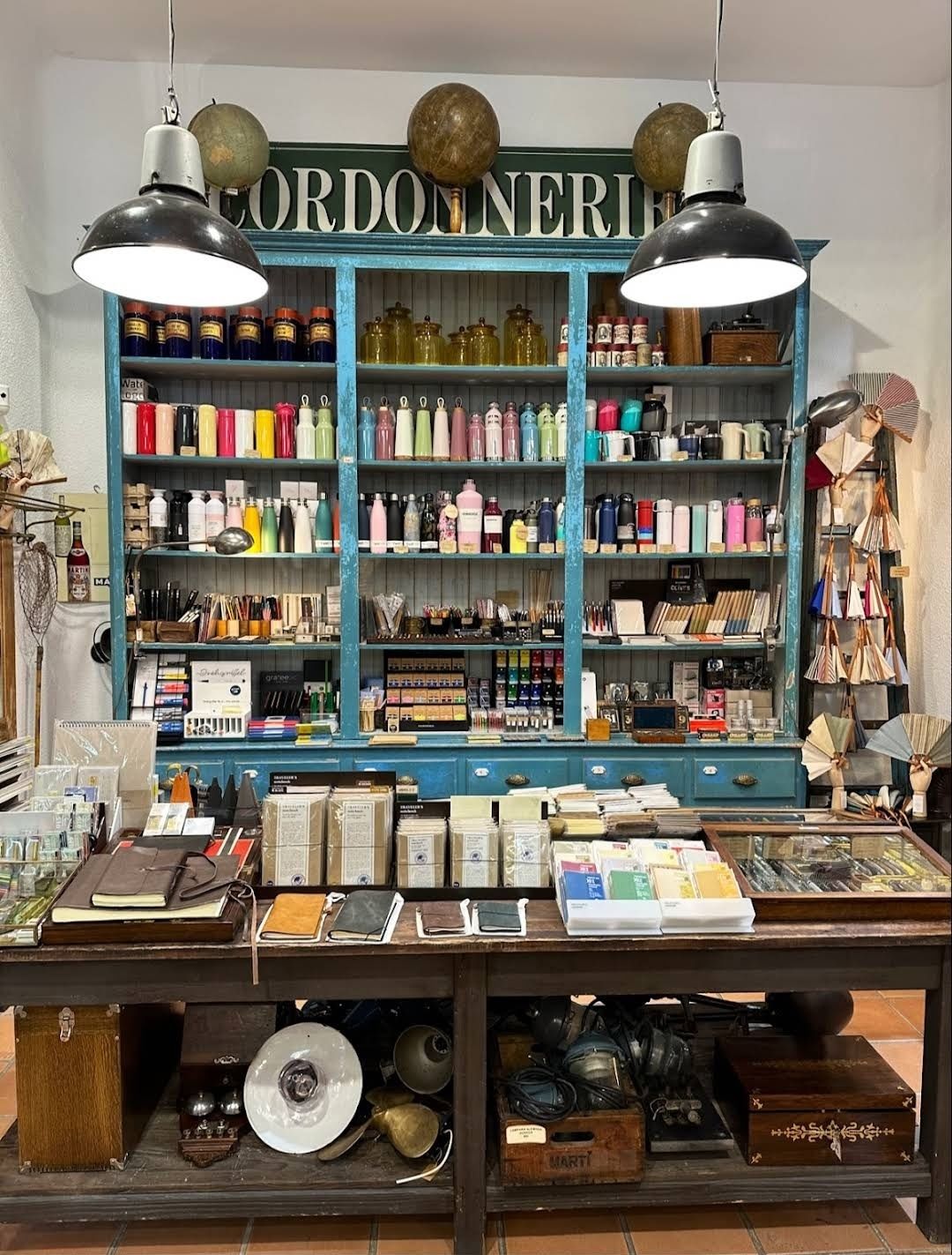
## Description Amarcord Retro Store is one of Madrid’s most charming vintage shops, a treasure trove for lovers of retro fashion and timeless accessories. Nestled in the heart of Spain’s capital, it’s a place where the past comes alive through carefully curated pieces from the **60s, 70s, 80s, and 90s**. Unlike modern fast fashion outlets, Amarcord focuses on unique, one-of-a-kind items that carry stories within their fabrics. The store’s collection includes **vintage clothing, retro jewelry, accessories, and even home décor pieces**, making it more than just a clothing shop—it’s a cultural experience. Fashion enthusiasts adore it for its eclectic mix, but even casual visitors find themselves fascinated by the craftsmanship of items that stand the test of time. A little-known fact about Amarcord is that many of its pieces come from **private collections across Europe**, giving shoppers the opportunity to own authentic items that can’t be found anywhere else. Another hidden gem is its reputation among local stylists and theater costume designers, who often rely on Amarcord to find the perfect outfit for period pieces or photo shoots. ## Location Amarcord Retro Store is located in **Madrid, Spain**, specifically in the lively **Malasaña neighborhood**, an area known for its bohemian vibe, independent shops, and street art. Malasaña has long been the epicenter of alternative culture in Madrid, making it the perfect setting for a retro store like Amarcord. The exact address is easy to find with a quick search or by simply wandering through **Calle Velarde** and its surrounding streets, which are packed with vintage boutiques and second-hand shops. ### Recommendation on How to Get There If you’re staying in Madrid city center, the easiest way to reach Amarcord is by **Metro**. The closest stations are **Tribunal (Lines 1 and 10)** and **Noviciado (Line 2)**, both within a short walking distance. Alternatively, a pleasant stroll from **Gran Vía** will also take you there in about 10–15 minutes. For visitors who prefer a more direct option, taxis and ride-sharing services are easily available. ## Tips To make the best out of your visit to Amarcord Retro Store, here are some helpful tips: * **Visit During Weekdays**: Weekends can get crowded in Malasaña, so if you want a quieter browsing experience, weekdays are best. * **Bring Cash**: While most shops in Madrid accept cards, small purchases are often easier with cash. * **Try Before You Buy**: Vintage sizing differs from modern sizing, so don’t hesitate to try on pieces before making a decision. * **Ask the Staff**: The shop owners and staff are passionate about vintage fashion and can often recommend items based on your style preferences. * **Explore the Neighborhood**: Malasaña itself is worth exploring. After shopping, you can enjoy a coffee at a quirky café or discover other unique shops nearby. * **Check for Specials**: Sometimes Amarcord runs promotions or brings in new collections from different countries—worth asking about when you visit. ## Conclusion Amarcord Retro Store is more than just a place to shop—it’s an invitation to step back in time and rediscover the beauty of vintage fashion. Located in Madrid’s vibrant Malasaña district, it offers an authentic retro shopping experience that blends style, history, and creativity. Whether you’re a collector, a fashion lover, or simply curious, Amarcord is a must-visit destination in the Spanish capital. ## FAQ **1. What can I find at Amarcord Retro Store?** You’ll find a wide selection of vintage clothing, accessories, jewelry, and décor items from the 60s to the 90s. **2. Is Amarcord Retro Store expensive?** Prices vary depending on the rarity and quality of the item, but overall, it’s considered affordable compared to high-end vintage boutiques. **3. Do they accept card payments?** Yes, most items can be paid by card, though it’s a good idea to bring cash for smaller purchases. **4. Is the store suitable for tourists who don’t speak Spanish?** Absolutely. The staff is friendly and many speak English, making it easy for international visitors to shop comfortably. **5. Can I find designer pieces there?** Yes, from time to time Amarcord stocks vintage designer clothing and accessories, making it a favorite among collectors. **6. What makes Amarcord different from other vintage shops in Madrid?** Amarcord stands out for its carefully curated, high-quality pieces and its reputation among stylists and creatives in Madrid. ## Links * [Official website of Amarcord Retro Store](https://www.amarcord-store.com/en)
GemVoyage Team • World
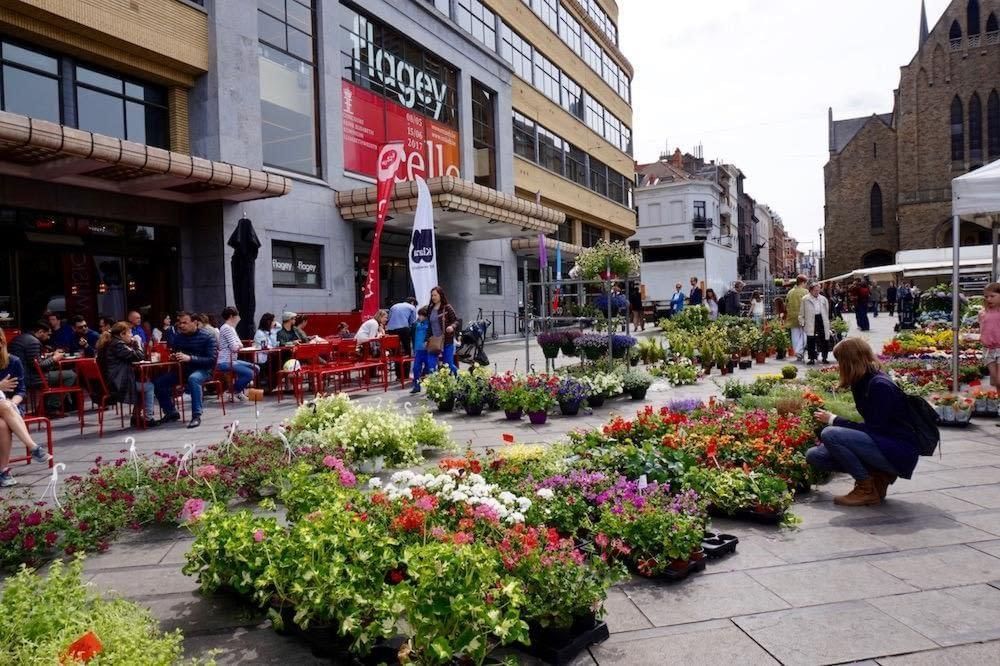
Brussels
## Description Flagey Square Market is one of the most characterful weekly markets in Brussels, and it feels less like a simple shopping stop than a snapshot of the city’s everyday rhythm. Set around the wide, lively Place Flagey in Ixelles, the market brings together fresh produce, flowers, cheeses, baked goods, spices, and the kind of seasonal local ingredients that reveal how Brussels really eats. For visitors, its appeal is not just what is sold but how the place works as a social scene: neighbors catch up over coffee, families fill baskets for the week, and travelers get a direct taste of the city beyond the usual museum circuit. What makes Flagey Square Market especially memorable is the contrast between its practical purpose and its setting. Place Flagey is bordered by elegant urban architecture and sits near the ponds of Ixelles, which means a trip to the market can easily turn into a broader walk through one of Brussels’ most attractive districts. A lesser-known detail is that the square is closely associated with Brussels’ cultural life, so the market often feels like it belongs to a wider neighborhood ecosystem of design, music, and café culture rather than standing alone as a tourist attraction. Another advantage is the market’s pace: it is big enough to be interesting, but not so overwhelming that it loses its local feel. If you are interested in food travel, Flagey Square Market is a place to observe small but revealing habits. Look for vendors selling regional cheeses from Wallonia, seasonal fruit that reflects the calendar rather than a global supermarket standard, and flowers that are often carried home by residents heading back to nearby apartments. The best markets are the ones where the transaction is only part of the experience, and this one excels because it invites lingering, tasting, and people-watching in equal measure. You can come away with ingredients for a picnic, a gift for someone back home, or simply a better understanding of Brussels as a lived-in city. It is also a strong choice for travelers who prefer neighborhoods over monuments. The market gives you a reason to spend time in Ixelles, an area with a cosmopolitan reputation but also a distinctly Brussels identity. That balance of local routine and cosmopolitan variety is what makes Flagey Square Market worth including in any city itinerary. ## Location Flagey Square Market is located at Place Flagey in Ixelles, Brussels-Capital Region, Belgium. The square sits in the southeastern part of central Brussels, close to the Ixelles Ponds and within easy reach of the city’s main cultural and dining areas. It is one of the most walkable parts of Brussels, and that is part of the attraction: the market can be paired with a stroll around the ponds, a coffee in the Flagey neighborhood, or a longer walk toward Avenue Louise and the surrounding streets. Getting there is straightforward. From central Brussels, the easiest route is often public transport, especially trams or buses that connect the square with major districts and the city center. If you are staying in Ixelles or near the European Quarter, a taxi or rideshare is simple, but public transport usually provides the most efficient and authentic option. Walking is also realistic if you like to explore Brussels on foot, though the distance will depend on your starting point. Cycling can work well too, especially on a good weather day, since the neighborhood is relatively bike-friendly by urban standards. If your goal is to visit the market at its best, aim for a morning arrival. That is when the produce is freshest and the atmosphere is most active, with enough local shoppers to create energy without making the aisles feel crowded. Pairing the market with the nearby ponds is one of the smartest ways to structure a half-day in Brussels. ## Tips Arrive early if you want the widest choice of fruit, bread, cheese, and prepared foods. Later in the day you may still find good items, but the market is more rewarding when stock is full and the pace is relaxed. Bring a reusable bag or two. Markets like this are at their best when you can buy a few things spontaneously, and having a bag makes it easy to leave with snacks, picnic ingredients, or a small bouquet of flowers. Carry some cash, even if many vendors accept cards. Markets are practical places, but payment habits can vary from stall to stall, and cash can save time when you are buying a small item. Do not rush. Flagey Square Market is not only about shopping; it is also about atmosphere. Stop for coffee, ask vendors what is in season, and pay attention to the products locals reach for most often. That is often the best guide to quality. If the weather is pleasant, plan to continue to the Ixelles Ponds after the market. That small extension turns a food stop into a genuinely enjoyable neighborhood outing. ## Conclusion Flagey Square Market is one of Brussels’ best places to experience local life at street level. It combines food, neighborhood character, and a pleasant urban setting in a way that feels genuine rather than staged. For travelers who want a market that reflects the city’s daily rhythm, it is an excellent stop. ## FAQ ### When is Flagey Square Market open? Market days can vary by season and local scheduling, so it is best to check current opening times before you go. In general, the busiest and most rewarding hours are in the morning, when produce selection is strongest and the atmosphere feels most lively. ### Is Flagey Square Market good for tourists? Yes. It is especially good for visitors who want to see a neighborhood market that locals actually use. It is also easy to combine with nearby walks, cafés, and the Ixelles Ponds, so it fits naturally into a city day. ### What should I buy there? Fresh fruit, bread, cheese, flowers, and seasonal snacks are the most reliable purchases. If you want a taste of Brussels, look for local dairy products, pastries, or ingredients that are clearly tied to the season. ### How long should I spend there? Most visitors will enjoy 45 minutes to 2 hours, depending on whether they want to shop, eat, and explore the surrounding neighborhood. If you plan a full brunch or picnic outing, you may want even longer. ## Links - [Flagey](https://www.flagey.be/en) - [Place Flagey on Visit Brussels](https://visit.brussels/en/place/place-flagey)
GemVoyage Team • World
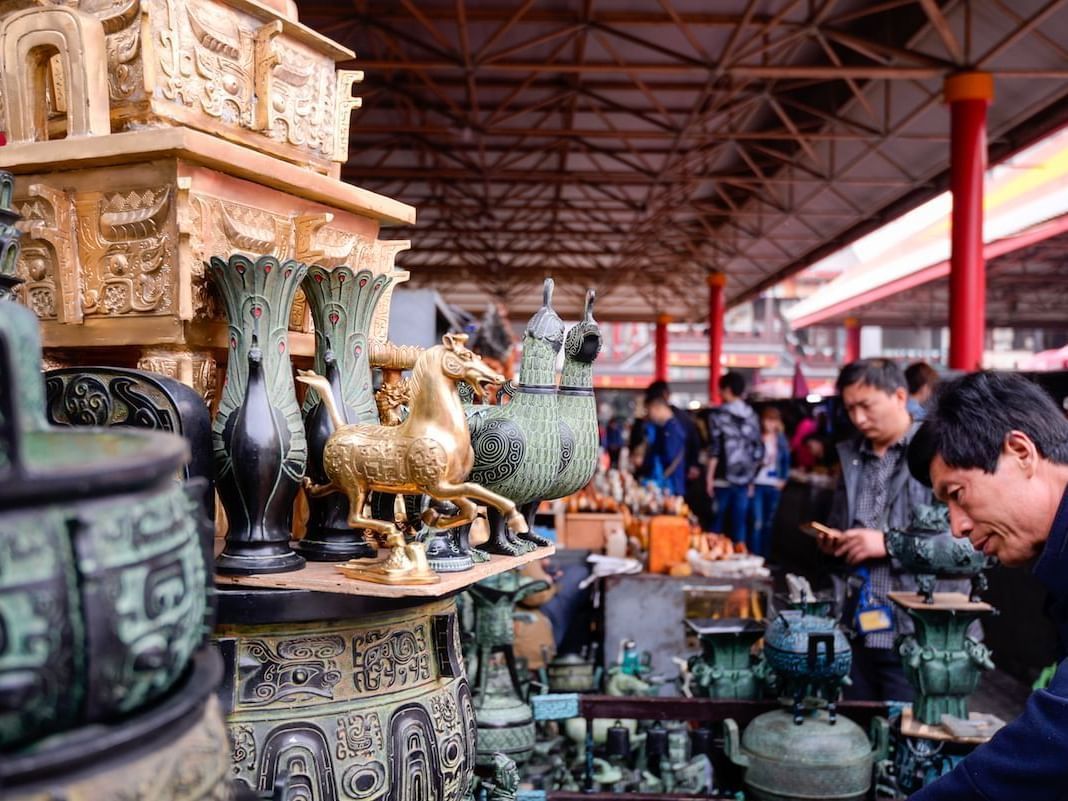
Beijing
## Description Panjiayuan Antique Market is one of Beijing’s most famous shopping destinations for anyone interested in antiques, collectibles, crafts, and the thrill of browsing through a vast informal market environment. It is not a polished retail complex. It is a sprawling, energetic market where the pleasure comes from looking closely, comparing objects, and discovering what catches your eye. For travelers, that makes it one of the most characterful places to shop in Beijing, especially if you enjoy markets with a sense of surprise. The market is compelling because it contains many different worlds at once. You may find traditional crafts, replica objects, old decorative pieces, calligraphy supplies, beads, paintings, jewelry, souvenirs, and a range of goods that reflect both local taste and the expectations of visitors. A lesser-known fact is that Panjiayuan has long been associated with weekend browsing culture and has become a major destination for both serious collectors and casual shoppers. Another interesting detail is that the market’s atmosphere often changes depending on the time and day of visit, with early morning tending to be the best period for finding variety and doing serious browsing before the crowds become dense. For travelers, the real appeal is less about guaranteed rare finds and more about the experience of looking. Panjiayuan rewards patience, curiosity, and negotiation. It is the type of place where you can spend hours without realizing how much time has passed because every row offers something different. Even if you are not an antique buyer, the market is still fascinating as a cultural snapshot of Beijing’s consumer life and souvenir economy. It is also an excellent place for people who enjoy photography and people-watching, though you should be considerate and ask before taking close photos of vendors or merchandise. The market’s scale and texture make it one of the most memorable commercial spaces in the city. ## Location Panjiayuan Antique Market is located in Chaoyang District, Beijing, China, on the eastern side of the city. Its location makes it accessible from central Beijing while still feeling like a destination with its own identity. Because it is a major market rather than a single storefront, it is best approached with enough time to wander. The easiest way to reach the market is by subway followed by a short walk. Beijing’s metro is usually the most efficient transport method, especially if you want to avoid traffic. Taxis and rideshares also work well if you are carrying purchases or traveling with a group. Once you arrive, the market is straightforward to explore on foot, and the surrounding streets make it easy to orient yourself. If you are serious about browsing, mornings and weekends are often the most rewarding. If you prefer a quieter visit, go earlier in the day or plan around less busy times when possible. ## Tips Bring cash and a willingness to compare prices. Bargaining can be part of the experience, so staying alert is useful. Check items carefully before buying. Quality and authenticity vary, especially with antiques and collectible-style merchandise. Arrive early if you want the widest selection. Serious buyers often do better before the market becomes crowded. Do not expect every item to be a true antique. The market includes a wide range of goods, from genuine older objects to decorative reproductions. Leave enough time to wander without a fixed list. The market rewards discovery more than efficiency. ## Conclusion Panjiayuan Antique Market is one of Beijing’s best places for browsing, bargaining, and discovering objects with personality. It offers a lively, practical, and sometimes unpredictable market experience that many travelers remember long after they leave. ## FAQ ### Is Panjiayuan Antique Market only for collectors? No. It is popular with casual visitors too, especially those who enjoy browsing and shopping for souvenirs or decorative items. ### Can I bargain there? Often yes, though the style and room for negotiation can vary by stall and item. ### What is the best time to visit? Early morning, especially on busier market days, is often the best time for selection and atmosphere. ### Are all items antiques? No. The market includes a mix of antiques, collectibles, crafts, reproductions, and souvenir items. ## Links - [Beijing official tourism](https://english.beijing.gov.cn/) - [Chaoyang District overview](https://en.wikipedia.org/wiki/Chaoyang_District,_Beijing)
GemVoyage Team • World
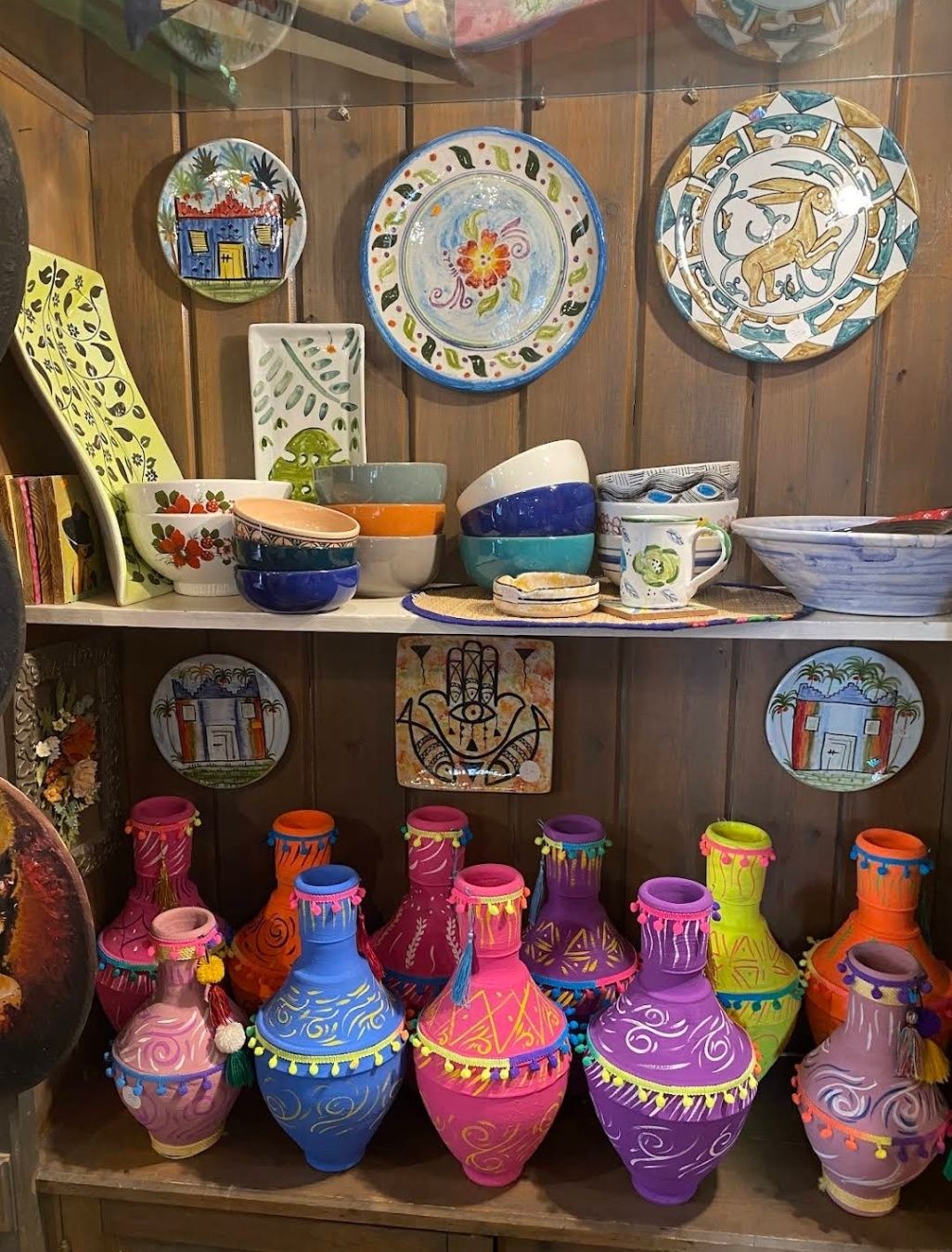
Cairo
## Description **Souk Al Fustat** is one of Cairo’s most fascinating markets, blending traditional Egyptian craftsmanship with a modern, organized atmosphere. Unlike the bustling and chaotic feel of Khan El Khalili, Souk Al Fustat offers a calmer, more curated shopping experience where visitors can explore handmade goods, artisanal crafts, and cultural souvenirs in a relaxed setting. What makes this market particularly unique is its focus on **authentic, high-quality handicrafts**. Here, you’ll find exquisite pottery, handwoven textiles, blown glass, leather goods, and jewelry made by local artisans who carry on centuries-old traditions. Many items are produced using techniques passed down through generations, making every piece a little work of art. A lesser-known fact about Souk Al Fustat is that it was established in the early 2000s as part of an initiative to revive Egypt’s traditional crafts and support artisans economically. Another hidden gem is that the market is located near some of Cairo’s most historic landmarks, making it easy to combine shopping with cultural exploration in a single trip. ## Location Souk Al Fustat is located in **Old Cairo**, near **Amr Ibn Al-As Mosque** and the **Hanging Church**, within the **Fustat area** of Cairo, Egypt. The address places it right in the heart of Cairo’s oldest district, which is rich in both Islamic and Coptic heritage. Getting there is fairly simple. From downtown Cairo, you can take a taxi or a ride-hailing service like Uber, which is the most convenient option for visitors unfamiliar with the city. The drive usually takes around 20–30 minutes depending on traffic. Alternatively, you can use the **Cairo Metro** and get off at **Mar Girgis Station**, which is just a short walk from the market and other Old Cairo attractions. ## Tips To make the most out of your visit to Souk Al Fustat, consider these tips: * **Bring cash** – While some shops may accept cards, cash is the preferred method of payment, especially for smaller purchases. * **Bargain respectfully** – Unlike Khan El Khalili, prices here are often fixed, but it doesn’t hurt to politely ask for a discount if you’re buying multiple items. * **Visit nearby landmarks** – Plan your visit around Old Cairo so you can explore attractions like the Coptic Museum, Amr Ibn Al-As Mosque, and the Synagogue of Ben Ezra. * **Go in the morning or late afternoon** – This helps you avoid the midday heat and ensures a quieter shopping experience. * **Look for workshops** – Some artisans allow visitors to watch them work, offering a unique opportunity to see traditional crafts being made before your eyes. * **Support local artisans** – Many of the sellers depend on this market as their main livelihood, so buying directly from them helps preserve Egypt’s cultural heritage. ## Conclusion **Souk Al Fustat in Cairo** is more than just a marketplace—it’s a cultural hub where history, craftsmanship, and tradition come together. With its authentic handmade goods, peaceful shopping environment, and proximity to Old Cairo’s iconic landmarks, it’s the perfect spot for travelers who want to take home a meaningful piece of Egypt. ## FAQ **1. What is Souk Al Fustat known for?** It’s best known for selling authentic Egyptian handicrafts such as pottery, textiles, jewelry, glassware, and leather goods, all made by local artisans. **2. How is it different from Khan El Khalili?** Souk Al Fustat is smaller, calmer, and more organized than Khan El Khalili, focusing on quality handmade crafts rather than mass-produced souvenirs. **3. Is it family-friendly?** Yes, the market has a relaxed atmosphere, making it suitable for families with children who want to explore Egyptian crafts without the overwhelming crowds. **4. How much time should I plan for my visit?** You can comfortably explore the market in 1–2 hours, but if you combine it with nearby Old Cairo attractions, plan for a half-day trip. **5. Are prices fixed at Souk Al Fustat?** Many shops have fixed prices, but some sellers may allow light bargaining, especially if you’re purchasing multiple items. **6. When is the best time to visit?** The best times are mornings or late afternoons to avoid the heat and enjoy a more relaxed shopping experience. ## Links * [Official Egypt Tourism Website](https://www.egypt.travel)
GemVoyage Team • World
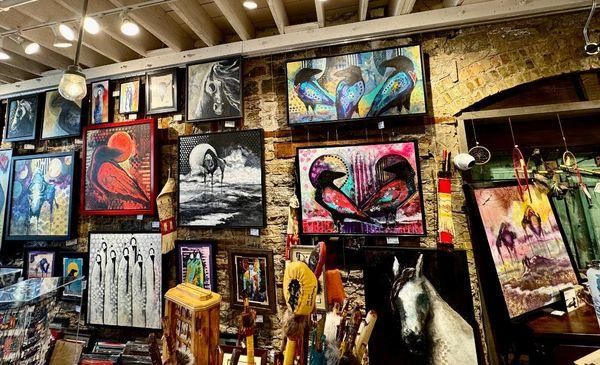
Minneapolis
## Description Northland Visions is a well-known Native American shop in Minneapolis that celebrates Indigenous art, culture, and craftsmanship from across North America. More than just a retail space, the shop functions as a cultural bridge, offering visitors a meaningful opportunity to engage with Native traditions through authentic, ethically sourced items. The store features a wide range of products, including traditional and contemporary jewelry, beadwork, carvings, pottery, clothing, books, and ceremonial objects. What makes Northland Visions unique is its strong commitment to authenticity and Native representation. The shop works directly with Native American artists and communities, ensuring that the items sold are genuine and that artists are fairly compensated. A lesser-known fact is that Northland Visions has long been connected to the local Native community in Minnesota, particularly the Dakota and Ojibwe nations, making it an important cultural space as well as a business. Another interesting detail is that the shop often carries items connected to seasonal ceremonies and powwow culture, reflecting living traditions rather than static displays. For visitors interested in Indigenous culture, Northland Visions offers an experience rooted in respect, education, and cultural continuity. ## Location Northland Visions is located in the **United States**, in the state of **Minnesota**, within the city of **Minneapolis**. The shop is situated in the Powderhorn area of South Minneapolis, a neighborhood known for its strong community identity and cultural diversity. Visitors can reach the shop by car, public bus, or bicycle. Several Metro Transit bus routes serve the surrounding area, making it accessible from downtown Minneapolis and other neighborhoods. For those driving, street parking is generally available nearby. Using a navigation app is recommended for first-time visitors, as the shop is located in a primarily residential and commercial mixed-use area. ## Tips * Take time to ask staff about the origins and meanings of the items, as they are often happy to share cultural context. * If you are purchasing jewelry or artwork, inquire about the artist to better understand the piece’s background. * Be respectful when viewing or asking about ceremonial items, as some objects may have cultural restrictions. * Bring cash or a card, as most major payment methods are accepted. * Combine your visit with nearby local cafés or parks to explore more of South Minneapolis. * Check opening hours in advance, as they may vary seasonally or during cultural events. ## Conclusion Northland Visions offers a thoughtful and authentic introduction to Native American art and culture in Minneapolis. Through its carefully curated selection and strong community ties, the shop provides visitors with both meaningful purchases and a deeper cultural understanding. ## FAQ **Are the items at Northland Visions authentic?** Yes, the shop emphasizes genuine, Native-made products and works directly with Indigenous artists and communities. **Can I learn about the cultural significance of the items?** Yes, staff members are knowledgeable and often share information about the history and meaning behind many products. **Is Northland Visions suitable for tourists?** Absolutely. Visitors are welcome and often find the shop educational as well as culturally enriching. **Does the shop sell gifts and souvenirs?** Yes, it offers a wide range of items suitable for meaningful gifts, from small crafts to fine art pieces. **Is the shop accessible by public transportation?** Yes, multiple bus routes serve the area, making it accessible without a car. ## Links * [Northland Visions Official Website](https://www.northlandvisions.com) * [Explore Minneapolis](https://www.minneapolis.org)
GemVoyage Team • World