GemVoyage Team • World
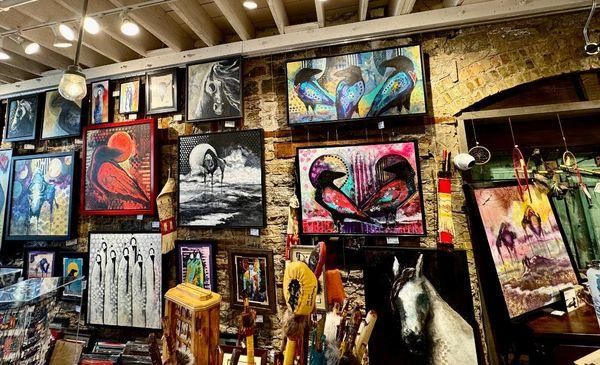
Northland Visions is a well-known Native American shop in Minneapolis that celebrates Indigenous art, culture, and craftsmanship from across North America. More than just a retail space, the shop functions as a cultural bridge, offering visitors a meaningful opportunity to engage with Native traditions through authentic, ethically sourced items. The store features a wide range of products, including traditional and contemporary jewelry, beadwork, carvings, pottery, clothing, books, and ceremonial objects.
What makes Northland Visions unique is its strong commitment to authenticity and Native representation. The shop works directly with Native American artists and communities, ensuring that the items sold are genuine and that artists are fairly compensated. A lesser-known fact is that Northland Visions has long been connected to the local Native community in Minnesota, particularly the Dakota and Ojibwe nations, making it an important cultural space as well as a business. Another interesting detail is that the shop often carries items connected to seasonal ceremonies and powwow culture, reflecting living traditions rather than static displays.
For visitors interested in Indigenous culture, Northland Visions offers an experience rooted in respect, education, and cultural continuity.
Northland Visions is located in the United States, in the state of Minnesota, within the city of Minneapolis. The shop is situated in the Powderhorn area of South Minneapolis, a neighborhood known for its strong community identity and cultural diversity.
Visitors can reach the shop by car, public bus, or bicycle. Several Metro Transit bus routes serve the surrounding area, making it accessible from downtown Minneapolis and other neighborhoods. For those driving, street parking is generally available nearby. Using a navigation app is recommended for first-time visitors, as the shop is located in a primarily residential and commercial mixed-use area.
Northland Visions offers a thoughtful and authentic introduction to Native American art and culture in Minneapolis. Through its carefully curated selection and strong community ties, the shop provides visitors with both meaningful purchases and a deeper cultural understanding.
Are the items at Northland Visions authentic?
Yes, the shop emphasizes genuine, Native-made products and works directly with Indigenous artists and communities.
Can I learn about the cultural significance of the items?
Yes, staff members are knowledgeable and often share information about the history and meaning behind many products.
Is Northland Visions suitable for tourists?
Absolutely. Visitors are welcome and often find the shop educational as well as culturally enriching.
Does the shop sell gifts and souvenirs?
Yes, it offers a wide range of items suitable for meaningful gifts, from small crafts to fine art pieces.
Is the shop accessible by public transportation?
Yes, multiple bus routes serve the area, making it accessible without a car.
Discover more hidden gems you might love.

Bratislava
## Description Martinus bookstore in Bratislava isn’t just an ordinary shop—it’s a cultural landmark that has become a beloved meeting point for book lovers, coffee enthusiasts, and curious travelers. As one of Slovakia’s largest and most famous bookstores, Martinus has transformed the simple act of buying a book into a memorable experience. What makes Martinus unique is its combination of literature, culture, and community. Visitors can browse through thousands of titles in different languages, enjoy a freshly brewed cup of coffee at the attached café, and even attend book signings or literary events. The bookstore is designed to feel warm and welcoming, with cozy corners that invite you to sit down, relax, and get lost in a book. A little-known fact about Martinus is that it started as a small family-owned bookstore in the town of Martin, Slovakia, in the early 1990s. Today, it has grown into the country’s largest online and offline bookseller while still keeping its friendly and personal atmosphere. Another interesting detail is that the Bratislava branch often collaborates with local artists and hosts cultural evenings, making it much more than just a shop, it’s a living cultural hub. ## Location Martinus bookstore is located in **Bratislava, the capital city of Slovakia**, in the Bratislava Region. The main branch sits on **Obchodná Street**, one of the busiest and most vibrant streets in the city, just a short walk from the Old Town and the iconic Michael’s Gate. Getting there is simple. If you’re staying in Bratislava’s historic center, you can easily walk to Martinus in less than 10 minutes. For those coming from further away, public transportation is very convenient—several trams and buses stop nearby at **Poštová–Martinus** station, which is practically at the bookstore’s doorstep. If you’re driving, parking may be tricky on Obchodná Street itself, so it’s recommended to park in nearby garages and continue on foot. ## Tips for Visitors To make the most of your visit to Martinus bookstore in Bratislava, here are some useful tips: * **Explore both the books and the café**: The in-house café is the perfect spot to sit down with your new book and enjoy a relaxed afternoon. * **Check the event calendar**: Martinus frequently organizes book signings, lectures, and cultural evenings. If you’re lucky, you might catch a live event during your visit. * **Browse the English section**: While most books are in Slovak, the store has a good selection of English and other foreign-language books. * **Use the free Wi-Fi**: If you need a break from sightseeing, Martinus provides a cozy atmosphere to recharge, both mentally and digitally. * **Visit during weekdays**: The bookstore is often busier on weekends, so for a quieter experience, go during the week. ## Conclusion Martinus bookstore in Bratislava is far more than just a place to buy books. It’s a cultural space where literature, coffee, and community come together in a cozy and inspiring environment. Whether you’re a tourist exploring the city or a local looking for a peaceful escape, Martinus offers an unforgettable experience that reflects the creative spirit of Bratislava. ## FAQ **1. What makes Martinus bookstore in Bratislava special?** Martinus is unique because it combines a large book selection with a welcoming café, cultural events, and a warm, community-focused atmosphere. **2. Can I find English books at Martinus bookstore?** Yes, Martinus offers a good range of English-language books, along with titles in Slovak and other languages. **3. Does Martinus bookstore have a café?** Absolutely. The bookstore has a cozy café where you can enjoy coffee, tea, and pastries while reading. **4. Is Martinus bookstore family-friendly?** Yes, it’s a great place for families, with children’s books available and a friendly atmosphere suitable for all ages. **5. How do I get to Martinus bookstore in Bratislava?** It’s located on Obchodná Street in the city center. You can walk from the Old Town, take public transportation to Poštová–Martinus station, or park nearby and walk. ## Useful Links * [Official Martinus Website](https://www.martinus.sk) * [Visit Bratislava – Official Tourism Website](https://www.visitbratislava.com)
GemVoyage Team • World
Cairo
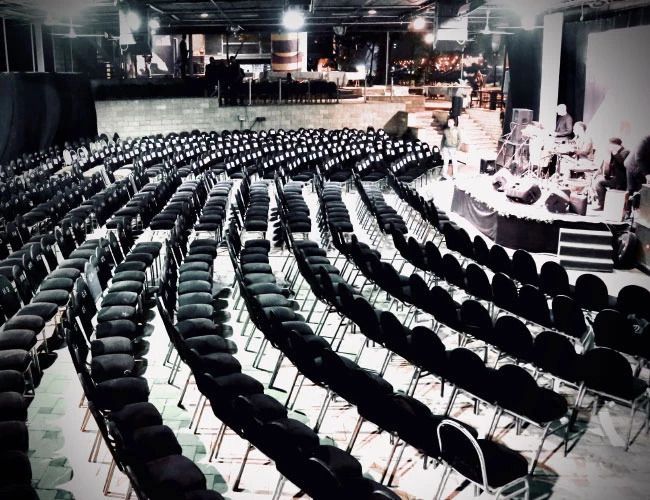
## Description El Sawy Culturewheel (often written as Sawy Cultural Wheel) is a dynamic cultural center in Cairo known for its eclectic program of theater, music, workshops, literary evenings, and community arts activities. Established by Egyptian cultural entrepreneur Mohamed El-Sawy, the center was conceived as a grassroots venue that supports independent artists, nurtures emerging talents, and brings diverse audiences together. The venue’s programming ranges from experimental theater and jazz nights to film discussions and children’s arts workshops, creating an urban cultural laboratory distinctly different from state-run institutions. What sets the Culturewheel apart is its commitment to accessibility and community engagement. It frequently offers affordable events, artists’ talks, and interdisciplinary collaborations that reflect contemporary Egyptian cultural life. A less obvious feature is the center’s role as a networking node—many artists and creative collectives in Cairo trace early collaborations back to events hosted at El Sawy, making it a quiet engine of the city’s cultural ecosystem. ## Location El Sawy Culturewheel is based on Gezira Island in the Zamalek district of central Cairo, Egypt, near the Nile’s western bank. Its central location on Gezira makes it easy to reach from many Cairo neighborhoods. Getting there: From downtown Cairo (Tahrir Square, downtown hotels) a short taxi or ride-share trip reaches Zamalek in under 20 minutes depending on traffic. Some visitors prefer the tram or river ferry options when available; walking across the Qasr El Nil bridge and heading into Zamalek is also feasible for those staying nearby. Parking can be limited during busy events, so public transport or a ride-hailing service is often most convenient. ## Tips - Check the schedule in advance: The Culturewheel’s program changes frequently; review upcoming events on their official channels or social pages to secure tickets for popular shows. - Arrive early: Some events are small and seat availability is limited; arriving early ensures a good seat and time to meet artists or buy refreshments. - Explore related venues: Zamalek has galleries, bookstores, and cafes; make an evening of it by combining a performance with dinner or a gallery visit. - Language: Many performances are in Arabic; however, cultural evenings often include bilingual presentations, translations, or summaries for international visitors—check event details if language is a concern. - Bring cash for smaller events and local craft stalls; bigger performances may accept card or online booking. ## Conclusion El Sawy Culturewheel is Cairo’s pulse for grassroots cultural life—an energetic space where performance, dialogue, and creativity intersect. For visitors interested in contemporary Egyptian arts or seeking a local, community-centered experience, the Culturewheel offers an accessible, varied, and memorable cultural program. ## FAQ Q: What kind of events are held at the Culturewheel? A: The center hosts theater, live music, film nights, literary readings, workshops, and children’s activities. Q: Is there an official timetable? A: Yes. Events are scheduled regularly—check the Culturewheel’s official announcement channels for the latest listings. Q: Are events in English? A: Many events are primarily in Arabic, but there are occasional bilingual events and programs aimed at international audiences. Q: Is the venue family-friendly? A: The center runs children’s workshops and family-oriented events—review event descriptions to verify suitability. ## Links - [Wikipedia: El Sawy Culturewheel](https://en.wikipedia.org/wiki/El_Sawy_Culturewheel) - [El Sawy Culturewheel official website](https://www.culturewheel.com/en)
GemVoyage Team • World
Brussels
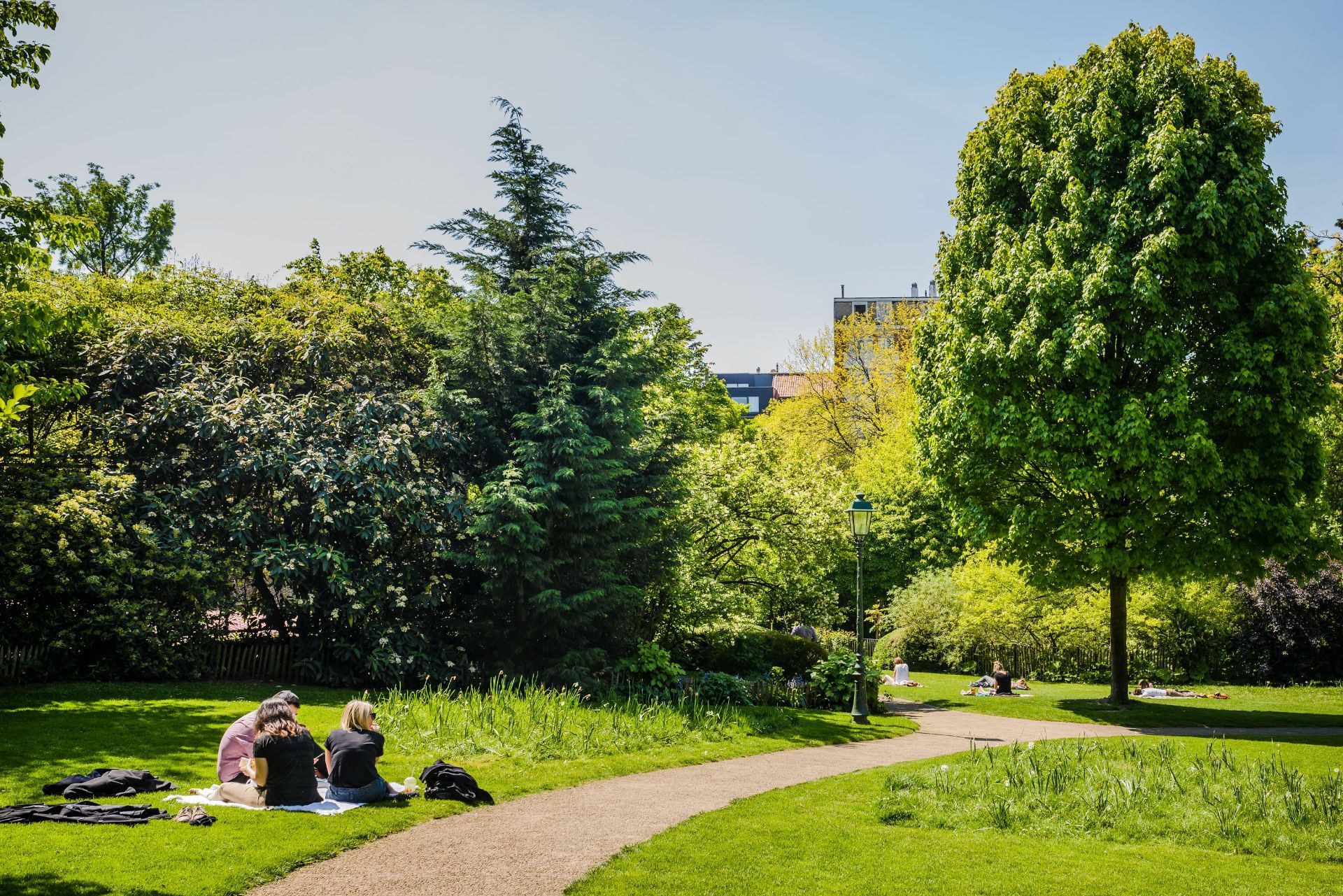
## Description Parc Tenbosch is one of Brussels’ most elegant small parks, and its appeal lies in subtlety rather than spectacle. Located in Ixelles, it offers a calm, leafy space where visitors can slow down, sit under mature trees, and enjoy a more intimate side of the city. For travelers who like parks that feel local rather than monumental, Parc Tenbosch is a strong choice. It is not the kind of place that demands an itinerary slot on its own; instead, it rewards being folded into a neighborhood walk or a café-filled afternoon. What gives the park its character is its sense of quiet design. It has the feel of a carefully tended urban refuge, with winding paths, dense planting, and enough variation in shape and texture to make a simple walk interesting. A lesser-known fact is that the park occupies a site with a layered urban past and was shaped to preserve greenery in a neighborhood that might otherwise have become entirely built up. Another detail many visitors notice only after spending time there is how different it feels from Brussels’ larger public parks: rather than broad ceremonial lawns, it offers an almost garden-like intimacy that makes it feel close to the life of the surrounding streets. For visitors, Parc Tenbosch works best as a pause. It is where you go after lunch, before a museum visit, or between neighborhood explorations. Because Ixelles is one of Brussels’ most varied and walkable districts, the park can fit naturally into a day that also includes Flagey, Avenue Louise, the Châtelain area, or a coffee stop nearby. That flexibility is part of what makes it worthwhile. You are not just visiting a park; you are using it as a calm anchor in one of the city’s busiest residential areas. The park is also a good reminder that urban travel does not always have to revolve around top-tier landmarks. Sometimes the most memorable part of a city is a place where the pace drops, the noise softens, and you get a sense of how residents actually use public space. ## Location Parc Tenbosch is located in Ixelles, Brussels-Capital Region, Belgium. It sits in a central urban setting within easy reach of several popular Brussels neighborhoods, which makes it simple to add to a walking route. The park’s placement in Ixelles means you can approach it from multiple directions depending on where you are staying or what else you want to see in the area. The easiest way to get there is usually on foot, by tram, or by a short taxi or rideshare journey from central Brussels. If you are already exploring Ixelles, the park is one of the simplest green spaces to include along the way. Public transport is convenient if you are coming from farther away, but the park is compact enough that many visitors simply fold it into a wider neighborhood walk. Because it is a neighborhood park, it is best enjoyed at a relaxed pace. Plan a short stop rather than a formal excursion, and let it serve as a quiet counterpoint to the surrounding city. ## Tips Visit when you want to rest your feet. The park is an ideal place to take a break between longer urban walks. Bring a book, snack, or coffee if you want to stay a while. The atmosphere is good for sitting and watching the neighborhood pass by. Keep expectations aligned with the scale of the park. Its charm comes from tranquility and atmosphere, not from grand size or a long list of facilities. Combine it with the surrounding district. Ixelles offers cafés, streets, and cultural stops that pair naturally with a park visit. If the weather is pleasant, go in the afternoon or early evening. That is often when the space feels most welcoming and the light is best for a walk. ## Conclusion Parc Tenbosch is a calm, attractive green refuge in the middle of Brussels’ Ixelles district. It is best for travelers who appreciate smaller urban parks and who want a place to slow down without leaving the city’s most interesting neighborhoods. ## FAQ ### Is Parc Tenbosch worth visiting? Yes, especially if you like neighborhood parks and quiet green spaces. It may not be a headline attraction, but it is rewarding as part of a relaxed Brussels itinerary. ### How long should I stay? Most visitors will spend 20 to 45 minutes, though longer stays are easy if you want to read, rest, or enjoy a picnic. ### Is it easy to combine with other sights? Very. It fits naturally into a route through Ixelles, Flagey, or the nearby café and shopping streets. ### Is the park family-friendly? Yes. Its calm setting and manageable size make it suitable for families, as long as expectations are oriented toward a peaceful urban green space rather than a large recreation park. ## Links - [Brussels parks overview](https://www.visit.brussels/en/visitors/what-to-do/brussels-parks-and-forests)
GemVoyage Team • World
Alexandria
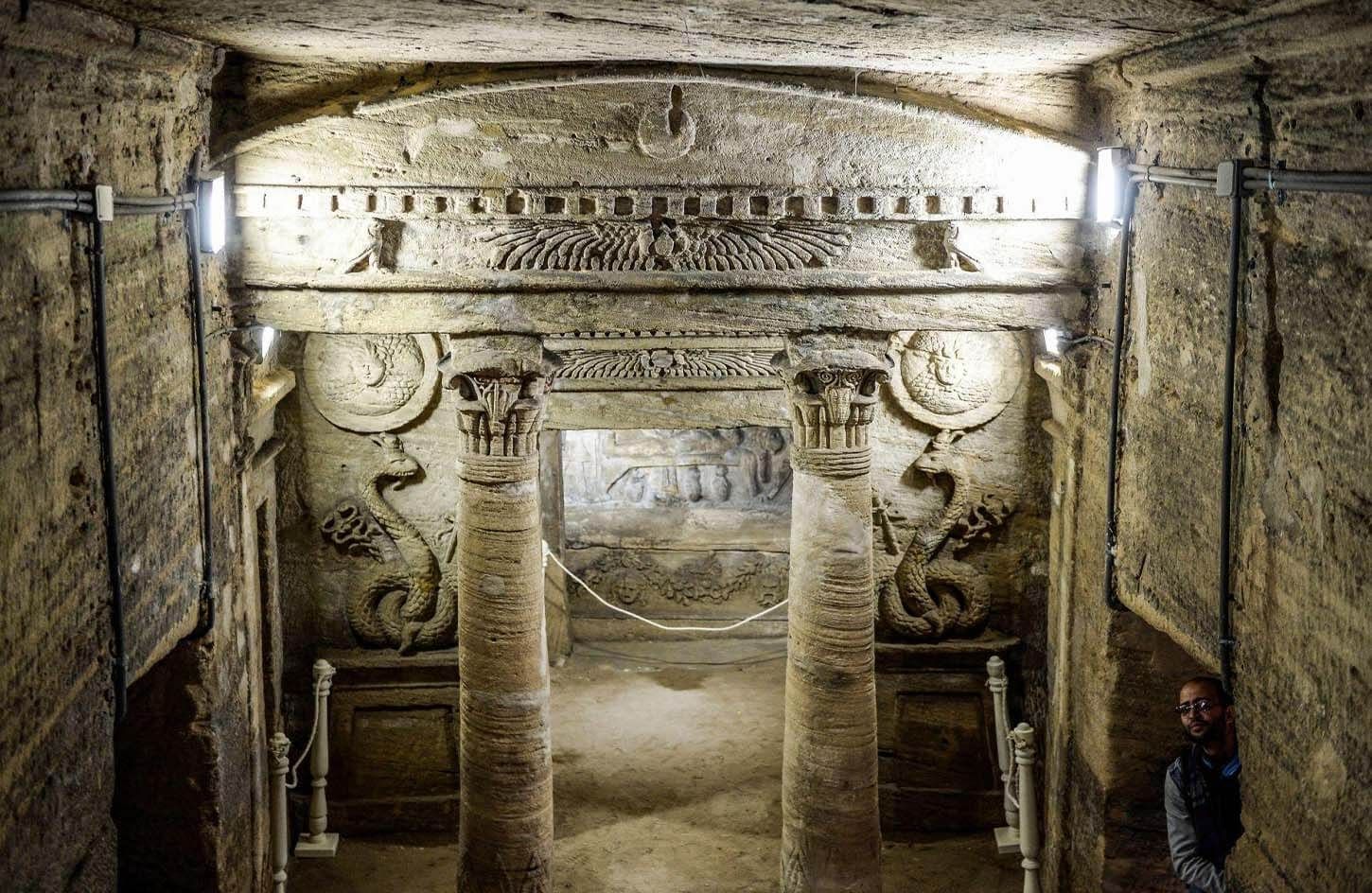
## Description The Catacombs of Kom El Shoqafa are among the most extraordinary archaeological sites in Alexandria because they condense the city’s long history of cultural blending into one underground complex. This is not a simple burial site and not a single-civilization monument. It is a layered necropolis where Egyptian, Greek, and Roman influences appear together in architecture, decoration, and ritual use. That fusion is the reason the site feels so distinctive. Visitors descend into chambers that are both funerary and ceremonial, and the result is a place that seems to express Alexandria’s identity better than almost any other attraction in the city. One of the site’s most notable features is its visual mixture of traditions. The carved motifs, sculptural forms, and architectural choices combine styles in a way that reflects the cosmopolitan nature of ancient Alexandria. A lesser-known fact is that the catacombs were discovered relatively recently in the modern period and revealed a major underground complex that had remained hidden beneath the urban fabric. Another interesting detail is that the site includes a spiral descent that gives the experience a strong sense of transition from the city above into the burial world below, making the visit feel immersive even before you reach the principal chambers. For travelers, the catacombs matter because they are not only impressive but also educational in a memorable way. They explain how Alexandria functioned as a meeting point of cultures and how religious and artistic ideas could merge rather than simply replace one another. If you are interested in ancient history, funerary art, or the Mediterranean world, this site is one of the strongest reasons to spend time in Alexandria beyond the waterfront and modern city streets. The atmosphere is part of the attraction. Underground archaeological sites always have a certain gravity, but Kom El Shoqafa also has a sense of discovery built into it. Its rooms and passageways feel like they belong to a concealed city, and that hidden quality gives the site lasting appeal. ## Location The Catacombs of Kom El Shoqafa are located in Alexandria Governorate, Egypt, in the western part of the city. The site sits within the urban area rather than far outside it, which makes it accessible as a major sightseeing stop during a day in Alexandria. Because it is embedded in the city, the exact arrival experience may involve busy streets and ordinary neighborhoods before you descend into the archaeological complex. The easiest way to reach the catacombs is usually by taxi, rideshare, or arranged local transport from central Alexandria. Public transit may be possible depending on your starting point, but taxis are often the most straightforward choice for visitors who want a predictable route. If you are planning a fuller city tour, it is sensible to combine the catacombs with other Alexandria landmarks, using them as part of a historical circuit rather than an isolated stop. As with many archaeological attractions, starting earlier in the day can improve the experience. Cooler temperatures, lighter crowds, and better energy for walking down into the complex all make a morning visit appealing. ## Tips Wear comfortable shoes. You will be walking through stairways, uneven surfaces, and underground passages, so practical footwear matters. Bring a sense of timing. The most powerful part of the visit is often the descent and the first underground chambers, so do not rush through the space. Take a guide or use a good explanation source if possible. The site becomes much richer when you understand what you are seeing and how the Roman, Greek, and Egyptian elements connect. Be mindful of heat and humidity. Even though much of the attraction is underground, the approach and exit can still be warm, especially in summer. Consider pairing the visit with other Alexandria heritage sites. The catacombs are best appreciated as part of the city’s broader ancient and Mediterranean story. ## Conclusion The Catacombs of Kom El Shoqafa are one of Alexandria’s most important cultural landmarks, combining archaeological depth, artistic fusion, and a powerful sense of place. For travelers who want history that feels tangible and layered, this site is exceptional. ## FAQ ### Why are the Catacombs of Kom El Shoqafa famous? They are famous for their blend of Egyptian, Greek, and Roman influences, which makes them a rare and visually rich example of cultural fusion in ancient funerary architecture. ### Are the catacombs underground? Yes. The experience includes a descent into underground chambers, which is a major part of the site’s atmosphere and appeal. ### How much time should I plan for the visit? Most visitors should allow around 1 to 2 hours, depending on how closely they want to explore and whether they are visiting with a guide. ### Is it suitable for all travelers? Generally yes, but visitors should be comfortable with stairs, enclosed spaces, and underground conditions. ## Links - [Catacombs of Kom El Shoqafa on Wikipedia](https://en.wikipedia.org/wiki/Catacombs_of_Kom_El_Shoqafa) - [Egyptian Ministry of Tourism and Antiquities](https://egymonuments.gov.eg/) - [Alexandria overview](https://en.wikipedia.org/wiki/Alexandria)
GemVoyage Team • World
Amazonas
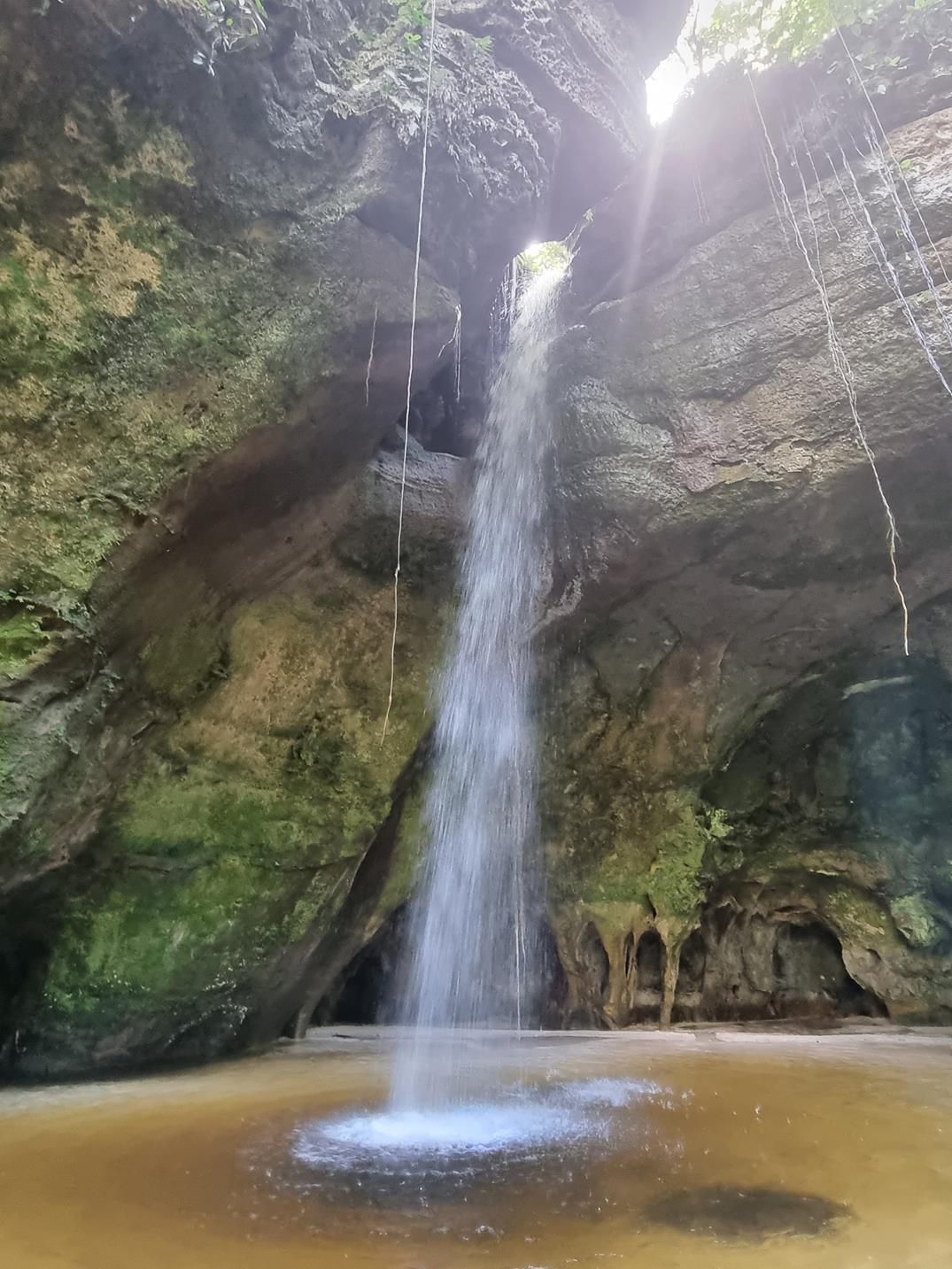
## Description Deep within the lush rainforest of the Amazon lies a pair of natural wonders: **Caverna do Maroaga (Maroaga Cave)** and **Caverna da Judeia (Judeia Cave)**. These caves are part of the Presidente Figueiredo municipality in northern Brazil, often nicknamed the “Land of Waterfalls and Caves” due to its unique geology and landscapes. The **Maroaga Cave** is famous for its dramatic sandstone formations and a stream that flows directly from within, creating a mystical atmosphere as the water emerges from the cave’s dark interior. Sunlight filtering through the forest canopy reflects on the water, giving the cave a magical glow. Its name comes from a local indigenous chief, Maroaga, who is said to have used the cave as a hideout, adding a layer of legend to its natural beauty. The nearby **Judeia Cave** is equally captivating. It features a more intimate setting, with a waterfall cascading over its entrance and forming a natural curtain of water. Walking behind the waterfall offers visitors a unique and refreshing perspective, with the sound of rushing water echoing throughout the cave. A little-known fact is that both caves are part of the same ecological reserve, which shelters a vast variety of flora and fauna. Biologists have recorded rare species of bats and amphibians in these caves, making them not only scenic wonders but also important ecological habitats. ## Location Caverna do Maroaga and Caverna da Judeia are located in **Presidente Figueiredo**, a municipality in the state of **Amazonas**, in northern **Brazil**. The region lies about 107 kilometers north of **Manaus**, the capital of Amazonas, along the BR-174 highway. The most common way to reach the caves is by car or organized tour from Manaus. The drive takes about two hours and passes through dense rainforest landscapes. Once at the entrance to the reserve, guided hikes of varying lengths lead to the caves. The trails are not particularly difficult, but they can be muddy and slippery, especially during the rainy season. For international visitors, the easiest route is to fly into Manaus and then book a day trip or multi-day tour that includes the caves as part of a broader itinerary of waterfalls and natural attractions. ## Tips * **Wear proper footwear:** Hiking boots or sturdy shoes are recommended, as the trails can be wet and uneven. * **Hire a guide:** Local guides not only ensure safety but also provide insights into the caves’ legends, geology, and biodiversity. * **Bring swimwear and a towel:** The waterfalls and streams around the caves are perfect for cooling off after a hike. * **Pack insect repellent:** The Amazon rainforest is home to mosquitoes and other insects, especially near water sources. * **Visit during the dry season:** From June to November, the trails are easier to access, although the rainy season offers stronger waterfalls and a wilder atmosphere. * **Respect the environment:** Avoid leaving litter, and do not disturb the caves’ wildlife, particularly bats and amphibians. ## Conclusion Caverna do Maroaga and Caverna da Judeia showcase the wild beauty and hidden wonders of Brazil’s Amazon rainforest. With their waterfalls, sandstone formations, and legendary history, they are must-visit sites for eco-tourists and adventurers seeking an authentic experience in the heart of nature. Together, they represent not just geological marvels but also living ecosystems that deserve protection and respect. ## FAQ **1. Do I need a guide to visit the caves?** Yes, local guides are highly recommended for safety, navigation, and to ensure the preservation of the natural environment. **2. Can I swim near the caves?** Yes, swimming is allowed in the pools and streams near the caves, but always follow local safety advice. **3. How difficult are the hikes to the caves?** The hikes are moderate in difficulty, with some slippery and uneven sections. Good footwear is essential. **4. Are the caves accessible year-round?** Yes, but the experience differs by season. The rainy season (December–May) offers stronger waterfalls, while the dry season (June–November) makes trails easier to navigate. **5. What wildlife might I see?** Bats, amphibians, tropical birds, and a wide variety of insects inhabit the area. Lucky visitors may even spot monkeys in the surrounding forest. **6. How long should I plan for a visit?** Most tours include both caves in a half-day excursion, though spending a full day allows more time to explore nearby waterfalls and trails. ## Links * [Amazons Wiki](https://en.wikipedia.org/wiki/Amazonas_(Brazilian_state))
GemVoyage Team • World
Stuttgart
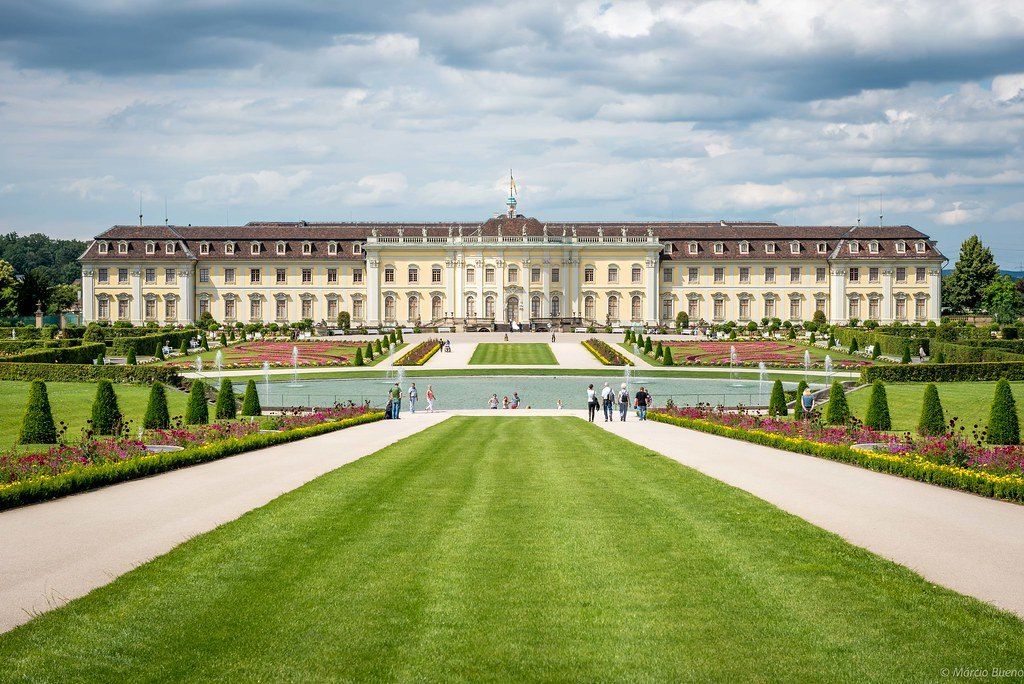
## Description The **Ludwigsburg Residential Palace (Residenzschloss Ludwigsburg)** is one of Europe’s most magnificent Baroque palaces and a true masterpiece of royal architecture and design. Often referred to as the **“Swabian Versailles,”** it is the **largest preserved Baroque palace in Germany**, blending **Baroque, Rococo, and Neoclassical** styles across its sprawling complex. Construction began in **1704** under **Duke Eberhard Ludwig of Württemberg**, who envisioned a grand residence to reflect his power and sophistication. Over the next decades, the palace grew into a breathtaking ensemble of **18 buildings**, **452 rooms**, and vast gardens that stretch across **32 hectares**. Each wing and hall tells a different story of Württemberg’s history, art, and royal life. Inside, visitors can explore elaborately decorated **ballrooms, royal apartments, chapels, and galleries**, many of which remain in their original condition. Highlights include the **Marble Hall**, adorned with gilded stucco and crystal chandeliers; the **Baroque Gallery**, featuring masterpieces by European painters; and the **Ancient Theatre**, one of the oldest preserved court theaters in Europe still in operation. The palace is also home to **three museums**: the **Baroque Gallery (Barockgalerie)**, the **Fashion Museum (Modemuseum)** — showcasing 18th- to 20th-century European fashion — and the **Ceramics Museum**, which displays exquisite porcelain collections. A lesser-known fact is that during the **Napoleonic Wars**, the palace served as a temporary refuge for royalty and diplomats. Another interesting detail: the building narrowly escaped destruction during World War II, making it one of the few German palaces to survive fully intact. Today, it offers visitors a glimpse into over **300 years of royal life and European artistry**. The surrounding **Blooming Baroque Gardens (Blühendes Barock)** are a spectacle in their own right — a vibrant re-creation of Baroque landscaping, filled with fountains, sculptures, and floral displays that change seasonally. The gardens also include the **Fairy-Tale Garden (Märchengarten)**, a delightful attraction for children and families, where classic fairy tales come to life. ## Location The **Ludwigsburg Residential Palace** is located in the **city of Ludwigsburg**, about **15 kilometers (9 miles)** north of **Stuttgart**, in the **Baden-Württemberg** region of **southern Germany**. To get there: * **By train:** From **Stuttgart Hauptbahnhof (main station)**, take the **S4 or S5 S-Bahn** to **Ludwigsburg Station** (about 15–20 minutes). From there, it’s a **15-minute walk** or a short bus ride to the palace. * **By car:** Take the **A81 motorway** (exit Ludwigsburg-Süd or Ludwigsburg-Nord). Parking is available near the palace grounds. * **By guided tour:** Many Stuttgart-based tour operators offer day trips that include transportation, entry tickets, and guided tours of the palace and gardens. ## Tips * **Take a guided tour:** The palace is huge, and guided tours (available in English and German) provide deep insights into its history and hidden details. * **Explore the museums:** Don’t miss the **Fashion Museum** and **Baroque Gallery** — they’re both fascinating and included in the entry ticket. * **Visit the gardens:** The **Blühendes Barock** gardens are stunning in spring and summer, especially during the **pumpkin festival (Kürbisausstellung)** held from late August to early November. * **Plan for at least half a day:** The site is extensive — allow time to stroll through the interiors, gardens, and museums. * **Family-friendly attractions:** The **Fairy-Tale Garden** is a great spot for kids and adds a magical touch to the visit. * **Photography:** Indoor photography may require permission, but outdoor photography in the gardens is encouraged. * **Combine with nearby attractions:** Ludwigsburg’s charming old town and market square are within walking distance, and **Stuttgart** is easily reachable by train. ## Conclusion The **Ludwigsburg Residential Palace** stands as a living monument to the grandeur of Baroque Europe and the cultural legacy of Württemberg’s rulers. With its stunning architecture, ornate interiors, and beautifully preserved gardens, it offers visitors a rare chance to step into the royal world of the 18th century. Whether you come for its art, history, or seasonal festivals, Ludwigsburg is a destination that effortlessly combines **majestic beauty with historical authenticity**, making it one of Germany’s most rewarding cultural experiences. ## FAQ **1. When was the Ludwigsburg Palace built?** Construction began in **1704** under **Duke Eberhard Ludwig** and continued for several decades, evolving through different architectural styles. **2. How large is the palace?** The complex features **18 buildings and over 450 rooms**, making it the **largest Baroque palace in Germany**. **3. Can I visit the gardens separately?** Yes, the **Blühendes Barock gardens** can be visited separately and often host seasonal events, including flower shows and the famous **pumpkin festival**. **4. Are guided tours available in English?** Yes, English-language tours are offered regularly; check the official schedule in advance. **5. How long should I plan to spend there?** Most visitors spend **half a day to a full day** exploring the palace, gardens, and museums. **6. Is it suitable for children?** Absolutely — the **Fairy-Tale Garden** and open grounds make it enjoyable for families. **7. Is the palace open year-round?** Yes, though some outdoor events and gardens are seasonal. Indoor exhibitions are open year-round. ## Links * [Official Ludwigsburg Palace Website (Residenzschloss Ludwigsburg)](https://www.schloss-ludwigsburg.de/en)
GemVoyage Team • World

Comments