GemVoyage Team • World
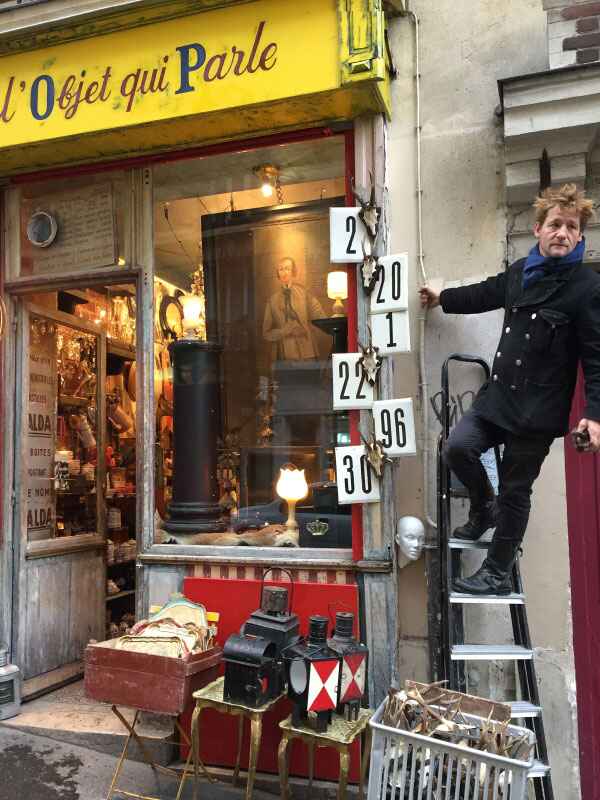
Tucked away in the bohemian neighborhood of Montmartre, L’Objet Qui Parle is a small but legendary antique shop that has earned a reputation as one of Paris’s most fascinating hidden gems. Unlike large, glossy antique markets, this boutique offers an intimate and eclectic experience. The moment you step inside, you are greeted with an enchanting jumble of objects—stacked paintings, vintage trinkets, retro furniture, ceramics, mirrors, and curiosities that feel like they carry stories from centuries past.
What makes L’Objet Qui Parle unique is its authentic “cave of wonders” atmosphere. The shop is famously cluttered, with items spilling from shelves and even tucked into corners, yet this controlled chaos is exactly what draws treasure hunters, collectors, and curious travelers. Each visit feels like a miniature archaeological dig, where one never knows what rare or unusual item might be unearthed.
A little-known fact is that the shop has served as a source of inspiration for local artists and filmmakers, who come here seeking objects with character and history. Another interesting detail is that many items are surprisingly affordable compared to other antique shops in Paris, making it possible to find genuine vintage pieces without breaking the bank.
L’Objet Qui Parle is located in Paris, France, within the Île-de-France region. More precisely, it sits in the 18th arrondissement, right in the heart of Montmartre, not far from the iconic Sacré-Cœur Basilica and Place du Tertre, the artists’ square.
How to get there:
Its central location makes it perfect to combine with a day exploring Montmartre’s historic streets, cafés, and art studios.
Here are some tips to make the most of your visit to L’Objet Qui Parle:
L’Objet Qui Parle is more than just an antique shop—it’s an experience of discovery. With its cluttered charm, eclectic treasures, and Montmartre location, it offers a glimpse into the artistic and bohemian soul of Paris. Whether you’re a seasoned collector or simply curious, this little shop promises surprises and stories with every visit.
1. What does “L’Objet Qui Parle” mean?
It translates to “The Object That Speaks,” reflecting the idea that every antique carries a story from the past.
2. What kind of items can I find at L’Objet Qui Parle?
The shop sells a wide variety of antiques, including vintage furniture, ceramics, mirrors, paintings, religious artifacts, and quirky collectibles.
3. Is L’Objet Qui Parle expensive?
Not necessarily. While some rare pieces can be pricey, many items are surprisingly affordable, especially compared to larger Parisian antique markets.
4. How much time should I spend there?
Most visitors spend 30 minutes to an hour browsing, depending on their interest in antiques.
5. Is photography allowed inside the shop?
Policies may vary, but as a rule of thumb, always ask the shop owner before taking photos.
6. When is the best time to visit?
Mid-morning or early afternoon is ideal, as Montmartre tends to get crowded later in the day.
Discover more hidden gems you might love.
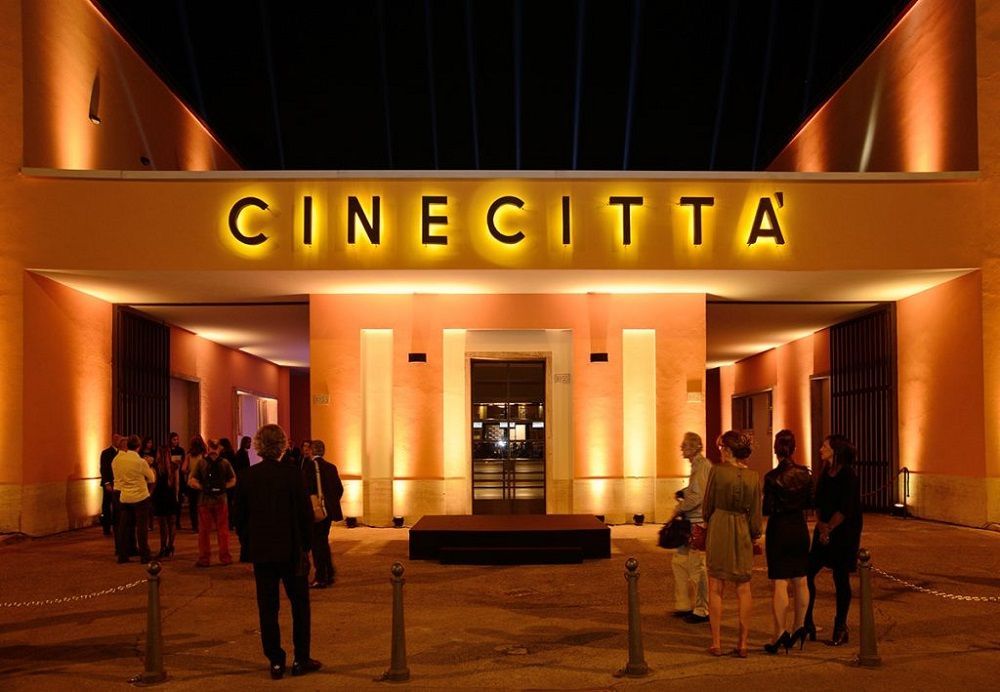
Rome
## Description Cinecittà Studios is Italy’s legendary film complex and a living monument to cinematic history. Since its founding in 1937, Cinecittà has hosted major Italian auteurs and international productions, shaping genres from neorealism to epic historical spectacles. Today it functions as both a working studio and a public-facing cultural institution: visitors can explore set reconstructions, costume archives, interactive exhibits, and occasional behind-the-scenes tours that illuminate how films are made. Part of Cinecittà’s allure is its scale and continuity. The studio once housed elaborate built environments—a Roman forum, full-scale palaces and desert landscapes—used in grand historical epics. Though some of those sets were temporary, many props, set fragments and costume pieces have been preserved and curated for public display. The institution also showcases technical crafts that are often invisible to audiences: model making, matte painting, lighting rigs, and costume workshops. For film students and enthusiasts, Cinecittà is a place to see the physical processes that support cinematic imagination. What visitors often remember most are tactile encounters: seeing original costumes under museum lighting, stepping onto a reconstructed soundstage, or viewing archival footage that places modern films in a long lineage of Italian cinema. Temporary exhibitions frequently spotlight famous directors, film movements, or technical achievements, and festival programming can add screenings, talks and workshops to the calendar. Educational programs and bookings: Cinecittà runs occasional workshops, masterclasses and educational programs aimed at students and emerging filmmakers. If you are visiting as part of a study group or with professional interest, contact the studio’s education office to explore scheduling options and group rates. ## Location Cinecittà Studios is southeast of central Rome in the Cinecittà district, easily reached from Termini station and other central hubs. The nearest metro stop is Cinecittà on Line A, which provides a straightforward public transit route for visitors. Getting there: take Metro Line A to Cinecittà station and follow signage, or use buses that serve the district. Taxis and rideshares are convenient if you’re carrying equipment or traveling in a group. Many visitors pair a Cinecittà visit with nearby cultural routes such as the Appian Way or archeological tours of ancient Rome. ## Tips - Book tickets and special tours in advance: popular guided tours and temporary exhibitions can sell out during peak tourist months. - Arrive early to enjoy quieter galleries and to join early guided tours or screenings. - Check the events calendar for film festivals, masterclasses and special exhibits that may offer unique access or programming. - Wear comfortable shoes and be prepared for walking between lots; some areas are outdoor or semi-covered. - Ask about audio guides or guided tours led by studio personnel for a more technical view of production processes. - If you're a student or industry professional, check for discounted or specialized access with proof of affiliation. ## Conclusion Cinecittà Studios uniquely blends cinematic heritage and active production. It provides a rare opportunity to understand filmmaking as collaborative craft—an encounter with the material culture of cinema, from ateliers and props to full-scale set design. Whether you're a cinephile, student, or casual visitor, Cinecittà offers insights into how film history and contemporary production practice meet. ## FAQ Q: Can visitors tour actual soundstages? A: Many guided tours include access to selected soundstages and set reconstructions, but availability depends on production schedules and conservation needs. Booking in advance improves your chances of stage access. Q: Is there an on-site museum and what does it display? A: Yes. Cinecittà’s museum displays costumes, props, archival photographs and multimedia exhibits that trace Italian and international film history. Q: Are tours available in English? A: Yes—guided tours and audioguides are typically offered in multiple languages, including English. Verify language options when booking. Q: How long should I plan for a visit? A: Depending on whether you take a guided tour or explore exhibitions independently, allocate 2–4 hours to comfortably enjoy the museum and studio areas. Q: Can I visit if a film production is underway? A: Public access can be limited during active productions. Check the studio’s schedule and tour availability when planning your visit. ## Links - [Cinecittà Studios (official)](https://www.cinecitta.com) - [Wikipedia: Cinecittà](https://en.wikipedia.org/wiki/Cinecitt%C3%A0)
GemVoyage Team • World
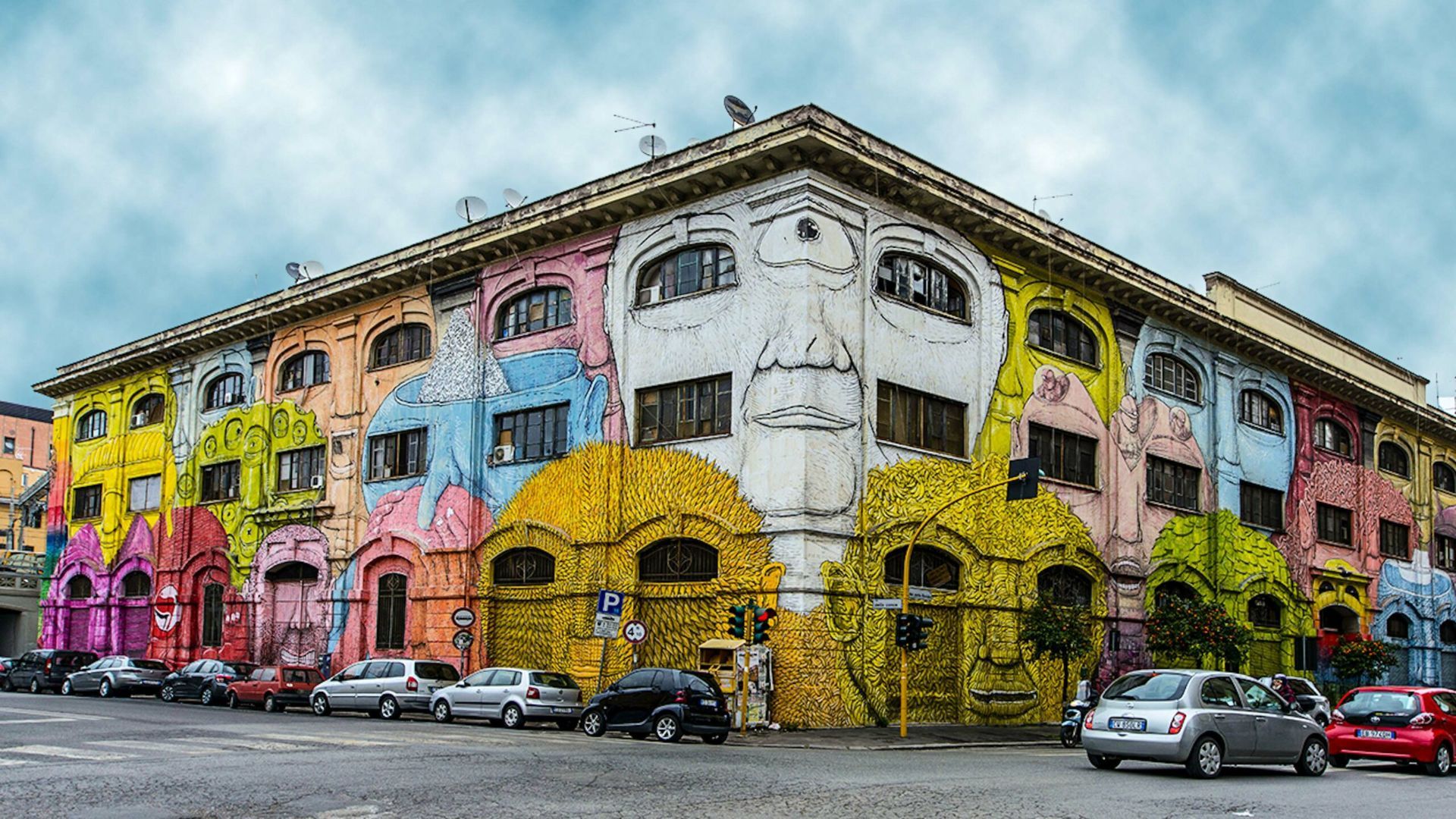
Rome
## Description Ostiense in Rome is a neighborhood that quietly combines industrial history, creative reinvention, and a growing street-art scene. Long overlooked in favor of the city’s classical core, Ostiense has become a canvas for large-scale murals, community art projects, and cultural venues that repurpose former warehouses and factories. The area’s atmosphere is energetic and contemporary—the kind of place where gritty, working-class textures meet curated cafes, design-driven restaurants, and cultural centers. One lesser-known detail: many of the murals and public artworks here are the result of organized collaborations between international and Italian artists, local associations, and municipal regeneration programs, meaning the pieces often reflect a distinct local voice rather than random tagging. Ostiense is also notable for nearby cultural institutions such as Centrale Montemartini—an arresting museum that juxtaposes classical sculpture with industrial architecture—as well as evolving food halls and waterfront promenades that add to the neighborhood’s appeal. The daily rhythm here is different from Rome’s historic center: it’s more local, less hurried, and often the setting for pop-up markets, gallery openings, and late-night dining. ## Location Ostiense lies south of Rome’s historic center, adjacent to Stazione Ostiense and the Gasometro area. The neighborhood is easily reachable by metro (Piramide station on Line B), regional trains, and buses, making it convenient for travelers who want to pair a visit with nearby attractions or evening dining options. ## Tips - Walk the streets deliberately and allow time for visual discoveries—large murals and hidden installations are often tucked down industrial lanes. - Consider a guided street-art tour to gain context on the murals, the artists, and the local regeneration efforts that funded them. - Combine visits with cultural stops: Centrale Montemartini, the former Gasometro, and nearby food markets offer a rounded itinerary. - Respect private property and photograph from public sidewalks—some murals occupy private building facades. - Best times: weekday afternoons for quieter explorations, and early evenings for the dining scene; weekends may have markets and events. ## Conclusion Ostiense offers a living gallery of contemporary street art woven into an urban tapestry of industrial heritage and modern cultural life. For travelers who appreciate street art, creative urban renewal, and a less-touristed side of Rome, Ostiense is a rewarding stop that captures both local momentum and adventurous city-making. ## FAQ Q: Are Ostiense’s murals permanent? A: Many are long-term projects, but street art can be transient—check local galleries or tour operators for the most current highlights. Q: Are guided street-art tours available? A: Yes; several local guides and cultural organizations run walking tours that explain the art, artists, and history behind the works. Q: Is Ostiense safe to visit at night? A: Generally yes—areas around the train station and main streets are lively at night, though standard urban caution is advised in quieter lanes. Q: Can I photograph the murals? A: Absolutely; murals in public spaces are typically fine to photograph—avoid obstructing traffic or private entrances while shooting. Q: What else is nearby to pair with an Ostiense visit? A: Centrale Montemartini, food halls, and the riverside promenade are excellent nearby additions. ## Links - [Ostiense](https://www.partir-a-rome.com/quartiers-rome/ostiense-tor-marancia)
GemVoyage Team • World
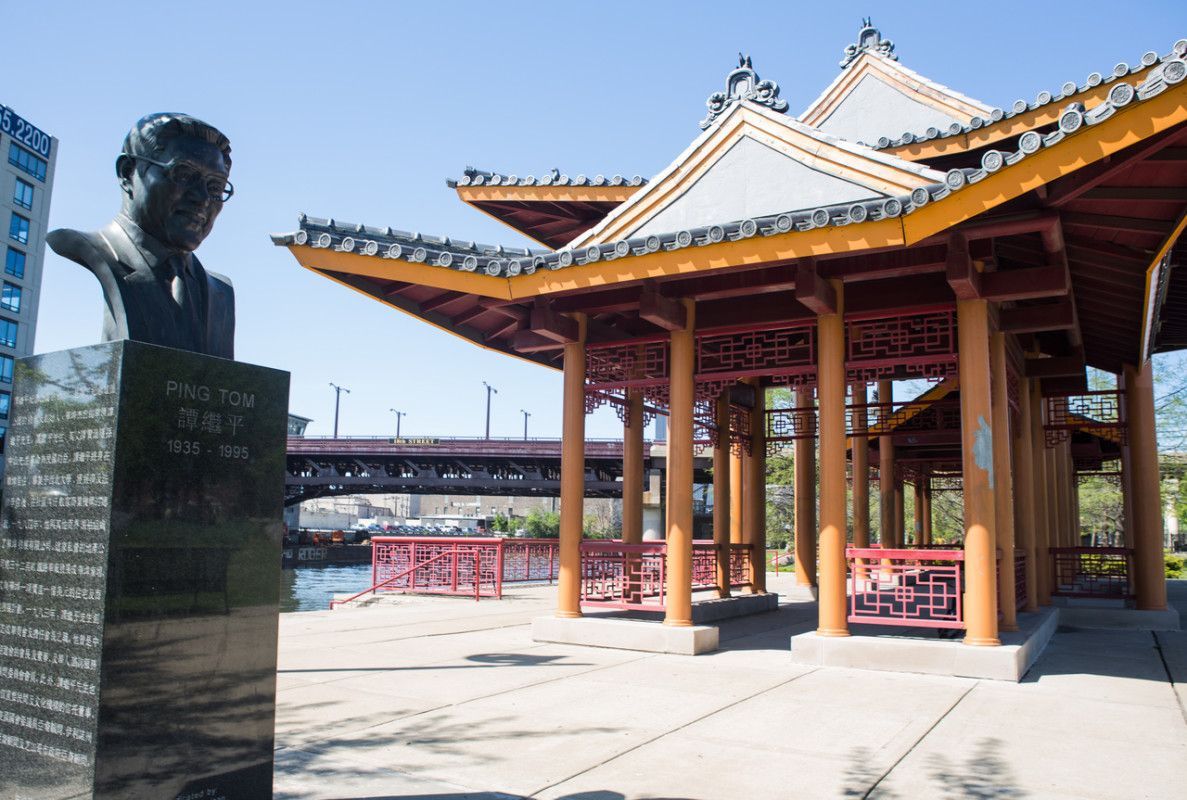
Chicago
## Description Ping Tom Memorial Park is one of the most distinctive green spaces in Chicago because it feels both urban and calm at the same time. Set against the skyline and the Chicago River, it offers a combination of water views, landscaped paths, public art, and open lawns that makes it much more than a neighborhood park. For visitors who want a place that shows a different side of the city, this is one of the best spots to slow down, walk, and take in the atmosphere of Chicago’s Chinatown and riverfront. What makes the park special is the way it balances recreation, memory, and design. It was created to honor Ping Tom, a respected Chicago business leader and community advocate, but it has also become a favorite place for everyday life in the city. You will see people jogging, families gathering, photographers waiting for the light on the water, and visitors simply resting on benches with a broad view of the river. The pavilion’s architecture, inspired by traditional Chinese design, gives the park a strong sense of place and connects it to the history of the neighborhood. One little-known fact is that the park is part of a larger effort to bring public access and beauty to the south branch of the Chicago River, an area that was once much more industrial. Another detail many visitors miss is how good the park is for sunrise and late-afternoon photography, when the river reflects soft light and the downtown skyline becomes especially striking. It is also one of the easiest places in Chicago to combine a peaceful walk with a meal in Chinatown, since the park sits within walking distance of many restaurants and bakeries. The park has appeal in every season. In warm months, the river breeze and tree-lined paths make it feel refreshing even on busy days. In colder months, the open views and clean geometry of the landscape give it a quieter, almost meditative character. It is not a high-adrenaline attraction, and that is exactly why many travelers remember it so fondly. It is a place that invites you to stay a little longer than planned. For first-time visitors, the park is also useful as a way to understand how Chicago blends architecture, neighborhood identity, and public space. You can stand in one area and see the river, the city, and the cultural energy of Chinatown all at once. That layered feeling is part of what makes the park memorable. ## Location Ping Tom Memorial Park is located in Chicago, Illinois, United States, in the Chinatown neighborhood on the south branch of the Chicago River. It sits south of downtown and is closely connected to the city’s riverwalk and residential areas on the Near South Side. The address commonly associated with the park is 1700 South Wentworth Avenue, though visitors often arrive through nearby riverfront entrances and neighborhood streets. The easiest way to get there is by public transit. The CTA Red Line to Cermak-Chinatown is the most convenient option, followed by a short walk into the neighborhood and toward the river. Rideshare and taxi access are also straightforward. If you are already exploring downtown Chicago, you can make your way south by bus, bike, or a longer walk along the river corridors. Because parking in busy urban areas can be limited, public transit is usually the simplest and most relaxed choice. ## Tips - Visit in the early morning or around sunset for the best light and fewer crowds. - Wear comfortable shoes if you plan to combine the park with a Chinatown food walk. - Bring a camera or phone with a good wide-angle lens if you want skyline and river shots. - Check the weather before you go, since the open riverfront can feel windy. - Leave time for a meal nearby so the visit becomes part of a broader neighborhood experience. ## Conclusion Ping Tom Memorial Park is a calm, beautifully designed riverfront escape that pairs Chicago skyline views with the culture and energy of Chinatown. ## FAQ ### Is Ping Tom Memorial Park worth visiting? Yes. It is worth visiting if you enjoy scenic urban parks, river views, photography, and quieter public spaces that still feel connected to the city. ### How long should I spend there? Most visitors spend between 30 minutes and 1.5 hours, depending on whether they are just walking through or also taking photos and relaxing. ### Is the park good for families? Yes. It has open areas, walking paths, and a welcoming atmosphere that works well for families, couples, and solo travelers. ### Can I combine it with other attractions? Absolutely. Chinatown restaurants, local bakeries, and other Chicago riverfront spots are easy to combine with a visit. ### What is the best time of day to go? Early morning and late afternoon are the most rewarding times because the light is softer and the park feels especially peaceful. ## Links - [Chicago Park District page](https://www.chicagoparkdistrict.com/parks-facilities/tom-ping-memorial-park) - [Wikipedia article](https://en.wikipedia.org/wiki/Ping_Tom_Memorial_Park)
GemVoyage Team • World
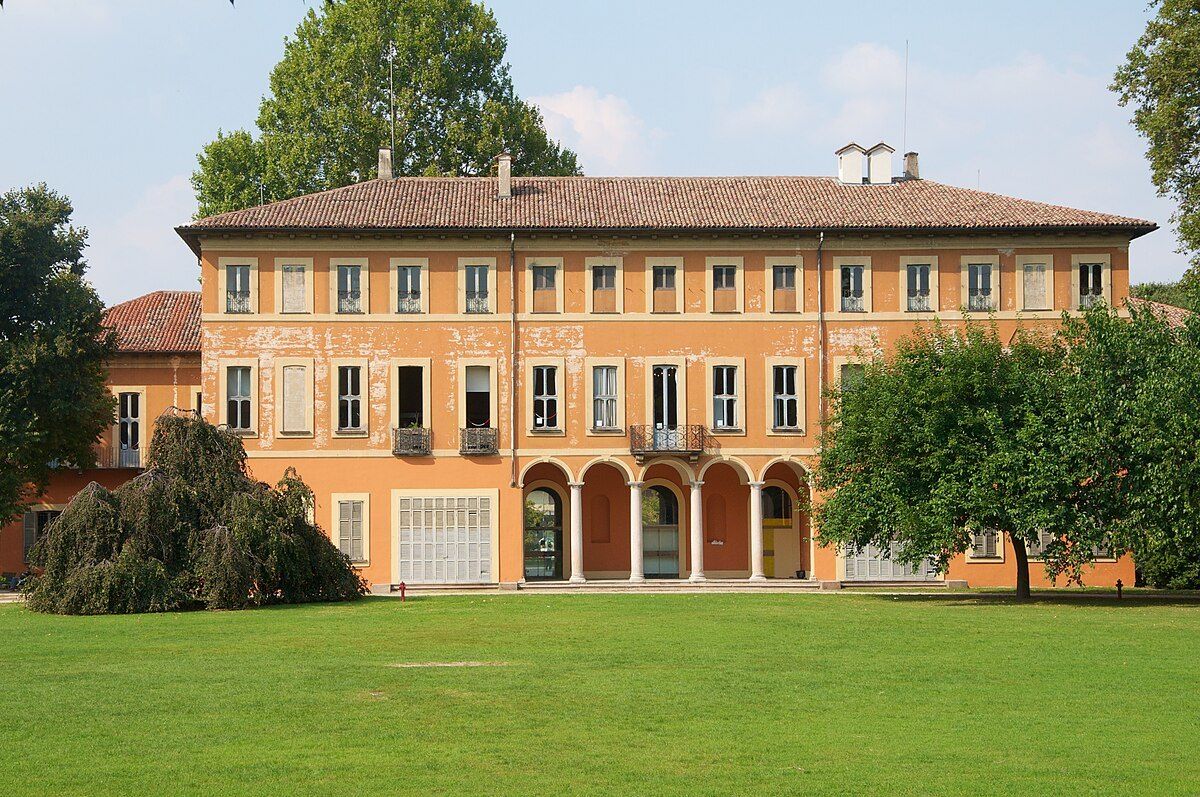
Milan
## Description **Villa Litta Modignani** is one of Milan’s most elegant yet underrated historical residences, offering visitors a quiet immersion into aristocratic life from the 18th and 19th centuries. Built in the **late 1700s** and later expanded, the villa is a refined example of **Neoclassical architecture**, characterized by symmetry, restrained decoration, and a strong relationship between the building and its surrounding park. Unlike Milan’s more famous palaces, Villa Litta Modignani retains a residential, almost intimate character that makes it especially appealing to visitors seeking authenticity rather than spectacle. Originally commissioned by the Modignani family and later acquired by the noble **Litta family**, the villa became an important cultural and social hub. Over time, it hosted intellectual gatherings, musical performances, and political discussions during periods of significant transformation in Lombardy. Today, the villa functions as a **public cultural space**, housing municipal offices, exhibition rooms, and community events while preserving its historical interiors and landscaped grounds. One little-known fact is that Villa Litta Modignani once formed part of a much larger rural estate, surrounded by farmland before Milan’s rapid urban expansion absorbed the area. Another lesser-known detail is that the villa’s interiors still preserve original decorative elements, including frescoed ceilings and period stuccoes, which are often overlooked by casual visitors focused only on the exterior. The surrounding **Parco di Villa Litta** enhances the experience significantly. The park combines formal garden layouts with more natural green spaces, making it a popular retreat for locals. The contrast between the villa’s refined architecture and the everyday life unfolding in the park gives the site a living, contemporary relevance that many historic buildings lack. ## Location **Country:** Italy **Region:** Lombardy **City:** Milan **District:** Affori Villa Litta Modignani is located in **northern Milan**, within the Affori district, an area that blends historic residential neighborhoods with modern urban life. ### How to Get There * **By metro:** * Take **Metro Line M3 (Yellow Line)** to **Affori FN** station. From there, the villa is about a 10-minute walk. * **By train:** * Regional trains stopping at **Milano Affori** provide convenient access from other parts of Lombardy. * **By tram or bus:** * Several local lines serve the Affori area and stop near the park entrance. * **By car:** * Accessible via Milan’s northern ring roads, though street parking may be limited during peak hours. ## Tips * **Check for exhibitions or events:** The villa frequently hosts temporary art exhibitions, lectures, and cultural programs. * **Visit during daylight hours:** The interiors and gardens are best appreciated with natural light. * **Combine with a park stroll:** Allow time to explore the surrounding green spaces, especially in spring and early autumn. * **Respect quiet areas:** Parts of the building are used for municipal functions. * **Photography is best outdoors:** Interior photography may be restricted depending on ongoing exhibitions. * **Pair with nearby neighborhoods:** Affori offers traditional cafés and bakeries that reflect local Milanese life. ## Conclusion Villa Litta Modignani is a refined and quietly impressive landmark that reveals a more residential and human-scale side of Milan’s history. Its Neoclassical elegance, layered aristocratic past, and integration into everyday urban life make it an ideal destination for visitors looking beyond the city’s most famous attractions. ## FAQ **1. When was Villa Litta Modignani built?** The villa dates back to the late 18th century, with later expansions in the 19th century. **2. Is the villa open to the public?** Yes, though access to interior spaces may depend on events or exhibitions taking place. **3. Is there an entrance fee?** Access to the park is generally free; exhibitions inside the villa may require a ticket. **4. How long should I plan for a visit?** About **1–2 hours**, including time in the park and any exhibitions. **5. Is the villa suitable for children?** Yes, especially the park, which is popular with families. **6. What is the best time to visit?** Spring and early autumn offer the most pleasant weather and greenery. ## Links * [City of Milan cultural heritage](https://www.comune.milano.it)
GemVoyage Team • World
Athens
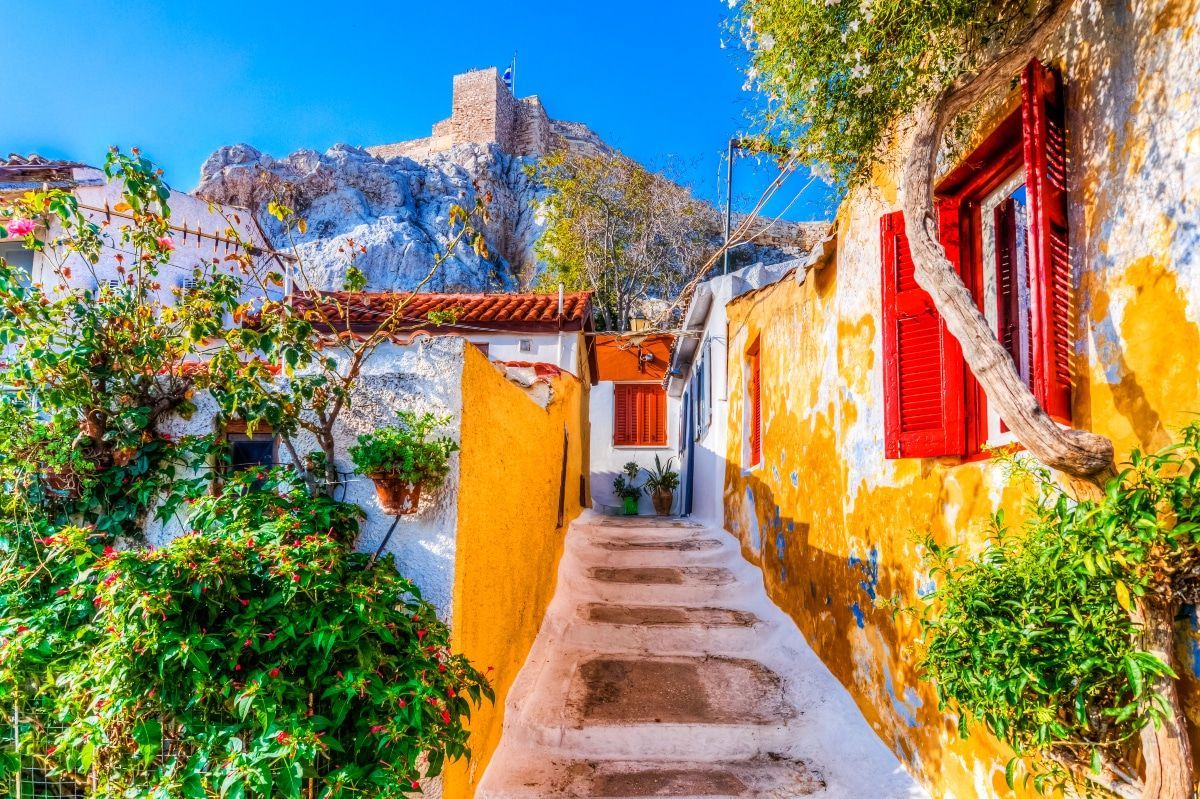
## Description Anafiotika is one of Athens' most surprising neighborhoods, a tiny enclave of whitewashed houses and narrow stairways tucked beneath the Acropolis. Often described as a slice of the Cyclades in the middle of the Greek capital, it feels different from the surrounding city in both scale and mood. Quiet lanes, small courtyards, potted plants, and bright facades create the impression of a village hidden inside a metropolis. The neighborhood's charm comes from its contrast. Athens is energetic, dense, and historically layered, but Anafiotika seems almost suspended above the bustle. You can move through its lanes slowly, hearing less traffic and more footsteps, cats, and the occasional conversation from a nearby home. Because the district is small, its appeal lies not in quantity but in atmosphere. Every path, stair, and turn feels composed for wandering. One little-known fact is that Anafiotika was built in the 19th century by builders from the island of Anafi, who brought Cycladic construction traditions with them. Another is that the neighborhood survived urban pressures partly because of its difficult terrain and its fit with the hillside rather than because of any grand preservation scheme. That makes it a kind of accidental treasure within the city. Architecturally, Anafiotika is fascinating because it expresses island vernacular in an urban setting. White walls reflect the Athenian light, and the small houses seem scaled for intimate daily life rather than status. The area does not have broad tourist infrastructure, which is part of why it feels special. Travelers who arrive expecting monuments may instead find a mood, a viewpoint, and a rare sense of quiet. The setting near the Acropolis also makes Anafiotika ideal for combining with other central Athens sights. You can move from major archaeological landmarks into a neighborhood that feels almost private. That transition from monumental to domestic is one of the most compelling urban experiences in the city. If you enjoy neighborhoods that reward patience and sensitivity, Anafiotika is a standout. It is not large enough for a long itinerary, but it is rich enough to justify a slow walk and a few careful photographs. It offers a memorable reminder that some of the best parts of Athens are found in its in-between spaces. ## Location Anafiotika is located on the northeastern slope of the Acropolis Hill in central Athens, Greece, close to the Plaka district. The easiest way to get there is on foot from the Acropolis Metro area or from Plaka. Because the neighborhood consists of narrow passages and stairways, walking is the only practical way to explore it. Expect uneven surfaces and some uphill sections. ## Tips Visit early in the day for softer light and fewer people. Be respectful of residents. Anafiotika is a living neighborhood, not just a scenic backdrop. Wear shoes with good grip because the pathways can be steep and uneven. Do not expect many signs. The pleasure comes from getting a little lost and then finding your way back. Combine the visit with nearby Plaka and Acropolis viewpoints for a fuller day in central Athens. ## Conclusion Anafiotika is a small but unforgettable neighborhood that brings a quiet Cycladic atmosphere to the heart of Athens, making it one of the city's most atmospheric hidden corners. ## FAQ ### What is Anafiotika? It is a tiny historic neighborhood built in a Cycladic style on the slopes of the Acropolis in Athens. ### Is it easy to find? It can be a little hidden, which is part of its charm, but it is reachable on foot from central Athens. ### Can I take photos there? Yes, but be mindful that people live there and privacy should be respected. ### How much time do I need? Usually 30 to 90 minutes is enough, depending on how much you want to wander and photograph. ## Links - [Anafiotika](https://en.wikipedia.org/wiki/Anafiotika) - [Acropolis of Athens](https://en.wikipedia.org/wiki/Acropolis_of_Athens)
GemVoyage Team • World
.jpg)
Chongqing
## Description Jiefangbei Shopping Street, also known as **Jiefangbei Pedestrian Street**, is one of the most famous commercial districts in China and the beating heart of **Chongqing**. This bustling area is not just a shopping paradise but also a cultural and social hub, attracting millions of visitors every year. It combines luxury boutiques, international brands, local shops, trendy cafés, and street food stalls—all wrapped in the energetic atmosphere of one of China’s fastest-growing cities. At the center of the district stands the **Jiefangbei Monument (Liberation Monument)**, a historic landmark originally built in 1945 to commemorate China’s victory in World War II. Over time, the monument became surrounded by skyscrapers, neon lights, and high-end malls, symbolizing Chongqing’s transformation from a wartime city into a modern metropolis. A little-known fact is that Jiefangbei Shopping Street is often referred to as the **“Times Square of Chongqing”** due to its massive LED screens, vibrant nightlife, and crowds of visitors. Another unique detail is that beneath the pedestrian street lies a **complex underground shopping mall**, where visitors can explore an entire network of shops, restaurants, and entertainment venues. ## Location Jiefangbei Shopping Street is located in the **Yuzhong District of Chongqing, China**, right in the heart of the city’s central business area. Its central location makes it not only a shopping hotspot but also a starting point for exploring Chongqing’s rich culture and modern lifestyle. ### Recommendation on How to Get There The easiest way to reach Jiefangbei is by **metro**. Take **Line 2 or Line 6** of the Chongqing Metro and get off at **Xiaoshizi Station** or **Jiaochangkou Station**, both of which are just a short walk from the monument. Taxis are also widely available, but due to traffic congestion in the area, the metro is often faster and more convenient. For those staying in central hotels, the street is within easy walking distance. ## Tips Here are some useful tips to make the most of your visit to Jiefangbei Shopping Street: * **Shop Smart**: You’ll find everything from international luxury brands to local fashion boutiques. Bargaining is not common in malls but may be possible at smaller shops or street stalls. * **Try the Food**: Don’t miss the chance to taste Chongqing’s famous **spicy hotpot** or sample local street snacks like grilled skewers and spicy noodles. * **Visit at Night**: The area is most impressive in the evening when the neon lights illuminate the skyscrapers and the monument. * **Wear Comfortable Shoes**: The pedestrian street is large, and exploring the underground shopping centers can involve a lot of walking. * **Combine with Sightseeing**: From Jiefangbei, you can easily walk to **Hongya Cave**, a famous riverside complex, or take a short ride to the **Yangtze River Cableway**. * **Stay Aware of Crowds**: The area can get extremely busy, especially on weekends and holidays, so keep an eye on personal belongings. ## Conclusion Jiefangbei Shopping Street is more than just a commercial hub—it’s a cultural and social landmark that reflects Chongqing’s modern energy and historical roots. With its mix of shopping, dining, and entertainment options, along with the iconic Liberation Monument, it offers a truly immersive experience for both locals and tourists. Whether you’re hunting for the latest fashion trends, tasting local delicacies, or simply soaking in the vibrant atmosphere, Jiefangbei is a must-visit destination in southwest China. ## FAQ **1. What is Jiefangbei Shopping Street famous for?** It is famous for its mix of luxury shops, local boutiques, food stalls, and the iconic Liberation Monument. **2. Is it only for shopping?** No, it’s also a cultural and entertainment hub, with restaurants, cafés, cinemas, and nightlife options. **3. When is the best time to visit Jiefangbei?** Evenings are the best, as the neon lights create a lively and colorful atmosphere. **4. How do I get there from Chongqing city center?** The easiest way is by metro, taking Line 2 or Line 6 to Xiaoshizi or Jiaochangkou stations. **5. Is Jiefangbei suitable for families?** Yes, families can enjoy shopping, dining, and sightseeing in the area. However, it can be crowded, so keeping an eye on children is important. **6. Are there hotels near Jiefangbei?** Yes, the area is surrounded by hotels ranging from luxury to budget options, making it convenient for tourists to stay nearby. ## Links * [Official Chongqing Tourism Office](https://www.china-tourism.de/en/provinces/chongqing/)
GemVoyage Team • World

Comments