GemVoyage Team • World
Souk Al Fustat is one of Cairo’s most fascinating markets, blending traditional Egyptian craftsmanship with a modern, organized atmosphere. Unlike the bustling and chaotic feel of Khan El Khalili, Souk Al Fustat offers a calmer, more curated shopping experience where visitors can explore handmade goods, artisanal crafts, and cultural souvenirs in a relaxed setting.
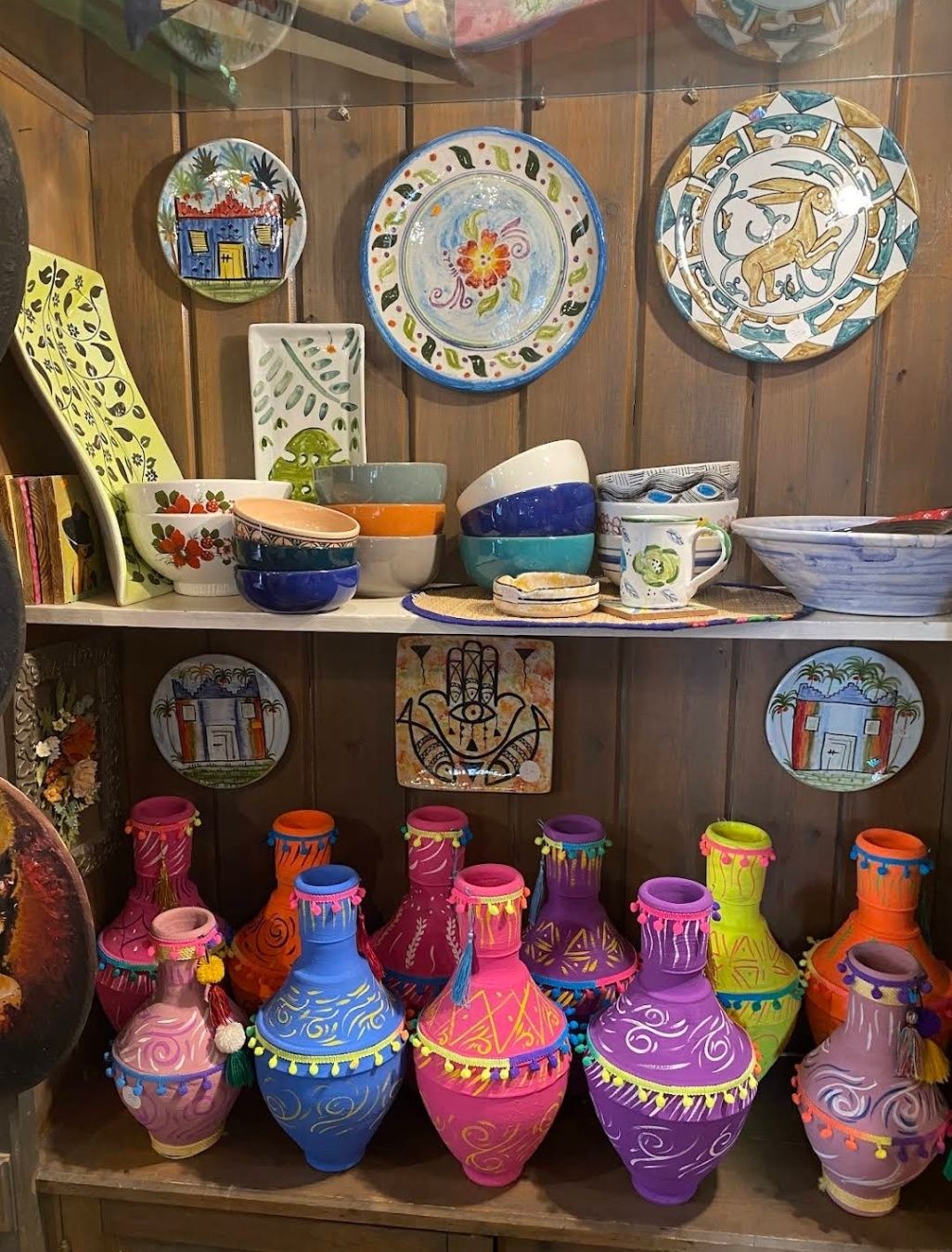
What makes this market particularly unique is its focus on authentic, high-quality handicrafts. Here, you’ll find exquisite pottery, handwoven textiles, blown glass, leather goods, and jewelry made by local artisans who carry on centuries-old traditions. Many items are produced using techniques passed down through generations, making every piece a little work of art.
A lesser-known fact about Souk Al Fustat is that it was established in the early 2000s as part of an initiative to revive Egypt’s traditional crafts and support artisans economically. Another hidden gem is that the market is located near some of Cairo’s most historic landmarks, making it easy to combine shopping with cultural exploration in a single trip.
Souk Al Fustat is located in Old Cairo, near Amr Ibn Al-As Mosque and the Hanging Church, within the Fustat area of Cairo, Egypt. The address places it right in the heart of Cairo’s oldest district, which is rich in both Islamic and Coptic heritage.
Getting there is fairly simple. From downtown Cairo, you can take a taxi or a ride-hailing service like Uber, which is the most convenient option for visitors unfamiliar with the city. The drive usually takes around 20–30 minutes depending on traffic. Alternatively, you can use the Cairo Metro and get off at Mar Girgis Station, which is just a short walk from the market and other Old Cairo attractions.
To make the most out of your visit to Souk Al Fustat, consider these tips:
Souk Al Fustat in Cairo is more than just a marketplace—it’s a cultural hub where history, craftsmanship, and tradition come together. With its authentic handmade goods, peaceful shopping environment, and proximity to Old Cairo’s iconic landmarks, it’s the perfect spot for travelers who want to take home a meaningful piece of Egypt.
1. What is Souk Al Fustat known for?
It’s best known for selling authentic Egyptian handicrafts such as pottery, textiles, jewelry, glassware, and leather goods, all made by local artisans.
2. How is it different from Khan El Khalili?
Souk Al Fustat is smaller, calmer, and more organized than Khan El Khalili, focusing on quality handmade crafts rather than mass-produced souvenirs.
3. Is it family-friendly?
Yes, the market has a relaxed atmosphere, making it suitable for families with children who want to explore Egyptian crafts without the overwhelming crowds.
4. How much time should I plan for my visit?
You can comfortably explore the market in 1–2 hours, but if you combine it with nearby Old Cairo attractions, plan for a half-day trip.
5. Are prices fixed at Souk Al Fustat?
Many shops have fixed prices, but some sellers may allow light bargaining, especially if you’re purchasing multiple items.
6. When is the best time to visit?
The best times are mornings or late afternoons to avoid the heat and enjoy a more relaxed shopping experience.
Discover more hidden gems you might love.
Lima
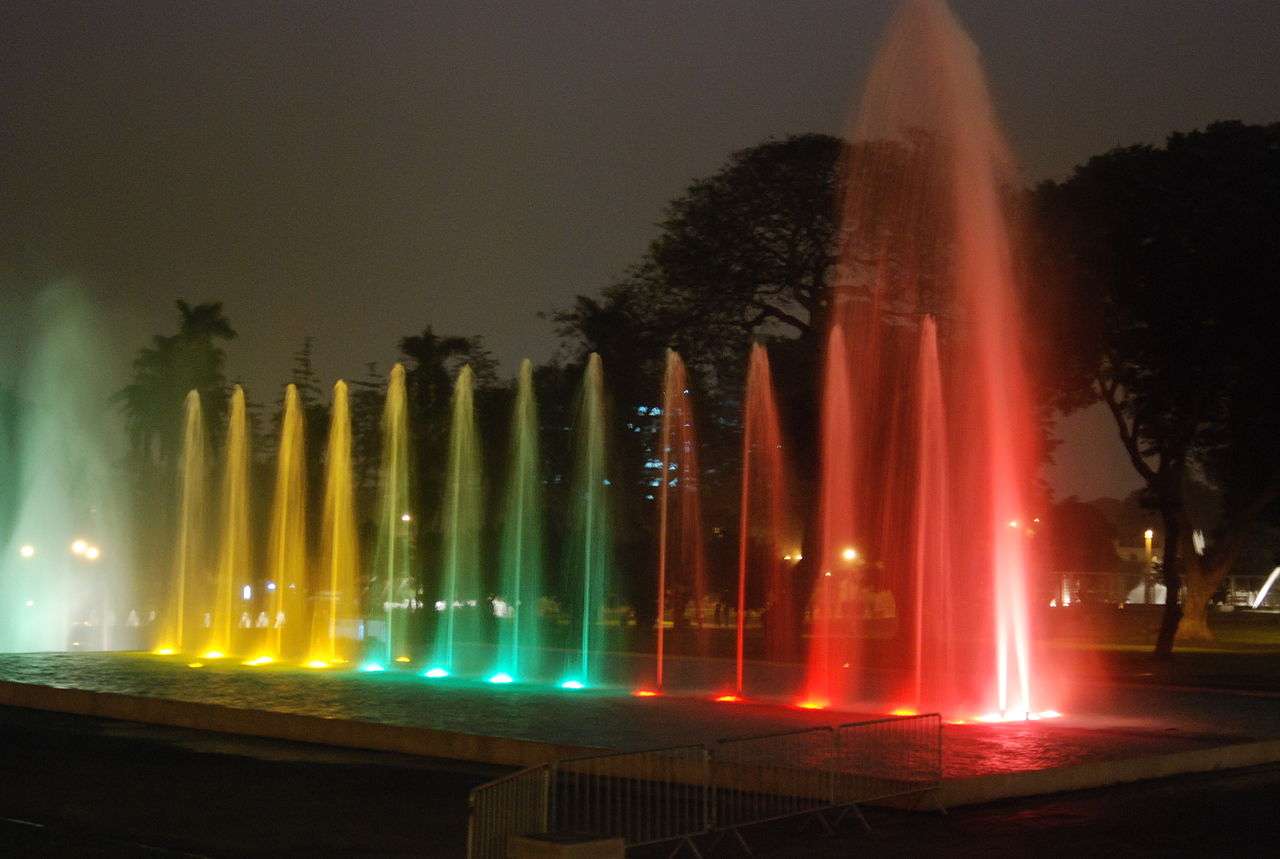
## Description The Magic Water Circuit (Circuito Mágico del Agua) in Lima is a dazzling display of light, music, and water that transforms a traditional city park into a nighttime spectacle. Located in the historic Parque de la Reserva, this attraction features 13 cybernetic fountains that combine cutting-edge technology with artistic choreography. Each fountain is uniquely designed, offering a blend of interactive experiences, visual storytelling, and cultural symbolism. The centerpiece of the park is the Fantasia Fountain, a 130-meter-long installation that hosts nightly multimedia shows. These performances blend water jets, laser lights, and music to create a captivating narrative—often highlighting Peruvian history, landscapes, and folklore. Other notable fountains include the Tunnel of Surprises, a 35-meter-long water tunnel that visitors can walk through, and the Dream Maze, where timing and agility are key to staying dry. A little-known fact: upon its opening in 2007, the Magic Water Circuit was recognized by the Guinness Book of World Records as the largest fountain complex in a public park. Another unique feature is the educational exhibits that occasionally accompany the fountains, such as historical photo displays or water conservation messages, adding depth to the entertainment. ## Location The Magic Water Circuit is located in **Peru**, in the **Lima Region**, within the **city of Lima**. Specifically, it sits in **Parque de la Reserva**, in the downtown district of Cercado de Lima. ### How to Get There - **By Taxi or Ride-Share**: Services like Uber and Cabify are widely available and can drop you off at the main entrance on Jr. Madre de Dios. - **By Public Transport**: The Metropolitano bus system stops nearby at Estación Central. From there, it’s a short walk to the park. - **By Foot**: If you're staying in central Lima, the park is easily accessible on foot from nearby neighborhoods like Jesús María or San Isidro. - **By Car**: Parking is available at the site, with flat rates depending on the lot. Its central location makes it a convenient stop for both tourists and locals exploring Lima’s cultural core. ## Tips - **Visit After Sunset**: The fountain shows begin around 7:15 PM and run multiple times throughout the evening. Arriving after dark ensures you catch the full spectacle. - **Bring a Rain Jacket or Poncho**: Some fountains are interactive, and you may get wet—especially in the maze or tunnel. - **Buy Tickets in Advance**: Entry is affordable (around S/5), but lines can form during weekends and holidays. Booking online or arriving early helps. - **Check for Special Events**: The park occasionally hosts themed shows or cultural exhibitions. Visit the official site for updates. - **Use a Tripod for Photos**: The lighting and water movement make for stunning photography, especially with long exposures. - **Respect the Rules**: Children under 5 enter free with ID, and discounts are available for seniors and people with disabilities. ## Conclusion The Magic Water Circuit in Lima is a vibrant fusion of art, technology, and public space. With its record-breaking fountains, immersive light shows, and family-friendly atmosphere, it offers a memorable evening experience that showcases the creative spirit of Peru’s capital. ## FAQ **1. What are the operating hours of the Magic Water Circuit?** The park is open daily from 3:00 PM to 10:00 PM. Multimedia shows begin at 7:15 PM, 8:15 PM, and 9:10 PM. **2. Is there an entrance fee?** Yes, general admission is S/5. Children under 5 enter free with ID. Discounts are available for seniors and people with disabilities. **3. Is the park suitable for children?** Absolutely. The interactive fountains and colorful displays are especially popular with families. **4. Can I bring food or drinks into the park?** Outside food is discouraged, but there are vendors and kiosks inside offering snacks and refreshments. **5. Are the shows in English or Spanish?** The multimedia shows are primarily visual and musical, with minimal spoken content, making them accessible to all visitors. **6. Is the park wheelchair accessible?** Yes, the park is designed to accommodate visitors with mobility needs, and discounted entry is available with proper ID. ## Links - [Official Magic Water Circuit Website](https://circuitomagicodelagua.pe/)
GemVoyage Team • World
Pakistan
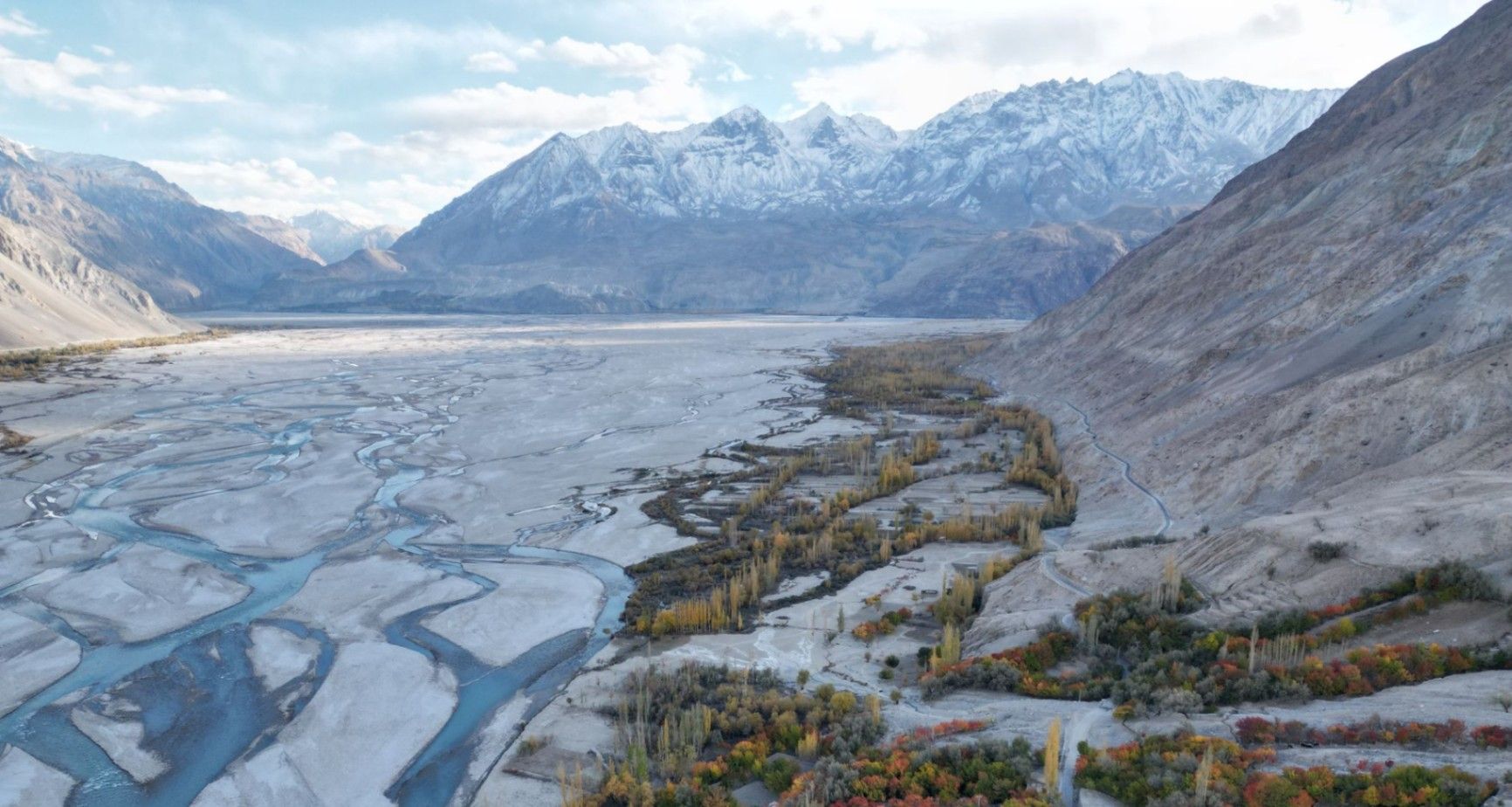
## Description **Nangma Valley**, located in northern Pakistan’s Gilgit-Baltistan region, is a breathtaking alpine valley that remains one of the country’s best-kept secrets. Renowned for its majestic granite spires, lush meadows, and pristine alpine landscapes, Nangma Valley is a paradise for trekkers, climbers, and photographers. What sets Nangma Valley apart is its untouched natural beauty and relative seclusion compared to more famous destinations like Hunza or Skardu. The valley is dotted with soaring rock towers—some over **5,000 meters** high—making it one of the premier destinations for **rock climbing and mountaineering** in Pakistan. Peaks such as **K7**, **K6**, and **Amin Brakk (the “Great Tower”)** have attracted world-class climbers from around the globe, yet the area still retains its peaceful, uncommercialized character. A lesser-known fact about Nangma Valley is that it is often referred to as **the “Yosemite of Pakistan”**, thanks to its sheer granite walls and the way sunlight paints the cliffs golden at dawn and dusk. The valley is also home to small Balti villages, where visitors can experience traditional hospitality and life in one of the most remote corners of the world. ## Location Nangma Valley lies in **Gilgit-Baltistan**, in the **Karakoram Range** of **northern Pakistan**, near the town of **Hushe** in the **Ghangche District**. It is about 130 kilometers east of **Skardu**, the main gateway to the region. To reach Nangma Valley, travelers first fly or drive to **Skardu**—flights from Islamabad are the most common route, taking about an hour (weather permitting). From Skardu, a scenic drive of approximately 5–6 hours leads to Hushe Village, from where the trek to Nangma Valley begins. The trek itself is moderate and usually takes around **3–4 hours** on foot, passing through alpine pastures and along a clear glacial stream. ## Tips * **Best time to visit:** The valley is most accessible between **June and September**, when the weather is mild, and the snow has melted. * **Pack for mountain weather:** Even in summer, temperatures can drop sharply at night. Warm layers and a sleeping bag are essential. * **Bring proper trekking gear:** Good hiking boots, walking poles, and waterproof clothing are highly recommended. * **Hire local guides and porters:** The Balti guides are knowledgeable about routes, weather, and local customs, and hiring them supports the local economy. * **Camping:** There are several scenic camping sites, such as at the base of Amin Brakk and near the Nangma Glacier. Always follow Leave No Trace principles. * **Photography:** Sunrise and sunset offer the best light for photographing the granite spires and surrounding peaks. * **Acclimatize properly:** Even though Nangma Valley is not at extreme altitude, gradual acclimatization helps prevent altitude sickness. ## Conclusion **Nangma Valley** is a hidden gem for those seeking adventure, solitude, and awe-inspiring mountain scenery. Its towering granite peaks, green meadows, and crystal-clear streams make it one of the most spectacular yet underexplored trekking destinations in Pakistan. Whether you’re an experienced climber or a nature lover looking for tranquility, Nangma Valley promises a journey deep into the heart of the Karakoram’s beauty and serenity. ## FAQ **1. Where is Nangma Valley located?** It’s in Gilgit-Baltistan, near Hushe Village in the Ghangche District, approximately 130 km from Skardu. **2. How do I reach Nangma Valley from Islamabad?** You can fly to Skardu (around 1 hour) or take a 20–22 hour drive via the Karakoram Highway. From Skardu, continue by jeep to Hushe and then trek into the valley. **3. Do I need a trekking permit?** No official permit is required for Nangma Valley itself, but registering with local authorities or the Hushe tourism office is recommended. **4. Is the trek difficult?** The trek to the main campsites is moderate, suitable for most fit travelers. Climbers aiming for higher peaks will need advanced equipment and experience. **5. Can I find accommodation nearby?** Basic guesthouses are available in Hushe Village. In the valley, visitors usually camp or stay in tents arranged by local guides. **6. Is Nangma Valley safe for tourists?** Yes. The valley is peaceful, and local communities are known for their warm hospitality. However, it’s best to travel with a guide and inform authorities of your plans. ## Links * [Pakistan Tourism Development Corporation](https://www.tourism.gov.pk) * [Adventure Pakistan – Trekking and Expeditions](https://www.adventurepakistan.com)
GemVoyage Team • World
Tokyo
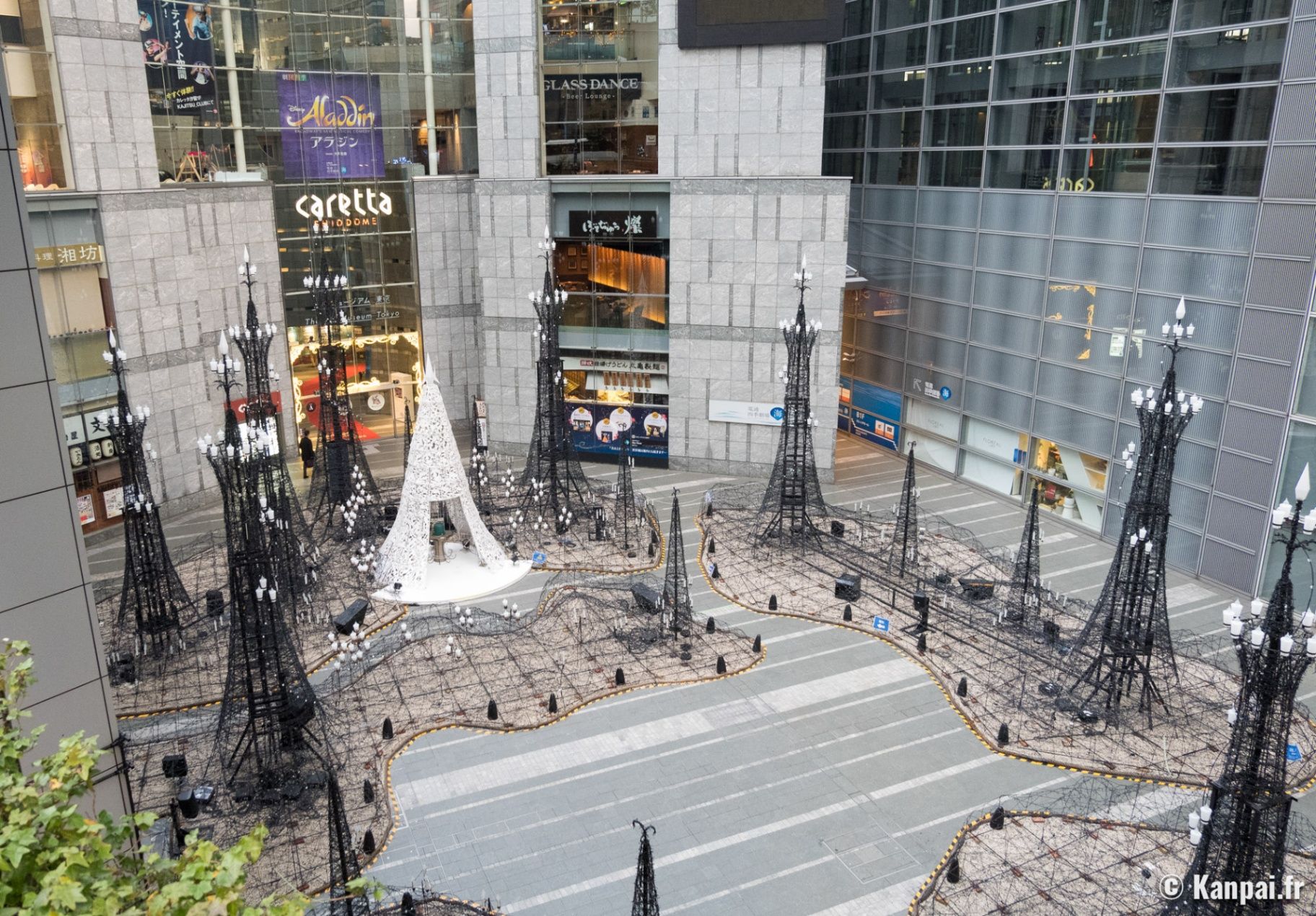
## Description **Caretta Shiodome (カレッタ汐留)** is a striking skyscraper complex in the **Shiodome district** of **Tokyo**, Japan, that perfectly embodies the city’s modern sophistication and cultural vibrancy. Rising 51 stories above the bustling streets of Minato Ward, this landmark blends **shopping, dining, art, and entertainment** into one of Tokyo’s most polished urban experiences. Opened in **2002**, Caretta Shiodome is part of the Shiodome redevelopment project that transformed an old railway yard into a futuristic business and leisure zone. Inside, visitors will find an elegant mix of **restaurants, boutique shops, a theater, a museum, and panoramic observation areas** — all designed with contemporary style and efficiency. What makes Caretta Shiodome truly unique is its seamless combination of **commerce and culture**. It houses the **Caretta Shiodome Sky View**, an observation area on the 46th floor offering spectacular views of Tokyo Bay, Odaiba, and the Rainbow Bridge. The complex is also home to the **Advertising Museum Tokyo (ADMT)**, Japan’s only museum dedicated to the history of advertising — a fascinating and often overlooked gem that reveals how Japanese media and design evolved over the decades. Another standout feature is the **Caretta Illumination**, one of Tokyo’s most beloved **winter light displays**. Each year, from November through February, the plaza outside the building is transformed into a glittering wonderland of over **250,000 LED lights**, synchronized to music. It attracts couples, photographers, and families alike, and has become a symbol of Tokyo’s festive season. A lesser-known fact is that Caretta Shiodome’s name, “Caretta,” is derived from *Caretta caretta*, the Latin name for the **loggerhead sea turtle**, symbolizing endurance, longevity, and connection to the ocean — an apt metaphor for Tokyo’s harmony between progress and nature. ## Location Caretta Shiodome is located in the **Shiodome district** of **Minato Ward**, **Tokyo, Japan**. It sits within the Shiodome City Center area, just a short walk from **Shimbashi Station** and surrounded by major landmarks like the **Hamarikyu Gardens** and **Ginza**. To get there: * **By train:** * Take the **Toei Ōedo Line** or **Yurikamome Line** to **Shiodome Station** (direct underground access). * Alternatively, take the **JR Yamanote Line** or **Tokyo Metro Ginza Line** to **Shimbashi Station**, and walk about **5 minutes** via underground passages. * **By foot:** It’s a pleasant 10-minute walk from **Ginza** or **Tsukiji** areas. * **By car:** Paid parking is available in the basement levels, though public transport is highly recommended due to central Tokyo traffic. ## Tips * **Visit during the evening:** Especially in winter, when the **Caretta Illumination** lights up the plaza with dazzling colors and music. * **Go up to the 46th or 47th floors:** For a **free panoramic view** of Tokyo Bay — one of the best free observation spots in the city. * **Dine with a view:** Restaurants like **Sky View Dining and Bar** or **KAIKAYA Shiodome** offer gourmet meals paired with sweeping skyline vistas. * **Visit the Advertising Museum Tokyo (ADMT):** Admission is free, and it’s an engaging stop for design enthusiasts and marketers. * **Combine with nearby attractions:** The **Hamarikyu Gardens** and **Ginza shopping district** are within walking distance. * **Check event schedules:** Seasonal exhibitions, performances, and cultural events are regularly held within the complex. * **Best time to visit:** Late afternoon to evening — explore the shops and museum first, then stay for dinner and the illumination. ## Conclusion **Caretta Shiodome** is a shining example of modern Tokyo — a place where art, architecture, and lifestyle converge high above the city streets. From its world-class restaurants and free observation decks to its mesmerizing light displays and creative museum, it offers something for everyone. Whether you’re looking to dine with a skyline view, learn about Japan’s advertising culture, or simply soak in the illuminated atmosphere of Tokyo at night, Caretta Shiodome delivers a distinctly urban yet deeply memorable experience. ## FAQ **1. What is Caretta Shiodome?** It’s a high-rise complex in Tokyo that features **shopping, dining, a theater, the Advertising Museum Tokyo, and seasonal events** like the Caretta Illumination. **2. Where is it located?** At **1-8-2 Higashi-Shimbashi**, **Minato-ku**, **Tokyo**, within walking distance from **Shiodome Station** and **Shimbashi Station**. **3. Is there an observation deck?** Yes — the **Sky View on the 46th and 47th floors** offers **free access** to stunning views of Tokyo Bay and the skyline. **4. What is the Caretta Illumination?** A famous **winter light display** that transforms the plaza into a sea of LED lights, usually from **November to February** each year. **5. Is the Advertising Museum Tokyo free?** Yes, **entry is free**, and it’s a must-visit for those interested in Japanese advertising, pop culture, and design history. **6. Are there restaurants with views?** Yes, several high-end restaurants and bars offer panoramic dining experiences overlooking Tokyo Bay and the Shiodome area. ## Links * [Official Caretta Shiodome Website](https://www.caretta.jp/foreign/index)
GemVoyage Team • World
Jeju
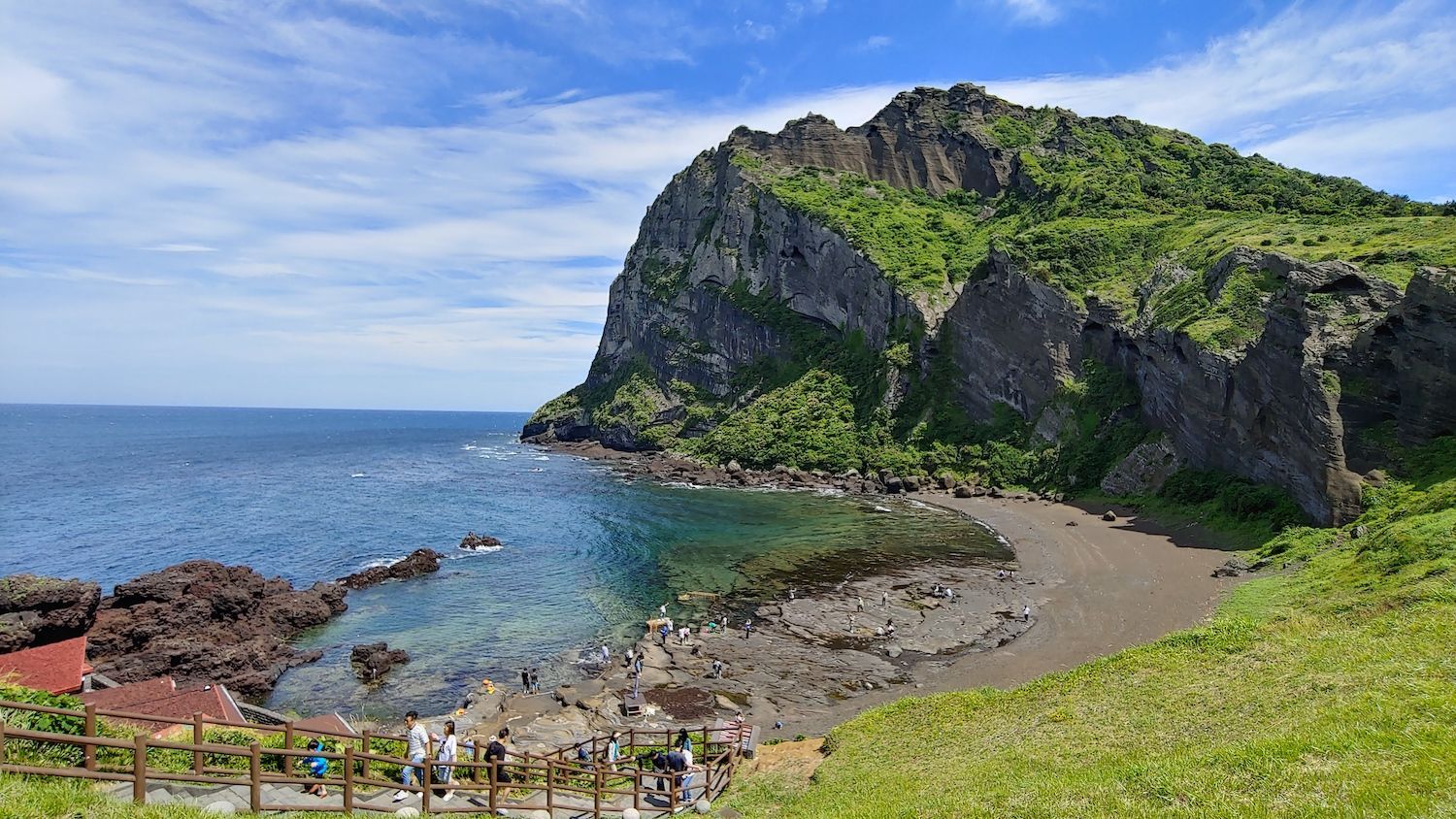
## Description Jeju Island, off South Korea’s southern coast, is a volcanic island known for Hallasan (a volcanic shield and South Korea’s highest mountain), lava tubes, basalt cliffs and distinctive stone walls. The island’s mix of beaches, rugged coastlines like Jusangjeolli, and cultural attractions (women divers known as haenyeo, folk villages and tangerine orchards) creates a varied visitor experience. Jeju’s volcanic geology also supports extensive lava tube systems (a UNESCO World Heritage feature) and scenic peaks that reward hikers and geotourists alike. Jeju’s character is both natural and cultural: haenyeo divers have shaped coastal traditions for generations, while island produce — particularly tangerines and seafood — influences local cuisine. The island’s microclimates mean you can experience contrasting conditions across short distances: misty highland mornings on Hallasan and temperate breezes on coastal beaches the same day. For outdoor enthusiasts, Jeju offers crater rims, coastal walking trails, and extensive cycling routes that reveal cliffs, hidden coves and agricultural terraces. In addition to natural features, Jeju preserves a strong vernacular culture: folk villages, stone statues (dol hareubang) and cultural festivals highlight island identity. Conservation efforts balance tourism with environmental protection, and community-based tourism initiatives allow visitors to learn about haenyeo traditions and local crafts while supporting sustainable livelihoods. ## Location Jeju Island (Jeju-do) sits about 100 km south of the Korean Peninsula and is accessible via frequent flights from Seoul, Busan and select international cities, as well as ferries from nearby ports. Jeju City and Seogwipo serve as principal hubs for exploration, with major roads connecting coastal attractions and national park trails. ## Tips - **Rent a car for flexible exploration:** Public buses cover major routes but can be slow for visiting remote sites. Renting a car gives you access to trailheads and quiet coves. - **Plan hikes on Hallasan and coastal trails in advance:** Popular trails may require permits or early starts; check trail conditions and weather before ascending. - **Try local cuisine and farm visits:** Sample Jeju black pork, fresh seafood, and citrus-based products. Farm and orchard visits offer seasonal experiences like tangerine picking. - **Respect haenyeo traditions and regulations:** Observe diving zones from designated viewpoints and book community-led experiences to learn about their craft responsibly. - **Choose quieter seasons for hiking and photography:** Spring blossom and autumn colors provide excellent conditions with fewer crowds than peak summer beach season. ## Conclusion Jeju Island blends accessible volcanic landscapes with resilient island culture, making it an ideal destination for active exploration and relaxed coastal time. Whether you favor volcanic hikes, coastal drives, cultural immersion with haenyeo communities, or sampling island cuisine, Jeju rewards travelers with variety, scenic contrasts and approachable outdoor adventures. ## FAQ - **Q: When is the best time to visit Jeju for hiking and mild weather?** A: Spring (April–June) and autumn (September–November) offer mild temperatures, clear skies and lower humidity — ideal for hiking and outdoor photography. - **Q: Are the lava tubes and Hallasan summit accessible to casual visitors?** A: Many lava tube sections are set up with visitor facilities and guided tours; Hallasan hikes range from short trails to challenging summit routes that require good fitness and early starts. - **Q: Is it easy to get around Jeju without a car?** A: Public buses cover major routes but can be slow for visiting remote sites. Renting a car is the most convenient option for flexible itineraries. - **Q: What cultural experiences should I prioritize?** A: Visit a haenyeo cultural center, explore folk villages, try local markets and attend seasonal festivals for authentic cultural encounters. - **Q: How family-friendly is Jeju?** A: Very — many sites are suitable for families, with beaches, theme attractions and short nature walks; always plan for sun protection and weather variability. ## Links - [Jeju Island — Wikipedia](https://en.wikipedia.org/wiki/Jeju_Island)
GemVoyage Team • World
Sintra
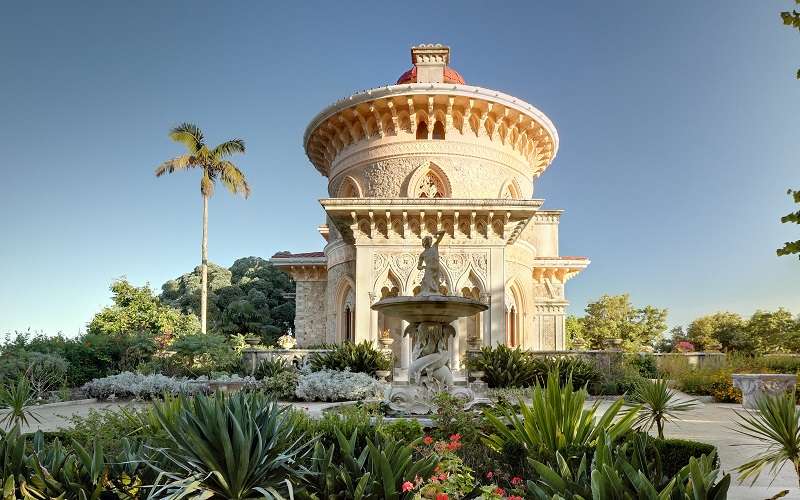
## Description Monserrate Palace in Sintra is one of Portugal’s most exquisite and underrated architectural treasures. Nestled in the lush hills of the Serra de Sintra, this 19th-century palace is a masterpiece of Romanticism, blending Gothic, Moorish, and Indian architectural styles into a harmonious and visually captivating whole. Commissioned by Sir Francis Cook, a wealthy English art collector, the palace was designed as a summer retreat and reflects his eclectic taste and fascination with exotic cultures. The palace’s interior is a feast for the eyes, with intricately carved marble columns, lace-like stonework, and domed ceilings inspired by Islamic architecture. The Music Room, with its ornate plasterwork and acoustics, is particularly striking and occasionally hosts cultural events. Surrounding the palace is a sprawling botanical garden that features species from all over the world, including a Mexican garden, a Japanese garden, and a rose garden. These gardens were carefully curated to reflect the Victorian passion for exotic landscaping and offer a tranquil escape into nature. A little-known fact: Monserrate was once the home of William Beckford, an eccentric English novelist and art collector, before it was transformed by Francis Cook. Another fascinating detail is that the palace and its gardens were used as a filming location for the NBC miniseries “Gulliver’s Travels,” starring Ted Danson. ## Location Monserrate Palace is located in **Portugal**, in the **Lisbon District**, within the **city of Sintra**. It lies approximately 3.5 kilometers west of Sintra’s historic center, in the heart of the Sintra-Cascais Natural Park. ### How to Get There - **By Train**: From Lisbon, take the train from Rossio Station to Sintra. The journey takes about 40 minutes. - **By Bus**: From Sintra station, take bus 435 (the Villa Express) which stops at Monserrate Palace, as well as other key attractions like Quinta da Regaleira. - **By Car**: Driving from Lisbon takes around 45 minutes. Parking is available near the palace. - **By Tuk-Tuk or Taxi**: Local tuk-tuks and taxis offer scenic rides from Sintra’s center to Monserrate. Its slightly off-the-beaten-path location means it’s often quieter than Sintra’s more famous palaces, making for a more relaxed visit. ## Tips - **Visit Early or Late**: To enjoy the gardens and palace with fewer crowds, aim for early morning or late afternoon. - **Wear Comfortable Shoes**: The gardens are extensive and include uneven paths, so sturdy footwear is recommended. - **Bring a Camera**: The architectural details and lush landscapes are incredibly photogenic. - **Use the Map**: The ticket includes a map of the gardens—use it to explore hidden corners like the Fern Valley and the ruins of the chapel. - **Combine with Nearby Attractions**: Monserrate pairs well with a visit to Quinta da Regaleira or a hike in the Sintra-Cascais Natural Park. - **Check for Events**: Occasionally, concerts and exhibitions are held in the Music Room—check the schedule in advance. ## Conclusion Monserrate Palace is a stunning fusion of art, architecture, and nature. With its exotic design, peaceful gardens, and rich history, it offers a unique and serene alternative to Sintra’s more crowded landmarks. ## FAQ **1. What are the opening hours of Monserrate Palace?** The park is open from 9:00 AM to 7:00 PM, and the palace from 9:30 AM to 6:00 PM. Last admission is 30 minutes before closing. **2. What is the entrance fee?** Adult tickets cost €12, youth (6–17) €10, and seniors €6.50. Children under 6 enter free. **3. Is Monserrate Palace suitable for children?** Yes, the gardens are great for families, though supervision is recommended due to uneven terrain. **4. Can I buy tickets online?** Yes, tickets can be purchased through the official Parques de Sintra website or authorized vendors. **5. Is the palace wheelchair accessible?** The palace has limited accessibility due to its historic structure. The gardens have some accessible paths. **6. How long should I plan for a visit?** Allow 1.5 to 2 hours to explore both the palace and the gardens thoroughly. ## Links - [Official Park and Palace of Monserrate Website](https://www.parquesdesintra.pt/en/parks-monuments/park-and-palace-of-monserrate/)
GemVoyage Team • World
Reykjavik
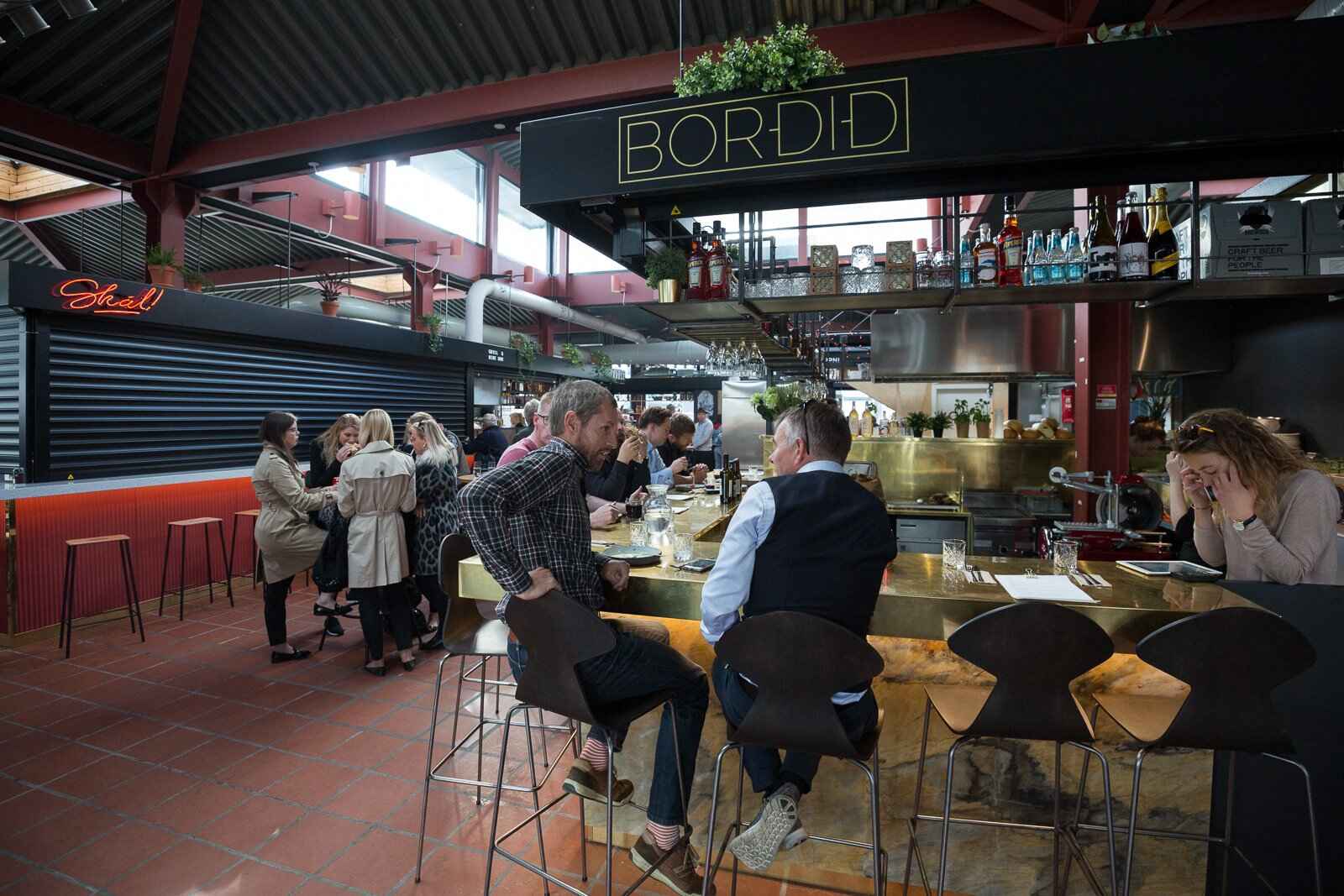
## Description Hlemmur Mathöll is one of **Reykjavík’s most vibrant food halls**, offering locals and tourists alike a chance to taste the very best of Icelandic and international cuisine under one roof. Once a busy central bus terminal, Hlemmur has been transformed into a lively dining destination where visitors can explore a wide range of flavors—from traditional Icelandic dishes to Asian street food, fresh baked goods, and craft coffee. What makes Hlemmur Mathöll truly unique is its **blend of tradition and modern innovation**. Some of the city’s top chefs and food entrepreneurs have opened stalls here, making it a great spot to sample fine dining in a casual setting. Visitors can enjoy Icelandic delicacies such as **lamb, fresh fish, and artisanal skyr**, alongside global options like tacos, Vietnamese pho, and Italian pizza. A little-known fact is that Hlemmur Mathöll was **Iceland’s very first food hall**, opening in 2017, and it has since inspired a wave of similar concepts around the country. Another interesting detail is that while the building was once associated with transit and bustling crowds, today it has become a symbol of how Reykjavík embraces creativity and cultural renewal. ## Location Hlemmur Mathöll is located in the **capital city of Reykjavík**, in the **Capital Region of Iceland**. It sits at the eastern end of Laugavegur, Reykjavík’s main shopping street, making it both central and easy to find. ### Recommendation on How to Get There If you’re staying in downtown Reykjavík, Hlemmur Mathöll is within **walking distance**—about 10–15 minutes from the city center. For those staying farther away, Reykjavík’s bus system makes it simple to reach the food hall, as many routes stop directly at Hlemmur. Taxis and rental scooters are also available, but walking remains the most convenient and enjoyable way to get there, especially since you can explore nearby shops and cafés along the way. ## Tips To make the most of your visit to Hlemmur Mathöll, keep these tips in mind: * **Go Hungry**: With so many food stalls to choose from, it’s best to arrive ready to sample multiple dishes. * **Try the Icelandic Specialties**: Don’t miss out on stalls offering local lamb, Arctic char, or skyr-based desserts. * **Pair with Drinks**: Some stalls serve Icelandic craft beers, cocktails, and excellent coffee that pair perfectly with the meals. * **Visit at Different Times**: The atmosphere changes throughout the day—lunchtime is bustling with workers, while evenings bring a more relaxed dining experience. * **Bring Friends**: Food halls are best enjoyed with company, as you can share and taste more dishes. * **Check Opening Hours**: While the hall is usually open from morning until late evening, individual vendors may have different schedules. ## Conclusion Hlemmur Mathöll is more than just a food hall—it’s a cultural landmark that captures the spirit of modern Reykjavík. With its unique mix of Icelandic and international flavors, its history as a former bus terminal, and its welcoming atmosphere, it’s the perfect spot for food lovers to experience the evolving culinary scene of Iceland. Whether you’re stopping for a quick bite or spending a leisurely evening with friends, Hlemmur Mathöll is a must-visit in the Icelandic capital. ## FAQ **1. What kind of food can I find at Hlemmur Mathöll?** You’ll find a wide variety, including Icelandic dishes, Asian street food, Italian pizzas, tacos, and artisanal desserts. **2. Is it expensive to eat at Hlemmur Mathöll?** Prices vary by stall, but it offers a range of affordable street food options alongside slightly more upscale dishes. **3. When is the best time to visit?** Evenings are particularly lively, but if you want to avoid crowds, lunchtime on weekdays is a good option. **4. Can I bring kids to Hlemmur Mathöll?** Yes, the hall is family-friendly, with casual seating and plenty of food choices for all ages. **5. Do vendors accept credit cards?** Yes, nearly all stalls accept credit and debit cards, which are the most common form of payment in Iceland. **6. Is it easy to get there without a car?** Absolutely—Hlemmur Mathöll is centrally located and easily accessible by foot or public transportation. ## Links * [Visit Reykjavík Official Website](https://visitreykjavik.is/)
GemVoyage Team • World

Comments