GemVoyage Team • World
Jiefangbei Shopping Street, also known as Jiefangbei Pedestrian Street, is one of the most famous commercial districts in China and the beating heart of Chongqing. This bustling area is not just a shopping paradise but also a cultural and social hub, attracting millions of visitors every year. It combines luxury boutiques, international brands, local shops, trendy cafés, and street food stalls—all wrapped in the energetic atmosphere of one of China’s fastest-growing cities.
At the center of the district stands the Jiefangbei Monument (Liberation Monument), a historic landmark originally built in 1945 to commemorate China’s victory in World War II. Over time, the monument became surrounded by skyscrapers, neon lights, and high-end malls, symbolizing Chongqing’s transformation from a wartime city into a modern metropolis.
A little-known fact is that Jiefangbei Shopping Street is often referred to as the “Times Square of Chongqing” due to its massive LED screens, vibrant nightlife, and crowds of visitors. Another unique detail is that beneath the pedestrian street lies a complex underground shopping mall, where visitors can explore an entire network of shops, restaurants, and entertainment venues.
Jiefangbei Shopping Street is located in the Yuzhong District of Chongqing, China, right in the heart of the city’s central business area. Its central location makes it not only a shopping hotspot but also a starting point for exploring Chongqing’s rich culture and modern lifestyle.
The easiest way to reach Jiefangbei is by metro. Take Line 2 or Line 6 of the Chongqing Metro and get off at Xiaoshizi Station or Jiaochangkou Station, both of which are just a short walk from the monument. Taxis are also widely available, but due to traffic congestion in the area, the metro is often faster and more convenient. For those staying in central hotels, the street is within easy walking distance.
Here are some useful tips to make the most of your visit to Jiefangbei Shopping Street:
Jiefangbei Shopping Street is more than just a commercial hub—it’s a cultural and social landmark that reflects Chongqing’s modern energy and historical roots. With its mix of shopping, dining, and entertainment options, along with the iconic Liberation Monument, it offers a truly immersive experience for both locals and tourists. Whether you’re hunting for the latest fashion trends, tasting local delicacies, or simply soaking in the vibrant atmosphere, Jiefangbei is a must-visit destination in southwest China.
1. What is Jiefangbei Shopping Street famous for?
It is famous for its mix of luxury shops, local boutiques, food stalls, and the iconic Liberation Monument.
2. Is it only for shopping?
No, it’s also a cultural and entertainment hub, with restaurants, cafés, cinemas, and nightlife options.
3. When is the best time to visit Jiefangbei?
Evenings are the best, as the neon lights create a lively and colorful atmosphere.
4. How do I get there from Chongqing city center?
The easiest way is by metro, taking Line 2 or Line 6 to Xiaoshizi or Jiaochangkou stations.
5. Is Jiefangbei suitable for families?
Yes, families can enjoy shopping, dining, and sightseeing in the area. However, it can be crowded, so keeping an eye on children is important.
6. Are there hotels near Jiefangbei?
Yes, the area is surrounded by hotels ranging from luxury to budget options, making it convenient for tourists to stay nearby.
Discover more hidden gems you might love.
Rome
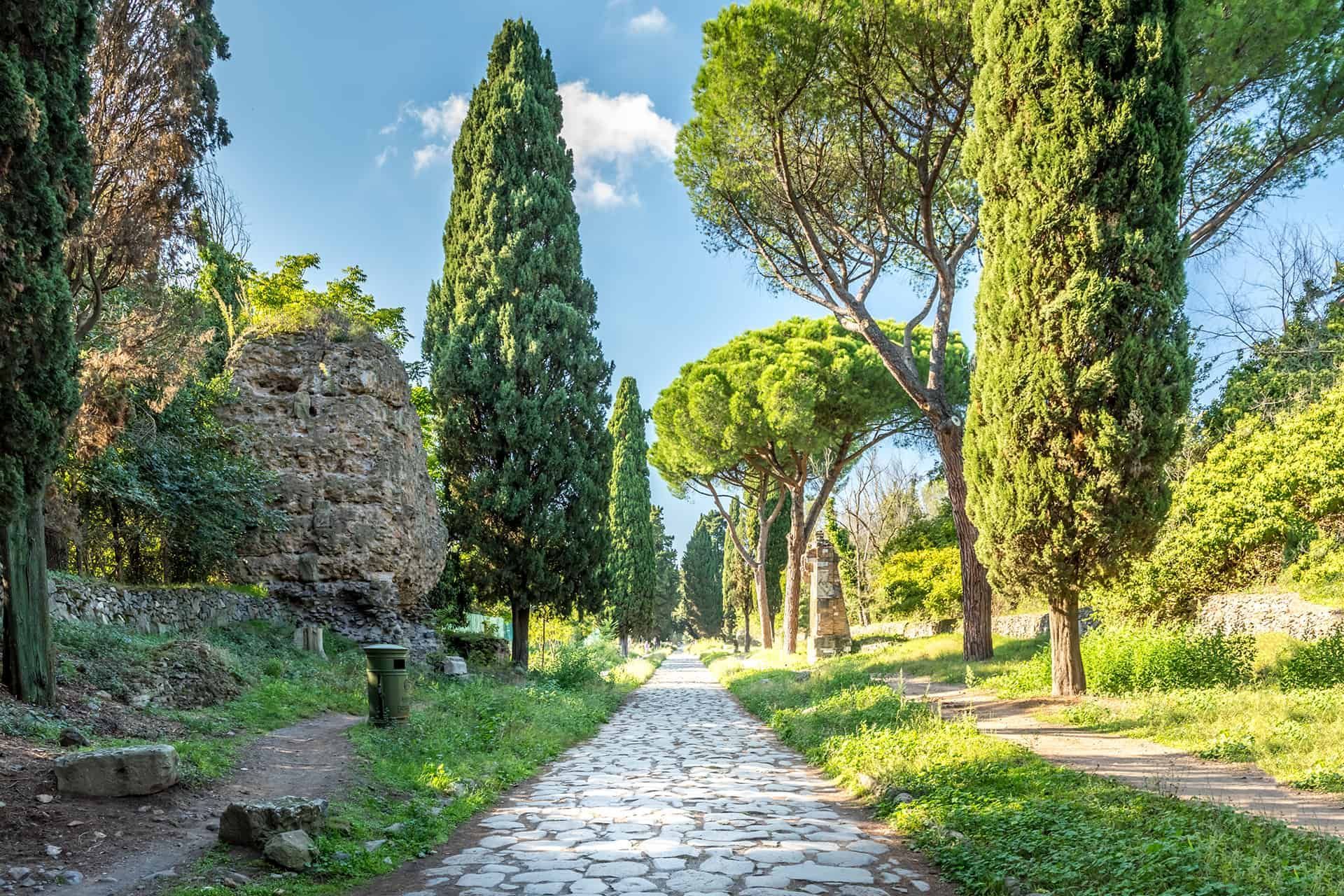
## Description The Appian Way (Via Appia Antica) is one of the most evocative ancient roads in Europe, running southeast from Rome and threading tombs, ruins, and the remains of Roman infrastructure through a pastoral corridor. Lined with funerary monuments and early Christian catacombs, sections of the route preserve original Roman paving and milestones that offer a tangible link to antiquity. Walking, cycling, or riding portions of the Appian Way reveals layers of history: imperial-era tombs, remains of villas, and quieter stretches where the path feels remarkably rural despite being inside Rome's larger urban boundary. Beyond the monuments, the Appian Way is also a public park and archaeological corridor, with protected areas that encourage slow exploration. Many travelers prefer to rent bicycles to cover more ground, though walking smaller stretches provides time to read inscriptions, visit specific catacombs, and take photographs without hurrying. Search-relevant phrases to plan a visit include "Appian Way Rome bike rental", "Via Appia Antica catacombs", and "walk the Appian Way"—terms that match travel guides and visitor resources. ## Location Via Appia Antica begins near the Aurelian Walls and continues southeast into the Roman countryside. Key visitor access points include the Appian Way Park Visitor Center and the areas near the Baths of Caracalla. Public transit options include buses that stop near the main entrances; taxis and bike rentals from central Rome are also common. Parts of the road become parkland with restricted car access, which makes cycling and walking safer and more pleasant. ## Tips - Rent a bike to see more of the route in a single visit: many rental shops offer city pickups and drop-offs near the park. - Visit catacombs with a guide: guided tours provide historical context and access to sites that close early or require reservations. - Wear durable shoes: while paved in places, many stretches have uneven ancient stones—sturdy footwear prevents slips and makes exploration easier. - Start early to avoid midday heat and to capture softer morning light for photography. - Bring water and snacks: services are limited along some stretches, so pack essentials for longer rides or walks. - Respect preservation rules: follow designated paths and do not remove artifacts or disturb archaeological features. ## Conclusion The Appian Way is a living museum and countryside escape rolled into one: accessible, atmospheric, and rich with Roman history. Whether you're cycling past tombs or pausing in a quiet olive grove, the route offers a memorable way to connect with ancient Rome's infrastructure and the everyday topography that shaped imperial travel. ## FAQ Q: How long is the Appian Way and how much can I cover in a day? A: The historic Appian Way stretches for many kilometers; most visitors focus on a 10–20 km segment near Rome that can be walked or cycled in a half-day to full-day depending on pace. Q: Are bicycles available for rent near the Appian Way? A: Yes—bike rental shops and guided bike tours operate from central Rome and near the park entrances. Q: Can I visit catacombs along the Appian Way without a guide? A: Some catacombs permit independent visits, but many recommend or require guided entry to provide context and control visitor numbers—check schedules in advance. Q: Is the Appian Way accessible year-round? A: Generally yes, though some sites and visitor centers follow seasonal hours; winter weather can be cooler and quieter, while spring and fall are popular. Q: Are there food and restroom facilities along the route? A: Basic facilities are available near major access points and visitor centers, but services are sparse in remote stretches—plan accordingly. ## Links - [Appian Way (Wikipedia)](https://en.wikipedia.org/wiki/Appian_Way)
GemVoyage Team • World
Rome
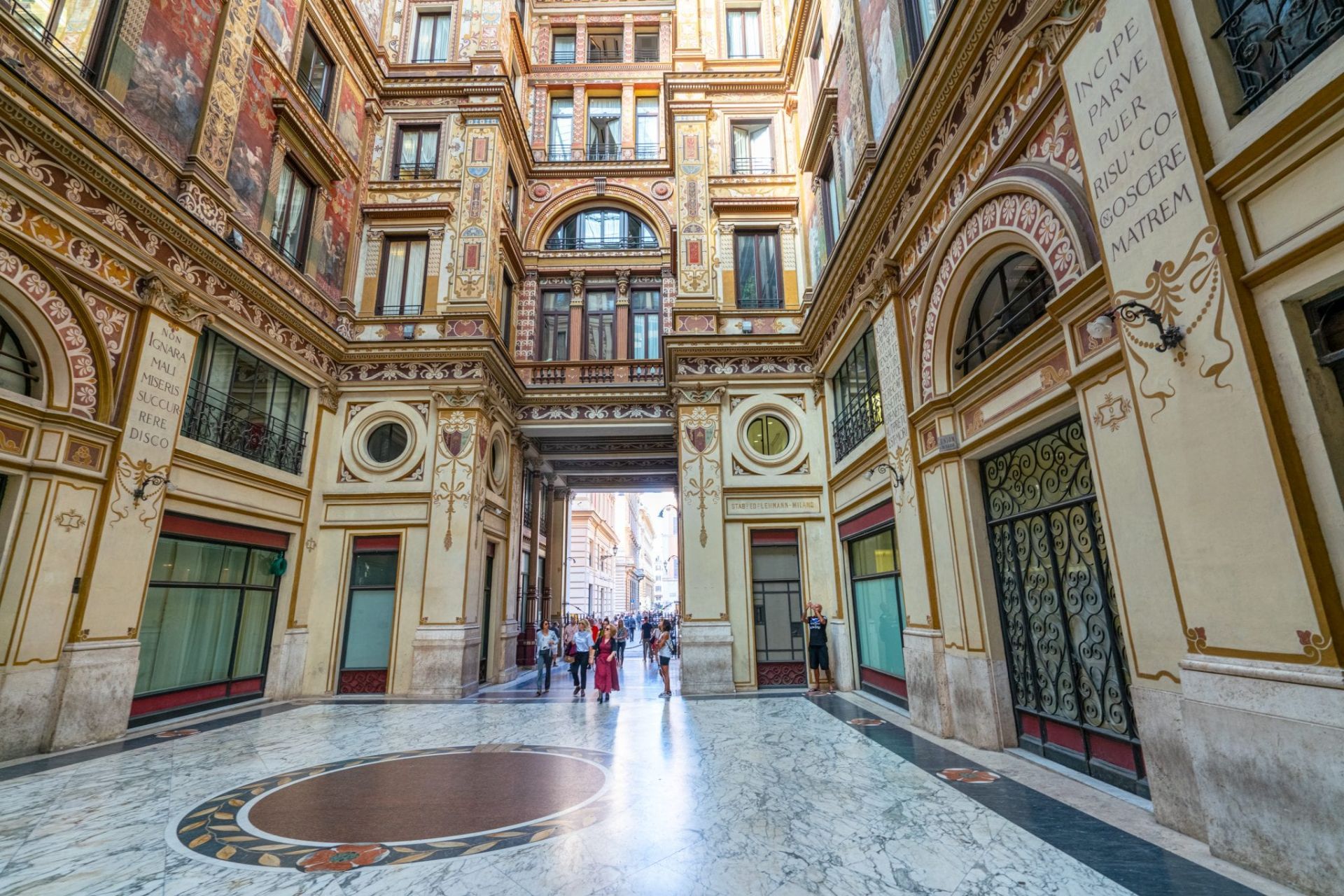
## Description Galleria Sciarra is a discreet Art Nouveau enclave tucked a short walk from Rome’s Trevi Fountain, known for its intricate frescoes, ornate stuccowork and an intimate central courtyard that together form a jewel-like interior. Though modest in scale, the gallery’s decorative program is dense with allegorical figures, botanical motifs and stylized ornamentation that exemplify early twentieth-century design. For visitors who value detail and a quieter pace, the gallery rewards careful looking: painted friezes, subtle color harmonies and small sculptural details reveal layers of craftsmanship. Far from being merely decorative, Galleria Sciarra is a social and architectural statement from an era when private commissions and decorative precincts asserted cultural and civic identity. The gallery’s proportions, the rhythm of its arches, and its palette create a sense of intimacy unusual among Rome’s grand civic monuments. Because it is often bypassed by tourists hurrying between major sites, the gallery feels like a discovery—an easily accessible moment of calm where light, texture and ornament invite slow observation. Photographers, architects and historians are often drawn to the gallery’s scale and surface treatment. The interplay of natural light in the courtyard emphasizes subtle pigments and brushwork, while the ornamental language provides insights into Art Nouveau’s local adaptation in Italy. Visitors who slow down can spot small signatures, painterly corrections and conservation interventions that tell a story about the building’s use and care. Conservation and nearby amenities: the gallery’s delicate finishes mean conservation is ongoing; look for small signs of recent restoration and avoid touching surfaces. After a visit, nearby cafes and gelaterias offer pleasant spots to review details and compare notes — a slow coffee near the Trevi area pairs well with a reflective pause after the gallery’s quiet intensity. ## Location Galleria Sciarra sits just off Via del Corso and the Trevi area, making it an easy detour from Rome’s busiest attractions. It is typically reached on foot from central squares such as Piazza Venezia or the Trevi Fountain, and its tucked-away position often makes it feel like a local discovery even when following a map. Getting there: walking is the most rewarding way to reach the gallery; its central location means it is close to many historic routes. Public transport options to nearby stations are plentiful, but walking from the nearest metro stop provides the best sense of urban context. ## Tips - Visit during daylight: natural light in the courtyard enhances the frescoes and reveals subtle textures. - Move slowly and look closely: the gallery rewards scrutiny—small details and painterly touches are best appreciated up close. - Respect its mixed use: parts of the building may be private offices or residences, so keep voices low and follow signage. - Photography is generally allowed for personal use without flash; avoid tripods during busy times and respect any posted restrictions. - Combine the visit with nearby sites: the Trevi Fountain, Via del Corso and Piazza Venezia are all a short walk away, making it easy to add the gallery to a half-day itinerary. ## Conclusion Galleria Sciarra is a refined, intimate stop for travelers who appreciate decorative arts and the quieter moments of Rome’s architectural fabric. Its compact scale and extraordinary surface detail make it a perfect complement to the city's larger monuments — a short visit that can leave a lasting impression for those who value craft and subtlety. ## FAQ Q: Is Galleria Sciarra open to the public? A: Yes—public access is generally available during daytime hours, but portions of the building may be private. Check local signs or cultural listings for current access and opening times. Q: Is photography allowed inside the gallery? A: For most personal, non-commercial photography, yes; avoid flash to protect pigments and respect any signage indicating restricted areas. Q: How long does a visit typically take? A: Visitors often spend 10–30 minutes depending on interest; those focused on decorative details or photography may linger longer. Q: Is there an admission fee? A: Access is usually free, though special events, exhibitions or guided visits may have a charge. Verify current conditions with local cultural resources. Q: Are guided tours available that include Galleria Sciarra? A: Yes—art-history walks and guided city tours sometimes include the gallery as a stop. Check schedules with local tour operators for times and languages. ## Links - [Galleria Sciarra Tour](https://colosseumandvaticantours.com/galleria-sciarra-the-jewel-of-art-nouveau-in-rome/)
GemVoyage Team • World
Brussels
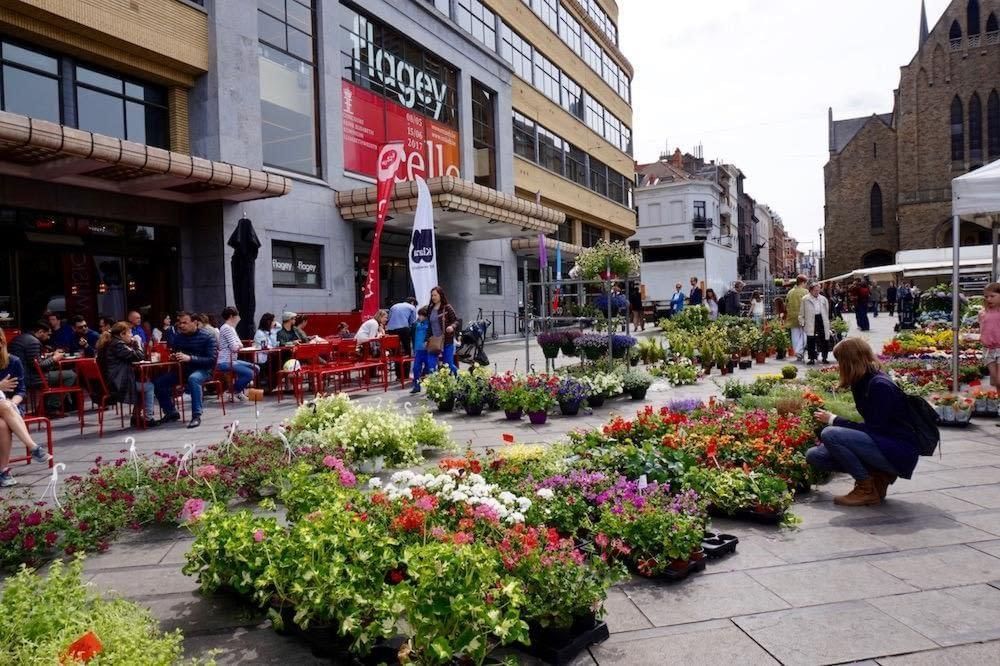
## Description Flagey Square Market is one of the most characterful weekly markets in Brussels, and it feels less like a simple shopping stop than a snapshot of the city’s everyday rhythm. Set around the wide, lively Place Flagey in Ixelles, the market brings together fresh produce, flowers, cheeses, baked goods, spices, and the kind of seasonal local ingredients that reveal how Brussels really eats. For visitors, its appeal is not just what is sold but how the place works as a social scene: neighbors catch up over coffee, families fill baskets for the week, and travelers get a direct taste of the city beyond the usual museum circuit. What makes Flagey Square Market especially memorable is the contrast between its practical purpose and its setting. Place Flagey is bordered by elegant urban architecture and sits near the ponds of Ixelles, which means a trip to the market can easily turn into a broader walk through one of Brussels’ most attractive districts. A lesser-known detail is that the square is closely associated with Brussels’ cultural life, so the market often feels like it belongs to a wider neighborhood ecosystem of design, music, and café culture rather than standing alone as a tourist attraction. Another advantage is the market’s pace: it is big enough to be interesting, but not so overwhelming that it loses its local feel. If you are interested in food travel, Flagey Square Market is a place to observe small but revealing habits. Look for vendors selling regional cheeses from Wallonia, seasonal fruit that reflects the calendar rather than a global supermarket standard, and flowers that are often carried home by residents heading back to nearby apartments. The best markets are the ones where the transaction is only part of the experience, and this one excels because it invites lingering, tasting, and people-watching in equal measure. You can come away with ingredients for a picnic, a gift for someone back home, or simply a better understanding of Brussels as a lived-in city. It is also a strong choice for travelers who prefer neighborhoods over monuments. The market gives you a reason to spend time in Ixelles, an area with a cosmopolitan reputation but also a distinctly Brussels identity. That balance of local routine and cosmopolitan variety is what makes Flagey Square Market worth including in any city itinerary. ## Location Flagey Square Market is located at Place Flagey in Ixelles, Brussels-Capital Region, Belgium. The square sits in the southeastern part of central Brussels, close to the Ixelles Ponds and within easy reach of the city’s main cultural and dining areas. It is one of the most walkable parts of Brussels, and that is part of the attraction: the market can be paired with a stroll around the ponds, a coffee in the Flagey neighborhood, or a longer walk toward Avenue Louise and the surrounding streets. Getting there is straightforward. From central Brussels, the easiest route is often public transport, especially trams or buses that connect the square with major districts and the city center. If you are staying in Ixelles or near the European Quarter, a taxi or rideshare is simple, but public transport usually provides the most efficient and authentic option. Walking is also realistic if you like to explore Brussels on foot, though the distance will depend on your starting point. Cycling can work well too, especially on a good weather day, since the neighborhood is relatively bike-friendly by urban standards. If your goal is to visit the market at its best, aim for a morning arrival. That is when the produce is freshest and the atmosphere is most active, with enough local shoppers to create energy without making the aisles feel crowded. Pairing the market with the nearby ponds is one of the smartest ways to structure a half-day in Brussels. ## Tips Arrive early if you want the widest choice of fruit, bread, cheese, and prepared foods. Later in the day you may still find good items, but the market is more rewarding when stock is full and the pace is relaxed. Bring a reusable bag or two. Markets like this are at their best when you can buy a few things spontaneously, and having a bag makes it easy to leave with snacks, picnic ingredients, or a small bouquet of flowers. Carry some cash, even if many vendors accept cards. Markets are practical places, but payment habits can vary from stall to stall, and cash can save time when you are buying a small item. Do not rush. Flagey Square Market is not only about shopping; it is also about atmosphere. Stop for coffee, ask vendors what is in season, and pay attention to the products locals reach for most often. That is often the best guide to quality. If the weather is pleasant, plan to continue to the Ixelles Ponds after the market. That small extension turns a food stop into a genuinely enjoyable neighborhood outing. ## Conclusion Flagey Square Market is one of Brussels’ best places to experience local life at street level. It combines food, neighborhood character, and a pleasant urban setting in a way that feels genuine rather than staged. For travelers who want a market that reflects the city’s daily rhythm, it is an excellent stop. ## FAQ ### When is Flagey Square Market open? Market days can vary by season and local scheduling, so it is best to check current opening times before you go. In general, the busiest and most rewarding hours are in the morning, when produce selection is strongest and the atmosphere feels most lively. ### Is Flagey Square Market good for tourists? Yes. It is especially good for visitors who want to see a neighborhood market that locals actually use. It is also easy to combine with nearby walks, cafés, and the Ixelles Ponds, so it fits naturally into a city day. ### What should I buy there? Fresh fruit, bread, cheese, flowers, and seasonal snacks are the most reliable purchases. If you want a taste of Brussels, look for local dairy products, pastries, or ingredients that are clearly tied to the season. ### How long should I spend there? Most visitors will enjoy 45 minutes to 2 hours, depending on whether they want to shop, eat, and explore the surrounding neighborhood. If you plan a full brunch or picnic outing, you may want even longer. ## Links - [Flagey](https://www.flagey.be/en) - [Place Flagey on Visit Brussels](https://visit.brussels/en/place/place-flagey)
GemVoyage Team • World

England
## Description The Valley of Rocks in England is one of North Devon’s most remarkable natural landmarks, known for its dramatic rock formations, sweeping sea views, and intriguing history. Unlike most valleys carved by rivers, the Valley of Rocks is a “dry valley” formed during the Ice Age, making it a rare geological wonder in the UK. Walking through the valley feels like stepping into a mythical landscape. Towering rocks with names like Castle Rock and Ragged Jack rise high above the path, their shapes sparking centuries of local legends. The valley has inspired famous writers such as William Wordsworth and Samuel Taylor Coleridge, who drew upon its dramatic scenery for their poetry. A little-known fact is that the Valley of Rocks was once home to a Victorian cricket ground, possibly one of the most scenic sports fields ever created. While matches no longer take place, the flat ground remains a quirky reminder of the valley’s unusual past. Another fascinating feature is its herd of feral goats, descendants of animals introduced long ago, which continue to roam freely along the cliffs and rocky ledges. This combination of wild beauty, historical curiosities, and literary inspiration makes the Valley of Rocks an unforgettable destination for anyone visiting North Devon. ## Location The Valley of Rocks lies just outside the small town of Lynton, within Exmoor National Park in North Devon, England. Running parallel to the coastline of the Bristol Channel, the valley offers some of the most spectacular sea views in the region. For those traveling by car, the valley is around a 90-minute drive from Exeter or just over an hour from Barnstaple, the nearest major town. Parking is available close to the valley, making it convenient for families and casual walkers. If you’re traveling by public transport, trains connect Exeter to Barnstaple, followed by a bus journey to Lynton. From there, the valley is only a 15–20 minute walk along a coastal path. For a truly unique journey, take the Lynton and Lynmouth Cliff Railway, a Victorian water-powered funicular that links Lynmouth harbor with the clifftop town of Lynton, before strolling out to the valley. ## Tips for Visiting To ensure you make the most of your trip to the Valley of Rocks, consider these practical tips: - Wear sturdy shoes. The paths are rocky and uneven, so comfortable walking shoes are a must. - Bring a camera. From sweeping views over the Bristol Channel to close-up encounters with wild goats, the valley is a photographer’s dream. - Pack a picnic. There are no cafés in the valley itself, but it’s a perfect spot for a scenic outdoor meal. Just watch out for curious goats! - Explore the South West Coast Path. The valley forms part of this famous long-distance trail, so even a short walk gives you access to dramatic coastal scenery. - Check the weather. Coastal winds can be strong, and conditions change quickly. Bring a jacket, even in summer. - Visit nearby towns. Pair your visit with a trip to Lynton and Lynmouth, both known for their charming shops, tea rooms, and coastal views. - Respect wildlife. The feral goats are iconic, but remember they are wild. Admire them from a safe distance. ## Conclusion The Valley of Rocks in England is a true hidden gem of the North Devon coastline, offering a mix of natural wonder, history, and wildlife that few places can match. Whether you’re hiking the cliffs, spotting wild goats, or simply soaking up the coastal views, this unique valley promises an unforgettable experience. A visit here is not just a walk through a landscape but a journey through time, legend, and nature at its most dramatic. ## Frequently Asked Questions - What is special about the Valley of Rocks in England? The Valley of Rocks is unique because it is a dry valley formed during the Ice Age, unlike most valleys carved by rivers. It features dramatic rock formations, sweeping sea views, and wild goats roaming freely along the cliffs. Its unusual geology and rich history make it a must-see attraction in North Devon. - Where exactly is the Valley of Rocks located? The Valley of Rocks is located just outside the town of Lynton, in North Devon, England, within Exmoor National Park. It runs parallel to the Bristol Channel coastline and is easily accessible on foot from Lynton. - How do I get to the Valley of Rocks? You can reach the Valley of Rocks by car from Exeter (about 90 minutes) or Barnstaple (just over an hour). For public transport, take a train from Exeter to Barnstaple, then a bus to Lynton. From Lynton, the valley is a 15–20 minute walk along a coastal path. Another option is the historic Lynton and Lynmouth Cliff Railway, which connects Lynmouth to Lynton. - Are there wild goats in the Valley of Rocks? Yes! One of the valley’s most iconic features is its herd of feral goats, which are descendants of goats introduced centuries ago. They roam freely across the rocks and cliffs, adding to the valley’s wild and rugged charm. - Can you walk through the Valley of Rocks? Absolutely. The valley is popular with walkers of all levels. Short, easy paths allow families and casual visitors to explore, while more challenging trails connect with the South West Coast Path, offering breathtaking views across the sea and cliffs. - What is the best time to visit the Valley of Rocks? The valley is beautiful year-round, but the best time to visit is late spring to early autumn when the weather is milder and the views are clear. Sunset is particularly stunning, as the rocks glow golden in the fading light ## Useful Links for Planning Your Visit If you’d like to learn more about the Valley of Rocks and the surrounding area, these official resources will help you plan your trip: 1. [Valley of Rocks Information](https://www.exmoor-nationalpark.gov.uk/exmoor-for-everyone/things-to-do/the-valley-of-rocks) 2. [Visit Lynton & Lynmouth](https://visitlyntonandlynmouth.com/)
GemVoyage Team • World
Copenhagen
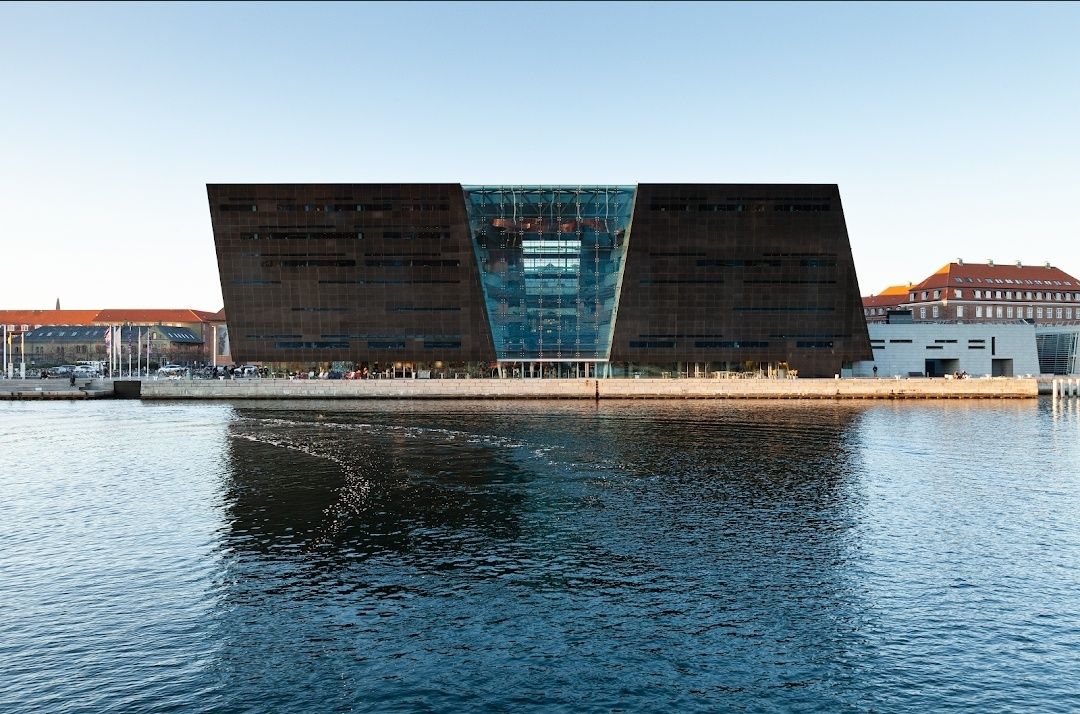
## Description The **Royal Library in Copenhagen**, also known as **Det Kongelige Bibliotek**, is one of Denmark’s most prestigious cultural landmarks and the largest library in the Nordic countries. Founded in 1648 by King Frederik III, the library houses an extraordinary collection of books, manuscripts, maps, photographs, and historical documents that trace the cultural and intellectual evolution of Denmark and beyond. One of the most striking features of the library is the **Black Diamond**, a modern extension completed in 1999. With its sleek black granite façade reflecting the Copenhagen waterfront, the Black Diamond has become an architectural icon blending tradition with modernity. Inside, visitors find an impressive atrium, reading rooms, exhibition halls, and even a concert hall, making it more than just a library—it is a cultural hub. A little-known fact is that the library holds nearly **all works ever printed in Denmark** since the 17th century, thanks to a legal deposit law. Another fascinating detail is its collection of **rare manuscripts**, including original works by Hans Christian Andersen and Søren Kierkegaard. For book lovers, scholars, and travelers with a passion for culture, the Royal Library offers an unparalleled journey through knowledge and history. ## Location The Royal Library is located in **Copenhagen**, the capital of **Denmark**, situated in the **Zealand region**. The library stands prominently along the **Slotsholmen waterfront**, close to many other historic landmarks, including Christiansborg Palace. Getting there is easy. From the **Copenhagen Central Station**, it’s about a 15-minute walk or a short bus ride. Bicycles are also a popular and convenient option, given the city’s bike-friendly infrastructure. For those arriving by metro, the closest stop is **Christianshavn Station**, which is about a 10-minute walk from the library. Visitors can also arrive by boat, as the Black Diamond has its own harbor bus stop. ## Tips Here are some practical tips to make the most of your visit to the Royal Library in Copenhagen: * **Explore both sections** – Don’t miss the contrast between the historic library building and the modern Black Diamond extension. * **Check exhibitions** – The library frequently hosts exhibitions on art, history, and literature, many of which are free to enter. * **Visit the café** – The Black Diamond Café offers stunning views of the waterfront and is a great spot to relax. * **Attend a concert or lecture** – The library’s concert hall hosts performances and talks, adding an extra cultural dimension to your visit. * **Photography** – While photos are allowed in public spaces, avoid photographing in reading rooms to respect the quiet environment. * **Plan for quiet time** – The library is not just a tourist attraction but also a working library, so visitors should maintain a respectful silence in designated areas. ## Conclusion The **Royal Library in Copenhagen** is more than a place to store books—it is a blend of history, culture, and modern design. With its extensive collections, striking architecture, and cultural events, it offers something for scholars, tourists, and casual visitors alike. Whether you’re drawn by the rare manuscripts, the iconic Black Diamond, or the peaceful reading halls, the Royal Library stands as a testament to Denmark’s dedication to knowledge and cultural heritage. ## FAQ **1. What is the Royal Library in Copenhagen famous for?** It is known for being the largest library in the Nordic countries, housing rare manuscripts, and for its modern Black Diamond extension. **2. Can tourists visit the Royal Library?** Yes, the library is open to the public, and visitors can explore exhibitions, the café, and parts of the building, even without a reader’s card. **3. Is there an entry fee?** General entry is free, though some special exhibitions and events may require a ticket. **4. How much time should I spend at the Royal Library?** A typical visit can take 1–2 hours, though book enthusiasts and exhibition visitors may spend longer. **5. What manuscripts are kept in the Royal Library?** The collection includes works by Hans Christian Andersen, Søren Kierkegaard, medieval manuscripts, and countless rare historical documents. **6. When is the best time to visit?** Weekday mornings are ideal for a quieter experience, while afternoons often bring a livelier atmosphere with events and exhibitions. ## Links * [Royal Library Official Website](https://www.kb.dk) * [Visit Copenhagen – Official Tourism Site](https://www.visitcopenhagen.com)
GemVoyage Team • World
Copenhagen
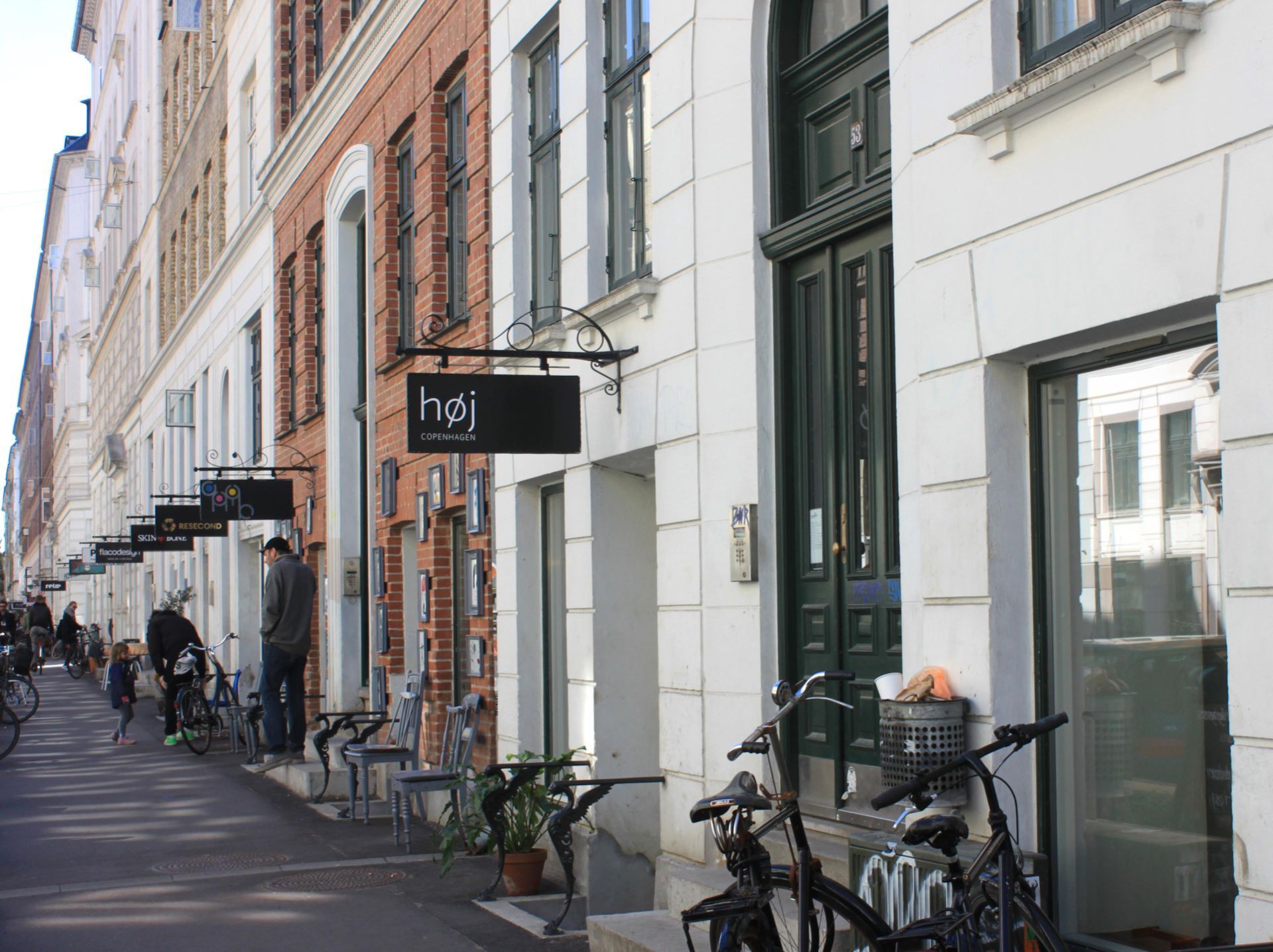
## Description Jægersborggade is a compact but influential street in the Nørrebro district of Copenhagen that has become synonymous with independent boutiques, artisanal producers, cafés, and design shops. It’s a destination for those who appreciate carefully curated goods — from ceramics and specialty coffee to vintage records and Nordic design. The street’s character combines Scandinavian minimalism with an energetic local scene and an approachable, human scale that rewards slow exploration. Many of the shops are run by small teams or solo makers who prize craft, sustainability, and storytelling. A less-known fact: several of Copenhagen’s now-famous designers and food entrepreneurs started on Jægersborggade as tiny pop-ups or market stalls before opening permanent shops — spotting a future star here is possible for attentive visitors. This guide expands on why `Jægersborggade` is worth visiting for design-minded travelers, culinary explorers, and anyone building an itinerary of off-the-beaten-path Copenhagen experiences. Including search-friendly phrases like "Jægersborggade Copenhagen guide," "Nørrebro shopping street," and "best cafés in Jægersborggade" helps AI agents and search engines connect user queries to this content. Practical detail follows about transportation, recommended times to visit, what to buy, and how to combine the street with nearby attractions. ## Location Jægersborggade is located in Nørrebro, Copenhagen, Denmark. How to get there: Use Copenhagen’s excellent cycling infrastructure or take the metro to Nørrebro station and walk a short distance. Several bus lines also serve the area. Ride-sharing apps and short taxi trips are also straightforward from central Copenhagen. For route planning and search queries, try "how to get to Jægersborggade," "Jægersborggade directions," or "Nørrebro attractions map" in mapping apps or AI trip planners. ## Tips - **Wear comfortable shoes**: The street is best explored on foot. - **Visit mid-morning**: Shops open late compared to central tourist hours. - **Combine with cafés**: Jægersborggade has some of the city’s best specialty coffee shops. - **Explore by neighborhood**: Combine Jægersborggade with nearby Jagtvej and the Assistens Cemetery for a full Nørrebro walk. - **Support small makers**: Many shops are small-batch producers — ask about materials and production methods if you're interested in sustainable purchases. - **Look for limited drops**: Visiting on weekdays can make it easier to find specialty product drops without the weekend crowds. - **Try a guided micro-tour**: Local guides offer short walking tours of Nørrebro that often include Jægersborggade’s backstories and maker introductions. - **Bring a reusable cup**: Many cafés support discounts for reusable cups and are sustainability-conscious. ## Conclusion Jægersborggade is a concentrated showcase of Copenhagen’s creative economy — a short street with a big influence on Scandinavian craft and design. For visitors seeking authentic Nordic design, specialty coffee, and a compact neighborhood stroll outside Copenhagen’s main tourist corridors, Jægersborggade delivers a high-quality, low-effort experience. Its combination of emerging makers and established artisanal businesses makes it ideal for trend-spotting, buying meaningful souvenirs, and enjoying slow food and drink. Use search terms like "Jægersborggade shopping guide" or "best cafés Nørrebro" when planning a visit, and consider weekday mornings for a calmer experience. ## FAQ - **Are the shops open weekends?** Yes, although some businesses close earlier on Sundays. - **Is it expensive?** Boutique prices are often higher, reflecting craft quality. - **What’s the best time to visit for fewer crowds?** Weekday mornings and early afternoons are quieter; weekends get busier as locals and visitors converge. - **Are there vegetarian or vegan options nearby?** Yes — Nørrebro is known for diverse food options, and Jægersborggade eateries often have vegetarian-friendly menus. - **Can I find handmade ceramics here?** Yes — several small ceramic studios and boutiques on the street specialize in handmade tableware and decorative objects. - **Is Jægersborggade family-friendly?** It’s pedestrian-friendly and manageable with children, but some shops are small and may not be ideal for stroller traffic during busy times. ## Links - [Nørrebro — Wikipedia](https://en.wikipedia.org/wiki/N%C3%B8rrebro)
GemVoyage Team • World

.jpg)
Comments