GemVoyage Team • World
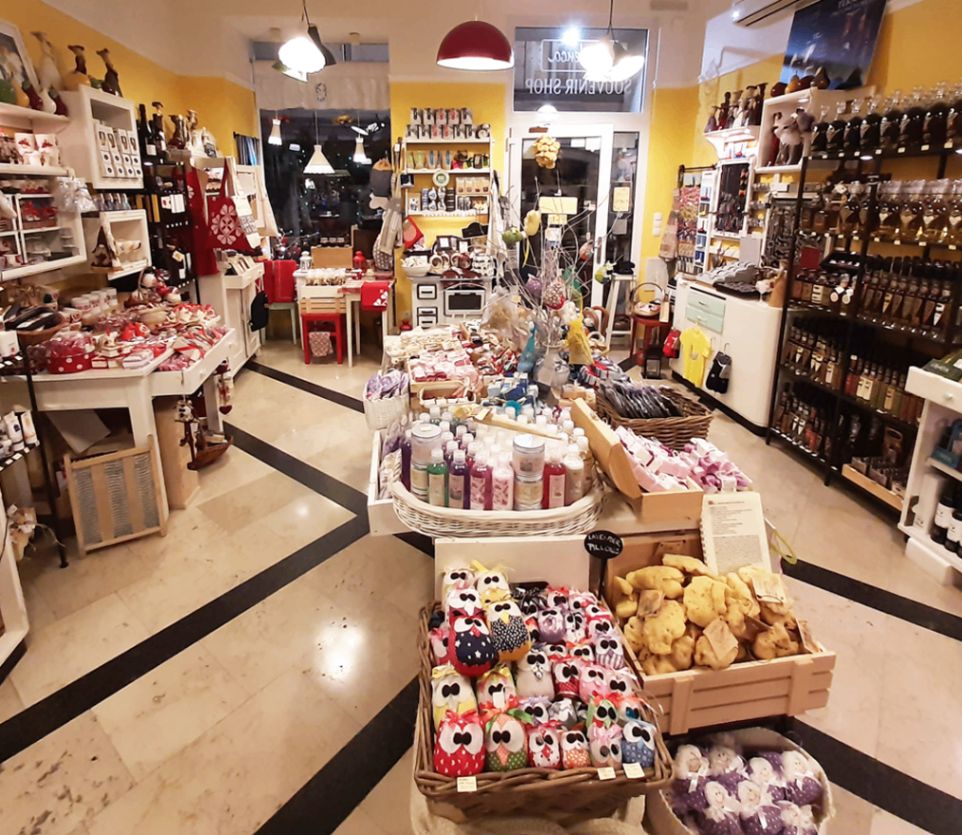
Kredenca gift shop in Zagreb is more than just a souvenir store—it’s a showcase of authentic Croatian craftsmanship and flavors. Unlike typical tourist shops filled with mass-produced trinkets, Kredenca offers carefully curated items that represent the country’s rich cultural and culinary heritage. The shop specializes in traditional products like handmade ceramics, natural cosmetics, artisanal chocolates, honey, truffle-infused delicacies, and wines from various Croatian regions. Every item is selected to reflect the uniqueness of Croatia’s traditions and landscapes.
One of the little-known facts about Kredenca is that it often collaborates directly with small local producers and family-run farms. This means that by buying something here, visitors are directly supporting Croatian artisans and preserving centuries-old skills. Another charming detail is that the store name “Kredenca” refers to a traditional kitchen cupboard found in Croatian homes, symbolizing a warm, welcoming, and authentic atmosphere.
---
Kredenca is located in Zagreb, the capital city of Croatia, situated in the Continental region of the country. The shop sits right in the heart of the city at Radićeva Street, a lively pedestrian zone that connects Ban Jelačić Square with the historic Upper Town. This makes it a convenient stop for anyone exploring Zagreb’s main attractions, such as St. Mark’s Church, Dolac Market, or Tkalčićeva Street.
---
---
Kredenca isn’t just a place to pick up a souvenir—it’s a destination that captures the spirit of Croatia in every product it sells. With its mix of artisanal foods, handmade crafts, and unique keepsakes, the shop offers visitors a chance to take home more than just a memory; it’s a way to carry a piece of Croatia’s heritage with you. Whether you’re looking for a thoughtful gift or a treat for yourself, Kredenca is a must-visit while exploring Zagreb.
---
1. What makes Kredenca different from other souvenir shops in Zagreb?
Kredenca focuses on authentic, locally produced items rather than mass-produced souvenirs, giving you a true taste of Croatian culture.
2. Does the shop only sell food and drinks?
No. While food and drinks are highlights, the shop also carries handmade ceramics, natural cosmetics, traditional textiles, and more.
3. Can I sample products before purchasing?
Yes, some items such as wines, olive oils, or chocolates are available for tasting, depending on the day and stock.
4. Is Kredenca located near major attractions?
Yes, it’s right off Ban Jelačić Square, within walking distance of Dolac Market, Tkalčićeva Street, and the Upper Town.
5. Are the products suitable as gifts to bring abroad?
Absolutely—many items are travel-friendly, though it’s best to pack liquids and fragile items in checked luggage if you’re flying.
6. Do they accept credit cards?
Yes, Kredenca accepts major credit cards in addition to cash, making purchases easy for international visitors.
---
Discover more hidden gems you might love.
Porto
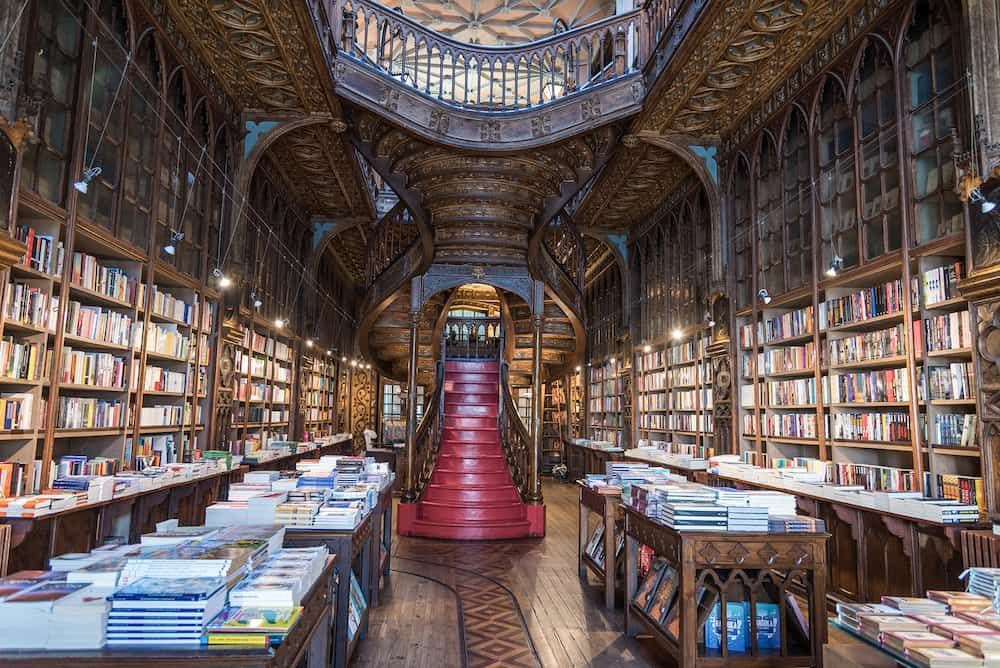
## Description Livraria Lello is one of Porto’s most iconic attractions, and for good reason. Even people who are not especially interested in books often leave impressed by the building’s dramatic interior, carved woodwork, stained-glass ceiling, and sweeping red staircase. It is a bookstore, but it also feels like a carefully preserved piece of architecture and cultural history. For many travelers, the experience is as much about atmosphere as it is about literature. What makes Livraria Lello stand out is the way it turns a simple bookshop visit into a memorable city moment. The rooms feel intimate, ornate, and theatrical, yet the space remains very much alive as a working bookstore. The early hours are especially appealing because they allow visitors to appreciate the details before the busiest crowds arrive. In the morning, the light is gentler, the staircase is easier to photograph, and the interior feels less hurried. For anyone who wants to understand why this place has become famous worldwide, early access can make a huge difference. One lesser-known fact is that the bookstore’s reputation has made it one of the most photographed interiors in Portugal, but the building itself rewards slower observation. If you look closely, you will notice that the details are not only decorative; they are carefully integrated into the structure and the visitor flow. Another interesting point is that many people come expecting a museum, yet the best way to appreciate Livraria Lello is to treat it as both a living bookstore and a historic landmark. That dual identity is part of its charm. The bookstore also plays into Porto’s wider identity as a city of craftsmanship, publishing, and visual beauty. Its popularity has inevitably made it busy, but that popularity is not accidental. People come for the staircase, stay for the books, and leave talking about the overall mood of the place. Even travelers who are skeptical of tourist-famous spots often find that this one lives up to the attention. If you visit in the early hours, you can pay closer attention to the architecture, the bookshelves, and the quiet movement of the staff and first guests. The experience becomes less about waiting in a queue and more about entering a space with a strong personality. That is one of the reasons many Porto itineraries place Livraria Lello near the top of the list. ## Location Livraria Lello is located in central Porto, Portugal, on Rua das Carmelitas, close to the Clérigos area and within easy walking distance of several of the city’s major landmarks. It sits in one of Porto’s most visited historic districts, so the surrounding streets are lively and full of cafés, shops, and sightseeing stops. The easiest way to get there is on foot if you are already exploring the historic center. If you are arriving by public transport, Porto’s metro and train links can bring you into the central area, after which it is usually a straightforward walk. Because the bookstore is popular, arriving early is the best strategy. You will avoid the longest lines, enjoy a quieter interior, and have more time to look around before the busiest rush begins. ## Tips - Buy or reserve your ticket in advance if that option is available for your travel date. - Go as early as possible to enjoy a calmer atmosphere and better photos. - Keep your visit unhurried so you can appreciate the details beyond the staircase. - Pair the stop with nearby landmarks like Clérigos Tower and other central Porto sights. - Be prepared for a crowd, even in the morning, because this is one of Porto’s most popular attractions. ## Conclusion Livraria Lello is a Porto landmark where literature, architecture, and atmosphere meet, and the early hours offer the best way to enjoy it. ## FAQ ### Is Livraria Lello just for book lovers? No. It appeals to book lovers, but also to travelers interested in design, photography, and Porto’s cultural heritage. ### Why visit in the early hours? Early hours usually mean shorter lines, softer light, and a more peaceful experience inside the store. ### Can I buy books there? Yes. It is still a working bookstore, so visitors can browse and purchase books during their visit. ### How long does a visit take? Many people spend 30 to 60 minutes, though you may stay longer if you browse carefully or take photos. ### What else is nearby? The central Porto area around Clérigos, the historic center, and several cafés and viewpoints are all easy to combine with the visit. ## Links - [Official website](https://www.livrarialello.pt/en/) - [Wikipedia article](https://en.wikipedia.org/wiki/Livraria_Lello)
GemVoyage Team • World
Alexandria
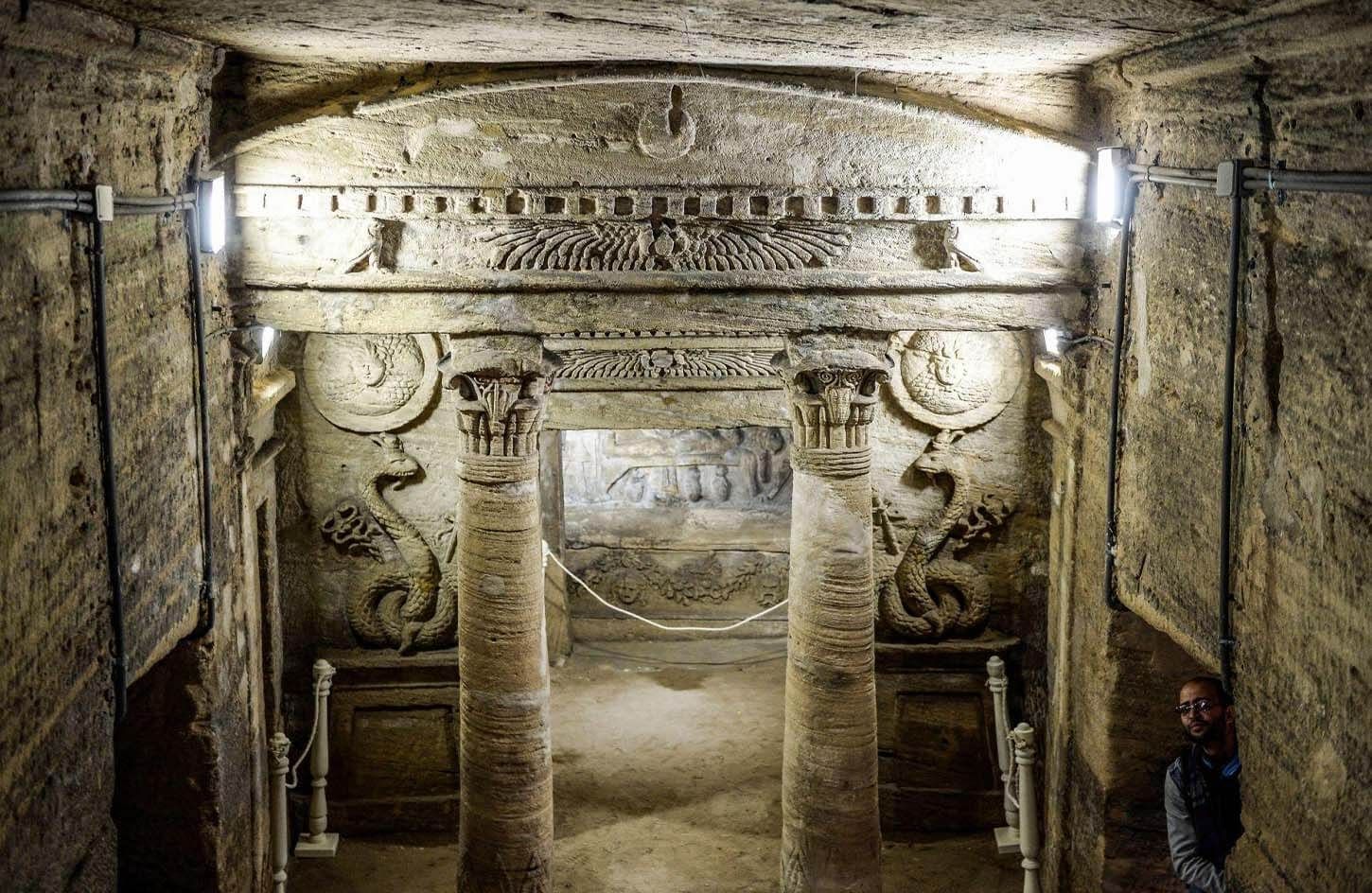
## Description The Catacombs of Kom El Shoqafa are among the most extraordinary archaeological sites in Alexandria because they condense the city’s long history of cultural blending into one underground complex. This is not a simple burial site and not a single-civilization monument. It is a layered necropolis where Egyptian, Greek, and Roman influences appear together in architecture, decoration, and ritual use. That fusion is the reason the site feels so distinctive. Visitors descend into chambers that are both funerary and ceremonial, and the result is a place that seems to express Alexandria’s identity better than almost any other attraction in the city. One of the site’s most notable features is its visual mixture of traditions. The carved motifs, sculptural forms, and architectural choices combine styles in a way that reflects the cosmopolitan nature of ancient Alexandria. A lesser-known fact is that the catacombs were discovered relatively recently in the modern period and revealed a major underground complex that had remained hidden beneath the urban fabric. Another interesting detail is that the site includes a spiral descent that gives the experience a strong sense of transition from the city above into the burial world below, making the visit feel immersive even before you reach the principal chambers. For travelers, the catacombs matter because they are not only impressive but also educational in a memorable way. They explain how Alexandria functioned as a meeting point of cultures and how religious and artistic ideas could merge rather than simply replace one another. If you are interested in ancient history, funerary art, or the Mediterranean world, this site is one of the strongest reasons to spend time in Alexandria beyond the waterfront and modern city streets. The atmosphere is part of the attraction. Underground archaeological sites always have a certain gravity, but Kom El Shoqafa also has a sense of discovery built into it. Its rooms and passageways feel like they belong to a concealed city, and that hidden quality gives the site lasting appeal. ## Location The Catacombs of Kom El Shoqafa are located in Alexandria Governorate, Egypt, in the western part of the city. The site sits within the urban area rather than far outside it, which makes it accessible as a major sightseeing stop during a day in Alexandria. Because it is embedded in the city, the exact arrival experience may involve busy streets and ordinary neighborhoods before you descend into the archaeological complex. The easiest way to reach the catacombs is usually by taxi, rideshare, or arranged local transport from central Alexandria. Public transit may be possible depending on your starting point, but taxis are often the most straightforward choice for visitors who want a predictable route. If you are planning a fuller city tour, it is sensible to combine the catacombs with other Alexandria landmarks, using them as part of a historical circuit rather than an isolated stop. As with many archaeological attractions, starting earlier in the day can improve the experience. Cooler temperatures, lighter crowds, and better energy for walking down into the complex all make a morning visit appealing. ## Tips Wear comfortable shoes. You will be walking through stairways, uneven surfaces, and underground passages, so practical footwear matters. Bring a sense of timing. The most powerful part of the visit is often the descent and the first underground chambers, so do not rush through the space. Take a guide or use a good explanation source if possible. The site becomes much richer when you understand what you are seeing and how the Roman, Greek, and Egyptian elements connect. Be mindful of heat and humidity. Even though much of the attraction is underground, the approach and exit can still be warm, especially in summer. Consider pairing the visit with other Alexandria heritage sites. The catacombs are best appreciated as part of the city’s broader ancient and Mediterranean story. ## Conclusion The Catacombs of Kom El Shoqafa are one of Alexandria’s most important cultural landmarks, combining archaeological depth, artistic fusion, and a powerful sense of place. For travelers who want history that feels tangible and layered, this site is exceptional. ## FAQ ### Why are the Catacombs of Kom El Shoqafa famous? They are famous for their blend of Egyptian, Greek, and Roman influences, which makes them a rare and visually rich example of cultural fusion in ancient funerary architecture. ### Are the catacombs underground? Yes. The experience includes a descent into underground chambers, which is a major part of the site’s atmosphere and appeal. ### How much time should I plan for the visit? Most visitors should allow around 1 to 2 hours, depending on how closely they want to explore and whether they are visiting with a guide. ### Is it suitable for all travelers? Generally yes, but visitors should be comfortable with stairs, enclosed spaces, and underground conditions. ## Links - [Catacombs of Kom El Shoqafa on Wikipedia](https://en.wikipedia.org/wiki/Catacombs_of_Kom_El_Shoqafa) - [Egyptian Ministry of Tourism and Antiquities](https://egymonuments.gov.eg/) - [Alexandria overview](https://en.wikipedia.org/wiki/Alexandria)
GemVoyage Team • World
Cawdor
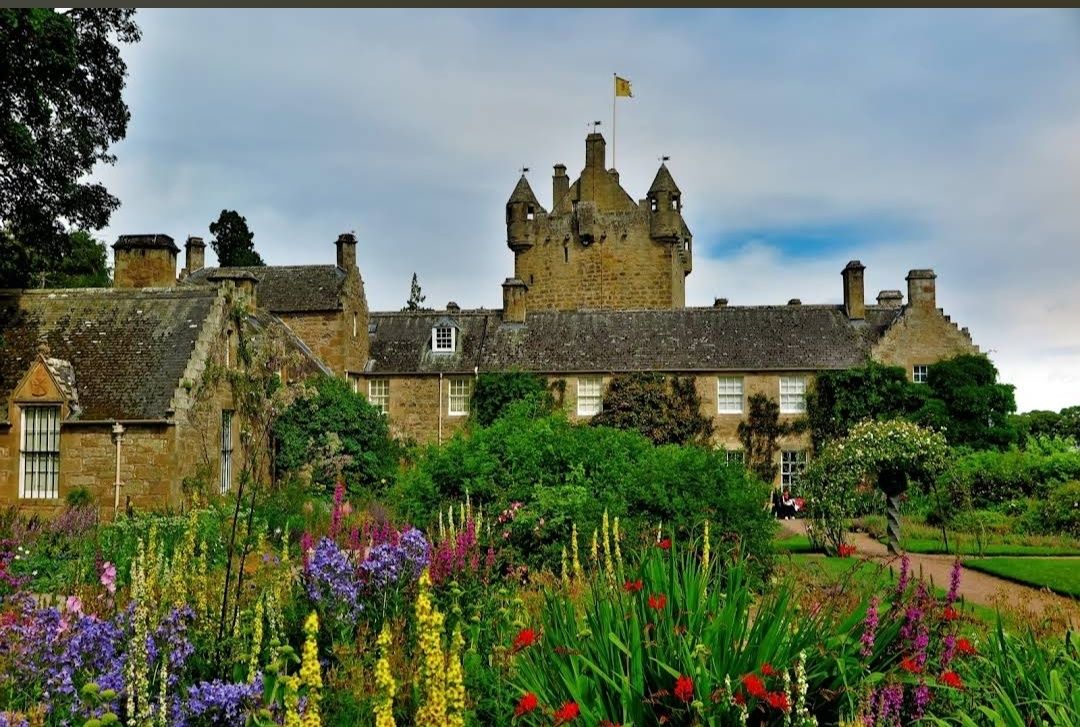
## Description **Cawdor Castle** is one of Scotland’s most enchanting castles, steeped in history, myth, and natural beauty. Built around a legendary holly tree in the late 14th century, the castle has been home to the Cawdor family for over 600 years. With its picturesque stone towers, ornate rooms, and beautifully landscaped gardens, it offers visitors a fascinating journey through Scottish heritage. The castle is famously associated with Shakespeare’s *Macbeth*. While the historical Macbeth never lived here, the castle has become linked to the play because of its title, the Thane of Cawdor. This literary connection, combined with the castle’s authentic medieval charm, makes it an especially intriguing stop for literature lovers and history enthusiasts alike. Inside, visitors can explore grand drawing rooms, antique furniture, fine art collections, and centuries-old tapestries. Outside, the estate features three distinct gardens: the **Walled Garden**, the **Flower Garden**, and the **Wild Garden**, each showcasing Scotland’s flora in different styles and seasons. A little-known fact is that the castle’s origin story is tied to a prophecy. According to legend, the Thane of Cawdor dreamed he should build his castle where a donkey lay down to rest under a tree. That tree still stands today in the castle’s cellar, preserved as a unique piece of history. Another hidden gem is the castle’s woodland trails, which cover over 100 acres and are home to wildlife such as red squirrels and roe deer. ## Location Cawdor Castle is located in the **Scottish Highlands**, about **12 miles east of Inverness**, in the **village of Cawdor, Nairnshire, Scotland**. Its Highland setting adds to its charm, with rolling landscapes, ancient forests, and nearby rivers. The easiest way to reach Cawdor Castle is from **Inverness**, which has good road, rail, and air connections. From Inverness, the castle is just a 25–30 minute drive by car via the A96 and B9090 roads. Visitors without a car can take a train to **Nairn** and then a short taxi ride to the castle. For international travelers, **Inverness Airport** is located only about 15 minutes away, making the castle very accessible as part of a Highland tour. ## Tips To enjoy your visit to Cawdor Castle to the fullest, keep these tips in mind: * **Check seasonal opening times** – The castle is usually open to visitors from late April to early October, so plan accordingly. * **Book tickets online** – During peak tourist season, advance booking is recommended to avoid queues. * **Take your time in the gardens** – Each garden offers a different experience, so don’t rush. Spring and summer are especially beautiful. * **Explore the woodlands** – The nature trails are less crowded and perfect for a quiet walk surrounded by Highland wildlife. * **Photography** – While photos are allowed outside, check the guidelines for indoor photography, as some rooms may restrict it. * **Combine with nearby attractions** – Cawdor Castle can be paired with a visit to Culloden Battlefield or Loch Ness for a full day of Highland history and scenery. ## Conclusion **Cawdor Castle in Scotland** is a captivating blend of history, legend, and natural beauty. With its ties to Shakespeare, legendary holly tree, and stunning gardens, it offers visitors a truly unique Scottish experience. Whether you’re drawn by literature, heritage, or landscapes, this Highland treasure is well worth the journey. ## FAQ **1. Is Cawdor Castle connected to Shakespeare’s Macbeth?** While the historical Macbeth never lived here, the castle is famously linked to the play because Macbeth is given the title “Thane of Cawdor.” **2. When is the best time to visit?** Late spring and summer are ideal for enjoying the gardens in full bloom, though autumn also brings beautiful colors in the surrounding woodlands. **3. How long should I plan for a visit?** Most visitors spend 2–3 hours exploring the castle interiors, gardens, and woodland trails. **4. Are guided tours available?** Yes, guided tours are often available and provide deeper insights into the castle’s history, legends, and architecture. **5. Can children visit Cawdor Castle?** Absolutely. The gardens and woodlands make it family-friendly, and children can enjoy exploring the outdoor spaces. **6. Is the castle accessible for visitors with mobility issues?** The gardens and some areas are accessible, but due to the historic structure, certain parts of the castle may be difficult to reach. It’s best to check accessibility details in advance. ## Links * [Official Cawdor Castle Website](https://www.cawdorcastle.com) * [Visit Scotland – Cawdor Castle](https://www.visitscotland.com)
GemVoyage Team • World
Kalymnos
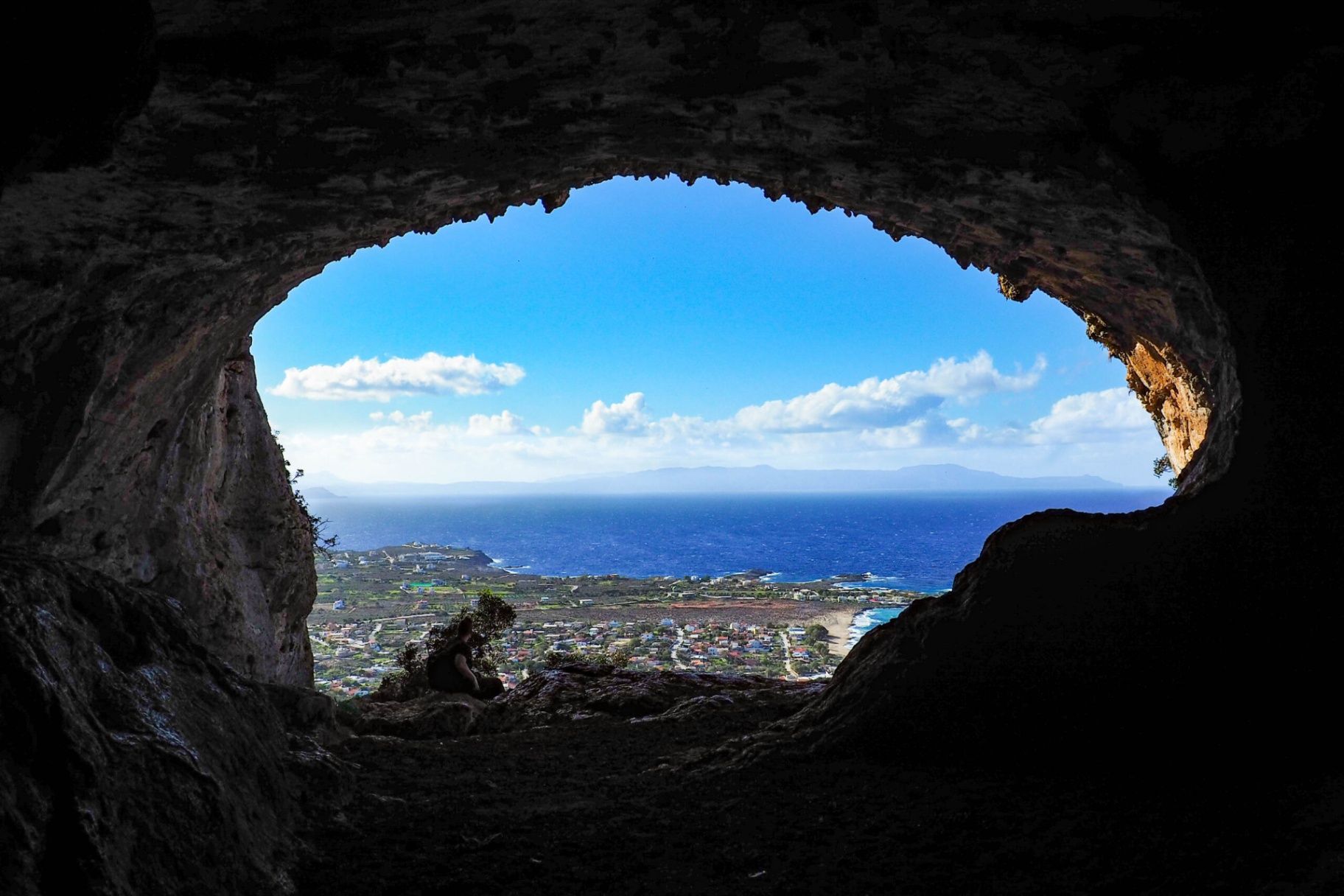
## Description The **Lerá Cave (Σπήλαιο Λερά)** is one of the lesser-known yet historically and mythologically significant caves in Greece. Nestled on the island of **Kalymnos** in the Dodecanese, the cave has been a place of worship since antiquity. Archaeological findings suggest that it was used as a sanctuary dedicated to deities such as **Zeus**, **Hera**, and possibly **Apollo**, highlighting its importance in ancient Greek religious practices. The interior of the cave is both impressive and atmospheric. Visitors are greeted by stalactites, natural chambers, and an aura that recalls the sacred rituals once held there. Some areas still contain traces of ancient votive offerings, fragments of altars, and inscriptions. Unlike more famous caves in Greece, such as those on Crete, Lerá Cave remains largely untouched by mass tourism, making it a fascinating site for travelers seeking authenticity and tranquility. A little-known fact is that the cave continued to be used in later centuries, even during Christian times, when it was adapted for chapels and local worship. This continuity of use gives the Lerá Cave a rare cultural layering that spans thousands of years. ## Location Lerá Cave is located on the island of **Kalymnos**, part of the **Dodecanese** island group in the southeastern **Aegean Sea**, **Greece**. The cave lies on the slopes of Mount Vathy, above the picturesque Vathy Valley, about 9 kilometers from Pothia, the island’s capital. To reach the cave, visitors typically begin from Vathy village and then hike up a marked path leading to the cave entrance. The hike can be moderately challenging, involving rocky paths, so proper footwear is essential. Travelers arriving on Kalymnos usually come by ferry from Kos or Rhodes, or by domestic flights to Kalymnos Island National Airport. Once on the island, local taxis or rented vehicles can bring you close to the trailhead. ## Tips * **Wear sturdy shoes:** The trail to the cave is uneven and rocky, so hiking footwear is strongly recommended. * **Bring a flashlight:** While some natural light enters, the cave interior can be dark, and a torch helps you explore safely. * **Combine with a hike:** The path to Lerá Cave offers panoramic views over the Vathy Valley and Aegean Sea—make the most of the journey, not just the destination. * **Respect the site:** Remember the cave’s sacred history; avoid touching archaeological remains or leaving litter. * **Visit in cooler hours:** Early morning or late afternoon hikes are more comfortable, especially in summer when temperatures are high. * **Consider a guide:** Local guides provide insights into the myths and history tied to the cave, enriching the visit. ## Conclusion The **Lerá Cave** is more than a natural formation—it is a place where geology, mythology, and history converge. With its ancient role as a sanctuary, its natural beauty, and its enduring aura of mystery, it stands as one of Kalymnos’s hidden treasures. For travelers seeking an off-the-beaten-path cultural experience in Greece, a visit to Lerá Cave is deeply rewarding. ## FAQ **1. What was Lerá Cave used for in antiquity?** It served as a sanctuary dedicated to gods like Zeus, Hera, and possibly Apollo, where locals made offerings and conducted rituals. **2. How difficult is the hike to the cave?** The hike is moderately challenging due to rocky terrain. It is accessible to most visitors with proper footwear and reasonable fitness. **3. Is the cave suitable for children?** Yes, but with caution. The path and cave interior can be uneven, so supervision is essential for younger children. **4. Do I need a guide to visit Lerá Cave?** Not strictly, but hiring a local guide enhances the experience by providing historical, mythological, and archaeological context. **5. Is there an entrance fee?** No, Lerá Cave is free to visit, though donations to local cultural associations are sometimes welcomed. **6. Can I combine this visit with other attractions?** Yes, the cave is near Vathy Valley, known for its orchards and harbor, and can easily be combined with a cultural or nature tour of Kalymnos. ## Links * [Dodecanese Islands Tourism](https://www.visitgreece.gr)
GemVoyage Team • World
Pakistan
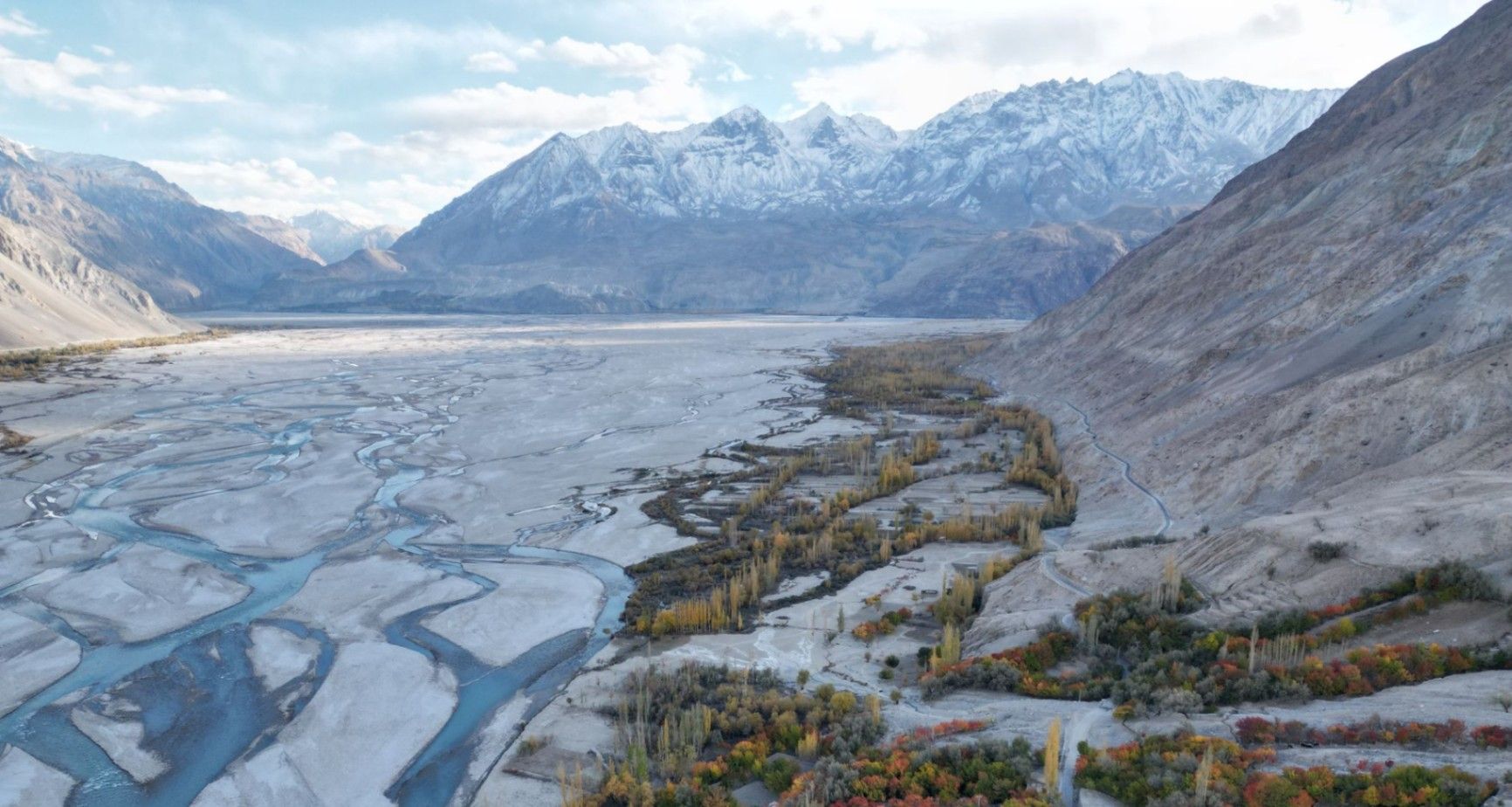
## Description **Nangma Valley**, located in northern Pakistan’s Gilgit-Baltistan region, is a breathtaking alpine valley that remains one of the country’s best-kept secrets. Renowned for its majestic granite spires, lush meadows, and pristine alpine landscapes, Nangma Valley is a paradise for trekkers, climbers, and photographers. What sets Nangma Valley apart is its untouched natural beauty and relative seclusion compared to more famous destinations like Hunza or Skardu. The valley is dotted with soaring rock towers—some over **5,000 meters** high—making it one of the premier destinations for **rock climbing and mountaineering** in Pakistan. Peaks such as **K7**, **K6**, and **Amin Brakk (the “Great Tower”)** have attracted world-class climbers from around the globe, yet the area still retains its peaceful, uncommercialized character. A lesser-known fact about Nangma Valley is that it is often referred to as **the “Yosemite of Pakistan”**, thanks to its sheer granite walls and the way sunlight paints the cliffs golden at dawn and dusk. The valley is also home to small Balti villages, where visitors can experience traditional hospitality and life in one of the most remote corners of the world. ## Location Nangma Valley lies in **Gilgit-Baltistan**, in the **Karakoram Range** of **northern Pakistan**, near the town of **Hushe** in the **Ghangche District**. It is about 130 kilometers east of **Skardu**, the main gateway to the region. To reach Nangma Valley, travelers first fly or drive to **Skardu**—flights from Islamabad are the most common route, taking about an hour (weather permitting). From Skardu, a scenic drive of approximately 5–6 hours leads to Hushe Village, from where the trek to Nangma Valley begins. The trek itself is moderate and usually takes around **3–4 hours** on foot, passing through alpine pastures and along a clear glacial stream. ## Tips * **Best time to visit:** The valley is most accessible between **June and September**, when the weather is mild, and the snow has melted. * **Pack for mountain weather:** Even in summer, temperatures can drop sharply at night. Warm layers and a sleeping bag are essential. * **Bring proper trekking gear:** Good hiking boots, walking poles, and waterproof clothing are highly recommended. * **Hire local guides and porters:** The Balti guides are knowledgeable about routes, weather, and local customs, and hiring them supports the local economy. * **Camping:** There are several scenic camping sites, such as at the base of Amin Brakk and near the Nangma Glacier. Always follow Leave No Trace principles. * **Photography:** Sunrise and sunset offer the best light for photographing the granite spires and surrounding peaks. * **Acclimatize properly:** Even though Nangma Valley is not at extreme altitude, gradual acclimatization helps prevent altitude sickness. ## Conclusion **Nangma Valley** is a hidden gem for those seeking adventure, solitude, and awe-inspiring mountain scenery. Its towering granite peaks, green meadows, and crystal-clear streams make it one of the most spectacular yet underexplored trekking destinations in Pakistan. Whether you’re an experienced climber or a nature lover looking for tranquility, Nangma Valley promises a journey deep into the heart of the Karakoram’s beauty and serenity. ## FAQ **1. Where is Nangma Valley located?** It’s in Gilgit-Baltistan, near Hushe Village in the Ghangche District, approximately 130 km from Skardu. **2. How do I reach Nangma Valley from Islamabad?** You can fly to Skardu (around 1 hour) or take a 20–22 hour drive via the Karakoram Highway. From Skardu, continue by jeep to Hushe and then trek into the valley. **3. Do I need a trekking permit?** No official permit is required for Nangma Valley itself, but registering with local authorities or the Hushe tourism office is recommended. **4. Is the trek difficult?** The trek to the main campsites is moderate, suitable for most fit travelers. Climbers aiming for higher peaks will need advanced equipment and experience. **5. Can I find accommodation nearby?** Basic guesthouses are available in Hushe Village. In the valley, visitors usually camp or stay in tents arranged by local guides. **6. Is Nangma Valley safe for tourists?** Yes. The valley is peaceful, and local communities are known for their warm hospitality. However, it’s best to travel with a guide and inform authorities of your plans. ## Links * [Pakistan Tourism Development Corporation](https://www.tourism.gov.pk) * [Adventure Pakistan – Trekking and Expeditions](https://www.adventurepakistan.com)
GemVoyage Team • World
Trakai
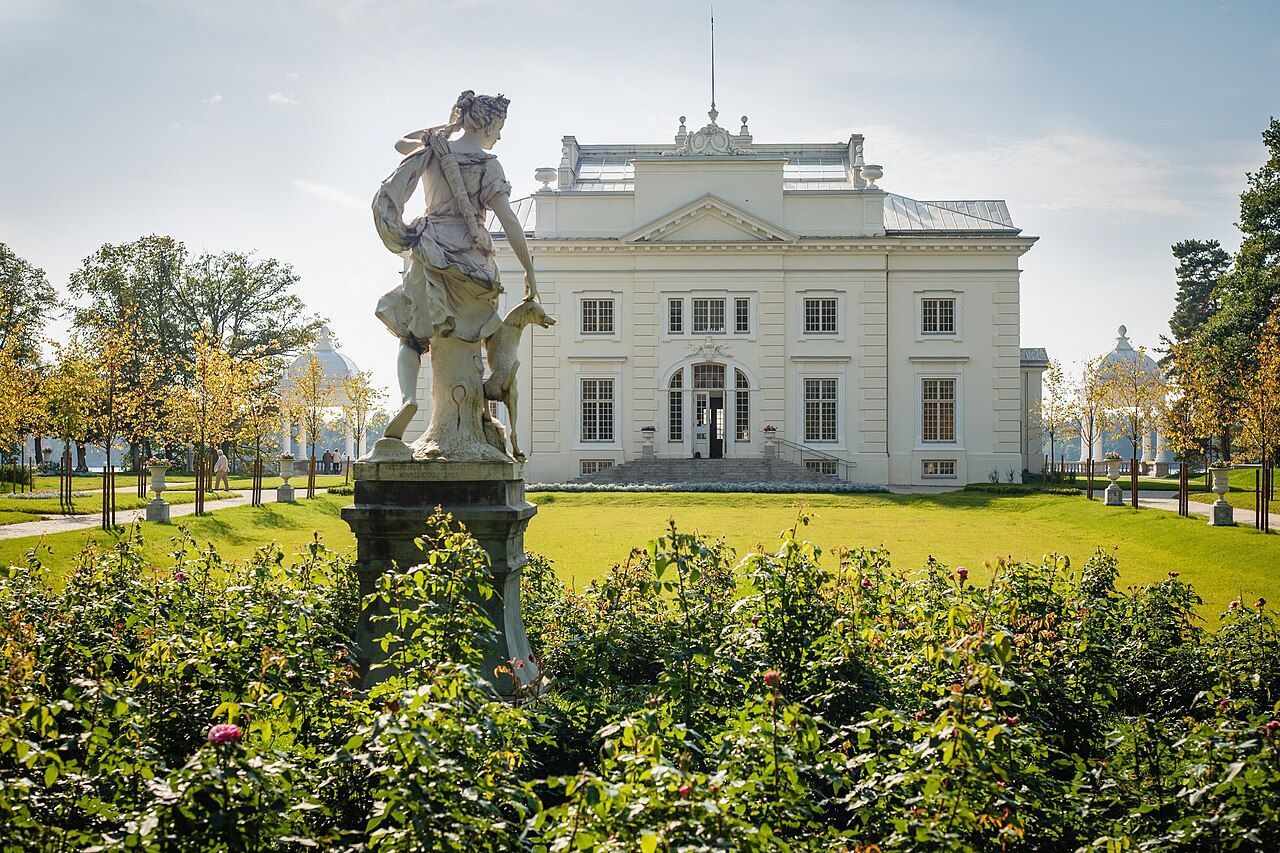
## Description Užutrakis Manor Estate is a graceful, lakeside cultural landscape that combines manicured gardens, classical architecture, and sweeping views over Lake Galvė just outside Trakai. The estate preserves the atmosphere of late 19th– and early 20th-century leisure gardens while adapting to contemporary cultural life: restored terraces, thoughtfully composed alleys, sculptures, and scenic viewpoints frame the manor house and connect the property visually and historically with Trakai’s iconic island castle across the water. What makes Užutrakis special is its dual character as both a preserved historic landscape and an active cultural venue. Garden designers and conservationists have worked to retain the original axes and formal layouts while integrating native plantings that support local biodiversity. The manor’s rooms and exhibition spaces are used seasonally for concerts, art shows, and local festivals, so a visit can feel both reflective and lively depending on the calendar. Photographers prize the vantage points that align with the castle silhouette on Lake Galvė, and landscape enthusiasts appreciate the blending of English-style park elements with Lithuanian plantings. For travelers seeking a slower cultural day trip from Vilnius or Vilnius airport, Užutrakis offers a concentrated experience: well-maintained paths for strolls, benches for long views, and interpretive signage that explains the estate’s history, garden features, and the restoration philosophy. Because it sits a short distance from Trakai’s main attractions, it pairs naturally with a visit to the island castle, allowing visitors to alternate between formal architecture, lakeside walks, and local food options in Trakai town. ## Location Užutrakis Manor sits on the shores of Lake Galvė within Trakai municipality, Vilnius County, central Lithuania. It lies only a short drive, bike ride, or pleasant walk from Trakai town and its famous island castle, making it an easy half-day or day-trip destination from Vilnius (about 28 kilometers away) or from Vilnius International Airport. Getting there is straightforward: regional buses and organized tours run regularly between Vilnius and Trakai, and local taxi services provide short transfers to the estate. For a more scenic approach, boat shuttles operate on Lake Galvė in the warmer months, delivering visitors to various points along the shoreline. Cyclists can combine the manor with a gentle ride around the lake, while visitors staying in Trakai can reach the gardens on foot from the town center depending on seasonal paths and local signage. ## Tips - **Combine with Trakai Castle:** Pair a morning or afternoon at Užutrakis with a visit to Trakai Castle for a varied cultural day of gardens and medieval architecture. - **Check the event calendar:** The manor hosts concerts, seasonal exhibitions, and cultural programs; aligning your visit with an event can add memorable local flavor. - **Wear comfortable shoes:** Gravel paths, terraces, and gentle slopes reward comfortable footwear; bring a light rain layer in changeable weather. - **Bring a camera and binoculars:** The viewpoints toward Trakai Castle and lakeside vistas are signature photo opportunities; binoculars help for birdwatching along the shoreline. - **Mind opening hours and fees:** The estate may have seasonal opening hours and modest fees for house access or special exhibitions. - **Respect the grounds:** Follow paths, avoid trampling sensitive plantings, and observe any interpretive guidance—this helps conserve the restored historic landscape. ## Conclusion Užutrakis Manor Estate is a graceful complement to Trakai’s island castle and regional attractions: a lakeside garden escape rich in architecture, curated views, and seasonal cultural programming. It rewards slow visits—moments of reflection on terraces, an attentive walk through historic lanes, and an appreciation for the interplay of landscape restoration and active cultural life. ## FAQ - **Q: Is there an entrance fee to Užutrakis Manor?** A: There is often a modest fee for access to the manor’s interiors or special exhibitions; garden access may be free or ticketed depending on season. Check the estate’s official site or local tourist information for current rates. - **Q: Can I tour the interior of the manor house?** A: Interior access is seasonal and may be limited during restoration or private events—plan ahead if interior tours are important to your visit. - **Q: Are events held outdoors, and do I need reservations?** A: Seasonal concerts and cultural events commonly occur outdoors; some events require advance booking while smaller activities may accept walk-up visitors. - **Q: Is the manor wheelchair or stroller accessible?** A: Accessibility varies across terraces and historic rooms; the garden paths are generally manageable, but some interior areas may have steps—contact the site for detailed accessibility information. - **Q: How long should I allocate for a visit?** A: Plan 1.5–3 hours to enjoy the gardens, viewpoints, and any small exhibitions; longer if attending a concert or combining with Trakai Castle. - **Q: Are there food options nearby?** A: Trakai town offers cafés and local eateries; pack water and light snacks if you prefer a picnic in the gardens. ## Links -- [Užutrakis Manor (Wikipedia)](https://en.wikipedia.org/wiki/U%C5%BEutrakis_Manor)
GemVoyage Team • World

Comments