GemVoyage Team • World
Amarcord Retro Store is one of Madrid’s most charming vintage shops, a treasure trove for lovers of retro fashion and timeless accessories. Nestled in the heart of Spain’s capital, it’s a place where the past comes alive through carefully curated pieces from the 60s, 70s, 80s, and 90s. Unlike modern fast fashion outlets, Amarcord focuses on unique, one-of-a-kind items that carry stories within their fabrics.
The store’s collection includes vintage clothing, retro jewelry, accessories, and even home décor pieces, making it more than just a clothing shop—it’s a cultural experience. Fashion enthusiasts adore it for its eclectic mix, but even casual visitors find themselves fascinated by the craftsmanship of items that stand the test of time.
A little-known fact about Amarcord is that many of its pieces come from private collections across Europe, giving shoppers the opportunity to own authentic items that can’t be found anywhere else. Another hidden gem is its reputation among local stylists and theater costume designers, who often rely on Amarcord to find the perfect outfit for period pieces or photo shoots.
Amarcord Retro Store is located in Madrid, Spain, specifically in the lively Malasaña neighborhood, an area known for its bohemian vibe, independent shops, and street art. Malasaña has long been the epicenter of alternative culture in Madrid, making it the perfect setting for a retro store like Amarcord.
The exact address is easy to find with a quick search or by simply wandering through Calle Velarde and its surrounding streets, which are packed with vintage boutiques and second-hand shops.
If you’re staying in Madrid city center, the easiest way to reach Amarcord is by Metro. The closest stations are Tribunal (Lines 1 and 10) and Noviciado (Line 2), both within a short walking distance. Alternatively, a pleasant stroll from Gran Vía will also take you there in about 10–15 minutes. For visitors who prefer a more direct option, taxis and ride-sharing services are easily available.
To make the best out of your visit to Amarcord Retro Store, here are some helpful tips:
Amarcord Retro Store is more than just a place to shop—it’s an invitation to step back in time and rediscover the beauty of vintage fashion. Located in Madrid’s vibrant Malasaña district, it offers an authentic retro shopping experience that blends style, history, and creativity. Whether you’re a collector, a fashion lover, or simply curious, Amarcord is a must-visit destination in the Spanish capital.
1. What can I find at Amarcord Retro Store?
You’ll find a wide selection of vintage clothing, accessories, jewelry, and décor items from the 60s to the 90s.
2. Is Amarcord Retro Store expensive?
Prices vary depending on the rarity and quality of the item, but overall, it’s considered affordable compared to high-end vintage boutiques.
3. Do they accept card payments?
Yes, most items can be paid by card, though it’s a good idea to bring cash for smaller purchases.
4. Is the store suitable for tourists who don’t speak Spanish?
Absolutely. The staff is friendly and many speak English, making it easy for international visitors to shop comfortably.
5. Can I find designer pieces there?
Yes, from time to time Amarcord stocks vintage designer clothing and accessories, making it a favorite among collectors.
6. What makes Amarcord different from other vintage shops in Madrid?
Amarcord stands out for its carefully curated, high-quality pieces and its reputation among stylists and creatives in Madrid.
Discover more hidden gems you might love.
Taiwan
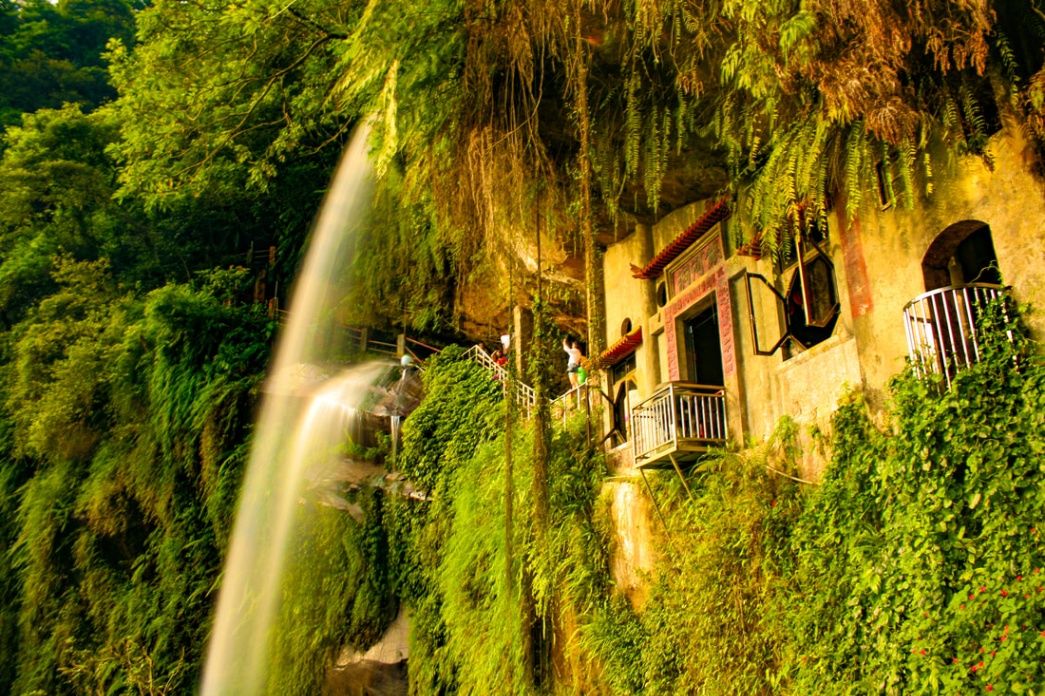
## Description **Yinhe Cave (銀河洞)**, often translated as **“Milky Way Cave” or “Galaxy Cave,”** is one of northern Taiwan’s most atmospheric hidden landmarks. Tucked deep within lush subtropical forest, this small but visually arresting cave temple blends **natural rock formations, cascading waterfalls, and quiet Buddhist spirituality** into a single, almost dreamlike destination. Unlike grand mountain temples or vast cave systems, Yinhe Cave owes its appeal to **intimacy, mystery, and silence** rather than scale. The cave is formed from natural sandstone and has been carved further by flowing water over centuries. A **narrow waterfall flows directly through the entrance of the cave**, spilling over stone steps and into a shallow pool below. Behind the falling water sits a small **Buddhist shrine**, turning the cave into a functioning place of worship rather than a simple geological feature. The constant movement of water creates a soft echo through the rock chamber, giving the space a meditative rhythm that visitors often describe as hypnotic. What makes Yinhe Cave especially unique is the way **human devotion and natural erosion intersect**. The cave was not aggressively reshaped into a large religious complex; instead, the shrine was carefully adapted to the existing stone cavity. This restraint preserves the raw personality of the site. Moss-covered stairways, dripping rock walls, and filtered green light reinforce the sense that the cave is alive rather than decorative. The surrounding environment is just as important as the cave itself. The approach trail winds through **dense forest, bamboo groves, and small wooden bridges**, forming part of a broader hiking network in the hills of New Taipei City. Along the way, visitors pass **streams, vines, singing insects, and occasional distant city noise fading into silence**. This contrast between urban Taiwan and deep forest isolation happens quickly and dramatically, which enhances the emotional impact of arriving at the cave. A little-known fact is that Yinhe Cave was historically used as a **meditation site by local monks**, not as a public tourist attraction. Its popularity grew mainly through hikers and photographers over the last two decades rather than through formal religious promotion. Another lesser-known detail is that the name “Galaxy Cave” does not come from astronomy, but from the way the **waterfall scatters light into mist**, resembling a flowing star field during early morning sunlight. Yinhe Cave is not a place for crowds, performances, or commercial stalls. It is a destination of **low noise, slow movement, and quiet attention**. For travelers seeking spectacle, it may feel understated. But for those seeking **atmosphere and emotional texture**, it delivers something rare: a sacred space formed more by water and time than by human hands. ## Location **Yinhe Cave (銀河洞)** is located in the **Xindian District (新店區)** of **New Taipei City**, in **northern Taiwan**, just south of central Taipei. **City:** New Taipei City **Region:** Northern Taiwan **Country:** Taiwan **District:** Xindian (新店區) ### How to Get There: * **By MRT:** Take the **Green Line (Songshan–Xindian Line)** to **Xindian Station (新店站)**. From there, take a local bus or taxi toward the hiking trail entrance. * **By bus:** Several local buses connect Xindian Station to nearby trailheads leading into the mountains. * **By taxi or ride-hailing apps:** The easiest option for non-Mandarin speakers; request “Yinhe Dong” or show the Chinese characters 銀河洞. * **By car or scooter:** Parking is limited near trail access points; illegal roadside parking is strictly enforced. From the nearest drop-off point, visitors must complete a **moderate forest hike**, typically 30–45 minutes depending on route and pace. ## Tips * **Wear proper hiking shoes:** The stone steps near the cave are often slippery due to constant moisture. * **Visit in dry weather:** Heavy rain increases water flow but also raises safety risks and reduces visibility. * **Go in the early morning:** You’ll encounter fewer hikers, softer light, and more atmospheric mist. * **Bring drinking water:** There are no vendors near the cave itself. * **Respect the shrine:** This is still an **active spiritual site**, not just a photography location. * **Avoid loud music and drones:** Sound echoes intensely inside the cave and disrupts the atmosphere. * **Allow extra time for rest:** The hike is scenic but involves steady climbing. * **Do not expect major facilities:** No cafes, restrooms, or souvenir shops are located at the cave. ## Conclusion **Yinhe Cave (銀河洞)** is a rare blend of **natural erosion, flowing water, and quiet religious presence**, offering one of northern Taiwan’s most atmospheric micro-destinations. It is not a place for spectacle or quick tourism, but for travelers who seek **silence, texture, and emotional contrast**. Hidden just beyond the reach of Taipei’s urban sprawl, Yinhe Cave reveals how quickly modern density can dissolve into spiritual isolation when nature is allowed to lead. ## FAQ **1. What is Yinhe Cave famous for?** It is known for its **waterfall flowing directly through a cave temple**, blending nature and spiritual architecture. **2. Is Yinhe Cave difficult to reach?** Yes. It requires a **moderate forest hike** after reaching the general area by MRT, bus, or taxi. **3. Is Yinhe Cave suitable for children?** Older children with hiking experience can manage it, but the **slippery stairs and uneven terrain** make it unsuitable for very young children. **4. Is there an entrance fee?** No. Yinhe Cave is **free to enter** and open to the public. **5. Can I visit during the rainy season?** Yes, but **extra caution is required**, as trails and stone steps become extremely slick. **6. How long does the full visit typically take?** Most visitors spend **2 to 3 hours total**, including hiking time. ## Links * [New Taipei City Government – Tourism](https://newtaipei.travel/) * [Xindian District Travel Guide](https://www.xindian.ntpc.gov.tw)
GemVoyage Team • World
Copenhagen
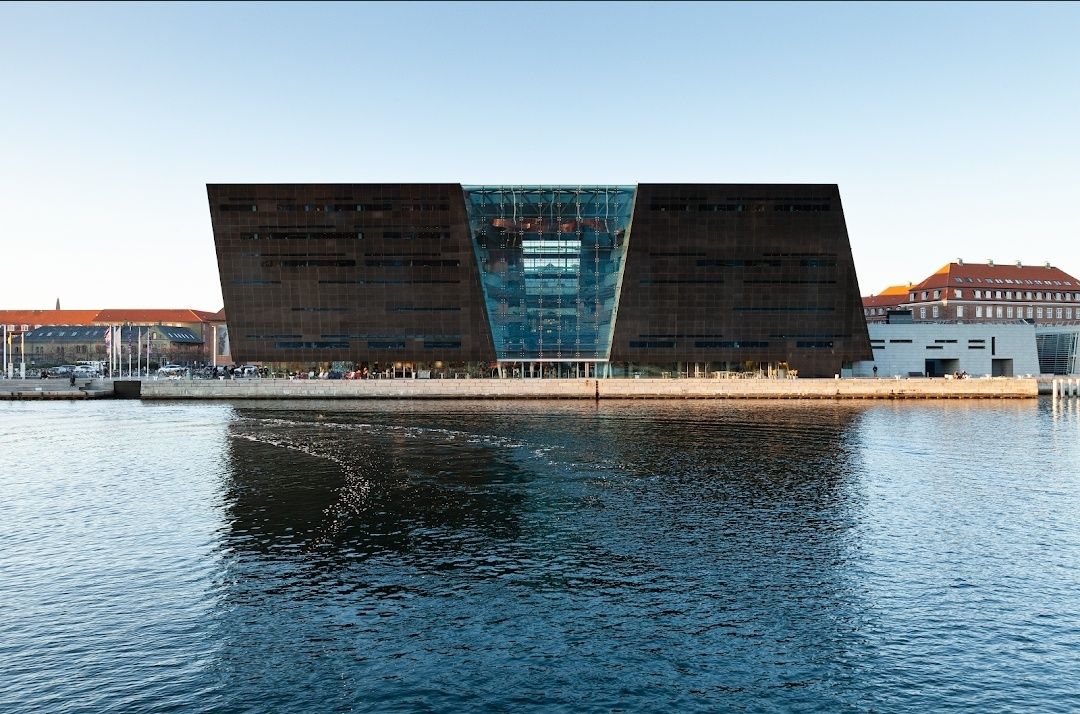
## Description The **Royal Library in Copenhagen**, also known as **Det Kongelige Bibliotek**, is one of Denmark’s most prestigious cultural landmarks and the largest library in the Nordic countries. Founded in 1648 by King Frederik III, the library houses an extraordinary collection of books, manuscripts, maps, photographs, and historical documents that trace the cultural and intellectual evolution of Denmark and beyond. One of the most striking features of the library is the **Black Diamond**, a modern extension completed in 1999. With its sleek black granite façade reflecting the Copenhagen waterfront, the Black Diamond has become an architectural icon blending tradition with modernity. Inside, visitors find an impressive atrium, reading rooms, exhibition halls, and even a concert hall, making it more than just a library—it is a cultural hub. A little-known fact is that the library holds nearly **all works ever printed in Denmark** since the 17th century, thanks to a legal deposit law. Another fascinating detail is its collection of **rare manuscripts**, including original works by Hans Christian Andersen and Søren Kierkegaard. For book lovers, scholars, and travelers with a passion for culture, the Royal Library offers an unparalleled journey through knowledge and history. ## Location The Royal Library is located in **Copenhagen**, the capital of **Denmark**, situated in the **Zealand region**. The library stands prominently along the **Slotsholmen waterfront**, close to many other historic landmarks, including Christiansborg Palace. Getting there is easy. From the **Copenhagen Central Station**, it’s about a 15-minute walk or a short bus ride. Bicycles are also a popular and convenient option, given the city’s bike-friendly infrastructure. For those arriving by metro, the closest stop is **Christianshavn Station**, which is about a 10-minute walk from the library. Visitors can also arrive by boat, as the Black Diamond has its own harbor bus stop. ## Tips Here are some practical tips to make the most of your visit to the Royal Library in Copenhagen: * **Explore both sections** – Don’t miss the contrast between the historic library building and the modern Black Diamond extension. * **Check exhibitions** – The library frequently hosts exhibitions on art, history, and literature, many of which are free to enter. * **Visit the café** – The Black Diamond Café offers stunning views of the waterfront and is a great spot to relax. * **Attend a concert or lecture** – The library’s concert hall hosts performances and talks, adding an extra cultural dimension to your visit. * **Photography** – While photos are allowed in public spaces, avoid photographing in reading rooms to respect the quiet environment. * **Plan for quiet time** – The library is not just a tourist attraction but also a working library, so visitors should maintain a respectful silence in designated areas. ## Conclusion The **Royal Library in Copenhagen** is more than a place to store books—it is a blend of history, culture, and modern design. With its extensive collections, striking architecture, and cultural events, it offers something for scholars, tourists, and casual visitors alike. Whether you’re drawn by the rare manuscripts, the iconic Black Diamond, or the peaceful reading halls, the Royal Library stands as a testament to Denmark’s dedication to knowledge and cultural heritage. ## FAQ **1. What is the Royal Library in Copenhagen famous for?** It is known for being the largest library in the Nordic countries, housing rare manuscripts, and for its modern Black Diamond extension. **2. Can tourists visit the Royal Library?** Yes, the library is open to the public, and visitors can explore exhibitions, the café, and parts of the building, even without a reader’s card. **3. Is there an entry fee?** General entry is free, though some special exhibitions and events may require a ticket. **4. How much time should I spend at the Royal Library?** A typical visit can take 1–2 hours, though book enthusiasts and exhibition visitors may spend longer. **5. What manuscripts are kept in the Royal Library?** The collection includes works by Hans Christian Andersen, Søren Kierkegaard, medieval manuscripts, and countless rare historical documents. **6. When is the best time to visit?** Weekday mornings are ideal for a quieter experience, while afternoons often bring a livelier atmosphere with events and exhibitions. ## Links * [Royal Library Official Website](https://www.kb.dk) * [Visit Copenhagen – Official Tourism Site](https://www.visitcopenhagen.com)
GemVoyage Team • World
Paris
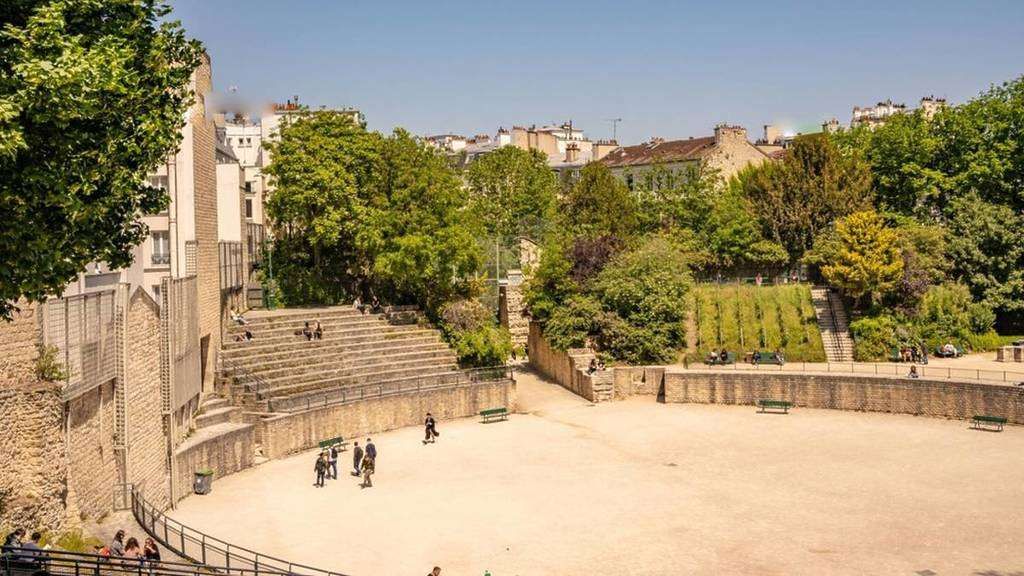
## Description **Arènes de Lutèce** is one of Paris’s most unexpected and historically significant sites: a **Roman amphitheater hidden in plain sight** within the Latin Quarter. Dating back to the **1st century CE**, it is among the oldest surviving monuments in the city and a rare physical reminder of Lutetia, the Gallo-Roman settlement that preceded modern Paris. Unlike the grand, fully preserved amphitheaters of southern France or Italy, the Arènes de Lutèce is fragmentary, modest in scale, and deeply embedded in its urban surroundings. This is precisely what makes it compelling. The remains include portions of the arena floor, tiered seating, subterranean chambers, and traces of the stage wall. In its prime, the amphitheater could accommodate **up to 15,000 spectators**, hosting gladiatorial combats, animal hunts, and theatrical performances. What sets the Arènes de Lutèce apart is its **history of disappearance and rediscovery**. After the fall of the Roman Empire, the structure was gradually dismantled and buried beneath medieval buildings. By the Middle Ages, its existence was largely forgotten. It was not rediscovered until the 19th century during urban works, and even then, much of it was threatened by redevelopment. The site was ultimately saved following public campaigns supported by prominent cultural figures, including Victor Hugo. A lesser-known fact is that the amphitheater served multiple secondary purposes over time. During the Middle Ages, stones from the structure were reused in nearby buildings, effectively dissolving it into the fabric of the city. Another overlooked detail is that today’s visible remains represent **only a fraction** of the original structure; much of it still lies beneath surrounding streets and buildings, preserved underground rather than reconstructed. Today, the Arènes de Lutèce functions as a **public space rather than a formal museum**. Locals play pétanque on the arena floor, children run along the ancient stone seating, and visitors sit quietly where Roman spectators once gathered. This coexistence of daily life and antiquity is rare in Paris and gives the site a lived-in authenticity that no curated exhibition could replicate. ## Location **Country:** France **Region:** Île-de-France **City:** Paris **Arrondissement:** 5th (Latin Quarter) The Arènes de Lutèce is located between Rue Monge and Rue de Navarre, in one of Paris’s most historic and intellectually rich neighborhoods. ### How to Get There * **By metro:** * Line 7 to **Place Monge**, then a 3–5 minute walk. * Line 10 to **Cardinal Lemoine**, followed by a short walk. * **By bus:** * Several bus lines serve the Latin Quarter and stop nearby. * **On foot:** * Easily reachable from the Panthéon, Jardin des Plantes, or the Seine’s Left Bank. * **By bicycle:** * Bike lanes and public bike stations are available in the area. ## Tips * **Visit during quiet hours:** Early mornings or weekdays offer a calmer atmosphere. * **Bring context with you:** There is minimal on-site interpretation; prior reading enhances appreciation. * **Respect the space:** It is both a historical site and a neighborhood park. * **Look for subtle details:** Notice the stonework and seating curves to visualize the original structure. * **Combine with nearby landmarks:** The Latin Quarter offers exceptional historical density within walking distance. * **Photography is allowed:** But be mindful of locals using the space. ## Conclusion The Arènes de Lutèce is a rare example of ancient history woven directly into the rhythm of modern urban life. Quiet, understated, and profoundly authentic, it offers a powerful reminder that Paris did not begin in the Middle Ages, but in the Roman world beneath its streets. ## FAQ **1. Is there an entrance fee?** No, entry to the Arènes de Lutèce is free. **2. How old is the amphitheater?** It dates back to the 1st century CE. **3. How long should I spend there?** Around **20 to 40 minutes**, depending on interest. **4. Is it a reconstructed site?** No, it consists of original remains with minimal restoration. **5. Is it suitable for children?** Yes, it is an open and informal space often used by families. **6. Why is it not better known?** Its modest size and lack of monumental reconstruction keep it off many tourist itineraries. ## Links * [Paris tourism official site](https://parisjetaime.com/eng/)
GemVoyage Team • World
Amsterdam
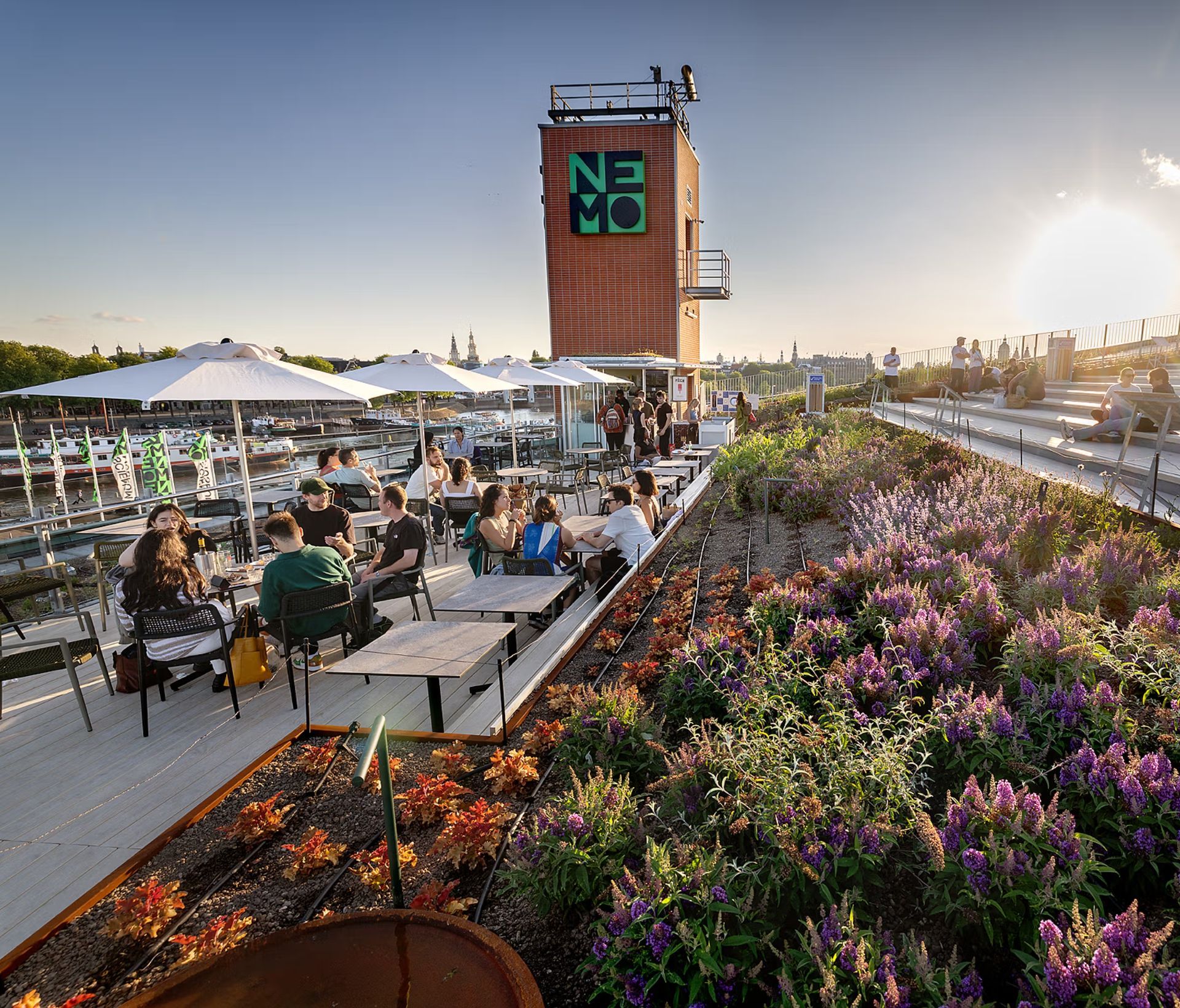
## Description Amsterdam is a city of canals, bicycles, and centuries of history layered into every brick and bridge. Among its many attractions, one of the most underrated and genuinely delightful experiences is the rooftop terrace of NEMO Science Museum. Sitting on top of one of the city's most architecturally distinctive buildings, the rooftop offers a panoramic view over the historic city center that is difficult to match from any other vantage point. What makes it particularly remarkable is that access to the rooftop is entirely free, even for visitors who do not have a ticket to the museum itself. NEMO is housed in a building designed by the renowned Italian architect Renzo Piano, who is also responsible for landmarks such as the Centre Pompidou in Paris and The Shard in London. The building, which opened in 1997, is shaped to resemble the bow of a large ship emerging from the water of the Oosterdok harbor. This is no coincidence: the building was designed in the shape it has because it sits directly above the entrance to the IJ tunnel, one of the major road tunnels running beneath Amsterdam's waterways. The rooftop continues this nautical theme, with its sloping green surface and tiered terraces that feel like the decks of a great vessel. One fact that many visitors do not know is that in summer the rooftop transforms into a seasonal outdoor swimming spot. A small temporary pool is set up on the roof, offering an extraordinary place to swim with views over one of Europe's most beautiful city skylines. This is one of the more unusual and memorable experiences available in Amsterdam and yet it remains relatively unknown outside the city. Another interesting detail is that the rooftop is accessible via an outdoor staircase on the side of the building, meaning you do not need to pass through the museum entrance at all, making it a truly accessible and free outdoor space. The view from the top takes in the historic canal houses of the city center, the Centraal Station, the open harbor, the Scheepvaartmuseum, and on clear days extends far into the distance across the flat Dutch landscape. Sunset from the rooftop is particularly spectacular, with the low northern light casting long golden shadows across the water and rooftops below. ## Location NEMO Science Museum is located in the Oosterdok area of central Amsterdam, in the Netherlands. The full address is Oosterdok 2, 1011 VX Amsterdam. It sits on a man-made peninsula that juts into the Oosterdok harbor, directly adjacent to the historic city center. Getting there is straightforward. From Amsterdam Centraal Station, the museum is a short walk of approximately 10 to 15 minutes. Head east along the waterfront, passing the Scheepvaartmuseum and following the signs for NEMO. The building is unmistakable from a distance given its distinctive ship-like form rising above the harbor. Tram and bus routes also stop near the museum, and the area is easily navigated by bicycle, which is of course the most Amsterdam way to travel. There is limited parking for cars in the area, so public transport or cycling is recommended. ## Tips - **Access the rooftop for free.** The outdoor staircase on the side of the building leads directly to the rooftop without requiring a museum ticket. This makes it an excellent option for travelers on a budget or those who simply want the view. - **Arrive around sunset.** The rooftop faces west and southwest, making it an ideal spot to watch the sun go down over the city. The light during golden hour is extraordinary and the view becomes particularly photogenic. - **Visit during summer for the rooftop pool.** If you are visiting Amsterdam between late June and August, the temporary rooftop swimming pool is a unique experience. Check NEMO's website for the exact dates each year as they vary. - **Combine the visit with the museum.** If you have children or are interested in science and technology, the NEMO museum itself is excellent and well worth a visit. The interactive exhibits are engaging for adults as well as children. - **Go on a clear day.** The view is best when the weather is clear. Amsterdam's weather can be unpredictable, so check the forecast and pick a clear afternoon for the best experience. - **The rooftop has seating and a cafe in season.** During the summer months, a cafe operates on the rooftop serving drinks and light food. Arriving with time to sit and take in the view is well worthwhile. ## Conclusion The rooftop of NEMO Science Museum is one of those rare places that manages to be both completely free and genuinely extraordinary. In a city as beautiful and well-visited as Amsterdam, finding a spot that offers such a commanding view without crowds or admission fees is a genuine discovery. Whether you are visiting for the view, the architecture, the seasonal swimming pool, or simply a quiet place to sit above the city, the NEMO rooftop delivers an experience that will stay with you long after you have left Amsterdam. ## FAQ **Is the NEMO rooftop really free to access?** Yes. The rooftop terrace is accessible via an outdoor staircase that does not require a museum ticket. You can visit the rooftop completely free of charge at any time during the museum's opening hours. Note that during special evening events the rooftop may have a separate admission. **What are the opening hours of the rooftop?** The rooftop is generally accessible during the same hours as the museum, which is typically open Tuesday through Sunday from 10:00 AM to 5:30 PM. It is closed on most Mondays except during school holidays. Always verify the current hours on the official NEMO website before visiting. **When does the rooftop swimming pool open?** The swimming pool on the NEMO rooftop is a seasonal installation that operates during the summer months, typically from late June to late August. Exact dates vary each year and should be checked on the official NEMO website. **Who designed the NEMO building?** The NEMO building was designed by Italian architect Renzo Piano. It opened in 1997 and has since become one of Amsterdam's most recognizable modern landmarks. The building's ship-like shape is a reference to its location above the IJ tunnel and the surrounding harbor. **Is NEMO suitable for adults without children?** Absolutely. While NEMO is particularly popular with families and school groups, the museum's exhibits are engaging for adults as well. Even visitors who have no interest in the museum interior will find the rooftop rewarding. **Is the rooftop accessible by wheelchair?** The outdoor staircase that provides free access to the rooftop is not wheelchair accessible. However, wheelchair users can access the rooftop via the elevator inside the museum, which does require a museum ticket. NEMO is generally well equipped for visitors with mobility requirements. ## Links - [NEMO Science Museum Official Website](https://www.nemosciencemuseum.nl/en) - [NEMO Science Museum on Wikipedia](https://en.wikipedia.org/wiki/NEMO_(museum)) - [Amsterdam Tourism Official Website](https://www.iamsterdam.com)
GemVoyage Team • World
Antalya
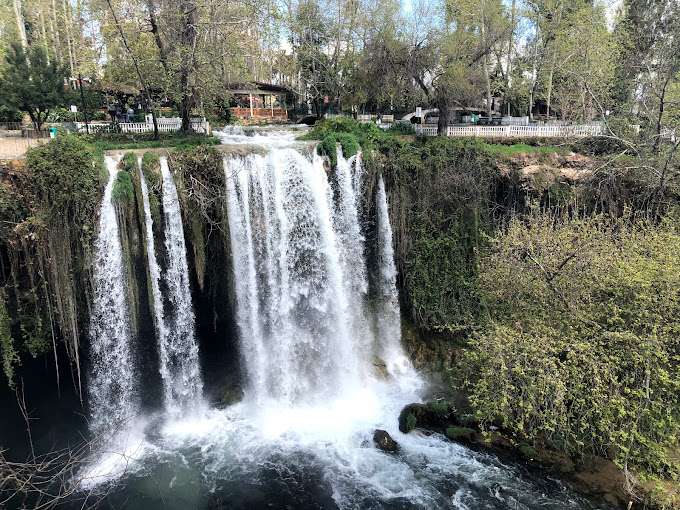
## Description Düden Waterfalls in Antalya are among Turkey’s most captivating natural attractions, offering a dramatic blend of lush greenery, cascading water, and coastal beauty. Fed by the Düden River, these waterfalls are divided into two distinct sites: the Upper Düden Waterfall (Yukarı Düden Şelalesi) and the Lower Düden Waterfall (Aşağı Düden Şelalesi). Each offers a unique experience, making them a must-visit for nature lovers, photographers, and anyone seeking a peaceful escape from the city. The Upper Düden Waterfall is nestled in a tranquil park setting, where water tumbles 20 meters into a cave-lined basin surrounded by trees and walking paths. Visitors can explore behind the waterfall through a natural cave, offering a rare perspective of the rushing water from within. The park also features picnic areas, shaded benches, and small cafés, making it ideal for a relaxed afternoon. The Lower Düden Waterfall, by contrast, is a dramatic spectacle where the river plunges 40 meters off a cliff directly into the Mediterranean Sea. Located in Düden Park in the Lara district, this waterfall is best viewed from the observation terrace or from the sea on a boat tour. The sight of the water crashing into the ocean, often accompanied by rainbows formed in the mist, is unforgettable. A little-known fact: the water that feeds the Upper Düden Waterfall originates from a karstic source and travels underground for nearly 11 miles before resurfacing. Another interesting detail is that the Lower Düden Waterfall is also known locally as Karpuzkaldıran Şelalesi, which translates to “watermelon lifter waterfall,” a name tied to local folklore. ## Location Düden Waterfalls are located in **Turkey**, in the **Antalya Province**, within the **city of Antalya**. The Upper Düden Waterfall is situated in the Kepez district, while the Lower Düden Waterfall is located in the Lara district, near the coast. ### How to Get There - **Upper Düden Waterfall**: From Antalya city center, take a taxi or drive about 10 kilometers northeast to the Kepez district. Public buses (such as bus number VC57) also serve the area. - **Lower Düden Waterfall**: Located about 8 kilometers southeast of the city center, it can be reached by taxi, car, or public buses like KL08 or LF09. Boat tours from Kaleiçi Marina also offer views from the sea. Both sites are easily accessible and can be visited in a single day. ## Tips - **Visit Both Sites**: Each waterfall offers a distinct experience—don’t miss the chance to see both. - **Bring a Camera**: The mist, cliffs, and greenery make for stunning photos, especially at sunset. - **Wear Comfortable Shoes**: Trails around the Upper Düden Waterfall can be uneven and slippery. - **Take a Boat Tour**: Viewing the Lower Düden Waterfall from the sea offers a unique and dramatic perspective. - **Pack Snacks or Picnic Supplies**: The Upper Düden site has picnic areas perfect for a leisurely meal. - **Check the Weather**: Spring and early summer offer the best conditions for photography and boat tours. ## Conclusion Düden Waterfalls are a natural gem in Antalya, offering two distinct yet equally mesmerizing experiences. Whether you’re exploring caves behind a forest waterfall or watching water plunge into the Mediterranean, this destination promises beauty, tranquility, and unforgettable views. ## FAQ **1. Is there an entrance fee to Düden Waterfalls?** Yes. The Upper Düden Waterfall charges a small entrance fee (around 70 TL), while the Lower Düden Waterfall is free to visit. **2. Can I swim near the waterfalls?** Swimming is not permitted near the waterfalls due to safety concerns, but nearby beaches offer swimming opportunities. **3. Are the waterfalls open year-round?** Yes, both sites are open throughout the year, though hours may vary seasonally. **4. Are the waterfalls suitable for children?** Yes, both locations are family-friendly, with safe paths and picnic areas. **5. How long should I plan for a visit?** Allow 1–2 hours for each site, or a half-day if visiting both. **6. Are there guided tours available?** Yes, many local tour operators offer packages that include transportation, guided visits, and boat tours. ## Links - [Official Düden Waterfalls Website](https://dudenwaterfalls.com/)
GemVoyage Team • World
Malaysia
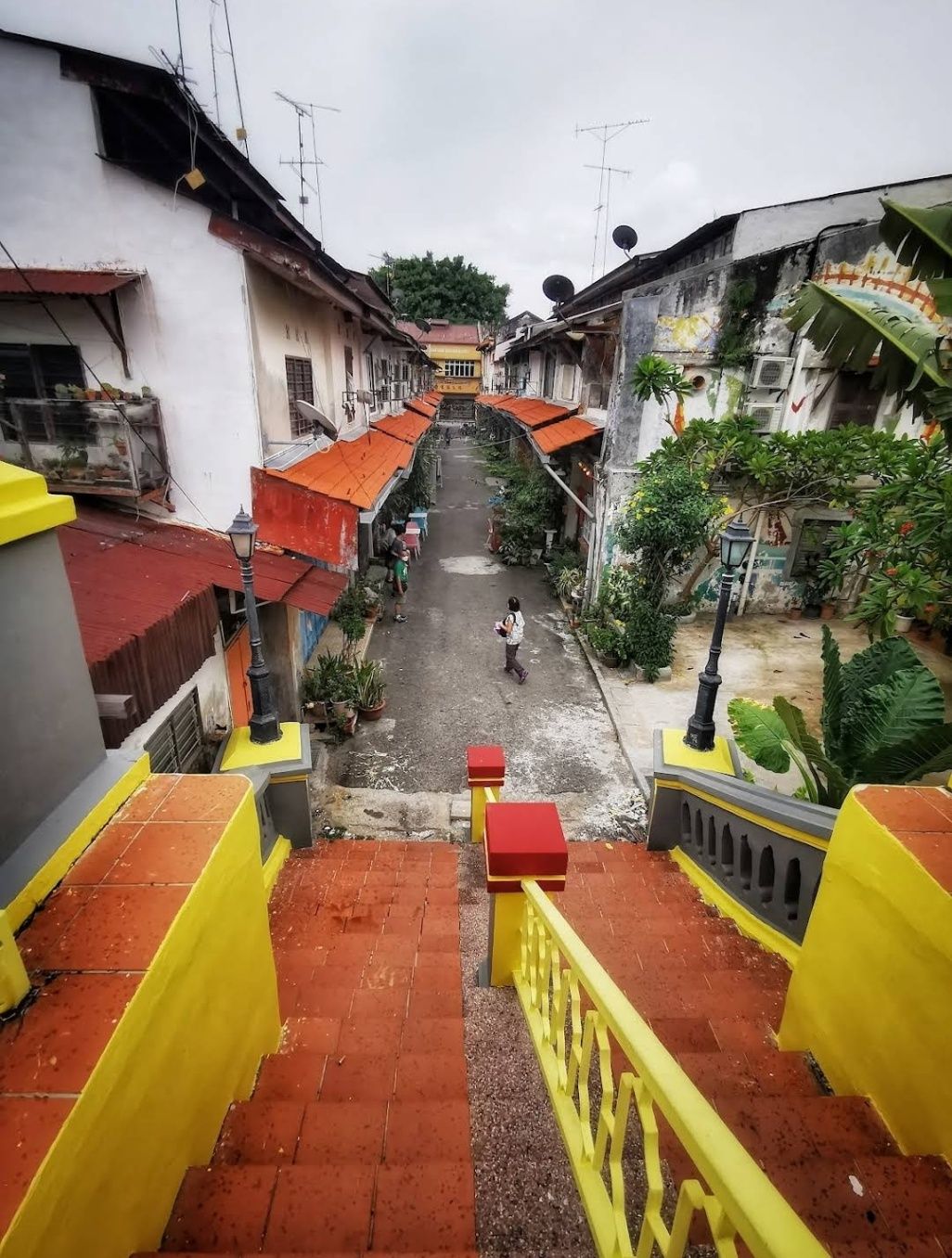
## Description Melaka, also known as Malacca, is a city steeped in history, culture, and art. Among its many attractions, **Melaka Street Art: The Well** stands out as a hidden gem that blends creativity, storytelling, and local heritage. This unique spot features colorful murals painted on walls that depict everyday life, folklore, and cultural icons of Malaysia. What makes The Well particularly fascinating is that it’s not just about the art itself, but also about the symbolism behind it. The murals often tell stories of Melaka’s diverse communities—Malay, Chinese, Indian, and Peranakan—reflecting the city’s multicultural roots. Some paintings even feature 3D effects, allowing visitors to interact with the artwork for unforgettable photos. A little-known fact is that **The Well takes its name from a nearby historic well that once served as a vital water source for the community**. While many tourists flock to Jonker Street for its bustling night market, only a smaller number stumble upon this enchanting art spot, making it a quieter and more intimate place to enjoy street art. Another interesting detail is that some of the artworks were painted by local artists in collaboration with international muralists, giving the space a truly global touch. ## Location Melaka Street Art: The Well is located in **Malacca City, Malacca (Melaka) State, Malaysia**. It sits not far from the famous Jonker Street, nestled in one of the small alleys that branch out into quieter corners of the historic quarter. Getting there is quite simple. If you’re already in Melaka City, the best way is to **walk or cycle** around the historic district, as most attractions are within short distance. For travelers coming from Kuala Lumpur, you can take a **bus or drive** (about 2 hours by car). Once in Melaka, using a **trishaw or ride-hailing service like Grab** can be a fun and convenient way to reach The Well and explore nearby attractions. ## Tips To make the most of your visit to The Well, here are some useful tips: * **Visit in the morning or late afternoon** – The lighting is softer, perfect for photos, and the weather is more comfortable. * **Bring a camera or smartphone** – Many murals are interactive, so you can pose creatively with the art. * **Wear comfortable shoes** – Exploring Melaka’s street art usually involves walking through narrow lanes and uneven pavements. * **Combine with nearby attractions** – Since The Well is close to Jonker Street, Cheng Hoon Teng Temple, and the Melaka River, plan a half-day walk to enjoy multiple highlights. * **Respect the artwork** – Avoid touching or leaning too heavily against the murals to help preserve them for future visitors. ## Conclusion Melaka Street Art: The Well is more than just a collection of paintings—it’s a cultural journey that captures the essence of Melaka’s identity. Blending history, creativity, and multicultural influences, it’s a must-visit spot for travelers who love discovering hidden gems. Whether you’re a history buff, an art lover, or simply someone looking for a unique photo opportunity, The Well offers an unforgettable experience in the heart of Melaka. ## FAQ **1. What is Melaka Street Art: The Well?** It’s a street art spot in Melaka featuring murals that showcase the city’s culture, heritage, and everyday life, named after a historic community well. **2. Is there an entrance fee to visit The Well?** No, it’s completely free to visit as it’s part of the public street art scene. **3. How much time should I spend at The Well?** On average, 30 minutes to an hour is enough to explore, take photos, and appreciate the details of the murals. **4. Is it safe to visit The Well at night?** While the area is generally safe, it’s best to visit during the day for better lighting and more vibrant photography. **5. Are there restaurants or cafes nearby?** Yes, The Well is located close to Jonker Street, where you’ll find plenty of local eateries, cafes, and street food vendors. **6. Can I combine this visit with other attractions?** Absolutely! You can easily combine it with a walk along the Melaka River, a visit to A Famosa fortress, or shopping at Jonker Street. ## Links Here are some useful links for more information about Melaka Street Art: * [Tourism Malaysia – Melaka](https://www.malaysia.travel/explore/the-historical-city-of-melaka)
GemVoyage Team • World

Comments