GemVoyage Team • World
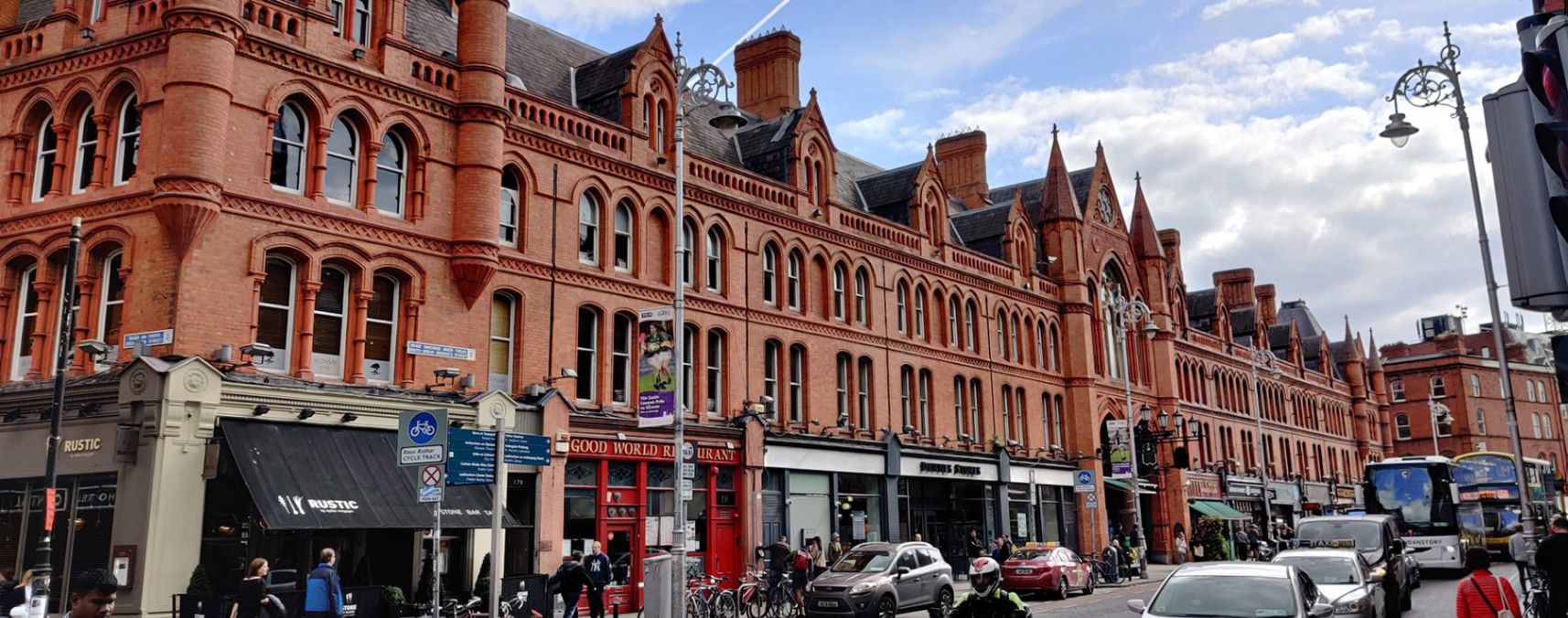
George’s Street Arcade (Stiúrtha Shráid Sheoirse) is one of Dublin’s oldest and most beloved shopping destinations, offering a delightful blend of history, culture, and creativity. Opened in 1881, it is one of the earliest purpose-built shopping arcades in Europe and remains a vibrant hub for both locals and visitors.
Housed within a beautifully restored Victorian red-brick structure, the arcade features high wrought-iron arches, decorative glass roofing, and an atmosphere that blends the old with the contemporary. Inside, the narrow aisles are lined with an eclectic mix of independent stalls and boutique shops selling everything from vintage clothing and handmade jewelry to records, art, books, and collectibles. Street food vendors and cafés add delicious aromas to the air, making the experience as sensory as it is cultural.
What makes George’s Street Arcade unique is its authentic local character—unlike chain-filled shopping centers, this market has remained fiercely independent for more than a century. It survived a major fire in 1892 and was rebuilt within two years, preserving its original charm. Another lesser-known fact is that the arcade was designed by English architects Lockwood & Mawson, the same team behind the iconic City Hall in Bradford, England.
George’s Street Arcade is located in the heart of Dublin City Centre, Ireland, on South Great George’s Street, between Dame Street and Drury Street. Its central position places it just a few minutes’ walk from popular landmarks such as Grafton Street, Trinity College, and Temple Bar.
To get there:
George’s Street Arcade is a living piece of Dublin’s history — a place where Victorian architecture meets contemporary creativity. Whether you’re shopping for a unique souvenir, enjoying local food, or simply soaking in the lively ambiance, this market captures the essence of Dublin’s independent spirit. It’s not just a shopping destination; it’s an experience that connects the city’s past with its ever-evolving present.
1. When was George’s Street Arcade built?
It was originally opened in 1881 and rebuilt in 1894 after a devastating fire.
2. What can I buy there?
The arcade offers handmade crafts, vintage fashion, jewelry, books, vinyl records, art, souvenirs, and local food.
3. Is there an entrance fee?
No, entry to the arcade is free for all visitors.
4. What are the opening hours?
Typically open Monday to Saturday from 9:30 a.m. to 6:00 p.m. and Sunday from 12:00 p.m. to 6:00 p.m., though hours can vary slightly by shop.
5. Can I find local Irish products?
Yes — many vendors sell handcrafted Irish goods, from Celtic jewelry and wool accessories to local artwork and artisan foods.
6. Is it wheelchair accessible?
Yes, the main entrances and interior walkways are accessible, though some smaller stalls may have tight spaces.
Discover more hidden gems you might love.
Milan
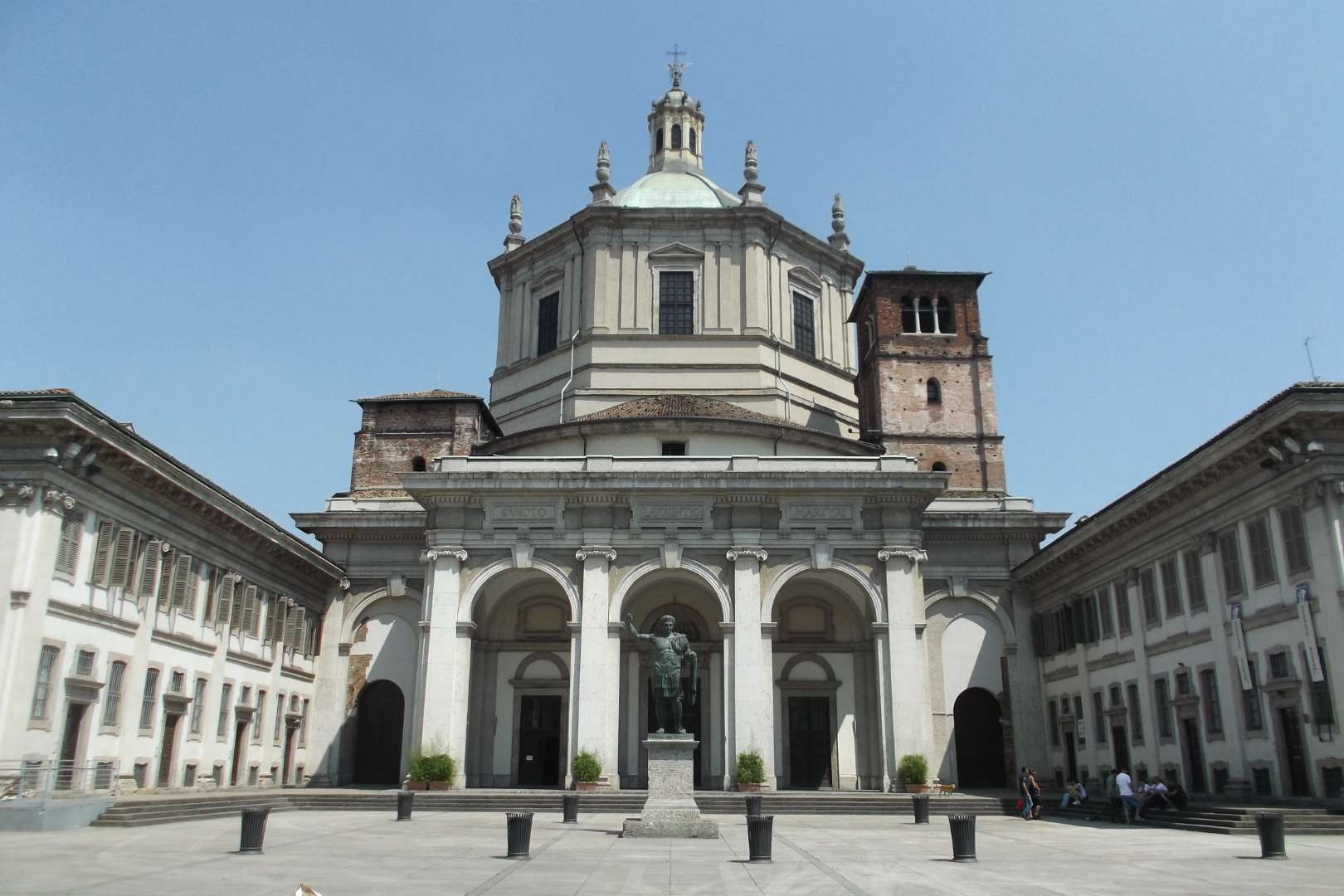
## Description The Basilica of San Lorenzo Maggiore in Milan is one of the city’s oldest and most architecturally intriguing churches, offering a rich tapestry of history, religion, and design. Originally constructed between the late 4th and early 5th centuries, the basilica has undergone numerous reconstructions, resulting in a unique blend of Early Christian, Renaissance, and Baroque styles. Its imposing central dome and symmetrical layout make it a standout among Milan’s ecclesiastical landmarks. What sets San Lorenzo apart is its daring architectural originality. Art historians have noted its resemblance to the great churches of Constantinople, many of which no longer exist. The basilica’s interior features elegant marble columns, intricate mosaics, and the stunning Chapel of Saint Aquilino, which houses 4th-century Byzantine mosaics and remnants of Roman construction materials. Outside, the Colonne di San Lorenzo—sixteen Roman columns dating from the 3rd century—stand as a dramatic prelude to the church and are among the few surviving relics of ancient Mediolanum. A little-known fact: archaeological investigations suggest that the basilica may have been built atop a Roman amphitheater, and some of its foundational materials were repurposed from other Roman sites. Another fascinating detail is that the basilica’s dedication to Saint Lawrence was only confirmed in 590 AD, long after its initial construction. ## Location The Basilica of San Lorenzo Maggiore is located in **Italy**, in the **Lombardy region**, within the **city of Milan**. Its exact address is **Corso di Porta Ticinese, 39**, situated near the medieval Porta Ticinese and within walking distance of the Navigli district and the city center. ### How to Get There - **By Metro**: Take Line M2 to Sant’Ambrogio or Line M3 to Missori, then walk about 10–15 minutes. - **By Tram**: Tram line 3 stops at “Ticinese Molino delle Armi,” just steps from the basilica. - **By Foot**: From the Duomo, it’s a pleasant 15-minute walk through historic streets. - **By Bike or Scooter**: Milan’s bike-sharing and e-scooter services offer a scenic and efficient way to reach the basilica. Its central location makes it easy to include in a day of sightseeing, especially when paired with nearby attractions like the Basilica of Sant’Eustorgio or the Navigli canals. ## Tips - **Visit the Chapel of Saint Aquilino**: Don’t miss this side chapel, which contains some of the oldest mosaics in Milan and offers a glimpse into the city’s Roman past. - **Go Early or Late**: The basilica is less crowded in the morning or late afternoon, allowing for a more peaceful visit. - **Dress Modestly**: As with all religious sites, respectful attire is recommended. - **Explore the Piazza**: The square in front of the basilica is lively and atmospheric, often filled with street performers and locals. - **Check for Mass Times**: If you’re interested in attending a service, consult the basilica’s schedule in advance. - **Photography**: Photos are allowed, but avoid flash and be mindful during services. ## Conclusion Basilica San Lorenzo Maggiore is a captivating blend of ancient history and spiritual heritage. With its Roman columns, Byzantine mosaics, and architectural grandeur, it offers a compelling experience for anyone exploring Milan’s rich cultural landscape. ## FAQ **1. Is there an entrance fee to visit the basilica?** No, entry to the basilica is free. Donations are welcome. **2. What are the opening hours?** Monday to Friday: 8:00 AM – 12:30 PM and 3:00 PM – 6:30 PM Saturday and Sunday: 9:00 AM – 1:00 PM and 3:00 PM – 7:00 PM **3. Can non-Catholics visit the basilica?** Yes, the basilica is open to all visitors, regardless of religious background. **4. Is the basilica wheelchair accessible?** Some areas may be challenging due to steps and uneven flooring, but the main entrance and nave are generally accessible. **5. Are guided tours available?** Yes, some local tour operators include San Lorenzo in their walking tours of Milan’s historic center. **6. What is the best time of year to visit?** Spring and autumn offer mild weather and fewer crowds, making them ideal for sightseeing. ## Links - [Basilica of San Lorenzo – Wikipedia Overview](https://en.wikipedia.org/wiki/Basilica_of_San_Lorenzo,_Milan) - [San Lorenzo Maggiore – Official Website](http://www.sanlorenzomaggiore.com/)
GemVoyage Team • World
Laos
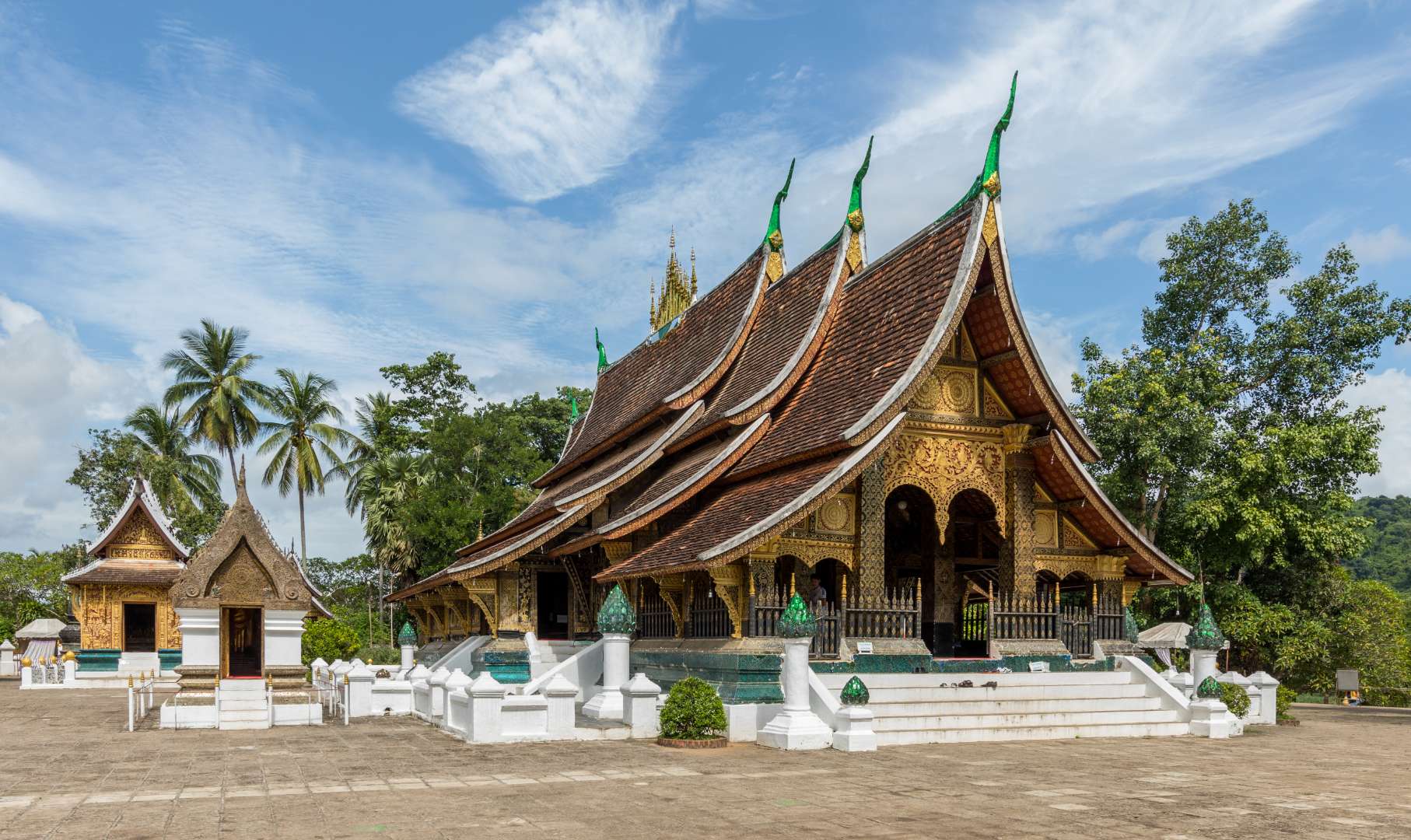
## Description Wat Xieng Thong, often referred to as the “Temple of the Golden City,” is one of the most revered and architecturally significant Buddhist temples in Laos. Located in the UNESCO World Heritage city of Luang Prabang, this 16th-century temple is a masterpiece of traditional Lao art and religious devotion. Built in 1560 by King Setthathirath, Wat Xieng Thong served as a royal temple and played a central role in religious ceremonies, coronations, and cultural festivals. The temple complex features over twenty structures, including shrines, pavilions, and monks’ quarters. Its centerpiece is the sim (main sanctuary), known for its sweeping multi-tiered roof that nearly touches the ground—a hallmark of classic Luang Prabang style. The rear façade of the sim is adorned with a stunning mosaic of the “Tree of Life,” a symbolic depiction of spiritual growth and harmony. Inside, gold stenciling on black lacquered walls illustrates scenes from Buddhist cosmology and the legendary life of King Chanthaphanith. A little-known fact: Wat Xieng Thong was spared during the sacking of Luang Prabang in 1887 by the Black Flag Haw. The invading leader, Deo Van Tri, had studied at the temple as a monk and chose to use it as his headquarters rather than destroy it. Another unique feature is the temple’s funerary carriage house, which contains an elaborate royal funeral chariot and urns used in cremation ceremonies for members of the royal family. ## Location Wat Xieng Thong is located in **Laos**, in the **Luang Prabang Province**, within the city of **Luang Prabang**. It sits at the northern tip of the peninsula formed by the Mekong and Nam Khan rivers, offering scenic views and a peaceful atmosphere. ### How to Get There - **By Foot**: If you're staying in central Luang Prabang, the temple is easily accessible by walking along the riverfront or through the old town. - **By Bicycle**: Renting a bike is a popular way to explore the city and reach Wat Xieng Thong. - **By Tuk-Tuk**: Local tuk-tuks can take you directly to the temple entrance from anywhere in town. - **By Boat**: Some river tours include a stop at the temple, offering a unique approach from the Mekong. Its location near other major attractions makes it an ideal starting point for a day of cultural exploration. ## Tips - **Visit Early or Late**: Morning and late afternoon offer softer light for photography and fewer crowds. - **Dress Modestly**: As with all religious sites in Laos, shoulders and knees should be covered. Scarves or sarongs are often available at the entrance. - **Take Your Time**: The temple complex is rich in detail. Allocate at least an hour to explore the sim, chapels, and surrounding gardens. - **Hire a Guide**: A local guide can provide deeper insights into the temple’s history, symbolism, and architecture. - **Respect the Space**: Be quiet and respectful, especially when monks are present or prayers are taking place. - **Check for Festivals**: Wat Xieng Thong hosts several annual religious events, including Pi Mai (Lao New Year), which features traditional rituals and processions. ## Conclusion Wat Xieng Thong is a cultural and spiritual gem in Luang Prabang, showcasing the elegance of Lao architecture and the depth of its Buddhist traditions. With its rich history, artistic beauty, and tranquil setting, it offers a profound and memorable experience for visitors. ## FAQ **1. What are the opening hours of Wat Xieng Thong?** The temple is open daily from 8:00 AM to 5:00 PM. **2. Is there an entrance fee?** Yes, the entrance fee is typically around 20,000 Kip per person. **3. Can non-Buddhists visit the temple?** Yes, Wat Xieng Thong is open to all visitors, regardless of religious background. **4. Is photography allowed inside the temple?** Photography is allowed in most areas, but flash and tripods are discouraged. Always be respectful. **5. Are there guided tours available?** Yes, local guides can be hired in Luang Prabang or at the temple entrance. **6. Is the temple wheelchair accessible?** Some areas may be difficult to access due to steps and uneven ground, but the main courtyard is relatively flat. ## Links - [Wat Xieng Thong – Wikipedia Overview](https://en.wikipedia.org/wiki/Wat_Xieng_Thong)
GemVoyage Team • World
Los Angeles
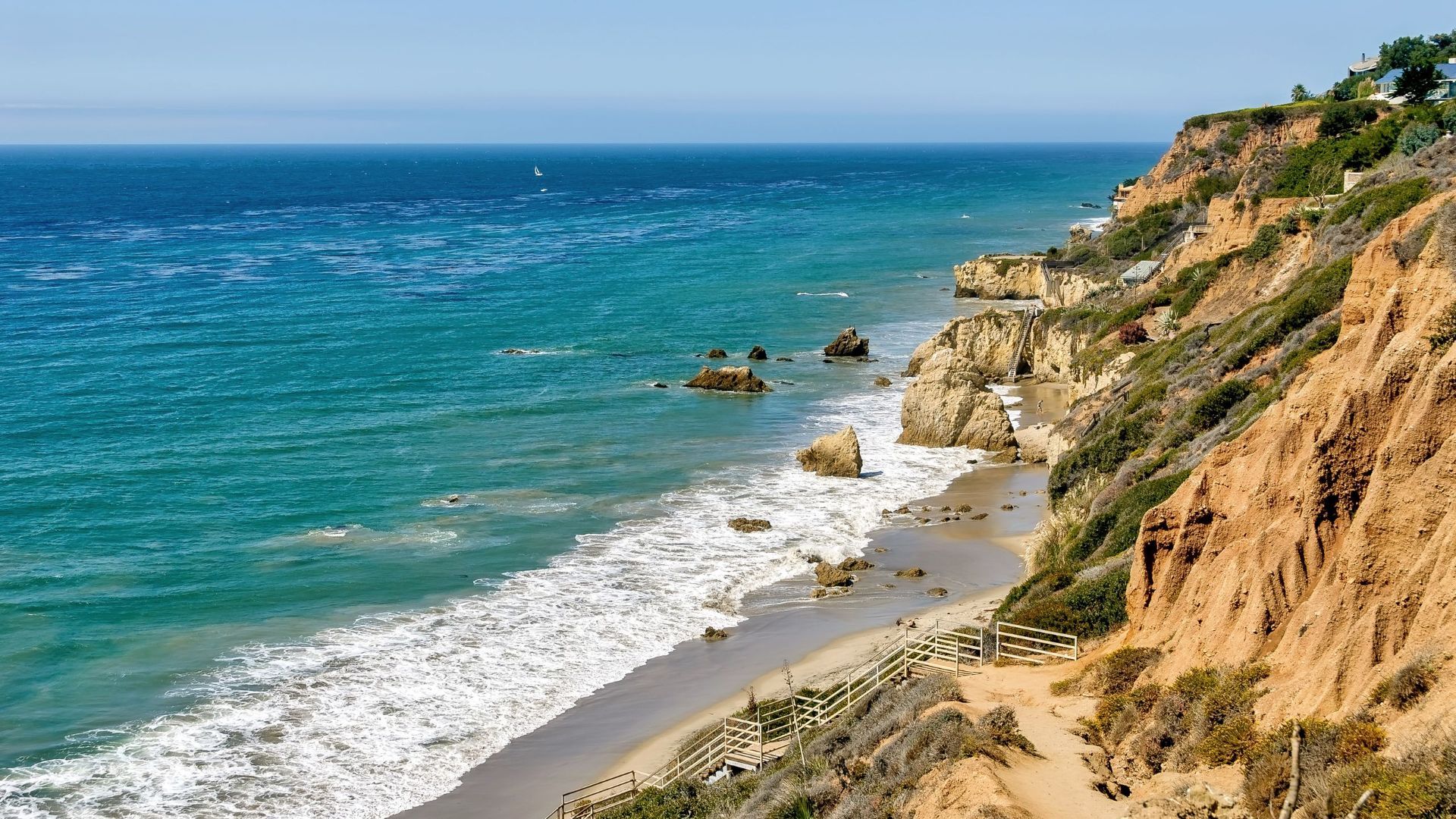
## Description El Matador State Beach is a dramatic stretch of coastline north of Malibu renowned for its sculptural sea stacks, rocky outcrops and small sand coves that create intimate scenes favored by photographers, locals and visitors seeking a more rugged California beach experience. Unlike expansive sandy beaches, El Matador’s landscape is defined by jagged rocks that rise from the surf, caves and narrow sandy pockets. Each tide reveals new textures: tide pools at low water, sea spray during higher swells, and sculpted arches that frame the Pacific during golden hour. The beach is part of the Robert H. Meyer Memorial State Beach complex and embraces a natural, relatively undeveloped character. Little-known details include a network of hidden alcoves accessible only at certain tides and a spotty but memorable chance to watch migrating whales offshore in certain seasons. The atmosphere is focused on scenic appreciation rather than typical beach amenities — visitors come to photograph, picnic, and explore rather than to find full-service concessions. ## Location El Matador State Beach is located within the Malibu coastline in Los Angeles County, California, USA, along the Pacific Coast Highway (PCH/State Route 1). It’s approximately 20–30 minutes north of central Malibu town and accessible from the PCH pull-offs. Getting there: The most common approach is by car along the Pacific Coast Highway. There is a small parking area and roadside pull-offs near Matador Beach; during busy periods parking fills quickly, and limited roadside spaces can require a short walk. From central Los Angeles, driving via Highway 1 is the most direct; rideshares are possible but may involve a short walk from parking areas. There is no direct public transit to the beach; visitors coming by transit typically need to combine buses and a walk or taxi. ## Tips - Parking & access: Arrive early in morning or late afternoon to secure parking. Expect to walk down a steep set of stairs to reach the sand; bring sturdy shoes for the descent and ascent. - Tides: Check tide charts. Low tide opens more shoreline and tide pools; high tide can restrict beach space. Be cautious near cliffs and during rising tides. - Photography: Golden hour yields spectacular silhouettes and warm light on the stacks; wide-angle and telephoto lenses are useful. Avoid walking onto slippery rocks when wet. - Amenities: There are few facilities on-site — no lifeguard on certain stretches, limited restrooms — bring water, snacks, and sun protection. - Safety: Watch for sneaker waves and changing surf conditions. Keep a safe distance from wave-swept rocks and never turn your back on the ocean. - Leave no trace: Pack out all trash and respect nesting birds or marine life in tide pools. ## Conclusion El Matador State Beach offers a compelling coastal experience that feels both cinematic and rugged: dramatic rock formations, intimate coves and exceptional sunset views. It’s a must-visit for photographers and visitors who appreciate natural, undeveloped shorelines and quiet, scenic escapes near Los Angeles. ## FAQ Q: Is there an entrance fee? A: No entrance fee, but there is limited paid parking; bring cash or card as payment methods vary. Q: Are pets allowed? A: Pets may be restricted on certain coastal state beaches; check current California State Parks rules. Q: Is the beach lifeguarded? A: Parts of the area may not be lifeguarded; swim with caution and stay aware of surf conditions. Q: Can I swim at El Matador? A: Swimming is possible but conditions can be rough; exercise caution and avoid venturing far from shore. ## Links [Wikipedia: El Matador State Beach](https://en.wikipedia.org/wiki/El_Matador_State_Beach)
GemVoyage Team • World
Cape Town
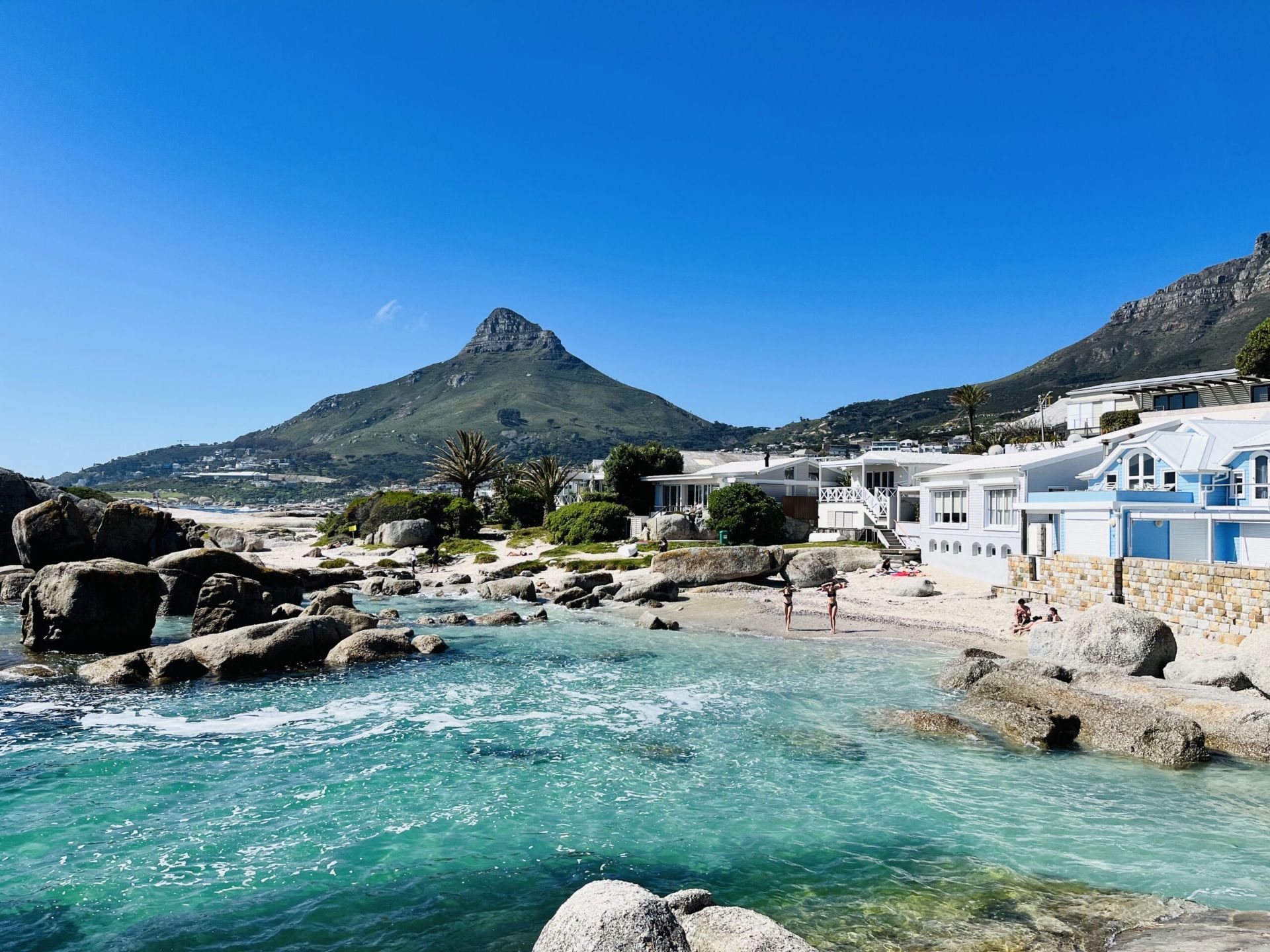
## Description Beta Beach in Bakoven is one of Cape Town’s more understated coastal spots, which is exactly what makes it appealing. Instead of the intensity of the city’s bigger, more famous beaches, Beta Beach offers a calmer setting where granite boulders, sheltered sand, and Atlantic water create a beautiful but low-key experience. The beach feels intimate and local, with views that are every bit as memorable as those at more famous shoreline destinations. What sets Beta Beach apart is the way it blends privacy and scenery. It is not a beach for large crowds or big facilities; it is a beach for people who want to pause, look out over the ocean, and enjoy the dramatic relationship between water and mountain. The Bakoven area itself has a strong residential character, which helps keep the atmosphere relaxed. One lesser-known fact is that the smaller coves in this part of the coast can look very different depending on tide and swell, so a single visit can feel dramatically different from one hour to the next. Another interesting detail is how the surrounding boulders create natural windbreaks and visual frames, making the beach especially photogenic. Beta Beach is also a good choice for travelers who want a quieter Atlantic side experience without giving up proximity to major Cape Town attractions. It works well as a short stop, a sunset watchpoint, or a place to linger between drives along the coast. The mountain backdrop and ocean light make it feel distinctly Cape Town, but in a softer, more residential register than some of the city’s busier beaches. For many visitors, that balance of accessibility and peace is the reason it becomes a favorite. ## Location Beta Beach is in Bakoven, Cape Town, Western Cape, South Africa, along the Atlantic coast near Camps Bay and the route toward the Twelve Apostles side of Table Mountain. The location is close to one of the city’s most scenic coastal corridors. The easiest way to get there is by car or ride-hailing service, especially if you are staying in central Cape Town, Camps Bay, or Sea Point. Public transport options are more limited for this particular stretch, so direct road access is usually the practical choice. Once there, plan to explore on foot so you can enjoy the coves and viewpoints at a slower pace. ## Tips Check tide and weather conditions before visiting, because the beach’s feel changes significantly with the sea. Bring sun protection and water, since the Atlantic coast can be sunny and exposed. Go near sunset for especially strong light on the water and mountains. Keep expectations realistic: this is a beautiful, quieter beach rather than a full-service resort area. ## Conclusion Beta Beach is a peaceful Cape Town coastal stop that pairs Atlantic beauty with a relaxed, local atmosphere. ## FAQ ### Is Beta Beach crowded? It is generally quieter than Cape Town’s most famous beaches, though it can still be busy at peak times. ### Can you swim there? People do swim, but Atlantic conditions can be cold and variable. ### Is it easy to find? Yes, especially if you are already traveling through Bakoven or nearby Camps Bay. ### Is it good for photography? Very much so, especially at sunrise or sunset. ### What makes it different from Camps Bay? It is smaller, quieter, and more sheltered, with a more intimate feel. ## Links - [Cape Town tourism information](https://www.capetown.travel/) - [Camps Bay on Wikipedia](https://en.wikipedia.org/wiki/Camps_Bay)
GemVoyage Team • World
Seoul
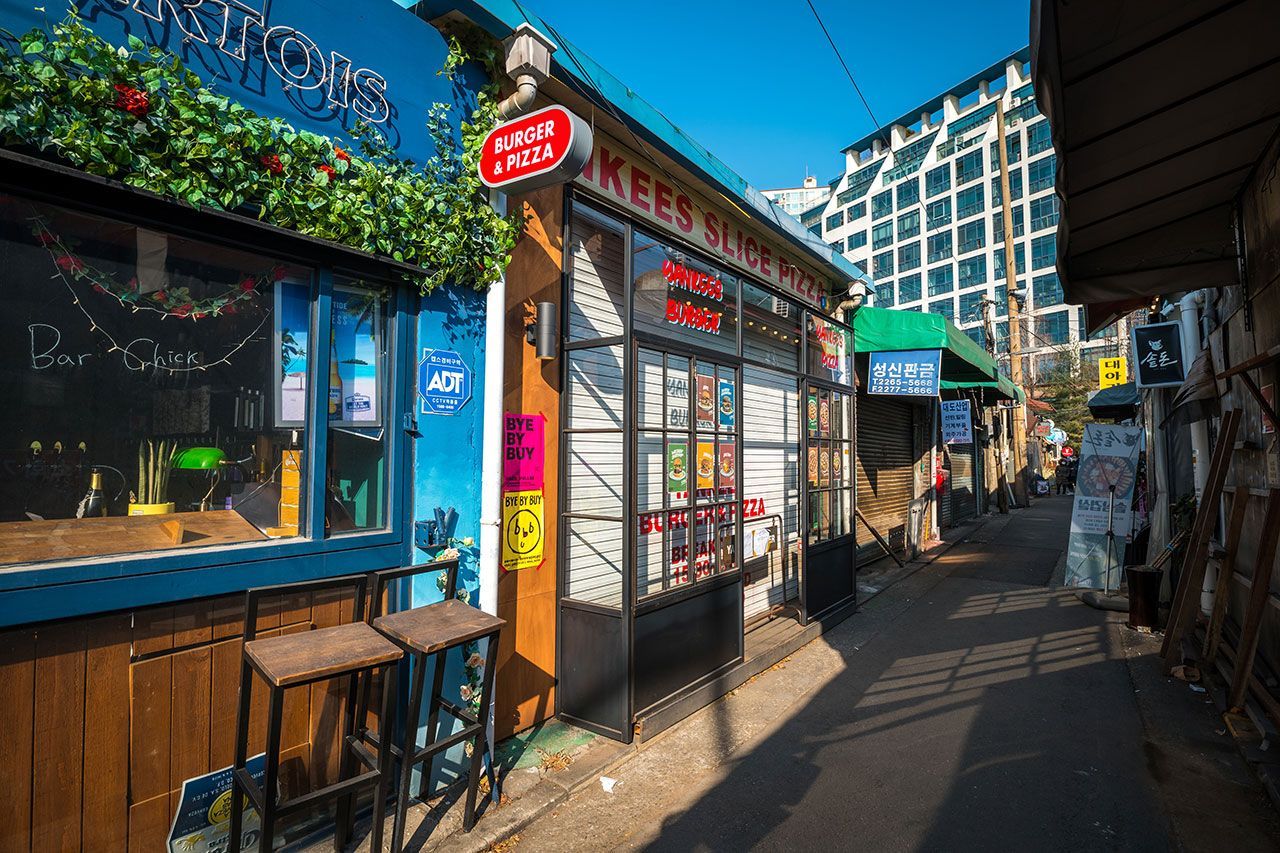
## Description Mullae Art Village in Seoul is a compelling example of an industrial district transformed into an active creative ecosystem. Once home primarily to metalworks and small foundries, the neighborhood now hosts a mix of artist studios, mural-covered facades, experimental cafes, and workshops that continue to hum with production. This coexistence of working industry and emerging creative culture lends Mullae a gritty authenticity—visitors can witness the surprising juxtaposition of active metal fabrication alongside open studio events and gallery nights. The village has become a draw for photographers, designers, and travelers looking for non-touristy creative scenes. Monthly studio openings, collaborative exhibitions, and pop-up markets animate the neighborhood, while small bars and eateries offer late-night conversation and informal artist gatherings. Mullae’s charm is not polished; it’s lived-in, evolving, and full of small discoveries. ## Location Mullae sits in Yeongdeungpo-gu, Seoul, and is accessible from Mullae Station on Line 2, with short walks into the heart of the creative cluster. The area is best explored on foot, following alleyways and industrial lanes where murals, sculptures, and studios appear around unexpected corners. ## Tips - Time visits for open-studio events or weekends when more artists and galleries welcome visitors. - Be mindful of working studios—respect cordoned areas and do not enter without permission. - Bring a camera and a sense of exploration—industrial textures, murals, and found-object sculptures make for strong photography subjects. - Support local businesses: many cafes and shops are run by artists and makers, and purchases help sustain the community. - Safety note: some areas near active workshops may have operational hazards—obey signage and keep a safe distance from machinery. ## Conclusion Mullae Art Village is a vivid, working example of how industrial neighborhoods can become creative hubs without losing their gritty character. It’s ideal for curious travelers who value authenticity, emerging art scenes, and the energetic overlap of craft and creativity. ## FAQ Q: Are studios in Mullae open to the public? A: Many studios open during scheduled studio days or events; otherwise contact artists or galleries directly for visits. Q: Is it safe to take photos in Mullae? A: Yes, in public areas, but avoid photographing inside private workshops without permission and respect workers’ safety zones. Q: Are there cafes and shops in Mullae? A: Yes—small cafes, bars, and maker-driven shops are common and offer unique handmade goods and refreshments. Q: When is the best time to visit Mullae? A: Weekends and scheduled open-studio events offer the richest experience, though weekday afternoons can be quieter for wandering. Q: How can I support the local creative community? A: Buy directly from artists, attend open-studio events, and patronize local cafes and pop-up markets. ## Links - [Mullae Art Village](https://english.seoul.go.kr/seoul-art-space-mullae-mullae-creative-village/)
GemVoyage Team • World
Pokhara
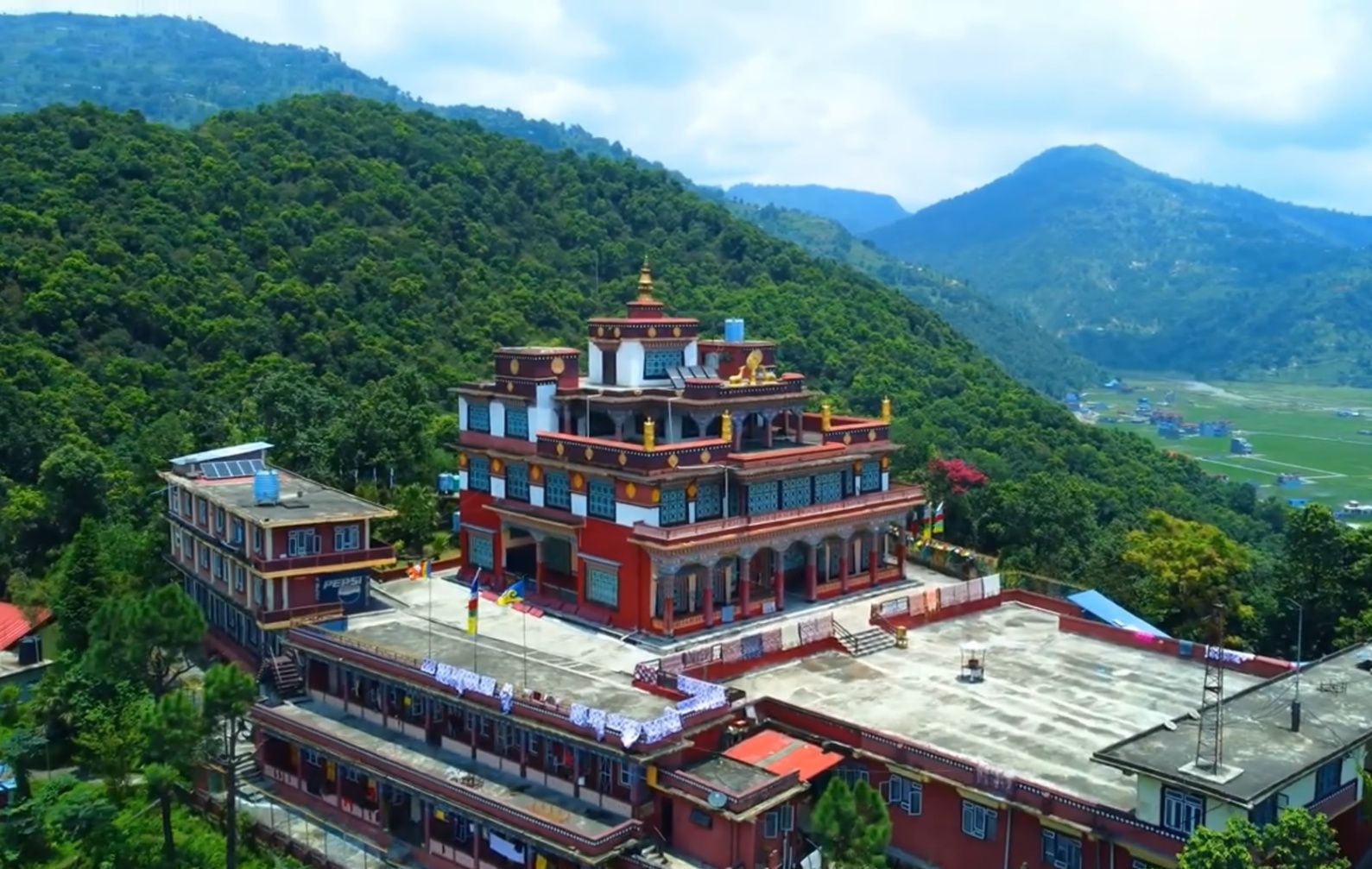
## Description **Matepani Gumba** is a serene Buddhist monastery perched on a quiet hillside in Pokhara, Nepal. It’s one of the city’s lesser-known yet most spiritually rewarding attractions. Built in the 1960s by Tibetan refugees, the monastery belongs to the **Gelug sect of Tibetan Buddhism**, often referred to as the “Yellow Hat” tradition. Its colorful architecture, peaceful ambiance, and panoramic views of Pokhara make it a must-visit for travelers seeking both cultural depth and tranquility. The interior of the monastery is breathtaking. Its main prayer hall is adorned with **intricate murals depicting scenes from Buddhist teachings**, as well as striking statues of Buddha and various deities. During prayer sessions, the air fills with the sound of chanting monks, the beating of drums, and the rhythmic call of long Tibetan horns—a mesmerizing spiritual experience. **Little-known facts**: * The monastery is home to a community of young monks in training. Visitors may often see them playing outside after prayers or diligently studying inside. * Matepani Gumba was strategically built on a hilltop not only for its peaceful isolation but also for its sweeping view of Pokhara Valley, including glimpses of **Phewa Lake** and the **Annapurna mountain range** on clear days. --- ## Location Matepani Gumba is located in **Pokhara**, within the **Gandaki Province** of **Nepal**. It sits atop a hill in the **Matepani neighborhood**, about 5 kilometers northeast of Pokhara’s Lakeside area, the main tourist hub. ### How to get there: * The most convenient way is to take a **taxi** or hire a scooter from Lakeside. The drive takes around 15–20 minutes. * Adventurous travelers can also hike up the hill. The walk is a bit steep but rewarding, as you’ll pass through local neighborhoods and enjoy peaceful surroundings along the way. --- ## Tips * **Attend a prayer session**: If possible, time your visit with the monks’ chanting rituals. These are usually held in the morning or late afternoon, and they offer an unforgettable cultural experience. * **Dress respectfully**: As a place of worship, modest clothing is expected. Remove your shoes before entering the main prayer hall. * **Bring a camera, but be mindful**: The monastery’s colorful murals and views are photogenic, but always ask before photographing monks or ceremonies. * **Combine your visit**: Matepani Gumba pairs well with other cultural sites in Pokhara, such as the World Peace Pagoda or Bindhyabasini Temple. * **Go in the morning**: The air is clear, the light is soft for photos, and you’re more likely to catch monks engaged in prayers. --- ## Conclusion Matepani Gumba is more than just a monastery—it’s a peaceful retreat where spirituality, culture, and nature come together. With its rich Tibetan Buddhist heritage, beautiful murals, and tranquil hilltop setting, it offers visitors a unique chance to step away from Pokhara’s busy streets and experience a different side of the city. Whether you’re drawn by faith, culture, or simply the desire for quiet reflection, Matepani Gumba leaves a lasting impression. --- ## FAQ **1. What is Matepani Gumba known for?** It’s a Tibetan Buddhist monastery famous for its vibrant murals, large statues, and peaceful hilltop location overlooking Pokhara. **2. Can visitors attend ceremonies at the monastery?** Yes, visitors are welcome to observe prayer sessions, but it’s important to remain quiet and respectful during rituals. **3. Is there an entrance fee?** No, entry to Matepani Gumba is generally free, though donations are appreciated to help maintain the monastery. **4. How long should I plan for a visit?** A visit usually takes 1–2 hours, depending on whether you stay for a prayer session or spend time enjoying the views. **5. Is it family-friendly?** Yes, the peaceful atmosphere and open grounds make it suitable for families, though young children should be supervised inside the prayer hall. **6. What’s the best way to reach Matepani Gumba?** The easiest option is by taxi from Lakeside, but walking or riding a scooter are also popular choices for adventurous travelers. --- ## Links * [Pokhara Tourism Board](https://ntb.gov.np/pokhara) * [Lonely Planet – Pokhara](https://www.lonelyplanet.com/nepal/pokhara)
GemVoyage Team • World

Comments