Discover extraordinary places shared by our community of travelers
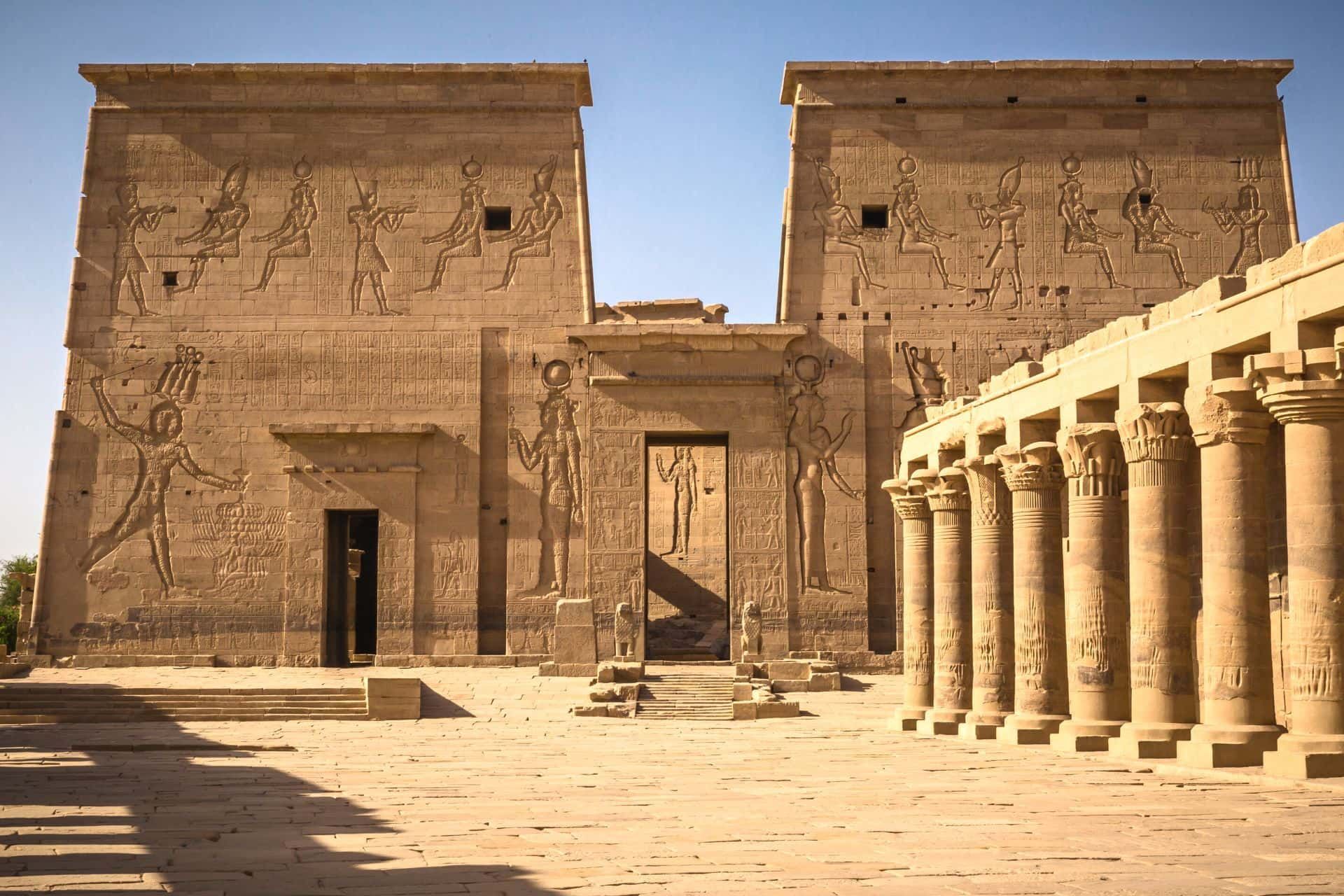
Aswan
## Description Philae Temple is one of Egypt’s most atmospheric temple experiences, and the journey by boat is a major part of what makes it so memorable. Rather than approaching the temple directly by road, visitors travel across the water toward an island setting that already feels removed from the modern world. That approach creates a sense of anticipation. By the time the temple comes into view, the combination of stone, water, and open sky makes it feel both remote and deeply theatrical. The temple complex is famous for its association with ancient Egyptian religion and for its later rescue and relocation during the construction of the Aswan High Dam. One of the most extraordinary little-known facts about Philae is that the temple structures were moved stone by stone to save them from flooding. This was not just a conservation success; it was a landmark effort in international heritage protection. As a result, when you visit Philae today, you are seeing a monument whose modern history is almost as remarkable as its ancient one. The site itself is compelling because it combines layered history with strong visual drama. The pylons, courtyards, columns, and reliefs create a sequence of spaces that guide you through the sacred complex. Even for travelers who are not experts in ancient Egypt, Philae is easy to appreciate because its setting does so much of the storytelling. The island location gives the monument a feeling of isolation and dignity, and the water surrounding it softens the experience in a way that many other temple sites do not. Visiting by boat also helps set the mood. It turns the trip into an arrival rather than a simple transfer. The glide across the Nile or the reservoir waters gives you time to reset before entering the temple zone. For many visitors, that transition is one of the highlights of the day. Philae is one of the few major monuments where the approach is genuinely part of the attraction, not just a way to get there. ## Location Philae Temple is near Aswan, Egypt, on an island setting reached by boat from the mainland. Today, the temple complex is associated with the relocated island environment created to preserve it after the construction of the Aswan High Dam. To get there, most travelers go by boat from a departure point near Aswan. The ride is short and scenic, and local boat operators are familiar with taking visitors to the temple. If you are arranging your own visit, it is best to confirm the boat departure point and timing in advance so you can coordinate entry and avoid waiting too long in the sun. Because the site is outside the city center, plan it as a half-day or dedicated sightseeing stop rather than a quick detour. It pairs especially well with other Aswan landmarks, a Nile cruise schedule, or a day that already includes water-based transport. The boat access is not a complication; it is part of why the visit feels unique. ## Tips Go early if you can, especially in hot months. The combination of sun, water, and open stone surfaces can make midday visits feel intense. Bring water, sun protection, and comfortable footwear. You will be moving around a historic site with uneven surfaces and very little shade in some areas. Take time to appreciate the approach by boat. Do not treat it as a background transfer; it is one of the reasons Philae feels special. If you enjoy history, read a little about the temple’s relocation before visiting. Knowing that the complex was moved to protect it from flooding adds emotional weight to the experience. ## Conclusion Philae Temple is one of Aswan’s most iconic experiences, combining ancient religious architecture with a boat journey and a powerful conservation story. It is a must-see for travelers who want both beauty and historical depth. ## FAQ **Why do visitors go to Philae Temple by boat?** The temple is on an island setting, so boat transport is the normal and most scenic way to reach it. **What is Philae Temple famous for?** It is known for its beautiful island location, ancient Egyptian history, and its relocation to save it from floodwaters. **How long does the visit take?** Most travelers should plan for a few hours, including boat transfer and time to explore the complex. **Is it very hot there?** It can be, especially at midday, so morning visits and sun protection are recommended. **Is the temple worth visiting if I am already in Aswan?** Yes. It is one of the city’s most important and memorable historical sites. ## Links - [UNESCO World Heritage information](https://whc.unesco.org/en/list/88/)
GemVoyage Team • World
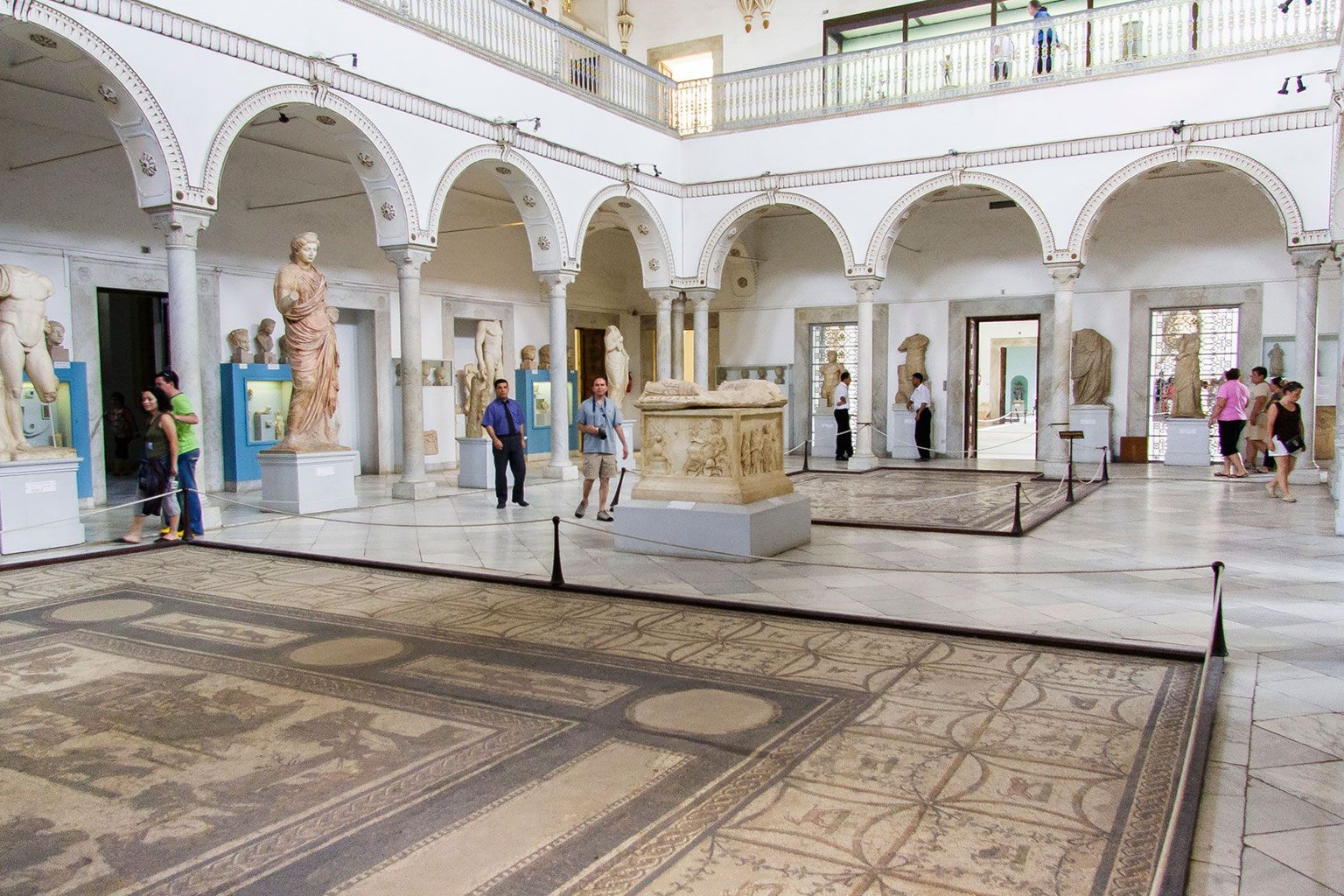
Tunis
## Description Bardo National Museum is one of North Africa’s most important museums and a highlight for anyone interested in archaeology, history, and art. It is particularly famous for its extraordinary collection of Roman mosaics, but the museum’s significance goes beyond a single category. It offers a broad journey through Tunisia’s layered past, from prehistoric materials and Punic remains to Islamic-era objects and decorative arts. That range makes it one of the best places to understand how many different civilizations have shaped the country. What makes the Bardo especially memorable is the quality of the collection and the setting in which it is displayed. The museum occupies a former palace complex, and that architectural backdrop gives the exhibits a sense of elegance and continuity with the past. Walking through the galleries feels like moving through a living archive. The mosaics are often the first thing people mention, and for good reason: they are vivid, large, and remarkably well preserved. But there is also a quieter pleasure in discovering smaller objects, inscriptions, and artifacts that reveal daily life, trade, belief, and artistic taste across centuries. One little-known fact is that the museum’s collection is not only important for Tunisia, but for the broader Mediterranean world. Many of the objects speak to the country’s position as a crossroads of empires, shipping routes, and cultural exchange. Another is that the palace setting helps create a more immersive experience than a plain modern gallery might. The rooms, courtyards, and architectural details remind you that the museum itself is part of Tunisia’s heritage story. For travelers, the Bardo works well because it gives context to the rest of a Tunis itinerary. If you have already seen medinas, ruins, or coastal sites, the museum ties many of those threads together. It is not just about looking at beautiful objects. It is about seeing how Tunisia’s geography and history produced a remarkably rich material culture. ## Location Bardo National Museum is in Le Bardo, a suburb just west of central Tunis, Tunisia. Its position outside the old medina makes it easy to reach while still being close enough to the capital to fit into a normal sightseeing day. The most practical way to get there is by taxi or local transport from central Tunis. Because the museum is a major institution, drivers will usually know it well. If you are already exploring Tunis, it is straightforward to combine the museum with a medina visit or another city-center stop. The museum is also a sensible first stop if you want historical context before branching out to other parts of Tunisia. Plan enough time for a proper visit. The collection is substantial, and rushing would mean missing some of the strongest mosaics and broader historical displays. This is best approached as a serious museum outing rather than a quick photo stop. ## Tips Start with the mosaics if you are short on time, but do not skip the rest of the museum. Some of the most rewarding moments come from smaller objects that are easy to overlook. Check opening information before you go, especially if your trip is part of a tight itinerary. Museums sometimes have schedule changes, and it is better to confirm in advance. If you are interested in ancient history, a guide or a bit of background reading will help you get more out of the collection. The objects are impressive on their own, but the context makes them much richer. Allow time to walk slowly through the galleries. The Bardo is not only about seeing famous pieces; it is also about noticing the range and depth of Tunisia’s past. ## Conclusion Bardo National Museum is an essential Tunis attraction for anyone who wants to understand Tunisia’s artistic and historical heritage. Its mosaics, palace setting, and wide-ranging collections make it one of the region’s most important museums. ## FAQ **What is the Bardo Museum best known for?** Its Roman mosaics are among the most famous in the Mediterranean world. **How much time should I spend there?** At least two hours is a good baseline, and more is better if you want to see the museum thoroughly. **Is it easy to get to from central Tunis?** Yes. It is in Le Bardo and can be reached conveniently by taxi or local transport. **Is the museum only about Roman history?** No. It covers a much wider range of Tunisia’s history and culture. **Is it suitable for first-time visitors to Tunis?** Absolutely. It is one of the most useful places to visit early in a trip. ## Links - [Official Website](http://bardomuseum.tn/index.php?lang=en)
GemVoyage Team • World
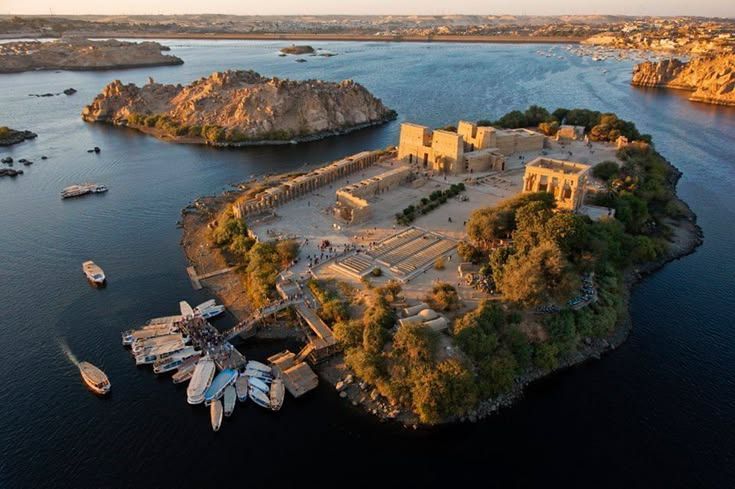
Aswan
## Description Elephantine Island is one of Aswan’s most rewarding historical landscapes because it combines ancient remains, Nile scenery, and a relaxed island atmosphere in a single visit. Unlike a site that can be understood in one glance, the island invites wandering. You can move between archaeological areas, village spaces, and river views while feeling that the island has layers of history rather than one fixed identity. That makes it especially compelling for travelers who enjoy places where the past is visible but not over-packaged. The island is known for its long history as a settlement and strategic point on the Nile. It has archaeological importance that reaches deep into ancient Egyptian history, and it also reflects later periods of occupation and use. A little-known fact is that Elephantine Island was important not only as a residential and religious zone but also as a border and trade point in different eras. Another is that the island’s name comes from the appearance of rocks in the river and long-standing associations with elephants, though the history is more complex than a simple label. What makes the island especially appealing is its balance of ruins and lived-in environment. You are not walking through an isolated monument zone. You are on a real island where historical remains, local life, and the Nile all coexist. That gives the visit a soft, human scale that many major ruins sites do not have. You can stop to look at the water, watch boats move by, and then continue into archaeological areas without a hard transition. For many visitors, Elephantine Island is one of the best places in Aswan to understand the city’s relationship to the river. Aswan is often experienced through temples and high-profile landmarks, but the island reveals a quieter, more continuous story of settlement and movement. It is the kind of attraction that rewards not just sight, but pace. If you give it time, it becomes one of the most atmospheric parts of a trip to Upper Egypt. ## Location Elephantine Island is in the Nile at Aswan, Egypt, directly across from the city’s riverfront. It is part of the Aswan area and is reached by boat, which immediately gives the visit a distinctive sense of arrival. The simplest way to get there is by short boat transfer from Aswan’s waterfront. Because it is an island, transport is part of the experience rather than a secondary issue. Once there, you can explore on foot and move between the different historical and scenic points at a relaxed pace. If you are staying in Aswan, the island is easy to integrate into a day of riverfront and archaeological sightseeing. Boat access means timing matters a little more than with land-based sites. It is sensible to coordinate with local boat operators or your hotel so you can move back and forth without waiting too long. ## Tips Bring water and sun protection. The island setting can feel exposed in the heat, especially when moving between different points on foot. Allow enough time to wander. This is not just a quick ruin stop; it is a place where the combination of landscape and history matters. If you are interested in archaeology, do a little background reading before visiting so the site’s different historical layers make more sense. Use the boat ride as part of the appeal. The crossing helps the island feel separate from the city in a memorable way. The island also rewards visitors who want to understand Aswan as a river city rather than just a collection of famous monuments. Elephantine’s geography tells you a great deal about how settlement, trade, and defense worked along the Nile. That broader perspective gives the site a quieter but deeper value. Even if you are only there for a few hours, the combination of water, ruins, and local life can make the visit feel unusually complete. It also makes the island a good fit for travelers who prefer places that unfold gradually. Rather than presenting a single dominant view, Elephantine gives you small discoveries: a new angle on the river, a fragment of old stone, a path into a quieter corner, or a glimpse of ordinary life continuing near archaeological remains. That layered quality is what gives the island its charm and explains why it tends to stay in memory after the bigger, more famous monuments have blurred together. ## Conclusion Elephantine Island is a quietly powerful Aswan attraction where ancient history, Nile scenery, and daily life come together. It is ideal for visitors who want a slower, more textured historical experience. ## FAQ **Why is Elephantine Island important?** It has long historical significance as a settlement, trade point, and archaeological site on the Nile. **How do you get there?** By boat from Aswan’s riverfront. **Is it worth visiting if I have already seen other Aswan sites?** Yes. It offers a different and more atmospheric kind of historical experience. **How much time should I spend there?** At least a couple of hours if you want to explore properly. **Is it mostly ruins?** No. It combines ruins, river scenery, and a lived-in island environment. ## Links - [Wikipedia](https://en.wikipedia.org/wiki/Elephantine)
GemVoyage Team • World
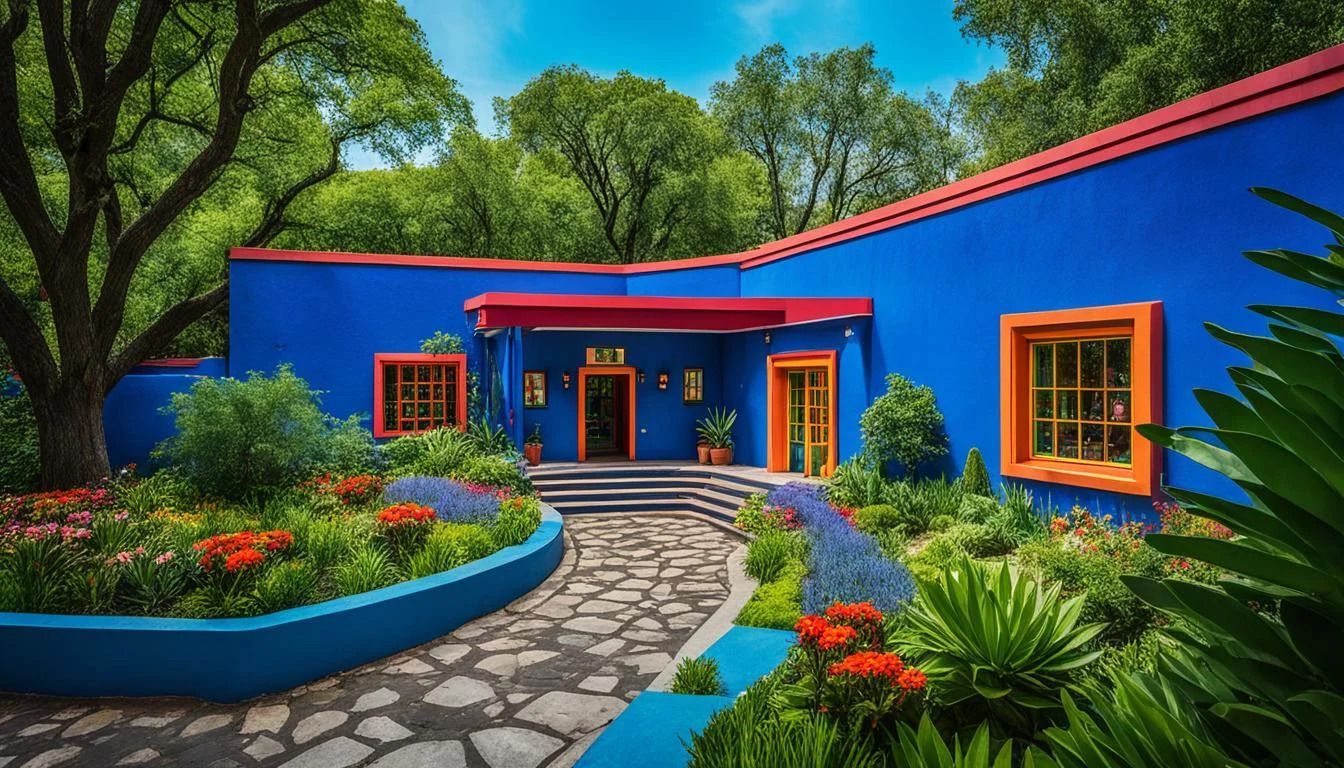
Mexico City
## Description Museo Frida Kahlo, also known as Casa Azul, is one of Mexico City’s most emotionally resonant attractions because it allows visitors to enter the personal world of one of Mexico’s most famous artists. Rather than experiencing Frida Kahlo only through reproductions of her paintings or her image as a cultural icon, Casa Azul gives a sense of the environment that shaped her life, work, and identity. The house is vivid, intimate, and unmistakably tied to her story. What makes the museum powerful is its personal scale. This is not a huge institution where you move through distant galleries at speed. It is a home, and that makes the visit feel immediate. Rooms, objects, colors, domestic details, and artwork come together to create an experience that is both museum-like and deeply human. Visitors often leave with a stronger understanding not only of Kahlo as an artist, but of her life as a person negotiating illness, creativity, politics, love, and independence. One little-known fact is that the museum houses not only Frida’s works and belongings but also domestic items and visual traces that help reconstruct the atmosphere of the house during her life. Another is that the building itself, with its blue walls and courtyard presence, has become almost as iconic as the artist. The house is immediately recognizable, yet the visit still feels personal rather than monumental. That tension is part of its appeal. The museum is also meaningful because it sits at the intersection of biography and art history. Frida Kahlo has become a global symbol, sometimes reduced to fashion or image, but Casa Azul reminds visitors that her influence came from a specific place, body, and context. The house makes the symbolic figure tangible. It gives texture to the myth without stripping away its emotional power. For travelers in Mexico City, this is one of the most essential cultural stops, especially if you want a museum that is memorable, accessible, and full of character. It is best when you arrive ready to pay close attention, because the details matter. The house rewards curiosity and reflection in equal measure. ## Location Museo Frida Kahlo is in Coyoacán, Mexico City, Mexico, in a neighborhood known for its cultural and historic charm. The area feels distinct from the city’s more central business districts, and that neighborhood character is part of the visit. The most practical way to get there is by taxi, rideshare, or public transport followed by a walk through Coyoacán. Because the museum is popular, timing matters. It is smart to plan your route in advance and allow extra time for entry and neighborhood walking. The surrounding area also gives you a chance to combine the museum with cafés, plazas, and other local sights. If possible, make Coyoacán part of the same outing so the museum does not feel isolated from its setting. The district helps explain why Casa Azul is such a fitting home for the museum experience. ## Tips Book ahead when possible. This is one of the city’s most popular museums, and planning helps avoid disappointment. Go slowly inside. The house is most rewarding when you let yourself notice the domestic details and objects rather than rushing to the biggest names. Combine the visit with a walk in Coyoacán. The neighborhood adds a lot to the experience and makes the day feel richer. If you care about Frida Kahlo’s art, read a little about her life before going. The museum becomes much more powerful when you understand the personal context. ## Conclusion Museo Frida Kahlo is one of Mexico City’s most important cultural experiences because it transforms a famous name into a lived, tangible story. Casa Azul is essential for anyone interested in art, biography, or Mexican cultural history. ## FAQ **Why is Casa Azul so famous?** It was Frida Kahlo’s home and is now a museum devoted to her life and work. **Should I book tickets in advance?** Yes, that is strongly recommended. **How long does the visit take?** Around one to two hours is typical, though some visitors spend longer. **Is it worth visiting if I only know Frida Kahlo from images?** Yes. The museum adds real depth to her story. **What else should I do nearby?** Explore Coyoacán’s plazas, cafés, and historic streets. ## Links - [Official website](https://www.museofridakahlo.org.mx/) - [Wikipedia](https://en.wikipedia.org/wiki/Frida_Kahlo_Museum)
GemVoyage Team • World
Aswan
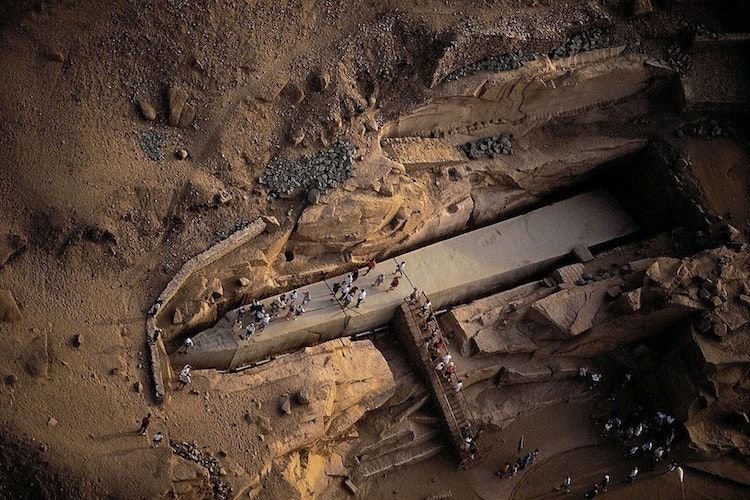
## Description The Unfinished Obelisk in Aswan is one of the most fascinating archaeological sites in Egypt because it reveals how ancient builders actually worked. Instead of seeing a completed monument in a temple courtyard, visitors encounter a massive stone form still attached to the bedrock, frozen in the middle of the carving process. That unfinished state makes it uniquely valuable. It shows the scale, ambition, and practical difficulties of quarrying monumental stone in ancient times, offering a direct look at the labor behind some of Egypt's greatest monuments. What makes the site especially memorable is the sheer size of the obelisk. Standing beside it, you begin to understand how extraordinary these stone projects were and how much precision was required to extract them from the quarry. A lesser-known fact is that the obelisk is believed to have cracked during the carving process, which is why it was abandoned. That break is not a flaw in the experience; it is the reason the site is so informative. It gives archaeologists and visitors an unusually clear look at ancient methods and mistakes. ## Location The Unfinished Obelisk is located in Aswan, Egypt, near the city's historic granite quarries on the eastern bank of the Nile. It is part of the broader Aswan archaeological landscape and is easy to connect with other historic and cultural sights in the city. The site is typically reached by car, taxi, or organized sightseeing transfer from central Aswan, depending on where you are staying. Because the area can be hot and open, it is wise to visit earlier in the day. The quarry setting is part of the attraction, but it also means you should plan for direct sun and limited shade. Many visitors combine the stop with nearby monuments and museums to build a fuller Aswan history itinerary. ## Tips - Visit early to avoid the harshest heat and to make the stone surfaces easier to appreciate. - Bring water and sun protection, because the quarry environment offers limited shelter. - Allow time to study the carving marks and the break in the stone rather than rushing past. - Combine the site with other Aswan highlights to make the trip feel complete. - If you are interested in ancient engineering, consider a guide who can explain quarrying methods and transport techniques. - Wear shoes suitable for uneven ground, since the quarry surface is not always perfectly smooth. ## Conclusion The Unfinished Obelisk is compelling because it transforms an archaeological site into a lesson in ancient engineering. It is raw, direct, and educational, giving visitors a sense of scale that photographs alone cannot capture. ## FAQ ### Why was the obelisk left unfinished? It is believed that a crack appeared during the carving process, making the stone unusable for its intended purpose. Rather than being abandoned as a failure, the obelisk became an accidental record of how quarrying was done in ancient Egypt. ### How big is the Unfinished Obelisk? It is enormous, far larger than most visitors expect when they first see the quarry. Its size is one of the main reasons it is so memorable. The unfinished form helps you realize how much stone had to be removed and shaped by hand. ### Is the site worth visiting if I am not an archaeology expert? Yes. You do not need specialist knowledge to appreciate the scale and the story. Even casual visitors usually find it interesting because it is one of the clearest demonstrations of ancient craftsmanship in Egypt. ### How much time do I need there? A focused visit can take less than an hour, but you may want longer if you enjoy archaeology or photography. The site is often best paired with other Aswan attractions so the trip feels fuller and more efficient. ### What makes this site different from other Egyptian monuments? Most monuments show the finished result, while the Unfinished Obelisk shows the process. That is what makes it so valuable. It reveals technique, scale, and difficulty in a way that polished monuments cannot. ## Links - [Wikipedia](https://en.wikipedia.org/wiki/Unfinished_Obelisk)
GemVoyage Team • World
Siena
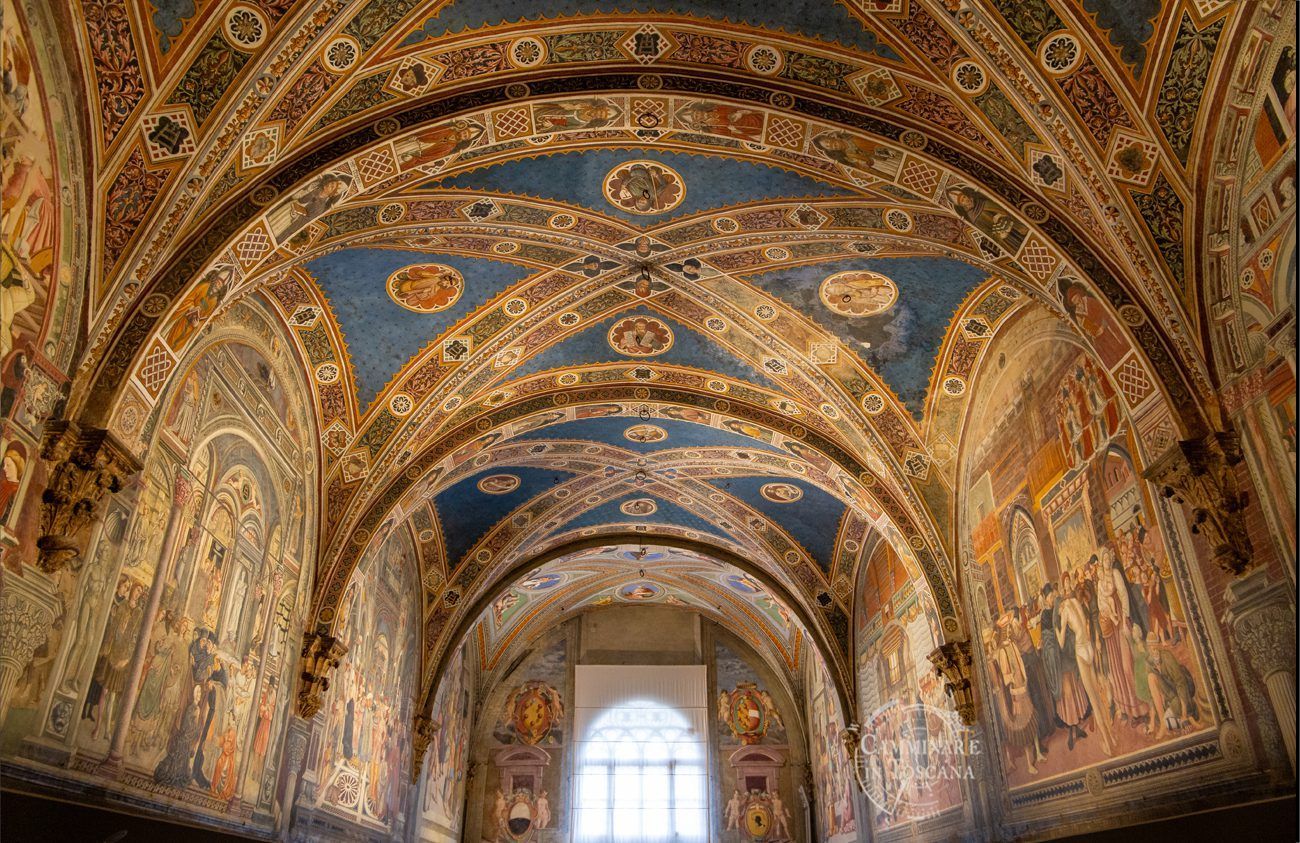
## Description Santa Maria della Scala is one of Siena's most remarkable heritage sites because it combines religious history, civic charity, underground architecture, and museum culture in a single monumental complex. Positioned directly across from Siena Cathedral, it once served as one of Europe's oldest hospitals and later evolved into a major cultural institution. Visiting it today gives travelers a powerful sense of how medieval cities cared for pilgrims, the sick, and vulnerable populations while also expressing civic pride through architecture and art. The complex is striking because it feels like a city within a city. Rooms, corridors, chapels, cloisters, stairways, and subterranean spaces reveal different layers of use over the centuries. You do not just look at one building; you move through an entire institution that grew and adapted over time. Artworks, fresco cycles, archaeological remains, and preserved spaces make the experience intellectually rich and visually engaging. Unlike many museums that isolate objects from their context, Santa Maria della Scala helps you understand how architecture, service, devotion, and public life interacted in medieval Siena. One little-known fact is that pilgrims arriving on the Via Francigena often found shelter here, making the site an important stop on one of Europe's great medieval routes. Another detail many visitors overlook is the sheer scale of the underground spaces, which reflect practical needs for storage, movement, and service as much as ceremonial or artistic ambition. Those lower levels are among the most memorable parts of the visit because they show the functional side of a structure that many people initially expect to be purely decorative or religious. The site is also important because it illustrates Siena's identity as a city that valued public welfare, religious patronage, and artistic expression simultaneously. That combination is part of what makes the complex worth a serious visit. If you want to understand Siena beyond its famous piazza and cathedral, Santa Maria della Scala gives you a fuller picture of the city's medieval social world and its later cultural memory. ## Location Santa Maria della Scala is in Siena, in the Tuscany region of Italy, directly opposite Siena Cathedral near the city's historic center. The location is ideal for sightseeing because it sits within one of Siena's most visited pedestrian areas, making it easy to combine with the Duomo, Piazza del Campo, and nearby museums and churches. Because the city center has limited vehicle access, walking is by far the best way to reach the complex once you are already in Siena. If you are arriving from outside the city, buses and taxis can bring you close to the historic core, but you should expect to continue on foot through narrow streets and sloping lanes. That is part of the Siena experience. The approach to Santa Maria della Scala is rewarding because the surrounding streets reveal the city's medieval layout and its strong relationship between public squares, religious institutions, and commercial life. For most visitors, the best recommendation is to explore the site as part of a broader walking circuit through Siena's center. Allow enough time to move through the exhibit spaces at a relaxed pace rather than trying to fit it into a rushed cathedral-only itinerary. ## Tips Give yourself time. Santa Maria della Scala is not a quick stop, and its value increases when you spend time understanding the different floors, rooms, and thematic displays. If you only skim the site, you miss its most compelling features. Combine your visit with the cathedral area. The relationship between Santa Maria della Scala and Siena Cathedral is one of the most interesting aspects of the site, both visually and historically. Seeing them together helps explain how prestige, religion, and charity coexisted in the city. Pay attention to the underground areas and temporary exhibitions. These spaces often hold some of the most atmospheric material and can be less crowded than the main public rooms. They also show how the institution evolved over centuries instead of freezing it in one period. If you like medieval history, read a little before arriving. The more you know about pilgrimages, hospitals, and civic patronage in Tuscany, the more rewarding the visit becomes. Santa Maria della Scala is rich enough to reward curiosity, and small historical details can transform the experience. ## Conclusion Santa Maria della Scala is one of Siena's most important monuments, offering an unusually complete view of medieval care, devotion, and civic life inside a beautifully layered historic complex. ## FAQ ### What was Santa Maria della Scala used for? It served as a hospital, shelter for pilgrims, charity institution, and later as a cultural and museum complex. ### Why is Santa Maria della Scala important? It is important because it is one of Europe's oldest hospital complexes and because it preserves a rare combination of architecture, art, and social history. ### How much time should I spend there? Most visitors should allow at least one to two hours, and longer if they want to explore the exhibits in depth. ### Is it close to Siena Cathedral? Yes. It is located directly across from the cathedral, making it easy to visit both on the same trip. ## Links - [Official website](https://www.santamariadellascala.com/) - [Wikipedia article](https://en.wikipedia.org/wiki/Santa_Maria_della_Scala)
GemVoyage Team • World
Siena
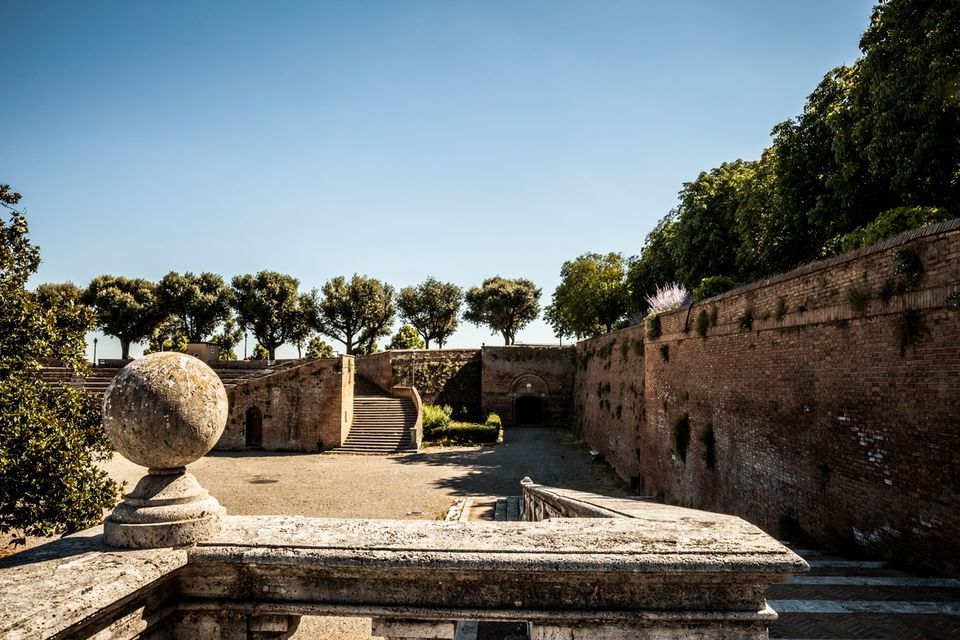
## Description Fortezza Medicea is one of Siena's most imposing landmarks because it represents a different historical layer from the city's medieval churches and squares. Built after Siena's defeat by Florence, the fortress reflects Medici power and the political reshaping of the region during the Renaissance. Unlike a decorative palace or a purely ceremonial monument, it was designed for strategic control and military presence. Today, however, it functions as a public space where history, viewpoints, and local life meet in a surprisingly relaxed way. The fortress is memorable because of its scale and shape. Its bastioned walls form a strong geometric presence above the city, and the elevated position gives visitors sweeping views over Siena and the surrounding Tuscan landscape. That combination of fortification and panorama makes it especially rewarding for travelers who appreciate places where architecture tells a political story. The walls are not just old stone; they are evidence of conquest, rule, and the reshaping of urban space. One little-known fact is that the fortress became less about defense over time and more about civic and cultural use, showing how military architecture can be repurposed for public life. Another detail many visitors miss is how the fortress helps explain the relationship between Siena and Florence. It is not just a monument standing above the city but a reminder of an era when regional power was expressed through earthworks, bastions, and visible control of the landscape. Visitors often appreciate the fortress for its calm atmosphere. While the city center of Siena can be bustling with tourists, the Fortezza Medicea feels more open and spacious. It is a good place to pause, look out across rooftops and hills, and understand how Siena sits within the broader Tuscan setting. If you are interested in military history, urban viewpoints, or Renaissance politics, the fortress is one of the city's most significant stops. ## Location Fortezza Medicea is in Siena, in Tuscany, Italy, just north of the historic center and within walking distance of major city attractions. Because it sits on elevated ground near the old core, it is easy to include in a walking tour of Siena, though the approach may involve some uphill sections depending on your starting point. If you are coming from Piazza del Campo or the cathedral area, the walk to the fortress is straightforward and can be done on foot. Buses and taxis can take you close as well, but walking is usually the best option because it lets you experience the transition from Siena's dense medieval streets to the more open fortified landscape. The most practical recommendation is to visit it while exploring Siena on foot, especially if you want to combine the fortress with other panoramic stops. Because the site is open and spacious, it works well as a late-afternoon or early-evening destination when the light becomes softer. ## Tips Go for the views as much as for the history. The fortress gives some of the best panoramas in Siena, so bring time to linger and not just pass through. If possible, combine the fortress with a walk through the surrounding park-like areas and nearby city streets. That allows you to see how the fortress integrates into Siena's urban edge rather than treating it as a disconnected monument. Read a little about the Medici and the political history of Siena before your visit. Knowing why the fortress was built changes the experience from a simple architectural stop into a clearer story about conquest and control. Visit on a day with good visibility if scenic views matter to you. The fortress is enjoyable in many conditions, but its strongest appeal is the way it frames the city and countryside. ## Conclusion Fortezza Medicea is one of Siena's most powerful historical sites, combining Renaissance military architecture, city views, and a reminder of the region's complex political past. ## FAQ ### Why was Fortezza Medicea built? It was built as a military fortress after Siena came under Medici control, serving as a symbol of political power and strategic dominance. ### Is the fortress open to visitors? Yes, the grounds and surrounding areas are generally accessible, though specific use may vary over time. ### What is the best part of visiting the fortress? The best part is the combination of panoramic views and the chance to understand Siena's political history. ### How long should I spend there? Most visitors spend between 30 minutes and an hour, depending on how much time they want for walking and views. ## Links - [Siena tourism](https://www.visitsiena.it/en/)
GemVoyage Team • World
Lille
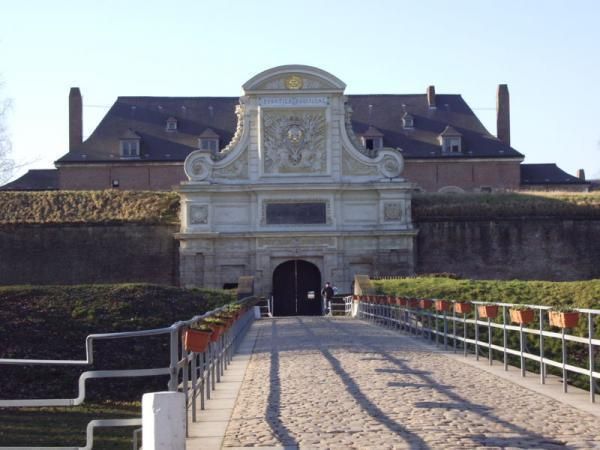
## Description The Citadel of Lille is one of the most impressive military structures in France and a major reason the city is often mentioned in discussions of European fortress design. Built in the 17th century under the direction of Vauban, the citadel is a star-shaped defensive complex that demonstrates both engineering precision and political ambition. It was intended to protect Lille after the city came under French control, and today it stands as a reminder of how military architecture could also shape a city's identity and landscape. What makes the citadel special is that it is not only technically significant but also visually elegant. Its geometric form, wide moats, robust bastions, and open green surroundings make it feel like a fortress designed by someone who understood both defense and urban order. Even if you are not deeply interested in military history, the citadel is compelling because of how it connects architecture, public space, and the natural environment. It is both a monument and a park-like setting, which gives it a very different feeling from densely built old-town landmarks. One little-known fact is that the Citadel of Lille is sometimes referred to as the "queen of citadels" because of its importance in Vauban's defensive system. Another detail many visitors miss is how well the structure fits into the modern city. Although originally conceived for warfare, the citadel now helps define a recreational and cultural zone where walking, cycling, family outings, and visits to nearby attractions all take place. That transformation from military stronghold to civic landmark is part of what makes the site interesting today. The citadel also helps visitors understand Lille's broader history. The city sat near contested borders for centuries, so fortifications were more than symbolic; they were necessary tools of survival and control. Standing at the citadel, you can sense the strategic value of the location and see how a military engineer like Vauban thought about terrain, sightlines, and access. For architecture lovers, history enthusiasts, and casual walkers alike, it is one of Lille's most rewarding destinations. ## Location The Citadel of Lille is in Lille, in the Hauts-de-France region of France, west of the historic center near the Deûle River and surrounding parkland. Its location makes it easy to combine with a broader exploration of Lille's old quarters, especially if you are already spending time around the city center. Unlike a fortress in a remote military zone, this citadel sits comfortably within the urban fabric while still feeling spacious. Getting there is simple by foot, bicycle, or local transport. If you are staying in central Lille, a walk to the citadel is pleasant and reveals how the city's layout changes as you move from dense streets to more open green space. Buses and taxis can also bring you close, but many visitors prefer to use the approach as part of a longer stroll. Because the citadel is surrounded by parks and walking routes, it works especially well as part of a relaxed day outdoors. You can combine it with the nearby zoo, river paths, or other west-side attractions if you want to make the most of the area. ## Tips Allow time for the surroundings as well as the fortress itself. The citadel's setting in parkland is one of its greatest strengths, and the experience improves when you treat it as part of a broader walk rather than a quick photo stop. If you are interested in military history, read a little about Vauban before visiting. His work shaped many French fortifications, and understanding his methods makes the citadel much more meaningful. Visit in good weather if you want to enjoy the outdoor environment fully. The site is enjoyable year-round, but clear conditions make the geometry and scale easier to appreciate. Bring comfortable shoes or use a bicycle if you plan to cover more of the surrounding area. The citadel fits naturally into an active day in Lille and is especially pleasant for travelers who enjoy a mix of history and open-air walking. ## Conclusion The Citadel of Lille is a landmark of French military architecture and a beautiful place to understand the strategic history of the city while enjoying one of its most open and pleasant landscapes. ## FAQ ### Who built the Citadel of Lille? It was designed by Vauban, the famous French military engineer, in the 17th century. ### Why is the citadel important? It is important because it is one of the best examples of Vauban's fortification work and a key part of Lille's historical defense. ### Can you visit the citadel today? Yes. The area is accessible and widely used for walking and recreation, though access may vary in specific sections. ### Is it close to Lille's city center? Yes. It is located west of the center and is easy to reach on foot or by local transport. ## Links - [Lille tourism](https://www.lilletourism.com/) - [Wikipedia article](https://en.wikipedia.org/wiki/Citadel_of_Lille)
GemVoyage Team • World

Trakai
## Description Užutrakis Manor Estate is a graceful, lakeside cultural landscape that combines manicured gardens, classical architecture, and sweeping views over Lake Galvė just outside Trakai. The estate preserves the atmosphere of late 19th– and early 20th-century leisure gardens while adapting to contemporary cultural life: restored terraces, thoughtfully composed alleys, sculptures, and scenic viewpoints frame the manor house and connect the property visually and historically with Trakai’s iconic island castle across the water. What makes Užutrakis special is its dual character as both a preserved historic landscape and an active cultural venue. Garden designers and conservationists have worked to retain the original axes and formal layouts while integrating native plantings that support local biodiversity. The manor’s rooms and exhibition spaces are used seasonally for concerts, art shows, and local festivals, so a visit can feel both reflective and lively depending on the calendar. Photographers prize the vantage points that align with the castle silhouette on Lake Galvė, and landscape enthusiasts appreciate the blending of English-style park elements with Lithuanian plantings. For travelers seeking a slower cultural day trip from Vilnius or Vilnius airport, Užutrakis offers a concentrated experience: well-maintained paths for strolls, benches for long views, and interpretive signage that explains the estate’s history, garden features, and the restoration philosophy. Because it sits a short distance from Trakai’s main attractions, it pairs naturally with a visit to the island castle, allowing visitors to alternate between formal architecture, lakeside walks, and local food options in Trakai town. ## Location Užutrakis Manor sits on the shores of Lake Galvė within Trakai municipality, Vilnius County, central Lithuania. It lies only a short drive, bike ride, or pleasant walk from Trakai town and its famous island castle, making it an easy half-day or day-trip destination from Vilnius (about 28 kilometers away) or from Vilnius International Airport. Getting there is straightforward: regional buses and organized tours run regularly between Vilnius and Trakai, and local taxi services provide short transfers to the estate. For a more scenic approach, boat shuttles operate on Lake Galvė in the warmer months, delivering visitors to various points along the shoreline. Cyclists can combine the manor with a gentle ride around the lake, while visitors staying in Trakai can reach the gardens on foot from the town center depending on seasonal paths and local signage. ## Tips - **Combine with Trakai Castle:** Pair a morning or afternoon at Užutrakis with a visit to Trakai Castle for a varied cultural day of gardens and medieval architecture. - **Check the event calendar:** The manor hosts concerts, seasonal exhibitions, and cultural programs; aligning your visit with an event can add memorable local flavor. - **Wear comfortable shoes:** Gravel paths, terraces, and gentle slopes reward comfortable footwear; bring a light rain layer in changeable weather. - **Bring a camera and binoculars:** The viewpoints toward Trakai Castle and lakeside vistas are signature photo opportunities; binoculars help for birdwatching along the shoreline. - **Mind opening hours and fees:** The estate may have seasonal opening hours and modest fees for house access or special exhibitions. - **Respect the grounds:** Follow paths, avoid trampling sensitive plantings, and observe any interpretive guidance—this helps conserve the restored historic landscape. ## Conclusion Užutrakis Manor Estate is a graceful complement to Trakai’s island castle and regional attractions: a lakeside garden escape rich in architecture, curated views, and seasonal cultural programming. It rewards slow visits—moments of reflection on terraces, an attentive walk through historic lanes, and an appreciation for the interplay of landscape restoration and active cultural life. ## FAQ - **Q: Is there an entrance fee to Užutrakis Manor?** A: There is often a modest fee for access to the manor’s interiors or special exhibitions; garden access may be free or ticketed depending on season. Check the estate’s official site or local tourist information for current rates. - **Q: Can I tour the interior of the manor house?** A: Interior access is seasonal and may be limited during restoration or private events—plan ahead if interior tours are important to your visit. - **Q: Are events held outdoors, and do I need reservations?** A: Seasonal concerts and cultural events commonly occur outdoors; some events require advance booking while smaller activities may accept walk-up visitors. - **Q: Is the manor wheelchair or stroller accessible?** A: Accessibility varies across terraces and historic rooms; the garden paths are generally manageable, but some interior areas may have steps—contact the site for detailed accessibility information. - **Q: How long should I allocate for a visit?** A: Plan 1.5–3 hours to enjoy the gardens, viewpoints, and any small exhibitions; longer if attending a concert or combining with Trakai Castle. - **Q: Are there food options nearby?** A: Trakai town offers cafés and local eateries; pack water and light snacks if you prefer a picnic in the gardens. ## Links -- [Užutrakis Manor (Wikipedia)](https://en.wikipedia.org/wiki/U%C5%BEutrakis_Manor)
GemVoyage Team • World