GemVoyage Team • World
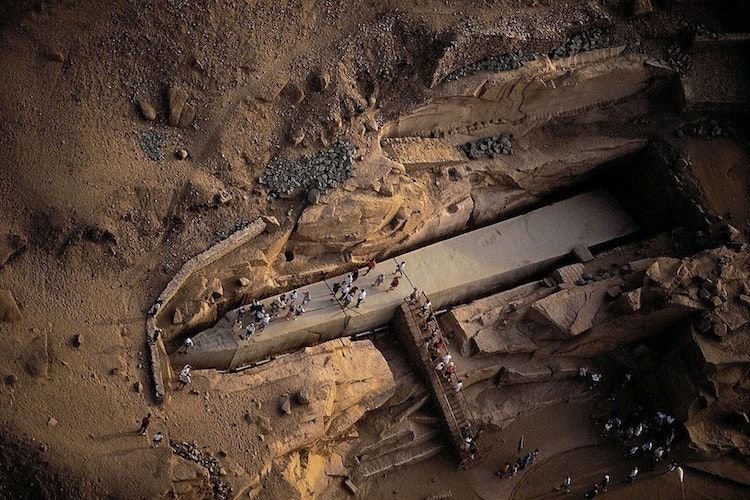
What makes the site especially memorable is the sheer size of the obelisk. Standing beside it, you begin to understand how extraordinary these stone projects were and how much precision was required to extract them from the quarry. A lesser-known fact is that the obelisk is believed to have cracked during the carving process, which is why it was abandoned. That break is not a flaw in the experience; it is the reason the site is so informative. It gives archaeologists and visitors an unusually clear look at ancient methods and mistakes.
Because the area can be hot and open, it is wise to visit earlier in the day. The quarry setting is part of the attraction, but it also means you should plan for direct sun and limited shade. Many visitors combine the stop with nearby monuments and museums to build a fuller Aswan history itinerary.
Discover more hidden gems you might love.
Seattle
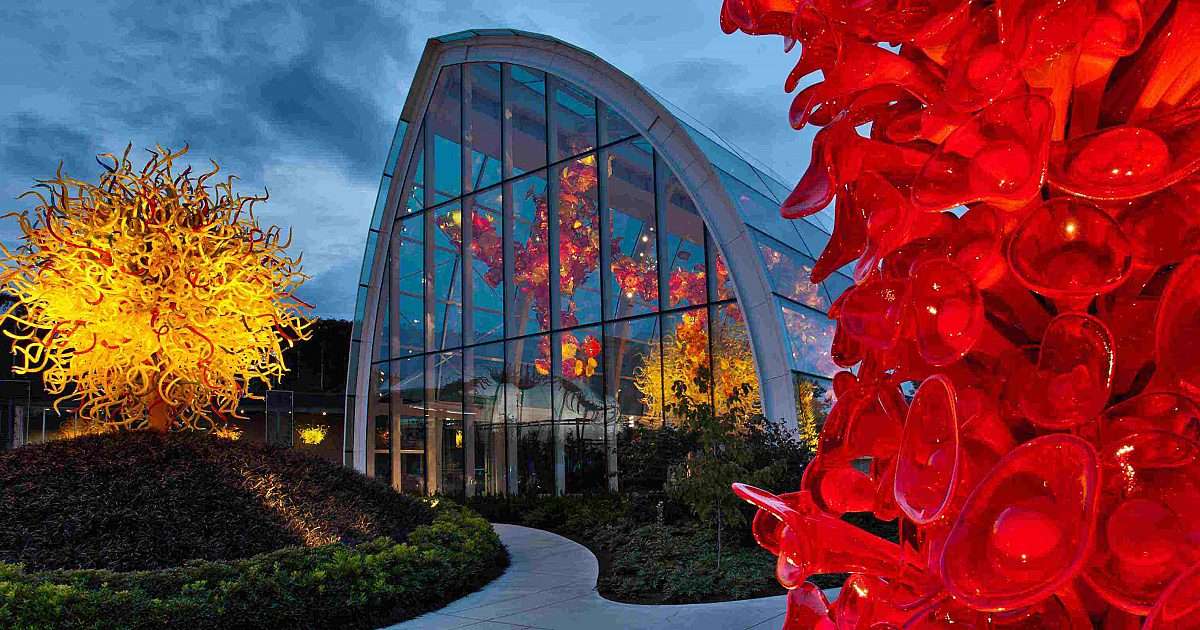
## Description Chihuly Garden and Glass is a dazzling celebration of color, form, and imagination, showcasing the work of world-renowned glass artist Dale Chihuly. Located in the heart of Seattle, this long-term exhibition invites visitors into a vibrant world where glass transcends its traditional boundaries and becomes a medium of storytelling, emotion, and architectural wonder. The exhibition is divided into three main areas: the Glasshouse, the Garden, and the Interior Galleries. The Glasshouse is the centerpiece—a 100-foot-long structure with a soaring ceiling that houses one of Chihuly’s largest suspended installations, a fiery cascade of red, orange, and yellow glass blossoms. The Garden blends natural landscaping with glass sculptures that twist and bloom among the plants, creating a surreal fusion of organic and manmade beauty. Inside the galleries, visitors can explore over four decades of Chihuly’s work, including the Persian Ceiling, Ikebana and Float Boats, and the Sea Life Room. A little-known fact: the site of Chihuly Garden and Glass was once home to the Fun Forest amusement park, a beloved local attraction that closed in 2010. Another interesting detail is that the facility was designed with sustainability in mind and has earned LEED Silver certification for its environmentally conscious construction. ## Location Chihuly Garden and Glass is located in the **United States**, in the **state of Washington**, within the **city of Seattle**. It sits at **305 Harrison Street**, directly adjacent to the iconic Space Needle in the Seattle Center. ### How to Get There - **By Light Rail**: Take the Link Light Rail to Westlake Station, then transfer to the Seattle Center Monorail, which drops you off steps from the entrance. - **By Bus**: Multiple King County Metro routes serve the Seattle Center area. - **By Car**: Paid parking is available in nearby garages, including the Mercer Street Garage and 5th Avenue North Garage. - **By Foot or Bike**: The Seattle Center is pedestrian- and bike-friendly, with easy access from downtown and surrounding neighborhoods. Its central location makes it an ideal stop on any Seattle itinerary, especially when paired with nearby attractions like the Museum of Pop Culture and the Space Needle. ## Tips - **Visit During Daylight and After Dark**: The glass sculptures take on a different character depending on the light. Daytime highlights the vivid colors, while nighttime illuminations create a magical ambiance. - **Buy Combo Tickets**: Consider purchasing a ticket that includes admission to both Chihuly Garden and Glass and the Space Needle for a discounted rate. - **Take Advantage of Gallery Talks**: Short, informative talks are offered throughout the day and are included with admission. - **Check for Special Events**: Seasonal exhibitions, live glassblowing demonstrations, and the annual Refract Festival add extra value to your visit. - **Use the Audio Tour**: Available via smartphone, the audio guide offers deeper insights into Chihuly’s inspirations and techniques. - **Visit The Bar**: Explore Dale Chihuly’s personal collections while enjoying a drink in a uniquely curated setting. ## Conclusion Chihuly Garden and Glass is a mesmerizing fusion of art and nature, offering a one-of-a-kind experience in the heart of Seattle. With its stunning installations, immersive galleries, and tranquil garden, it’s a must-see destination for art lovers, photographers, and curious travelers alike. ## FAQ **1. What are the opening hours of Chihuly Garden and Glass?** The museum is typically open daily from 9:30 AM to 9:30 PM, though hours may vary seasonally or for private events. **2. What is the cost of admission?** General admission ranges from $35 to $42.50. Discounts are available for seniors and youth. Children under 4 enter free. **3. Is photography allowed?** Yes, photography is encouraged, though tripods and flash are not permitted. **4. Is the museum wheelchair accessible?** Yes, the entire facility is ADA-compliant and offers accessible entrances and restrooms. **5. Can I visit without a reservation?** Walk-ins are welcome, but purchasing tickets in advance is recommended, especially during peak seasons. **6. Are there guided tours available?** While there are no formal guided tours, gallery talks and audio guides provide rich context throughout the exhibition. ## Links - [Chihuly Garden and Glass Official Website](https://www.chihulygardenandglass.com/)
GemVoyage Team • World
Athens
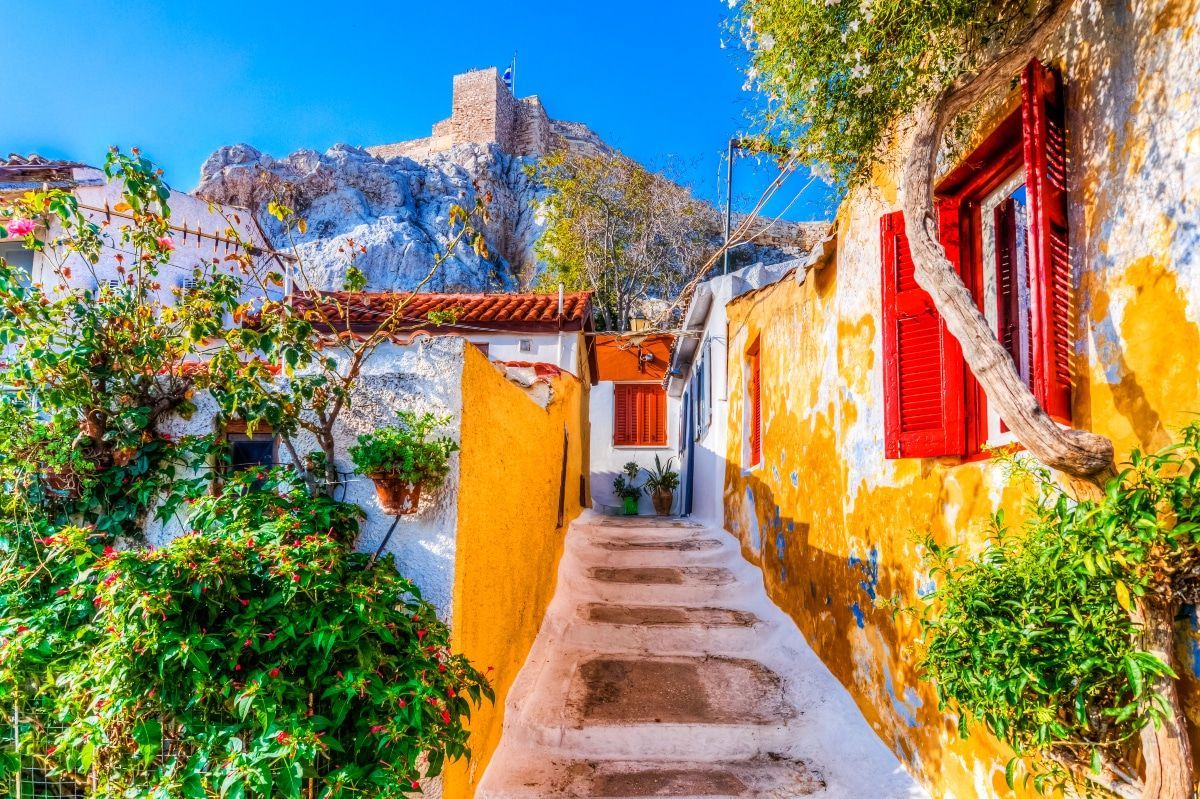
## Description Anafiotika is one of Athens' most surprising neighborhoods, a tiny enclave of whitewashed houses and narrow stairways tucked beneath the Acropolis. Often described as a slice of the Cyclades in the middle of the Greek capital, it feels different from the surrounding city in both scale and mood. Quiet lanes, small courtyards, potted plants, and bright facades create the impression of a village hidden inside a metropolis. The neighborhood's charm comes from its contrast. Athens is energetic, dense, and historically layered, but Anafiotika seems almost suspended above the bustle. You can move through its lanes slowly, hearing less traffic and more footsteps, cats, and the occasional conversation from a nearby home. Because the district is small, its appeal lies not in quantity but in atmosphere. Every path, stair, and turn feels composed for wandering. One little-known fact is that Anafiotika was built in the 19th century by builders from the island of Anafi, who brought Cycladic construction traditions with them. Another is that the neighborhood survived urban pressures partly because of its difficult terrain and its fit with the hillside rather than because of any grand preservation scheme. That makes it a kind of accidental treasure within the city. Architecturally, Anafiotika is fascinating because it expresses island vernacular in an urban setting. White walls reflect the Athenian light, and the small houses seem scaled for intimate daily life rather than status. The area does not have broad tourist infrastructure, which is part of why it feels special. Travelers who arrive expecting monuments may instead find a mood, a viewpoint, and a rare sense of quiet. The setting near the Acropolis also makes Anafiotika ideal for combining with other central Athens sights. You can move from major archaeological landmarks into a neighborhood that feels almost private. That transition from monumental to domestic is one of the most compelling urban experiences in the city. If you enjoy neighborhoods that reward patience and sensitivity, Anafiotika is a standout. It is not large enough for a long itinerary, but it is rich enough to justify a slow walk and a few careful photographs. It offers a memorable reminder that some of the best parts of Athens are found in its in-between spaces. ## Location Anafiotika is located on the northeastern slope of the Acropolis Hill in central Athens, Greece, close to the Plaka district. The easiest way to get there is on foot from the Acropolis Metro area or from Plaka. Because the neighborhood consists of narrow passages and stairways, walking is the only practical way to explore it. Expect uneven surfaces and some uphill sections. ## Tips Visit early in the day for softer light and fewer people. Be respectful of residents. Anafiotika is a living neighborhood, not just a scenic backdrop. Wear shoes with good grip because the pathways can be steep and uneven. Do not expect many signs. The pleasure comes from getting a little lost and then finding your way back. Combine the visit with nearby Plaka and Acropolis viewpoints for a fuller day in central Athens. ## Conclusion Anafiotika is a small but unforgettable neighborhood that brings a quiet Cycladic atmosphere to the heart of Athens, making it one of the city's most atmospheric hidden corners. ## FAQ ### What is Anafiotika? It is a tiny historic neighborhood built in a Cycladic style on the slopes of the Acropolis in Athens. ### Is it easy to find? It can be a little hidden, which is part of its charm, but it is reachable on foot from central Athens. ### Can I take photos there? Yes, but be mindful that people live there and privacy should be respected. ### How much time do I need? Usually 30 to 90 minutes is enough, depending on how much you want to wander and photograph. ## Links - [Anafiotika](https://en.wikipedia.org/wiki/Anafiotika) - [Acropolis of Athens](https://en.wikipedia.org/wiki/Acropolis_of_Athens)
GemVoyage Team • World
Athens
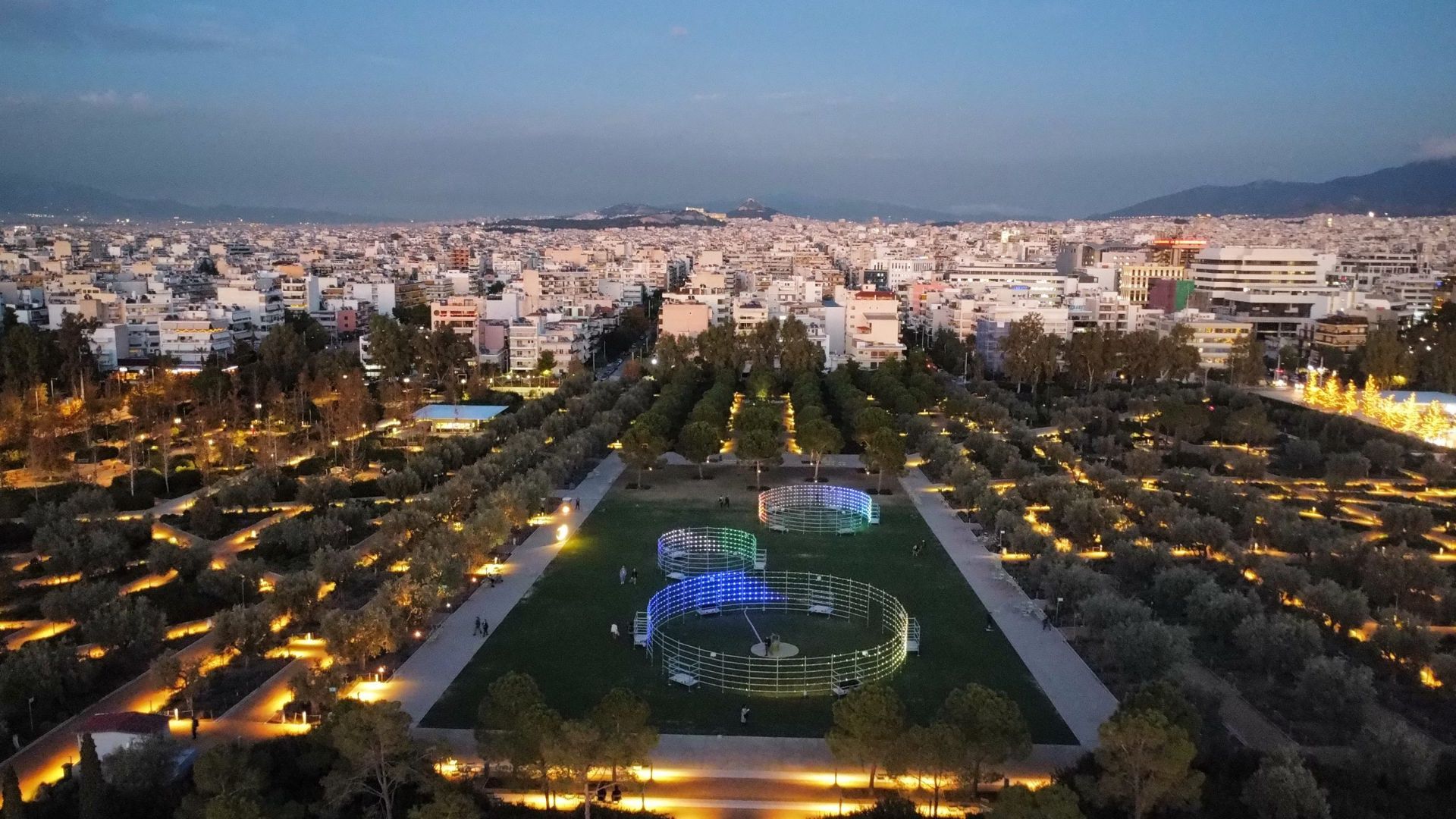
## Description Stavros Niarchos Park is one of the most impressive modern public spaces in Athens and a compelling reason to look beyond the city’s ancient monuments. It is part of the larger Stavros Niarchos Foundation Cultural Center, and it has become known for its open lawns, long walking paths, planted slopes, water features, and elevated views. The park feels spacious and carefully composed, which is a welcome contrast to the denser parts of central Athens. The appeal of the park lies in its blend of architecture, landscape design, and civic function. It is not simply decorative. It was created to give residents and visitors a place for recreation, events, and relaxed outdoor time in a city that can otherwise feel intensely urban. A little-known detail is that the park includes an artificial hill that helps shape the site’s views and gives visitors a raised perspective over Athens and toward the sea. That design choice makes the park feel dynamic rather than flat. Another reason the park stands out is that it reflects a modern chapter in Athens’ story. Many travelers come to the city for antiquity, but this space shows that contemporary Athens also has ambitious public architecture and thoughtful urban design. The result is a place that works for many different types of visitors. Families come to stroll, runners use the paths, couples come for sunset, and architecture enthusiasts come to examine the way the landscape and buildings interact. The park is especially pleasant when the weather is good. Athens has strong sunlight for much of the year, and the open layout makes the site feel bright, clean, and alive. Because it connects cultural programming with everyday outdoor use, it is not just a park you pass through. It is a place to spend real time in, and the experience often changes depending on the hour of the day or the event calendar. ## Location Stavros Niarchos Park is in Athens, Greece, in the Kallithea area near the coastline and south of the city center. It is part of the Stavros Niarchos Foundation Cultural Center, so visitors often experience the park together with the surrounding cultural buildings and public spaces. The easiest way to get there is by public transport, taxi, or rideshare from central Athens. Depending on your starting point, tram or bus connections can also work well. If you are staying in the center, the park is simple enough to include in a half-day plan, especially if you want a break from the dense historic core of the city. Because the site is well connected and clearly marked, it is one of the more straightforward modern attractions to reach. If you have time, combine the visit with a walk through the surrounding area or a stop at the waterfront. That helps show how the park fits into Athens beyond the Acropolis-heavy itinerary most first-time travelers follow. ## Tips Visit in the late afternoon if you want better light and a more relaxed atmosphere. Sunset is especially attractive because the views across the park and toward the city become softer. Bring comfortable shoes. The site is large enough that you will want to walk it properly, and the different levels make a full circuit more interesting than a quick pass-through. Check the event calendar before you go. Public performances, concerts, or cultural activities can add a lot to the experience if your timing is right. If you are with children or want a quieter reset during a busy sightseeing day, this is one of the best modern spaces in Athens for a pause. ## Conclusion Stavros Niarchos Park shows a modern, open, and design-forward side of Athens. It is a highly enjoyable place to walk, relax, and see how contemporary public space can complement the city’s historical identity. ## FAQ **Is Stavros Niarchos Park just a park?** No. It is part of a larger cultural center with architecture, public space, and programming. **Is it worth visiting if I only have time for ancient sites?** Yes, because it gives a different and refreshing view of Athens. **How long should I spend there?** At least one to two hours, more if you want to explore thoroughly or attend an event. **Is it family-friendly?** Very much so. The open layout and walkable design make it easy to enjoy with children. **What is the best time to go?** Late afternoon or sunset is especially good for atmosphere and views. ## Links - [Official website](https://www.snfcc.org/en/) - [Wikipedia](https://en.wikipedia.org/wiki/Stavros_Niarchos_Foundation_Cultural_Center)
GemVoyage Team • World
Norway
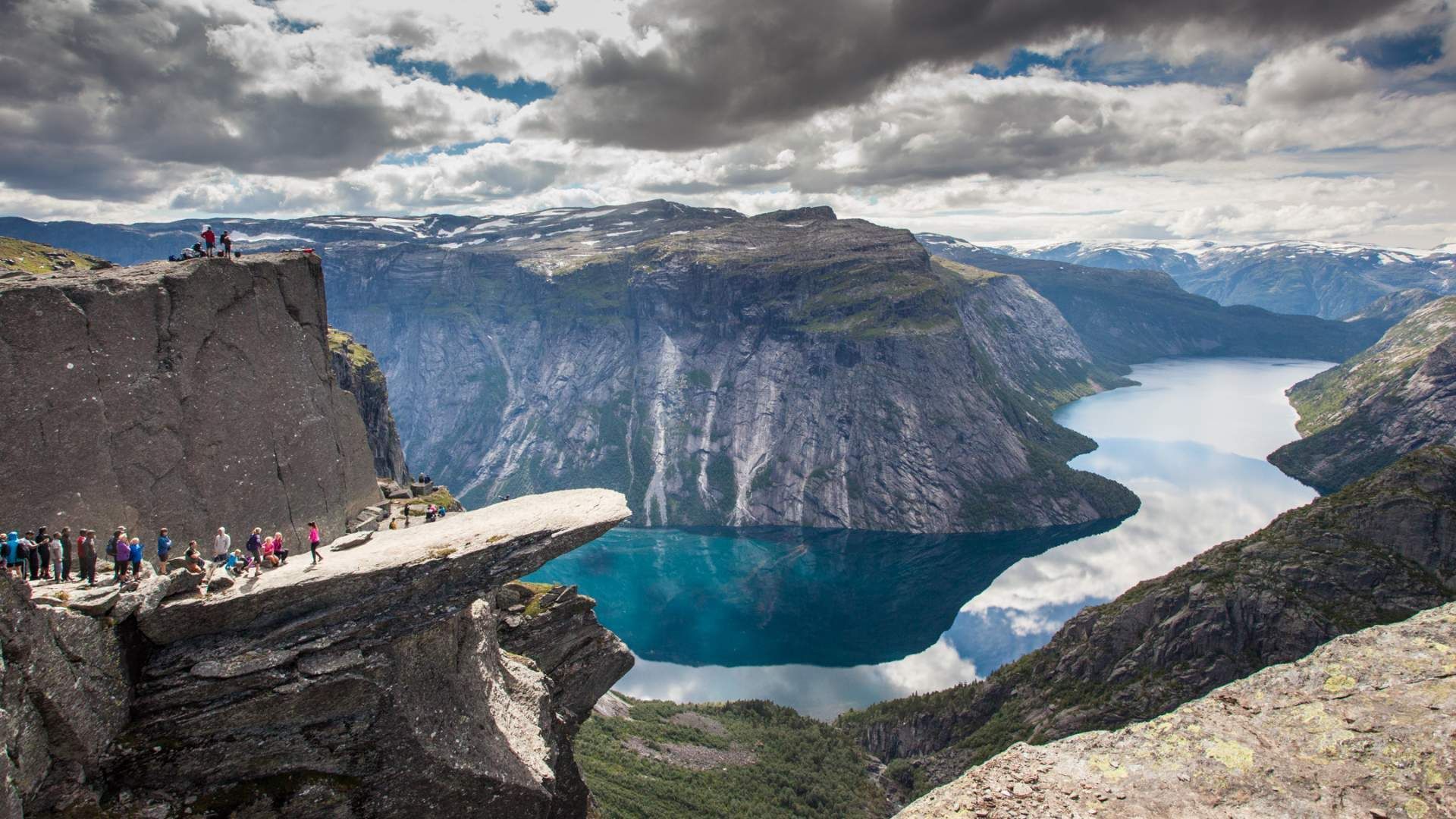
## Description Trolltunga (“Troll’s Tongue”) is one of Norway’s most photographed and dramatic viewpoints: a narrow rock shelf jutting horizontally from a mountain about 700 meters above Ringedalsvatnet lake near Odda. The slab provides a heady vantage point for daring photos — standing at the lip feels like stepping out over the fjord and valley below. The route to Trolltunga is an epic alpine hike across tundra, streams and exposed plateaus, rewarding determined trekkers with panoramic Norway: steep cliffs, glassy water and a raw northern landscape. Beyond the photogenic ledge, Trolltunga stands out for its demanding yet accessible backcountry experience. The modern popularity surged through social media; traditionally, this was a remote local hike. Management measures, permits, and local transport services have evolved to handle seasonal traffic while protecting the path and surrounding vegetation. ## Location Trolltunga sits above the town of Odda in Vestland county, western Norway. The usual trailhead is at Skjeggedal, accessed by a short shuttle from parking and visitor centers. Many hikers base themselves in Odda or nearby villages and use local shuttles or guided hiking operators to reach the trailhead. The total round-trip hike is roughly 22–28 kilometers depending on route, often taking 10–12+ hours for a typical day trip. Seasonality matters: roadside parking and trail access are managed during summer to reduce environmental impact and improve safety. In winter and shoulder seasons the route becomes technical and requires winter mountaineering skills and equipment. ## Tips - **Prepare for a long day:** Bring layers, a warm waterproof jacket, sturdy boots, plenty of food, and ample water. The trail is long with sustained elevation gain and exposed terrain. - **Start early or plan an overnight:** To avoid peak crowds and to allow a relaxed pace, begin pre-dawn or plan an overnight in a mountain cabin or campsite. Early starts also improve light for photography and reduce the chance of afternoon weather changes. - **Choose guided or self-guided based on experience:** Guided hikes add local knowledge and reduce navigation stress; experienced hikers can plan self-guided excursions but should be disciplined with timing. - **Respect safety and common-sense rules:** The ledge has no formal barriers. Avoid risky poses near the edge, especially in windy or wet conditions. Keep children close and prioritize safety over photographs. - **Pack for changing conditions:** Tundra and plateau weather can shift quickly. Bring a waterproof shell, insulating mid-layer, hat and gloves even in summer. A headlamp, spare batteries, and a basic repair kit for footwear are helpful. - **Leave no trace:** Stay on marked trails to protect vegetation, pack out all waste, and follow any local guidance about camping and trail use. - **Consider alternatives for accessibility:** For those unable to complete the full hike, photo viewpoints and shorter trails in the region offer dramatic scenery with less effort. ## Conclusion Trolltunga is an emblem of Norway’s wild beauty and an achievement for hikers — the dramatic viewpoint and sweeping fjord panoramas make the long approach worthwhile for those prepared for a sustained mountain day. With thoughtful preparation and respect for local rules, the route rewards visitors with some of Scandinavia’s most iconic views and a memorable sense of accomplishment. ## FAQ - **Q: How difficult is the hike to Trolltunga?** A: The route is long and strenuous with sustained elevation and exposed terrain. It suits fit hikers with good preparation; novices should consider guided options or shorter nearby hikes. - **Q: How long does the hike take?** A: Typical round-trip time is 10–12+ hours for 22–28 kilometers depending on fitness and conditions. Allow extra time for photography and rest stops. - **Q: Can you camp on the route?** A: Wild camping is practiced in Norway but follow local regulations and Leave No Trace principles. Some guided itineraries include overnight options or staged hut-to-hut plans. - **Q: Are there safety services or mountain rescue?** A: Mountain rescue services exist regionally, but mobile coverage can be patchy. Going with a guide or letting someone know your itinerary improves safety; carry basic emergency gear. - **Q: When is the best time to hike Trolltunga?** A: Summer (June–September) is the primary hiking season with milder weather and long daylight. Shoulder seasons require careful planning; winter requires mountaineering skills. - **Q: Is the viewpoint crowded?** A: Popular times can be crowded, especially mid-morning in summer. Start early for quieter conditions and better light. ## Links - [Trolltunga — Wikipedia](https://en.wikipedia.org/wiki/Trolltunga)
GemVoyage Team • World
Milan
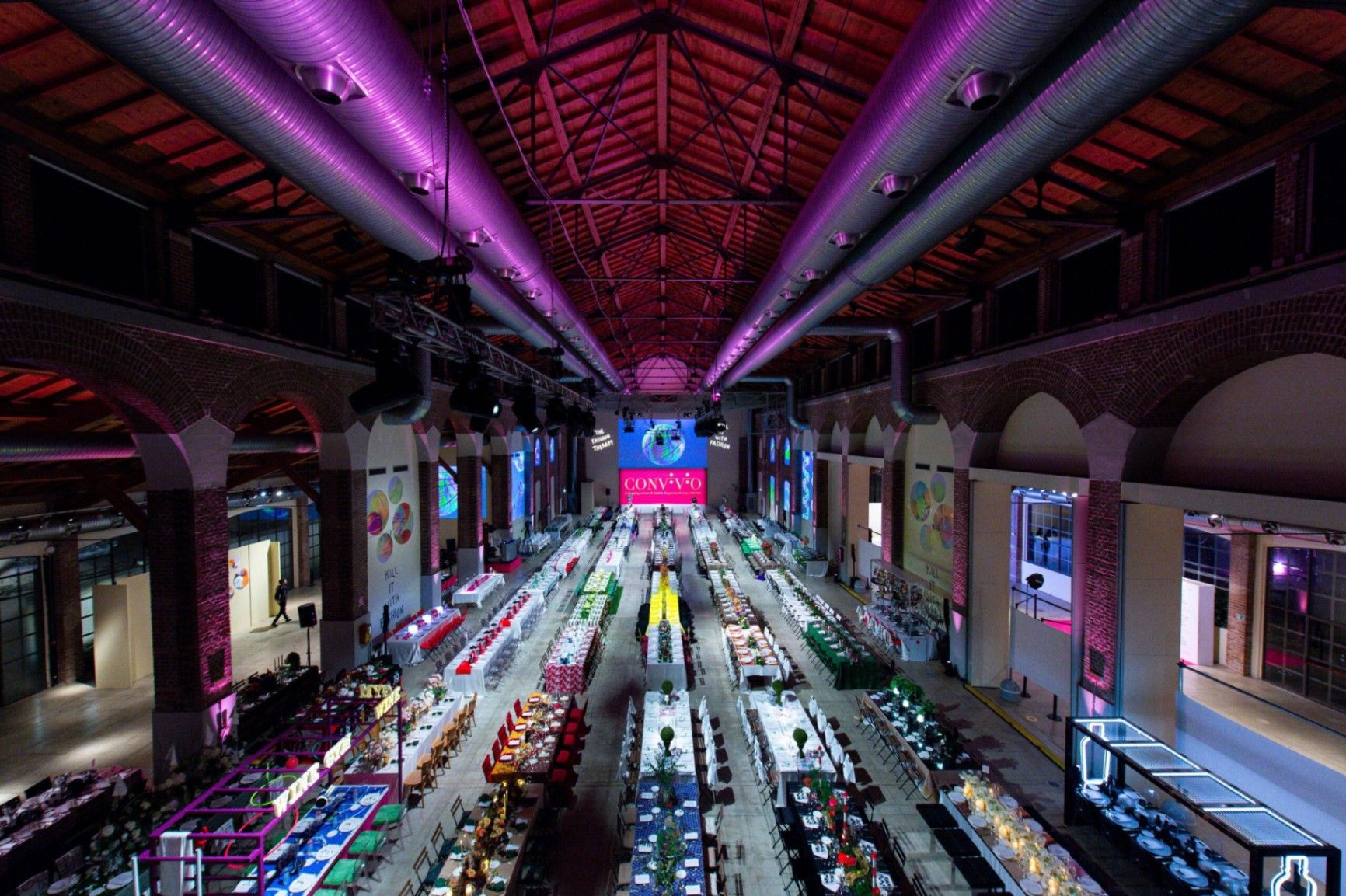
## Description **Fabbrica del Vapore (The Steam Factory)** is one of **Milan’s most dynamic cultural spaces**, blending the city’s industrial heritage with modern artistic innovation. Once a 19th-century tram factory, this vast complex has been transformed into a creative hub where art, design, music, and technology converge. Built in **1899** by the industrial company **Carminati Toselli & C.**, the factory originally produced railway and tram components that helped power Milan’s early transportation system. After being abandoned for decades, it was restored by the Municipality of Milan and reopened in the early 2000s as a center for contemporary culture. Today, Fabbrica del Vapore hosts **art exhibitions, concerts, theater performances, film screenings, workshops, and international festivals**, making it one of the city’s leading spaces for artistic experimentation. What makes it truly unique is the **fusion of past and present** — the red-brick industrial architecture remains intact, featuring steel beams, arched windows, and tall chimneys, while the interiors have been adapted into modern galleries and studios. It’s a place where graffiti murals coexist with fine art, and digital installations share space with traditional sculpture. A lesser-known fact is that Fabbrica del Vapore houses several **artist residencies and creative collectives**, offering workspaces to young talents in fields like multimedia design, theater, and fashion. The site has also hosted collaborations with international institutions, including the **Triennale Milano** and global art biennales, strengthening its role as a bridge between Milan’s industrial past and its cultural future. ## Location Fabbrica del Vapore is located at **Via Procaccini 4**, in the **Sempione district** of **Milan, Lombardy, Italy**. It’s just north of the city center, not far from **Cimitero Monumentale** and **Parco Sempione**. To get there: * **By metro:** Take **Line 5 (Purple Line)** to **Monumentale Station**, or **Line 2 (Green Line)** to **Moscova Station**. Both are within a short walk. * **By tram:** Tram lines **12 and 14** stop nearby on Via Ceresio. * **By foot:** It’s about a **15-minute walk** from Corso Sempione or Chinatown (Via Paolo Sarpi). The area is easily accessible and well-connected by Milan’s public transport system, making it an ideal cultural stop during a day of exploring the city. ## Tips * **Check the event schedule:** Fabbrica del Vapore regularly hosts rotating exhibitions and cultural events — check their official website before visiting to catch something special. * **Don’t miss the installations:** The large industrial halls often feature immersive multimedia exhibits and experimental installations that change throughout the year. * **Visit in the evening:** Many events, especially concerts or performances, take place at night, when the space is dramatically lit and more atmospheric. * **Explore nearby:** Combine your visit with nearby attractions like **Cimitero Monumentale**, **Arco della Pace**, or **Parco Sempione** for a full day of culture and architecture. * **Free entry:** Access to the complex is usually free, though some special exhibitions or performances may require tickets. * **Bring a camera:** The industrial details — from iron beams to old machinery — make for excellent photography subjects. ## Conclusion **Fabbrica del Vapore** is a testament to Milan’s ability to reinvent itself — turning an old industrial site into a thriving center of contemporary creativity. Whether you’re an art lover, a music enthusiast, or simply curious about Milan’s modern cultural pulse, this space offers an ever-changing landscape of ideas and inspiration. Its blend of history and innovation makes it one of the city’s most authentic cultural experiences, perfectly reflecting the spirit of Milan itself. ## FAQ **1. What is Fabbrica del Vapore?** It’s a former tram factory turned into a **cultural and creative center**, hosting exhibitions, performances, and workshops. **2. When was it built?** The original factory was constructed in **1899** and later transformed into a cultural space in the early **2000s**. **3. Where is it located?** At **Via Procaccini 4**, in the **Sempione district** of **Milan, Italy**. **4. Is there an entrance fee?** General entry is **free**, though some temporary exhibitions or events may have separate ticket prices. **5. What kind of events are held there?** You can find **art exhibitions, concerts, theater productions, film screenings, design fairs, and creative workshops** throughout the year. **6. Can visitors take photos?** Yes, photography is allowed, especially of the architecture. For certain exhibitions, check signage or ask staff for permission. ## Links * [Official Fabbrica del Vapore Website](https://www.fabbricadelvapore.org)
GemVoyage Team • World
Tokyo
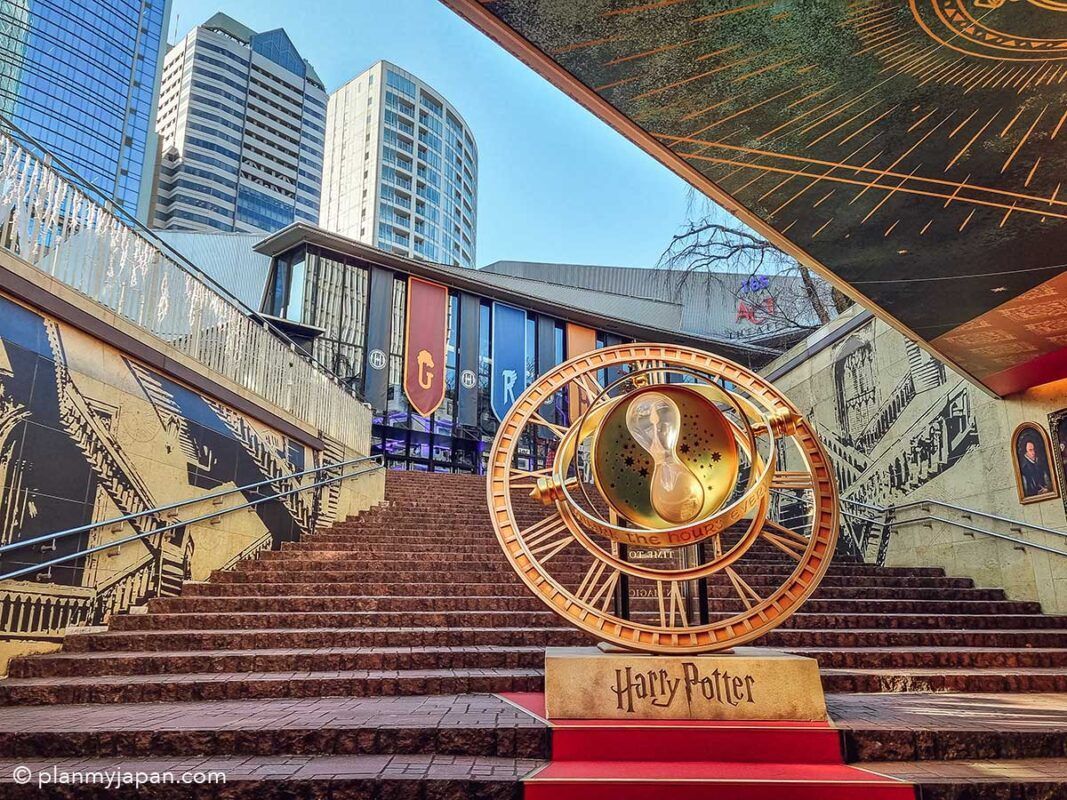
## Description The **Harry Potter Stairs & Time Turner (ハリー・ポッター階段とタイムターナー)** in Tokyo is one of the city’s most popular **pop-culture photo landmarks**, blending cinematic fantasy with modern urban design. This attraction is not a historical monument or a traditional museum—it is a **themed visual installation inspired by the Harry Potter film series**, designed specifically for fans who want to step inside the wizarding world without leaving central Tokyo. The installation recreates two of the most iconic visual elements from the films: the **magical moving staircase of Hogwarts** and **Hermione Granger’s Time Turner** from *Harry Potter and the Prisoner of Azkaban*. The staircase evokes the illusion of shifting directions and hidden passages, while the oversized Time Turner sculpture serves as a symbolic centerpiece representing time travel, destiny, and choice—core themes in the Potter universe. What makes this location truly unique is that it exists **inside a contemporary commercial complex rather than a theme park**. This means visitors do not need to buy expensive tickets or travel to a resort location to enjoy an immersive Harry Potter-themed environment. The installation uses **cinematic lighting, reflective metallic surfaces, stone textures, and enchanted-style typography** to create a convincing atmosphere of fantasy within a very modern architectural setting. The stairs are often used as a **staged photo zone**, where visitors recreate scenes, cosplay as characters, or simulate stepping into a time-loop narrative. The Time Turner sculpture is particularly photogenic when illuminated in the evening, when its rotating rings and glowing accents transform the space into a dramatic visual set piece. Many visitors describe the experience as feeling like walking into a **film trailer set inside a shopping mall**—brief, stylized, and designed for visual impact rather than storytelling depth. A little-known fact is that the stairs and Time Turner installation were part of a **long-term promotional collaboration connected to Warner Bros. Japan and official Harry Potter licensing projects**, timed to coincide with renewed franchise activity in Tokyo. Another lesser-known detail is that the space is frequently **updated with seasonal lighting themes and limited-time character visuals**, which means repeat visits can feel subtly different across the year. Importantly, this site is not meant to replace **The Making of Harry Potter Studio Tour Tokyo**; rather, it acts as a **public teaser-style landmark**, accessible to anyone passing through the district. It attracts an extremely diverse crowd: international tourists, Japanese fans, casual shoppers, cosplayers, couples, and social-media creators all intersect in the same space. The emotional appeal of the installation lies in its ability to deliver **instant recognition and nostalgia**. Even a short visit—often no more than 10 to 15 minutes—can trigger powerful emotional connections for fans who grew up with the books and films. It is, at its core, not a storytelling space but a **symbolic photo experience**, built for visual memory rather than narrative immersion. ## Location The **Harry Potter Stairs & Time Turner** installation is located in **central Tokyo**, inside a major commercial complex in the **Akasaka / Roppongi area**, which has become a hub for large-scale themed entertainment projects. **City:** Tokyo **Region:** Kantō **Country:** Japan **District:** Minato Ward (Akasaka / Roppongi area) ### How to Get There: * **By Tokyo Metro:** * **Chiyoda Line** to **Akasaka Station** * **Hibiya Line or Toei Oedo Line** to **Roppongi Station** * **By JR Train:** Use JR lines to nearby hubs such as **Shinjuku or Tokyo Station**, then transfer to the metro. * **By taxi:** Easy and accurate if you show the Japanese attraction name. * **On foot:** The area is highly walkable and well-connected through underground passages and plazas. The installation is typically integrated into a **shopping, dining, and entertainment complex**, making it easy to combine with cafés, retail stores, and evening nightlife. ## Tips * **Visit in the evening:** The lighting effects are significantly more dramatic after sunset. * **Go on weekdays for clearer photos:** Weekends often bring long lines of people waiting for their turn. * **Bring a small tripod if allowed:** For steady night photos, especially around the Time Turner. * **Do not expect a full “attraction experience”:** This is a **visual installation**, not a ride or museum. * **Cosplay is common:** Light cosplay is generally accepted and often encouraged by visitors. * **Respect queue etiquette:** Japanese photo spots usually operate with informal but strict order. * **Combine with nearby Harry Potter experiences:** If you are a serious fan, this pairs well with the Studio Tour Tokyo. * **Check for seasonal updates:** Lighting schemes and banners occasionally change. ## Conclusion The **Harry Potter Stairs & Time Turner in Tokyo** is a compact yet powerful example of how modern cities translate cinematic fantasy into everyday urban space. It is not a destination for long exploration, but a **precise, visually engineered moment of nostalgia**, crafted for fans who want a tangible connection to the wizarding world without committing an entire day to a theme park. For Harry Potter enthusiasts, it delivers something precise and valuable: **a magical pause inside the rhythm of real city life**. ## FAQ **1. Is the Harry Potter Stairs & Time Turner a real theme park attraction?** No. It is a **public visual installation**, not a ride or ticketed experience. **2. Is it free to visit?** Yes. Access is **free**, as it is located inside a public commercial complex. **3. How long does a visit typically take?** Most visitors spend **10 to 20 minutes**, depending on photo queues. **4. Is it suitable for children?** Yes. It is **family-friendly**, though it can get crowded. **5. Is this the same as the Harry Potter Studio Tour Tokyo?** No. This is a **small themed photo landmark**, whereas the studio tour is a full museum-style experience. **6. Can I take professional photos there?** Casual photography is allowed. **Commercial shoots may require permission** from the property management. ## Links * [Warner Bros. Japan](https://www.warnerbros.co.jp) * [Harry Potter Studio Tour Tokyo](https://www.wbstudiotour.jp)
GemVoyage Team • World

Comments