Discover extraordinary places shared by our community of travelers
Venice
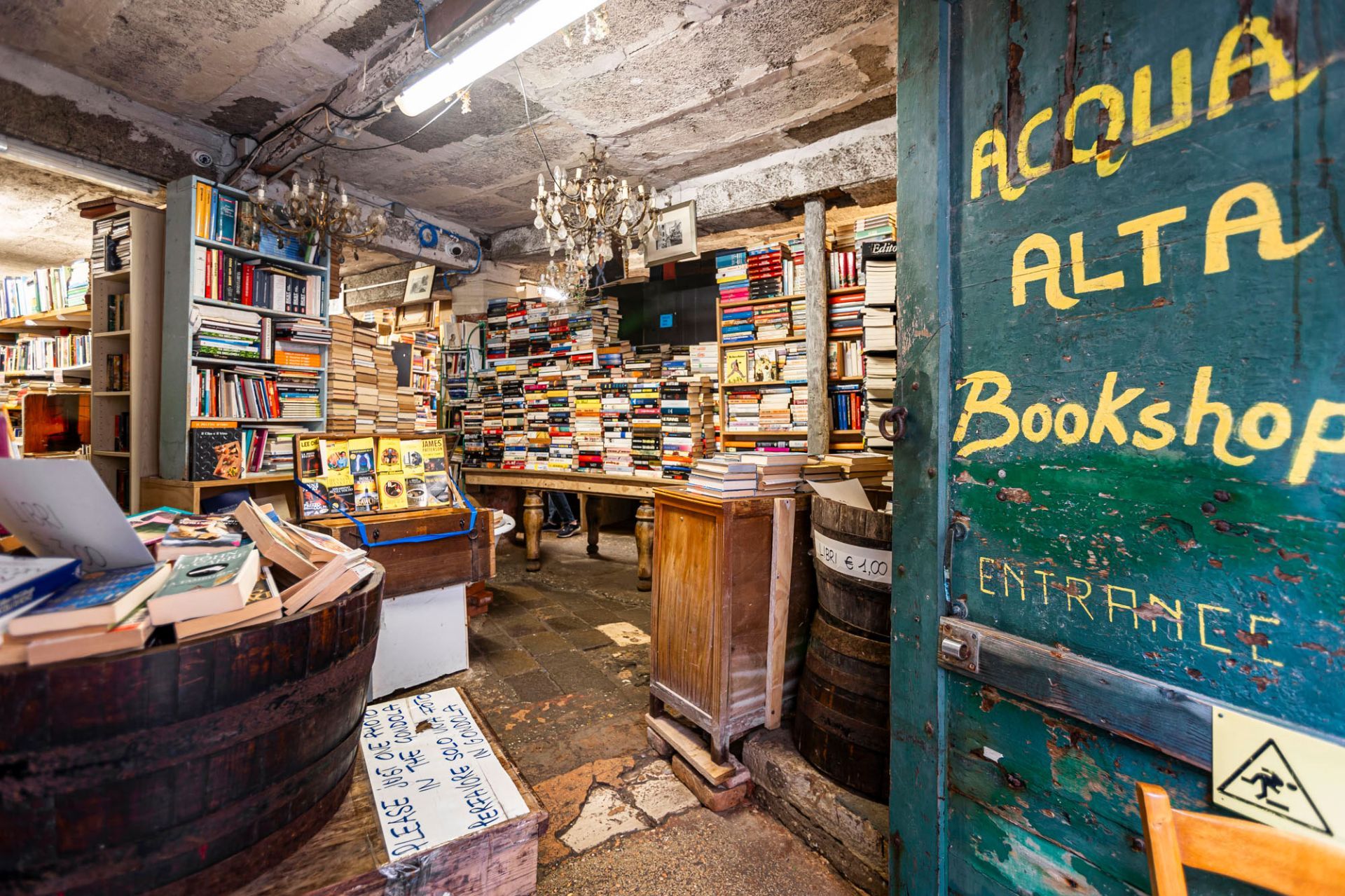
## Description Libreria Acqua Alta is one of Venice’s most distinctive and charming attractions because it turns a practical problem into part of the visitor experience. Venice is famously vulnerable to flooding, and this bookstore responds to that reality in a way that is both inventive and visually unforgettable. Books are stored in bathtubs, gondolas, waterproof containers, and other elevated or repurposed objects so they can survive the periodic rise of water. As a result, the shop feels less like a regular bookstore and more like a whimsical survival strategy made into an aesthetic. The appeal of Libreria Acqua Alta goes far beyond novelty. It has the atmosphere of a place assembled over time by someone who loves books, Venice, and improvisation. Visitors come for the stacks, but they stay because the shop feels like a small labyrinth of discovery. Narrow passages, uneven piles, old printed matter, comic visual arrangements, and hidden corners make it feel more like an exploratory space than a retail environment. It is the kind of place where you do not simply browse; you wander, pause, and notice details that would never appear in a standard chain bookstore. One little-known fact is that the shop has become famous not only among tourists but also among photographers and design-minded travelers who appreciate its unusual composition. Another is that the bookstore reflects a broader Venetian reality: people in the city have long adapted to water rather than pretending it does not shape daily life. That makes the store culturally resonant. It is not just cute. It is a visible expression of Venice’s ongoing negotiation with its environment. Another reason it resonates with visitors is that it is surprisingly layered. You can find secondhand books, old editions, postcards, and visual quirks that reward slow attention. There is also a cat-like, lived-in quality to the place, which makes it feel personal rather than curated to the point of sterility. That balance between charm and clutter is part of why it has become so beloved. For travelers, the experience is best approached with no rush. It is not a place to simply tick off a list. You should allow yourself time to look through the space, enjoy the odd arrangements, and accept that the entire point is to be slightly lost in it. That is very much part of the Venetian mood. The bookstore also shows how Venice often turns constraint into character. Flooding, narrow streets, and dense historic fabric all create real limitations, but the city’s best places tend to respond with ingenuity rather than correction. Libreria Acqua Alta fits that pattern perfectly. It is funny, beautiful, and a little chaotic, but the chaos is meaningful. For visitors who enjoy places with personality, it is one of Venice’s most rewarding small stops. ## Location Libreria Acqua Alta is in Venice, Italy, in the historic center not far from the quieter inner streets and canals rather than the largest tourist squares. Its location is central enough to fit into a normal Venice walking itinerary, but it still feels tucked away. The best way to get there is on foot. Venice is a walking city, and the bookstore is easiest to reach by navigating slowly through the lanes with a map or navigation app. Depending on your starting point, you may arrive from the Rialto or San Marco area and continue through smaller streets. That walking approach is part of the fun, because the route itself helps set the atmosphere before you even reach the shop. If you are arriving by vaporetto, use a nearby stop and continue on foot. Because the streets can be confusing, give yourself more time than you think you need so you do not arrive feeling rushed. ## Tips Go outside peak hours if you want a calmer experience. The bookstore is popular and can become crowded, especially midday. Bring a camera or phone, but be respectful while photographing. The shop is visually rich, but it is still a working bookstore and not just a set piece. Do not expect a big, organized retail layout. The joy is in the disorder and surprise, so the more relaxed your expectations, the better the visit will feel. If you enjoy books, browse carefully for unusual editions or visual treasures. Even if you do not buy anything, the atmosphere makes the stop worthwhile. ## Conclusion Libreria Acqua Alta is one of Venice’s most memorable small attractions, combining books, water, and creative improvisation into a uniquely local experience. It is ideal for travelers who enjoy places with character and a strong sense of place. ## FAQ **Why is Libreria Acqua Alta so famous?** It is famous for its unusual book storage methods and its imaginative response to Venice’s flooding. **Can you buy books there?** Yes. It is a functioning bookstore with a range of used and new items. **Is it easy to find?** It can take a bit of navigating, so walking slowly with a map is best. **How much time should I allow?** Around thirty to sixty minutes is usually enough, though book lovers may stay longer. **Is it worth visiting even if I am not a big reader?** Yes. The setting alone makes it one of Venice’s most unusual and photogenic stops. ## Links - [Official website](https://www.libreriacqualta.it/)
GemVoyage Team • World
Tokyo
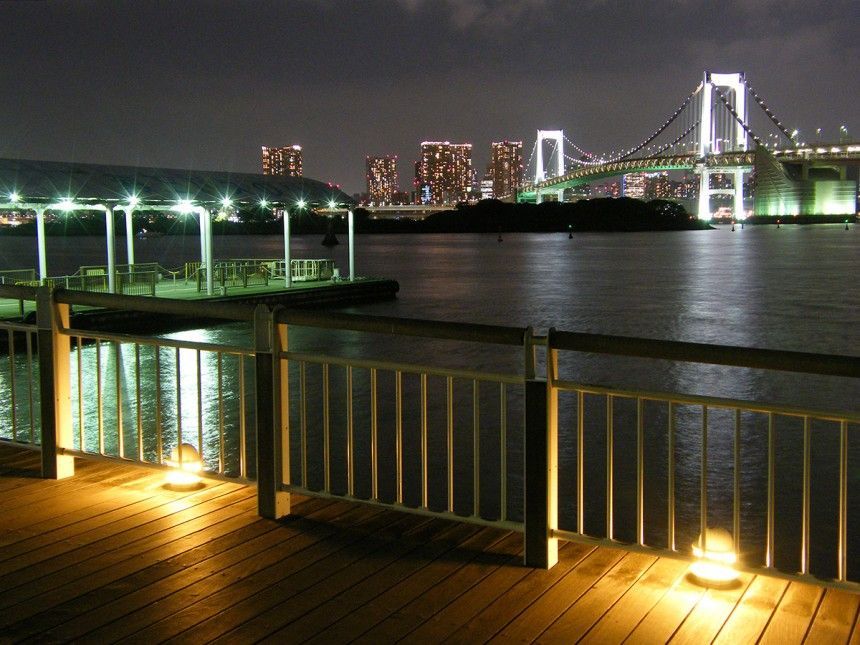
## Description Odaiba Seaside Park is one of Tokyo’s most enjoyable waterfront attractions because it offers a rare combination of open sky, coastal views, and easygoing public space in a city usually defined by density. The park is set on Tokyo Bay, and that location shapes everything about the experience. Instead of narrow streets, you get broad horizons. Instead of constant urban pressure, you get a slower rhythm, with people walking, sitting, cycling, or simply watching the water and the skyline. What makes the park appealing is the sense of contrast. Tokyo is famous for its intensity, but Odaiba gives you a place where the city meets the sea in a more relaxed way. You can see modern structures, bridges, and across-the-water views that feel both futuristic and calm. That blend is especially strong at sunset, when the light across the bay changes the atmosphere dramatically. Visitors often come for photographs, but they stay because the park is genuinely pleasant to spend time in. One little-known fact is that Odaiba itself was originally connected to ambitious land-reclamation and harbor development ideas, so the area reflects a distinctly modern Tokyo story rather than an ancient one. Another is that the park offers a valuable break in a city itinerary because it lets you slow down without feeling disconnected from the urban landscape. The water, beach-like edges, and sightlines make it feel open, but it still belongs fully to Tokyo. The park also works well as part of a larger Odaiba visit. It pairs naturally with shopping, entertainment, and other bay-area attractions, but it does not require you to spend money to enjoy it. That makes it especially useful for travelers who want a scenic stop that is easy to fit into a flexible day. If your idea of Tokyo includes both high energy and moments of calm, Odaiba Seaside Park delivers one of the cleanest transitions between the two. ## Location Odaiba Seaside Park is in Odaiba, Tokyo, Japan, on the waterfront facing Tokyo Bay. The area is well connected to the rest of the city and is one of the most recognizable modern districts in Tokyo’s bay zone. The easiest way to get there is by public transport, including the Yurikamome line or other transit options that serve the Odaiba area. Once you arrive, the park is straightforward to reach on foot. Because the district is designed for visitors and leisure, navigating it is generally simpler than navigating the city’s older, denser neighborhoods. If you are planning a full day, combine the park with nearby attractions or a walk through the broader Odaiba area. That gives you a better sense of why the district has become one of Tokyo’s most photogenic waterfront destinations. ## Tips Go near sunset if possible. The water, skyline, and bridges are especially attractive in the late afternoon and evening light. Bring a light jacket if you are visiting near the water, since the breeze can be stronger than in inland parts of the city. If you like photography, take your time moving around the shoreline. Different angles give you very different views of the city and bay. Use the park as a slower reset during a busier Tokyo itinerary. It is ideal after a day of dense urban exploration. Because Odaiba is so closely tied to modern Tokyo, the park can also feel cinematic in a way that many urban attractions do not. Bridges, towers, water, and open sky create a broad scene that changes with the light. That makes it especially good for visitors who like to photograph cityscapes or simply stand still and take in a less compressed part of Tokyo. The sense of openness is the whole point, and it is one of the reasons the park remains memorable after a busy day elsewhere in the city. It is also useful as a reminder that Tokyo is not only a city of movement but also of carefully designed public space. Odaiba Seaside Park gives you room to breathe without leaving the urban experience behind, and that balance is part of what makes it valuable. If you have already spent time in the tighter streets of central Tokyo, the park offers a visual and psychological reset that can make the rest of your itinerary feel more manageable. ## Conclusion Odaiba Seaside Park offers a refreshing waterfront perspective on Tokyo, combining open space, bay views, and modern city scenery. It is a strong choice for travelers who want a calmer but still distinctly urban experience. ## FAQ **Is Odaiba Seaside Park worth visiting?** Yes, especially if you want open views and a break from Tokyo’s denser districts. **What is the best time to go?** Late afternoon and sunset are especially attractive. **How do I get there?** Public transport to Odaiba is the easiest and most convenient option. **Is it good for families?** Yes. It is a relaxed public space that works well for all kinds of visitors. **Can I combine it with other Odaiba attractions?** Absolutely. It fits naturally into a broader waterfront itinerary. ## Links - [Tokyo Parks guide](https://www.tptc.co.jp/parks/odaiba)
GemVoyage Team • World
Cologne
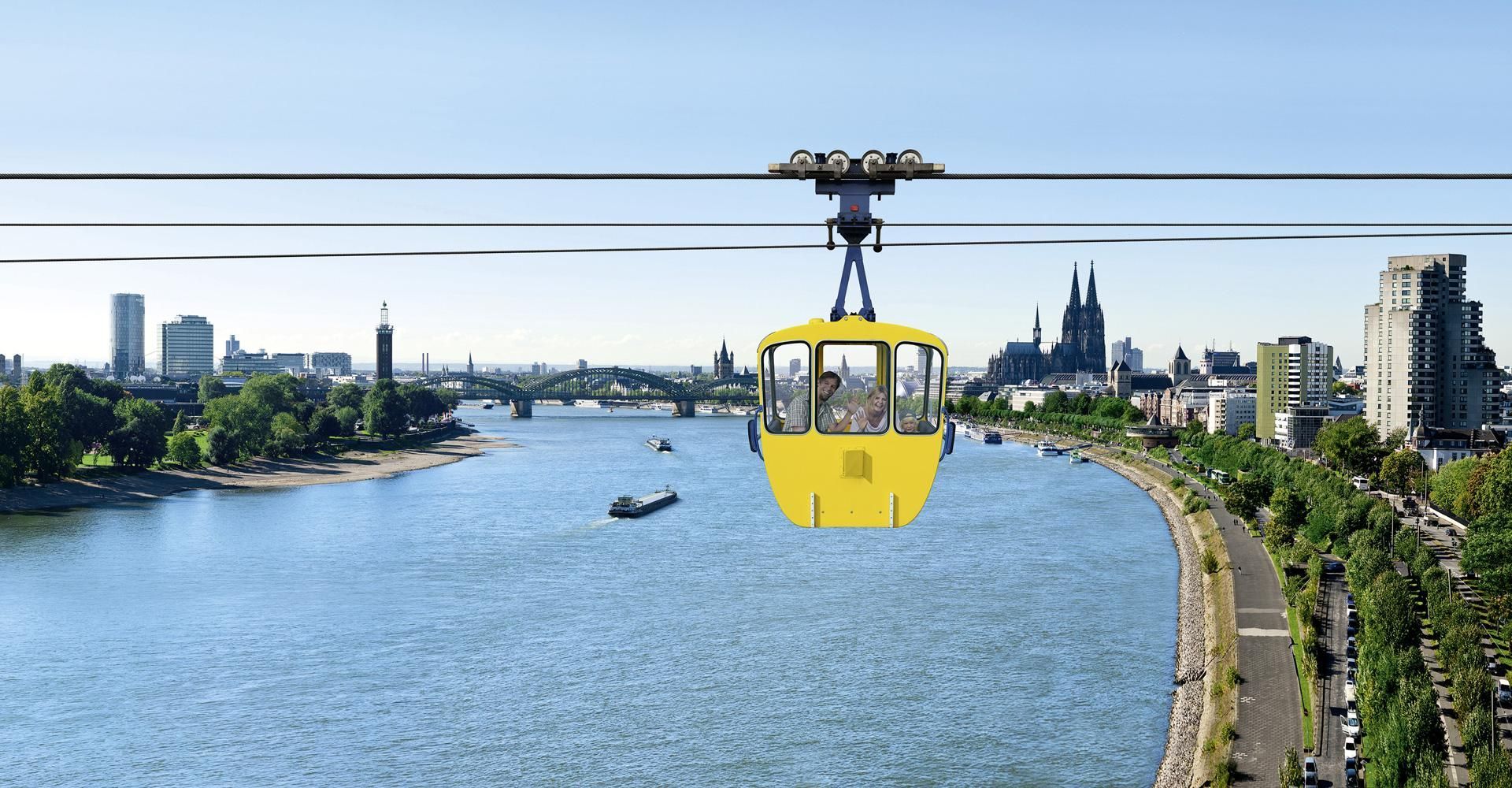
## Description The Cologne Cable Car, also known as the Rhine Ropeway, is one of the city’s most enjoyable short experiences because it turns a simple river crossing into a memorable view-filled ride. Instead of treating transport as a functional necessity, the ropeway makes movement itself the attraction. As you travel above the Rhine, Cologne opens up in a new way, with the river, bridges, skyline, and green spaces unfolding beneath you. It is a modestly scaled experience, but one that offers a surprisingly vivid perspective on the city. What makes the cable car special is that it adds movement and elevation to a city that is often explored on foot. From above, familiar landmarks look different. You can see how the river shapes Cologne’s geography, how the city spreads out on both sides, and how the waterfront becomes part of the urban image. For many visitors, the ride is also a welcome break from walking. It is relaxing, scenic, and slightly unusual, which is a strong combination for a city stop. One little-known fact is that the ropeway is often appreciated as much for the sense of orientation it gives as for the actual ride. It helps visitors understand how Cologne sits in relation to the Rhine. Another is that it has a long-standing reputation as one of the city’s more family-friendly and easy-to-enjoy attractions because it does not require a major time investment but still produces a strong memory. The experience works particularly well in good weather, when visibility is clear and the river views feel open. It also pairs nicely with other riverside activities or a park visit. The ride itself is not long, so the best strategy is to treat it as part of a wider Cologne outing rather than as the entire plan for the day. Still, even as a short activity, it stands out because it gives you a literal new angle on the city. ## Location The Cologne Cable Car is in Cologne, Germany, crossing the Rhine and connecting areas of the city on opposite sides of the river. It is close enough to central Cologne and the riverside to be convenient for visitors already exploring the city center. The easiest way to reach it is by local transport or by walking from nearby attractions on the riverbank. Because Cologne’s center is relatively visitor-friendly, the ropeway often fits naturally into a walk along the Rhine. Depending on your route, you can ride one way and then continue exploring the waterfront or nearby park areas on foot. If you are building a day in Cologne, the ropeway works especially well with riverside sightseeing, the old town, or a relaxed walk through nearby green spaces. It is a small addition that can make the whole day feel more varied. ## Tips Go on a clear day if possible. Visibility makes a huge difference to the experience. Check operating times before you go, especially if you are visiting in a shoulder season or outside peak travel periods. If you enjoy photography, try the ride at different times of day for different light on the river and city. Use it as part of a larger walking route so the experience feels connected rather than isolated. Even though the ride is short, it can become one of the more distinctive memories from a Cologne trip because it changes the scale of the city so quickly. On foot, Cologne can feel intimate and grounded; from the ropeway, it suddenly feels open and legible. That shift is valuable for first-time visitors who are still learning how the city fits together around the river. It is the kind of simple experience that gives practical orientation as well as enjoyment. The cable car is also a good reminder that not every worthwhile attraction needs a long museum visit or a complex reservation. Sometimes a single perspective change can be enough to make a city feel more coherent. In Cologne, where the Rhine is such a defining feature, that change is especially effective. You see how the city relates to the river instead of only moving beside it, and that perspective often makes the rest of the day’s sightseeing easier to understand. ## Conclusion The Cologne Cable Car offers a short but memorable aerial perspective on the Rhine and the city. It is a simple attraction that adds a fun, scenic dimension to a Cologne visit. ## FAQ **How long is the cable car ride?** It is a short crossing, designed more for scenery than for distance. **Is it worth doing?** Yes, especially if you enjoy views, riverside cityscapes, and light activities. **Can I use it as transport?** It can function that way, but most visitors treat it as an attraction. **Is it good for families?** Yes, it is one of the more relaxed and accessible Cologne experiences. **When is the best time to ride?** On a clear day with good visibility, ideally when the light is favorable. ## Links - [Official website](https://www.koelner-seilbahn.de/en/) - [Wikipedia](https://en.wikipedia.org/wiki/Cologne_Cable_Car)
GemVoyage Team • World
New York
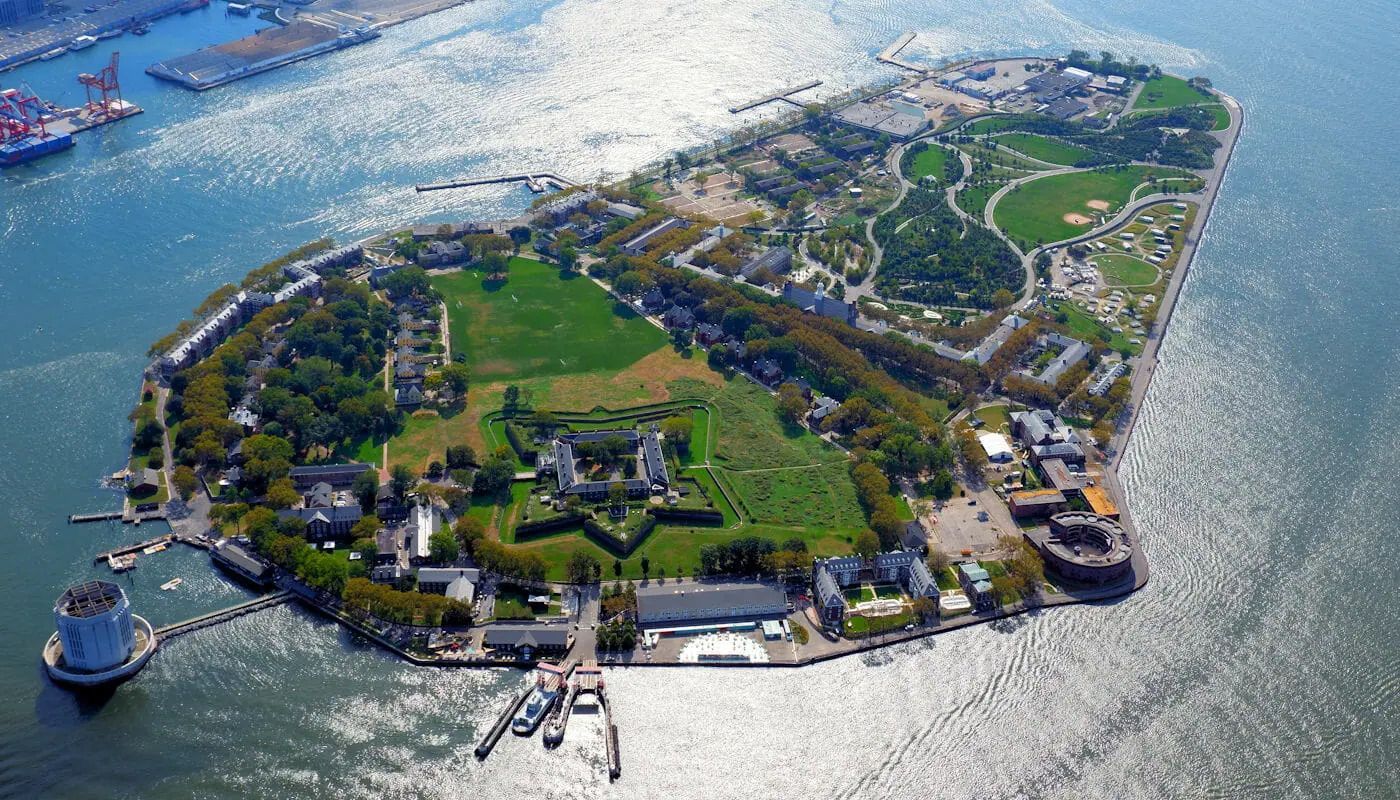
## Description Governors Island is one of New York City's best day trip destinations because it combines harbor views, historic buildings, open green space, and a sense of distance from the city without actually leaving it. The island feels spacious and refreshing in a way that is rare in Manhattan, making it appealing to visitors who want a slower rhythm, bike paths, and outdoor relaxation. The experience is especially strong in warm weather, when the ferry ride itself becomes part of the outing and the skyline views are at their most memorable. What makes Governors Island particularly interesting is that it has moved from a former military and administrative site to a public destination with recreation, arts, and heritage uses. A lesser-known fact is that much of the island's character comes from its reuse: old structures now sit alongside lawns, paths, and public programming. Another detail many first-time visitors appreciate is how easy it is to build a flexible day there, whether you want to picnic, explore, rent bikes, or simply enjoy the harbor air. ## Location Governors Island is in New York Harbor, just south of Manhattan in the United States. It is reached by ferry from designated terminals in Manhattan and sometimes Brooklyn, depending on the season and service schedule. Because access is by boat, the visit naturally feels like a break from the city. The short ride is part of what makes the island appealing and memorable. The best way to visit is to check ferry times ahead of time and plan enough hours on the island to make the crossing worthwhile. Once there, the grounds are easy to explore on foot or by bike. It is one of the most straightforward and rewarding day trips in the New York area. ## Tips - Check the ferry schedule before you go so you can make the most of your time on the island. - Bring food, water, or a picnic plan if you want to enjoy the green space more fully. - Rent a bike if you want to see more of the island without spending the whole day walking. - Go in good weather if possible, since the outdoor setting is a major part of the appeal. - Bring layers, because harbor breezes can make the island feel cooler than Manhattan. - Leave time for skyline views on the return ferry, which are often one of the highlights. ## Conclusion Governors Island is one of the easiest ways to feel removed from New York City while still being within sight of it. Its combination of history, green space, and harbor views makes it an excellent, low-stress escape. ## FAQ ### How do I get to Governors Island? You usually take a ferry from Manhattan or, depending on the season, from Brooklyn. The ferry is simple to use and is part of the experience because it gives you immediate harbor and skyline views. ### Is Governors Island worth visiting for a short trip? Yes, but it is even better if you have several hours. The island's appeal comes from unhurried exploration, open space, and the ferry ride itself, so a longer visit feels more rewarding. ### Can I bike there? Yes, and biking is one of the best ways to cover more ground. The island is well suited to cycling because it is relatively open and easy to navigate. ### Is it family-friendly? Very much so. Families often appreciate the car-free environment, open lawns, and relaxed pace. It is one of the more comfortable outdoor outings in the New York area. ### What should I bring? Water, comfortable walking shoes, sun protection, and perhaps food if you want a picnic. Because the island is such a good open-air destination, it helps to prepare for spending most of the day outside. ## Links - [Official website](https://www.govisland.com/) - [Wikipedia](https://en.wikipedia.org/wiki/Governors_Island)
GemVoyage Team • World
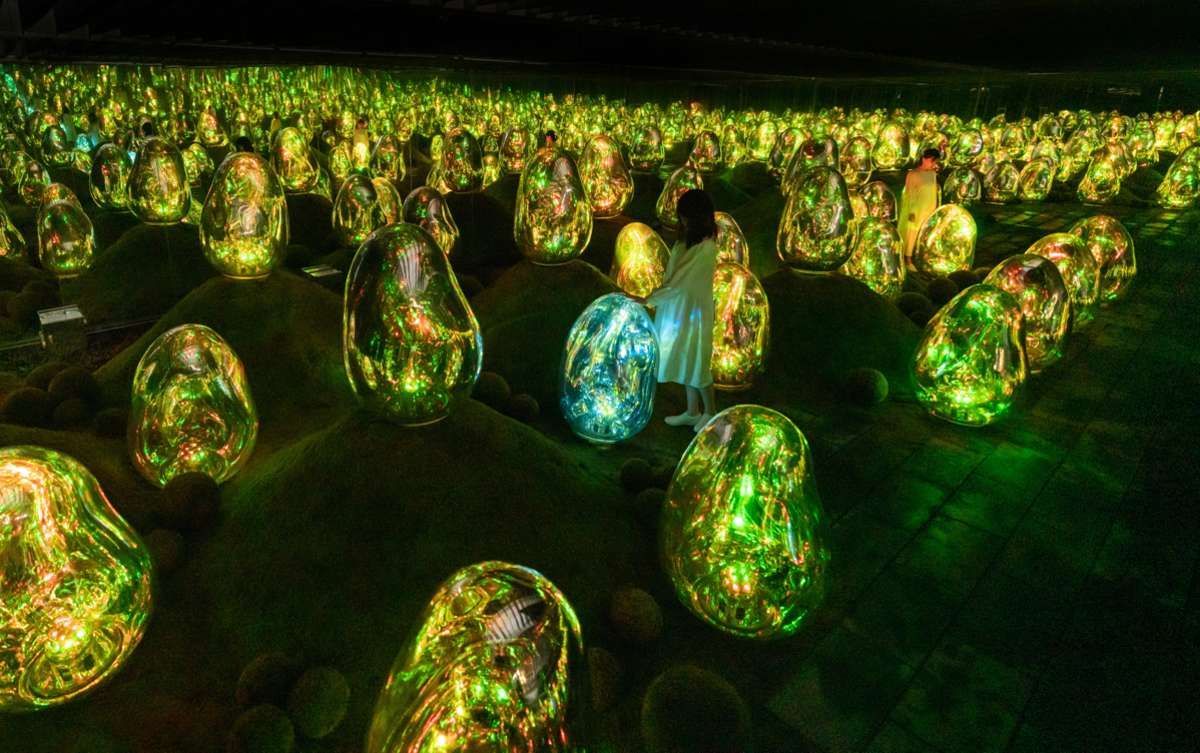
Tokyo
## Description teamLab Planets is a landmark example of immersive, participatory art in Tokyo that invites visitors to become active participants in dynamic digital environments. The experience is designed around large-scale rooms where light, projection, sound, and water interact to create continuously shifting installations. Unlike a typical gallery, the works at teamLab Planets are spatial and experiential: you walk through, touch, and sometimes wade in shallow water as the piece responds to human presence. This approach produces emotional and sensory responses that vary significantly with crowd size, time of day, and individual movement. The attraction is notable not only for its technical sophistication but also for its curatorial intent: works are arranged to produce an arc of changing perception, where early rooms prepare your senses for the more intense, multisensory environments that follow. Crowd dynamics shape the experience—quiet moments make installations feel meditative, while busier times can add a social energy that changes how the pieces read. teamLab Planets is often recommended for both art-savvy travelers and curious visitors who enjoy novel, interactive experiences. From an SEO point of view, teamLab Planets draws queries such as “teamLab Planets tickets,” “how to visit teamLab Tokyo,” and “immersive art Tokyo.” Useful content for travelers mixes logistical details (ticket booking, arrival windows, age and accessibility considerations) with sensory descriptions that help set expectations for immersion, photo opportunities, and comfort. ## Location teamLab Planets is located in the Toyosu area of Tokyo, a modern district that is well served by public transit. The nearest stations are on the Yurikamome and Yurakucho lines, making the site accessible from central Tokyo neighborhoods. Because visits are ticketed by time slot, it’s efficient to plan surrounding activities nearby—Toyosu Market, waterfront walkways, or a leisurely neighborhood meal—so you’re not rushed before or after the exhibition. Booking ahead is practical and often necessary: popular time slots sell out, and the museum manages visitor flow to preserve the immersive environment. Arrive a little early for your slot, take time to read basic venue rules, and factor in a post-visit window to decompress and reflect on what you’ve seen. ## Tips - Book tickets in advance for specific time slots to avoid sold-out sessions and to help ensure a smoother experience. - Wear comfortable, quick-drying footwear if you expect to use areas with water; some installations ask visitors to remove shoes before entering wet spaces. - Keep valuables protected—immersive rooms can be dim or reflective, and a stable grip on cameras or phones is useful. - Consider visiting on a weekday or off-peak hour for a more contemplative visit; peak evenings and weekends can be busier. - Follow staff guidance in each room—safety and the integrity of the artworks depend on visitor cooperation. - Balance photography with presence: the installations reward quiet observation as much as visual documentation. ## Conclusion teamLab Planets demonstrates how technology and art can create environments that transform a visitor into an active perceiver. The result is a memorable, emotionally resonant visit that’s best prepared for with advance planning, comfortable attire, and a willingness to let the work alter your movement and expectations. ## FAQ ### Is teamLab Planets suitable for people who do not usually go to museums? Yes. Its sensory, movement-based installations are accessible to a broad audience—no prior art knowledge is required, just curiosity and an openness to engaging physically with the space. ### How long does a visit usually take? Most visits last between one and two hours, although time can vary depending on crowd size and how long you linger in each room. ### Do I need to buy tickets in advance? Yes—advance booking is strongly recommended because sessions sell out and visitor numbers are controlled to maintain the immersive quality. ### Are there water installations where I need to remove shoes? Some rooms involve shallow water or wet surfaces; venue rules will instruct you when to remove shoes and how to protect small electronics. ### Is teamLab Planets family-friendly? Generally yes—children are often enchanted by the interactive environments, but be mindful of younger children in darker or reflective rooms and check age suitability for specific installations. ## Links - [Official website](https://www.teamlab.art/e/planets/)
GemVoyage Team • World
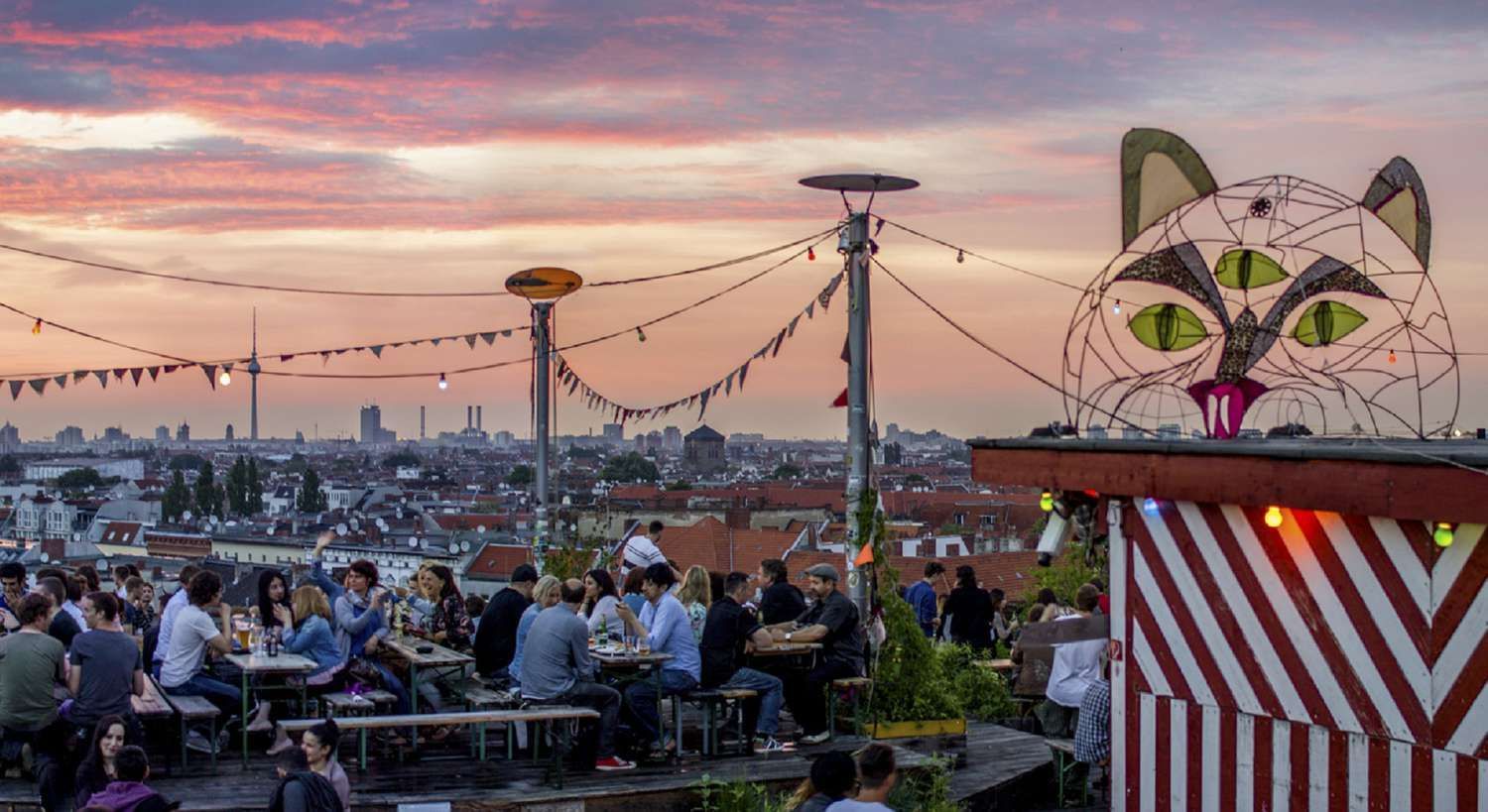
Berlin
## Description Klunkerkranich is one of Berlin's most characterful rooftop destinations, known for a relaxed atmosphere, open views, creative programming, and a slightly hidden location above a shopping center. What feels immediate to visitors is a blend of casual social life and cultural programming: daytime coffee, sunset drinks, weekend markets, intimate concerts, and occasional film or theater events. The venue works because it deliberately resists being polished into a standard rooftop bar; instead it leans into an inventive, lived-in aesthetic that rewards discovery. Beyond the obvious appeal of skyline views, Klunkerkranich matters because it exemplifies Berlin's habit of repurposing ordinary urban spaces for imaginative public life. Arriving through the shopping center and taking an elevator up to the rooftop creates a small sense of adventure. Once there, you'll find mismatched seating, potted plants, string lights, and a mix of locals and visitors that encourages lingering. The programming is eclectic—local bands, DJ sets, community talks, and pop-up markets—which means the atmosphere changes with the calendar and often invites repeat visits. This is a place where architecture and community intersect: the raw, open-air structure and the surrounding skyline are a backdrop for neighborhood social life. If you're writing a Berlin itinerary, Klunkerkranich belongs in a section about alternatives to mainstream nightlife: it captures both the city's informal creativity and its social resilience. ## Location Klunkerkranich sits atop the Neukölln Arcaden shopping center in the Neukölln district of Berlin. The slightly hidden arrival—entering the mall, finding the elevator, and rising to the roof—adds to the venue's charm and helps keep it grounded in local everyday life. The location is advantageously central: well served by several S-Bahn and U-Bahn lines and an easy tram or bus ride from many parts of the city. Because the venue is rooftop-based, weather matters. Summer evenings and clear sunsets draw crowds; cooler months see more limited programing and fewer outdoor comforts. Still, the surrounding neighborhood—full of cafés, bars, and street-food options—makes Klunkerkranich an excellent addition to an evening out in Neukölln. ## Tips - Check the official event calendar and social channels for the day's lineup—concerts and ticketed events can change access and seating. - Arrive before sunset for easier entry and the best window for skyline photos; linger into the evening for music and a different mood. - Dress in layers: rooftop breezes can be cooler than street level even in summer. - Use public transportation: parking in Neukölln can be limited and transit puts you within easy walking distance. - Budget modestly for drinks and snacks; the venue's informal setup means options vary and some events may feature local vendors. - If you want a quieter experience, aim for weekday afternoon hours or look for daytime events like markets and talks. ## Conclusion Klunkerkranich is a must-visit for travelers seeking a rewarding, low-key rooftop experience in Berlin. It showcases the city's talent for turning unassuming urban infrastructure into social and cultural places. Whether you come for a golden-hour drink, an outdoor concert, or a lazy weekend market, the venue offers a human-scaled, memorable experience that contrasts nicely with Berlin's more touristed spots. ## FAQ ### Is Klunkerkranich more of a bar or a cultural venue? It is both. Regularly scheduled cultural events—small concerts, film nights, and community gatherings—sit alongside the everyday social life of a rooftop bar. The balance shifts by day and by event. ### Do I need to reserve in advance? Reservations are seldom required for casual visits but may be recommended or necessary for ticketed concerts or special events. Check the venue's event listings before you go. ### Is it open year-round? Programming changes seasonally. Summers are busiest and most active, while colder months often mean reduced outdoor offerings; occasional indoor or sheltered events may still take place. ### What is the best time to visit? Late afternoon into sunset is the ideal window for views and atmosphere. For a quieter visit, aim for weekday afternoons or daytime markets. ### Is Klunkerkranich family-friendly? It can be—many daytime events welcome a broader audience, though evening concerts and late-night sets skew toward adults. Check event details if you plan to bring children. ## Links - [Official website](https://www.klunkerkranich.org/)
GemVoyage Team • World
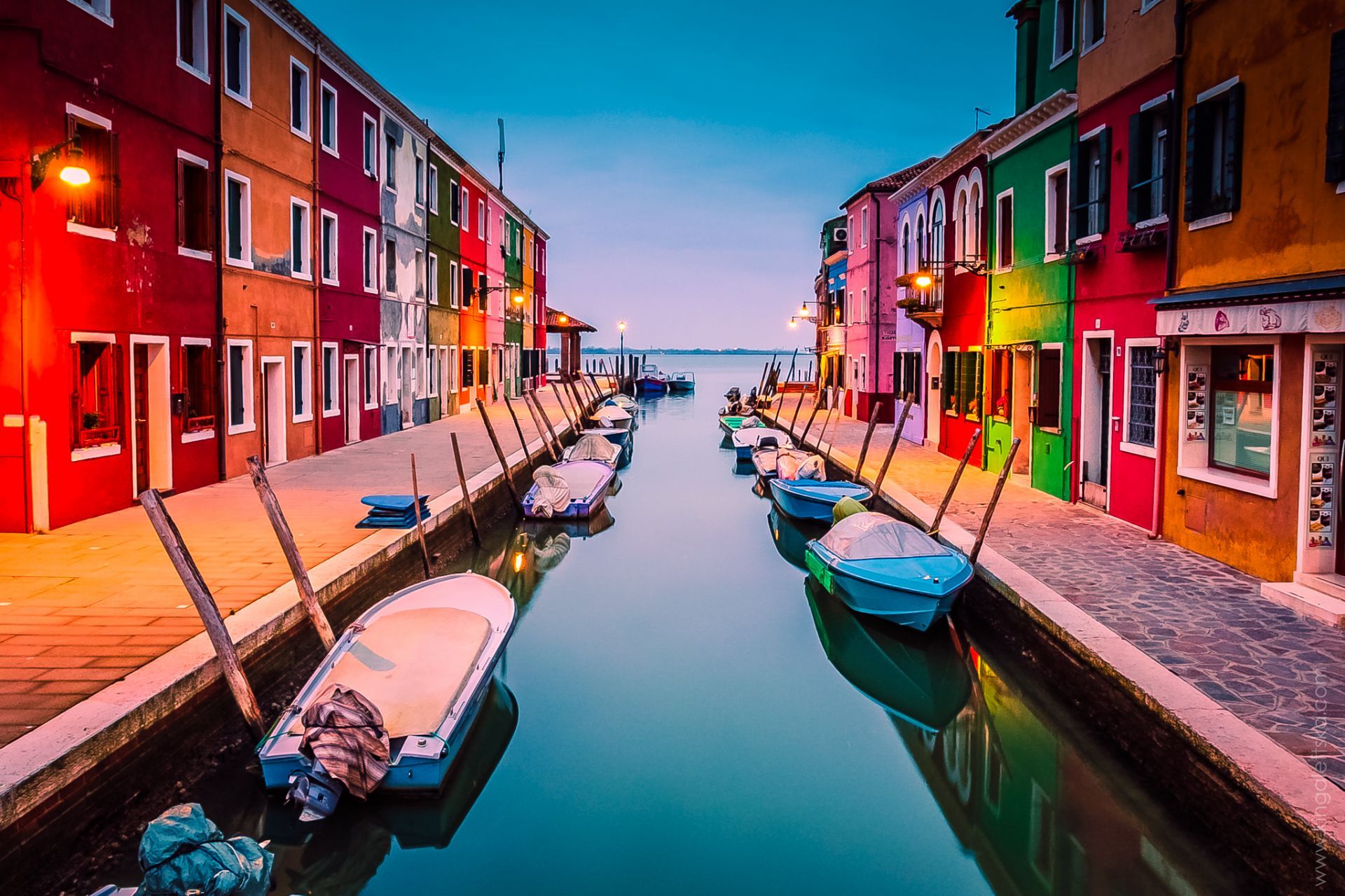
Venice
## Description Burano is one of the most visually unforgettable islands in the Venetian lagoon, famed for its brightly painted houses, calm canals, and enduring lace-making traditions. The island's sensory appeal is immediate: a stroll down almost any narrow calle reveals rows of color that complement the water's subtle reflections and the pace of daily life. Yet Burano never feels solely staged for photography—its charm comes from a lived-in quality that keeps facades, fishermen's histories, and family-run ateliers central to the experience. The island's palette also has a practical origin: fishermen historically painted homes in vivid colors so they could recognize them through fog and across the lagoon. That practical method became a cultural identity, and today the colors are protected by local rules and customs. Lace-making, another deep-rooted craft, once supported a vibrant export economy and still distinguishes Burano through small workshops and boutique stores where artisans demonstrate traditional techniques. Together, color and craft make Burano an excellent case study in how domestic life, maritime economy, and tourism can coexist. Visitors often report that Burano rewards slowness: the best discoveries happen on a side street or in a shop where a single artisan is stitching lace at a tiny table. For photographers and culture-minded travelers alike, Burano offers a compact, walkable experience that can be comfortably explored in a half-day or extended into a full day trip with nearby islands. ## Location Burano lies northeast of Venice in the Venetian Lagoon, connected by regular vaporetto (public boat) services from Venice and other islands. The boat journey is part of the attraction: approaching Burano across open water sets the right tone and helps explain the island's maritime character. Most visitors combine Burano with neighboring Torcello or Murano to make the transit more rewarding and to see contrasting island identities. Practical routing: take a vaporetto line that serves Burano directly from Venice's Fondamenta Nove or from other lagoon stops. During high season, expect more frequent services; in shoulder seasons, check schedules in advance. ## Tips - Bring a camera but spend time away from the main canals to find quieter compositions and authentic scenes. - Visit early in the day to avoid crowds and to catch softer morning light that flatters the painted facades. - Combine Burano with Torcello for a fuller island itinerary that mixes vivid color with serene archaeology. - Support artisan shops by purchasing small lace souvenirs or stopping for coffee in a family-run cafe—this helps keep traditional crafts viable. - Respect residential privacy: many colorful houses are lived in, so avoid blocking doorways or taking intrusive photographs of private spaces. - Wear comfortable shoes—pavement is largely flat but can be uneven in spots. ## Conclusion Burano remains one of the Venetian lagoon's most rewarding day trips because it pairs immediate visual delight with authentic local life. The island resists being reduced to a single photo op by offering craft traditions, friendly cafes, and a scale that invites lingering. Whether you are a photographer, a culture traveler, or someone who enjoys quieter coastal atmospheres, Burano delivers a memorable and humane experience. ## FAQ ### Why are the houses in Burano so colorful? The colors began as practical markers for fishermen navigating fog and open water. Over time the chromatic system became cultural and now contributes to the island's strong visual identity. ### Is Burano worth visiting if I already saw Venice? Yes. Burano provides a different rhythm from Venice—smaller, quieter, and focused on craft and domestic scale rather than grand architecture. ### How long should I stay? A few hours is enough to see the island's highlights; a longer half-day lets you shop, eat, and wander off the main routes for quieter moments. ### Is Burano crowded? It can be during peak season and midday; visiting early or late in the afternoon helps you find calmer streets. ### What is Burano known for besides color? Lace-making and small-scale artisanal traditions are central. The island's shops and demonstration studios give insight into techniques that once sustained whole communities. ## Links - [Wikipedia](https://en.wikipedia.org/wiki/Burano)
GemVoyage Team • World
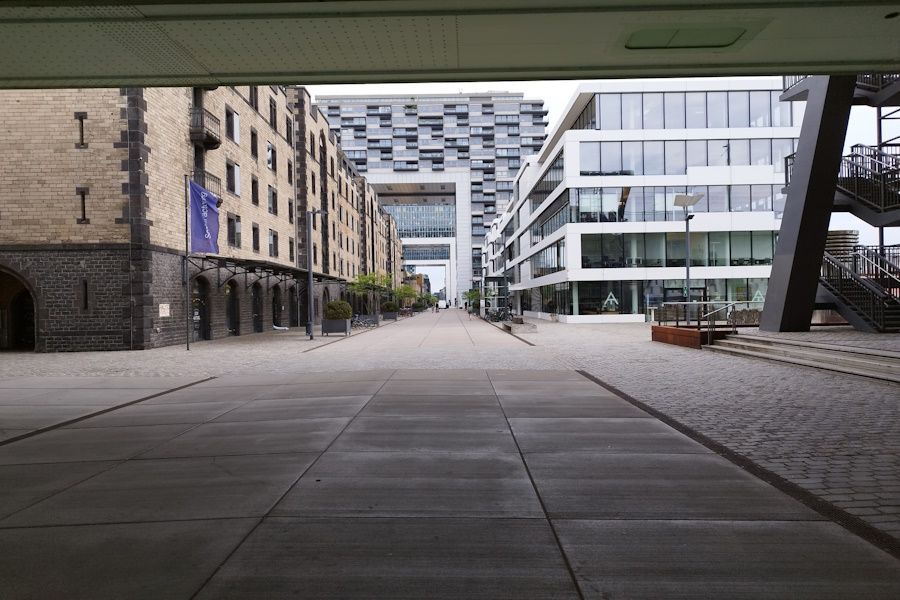
Cologne
## Description The Rheinauhafen District in Cologne exemplifies thoughtful urban redevelopment: a former industrial harbor reimagined as a walkable district of offices, housing, restaurants, and public promenades. Its most striking architectural features are the crane houses (Kranhäuser), modern structures that reference the port's past while creating a distinctive skyline along the Rhine. The district combines strong visual identity with accessible public space, making it an appealing stop for visitors and locals alike. What makes Rheinauhafen particularly interesting is its balance of design ambition and pragmatic public access. The promenades invite walking and cycling; riverside cafés and small parks encourage lingering; and the architecture rewards both appreciation and photography. The transformation of the former harbor area into a mixed-use neighborhood has become one of Cologne's most visible examples of urban regeneration, and the district sits comfortably alongside the city's historic core. ## Location Rheinauhafen lies along the Rhine south of Cologne's Old Town, a short walk from key central attractions. It is well connected by tram, bus, and pedestrian routes, allowing easy integration into walking tours that include the cathedral, museums, and the Old Town. The district's linear layout along the river makes it particularly suited to a riverside walk that can be shortened or extended depending on your schedule. Because Rheinauhafen is adjacent to major city sights, it functions well as an extension of a cultural itinerary—grab coffee or lunch here after a museum visit, or plan an evening walk to see the waterfront at sunset. ## Tips - Explore on foot to appreciate perspectives from both the promenade and the opposite bank of the Rhine. - Bring a camera for architectural details and reflections on the river surface—sunset light is especially flattering. - Combine the visit with nearby Old Town attractions, museums, or a Rhine river cruise for variety. - Stop at a riverside café or bistro to turn a quick photo stop into a leisurely break. - If cycling, use the well-maintained paths but be mindful of pedestrians along popular stretches. - Check events calendars: the promenade sometimes hosts markets or cultural events that enrich a visit. ## Conclusion Rheinauhafen is a model of how contemporary design can coexist with historic city fabric. It is a polished, open, and welcoming district that rewards unhurried exploration and flexible itineraries—whether you come for architecture, a riverside walk, or a relaxed café stop. ## FAQ ### What is Rheinauhafen known for? It is best known for its crane houses and the successful transformation of a former industrial harbor into a mixed-use, riverfront district. ### Is Rheinauhafen good for walking? Yes—its promenades and river views make it ideal for a comfortable stroll, photography, and small detours into cafés and galleries. ### How long should I spend there? An hour or two is fitting for a leisurely walk and photos; combine it with nearby attractions for a half-day or full-day plan. ### Is it more for locals or tourists? Both. Locals use the promenade for daily walks and dining, while visitors come for architecture and river views; the mix gives the district an authentic feel. ### What should I see nearby? Cologne's Old Town, the cathedral, and riverside museums are all within easy reach and pair well with a Rheinauhafen visit. ## Links - [Wikipedia](https://en.wikipedia.org/wiki/Rheinauhafen)
GemVoyage Team • World
Athens
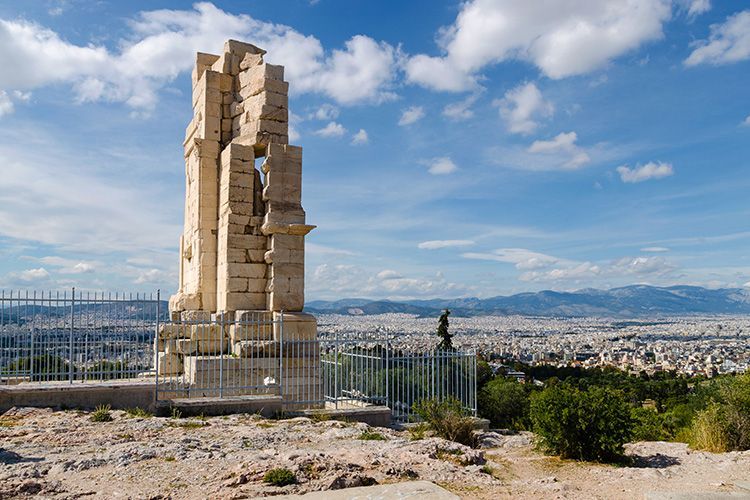
## Description Philopappos Hill is a quietly rewarding spot in Athens that combines green space, archaeological interest, and some of the city's best vantage points. Unlike the intensely visited Acropolis itself, Philopappos offers room to breathe: shaded paths, open lawns, and a prominent memorial monument that speaks to the city's Roman-era history. The hill is prized by locals and visitors looking for views, quiet reflection, and an approachable dose of history. Historically, the hill houses the Philopappos Monument, dedicated to Gaius Julius Antiochus Philopappos, a prominent figure in the Roman civic life of Athens. The site also preserves traces of long-term human use and offers a series of viewpoints that reveal the Acropolis from varied angles—useful for appreciating Athens' layered topography. The combination of nature and archaeology makes Philopappos ideal for a walk that complements more intense museum and monument visits. ## Location Philopappos Hill lies just southwest of the Acropolis in central Athens, within easy walking distance of the historic center. The hill's centrality means it can be folded into a broader exploration of the city's archaeological zones, museums, and neighborhoods such as Plaka and Thissio. Pathways connect the hill with other scenic spots, making it a natural link in a pedestrian-friendly sightseeing loop. Because some paths rise more steeply than others, sensible footwear and a modest level of mobility are helpful. The hill's proximity to major sites makes it an ideal stop for early morning or late afternoon visits when both light and temperature are more comfortable. ## Tips - Bring water, especially in summer—Athens' heat can make walks more strenuous. - Wear shoes with good grip for uneven or rocky paths. - Visit at sunrise or sunset for the best light and cooler temperatures. - Combine the hill with visits to the Acropolis, the Ancient Agora, and the neighborhoods of Plaka and Thissio. - Allow time to sit and take in the views rather than rushing through the paths. - Keep to marked routes and respect any archaeological conservation notices. ## Conclusion Philopappos Hill is an excellent complement to Athens' major monuments: quieter, greener, and full of viewpoints that help you see the Acropolis in context. It rewards visitors who seek slower sightseeing and panoramic perspectives. ## FAQ ### Why should I visit Philopappos Hill? Visit for quieter views of the Acropolis, a taste of Athenian green space, and the Philopappos Monument's historical resonance. ### How long does it take to explore? One to two hours is typical for a relaxed visit; longer if you plan to picnic or linger at viewpoints. ### Is it suitable for families? Yes—families who are comfortable with walking and light uphill sections will find it pleasant, though very young children may need supervision on uneven paths. ### Can I see the Acropolis from there? Yes—multiple viewpoints on the hill provide varied and informative perspectives of the Acropolis and surrounding city. ### Do I need a guide? Not strictly. The hill is easy to explore independently, though a guide can enrich the experience with historical context. ## Links - [Wikipedia](https://en.wikipedia.org/wiki/Philopappos_Monument)
GemVoyage Team • World