GemVoyage Team • World
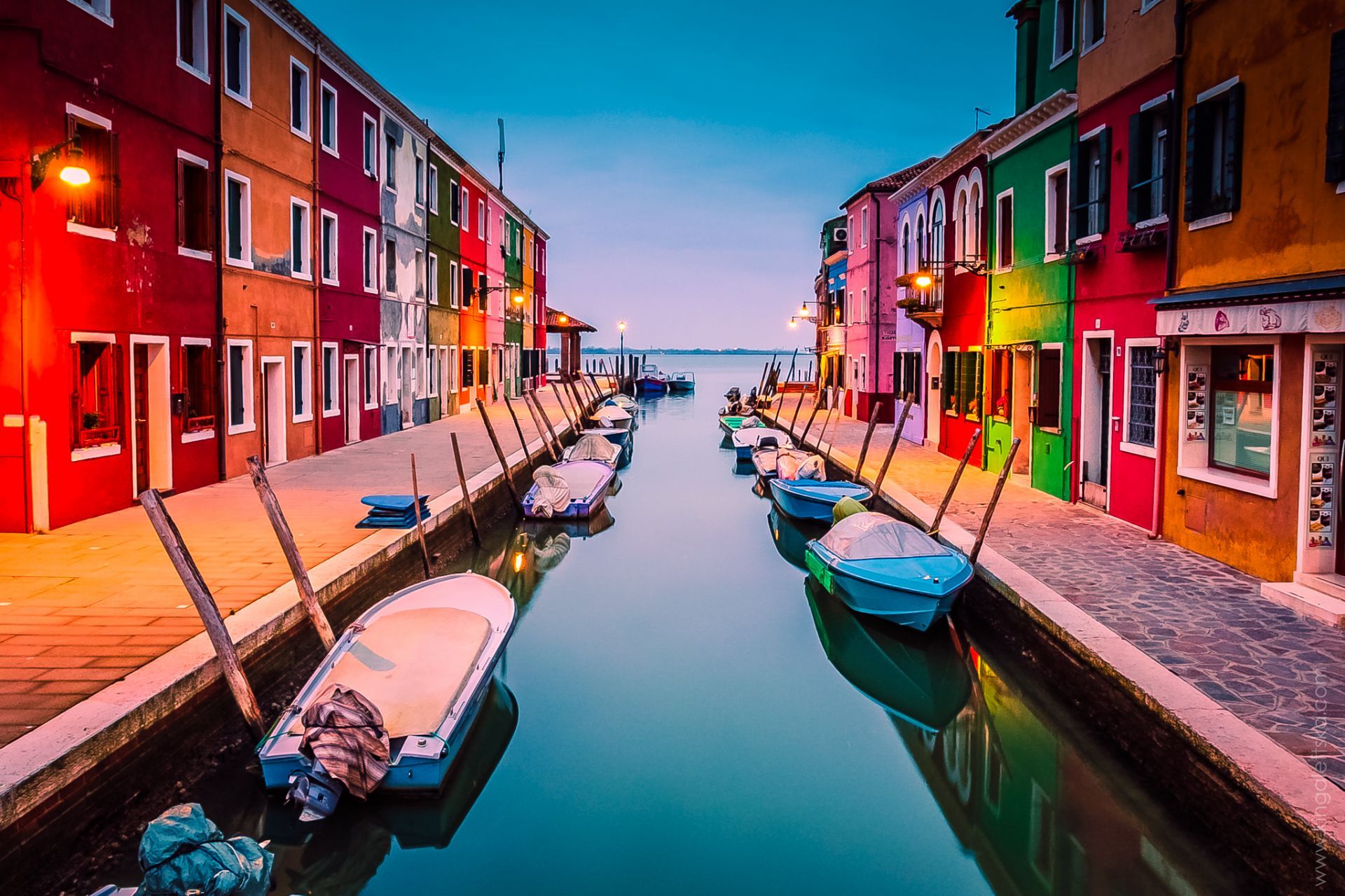
The island's palette also has a practical origin: fishermen historically painted homes in vivid colors so they could recognize them through fog and across the lagoon. That practical method became a cultural identity, and today the colors are protected by local rules and customs. Lace-making, another deep-rooted craft, once supported a vibrant export economy and still distinguishes Burano through small workshops and boutique stores where artisans demonstrate traditional techniques. Together, color and craft make Burano an excellent case study in how domestic life, maritime economy, and tourism can coexist.
Visitors often report that Burano rewards slowness: the best discoveries happen on a side street or in a shop where a single artisan is stitching lace at a tiny table. For photographers and culture-minded travelers alike, Burano offers a compact, walkable experience that can be comfortably explored in a half-day or extended into a full day trip with nearby islands.
Practical routing: take a vaporetto line that serves Burano directly from Venice's Fondamenta Nove or from other lagoon stops. During high season, expect more frequent services; in shoulder seasons, check schedules in advance.
Discover more hidden gems you might love.
Zürich
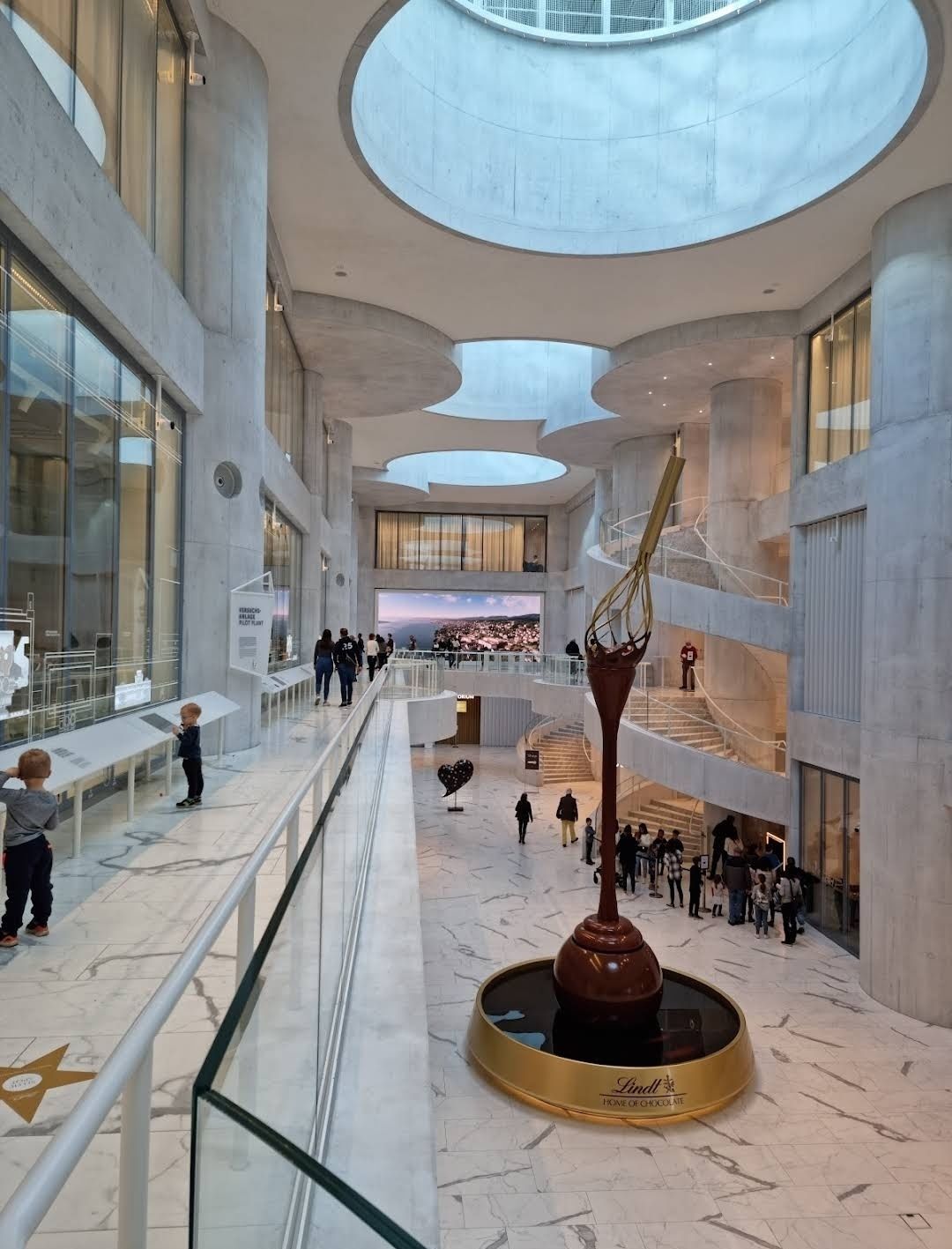
## Description The **Lindt Home of Chocolate** is one of Switzerland’s most delicious attractions, designed to immerse visitors in the fascinating world of Swiss chocolate. Opened in September 2020, this impressive chocolate museum and experience center was created by the Lindt & Sprüngli Foundation and has quickly become a must-visit destination for chocolate lovers worldwide. The highlight of the museum is undoubtedly the **world’s largest free-standing chocolate fountain**, which stands over 9 meters tall and circulates more than 1,000 liters of real liquid chocolate. It’s a breathtaking sight that greets visitors as soon as they enter, setting the stage for a truly mouthwatering experience. Inside, guests can explore interactive exhibitions covering the history of cocoa, the art of chocolate-making, and Lindt’s own story as one of Switzerland’s most beloved brands. Visitors also get to witness master chocolatiers at work in the open kitchen and even create their own chocolate in a hands-on workshop. A lesser-known fact is that the building was designed by the renowned Basel-based architects Christ & Gantenbein, blending modern design with Swiss precision. Another interesting detail is that the museum’s exhibition is available in multiple languages, ensuring that international visitors can enjoy the experience just as much as locals. ## Location The Lindt Home of Chocolate is located in **Kilchberg**, a charming suburb just outside **Zurich, Switzerland**, in the canton of Zurich. The exact address is **Seestrasse 204, 8802 Kilchberg**. Getting there is easy and convenient. From **Zurich’s main train station (Hauptbahnhof)**, visitors can take an S-Bahn train (S1, S8, or S24) to Kilchberg station. From there, it’s just a short walk or a quick bus ride to the museum. Alternatively, a boat ride across Lake Zurich offers a scenic and memorable way to reach Kilchberg. For those traveling by car, parking is available on-site, but spaces can be limited during peak hours. ## Tips To make the most of your visit to the Lindt Home of Chocolate, here are some practical tips: * **Book tickets online in advance** – The attraction is very popular, especially on weekends and holidays, so securing a ticket beforehand is recommended. * **Arrive early** – If you want to enjoy the exhibits and tasting areas with fewer crowds, plan your visit in the morning. * **Don’t miss the chocolate tasting** – The museum includes generous sampling stations where you can taste Lindt’s creations. Come hungry! * **Join a workshop** – For a more interactive experience, sign up for a chocolate-making workshop with Lindt’s master chocolatiers. Spots fill up quickly, so reserve early. * **Visit the shop** – The Lindt store inside is one of the largest chocolate shops in the world, offering exclusive products and unique flavors you won’t find elsewhere. * **Plan about 2–3 hours** – While you can rush through the exhibits in an hour, taking your time allows for a more immersive and enjoyable experience. ## Conclusion The **Lindt Home of Chocolate in Switzerland** is more than just a museum – it’s a celebration of chocolate’s history, culture, and craftsmanship. From the awe-inspiring chocolate fountain to interactive exhibits and hands-on workshops, it’s a dream come true for anyone with a sweet tooth. Conveniently located near Zurich, it’s a must-see destination for travelers looking to indulge in one of Switzerland’s most iconic treasures. ## FAQ **1. How much does it cost to visit the Lindt Home of Chocolate?** Ticket prices vary depending on age and type of visit, but adults can expect to pay around CHF 15–17. Discounts are available for children, students, and groups. **2. How long should I plan for a visit?** Most visitors spend between 2 and 3 hours enjoying the exhibits, workshops, and chocolate tastings. **3. Is the museum family-friendly?** Yes! The Lindt Home of Chocolate is designed for all ages, with interactive displays that both kids and adults can enjoy. **4. Can I buy unique Lindt products there?** Absolutely. The on-site shop is one of the largest Lindt stores worldwide, featuring exclusive products not available elsewhere. **5. Do I need to book in advance?** While walk-ins are possible, booking online in advance is strongly recommended, especially during weekends and holidays. ## Links * [Official Website – Lindt Home of Chocolate](https://www.lindt-home-of-chocolate.com)
GemVoyage Team • World
Misiones
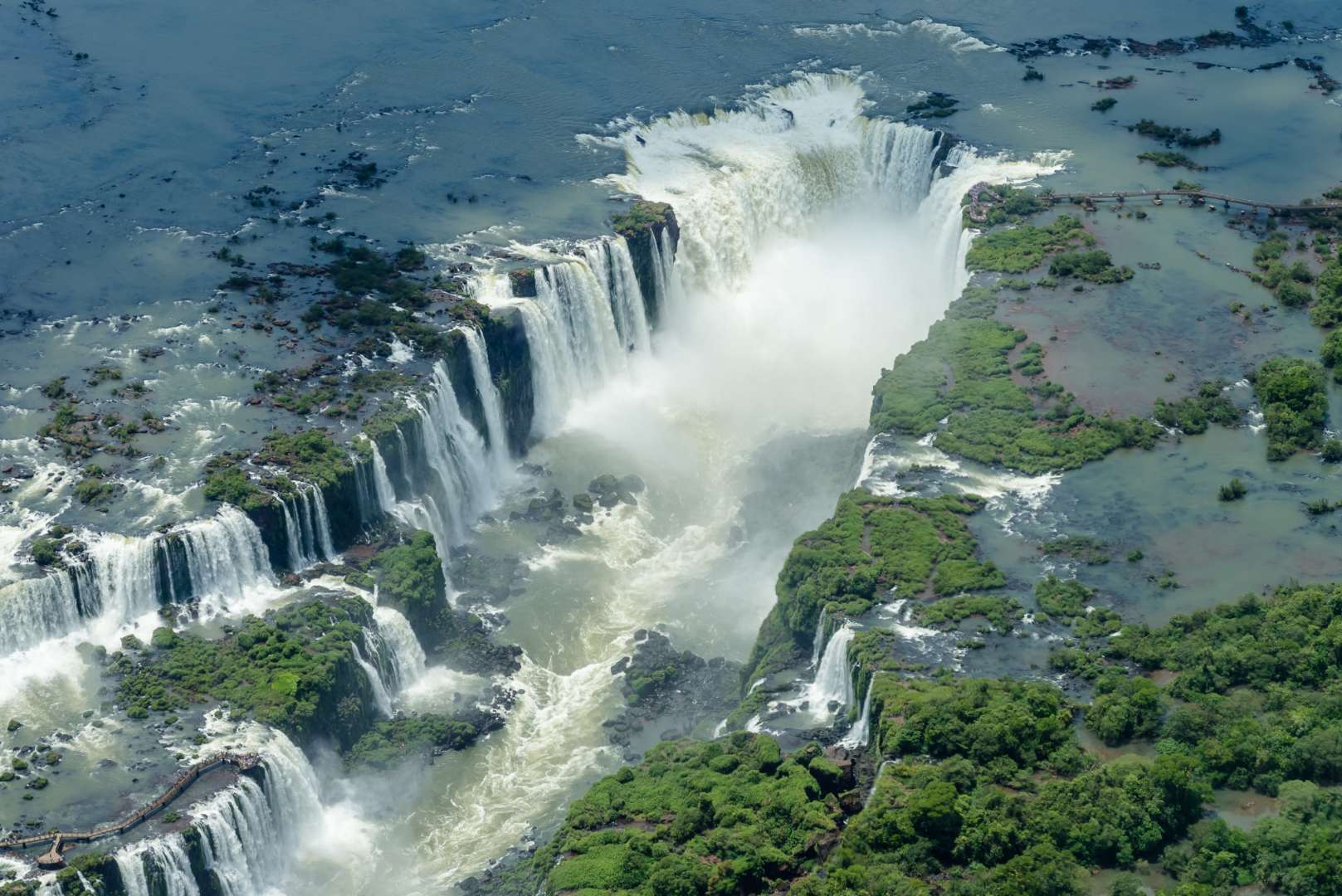
## Description Iguazú Falls (Cataratas del Iguazú) is one of the most awe-inspiring natural wonders on Earth, a sprawling system of waterfalls that straddles the border between Argentina and Brazil. Located within the lush confines of the Iguazú National Park, the falls consist of 275 individual cascades stretching nearly 2.7 kilometers across the Iguazú River. With drops ranging from 60 to 82 meters, the thunderous roar and misty spray of the falls create an unforgettable sensory experience. The crown jewel of the site is the **Devil’s Throat (Garganta del Diablo)**, a U-shaped chasm where half the river’s flow plunges into a dramatic abyss. Standing on the viewing platform above this torrent is both humbling and exhilarating. The surrounding subtropical rainforest is teeming with wildlife, including toucans, coatis, butterflies, and even jaguars, making the area a paradise for nature lovers and photographers. A little-known fact: Eleanor Roosevelt reportedly exclaimed “Poor Niagara!” upon seeing Iguazú Falls, a testament to its staggering scale and beauty. Another fascinating detail is that the falls were formed by a volcanic eruption that left a large crack in the earth, allowing the river to tumble over the edge and create this natural spectacle. ## Location Iguazú Falls is located in **Argentina**, within the **Misiones Province**, near the city of **Puerto Iguazú**. The falls are part of the **Iguazú National Park**, a UNESCO World Heritage Site recognized for its ecological importance and breathtaking scenery. ### How to Get There: - **By Air**: The easiest way to reach the falls is by flying into **Cataratas del Iguazú International Airport (IGR)**, located about 20 minutes from Puerto Iguazú. Direct flights are available from Buenos Aires and other major cities. - **By Bus**: Long-distance buses run from Buenos Aires and other regional hubs to Puerto Iguazú, though the journey can take 18–20 hours. - **By Car**: Renting a car offers flexibility, especially if you plan to visit both the Argentine and Brazilian sides of the falls. From Puerto Iguazú, shuttle buses and taxis can take you directly to the entrance of the national park. ## Tips for Visitors To make the most of your Iguazú Falls adventure, keep these tips in mind: - **Visit Both Sides**: The Argentine side offers immersive trails and close-up views, while the Brazilian side provides panoramic vistas. If possible, explore both. - **Start Early**: Arrive when the park opens to avoid crowds and enjoy cooler temperatures. - **Wear Waterproof Gear**: The mist from the falls can soak you—bring a poncho or quick-dry clothing. - **Take the Ecological Train**: This scenic ride through the jungle leads to key trailheads, including the Devil’s Throat. - **Book a Boat Tour**: For thrill-seekers, speedboat rides take you right under the falls—prepare to get drenched. - **Respect Wildlife**: Coatis may look cute, but they can be aggressive if provoked. Don’t feed or approach them. ## Conclusion Iguazú Falls is a breathtaking blend of raw power and serene beauty. With its towering cascades, rich biodiversity, and immersive trails, it offers a once-in-a-lifetime experience for travelers seeking nature at its most majestic. ## FAQ **1. What is the best time to visit Iguazú Falls?** The falls are spectacular year-round, but April to September offers cooler weather and fewer crowds. **2. How long should I plan to stay?** At least two full days—one for the Argentine side and one for the Brazilian side. **3. Is the park accessible for people with disabilities?** Yes, many trails and viewing platforms are wheelchair accessible, and the ecological train accommodates mobility needs. **4. Can I swim near the falls?** Swimming is not allowed near the main falls due to strong currents, but nearby areas like Isla San Martín may offer safe spots depending on conditions. **5. Are guided tours available?** Yes, both private and group tours are offered, including bilingual guides and eco-tours. **6. Do I need a visa to cross into Brazil?** Visa requirements vary by nationality. Check with your embassy before planning a cross-border visit. ## Links - [Iguazú Falls – Wikipedia Overview](https://en.wikipedia.org/wiki/Iguazu_Falls) - [Iguazú Argentina – Official Park Site](https://iguazuargentina.com/en/)
GemVoyage Team • World
Cape Town
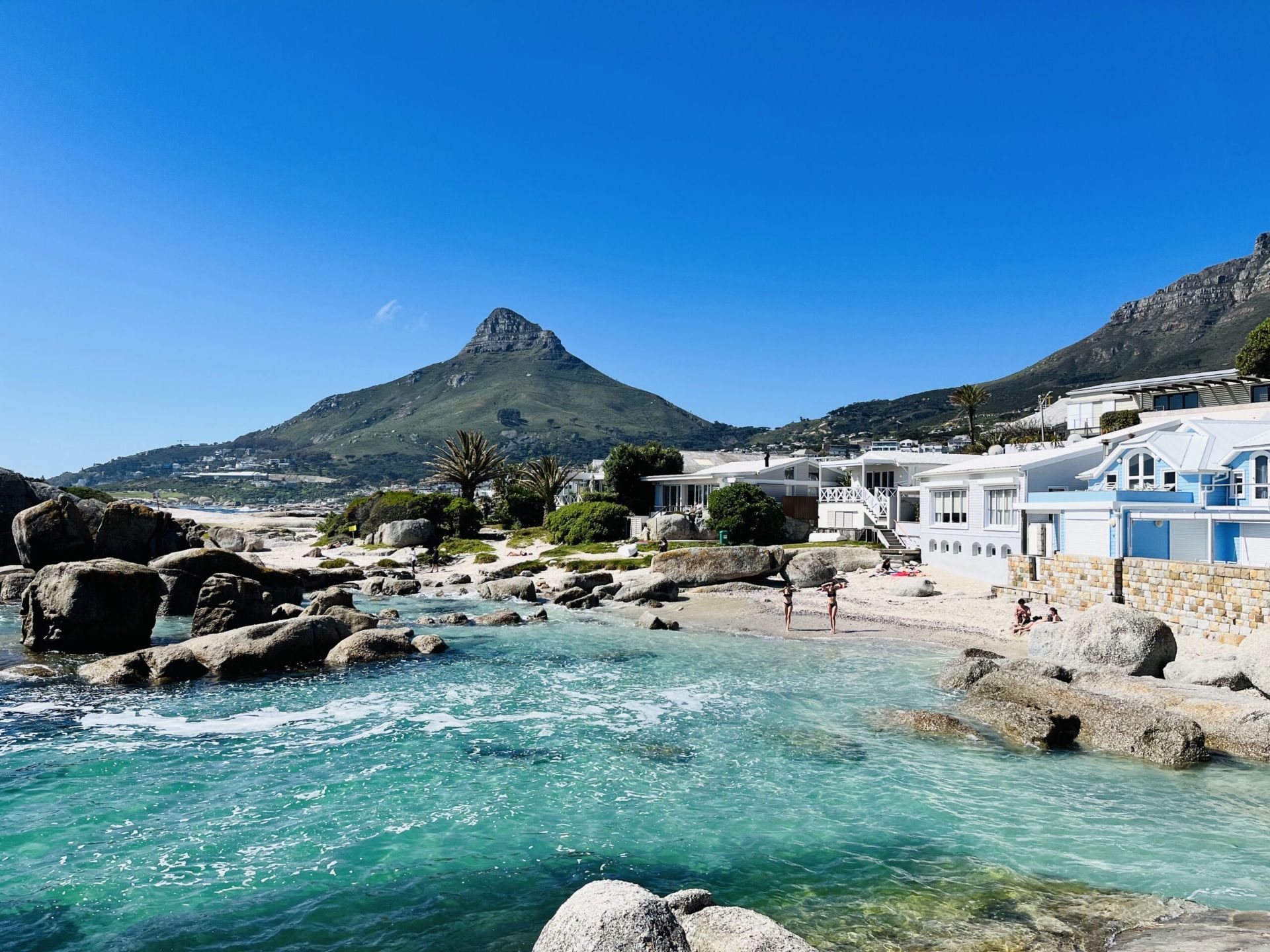
## Description Beta Beach in Bakoven is one of Cape Town’s more understated coastal spots, which is exactly what makes it appealing. Instead of the intensity of the city’s bigger, more famous beaches, Beta Beach offers a calmer setting where granite boulders, sheltered sand, and Atlantic water create a beautiful but low-key experience. The beach feels intimate and local, with views that are every bit as memorable as those at more famous shoreline destinations. What sets Beta Beach apart is the way it blends privacy and scenery. It is not a beach for large crowds or big facilities; it is a beach for people who want to pause, look out over the ocean, and enjoy the dramatic relationship between water and mountain. The Bakoven area itself has a strong residential character, which helps keep the atmosphere relaxed. One lesser-known fact is that the smaller coves in this part of the coast can look very different depending on tide and swell, so a single visit can feel dramatically different from one hour to the next. Another interesting detail is how the surrounding boulders create natural windbreaks and visual frames, making the beach especially photogenic. Beta Beach is also a good choice for travelers who want a quieter Atlantic side experience without giving up proximity to major Cape Town attractions. It works well as a short stop, a sunset watchpoint, or a place to linger between drives along the coast. The mountain backdrop and ocean light make it feel distinctly Cape Town, but in a softer, more residential register than some of the city’s busier beaches. For many visitors, that balance of accessibility and peace is the reason it becomes a favorite. ## Location Beta Beach is in Bakoven, Cape Town, Western Cape, South Africa, along the Atlantic coast near Camps Bay and the route toward the Twelve Apostles side of Table Mountain. The location is close to one of the city’s most scenic coastal corridors. The easiest way to get there is by car or ride-hailing service, especially if you are staying in central Cape Town, Camps Bay, or Sea Point. Public transport options are more limited for this particular stretch, so direct road access is usually the practical choice. Once there, plan to explore on foot so you can enjoy the coves and viewpoints at a slower pace. ## Tips Check tide and weather conditions before visiting, because the beach’s feel changes significantly with the sea. Bring sun protection and water, since the Atlantic coast can be sunny and exposed. Go near sunset for especially strong light on the water and mountains. Keep expectations realistic: this is a beautiful, quieter beach rather than a full-service resort area. ## Conclusion Beta Beach is a peaceful Cape Town coastal stop that pairs Atlantic beauty with a relaxed, local atmosphere. ## FAQ ### Is Beta Beach crowded? It is generally quieter than Cape Town’s most famous beaches, though it can still be busy at peak times. ### Can you swim there? People do swim, but Atlantic conditions can be cold and variable. ### Is it easy to find? Yes, especially if you are already traveling through Bakoven or nearby Camps Bay. ### Is it good for photography? Very much so, especially at sunrise or sunset. ### What makes it different from Camps Bay? It is smaller, quieter, and more sheltered, with a more intimate feel. ## Links - [Cape Town tourism information](https://www.capetown.travel/) - [Camps Bay on Wikipedia](https://en.wikipedia.org/wiki/Camps_Bay)
GemVoyage Team • World

Amsterdam
## Description Electric Ladyland Museum is one of Amsterdam’s most unusual attractions, and that is exactly why it stands out. Marketed as a museum of fluorescent art, it offers a highly specific experience centered on ultraviolet-reactive materials, immersive visual environments, and the playful boundaries between art, science, and perception. Unlike large mainstream museums, this is a niche destination with a strong point of view. For curious travelers, that makes it especially memorable. What gives the museum its appeal is its originality. Visitors do not come here for a broad survey of art history but for an encounter with a carefully curated world of glowing forms and sensory experimentation. A lesser-known fact is that Electric Ladyland has the distinction of being one of the few places devoted specifically to fluorescent art, making it unusual even in a city as creative as Amsterdam. Another detail many visitors enjoy is the hands-on, intimate scale of the museum: it feels personal and eccentric rather than institutional, which reinforces the sense that you are stepping into someone’s imaginative environment rather than a standard gallery. The museum works well for travelers who like small, offbeat experiences that break up a sightseeing schedule. It is especially good if you are interested in color, light, psychedelic visual culture, or the relationship between material and perception. The glowing displays can be surprisingly immersive, and because the concept is so focused, the visit is easy to remember long after you leave. This is not a museum you rush through. Its impact depends on letting the lighting and visual effects settle, and the experience is strongest when you approach it with curiosity rather than expectation. ## Location Electric Ladyland Museum is located in Amsterdam, North Holland, Netherlands, in the city’s central area. The exact setting is relatively modest compared with major institutions, which suits the museum’s intimate identity. Because Amsterdam is compact and walkable in many parts, it is usually easy to add the museum to a broader city route. The easiest way to get there is often on foot, by bicycle, or by public transport depending on where you are staying. Since the museum is smaller and more specialized than a major landmark, it is helpful to check entry details and opening arrangements in advance. That way you can avoid arriving at an inconvenient time or missing a guided or scheduled visit format if one applies. It works best when combined with other central Amsterdam activities, especially if you want to balance more conventional sightseeing with something genuinely unusual. ## Tips Check visit arrangements before you go. Small museums often have specific opening patterns or limited access. Do not expect a large collection. The value here is in the concept and atmosphere, not the number of rooms. Go if you like unconventional art experiences or visual phenomena. Allow yourself to spend time with the lighting effects rather than moving too quickly between spaces. Treat it as a complement to broader Amsterdam sightseeing, not as a whole-day destination. ## Conclusion Electric Ladyland Museum is one of Amsterdam’s most distinctive small attractions, offering a focused and memorable encounter with fluorescent art. It is ideal for travelers who want something creative, unusual, and unlike the city’s more standard museums. ## FAQ ### What is Electric Ladyland Museum about? It is dedicated to fluorescent art and immersive visual experiences created with ultraviolet-reactive materials. ### Is it a large museum? No. It is a smaller, more intimate attraction, which is part of its charm. ### Who will enjoy it most? Visitors who like experimental art, unusual museums, and sensory experiences will get the most out of it. ### Should I book ahead? That is often a good idea for small specialty museums, so checking current access information before visiting is wise. ## Links - [Electric Ladyland official site](https://www.electric-lady-land.com/)
GemVoyage Team • World
Barcelona
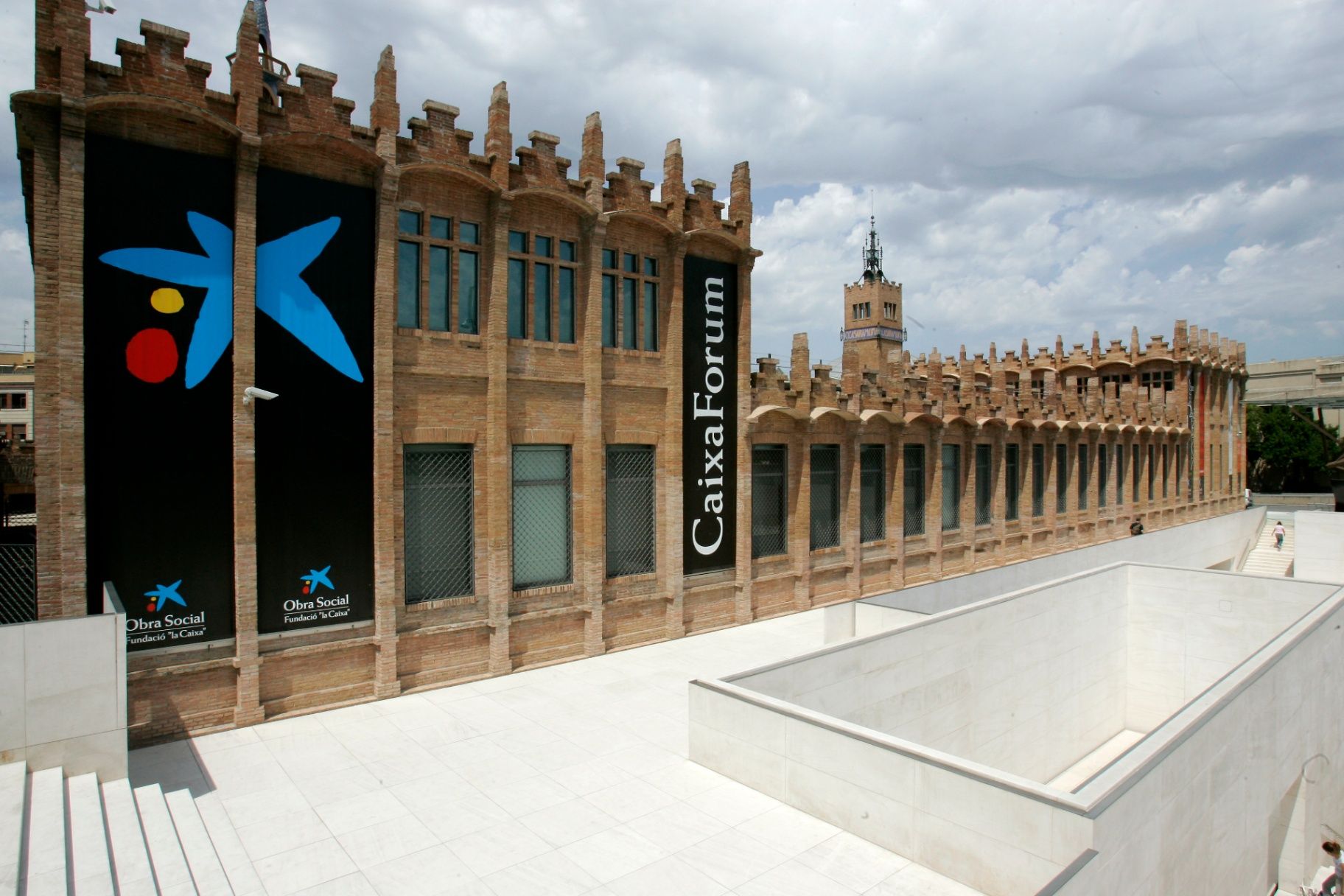
## Description **CaixaForum Barcelona** is one of the city’s most important cultural institutions, combining architecture, contemporary thought, and public education under one roof. It is housed in the former **Casaramona Textile Factory**, an early 20th-century industrial complex designed by the modernist architect Josep Puig i Cadafalch. Rather than demolishing the structure, it was carefully restored and repurposed, turning a once-abandoned factory into a vibrant center for exhibitions, debates, and artistic exploration. What makes CaixaForum Barcelona unique is its **programmatic diversity**. It is not a conventional museum with a permanent collection on display. Instead, it hosts a rotating schedule of high-quality temporary exhibitions covering art, photography, history, science, archaeology, music, and social issues. These exhibitions are often produced in collaboration with major international institutions, giving visitors access to works and ideas that rarely appear elsewhere in the city. Architecturally, the building itself is part of the experience. The red brick façades, sharp geometric volumes, and absence of ornamentation reflect a restrained form of Catalan modernism that contrasts with the more decorative style of Gaudí. A lesser-known fact is that the factory was originally built in 1911 but **never actually operated as an industrial plant**, as production ceased before it could fully open. Another interesting detail is the dramatic entrance plaza, redesigned by Japanese architect Arata Isozaki, which creates a striking dialogue between old and new through stone, steel, and light. Beyond exhibitions, CaixaForum functions as a **cultural forum in the literal sense**. It hosts lectures, film screenings, concerts, workshops, and family-oriented activities, making it appealing to a wide range of audiences. The institution emphasizes accessibility and education, aiming to make complex cultural topics understandable without oversimplifying them. ## Location **Country:** Spain **Region:** Catalonia **City:** Barcelona **District:** Sants-Montjuïc CaixaForum Barcelona is located at the foot of **Montjuïc Hill**, near Plaça d’Espanya, an area known for its concentration of museums, exhibition spaces, and monumental architecture. ### How to Get There * **By metro:** * Lines L1 (Red) or L3 (Green) to **Plaça d’Espanya** station. From there, it is a 5–7 minute walk. * **By bus:** * Several bus lines stop around Plaça d’Espanya and along Avinguda de Francesc Ferrer i Guàrdia. * **On foot:** * Easily reachable from Plaça d’Espanya and the surrounding exhibition grounds. * **By taxi:** * A convenient option if coming from other parts of the city; drop-off points are nearby. ## Tips * **Check the exhibition schedule in advance:** Exhibitions change regularly, and some are time-limited. * **Allow enough time:** One exhibition can easily take 90 minutes if explored thoroughly. * **Visit during weekdays:** Weekends tend to be busier, especially during popular exhibitions. * **Use the audio guides:** They provide context and depth without overwhelming the visitor. * **Combine with Montjuïc sights:** Pair your visit with nearby attractions such as museums or gardens. * **Look for free-entry times:** Certain days or time slots may offer reduced or free admission. ## Conclusion CaixaForum Barcelona is a cultural anchor that successfully bridges Barcelona’s industrial past with its intellectual present. Through its thoughtful exhibitions, adaptive architecture, and commitment to public engagement, it offers a meaningful alternative to traditional museums and rewards visitors seeking substance over spectacle. ## FAQ **1. Is CaixaForum Barcelona a museum?** It functions more as a cultural center with temporary exhibitions rather than a permanent museum collection. **2. How long does a visit usually take?** Most visitors spend between **1.5 and 3 hours**, depending on the exhibitions. **3. Is it suitable for children?** Yes, there are family-friendly exhibitions and interactive educational activities. **4. Are exhibitions available in multiple languages?** Yes, information panels and guides are usually available in Catalan, Spanish, and English. **5. Is the building accessible?** Yes, the center is fully accessible for visitors with reduced mobility. **6. Can you visit just for the architecture?** Yes, the building itself is worth seeing even without attending an exhibition. ## Links * [Official CaixaForum website](https://caixaforum.org/es/home)
GemVoyage Team • World
Connacht
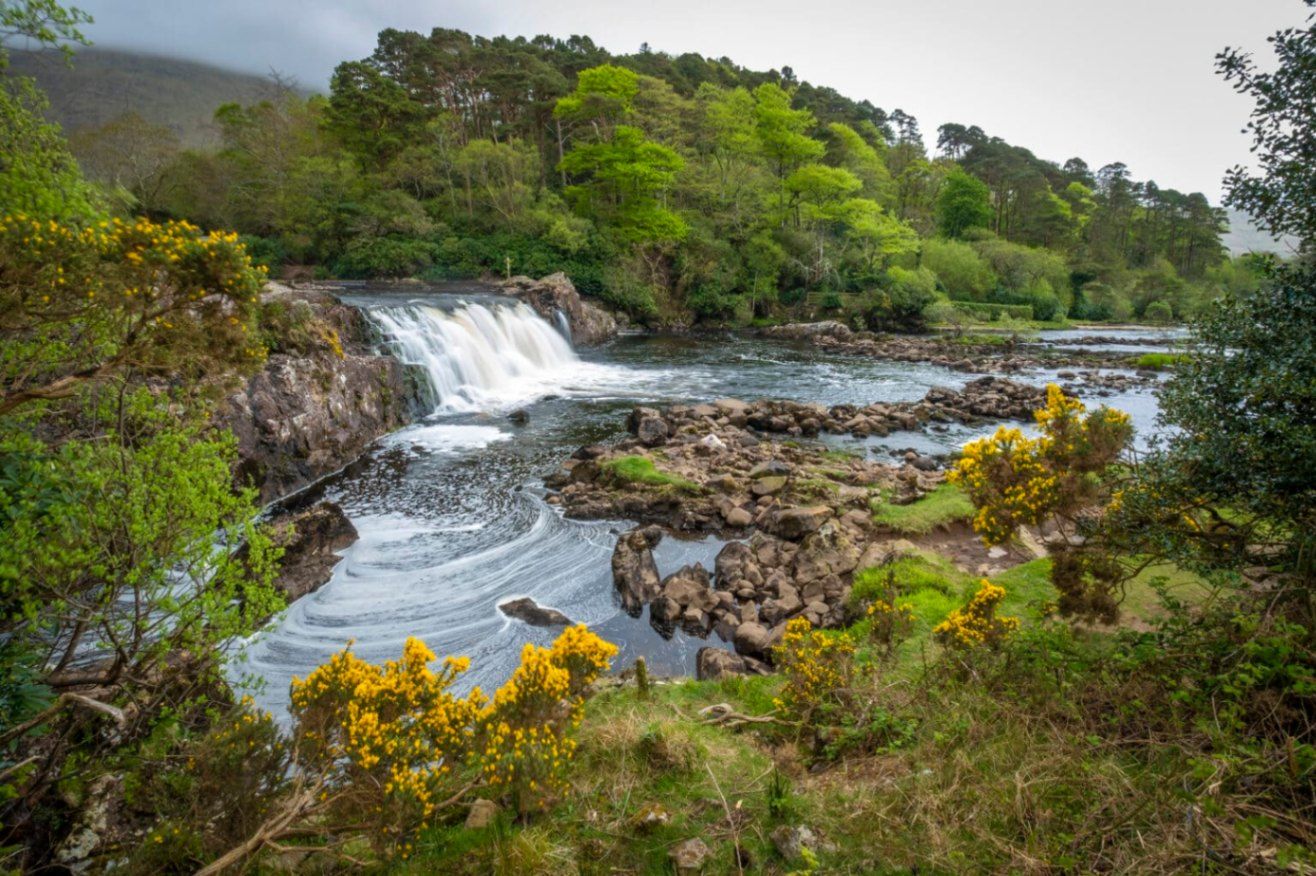
## Description **Aasleagh Falls** is one of Ireland’s most quietly dramatic natural sights, where freshwater from the Connemara mountains meets the tidal waters of Killary Harbour. Unlike towering waterfalls designed to impress through height alone, Aasleagh Falls is defined by **movement, light, and setting**. Its power and appearance change constantly depending on rainfall, tide levels, and weather conditions, making every visit slightly different. The waterfall is formed by the **Erriff River**, which descends rapidly over smooth rock shelves just before flowing into Killary Harbour, Ireland’s only fjord. At high tide, seawater pushes upriver, partially submerging the lower cascades and creating a rare visual effect where fresh and saltwater interact. At low tide, the falls appear more forceful and exposed, revealing multiple channels and textures in the rock. What makes Aasleagh Falls particularly special is its **sense of isolation and scale relative to its surroundings**. Backed by rugged mountains and often framed by mist or low clouds, the falls feel far removed from modern life despite being accessible by road. A lesser-known fact is that the area around the falls has long been a **salmon fishing site**, and anglers can sometimes be seen working the waters nearby. Another overlooked detail is that the name “Aasleagh” is derived from Irish, roughly translating to a “rocky place,” a fitting description of the terrain shaped by water over millennia. Aasleagh Falls is not fenced, ticketed, or curated. It exists as it always has: exposed, elemental, and dependent on nature rather than infrastructure. This rawness is central to its appeal. ## Location **Country:** Ireland **Province:** Connacht **County:** Mayo **Nearby Area:** Leenane / Killary Harbour Aasleagh Falls is located at the eastern end of **Killary Harbour**, near the border between County Mayo and County Galway, in one of Ireland’s most scenic regions. ### How to Get There * **By car:** * From Westport, drive toward Leenane via the N59. The falls are located just before entering the village and are visible from the roadside. * **By bus:** * Limited rural bus services operate in the area; schedules are infrequent and not ideal for flexible visits. * **On foot or by bicycle:** * Possible if staying nearby, but weather and narrow roads should be considered. There is no formal parking lot; roadside pull-ins are commonly used. ## Tips * **Visit after rainfall:** The falls are most impressive following heavy rain. * **Check the tide:** Low tide reveals more of the cascade structure. * **Wear waterproof footwear:** The ground can be wet and uneven. * **Be cautious near the edge:** There are no safety barriers. * **Combine with scenic drives:** The surrounding roads offer some of Ireland’s best coastal and mountain views. * **Bring a camera:** Light conditions change rapidly and can be spectacular. ## Conclusion Aasleagh Falls is a powerful example of Ireland’s understated natural beauty. Its shifting form, dramatic setting, and lack of commercialization make it ideal for visitors seeking authenticity, solitude, and a deeper connection with the landscape. ## FAQ **1. Is there an entrance fee to Aasleagh Falls?** No, access is completely free. **2. How tall is the waterfall?** It is relatively low in height, but wide and dynamic rather than vertical. **3. When is the best time to visit?** After rainfall and during low tide for the most dramatic views. **4. Is it suitable for children?** Yes, with close supervision due to the lack of barriers. **5. Can you swim near the falls?** Swimming is not recommended due to strong currents and tidal influence. **6. How long should I plan to stay?** Around **20 to 30 minutes**, longer if photographing or exploring the area. ## Links * [Discover Ireland](https://www.discoverireland.ie/)
GemVoyage Team • World

Comments