GemVoyage Team • World
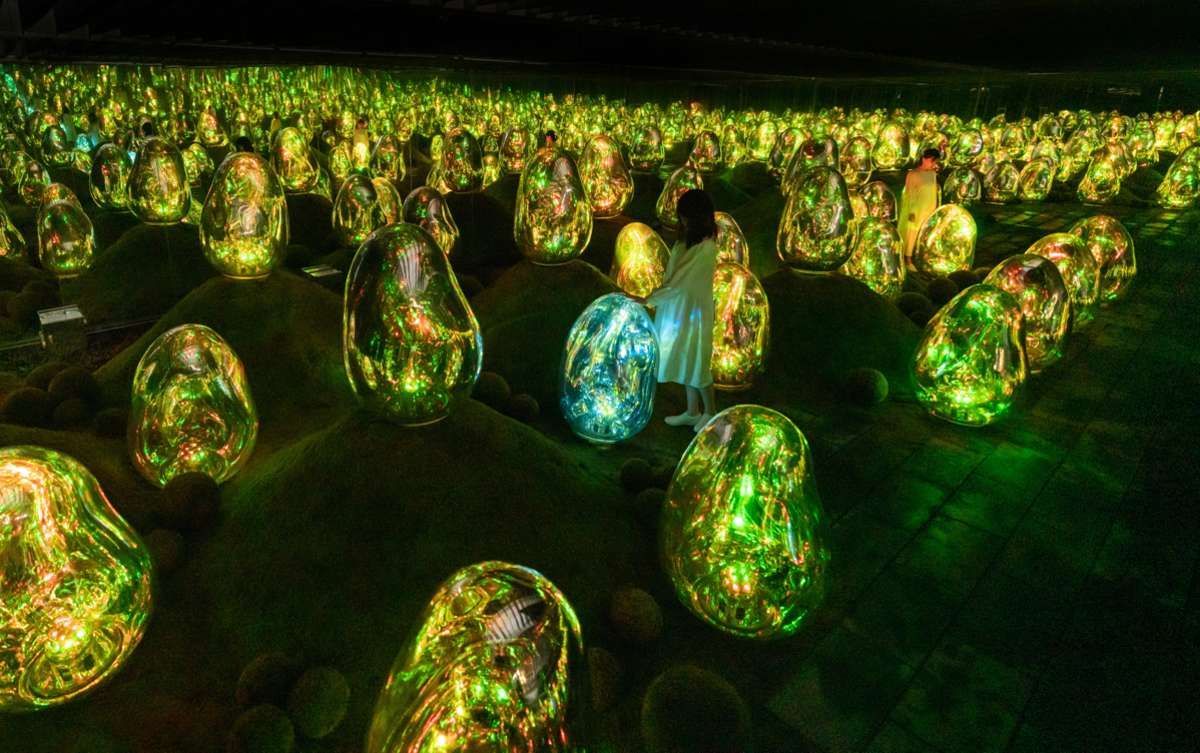
The attraction is notable not only for its technical sophistication but also for its curatorial intent: works are arranged to produce an arc of changing perception, where early rooms prepare your senses for the more intense, multisensory environments that follow. Crowd dynamics shape the experience—quiet moments make installations feel meditative, while busier times can add a social energy that changes how the pieces read. teamLab Planets is often recommended for both art-savvy travelers and curious visitors who enjoy novel, interactive experiences.
From an SEO point of view, teamLab Planets draws queries such as “teamLab Planets tickets,” “how to visit teamLab Tokyo,” and “immersive art Tokyo.” Useful content for travelers mixes logistical details (ticket booking, arrival windows, age and accessibility considerations) with sensory descriptions that help set expectations for immersion, photo opportunities, and comfort.
Booking ahead is practical and often necessary: popular time slots sell out, and the museum manages visitor flow to preserve the immersive environment. Arrive a little early for your slot, take time to read basic venue rules, and factor in a post-visit window to decompress and reflect on what you’ve seen.
Discover more hidden gems you might love.
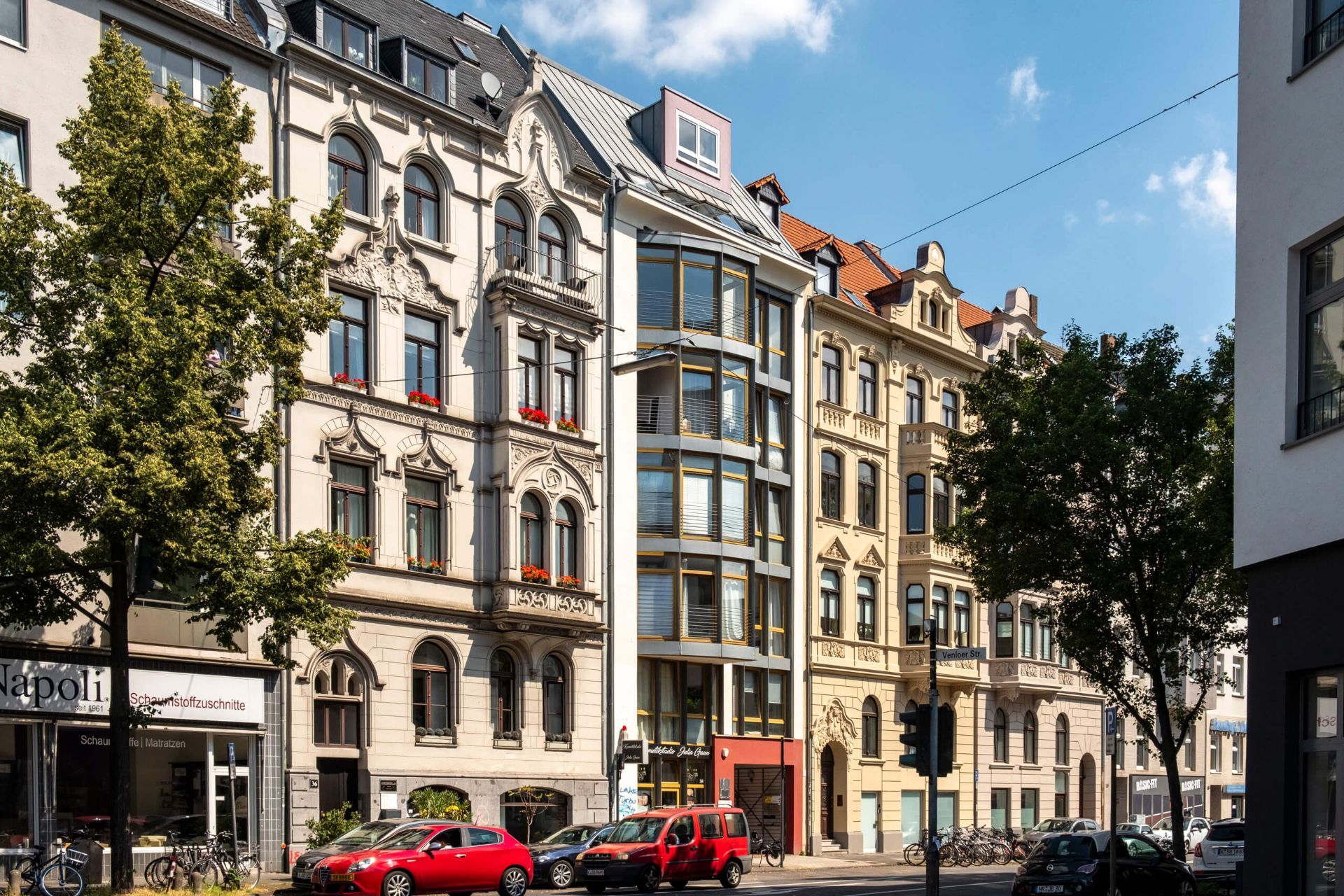
Cologne
## Description The Belgian Quarter, or Belgisches Viertel, is one of Cologne's most fashionable and creative neighborhoods. Known for its boutiques, galleries, cafes, bars, and attractive residential streets, the district offers a distinctly urban experience that feels polished without becoming impersonal. It is a place where design, food, and everyday city life meet in a compact and walkable area. What distinguishes the Belgian Quarter is its balance of trendiness and livability. Rather than being a single-purpose nightlife zone, it functions as a full neighborhood with shops, apartments, workspaces, and public life. Visitors can browse independent stores, sit at outdoor cafes, look at street art, or simply enjoy the architecture and pace of the streets. The atmosphere is youthful and creative, but not limited to one type of crowd. One lesser-known fact is that the neighborhood's name reflects an old street-naming scheme rather than a strong historical link to Belgium itself. Another is that the area has become a notable center for interior design, fashion, and boutique hospitality, which has helped it develop a reputation as one of Cologne's most style-conscious quarters. That reputation is visible in the carefully curated shopfronts and the relaxed confidence of the streets. The architectural texture of the neighborhood also contributes to its appeal. Tree-lined avenues, classic apartment buildings, and modern retail spaces create an environment that feels pleasant to walk through in almost any season. Because the district is not dominated by one major landmark, the pleasure comes from a series of smaller impressions: a corner cafe, a design store window, a terrace filled with locals, or a low-key bar that becomes lively after dark. For travelers interested in local city culture rather than major monuments, the Belgian Quarter offers a strong sense of Cologne's contemporary lifestyle. It is where people go to meet friends, shop for something unusual, or spend an evening in a setting that feels social but still residential. That gives it a more authentic rhythm than a nightlife strip alone. If you enjoy urban neighborhoods with personality, the Belgian Quarter is one of the best places in Cologne to spend a relaxed afternoon or evening. It is easy to navigate, pleasant to linger in, and rich enough in small details to reward curious travelers. ## Location The Belgian Quarter is located in central Cologne, North Rhine-Westphalia, Germany, just west of the city center. It is easy to reach by tram, bus, or on foot from central Cologne. Once there, the district is best explored on foot because its character depends on browsing, people-watching, and short detours between shops and cafes. ## Tips Go in the afternoon if you want a blend of shopping and cafe culture. If you like design or independent fashion, budget extra time because many stores are worth browsing slowly. Evenings can be lively, but the neighborhood still feels relatively relaxed compared with larger nightlife districts. Combine the visit with a coffee stop or dinner to experience the district's social rhythm. Look beyond the main streets. Some of the best discoveries are one block off the busiest routes. ## Conclusion The Belgian Quarter is one of Cologne's most appealing urban districts, offering a stylish mix of cafes, shops, and neighborhood energy that feels both modern and easygoing. ## FAQ ### Why is it called the Belgian Quarter? The name comes from the street names and the area's historical naming pattern, not from it being a Belgian enclave. ### Is it good for shopping? Yes, especially if you are interested in independent boutiques, design items, and fashion. ### Is the Belgian Quarter touristy? It attracts visitors, but it remains a lived-in neighborhood rather than a purely tourist district. ### What is the best time to visit? Afternoon into evening is ideal if you want to enjoy cafes, shops, and a social atmosphere. ## Links - [Cologne tourism](https://www.cologne-tourism.com/)
GemVoyage Team • World
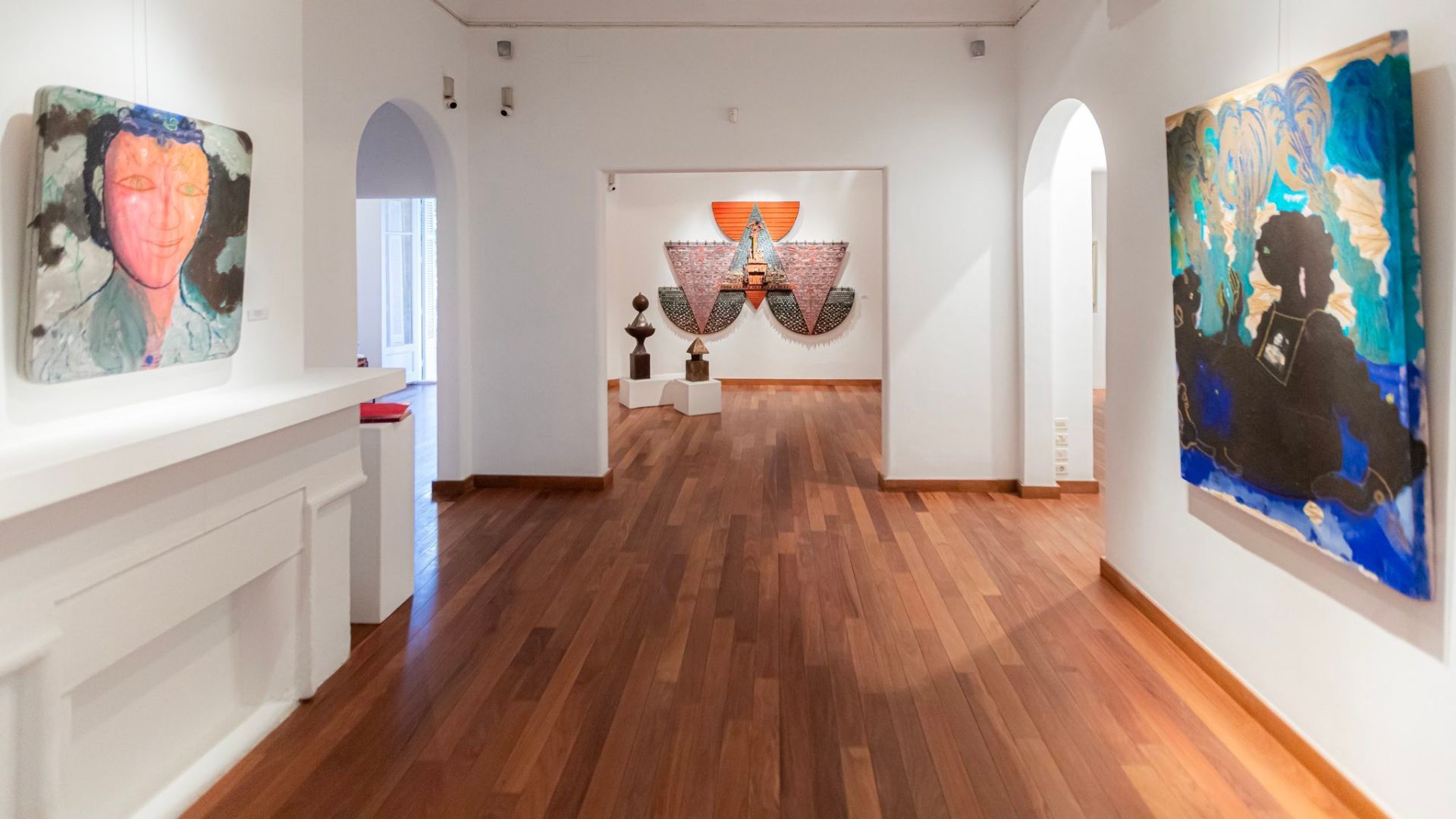
Cairo
## Description Zamalek is one of Cairo's most elegant and culturally layered neighborhoods, and its art galleries give it a character that feels distinct from the city's more hurried commercial districts. Set on Gezira Island in the Nile, the area blends leafy streets, embassies, old villas, cafes, and a compact but lively contemporary art scene. Visitors come here for more than just one gallery; they come for the atmosphere of walking through a district where art, architecture, and everyday Cairo life overlap in a way that feels intimate and refined. What makes Zamalek special is how accessible its creative life is. Many galleries are tucked into residential streets or historic buildings, so the experience is as much about discovery as it is about the exhibitions themselves. You can move from one space to another on foot, stopping for coffee, browsing small bookstores, or taking in the shade of the trees that line the streets. The district has long attracted diplomats, artists, writers, and collectors, which has helped shape a culture that values conversation and experimentation. One little-known fact is that Zamalek's modern identity was influenced by the island's role in late 19th and early 20th century urban planning, when it became a showcase for Cairo's cosmopolitan elite. Another is that several of the area's smaller galleries change their exhibitions frequently, so repeat visits can feel completely different from one month to the next. That makes Zamalek especially rewarding for travelers who enjoy current art rather than static museum visits. The galleries themselves often highlight a wide range of work: painting, mixed media, sculpture, photography, printmaking, and conceptual installations. Some spaces represent established Egyptian artists, while others support younger voices and cross-disciplinary projects. As a result, you may encounter work that speaks to Cairo's daily life, regional politics, identity, memory, urban transformation, or the relationship between traditional craft and contemporary expression. Zamalek is also a good place to slow down. Cairo can be intense, and this neighborhood gives you a softer rhythm. Between gallery visits, you can wander down quiet streets, notice historic facades, and enjoy views of the river. The district's cultural character is not confined to exhibition halls; it extends into bookshops, design stores, and cafes where artists and students often gather. This makes the area feel like a living creative ecosystem rather than a tourist display. For travelers interested in culture, Zamalek is one of the most rewarding ways to experience Cairo beyond its major monuments. It reveals how contemporary Egyptian creativity lives alongside the city's long historical memory. If you want an afternoon that combines urban charm, art, and a sense of place, Zamalek delivers that with very little effort and a lot of style. ## Location Zamalek is a district on Gezira Island in the Nile River, within Cairo, Egypt. It sits in the central part of the city and is connected to both riverbanks by bridges, making it easy to reach from Downtown Cairo, Garden City, or Giza. Because the area is compact, many art galleries are best explored on foot once you arrive. The most practical way to get there is by taxi or ride-hailing service, especially if you are moving between different neighborhoods in Cairo. Public transport is also possible, but first-time visitors usually find it simpler to be dropped near a known landmark in Zamalek and then walk from gallery to gallery. If you are staying in central Cairo, the trip is usually short, though traffic can be heavy during peak hours. ## Tips Visit in the late morning or early afternoon if you want a quieter gallery experience and easier walking between venues. Check exhibition schedules in advance, because some galleries close between shows or rotate their collections frequently. Wear comfortable shoes. Zamalek is walkable, but you may cover more distance than expected if you plan to visit several galleries in one day. Pair the galleries with a cafe stop or lunch break. The neighborhood rewards unhurried exploration, and a meal between visits helps you take in the atmosphere without rushing. If you are serious about collecting or meeting artists, do not hesitate to ask gallery staff questions. Many spaces are small and personal, and conversations are often part of the experience. Keep some flexibility in your itinerary. The best discovery in Zamalek is often an unexpected side street, a temporary exhibit, or a gallery you did not plan to visit. ## Conclusion Zamalek's art galleries offer a polished but approachable introduction to Cairo's contemporary creative life, making the district ideal for visitors who want culture, walkability, and a distinct local atmosphere in one compact neighborhood. ## FAQ ### What is Zamalek known for? Zamalek is known for its leafy streets, embassies, historic villas, cafes, and a strong concentration of art galleries and cultural spaces. ### How long should I spend in Zamalek for gallery hopping? A half day is usually enough for a relaxed visit, but art lovers may want a full day to combine galleries with cafes, shops, and riverside walks. ### Is Zamalek safe for visitors? It is generally considered one of Cairo's calmer neighborhoods, especially during the day. As with any large city, basic travel awareness is still recommended. ### Are the galleries free to enter? Some galleries are free, while others may charge for special exhibitions or events. It is best to check in advance. ## Links - [Zamalek](https://en.wikipedia.org/wiki/Zamalek) - [Zamalek Art Gallery on Facebook](https://www.facebook.com/zamalekartgallery)
GemVoyage Team • World
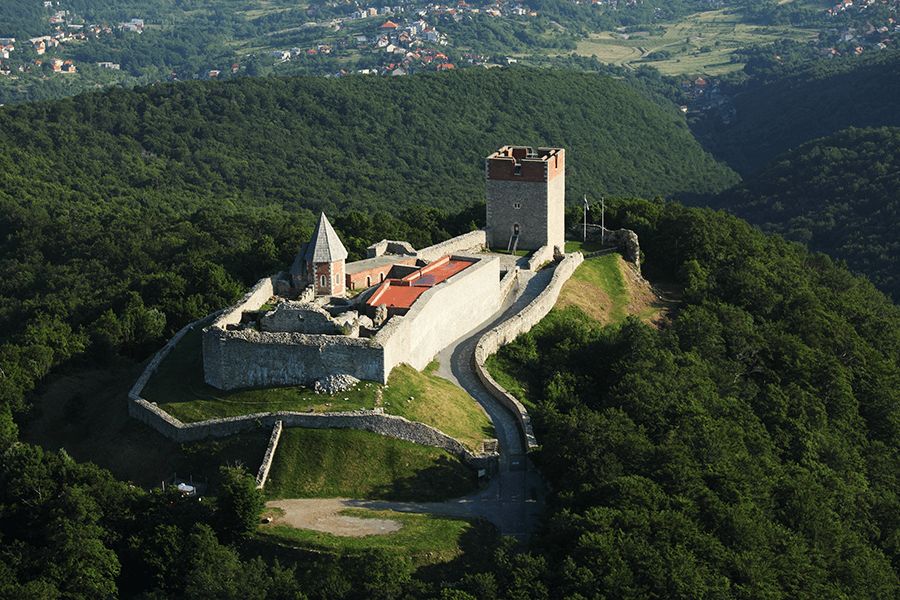
Zagreb
## Description Medvedgrad is a medieval fortress perched high on the southern slopes of Mount Medvednica, overlooking the city of Zagreb. Built in the 13th century following the Mongol invasion of the region, the fortress was designed as a defensive stronghold and later developed into a noble residence. Today, Medvedgrad stands as a powerful symbol of Croatian history, resilience, and national identity, offering visitors both historical insight and sweeping views of the surrounding landscape. What makes Medvedgrad unique is its dramatic setting and layered past. The fortress features preserved walls, towers, courtyards, and chapels that reveal how medieval life and defense were organized. A little-known fact is that Medvedgrad was abandoned relatively early, partly due to repeated earthquakes and difficulties accessing water on the hilltop. Another lesser-known detail is the presence of the “Altar of the Homeland,” a modern memorial within the fortress complex dedicated to Croatian independence, blending medieval heritage with contemporary national symbolism. Walking through Medvedgrad allows visitors to step back in time while also enjoying panoramic views over Zagreb and, on clear days, far beyond. ## Location Medvedgrad is located in **Croatia**, in the **City of Zagreb**, on **Mount Medvednica**, just north of the city center. The fortress sits above the neighborhood of Šestine, surrounded by forested hills and hiking trails. Visitors can reach Medvedgrad by car, taxi, or on foot via marked hiking paths from nearby neighborhoods or Medvednica Nature Park. Driving is the most convenient option, with parking available near the site, followed by a short walk. For those who enjoy outdoor activities, hiking up to Medvedgrad is a popular choice and offers scenic views along the way. ## Tips * Wear comfortable shoes, especially if you plan to hike or explore uneven stone surfaces. * Visit on a clear day to fully enjoy the panoramic views of Zagreb and the surrounding countryside. * Allow time to explore the interior exhibition spaces, which provide historical context. * Bring water and sun protection, particularly during warmer months. * Combine your visit with a walk or picnic in Medvednica Nature Park. * Check opening hours in advance, as they may vary by season. ## Conclusion Medvedgrad is a striking blend of medieval history, natural beauty, and national symbolism. Its hilltop location, well-preserved ruins, and scenic views make it one of Zagreb’s most rewarding attractions for history enthusiasts and nature lovers alike. ## FAQ **When was Medvedgrad built?** The fortress was constructed in the mid-13th century after the Mongol invasion of the region. **How long does a visit take?** Most visitors spend one to two hours exploring the fortress and enjoying the views. **Is Medvedgrad suitable for children?** Yes, though children should be supervised due to uneven terrain and high walls. **Is there an entrance fee?** Yes, a modest entrance fee is usually required to access the site. **Can I hike to Medvedgrad?** Yes, several marked hiking trails lead to the fortress from nearby areas. ## Links * [Medvedgrad Official Information](https://www.medvedgrad.hr) * [Zagreb Tourist Board](https://www.infozagreb.hr/hr)
GemVoyage Team • World
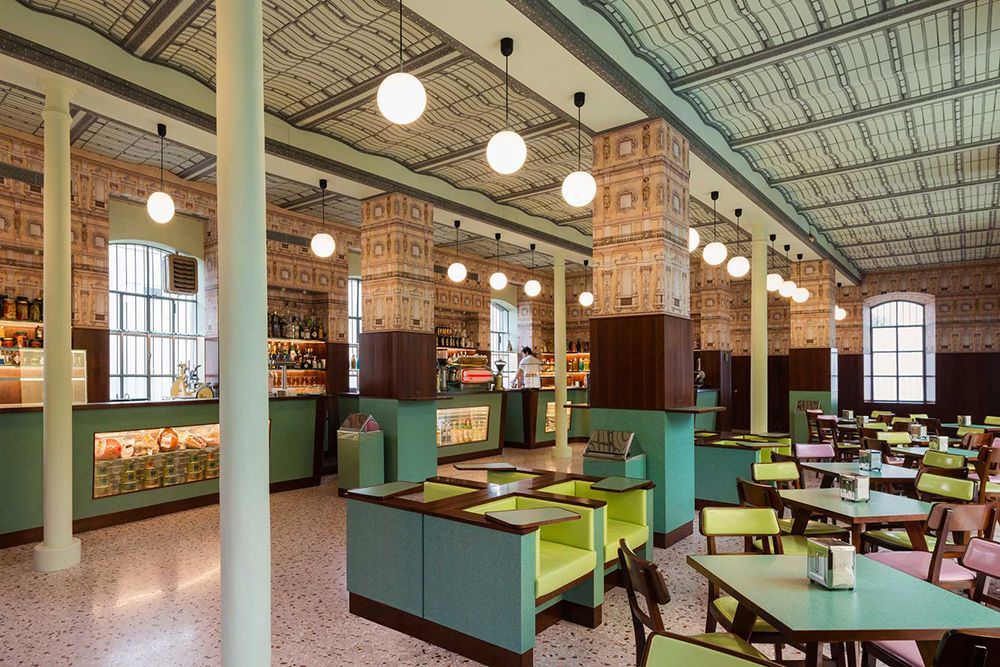
Milan
## Description Fondazione Prada is one of Milan’s most compelling cultural destinations because it transforms the idea of a museum into a broader artistic environment. Rather than presenting art in a neutral white box, it brings together exhibition spaces, architecture, cinema, hospitality, and urban transformation in a way that feels highly Milanese: design-driven, ambitious, and outward-looking. The complex is famous for its mix of old industrial structures and new architectural interventions, and that contrast is central to the experience. It is not just a place to view art. It is a place to move through ideas. The foundation is especially attractive to travelers who appreciate contemporary art, architecture, and thoughtful curation. One of its most notable features is the way the old distillery buildings and the new additions sit together without erasing each other. A little-known fact is that the complex includes the striking golden building often called the Haunted House, which is visually unforgettable and not at all shy about making an impression. Another detail visitors may miss is how carefully the site is organized to encourage lingering. You can shift from exhibition spaces to café areas, to outdoor courtyards, to the cinema program, which makes the visit feel more like entering a cultural district than entering a single institution. Fondazione Prada stands out because it helps explain Milan’s current identity. The city has long been important in fashion and design, but here those strengths are translated into a broader cultural ambition. The exhibitions often engage with international art, theory, and contemporary practice, while the architecture itself becomes part of the argument. For many visitors, that makes the foundation one of the city’s most memorable modern experiences, especially if they want to balance Milan’s historic monuments with something more experimental. ## Location Fondazione Prada is located in the Largo Isarco area of southern Milan, Lombardy, Italy. It is not in the very center of the tourist district, but it is still easy to reach by public transport. Metro and tram connections make the trip manageable, and many visitors arrive by taxi or rideshare if they are short on time. Because the foundation sits in a developing cultural and residential zone, the arrival experience feels slightly different from the grand central avenues of Milan. That difference is part of the appeal. The best way to plan a visit is to give it a dedicated block of time rather than trying to squeeze it between other sights. If you are interested in art and architecture, you will likely want a few hours. If you also want to eat or drink on site, plan even longer. It is a destination that rewards unhurried exploration and works especially well for travelers who want a contemporary counterpart to Milan’s historic churches, palaces, and shopping streets. ## Tips - Check the current exhibition schedule before you go, because the experience changes with the program. - Allow enough time to move between buildings rather than rushing from one room to the next. - Visit the café or bar if you want a full sense of the atmosphere, not just the galleries. - Photography enthusiasts should pay attention to the architecture as much as the art. - Pair it with a nearby modern or design-focused itinerary for a fuller Milan experience. - If you are interested in architecture, go with the expectation that the building is part of the exhibition. ## Conclusion Fondazione Prada is one of Milan’s strongest contemporary cultural landmarks. It combines art, architecture, and atmosphere in a way that feels both sophisticated and accessible to curious visitors. ## FAQ ### Is Fondazione Prada only for art experts? No. It is accessible to general visitors, although those with an interest in contemporary art will get the deepest experience. ### How long should I spend there? At least two hours is sensible, and longer if you want to explore exhibitions and amenities fully. ### Is the architecture important here? Very much so. The architecture is a major part of what makes the site distinctive. ### Can I visit without a guided tour? Yes. Most visitors explore independently and use the signage and exhibition materials on site. ## Links - [Official website](https://www.fondazioneprada.org/) - [Wikipedia](https://en.wikipedia.org/wiki/Fondazione_Prada) - [Milan tourism information](https://www.yesmilano.it/en)
GemVoyage Team • World
Los Angeles
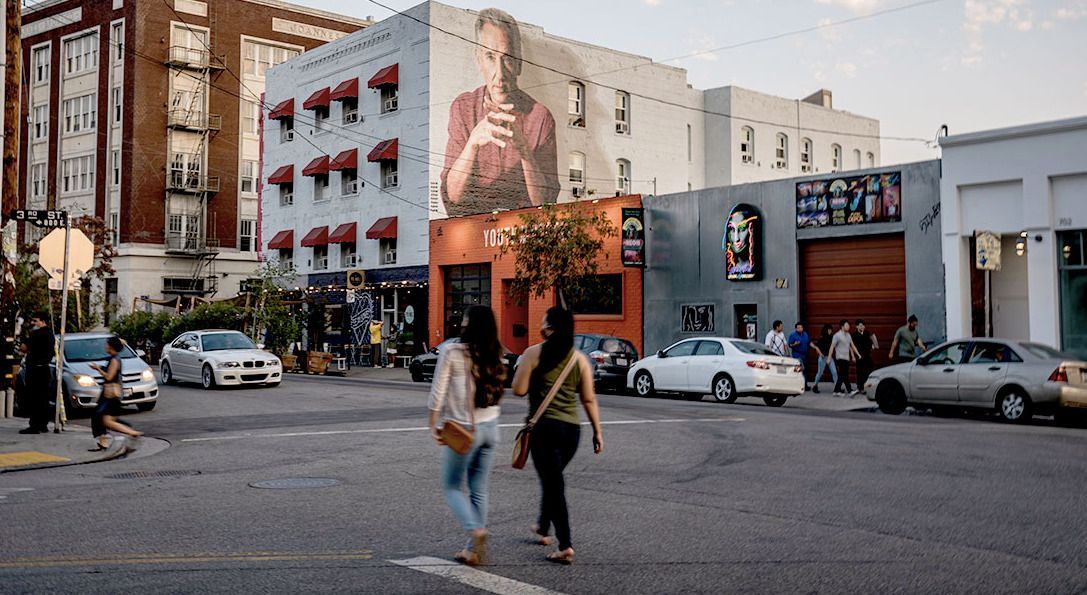
## Description Los Angeles's Arts District is a revitalized industrial neighborhood in DTLA that attracts artists, photographers, and food-and-drink entrepreneurs. Once dominated by warehouses and manufacturing, the area now hosts large-scale murals, independent galleries, micro-breweries, and creative studios—while many buildings retain their industrial bones, loft conversions and artist workspaces coexist with public art and event venues. The Arts District's visual appeal is immediate: colorful street art wraps building facades, while converted factories house gallery openings, pop-up shops, and tasting rooms. The neighborhood also supports a range of discovery experiences: guided mural walks, studio open-house events, and First Fridays where galleries and studios open to the public. For search optimization, useful queries include "Los Angeles Arts District murals", "DTLA art galleries", and "Arts District breweries"—terms that align with both live-event listings and neighborhood guides. ## Location The Arts District sits east of central downtown Los Angeles, adjacent to the LA River and Little Tokyo. It's reachable by public transit to Little Tokyo/Arts District station (Regional rail) or via buses that serve downtown; many visitors prefer rideshare or cycling to navigate between dispersed murals and galleries. Street parking exists but is limited and can fill quickly during events and weekends. ## Tips - Walk or bike the neighborhood to take in large murals and alleyway installations. - Check the calendar for First Fridays and open-studio events to access private studios and pop-up shows. - Visit micro-breweries and coffee-roasters during the afternoon for a quieter experience; evenings are best for nightlife and special events. - Use respectful photography practices: many murals are public, but studio and private properties may restrict access—ask permission before entering. - Keep safety in mind: while the neighborhood is vibrant, stay aware of your surroundings at night and stick to well-lit, populated streets. ## Conclusion DTLA's Arts District blends industrial heritage with contemporary creativity, offering dynamic murals, intimate galleries, and an energetic food-and-drink scene. It's a must-visit for photographers, collectors of urban art, and anyone seeking a vibrant neighborhood that's both locally rooted and globally connected. ## FAQ Q: Are mural tours available? A: Yes—guided mural tours and self-guided maps are popular; local tour companies and apps list recommended routes. Q: When is First Friday? A: First Friday events typically occur on the first Friday of each month, though schedules and participating venues can change—check local listings. Q: Are there family-friendly activities in the Arts District? A: Daytime visits can be family-friendly with parks, street art, and casual dining; some evening events are more adult-oriented. Q: Where can I find artist studios? A: Many studios open during special events or by appointment; gallery directories and studio collective websites list visiting hours. Q: Is parking available? A: Limited street parking and paid lots exist; rideshare, cycling, or public transit are recommended during peak times. ## Links - [Arts District, Los Angeles (Wikipedia)](https://en.wikipedia.org/wiki/Arts_District,_Los_Angeles)
GemVoyage Team • World
Madagascar
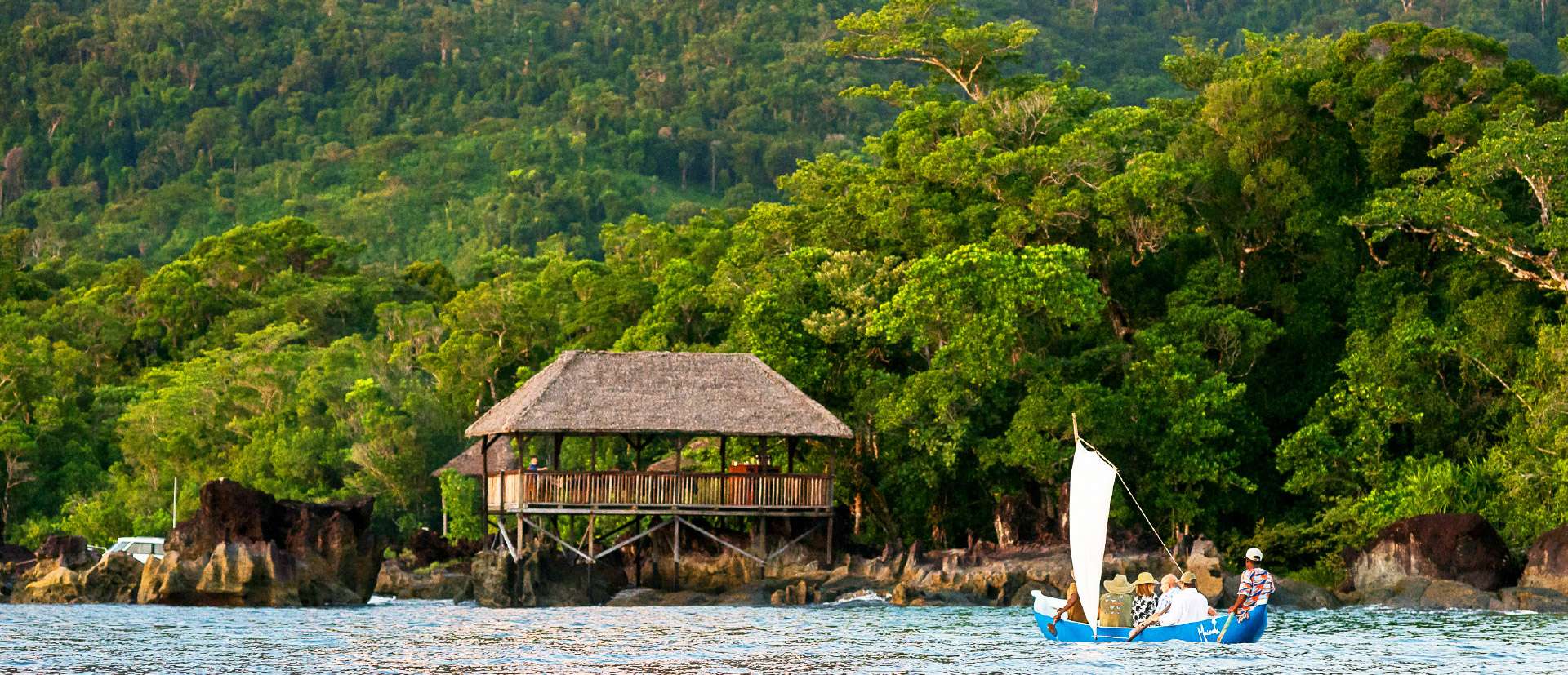
## Description Masoala National Park is Madagascar’s largest and most ecologically diverse protected area, a true Eden for nature lovers and adventurers. Located on the Masoala Peninsula in the northeast of the island, the park spans over 2,300 square kilometers of pristine rainforest and an additional 100 square kilometers of marine reserves. It’s one of the few places on Earth where lush jungle meets coral-rich coastline, creating a rare blend of terrestrial and marine biodiversity. The park is home to an astonishing array of wildlife, much of it endemic to Madagascar. Among its most famous residents is the red-ruffed lemur, found only in this region. Visitors may also encounter the elusive aye-aye, leaf-tailed geckos, tomato frogs, and over 60 species of reptiles. Birdwatchers flock to Masoala to spot rare species like the helmet vanga and the Madagascar red owl. Offshore, the marine parks protect vibrant coral reefs and host humpback whales during their migration from July to September. A little-known fact: the name “Masoala” translates to “eyes of the forest,” a poetic reference to the glowing eyes of the nocturnal aye-aye. Another fascinating detail is that the Madagascar serpent eagle, once thought extinct, was rediscovered in Masoala and now thrives in its dense canopy. ## Location Masoala National Park is located in **Madagascar**, within the **Sava Region**, near the coastal city of **Maroantsetra**. A portion of the park also extends into the **Analanjirofo Region**, making it a vast and varied landscape of rainforest, mangroves, and coral reefs. ### How to Get There: - **By Air**: Fly from Antananarivo to Maroantsetra Airport. Flights are limited, so booking in advance is essential. - **By Boat**: From Maroantsetra, the park is accessible via a 2–3 hour boat ride across Antongil Bay. This scenic journey offers glimpses of dolphins and coastal villages. - **By Tour**: Many eco-tour operators offer guided packages that include transport, accommodation, and park entry. Due to its remote location, Masoala is best visited with the help of local guides or tour companies familiar with the terrain and logistics. ## Tips for Visitors To make the most of your Masoala adventure, keep these tips in mind: - **Visit During Dry Season**: The best time to visit is from June to November. Avoid January to March due to heavy rains and cyclone risk. - **Pack Smart**: Bring waterproof gear, insect repellent, sturdy hiking shoes, and lightweight clothing. The rainforest is humid and unpredictable. - **Hire a Guide**: Local guides enhance the experience with wildlife spotting and cultural insights. Guides are mandatory for most trails. - **Explore Nosy Mangabe**: This nearby island reserve is part of the park and offers excellent chances to see the aye-aye and ancient tombs. - **Respect Wildlife**: Night walks are restricted to protect sensitive species like the aye-aye. Always follow park rules. - **Try Kayaking or Snorkeling**: The marine parks—Tampolo, Ambodilaitry, and Ifaho—are perfect for exploring coral reefs and spotting sea turtles. ## Conclusion Masoala National Park is a sanctuary of biodiversity and natural wonder. With its rare wildlife, untouched rainforest, and vibrant marine life, it offers a truly immersive experience for those seeking Madagascar’s wild heart. ## FAQ **1. What is the entrance fee for Masoala National Park?** The fee is approximately 45,000 Ariary (~16 EUR) for adults and 25,000 Ariary (~6 EUR) for children. **2. How many lemur species are found in Masoala?** The park hosts over 10 species, including the red-ruffed lemur and aye-aye. **3. Can I camp inside the park?** Yes, designated camping areas are available, especially on Nosy Mangabe Island. Guided tours often include camping options. **4. Is Masoala suitable for families?** Yes, but due to its remote location and rugged terrain, it’s best for families with older children who enjoy nature and hiking. **5. Are there accommodations near the park?** Eco-lodges and guesthouses are available in Maroantsetra and near the park’s entrance. Booking ahead is recommended. **6. What marine activities are available?** Snorkeling, kayaking, and whale watching are popular in the park’s marine reserves, especially from July to September. ## Links - [Masoala National Park – Wikipedia Overview](https://en.wikipedia.org/wiki/Masoala_National_Park) - [Masoala National Park – Official GANP Page](https://national-parks.org/madagascar/masoala)
GemVoyage Team • World

Comments