Discover extraordinary places shared by our community of travelers
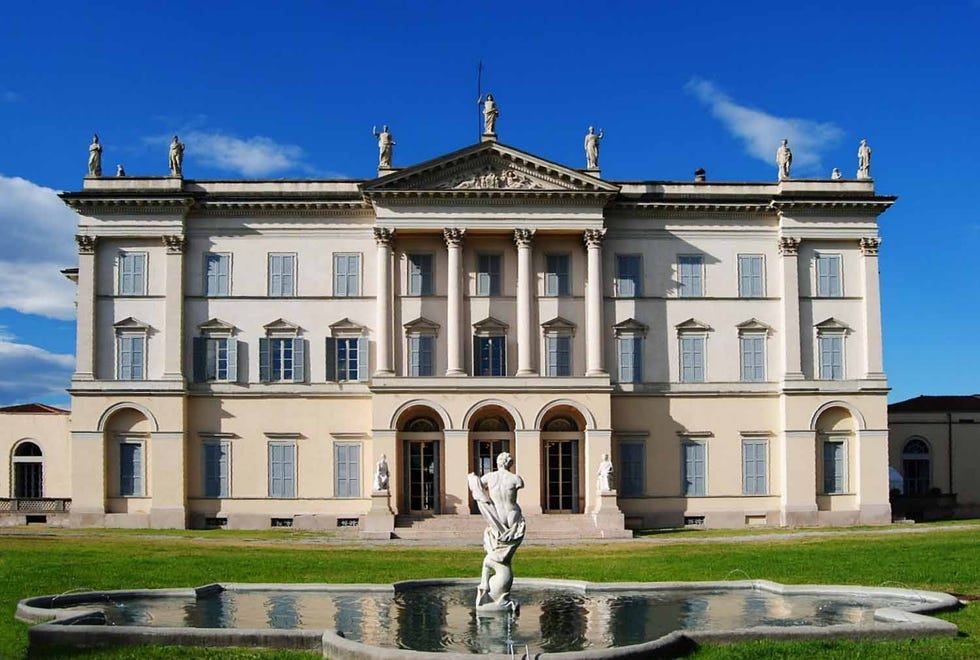
Milan
## Description Villa Tittoni Traversi, also known as Villa Cusani Tittoni Traversi, is an elegant neoclassical villa that represents an important chapter in the architectural and cultural history of the Milan area. Originally conceived as a noble residence, the villa stands out for its refined design, harmonious proportions, and its close relationship with the surrounding landscape. Today, it serves as a cultural venue, hosting exhibitions, events, and public activities that keep its historical legacy alive. What makes Villa Tittoni Traversi unique is its artistic pedigree. The villa was redesigned in the early 19th century by the renowned architect Giuseppe Piermarini, the same architect behind Milan’s Teatro alla Scala. Its interior spaces were later enriched with frescoes and decorative elements that reflect the tastes of Lombard aristocracy. A lesser-known fact is that the villa’s park was influenced by early landscape garden concepts, blending formal and naturalistic elements. Another interesting detail is that the building has passed through the hands of several prominent families, including the Cusani and Tittoni families, each leaving their mark on its design and function. The villa offers a refined yet approachable atmosphere, making it appealing to visitors interested in history, architecture, and cultural life outside Milan’s most crowded attractions. ## Location Villa Tittoni Traversi is located in **Italy**, in the **Lombardy** region, near the city of **Milan**, in the town of **Desio**, north of the city center. Although often associated with Milan due to its proximity, the villa is technically within Desio, making it an easy and worthwhile day trip from the city. Reaching the villa is convenient. Visitors can take a regional train from Milan to **Desio Station**, which is well connected and only a short walk from the villa. Several bus routes also serve the area. For those driving, Desio is easily accessible by road, and parking is generally available near the villa and its park. ## Tips * Check the villa’s event schedule in advance, as exhibitions and cultural programs vary throughout the year. * Take time to explore the surrounding park, which is ideal for relaxing walks and photography. * Guided tours may be available on specific days and can offer deeper insight into the villa’s history. * Visit on weekdays for a quieter experience, especially if events are taking place on weekends. * Combine your visit with a stroll through Desio’s historic center or nearby green spaces. * Wear comfortable shoes, particularly if you plan to explore both the interior and the park. ## Conclusion Villa Tittoni Traversi is a graceful example of Lombard neoclassical architecture and cultural heritage. Its blend of history, art, and green space makes it a rewarding destination for visitors seeking a more intimate and refined experience near Milan. ## FAQ **Is Villa Tittoni Traversi open to the public?** Yes, the villa is open to the public during exhibitions, events, and scheduled visiting hours. **How long does a visit usually take?** Most visits last between one and two hours, depending on exhibitions and time spent in the park. **Is there an entrance fee?** Entrance fees may apply during special exhibitions or events, while access to the park is often free. **Is the villa suitable for families?** Yes, the open park and cultural events make it suitable for families, though children should be supervised indoors. **Can the villa be reached easily from Milan?** Yes, it is easily accessible by train or car from Milan in under an hour. ## Links * [Villa Tittoni Official Website](https://villatittoni.it/)
GemVoyage Team • World
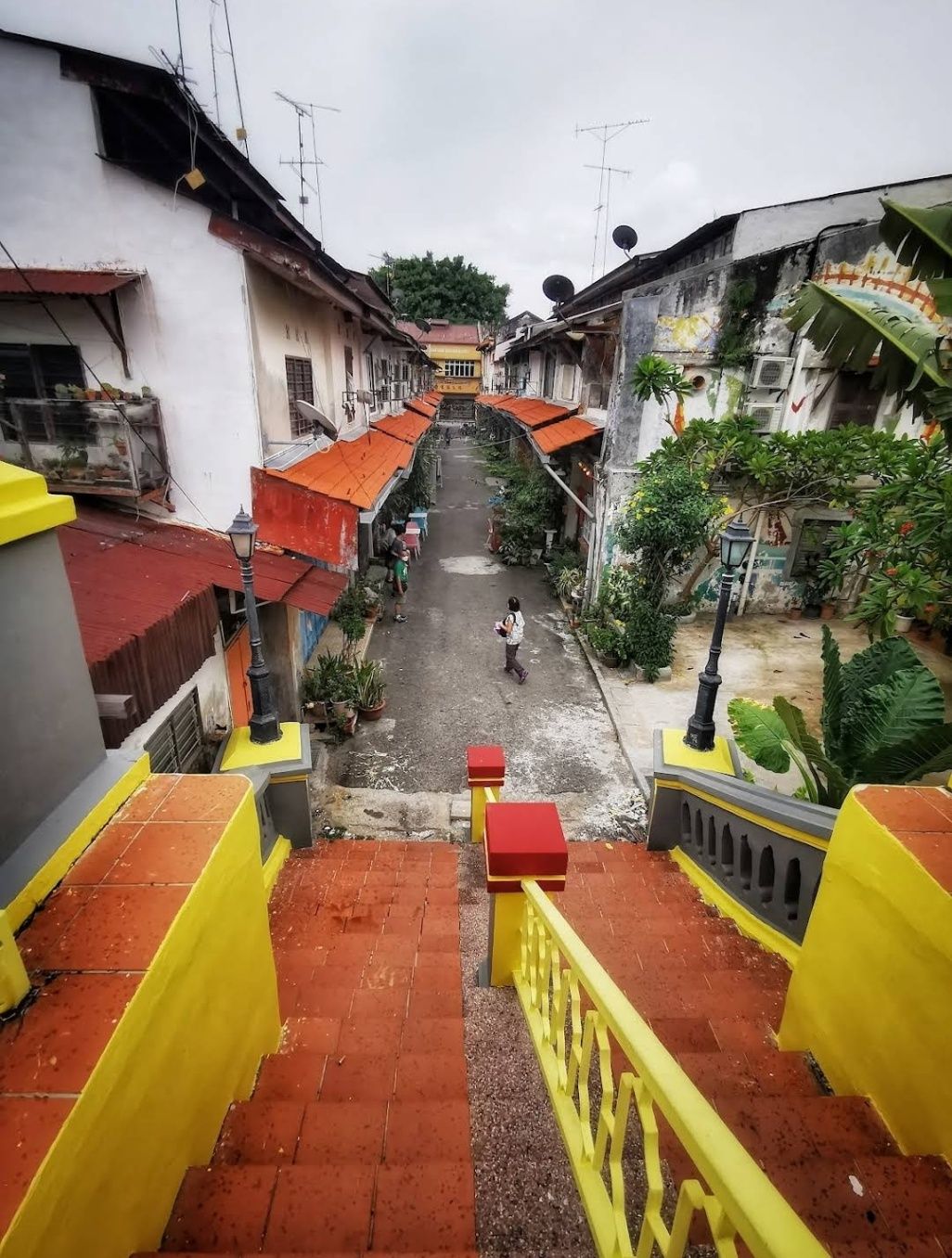
Malaysia
## Description Melaka, also known as Malacca, is a city steeped in history, culture, and art. Among its many attractions, **Melaka Street Art: The Well** stands out as a hidden gem that blends creativity, storytelling, and local heritage. This unique spot features colorful murals painted on walls that depict everyday life, folklore, and cultural icons of Malaysia. What makes The Well particularly fascinating is that it’s not just about the art itself, but also about the symbolism behind it. The murals often tell stories of Melaka’s diverse communities—Malay, Chinese, Indian, and Peranakan—reflecting the city’s multicultural roots. Some paintings even feature 3D effects, allowing visitors to interact with the artwork for unforgettable photos. A little-known fact is that **The Well takes its name from a nearby historic well that once served as a vital water source for the community**. While many tourists flock to Jonker Street for its bustling night market, only a smaller number stumble upon this enchanting art spot, making it a quieter and more intimate place to enjoy street art. Another interesting detail is that some of the artworks were painted by local artists in collaboration with international muralists, giving the space a truly global touch. ## Location Melaka Street Art: The Well is located in **Malacca City, Malacca (Melaka) State, Malaysia**. It sits not far from the famous Jonker Street, nestled in one of the small alleys that branch out into quieter corners of the historic quarter. Getting there is quite simple. If you’re already in Melaka City, the best way is to **walk or cycle** around the historic district, as most attractions are within short distance. For travelers coming from Kuala Lumpur, you can take a **bus or drive** (about 2 hours by car). Once in Melaka, using a **trishaw or ride-hailing service like Grab** can be a fun and convenient way to reach The Well and explore nearby attractions. ## Tips To make the most of your visit to The Well, here are some useful tips: * **Visit in the morning or late afternoon** – The lighting is softer, perfect for photos, and the weather is more comfortable. * **Bring a camera or smartphone** – Many murals are interactive, so you can pose creatively with the art. * **Wear comfortable shoes** – Exploring Melaka’s street art usually involves walking through narrow lanes and uneven pavements. * **Combine with nearby attractions** – Since The Well is close to Jonker Street, Cheng Hoon Teng Temple, and the Melaka River, plan a half-day walk to enjoy multiple highlights. * **Respect the artwork** – Avoid touching or leaning too heavily against the murals to help preserve them for future visitors. ## Conclusion Melaka Street Art: The Well is more than just a collection of paintings—it’s a cultural journey that captures the essence of Melaka’s identity. Blending history, creativity, and multicultural influences, it’s a must-visit spot for travelers who love discovering hidden gems. Whether you’re a history buff, an art lover, or simply someone looking for a unique photo opportunity, The Well offers an unforgettable experience in the heart of Melaka. ## FAQ **1. What is Melaka Street Art: The Well?** It’s a street art spot in Melaka featuring murals that showcase the city’s culture, heritage, and everyday life, named after a historic community well. **2. Is there an entrance fee to visit The Well?** No, it’s completely free to visit as it’s part of the public street art scene. **3. How much time should I spend at The Well?** On average, 30 minutes to an hour is enough to explore, take photos, and appreciate the details of the murals. **4. Is it safe to visit The Well at night?** While the area is generally safe, it’s best to visit during the day for better lighting and more vibrant photography. **5. Are there restaurants or cafes nearby?** Yes, The Well is located close to Jonker Street, where you’ll find plenty of local eateries, cafes, and street food vendors. **6. Can I combine this visit with other attractions?** Absolutely! You can easily combine it with a walk along the Melaka River, a visit to A Famosa fortress, or shopping at Jonker Street. ## Links Here are some useful links for more information about Melaka Street Art: * [Tourism Malaysia – Melaka](https://www.malaysia.travel/explore/the-historical-city-of-melaka)
GemVoyage Team • World
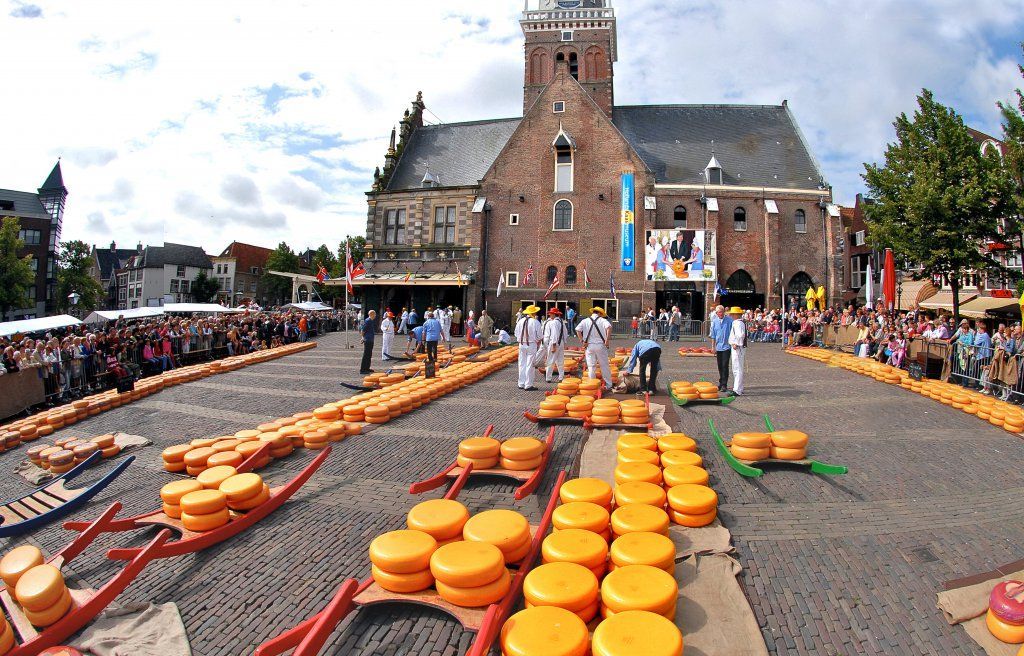
Alkmaar
## Description The Alkmaar Cheese Museum is one of the best places to understand why cheese is such an important part of Dutch identity and regional heritage. Located in the historic Waag building, the museum explores the history, production, trade, and cultural significance of cheese in the Netherlands, with special attention to Alkmaar’s long association with the cheese market tradition. It is a compact but engaging museum that helps visitors see cheese not just as food, but as part of a larger economic and social story. One of the museum’s strengths is its accessibility. It presents information in a way that is easy to follow for casual visitors while still giving enough depth to satisfy people interested in local history. The setting matters too: being in a historic weighing house adds a strong sense of place. One lesser-known fact is that Alkmaar’s cheese heritage is linked not only to local farming but also to the broader trading systems that shaped Dutch cities for centuries. Another interesting detail is that the museum helps explain the rituals and practical logistics behind cheese commerce, including how products were measured, moved, and valued in a market town. The museum is also a good reminder that cultural attractions do not have to be large to be effective. Its size makes it easy to fit into a walking day in Alkmaar, and it works especially well when combined with the city’s old streets, canals, and other historic sites. For many visitors, the appeal is partly culinary and partly atmospheric: you learn about cheese, but you also absorb the character of a Dutch market city that built part of its identity around this trade. That makes the museum feel both educational and local. ## Location The Alkmaar Cheese Museum is in the center of Alkmaar, North Holland, the Netherlands, inside the historic Waag building near the city’s old market area. Because it is centrally located, it is easy to reach on foot from most of Alkmaar’s historic core. If you are coming by train, Alkmaar’s station connects well to the city center, and the walk to the museum is straightforward. Visitors arriving from Amsterdam or other nearby cities usually find the trip simple by rail, making it a practical day trip destination. Once in town, the compact center is best explored on foot. ## Tips Combine the museum with a visit to Alkmaar’s historic center for the full experience. If you are interested in the traditional cheese market, check the schedule before your trip so you can align your visit. The museum is a good rainy-day option because it is compact and easy to visit without much planning. Leave room in your itinerary for tasting local cheese or exploring nearby shops. ## Conclusion The Alkmaar Cheese Museum is a small but worthwhile stop that turns the city’s cheese heritage into a clear and enjoyable cultural visit. ## FAQ ### What does the Alkmaar Cheese Museum focus on? It explains the history, trade, and cultural importance of cheese in Alkmaar and the Netherlands. ### Is the museum connected to the cheese market? Yes, it is closely tied to Alkmaar’s famous cheese-trading tradition. ### How much time do I need? A visit usually takes around one hour, depending on how much you read. ### Is it suitable for children? Yes, especially for families that want a short, easy museum visit with a clear theme. ### Can I visit it together with the cheese market? Yes, and that is one of the best ways to experience Alkmaar’s cheese culture. ## Links - [Official website](https://www.kaasmuseum.nl/en/)
GemVoyage Team • World
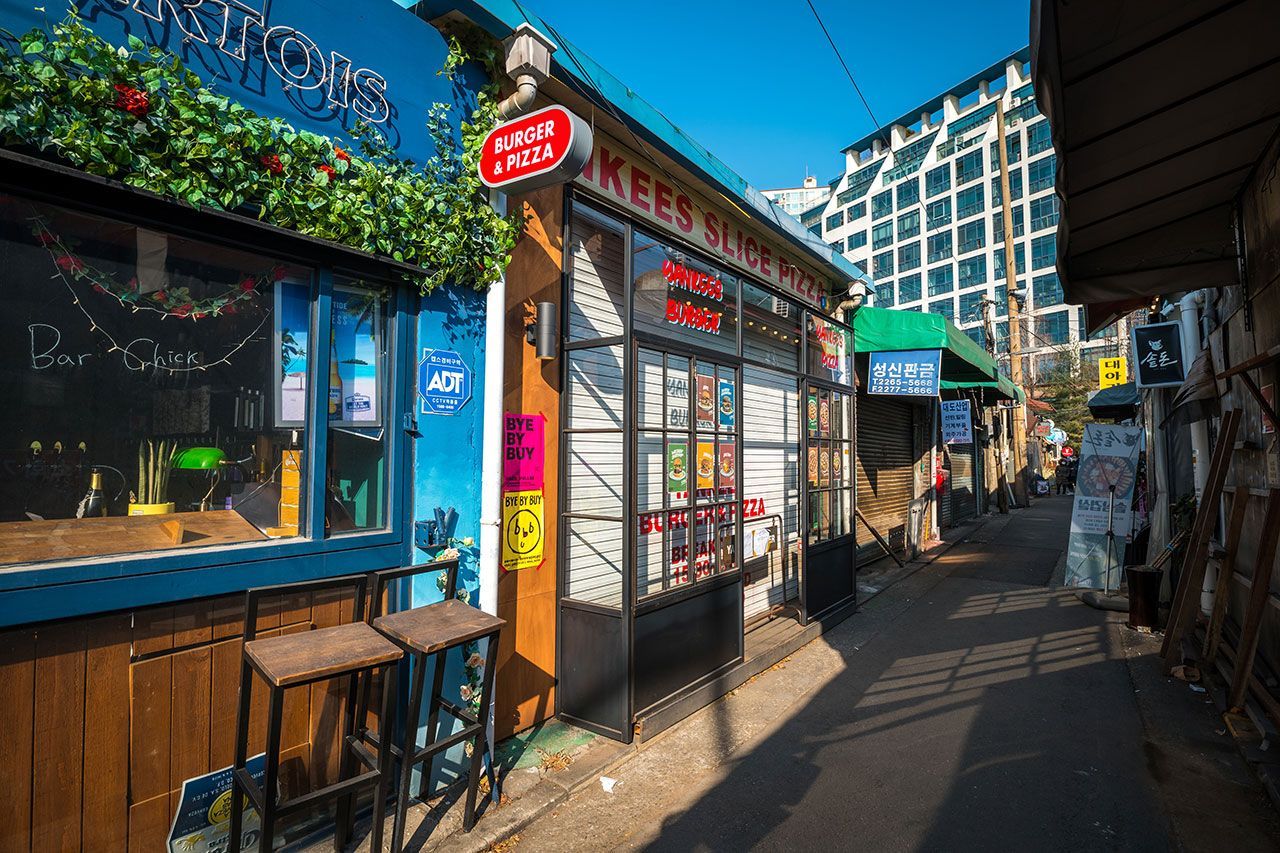
Seoul
## Description Mullae Art Village in Seoul is a compelling example of an industrial district transformed into an active creative ecosystem. Once home primarily to metalworks and small foundries, the neighborhood now hosts a mix of artist studios, mural-covered facades, experimental cafes, and workshops that continue to hum with production. This coexistence of working industry and emerging creative culture lends Mullae a gritty authenticity—visitors can witness the surprising juxtaposition of active metal fabrication alongside open studio events and gallery nights. The village has become a draw for photographers, designers, and travelers looking for non-touristy creative scenes. Monthly studio openings, collaborative exhibitions, and pop-up markets animate the neighborhood, while small bars and eateries offer late-night conversation and informal artist gatherings. Mullae’s charm is not polished; it’s lived-in, evolving, and full of small discoveries. ## Location Mullae sits in Yeongdeungpo-gu, Seoul, and is accessible from Mullae Station on Line 2, with short walks into the heart of the creative cluster. The area is best explored on foot, following alleyways and industrial lanes where murals, sculptures, and studios appear around unexpected corners. ## Tips - Time visits for open-studio events or weekends when more artists and galleries welcome visitors. - Be mindful of working studios—respect cordoned areas and do not enter without permission. - Bring a camera and a sense of exploration—industrial textures, murals, and found-object sculptures make for strong photography subjects. - Support local businesses: many cafes and shops are run by artists and makers, and purchases help sustain the community. - Safety note: some areas near active workshops may have operational hazards—obey signage and keep a safe distance from machinery. ## Conclusion Mullae Art Village is a vivid, working example of how industrial neighborhoods can become creative hubs without losing their gritty character. It’s ideal for curious travelers who value authenticity, emerging art scenes, and the energetic overlap of craft and creativity. ## FAQ Q: Are studios in Mullae open to the public? A: Many studios open during scheduled studio days or events; otherwise contact artists or galleries directly for visits. Q: Is it safe to take photos in Mullae? A: Yes, in public areas, but avoid photographing inside private workshops without permission and respect workers’ safety zones. Q: Are there cafes and shops in Mullae? A: Yes—small cafes, bars, and maker-driven shops are common and offer unique handmade goods and refreshments. Q: When is the best time to visit Mullae? A: Weekends and scheduled open-studio events offer the richest experience, though weekday afternoons can be quieter for wandering. Q: How can I support the local creative community? A: Buy directly from artists, attend open-studio events, and patronize local cafes and pop-up markets. ## Links - [Mullae Art Village](https://english.seoul.go.kr/seoul-art-space-mullae-mullae-creative-village/)
GemVoyage Team • World
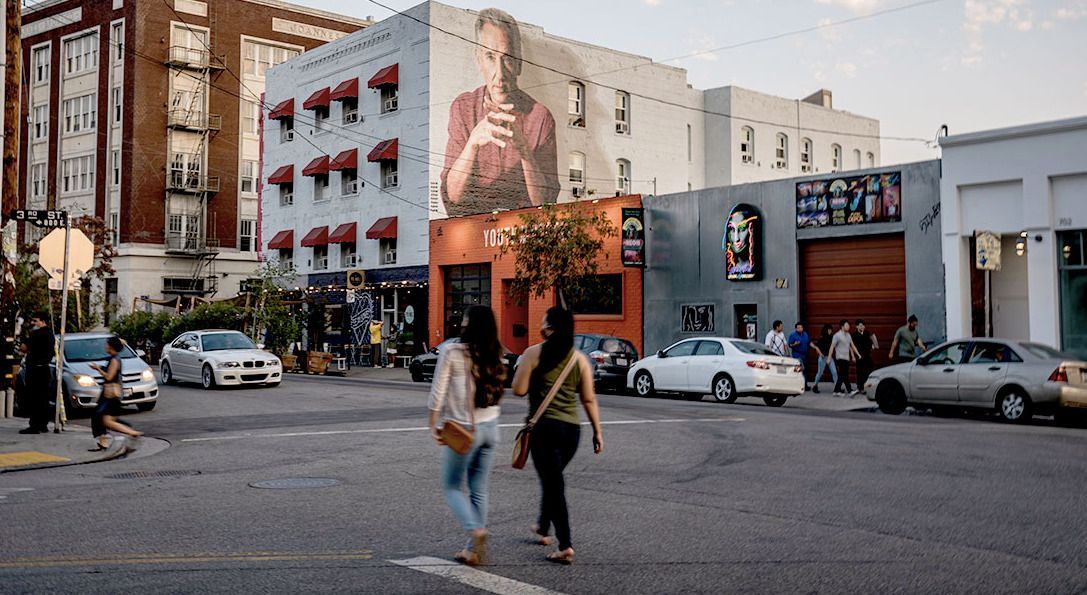
Los Angeles
## Description Los Angeles's Arts District is a revitalized industrial neighborhood in DTLA that attracts artists, photographers, and food-and-drink entrepreneurs. Once dominated by warehouses and manufacturing, the area now hosts large-scale murals, independent galleries, micro-breweries, and creative studios—while many buildings retain their industrial bones, loft conversions and artist workspaces coexist with public art and event venues. The Arts District's visual appeal is immediate: colorful street art wraps building facades, while converted factories house gallery openings, pop-up shops, and tasting rooms. The neighborhood also supports a range of discovery experiences: guided mural walks, studio open-house events, and First Fridays where galleries and studios open to the public. For search optimization, useful queries include "Los Angeles Arts District murals", "DTLA art galleries", and "Arts District breweries"—terms that align with both live-event listings and neighborhood guides. ## Location The Arts District sits east of central downtown Los Angeles, adjacent to the LA River and Little Tokyo. It's reachable by public transit to Little Tokyo/Arts District station (Regional rail) or via buses that serve downtown; many visitors prefer rideshare or cycling to navigate between dispersed murals and galleries. Street parking exists but is limited and can fill quickly during events and weekends. ## Tips - Walk or bike the neighborhood to take in large murals and alleyway installations. - Check the calendar for First Fridays and open-studio events to access private studios and pop-up shows. - Visit micro-breweries and coffee-roasters during the afternoon for a quieter experience; evenings are best for nightlife and special events. - Use respectful photography practices: many murals are public, but studio and private properties may restrict access—ask permission before entering. - Keep safety in mind: while the neighborhood is vibrant, stay aware of your surroundings at night and stick to well-lit, populated streets. ## Conclusion DTLA's Arts District blends industrial heritage with contemporary creativity, offering dynamic murals, intimate galleries, and an energetic food-and-drink scene. It's a must-visit for photographers, collectors of urban art, and anyone seeking a vibrant neighborhood that's both locally rooted and globally connected. ## FAQ Q: Are mural tours available? A: Yes—guided mural tours and self-guided maps are popular; local tour companies and apps list recommended routes. Q: When is First Friday? A: First Friday events typically occur on the first Friday of each month, though schedules and participating venues can change—check local listings. Q: Are there family-friendly activities in the Arts District? A: Daytime visits can be family-friendly with parks, street art, and casual dining; some evening events are more adult-oriented. Q: Where can I find artist studios? A: Many studios open during special events or by appointment; gallery directories and studio collective websites list visiting hours. Q: Is parking available? A: Limited street parking and paid lots exist; rideshare, cycling, or public transit are recommended during peak times. ## Links - [Arts District, Los Angeles (Wikipedia)](https://en.wikipedia.org/wiki/Arts_District,_Los_Angeles)
GemVoyage Team • World
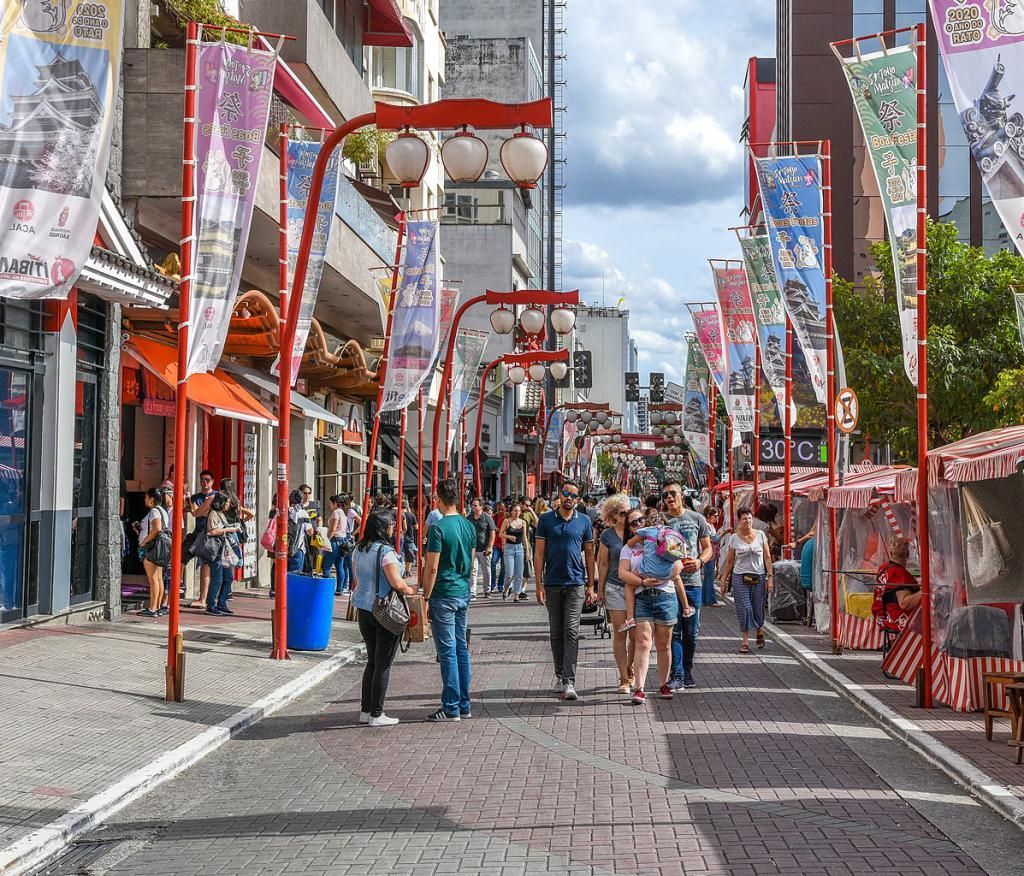
São Paulo
## Description Liberdade is one of the most distinctive neighborhoods in São Paulo and one of the best places in Brazil to experience the city’s layered cultural identity. Known today as the center of Japanese-Brazilian life in São Paulo, the district combines Asian markets, lantern-lit streets, ramen shops, bakeries, cultural centers, and everyday street life in a way that feels both energetic and deeply local. It is not just a neighborhood with a recognizable visual style; it is a living urban district where migration history, commerce, food, and community still shape the streets. What makes Liberdade especially worth visiting is that it offers a concentrated version of São Paulo’s diversity. You can spend a morning browsing specialty stores, have lunch in a small noodle house, visit a cultural institution in the afternoon, and then return after dark when the lanterns and signage give the area a different atmosphere. One little-known fact is that Liberdade was not always associated with Japanese culture; its history includes Afro-Brazilian heritage, older residential uses, and a long process of demographic change that turned it into the cultural hub it is today. Another interesting detail is that the neighborhood’s famous portal and decorative elements are relatively recent compared with the area’s older urban fabric, so the visual identity you see now is the result of deliberate community expression, not simply architectural tradition. The district is also a practical place for travelers who like food and street photography. The weekend market and surrounding streets often create a lively scene, but even on quieter weekdays Liberdade rewards slow wandering. The area’s small shops often carry imported snacks, tea, ceramics, stationery, and gifts that are hard to find elsewhere in the city. That mix of everyday utility and cultural symbolism is what gives Liberdade its appeal. It feels authentic because it functions as a neighborhood first and a visitor destination second. ## Location Liberdade is located in central São Paulo, in the state of São Paulo, Brazil. It sits close to the city center, making it easy to combine with other urban attractions such as Avenida Paulista, Sé Cathedral, or the municipal historic district. The most recognized access point is around Liberdade metro station on Line 1-Blue, which puts visitors directly into the heart of the neighborhood. The easiest way to get there is by metro, especially if you are staying in another part of São Paulo. Taxis and ride-hailing services also work well, but public transport is usually faster because traffic can be heavy. If you are already exploring central São Paulo on foot, Liberdade can be reached through a longer but manageable walk from nearby districts. For first-time visitors, arriving by metro is the most straightforward option because it drops you right into the neighborhood’s main pedestrian flow. ## Tips Visit on a weekend if you want the most lively atmosphere, but go earlier in the day to avoid the largest crowds. Bring cash and a flexible appetite, because many of the best snacks, pastries, and small purchases are easiest to enjoy from informal stalls and compact shops. Don’t limit yourself to the main street. Some of the most interesting details are in the side streets, where older buildings, small restaurants, and local businesses reveal the neighborhood’s everyday rhythm. If you like photography, go at different times of day. Morning light, afternoon bustle, and evening lanterns all give Liberdade a different visual character. Combine the visit with nearby central landmarks so the trip feels like part of a broader São Paulo itinerary rather than a standalone stop. ## Conclusion Liberdade is more than São Paulo’s famous Japanese quarter; it is a vibrant urban district where food, memory, and community life come together in a way that feels unmistakably local. ## FAQ ### What is Liberdade known for? Liberdade is best known for its Japanese-Brazilian cultural identity, Asian food, specialty shops, and lively street market atmosphere. ### Is Liberdade worth visiting if I only have one day in São Paulo? Yes. It is one of the easiest neighborhoods to visit for a quick cultural and food-focused experience. ### What is the best time to go to Liberdade? Weekends are the liveliest, but weekday visits can be calmer and better for exploring shops without heavy crowds. ### Is Liberdade safe for tourists? Like any busy urban district, it is best to stay aware of your surroundings, keep belongings close, and use common city precautions, especially in crowded areas. ### What should I try in Liberdade? Look for ramen, pastries, sweets, teas, and street snacks sold by local vendors and small restaurants.
GemVoyage Team • World
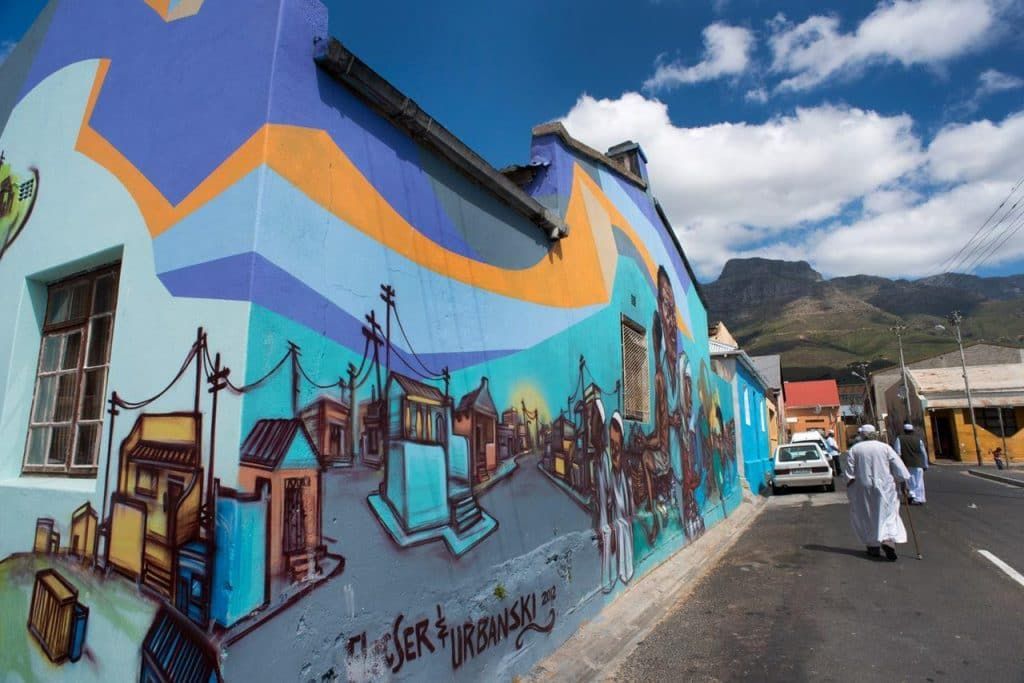
Cape Town
## Description Woodstock Street Art is one of the most vivid ways to experience Cape Town beyond the standard postcard view. Woodstock itself has long been associated with creative energy, urban change, and a strong independent character, and the neighborhood’s walls have become an ever-changing canvas for local and international artists. What makes it special is not just the color or scale of the murals, but the fact that the art is integrated into a living neighborhood rather than isolated in a formal gallery space. Every corner can feel like a discovery, and each block tells a different story about identity, politics, memory, and imagination. Unlike a single museum collection, street art in Woodstock changes constantly. Some murals are large and highly detailed, others are quick, expressive statements. That variety is part of the appeal. Visitors can see work that reflects social issues, community pride, satire, environmental themes, and the evolving face of Cape Town itself. Because the art lives on real buildings and infrastructure, the setting gives it an edge that is hard to replicate indoors. The texture of peeling walls, warehouse façades, and narrow streets adds meaning to the work and makes photographs feel more grounded and authentic. One little-known aspect of Woodstock’s street art scene is how strongly it reflects the neighborhood’s broader reinvention. The area has become one of Cape Town’s most recognizable creative districts, but many of the artworks also respond to the tensions that come with urban change, displacement, and heritage. Another detail that visitors sometimes miss is that the best experience often comes from moving slowly and looking above eye level as well as at street level. Murals are not limited to obvious walls; some of the most memorable pieces appear in alleys, on shutter doors, or on the sides of buildings that you might pass too quickly if you are not paying attention. The result is a destination that rewards curiosity. Woodstock Street Art is not polished in the traditional tourist sense, and that is exactly why it feels alive. It offers a way to understand Cape Town as a city of layers, where creativity and social commentary coexist with everyday street life. For travelers who like walking neighborhoods that feel both artistic and real, it is one of the city’s most compelling stops. ## Location Woodstock is a neighborhood in Cape Town, South Africa, situated close to the central city area and not far from the harbor and Table Mountain routes. Its location makes it easy to combine with other Cape Town sightseeing, especially if you are already exploring the city bowl or nearby cultural districts. Because the artwork is spread through streets and side roads rather than gathered in one single venue, the exact experience depends on the route you choose. The most practical way to explore is usually on foot with a map, a local guide, or a curated street art walk. Some travelers prefer joining a guided tour because guides can explain the meaning behind individual murals and help visitors navigate the area more confidently. Taxis and rideshares can drop you off at a convenient starting point, but the actual appreciation comes from walking slowly. If you are comfortable with urban exploration, pairing your visit with a café stop or market break in Woodstock can make the outing feel more complete. ## Tips Go in daylight. Street art is best appreciated when colors, textures, and details are visible, and daylight also makes navigation easier. A morning or early afternoon visit often gives you better light for photographs and a calmer pace for walking. If you are planning to take many pictures, bring a charged phone or camera because there will likely be more walls and details than you expect. Consider a guide if you want context. Some murals are visually striking on their own, but the stories behind them make the experience richer. A guide can also help you notice pieces that blend into the surroundings or point out artists and themes you might otherwise miss. If you prefer to explore independently, spend extra time reading plaques, following side streets, and looking for smaller works in doorways and corners. Dress practically. Comfortable shoes matter because you will likely walk more than you think. A light bag, water, and sun protection are wise choices, especially during warmer months. It is also sensible to stay aware of your surroundings and follow local advice about which streets are most convenient to explore. Combine the visit with food or coffee. Woodstock has a creative food scene, and stopping for a meal can make the district feel more approachable. Street art is at its best when it becomes part of a broader neighborhood experience rather than a quick photo stop. The more time you give Woodstock, the more the neighborhood’s layered personality becomes visible. ## Conclusion Woodstock Street Art offers a powerful introduction to Cape Town’s creative side. It is colorful, thought-provoking, and best enjoyed as a slow walk through a neighborhood that continues to reinvent itself. ## FAQ ### Is Woodstock Street Art safe to visit? Many visitors explore Woodstock during the day without problems, but like any urban neighborhood, it is smart to stay aware, travel in daylight, and follow local advice. A guided tour can be a good choice if you want extra reassurance. ### Do I need a guide? Not necessarily, but a guide adds value if you want context about the artists and the neighborhood’s history. Independent travelers can still enjoy the area by walking slowly and paying attention to smaller works. ### How long should I spend there? One to two hours can be enough for a quick walk, but more time is better if you want photography, coffee, and a relaxed pace. If you are using the visit to understand the neighborhood rather than just collect images, plan for longer. ### Are the murals always the same? No. That is one of the defining characteristics of street art. Works can be painted over, replaced, or altered, which means the area can look different from one visit to the next. ### Can I visit independently? Yes. Many people do. A map and basic awareness are usually enough for a self-guided visit, although some travelers prefer a structured tour for convenience and context. ## Links - [Wikipedia](https://en.wikipedia.org/wiki/Woodstock,_Cape_Town) - [Cape Town Tourism](https://www.capetown.travel/)
GemVoyage Team • World
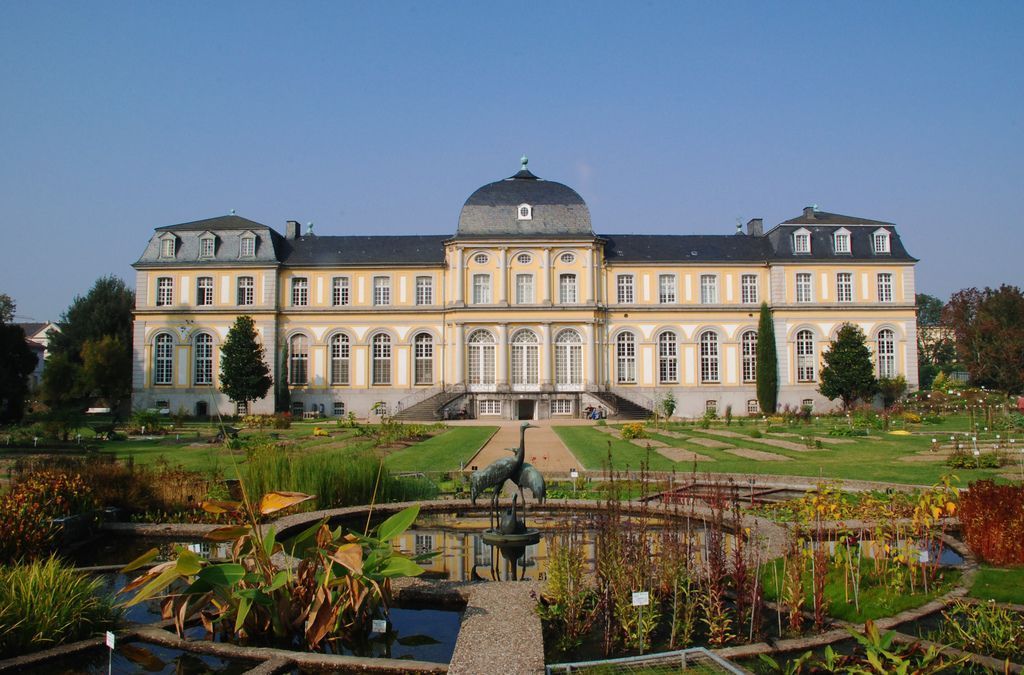
Bonn
## Description Poppelsdorf Palace Gardens in Bonn offers a quieter, more contemplative travel experience than many people expect from a city stop. The gardens sit beside Poppelsdorf Palace, creating a landscape where formal design, academic history, and botanical interest come together. This is not a flashy amusement-style attraction; it is a place for slow walking, observation, and appreciating the way a historic garden can shape a city experience. For travelers who enjoy architecture and green spaces together, the setting has a calm elegance that is easy to underestimate at first glance. The appeal of the gardens lies in balance. The layout around the palace gives the space a sense of order and historical continuity, while the planting introduces seasonality and change. Depending on when you visit, you may encounter spring blossoms, summer greenery, autumn color, or a quieter winter framework that emphasizes lines and structure. The area feels connected to Bonn’s academic and civic identity, which makes it especially interesting for visitors who want to understand the city through its institutions as well as its monuments. One little-known point is that the surrounding area is tied to the University of Bonn and the wider botanical and scientific traditions of the city. That gives the garden a different character from purely decorative palace grounds. Another detail travelers often appreciate is how peaceful the space can feel even when nearby streets are active. The gardens offer a kind of visual pause, a transition between urban movement and formal green calm. Because the attraction is connected to a palace and university environment, it is also a useful stop for people who enjoy architecture, history, and plant life in one setting. You can admire the building, stroll through the grounds, and then continue into Bonn with a stronger sense of how the city layers its heritage. The result is a destination that feels understated at first but reveals more the longer you stay. ## Location Poppelsdorf Palace Gardens are in Bonn, North Rhine-Westphalia, Germany, within the Poppelsdorf district near the University of Bonn. The location is convenient for travelers already exploring Bonn’s center, because it is reachable from the main urban area without a difficult transfer. Public transport, walking, and cycling are all practical ways to arrive, depending on where you begin. If you are already in central Bonn, walking can be an especially pleasant choice because it lets you approach the gardens gradually and see more of the surrounding district. The area sits comfortably within a wider sightseeing route that might also include the university quarter, museums, and other historic streets. For visitors staying elsewhere in the city, tram or bus connections can make the trip straightforward. ## Tips Visit at a relaxed pace. The gardens are best enjoyed when you are not trying to rush from one photo stop to the next. Sit for a while, study the building and the planting, and let the setting become part of your day rather than a quick pass-through. Use the seasons to your advantage. Spring and early summer are especially rewarding if you enjoy blooms and fresh growth, while autumn can give the grounds a softer, more reflective mood. Even in winter, the geometry of the palace and garden can be appealing if you like architectural landscapes. Pair the visit with other Bonn sights. Because the gardens are part of a larger city context, they work well as a stop between museums, university buildings, or a café break. If you are interested in plant collections or botanic themes, take extra time to notice how the garden’s identity differs from a casual city park. Bring a camera, but also leave room to simply look. The most memorable part of the visit may be the overall calm rather than any single dramatic view. Good shoes, a willingness to walk slowly, and a little curiosity are more useful here than a packed itinerary. ## Conclusion Poppelsdorf Palace Gardens are a graceful and quietly rewarding part of Bonn, combining historic architecture with a restful green setting. They are ideal for travelers who appreciate understated places with depth. ## FAQ ### Are the gardens open to the public? Parts of the grounds are generally accessible as a public green space, but access can vary by area and season. It is sensible to check current information before visiting. ### Do I need to visit the palace itself? No. The gardens can be enjoyed on their own, and many visitors come mainly for the outdoor setting. ### How long should I stay? A short visit may take less than an hour, but a slower walk and nearby exploration can easily fill more time. ### Is this a family-friendly stop? Yes. The space is calm, walkable, and suitable for a relaxed visit with children, provided they are supervised like in any garden environment. ### What is the best time of year to go? Spring and early summer are often the most visually satisfying, but the gardens can be pleasant in any season depending on your interests. ## Links - [Official website](https://www.botgart.uni-bonn.de/en) - [Wikipedia](https://en.wikipedia.org/wiki/Poppelsdorf_Palace)
GemVoyage Team • World
Toronto
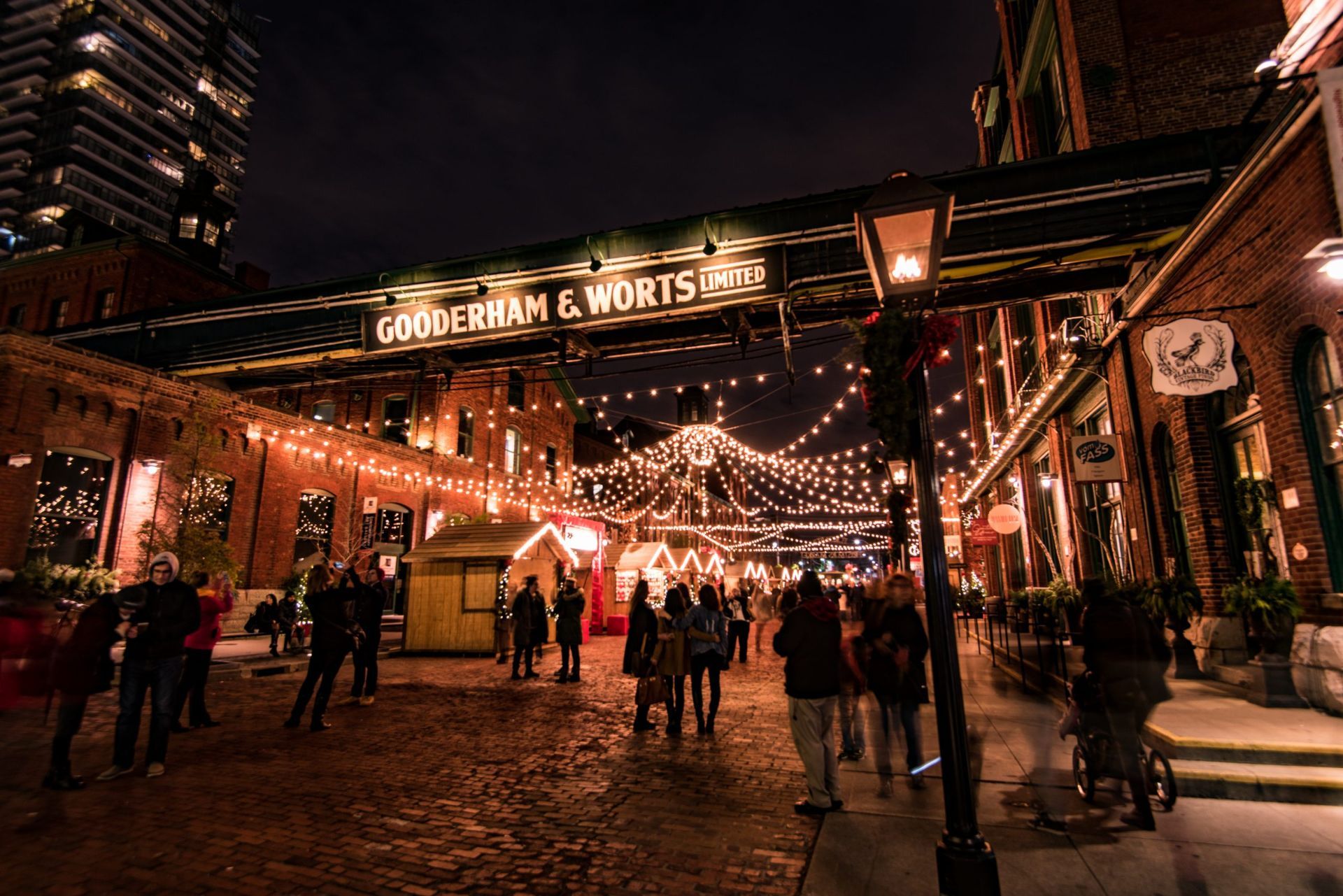
## Description The Distillery District is one of Toronto’s most distinctive neighborhoods, and it feels almost purpose-built for travelers who enjoy atmosphere. Set within a preserved historic industrial complex, the district combines red brick architecture, pedestrian streets, galleries, restaurants, shops, event spaces, and public art into a compact destination that is easy to explore and hard to forget. It is stylish without feeling anonymous, and historic without feeling static. That combination makes it one of the city’s strongest examples of adaptive reuse done well. The district’s appeal begins with the architecture. The old industrial buildings create a strong visual identity, and the pedestrian-only layout encourages visitors to slow down and notice details. You do not just move through the Distillery District; you linger in it. The cobbled or brick-lined atmosphere, the converted warehouses, and the layered signage all contribute to the sense that this is a place where Toronto’s past has been carefully repurposed for modern use. At the same time, the neighborhood is lively rather than museum-like. Food, shopping, exhibitions, and events keep it active year-round. One little-known fact is that the district’s visual character has made it a popular location for film, photography, and seasonal events, especially when the area is decorated or adapted for festivals. Another detail visitors sometimes miss is that the district works best as an experience rather than a checklist. It is tempting to arrive, take a few photos, and leave, but the better approach is to let yourself sit down for a meal, look into side courtyards, and notice how the district changes with time of day and season. For travelers who enjoy cities with strong identities, the Distillery District is especially satisfying because it offers more than a single attraction. It is a district you can inhabit for a few hours. You can browse, eat, photograph, rest, and then continue on to other downtown areas. That versatility is a big part of why it remains one of Toronto’s most reliable visitor destinations. ## Location The Distillery District is in downtown Toronto, Ontario, just east of the central core. Its location makes it accessible from many parts of the city by streetcar, bus, rideshare, bicycle, or on foot if you are already nearby. Because it is pedestrian-friendly, the visit starts to feel distinct as soon as you enter the district, and that separateness is part of the appeal. If you are planning a wider downtown itinerary, the district fits well with waterfront walks, downtown shopping, and other central attractions. It is also easy to combine with holiday events or seasonal markets when those are taking place. For many visitors, the most practical option is to use public transit or walk from nearby neighborhoods so that parking does not become a distraction from the experience. ## Tips Allow enough time to enjoy the district properly. The Distillery District is at its best when you slow down, sit for a coffee or meal, and wander without rushing. If you only pass through in ten minutes, you will miss much of what makes it special. Go if you like photography, but also go if you like dining. The area’s visual appeal is obvious, yet its food and drink scene are equally central to the experience. A good meal or café stop can anchor the visit and make the historic setting feel more vivid. Check whether there are special events happening. Seasonal markets, art installations, performances, and holiday programming can transform the district significantly. That can be a major advantage if you like lively environments, though it also means the area may be busier than usual. Visit on a weekday if you want a quieter experience. Weekends and event periods can be excellent for energy and atmosphere, but they also bring crowds. There is no wrong choice, only different moods depending on what you want from the visit. ## Conclusion The Distillery District is one of Toronto’s best examples of historic urban space reimagined for modern life. It combines architecture, food, culture, and walkability in a way that feels polished but still characterful. ## FAQ ### Why is it called the Distillery District? The name comes from its industrial origins and the historic distilling complex that once occupied the site. That heritage is still visible in the architecture and layout. ### Is it worth visiting if I only have one afternoon in Toronto? Yes. It is one of the city’s most efficient and visually rewarding districts for a short visit. ### Is the area family-friendly? Yes, especially for daytime visits. The pedestrian layout and public spaces make it easy to navigate with children. ### What is the best time to go? It depends on your goals. Quiet weekday visits suit slow exploration, while evenings and event periods suit people who want more energy and activity. ### Can I just walk around without spending much money? Absolutely. You can enjoy the architecture, art, and atmosphere without committing to shopping or dining, although many visitors choose to stay for a meal. ## Links - [Official website](https://www.thedistillerydistrict.com/) - [Wikipedia](https://en.wikipedia.org/wiki/Distillery_District)
GemVoyage Team • World