GemVoyage Team • World
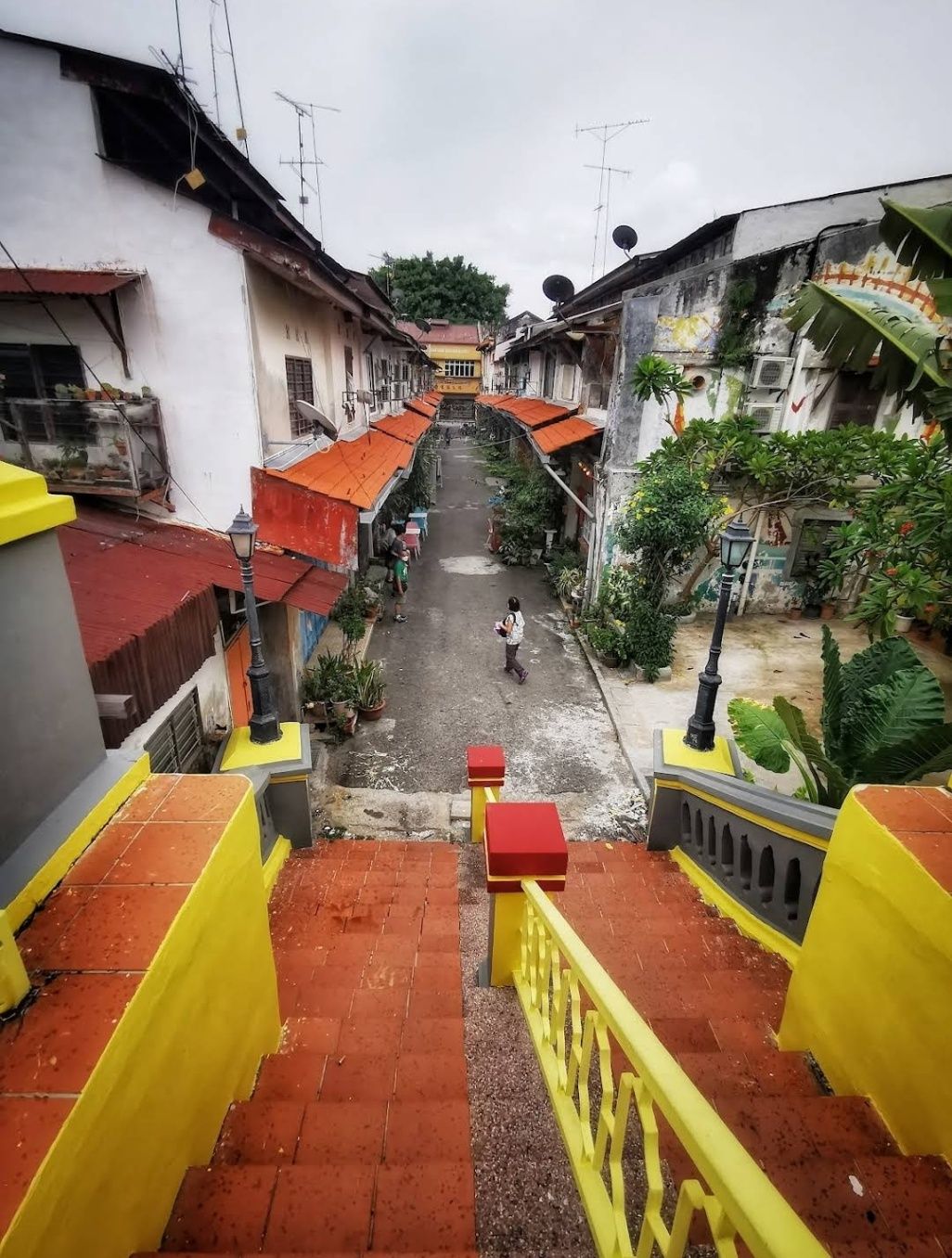
Melaka, also known as Malacca, is a city steeped in history, culture, and art. Among its many attractions, Melaka Street Art: The Well stands out as a hidden gem that blends creativity, storytelling, and local heritage. This unique spot features colorful murals painted on walls that depict everyday life, folklore, and cultural icons of Malaysia.
What makes The Well particularly fascinating is that it’s not just about the art itself, but also about the symbolism behind it. The murals often tell stories of Melaka’s diverse communities—Malay, Chinese, Indian, and Peranakan—reflecting the city’s multicultural roots. Some paintings even feature 3D effects, allowing visitors to interact with the artwork for unforgettable photos.
A little-known fact is that The Well takes its name from a nearby historic well that once served as a vital water source for the community. While many tourists flock to Jonker Street for its bustling night market, only a smaller number stumble upon this enchanting art spot, making it a quieter and more intimate place to enjoy street art. Another interesting detail is that some of the artworks were painted by local artists in collaboration with international muralists, giving the space a truly global touch.
Melaka Street Art: The Well is located in Malacca City, Malacca (Melaka) State, Malaysia. It sits not far from the famous Jonker Street, nestled in one of the small alleys that branch out into quieter corners of the historic quarter.
Getting there is quite simple. If you’re already in Melaka City, the best way is to walk or cycle around the historic district, as most attractions are within short distance. For travelers coming from Kuala Lumpur, you can take a bus or drive (about 2 hours by car). Once in Melaka, using a trishaw or ride-hailing service like Grab can be a fun and convenient way to reach The Well and explore nearby attractions.
To make the most of your visit to The Well, here are some useful tips:
Melaka Street Art: The Well is more than just a collection of paintings—it’s a cultural journey that captures the essence of Melaka’s identity. Blending history, creativity, and multicultural influences, it’s a must-visit spot for travelers who love discovering hidden gems. Whether you’re a history buff, an art lover, or simply someone looking for a unique photo opportunity, The Well offers an unforgettable experience in the heart of Melaka.
1. What is Melaka Street Art: The Well?
It’s a street art spot in Melaka featuring murals that showcase the city’s culture, heritage, and everyday life, named after a historic community well.
2. Is there an entrance fee to visit The Well?
No, it’s completely free to visit as it’s part of the public street art scene.
3. How much time should I spend at The Well?
On average, 30 minutes to an hour is enough to explore, take photos, and appreciate the details of the murals.
4. Is it safe to visit The Well at night?
While the area is generally safe, it’s best to visit during the day for better lighting and more vibrant photography.
5. Are there restaurants or cafes nearby?
Yes, The Well is located close to Jonker Street, where you’ll find plenty of local eateries, cafes, and street food vendors.
6. Can I combine this visit with other attractions?
Absolutely! You can easily combine it with a walk along the Melaka River, a visit to A Famosa fortress, or shopping at Jonker Street.
Here are some useful links for more information about Melaka Street Art:
Discover more hidden gems you might love.
Rome
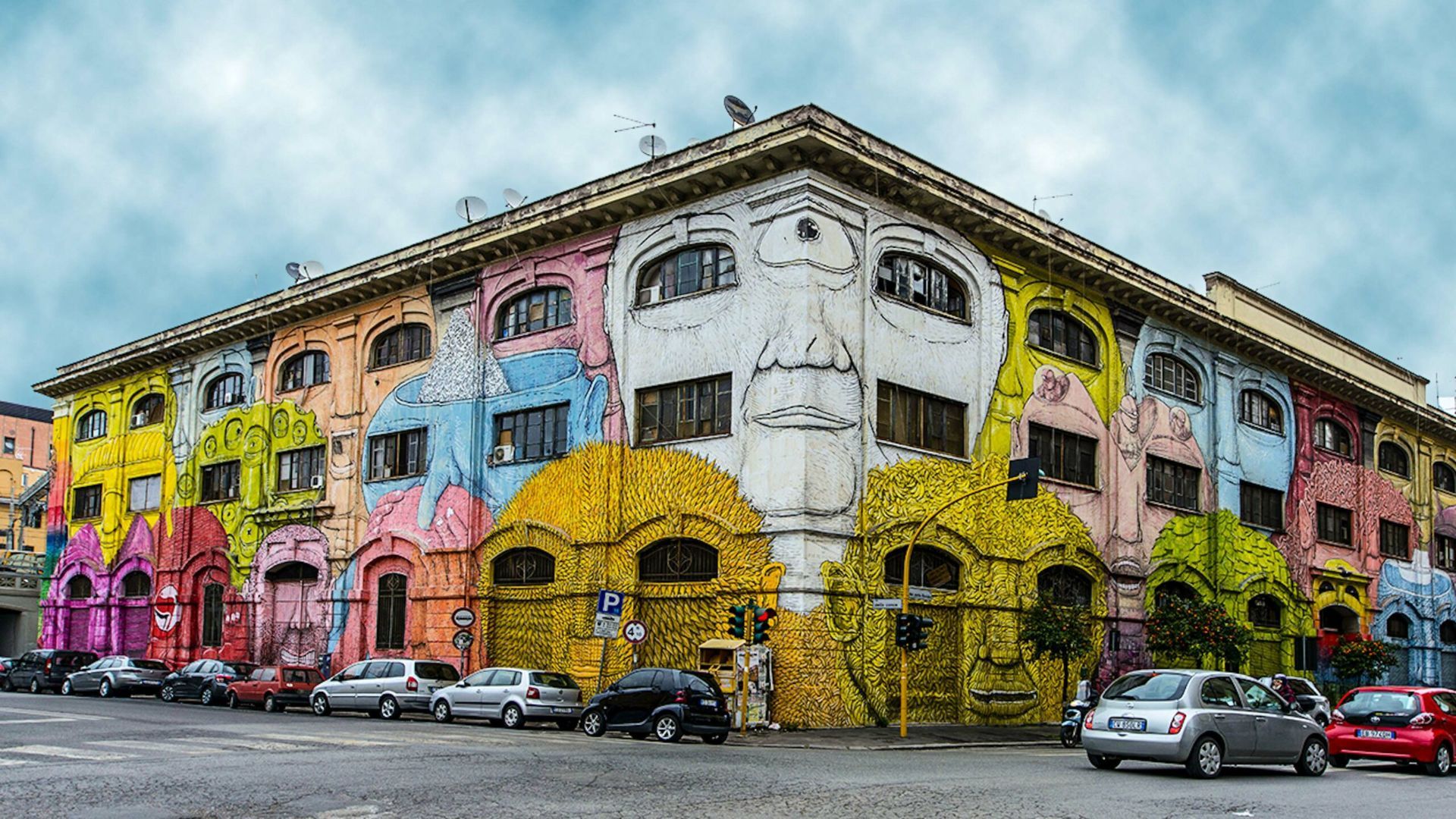
## Description Ostiense in Rome is a neighborhood that quietly combines industrial history, creative reinvention, and a growing street-art scene. Long overlooked in favor of the city’s classical core, Ostiense has become a canvas for large-scale murals, community art projects, and cultural venues that repurpose former warehouses and factories. The area’s atmosphere is energetic and contemporary—the kind of place where gritty, working-class textures meet curated cafes, design-driven restaurants, and cultural centers. One lesser-known detail: many of the murals and public artworks here are the result of organized collaborations between international and Italian artists, local associations, and municipal regeneration programs, meaning the pieces often reflect a distinct local voice rather than random tagging. Ostiense is also notable for nearby cultural institutions such as Centrale Montemartini—an arresting museum that juxtaposes classical sculpture with industrial architecture—as well as evolving food halls and waterfront promenades that add to the neighborhood’s appeal. The daily rhythm here is different from Rome’s historic center: it’s more local, less hurried, and often the setting for pop-up markets, gallery openings, and late-night dining. ## Location Ostiense lies south of Rome’s historic center, adjacent to Stazione Ostiense and the Gasometro area. The neighborhood is easily reachable by metro (Piramide station on Line B), regional trains, and buses, making it convenient for travelers who want to pair a visit with nearby attractions or evening dining options. ## Tips - Walk the streets deliberately and allow time for visual discoveries—large murals and hidden installations are often tucked down industrial lanes. - Consider a guided street-art tour to gain context on the murals, the artists, and the local regeneration efforts that funded them. - Combine visits with cultural stops: Centrale Montemartini, the former Gasometro, and nearby food markets offer a rounded itinerary. - Respect private property and photograph from public sidewalks—some murals occupy private building facades. - Best times: weekday afternoons for quieter explorations, and early evenings for the dining scene; weekends may have markets and events. ## Conclusion Ostiense offers a living gallery of contemporary street art woven into an urban tapestry of industrial heritage and modern cultural life. For travelers who appreciate street art, creative urban renewal, and a less-touristed side of Rome, Ostiense is a rewarding stop that captures both local momentum and adventurous city-making. ## FAQ Q: Are Ostiense’s murals permanent? A: Many are long-term projects, but street art can be transient—check local galleries or tour operators for the most current highlights. Q: Are guided street-art tours available? A: Yes; several local guides and cultural organizations run walking tours that explain the art, artists, and history behind the works. Q: Is Ostiense safe to visit at night? A: Generally yes—areas around the train station and main streets are lively at night, though standard urban caution is advised in quieter lanes. Q: Can I photograph the murals? A: Absolutely; murals in public spaces are typically fine to photograph—avoid obstructing traffic or private entrances while shooting. Q: What else is nearby to pair with an Ostiense visit? A: Centrale Montemartini, food halls, and the riverside promenade are excellent nearby additions. ## Links - [Ostiense](https://www.partir-a-rome.com/quartiers-rome/ostiense-tor-marancia)
GemVoyage Team • World
Stockholm
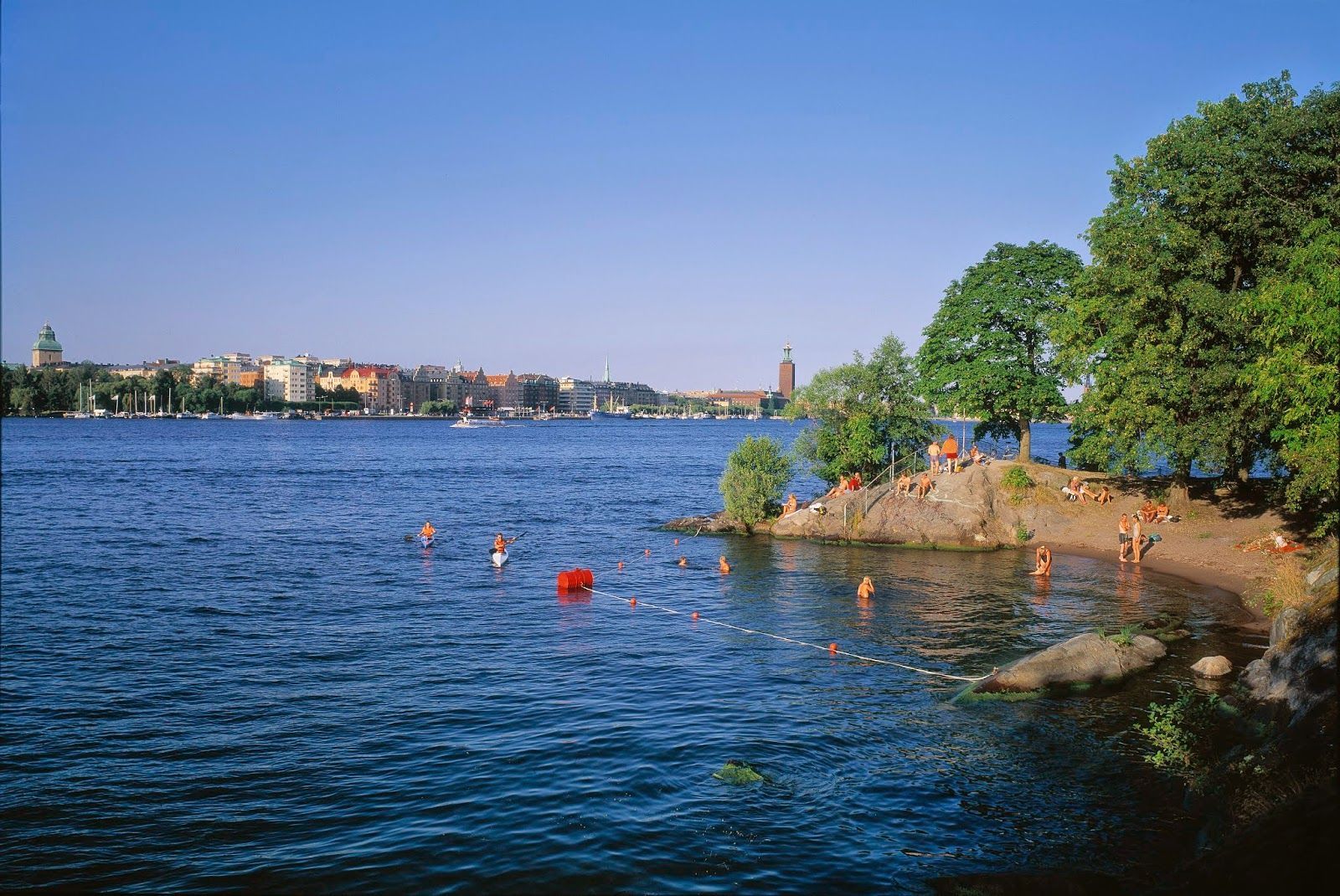
## Description Långholmen Island Beach is one of Stockholm’s most appealing summer spots because it combines waterfront relaxation with the unusual character of an island that has shifted through different uses over time. Visitors come for swimming, sunbathing, walking, and the easygoing atmosphere, but the experience is richer than a simple beach stop. The setting itself is part of the attraction: you are on an island close to the city, surrounded by water, greenery, and reminders of Stockholm’s layered history. What makes Långholmen stand out is that it feels local rather than overly polished. It is a place where residents and visitors mingle in warm weather, where people arrive with towels, picnic food, and a plan to stay for a while. It is not a tropical beach and does not try to be one; instead, it offers a distinctly Scandinavian urban waterfront experience. One lesser-known fact is that Långholmen has had very different historical roles before becoming a leisure destination, which gives the island an added sense of depth. Another interesting detail is that the area’s appeal changes dramatically by season, making it a true summer favorite in a city where outdoor life depends heavily on weather. The beach is also a good example of how Stockholm uses its water environment. Rather than separating city life from the shoreline, the city often integrates swimming and walking areas into the urban fabric. Långholmen captures that idea perfectly. You can spend time on the beach, wander nearby paths, and still feel close to the city center. For travelers, that makes it a convenient and memorable place to balance sightseeing with rest. ## Location Långholmen is a small island in central Stockholm, Sweden, connected to the city by bridges and easy to access from the Södermalm side and other central districts. Because it is so close to the urban core, it is one of the easiest island experiences in Stockholm. The simplest way to get there is by walking from nearby central neighborhoods or using public transport and then continuing on foot. Cycling also works well in Stockholm, and the island fits nicely into a bike-friendly itinerary. Once there, most of the movement is best done on foot so you can enjoy the shoreline and the surrounding green areas at an unhurried pace. ## Tips This is best visited in warm weather, especially in late spring and summer. Bring swimwear if you want to use the beach properly, but also bring a layer for cooler winds. Combine the visit with a walk around the island so you see more than just the main swimming area. Arrive earlier on sunny days if you want a quieter spot near the water. ## Conclusion Långholmen Island Beach is a relaxed city escape that gives Stockholm a rare but very welcome summer beach mood. ## FAQ ### Is Långholmen a real beach? Yes, though it is a city beach rather than a large natural seaside beach. ### Is it good for swimming? Yes, it is one of Stockholm’s popular places for summer swimming. ### How do I get there from central Stockholm? Walk, bike, or use public transport and then cross to the island on foot. ### Is it busy in summer? It can be, especially on warm weekends and sunny afternoons. ### Can I visit outside summer? Yes, but it is most enjoyable as a beach destination in the warmer months. ## Links - [Stockholm official visitor information](https://www.visitstockholm.com/) - [Långholmen on Wikipedia](https://en.wikipedia.org/wiki/Långholmen)
GemVoyage Team • World
Seoul
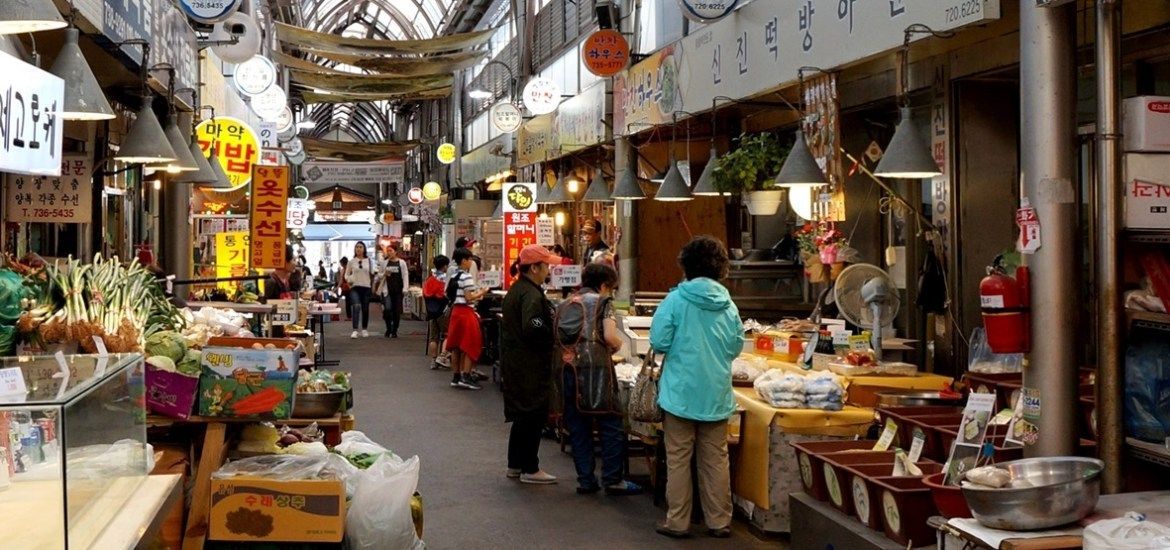
## Description Tongin Market is a compact, characterful market in central Seoul famous for its Dosirak Café, a hands-on lunch experience where visitors exchange tokens for small plates to fill a personalized lunchbox (dosirak). The market’s atmosphere is lively and local: stalls sell banchan, grilled fish and meats, fresh kimchi and seasonal produce, while small indoor counters offer soups and comforting home-style dishes. Tongin’s post-war history as a community trade hub gives the market an intimate, neighborhood feel, and several long-running family stalls preserve recipes passed down through generations. The Dosirak Café system is the market’s signature: buy a set number of tokens, trade them for small portions at participating stalls, and assemble a mixed meal that showcases different flavors and textures. This approach encourages sampling, conversation and culinary discovery—perfect for visitors who want to taste many dishes without committing to a single restaurant. Tongin’s vendors balance straightforward comfort food with subtle house specialties, and the market’s layout makes it easy to move from stall to stall, spotting unique snacks and regional ingredients along the way. Beyond the food, Tongin sits within a culturally rich neighborhood near Gyeongbokgung Palace and Seochon, which rewards pairing the market visit with historic sightseeing and gallery strolls. The market’s scale and accessibility make it ideal for solo travelers, couples and families looking for an authentic taste of Seoul’s food traditions. ## Location Tongin Market is located in Jongno-gu in central Seoul, a short walk from Gyeongbokgung Palace and within the Seochon neighborhood. The closest subway stop is Gyeongbokgung (Line 3), and it’s a 10–15 minute walk through interesting historic streets. Buses and taxis are plentiful in this central district, and the market is easily combined with a morning of palace visits and nearby galleries and cafes. Because Tongin is centrally located, it makes a convenient stop on a cultural day itinerary: visit the palace, stroll Seochon’s alleyways, then refuel at the market with a token-driven dosirak or a hot bowl of jjigae at a neighborhood eatery. ## Tips - Arrive early, especially on weekends—popular stalls can develop short lines during midday. - Buy dosirak tokens at the market office and pace your token use so you can sample a variety of stalls. - Ask vendors what’s house-made and seasonal; small stalls often serve regional banchan and specialties not found elsewhere. - Carry modest cash; many vendors accept cards, but tokens and small cash payments remain the norm. - Be mindful of shared seating etiquette: food is communal and stalls expect quick, polite turnover during busy periods. ## Conclusion Tongin Market captures the social and culinary warmth of Seoul’s neighborhood markets. The Dosirak Café system turns dining into an exploratory game of tastes, and the market overall rewards curiosity and good manners. For travelers who want to eat like a local, sample many dishes and experience genuine hospitality, Tongin remains a memorable, portable culinary experience. ## FAQ Q: How do I use the Dosirak Café? A: Buy your tokens at the market office, then present tokens to participating stalls in exchange for small portions. Keep tokens until you’ve built your preferred dosirak, then find shared seating to enjoy your selection. Q: Can visitors with dietary restrictions find options? A: Yes—vegetarian and pescatarian choices are common (many banchan are vegetable-based). For strict allergies or vegan diets, ask vendors about ingredients and preparation to avoid hidden animal products. Q: Is the market wheelchair accessible? A: Accessibility varies across older market alleys; main approaches are walkable but some stalls and passages have steps—contact local tourist information for help planning an accessible route. Q: Are there English menus or signage? A: English is limited but many vendors use photographs or display dishes. A translation app, pointing to items or asking staff at the token office can help. ## Links - [Tongin Market (Wikipedia)](https://en.wikipedia.org/wiki/Tongin_Market)
GemVoyage Team • World
Arequipa
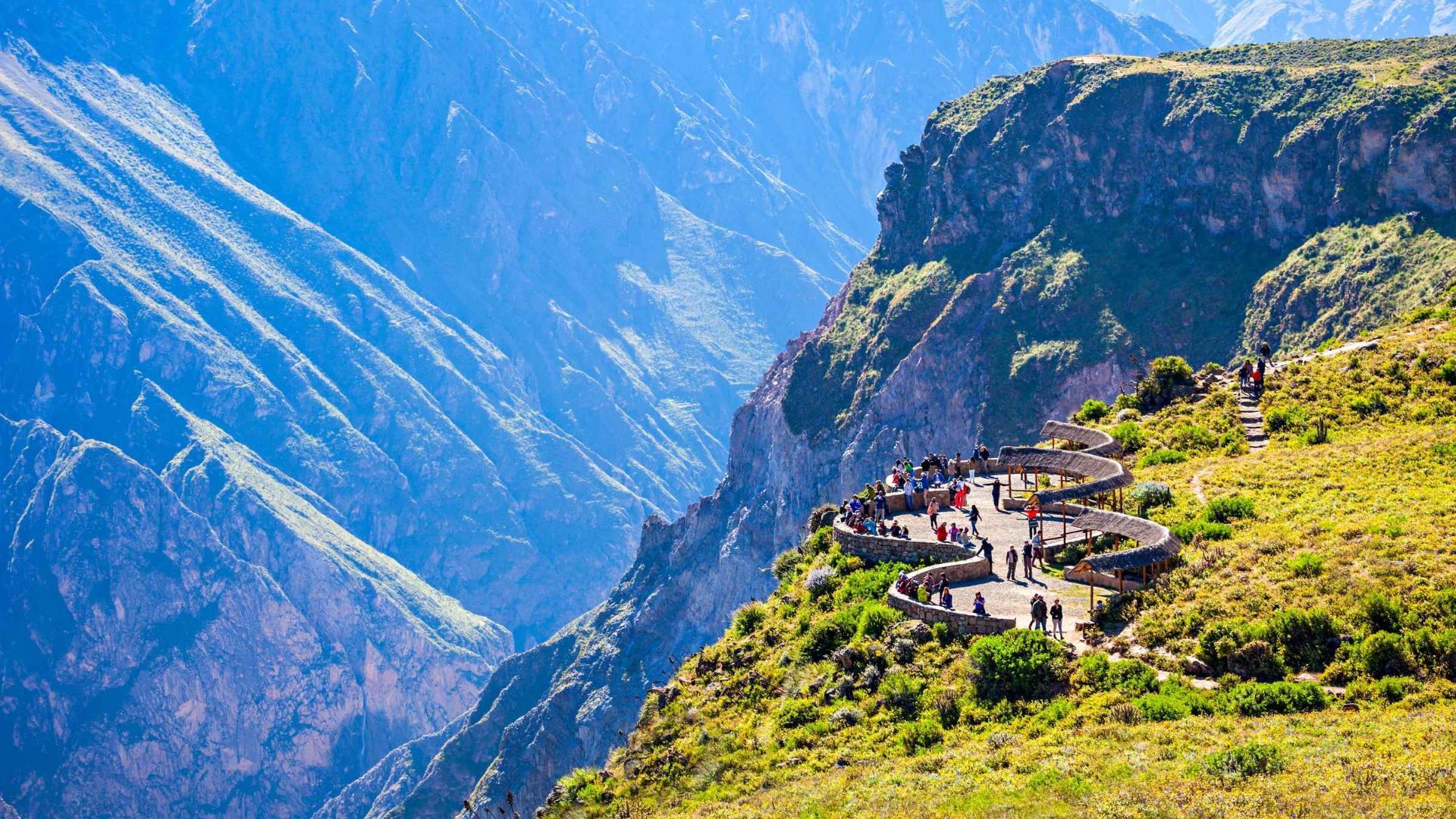
## Description Colca Canyon in southern Peru is one of the world’s deepest and most dramatic canyons, carved by the Colca River through folded volcanic and sedimentary rocks. Terraced agriculture clings to canyon walls and reflects centuries of pre-Columbian and colonial land-use systems. The canyon is famed for condor-watching at viewpoints such as Cruz del Cóndor, where giant Andean condors ride thermal updrafts above layered ridges and terraced fields. Beyond the condors, Colca’s cultural landscape includes traditional villages where residents manage terraces, raise llamas and alpacas, and produce woven textiles. Travelers can combine wildlife viewing with multi-day treks, hot-spring relaxation, and market visits to towns like Chivay for local crafts and regional cuisine. For planning and indexing, useful phrases include "Colca Canyon trek routes," "Cruz del Condor sunrise," and "Colca homestay lodges." Ecological and cultural stewardship: Local communities practice terrace maintenance and rotational agriculture that preserves soil stability and biodiversity. Sustainable tourism operators contribute to local economies through guide employment, community lodges, and cultural exchanges—seek providers who collaborate directly with village associations. ## Location Colca Canyon lies west of Arequipa city in southern Peru; the closest base towns are Chivay and Cabanaconde. Most visitors travel from Arequipa by bus or private transfer, often overnighting to catch morning condor flights. How to get there: Overnight buses and private transfers from Arequipa are common options; the journey includes scenic highland landscapes and stops at viewpoints and small towns. For multi-day treks, many itineraries begin from Cabanaconde or Sangalle (the oasis), and local guides provide route knowledge, porters, and camp logistics when necessary. Use search queries like "Arequipa to Colca Canyon bus" or "Cabanaconde trek guide" to find up-to-date transport and trekking services. Altitude and health: The Colca region ranges above 3,000 meters—allow time to acclimatize in Arequipa or the highlands, stay hydrated, and moderate exertion to reduce altitude-related risks. Cold nights are common; pack suitably warm layers for overnight treks or village stays. ## Tips - **Arrive early for condors:** Dawn and early morning hours produce the most reliable thermals and large condor flight displays at Cruz del Cóndor. - **Consider multi-day treks:** The canyon supports multi-day hikes with village homestays, campsites, and lodges for immersive experiences beyond the main lookout points. - **Hire local guides:** Guides provide route safety, cultural context, and community support; choose operators that compensate villages and porters fairly. - **Visit local markets and hot springs:** Chivay offers markets for textiles and crafts, while nearby hot springs provide a relaxing complement to trekking. - **Acclimatize to altitude:** Spend at least a night in Arequipa or another high-altitude town before strenuous activities and avoid rapid ascent. - **Respect cultural protocols:** Ask permission before photographing people or domestic rituals and buy crafts directly from artisan cooperatives when possible. ## Conclusion Colca Canyon combines a spectacular natural theater with enduring human landscapes—terraced agriculture, weaving traditions, and the Andean condor spectacle create a layered experience for travelers seeking wildlife, culture, and trekking. When planning, use targeted searches like "Colca Canyon 3-day trek" or "best condor viewpoints" to shape an itinerary that balances adventure with community benefits. ## FAQ - **Q: What’s the best time to see condors?** A: Early morning as thermals form (shortly after sunrise) is when condors are most active; clear weather improves visibility but conditions vary seasonally. - **Q: Are guided treks recommended?** A: Yes — local guides know safe routes, campsites, and cultural protocols, and hiring them supports village economies and improves the overall experience. - **Q: How long do treks in Colca Canyon usually take?** A: Treks range from single-day hikes to 2–4 day itineraries depending on route, overnight choices, and walking pace; many travelers choose a 2–3 day loop to visit Sangalle (the oasis) and return via village trails. - **Q: Is the canyon suitable for beginners?** A: Parts of the canyon are approachable for fit beginners with a guide; steep descents and ascents make some routes challenging—assess fitness, acclimatize, and choose routes accordingly. - **Q: How should I prepare for altitude?** A: Allow time in Arequipa or intermediate towns to acclimatize, hydrate, rest, and avoid heavy exertion on the first day at altitude; consult health professionals if you have concerns. ## Links - [Colca Canyon — Wikipedia](https://en.wikipedia.org/wiki/Colca_Canyon)
GemVoyage Team • World
Busan
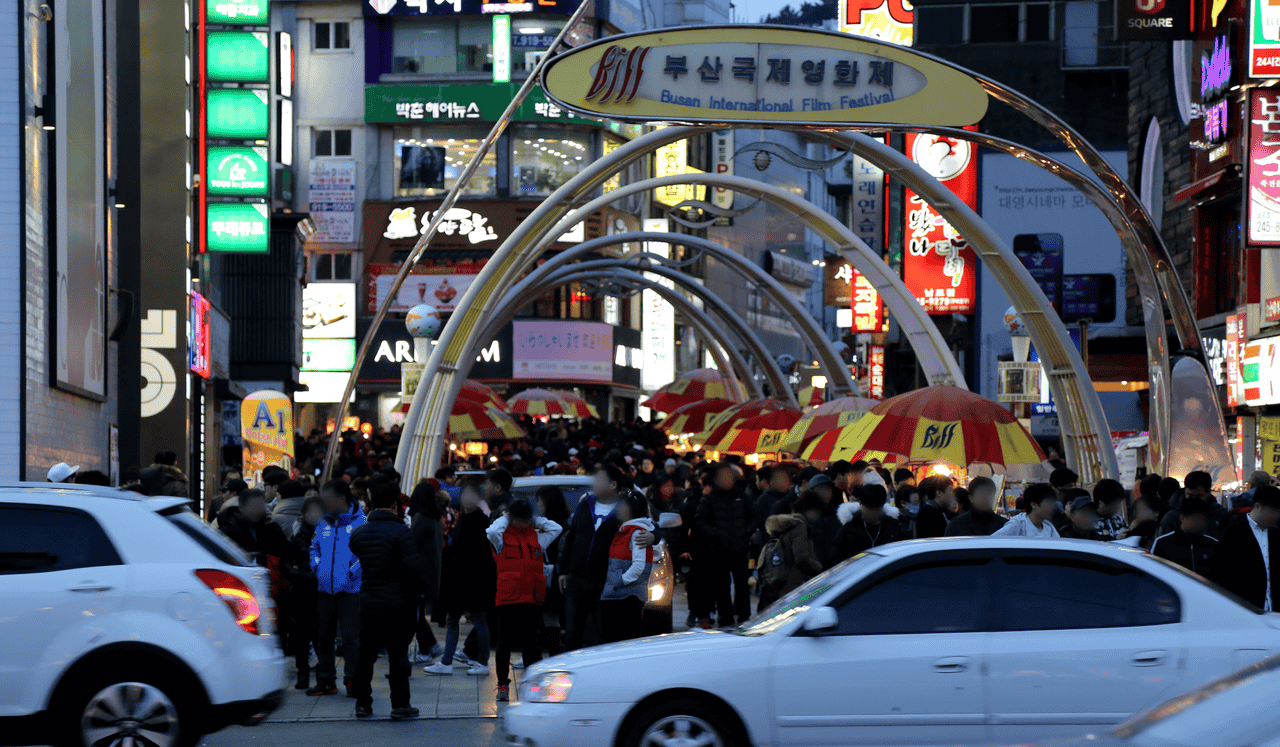
## Description BIFF Street, short for **Busan International Film Festival Street**, is one of the most dynamic and lively areas in **Busan, South Korea**. This bustling district is not only famous for its connection to Asia’s largest film festival but also for its vibrant mix of street food, entertainment, and cultural attractions. The street gained international recognition in 1996, when the first **Busan International Film Festival (BIFF)** was held, and since then it has transformed into a hub for movie enthusiasts and curious travelers alike. One of the most unique features of BIFF Street is the **handprints embedded in the pavement**, similar to the Hollywood Walk of Fame. These belong to famous Korean and international filmmakers and actors who have participated in the festival over the years. Visitors often enjoy comparing their hand size to their favorite celebrities while strolling through the area. A little-known fact is that before becoming BIFF Street, this area was once known as **“Chungmu-dong”**, a traditional market district famous for street snacks and small theaters. Even today, its roots are visible in the countless street vendors selling delicacies like **ssiat hotteok** (a sweet Korean pancake stuffed with seeds and brown sugar) and spicy **tteokbokki** (rice cakes in chili sauce). Another fun detail: some of the oldest theaters in Busan still operate nearby, preserving the nostalgic charm of the city’s cinema culture. ## Location BIFF Street is located in the **Jung-gu district** of **Busan**, in the southeastern region of **South Korea**. It sits in the heart of **Nampo-dong**, a bustling shopping and cultural neighborhood near the city’s port area. How to get there: * **By subway:** Take Line 1 (Orange Line) and get off at **Jagalchi Station** or **Nampo Station**. From either station, it’s just a short 5–10 minute walk to BIFF Street. * **By bus:** Several city buses pass through the Nampo-dong area, making it easy to reach from other parts of Busan. * **By taxi:** For convenience, especially if you’re coming from Haeundae or Gwangalli, a taxi ride is straightforward and affordable. Because it’s centrally located, BIFF Street can easily be combined with visits to nearby attractions such as Jagalchi Fish Market, Yongdusan Park, and Gukje Market. ## Tips To make your visit to BIFF Street memorable, here are some essential tips: 1. **Visit in the evening** – The atmosphere comes alive at night with neon lights, bustling street food vendors, and live performances. 2. **Try the street food** – Don’t miss local favorites like ssiat hotteok, tteokbokki, odeng (fish cakes), and fried snacks. These affordable treats are an essential part of the experience. 3. **Time your trip during BIFF** – If you’re lucky enough to visit during the **Busan International Film Festival** (usually held in October), you’ll see the street transformed with red carpets, celebrity appearances, and outdoor screenings. 4. **Wear comfortable shoes** – The area is best explored on foot, and you’ll likely wander into nearby markets and side streets. 5. **Bring some cash** – While many shops accept cards, small vendors and street food stalls often prefer cash. 6. **Explore beyond the main street** – Side alleys often hide quirky cafés, local eateries, and hidden gems that many tourists miss. ## Conclusion BIFF Street is more than just a pedestrian walkway—it’s a cultural symbol of Busan that blends cinema, food, and local tradition. From tasting mouthwatering street snacks to immersing yourself in the city’s film heritage, this lively neighborhood captures the creative and culinary spirit of South Korea’s second-largest city. Whether you’re a movie lover or a foodie, BIFF Street is a must-see destination in Busan. ## FAQ **1. What does BIFF stand for?** BIFF stands for **Busan International Film Festival**, one of the most prestigious film festivals in Asia. **2. What is BIFF Street famous for?** It is best known for its connection to the film festival, celebrity handprints, and its wide selection of delicious street food. **3. Is BIFF Street open year-round?** Yes, BIFF Street is always open, and visitors can enjoy the food stalls and shops any time of the year. However, the area is especially lively during the festival in October. **4. How long should I spend at BIFF Street?** Most visitors spend 1–2 hours exploring the street and sampling food, but if you plan to visit nearby attractions, you could easily spend half a day in the area. **5. Is BIFF Street family-friendly?** Absolutely! Families with children can enjoy the food, colorful atmosphere, and nearby attractions like the Jagalchi Market. **6. Can I see celebrities at BIFF Street?** During the Busan International Film Festival, it’s possible to spot famous Korean and international actors attending screenings and events in the area. ## Links * [Busan International Film Festival Official Website](https://www.biff.kr) * [Busan Tourism Organization](https://www.bto.or.kr)
GemVoyage Team • World
Hurghada
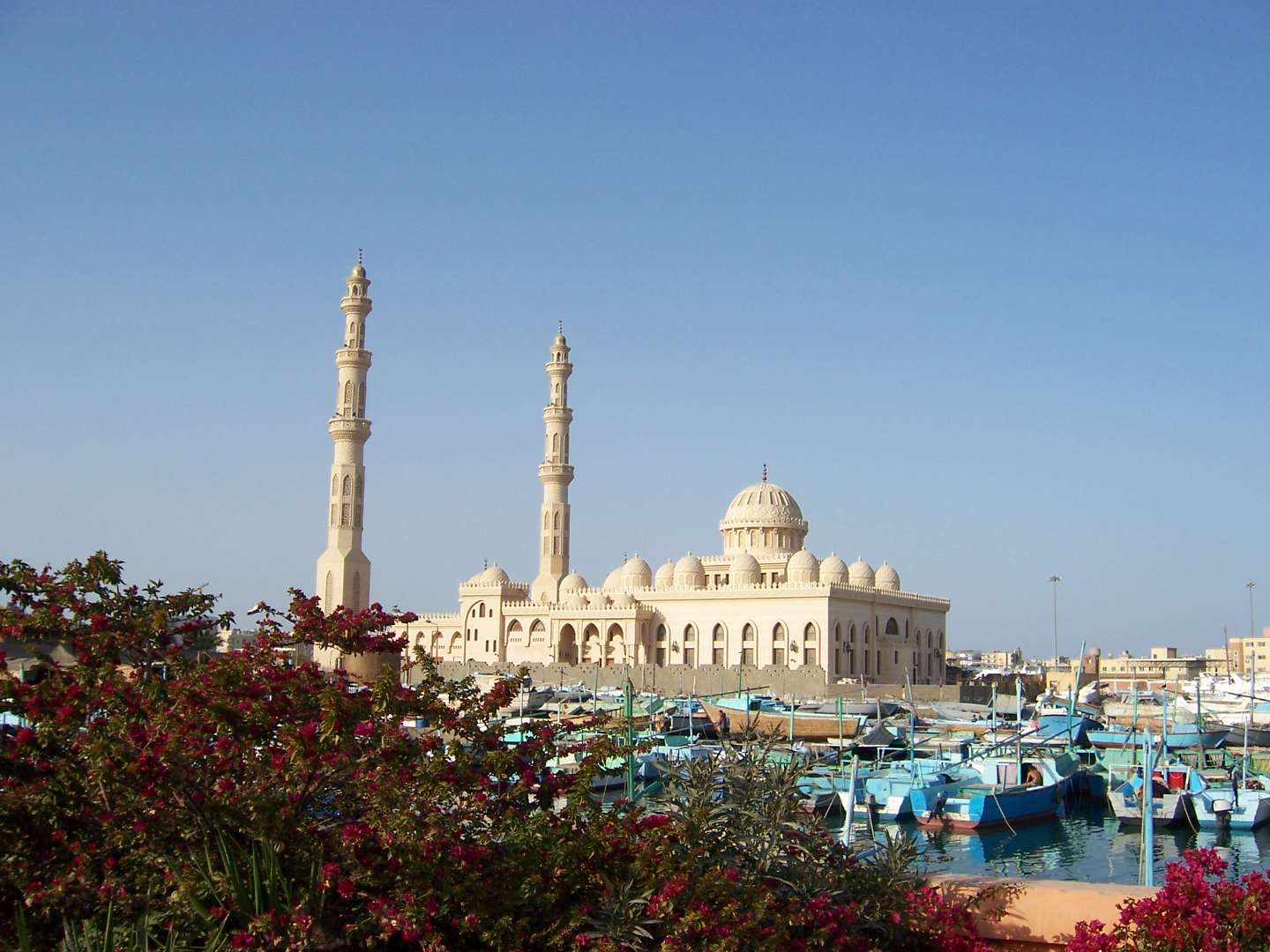
## Description Al Mina Mosque, also known as El Mina Masjid or the Grand Mosque of Hurghada, is one of the most striking religious landmarks on Egypt’s Red Sea coast. Completed in 2012, this architectural gem blends traditional Islamic design with modern elegance, making it a must-see for visitors seeking cultural depth beyond the beaches and resorts. With its gleaming white marble façade, towering minarets, and intricately carved domes, the mosque stands as a symbol of spiritual devotion and artistic craftsmanship. The mosque features two minarets that rise 40 meters into the sky and a central dome that reaches 25 meters in height. Inside, visitors are greeted by a serene prayer hall adorned with ornate chandeliers, engraved walls, and geometric patterns that reflect centuries of Islamic art. The mosque can accommodate up to 10,000 worshippers, making it the largest in the Red Sea Governorate. A little-known fact: Al Mina Mosque was built on an 8,000-square-meter site adjacent to Hurghada’s harbor, and its name—“Al Mina”—translates to “The Port,” referencing its proximity to the sea. The mosque also houses an Islamic cultural center that offers lectures and educational materials in multiple languages, aimed at fostering interfaith understanding and dialogue. ## Location Al Mina Mosque is located in **Egypt**, in the **Red Sea Governorate**, within the **city of Hurghada**. It sits directly on the waterfront near the Hurghada Marina and the city’s main harbor, making it easily accessible from both the old town (El Dahar) and the newer resort areas. ### How to Get There - **By Taxi**: Taxis are readily available throughout Hurghada and can take you directly to the mosque entrance. - **By Foot**: If you’re staying near the Marina or Sheraton Road, the mosque is within walking distance. - **By Tour**: Many city tours include a stop at Al Mina Mosque, often paired with visits to local markets and cultural sites. - **By Public Transport**: Minibuses and shared taxis frequently pass through the area, though they may require some navigation. Its central location makes it an ideal stop during a day of sightseeing or evening stroll along the harbor. ## Tips - **Visit Outside Prayer Times**: Non-Muslim visitors are welcome to explore the mosque during non-prayer hours. Avoid visiting during Friday prayers or religious holidays. - **Dress Modestly**: Women should cover their hair, shoulders, and knees. Men should avoid shorts. Scarves and robes may be provided at the entrance. - **Photography**: While exterior photography is encouraged, ask permission before taking photos inside, especially during prayer times. - **Respect the Space**: This is an active place of worship. Maintain a quiet and respectful demeanor. - **Combine with Nearby Attractions**: After visiting the mosque, explore the Hurghada Marina, local bazaars, or enjoy a meal at one of the waterfront restaurants. - **Check for Cultural Events**: The mosque’s Islamic center occasionally hosts lectures and exhibitions open to the public. ## Conclusion Al Mina Mosque is a serene and visually stunning destination that offers a glimpse into Egypt’s Islamic heritage. With its majestic architecture, peaceful ambiance, and central location, it’s a rewarding stop for anyone exploring Hurghada beyond the beach. ## FAQ **1. What are the opening hours of Al Mina Mosque?** The mosque is open daily from 9:00 AM to 5:00 PM, except during prayer times. **2. Is there an entrance fee?** No, entry is free. Donations to the mosque or its cultural center are welcome but not required. **3. Can non-Muslims visit the mosque?** Yes, non-Muslims are welcome during non-prayer hours and are encouraged to learn about the mosque’s history and architecture. **4. Is the mosque wheelchair accessible?** Yes, the mosque has ramps and accessible entrances for visitors with mobility needs. **5. Are guided tours available?** Some local guides offer cultural tours that include the mosque. The Islamic center also provides multilingual materials and lectures. **6. Is it safe to visit the mosque with children?** Yes, families are welcome. Children should be supervised and respectful of the prayer areas. ## Links - [Al Mina Mosque Visitor Guide – Hurghada Day](https://hurghadaday.com/things-to-do/al-mina-mosque/)
GemVoyage Team • World

Comments