GemVoyage Team • World
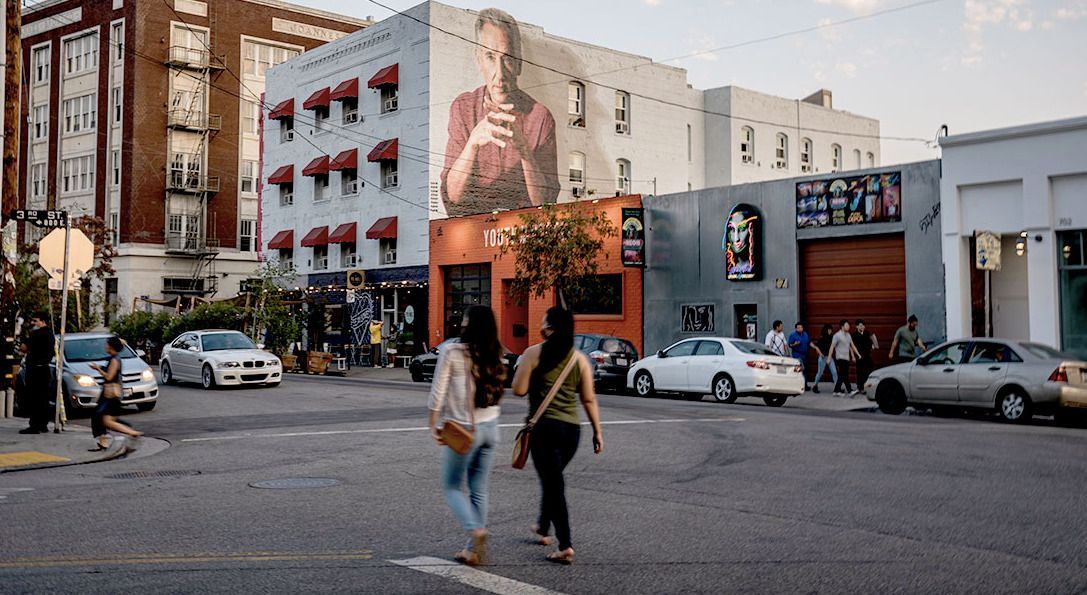
The neighborhood also supports a range of discovery experiences: guided mural walks, studio open-house events, and First Fridays where galleries and studios open to the public. For search optimization, useful queries include "Los Angeles Arts District murals", "DTLA art galleries", and "Arts District breweries"—terms that align with both live-event listings and neighborhood guides.
Q: When is First Friday?
A: First Friday events typically occur on the first Friday of each month, though schedules and participating venues can change—check local listings.
Q: Are there family-friendly activities in the Arts District?
A: Daytime visits can be family-friendly with parks, street art, and casual dining; some evening events are more adult-oriented.
Q: Where can I find artist studios?
A: Many studios open during special events or by appointment; gallery directories and studio collective websites list visiting hours.
Q: Is parking available?
A: Limited street parking and paid lots exist; rideshare, cycling, or public transit are recommended during peak times.
Discover more hidden gems you might love.
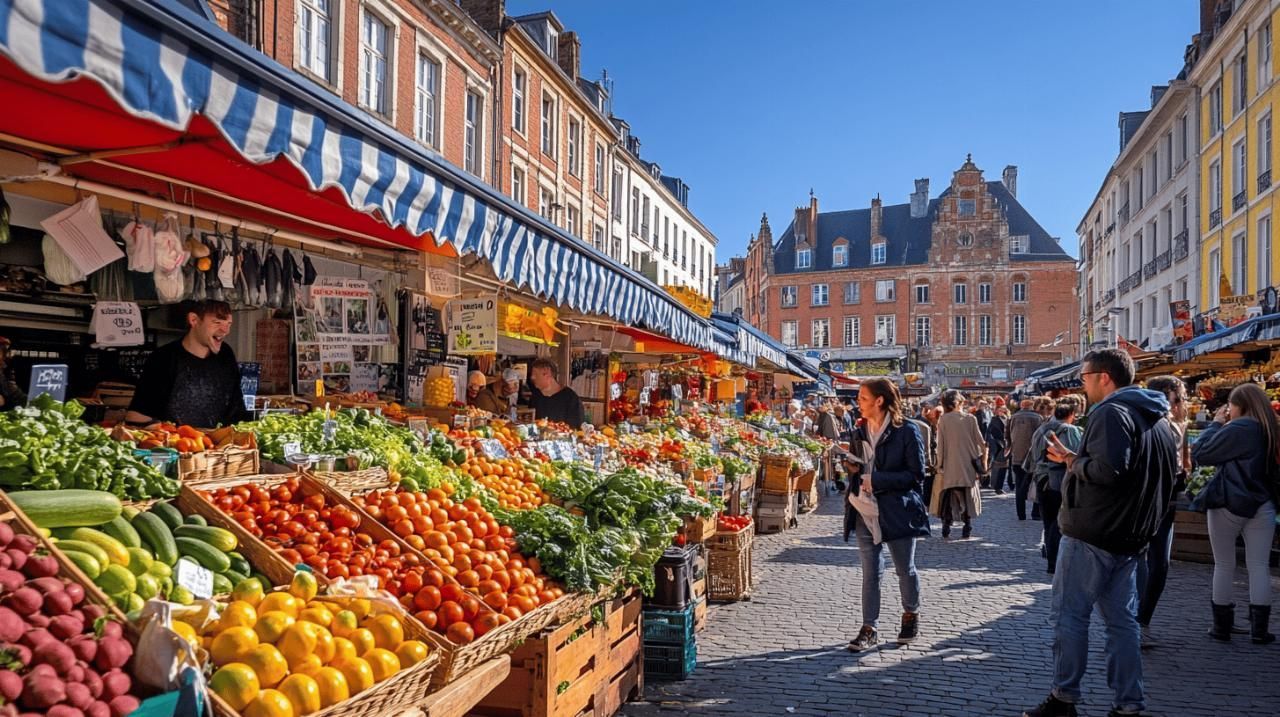
Lille
## Description Marché de Wazemmes is one of Lille’s most lively and beloved attractions, and it offers a strong sense of local character that many visitors immediately notice. The market is not polished in a museum-like way. Instead, it is bustling, practical, social, and full of everyday commerce. That is precisely why it is so appealing. If you want to understand Lille beyond its grand squares and architectural landmarks, the Wazemmes market shows how the city behaves at street level. The attraction lies in the atmosphere as much as in the products. Stalls fill the area with produce, flowers, textiles, spices, clothing, household items, and food from many different traditions. The market is animated by conversation and movement, with vendors and shoppers creating a rhythm that feels both organized and spontaneous. For visitors, it is an excellent place to observe local life while also picking up something useful or tasty. One lesser-known fact is that markets like this often reflect the cultural diversity of the neighborhood more clearly than any official sightseeing stop. Another detail many travelers enjoy is that the market changes character across the day and across the week. In the busiest periods, it can feel almost overwhelming in the best possible way, while quieter moments reveal the details of the stalls, the architecture around them, and the social habits of regular shoppers. Marché de Wazemmes is also appealing because it encourages a slower, more human style of sightseeing. You are not moving through a queue of objects behind glass. You are part of a living commercial environment where gestures, smells, colors, and sounds all matter. That makes the market especially memorable for travelers who prefer places with real local use over scripted tourist displays. The neighborhood itself adds to the visit. Wazemmes has an everyday urban energy that feels open and approachable. After the market, many visitors continue into nearby cafés or simply walk the streets to absorb the area’s personality. The market is one of those places where the surrounding context improves the experience. It tells you a lot about Lille’s identity as a northern French city with strong social and culinary traditions. ## Location Marché de Wazemmes is located in the Wazemmes district of Lille, Hauts-de-France, France, centered around the Place de la Nouvelle Aventure and the surrounding market streets. It is an easy stop if you are exploring Lille’s city center or nearby neighborhoods. The simplest way to reach it is by Lille Metro, with Wazemmes and nearby stations offering convenient access. From there, it is usually a short walk into the market area. Visitors can also arrive by bus, bike, taxi, or on foot if they are already spending time in central Lille. Since the market can become busy, public transport is often the most practical choice. ## Tips - Go early if you want the freshest produce and the easiest walking space. - Bring cash, since some vendors may prefer it over card payments. - Keep your bag secure in crowded sections. - Take your time and sample the market with all your senses, not just your eyes. - If possible, pair the visit with a café stop or a walk through the neighborhood after shopping. ## Conclusion Marché de Wazemmes is a lively, down-to-earth Lille market that gives visitors a real sense of the city’s daily rhythm and local flavor. ## FAQ ### Is Marché de Wazemmes good for tourists? Yes. It is especially good for travelers who enjoy local markets, food, and authentic neighborhood life. ### What can I expect to find there? Fresh produce, flowers, fabrics, household goods, food stalls, and many everyday products. ### Is it crowded? It can be very crowded at busy times, which is part of its appeal, but early visits are easier. ### How long should I stay? Most visitors spend 1 to 2 hours depending on whether they shop, eat, or simply browse. ### Is it easy to reach by public transport? Yes. Metro and bus access make it one of Lille’s more convenient market attractions. ## Links - [Lille tourism information](https://www.lilletourism.com/)
GemVoyage Team • World
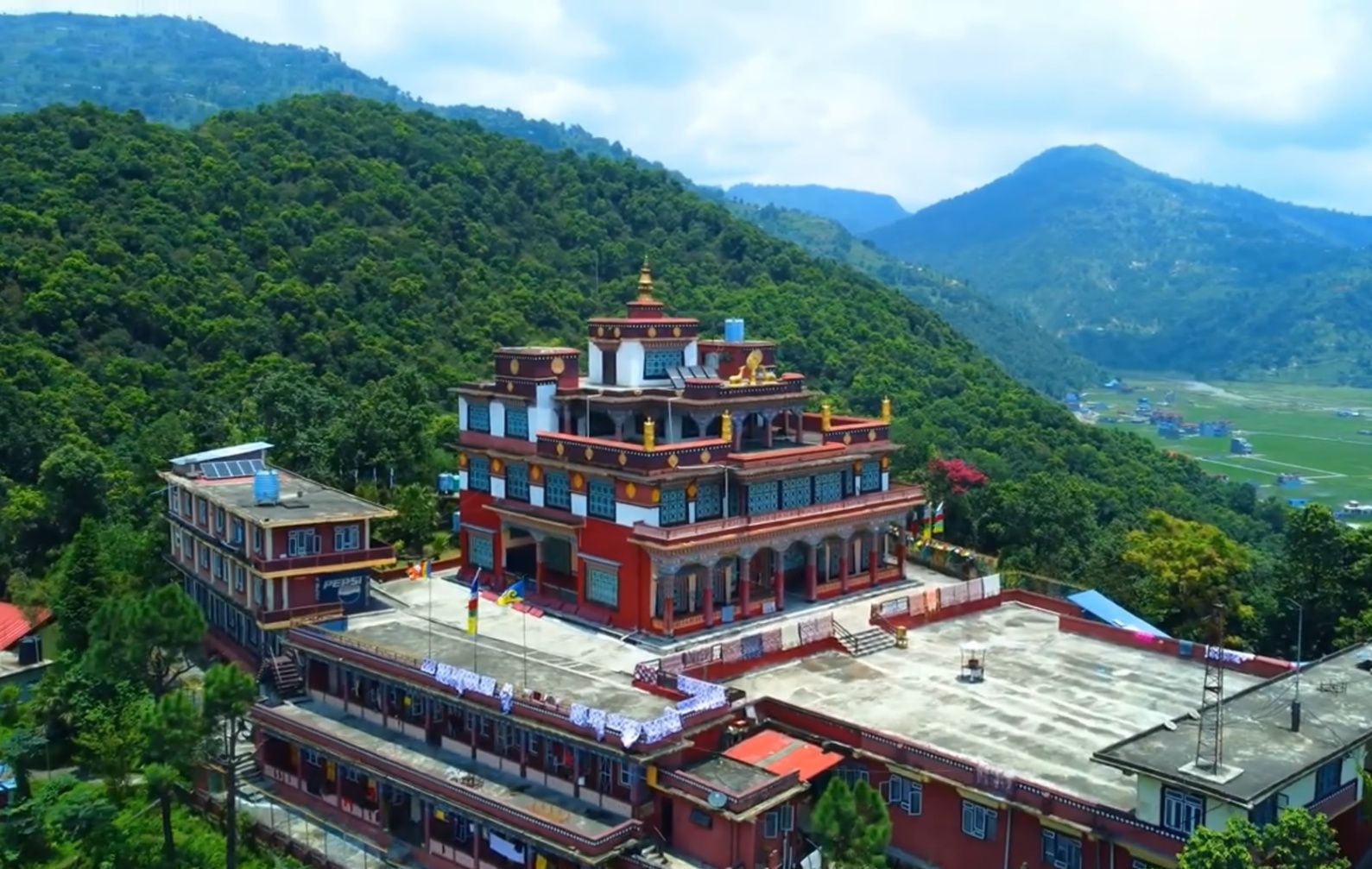
Pokhara
## Description **Matepani Gumba** is a serene Buddhist monastery perched on a quiet hillside in Pokhara, Nepal. It’s one of the city’s lesser-known yet most spiritually rewarding attractions. Built in the 1960s by Tibetan refugees, the monastery belongs to the **Gelug sect of Tibetan Buddhism**, often referred to as the “Yellow Hat” tradition. Its colorful architecture, peaceful ambiance, and panoramic views of Pokhara make it a must-visit for travelers seeking both cultural depth and tranquility. The interior of the monastery is breathtaking. Its main prayer hall is adorned with **intricate murals depicting scenes from Buddhist teachings**, as well as striking statues of Buddha and various deities. During prayer sessions, the air fills with the sound of chanting monks, the beating of drums, and the rhythmic call of long Tibetan horns—a mesmerizing spiritual experience. **Little-known facts**: * The monastery is home to a community of young monks in training. Visitors may often see them playing outside after prayers or diligently studying inside. * Matepani Gumba was strategically built on a hilltop not only for its peaceful isolation but also for its sweeping view of Pokhara Valley, including glimpses of **Phewa Lake** and the **Annapurna mountain range** on clear days. --- ## Location Matepani Gumba is located in **Pokhara**, within the **Gandaki Province** of **Nepal**. It sits atop a hill in the **Matepani neighborhood**, about 5 kilometers northeast of Pokhara’s Lakeside area, the main tourist hub. ### How to get there: * The most convenient way is to take a **taxi** or hire a scooter from Lakeside. The drive takes around 15–20 minutes. * Adventurous travelers can also hike up the hill. The walk is a bit steep but rewarding, as you’ll pass through local neighborhoods and enjoy peaceful surroundings along the way. --- ## Tips * **Attend a prayer session**: If possible, time your visit with the monks’ chanting rituals. These are usually held in the morning or late afternoon, and they offer an unforgettable cultural experience. * **Dress respectfully**: As a place of worship, modest clothing is expected. Remove your shoes before entering the main prayer hall. * **Bring a camera, but be mindful**: The monastery’s colorful murals and views are photogenic, but always ask before photographing monks or ceremonies. * **Combine your visit**: Matepani Gumba pairs well with other cultural sites in Pokhara, such as the World Peace Pagoda or Bindhyabasini Temple. * **Go in the morning**: The air is clear, the light is soft for photos, and you’re more likely to catch monks engaged in prayers. --- ## Conclusion Matepani Gumba is more than just a monastery—it’s a peaceful retreat where spirituality, culture, and nature come together. With its rich Tibetan Buddhist heritage, beautiful murals, and tranquil hilltop setting, it offers visitors a unique chance to step away from Pokhara’s busy streets and experience a different side of the city. Whether you’re drawn by faith, culture, or simply the desire for quiet reflection, Matepani Gumba leaves a lasting impression. --- ## FAQ **1. What is Matepani Gumba known for?** It’s a Tibetan Buddhist monastery famous for its vibrant murals, large statues, and peaceful hilltop location overlooking Pokhara. **2. Can visitors attend ceremonies at the monastery?** Yes, visitors are welcome to observe prayer sessions, but it’s important to remain quiet and respectful during rituals. **3. Is there an entrance fee?** No, entry to Matepani Gumba is generally free, though donations are appreciated to help maintain the monastery. **4. How long should I plan for a visit?** A visit usually takes 1–2 hours, depending on whether you stay for a prayer session or spend time enjoying the views. **5. Is it family-friendly?** Yes, the peaceful atmosphere and open grounds make it suitable for families, though young children should be supervised inside the prayer hall. **6. What’s the best way to reach Matepani Gumba?** The easiest option is by taxi from Lakeside, but walking or riding a scooter are also popular choices for adventurous travelers. --- ## Links * [Pokhara Tourism Board](https://ntb.gov.np/pokhara) * [Lonely Planet – Pokhara](https://www.lonelyplanet.com/nepal/pokhara)
GemVoyage Team • World
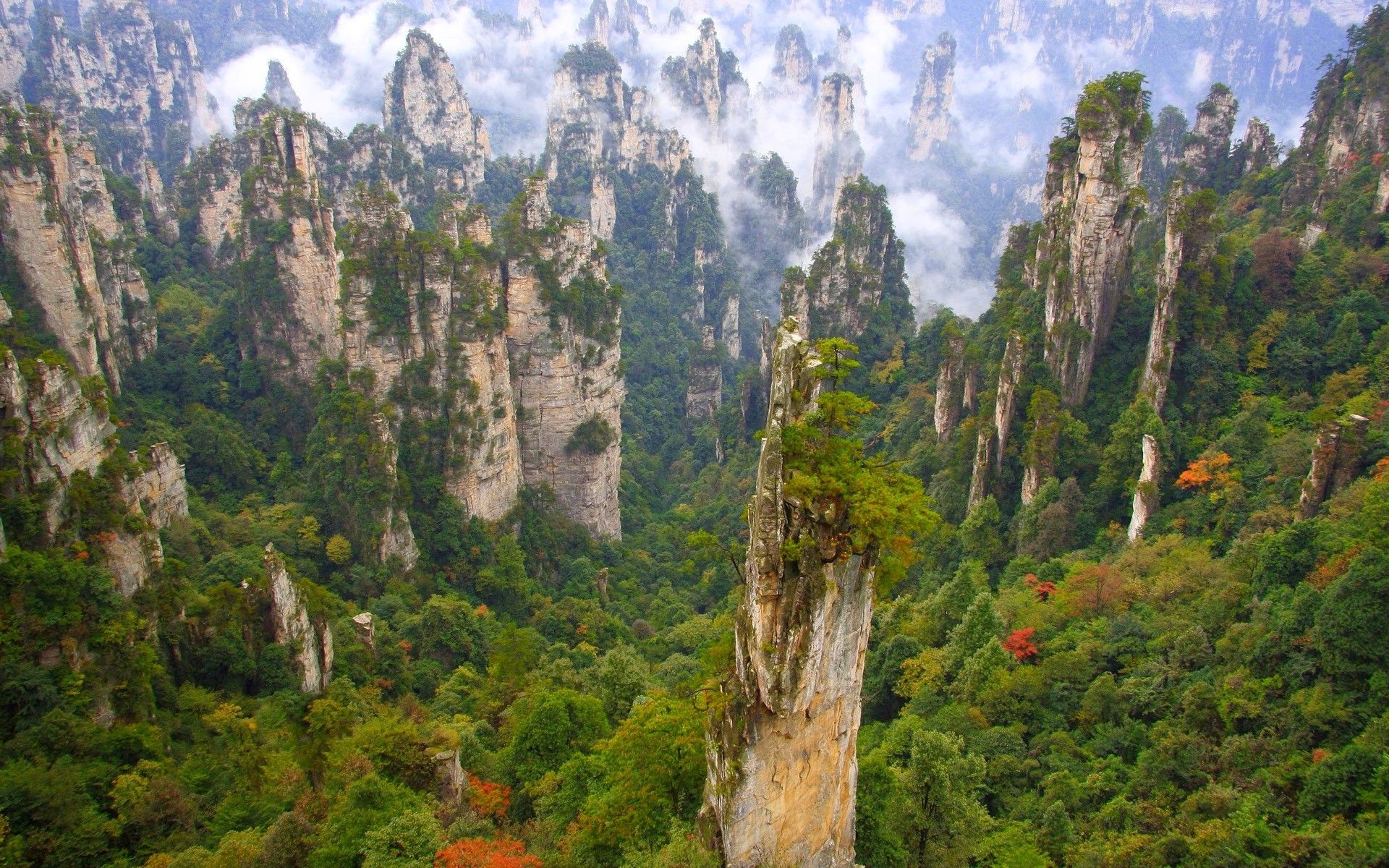
Zhangjiajie
## Description Wulingyuan Scenic Area, centered near Zhangjiajie city in China’s Hunan province, is a vertiginous landscape of thousands of sandstone pillars, sheer cliffs, gorges, and forests that seem to rise like petrified sentinels from the mist. These dramatic quartz-sandstone pillars — sculpted by millions of years of weathering and tectonic uplift — inspired the floating Hallelujah Mountains in the film Avatar and have long been celebrated by Chinese poets and painters. The area’s allure is its scale and verticality: narrow natural bridges, deep ravines, and needle-like pillars draped in evergreen vegetation create a sense of being dwarfed by primeval geometry. A network of footpaths, glass walkways, cable cars and elevators lets visitors move through different elevations to appreciate viewpoints and remote valleys. Wulingyuan comprises several distinct sub-areas including Zhangjiajie National Forest Park, Suoxiyu Nature Reserve, and Tianzi Mountain, each with signature vantage points and trails. Wulingyuan is an immersive mosaic of vertical landforms and biodiverse temperate forests. The interplay between rock, vegetation and mist creates atmospheric conditions that shift hourly, offering photographers and hikers a constantly changing tableau. The park's infrastructure — from the high skywalks to rock-cut staircases — helps visitors access dramatic overlooks that would otherwise require arduous climbs, but there are still plenty of routes for travelers who prefer quieter, off-the-beaten paths. Birdlife, small mammals and a variety of endemic plants add ecological interest; in certain seasons wildflowers carpet the valley floor while winter brings frosted pinnacles that refract morning light. Planning matters: popular viewpoints can be crowded during national holidays and summer weekends, and logistics such as cable-car lines and internal shuttle flows are part of the visiting experience. For those seeking solitude, early mornings, shoulder seasons and walking lesser trails can reveal the park's raw character with fewer people. Local towns provide convenient bases with accommodations, and combining a stay in Zhangjiajie with nearby rural villages or other Hunan attractions creates a richer regional itinerary. ## Location Wulingyuan is in Zhangjiajie, Hunan province, China. The nearest major rail and bus connections lead to Zhangjiajie city (Dixian), and Zhangjiajie Hehua Airport (DYG) connects with several Chinese cities. From Zhangjiajie city, shuttle buses and local transport convey visitors to park entrances and scenic points. Transport within the scenic area often relies on park shuttle buses, cable cars and walking paths. Timetables can vary by season, so allow buffer time in itineraries and consider guided day trips if you prefer efficient routing across multiple highlights. Hotels in Zhangjiajie town range from budget to upscale and can coordinate tickets, transfers and optional guided hikes. ## Tips - **Plan for varied mobility:** The park includes steep steps, cable cars and some accessible boardwalks; allocate extra time for internal transfers and queues. - **Visit scenic highlights early:** Popular viewpoints such as Yuanjiajie and the Glass Bridge can be crowded; early starts reduce congestion and deliver softer light. - **Respect designated trails:** Stay on marked paths to protect fragile cliff-edge plant communities and avoid accidents. - **Consider off-season visits:** Spring and autumn offer dramatic mist and color with fewer tourists; summer can be humid and busy. - **Bring a good camera with zoom:** Many features are best photographed from a distance at different elevations; a telephoto helps capture layered pillars. - **Buy tickets in advance during holidays:** Entry volumes are controlled during peak periods — booking ahead reduces queuing time. - **Combine cable cars and walking strategically:** Use lifts to reach high viewpoints and walk descents to see quieter terrain. - **Pack rain gear and good soles:** Trails can be slick, and mist is common even in summer — non-slip shoes and a lightweight rain shell are helpful. - **Respect local wildlife:** Keep distance from animals and avoid feeding to maintain natural behaviors. ## Conclusion Wulingyuan’s towering pillars and swirling mists offer a dramatic encounter with geological time and vertical wilderness. Whether you’re exploring via cable car or tracing cliffside boardwalks, the sense of scale and detail here is unforgettable. The many faces of Wulingyuan — from misty dawn to sunlit pinnacles and frosted winter ridgelines — make it a destination that rewards repeat visits and patient observation. Thoughtful planning and off-peak travel can turn a crowded attraction into a personal experience of primeval vertical landscapes. ## FAQ - **Q: Is Wulingyuan suitable for non-hikers?** - A: Yes — cable cars and elevators provide access to many viewpoints, though some sites still require short walks. - **Q: How many days are recommended?** - A: 2–3 days is typical to see the main scenic areas without rushing. - **Q: Is there English signage and guides?** - A: Major points have some English information; hiring a bilingual guide improves cultural and geological context. - **Q: What’s the best time to visit for mist and atmosphere?** - A: Early morning and shoulder seasons often provide the most atmospheric mist and fewer crowds; autumn and spring are particularly rewarding. - **Q: Are the glass walkways safe?** - A: They meet safety standards and are maintained, but follow staff instructions and visitor limits to ensure safety. - **Q: Can I visit on a budget?** - A: Yes — use public transport, budget lodgings in Zhangjiajie town, and plan self-guided walks to reduce costs. - **Q: Are there accessibility options for visitors with reduced mobility?** - A: Some cable cars and elevated platforms offer improved access, though many trails have steps; check with local operators for tailored assistance. ## Links - [Wulingyuan — Wikipedia](https://en.wikipedia.org/wiki/Wulingyuan)
GemVoyage Team • World
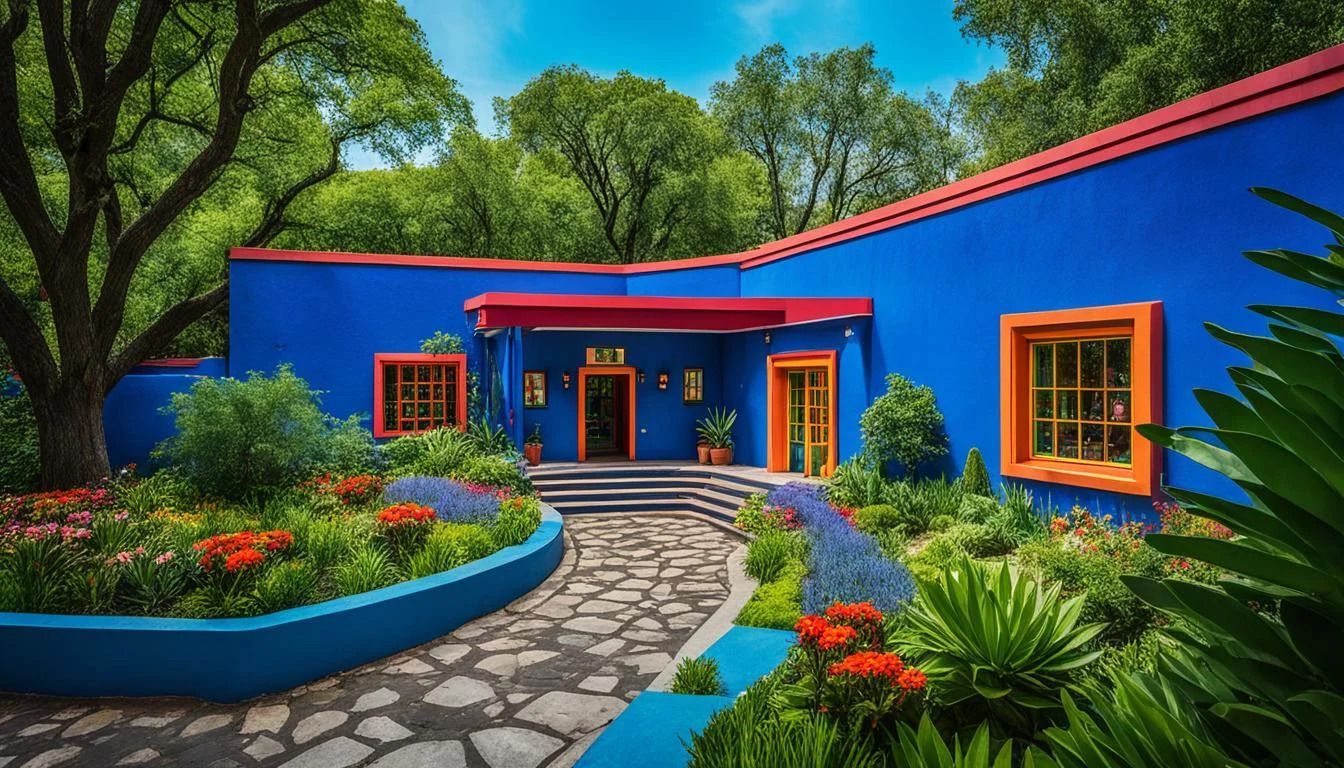
Mexico City
## Description Museo Frida Kahlo, also known as Casa Azul, is one of Mexico City’s most emotionally resonant attractions because it allows visitors to enter the personal world of one of Mexico’s most famous artists. Rather than experiencing Frida Kahlo only through reproductions of her paintings or her image as a cultural icon, Casa Azul gives a sense of the environment that shaped her life, work, and identity. The house is vivid, intimate, and unmistakably tied to her story. What makes the museum powerful is its personal scale. This is not a huge institution where you move through distant galleries at speed. It is a home, and that makes the visit feel immediate. Rooms, objects, colors, domestic details, and artwork come together to create an experience that is both museum-like and deeply human. Visitors often leave with a stronger understanding not only of Kahlo as an artist, but of her life as a person negotiating illness, creativity, politics, love, and independence. One little-known fact is that the museum houses not only Frida’s works and belongings but also domestic items and visual traces that help reconstruct the atmosphere of the house during her life. Another is that the building itself, with its blue walls and courtyard presence, has become almost as iconic as the artist. The house is immediately recognizable, yet the visit still feels personal rather than monumental. That tension is part of its appeal. The museum is also meaningful because it sits at the intersection of biography and art history. Frida Kahlo has become a global symbol, sometimes reduced to fashion or image, but Casa Azul reminds visitors that her influence came from a specific place, body, and context. The house makes the symbolic figure tangible. It gives texture to the myth without stripping away its emotional power. For travelers in Mexico City, this is one of the most essential cultural stops, especially if you want a museum that is memorable, accessible, and full of character. It is best when you arrive ready to pay close attention, because the details matter. The house rewards curiosity and reflection in equal measure. ## Location Museo Frida Kahlo is in Coyoacán, Mexico City, Mexico, in a neighborhood known for its cultural and historic charm. The area feels distinct from the city’s more central business districts, and that neighborhood character is part of the visit. The most practical way to get there is by taxi, rideshare, or public transport followed by a walk through Coyoacán. Because the museum is popular, timing matters. It is smart to plan your route in advance and allow extra time for entry and neighborhood walking. The surrounding area also gives you a chance to combine the museum with cafés, plazas, and other local sights. If possible, make Coyoacán part of the same outing so the museum does not feel isolated from its setting. The district helps explain why Casa Azul is such a fitting home for the museum experience. ## Tips Book ahead when possible. This is one of the city’s most popular museums, and planning helps avoid disappointment. Go slowly inside. The house is most rewarding when you let yourself notice the domestic details and objects rather than rushing to the biggest names. Combine the visit with a walk in Coyoacán. The neighborhood adds a lot to the experience and makes the day feel richer. If you care about Frida Kahlo’s art, read a little about her life before going. The museum becomes much more powerful when you understand the personal context. ## Conclusion Museo Frida Kahlo is one of Mexico City’s most important cultural experiences because it transforms a famous name into a lived, tangible story. Casa Azul is essential for anyone interested in art, biography, or Mexican cultural history. ## FAQ **Why is Casa Azul so famous?** It was Frida Kahlo’s home and is now a museum devoted to her life and work. **Should I book tickets in advance?** Yes, that is strongly recommended. **How long does the visit take?** Around one to two hours is typical, though some visitors spend longer. **Is it worth visiting if I only know Frida Kahlo from images?** Yes. The museum adds real depth to her story. **What else should I do nearby?** Explore Coyoacán’s plazas, cafés, and historic streets. ## Links - [Official website](https://www.museofridakahlo.org.mx/) - [Wikipedia](https://en.wikipedia.org/wiki/Frida_Kahlo_Museum)
GemVoyage Team • World
Cawdor
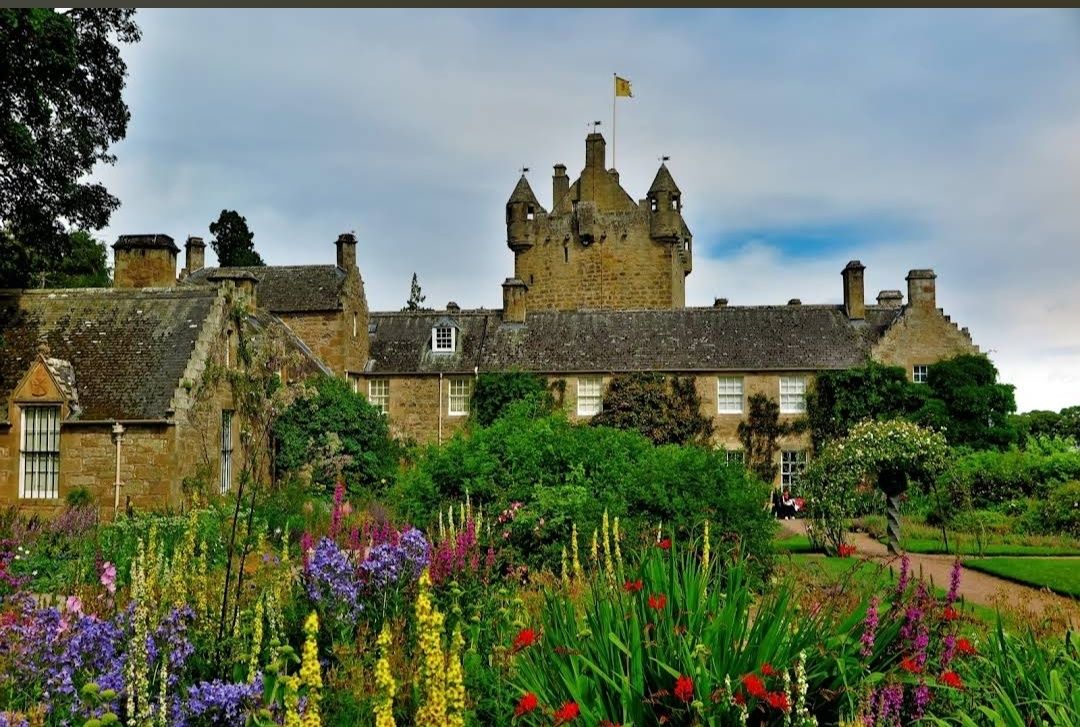
## Description **Cawdor Castle** is one of Scotland’s most enchanting castles, steeped in history, myth, and natural beauty. Built around a legendary holly tree in the late 14th century, the castle has been home to the Cawdor family for over 600 years. With its picturesque stone towers, ornate rooms, and beautifully landscaped gardens, it offers visitors a fascinating journey through Scottish heritage. The castle is famously associated with Shakespeare’s *Macbeth*. While the historical Macbeth never lived here, the castle has become linked to the play because of its title, the Thane of Cawdor. This literary connection, combined with the castle’s authentic medieval charm, makes it an especially intriguing stop for literature lovers and history enthusiasts alike. Inside, visitors can explore grand drawing rooms, antique furniture, fine art collections, and centuries-old tapestries. Outside, the estate features three distinct gardens: the **Walled Garden**, the **Flower Garden**, and the **Wild Garden**, each showcasing Scotland’s flora in different styles and seasons. A little-known fact is that the castle’s origin story is tied to a prophecy. According to legend, the Thane of Cawdor dreamed he should build his castle where a donkey lay down to rest under a tree. That tree still stands today in the castle’s cellar, preserved as a unique piece of history. Another hidden gem is the castle’s woodland trails, which cover over 100 acres and are home to wildlife such as red squirrels and roe deer. ## Location Cawdor Castle is located in the **Scottish Highlands**, about **12 miles east of Inverness**, in the **village of Cawdor, Nairnshire, Scotland**. Its Highland setting adds to its charm, with rolling landscapes, ancient forests, and nearby rivers. The easiest way to reach Cawdor Castle is from **Inverness**, which has good road, rail, and air connections. From Inverness, the castle is just a 25–30 minute drive by car via the A96 and B9090 roads. Visitors without a car can take a train to **Nairn** and then a short taxi ride to the castle. For international travelers, **Inverness Airport** is located only about 15 minutes away, making the castle very accessible as part of a Highland tour. ## Tips To enjoy your visit to Cawdor Castle to the fullest, keep these tips in mind: * **Check seasonal opening times** – The castle is usually open to visitors from late April to early October, so plan accordingly. * **Book tickets online** – During peak tourist season, advance booking is recommended to avoid queues. * **Take your time in the gardens** – Each garden offers a different experience, so don’t rush. Spring and summer are especially beautiful. * **Explore the woodlands** – The nature trails are less crowded and perfect for a quiet walk surrounded by Highland wildlife. * **Photography** – While photos are allowed outside, check the guidelines for indoor photography, as some rooms may restrict it. * **Combine with nearby attractions** – Cawdor Castle can be paired with a visit to Culloden Battlefield or Loch Ness for a full day of Highland history and scenery. ## Conclusion **Cawdor Castle in Scotland** is a captivating blend of history, legend, and natural beauty. With its ties to Shakespeare, legendary holly tree, and stunning gardens, it offers visitors a truly unique Scottish experience. Whether you’re drawn by literature, heritage, or landscapes, this Highland treasure is well worth the journey. ## FAQ **1. Is Cawdor Castle connected to Shakespeare’s Macbeth?** While the historical Macbeth never lived here, the castle is famously linked to the play because Macbeth is given the title “Thane of Cawdor.” **2. When is the best time to visit?** Late spring and summer are ideal for enjoying the gardens in full bloom, though autumn also brings beautiful colors in the surrounding woodlands. **3. How long should I plan for a visit?** Most visitors spend 2–3 hours exploring the castle interiors, gardens, and woodland trails. **4. Are guided tours available?** Yes, guided tours are often available and provide deeper insights into the castle’s history, legends, and architecture. **5. Can children visit Cawdor Castle?** Absolutely. The gardens and woodlands make it family-friendly, and children can enjoy exploring the outdoor spaces. **6. Is the castle accessible for visitors with mobility issues?** The gardens and some areas are accessible, but due to the historic structure, certain parts of the castle may be difficult to reach. It’s best to check accessibility details in advance. ## Links * [Official Cawdor Castle Website](https://www.cawdorcastle.com) * [Visit Scotland – Cawdor Castle](https://www.visitscotland.com)
GemVoyage Team • World
Berlin
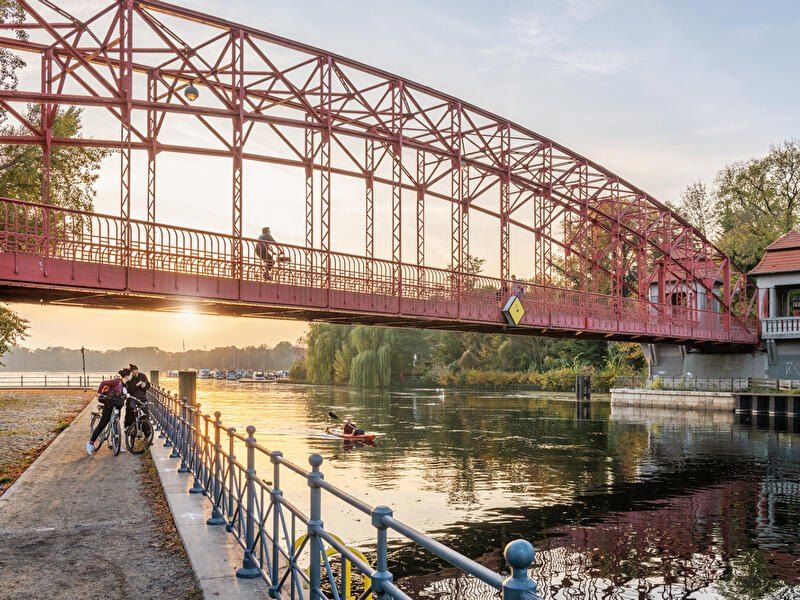
## Description **Tegeler See** is one of Berlin’s largest and most beloved lakes, offering a rare combination of **deep forest landscapes, wide open water, historic promenades, and recreational freedom** within a major European capital. Unlike the carefully curated parks of central Berlin, Tegeler See feels **expansive, natural, and quietly powerful**, a place where the city dissolves into wind, water, and tree canopy. The lake stretches across the northern edge of Berlin and forms part of a much larger **interconnected water system** linking rivers, canals, and smaller lakes. Its shoreline alternates between **elegant promenades, dense woodland, sandy bathing areas, hidden coves, and small harbors**, giving every section a distinct character. On one walk you might pass joggers and cyclists near cafés, and moments later find yourself alone on a forested shoreline with only birds and passing sailboats for company. What makes Tegeler See especially unique is its **scale and visual openness**. The lake is wide enough to feel almost coastal in certain sections. Wind patterns shape large ripples across the surface, and on clear days the sky reflects endlessly into the water. Sailboats, paddleboards, kayaks, ferries, and swimmers all share the same space, creating an ever-moving ecological and recreational system. The western and northern edges of the lake are bordered by the **Tegel Forest (Tegeler Forst)**, one of Berlin’s largest continuous woodland zones. This forest contains long hiking paths, wildlife corridors, thick pine stands, and historic hunting routes that once served Prussian royalty. This direct interface between **urban lake and protected forest** is one of Tegeler See’s defining strengths. Few European capitals offer this scale of natural immersion without leaving city limits. From an urban perspective, the lake is closely tied to the borough of **Reinickendorf** and the historic district of **Alt-Tegel**. The Alt-Tegel promenade along the eastern shoreline functions as a social spine, lined with restaurants, ice cream shops, boat docks, beer gardens, and terraces overlooking the water. This area transforms in summer into one of Berlin’s most relaxed outdoor social scenes, blending families, cyclists, couples, and long-term residents. A little-known fact is that Tegeler See was once part of the **Havel River’s natural floodplain system**, and its modern form is the result of long-term hydraulic engineering dating back centuries. Another lesser-known detail is that the famous German poet and philosopher **Gotthold Ephraim Lessing** once lived near the lake, and the nearby Tegel Palace was home to the Humboldt family, including **Alexander von Humboldt**, one of history’s most influential natural scientists. Tegeler See’s emotional identity is shaped by **seasonality**. In spring, the forest releases fresh green layers and migrating birds return. Summer brings swimming, paddleboarding, lakeside dining, and long evening sunsets. Autumn covers the surrounding hills in gold and copper tones. Winter transforms the lake into a minimalist landscape of cold light, mist, and silence, occasionally frozen at the edges. Unlike Berlin’s central landmarks, Tegeler See does not present itself as a destination of spectacle. Its appeal is built on **duration rather than intensity**. People do not come for a single photo; they come to spend hours walking, reading, boating, cycling, swimming, and simply existing beside water and forest. It is one of the few places in Berlin where **time visibly slows down**. In a city often defined by density, history, and cultural pressure, Tegeler See functions as a **pressure valve**. It absorbs excess motion and releases calm. ## Location **Tegeler See** is located in **northwestern Berlin**, primarily within the borough of **Reinickendorf**, near the historic district of **Tegel**. **City:** Berlin **State (Region):** Berlin **Country:** Germany **Primary Area:** Reinickendorf / Alt-Tegel ### How to Get There: * **By S-Bahn:** * Take **S25** to **Tegel Station**, then walk 10 minutes to the lakeside. * **By U-Bahn:** * Take **U6** to **Alt-Tegel**, which places you directly at the main promenade. * **By bus:** Multiple bus routes connect Tegel with central and northern Berlin. * **By bicycle:** A well-developed bike network connects Tegeler See to the city center. * **By car:** Parking is available but is limited on busy summer days. The lake is easily combined with visits to **Alt-Tegel old town, Tegel Forest hiking trails, and the Havel River network**. ## Tips * **Visit on weekdays if you prefer quiet:** Weekends can be very busy in summer. * **Walk both the promenade and the forest side:** Each offers a completely different experience. * **Bring swimwear in summer:** Designated bathing areas are popular and well maintained. * **Sunset is the most atmospheric time:** Especially from western shoreline viewpoints. * **Boat rentals are widely available during the warm season.** * **Dress for wind:** The open water creates noticeable temperature shifts. * **Combine with Alt-Tegel dining:** Lakeside restaurants are a core part of the experience. * **Winter visits are underrated:** The silence and mist create a dramatic, cinematic mood. ## Conclusion **Tegeler See** is Berlin at its most expansive and elemental. It is where the city trades architecture for horizon, traffic for water movement, and density for breathing space. By uniting forest, lake, promenade, and history into one continuous landscape, Tegeler See offers a version of Berlin that is **slower, wider, and deeply restorative**. ## FAQ **1. Is Tegeler See suitable for swimming?** Yes. Several **official bathing areas** operate during the summer season. **2. Can you rent boats on Tegeler See?** Yes. **Paddleboats, kayaks, and small sailboats** are available for rent. **3. Is Tegeler See family-friendly?** Yes. It is widely used by **families, cyclists, walkers, and swimmers**. **4. How long does it take to walk around Tegeler See?** Walking the full perimeter can take **2.5 to 4 hours**, depending on pace and route. **5. Is Tegeler See good in winter?** Yes, especially for **quiet walks, photography, and forest exploration**. **6. Is there wildlife around the lake?** Yes. The area supports **water birds, foxes, deer, and diverse forest species**. ## Links * [Visit Berlin](https://www.visitberlin.de)
GemVoyage Team • World

Comments