Discover extraordinary places shared by our community of travelers
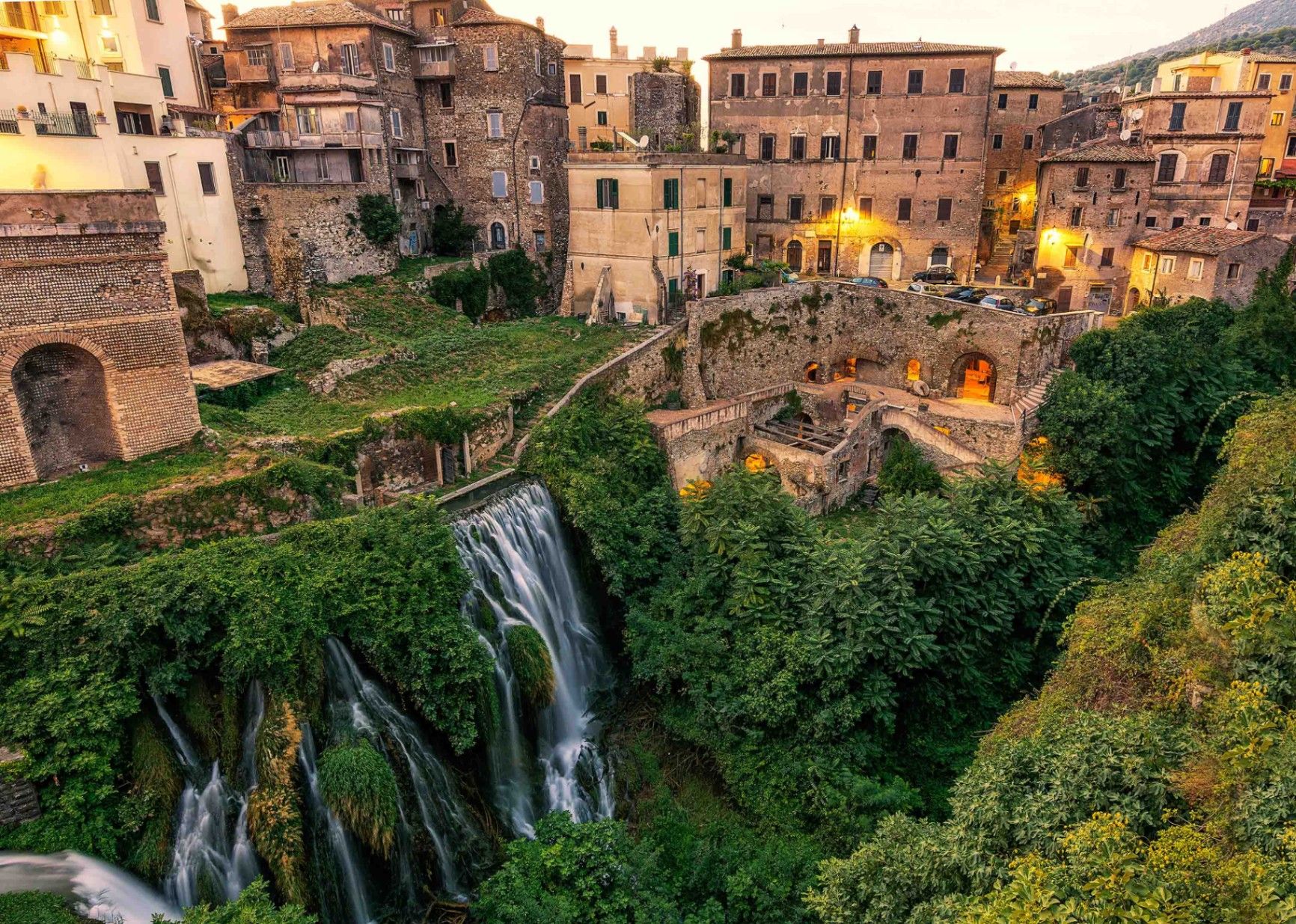
Rome
## Description Villa Gregoriana in Tivoli, just outside Rome, is one of Italy’s most captivating landscapes where history, art, and nature blend seamlessly. Unlike the lavish Renaissance villas Tivoli is famous for, such as Villa d’Este or Hadrian’s Villa, Villa Gregoriana is more of a natural park—a romantic landscape garden created in the 19th century. It was commissioned by Pope Gregory XVI in 1835 after a devastating flood of the Aniene River destroyed part of Tivoli. The project diverted the river and transformed the ravine into a park with paths, grottoes, and terraces overlooking dramatic waterfalls. The heart of the villa is the **Great Waterfall (Cascata Grande)**, a spectacular 120-meter drop of the Aniene River that roars through a deep gorge. The park is also dotted with archaeological remains, including Roman temples such as the **Temple of Vesta** and the **Temple of Sibyl**, which crown the cliffs above. Romantic poets and painters of the 19th century, from Goethe to Turner, were inspired by its sublime scenery. A lesser-known fact about Villa Gregoriana is that it fell into neglect for much of the 20th century. It was only restored and reopened to the public in 2005 thanks to the Italian heritage organization **FAI (Fondo Ambiente Italiano)**. Today, it is both a natural reserve and an open-air museum of history, geology, and art. ## Location Villa Gregoriana is located in **Tivoli**, a town in the **Metropolitan City of Rome (RM)**, in the region of **Lazio**, central **Italy**. Tivoli lies about 30 kilometers east of Rome, perched on the slopes of the Tiburtine Hills. To reach Villa Gregoriana, visitors can take a regional train from Rome’s Tiburtina station to Tivoli, which takes around one hour. From Tivoli station, it’s a short walk to the villa’s entrance. Alternatively, buses also run between Rome and Tivoli. If you’re driving, the trip takes about 45 minutes along the A24 motorway. Walking is essential once inside, as the park’s paths wind through steep terrain and natural landscapes. ## Tips * **Wear comfortable shoes:** The park has uneven terrain, stairs, and steep paths. Good walking shoes are essential. * **Allow time:** A full visit can take two to three hours if you want to enjoy both the waterfalls and the archaeological ruins. * **Best seasons to visit:** Spring and autumn offer pleasant weather and lush greenery. In summer, the waterfalls are at their most powerful but the heat can be intense. * **Photography:** Bring a camera—the views of the waterfalls and temples are spectacular from various terraces. * **Check opening hours:** Villa Gregoriana has seasonal hours and may close in winter, so it’s best to check in advance. * **Combine with other villas:** Tivoli is home to Villa d’Este and Hadrian’s Villa, both UNESCO World Heritage Sites, making it an excellent day trip from Rome. ## Conclusion Villa Gregoriana in Tivoli is a place where natural beauty meets history. With its majestic waterfalls, ancient temples, and romantic landscapes, it offers a unique contrast to the opulent villas nearby. Restored after years of neglect, it now stands as one of Italy’s most enchanting sites, ideal for travelers seeking a mix of culture, nature, and tranquility. ## FAQ **1. What is Villa Gregoriana best known for?** It is best known for its dramatic waterfalls, particularly the Great Waterfall, and for its blend of natural landscapes with ancient Roman ruins. **2. How much time do I need to visit?** Plan at least two hours to walk the trails, admire the waterfalls, and explore the archaeological sites. **3. Is Villa Gregoriana family-friendly?** Yes, but keep in mind that the terrain is steep and not suitable for strollers. Children should be supervised on paths near cliffs. **4. Are guided tours available?** Yes, guided tours are offered, and they provide fascinating insights into the park’s history, geology, and architecture. **5. Can I picnic inside the park?** Picnicking is not generally allowed inside the villa, but Tivoli offers many nearby restaurants and cafés for meals. **6. Is Villa Gregoriana accessible by wheelchair?** Due to its rugged terrain and steep paths, the site is not well-suited for wheelchair users or those with limited mobility. ## Links * [FAI – Villa Gregoriana Official Page](https://fondoambiente.it/luoghi/parco-villa-gregoriana)
GemVoyage Team • World
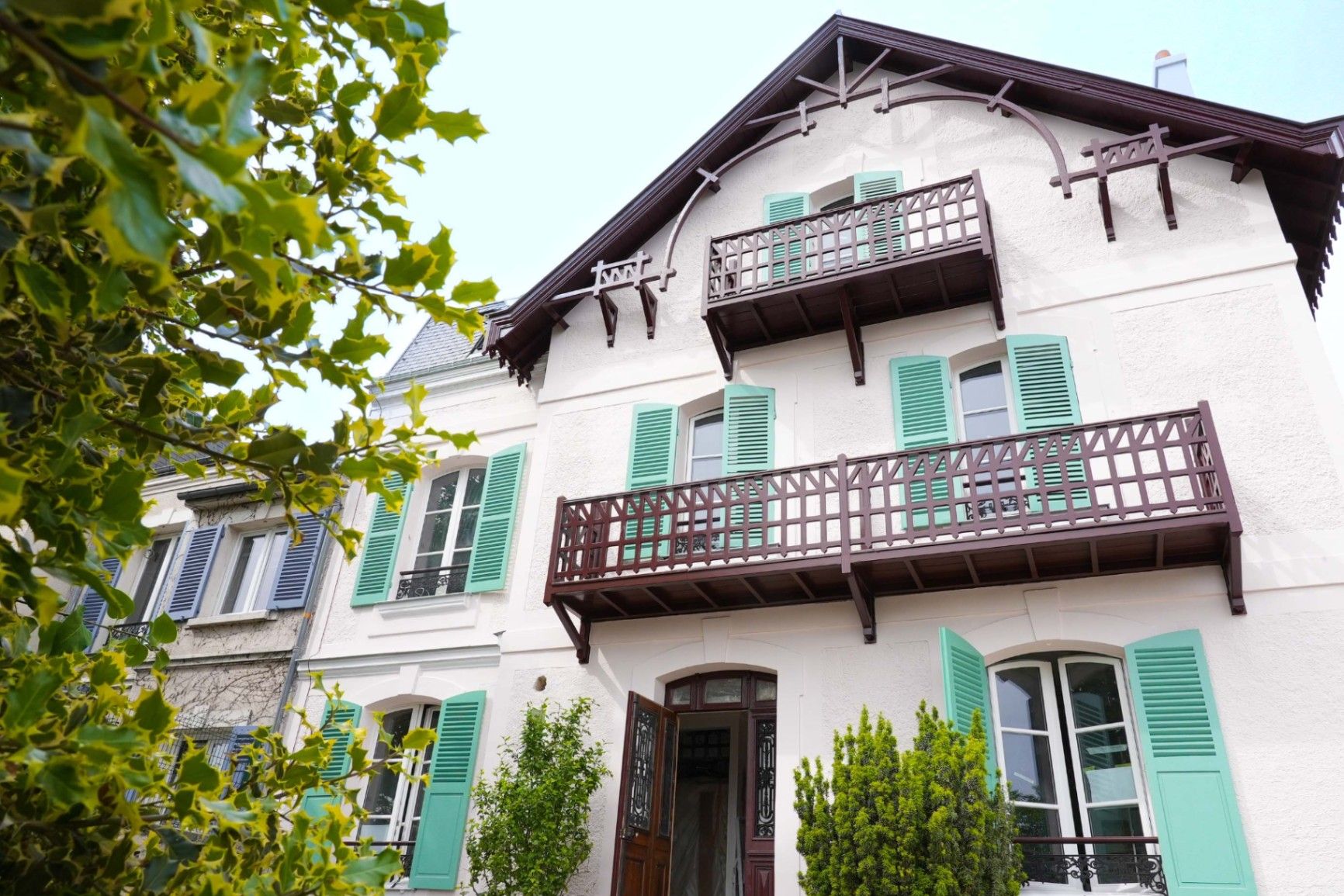
Paris
## Description **Maison Impressionniste Claude Monet Argenteuil** is a carefully reconstructed space dedicated to the years when Claude Monet lived and worked in Argenteuil, a suburb northwest of Paris. Although not the original residence, the house functions as a faithful evocation of Monet’s daily environment between 1871 and 1878, a period widely considered formative for the **Impressionist movement**. This is where Monet refined his techniques of capturing light, atmosphere, and everyday scenes, and where he produced some of his most celebrated works, including views of the Seine, gardens, and his own home life. The house is arranged to resemble the domestic context that influenced Monet’s early mastery. Rooms are curated with period furniture, reproductions of key paintings, personal objects, and interpretive displays illustrating how Monet painted outdoors, how he experimented with color, and how Argenteuil became a meeting point for artists such as Renoir, Manet, and Sisley. The staging provides an accessible narrative of Monet as a young pioneer, long before his later fame at Giverny. A little-known fact is that Argenteuil was once a **boating and leisure capital** for Parisians, and Monet frequently painted regattas and pleasure craft from the riverbanks near his home. Another lesser-known detail is that Monet’s time in Argenteuil coincided with substantial urban development, which threatened some of the very landscapes he painted. This tension between modernization and natural beauty appears subtly throughout his Argenteuil canvases. Today, the Maison Impressionniste offers a more intimate and less crowded alternative to major Impressionist institutions in Paris. It gives visitors the chance to walk through reconstructed interiors that feel personal rather than monumental and to understand the roots of what would become Monet’s global artistic influence. ## Location **City:** Argenteuil (Greater Paris area) **Region:** Île-de-France **Country:** France The house is situated in a residential part of Argenteuil, within walking distance of the Seine and the locations that inspired many of Monet’s paintings. ### How to Get There * **By train:** * From **Gare Saint-Lazare** in Paris, take a Transilien J train to **Argenteuil Station**. From there, it is a short walk or a brief bus ride. * **By bus:** * Several suburban bus lines connect Argenteuil with northern districts of Paris. * **By car:** * The area is accessible via the A15 or A86, but parking can be limited in residential streets. * **On foot from the center of Argenteuil:** * A pleasant 10–15 minute walk through town streets leads directly to the museum. ## Tips * **Visit on a weekday** to avoid periods when small tour groups pass through. * **Combine it with a Seine riverside walk**, retracing the landscapes Monet depicted in his Argenteuil period. * **Plan 45–60 minutes**, as the museum is compact but detailed. * **Photography policies may vary**, so check signage before taking photos inside. * **The museum often hosts temporary exhibits** on Impressionism and plein-air painting; check ahead for program changes. * **Bring context:** Reviewing Monet’s Argenteuil works beforehand will enrich the visit, as many are referenced in the interpretive materials. ## Conclusion Maison Impressionniste Claude Monet Argenteuil offers an intimate and historically grounded perspective on Monet’s early Impressionist years. The reconstructed spaces, the focus on daily life, and the proximity to the landscapes that shaped his artistic eye make it a meaningful stop for those seeking a deeper understanding of how Impressionism emerged and matured. ## FAQ **1. Is the house original?** No. It is a faithful reconstruction designed to evoke Monet’s home during his Argenteuil years. **2. How long did Monet live in Argenteuil?** From 1871 to 1878, a key period of his early Impressionist development. **3. Can visitors see original artworks?** The museum primarily displays reproductions and interpretive materials; original works are held in major museums in Paris and abroad. **4. Is the visit suitable for children?** Yes. The rooms are accessible, and the museum offers educational materials for younger visitors. **5. How long should I plan for the visit?** Around 1 hour, depending on reading speed and interest in the exhibits. **6. Is the museum wheelchair accessible?** Accessibility can vary; checking ahead with the museum is recommended. ## Links * [Official tourism information for Argenteuil](https://www.argenteuil.fr)
GemVoyage Team • World
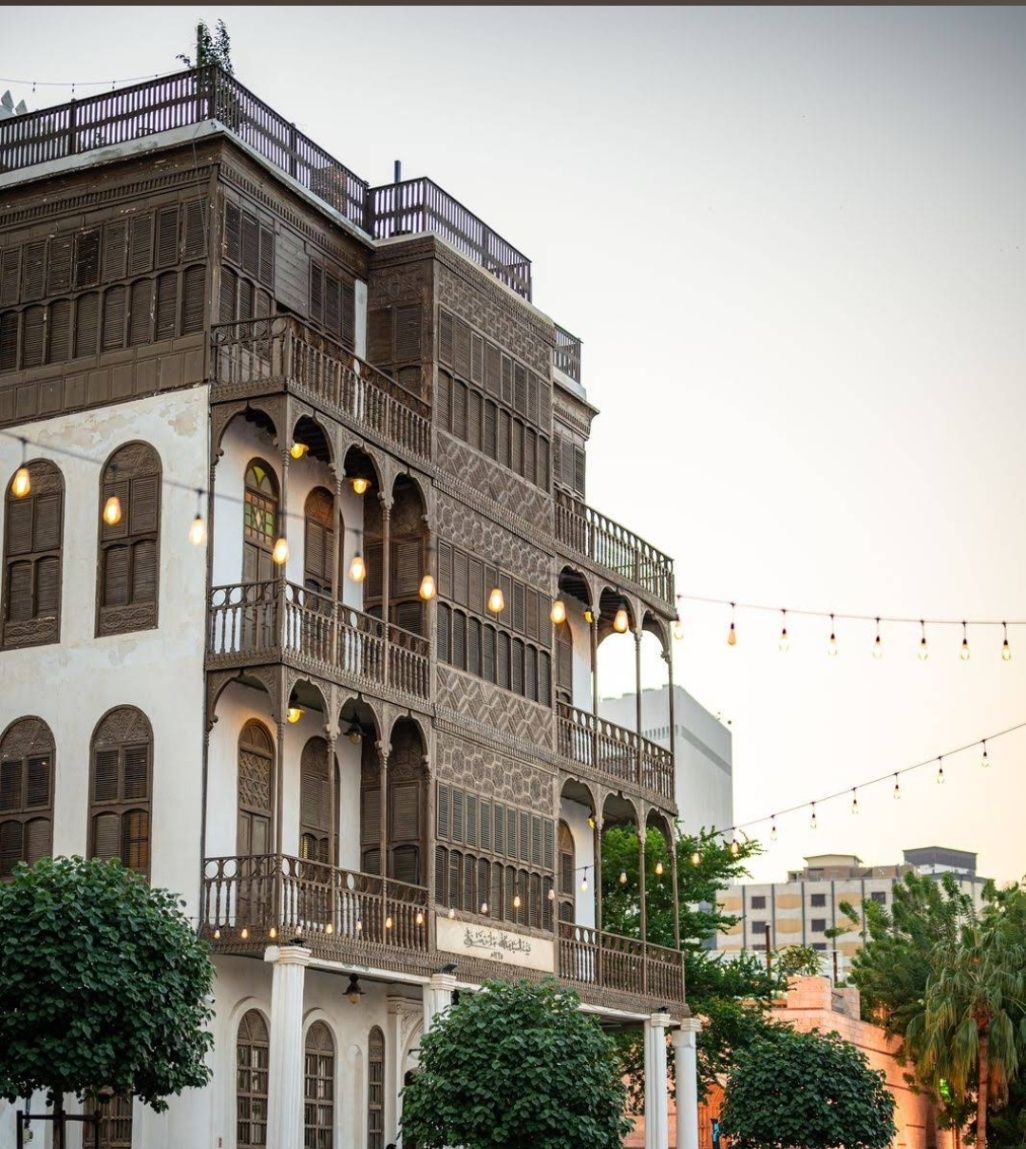
Jeddah
## Description The **Al Sharbatly House**, also known as **Beit Al Sharbatly**, is one of the most iconic heritage houses in **Al-Balad**, the historic district of Jeddah. This grand residence is a striking example of traditional Hijazi architecture, characterized by its intricate wooden lattice windows known as **“Rawasheen”**, coral stone walls, and spacious inner courtyards. Built during the late 19th century, the house reflects the wealth and influence of Jeddah’s prominent merchant families during the height of its trade connections across the Red Sea and Indian Ocean. What makes Al Sharbatly House unique is not just its architectural beauty but also its cultural significance. The house was once the residence of the **Egyptian Consulate** in Jeddah and later became the home of the well-known Sharbatly family, who played a vital role in the region’s economy. Today, it stands as a preserved monument within Jeddah’s UNESCO-listed Old Town, attracting both tourists and architecture enthusiasts. A lesser-known fact is that the house, like many other buildings in Al-Balad, was constructed using **coral stones sourced from the Red Sea**, combined with lime mortar. This gave the structure both strength and natural ventilation suited for Jeddah’s hot climate. Another interesting detail is that the elaborately carved wooden windows were not only decorative but also functional, allowing families to observe the busy streets outside without being seen themselves. ## Location Al Sharbatly House is located in **Al-Balad**, the historic center of **Jeddah**, in the **Makkah Province of Saudi Arabia**. This district is a living museum of Hijazi culture, with dozens of preserved houses, mosques, and souks dating back hundreds of years. Getting there is convenient. If you are traveling from **King Abdulaziz International Airport (JED)**, it takes around 30 minutes by car to reach Al-Balad. Taxis and ride-hailing services like Uber and Careem are readily available. Once inside Al-Balad, the best way to explore is on foot, as the narrow alleys and pedestrian-friendly streets are filled with heritage houses, traditional markets, and cultural landmarks. Guided walking tours are also available and highly recommended for first-time visitors. ## Tips Here are some helpful tips to make your visit to Al Sharbatly House and the Al-Balad district more enjoyable: * **Dress modestly** – As with all cultural and historical sites in Saudi Arabia, visitors should wear modest clothing in line with local customs. * **Visit in the evening** – The area comes alive at night when the houses are beautifully lit, and the markets bustle with activity. * **Hire a guide** – To fully appreciate the history and architecture, consider joining a guided tour that includes the house and other landmarks. * **Bring a camera** – The Rawasheen windows, carved doors, and narrow alleyways make for stunning photography opportunities. * **Stay hydrated** – Jeddah’s climate can be hot and humid, so carry water, especially if exploring during the day. * **Combine with nearby attractions** – Don’t miss other notable houses like Beit Nassif and the old souks in Al-Balad, which offer a full cultural immersion. ## Conclusion The **Al Sharbatly House in Jeddah** is a shining example of traditional Hijazi architecture and a key highlight of the city’s historic district. With its coral stone walls, elegant Rawasheen windows, and rich history, it offers visitors a glimpse into the heritage of one of Arabia’s most important Red Sea port cities. Whether you’re passionate about history, culture, or architecture, a visit to this house and its surroundings is a journey into Jeddah’s fascinating past. ## FAQ **1. What is Al Sharbatly House famous for?** It is known for its traditional Hijazi architecture, coral stone construction, and intricate wooden lattice windows (Rawasheen). **2. Can tourists enter Al Sharbatly House?** Access may vary, as some heritage houses in Al-Balad are open for tours, while others are preserved as cultural landmarks. Guided tours often include visits to the house. **3. Is Al-Balad a UNESCO World Heritage Site?** Yes, Jeddah’s Al-Balad district, where Al Sharbatly House is located, was inscribed on the UNESCO World Heritage List in 2014. **4. How long does it take to visit Al Sharbatly House and Al-Balad?** A half-day visit is recommended to explore the house and the surrounding historic district, though history enthusiasts may wish to spend longer. **5. When is the best time to visit?** Evenings are ideal due to cooler temperatures and the lively atmosphere in the old town. **6. What other attractions are nearby?** Nearby attractions include Beit Nassif, the Old Souk (Souq Al-Alawi), historic mosques, and several other heritage houses in Al-Balad. ## Links * [Saudi Tourism – Visit Jeddah](https://www.visitsaudi.com) * [UNESCO World Heritage – Historic Jeddah](https://whc.unesco.org/en/list/1361)
GemVoyage Team • World
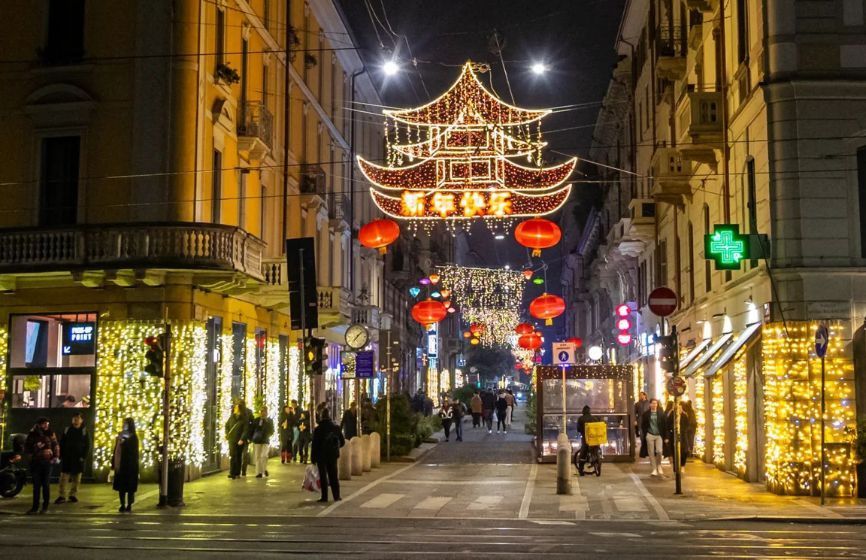
Milan
## Description **Chinatown in Milan (Quartiere Cinese di Milano)** is a lively, colorful district that blends **Italian sophistication with Chinese tradition**, creating one of the most vibrant cultural areas in northern Italy. Established in the early 20th century, it is the **oldest and largest Chinatown in Italy**, and today it thrives as a bustling hub of food, culture, and community life. The neighborhood is centered around **Via Paolo Sarpi**, a pedestrian-friendly street lined with Asian grocery stores, authentic restaurants, tea shops, and modern fashion boutiques. Red lanterns and bilingual signs decorate the streets, while the aroma of dumplings, noodles, and roasted duck fills the air. It’s a place where tradition meets innovation — where family-run Chinese bakeries coexist with trendy Milanese cafés and design studios. What makes Milan’s Chinatown unique is how seamlessly it integrates into the city’s cosmopolitan identity. Beyond being a culinary destination, it’s also a **center for art, trade, and cross-cultural exchange**. The area has become increasingly popular among young professionals and artists who appreciate its multicultural atmosphere and creative energy. A little-known fact is that Chinatown in Milan began as a **settlement of Chinese workers from Zhejiang province** in the 1920s, who came to Italy to work in the textile and leather industries. Over time, they established businesses that became essential to Milan’s fashion scene — a legacy that still endures today. Another fascinating detail: every year, the neighborhood hosts an elaborate **Chinese New Year parade**, drawing thousands of locals and tourists to celebrate with dragon dances, fireworks, and street performances. ## Location Milan’s Chinatown is located in the **northwestern part of the city center**, primarily along **Via Paolo Sarpi** in the **Porta Volta area**, **Lombardy region**, **Italy**. To get there: * **By metro:** Take **Line 2 (Green Line)** to **Moscova Station** or **Line 5 (Purple Line)** to **Monumentale Station**. Both are a short walk from Via Paolo Sarpi. * **By tram:** Tram lines **12 and 14** stop nearby. * **By foot:** It’s about a **15–20 minute walk** from the Duomo or Brera district, making it an easy stop during a city stroll. The area is pedestrian-friendly, making it perfect for exploring on foot while sampling food or browsing local shops. ## Tips * **Come hungry:** Chinatown is one of the best places in Milan for authentic Chinese, Vietnamese, and Thai cuisine. Popular dishes include **dim sum, baozi (steamed buns),** and **hand-pulled noodles**. * **Visit during Chinese New Year:** The celebrations are among the largest in Italy, featuring parades, performances, and cultural exhibits. * **Explore side streets:** Don’t just stay on Via Paolo Sarpi — nearby lanes hide charming bakeries, tea shops, and Asian supermarkets. * **Try local fusion spots:** Milan’s creativity shines through in restaurants that blend Asian and Italian flavors, reflecting the district’s evolving culinary scene. * **Shop for Asian ingredients:** Supermarkets like **Kathay** are famous for offering rare spices, sauces, and produce that are hard to find elsewhere in Italy. * **Visit in the evening:** As the lights come on, the red lanterns and street buzz create a magical, cinematic atmosphere. ## Conclusion **Chinatown in Milan** is far more than a neighborhood — it’s a living story of migration, adaptation, and community. From its early days as a textile hub to its present status as a vibrant cultural destination, it reflects Milan’s openness and diversity. Whether you’re tasting authentic dim sum, shopping for exotic ingredients, or celebrating Chinese New Year, Chinatown offers a sensory journey through the heart of modern multicultural Milan. ## FAQ **1. When was Chinatown in Milan established?** It was founded in the **1920s** by Chinese immigrants, mainly from Zhejiang province, who came to work in textile and leather industries. **2. Where exactly is it located?** It centers around **Via Paolo Sarpi**, in the **Porta Volta area** of **Milan**, **Lombardy, Italy**. **3. What can I do there?** You can explore Asian shops, enjoy authentic Chinese cuisine, visit tea houses, and attend cultural festivals such as Chinese New Year. **4. Is it safe to visit Chinatown at night?** Yes, it’s considered safe and lively, with many restaurants and bars open until late. **5. What’s the best time to visit?** Any time of year is great, but **January or February** during the **Chinese New Year** offers the most festive experience. **6. Are there Italian-Chinese fusion restaurants?** Yes, several trendy eateries combine Asian flavors with Italian ingredients, reflecting the creative spirit of Milan’s dining scene. ## Links * [Official Milano Tourism Portal](https://www.yesmilano.it)
GemVoyage Team • World
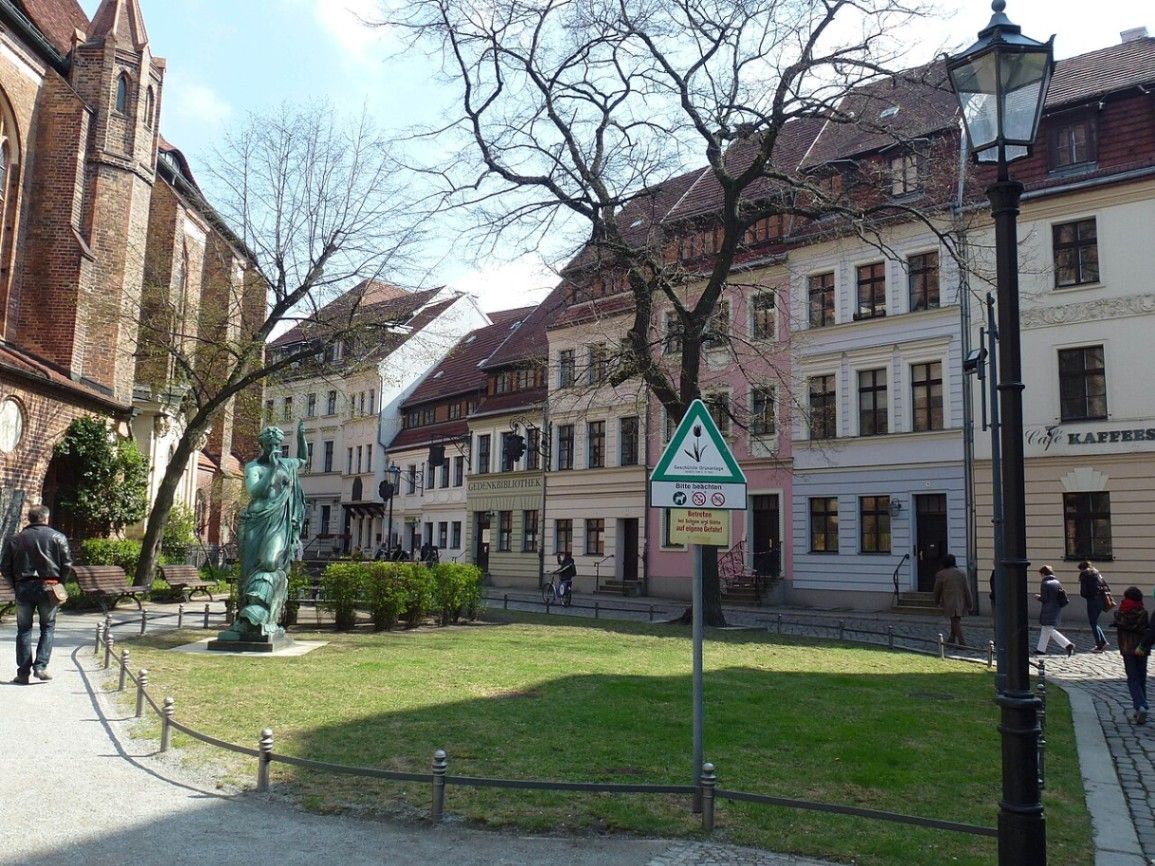
Berlin
## Description Nikolaiviertel is one of Berlin’s most atmospheric neighborhoods and holds a special place in the city’s history. Often referred to as the birthplace of Berlin, this compact quarter feels worlds away from the modern capital filled with glass towers and busy avenues. Cobblestone streets, narrow alleyways, and colorful facades create an almost storybook setting that invites visitors to slow down and explore at a relaxed pace. What makes Nikolaiviertel unique is the way it blends reconstruction with genuine historical remnants. Much of the area was rebuilt in the 1980s by East Germany to celebrate Berlin’s 750th anniversary, carefully recreating the medieval street layout and architectural style. However, it is not merely a replica. Several buildings are authentically old, including the famous Nikolaikirche (St. Nicholas’ Church), Berlin’s oldest church, whose foundations date back to the 13th century. A little-known fact is that some of the buildings in Nikolaiviertel were reconstructed using original architectural fragments salvaged from destroyed historic houses across Berlin. Another interesting detail is that the neighborhood was once home to notable figures such as philosopher Georg Wilhelm Friedrich Hegel, whose former residence can still be seen today. Together, these elements give Nikolaiviertel a sense of authenticity that goes beyond its relatively recent reconstruction. Today, the quarter is known for its small museums, traditional restaurants, cozy cafés, and artisan shops. It is an excellent place to experience a quieter, more intimate side of Berlin while learning about the city’s medieval origins. ## Location Nikolaiviertel is located in Germany, in the federal state and city of Berlin. More precisely, it lies in the central borough of Mitte, close to the eastern bank of the River Spree. The neighborhood sits between Alexanderplatz and the Berlin Cathedral, making it easy to combine with other major attractions in the historic center. Getting to Nikolaiviertel is simple and convenient. The easiest way is by public transport. Visitors can take the U-Bahn (underground) to Klosterstraße (U2 line), which is just a short walk away. Alternatively, Alexanderplatz, one of Berlin’s main transport hubs, is about a 10-minute walk from the quarter. From there, multiple S-Bahn, U-Bahn, tram, and bus lines are available. Walking is also highly recommended if you are already exploring central Berlin, as the surrounding area is pedestrian-friendly and rich in sights. ## Tips To make the most out of a visit to Nikolaiviertel, it is best to arrive early in the day or later in the afternoon. Midday can become crowded, especially during the summer tourist season. Early mornings offer a quieter atmosphere and better opportunities for photography. Comfortable walking shoes are essential, as the cobblestone streets can be uneven. Take your time wandering through the small side streets rather than sticking only to the main paths. This is where you will find hidden courtyards, lesser-known shops, and quieter corners. Consider visiting one of the local museums, such as the Museum Knoblauchhaus, which offers insight into bourgeois life in 18th- and 19th-century Berlin. For food, traditional German restaurants in the area serve classic dishes, but prices can be slightly higher due to the central location. Checking menus beforehand can help avoid surprises. Lastly, Nikolaiviertel is especially charming in the evening when the lights come on and the area feels more intimate. It is a great place for a relaxed dinner after a day of sightseeing. ## Conclusion Nikolaiviertel offers a rare glimpse into Berlin’s medieval past while remaining accessible and welcoming to modern visitors. With its historic atmosphere, central location, and cultural significance, it is a rewarding stop for anyone looking to experience a more traditional and intimate side of the German capital. ## FAQ **Is Nikolaiviertel an original medieval neighborhood?** Nikolaiviertel is a mix of original historic buildings and carefully reconstructed ones. While much of it was rebuilt in the 1980s, several key structures, including Nikolaikirche, are genuinely old. **How much time should I plan for visiting Nikolaiviertel?** Most visitors spend between one and two hours exploring the area. This allows enough time for a leisurely walk, a museum visit, and a meal or coffee break. **Is Nikolaiviertel suitable for families with children?** Yes, the area is family-friendly. Its compact size, pedestrian streets, and small museums make it easy to explore with children. **Do I need to pay an entrance fee to visit Nikolaiviertel?** No, the neighborhood itself is free to explore. However, some museums and attractions within the area may charge an admission fee. **What is the best season to visit Nikolaiviertel?** Spring and early autumn are ideal, offering mild weather and fewer crowds. Summer is also popular but can be busier. ## Links * [Wiki page](https://en.wikipedia.org/wiki/Nikolaiviertel)
GemVoyage Team • World
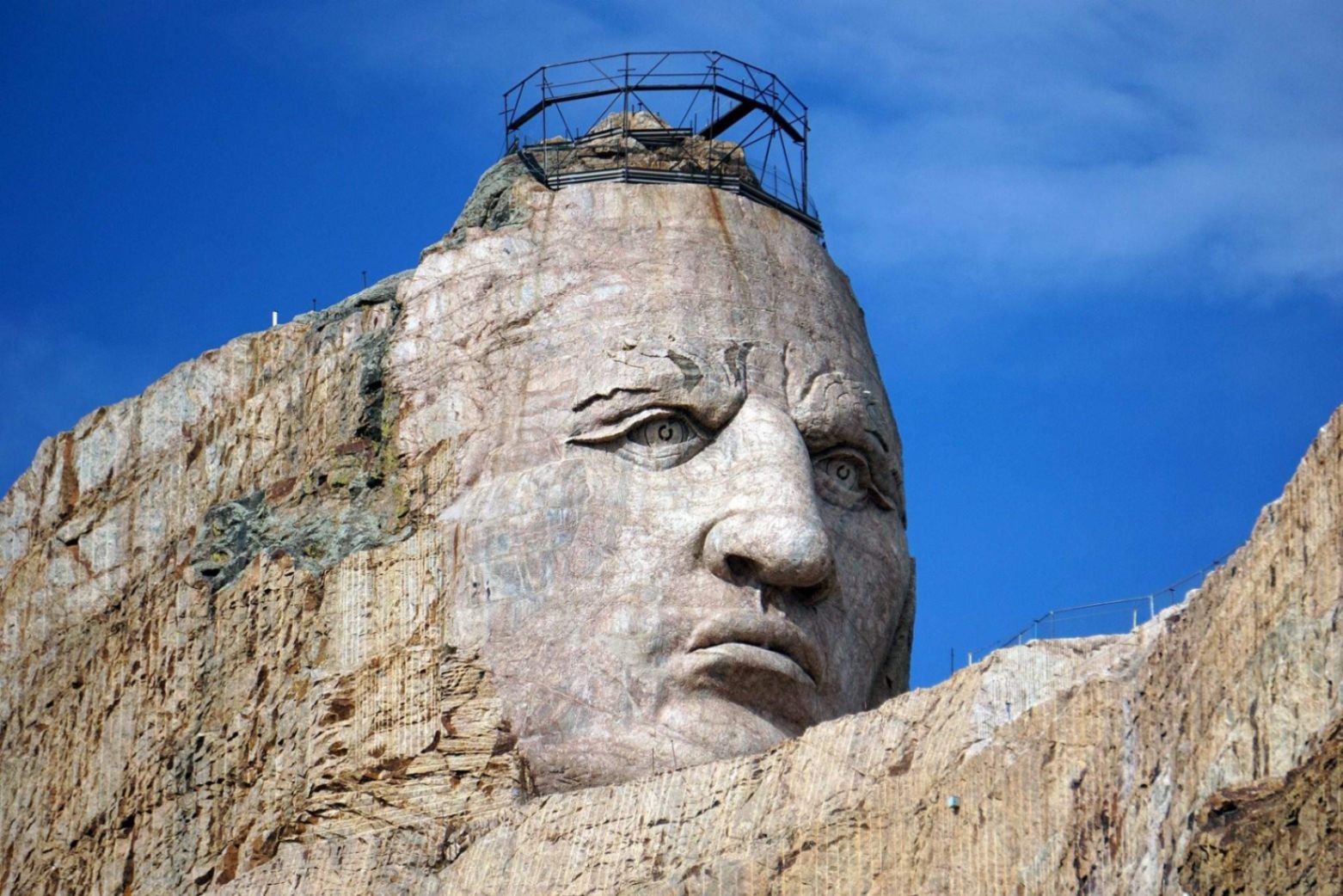
South Dakota
## **Description** The Crazy Horse Memorial is one of the most ambitious and meaningful monuments in the United States. Carved directly into a mountain in the Black Hills, this massive sculpture honors **Crazy Horse**, a revered Lakota leader who fought to protect Native American lands, culture, and way of life. Unlike many traditional monuments, the Crazy Horse Memorial is not just a sculpture—it is a living cultural center dedicated to preserving Indigenous history, values, and traditions. What makes this attraction especially unique is its sheer scale. When completed, the Crazy Horse sculpture will be the **largest mountain carving in the world**, far surpassing Mount Rushmore in size. One little-known fact is that Crazy Horse never allowed photographs of himself during his lifetime, which is why the monument is not based on an exact likeness but rather on oral history and cultural interpretation. Another lesser-known detail is that the project has been **privately funded since its start in 1948**, without any federal government support, relying entirely on donations and visitor contributions. Beyond the carving itself, the memorial complex includes museums, cultural programs, and educational exhibits that make it a deeply moving and informative destination. ## **Location** The Crazy Horse Memorial is located in **the United States**, in the state of **South Dakota**, within the **Black Hills region**, near the town of **Custer**. The memorial sits about 17 miles southwest of Mount Rushmore, making it easy to include both attractions in a single trip. The best way to get there is by car. Visitors typically fly into **Rapid City Regional Airport**, which is about an hour’s drive from the memorial. From Rapid City, rental cars are readily available, and the drive through the Black Hills is scenic and enjoyable. Organized tours from Rapid City and nearby towns are also available for those who prefer not to drive. ## **Tips** * **Plan for at least two to three hours** to explore the memorial, museum, and visitor center. * **Visit in the late afternoon or early evening** for dramatic lighting and fewer crowds. * **Attend cultural demonstrations** when available, such as traditional Native American storytelling or dance performances. * **Wear comfortable walking shoes**, as some areas involve uneven paths. * **Check the blasting schedule**, as occasional controlled blasts may occur as part of the carving process. * **Support the mission** by visiting the gift shop or donating, as the memorial relies entirely on private funding. ## **Conclusion** The Crazy Horse Memorial is far more than a monument—it is a symbol of respect, resilience, and cultural preservation. Set in the stunning Black Hills of South Dakota, it offers visitors a profound opportunity to learn about Native American history while witnessing one of the world’s most extraordinary ongoing sculptures. ## **FAQ** **What is the Crazy Horse Memorial?** It is a massive mountain carving dedicated to Crazy Horse, a Lakota leader, and to honoring Native American heritage and culture. **Is the Crazy Horse Memorial finished?** No, the carving is still in progress and is considered a multi-generational project. **How much time should I plan for my visit?** Most visitors spend two to three hours exploring the site. **Is the memorial suitable for children?** Yes, the memorial includes educational exhibits and open spaces suitable for families. **Can I see Mount Rushmore from the Crazy Horse Memorial?** No, but Mount Rushmore is a short drive away and is often visited on the same trip. ## **Links** * [Official Crazy Horse Memorial Website](https://crazyhorsememorial.org)
GemVoyage Team • World
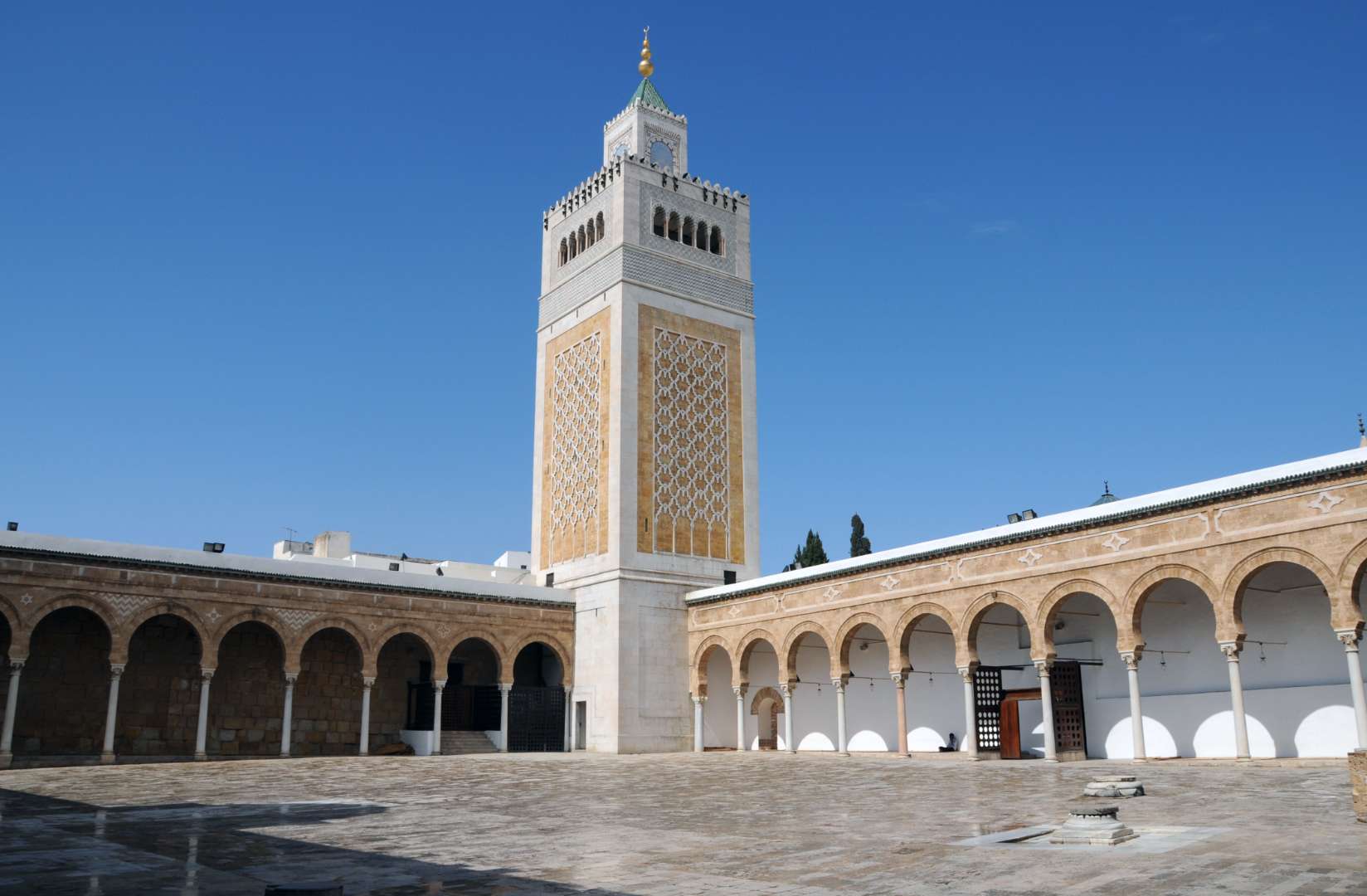
Tunis
## Description Al Zaytouna Mosque, also known as Ez-Zitouna or the Mosque of the Olive, is the spiritual and intellectual heart of Tunis, Tunisia. Founded in the late 7th or early 8th century and reconstructed in the 9th century during the Aghlabid dynasty, it is the oldest mosque in Tunis and one of the most historically significant in North Africa. The mosque is not only a place of worship but also a symbol of Islamic scholarship, having served as the foundation for the University of Ez-Zitouna—one of the earliest centers of higher learning in the Muslim world. Covering an area of approximately 5,000 square meters, the mosque features nine entrances, a vast rectangular prayer hall, and a trapezoidal courtyard framed by arcades resting on over 160 ancient columns, many of which were repurposed from the ruins of Carthage. Its architecture reflects a blend of Moorish, Fatimid, and Ottoman influences, with a striking 43-meter-high minaret that echoes the design of Almohad minarets. A little-known fact: archaeological investigations in the 20th century revealed that the mosque was built atop a Byzantine-era structure, possibly a Christian basilica or fortification. Another intriguing detail is the presence of a sundial in the courtyard, historically used to determine prayer times—a rare feature in Islamic architecture. ## Location Al Zaytouna Mosque is located in **Tunisia**, in the **Tunis Governorate**, within the **city of Tunis**. It sits at the center of the historic Medina, a UNESCO World Heritage Site known for its labyrinthine alleys, traditional souks, and centuries-old buildings. ### How to Get There - **By Metro**: Take the Tunis light rail to the “Place de Barcelone” station, then walk northeast into the Medina. - **By Taxi**: Taxis are widely available in Tunis and can drop you off near the Medina’s main gates. - **By Foot**: If you're staying in central Tunis, the mosque is easily accessible on foot through the Medina’s winding streets. - **By Tour**: Many guided walking tours of the Medina include a stop at Al Zaytouna Mosque, often with historical commentary. Its central location makes it a perfect starting point for exploring the cultural and architectural treasures of old Tunis. ## Tips - **Dress Modestly**: Visitors should wear clothing that covers shoulders and knees. Women may be asked to cover their hair. - **Visit During Non-Prayer Hours**: Non-Muslim visitors are typically allowed to enter the courtyard but not the prayer hall. Visiting outside prayer times ensures a more relaxed experience. - **Hire a Local Guide**: A knowledgeable guide can provide deeper insights into the mosque’s history, architecture, and scholarly legacy. - **Explore the Surrounding Medina**: The mosque is surrounded by vibrant souks, artisan shops, and historic buildings—perfect for a half-day cultural excursion. - **Respect the Space**: As an active place of worship, visitors should maintain a quiet and respectful demeanor. - **Photography**: Photos are allowed in the courtyard, but avoid photographing worshippers or entering restricted areas. ## Conclusion Al Zaytouna Mosque is a cornerstone of Tunisian heritage, blending religious significance with architectural grandeur and scholarly tradition. Whether you're drawn by its historical depth or its serene beauty, the mosque offers a profound glimpse into the soul of Tunis. ## FAQ **1. Is there an entrance fee to visit Al Zaytouna Mosque?** No, entry is free, though donations are appreciated. Access may be limited for non-Muslims. **2. Can non-Muslims enter the mosque?** Non-Muslims are generally allowed in the courtyard but not the prayer hall. It’s best to check with local guides or signage. **3. What are the mosque’s opening hours?** The mosque is open daily, but access for visitors is typically restricted to non-prayer times, usually mid-morning to late afternoon. **4. Is the mosque wheelchair accessible?** The Medina’s narrow and uneven streets may pose challenges, but the mosque’s courtyard is relatively flat. **5. Are guided tours available?** Yes, many local guides offer tours of the Medina that include Al Zaytouna Mosque. **6. What is the best time to visit?** Early morning or late afternoon offers cooler temperatures and fewer crowds. ## Links - [Al-Zaytuna Mosque – Wikipedia Overview](https://en.wikipedia.org/wiki/Al-Zaytuna_Mosque) - [Al-Zaytouna – Britannica Entry](https://www.britannica.com/topic/Al-Zaytunah)
GemVoyage Team • World
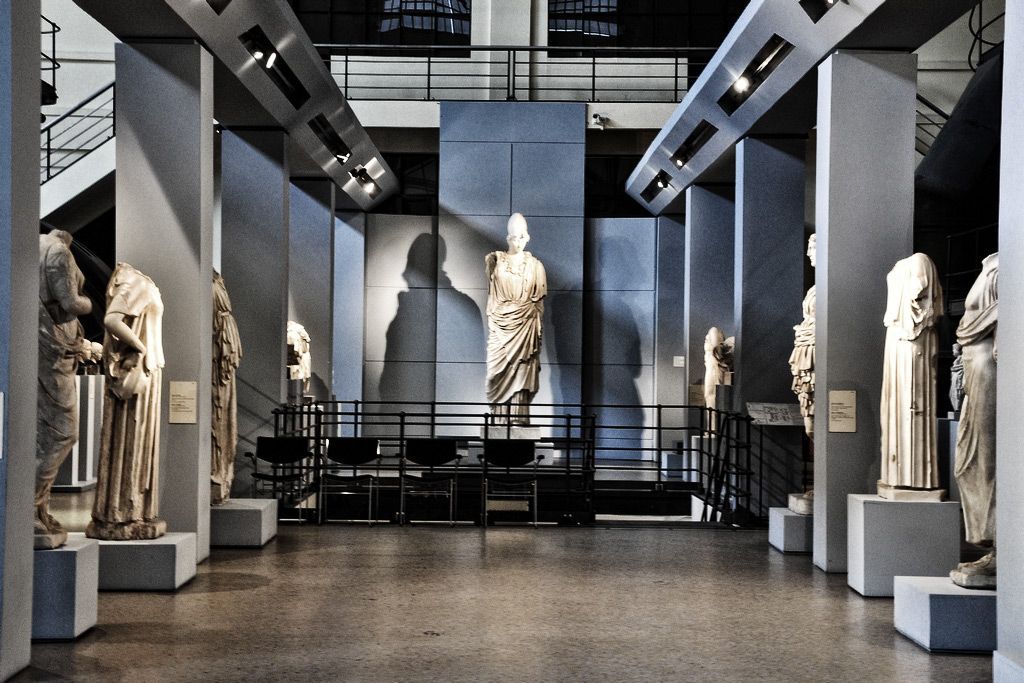
Rome
## Description Centrale Montemartini is one of Rome’s most surprising cultural experiences: an industrial power plant repurposed as a museum where classical Roman sculpture and large-scale machinery coexist in a single, dramatic setting. The raw cast-iron boilers, pipes and turbines form a deliberate and powerful backdrop for marble statues, reliefs and funerary monuments. That juxtaposition—ancient sculpture lit by museum-grade lighting against the patina of early 20th-century industrial engineering—creates striking visual and emotional contrasts that reframe familiar works from the Roman world. Originally conceived as a temporary solution while major restorations were carried out at the Capitoline Museums, the Centrale’s power-plant location quickly proved a compelling permanent home for parts of the municipal collections. The curators leaned into the setting rather than hiding it: sculptures were arranged to engage with the machinery, and exhibition narratives highlight material, technique and the passage of time. Visitors respond to the unusual dialogue between polished marble and oxidised iron; the museum reads like a meditation on Rome’s layered identity, where antiquity and modern infrastructure overlap. Beyond the immediate photogenic contrasts, Centrale Montemartini is notable for its approachable layout and variety of objects. You’ll find portraits and imperial statues, sculpted sarcophagi, and everyday objects that illuminate Roman social life. Special displays often focus on conservation practice or archaeological discoveries, and temporary exhibitions rotate, bringing contemporary scholarship and new archaeological finds into the space. For anyone interested in classical art, museum design, or the adaptive reuse of industrial architecture, Centrale Montemartini offers an unusually rich visit. ## Location Centrale Montemartini sits in the Ostiense district of Rome, a short distance from the Baths of Caracalla. The museum is accessible by metro (Circo Massimo or Garbatella stations are the closest), by several bus lines that serve the area, or by a brisk walk from the historic center if you are already exploring the nearby archaeological sites. The building’s industrial silhouette is visible even before you enter, giving a clear landmark to orient to. For planning, allow time to combine a visit with nearby landmarks: the Baths of Caracalla lie within easy walking distance and the Caffarella Park and Aventine Hill are also within reach. If traveling by taxi or rideshare, note that the museum address is well-known to drivers familiar with Rome’s cultural sites. ## Tips - Allocate 1.5–2.5 hours: the building is compact but the atmospherics and displays invite slow looking and photography. - Use the museum audio guide or pick up explanatory leaflets at the entrance to get historical context for the most important sculptures and installations. - Bring a charged camera or phone: the interplay of light, marble and metal makes for memorable photos—observe the no-flash policy where posted. - Combine your visit with the Baths of Caracalla, the Aventine viewpoints and the Testaccio neighborhood for food options afterwards. - Check the museum website for temporary exhibitions and conservation talks; these occasional programs add depth to the core collection. ## Conclusion Centrale Montemartini remains a must-see for travelers who want an offbeat but deeply satisfying museum experience in Rome. It reframes how we look at classical sculpture by placing those objects in a setting that foregrounds texture, function and the visual poetry of time. Whether you are a first-time visitor to Roman art or a repeat museumgoer seeking a fresh perspective, the Centrale’s inventive combination of history, conservation and industrial architecture rewards curiosity. ## FAQ Q: Is photography allowed? A: Generally yes for personal use, but flash and tripods may be restricted—follow signage and staff guidance. Q: Are there English guides or information? A: Yes. Audio guides, multilingual panels and printed materials are typically available; check at the ticket desk for current language options. Q: How long should I plan for a visit? A: Plan 1.5–2.5 hours to allow time for the main rooms and any temporary exhibitions or conservation displays. Q: Is the museum family friendly? A: The museum is suitable for families; spaces are manageable with strollers, though the industrial setting contains some uneven surfaces—supervise children and use designated pathways. Q: Are there accessibility arrangements? A: The museum provides accessibility options, but facilities can vary; contact the museum ahead of your visit for details on lifts, ramps and assistance. ## Links - [Centrale Montemartini (Wikipedia)](https://en.wikipedia.org/wiki/Centrale_Montemartini)
GemVoyage Team • World
São Paulo
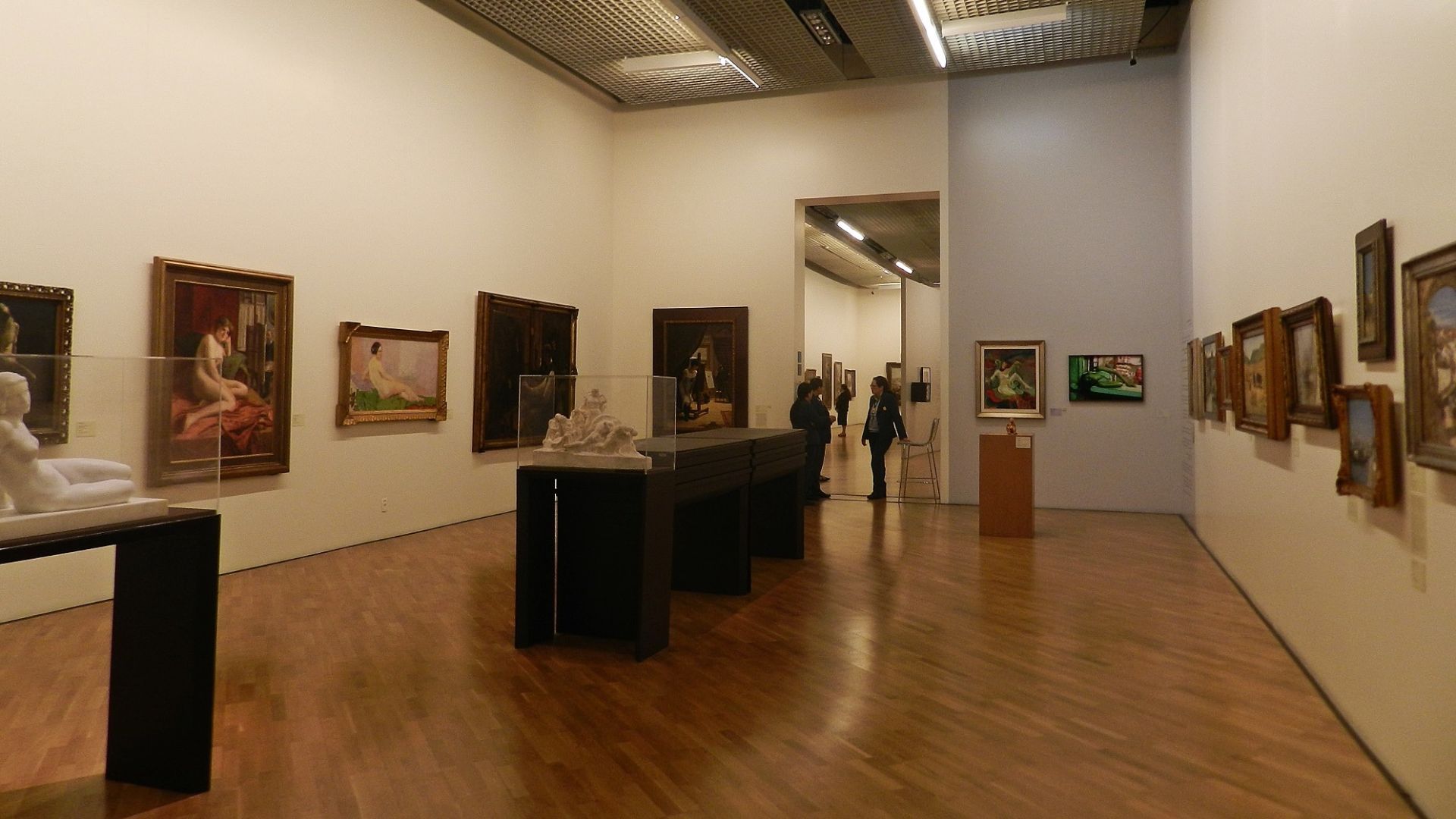
## Description Pinacoteca de São Paulo is one of Brazil’s most important art museums, and it has the kind of presence that makes a visit feel meaningful even before you step inside. Set in a historic building near Luz, the museum combines architecture, collection depth, and curatorial seriousness in a way that appeals to both first-time visitors and dedicated art travelers. It is not simply a place to tick off a museum list. It is one of the essential cultural experiences in São Paulo. The museum’s strength lies in how it balances scale and intimacy. You can encounter major works from Brazilian art history, yet the overall visit still feels navigable and human-sized. The building itself also contributes to the experience, with restored spaces that create a strong sense of continuity between old and new São Paulo. One little-known fact is that the museum occupies one of the city’s most recognizable historic structures, which gives the collection a powerful architectural frame. Another is that the museum’s location near Luz places it in a district shaped by rail history, urban transformation, and cultural reinvention. For travelers, the Pinacoteca is especially rewarding because it helps decode São Paulo’s broader cultural identity. The city is often described through business, scale, and speed, but the museum reveals another side: artistic ambition, historical memory, and deep engagement with Brazilian visual culture. You can spend time with painting, sculpture, and installation works, then step back into the urban landscape with a much richer understanding of the city. The museum is also a good choice for visitors who like structure. Unlike some larger institutions that can feel overwhelming, the Pinacoteca encourages a thoughtful pace. You can move through the galleries at a measured speed, pause where something catches your eye, and still feel that you have had a full and substantial experience. For many people, it becomes one of the most memorable stops in São Paulo because it offers clarity, beauty, and context in equal measure. ## Location Pinacoteca de São Paulo is located in the Luz area of central São Paulo, Brazil, near the city’s historic train and transit hub. The museum sits within easy reach of other central attractions, making it practical to combine with a wider cultural day in downtown São Paulo. The easiest way to get there is by metro or taxi/rideshare. Luz station is the most convenient reference point, and arriving by public transport helps avoid some of the congestion and parking complexity of central São Paulo. Because the area has a busy urban character, it is wise to plan your route in advance and keep your visit focused on museum hours and nearby movement. If possible, avoid arriving in a rush. The museum deserves an unhurried approach, and the surrounding district is best experienced with enough time to orient yourself before entering. ## Tips - Buy or reserve tickets ahead of time when possible, especially on weekends or during special exhibitions. - Give yourself time for both the collection and the building. The architecture is part of the experience. - Visit earlier in the day if you want a quieter atmosphere in the galleries. - Combine the Pinacoteca with other downtown cultural stops so your trip feels efficient and rewarding. - Wear comfortable shoes. Even a museum visit here often becomes part of a broader walking itinerary. ## Conclusion Pinacoteca de São Paulo is a cornerstone of the city’s cultural life and one of the best places to understand Brazilian art in an elegant historic setting. It offers a visit that is both intellectually satisfying and visually rich. ## FAQ ### How much time should I spend at the Pinacoteca? Most visitors benefit from at least two hours, and more if they enjoy reading labels or visiting special exhibitions. It is easy to spend longer if the collection draws you in. ### Is the museum good for first-time visitors to São Paulo? Yes. It is one of the best places to start if you want a strong cultural anchor in the city and an introduction to Brazilian art. ### Do I need to be an art expert to enjoy it? No. The museum is accessible for general visitors while still offering depth for people with more art background. ### Can I visit it with other downtown attractions? Absolutely. Its central location makes it a natural part of a full day in the Luz and downtown area. ## Links - [Pinacoteca de São Paulo official website](https://pinacoteca.org.br/) - [Pinacoteca de São Paulo on Wikipedia](https://en.wikipedia.org/wiki/Pinacoteca_do_Estado_de_S%C3%A3o_Paulo)
GemVoyage Team • World