GemVoyage Team • World
The Al Sharbatly House, also known as Beit Al Sharbatly, is one of the most iconic heritage houses in Al-Balad, the historic district of Jeddah. This grand residence is a striking example of traditional Hijazi architecture, characterized by its intricate wooden lattice windows known as “Rawasheen”, coral stone walls, and spacious inner courtyards. Built during the late 19th century, the house reflects the wealth and influence of Jeddah’s prominent merchant families during the height of its trade connections across the Red Sea and Indian Ocean.
What makes Al Sharbatly House unique is not just its architectural beauty but also its cultural significance. The house was once the residence of the Egyptian Consulate in Jeddah and later became the home of the well-known Sharbatly family, who played a vital role in the region’s economy. Today, it stands as a preserved monument within Jeddah’s UNESCO-listed Old Town, attracting both tourists and architecture enthusiasts.
A lesser-known fact is that the house, like many other buildings in Al-Balad, was constructed using coral stones sourced from the Red Sea, combined with lime mortar. This gave the structure both strength and natural ventilation suited for Jeddah’s hot climate. Another interesting detail is that the elaborately carved wooden windows were not only decorative but also functional, allowing families to observe the busy streets outside without being seen themselves.
Al Sharbatly House is located in Al-Balad, the historic center of Jeddah, in the Makkah Province of Saudi Arabia. This district is a living museum of Hijazi culture, with dozens of preserved houses, mosques, and souks dating back hundreds of years.
Getting there is convenient. If you are traveling from King Abdulaziz International Airport (JED), it takes around 30 minutes by car to reach Al-Balad. Taxis and ride-hailing services like Uber and Careem are readily available. Once inside Al-Balad, the best way to explore is on foot, as the narrow alleys and pedestrian-friendly streets are filled with heritage houses, traditional markets, and cultural landmarks. Guided walking tours are also available and highly recommended for first-time visitors.
Here are some helpful tips to make your visit to Al Sharbatly House and the Al-Balad district more enjoyable:
The Al Sharbatly House in Jeddah is a shining example of traditional Hijazi architecture and a key highlight of the city’s historic district. With its coral stone walls, elegant Rawasheen windows, and rich history, it offers visitors a glimpse into the heritage of one of Arabia’s most important Red Sea port cities. Whether you’re passionate about history, culture, or architecture, a visit to this house and its surroundings is a journey into Jeddah’s fascinating past.
1. What is Al Sharbatly House famous for?
It is known for its traditional Hijazi architecture, coral stone construction, and intricate wooden lattice windows (Rawasheen).
2. Can tourists enter Al Sharbatly House?
Access may vary, as some heritage houses in Al-Balad are open for tours, while others are preserved as cultural landmarks. Guided tours often include visits to the house.
3. Is Al-Balad a UNESCO World Heritage Site?
Yes, Jeddah’s Al-Balad district, where Al Sharbatly House is located, was inscribed on the UNESCO World Heritage List in 2014.
4. How long does it take to visit Al Sharbatly House and Al-Balad?
A half-day visit is recommended to explore the house and the surrounding historic district, though history enthusiasts may wish to spend longer.
5. When is the best time to visit?
Evenings are ideal due to cooler temperatures and the lively atmosphere in the old town.
6. What other attractions are nearby?
Nearby attractions include Beit Nassif, the Old Souk (Souq Al-Alawi), historic mosques, and several other heritage houses in Al-Balad.
Discover more hidden gems you might love.
Konya
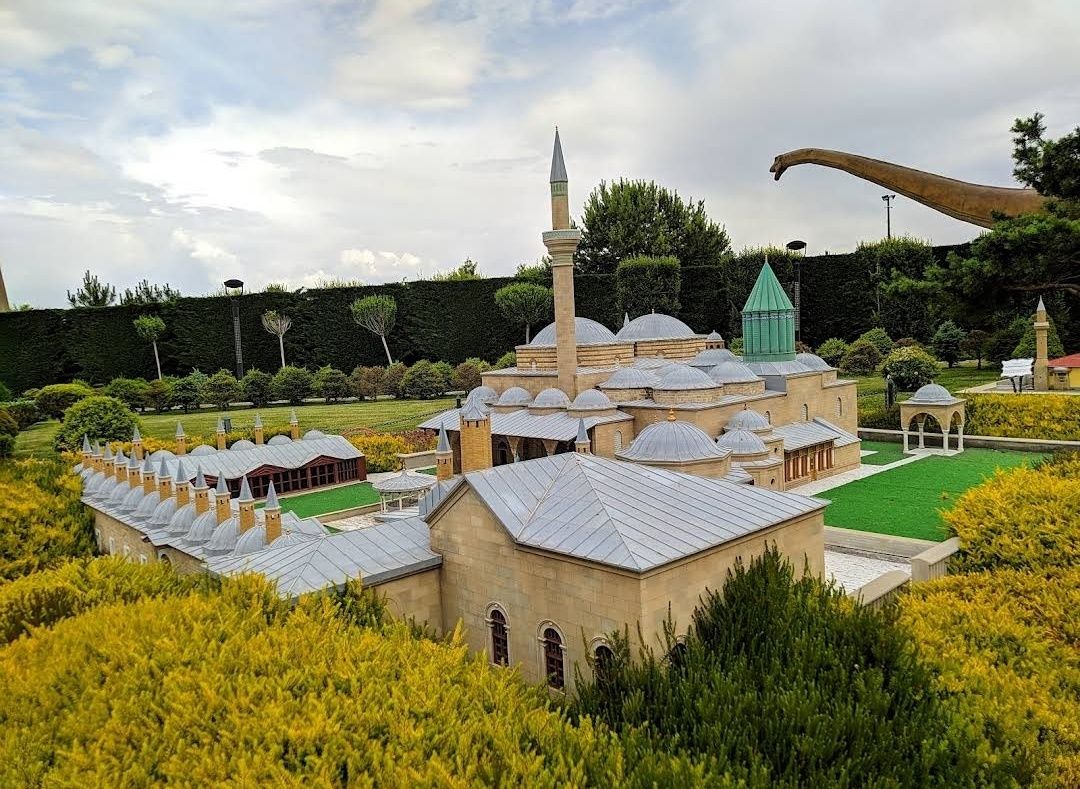
## Description Around the World in 80 Thousands Park, also known as **“80 Binde Devr-i Alem Parkı”** in Turkish, is one of the most fascinating theme parks in Konya, Turkey. What makes this park truly unique is its concept—it allows visitors to travel across the globe without leaving the city. With miniature models of famous landmarks, dinosaurs, and fairy-tale characters, it blends **history, culture, and entertainment** into one unforgettable experience. The park covers an impressive area, showcasing over **120 miniature replicas** of iconic monuments from around the world. From the **Eiffel Tower** to the **Great Wall of China**, from **Taj Mahal** to **Machu Picchu**, visitors get a sense of global travel in just a single day. A little-known fact about the park is that it also features a **dinosaur valley**, where life-sized dinosaur models bring prehistoric times to life. Another hidden gem is the **children’s fairytale section**, where beloved characters like Snow White and the Seven Dwarfs or The Smurfs enchant younger visitors. This combination of world heritage, history, and fantasy makes it enjoyable for all age groups, from kids to adults. ## Location The park is located in **Konya**, a historic city in the **Central Anatolia Region of Turkey**. More specifically, it sits in the **Selçuklu district** of Konya, easily accessible from the city center. For those visiting from outside Konya, the nearest airport is **Konya Airport (KYA)**, which connects to major cities like Istanbul and Ankara. From the city center, the park can be reached by taxi, car rental, or local public transportation. The most convenient way is by **tram or bus** heading towards Selçuklu, as the park is well-signposted and located near other cultural attractions. ### Recommendation for Travelers If you’re coming from Istanbul or Ankara, consider taking the **high-speed train to Konya**, which is both comfortable and time-saving. Once in Konya, you can combine your visit to the park with a trip to the **Mevlana Museum** or **Alaeddin Hill**, both of which are nearby. ## Tips To make the most out of your visit to Around the World in 80 Thousands Park, here are some valuable tips: * **Plan Enough Time**: The park is large and full of attractions. Allocate at least **2–3 hours** to explore it properly. * **Best Time to Visit**: Late afternoon is ideal, especially in summer, as the lighting enhances the beauty of the miniature models. * **Family-Friendly Spot**: The park is particularly suited for families. Kids will love the dinosaur and fairytale sections. * **Bring a Camera**: With so many landmarks in one place, you’ll want to capture plenty of photos. * **Wear Comfortable Shoes**: Since you’ll be walking quite a bit, sneakers or walking shoes are recommended. * **Check Seasonal Events**: Sometimes the park hosts special exhibitions or light shows, so check the local event schedule before going. ## Conclusion Around the World in 80 Thousands Park is not just a theme park—it’s an educational and cultural journey across continents, all within Konya. With its blend of global monuments, prehistoric creatures, and fairy-tale wonders, it promises an unforgettable experience for visitors of all ages. Whether you’re traveling with family or exploring solo, this park is a must-see destination in Turkey. ## FAQ **1. What is Around the World in 80 Thousands Park?** It is a theme park in Konya, Turkey, featuring miniature models of world-famous landmarks, a dinosaur valley, and a fairy-tale section. **2. How much time do I need to visit the park?** On average, visitors spend **2–3 hours** exploring the park, but families with kids may stay longer. **3. Is the park suitable for children?** Yes, it’s very family-friendly. Kids particularly enjoy the dinosaur area and fairy-tale characters. **4. What is the best way to reach the park from Konya city center?** You can take a bus, tram, or taxi to the Selçuklu district. It’s about a **15–20 minute drive** from the center. **5. Are there food and drink facilities inside the park?** Yes, there are small cafes and snack bars inside where you can buy refreshments. **6. Is it open year-round?** Yes, but opening hours may vary depending on the season, so it’s best to check in advance. ## Links * [Park Information](https://gokonya.com/en/around-the-world-in-80-thousand-park)
GemVoyage Team • World
Aswan
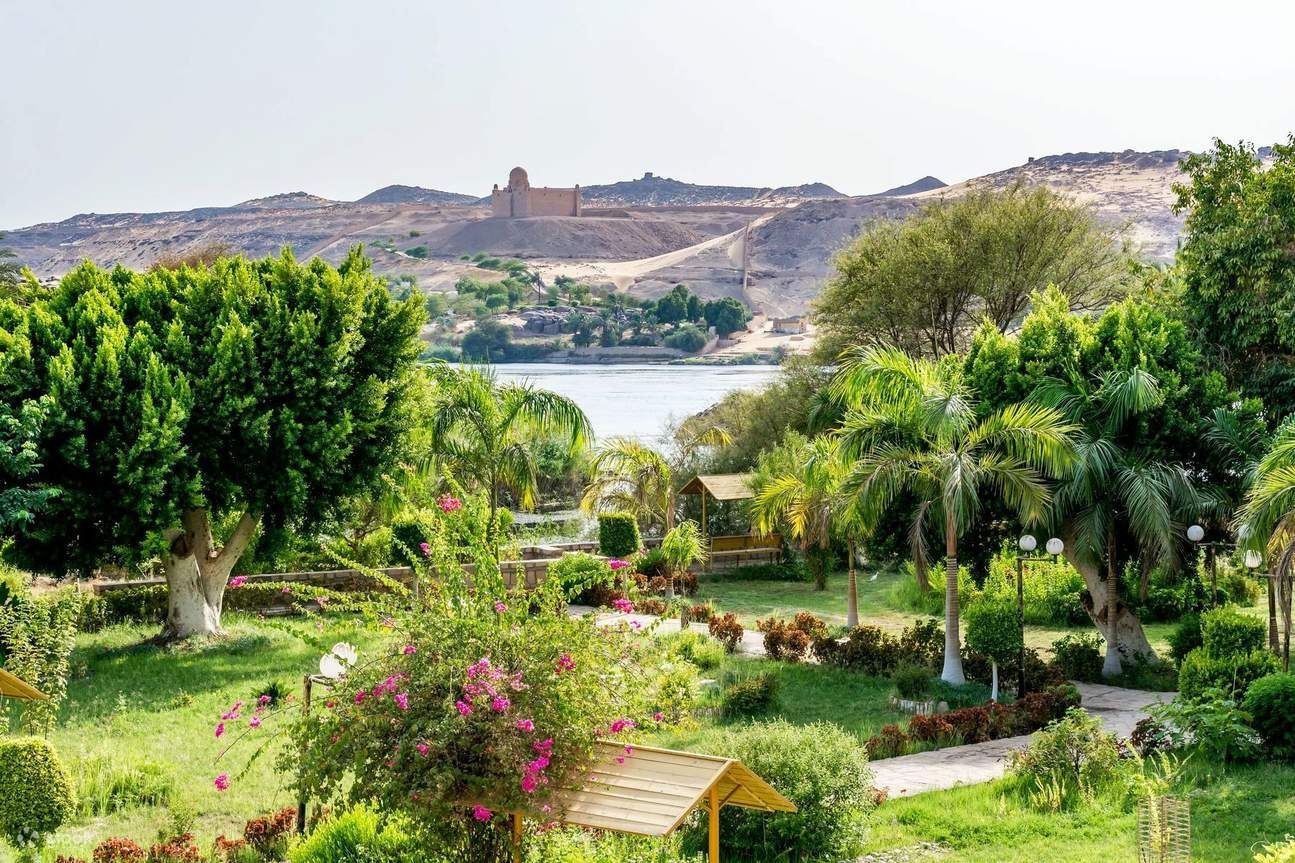
## Description The Aswan Botanical Garden is an unexpectedly verdant refuge on an island in the Nile, offering a cool, contemplative counterpoint to the monumental temples and quarries that dominate Upper Egypt’s tourism landscape. Its charm comes from a careful mix of cultivated plantings, winding pathways, and island vistas: palms, exotic trees, shaded pavilions, and thoughtfully placed seating invite visitors to slow down and enjoy the river breeze. For travelers who have spent mornings at temples and archaeological sites, the garden offers precisely the restorative pause many itineraries lack. Beyond leisure, the garden holds botanical and historical interest. Many plantings were introduced during the nineteenth and early twentieth centuries as part of botanical exchanges, and the site has long been associated with collection and study. The island location amplifies the sense of escape—the short boat journey from Aswan’s riverfront feels intentional and contributes to the visit’s narrative: you leave the bustling riverbank and step into a quieter, greener world. Birdlife, moving water, and the light across the Nile all combine to create a sensory experience that changes throughout the day. ## Location The garden is located on Kitchener’s Island (sometimes referred to historically in guidebooks), a short boat ride from Aswan’s main waterfront. Boat crossings take only a few minutes and are typically arranged through local boat operators, hotels, or Nile tour companies. Because the garden lies close to the city center, it can be combined easily with other Nile-side visits, including the Philae Temple boat ride or a felucca sail. Plan your visit for the morning or late afternoon when temperatures are milder and light is most flattering for photography. Midday in Upper Egypt can be intense, and shade is limited along some paths despite tree cover. ## Tips - Go in the cooler parts of the day—early morning or late afternoon are best for walks and photos. - Bring water, sunscreen, and a hat; shade is available but the sun can still be strong. - Arrange a reliable boat transfer—ask at your hotel or book through a reputable local operator. - Wear comfortable shoes: paths are mostly easy but can be uneven in places. - Combine the garden visit with nearby Nile-side sites to make the crossing feel part of a fuller river day. - Look for framed views through the trees toward the Nile; they make excellent photo opportunities and quiet spots to sit. ## Conclusion The Aswan Botanical Garden is a welcome respite for travelers who want a gentler pace amid an itinerary of temples and island tours. Its island setting, curated plantings, and tranquil riverside atmosphere create an appealing, low-effort stop that rewards slow exploration and quiet observation. ## FAQ ### Why visit a botanical garden in Aswan? It offers a distinctly different experience from archaeological sites: shade, plant variety, birdlife, and a slower pace that complements temple visits. ### How do I get there? Visitors reach the island by a short boat transfer from Aswan’s riverfront; boats are easy to arrange locally and typically take only a few minutes. ### Is it suitable for families? Yes. Wide paths and gentle walking conditions make the garden family-friendly, though bring water and sunscreen for young children. ### How much time should I spend there? One to two hours is usually enough for a relaxed visit; more time is pleasant for photography and lingering breaks. ### What should I bring for the visit? Comfortable shoes, water, hat, and sun protection; a camera and a small notebook are useful for nature observation. ## Links - [Wikipedia](https://en.wikipedia.org/wiki/Aswan_Botanical_Garden)
GemVoyage Team • World

Vigo
## Description The Concatedral – Basílica de Santa María de Vigo is one of the most important religious and historical monuments in the city of Vigo. Standing prominently in the old town area, this Roman Catholic basilica-concatedral serves as a key symbol of the city’s spiritual heritage and architectural evolution. While Vigo is often associated with its port and modern urban life, this church offers a quieter, more reflective window into its past. What makes the Concatedral – Basílica de Santa María unique is its layered history. The current neoclassical structure, completed in the early 19th century, was built on the remains of earlier Gothic churches destroyed during attacks in the late 16th century. Despite its relatively austere exterior, the interior reveals elegant altarpieces, religious artwork, and a serene atmosphere that contrasts with the bustling streets outside. A little-known fact is that the church holds the image of Cristo de la Victoria, Vigo’s most venerated religious figure, honored every August during one of Galicia’s largest religious processions. Another lesser-known detail is that the building holds the status of both a basilica and a co-cathedral, sharing diocesan importance with the Cathedral of Tui. The Concatedral – Basílica de Santa María is not only a place of worship but also a cornerstone of Vigo’s cultural and communal identity. ## Location The Concatedral – Basílica de Santa María is located in **Spain**, in the autonomous community of **Galicia**, within the city of **Vigo**. It stands in the historic Casco Vello (Old Town), near the waterfront and close to Plaza de la Constitución. The church is easily accessible on foot from central Vigo, especially if you are exploring the old town area. Public buses stop nearby, connecting Casco Vello with other parts of the city. Taxis are also readily available and affordable. Visitors arriving by car should be aware that parking in the old town can be limited, so public transport or walking is recommended. ## Tips * Visit during the morning or early afternoon for a quieter and more contemplative experience. * Dress modestly, especially if attending a service or visiting during religious events. * Take time to explore Casco Vello before or after your visit, as the surrounding streets are rich in history. * If visiting in August, check dates for the Cristo de la Victoria procession, one of Vigo’s most important annual events. * Photography is generally allowed, but flash may be restricted during services. * Check mass times if you wish to experience the church as an active place of worship. ## Conclusion The Concatedral – Basílica de Santa María de Vigo is a meaningful blend of faith, history, and architecture. As both a spiritual center and a historic landmark, it offers visitors a deeper understanding of Vigo beyond its modern image and coastal setting. ## FAQ **Why is it called a co-cathedral?** It shares cathedral status with the Cathedral of Tui within the same diocese, making it a co-cathedral. **Is there an entrance fee?** No, entrance is generally free, though donations are appreciated. **Can tourists visit during mass?** Yes, visitors are welcome, but should remain respectful and quiet during services. **How long does a visit take?** Most visits last between 20 and 40 minutes, depending on interest. **Is the church accessible for people with limited mobility?** Accessibility is limited due to the historic structure, but the main entrance is generally manageable. ## Links * [Diocese of Tui-Vigo Official Website](https://www.diocesetuivigo.org) * [Turismo de Vigo](https://www.turismodevigo.org)
GemVoyage Team • World
Varėna
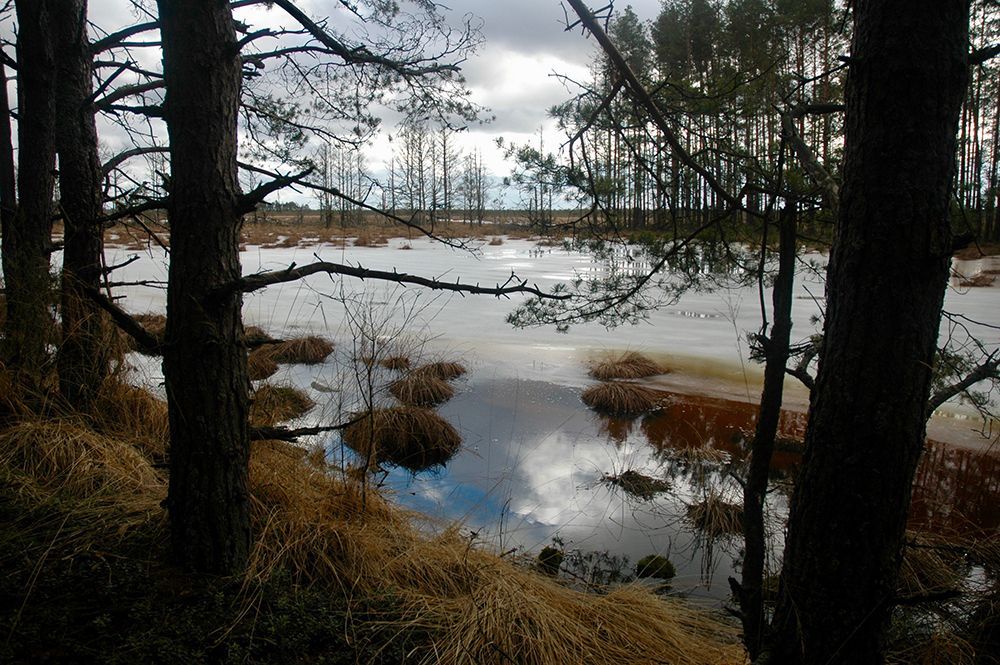
## Description Čepkeliai Raised Bog is among Lithuania’s most important peatland reserves, an expansive raised bog that feels at once remote and intimate. Its surface is a subtle patchwork of sphagnum hummocks, shallow pools, and scattered stunted pines; that patterning creates a fragile, otherworldly landscape that changes color and mood with the light. For naturalists and quiet travelers the bog offers a concentration of specialized habitats where rare mosses, sedges, and lichens flourish alongside insect life and bird species adapted to waterlogged peat. Beyond its visible beauty, Čepkeliai is scientifically invaluable. The peat layers here have accumulated over millennia, trapping pollen, seeds, and macrofossils that give researchers a continuous record of past vegetation and climate. That archive helps reconstruct regional environmental history and informs conservation decisions today. The bog’s intact hydrology—its network of raised surfaces and water-filled hollows—supports unique ecological processes, from specialized plant communities to breeding cycles for rare birds. Although the terrain looks invitingly wild, it’s also extremely fragile. Walking off designated paths can crush sphagnum carpets and disturb microhabitats that take decades to recover. To balance access with protection, visitation in Čepkeliai is carefully managed: boardwalks, observation platforms, and tightly controlled trails concentrate human presence on durable surfaces and minimize harm. This measured approach preserves the bog’s ecological integrity while still allowing people to experience its unusual beauty and quiet drama. For photographers, botanists, and birdwatchers the bog offers intimate encounters with species and textures rarely seen outside specialized reserves. In spring and summer, sunlit pools mirror cloudscapes and dragonflies patrol the grassy margins. Autumn brings a palette of muted reds, golds, and moss greens; winter covers the place in a hush of snow and ice that highlights the bog’s sculptural shapes. Guided walks—often led by local naturalists—are invaluable for understanding the subtle signs of bog life and the reasons for strict protection. ## Location Čepkeliai Bog is located in southern Lithuania, near the town of Varėna in Alytus County, within the larger Dzūkija region. It sits in a sparsely populated, forested landscape that reinforces the sense of remoteness. The reserve forms part of Lithuania’s system of protected areas and is managed to conserve both its natural features and the scientific information contained within its peat layers. How to get there: the most practical route for independent travelers is to drive from Varėna, following local roads into the reserve’s access points. Some conservation organizations and local guides run organized excursions from Varėna and nearby towns; these are often the best option if you don’t have a car. Public transport options are limited and may require additional local transfers and walking; if you rely on buses, plan carefully and allow extra time. In many cases, visiting with an experienced guide not only eases logistics but also improves the interpretive experience—guides can point out rare species and explain the bog’s geological story. ## Tips - Stay on boardwalks, platforms, and marked trails—stepping onto soft peat damages the vegetation and disrupts hydrology. - Wear waterproof, sturdy footwear; some approaches are muddy even in summer, and the boardwalks can be damp. - Bring binoculars and a field guide (plants, birds, insects) to make the most of wildlife spotting opportunities. - Visit in the early morning or late afternoon for the best light and more active bird life; midday can be quieter for wildlife. - Book guided walks where available—local guides provide historical and ecological context and reduce your impact. - Respect seasonal closures and nesting zones; some areas close during bird breeding seasons to protect sensitive species. - Travel light and pack out any litter; even biodegradable waste can alter nutrient cycles in peat ecosystems. ## Conclusion Čepkeliai Raised Bog rewards visitors who slow down and look closely. It is a living archive and sanctuary where the physical landscape—peat layers, patterned pools, and sphagnum carpets—holds stories of centuries of changing vegetation and climate. Visiting responsibly, on boardwalks and under guidance, reveals a quiet world of specialized life and an ecological history that connects modern conservation to deep time. ## FAQ Q: Can I walk freely in the bog? A: No. To protect delicate peat and the species that depend on it, walking is restricted to boardwalks and designated trails. Off-trail access is prohibited in many areas. Q: Are guided tours available? A: Yes. Organized guided nature walks are often offered by conservation groups or local guides; they improve the experience and reduce ecological impact. Q: When is the best time to visit for wildlife viewing? A: Spring and early summer are excellent for bird activity and insect life; early morning and late afternoon offer better sightings and softer light for photography. Q: Is the bog safe for solo visitors? A: The area is generally safe, but the remoteness and fragile terrain mean solo visits are best for experienced, well-prepared hikers; joining a guided walk is recommended for most visitors. Q: Can I take photographs or drones in the reserve? A: Photography from boardwalks and platforms is usually permitted; drones are commonly restricted to prevent disturbance—check reserve rules in advance. Q: Are there facilities nearby? A: Facilities are limited; plan for basic needs (water, layers, footwear) and expect minimal infrastructure near the main access points. ## Links - [Čepkeliai (Wikipedia)](https://en.wikipedia.org/wiki/%C4%8Cepkeliai)
GemVoyage Team • World

Tokyo
## Description Golden Gai is one of Tokyo's most distinctive nightlife districts, known for its narrow lanes, compact buildings, and dozens of tiny bars packed into a remarkably small area. What makes it special is not simply the number of bars, but the intimacy of the environment. Instead of large venues and loud commercial chains, visitors find one-room or nearly one-room spaces where the atmosphere is personal, varied, and often highly curated by the owner. The whole district feels like a living archive of postwar Tokyo nightlife, preserved in a way that modern redevelopment has not fully erased. Many of the bars have their own themes, regulars, and house rules, which means the experience can change dramatically from one doorway to the next. That unpredictability is part of the appeal. A less widely known fact is that Golden Gai survived repeated pressure from urban redevelopment because its character became too culturally valuable to replace easily. Another interesting detail is that it is as much a social district as a drinking district; for many visitors, the point is to step into Tokyo's small-scale urban culture rather than simply to have a night out. ## Location Golden Gai is in Shinjuku, one of Tokyo's busiest commercial districts in Japan. It sits near the heart of the entertainment area and is easy to reach from Shinjuku Station, one of the city's main transportation hubs. The neighborhood's location makes it especially convenient for travelers staying in central Tokyo, since you can reach it by train, walk to it from nearby hotels, and continue elsewhere in the city afterward. Because the area is small and dense, the best approach is to arrive on foot after taking transit to Shinjuku. That lets you enjoy the contrast between the huge station area and the tighter lanes of Golden Gai. Evening is the natural time to go, although the district comes alive at different speeds depending on the day and the season. ## Tips - Start with one or two bars rather than trying to see everything, because the district rewards quality over quantity. - Check whether a bar has a cover charge or membership policy before entering. - Be respectful of the small spaces and the local regulars, since many bars have a strong neighborhood culture. - Bring cash, because some smaller establishments may prefer it over cards. - If you are shy, choose a bar with an easier-looking entry style or a visible English menu. - Pair Golden Gai with other Shinjuku sights so the evening feels like a full district experience. ## Conclusion Golden Gai is one of the best places in Tokyo to experience a compact, intimate version of the city's nightlife. Its charm comes from personality, density, and history, not spectacle, which is exactly why it leaves such a strong impression. ## FAQ ### Is Golden Gai only for drinking? Mostly, yes, but the experience is broader than drinking alone. Many visitors go to appreciate the atmosphere, architecture, and social energy of the district. Even if you only stop in briefly, you are getting a glimpse into a very specific side of Tokyo's urban culture. ### Is Golden Gai expensive? It can be, especially compared with everyday bars elsewhere in Tokyo. Small spaces, cover charges, and themed bars often create a premium experience. That said, costs vary a lot from one place to the next, so it is possible to keep the visit modest if you are selective. ### Do I need to speak Japanese? Not necessarily. Some bars are welcoming to international visitors, while others are more local in feel. Basic courtesy goes a long way, and a little patience helps. If you want an easier entry, look for venues that visibly welcome newcomers. ### What is the best time to go? Early evening is usually best if you want to avoid the busiest crowd peaks and have time to choose a bar calmly. Later at night can be lively, but the narrow lanes may feel crowded. Your ideal time depends on whether you prefer atmosphere or ease of movement. ### Can I visit Golden Gai without staying long? Yes, and that is common. Some people drop in for a single drink, a brief look around, or a photo walk. Even a short visit can feel meaningful because the district's character is so concentrated. You do not need a long itinerary to appreciate it. ## Links - [Wikipedia](https://en.wikipedia.org/wiki/Golden_Gai)
GemVoyage Team • World
Umbria
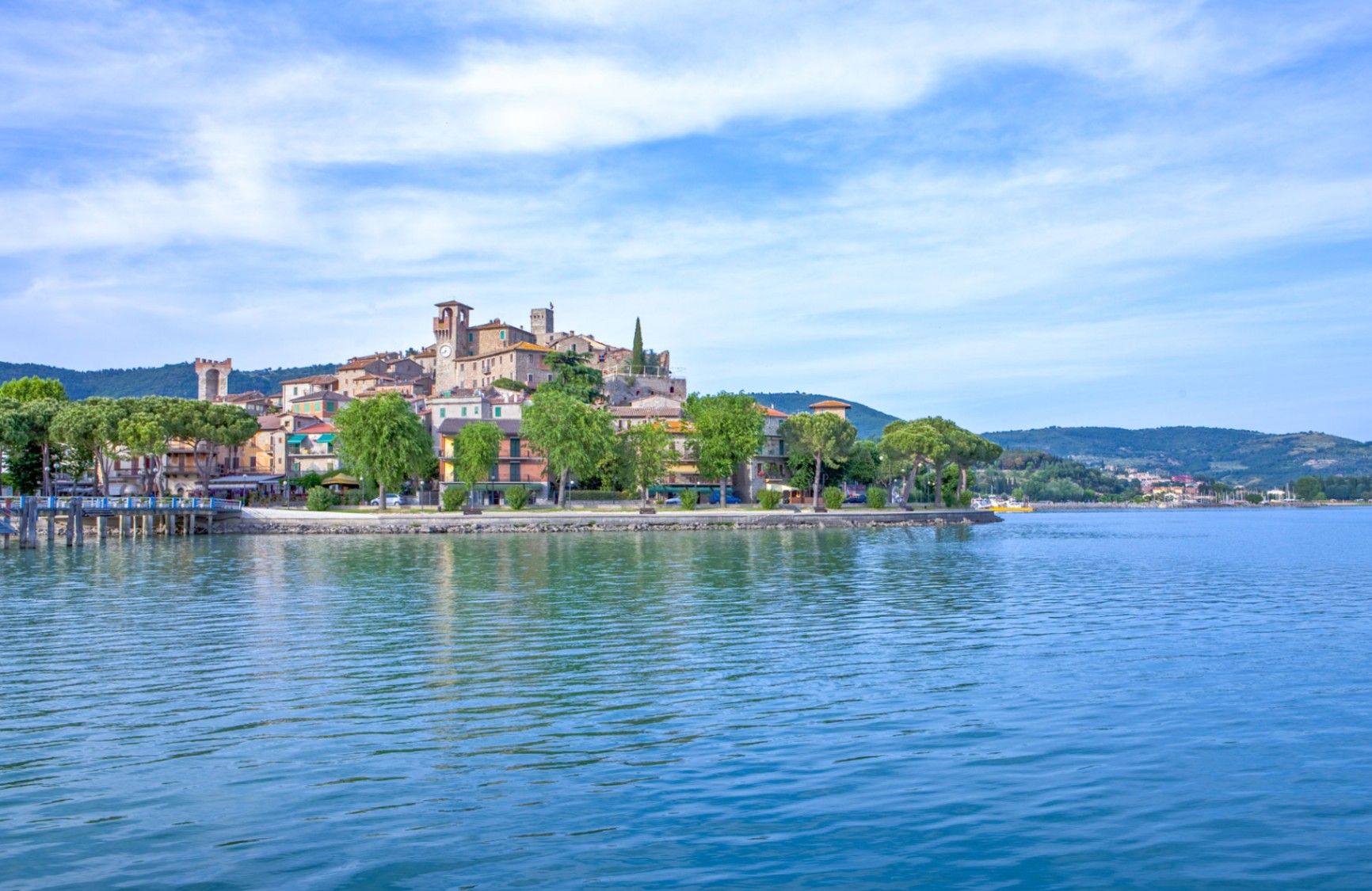
## Description **Lago Trasimeno** is one of Italy’s largest lakes and among its most understated. Unlike the dramatic alpine lakes of the north, Lago Trasimeno is defined by **breadth rather than depth**, calm waters, and a landscape shaped by agriculture, small towns, and slow rhythms. It is a place where nature, history, and everyday Umbrian life coexist without spectacle. The lake is shallow—its average depth is only a few meters—which gives it a distinctive character. Water levels fluctuate noticeably with the seasons, creating wetlands that attract migratory birds and sustain a delicate ecosystem. This makes Lago Trasimeno an important **natural reserve**, particularly for birdwatchers and ecologists. The surrounding reeds, olive groves, and rolling hills contribute to a serene atmosphere that feels far removed from mass tourism. Historically, the lake is best known as the site of the **Battle of Lake Trasimene (217 BCE)**, one of Hannibal’s greatest victories against the Roman Republic during the Second Punic War. Roman legions were ambushed along the lakeshore, making the area one of the most strategically significant ancient battlefields in Italy. A lesser-known fact is that remnants of Roman roads and settlements still lie scattered around the basin, largely unmarked and integrated into the modern landscape. Another overlooked detail is that the lake supports **three inhabited islands**, each with a distinct identity, rather than serving purely as a scenic backdrop. Today, Lago Trasimeno remains deliberately low-key. Fishing villages, medieval towns, cycling paths, and ferry crossings define the experience. It is a destination that rewards patience and curiosity rather than tight itineraries. ## Location **Country:** Italy **Region:** Umbria **Province:** Province of Perugia **Nearby City:** Perugia Lago Trasimeno lies west of Perugia, close to the border with Tuscany, making it a natural crossroads between central Italy’s cultural regions. ### How to Get There * **By train:** * Regional trains run along the northern shore of the lake, stopping at towns such as Passignano sul Trasimeno and Castiglione del Lago. * **By car:** * Easily accessible via regional roads from Perugia, Cortona, or Arezzo. A car is the most flexible option for exploring the lakeside. * **By bus:** * Local buses connect Perugia to towns around the lake, though schedules are limited. * **By bicycle:** * Popular with cyclists, with relatively flat routes and scenic views. ## Tips * **Explore multiple towns:** Each lakeside town has a different character; do not limit yourself to one stop. * **Take a ferry:** Boat trips to the islands offer a different perspective of the lake. * **Visit in spring or early autumn:** Mild weather and fewer crowds enhance the experience. * **Rent a bike:** The flat terrain makes cycling particularly enjoyable. * **Manage expectations:** This is not a swimming-focused lake; its appeal lies elsewhere. * **Stay overnight:** Sunset and early morning reveal the lake at its most atmospheric. ## Conclusion Lago Trasimeno is a place of quiet depth rather than visual drama. Rooted in ancient history and shaped by nature and rural life, it offers an authentic Umbrian experience for visitors who value calm landscapes, local culture, and unhurried exploration. ## FAQ **1. Is Lago Trasimeno good for swimming?** Swimming is possible in designated areas, but the lake is better suited to boating and relaxation. **2. How many islands are on the lake?** There are three inhabited islands: Isola Maggiore, Isola Minore, and Isola Polvese. **3. How much time should I plan for a visit?** At least **one full day**, more if exploring towns or cycling. **4. Is the lake suitable for families?** Yes, especially for gentle outdoor activities and relaxed travel. **5. Can you visit without a car?** Yes, but a car provides greater flexibility. **6. Is Lago Trasimeno crowded?** Compared to other Italian lakes, it remains relatively uncrowded year-round. ## Links * [Umbria official tourism site](https://www.umbriatourism.it)
GemVoyage Team • World


Comments