GemVoyage Team • World
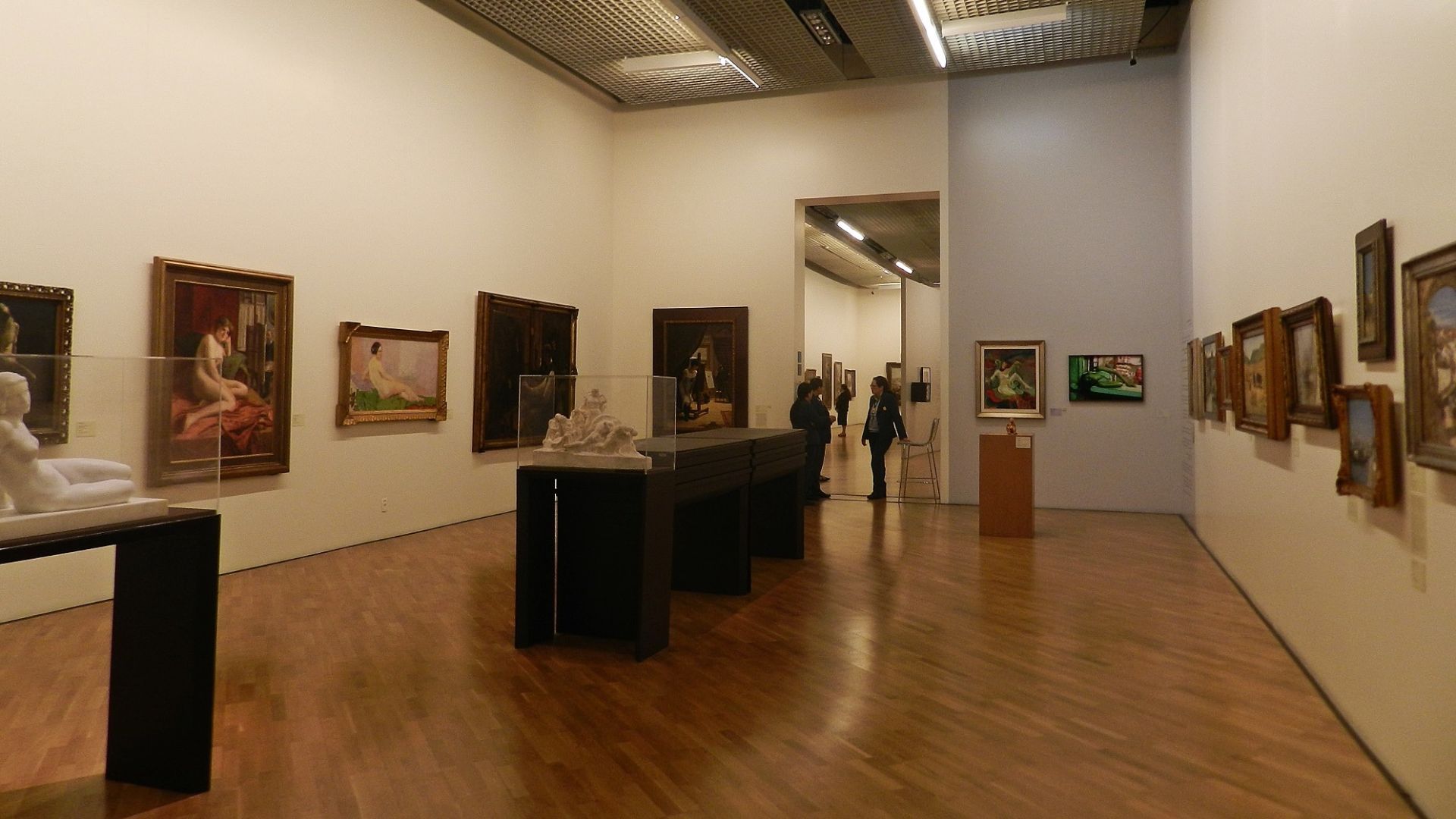
The museum’s strength lies in how it balances scale and intimacy. You can encounter major works from Brazilian art history, yet the overall visit still feels navigable and human-sized. The building itself also contributes to the experience, with restored spaces that create a strong sense of continuity between old and new São Paulo. One little-known fact is that the museum occupies one of the city’s most recognizable historic structures, which gives the collection a powerful architectural frame. Another is that the museum’s location near Luz places it in a district shaped by rail history, urban transformation, and cultural reinvention.
For travelers, the Pinacoteca is especially rewarding because it helps decode São Paulo’s broader cultural identity. The city is often described through business, scale, and speed, but the museum reveals another side: artistic ambition, historical memory, and deep engagement with Brazilian visual culture. You can spend time with painting, sculpture, and installation works, then step back into the urban landscape with a much richer understanding of the city.
The museum is also a good choice for visitors who like structure. Unlike some larger institutions that can feel overwhelming, the Pinacoteca encourages a thoughtful pace. You can move through the galleries at a measured speed, pause where something catches your eye, and still feel that you have had a full and substantial experience. For many people, it becomes one of the most memorable stops in São Paulo because it offers clarity, beauty, and context in equal measure.
The easiest way to get there is by metro or taxi/rideshare. Luz station is the most convenient reference point, and arriving by public transport helps avoid some of the congestion and parking complexity of central São Paulo. Because the area has a busy urban character, it is wise to plan your route in advance and keep your visit focused on museum hours and nearby movement.
If possible, avoid arriving in a rush. The museum deserves an unhurried approach, and the surrounding district is best experienced with enough time to orient yourself before entering.
Discover more hidden gems you might love.
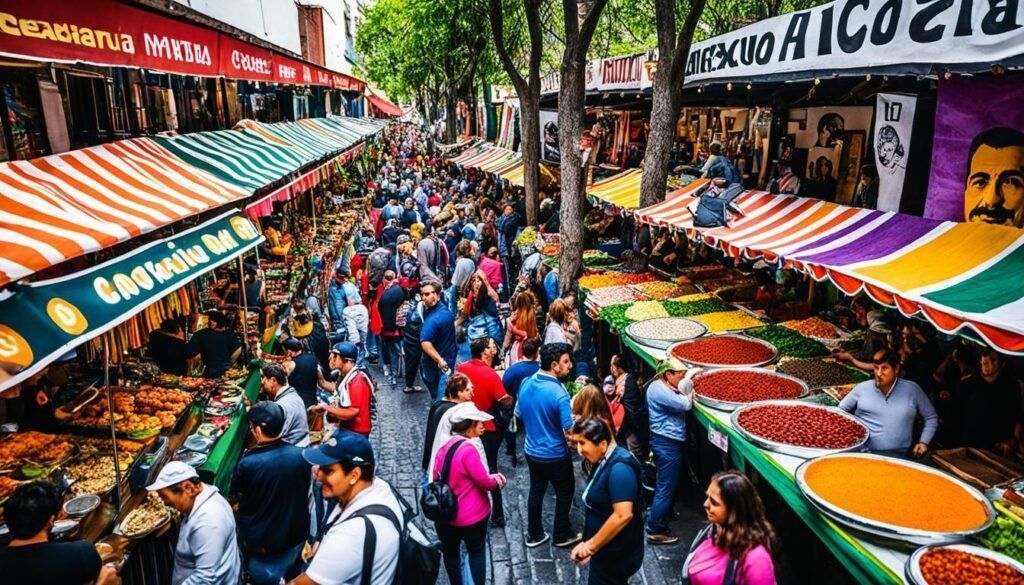
Mexico City
## Description The Coyoacán Market is one of the most atmospheric places in Mexico City for experiencing neighborhood life, local food, and a strong sense of cultural identity. Located in the historic district of Coyoacán, the market is more than a place to buy ingredients or snacks. It is a lively social space where residents, visitors, and vendors interact in a setting that feels deeply rooted in daily life. What makes the market stand out is the combination of color, aroma, and pace. You can move between stalls offering traditional food, produce, sweets, crafts, and everyday goods while hearing the sounds of bargaining and conversation around you. The experience is lively but not sterile, and that makes it especially appealing for travelers who want to feel the city rather than simply observe it. One lesser-known fact is that Coyoacán itself has long had a strong artistic and intellectual identity, which gives the market a broader cultural backdrop than many food markets. Another is that some visitors come for classic Mexican street food and stay because the market also acts as a gateway to the district's broader historic center, where plazas, museums, and cafes are all close by. That makes it easy to turn a market stop into a full neighborhood visit. The food is the heart of the experience. You will usually find tacos, antojitos, fresh juices, sweets, and regional specialties that reflect the diversity of Mexico's culinary traditions. For many travelers, the market becomes one of the most memorable meals of the trip because the setting feels unfiltered and alive. There is a practical pleasure in eating where locals eat and seeing how food organizes everyday routines. The market also works well as a cultural snapshot. It is not just about buying something; it is about watching the choreography of vendors, families, and visitors moving through a shared space. That social energy is what gives the market its depth. Even if you spend only an hour there, you leave with a better understanding of the neighborhood's texture. If you are exploring Mexico City and want a place that combines food, atmosphere, and local identity, Coyoacán Market is an excellent stop. It is energetic without being overwhelming and grounded in a neighborhood that already feels rich with history. ## Location The Coyoacán Market is located in the Coyoacán district of southern Mexico City, Mexico, near the historic center and other local attractions. The easiest way to get there is by taxi, ride-hailing service, or public transit followed by a short walk. Because Coyoacán is a popular destination, weekend visits can be busy, so timing matters if you want a smoother experience. ## Tips Go hungry. The market is one of the best places in the area to sample local food. Carry small bills and some cash, as many vendors may prefer it for quick purchases. Visit earlier in the day for a fresher, less crowded experience. Explore beyond the market itself and spend time in the surrounding Coyoacán streets and plazas. If you are trying several foods, share dishes with companions so you can taste more without overdoing it. Be prepared for crowds, especially on weekends and holidays. ## Conclusion Coyoacán Market is a lively and flavorful introduction to one of Mexico City's most characterful districts, blending food, local commerce, and neighborhood culture in one place. ## FAQ ### What can I buy at Coyoacán Market? You can find food, produce, sweets, crafts, and everyday household items. ### Is it mainly for tourists? No, it remains a real neighborhood market used by locals as well as visitors. ### What food should I try there? Traditional tacos, antojitos, fresh juices, sweets, and regional snacks are good starting points. ### Is the market close to other attractions? Yes, it is well placed for combining with the rest of Coyoacán's historic center. ## Links - [Coyoacán](https://en.wikipedia.org/wiki/Coyoac%C3%A1n) - [Mexico City](https://en.wikipedia.org/wiki/Mexico_City) - [Mexico City tourism](https://mexicocity.cdmx.gob.mx/)
GemVoyage Team • World
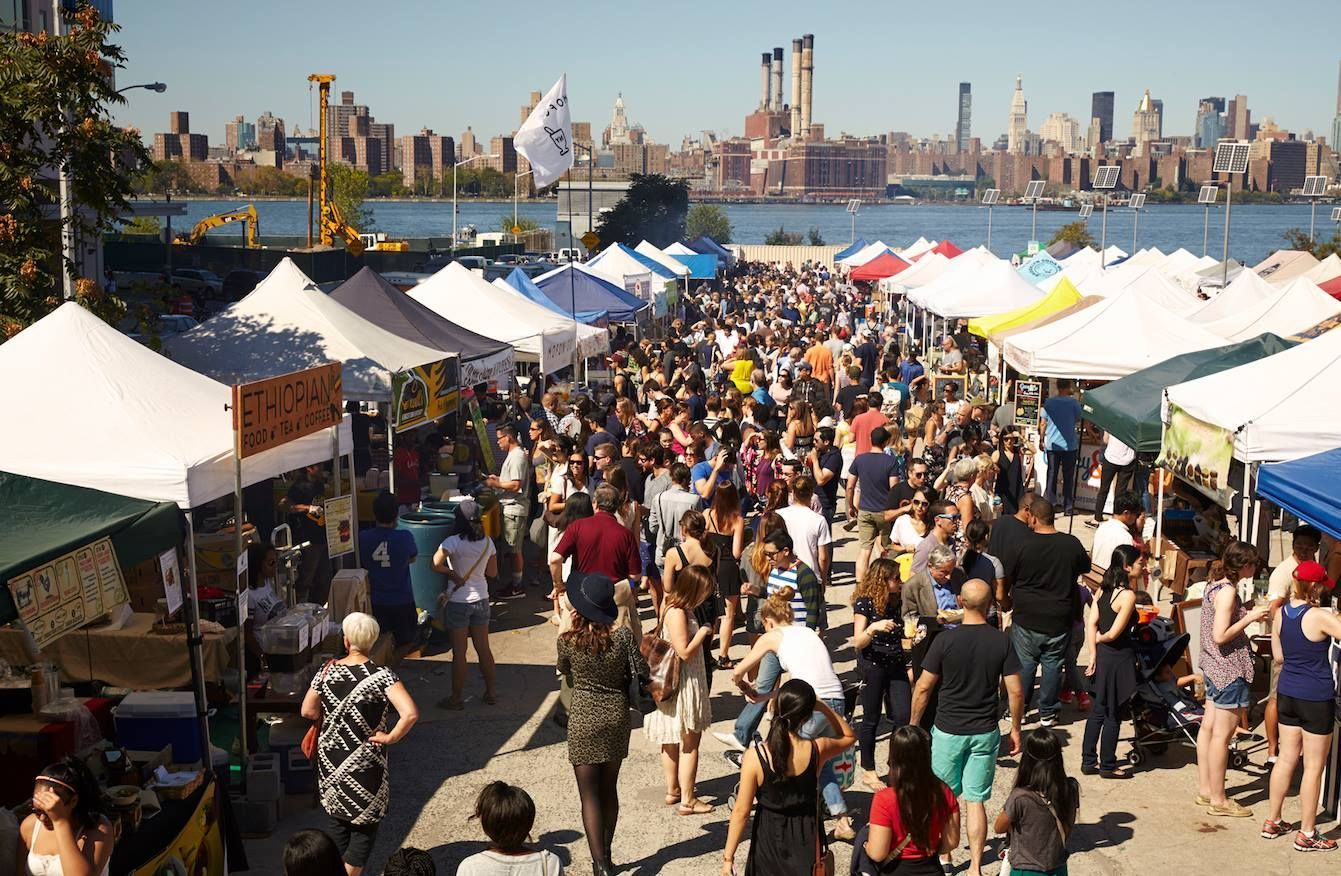
New York
## Description Smorgasburg Market in Williamsburg is one of New York’s most recognizable food experiences because it captures a very specific side of the city: creative, crowded, constantly changing, and deeply local at the same time. It is not a conventional market with a fixed identity and a small set of vendors. Instead, it is a living food scene where dozens of independent sellers come together to present dishes that can feel playful, experimental, nostalgic, or highly specialized. For many visitors, this is the place where New York’s food culture becomes visible in one afternoon. What makes Smorgasburg especially appealing is the combination of scale and variety. You can move from one stall to another and find food from very different traditions, all within a single open-air setting. That makes it attractive for groups with mixed tastes, because one person can go for dumplings, another for seafood, another for dessert, and everyone still shares the same experience. The market is also a strong reflection of Brooklyn’s creative economy. Many vendors use Smorgasburg as a launchpad, which means the market often feels like a testing ground for the next big neighborhood food obsession. Another reason the market stands out is that it offers more than eating. It is a social scene. People come to sit outdoors, talk, take photos, and enjoy the atmosphere around Williamsburg. The setting helps: you are near the waterfront, in a neighborhood associated with design, nightlife, and independent businesses. That context gives Smorgasburg a sense of place that is more specific than a typical city food hall. It feels rooted in Brooklyn rather than simply placed there for tourists. A little-known fact is that Smorgasburg has played an important role in helping local food entrepreneurs gain visibility. For some vendors, it has been a stepping stone to permanent restaurants, broader recognition, or new business ideas. Another is that the market’s popularity has made it influential well beyond New York, because it helped define a modern style of outdoor, vendor-driven food gathering that other cities later tried to imitate. The best way to experience Smorgasburg is to arrive hungry but not rushed. The market rewards wandering, comparing options, and trying a few things rather than committing to one huge meal. It is especially fun when you treat it like a sampling journey, with enough time to notice the atmosphere, the people, and the setting around the food. That mix of appetite and curiosity is what makes the experience memorable. It also helps to think of Smorgasburg as a snapshot of Brooklyn’s changing food identity. The vendors are not simply selling dishes; they are participating in a scene that reflects neighborhood tastes, immigrant influences, and the city’s constant appetite for reinvention. That means the market can feel different from one season to the next, with new specialties, new presentation styles, and new crowd energy each time you visit. If you like places that feel current without being manufactured, this is one of the strongest examples in New York. ## Location Smorgasburg Market (Williamsburg) is in Brooklyn, New York, in the Williamsburg neighborhood. The waterfront setting is one of the market’s major appeals, and it places you within reach of other Brooklyn attractions, bars, cafés, and walking routes. The easiest way to get there is by subway, followed by a short walk. Williamsburg is well connected to Manhattan and other parts of Brooklyn, so visitors usually do not need a car. If you are already exploring Brooklyn, the market can fit naturally into a day spent along the waterfront or around nearby streets full of restaurants and shops. Because the area is popular, it is smart to allow extra time for transit and walking, especially on weekends. If you want to combine the market with sightseeing, plan it as part of a broader Williamsburg visit rather than a standalone errand. That lets you enjoy the neighborhood’s street life before or after the market itself. ## Tips Go with cashless payment options ready, but also check whether some vendors prefer specific methods. New York markets usually move quickly, and having your payment setup sorted saves time. Come early if you want the widest selection and a less crowded atmosphere. Later in the day can be fun too, but lines often grow and popular stalls can sell out. Bring a friend or go with a group if possible. Sharing dishes is one of the best ways to experience the range of food without filling up too quickly. Dress for the weather. Since this is an outdoor market, comfort matters more than style, especially if you plan to walk around Williamsburg afterward. ## Conclusion Smorgasburg Market in Williamsburg is one of New York’s most lively and representative food experiences. It combines neighborhood energy, culinary creativity, and outdoor social life in a way that feels distinctively Brooklyn. ## FAQ **What is Smorgasburg known for?** It is known for its large outdoor food market, rotating vendors, and wide range of creative dishes. **Is it worth visiting if I only have one day in New York?** Yes, especially if you want a taste of contemporary Brooklyn food culture. **How long should I stay?** Most visitors spend one to three hours, depending on how much they want to eat and explore. **Is it family-friendly?** Yes. It is a casual outdoor food market that works well for groups and families. **What is the best time to go?** Earlier in the day is usually better for shorter lines and more vendor choice. ## Links - [Official website](https://www.smorgasburg.com/) - [Wikipedia](https://en.wikipedia.org/wiki/Smorgasburg)
GemVoyage Team • World
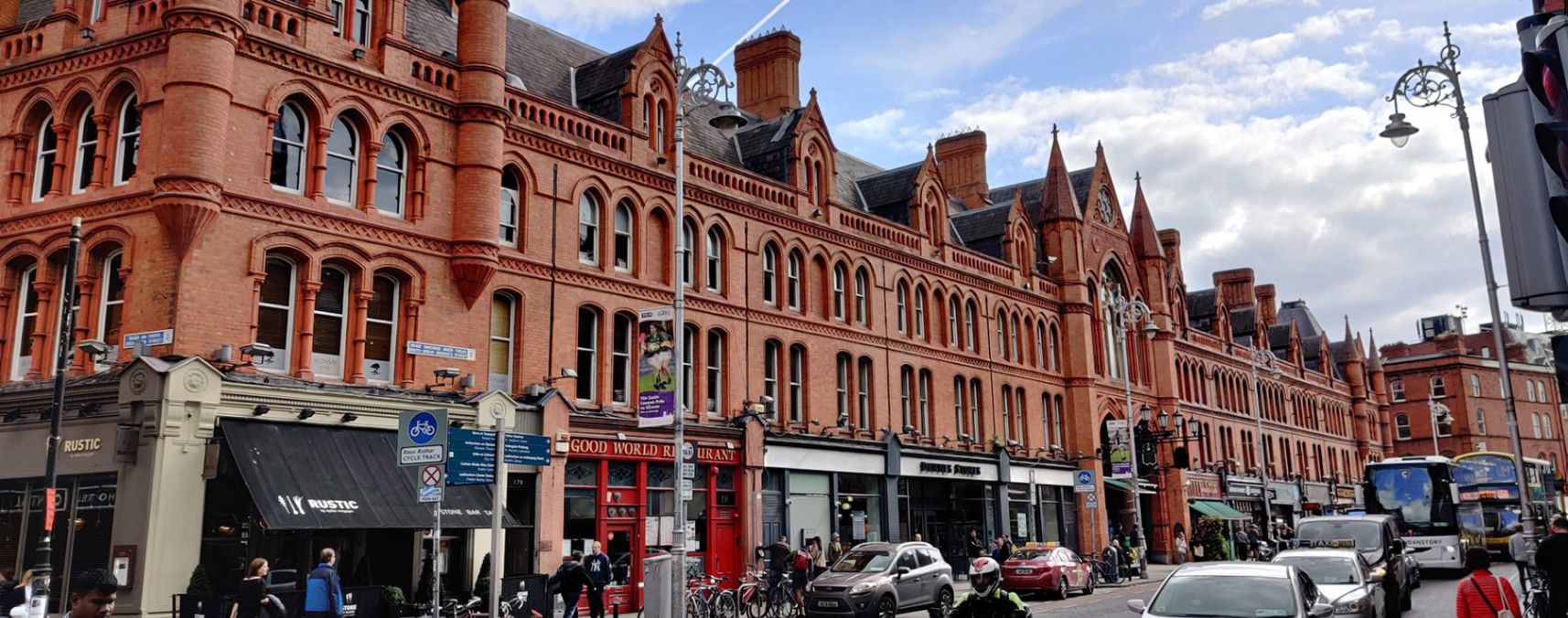
Dublin
## Description **George’s Street Arcade (Stiúrtha Shráid Sheoirse)** is one of **Dublin’s oldest and most beloved shopping destinations**, offering a delightful blend of history, culture, and creativity. Opened in **1881**, it is one of the earliest purpose-built shopping arcades in Europe and remains a vibrant hub for both locals and visitors. Housed within a beautifully restored **Victorian red-brick structure**, the arcade features high wrought-iron arches, decorative glass roofing, and an atmosphere that blends the old with the contemporary. Inside, the narrow aisles are lined with an eclectic mix of independent stalls and boutique shops selling everything from vintage clothing and handmade jewelry to records, art, books, and collectibles. Street food vendors and cafés add delicious aromas to the air, making the experience as sensory as it is cultural. What makes George’s Street Arcade unique is its **authentic local character**—unlike chain-filled shopping centers, this market has remained fiercely independent for more than a century. It survived a major fire in 1892 and was rebuilt within two years, preserving its original charm. Another lesser-known fact is that the arcade was designed by English architects Lockwood & Mawson, the same team behind the iconic City Hall in Bradford, England. ## Location George’s Street Arcade is located in the heart of **Dublin City Centre**, **Ireland**, on **South Great George’s Street**, between Dame Street and Drury Street. Its central position places it just a few minutes’ walk from popular landmarks such as **Grafton Street**, **Trinity College**, and **Temple Bar**. To get there: * **On foot:** If you’re already exploring the city center, the arcade is within easy walking distance of most attractions. * **By public transport:** Take the **Luas Green Line** to the St. Stephen’s Green stop, or use Dublin Bus routes that pass through Dame Street or Aungier Street. * **By car:** Parking is available at nearby car parks such as Drury Street Car Park, though walking or public transport is recommended due to limited city parking. ## Tips * **Visit in the morning or early afternoon:** Crowds are smaller, and shop owners often have time to chat and share stories about their wares. * **Bring cash:** While many stalls accept cards, some smaller traders prefer cash for quick transactions. * **Try local snacks:** Sample treats from the market cafés — popular picks include crepes, pastries, or locally roasted coffee. * **Look for vintage and handmade goods:** The arcade is known for its one-of-a-kind finds, especially clothing, vinyl, and jewelry. * **Photography tip:** The interior’s glass roof and iron arches make for stunning photos, especially when sunlight filters through the skylights. * **Explore nearby:** After your visit, stroll along South William Street or George’s Street for more indie boutiques, pubs, and street art. ## Conclusion **George’s Street Arcade** is a living piece of Dublin’s history — a place where Victorian architecture meets contemporary creativity. Whether you’re shopping for a unique souvenir, enjoying local food, or simply soaking in the lively ambiance, this market captures the essence of Dublin’s independent spirit. It’s not just a shopping destination; it’s an experience that connects the city’s past with its ever-evolving present. ## FAQ **1. When was George’s Street Arcade built?** It was originally opened in 1881 and rebuilt in 1894 after a devastating fire. **2. What can I buy there?** The arcade offers handmade crafts, vintage fashion, jewelry, books, vinyl records, art, souvenirs, and local food. **3. Is there an entrance fee?** No, entry to the arcade is free for all visitors. **4. What are the opening hours?** Typically open **Monday to Saturday from 9:30 a.m. to 6:00 p.m.** and **Sunday from 12:00 p.m. to 6:00 p.m.**, though hours can vary slightly by shop. **5. Can I find local Irish products?** Yes — many vendors sell handcrafted Irish goods, from Celtic jewelry and wool accessories to local artwork and artisan foods. **6. Is it wheelchair accessible?** Yes, the main entrances and interior walkways are accessible, though some smaller stalls may have tight spaces. ## Links * [Official George’s Street Arcade Website](https://www.georgesstreetarcade.ie) * [Visit Dublin – George’s Street Arcade](https://www.visitdublin.com)
GemVoyage Team • World
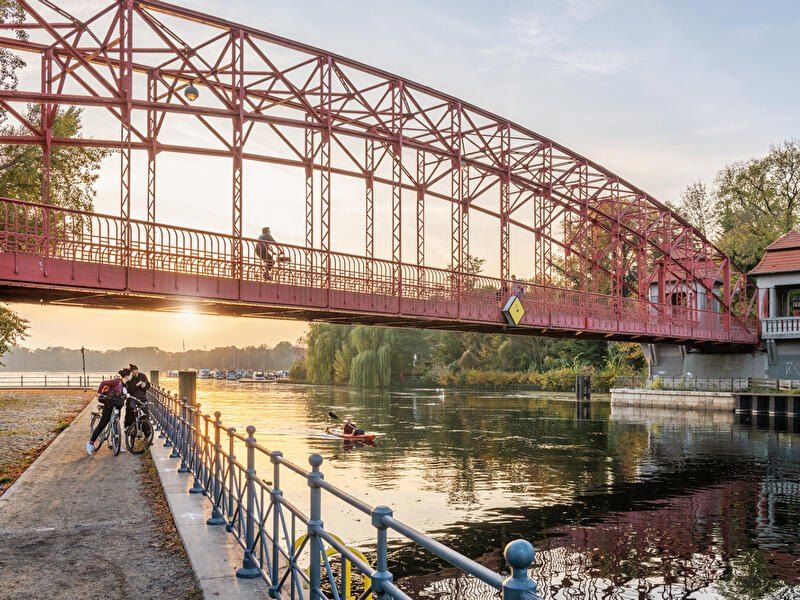
Berlin
## Description **Tegeler See** is one of Berlin’s largest and most beloved lakes, offering a rare combination of **deep forest landscapes, wide open water, historic promenades, and recreational freedom** within a major European capital. Unlike the carefully curated parks of central Berlin, Tegeler See feels **expansive, natural, and quietly powerful**, a place where the city dissolves into wind, water, and tree canopy. The lake stretches across the northern edge of Berlin and forms part of a much larger **interconnected water system** linking rivers, canals, and smaller lakes. Its shoreline alternates between **elegant promenades, dense woodland, sandy bathing areas, hidden coves, and small harbors**, giving every section a distinct character. On one walk you might pass joggers and cyclists near cafés, and moments later find yourself alone on a forested shoreline with only birds and passing sailboats for company. What makes Tegeler See especially unique is its **scale and visual openness**. The lake is wide enough to feel almost coastal in certain sections. Wind patterns shape large ripples across the surface, and on clear days the sky reflects endlessly into the water. Sailboats, paddleboards, kayaks, ferries, and swimmers all share the same space, creating an ever-moving ecological and recreational system. The western and northern edges of the lake are bordered by the **Tegel Forest (Tegeler Forst)**, one of Berlin’s largest continuous woodland zones. This forest contains long hiking paths, wildlife corridors, thick pine stands, and historic hunting routes that once served Prussian royalty. This direct interface between **urban lake and protected forest** is one of Tegeler See’s defining strengths. Few European capitals offer this scale of natural immersion without leaving city limits. From an urban perspective, the lake is closely tied to the borough of **Reinickendorf** and the historic district of **Alt-Tegel**. The Alt-Tegel promenade along the eastern shoreline functions as a social spine, lined with restaurants, ice cream shops, boat docks, beer gardens, and terraces overlooking the water. This area transforms in summer into one of Berlin’s most relaxed outdoor social scenes, blending families, cyclists, couples, and long-term residents. A little-known fact is that Tegeler See was once part of the **Havel River’s natural floodplain system**, and its modern form is the result of long-term hydraulic engineering dating back centuries. Another lesser-known detail is that the famous German poet and philosopher **Gotthold Ephraim Lessing** once lived near the lake, and the nearby Tegel Palace was home to the Humboldt family, including **Alexander von Humboldt**, one of history’s most influential natural scientists. Tegeler See’s emotional identity is shaped by **seasonality**. In spring, the forest releases fresh green layers and migrating birds return. Summer brings swimming, paddleboarding, lakeside dining, and long evening sunsets. Autumn covers the surrounding hills in gold and copper tones. Winter transforms the lake into a minimalist landscape of cold light, mist, and silence, occasionally frozen at the edges. Unlike Berlin’s central landmarks, Tegeler See does not present itself as a destination of spectacle. Its appeal is built on **duration rather than intensity**. People do not come for a single photo; they come to spend hours walking, reading, boating, cycling, swimming, and simply existing beside water and forest. It is one of the few places in Berlin where **time visibly slows down**. In a city often defined by density, history, and cultural pressure, Tegeler See functions as a **pressure valve**. It absorbs excess motion and releases calm. ## Location **Tegeler See** is located in **northwestern Berlin**, primarily within the borough of **Reinickendorf**, near the historic district of **Tegel**. **City:** Berlin **State (Region):** Berlin **Country:** Germany **Primary Area:** Reinickendorf / Alt-Tegel ### How to Get There: * **By S-Bahn:** * Take **S25** to **Tegel Station**, then walk 10 minutes to the lakeside. * **By U-Bahn:** * Take **U6** to **Alt-Tegel**, which places you directly at the main promenade. * **By bus:** Multiple bus routes connect Tegel with central and northern Berlin. * **By bicycle:** A well-developed bike network connects Tegeler See to the city center. * **By car:** Parking is available but is limited on busy summer days. The lake is easily combined with visits to **Alt-Tegel old town, Tegel Forest hiking trails, and the Havel River network**. ## Tips * **Visit on weekdays if you prefer quiet:** Weekends can be very busy in summer. * **Walk both the promenade and the forest side:** Each offers a completely different experience. * **Bring swimwear in summer:** Designated bathing areas are popular and well maintained. * **Sunset is the most atmospheric time:** Especially from western shoreline viewpoints. * **Boat rentals are widely available during the warm season.** * **Dress for wind:** The open water creates noticeable temperature shifts. * **Combine with Alt-Tegel dining:** Lakeside restaurants are a core part of the experience. * **Winter visits are underrated:** The silence and mist create a dramatic, cinematic mood. ## Conclusion **Tegeler See** is Berlin at its most expansive and elemental. It is where the city trades architecture for horizon, traffic for water movement, and density for breathing space. By uniting forest, lake, promenade, and history into one continuous landscape, Tegeler See offers a version of Berlin that is **slower, wider, and deeply restorative**. ## FAQ **1. Is Tegeler See suitable for swimming?** Yes. Several **official bathing areas** operate during the summer season. **2. Can you rent boats on Tegeler See?** Yes. **Paddleboats, kayaks, and small sailboats** are available for rent. **3. Is Tegeler See family-friendly?** Yes. It is widely used by **families, cyclists, walkers, and swimmers**. **4. How long does it take to walk around Tegeler See?** Walking the full perimeter can take **2.5 to 4 hours**, depending on pace and route. **5. Is Tegeler See good in winter?** Yes, especially for **quiet walks, photography, and forest exploration**. **6. Is there wildlife around the lake?** Yes. The area supports **water birds, foxes, deer, and diverse forest species**. ## Links * [Visit Berlin](https://www.visitberlin.de)
GemVoyage Team • World
Aswan
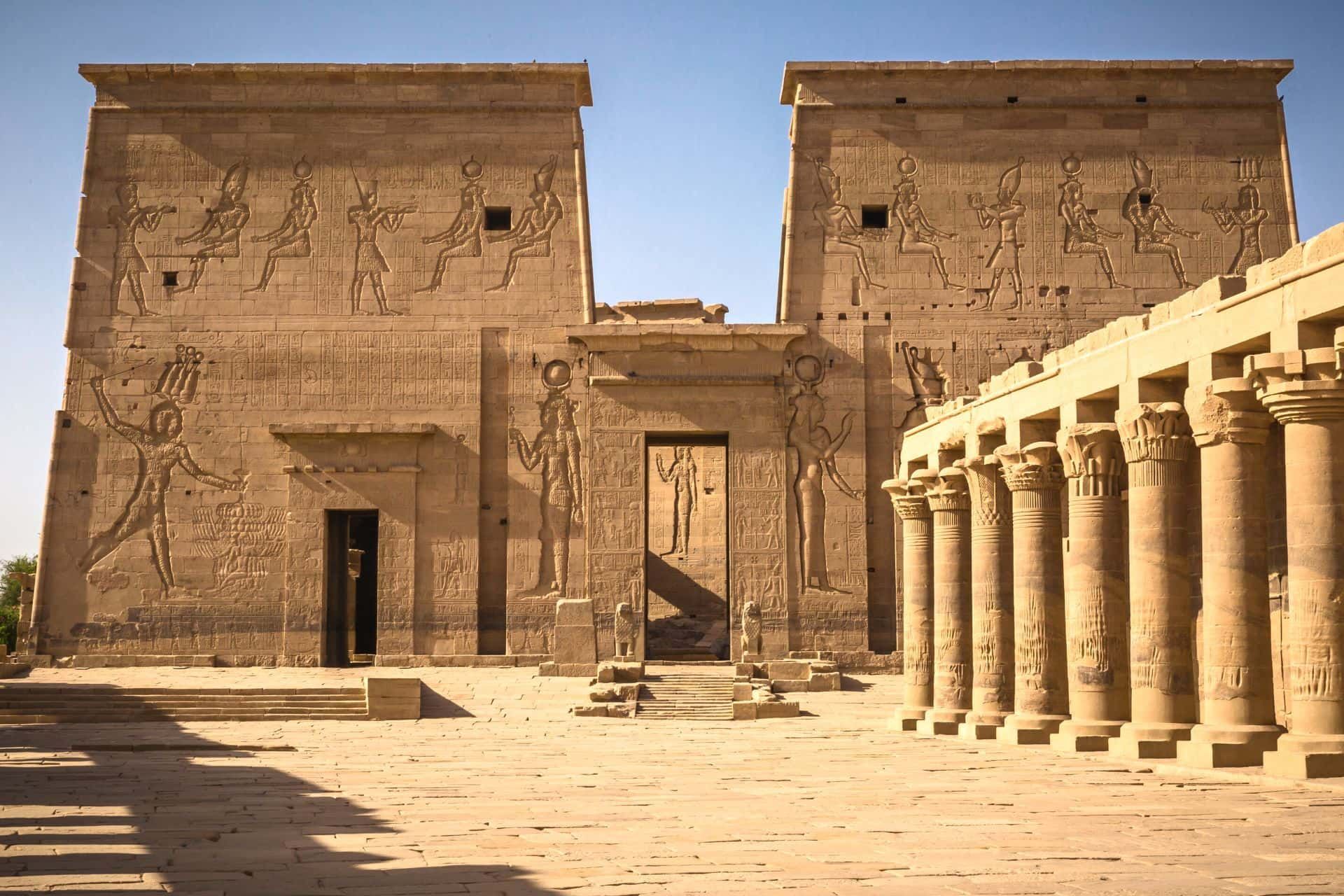
## Description Philae Temple is one of Egypt’s most atmospheric temple experiences, and the journey by boat is a major part of what makes it so memorable. Rather than approaching the temple directly by road, visitors travel across the water toward an island setting that already feels removed from the modern world. That approach creates a sense of anticipation. By the time the temple comes into view, the combination of stone, water, and open sky makes it feel both remote and deeply theatrical. The temple complex is famous for its association with ancient Egyptian religion and for its later rescue and relocation during the construction of the Aswan High Dam. One of the most extraordinary little-known facts about Philae is that the temple structures were moved stone by stone to save them from flooding. This was not just a conservation success; it was a landmark effort in international heritage protection. As a result, when you visit Philae today, you are seeing a monument whose modern history is almost as remarkable as its ancient one. The site itself is compelling because it combines layered history with strong visual drama. The pylons, courtyards, columns, and reliefs create a sequence of spaces that guide you through the sacred complex. Even for travelers who are not experts in ancient Egypt, Philae is easy to appreciate because its setting does so much of the storytelling. The island location gives the monument a feeling of isolation and dignity, and the water surrounding it softens the experience in a way that many other temple sites do not. Visiting by boat also helps set the mood. It turns the trip into an arrival rather than a simple transfer. The glide across the Nile or the reservoir waters gives you time to reset before entering the temple zone. For many visitors, that transition is one of the highlights of the day. Philae is one of the few major monuments where the approach is genuinely part of the attraction, not just a way to get there. ## Location Philae Temple is near Aswan, Egypt, on an island setting reached by boat from the mainland. Today, the temple complex is associated with the relocated island environment created to preserve it after the construction of the Aswan High Dam. To get there, most travelers go by boat from a departure point near Aswan. The ride is short and scenic, and local boat operators are familiar with taking visitors to the temple. If you are arranging your own visit, it is best to confirm the boat departure point and timing in advance so you can coordinate entry and avoid waiting too long in the sun. Because the site is outside the city center, plan it as a half-day or dedicated sightseeing stop rather than a quick detour. It pairs especially well with other Aswan landmarks, a Nile cruise schedule, or a day that already includes water-based transport. The boat access is not a complication; it is part of why the visit feels unique. ## Tips Go early if you can, especially in hot months. The combination of sun, water, and open stone surfaces can make midday visits feel intense. Bring water, sun protection, and comfortable footwear. You will be moving around a historic site with uneven surfaces and very little shade in some areas. Take time to appreciate the approach by boat. Do not treat it as a background transfer; it is one of the reasons Philae feels special. If you enjoy history, read a little about the temple’s relocation before visiting. Knowing that the complex was moved to protect it from flooding adds emotional weight to the experience. ## Conclusion Philae Temple is one of Aswan’s most iconic experiences, combining ancient religious architecture with a boat journey and a powerful conservation story. It is a must-see for travelers who want both beauty and historical depth. ## FAQ **Why do visitors go to Philae Temple by boat?** The temple is on an island setting, so boat transport is the normal and most scenic way to reach it. **What is Philae Temple famous for?** It is known for its beautiful island location, ancient Egyptian history, and its relocation to save it from floodwaters. **How long does the visit take?** Most travelers should plan for a few hours, including boat transfer and time to explore the complex. **Is it very hot there?** It can be, especially at midday, so morning visits and sun protection are recommended. **Is the temple worth visiting if I am already in Aswan?** Yes. It is one of the city’s most important and memorable historical sites. ## Links - [UNESCO World Heritage information](https://whc.unesco.org/en/list/88/)
GemVoyage Team • World
Belize
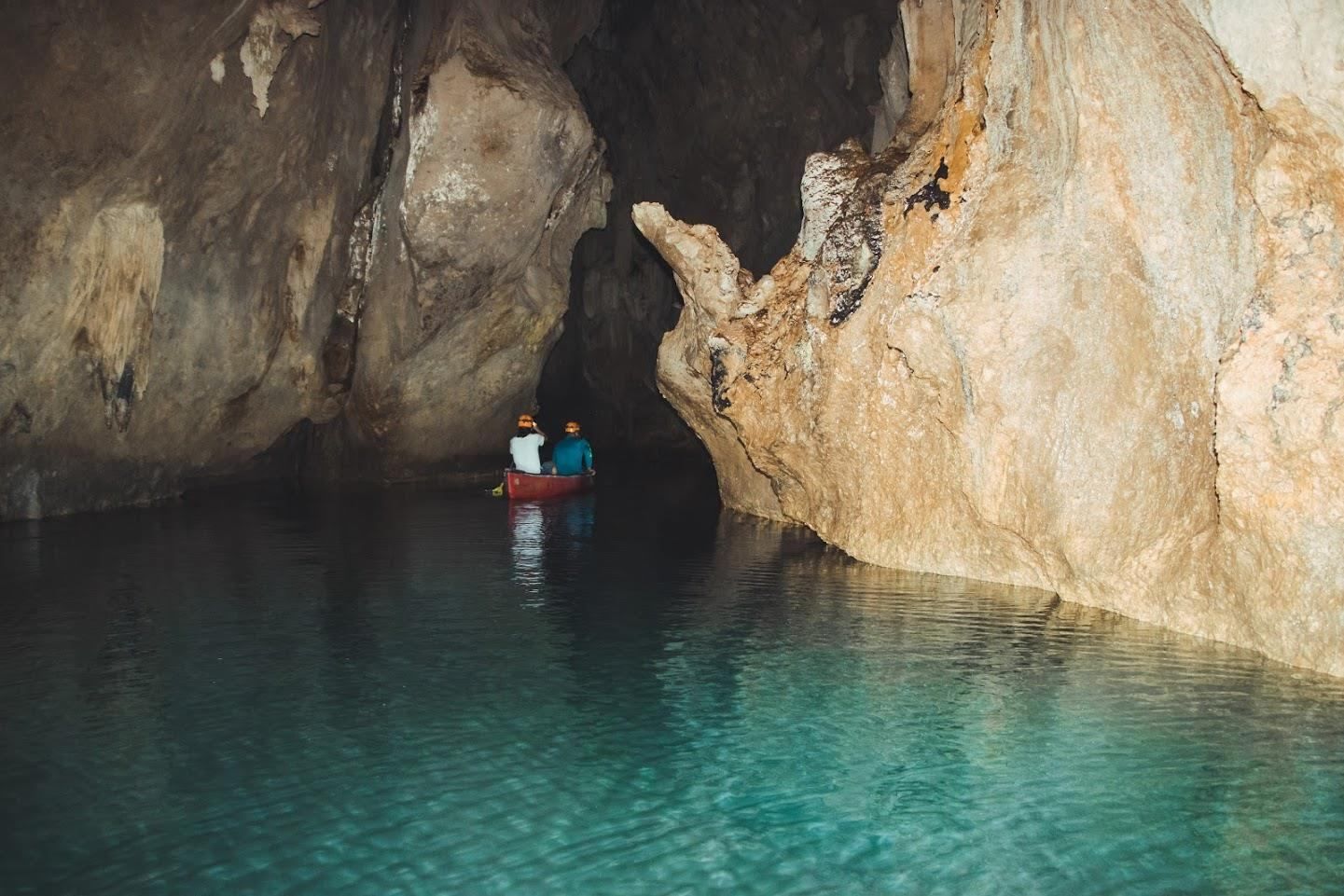
## Description **Barton Creek Cave Reserve** is one of Belize’s most compelling natural and archaeological attractions, combining dramatic limestone cave formations with deep cultural significance. Located within the lush lowland forests of western Belize, the reserve centers around **Barton Creek Cave**, a vast subterranean river cave that was once a sacred ceremonial site for the ancient Maya. Today, visitors explore the cave primarily by **canoe**, gliding silently through dark chambers illuminated only by headlamps and reflected light on the water. What makes Barton Creek Cave truly unique is this rare combination of **active exploration and archaeological context**. Unlike many caves that are viewed from walkways, here you move directly through the cave’s interior, following the same water route used by the Maya over a thousand years ago. Inside, towering stalactites, stalagmites, and cathedral-like caverns create an atmosphere that is both awe-inspiring and humbling. A little-known fact is that the cave was used specifically for **rituals connected to the Maya underworld**, known as *Xibalba*. Archaeologists have discovered ceremonial pottery, stone tools, and other ritual objects placed deep within the cave, suggesting it was not used for habitation but for spiritual purposes. Another lesser-known detail is that some ceramic pieces were intentionally broken, consistent with Maya ritual practices meant to “release” spiritual energy. Despite its popularity, Barton Creek Cave Reserve remains relatively undeveloped. There are no artificial lights inside the cave, preserving its natural state and enhancing the sense of discovery. This rawness, combined with expert local guides, makes the experience both educational and deeply immersive. ## Location **Country:** Belize **Region:** Cayo District **Nearest Town:** San Ignacio Barton Creek Cave Reserve is located approximately **30 kilometers southeast of San Ignacio**, in a rural, forested area surrounded by small Maya and farming communities. ### How to Get There * **By car:** * From San Ignacio, drive toward the village of Barton Creek. The final stretch is unpaved and may be rough, especially after rain; a high-clearance vehicle is recommended. * **By guided tour:** * The most common and convenient option. Tours include transportation, equipment, and licensed guides. * **By taxi:** * Possible from San Ignacio, but return arrangements should be planned in advance due to the remote location. ## Tips * **Choose a guided tour:** Guides are required and provide essential safety oversight and archaeological context. * **Wear water-friendly clothing:** You may get splashed, and the cave is cool and humid. * **Bring sturdy footwear:** Even though the tour is by canoe, entry and exit areas can be slippery. * **Do not touch artifacts:** Many remain in situ and are protected by law. * **Visit during the dry season:** Roads are easier to navigate, and water levels are more predictable. * **If claustrophobic, reconsider:** Some chambers are large, but the environment is still enclosed and dark. ## Conclusion Barton Creek Cave Reserve offers a rare opportunity to experience Belize’s natural beauty and ancient Maya spirituality at the same time. Its canoe-based exploration, untouched cave environment, and archaeological importance make it one of the most memorable and meaningful attractions in the Cayo District. ## FAQ **1. Do I need a guide to visit Barton Creek Cave?** Yes. All visitors must enter with a licensed guide for safety and preservation reasons. **2. Is swimming required?** No. The cave is explored by canoe, and swimming is not necessary. **3. How long does the tour take?** Typically **1.5 to 2 hours**, including preparation and exploration. **4. Is the cave suitable for children?** Yes, for older children who are comfortable in dark, enclosed spaces. **5. Can I take photos inside the cave?** Yes, but flash photography may be restricted, and touching formations or artifacts is prohibited. **6. What is the best time of year to visit?** The dry season, from roughly December to May, is generally the best time. ## Links * [Belize Tourism Board](https://www.travelbelize.org)
GemVoyage Team • World

Comments