GemVoyage Team • World
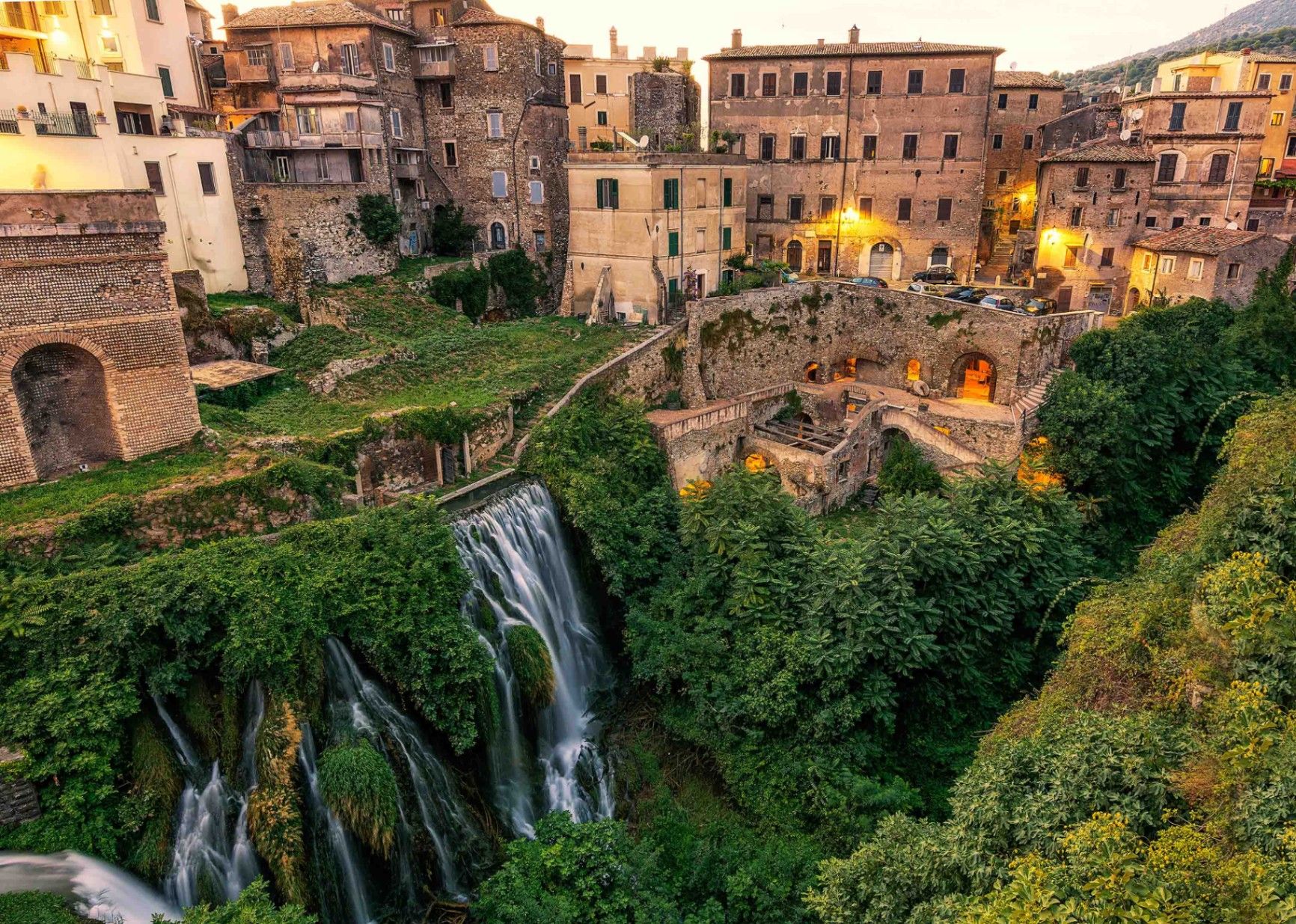
Villa Gregoriana in Tivoli, just outside Rome, is one of Italy’s most captivating landscapes where history, art, and nature blend seamlessly. Unlike the lavish Renaissance villas Tivoli is famous for, such as Villa d’Este or Hadrian’s Villa, Villa Gregoriana is more of a natural park—a romantic landscape garden created in the 19th century. It was commissioned by Pope Gregory XVI in 1835 after a devastating flood of the Aniene River destroyed part of Tivoli. The project diverted the river and transformed the ravine into a park with paths, grottoes, and terraces overlooking dramatic waterfalls.
The heart of the villa is the Great Waterfall (Cascata Grande), a spectacular 120-meter drop of the Aniene River that roars through a deep gorge. The park is also dotted with archaeological remains, including Roman temples such as the Temple of Vesta and the Temple of Sibyl, which crown the cliffs above. Romantic poets and painters of the 19th century, from Goethe to Turner, were inspired by its sublime scenery.
A lesser-known fact about Villa Gregoriana is that it fell into neglect for much of the 20th century. It was only restored and reopened to the public in 2005 thanks to the Italian heritage organization FAI (Fondo Ambiente Italiano). Today, it is both a natural reserve and an open-air museum of history, geology, and art.
Villa Gregoriana is located in Tivoli, a town in the Metropolitan City of Rome (RM), in the region of Lazio, central Italy. Tivoli lies about 30 kilometers east of Rome, perched on the slopes of the Tiburtine Hills.
To reach Villa Gregoriana, visitors can take a regional train from Rome’s Tiburtina station to Tivoli, which takes around one hour. From Tivoli station, it’s a short walk to the villa’s entrance. Alternatively, buses also run between Rome and Tivoli. If you’re driving, the trip takes about 45 minutes along the A24 motorway. Walking is essential once inside, as the park’s paths wind through steep terrain and natural landscapes.
Villa Gregoriana in Tivoli is a place where natural beauty meets history. With its majestic waterfalls, ancient temples, and romantic landscapes, it offers a unique contrast to the opulent villas nearby. Restored after years of neglect, it now stands as one of Italy’s most enchanting sites, ideal for travelers seeking a mix of culture, nature, and tranquility.
1. What is Villa Gregoriana best known for?
It is best known for its dramatic waterfalls, particularly the Great Waterfall, and for its blend of natural landscapes with ancient Roman ruins.
2. How much time do I need to visit?
Plan at least two hours to walk the trails, admire the waterfalls, and explore the archaeological sites.
3. Is Villa Gregoriana family-friendly?
Yes, but keep in mind that the terrain is steep and not suitable for strollers. Children should be supervised on paths near cliffs.
4. Are guided tours available?
Yes, guided tours are offered, and they provide fascinating insights into the park’s history, geology, and architecture.
5. Can I picnic inside the park?
Picnicking is not generally allowed inside the villa, but Tivoli offers many nearby restaurants and cafés for meals.
6. Is Villa Gregoriana accessible by wheelchair?
Due to its rugged terrain and steep paths, the site is not well-suited for wheelchair users or those with limited mobility.
Discover more hidden gems you might love.
Los Angeles
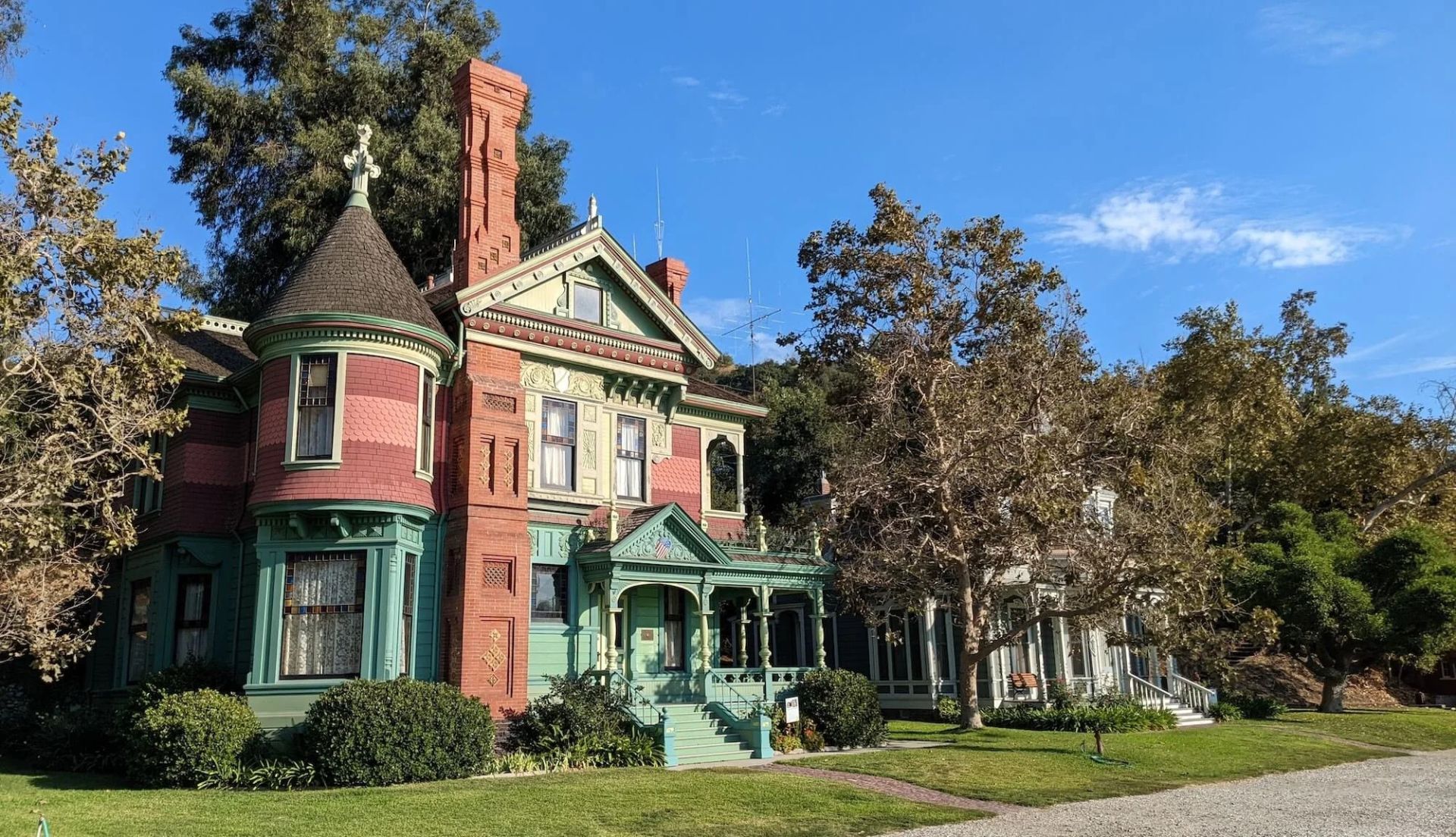
## Description Heritage Square Museum is an extraordinary open-air architectural museum that gathers Victorian and early 20th-century houses and outbuildings within a single historic district to showcase Southern California’s built environment and social history. Each structure has a carefully reconstructed exterior and interpreted interior that reveal the craftsmanship, decorative trends, and daily rhythms of life from a period when Los Angeles was transforming from a frontier town into a burgeoning metropolis. The museum stands out for the authenticity of its fabric: original trim, stained glass, tile, and millwork are preserved or painstakingly restored, and many interiors are furnished with period-appropriate objects to convey domestic stories. Preservation workshops on site keep traditional trades alive—carpentry, plasterwork, and decorative finishes are practiced as living crafts, which both supports ongoing maintenance and educates visitors about restoration techniques. Beyond architecture, Heritage Square interprets social history. Exhibits explore how families lived, worked, and entertained across different socioeconomic strata, and the museum’s programming—guided tours, living history demonstrations, and seasonal festivals—brings these narratives to life. Special events often highlight conservation issues and the ongoing need to protect historic urban fabric in the face of development pressures. For scholars, students, and casual visitors alike, the site offers layered experiences: a close reading of architectural detail, hands-on learning in workshops, and interpretive narratives that connect buildings to broader histories of migration, industry, and urban change. Its role as a rescue repository—structures moved and reassembled to avoid demolition—adds an extra dimension: many buildings carry stories of mid-century urban renewal and community efforts to preserve heritage. ## Location Heritage Square Museum is located in the Montecito Heights neighborhood of Los Angeles, California, a short drive northeast of downtown Los Angeles. The setting—on a hillside with city views—provides a scenic backdrop for exploring an era of American domestic architecture. Getting there: Driving is the most convenient option; limited on-site parking is available. Public transit can be used but often requires transfers and a short walk—check local transit schedules and plan for extra time. Rideshare and local taxis are convenient alternatives. Pair a visit with nearby cultural stops, such as the Huntington Library or local hillside parks, to create a fuller day of exploration. ## Tips - Check the museum’s tour schedule and special-event calendar before you go; guided tours offer the most context and are often led by knowledgeable docents. - Wear comfortable shoes—paths through the outdoor site can be uneven and some properties require short climbs. - Give yourself at least two hours to explore; the combination of interiors, workshops, and outdoor exhibits rewards a relaxed pace. - Bring a camera for exterior architectural photography; observe interior photography rules where posted and respect exhibit boundaries. - If interested in historic trades, inquire about workshop schedules or volunteer opportunities—many preservation skills are demonstrated on site. - Visit in spring or fall for pleasant weather and outdoor events; summer can be warm and winter may bring cooler, wetter days. ## Conclusion Heritage Square Museum preserves an essential chapter of Southern California’s architectural story. By combining rescued structures, conservation workshops, and interpretive programming, it offers a hands-on way to understand historic building crafts and the lives of the people who inhabited these homes. It is an inspiring stop for anyone interested in architecture, preservation, and urban history. ## FAQ Q: Are there guided tours? A: Yes. The museum runs scheduled guided tours and special programs; tours are recommended for first-time visitors to gain historical context and architectural insight. Q: Is the site family-friendly? A: Yes. The museum offers family-oriented programs and activities; children can learn about historic life through interactive demonstrations. Q: Can event spaces be rented? A: Select areas may be rented for private events, though availability and restrictions vary—contact the museum’s events office for details. Q: Are there volunteer opportunities or workshops? A: Yes. The museum often offers volunteer roles, preservation workshops, and demonstrations of traditional trades—check the calendar or volunteer page for current options. Q: Is the site wheelchair accessible? A: Some areas have limited accessibility due to the nature of historic structures and terrain; the museum can provide guidance on accessible routes and accommodations. Q: What’s the best way to learn about restoration techniques demonstrated on site? A: Attend preservation workshops, guided tours that focus on conservation, or scheduled demonstrations—these sessions are designed to explain both craft techniques and the rationale behind repair choices. ## Links - [Heritage Square Museum (official)](https://www.heritagesquare.org) - [Wikipedia: Heritage Square Museum](https://en.wikipedia.org/wiki/Heritage_Square_Museum)
GemVoyage Team • World
Petén
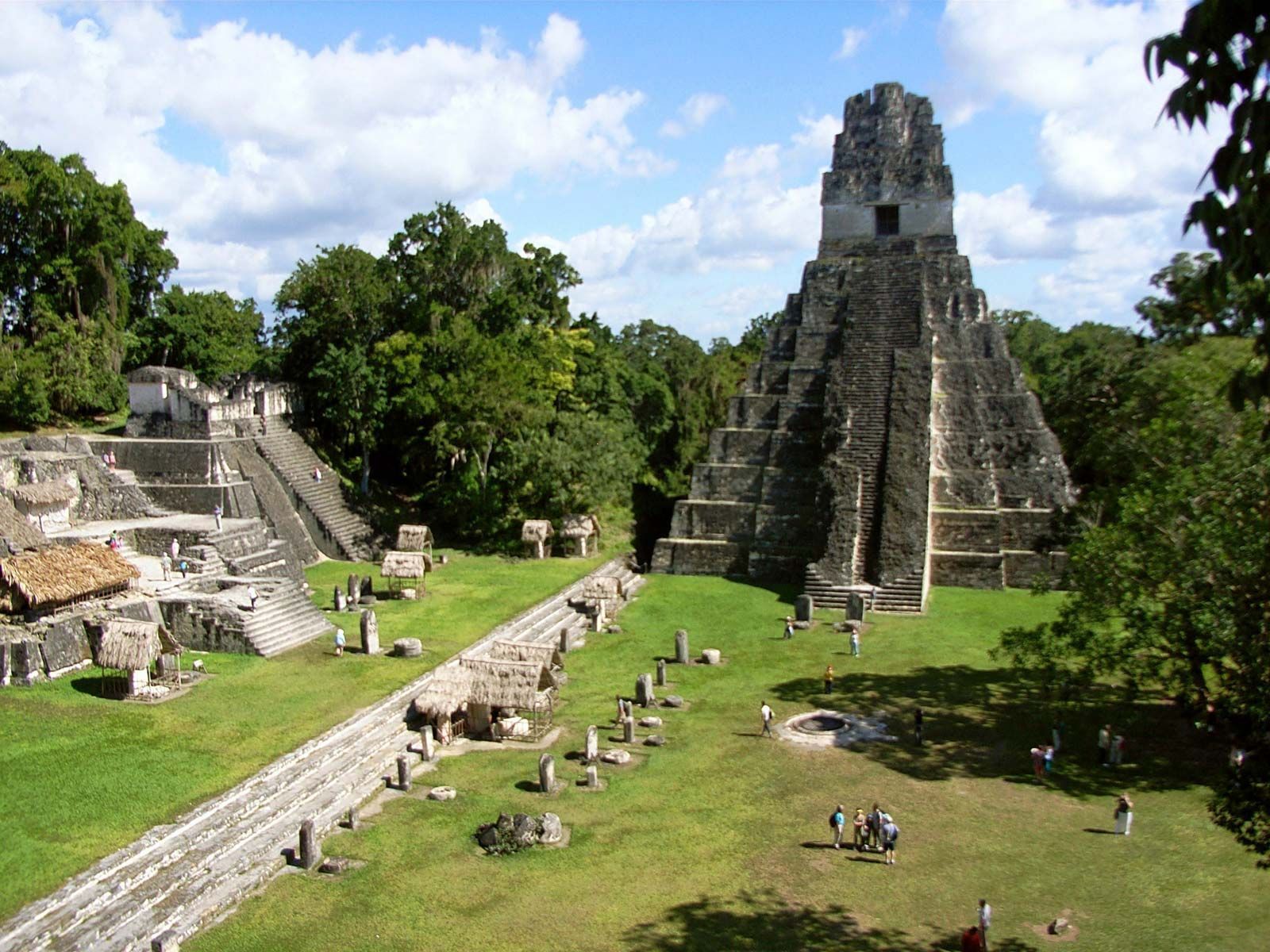
## Description Tikal is one of the most important archaeological sites of the ancient Maya civilization, located within the dense lowland rainforests of Petén, Guatemala. The city’s towering limestone pyramids and plazas emerge above the jungle canopy, offering dramatic skyline views and a palpable sense of antiquity. During its Classic period, Tikal was a major political and ceremonial center; excavated palaces, stelae and ballcourts tell stories of dynasties, calendrical knowledge and cosmology. Visitors to Tikal are rewarded by a blend of monumental architecture and biodiverse rainforest. The temples and palaces rise through the tree canopy, so that from the tops of several structures you can peer over treetops to see other pyramids peeking through the foliage. This interplay between built environment and ecology is central to Tikal’s power: the jungle both conceals and reveals the city, a dramatic reminder of centuries of abandonment and recovery. Tikal’s primary plaza, monumental ballcourts, and the iconic Temple IV and Temple II complexes preserve stelae with carved inscriptions, verifiable sequences of rulers and artistic programs that speak to the city’s political sophistication. Archaeological work also reveals complex water-management features, reservoirs and causeways that allowed the city to sustain a significant population despite a seasonal tropical climate. Walking among Tikal’s temples at sunrise — when the jungle stirs and howler monkeys call — is an evocative way to connect with a complex culture of architecture, ritual and astronomy. Early morning light transforms the stone into warm tones and dramatically silhouettes the temple profiles against the rising sun, making sunrise a photographer’s favorite. Guides can point out hieroglyphic inscriptions, sacred alignments and the role of celestial observation in Maya ritual life. ## Location Tikal National Park is in Guatemala’s northern Petén department. The site is reachable via a short flight to Flores (Mundo Maya International Airport, FLV) or by road from Flores town, which serves as the usual visitor base. Most visitors use Flores as a staging point and arrange shuttle transfers, guided tours, or independent day trips to the park. ## Tips - **Arrive at dawn for temples and wildlife:** Early mornings provide cooler light, bird activity and quieter conditions before larger tour groups arrive. Dawn visits also let you catch the moment when the jungle wakes up. - **Hire a knowledgeable guide:** Licensed local guides provide historical context, translate glyphs and explain how architecture relates to Maya cosmology — essential for getting more from the site. - **Bring insect repellent and sun protection:** The lowland rainforest environment includes biting insects and strong sunlight in exposed plazas. Lightweight long sleeves and repellent are useful. - **Plan logistics from Flores:** Book shuttle transfers or organized tours in advance during high season, and consider staying overnight near the site for sunset or sunrise experiences. - **Support responsible tourism:** Choose certified guides and operators that follow park rules and contribute to local community economies. ## Conclusion Tikal is both a monumental archaeological treasure and a living jungle experience: temples puncturing the canopy, dawn rituals and carved monuments make it an essential site for understanding Maya civilization. For travelers seeking a mix of natural soundscapes, wildlife encounters and a deep cultural history, Tikal offers an immersive and emotionally resonant experience. ## FAQ - **Q: How long should I spend at Tikal?** A: A full day is ideal to cover the main plazas, climb at least one temple for panoramic views, and explore the northern and central complexes. Two days allow for a slower pace, birding and visiting lesser-known complexes. - **Q: Can visitors climb the temples at Tikal?** A: Access to climbable areas varies — some temples allow limited ascent to designated viewpoints while others are closed to protect fragile structures. Follow current park rules and signage. - **Q: What wildlife might I see at Tikal?** A: Expect to see howler monkeys, toucans, parrots, motmots and a range of tropical birds; early morning is best for birdwatching and animal activity. - **Q: Is it safe for solo travelers and families?** A: The site is generally safe during daylight hours. Follow standard travel precautions: use licensed guides, secure belongings, carry water and avoid isolated areas after dark. - **Q: Are there accommodations near the park?**n+ A: Flores and nearby villages offer a range of lodgings from budget hostels to mid-range hotels; staying in Flores provides easy access to flights and transportation. ## Links - [Tikal — Wikipedia](https://en.wikipedia.org/wiki/Tikal)
GemVoyage Team • World

Copenhagen
## Description The Hans Christian Andersen Experience in Copenhagen is a cultural attraction dedicated to one of Denmark’s most famous figures and one of the world’s most influential storytellers. Rather than functioning as a traditional museum, the experience is designed as an immersive walk-through journey that brings Andersen’s life and fairy tales to life through sets, soundscapes, projections, and storytelling elements. Visitors are invited to step directly into the imaginative universe behind timeless stories such as *The Little Mermaid*, *The Ugly Duckling*, and *The Emperor’s New Clothes*. What makes the Hans Christian Andersen Experience unique is its narrative-driven design. Instead of focusing heavily on historical artifacts, the attraction emphasizes emotion, atmosphere, and imagination, mirroring the way Andersen himself told stories. Visitors move through scenes inspired by both his personal life and his fictional worlds, gaining insight into how his hardships, travels, and observations shaped his writing. A little-known fact is that Andersen struggled with poverty and social insecurity early in his life, themes that quietly echo throughout many of his fairy tales. Another lesser-known detail is that some installations are inspired by Andersen’s own paper cuttings, an art form he practiced privately and which reflects his intricate creative mind. This experience appeals to both adults and children, offering a reflective and engaging way to understand why Andersen’s stories continue to resonate across cultures and generations. ## Location The Hans Christian Andersen Experience is located in **Denmark**, in the **Capital Region**, within the city of **Copenhagen**. It sits in the historic city center, close to City Hall Square (Rådhuspladsen) and within walking distance of Tivoli Gardens and Strøget, Copenhagen’s main shopping street. Getting there is easy using public transportation. The nearest metro stations are **Rådhuspladsen** and **Gammel Strand**, both a short walk away. Numerous buses also stop nearby. For visitors already exploring central Copenhagen, the attraction is conveniently reached on foot or by bicycle, which is a popular way to get around the city. ## Tips * Allow about one hour for your visit, though literature enthusiasts may want more time to explore each section carefully. * The experience is largely indoors, making it a good option during colder or rainy weather. * Some displays rely on lighting and sound effects, which may feel intense for very young children. * Photography is usually allowed, but flash may be restricted in certain areas. * Combine your visit with nearby attractions such as Tivoli Gardens or a walk through the historic city center. * Reading a few Andersen fairy tales beforehand can enhance your appreciation of the scenes and references. ## Conclusion The Hans Christian Andersen Experience offers a thoughtful and imaginative introduction to Denmark’s most beloved storyteller. Through immersive design and emotional storytelling, it allows visitors to connect with both the man and the fairy tales that shaped global literature. ## FAQ **Is the Hans Christian Andersen Experience suitable for children?** Yes, it is suitable for children, though some darker fairy-tale themes may be better appreciated by older kids. **How long does the visit take?** Most visitors spend around 45 minutes to one hour inside the experience. **Is the experience available in English?** Yes, information and displays are available in English, along with other major languages. **Is this a traditional museum?** No, it is an immersive storytelling experience rather than an artifact-based museum. **Do I need to book tickets in advance?** Advance booking is recommended during peak tourist seasons, though walk-in tickets are often available. ## Links * [Hans Christian Andersen Experience Official Website](https://www.visitcopenhagen.com/copenhagen/planning/hans-christian-andersen-experience-gdk591356)
GemVoyage Team • World
Brussels
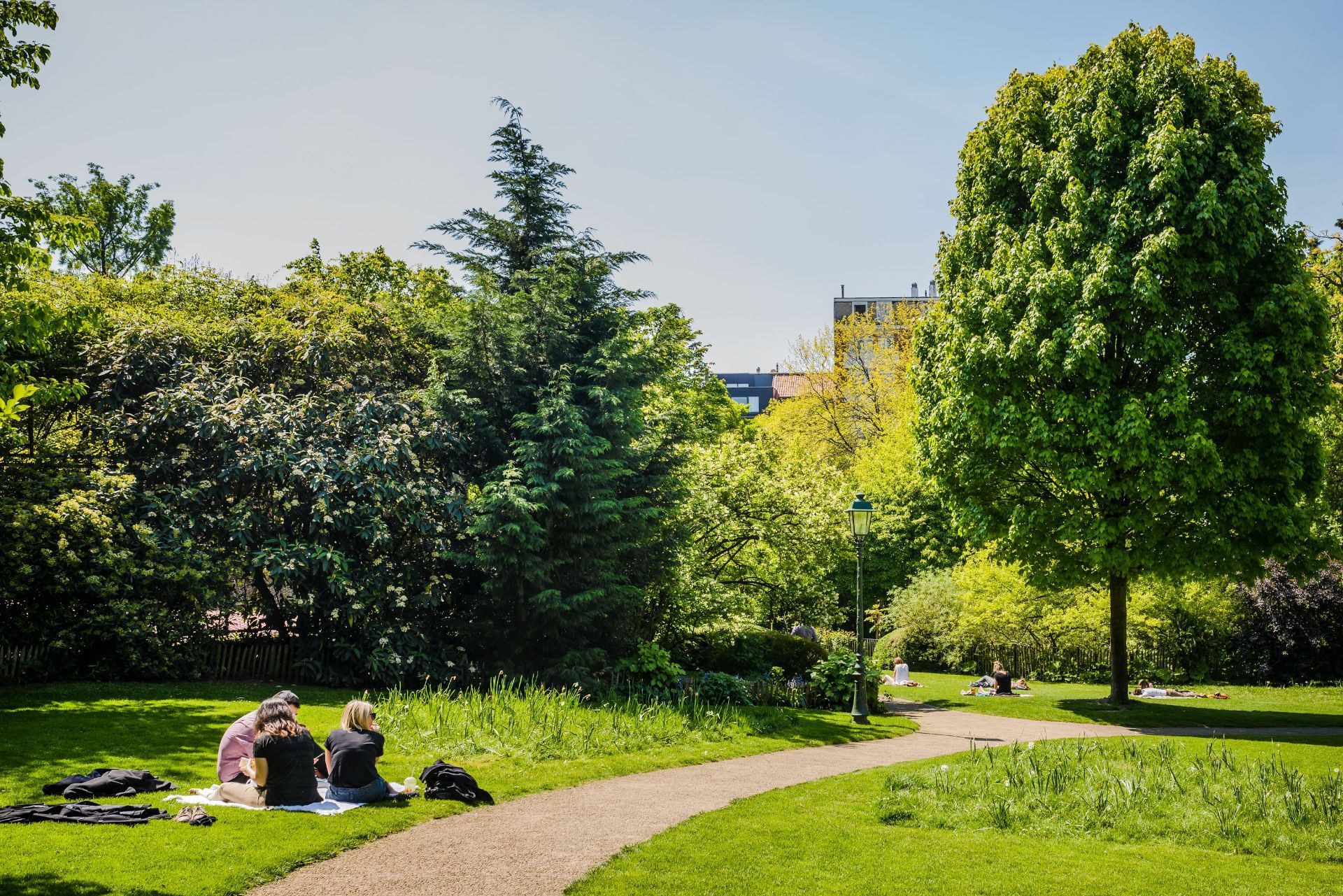
## Description Parc Tenbosch is one of Brussels’ most elegant small parks, and its appeal lies in subtlety rather than spectacle. Located in Ixelles, it offers a calm, leafy space where visitors can slow down, sit under mature trees, and enjoy a more intimate side of the city. For travelers who like parks that feel local rather than monumental, Parc Tenbosch is a strong choice. It is not the kind of place that demands an itinerary slot on its own; instead, it rewards being folded into a neighborhood walk or a café-filled afternoon. What gives the park its character is its sense of quiet design. It has the feel of a carefully tended urban refuge, with winding paths, dense planting, and enough variation in shape and texture to make a simple walk interesting. A lesser-known fact is that the park occupies a site with a layered urban past and was shaped to preserve greenery in a neighborhood that might otherwise have become entirely built up. Another detail many visitors notice only after spending time there is how different it feels from Brussels’ larger public parks: rather than broad ceremonial lawns, it offers an almost garden-like intimacy that makes it feel close to the life of the surrounding streets. For visitors, Parc Tenbosch works best as a pause. It is where you go after lunch, before a museum visit, or between neighborhood explorations. Because Ixelles is one of Brussels’ most varied and walkable districts, the park can fit naturally into a day that also includes Flagey, Avenue Louise, the Châtelain area, or a coffee stop nearby. That flexibility is part of what makes it worthwhile. You are not just visiting a park; you are using it as a calm anchor in one of the city’s busiest residential areas. The park is also a good reminder that urban travel does not always have to revolve around top-tier landmarks. Sometimes the most memorable part of a city is a place where the pace drops, the noise softens, and you get a sense of how residents actually use public space. ## Location Parc Tenbosch is located in Ixelles, Brussels-Capital Region, Belgium. It sits in a central urban setting within easy reach of several popular Brussels neighborhoods, which makes it simple to add to a walking route. The park’s placement in Ixelles means you can approach it from multiple directions depending on where you are staying or what else you want to see in the area. The easiest way to get there is usually on foot, by tram, or by a short taxi or rideshare journey from central Brussels. If you are already exploring Ixelles, the park is one of the simplest green spaces to include along the way. Public transport is convenient if you are coming from farther away, but the park is compact enough that many visitors simply fold it into a wider neighborhood walk. Because it is a neighborhood park, it is best enjoyed at a relaxed pace. Plan a short stop rather than a formal excursion, and let it serve as a quiet counterpoint to the surrounding city. ## Tips Visit when you want to rest your feet. The park is an ideal place to take a break between longer urban walks. Bring a book, snack, or coffee if you want to stay a while. The atmosphere is good for sitting and watching the neighborhood pass by. Keep expectations aligned with the scale of the park. Its charm comes from tranquility and atmosphere, not from grand size or a long list of facilities. Combine it with the surrounding district. Ixelles offers cafés, streets, and cultural stops that pair naturally with a park visit. If the weather is pleasant, go in the afternoon or early evening. That is often when the space feels most welcoming and the light is best for a walk. ## Conclusion Parc Tenbosch is a calm, attractive green refuge in the middle of Brussels’ Ixelles district. It is best for travelers who appreciate smaller urban parks and who want a place to slow down without leaving the city’s most interesting neighborhoods. ## FAQ ### Is Parc Tenbosch worth visiting? Yes, especially if you like neighborhood parks and quiet green spaces. It may not be a headline attraction, but it is rewarding as part of a relaxed Brussels itinerary. ### How long should I stay? Most visitors will spend 20 to 45 minutes, though longer stays are easy if you want to read, rest, or enjoy a picnic. ### Is it easy to combine with other sights? Very. It fits naturally into a route through Ixelles, Flagey, or the nearby café and shopping streets. ### Is the park family-friendly? Yes. Its calm setting and manageable size make it suitable for families, as long as expectations are oriented toward a peaceful urban green space rather than a large recreation park. ## Links - [Brussels parks overview](https://www.visit.brussels/en/visitors/what-to-do/brussels-parks-and-forests)
GemVoyage Team • World
Norway
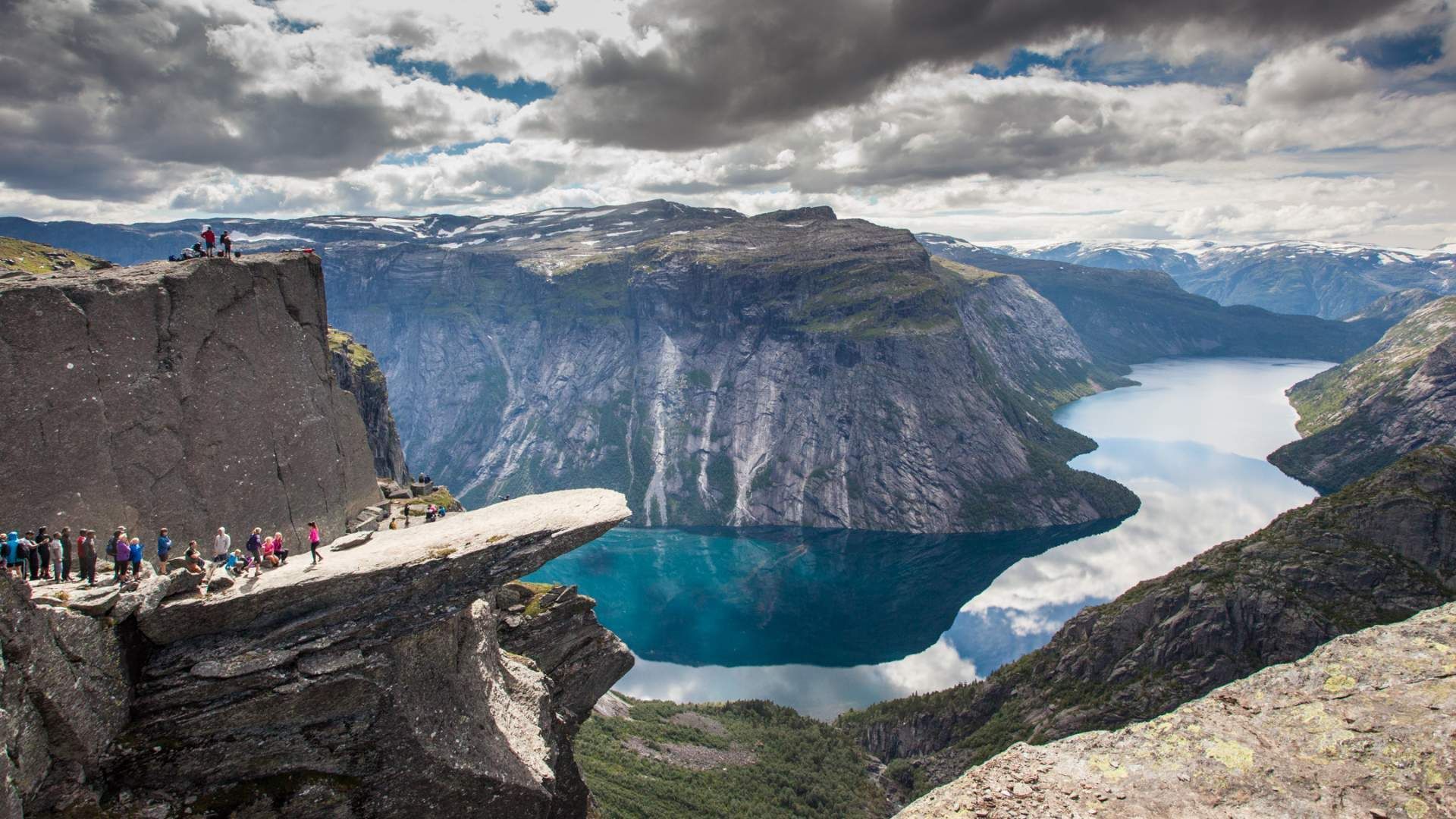
## Description Trolltunga (“Troll’s Tongue”) is one of Norway’s most photographed and dramatic viewpoints: a narrow rock shelf jutting horizontally from a mountain about 700 meters above Ringedalsvatnet lake near Odda. The slab provides a heady vantage point for daring photos — standing at the lip feels like stepping out over the fjord and valley below. The route to Trolltunga is an epic alpine hike across tundra, streams and exposed plateaus, rewarding determined trekkers with panoramic Norway: steep cliffs, glassy water and a raw northern landscape. Beyond the photogenic ledge, Trolltunga stands out for its demanding yet accessible backcountry experience. The modern popularity surged through social media; traditionally, this was a remote local hike. Management measures, permits, and local transport services have evolved to handle seasonal traffic while protecting the path and surrounding vegetation. ## Location Trolltunga sits above the town of Odda in Vestland county, western Norway. The usual trailhead is at Skjeggedal, accessed by a short shuttle from parking and visitor centers. Many hikers base themselves in Odda or nearby villages and use local shuttles or guided hiking operators to reach the trailhead. The total round-trip hike is roughly 22–28 kilometers depending on route, often taking 10–12+ hours for a typical day trip. Seasonality matters: roadside parking and trail access are managed during summer to reduce environmental impact and improve safety. In winter and shoulder seasons the route becomes technical and requires winter mountaineering skills and equipment. ## Tips - **Prepare for a long day:** Bring layers, a warm waterproof jacket, sturdy boots, plenty of food, and ample water. The trail is long with sustained elevation gain and exposed terrain. - **Start early or plan an overnight:** To avoid peak crowds and to allow a relaxed pace, begin pre-dawn or plan an overnight in a mountain cabin or campsite. Early starts also improve light for photography and reduce the chance of afternoon weather changes. - **Choose guided or self-guided based on experience:** Guided hikes add local knowledge and reduce navigation stress; experienced hikers can plan self-guided excursions but should be disciplined with timing. - **Respect safety and common-sense rules:** The ledge has no formal barriers. Avoid risky poses near the edge, especially in windy or wet conditions. Keep children close and prioritize safety over photographs. - **Pack for changing conditions:** Tundra and plateau weather can shift quickly. Bring a waterproof shell, insulating mid-layer, hat and gloves even in summer. A headlamp, spare batteries, and a basic repair kit for footwear are helpful. - **Leave no trace:** Stay on marked trails to protect vegetation, pack out all waste, and follow any local guidance about camping and trail use. - **Consider alternatives for accessibility:** For those unable to complete the full hike, photo viewpoints and shorter trails in the region offer dramatic scenery with less effort. ## Conclusion Trolltunga is an emblem of Norway’s wild beauty and an achievement for hikers — the dramatic viewpoint and sweeping fjord panoramas make the long approach worthwhile for those prepared for a sustained mountain day. With thoughtful preparation and respect for local rules, the route rewards visitors with some of Scandinavia’s most iconic views and a memorable sense of accomplishment. ## FAQ - **Q: How difficult is the hike to Trolltunga?** A: The route is long and strenuous with sustained elevation and exposed terrain. It suits fit hikers with good preparation; novices should consider guided options or shorter nearby hikes. - **Q: How long does the hike take?** A: Typical round-trip time is 10–12+ hours for 22–28 kilometers depending on fitness and conditions. Allow extra time for photography and rest stops. - **Q: Can you camp on the route?** A: Wild camping is practiced in Norway but follow local regulations and Leave No Trace principles. Some guided itineraries include overnight options or staged hut-to-hut plans. - **Q: Are there safety services or mountain rescue?** A: Mountain rescue services exist regionally, but mobile coverage can be patchy. Going with a guide or letting someone know your itinerary improves safety; carry basic emergency gear. - **Q: When is the best time to hike Trolltunga?** A: Summer (June–September) is the primary hiking season with milder weather and long daylight. Shoulder seasons require careful planning; winter requires mountaineering skills. - **Q: Is the viewpoint crowded?** A: Popular times can be crowded, especially mid-morning in summer. Start early for quieter conditions and better light. ## Links - [Trolltunga — Wikipedia](https://en.wikipedia.org/wiki/Trolltunga)
GemVoyage Team • World
Berlin
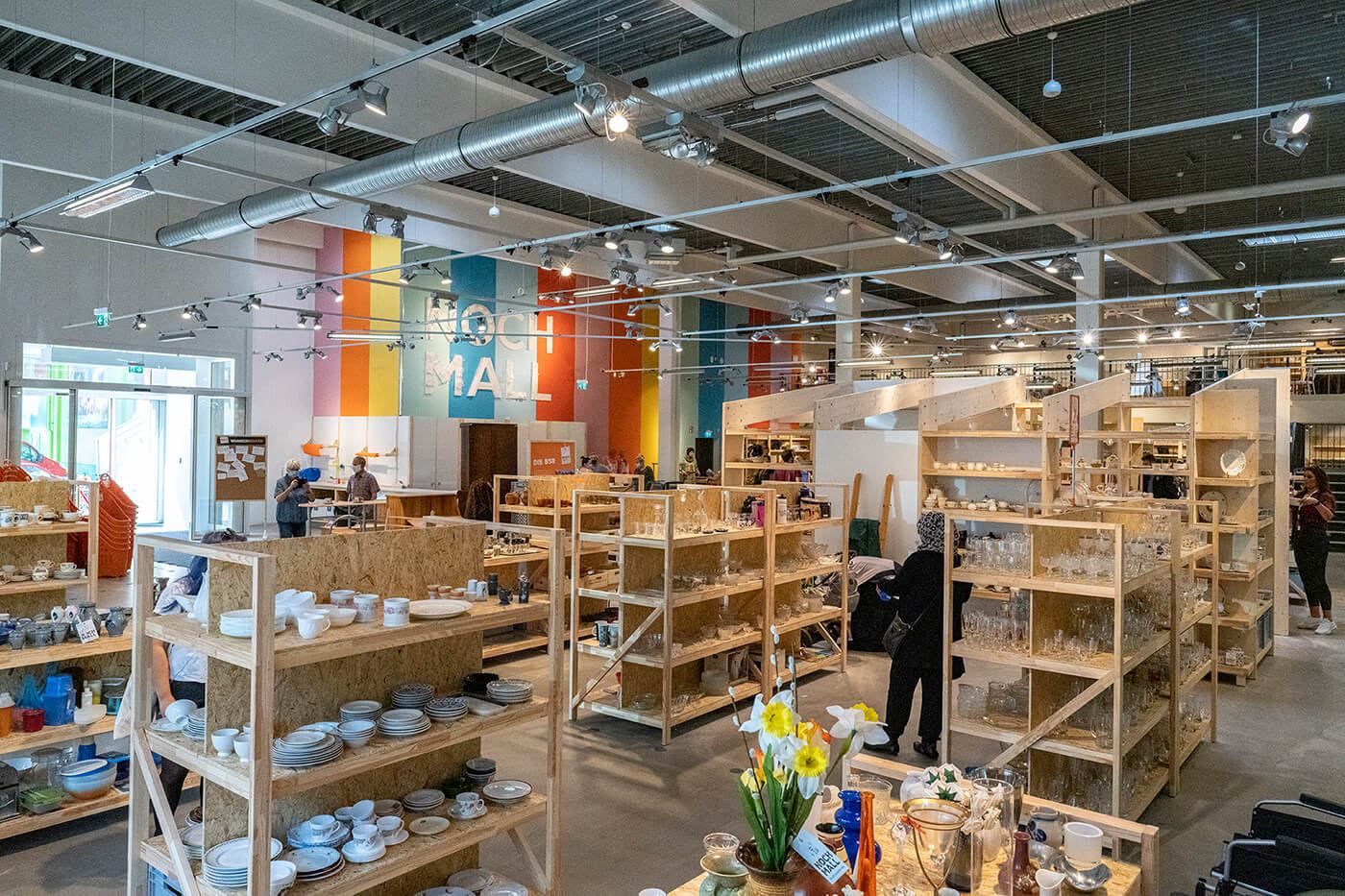
## Description **NochMall** is one of Berlin’s most unconventional, forward-thinking shopping destinations and stands as **Europe’s largest reuse department store**. Unlike traditional second-hand shops or flea markets, NochMall operates as a **professionally curated reuse center**, where discarded items are rescued, restored if necessary, and offered for resale in a structured, retail-style environment. Its mission goes far beyond commerce: NochMall exists to promote **sustainability, waste reduction, circular economy principles, and conscious consumption**. The name “NochMall” comes from the German phrase meaning “once again,” perfectly reflecting its role in giving objects a second life. The store is operated by **BSR (Berliner Stadtreinigungsbetriebe)**, Berlin’s public waste management company. This alone makes it unique—most cities focus on disposal and recycling, while Berlin has invested in a large-scale, public **reuse infrastructure** that turns waste prevention into an accessible urban service. Inside the massive warehouse-style space, visitors find a wide and constantly changing range of items: **furniture, home décor, bicycles, electronics, books, kitchenware, tools, children’s toys, musical instruments, sports equipment, and clothing**. Everything comes from Berlin households, salvage collections, or BSR recycling centers. Items that are still usable are inspected, cleaned, priced, and placed on display instead of being destroyed. What sets NochMall apart from ordinary thrift stores is its **department-store-style layout**. Products are organized into clear categories, with professional shelving, signage, and lighting. The atmosphere is bright, modern, and surprisingly calm. Prices are deliberately kept **affordable but realistic**, reflecting both value and sustainability goals rather than aggressive profit margins. NochMall is also an **educational and cultural space**. It regularly hosts **repair workshops, upcycling courses, sustainability lectures, school programs, and community events**. The attached café reinforces the idea that this is not just a store, but a **social meeting point for environmentally conscious urban life**. A little-known fact is that NochMall diverts **thousands of tons of usable goods from Berlin’s waste stream every year**, directly reducing landfill pressure and raw-material consumption. Another lesser-known detail is that some of the furniture sold in the store is **professionally refurbished by local social enterprises**, creating both environmental and social value through job creation and vocational training. For visitors, NochMall offers something truly different: the chance to experience sustainability not as a theory, but as a **practical, well-functioning urban system**—and to take part in it. ## Location **NochMall** is located in the **Reinickendorf district** in the **northwestern part of Berlin**, an area with a strong industrial and logistics character, well suited to large-scale sustainability infrastructure. **City:** Berlin **Region:** Berlin State (Bundesland Berlin) **Country:** Germany **District:** Reinickendorf ### How to Get There: * **By S-Bahn:** Take **S25** to **Alt-Reinickendorf**, then walk about 10–12 minutes. * **By U-Bahn:** Take **U6** to **Scharnweberstraße**, then continue by bus or taxi. * **By bus:** Several local bus lines serve the surrounding industrial area. * **By car:** Easy access via main arterial roads; on-site parking is available. * **By bicycle:** Cycling is possible, though the industrial surroundings favor longer-distance riders. While NochMall is not located in a classic tourist district, it is easily reachable with public transport and well worth the trip for anyone interested in sustainability, design, or alternative shopping experiences. ## Tips * **Visit with spare time:** Nochmal is large and constantly changing; allow at least 90 minutes to explore properly. * **Go without a fixed shopping list:** The best finds are often unplanned discoveries. * **Check electronics carefully:** Everything is tested, but it’s still smart to inspect functionality before purchase. * **Bring a way to transport bulky items:** Larger furniture may require a car, delivery service, or cargo bike. * **Ask staff for new arrivals:** Some sections receive fresh stock several times per week. * **Attend a workshop:** Repair and upcycling events add real educational value to your visit. * **Combine with sustainability tourism:** Pair NochMall with visits to eco-focused districts or urban gardening projects. * **Donations are possible:** If you live in Berlin, you can legally donate usable items through BSR systems. ## Conclusion **NochMall** is far more than a resale store. It is a **large-scale, real-world model of circular economy in action**, proving that reuse can be organized with the same professionalism as mainstream retail. By transforming waste into resources, education into practice, and shopping into a responsible act, NochMall represents one of Berlin’s most meaningful modern innovations. For travelers and residents alike, it offers not just bargains, but a powerful insight into the future of sustainable cities. ## FAQ **1. What is NochMall exactly?** NochMall is **Europe’s largest reuse department store**, operated by Berlin’s public waste management company, focusing on resale instead of disposal. **2. Is NochMall a normal second-hand shop?** No. It is a **professionally structured reuse center**, significantly larger and more organized than typical thrift stores. **3. Are the items donated?** Yes. Items come from **Berlin households, recycling centers, and municipal collection systems**. **4. Are the products tested and safe to use?** Yes. Electronics and technical items are **checked for basic functionality and safety** before being sold. **5. Is NochMall only for Berlin residents?** No. It is **open to everyone**, including tourists. **6. Can I donate items directly at the store?** Donations are usually handled through **official BSR collection systems**, not directly at the sales floor. ## Links * [Official NochMall Website](https://www.nochmall.de)
GemVoyage Team • World

Comments