GemVoyage Team • World
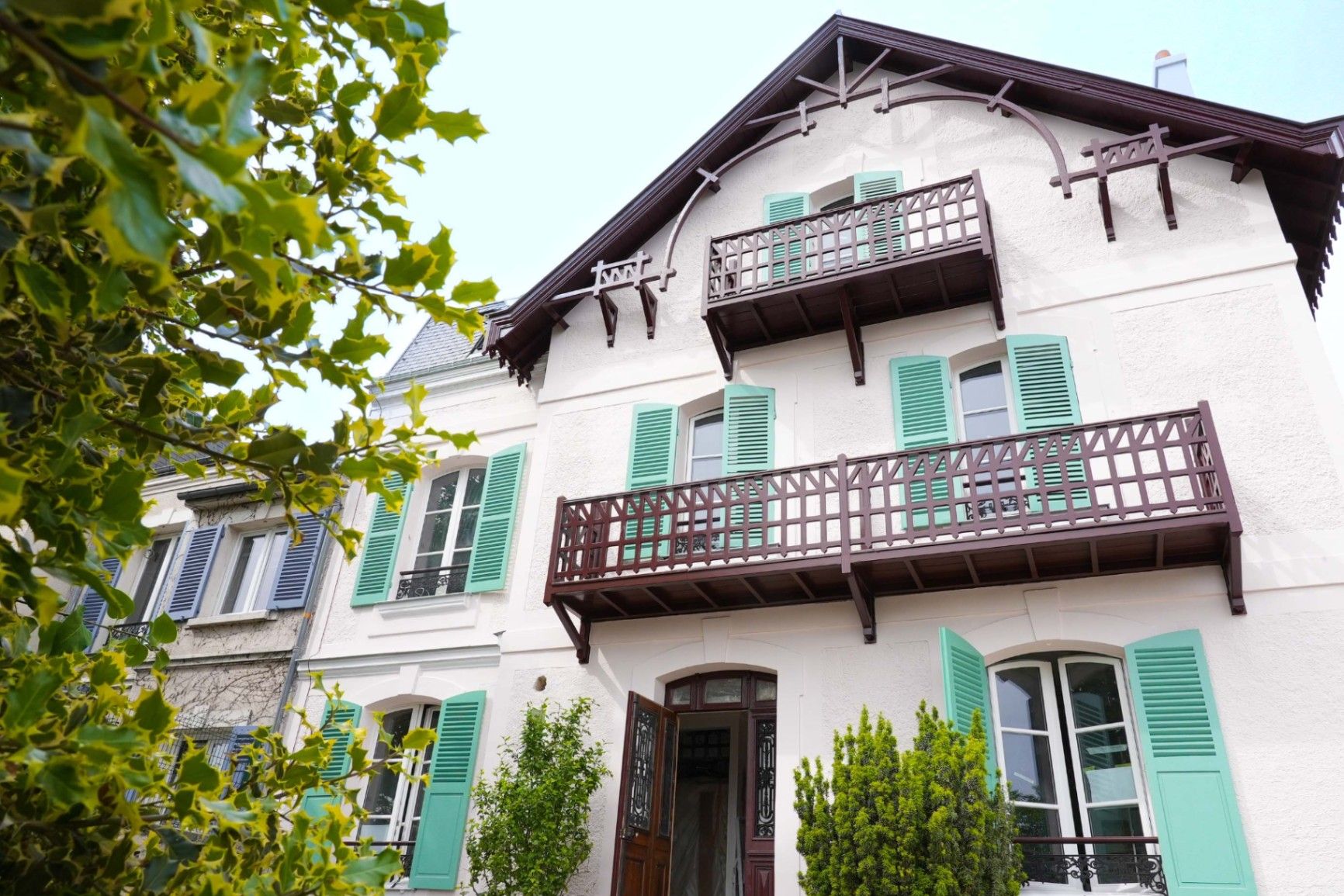
Maison Impressionniste Claude Monet Argenteuil is a carefully reconstructed space dedicated to the years when Claude Monet lived and worked in Argenteuil, a suburb northwest of Paris. Although not the original residence, the house functions as a faithful evocation of Monet’s daily environment between 1871 and 1878, a period widely considered formative for the Impressionist movement. This is where Monet refined his techniques of capturing light, atmosphere, and everyday scenes, and where he produced some of his most celebrated works, including views of the Seine, gardens, and his own home life.
The house is arranged to resemble the domestic context that influenced Monet’s early mastery. Rooms are curated with period furniture, reproductions of key paintings, personal objects, and interpretive displays illustrating how Monet painted outdoors, how he experimented with color, and how Argenteuil became a meeting point for artists such as Renoir, Manet, and Sisley. The staging provides an accessible narrative of Monet as a young pioneer, long before his later fame at Giverny.
A little-known fact is that Argenteuil was once a boating and leisure capital for Parisians, and Monet frequently painted regattas and pleasure craft from the riverbanks near his home. Another lesser-known detail is that Monet’s time in Argenteuil coincided with substantial urban development, which threatened some of the very landscapes he painted. This tension between modernization and natural beauty appears subtly throughout his Argenteuil canvases.
Today, the Maison Impressionniste offers a more intimate and less crowded alternative to major Impressionist institutions in Paris. It gives visitors the chance to walk through reconstructed interiors that feel personal rather than monumental and to understand the roots of what would become Monet’s global artistic influence.
City: Argenteuil (Greater Paris area)
Region: Île-de-France
Country: France
The house is situated in a residential part of Argenteuil, within walking distance of the Seine and the locations that inspired many of Monet’s paintings.
* From Gare Saint-Lazare in Paris, take a Transilien J train to Argenteuil Station. From there, it is a short walk or a brief bus ride.
* Several suburban bus lines connect Argenteuil with northern districts of Paris.
* The area is accessible via the A15 or A86, but parking can be limited in residential streets.
* A pleasant 10–15 minute walk through town streets leads directly to the museum.
Maison Impressionniste Claude Monet Argenteuil offers an intimate and historically grounded perspective on Monet’s early Impressionist years. The reconstructed spaces, the focus on daily life, and the proximity to the landscapes that shaped his artistic eye make it a meaningful stop for those seeking a deeper understanding of how Impressionism emerged and matured.
1. Is the house original?
No. It is a faithful reconstruction designed to evoke Monet’s home during his Argenteuil years.
2. How long did Monet live in Argenteuil?
From 1871 to 1878, a key period of his early Impressionist development.
3. Can visitors see original artworks?
The museum primarily displays reproductions and interpretive materials; original works are held in major museums in Paris and abroad.
4. Is the visit suitable for children?
Yes. The rooms are accessible, and the museum offers educational materials for younger visitors.
5. How long should I plan for the visit?
Around 1 hour, depending on reading speed and interest in the exhibits.
6. Is the museum wheelchair accessible?
Accessibility can vary; checking ahead with the museum is recommended.
Discover more hidden gems you might love.
Beijing
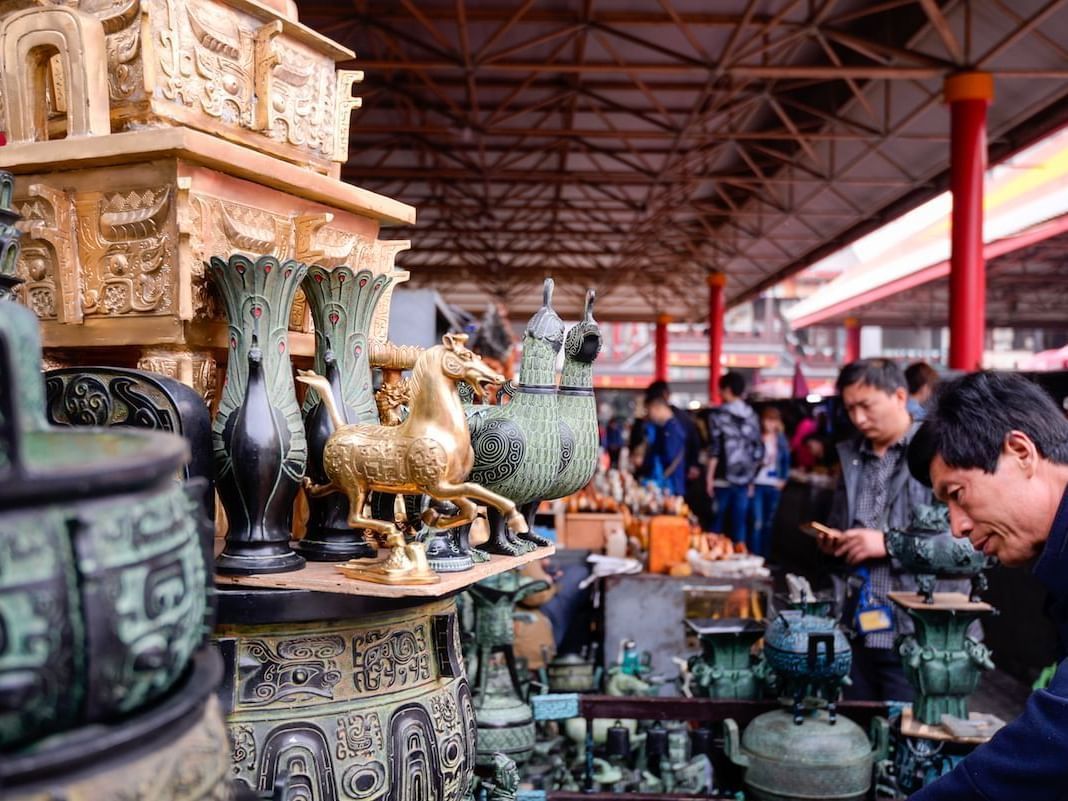
## Description Panjiayuan Antique Market is one of Beijing’s most famous shopping destinations for anyone interested in antiques, collectibles, crafts, and the thrill of browsing through a vast informal market environment. It is not a polished retail complex. It is a sprawling, energetic market where the pleasure comes from looking closely, comparing objects, and discovering what catches your eye. For travelers, that makes it one of the most characterful places to shop in Beijing, especially if you enjoy markets with a sense of surprise. The market is compelling because it contains many different worlds at once. You may find traditional crafts, replica objects, old decorative pieces, calligraphy supplies, beads, paintings, jewelry, souvenirs, and a range of goods that reflect both local taste and the expectations of visitors. A lesser-known fact is that Panjiayuan has long been associated with weekend browsing culture and has become a major destination for both serious collectors and casual shoppers. Another interesting detail is that the market’s atmosphere often changes depending on the time and day of visit, with early morning tending to be the best period for finding variety and doing serious browsing before the crowds become dense. For travelers, the real appeal is less about guaranteed rare finds and more about the experience of looking. Panjiayuan rewards patience, curiosity, and negotiation. It is the type of place where you can spend hours without realizing how much time has passed because every row offers something different. Even if you are not an antique buyer, the market is still fascinating as a cultural snapshot of Beijing’s consumer life and souvenir economy. It is also an excellent place for people who enjoy photography and people-watching, though you should be considerate and ask before taking close photos of vendors or merchandise. The market’s scale and texture make it one of the most memorable commercial spaces in the city. ## Location Panjiayuan Antique Market is located in Chaoyang District, Beijing, China, on the eastern side of the city. Its location makes it accessible from central Beijing while still feeling like a destination with its own identity. Because it is a major market rather than a single storefront, it is best approached with enough time to wander. The easiest way to reach the market is by subway followed by a short walk. Beijing’s metro is usually the most efficient transport method, especially if you want to avoid traffic. Taxis and rideshares also work well if you are carrying purchases or traveling with a group. Once you arrive, the market is straightforward to explore on foot, and the surrounding streets make it easy to orient yourself. If you are serious about browsing, mornings and weekends are often the most rewarding. If you prefer a quieter visit, go earlier in the day or plan around less busy times when possible. ## Tips Bring cash and a willingness to compare prices. Bargaining can be part of the experience, so staying alert is useful. Check items carefully before buying. Quality and authenticity vary, especially with antiques and collectible-style merchandise. Arrive early if you want the widest selection. Serious buyers often do better before the market becomes crowded. Do not expect every item to be a true antique. The market includes a wide range of goods, from genuine older objects to decorative reproductions. Leave enough time to wander without a fixed list. The market rewards discovery more than efficiency. ## Conclusion Panjiayuan Antique Market is one of Beijing’s best places for browsing, bargaining, and discovering objects with personality. It offers a lively, practical, and sometimes unpredictable market experience that many travelers remember long after they leave. ## FAQ ### Is Panjiayuan Antique Market only for collectors? No. It is popular with casual visitors too, especially those who enjoy browsing and shopping for souvenirs or decorative items. ### Can I bargain there? Often yes, though the style and room for negotiation can vary by stall and item. ### What is the best time to visit? Early morning, especially on busier market days, is often the best time for selection and atmosphere. ### Are all items antiques? No. The market includes a mix of antiques, collectibles, crafts, reproductions, and souvenir items. ## Links - [Beijing official tourism](https://english.beijing.gov.cn/) - [Chaoyang District overview](https://en.wikipedia.org/wiki/Chaoyang_District,_Beijing)
GemVoyage Team • World
Barcelona
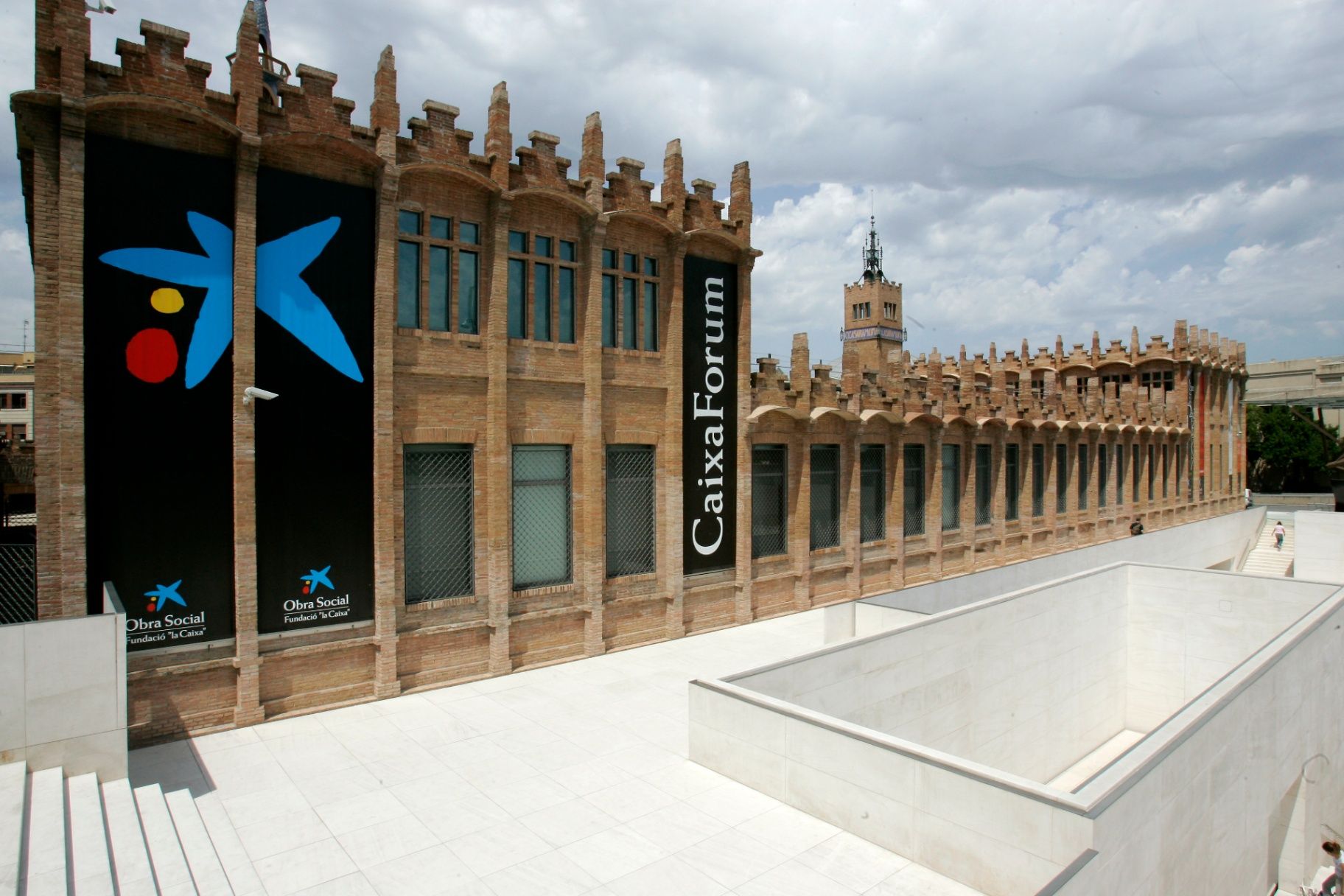
## Description **CaixaForum Barcelona** is one of the city’s most important cultural institutions, combining architecture, contemporary thought, and public education under one roof. It is housed in the former **Casaramona Textile Factory**, an early 20th-century industrial complex designed by the modernist architect Josep Puig i Cadafalch. Rather than demolishing the structure, it was carefully restored and repurposed, turning a once-abandoned factory into a vibrant center for exhibitions, debates, and artistic exploration. What makes CaixaForum Barcelona unique is its **programmatic diversity**. It is not a conventional museum with a permanent collection on display. Instead, it hosts a rotating schedule of high-quality temporary exhibitions covering art, photography, history, science, archaeology, music, and social issues. These exhibitions are often produced in collaboration with major international institutions, giving visitors access to works and ideas that rarely appear elsewhere in the city. Architecturally, the building itself is part of the experience. The red brick façades, sharp geometric volumes, and absence of ornamentation reflect a restrained form of Catalan modernism that contrasts with the more decorative style of Gaudí. A lesser-known fact is that the factory was originally built in 1911 but **never actually operated as an industrial plant**, as production ceased before it could fully open. Another interesting detail is the dramatic entrance plaza, redesigned by Japanese architect Arata Isozaki, which creates a striking dialogue between old and new through stone, steel, and light. Beyond exhibitions, CaixaForum functions as a **cultural forum in the literal sense**. It hosts lectures, film screenings, concerts, workshops, and family-oriented activities, making it appealing to a wide range of audiences. The institution emphasizes accessibility and education, aiming to make complex cultural topics understandable without oversimplifying them. ## Location **Country:** Spain **Region:** Catalonia **City:** Barcelona **District:** Sants-Montjuïc CaixaForum Barcelona is located at the foot of **Montjuïc Hill**, near Plaça d’Espanya, an area known for its concentration of museums, exhibition spaces, and monumental architecture. ### How to Get There * **By metro:** * Lines L1 (Red) or L3 (Green) to **Plaça d’Espanya** station. From there, it is a 5–7 minute walk. * **By bus:** * Several bus lines stop around Plaça d’Espanya and along Avinguda de Francesc Ferrer i Guàrdia. * **On foot:** * Easily reachable from Plaça d’Espanya and the surrounding exhibition grounds. * **By taxi:** * A convenient option if coming from other parts of the city; drop-off points are nearby. ## Tips * **Check the exhibition schedule in advance:** Exhibitions change regularly, and some are time-limited. * **Allow enough time:** One exhibition can easily take 90 minutes if explored thoroughly. * **Visit during weekdays:** Weekends tend to be busier, especially during popular exhibitions. * **Use the audio guides:** They provide context and depth without overwhelming the visitor. * **Combine with Montjuïc sights:** Pair your visit with nearby attractions such as museums or gardens. * **Look for free-entry times:** Certain days or time slots may offer reduced or free admission. ## Conclusion CaixaForum Barcelona is a cultural anchor that successfully bridges Barcelona’s industrial past with its intellectual present. Through its thoughtful exhibitions, adaptive architecture, and commitment to public engagement, it offers a meaningful alternative to traditional museums and rewards visitors seeking substance over spectacle. ## FAQ **1. Is CaixaForum Barcelona a museum?** It functions more as a cultural center with temporary exhibitions rather than a permanent museum collection. **2. How long does a visit usually take?** Most visitors spend between **1.5 and 3 hours**, depending on the exhibitions. **3. Is it suitable for children?** Yes, there are family-friendly exhibitions and interactive educational activities. **4. Are exhibitions available in multiple languages?** Yes, information panels and guides are usually available in Catalan, Spanish, and English. **5. Is the building accessible?** Yes, the center is fully accessible for visitors with reduced mobility. **6. Can you visit just for the architecture?** Yes, the building itself is worth seeing even without attending an exhibition. ## Links * [Official CaixaForum website](https://caixaforum.org/es/home)
GemVoyage Team • World
Brussels
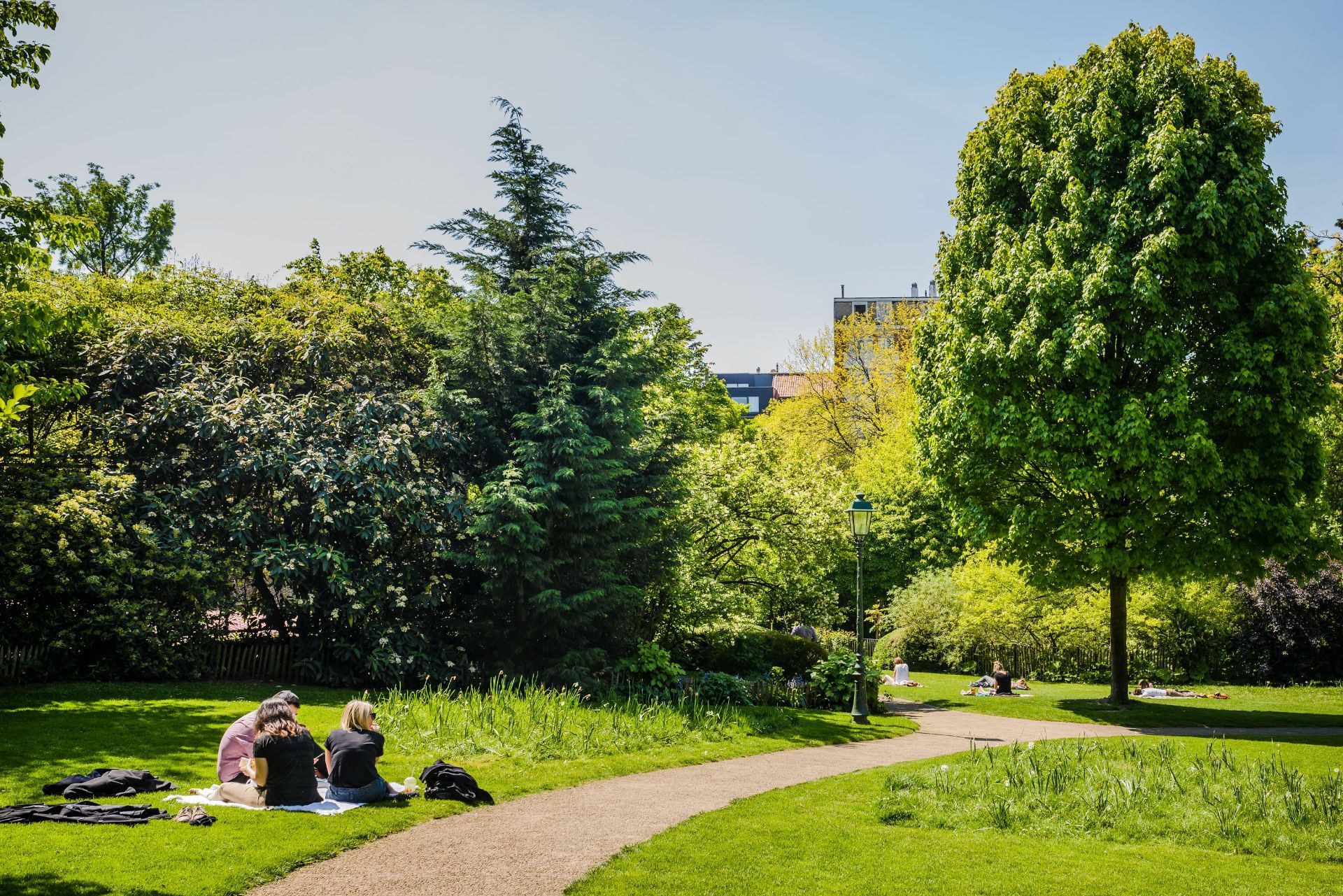
## Description Parc Tenbosch is one of Brussels’ most elegant small parks, and its appeal lies in subtlety rather than spectacle. Located in Ixelles, it offers a calm, leafy space where visitors can slow down, sit under mature trees, and enjoy a more intimate side of the city. For travelers who like parks that feel local rather than monumental, Parc Tenbosch is a strong choice. It is not the kind of place that demands an itinerary slot on its own; instead, it rewards being folded into a neighborhood walk or a café-filled afternoon. What gives the park its character is its sense of quiet design. It has the feel of a carefully tended urban refuge, with winding paths, dense planting, and enough variation in shape and texture to make a simple walk interesting. A lesser-known fact is that the park occupies a site with a layered urban past and was shaped to preserve greenery in a neighborhood that might otherwise have become entirely built up. Another detail many visitors notice only after spending time there is how different it feels from Brussels’ larger public parks: rather than broad ceremonial lawns, it offers an almost garden-like intimacy that makes it feel close to the life of the surrounding streets. For visitors, Parc Tenbosch works best as a pause. It is where you go after lunch, before a museum visit, or between neighborhood explorations. Because Ixelles is one of Brussels’ most varied and walkable districts, the park can fit naturally into a day that also includes Flagey, Avenue Louise, the Châtelain area, or a coffee stop nearby. That flexibility is part of what makes it worthwhile. You are not just visiting a park; you are using it as a calm anchor in one of the city’s busiest residential areas. The park is also a good reminder that urban travel does not always have to revolve around top-tier landmarks. Sometimes the most memorable part of a city is a place where the pace drops, the noise softens, and you get a sense of how residents actually use public space. ## Location Parc Tenbosch is located in Ixelles, Brussels-Capital Region, Belgium. It sits in a central urban setting within easy reach of several popular Brussels neighborhoods, which makes it simple to add to a walking route. The park’s placement in Ixelles means you can approach it from multiple directions depending on where you are staying or what else you want to see in the area. The easiest way to get there is usually on foot, by tram, or by a short taxi or rideshare journey from central Brussels. If you are already exploring Ixelles, the park is one of the simplest green spaces to include along the way. Public transport is convenient if you are coming from farther away, but the park is compact enough that many visitors simply fold it into a wider neighborhood walk. Because it is a neighborhood park, it is best enjoyed at a relaxed pace. Plan a short stop rather than a formal excursion, and let it serve as a quiet counterpoint to the surrounding city. ## Tips Visit when you want to rest your feet. The park is an ideal place to take a break between longer urban walks. Bring a book, snack, or coffee if you want to stay a while. The atmosphere is good for sitting and watching the neighborhood pass by. Keep expectations aligned with the scale of the park. Its charm comes from tranquility and atmosphere, not from grand size or a long list of facilities. Combine it with the surrounding district. Ixelles offers cafés, streets, and cultural stops that pair naturally with a park visit. If the weather is pleasant, go in the afternoon or early evening. That is often when the space feels most welcoming and the light is best for a walk. ## Conclusion Parc Tenbosch is a calm, attractive green refuge in the middle of Brussels’ Ixelles district. It is best for travelers who appreciate smaller urban parks and who want a place to slow down without leaving the city’s most interesting neighborhoods. ## FAQ ### Is Parc Tenbosch worth visiting? Yes, especially if you like neighborhood parks and quiet green spaces. It may not be a headline attraction, but it is rewarding as part of a relaxed Brussels itinerary. ### How long should I stay? Most visitors will spend 20 to 45 minutes, though longer stays are easy if you want to read, rest, or enjoy a picnic. ### Is it easy to combine with other sights? Very. It fits naturally into a route through Ixelles, Flagey, or the nearby café and shopping streets. ### Is the park family-friendly? Yes. Its calm setting and manageable size make it suitable for families, as long as expectations are oriented toward a peaceful urban green space rather than a large recreation park. ## Links - [Brussels parks overview](https://www.visit.brussels/en/visitors/what-to-do/brussels-parks-and-forests)
GemVoyage Team • World
Lisbon
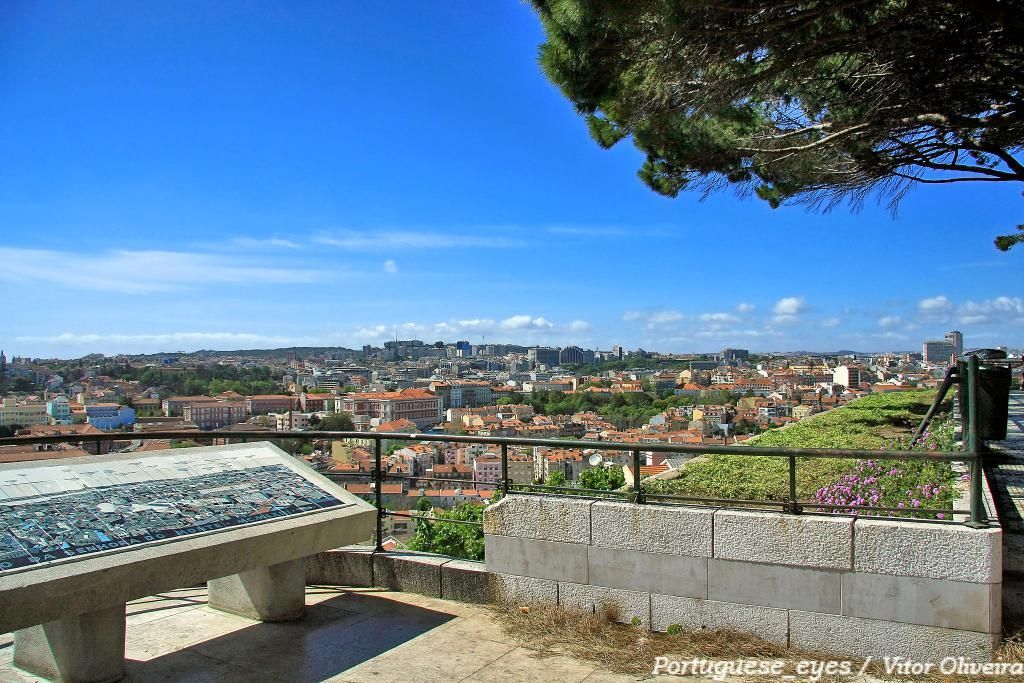
## Description Miradouro da Senhora do Monte is one of Lisbon’s most beloved viewpoints, offering a tranquil perch with unrestricted vistas across the city’s red rooftops, the Tagus River and landmarks like São Jorge Castle and the historic downtown. Tucked in the Graça neighborhood, the miradouro (viewpoint) is less crowded than some of Lisbon’s better-known terraces, making it a favorite among locals seeking a peaceful panorama and photographers hunting for unobstructed compositions. The small chapel of Senhora do Monte adds a devotional nuance to the setting, while benches and shaded nooks invite lingering. The viewpoint’s orientation gives particularly broad views to the east and south of the city, and because it is elevated, light at sunrise and sunset can be spectacular. Little-known facts: Miradouro da Senhora do Monte sits at one of the city’s highest natural points and was historically used to monitor the Tagus approaches; its quieter reputation owes partly to steeper approaches that keep the most casual visitors away. ## Location Miradouro da Senhora do Monte is located in the Graça parish of Lisbon, in the Lisbon District, Portugal. The viewpoint occupies a hilltop position above the Alfama and Graça neighborhoods and is within walking distance of São Vicente hill and several historic lanes. Getting there: The easiest ways are a short uphill walk through Graça from the tram 28 route or a ride to the Largo da Graça and a brief ascent. Tram 28 passes through Alfama and Graça and is a scenic option; buses also serve nearby stops. If using a taxi or rideshare, ask to be dropped at Largo da Senhora do Monte or the small square near the chapel. Wear comfortable shoes for the short climb. ## Tips - Timing: Sunrise and sunset are prime times for soft, warm light; sunrise is quieter and ideal for photographers. Weekday mornings are the least busy. - Safety & comfort: The area is generally safe and frequented by locals; standard precautions suffice. Bring water in warmer months and a light jacket in evenings. - Accessibility: The viewpoint involves steep streets and steps; it’s less accessible for visitors with limited mobility. - Neighborhood exploration: Combine the visit with a walk through Graça and Alfama’s lanes, sample local cafés and pastelarias nearby. - Respectful behavior: The chapel is a place of worship; observe quiet respect if services occur. ## Conclusion Miradouro da Senhora do Monte is an essential Lisbon experience for those seeking scenic calm and panoramic perspectives without the crowds of more famous terraces. Its high vantage point, local atmosphere and exceptional light conditions make it ideal for reflective moments, photography, and absorbing Lisbon’s layered skyline. ## FAQ Q: Is the miradouro crowded? A: It’s quieter than many Lisbon viewpoints but can be busy at sunset on weekends. Q: Are there cafés nearby? A: Yes, Graça and Alfama have several small cafés and bakeries within a short walk. Q: Does public transport reach it? A: Yes — Tram 28 and several buses serve the Graça area; from stops expect a short uphill walk. Q: Is there a fee to visit? A: No. The viewpoint and surrounding terraces are free and open to the public. ## Links [Detailed Guide](https://lisbonlisboaportugal.com/Alfama-Lisbon/miradouro-da-senhora-do-monte-lisbon.html)
GemVoyage Team • World
Alkmaar
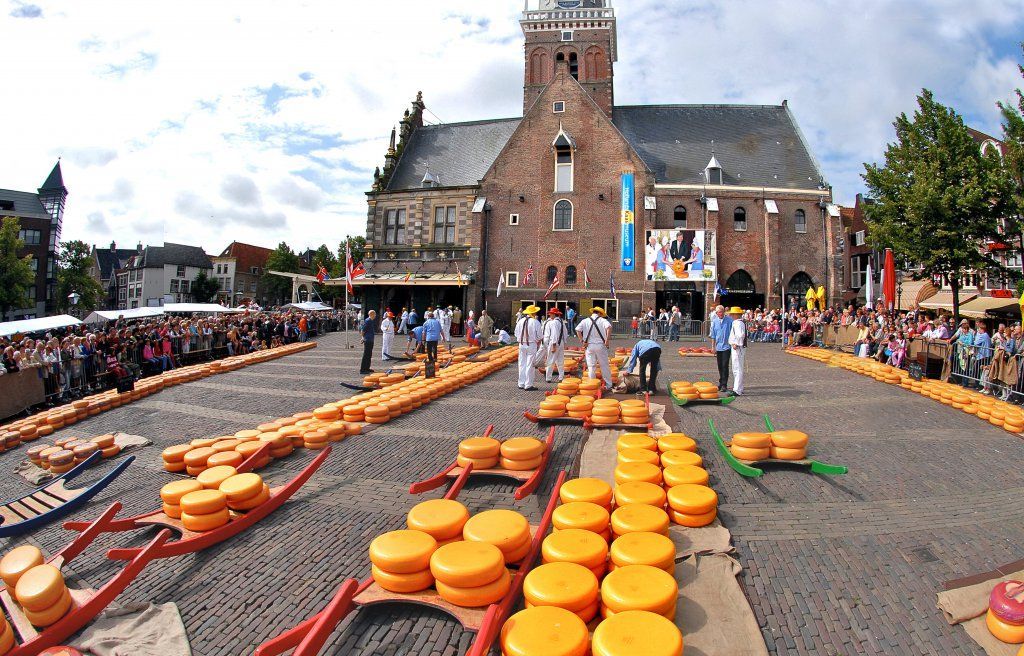
## Description The Alkmaar Cheese Museum is one of the best places to understand why cheese is such an important part of Dutch identity and regional heritage. Located in the historic Waag building, the museum explores the history, production, trade, and cultural significance of cheese in the Netherlands, with special attention to Alkmaar’s long association with the cheese market tradition. It is a compact but engaging museum that helps visitors see cheese not just as food, but as part of a larger economic and social story. One of the museum’s strengths is its accessibility. It presents information in a way that is easy to follow for casual visitors while still giving enough depth to satisfy people interested in local history. The setting matters too: being in a historic weighing house adds a strong sense of place. One lesser-known fact is that Alkmaar’s cheese heritage is linked not only to local farming but also to the broader trading systems that shaped Dutch cities for centuries. Another interesting detail is that the museum helps explain the rituals and practical logistics behind cheese commerce, including how products were measured, moved, and valued in a market town. The museum is also a good reminder that cultural attractions do not have to be large to be effective. Its size makes it easy to fit into a walking day in Alkmaar, and it works especially well when combined with the city’s old streets, canals, and other historic sites. For many visitors, the appeal is partly culinary and partly atmospheric: you learn about cheese, but you also absorb the character of a Dutch market city that built part of its identity around this trade. That makes the museum feel both educational and local. ## Location The Alkmaar Cheese Museum is in the center of Alkmaar, North Holland, the Netherlands, inside the historic Waag building near the city’s old market area. Because it is centrally located, it is easy to reach on foot from most of Alkmaar’s historic core. If you are coming by train, Alkmaar’s station connects well to the city center, and the walk to the museum is straightforward. Visitors arriving from Amsterdam or other nearby cities usually find the trip simple by rail, making it a practical day trip destination. Once in town, the compact center is best explored on foot. ## Tips Combine the museum with a visit to Alkmaar’s historic center for the full experience. If you are interested in the traditional cheese market, check the schedule before your trip so you can align your visit. The museum is a good rainy-day option because it is compact and easy to visit without much planning. Leave room in your itinerary for tasting local cheese or exploring nearby shops. ## Conclusion The Alkmaar Cheese Museum is a small but worthwhile stop that turns the city’s cheese heritage into a clear and enjoyable cultural visit. ## FAQ ### What does the Alkmaar Cheese Museum focus on? It explains the history, trade, and cultural importance of cheese in Alkmaar and the Netherlands. ### Is the museum connected to the cheese market? Yes, it is closely tied to Alkmaar’s famous cheese-trading tradition. ### How much time do I need? A visit usually takes around one hour, depending on how much you read. ### Is it suitable for children? Yes, especially for families that want a short, easy museum visit with a clear theme. ### Can I visit it together with the cheese market? Yes, and that is one of the best ways to experience Alkmaar’s cheese culture. ## Links - [Official website](https://www.kaasmuseum.nl/en/)
GemVoyage Team • World
Athens
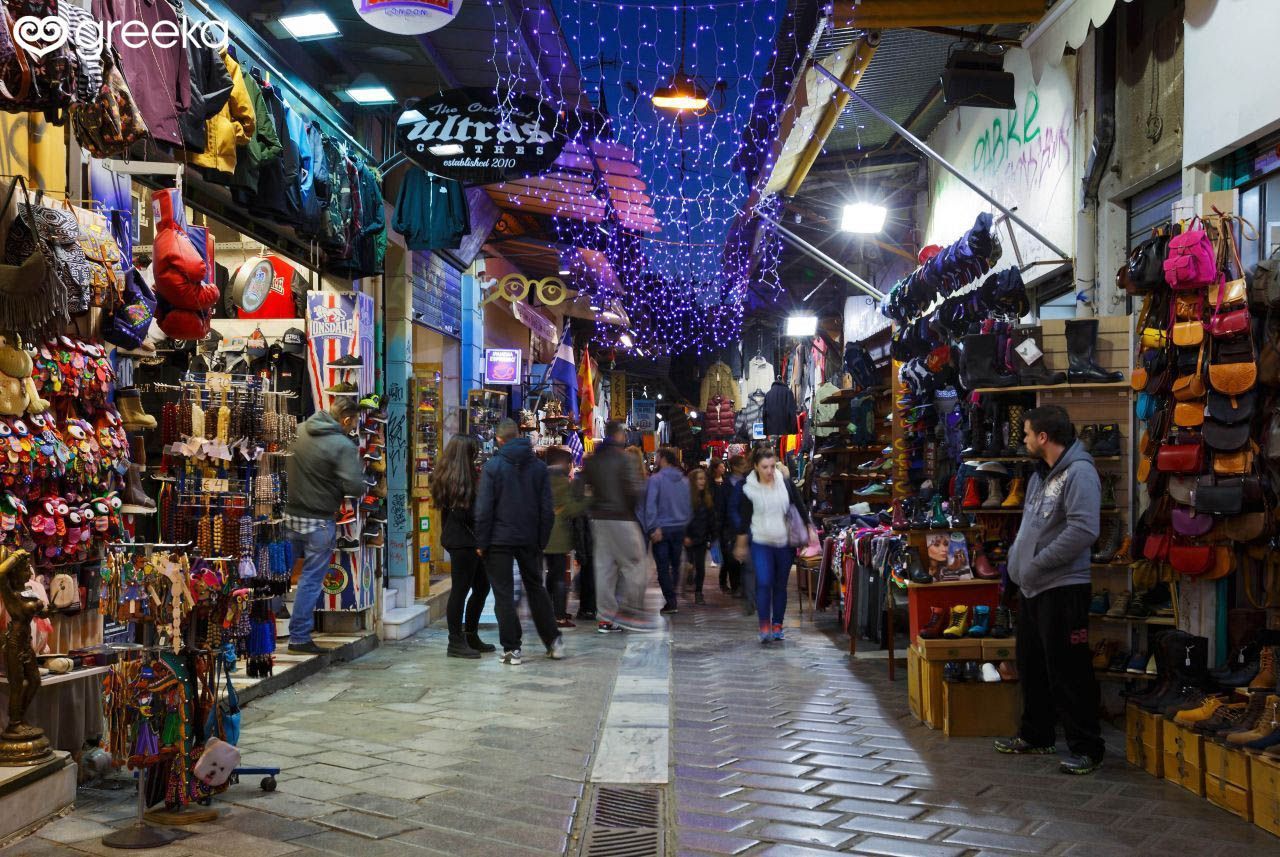
## Description Monastiraki Flea Market is the beating, bustling heart of Athens' informal shopping scene—an open, labyrinthine neighborhood market where layers of history and commerce intersect. Stalls and small shops spill into pedestrian lanes, offering antiques, textiles, ceramics, vintage clothing, books, and artisan curios alongside more touristic souvenirs. What makes Monastiraki especially compelling is its density of experiences: within a few minutes you can move from a stall stacked with retro vinyl to a tiny workshop crafting leather goods, or from a sidewalk cafe to a covered antique arcade. The market’s appeal is not only in the goods but in the social choreography: bargaining conversations, the rhythm of vendors calling out, and the way the market sits against a backdrop of ancient ruins and Ottoman-era alleys. Many travelers are surprised by the market’s everyday qualities—local shoppers source household goods and clothing here, so it’s not just a tourist carnival. At the same time, antiques and rare finds do appear, especially in the narrower lanes where veteran dealers have made their homes. ## Location Monastiraki is a central Athens neighborhood clustered around Monastiraki Square and the Monastiraki metro station. It sits adjacent to the ancient Agora and within easy walking distance of Plaka, the Acropolis, and Syntagma Square. The market isn’t confined to a single street but spills across several narrow lanes and squares, so plan to wander on foot and let the area unfold gradually. Because the market is woven into the city center, the best approach is pedestrian: arrive by metro and start on the main square, then explore side streets and covered arcades for more specialized finds. Nearby rooftop cafés and tavernas allow for breaks and people-watching between shopping spurts. ## Tips - Bring cash and small bills—while many places accept cards, smaller stalls often prefer cash. - Start early to avoid the thickest crowds and to catch dealers arranging their stalls. - Compare prices across stalls when shopping for antiques or vintage items; genuine bargains sometimes appear mid-week. - Ask questions and be friendly when bargaining—polite conversation gets better results than hard haggling. - Protect your belongings: crowds and narrow lanes make pickpocketing a possibility. - Explore beyond the main lanes: covered arcades and quieter side streets sometimes hold the best finds. ## Conclusion Monastiraki Flea Market is more than shopping; it’s an urban ritual that mixes trade, food, and history. Whether you come looking for a specific antique or just want to soak up Athens’ street-level energy, Monastiraki rewards curiosity, patience, and a willingness to wander. ## FAQ ### Is Monastiraki Flea Market only for tourists? No. While tourists are common, the market also serves local shoppers and small businesses, giving it a layered, authentic atmosphere. ### Can I bargain there? Yes—especially for antiques, vintage items, and bulk purchases. Approach bargaining with politeness and realistic expectations. ### What should I look for? Keep an eye out for vintage jewelry, retro vinyl, ceramics, handmade leather, and secondhand books. Antiques and unique local crafts are concentrated in side lanes and arcades. ### How crowded does it get? It can be very crowded on weekends and afternoons. Early morning weekdays are quieter and often more pleasant for careful browsing. ### How much time should I allow? Give yourself at least 1.5–3 hours if you want to browse comfortable; plan more time if you intend to hunt for specific antiques. ## Links - [Wikipedia](https://en.wikipedia.org/wiki/Monastiraki)
GemVoyage Team • World

Comments