Discover extraordinary places shared by our community of travelers

Berlin
## Description RAW-Gelände is one of Berlin’s most vivid examples of how the city has repurposed industrial space into a living cultural district. Located in Friedrichshain, the complex is known for its raw, creative atmosphere, street art, nightlife, event spaces, and independent venues. It does not feel polished in the conventional tourist sense, and that is exactly why people seek it out. The attraction is not a single building or museum hall; it is an urban environment shaped by layers of reuse, subculture, and creative experimentation. Historically, the area served railway and industrial functions, and that past still shapes the look and feel of the site. The result is a place of walls, courtyards, metal structures, graffiti, and open space where culture often feels more improvised than formal. One little-known aspect of RAW-Gelände is that it continues to function as a flexible venue ecosystem rather than a fixed monument. That means the experience can change depending on the day of the week, the season, and what events are running at the time. This fluid character is part of its appeal. Visitors often come for different reasons. Some want nightlife and live music, others come for photography, skating, street art, flea-market browsing, or simply to experience a side of Berlin that feels less curated than the central museum districts. The area reflects a very Berlin idea: the city’s strongest attractions are not always polished icons, but places where people still make, modify, and repurpose space in real time. RAW-Gelände captures that spirit extremely well. What makes it particularly interesting for travelers is the contrast between its industrial shell and its social energy. During the day, some sections feel like an open-air cultural playground. At night, certain venues transform the area into a magnet for music and late-night crowds. Because of that, RAW-Gelände is less about a single checklist moment and more about atmosphere. It is the kind of place where the details matter: the walls, the posters, the music drifting from a doorway, and the sense that the district is still being written by the people using it. ## Location RAW-Gelände is in Berlin, Germany, in the Friedrichshain district near the Warschauer Straße area. That puts it in one of the city’s liveliest neighborhoods, with easy access to public transportation, bars, clubs, and other urban attractions. The easiest way to get there is by U-Bahn, S-Bahn, tram, or taxi to the Warschauer Straße area, then continue on foot. Because the site is embedded in a busy neighborhood, walking the final stretch is usually the best way to understand where you are going and to notice the surrounding street life. If you are already exploring East Berlin, RAW-Gelände fits naturally into a larger route that includes the East Side Gallery, riverfront walking paths, and nightlife around Friedrichshain and Kreuzberg. Visitors should remember that the area is not a single enclosed attraction with one gate and one route. It is a district-like complex, so a little flexibility helps. Some parts may be busier or more active than others depending on the time of day. ## Tips Check ahead for events, especially if you want live music, markets, or club nights, because the site’s appeal changes a lot with programming. Wear practical shoes. The ground can be uneven in places, and the atmosphere is more industrial than manicured. That roughness is part of the visual character. If you are sensitive to noise or crowds, visit earlier in the day. If you want the energetic side of the area, go later and be prepared for a more intense urban environment. Take time to look beyond the obvious venues. The graffiti, passageways, posters, and improvised corners are often as interesting as the headline bars or clubs. RAW-Gelände rewards curiosity and is best approached as a walkable culture zone rather than a conventional sightseeing stop. ## Conclusion RAW-Gelände is a distinctly Berlin attraction shaped by industrial history, street culture, and constant reinvention. It is ideal for travelers who want a gritty, creative, and flexible urban experience rather than a traditional monument. ## FAQ **What is RAW-Gelände?** It is a former railway and industrial site in Berlin that now hosts cultural spaces, nightlife, art, and events. **Is it open all day?** Different parts operate on different schedules, so it is best to check individual venues and event listings. **Is it family-friendly?** Some daytime areas can be, but the overall atmosphere varies and may be more suitable for older visitors depending on the time and event. **What is it best for?** Street art, alternative nightlife, urban photography, and experiencing Berlin’s creative edge. **How much time should I plan?** At least one to two hours for a casual visit, more if you are attending an event or planning to eat and explore nearby areas. ## Links - [Official Website](https://raw-gelaende.de/) - [Berlin tourism information](https://www.visitberlin.de/en)
GemVoyage Team • World
Mexico City
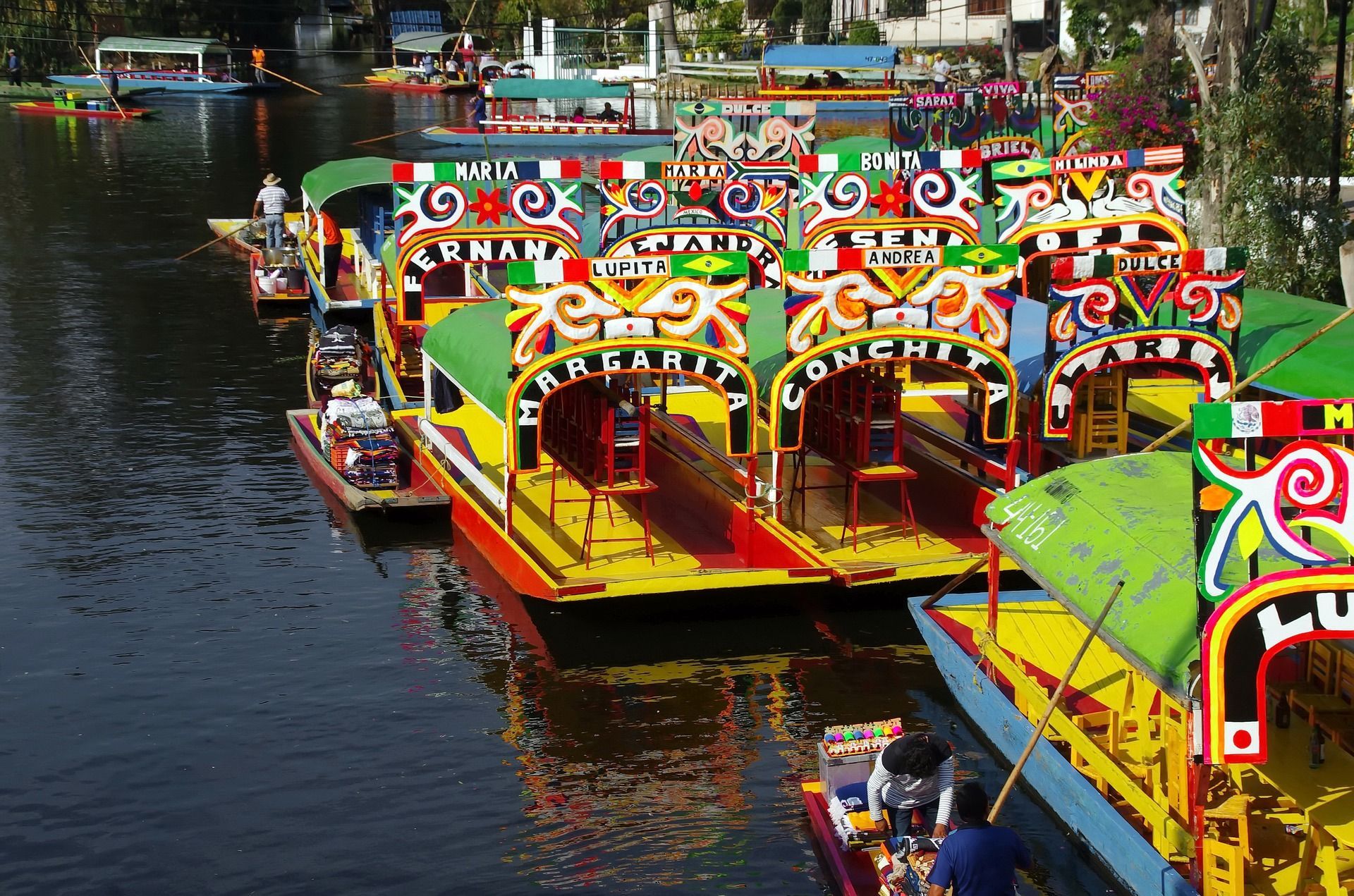
## Description The Xochimilco Canals are one of Mexico City’s most distinctive attractions because they preserve a living relationship between water, agriculture, celebration, and community. Unlike a standard sightseeing canal ride, Xochimilco offers a colorful world of trajineras, music, food, and floating movement through a landscape that reflects centuries of adaptation. It is one of the few places in the capital where visitors can still feel the legacy of the lake system that once defined the Valley of Mexico. What makes Xochimilco so special is that it is both scenic and cultural. A ride along the canals is visually lively, with brightly painted boats, vendors drifting by, musicians performing, and families and friends gathering for celebrations. At the same time, the area connects to the ancient chinampa system, a form of raised agricultural landscaping that has long been admired for its ingenuity. A lesser-known fact is that these canals are among the last surviving remnants of the pre-Hispanic water landscape of the valley. That makes a visit more than entertainment; it is a window into a surviving historical ecosystem. Another little-known detail is that Xochimilco is not just a tourist attraction but also a place with ongoing local life and ecological importance. The canals and surrounding fields continue to matter to residents, farmers, and conservation efforts. That is why the experience can feel so layered. You are not simply on a boat ride. You are moving through a landscape where heritage, tourism, and environmental questions meet. For many travelers, Xochimilco is memorable because of its atmosphere. It can be playful, crowded, musical, and festive, but it can also be surprisingly reflective if you visit at a calmer time. It is one of those places where the experience changes depending on the hour, the weather, and the energy on the water that day. Because of that, it works well for visitors who enjoy local color and are willing to let an outing unfold at a slower, more social pace. ## Location The Xochimilco Canals are in the Xochimilco borough of southern Mexico City, Mexico. The area is well known throughout the capital and can be reached from central Mexico City by public transport, taxi, or rideshare. One of the most common ways to get there is by taking the light rail system toward Xochimilco and then continuing to the canal departure points. Once you arrive, boats depart from designated embarcaderos. If it is your first time, that is the easiest structure to follow because the canals themselves are extensive and the boat-launch area is where the visitor experience starts. Because the area is farther from the center than some other attractions, plan Xochimilco as its own excursion rather than a quick add-on. That gives you enough time to enjoy the canal ride, food, and atmosphere without rushing back and forth across the city. ## Tips Go with a group if possible, because trajineras are more enjoyable when you can share the cost and the atmosphere. Even if you travel solo or as a couple, the social nature of the experience is a big part of the appeal. Bring cash for boat rental, food, drinks, and optional music. It is easier to enjoy the outing if you are prepared for small on-the-spot purchases. Choose the time of day carefully. Earlier visits can feel calmer, while later outings often become livelier and more festive. Pick the mood you want before you go. Respect the local environment and the people who live and work there. Xochimilco is a heritage landscape, not just a party venue, and a more considerate visit tends to be a better one. ## Conclusion Xochimilco Canals are one of Mexico City’s most unforgettable experiences, blending history, ecology, and celebration on the water. They are ideal for travelers who want something colorful, local, and unlike any conventional city attraction. ## FAQ **What are the Xochimilco Canals famous for?** They are famous for trajineras, festive boat rides, and their connection to the ancient chinampa system. **How do I get there?** The most practical options are public transport to Xochimilco followed by a short transfer to the canal departure points. **Is it only for parties?** No. While it can be lively, it is also a heritage site with agricultural and ecological importance. **How long should I plan for a visit?** A few hours is ideal so you can enjoy the boat ride without feeling rushed. **Is it worth visiting if I have limited time in Mexico City?** Yes, especially if you want a memorable local experience that is different from museums and monuments. ## Links - [UNESCO World Heritage information](https://whc.unesco.org/en/list/412/) - [Wikipedia](https://en.wikipedia.org/wiki/Xochimilco)
GemVoyage Team • World
Tunis
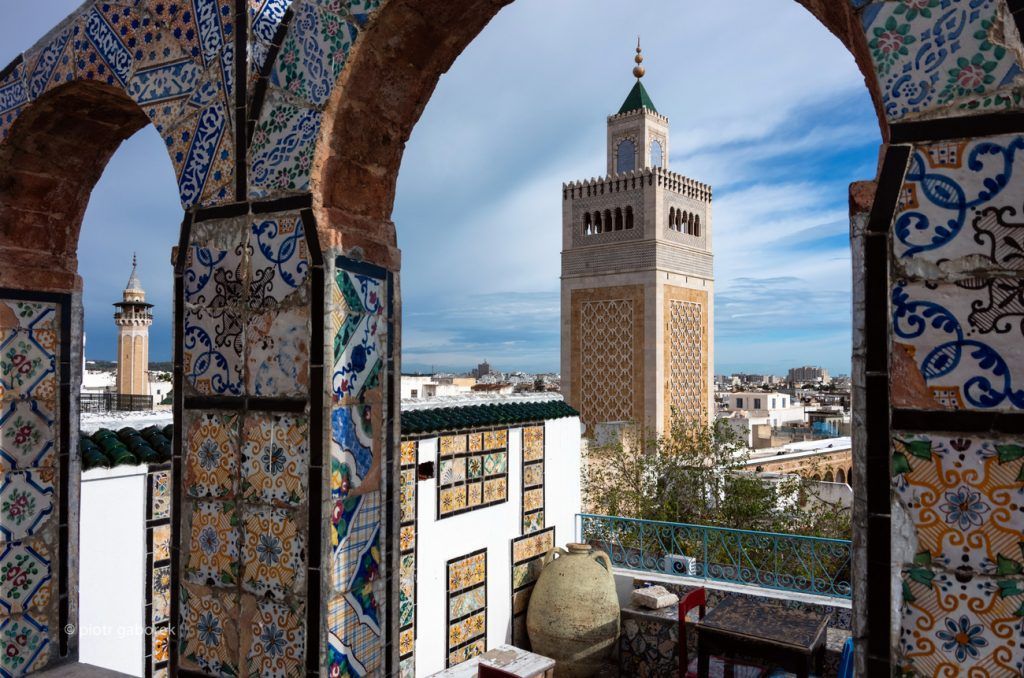
## Description The Medina of Tunis is one of the most atmospheric historic districts in North Africa and a place where the city’s long history remains fully visible in everyday life. Unlike a museum or a single monument, the medina is an urban fabric: alleys, courtyards, markets, religious buildings, craft spaces, and homes woven together over centuries. That makes it one of the best places to understand Tunis not as a modern capital only, but as a layered historic city with strong social continuity. What makes the medina memorable is the density of experience. You can walk from a bustling souk to a quiet courtyard, from a textile shop to a mosque exterior, from a spice stall to a passage that suddenly narrows and feels much older than the streets around it. The medina rewards patience. It is not about racing from one famous stop to the next. It is about absorbing the patterns of city life that have persisted across different eras of Tunisian history. One lesser-known fact is that the Medina of Tunis is recognized for its remarkable urban heritage and has long been one of the best-preserved historic centers in the Arab world. Another is that its value comes not just from architecture, but from how the district still functions as a living place of commerce and social exchange. The medina is not preserved by being frozen. It stays alive because people keep using it. For travelers, the medina is especially rewarding if you enjoy walking and observing. It can feel both lively and intimate, with frequent shifts in sound, color, and pace. There is also a strong sense of continuity here: traditional crafts, local commerce, historic religious landmarks, and everyday errands all happen in the same urban landscape. That gives the experience depth. You are not only seeing old streets; you are moving through a system that still shapes modern Tunis. ## Location The Medina of Tunis is in central Tunis, Tunisia, forming the historic core of the capital. Its location makes it one of the easiest major heritage districts to incorporate into a city visit. The best way to explore it is on foot. Depending on where you are staying, you can reach it by taxi, local transport, or a short walk from central areas. Once inside, walking is the only practical way to experience the medina properly, because the network of streets is part of the attraction. If you are using a guide or map, it can help at the start, but some of the best moments come from simply following the flow of streets and letting the district unfold. The medina is also a good anchor point for a broader Tunis day. You can pair it with a museum visit, a café stop, or another historic site and still keep the whole itinerary manageable. ## Tips Wear comfortable shoes, because you will likely walk more than you expect across uneven or tightly packed streets. Respect local customs, especially around religious buildings and private areas. The medina is a living district, not only a tourist zone. Leave room in your schedule for spontaneous stops. The best discoveries often come from unexpectedly turning into a market lane or noticing a craft workshop. If you want a calmer experience, go earlier in the day. Later hours can be busier and more intense, which can be rewarding too but less relaxed. ## Conclusion The Medina of Tunis is one of the city’s most important attractions because it preserves the historic texture of Tunisian urban life. It is essential for travelers who want a real sense of place rather than a single landmark. ## FAQ **What is the Medina of Tunis?** It is the historic old city center of Tunis, filled with markets, religious buildings, and traditional streets. **Is it safe and easy to visit?** Yes, though like any busy historic district, it is best explored with normal city awareness and respect. **How long should I plan for a visit?** At least two to three hours if you want to explore it properly. **Is it a good place to shop?** Yes. It is known for local commerce, crafts, and market activity. **Should I hire a guide?** Not strictly necessary, but a guide can help if you want deeper historical context. ## Links - [UNESCO World Heritage information](https://whc.unesco.org/en/list/36/) - [Wikipedia](https://en.wikipedia.org/wiki/Medina_of_Tunis)
GemVoyage Team • World
Athens
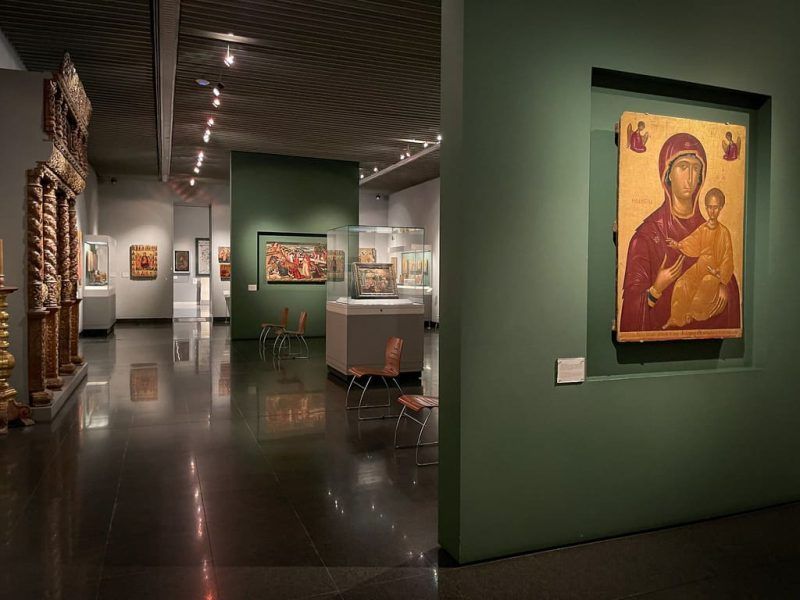
## Description The Benaki Museum is one of Athens’ most important cultural institutions because it presents Greek history and identity through a broad and thoughtful collection rather than a narrow single-theme display. Visitors who come expecting one type of museum often discover that the Benaki is much more expansive. It includes art, objects, clothing, religious items, decorative works, and material from different periods that together tell a layered story of Greek civilization and cultural continuity. What makes the museum especially compelling is the way it links antiquity, Byzantium, Ottoman-era influence, and modern Greek identity without treating them as separate islands. The collection helps you understand that Greece’s cultural history is not only classical. It is long, evolving, and regionally diverse. That broader perspective is one of the museum’s great strengths. It is also why the Benaki is so useful to travelers who want to go beyond postcard versions of Athens. One lesser-known fact is that the museum began as a private collection before growing into one of the country’s key public cultural institutions. Another is that its displays often reward viewers who pay attention to craftsmanship and everyday materials, not just monumental masterpieces. The result is a museum that feels intellectually rich but still accessible. You do not have to be an expert to enjoy it, though you will likely get more from it if you are interested in how objects carry cultural memory. The Benaki is also appealing because it offers a calmer, more curated counterpoint to the dramatic scale of Athens’ ancient ruins. After time at the Acropolis or major archaeological sites, the museum gives context to the broader human story behind those stones. It helps connect art, religion, politics, and daily life. For many visitors, that synthesis is exactly what makes the visit worthwhile. ## Location The Benaki Museum is in Athens, Greece, with its main historical building located in central Athens near other major urban and cultural landmarks. Its position makes it very easy to integrate into a day of museum and city-center sightseeing. The easiest way to get there is by public transport, taxi, or on foot depending on where you are staying. Since central Athens is compact enough for many visitors to explore by walking, the museum can often be part of a broader route through nearby neighborhoods and monuments. If you are visiting multiple museums, check the specific branch or main building you plan to see, as the Benaki institution includes multiple sites and collections. It is a good idea to pair the museum with a café stop or another nearby cultural site, especially if you want to keep the day balanced and avoid museum fatigue. ## Tips Allow enough time. This is not a quick museum if you want to appreciate the range of material properly. If possible, read the museum’s room structure or collection focus before entering so you can prioritize areas that match your interests. Do not focus only on the “headline” objects. Some of the most rewarding pieces are the smaller items that reveal everyday life and social change. If you are interested in Greek history across periods, this museum is one of the most useful stops in Athens because it connects those periods in one place. ## Conclusion The Benaki Museum is one of Athens’ finest cultural attractions, offering a wide and intelligent view of Greek history through art and objects. It is an essential stop for travelers who want depth, not just spectacle. ## FAQ **What is the Benaki Museum known for?** It is known for its wide-ranging collection of Greek art and cultural artifacts across multiple historical periods. **How long should I spend there?** Two hours or more is ideal if you want to see the museum properly. **Is it good for first-time visitors to Athens?** Yes, especially if you want historical context beyond ancient ruins. **Does it focus only on ancient Greece?** No. It covers a much broader cultural timeline. **Is it easy to reach?** Yes, it is centrally located and straightforward to access. ## Links - [Official website](https://www.benaki.org/index.php?lang=en) - [Wikipedia](https://en.wikipedia.org/wiki/Benaki_Museum)
GemVoyage Team • World
Venice
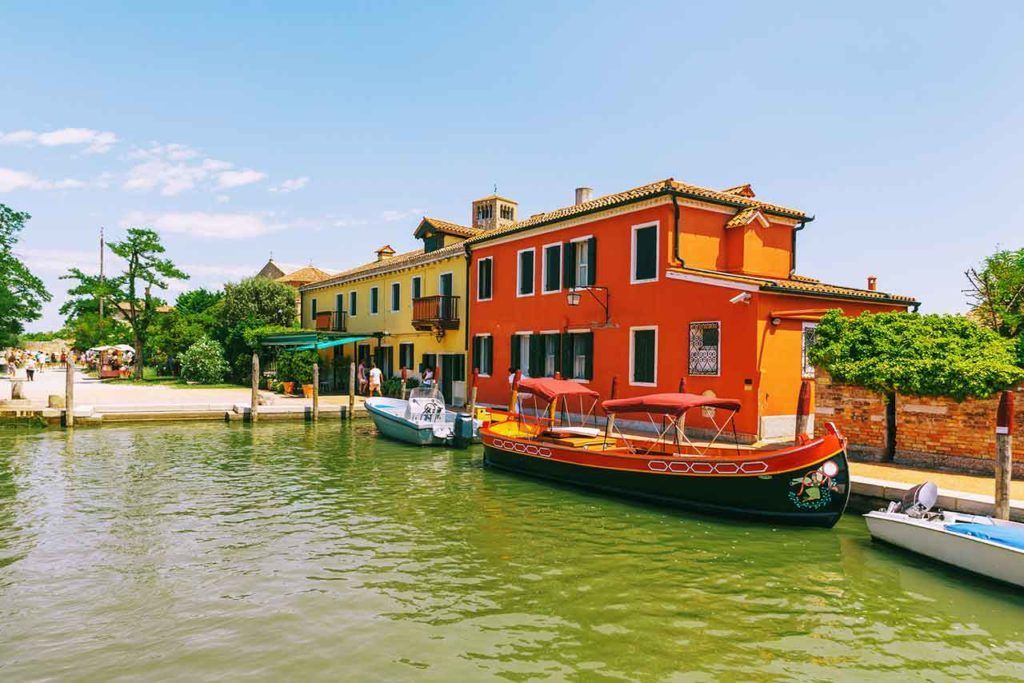
## Description Torcello Island is one of the most atmospheric places in the Venetian lagoon, especially for travelers who want to step away from the busier islands and see a quieter, older side of Venice. The island feels open and restful compared with the crowded center of the city, with broad paths, reeds, water, and a sense of distance that makes the landscape feel almost meditative. Its appeal lies in that stillness. Rather than offering a dense cluster of shops or nightlife, Torcello invites visitors to slow down and imagine what life in the lagoon looked like before Venice became a global symbol of trade and power. One of the most important sights on the island is the Cathedral of Santa Maria Assunta, known for its remarkable early Christian mosaics. Those mosaics are among the most valuable artistic treasures in the lagoon and are a major reason historians and art lovers make the trip. Another detail many visitors find surprising is that Torcello was once far more important than it is today; it played a key role in the region long before many other lagoon settlements rose to prominence. That history gives the island a haunting, almost forgotten beauty. ## Location Torcello is located in the Venetian Lagoon in the Veneto region of northern Italy, north of Venice and near the island of Burano. It is part of the broader Venice area and is reached by public ferry or vaporetto connections that usually involve changing boats from Venice or nearby islands. The journey itself is part of the experience, because the water route helps set the mood before you arrive. Once on the island, the walk from the landing area to the main historic sights is straightforward and pleasant. The best way to get there is by combining the visit with Burano or another nearby lagoon island. That makes the transit feel efficient and gives you a better sense of the lagoon geography. Torcello is not a place you rush through by car or taxi; the slower ferry rhythm is part of its charm. ## Tips - Visit with enough time to appreciate the quiet atmosphere, not just the main cathedral. - Pair Torcello with Burano so your day includes both color and calm. - Bring good walking shoes, since the island is best explored on foot. - If you care about art history, spend time inside the cathedral rather than treating it as a quick photo stop. - Go earlier in the day if you want the most peaceful experience and softer light over the lagoon. - Carry snacks or plan lunch in advance, because dining options are more limited than on larger Venetian islands. ## Conclusion Torcello offers a rare glimpse into the deeper historical memory of Venice. Its open landscapes, quiet paths, and extraordinary mosaics make it an ideal choice for travelers who value atmosphere and heritage over crowds. ## FAQ ### Why is Torcello important? Torcello was one of the earliest populated islands in the lagoon and once held far more influence than it does today. Its significance comes from that early history, the cathedral mosaics, and the way the island preserves a sense of Venice before modern tourism transformed the region. ### How much time do you need on Torcello? Most visitors can see the island in a few hours, especially if they are combining it with Burano. If you want to enjoy the setting, the cathedral, and a relaxed meal, give yourself half a day so you do not feel pressured. ### Is Torcello crowded? It is usually much calmer than central Venice or Burano. That quieter atmosphere is one of the reasons people go there. Crowds can rise during peak tourism periods, but the island generally remains more spacious and reflective than the better-known parts of the lagoon. ### What is the main thing to see on the island? The Cathedral of Santa Maria Assunta is the main highlight for most visitors because of its historic and artistic value. Even so, the real appeal of Torcello is the combination of that monument with the island's open, almost rural-feeling environment. ### Is Torcello worth visiting for a first trip to Venice? Yes, especially if you want more than the classic central Venice experience. It is best for travelers who enjoy history, landscape, and quieter places. If your schedule is very short, you may want to prioritize the core city first, then return for a lagoon excursion. ## Links - [Wikipedia](https://en.wikipedia.org/wiki/Torcello)
GemVoyage Team • World

Berlin
## Description Teufelsberg is one of Berlin's most unusual landmarks, combining Cold War history, postwar rubble, urban exploration energy, and large-scale street art. The hill itself was built from debris after World War II, which already makes it unusual in a city with so much layered history. On top of that artificial landscape stand the remains of an abandoned listening station that once played a role in intelligence monitoring during the Cold War. Today, the site has evolved into a destination for visitors who want a mix of history, raw architecture, and an atmosphere that feels unlike anything else in central Berlin. The site is especially appealing to people who enjoy places that are part ruin, part gallery, and part lookout point. The decaying domes and walls are covered with murals and tags that turn the space into a constantly changing outdoor canvas. A little-known fact is that Teufelsberg sits on what was once intended to be a Nazi military college, but the project never reached completion and the site eventually became part of Berlin's postwar transformation. That layered past gives the hill a strange and powerful presence. ## Location Teufelsberg is in the western part of Berlin, Germany, near the Grunewald forest. It is outside the dense historic center but still accessible by public transport followed by a short walk or bus ride. Because the hill is elevated and somewhat isolated within a wooded area, the journey feels more like leaving the city than simply crossing neighborhoods. That is part of its appeal. The most practical way to get there is by transit and walking, especially if you want to avoid parking concerns and enjoy the forest approach. Visitors should check opening times before going, since access can vary by season and event schedule. The site is best treated as a half-day trip rather than a quick stop. ## Tips - Wear sturdy shoes, because parts of the site are uneven and more rugged than a standard museum visit. - Bring cash or a payment method accepted on-site in case access fees or special exhibits apply. - If you like photography, go when the weather is clear so the skyline and street art stand out more sharply. - Plan for a combination of outdoor exposure and indoor-like enclosure, since the structures can feel windy and exposed. - Leave time to explore the surrounding forest paths if you enjoy a longer, more atmospheric visit. - Check ahead for guided tours or event days, since they can add context to the Cold War history. ## Conclusion Teufelsberg is a reminder that Berlin often turns difficult history into something creative and publicly accessible. The result is a place that feels rough, memorable, and deeply distinctive, especially for travelers who want more than postcard landmarks. ## FAQ ### Is Teufelsberg safe to visit? Yes, it is generally safe during normal visiting hours and in managed public areas. Because the terrain is uneven and partly ruined, visitors should stay alert and follow site rules. The main risk is usually physical footing rather than anything related to the site's history. ### Do you need a guided tour? You do not always need one, but a guided tour can make the experience much richer. The site has layers of history that are easy to miss if you only walk around on your own. If you are interested in espionage, architecture, or Berlin history, a tour is often worthwhile. ### How long should I spend there? One to two hours is enough for a basic visit, but art and history fans may stay longer. If you also want to walk in the forest or take photos from different viewpoints, plan for more time so the visit does not feel cramped. ### Is it good for photography? Yes, it is one of Berlin's more photogenic places because the ruins, murals, and views combine well. Overcast days can work nicely for moody shots, while clear days are best for skyline photographs. Either way, the textures are strong and visually rewarding. ### Why is Teufelsberg famous? It is famous because it combines a Cold War listening station, a man-made hill created from rubble, and a vivid street art scene. Few places in Berlin bring those three elements together so effectively, which is why it stands out among the city's more conventional attractions. ## Links - [Official website](https://teufelsberg-berlin.de/) - [Wikipedia](https://en.wikipedia.org/wiki/Teufelsberg)
GemVoyage Team • World
Tokyo
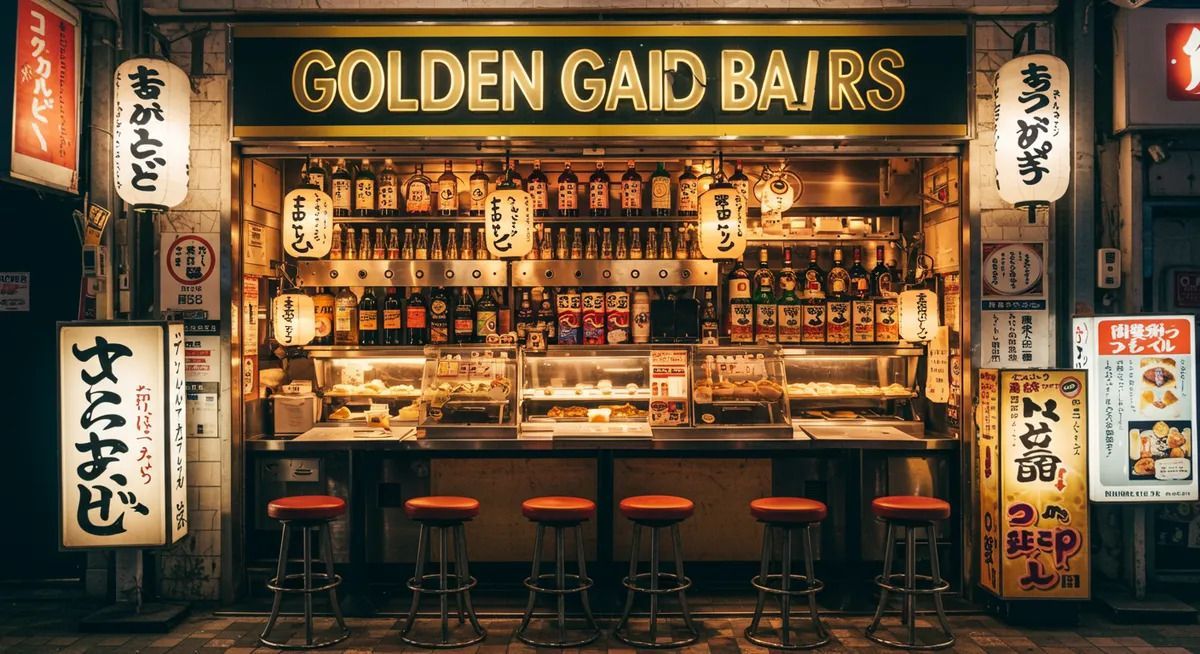
## Description Golden Gai is one of Tokyo's most distinctive nightlife districts, known for its narrow lanes, compact buildings, and dozens of tiny bars packed into a remarkably small area. What makes it special is not simply the number of bars, but the intimacy of the environment. Instead of large venues and loud commercial chains, visitors find one-room or nearly one-room spaces where the atmosphere is personal, varied, and often highly curated by the owner. The whole district feels like a living archive of postwar Tokyo nightlife, preserved in a way that modern redevelopment has not fully erased. Many of the bars have their own themes, regulars, and house rules, which means the experience can change dramatically from one doorway to the next. That unpredictability is part of the appeal. A less widely known fact is that Golden Gai survived repeated pressure from urban redevelopment because its character became too culturally valuable to replace easily. Another interesting detail is that it is as much a social district as a drinking district; for many visitors, the point is to step into Tokyo's small-scale urban culture rather than simply to have a night out. ## Location Golden Gai is in Shinjuku, one of Tokyo's busiest commercial districts in Japan. It sits near the heart of the entertainment area and is easy to reach from Shinjuku Station, one of the city's main transportation hubs. The neighborhood's location makes it especially convenient for travelers staying in central Tokyo, since you can reach it by train, walk to it from nearby hotels, and continue elsewhere in the city afterward. Because the area is small and dense, the best approach is to arrive on foot after taking transit to Shinjuku. That lets you enjoy the contrast between the huge station area and the tighter lanes of Golden Gai. Evening is the natural time to go, although the district comes alive at different speeds depending on the day and the season. ## Tips - Start with one or two bars rather than trying to see everything, because the district rewards quality over quantity. - Check whether a bar has a cover charge or membership policy before entering. - Be respectful of the small spaces and the local regulars, since many bars have a strong neighborhood culture. - Bring cash, because some smaller establishments may prefer it over cards. - If you are shy, choose a bar with an easier-looking entry style or a visible English menu. - Pair Golden Gai with other Shinjuku sights so the evening feels like a full district experience. ## Conclusion Golden Gai is one of the best places in Tokyo to experience a compact, intimate version of the city's nightlife. Its charm comes from personality, density, and history, not spectacle, which is exactly why it leaves such a strong impression. ## FAQ ### Is Golden Gai only for drinking? Mostly, yes, but the experience is broader than drinking alone. Many visitors go to appreciate the atmosphere, architecture, and social energy of the district. Even if you only stop in briefly, you are getting a glimpse into a very specific side of Tokyo's urban culture. ### Is Golden Gai expensive? It can be, especially compared with everyday bars elsewhere in Tokyo. Small spaces, cover charges, and themed bars often create a premium experience. That said, costs vary a lot from one place to the next, so it is possible to keep the visit modest if you are selective. ### Do I need to speak Japanese? Not necessarily. Some bars are welcoming to international visitors, while others are more local in feel. Basic courtesy goes a long way, and a little patience helps. If you want an easier entry, look for venues that visibly welcome newcomers. ### What is the best time to go? Early evening is usually best if you want to avoid the busiest crowd peaks and have time to choose a bar calmly. Later at night can be lively, but the narrow lanes may feel crowded. Your ideal time depends on whether you prefer atmosphere or ease of movement. ### Can I visit Golden Gai without staying long? Yes, and that is common. Some people drop in for a single drink, a brief look around, or a photo walk. Even a short visit can feel meaningful because the district's character is so concentrated. You do not need a long itinerary to appreciate it. ## Links - [Wikipedia](https://en.wikipedia.org/wiki/Golden_Gai)
GemVoyage Team • World
Chicago
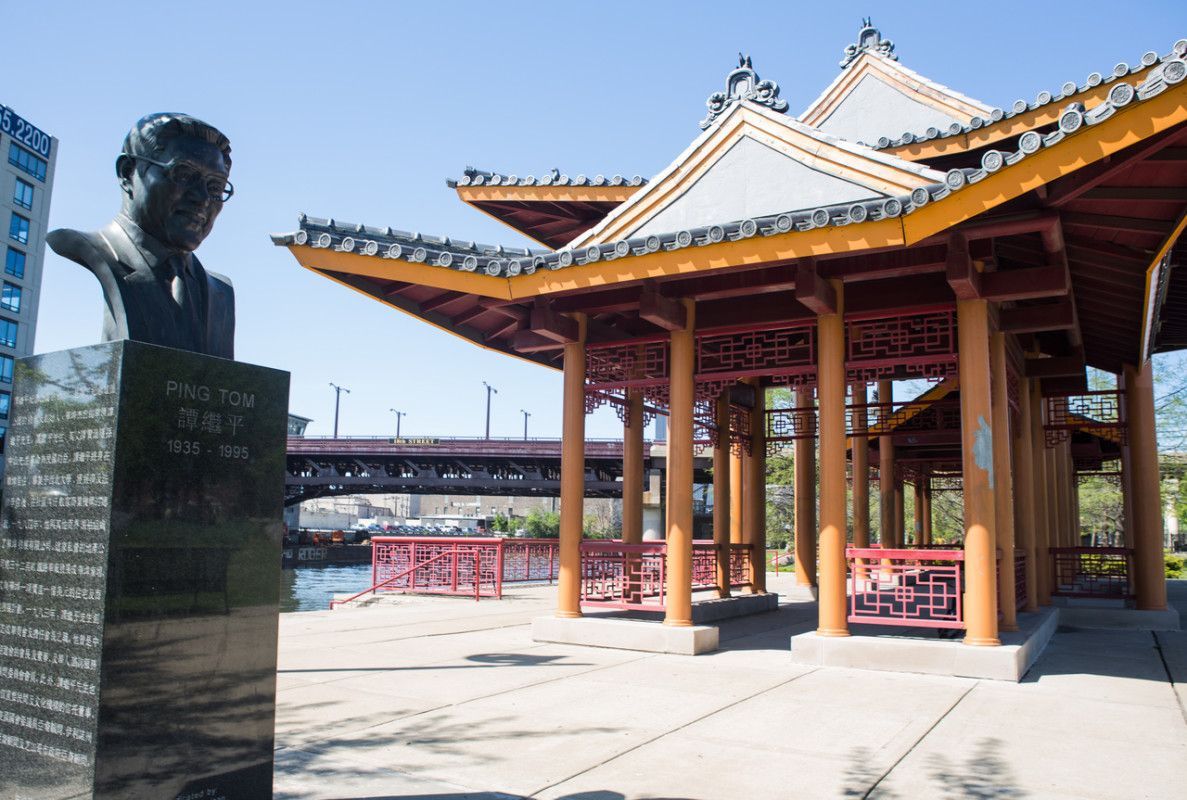
## Description Ping Tom Memorial Park is one of the most distinctive green spaces in Chicago because it feels both urban and calm at the same time. Set against the skyline and the Chicago River, it offers a combination of water views, landscaped paths, public art, and open lawns that makes it much more than a neighborhood park. For visitors who want a place that shows a different side of the city, this is one of the best spots to slow down, walk, and take in the atmosphere of Chicago’s Chinatown and riverfront. What makes the park special is the way it balances recreation, memory, and design. It was created to honor Ping Tom, a respected Chicago business leader and community advocate, but it has also become a favorite place for everyday life in the city. You will see people jogging, families gathering, photographers waiting for the light on the water, and visitors simply resting on benches with a broad view of the river. The pavilion’s architecture, inspired by traditional Chinese design, gives the park a strong sense of place and connects it to the history of the neighborhood. One little-known fact is that the park is part of a larger effort to bring public access and beauty to the south branch of the Chicago River, an area that was once much more industrial. Another detail many visitors miss is how good the park is for sunrise and late-afternoon photography, when the river reflects soft light and the downtown skyline becomes especially striking. It is also one of the easiest places in Chicago to combine a peaceful walk with a meal in Chinatown, since the park sits within walking distance of many restaurants and bakeries. The park has appeal in every season. In warm months, the river breeze and tree-lined paths make it feel refreshing even on busy days. In colder months, the open views and clean geometry of the landscape give it a quieter, almost meditative character. It is not a high-adrenaline attraction, and that is exactly why many travelers remember it so fondly. It is a place that invites you to stay a little longer than planned. For first-time visitors, the park is also useful as a way to understand how Chicago blends architecture, neighborhood identity, and public space. You can stand in one area and see the river, the city, and the cultural energy of Chinatown all at once. That layered feeling is part of what makes the park memorable. ## Location Ping Tom Memorial Park is located in Chicago, Illinois, United States, in the Chinatown neighborhood on the south branch of the Chicago River. It sits south of downtown and is closely connected to the city’s riverwalk and residential areas on the Near South Side. The address commonly associated with the park is 1700 South Wentworth Avenue, though visitors often arrive through nearby riverfront entrances and neighborhood streets. The easiest way to get there is by public transit. The CTA Red Line to Cermak-Chinatown is the most convenient option, followed by a short walk into the neighborhood and toward the river. Rideshare and taxi access are also straightforward. If you are already exploring downtown Chicago, you can make your way south by bus, bike, or a longer walk along the river corridors. Because parking in busy urban areas can be limited, public transit is usually the simplest and most relaxed choice. ## Tips - Visit in the early morning or around sunset for the best light and fewer crowds. - Wear comfortable shoes if you plan to combine the park with a Chinatown food walk. - Bring a camera or phone with a good wide-angle lens if you want skyline and river shots. - Check the weather before you go, since the open riverfront can feel windy. - Leave time for a meal nearby so the visit becomes part of a broader neighborhood experience. ## Conclusion Ping Tom Memorial Park is a calm, beautifully designed riverfront escape that pairs Chicago skyline views with the culture and energy of Chinatown. ## FAQ ### Is Ping Tom Memorial Park worth visiting? Yes. It is worth visiting if you enjoy scenic urban parks, river views, photography, and quieter public spaces that still feel connected to the city. ### How long should I spend there? Most visitors spend between 30 minutes and 1.5 hours, depending on whether they are just walking through or also taking photos and relaxing. ### Is the park good for families? Yes. It has open areas, walking paths, and a welcoming atmosphere that works well for families, couples, and solo travelers. ### Can I combine it with other attractions? Absolutely. Chinatown restaurants, local bakeries, and other Chicago riverfront spots are easy to combine with a visit. ### What is the best time of day to go? Early morning and late afternoon are the most rewarding times because the light is softer and the park feels especially peaceful. ## Links - [Chicago Park District page](https://www.chicagoparkdistrict.com/parks-facilities/tom-ping-memorial-park) - [Wikipedia article](https://en.wikipedia.org/wiki/Ping_Tom_Memorial_Park)
GemVoyage Team • World
Hong Kong
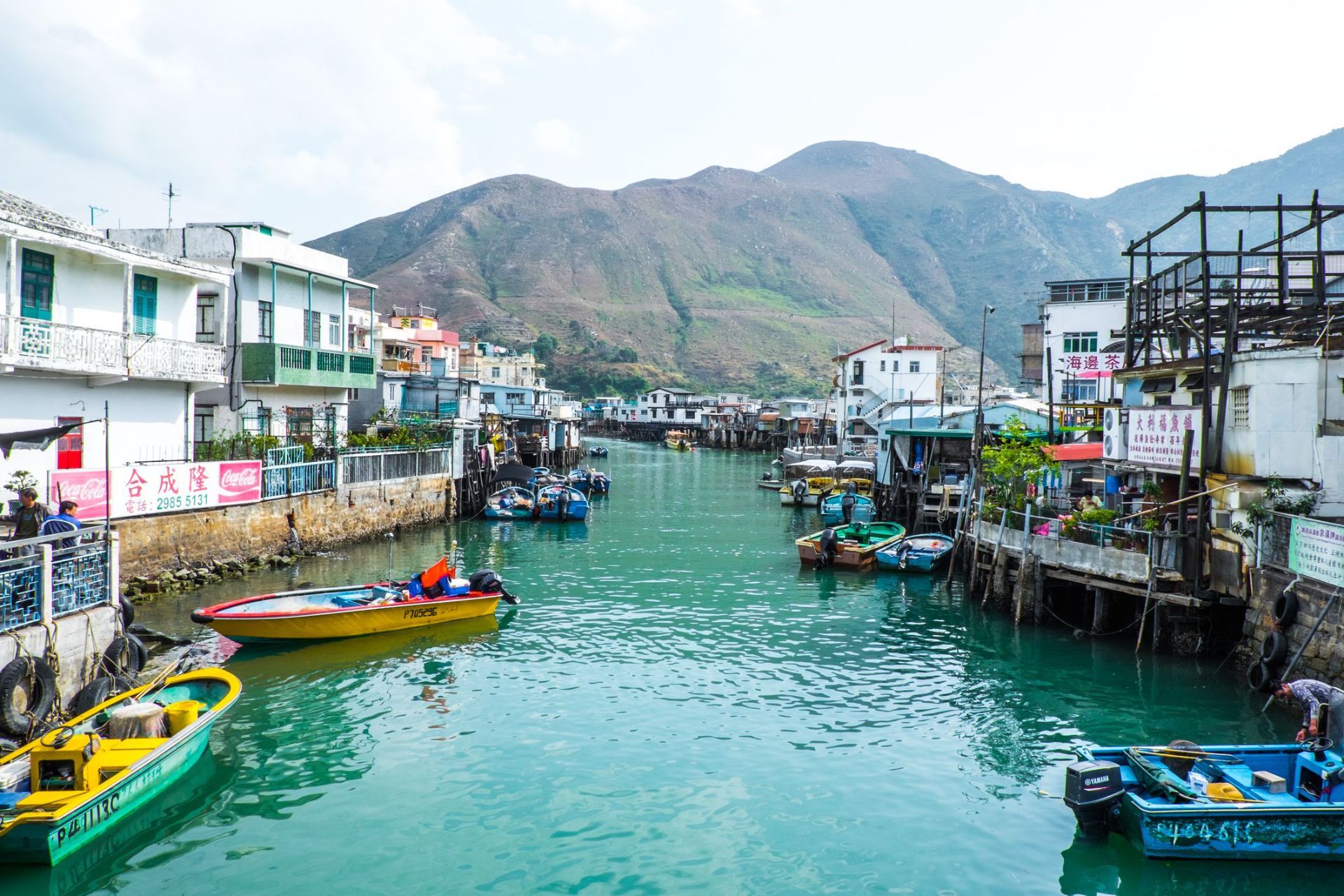
## Description Tai O Fishing Village is one of the most atmospheric places in Hong Kong because it preserves a way of life that feels very different from the city’s skyscraper identity. Located on the western side of Lantau Island, Tai O is known for its stilt houses, narrow waterways, fishing heritage, and the sense that time moves more slowly here than in Hong Kong's urban core. For travelers looking for a place that combines cultural history, coastal scenery, and a strong local character, Tai O delivers all three in a single visit. The village is especially distinctive because it has kept much of its fishing-community layout, even as Hong Kong developed around it. The stilt houses, built above tidal waters and connected by wooden walkways, create a visual landscape that is unique in the region. Boat traffic still matters here, seafood is still central to the local economy, and the village still feels shaped by the rhythms of sea and tide. In the early morning, Tai O can feel hushed and contemplative. Later in the day, it becomes more animated as day visitors arrive, shops open, and boats move in and out of the channels. A little-known fact is that Tai O has long been associated with salt production and trade, not just fishing. Another detail many visitors miss is the old village fortifications and temple structures that reflect how communities once protected themselves from pirates, storms, and the uncertainties of coastal life. The area is therefore not simply picturesque; it is historically layered and reveals a deeper story about how people adapted to Hong Kong's shoreline before modern development changed the coastline. The food here is another major reason to visit. Dried seafood, shrimp paste, sweet treats, and simple local dishes are part of Tai O’s identity, and they help visitors understand how the village economy worked for generations. Even if you only spend half a day here, Tai O can feel like a complete change of pace from the rest of Hong Kong, offering a mixture of water, heritage, and community that is increasingly rare. ## Location Tai O Fishing Village is on the western side of Lantau Island in the Hong Kong Special Administrative Region of China. It sits in the Islands District, far from the dense business cores of Hong Kong Island and Kowloon, which is part of what preserves its quieter character. Because it is not on a major rail line, getting there takes a little planning, but that is also what helps keep the area special. The usual route is to travel by MTR to Tung Chung and then continue by bus toward Tai O. This combination is the most practical for most visitors and gives you a smooth connection from the city’s main transport network. Ferries and cable car routes may also be part of a longer day trip if you are combining Tai O with other parts of Lantau Island. If you prefer a more relaxed pace, many travelers visit as part of a full-day itinerary that includes Ngong Ping and the Big Buddha before continuing to Tai O in the afternoon. Once you arrive, much of the village is best explored on foot, though local boat rides are a memorable way to see the stilt houses from the water. Because the village is compact, it is easy to cover the main areas without rushing, but you should allow extra time for food stops, photographs, and slow wandering. ## Tips Visit early in the day or late in the afternoon if you want softer light and fewer crowds. Midday can be busy, especially on weekends and public holidays, and the village is at its best when you can move slowly and take in the details. Take a boat ride if your schedule allows. Seeing Tai O from the water gives you a better sense of how the stilt houses, waterways, and fishing infrastructure fit together. It also helps explain why the village developed the way it did. If you only walk the streets, you still get a strong impression, but the boat perspective adds depth. Try local snacks and dried seafood, but do so with curiosity rather than haste. Many travelers rush through Tai O, take a few photos, and leave without understanding the food culture that has shaped the village for years. Sampling something local makes the visit more meaningful. Wear comfortable shoes and bring sun protection. Tai O is relatively easy to walk, but the experience is more enjoyable when you are prepared for heat, humidity, and a fair amount of time outdoors. If the weather looks unstable, check conditions before you go, since coastal villages are more sensitive to storms and heavy rain. ## Conclusion Tai O Fishing Village offers a rare glimpse of Hong Kong's coastal past, with stilt houses, local food, and a slower rhythm that gives the village a memorable sense of place. ## FAQ ### Why is Tai O famous? Tai O is famous for its stilt houses, fishing heritage, scenic waterways, and its reputation as one of the last traditional fishing villages in Hong Kong. ### How long should I spend in Tai O? Most visitors spend half a day to a full day, depending on whether they plan to add boat rides, food stops, or nearby Lantau attractions. ### Is Tai O easy to reach from central Hong Kong? It takes some planning, but it is straightforward by taking the MTR to Tung Chung and then continuing by bus. ### What should I eat in Tai O? Try local seafood snacks, dried seafood products, and village specialties from small shops and street-side vendors. ## Links - [Discover Hong Kong](https://www.discoverhongkong.com/) - [Wikipedia article](https://en.wikipedia.org/wiki/Tai_O)
GemVoyage Team • World