GemVoyage Team • World
Tsukishima Monja Street, known in Japanese as 月島もんじゃストリート, is one of Tokyo’s most distinctive and food-focused streets, celebrated as the birthplace and spiritual home of monjayaki. Stretching for several hundred meters and lined with dozens of specialized restaurants, the street offers an immersive culinary experience centered on this savory, pan-cooked dish that is especially popular in Tokyo’s downtown areas. Visiting Tsukishima Monja Street is not just about eating; it is about participating in a local tradition that brings people together around the grill.
What makes Tsukishima Monja Street unique is the sheer concentration of monjayaki restaurants, many of which have been operating for generations. Each establishment offers its own variations, secret sauces, and ingredient combinations, ranging from classic cabbage and seafood to more modern versions with cheese or spicy flavors. A little-known fact is that Tsukishima developed rapidly after the Great Kanto Earthquake of 1923, and monjayaki became popular as an affordable, filling meal during reconstruction. Another lesser-known detail is that some restaurants still use original family recipes passed down since the early Shōwa period, preserving flavors that have largely disappeared elsewhere in Tokyo.
The lively atmosphere, sizzling grills, and nostalgic touches make Tsukishima Monja Street a must-visit for food lovers seeking an authentic Tokyo experience.
Tsukishima Monja Street is located in Japan, in the Tokyo Metropolis, within the Chūō Ward of Tokyo. The street runs near Tsukishima Station, close to the Sumida River and Tokyo Bay area.
Getting there is easy using public transportation. Visitors can take the Tokyo Metro Yurakucho Line or the Toei Oedo Line to Tsukishima Station. From Exit 7, Monja Street is just a short walk away. The area is also accessible by bus or on foot from nearby neighborhoods such as Kachidoki. Due to limited parking, public transport is strongly recommended.
Tsukishima Monja Street offers a flavorful and cultural journey into one of Tokyo’s most beloved local dishes. With its rich history, welcoming atmosphere, and endless variations of monjayaki, it stands out as a unique culinary destination that captures the spirit of old-town Tokyo.
What is monjayaki?
Monjayaki is a savory Japanese dish similar to okonomiyaki but with a runnier batter, cooked directly on a hot griddle at the table.
Do I need to speak Japanese to visit Monja Street?
No, many restaurants are used to tourists, and some offer English menus or visual guides.
How much does a typical meal cost?
Most monjayaki dishes are reasonably priced, typically ranging from moderate to affordable compared to other Tokyo dining areas.
Is Tsukishima Monja Street family-friendly?
Yes, families are welcome, though supervision is needed around the hot grills.
Can I visit during the daytime?
Yes, some restaurants open for lunch, but the street is more vibrant in the evening.
Discover more hidden gems you might love.
Stockholm
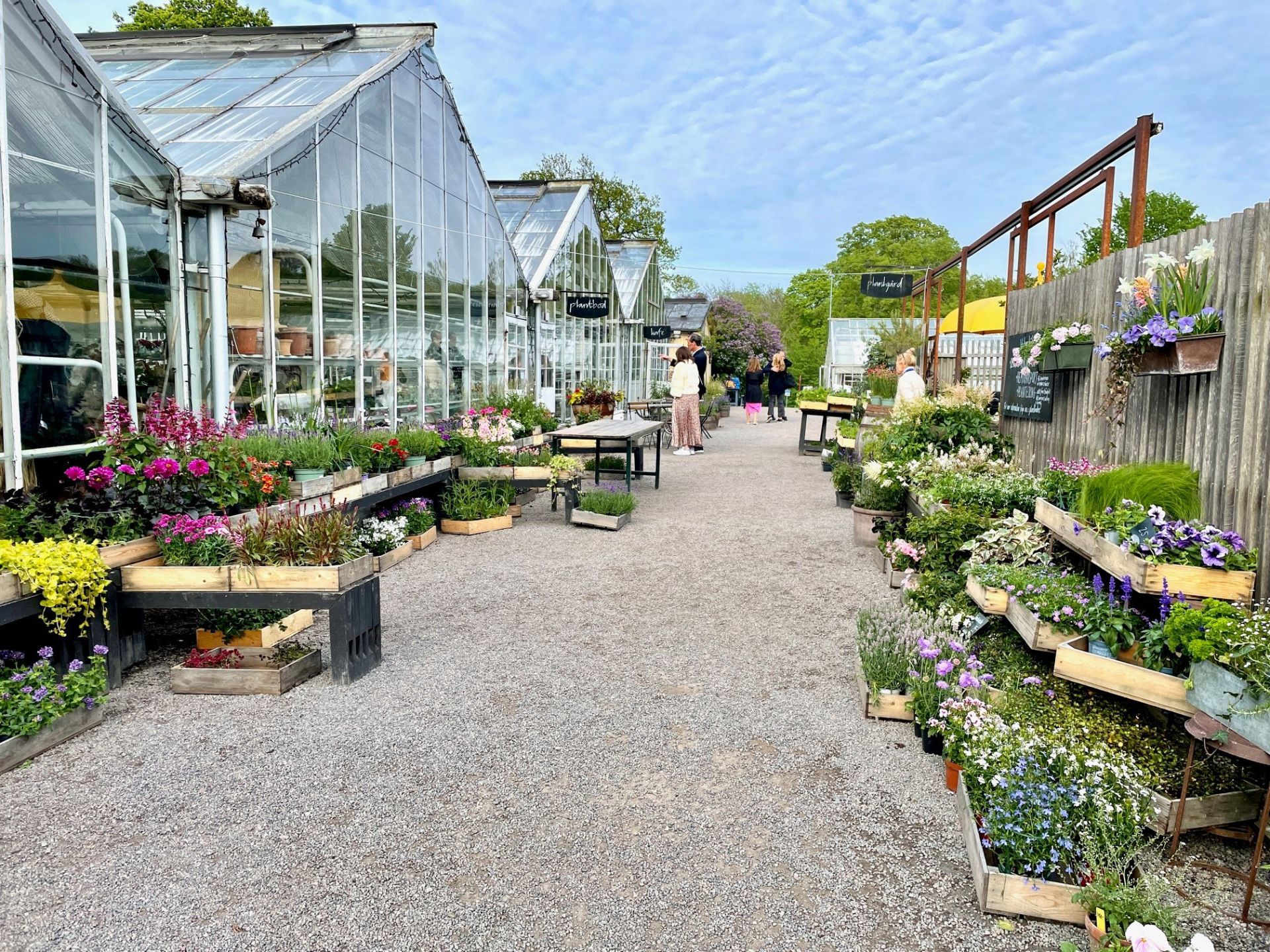
## Description Rosendals Trädgård is one of those rare places that feels both deeply local and immediately memorable. Set on the green island of Djurgården in Stockholm, the garden combines ornamental planting, seasonal produce, a working nursery, a bakery, and an inviting café into one relaxed destination. Visitors often come expecting a pretty garden and leave with the feeling that they have experienced a small ecosystem of Scandinavian food culture, horticulture, and outdoor life. It is not a formal palace garden or a purely decorative park; it is a living place where flowers, vegetables, fruit trees, and people all share the same rhythm. What makes Rosendals stand out is the way it blends simplicity with refinement. The garden is run according to biodynamic and organic principles, which means the whole experience is shaped by seasonal cycles rather than constant uniformity. In spring, the beds begin quietly with bulbs, tender greens, and early blossoms. Summer brings fuller borders, kitchen-garden abundance, and long café days outdoors. Autumn is particularly appealing if you like apples, late flowers, and the warm colors of Scandinavian foliage. Even in winter, the place has a calm, understated beauty that suits Stockholm well. One of the little-known pleasures here is how much of the visitor experience is tied to the practical side of gardening. The nursery and shop are not just decorative add-ons; they reflect the same philosophy that shapes the grounds. That means you can often buy plants, flowers, and food items that feel connected to the same landscape you have just walked through. Another detail many visitors overlook is how strongly Rosendals represents the Swedish idea of taking everyday food seriously without making it stiff or formal. A simple pastry or lunch here can feel like an essential part of the attraction rather than an afterthought. The atmosphere is gentle rather than dramatic, which is exactly why it works. Rosendals is a place to slow down. You can wander among orchard rows, admire carefully arranged beds, look at the greenhouse structures, or sit with coffee while the island traffic of cyclists and walkers passes by. For travelers who want a break from museum-hopping and want to feel how Stockholm lives outdoors, Rosendals is one of the city’s most rewarding stops. ## Location Rosendals Trädgård is located on Djurgården in Stockholm, Sweden, a central island area known for museums, parks, and cultural institutions. Djurgården is easy to think of as a green escape inside the city, even though it sits close to some of Stockholm’s busiest and most visited districts. The garden is within reach of central Stockholm by public transport, ferry, bicycle, or on foot depending on where you are starting from. The simplest way to get there is usually by tram, bus, or ferry toward Djurgården and then continuing on foot. If you are already exploring the island, walking is often the best option because the approach itself is part of the experience. The island paths are scenic, and arriving gradually makes the garden feel even more restful. Taxis and rideshares are also possible, but they are usually less satisfying than the slower, more scenic routes. If you are mapping out a day in Stockholm, Rosendals works well together with nearby museums, waterside walks, and other Djurgården attractions. That makes it easy to build a relaxed half-day or full-day visit without feeling rushed. For travelers staying in central Stockholm, it is also one of the easier nature-forward destinations to reach without leaving the city. ## Tips Visit with time to spare. Rosendals is not an attraction you want to rush through, because the pleasure comes from moving at a slower pace and noticing the details. If you can, choose a day with decent weather so you can sit outdoors or walk the grounds comfortably. The garden changes significantly with the seasons, so repeat visits can feel different even if you have already been before. Arrive hungry. The café and bakery are a major part of the experience, and many visitors find that a simple meal or coffee here becomes one of their best memories of the day. Seasonal produce and fresh baking are often the best choices because they reflect the philosophy of the place. If you are interested in plants, the shop and nursery are worth time as well, since they can offer ideas for home gardening even if you are only traveling. Wear comfortable shoes. Paths can be uneven in some places, and you will enjoy the grounds more if you can move freely without worrying about footwear. In cooler months, bring layers because Stockholm weather can shift quickly, especially near the water. In warmer months, think about sun protection and expect the café to be especially popular. If you are visiting with photographers in your group, early morning or late afternoon often gives the best light. If you are more interested in a calm meal and less crowded walk, try to avoid the busiest lunch window. Rosendals is especially rewarding for travelers who like places where the food, design, and landscape all support each other rather than competing for attention. ## Conclusion Rosendals Trädgård is one of Stockholm’s most satisfying destinations for travelers who want beauty, food, and a sense of place in one visit. It is calm, seasonal, and distinctly Scandinavian, making it an ideal stop on Djurgården. ## FAQ ### Is Rosendals Trädgård worth visiting if I am not a gardener? Yes. Even if you are not especially interested in plants, the garden offers a peaceful setting, good food, and a strong sense of Stockholm life. Many visitors come primarily for the café, the atmosphere, and the outdoor experience rather than for horticultural details. ### How long should I spend there? Most travelers will be comfortable with one to three hours, depending on whether they want a meal, a walk, and some time in the shop. If you are combining Rosendals with other Djurgården sights, half a day is a realistic plan. ### Is it open all year? The garden and café operate with seasonal rhythms, so the experience changes across the year. It is best to check current opening details before visiting, especially in winter or around holidays. ### Can I reach it without a car? Yes. Public transport, ferry connections, walking, and cycling all work well in Stockholm, and a car is unnecessary for most visitors. ### What is the best thing to try there? Many visitors enjoy seasonal pastries, bread, and simple lunch dishes made with local ingredients. The exact best choice depends on the day, but the café’s seasonal approach is usually the safest way to get the most authentic experience. ## Links - [Official website](https://www.rosendalstradgard.se/)
GemVoyage Team • World
Salto
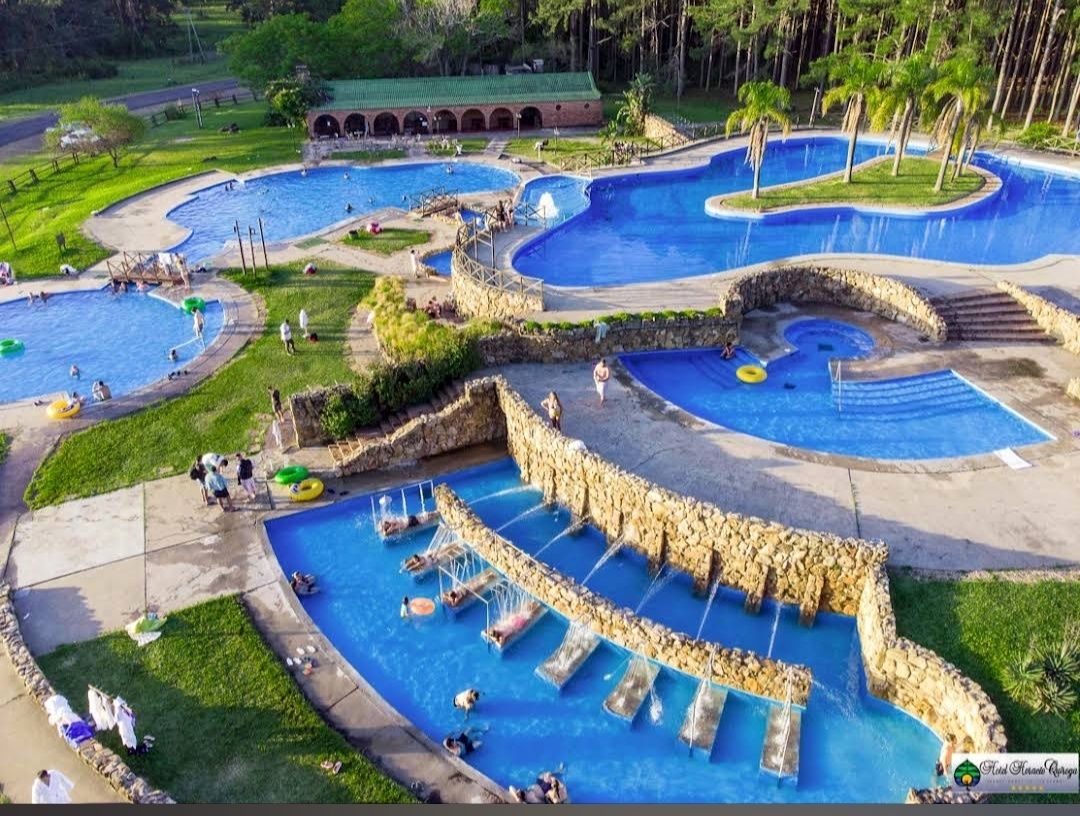
## Description **Parque Aquático Termas de Salto Grande** is one of Uruguay’s most popular thermal water parks, offering a unique blend of relaxation, recreation, and family fun. Located near the Salto Grande Dam, the park is famous for its naturally heated pools, which are fed by underground hot springs rich in minerals. These thermal waters are believed to have therapeutic properties, making the park not just an entertainment venue but also a wellness destination. The park features a variety of attractions, including outdoor and indoor pools, water slides, jacuzzis, and dedicated children’s areas. Families can enjoy thrilling rides while others unwind in the warm, soothing waters. The design of the park strikes a balance between leisure and adventure, making it suitable for visitors of all ages. **Little-known facts**: * The thermal waters in Salto reach temperatures of **38–46°C**, perfect for relaxation and health benefits. They are said to help with circulation, joint pain, and stress relief. * The park is part of the larger **Salto Grande hot springs circuit**, which is considered one of the most important in Uruguay and the entire Río de la Plata region. --- ## Location Parque Aquático Termas de Salto Grande is located in the **city of Salto**, in **northwestern Uruguay**, within the **Salto Department**. The park lies just a few kilometers from the **Salto Grande Dam**, which sits on the Uruguay River and borders Argentina. ### How to get there: * From **Salto city center**, the park is around 10 kilometers away. Taxis, local buses, or rental cars are convenient options. * Visitors traveling from **Montevideo** (about 500 kilometers away) can reach Salto by long-distance bus or a domestic flight. From there, it’s a short drive to the park. * If coming from **Argentina**, the park is easily accessible through the Concordia–Salto International Bridge, making it a popular cross-border attraction. --- ## Tips * **Bring swimwear and sandals**: Comfortable water-friendly clothing is essential, and sandals are useful for walking around hot pavements. * **Plan a full day**: With multiple pools, slides, and relaxation areas, you’ll want plenty of time to enjoy everything. * **Visit on weekdays**: The park can get very crowded on weekends and holidays, so weekdays are more peaceful. * **Stay hydrated**: The warm thermal waters can dehydrate you faster than you might expect, so drink plenty of water. * **Combine with nearby attractions**: The Salto region offers other hot spring complexes, like Termas del Daymán, and cultural attractions in Salto city itself. --- ## Conclusion Parque Aquático Termas de Salto Grande combines the thrill of a water park with the healing benefits of natural hot springs. Whether you’re seeking wellness, family fun, or just a relaxing escape, the park delivers an experience that is both entertaining and rejuvenating. With its unique thermal waters, diverse facilities, and prime location near Salto Grande, it’s one of Uruguay’s standout destinations. --- ## FAQ **1. What makes Parque Aquático Termas de Salto Grande special?** Its natural thermal pools, therapeutic waters, and mix of fun attractions like slides and jacuzzis make it a unique destination in Uruguay. **2. Is it family-friendly?** Yes, the park has areas designed specifically for children, making it a great choice for families. **3. What is the water temperature in the pools?** The thermal water ranges between 38°C and 46°C, depending on the pool. **4. Do I need to bring my own food?** The park has on-site restaurants and snack bars, but visitors can also bring their own food if they prefer. **5. Can I visit from Argentina?** Yes, the park is very close to the border with Argentina, and many visitors come via the Concordia–Salto bridge. **6. How much time should I plan for my visit?** Most visitors spend at least half a day, but a full day allows you to enjoy both relaxation and water attractions. --- ## Links * [Salto Tourism – Official Website](https://www.salto.gub.uy/) * [Uruguay Natural – Official Tourism Site](https://www.uruguaynatural.com/)
GemVoyage Team • World
Cairo
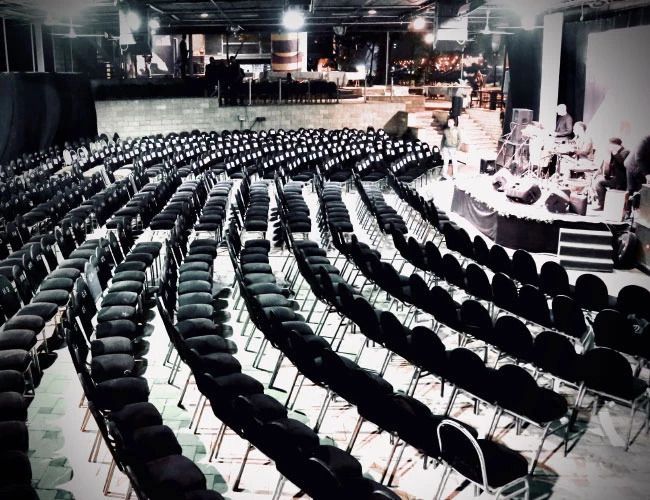
## Description El Sawy Culturewheel (often written as Sawy Cultural Wheel) is a dynamic cultural center in Cairo known for its eclectic program of theater, music, workshops, literary evenings, and community arts activities. Established by Egyptian cultural entrepreneur Mohamed El-Sawy, the center was conceived as a grassroots venue that supports independent artists, nurtures emerging talents, and brings diverse audiences together. The venue’s programming ranges from experimental theater and jazz nights to film discussions and children’s arts workshops, creating an urban cultural laboratory distinctly different from state-run institutions. What sets the Culturewheel apart is its commitment to accessibility and community engagement. It frequently offers affordable events, artists’ talks, and interdisciplinary collaborations that reflect contemporary Egyptian cultural life. A less obvious feature is the center’s role as a networking node—many artists and creative collectives in Cairo trace early collaborations back to events hosted at El Sawy, making it a quiet engine of the city’s cultural ecosystem. ## Location El Sawy Culturewheel is based on Gezira Island in the Zamalek district of central Cairo, Egypt, near the Nile’s western bank. Its central location on Gezira makes it easy to reach from many Cairo neighborhoods. Getting there: From downtown Cairo (Tahrir Square, downtown hotels) a short taxi or ride-share trip reaches Zamalek in under 20 minutes depending on traffic. Some visitors prefer the tram or river ferry options when available; walking across the Qasr El Nil bridge and heading into Zamalek is also feasible for those staying nearby. Parking can be limited during busy events, so public transport or a ride-hailing service is often most convenient. ## Tips - Check the schedule in advance: The Culturewheel’s program changes frequently; review upcoming events on their official channels or social pages to secure tickets for popular shows. - Arrive early: Some events are small and seat availability is limited; arriving early ensures a good seat and time to meet artists or buy refreshments. - Explore related venues: Zamalek has galleries, bookstores, and cafes; make an evening of it by combining a performance with dinner or a gallery visit. - Language: Many performances are in Arabic; however, cultural evenings often include bilingual presentations, translations, or summaries for international visitors—check event details if language is a concern. - Bring cash for smaller events and local craft stalls; bigger performances may accept card or online booking. ## Conclusion El Sawy Culturewheel is Cairo’s pulse for grassroots cultural life—an energetic space where performance, dialogue, and creativity intersect. For visitors interested in contemporary Egyptian arts or seeking a local, community-centered experience, the Culturewheel offers an accessible, varied, and memorable cultural program. ## FAQ Q: What kind of events are held at the Culturewheel? A: The center hosts theater, live music, film nights, literary readings, workshops, and children’s activities. Q: Is there an official timetable? A: Yes. Events are scheduled regularly—check the Culturewheel’s official announcement channels for the latest listings. Q: Are events in English? A: Many events are primarily in Arabic, but there are occasional bilingual events and programs aimed at international audiences. Q: Is the venue family-friendly? A: The center runs children’s workshops and family-oriented events—review event descriptions to verify suitability. ## Links - [Wikipedia: El Sawy Culturewheel](https://en.wikipedia.org/wiki/El_Sawy_Culturewheel) - [El Sawy Culturewheel official website](https://www.culturewheel.com/en)
GemVoyage Team • World
Siena
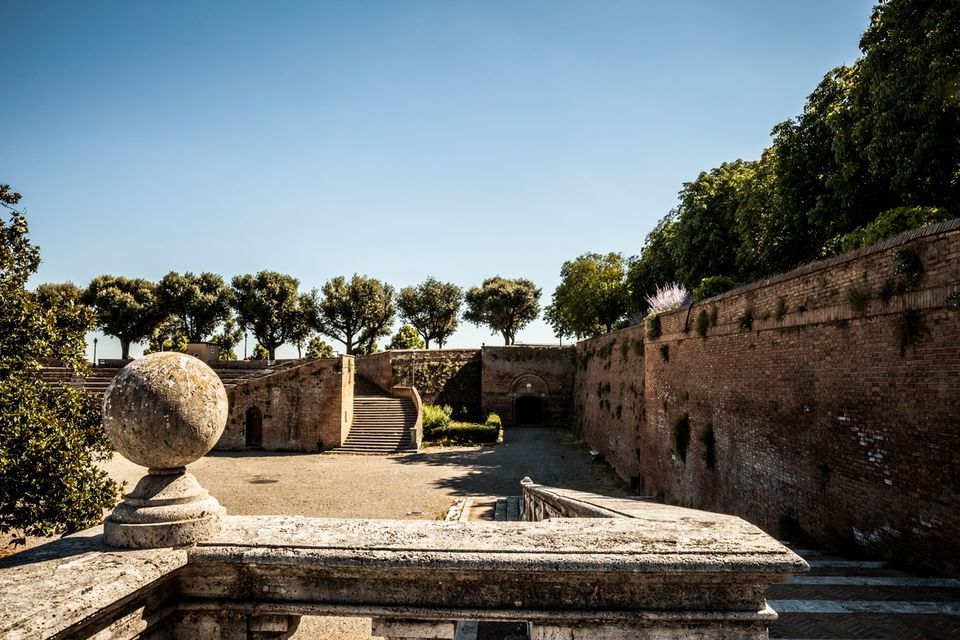
## Description Fortezza Medicea is one of Siena's most imposing landmarks because it represents a different historical layer from the city's medieval churches and squares. Built after Siena's defeat by Florence, the fortress reflects Medici power and the political reshaping of the region during the Renaissance. Unlike a decorative palace or a purely ceremonial monument, it was designed for strategic control and military presence. Today, however, it functions as a public space where history, viewpoints, and local life meet in a surprisingly relaxed way. The fortress is memorable because of its scale and shape. Its bastioned walls form a strong geometric presence above the city, and the elevated position gives visitors sweeping views over Siena and the surrounding Tuscan landscape. That combination of fortification and panorama makes it especially rewarding for travelers who appreciate places where architecture tells a political story. The walls are not just old stone; they are evidence of conquest, rule, and the reshaping of urban space. One little-known fact is that the fortress became less about defense over time and more about civic and cultural use, showing how military architecture can be repurposed for public life. Another detail many visitors miss is how the fortress helps explain the relationship between Siena and Florence. It is not just a monument standing above the city but a reminder of an era when regional power was expressed through earthworks, bastions, and visible control of the landscape. Visitors often appreciate the fortress for its calm atmosphere. While the city center of Siena can be bustling with tourists, the Fortezza Medicea feels more open and spacious. It is a good place to pause, look out across rooftops and hills, and understand how Siena sits within the broader Tuscan setting. If you are interested in military history, urban viewpoints, or Renaissance politics, the fortress is one of the city's most significant stops. ## Location Fortezza Medicea is in Siena, in Tuscany, Italy, just north of the historic center and within walking distance of major city attractions. Because it sits on elevated ground near the old core, it is easy to include in a walking tour of Siena, though the approach may involve some uphill sections depending on your starting point. If you are coming from Piazza del Campo or the cathedral area, the walk to the fortress is straightforward and can be done on foot. Buses and taxis can take you close as well, but walking is usually the best option because it lets you experience the transition from Siena's dense medieval streets to the more open fortified landscape. The most practical recommendation is to visit it while exploring Siena on foot, especially if you want to combine the fortress with other panoramic stops. Because the site is open and spacious, it works well as a late-afternoon or early-evening destination when the light becomes softer. ## Tips Go for the views as much as for the history. The fortress gives some of the best panoramas in Siena, so bring time to linger and not just pass through. If possible, combine the fortress with a walk through the surrounding park-like areas and nearby city streets. That allows you to see how the fortress integrates into Siena's urban edge rather than treating it as a disconnected monument. Read a little about the Medici and the political history of Siena before your visit. Knowing why the fortress was built changes the experience from a simple architectural stop into a clearer story about conquest and control. Visit on a day with good visibility if scenic views matter to you. The fortress is enjoyable in many conditions, but its strongest appeal is the way it frames the city and countryside. ## Conclusion Fortezza Medicea is one of Siena's most powerful historical sites, combining Renaissance military architecture, city views, and a reminder of the region's complex political past. ## FAQ ### Why was Fortezza Medicea built? It was built as a military fortress after Siena came under Medici control, serving as a symbol of political power and strategic dominance. ### Is the fortress open to visitors? Yes, the grounds and surrounding areas are generally accessible, though specific use may vary over time. ### What is the best part of visiting the fortress? The best part is the combination of panoramic views and the chance to understand Siena's political history. ### How long should I spend there? Most visitors spend between 30 minutes and an hour, depending on how much time they want for walking and views. ## Links - [Siena tourism](https://www.visitsiena.it/en/)
GemVoyage Team • World
Copenhagen
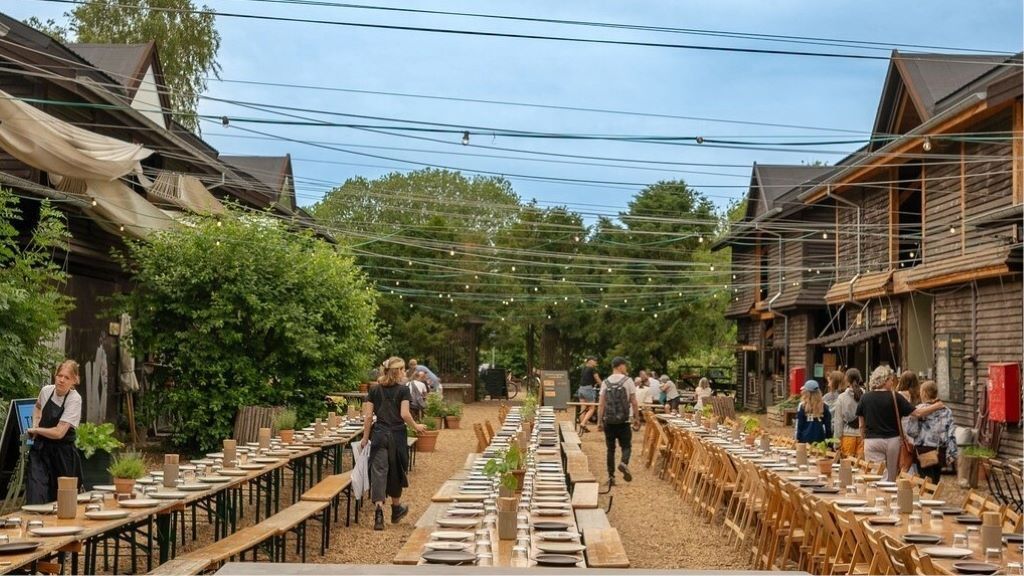
## Description **Banegaarden** is one of Copenhagen’s most compelling examples of **urban regeneration through food, culture, and sustainability**. Built inside a former railway maintenance area, this vibrant cluster of wooden buildings, green courtyards, bakeries, breweries, eateries, and cultural spaces has been transformed into a **community-driven gastronomic village** that blends industrial heritage with contemporary Nordic creativity. What makes Banegaarden truly distinctive is its **organic, low-rise village layout** rather than a typical food hall or marketplace structure. Ten restored wooden railway buildings form the heart of the site, connected by gravel paths, gardens, fire pits, and outdoor seating areas. Instead of polished glass and steel, the visual language here is **raw wood, brick remnants, reclaimed beams, and soft green landscaping**. The result feels more like a countryside craft settlement dropped into the city than a traditional urban development. Food is the central magnet, but Banegaarden is not built around fast consumption. Many of its kitchens focus on **seasonal Nordic ingredients, organic produce, fermented foods, sourdough baking, slow-roasted meats, and local craft beer and natural wine**. Several of the food operators also function as production spaces, meaning visitors can see bread baked, beer brewed, and ingredients processed on-site. This transparency reinforces the project’s emphasis on **craft, traceability, and sustainability**. Equally important is Banegaarden’s **cultural layer**. The site frequently hosts live music, vinyl listening sessions, workshops, farmers’ markets, food talks, and small festivals. These activities transform the area from a dining destination into a **living social platform** that evolves with the seasons. Summer brings long outdoor evenings around communal tables, while winter focuses on indoor gatherings, candles, and fire-lit courtyards. A key characteristic of Banegaarden is its **anti-commercial atmosphere**. There is no corporate branding dominance, no chain restaurants, and no sterile shopping-mall layout. Instead, it operates more like a **curated creative ecosystem** where craftsmen, chefs, farmers, brewers, musicians, and designers coexist. This gives the place an authenticity that is difficult to manufacture and easy to lose in large-scale redevelopment projects. A little-known fact is that the site originally functioned as a **railway service yard for inspecting and repairing trains**, not as a public passenger area. Even today, parts of the old rail infrastructure remain subtly integrated into the landscape. Another lesser-known detail is that many of the wooden buildings were **physically relocated and reconstructed on-site**, rather than built entirely from new materials, making Banegaarden as much a recycling project as a cultural one. Emotionally, Banegaarden appeals to people who seek **slowness inside an efficient city**. Copenhagen is known for streamlined design and functional modernism, but Banegaarden celebrates imperfection, texture, and informal gathering. It attracts food lovers, families, cyclists, creatives, and visitors who want to experience something that feels **local rather than curated for mass tourism**. It is not a place to rush through. Banegaarden rewards lingering: coffee in the morning, shared lunch under trees, beer at sunset, and live music after dark. Its true value lies not in any single vendor, but in the **collective energy created by people, food, sound, fire, and reclaimed wood**. ## Location **Banegaarden** is located in the **Vesterbro district of Copenhagen**, close to one of the city’s major transport hubs. **City:** Copenhagen **Region:** Capital Region of Denmark (Hovedstaden) **Country:** Denmark **District:** Vesterbro **Nearby Landmark:** Dybbølsbro Station ### How to Get There: * **By S-train:** Take the S-train to **Dybbølsbro Station**, then walk about 5 minutes. * **By bicycle:** One of the easiest and fastest ways to reach Banegaarden from central Copenhagen. * **By bus:** Multiple routes serve the Vesterbro and Dybbølsbro area. * **By taxi or ride-hailing apps:** Quick access from anywhere in the city. * **On foot:** Approximately 20–25 minutes from Copenhagen Central Station. Its location makes it easy to combine with visits to **Meatpacking District (Kødbyen), Vesterbro cafés, and Copenhagen’s waterfront areas**. ## Tips * **Visit on weekends for atmosphere:** That’s when markets, music, and social gatherings are most active. * **Arrive early in summer:** Popular seating areas fill up fast on sunny days. * **Dress for outdoor time:** Much of the experience takes place outside, even in cooler weather. * **Bring cash and card:** Most vendors accept cards, but small pop-ups may prefer mobile payments. * **Not a fast-food stop:** Plan to spend time exploring, eating slowly, and socializing. * **Family-friendly during the day:** Evenings are more focused on adult dining and drinks. * **Seasonal variation matters:** Winter is cozy and intimate, summer is expansive and social. * **Respect the space:** It is community-driven and functions best when visitors treat it like a shared backyard, not a tourist spectacle. ## Conclusion **Banegaarden** is a rare urban space where **sustainability, food culture, craftsmanship, and social design intersect without feeling forced**. By transforming old railway buildings into a creative village, Copenhagen has gained a destination that feels alive, textured, and deeply human. It is not about spectacle or scale, but about **atmosphere, community, and the quiet power of thoughtful reuse**. ## FAQ **1. What is Banegaarden exactly?** It is a **food, culture, and craft village** built in repurposed railway buildings in Vesterbro. **2. Is there an entrance fee?** No. **Entry is free**, and you only pay for food, drinks, or events you attend. **3. Is Banegaarden open year-round?** Yes. It operates in all seasons, though **activity levels peak in warmer months**. **4. Is Banegaarden good for tourists?** Yes, especially for travelers who want a **local, non-touristy Copenhagen experience**. **5. Can children visit Banegaarden?** Yes. It is **family-friendly during daytime hours**. **6. How long should I plan to stay?** Most visitors spend **1.5 to 3 hours**, depending on meals and events. ## Links * [Banegaarden Official Website](https://www.banegaarden.com/)
GemVoyage Team • World
South Dakota
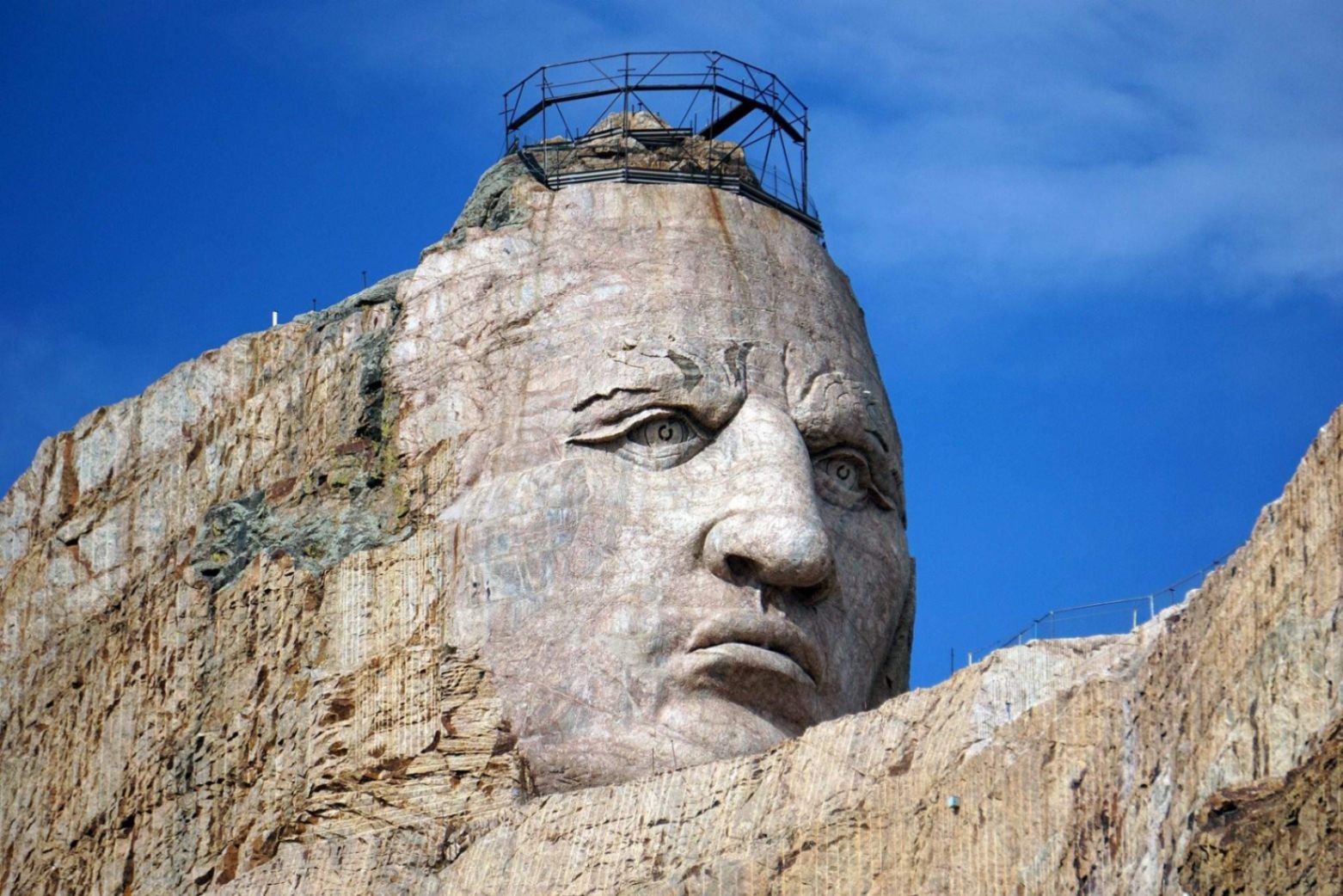
## **Description** The Crazy Horse Memorial is one of the most ambitious and meaningful monuments in the United States. Carved directly into a mountain in the Black Hills, this massive sculpture honors **Crazy Horse**, a revered Lakota leader who fought to protect Native American lands, culture, and way of life. Unlike many traditional monuments, the Crazy Horse Memorial is not just a sculpture—it is a living cultural center dedicated to preserving Indigenous history, values, and traditions. What makes this attraction especially unique is its sheer scale. When completed, the Crazy Horse sculpture will be the **largest mountain carving in the world**, far surpassing Mount Rushmore in size. One little-known fact is that Crazy Horse never allowed photographs of himself during his lifetime, which is why the monument is not based on an exact likeness but rather on oral history and cultural interpretation. Another lesser-known detail is that the project has been **privately funded since its start in 1948**, without any federal government support, relying entirely on donations and visitor contributions. Beyond the carving itself, the memorial complex includes museums, cultural programs, and educational exhibits that make it a deeply moving and informative destination. ## **Location** The Crazy Horse Memorial is located in **the United States**, in the state of **South Dakota**, within the **Black Hills region**, near the town of **Custer**. The memorial sits about 17 miles southwest of Mount Rushmore, making it easy to include both attractions in a single trip. The best way to get there is by car. Visitors typically fly into **Rapid City Regional Airport**, which is about an hour’s drive from the memorial. From Rapid City, rental cars are readily available, and the drive through the Black Hills is scenic and enjoyable. Organized tours from Rapid City and nearby towns are also available for those who prefer not to drive. ## **Tips** * **Plan for at least two to three hours** to explore the memorial, museum, and visitor center. * **Visit in the late afternoon or early evening** for dramatic lighting and fewer crowds. * **Attend cultural demonstrations** when available, such as traditional Native American storytelling or dance performances. * **Wear comfortable walking shoes**, as some areas involve uneven paths. * **Check the blasting schedule**, as occasional controlled blasts may occur as part of the carving process. * **Support the mission** by visiting the gift shop or donating, as the memorial relies entirely on private funding. ## **Conclusion** The Crazy Horse Memorial is far more than a monument—it is a symbol of respect, resilience, and cultural preservation. Set in the stunning Black Hills of South Dakota, it offers visitors a profound opportunity to learn about Native American history while witnessing one of the world’s most extraordinary ongoing sculptures. ## **FAQ** **What is the Crazy Horse Memorial?** It is a massive mountain carving dedicated to Crazy Horse, a Lakota leader, and to honoring Native American heritage and culture. **Is the Crazy Horse Memorial finished?** No, the carving is still in progress and is considered a multi-generational project. **How much time should I plan for my visit?** Most visitors spend two to three hours exploring the site. **Is the memorial suitable for children?** Yes, the memorial includes educational exhibits and open spaces suitable for families. **Can I see Mount Rushmore from the Crazy Horse Memorial?** No, but Mount Rushmore is a short drive away and is often visited on the same trip. ## **Links** * [Official Crazy Horse Memorial Website](https://crazyhorsememorial.org)
GemVoyage Team • World

Comments