GemVoyage Team • World
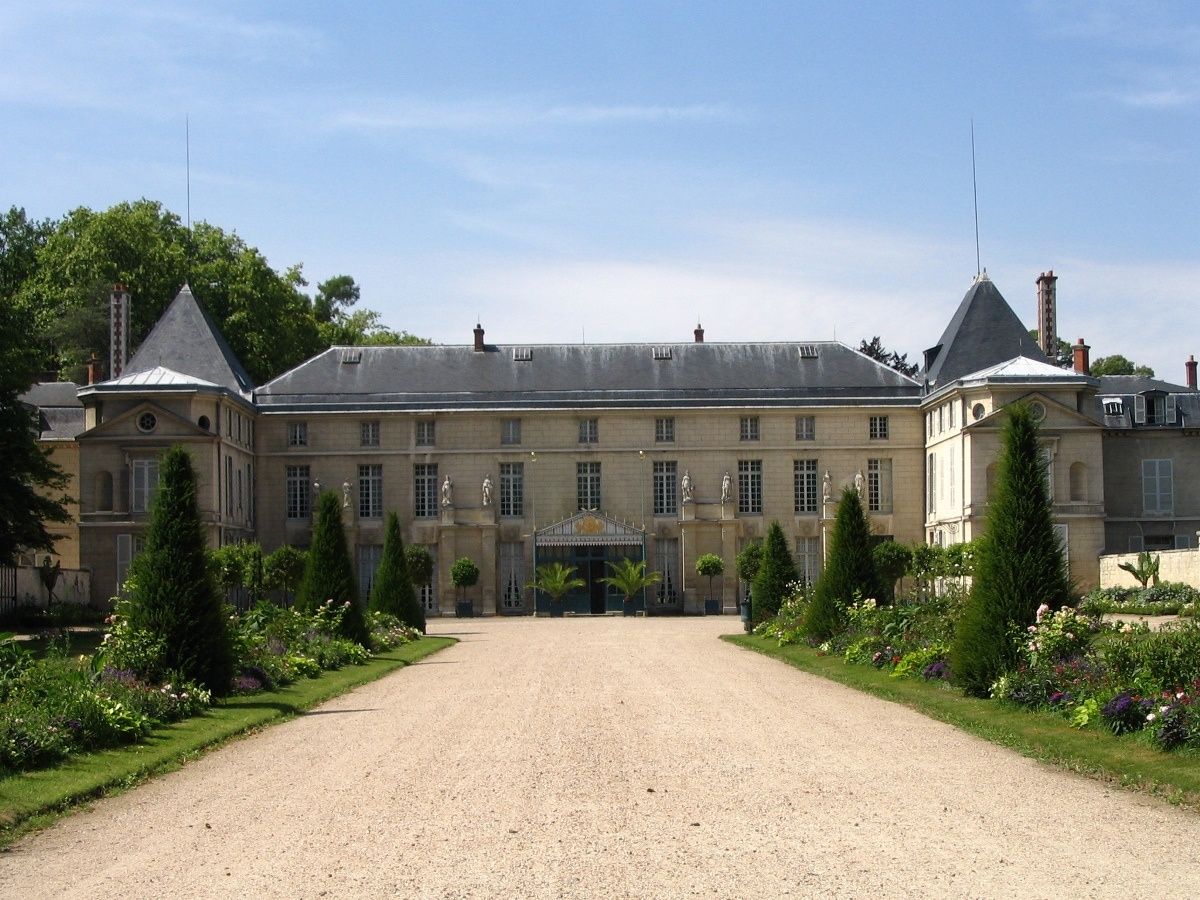
The Château de Malmaison is one of the most historically intimate and emotionally rich landmarks of the Napoleonic era. Unlike grand imperial palaces designed to impress the masses, Malmaison was a private retreat—a place of strategy, domestic life, and personal ambition. It served as the residence of Napoleon Bonaparte and Empress Joséphine from 1799 to 1802 and later remained Joséphine’s home until her death in 1814.
What makes Malmaison particularly unique is that it offers a deeply human perspective on figures often seen only through the lens of military and political power. Here, visitors encounter Napoleon the husband and strategist, and Joséphine the patron of art, architecture, and botanical science. Many decisive political meetings were held within these walls, including sessions of the French government during Napoleon’s rise to power. In effect, Malmaison briefly functioned as an unofficial seat of the French state.
Architecturally, the château reflects the transition from late 18th-century aristocratic style to the early Empire aesthetic. Under Joséphine’s direction, the interior was redesigned by leading architects and decorators of the time, introducing elegant neoclassical motifs, sculpted columns, rich textiles, and furniture that defined what would later be known as the Empire style. The combination of political authority and refined domestic comfort was revolutionary for its time.
The interior rooms remain remarkably authentic. Highlights include Napoleon’s council chamber, where official meetings took place, Joséphine’s private apartments, and the refined dining rooms used for state dinners. Furnishings, clocks, paintings, and personal objects are original or meticulously restored, giving the impression that the imperial couple has only just stepped away.
Beyond politics, Malmaison holds global botanical importance. Joséphine was passionately devoted to botanical exploration and exotic plant collection. She transformed the estate into one of Europe’s most important experimental botanical gardens, introducing dozens of new plant species to France. Most famously, she established the largest rose collection in Europe, making Malmaison the birthplace of modern rose breeding.
A little-known fact is that Napoleon and Joséphine’s divorce was finalized while he was already Emperor, a rare example of a ruler separating from his consort at the height of power. After the divorce, Napoleon retained Malmaison for Joséphine, allowing her to live there independently—an extraordinary privilege for the era. Another lesser-known detail is that the Russian Tsar Alexander I visited Joséphine at Malmaison shortly before her death, underscoring her lasting influence on European politics even after her fall from power.
Today, Malmaison stands as a museum of extraordinary intimacy, preserving both the machinery of empire and the vulnerability of personal life. It is not a monument to victory, but a space that reveals ambition, intelligence, loss, and legacy at a human scale.
Château de Malmaison is located in Rueil-Malmaison, a historic suburban town just west of Paris, in the Île-de-France region, France.
City: Rueil-Malmaison
Region: Île-de-France
Country: France
While not inside the historic center of Paris, the château is easy to reach and offers a calm, cultured contrast to the city’s intensity.
The Château de Malmaison offers one of the most personal and revealing encounters with the Napoleonic era. As both a political nerve center and a deeply private refuge, it captures the complexity of power, love, ambition, and legacy embodied by Napoleon and Joséphine. Quiet, refined, and historically profound, Malmaison stands as one of the most meaningful imperial sites in greater Paris.
1. What is Château de Malmaison famous for?
It is best known as the private residence of Napoleon Bonaparte and Empress Joséphine and a major center of early Napoleonic political life.
2. Is Château de Malmaison inside Paris?
No, it is located in Rueil-Malmaison, a suburb just west of Paris.
3. Can you visit the interior?
Yes, the château operates as a fully accessible museum with original furnishings and artifacts.
4. What happened to Joséphine after the divorce?
She remained at Malmaison until her death in 1814, continuing her botanical and social work independently.
5. How long does a visit take?
Most visitors spend 1.5 to 2.5 hours including the gardens.
6. Is Château de Malmaison suitable for children?
Yes, especially for older children interested in history, though the visit is primarily educational rather than interactive.
Discover more hidden gems you might love.
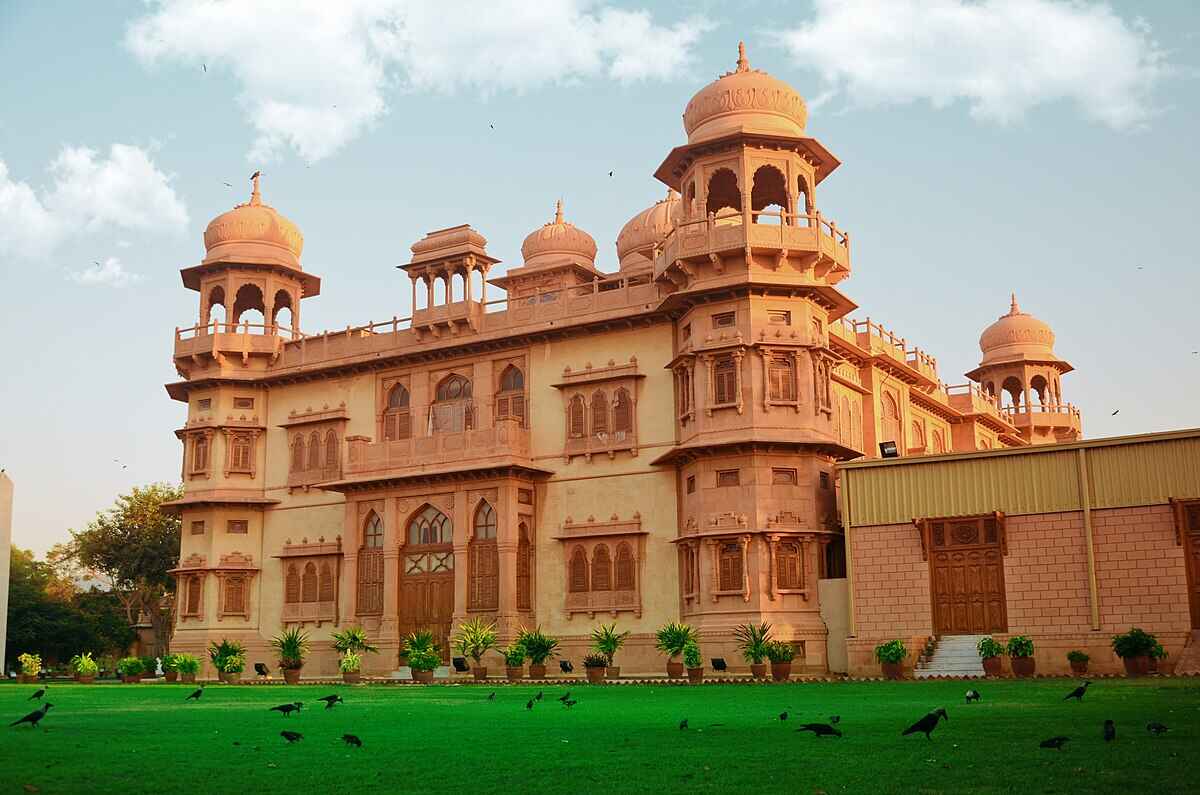
Karachi
## Description Mohatta Palace is one of Karachi’s most iconic architectural gems, blending history, culture, and artistry into a single breathtaking experience. Built in 1927 by Shivratan Chandraratan Mohatta, a wealthy Hindu Marwari businessman, the palace was originally intended as a summer retreat. Designed by architect Agha Ahmed Hussain, it showcases the Indo-Saracenic style, combining elements of Mughal and Rajasthani architecture. The structure is made of pink Jodhpur stone and local yellow Gizri stone, giving it a warm, regal glow that stands out in the heart of Clifton. The palace spans over 18,500 square feet and features nine domes, intricately carved windows, floral motifs, and a grand central dome that crowns the building. Inside, visitors find polished teak wood staircases, long corridors, and stately rooms that once hosted lavish gatherings. Today, Mohatta Palace functions as a museum, hosting exhibitions that celebrate Pakistan’s rich artistic and cultural heritage—from miniature paintings and textiles to contemporary art installations. A little-known fact: the palace once housed a private temple dedicated to Lord Shiva on its rooftop terrace, a quiet reminder of its original owner's spiritual life. Another intriguing detail is the presence of secret underground tunnels, rumored to have been used for discreet movement during political unrest—though these remain closed to the public. ## Location Mohatta Palace is located in **Karachi**, the largest city in **Pakistan**, within the **Sindh** province. Specifically, it sits in the upscale neighborhood of **Old Clifton**, at 7 Hatim Alvi Road, Block 5. ### How to Get There: - **By Car**: Easily accessible via Shahrah-e-Faisal or the Clifton Bridge. Parking is available nearby. - **By Public Transport**: Local buses and ride-hailing services like Careem and Uber can drop you off directly at the entrance. - **From Jinnah International Airport**: The palace is about a 45-minute drive depending on traffic. For tourists, hiring a local guide or joining a heritage tour can enhance the experience with historical context and insider stories. ## Tips for Visitors To make the most of your visit to Mohatta Palace, keep these tips in mind: - **Check Exhibition Schedules**: The museum hosts rotating exhibitions, so check ahead to catch something that aligns with your interests. - **Photography**: While photography is allowed in the gardens, it’s restricted inside the museum. Ask staff for permission if you're documenting your visit. - **Dress Comfortably**: The palace grounds are expansive, and Karachi’s climate can be warm—light clothing and comfortable shoes are recommended. - **Visit Early**: Arriving early helps avoid crowds and gives you time to explore the gardens and nearby attractions. - **Guided Tours**: Opt for a guided tour to uncover stories and architectural details you might otherwise miss. - **Cultural Etiquette**: Respect the museum’s quiet ambiance and avoid loud conversations or disruptive behavior. ## Conclusion Mohatta Palace is more than a historical building—it’s a living museum that bridges the past and present of Pakistan’s cultural identity. With its stunning architecture, rich history, and vibrant exhibitions, it offers a unique and enriching experience for anyone visiting Karachi. ## FAQ **1. What are the opening hours of Mohatta Palace?** Typically, the museum is open from 11:00 AM to 6:00 PM, Tuesday to Sunday. It’s closed on Mondays and public holidays. **2. Is there an entry fee?** Yes, a nominal fee is charged for entry. Discounts may be available for students and groups. **3. Can I take photos inside the palace?** Photography is allowed in the gardens but restricted inside the museum. Always check with staff before taking pictures. **4. Are guided tours available?** Yes, guided tours are available and highly recommended for a deeper understanding of the palace’s history and exhibitions. **5. Is Mohatta Palace wheelchair accessible?** Accessibility is limited due to the historic nature of the building. It’s best to contact the museum in advance for specific accommodations. **6. What kind of exhibitions are held at Mohatta Palace?** Exhibitions range from traditional arts and crafts to contemporary visual art, often highlighting themes of heritage, identity, and social change. ## Links - [Mohatta Palace Official Website](https://mohattapalacemuseum.org/) - [Wikipedia – Mohatta Palace](https://en.wikipedia.org/wiki/Mohatta_Palace)
GemVoyage Team • World
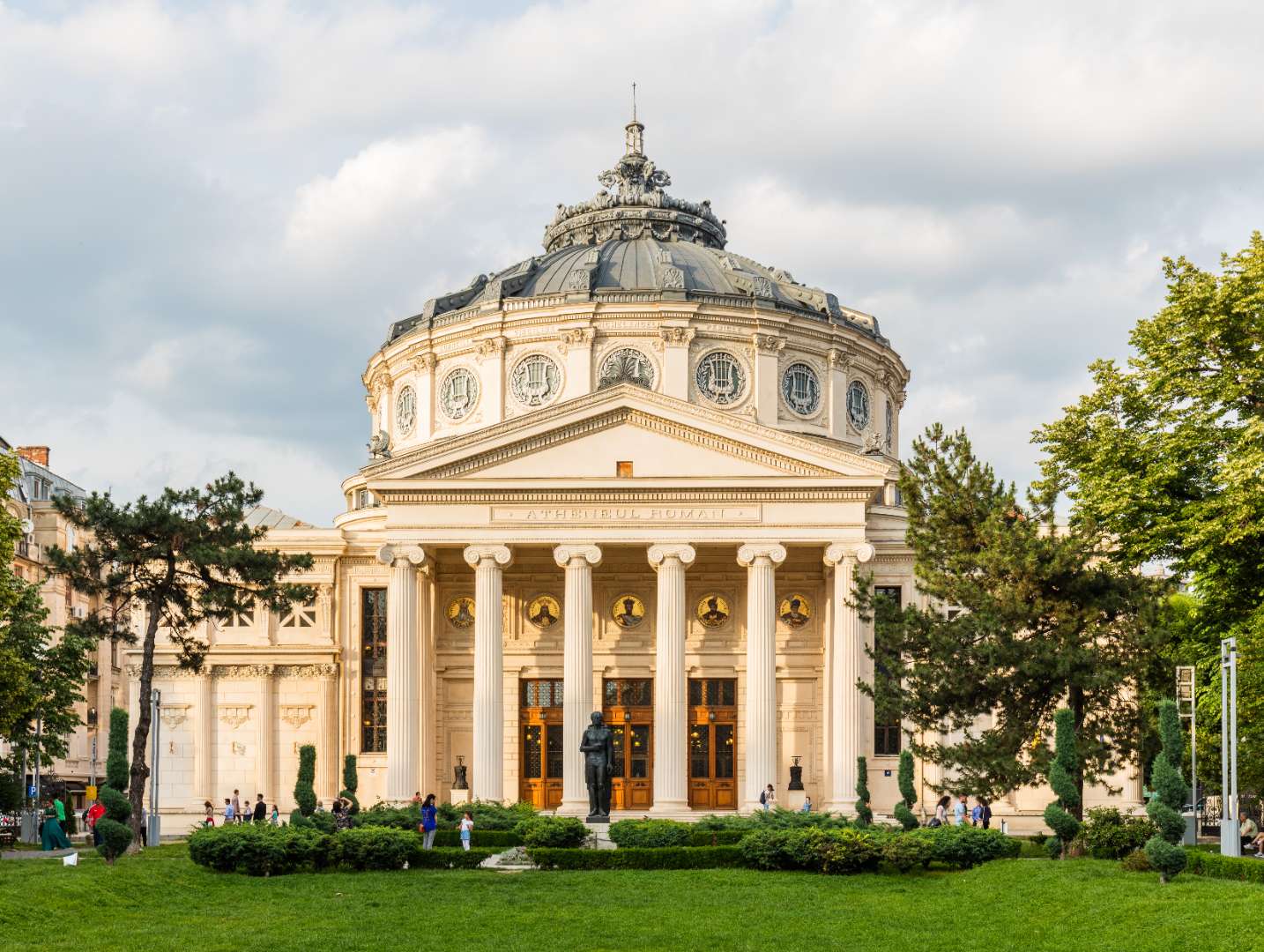
Bucharest
## Description The Romanian Athenaeum (Ateneul Român) is one of Bucharest’s most iconic landmarks—a neoclassical masterpiece that stands as a symbol of Romanian culture, resilience, and artistic excellence. Opened in 1888, this circular, domed concert hall is the home of the George Enescu Philharmonic Orchestra and hosts the prestigious George Enescu Festival, one of Europe’s leading classical music events. Designed by French architect Albert Galleron, the Athenaeum’s architecture is a harmonious blend of neoclassical grandeur and romantic flourishes. Its façade features a stately colonnade, while the interior dazzles with gilded balconies, a massive fresco depicting key moments in Romanian history, and acoustics considered among the finest in the world. The concert hall seats nearly 800 guests, with every seat offering a clear view of the stage and impeccable sound quality. A little-known fact: the Athenaeum was partially funded through a public campaign with the slogan “Donate one leu for the Ateneu!”—a grassroots effort that united citizens in support of the arts. Another fascinating detail is that the building stands on land once occupied by a monastery and orchard belonging to the Cantacuzino family, adding layers of historical depth to its foundation. ## Location The Romanian Athenaeum is located in **Romania**, in the **Bucharest Municipality**, within the **Capital Region**. Its exact address is **Strada Benjamin Franklin 1-3, Sector 1**, just off Calea Victoriei, one of the city’s main boulevards. ### How to Get There: - **By Metro**: Take Line M2 to Universitate or Piata Romana stations. The Athenaeum is a short walk from either. - **By Bus or Tram**: Several lines stop nearby, including buses 126, 368, and trams 1 and 21. - **By Foot**: If you're exploring central Bucharest, the Athenaeum is easily reachable from Revolution Square and the National Museum of Art. - **By Taxi or Ride-Share**: Services like Bolt and Uber operate widely in Bucharest and can drop you off directly at the entrance. Its central location makes it a perfect stop on any cultural itinerary through the city. ## Tips for Visitors To make the most of your visit to the Romanian Athenaeum, consider these tips: - **Attend a Concert**: The best way to experience the Athenaeum is during a live performance. Check the schedule for classical concerts or special events. - **Book in Advance**: Tickets can sell out quickly, especially during the George Enescu Festival. Reserve early to secure a seat. - **Take a Guided Tour**: Tours are available in Romanian and English but must be booked in advance. They offer insights into the building’s history and architecture. - **Dress Smartly**: If attending a concert, smart casual or formal attire is appreciated. - **Explore Nearby Attractions**: Pair your visit with stops at the National Museum of Art or a stroll down Calea Victoriei. - **Photography**: While photography is allowed in public areas, avoid flash and be respectful during performances. ## Conclusion The Romanian Athenaeum is a cultural treasure that blends architectural elegance with musical brilliance. Whether you're attending a concert or simply admiring its historic beauty, the Athenaeum offers a deeply enriching experience in the heart of Bucharest. ## FAQ **1. Is there an entrance fee to visit the Romanian Athenaeum?** Yes, for concerts and guided tours. Prices vary depending on the event. **2. Can I visit the Athenaeum without attending a concert?** Yes, guided tours are available outside concert hours, but must be scheduled in advance. **3. What is the seating capacity of the concert hall?** The hall seats approximately 794 guests, including stalls and loges. **4. Is the Athenaeum wheelchair accessible?** Yes, accessibility features are available, but it’s best to contact the venue in advance for assistance. **5. What is the best time to visit?** Evenings during concert season (September to June) offer the most vibrant atmosphere. **6. Are children allowed at performances?** Yes, though some events may have age recommendations. Check the program details before booking. ## Links - [Romanian Athenaeum – George Enescu Philharmonic](https://filarmonicaenescu.ro/en/vizitarea-ateneului-roman) - [Romanian Athenaeum – Wikipedia Overview](https://en.wikipedia.org/wiki/Romanian_Athenaeum) - [Visit Bucharest – Romanian Athenaeum Guide](https://visitbucharest.today/romanian-athenaeum/)
GemVoyage Team • World
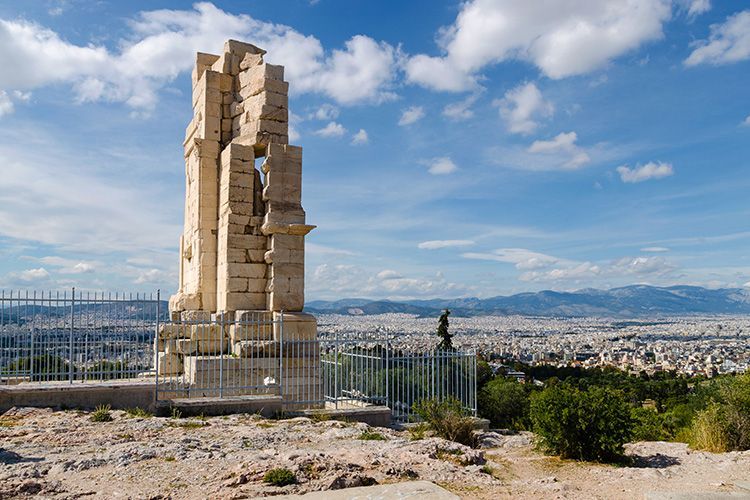
Athens
## Description Philopappos Hill is a quietly rewarding spot in Athens that combines green space, archaeological interest, and some of the city's best vantage points. Unlike the intensely visited Acropolis itself, Philopappos offers room to breathe: shaded paths, open lawns, and a prominent memorial monument that speaks to the city's Roman-era history. The hill is prized by locals and visitors looking for views, quiet reflection, and an approachable dose of history. Historically, the hill houses the Philopappos Monument, dedicated to Gaius Julius Antiochus Philopappos, a prominent figure in the Roman civic life of Athens. The site also preserves traces of long-term human use and offers a series of viewpoints that reveal the Acropolis from varied angles—useful for appreciating Athens' layered topography. The combination of nature and archaeology makes Philopappos ideal for a walk that complements more intense museum and monument visits. ## Location Philopappos Hill lies just southwest of the Acropolis in central Athens, within easy walking distance of the historic center. The hill's centrality means it can be folded into a broader exploration of the city's archaeological zones, museums, and neighborhoods such as Plaka and Thissio. Pathways connect the hill with other scenic spots, making it a natural link in a pedestrian-friendly sightseeing loop. Because some paths rise more steeply than others, sensible footwear and a modest level of mobility are helpful. The hill's proximity to major sites makes it an ideal stop for early morning or late afternoon visits when both light and temperature are more comfortable. ## Tips - Bring water, especially in summer—Athens' heat can make walks more strenuous. - Wear shoes with good grip for uneven or rocky paths. - Visit at sunrise or sunset for the best light and cooler temperatures. - Combine the hill with visits to the Acropolis, the Ancient Agora, and the neighborhoods of Plaka and Thissio. - Allow time to sit and take in the views rather than rushing through the paths. - Keep to marked routes and respect any archaeological conservation notices. ## Conclusion Philopappos Hill is an excellent complement to Athens' major monuments: quieter, greener, and full of viewpoints that help you see the Acropolis in context. It rewards visitors who seek slower sightseeing and panoramic perspectives. ## FAQ ### Why should I visit Philopappos Hill? Visit for quieter views of the Acropolis, a taste of Athenian green space, and the Philopappos Monument's historical resonance. ### How long does it take to explore? One to two hours is typical for a relaxed visit; longer if you plan to picnic or linger at viewpoints. ### Is it suitable for families? Yes—families who are comfortable with walking and light uphill sections will find it pleasant, though very young children may need supervision on uneven paths. ### Can I see the Acropolis from there? Yes—multiple viewpoints on the hill provide varied and informative perspectives of the Acropolis and surrounding city. ### Do I need a guide? Not strictly. The hill is easy to explore independently, though a guide can enrich the experience with historical context. ## Links - [Wikipedia](https://en.wikipedia.org/wiki/Philopappos_Monument)
GemVoyage Team • World

Moscow
## Description Winzavod Art Center is one of Moscow’s most important contemporary cultural destinations because it transformed an industrial site into a living arts quarter. Located in a former winery complex, it combines galleries, studios, exhibition spaces, design shops, and creative institutions in an environment that feels both raw and intentionally curated. For visitors interested in contemporary art, design, urban regeneration, or Moscow’s creative scene, it is an essential stop. What makes Winzavod especially compelling is the way the setting shapes the experience. The industrial architecture gives the center a strong visual identity, and the reuse of the space reinforces the idea that art can emerge from older urban infrastructure rather than only from formal museum buildings. A lesser-known fact is that Winzavod has played a major role in Moscow’s contemporary art ecosystem, helping to establish a more visible platform for galleries, experimental projects, and creative communities. Another detail many travelers appreciate is that the site does not feel like a single static institution. It often feels like a district within the city, with overlapping uses and constantly changing cultural energy. For visitors, the attraction is not just the exhibitions but the atmosphere of making and experimentation. You can encounter established artists, emerging voices, design-driven retail, and a kind of creative density that is difficult to find in more conventional museums. This gives the center a special value for travelers who want to understand how Moscow’s cultural life operates in the present tense, not only through its imperial or Soviet past. Winzavod also works well because it is approachable. You do not need specialist knowledge to enjoy the visit. Even if you are not deeply immersed in contemporary art, the setting, programming, and urban energy make it a stimulating place to spend time. ## Location Winzavod Art Center is located in Moscow, Russia, in the city’s central creative and industrial-adjacent area. Its position makes it accessible from major parts of the city while still retaining a distinct identity separate from the classic tourist circuit. Because it is part of a larger former industrial complex, the site feels like a destination rather than a simple gallery visit. The easiest way to reach it is by Moscow Metro followed by a short walk, though taxis and rideshares are also practical. Once there, the best approach is to move slowly through the complex and check the current exhibition mix. Since the site often hosts multiple galleries and spaces, the experience can vary depending on the day. If you are building a broader Moscow itinerary, Winzavod pairs well with other contemporary or alternative cultural stops, as well as food and coffee breaks in the surrounding area. ## Tips Check current exhibitions before going. The experience is best when you know what is showing. Allow time for wandering. The site rewards exploration across multiple spaces rather than a quick single-room visit. Pay attention to the architecture. The industrial shell is a major part of the atmosphere. If you enjoy design, books, or independent retail, give yourself time to browse beyond the exhibitions. Use it as a contrast to Moscow’s older heritage sites. The juxtaposition makes the city feel more complete. ## Conclusion Winzavod Art Center is one of Moscow’s most distinctive creative spaces, blending contemporary art with industrial architecture and a strong urban identity. It is ideal for travelers who want to see the city’s present-day cultural energy. ## FAQ ### Is Winzavod only for contemporary art specialists? No. It is accessible to general visitors and works well even if you are simply curious about Moscow’s creative scene. ### How much time should I spend there? Around 1.5 to 3 hours, depending on how many galleries and spaces are open when you visit. ### Is it easy to reach from central Moscow? Yes. Metro access makes it relatively straightforward. ### What makes it different from a normal museum? It is more of a cultural complex than a single museum, with a stronger sense of creative ecosystem and adaptive reuse. ## Links - [Winzavod official site](https://winzavod.ru/eng/)
GemVoyage Team • World
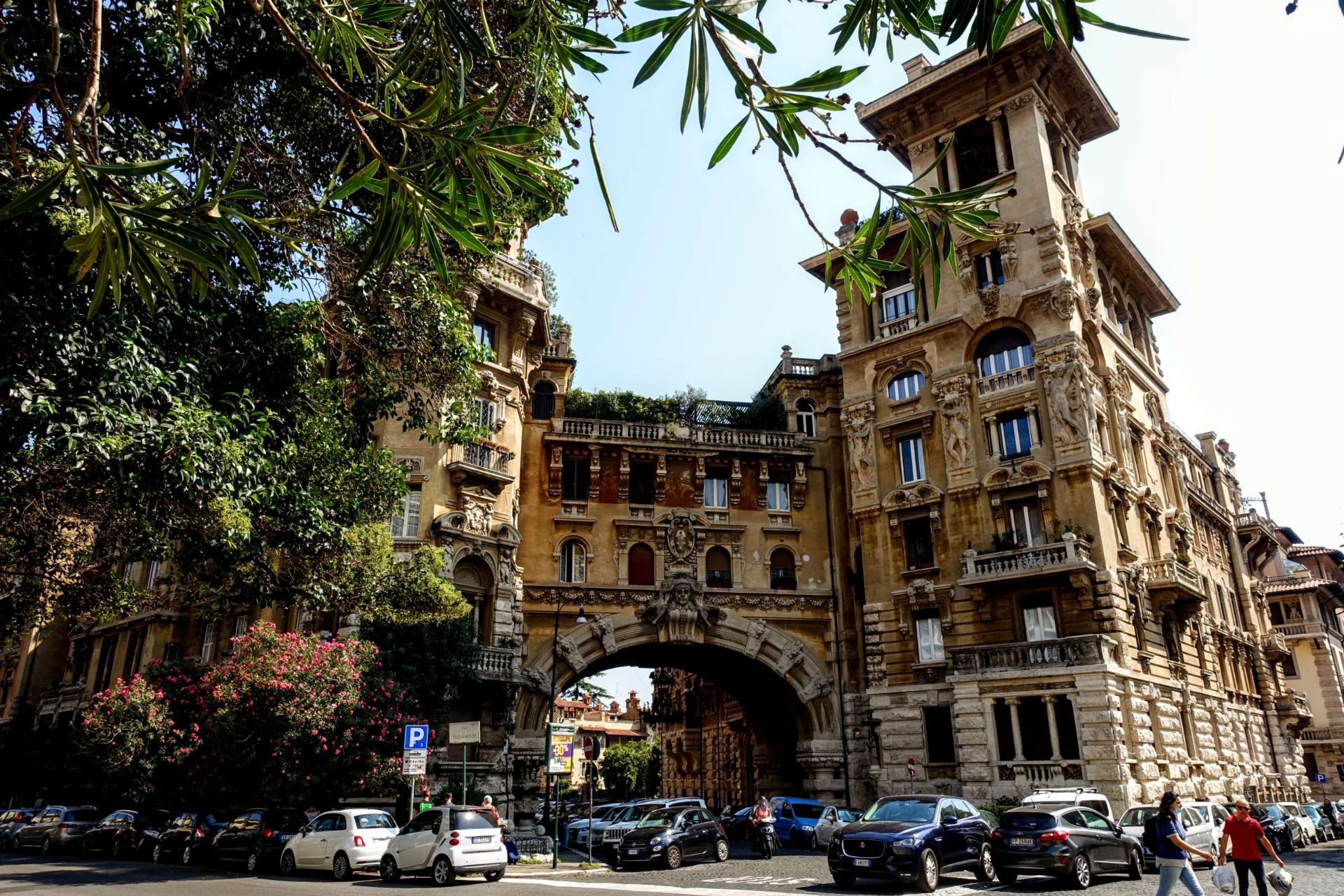
Rome
## Description Quartiere Coppedè is a compact Roman quarter that reads like an architectural storybook—an eclectic fusion of Art Nouveau, Gothic, Baroque, and medieval motifs created by architect Gino Coppedè in the early 20th century. Unlike Rome’s grand classical boulevards, Coppedè’s charm is intimate and ornamental: ornate street lamps, intricate stone reliefs, and allegorical sculptures populate small piazzas and manicured courtyards. The area feels deliberately theatrical—cobblestones, carved masks, and decorative columns create a sense of discovery around every corner. The district’s central Fountain of the Frogs remains the visual and social heart of Coppedè, anchoring a piazza that draws photographers and architecture lovers. Film crews and editorial shoots often favor the quarter for its cinematic, slightly surreal quality. A lesser-known nuance is the abundance of small symbolic details—carvings referencing mythology, architecture that blends multiple historical styles on a single facade, and discreet plaques that hint at the designer’s playful intentions. ## Location Quartiere Coppedè sits in the Trieste/Salario area north of Rome’s historic center. It’s reachable by bus or a reasonable walk from Termini station; for many visitors it makes a pleasant detour when exploring Rome beyond the core tourist sites. ## Tips - Stroll slowly and look upward—facade details, rooftop ornaments, and carved symbols reward slow observation. - Visit during daylight to appreciate the color and texture of stonework and decorative elements. - Wear comfortable shoes; the best views are found while wandering rather than following a strict route. - Be respectful of residents—this is a lived neighborhood, not a theme park; avoid loud behavior and tread lightly in quieter corners. - Photography: mornings with soft light offer the best conditions; golden-hour photos can be striking but be mindful of private courtyards. ## Conclusion Quartiere Coppedè is a short, enchanting detour from Rome’s classical itinerary: a neighborhood where architectural imagination runs free and every facade tells a visual story. It’s a must-see for travelers interested in design, film-worthy backdrops, and the unexpected pleasures of urban ornamentation. ## FAQ Q: Is Quartiere Coppedè crowded? A: It is generally peaceful and residential—most visitors are architecture enthusiasts rather than mass-tourist groups. Q: Are guided tours available for Coppedè? A: Yes, some walking tours include Coppedè as part of broader neighborhood routes, and independent guides can tailor visits for architecture lovers. Q: Can I enter the buildings in Coppedè? A: Many buildings are private residences; admire the ornate facades from the street and respect private property. Q: What is the best time of day to visit? A: Morning or late afternoon for softer light and fewer people—midday can be busier and harsher for photos. Q: Are there nearby cafes or amenities? A: Yes—small cafes and restaurants are within walking distance in the Trieste area; stop for a coffee after exploring. ## Links - [Quartiere Coppedè](https://rome.us/neighborhoods/quartiere-coppede.html)
GemVoyage Team • World
Salto
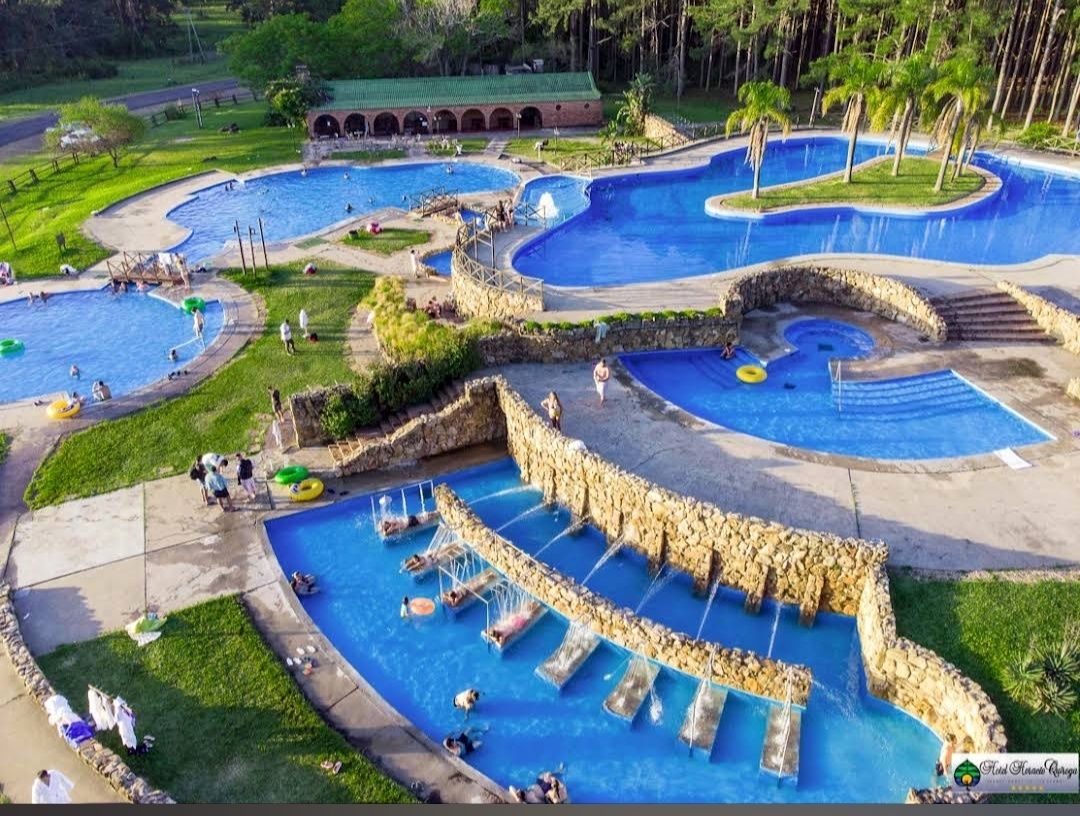
## Description **Parque Aquático Termas de Salto Grande** is one of Uruguay’s most popular thermal water parks, offering a unique blend of relaxation, recreation, and family fun. Located near the Salto Grande Dam, the park is famous for its naturally heated pools, which are fed by underground hot springs rich in minerals. These thermal waters are believed to have therapeutic properties, making the park not just an entertainment venue but also a wellness destination. The park features a variety of attractions, including outdoor and indoor pools, water slides, jacuzzis, and dedicated children’s areas. Families can enjoy thrilling rides while others unwind in the warm, soothing waters. The design of the park strikes a balance between leisure and adventure, making it suitable for visitors of all ages. **Little-known facts**: * The thermal waters in Salto reach temperatures of **38–46°C**, perfect for relaxation and health benefits. They are said to help with circulation, joint pain, and stress relief. * The park is part of the larger **Salto Grande hot springs circuit**, which is considered one of the most important in Uruguay and the entire Río de la Plata region. --- ## Location Parque Aquático Termas de Salto Grande is located in the **city of Salto**, in **northwestern Uruguay**, within the **Salto Department**. The park lies just a few kilometers from the **Salto Grande Dam**, which sits on the Uruguay River and borders Argentina. ### How to get there: * From **Salto city center**, the park is around 10 kilometers away. Taxis, local buses, or rental cars are convenient options. * Visitors traveling from **Montevideo** (about 500 kilometers away) can reach Salto by long-distance bus or a domestic flight. From there, it’s a short drive to the park. * If coming from **Argentina**, the park is easily accessible through the Concordia–Salto International Bridge, making it a popular cross-border attraction. --- ## Tips * **Bring swimwear and sandals**: Comfortable water-friendly clothing is essential, and sandals are useful for walking around hot pavements. * **Plan a full day**: With multiple pools, slides, and relaxation areas, you’ll want plenty of time to enjoy everything. * **Visit on weekdays**: The park can get very crowded on weekends and holidays, so weekdays are more peaceful. * **Stay hydrated**: The warm thermal waters can dehydrate you faster than you might expect, so drink plenty of water. * **Combine with nearby attractions**: The Salto region offers other hot spring complexes, like Termas del Daymán, and cultural attractions in Salto city itself. --- ## Conclusion Parque Aquático Termas de Salto Grande combines the thrill of a water park with the healing benefits of natural hot springs. Whether you’re seeking wellness, family fun, or just a relaxing escape, the park delivers an experience that is both entertaining and rejuvenating. With its unique thermal waters, diverse facilities, and prime location near Salto Grande, it’s one of Uruguay’s standout destinations. --- ## FAQ **1. What makes Parque Aquático Termas de Salto Grande special?** Its natural thermal pools, therapeutic waters, and mix of fun attractions like slides and jacuzzis make it a unique destination in Uruguay. **2. Is it family-friendly?** Yes, the park has areas designed specifically for children, making it a great choice for families. **3. What is the water temperature in the pools?** The thermal water ranges between 38°C and 46°C, depending on the pool. **4. Do I need to bring my own food?** The park has on-site restaurants and snack bars, but visitors can also bring their own food if they prefer. **5. Can I visit from Argentina?** Yes, the park is very close to the border with Argentina, and many visitors come via the Concordia–Salto bridge. **6. How much time should I plan for my visit?** Most visitors spend at least half a day, but a full day allows you to enjoy both relaxation and water attractions. --- ## Links * [Salto Tourism – Official Website](https://www.salto.gub.uy/) * [Uruguay Natural – Official Tourism Site](https://www.uruguaynatural.com/)
GemVoyage Team • World

Comments