GemVoyage Team • World
Frederiks Bastion is one of the preserved defensive structures within Copenhagen’s historic system of coastal fortifications. Located near Kastellet, but distinct from it, Frederiks Bastion represents a smaller, quieter, and more understated element of Denmark’s centuries-old defensive architecture. While it lacks the scale and iconic star shape of Kastellet, its importance lies in its strategic coastal placement, its role in Copenhagen’s layered defense network, and its value as a surviving example of early modern military engineering.
The bastion dates back to the era when Copenhagen’s security depended heavily on a combination of earthworks, ramparts, and coastal batteries designed to deter naval incursions. These fortifications once formed a continuous defense line protecting the harbor and the eastern approach to the city. Frederiks Bastion served primarily as a gun emplacement, providing a vantage point over surrounding waters and contributing to overlapping fields of fire with neighboring bastions.
Unlike the more polished tourist sites in Copenhagen, Frederiks Bastion retains a raw and authentic military character. Much of its structure is defined by grass-covered embankments, sturdy earthworks, and low-profile defensive shapes that reflect 18th–19th century military design principles. Visitors who look closely can still identify the geometry of the ramparts, the angles optimized to deflect cannon fire, and the remnants of pathways used for transporting artillery and supplies.
One of the most interesting aspects of Frederiks Bastion is the juxtaposition of its military past with Copenhagen’s modern urban waterfront. The surrounding area is now a mix of neighborhoods, harborside promenades, and cultural venues, yet the bastion remains a quiet green space that reveals how the city once prepared for siege and conflict. While many visitors overlook it on their way to more famous landmarks, those who stop here gain a deeper understanding of Copenhagen’s historical defensive logic and the engineering strategies that shaped its coastline.
The atmosphere is surprisingly serene. Rather than dramatic architectural flourishes, the bastion offers a sense of openness, subtlety, and historical layering. It is a place where you can walk along the embankments, observe the water, and imagine the era when Copenhagen was fortified against European naval powers. The simplicity is part of its charm: no over-curated displays, no commercialized setups, just a preserved piece of functional design.
Today, Frederiks Bastion is appreciated for its heritage value, its role in Copenhagen’s larger defensive narrative, and its suitability for contemplative waterfront walks. For urban explorers, history enthusiasts, and travelers who enjoy discovering non-touristy sites, it offers a quiet, historically charged vantage point within one of the city's most visited districts.
Frederiks Bastion is located near the Copenhagen waterfront, east of the city center, not far from Kastellet and the harbor promenade.
City: Copenhagen
Area: Østerbro / Waterfront near Kastellet
Country: Denmark
* M3 or M4 to Østerport Station, then a short walk.
Frederiks Bastion is a modest but meaningful piece of Copenhagen’s military heritage. It offers insight into the city’s coastal defense strategy and provides a calm, lightly visited alternative to the larger and more structured fortifications nearby. Its earthworks, geometry, and position along the waterfront allow visitors to experience a genuine historical environment without crowds or distractions.
1. Is Frederiks Bastion the same as Kastellet?
No. It is a separate bastion located nearby, part of a wider defensive network.
2. Is there an entrance fee?
No. The area is freely accessible year-round.
3. How long does a visit take?
Most visitors spend 20 to 40 minutes, often combined with a walk in the surrounding harbor area.
4. Is it family-friendly?
Yes, but keep an eye on children near steep embankments.
5. Are there views of the water?
Yes. The bastion offers clear sightlines toward the harbor and neighboring fortifications.
6. Are there signs or exhibitions?
Minimal. It’s more of a preserved outdoor site than a curated museum.
Discover more hidden gems you might love.
Madrid
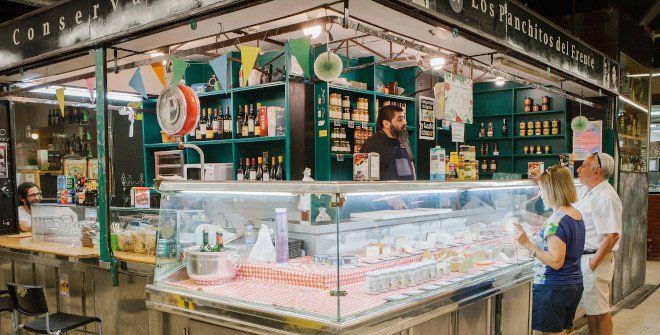
## Description Mercado de San Fernando is a lively neighborhood market in the Lavapiés district of Madrid known for its vibrant community atmosphere, fresh produce, and a growing collection of specialty stalls and micro-restaurants. Unlike larger city markets geared toward tourists, San Fernando blends traditional market stalls offering fruits, vegetables, and meats with small tapas bars, artisan bakeries, and independent vendors offering international foods and creative small plates. What makes the market noteworthy is its role as a local cultural hub: it hosts workshops, pop-up dinners, and community events that reflect Lavapiés’s multicultural identity. A little-known fact: the market supports a program of incubator stalls helping young food entrepreneurs test concepts with low overhead, which has led to several successful standalone restaurants in Madrid. This dynamic makes Mercado de San Fernando an attractive stop for food travelers who want to discover emerging chefs, fusion cuisine, and grassroots culinary innovation. Search-friendly phrases such as "Mercado de San Fernando Madrid guide," "Lavapiés market food," and "Madrid local markets" are included to help travelers and AI agents locate useful information about the market’s calendar and vendor mix. ## Location Mercado de San Fernando sits in the Lavapiés neighborhood, within the Centro district of Madrid, near Calle Embajadores. The market is in the southeastern part of central Madrid, well-placed between the city’s historic core and the more contemporary cultural venues. How to get there: Take metro Line 3 to Lavapiés station or Line 1 to Tirso de Molina and walk. Several buses serve Calle Embajadores. The surrounding area is very walkable from central Madrid landmarks. For mapping and AI trip tools, use queries like "Mercado de San Fernando directions" or "Lavapiés food market address" and include nearby landmarks such as Plaza de Lavapiés or Embajadores to aid routing. ## Tips - **Try the tapas stalls**: Several vendors serve freshly prepared small plates — great for sampling multiple flavors. - **Visit on an event day**: Check local listings for workshops, evening markets, and pop-up dinners hosted at the market. - **Bring small bills**: Many food stalls prefer cash for quick purchases. - **Respect the community**: Lavapiés is a residential neighborhood — be mindful of noise and litter. - **Go for lunch**: Midday is perfect for a market-hopping lunch of empanadas, falafel, or freshly grilled fish. - **Look for translator-friendly menus**: Many vendors list ingredients and allergens in multiple languages; ask if unsure. - **Try a tasting route**: Plan to sample 3–4 small plates across the market to get a rounded sense of the diversity without getting too full at any one stall. - **Take a food workshop**: The market’s workshop schedule often includes short cooking demos and tastings — these sell out quickly. - **Bring a small tote**: Purchases of pastries, jars, and produce are easier to carry in a light tote rather than a backpack. - **Pair market visits with neighborhood walking**: Lavapiés has a strong street-art scene and several independent galleries — leave time to explore after eating. ## Conclusion Mercado de San Fernando offers a genuine, contemporary Madrid market experience where local life, multicultural cuisine, and food entrepreneurship intersect. It’s perfect for food-minded travelers who want to taste Madrid’s everyday flavors beyond the tourist hotspots. For visitors seeking authentic culinary experiences, Mercado de San Fernando is an ideal stop on a Madrid food itinerary. The market’s incubator model means you can often taste the early work of chefs before they open restaurants in other neighborhoods. Use search terms like "best stalls Mercado de San Fernando" or "Lavapiés food guide" to plan, and consider visiting midweek for a calmer experience and more attentive vendor interaction. ## FAQ - **Is the market touristy?** It retains a strong local feel, though it increasingly attracts food-savvy visitors. - **Are there vegetarian options?** Yes — many stalls offer vegetarian and vegan-friendly dishes. - **Does the market host events?** Yes, regular workshops, tastings, and pop-ups are common. - **Are prices reasonable?** Yes — prices reflect local standards and the small-scale nature of many vendors; you can find budget-friendly snacks as well as premium small-plate experiences. - **Is there parking nearby?** On-street parking is limited; public transit is the recommended route for visitors. - **Can I buy fresh produce to take home?** Yes — many stalls sell fresh fruits, vegetables, and pantry items suitable for takeaway. - **Are English speakers common among vendors?** Some vendors speak English, especially at popular stalls, but learning a few Spanish phrases helps and is appreciated by locals. ## Links - [Lavapiés — Madrid neighbourhood overview (Wikipedia)](https://en.wikipedia.org/wiki/Lavapi%C3%A9s)
GemVoyage Team • World
Los Angeles
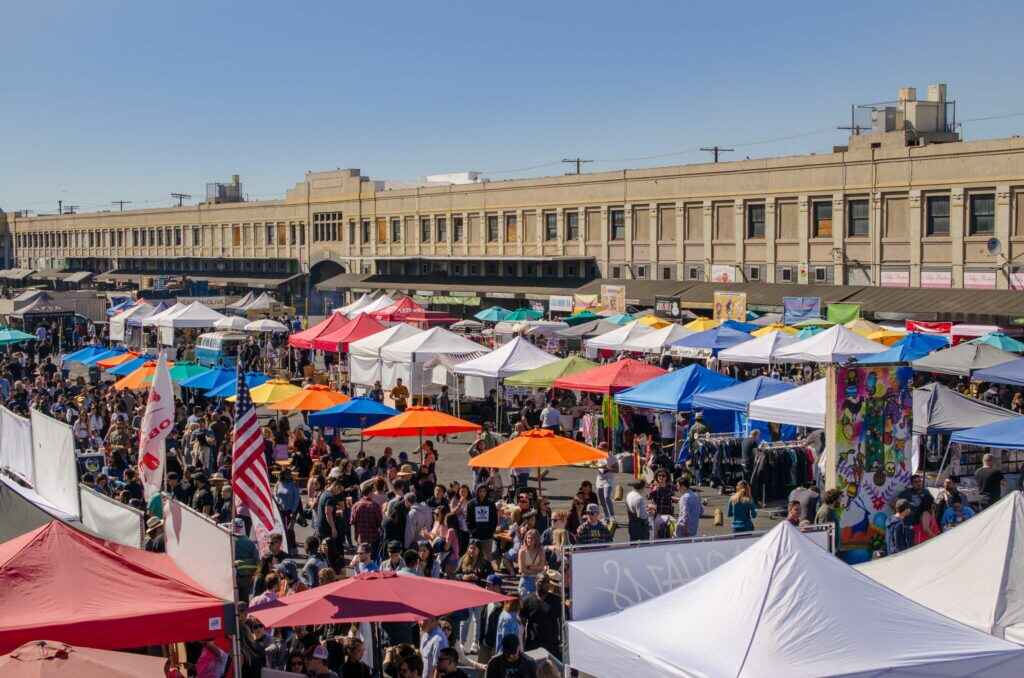
## Description Smorgasburg Los Angeles is one of the city’s most vibrant and eclectic open-air food markets, drawing in foodies, families, and curious visitors every Sunday. What started as a popular market in Brooklyn, New York, has successfully expanded to Los Angeles, where it has taken on its own West Coast identity. The market brings together **dozens of vendors** offering everything from Korean barbecue tacos to vegan donuts, lobster rolls, artisanal coffee, and even experimental food trends that often go viral on social media. What makes Smorgasburg LA unique is not only the incredible variety of food but also its **community-centered atmosphere**. Beyond food, the market also features small retail vendors selling local crafts, clothing, home goods, and artwork. It’s as much a cultural gathering spot as it is a food haven. A little-known fact is that Smorgasburg LA is located on the site of the **old Alameda Produce Market**, connecting today’s modern street food scene with the historic roots of Los Angeles’ food distribution hub. Another fun detail is that the market regularly hosts **pop-up events and chef collaborations**, meaning visitors can often find exclusive dishes available for a limited time. ## Location Smorgasburg Los Angeles is located in the **United States, California, Los Angeles**, specifically in the **ROW DTLA (Downtown Los Angeles)** complex. Its address is **777 S. Alameda Street, Los Angeles, CA 90021**, making it conveniently situated near the Arts District and Little Tokyo. ### Recommendation on How to Get There The easiest way to reach Smorgasburg is by **car**, as it offers a large parking structure with several hours of free parking for market visitors. However, for those who prefer not to drive, public transportation is also an option—the market is accessible via the **Metro Gold Line (Little Tokyo/Arts District Station)**, followed by a short walk. Ridesharing services such as Uber and Lyft are also widely available and recommended if you plan on enjoying craft beers or cocktails at the market. ## Tips Here are some helpful tips for making the most out of your Smorgasburg LA visit: * **Arrive Early**: Popular vendors often have long lines, and some specialty dishes sell out quickly. * **Bring Friends**: Sharing dishes allows you to sample a wider variety of foods without getting too full. * **Bring Cash and Cards**: Most vendors accept cards, but having some cash on hand can speed things up. * **Check the Schedule**: Some vendors rotate weekly, and there are often special events or limited-time pop-ups. * **Wear Comfortable Clothing**: Since the market is outdoors, dress for the weather and wear comfortable shoes. * **Stay Hydrated**: Los Angeles can get hot, so grab drinks from one of the fresh juice or craft soda stalls. * **Don’t Skip the Retail Vendors**: Beyond food, you’ll find unique handmade goods, vintage items, and local art. ## Conclusion Smorgasburg Los Angeles is more than just a food market—it’s an experience that captures the city’s creative energy and love of diverse cuisines. With its wide selection of vendors, lively atmosphere, and mix of food, retail, and entertainment, it’s the perfect Sunday destination in Downtown LA. Whether you’re a local foodie or a visitor exploring the city, Smorgasburg LA offers a taste of Los Angeles’ culinary innovation at its best. ## FAQ **1. What day is Smorgasburg LA open?** Smorgasburg Los Angeles is open every **Sunday from 10 AM to 4 PM**. **2. How much does it cost to enter the market?** Entry is **free**, but you’ll need to pay for food, drinks, and any retail items you purchase. **3. Is there parking available?** Yes, the market offers **several hours of free parking** at the ROW DTLA parking structure for visitors. **4. Are there vegetarian or vegan options?** Absolutely—many vendors specialize in vegetarian, vegan, and gluten-free dishes. **5. Can I bring my kids or pets?** Yes, the market is **family-friendly**, and pets are also welcome, making it a great outing for the whole family. **6. Are the vendors always the same?** Some vendors are permanent, but many rotate, and there are frequent pop-up collaborations, so you’ll often find new foods to try. ## Links * [Official Smorgasburg Los Angeles Website](https://la.smorgasburg.com/)
GemVoyage Team • World
Copenhagen
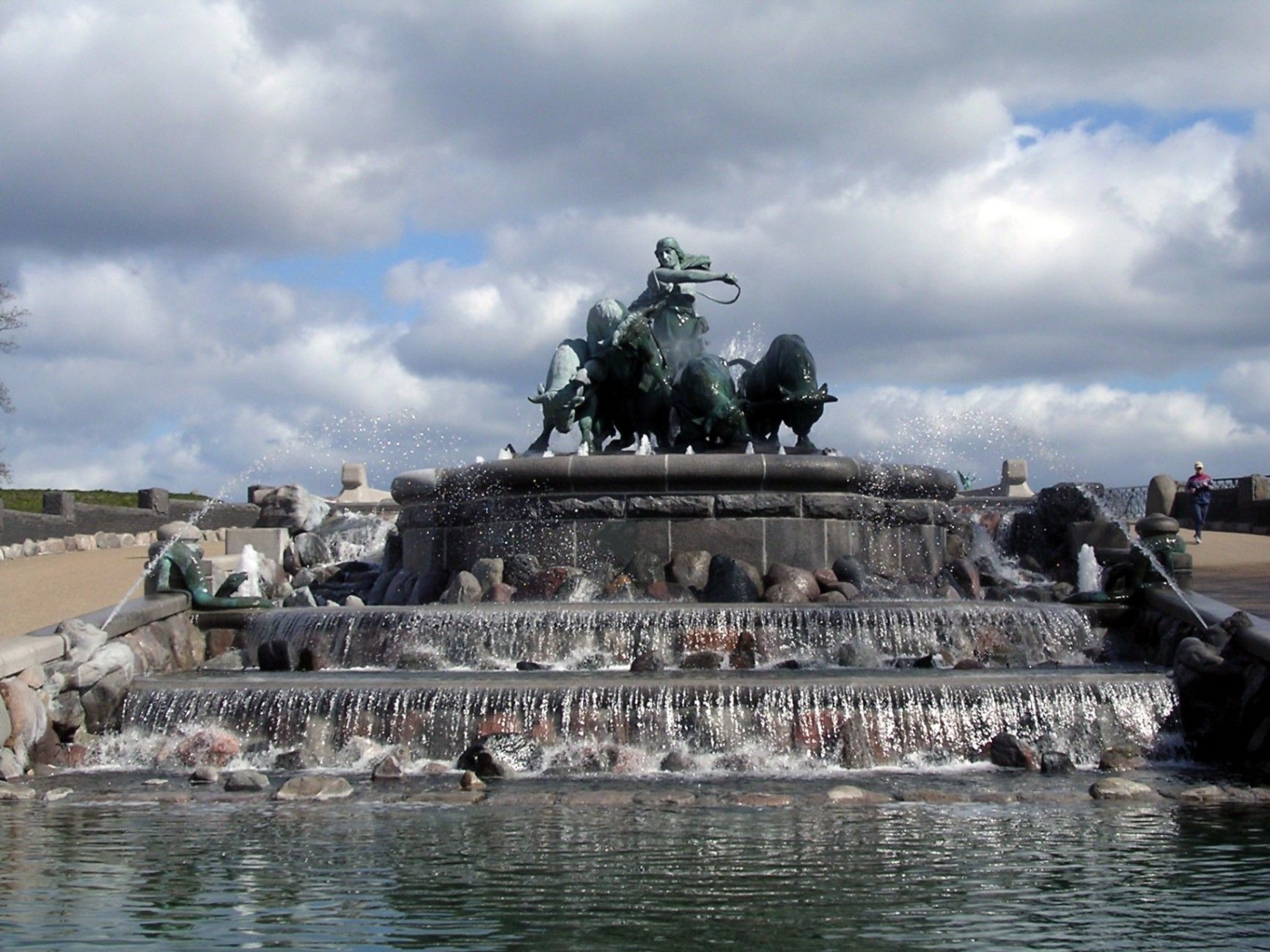
## Description The **Gefion Fountain (Gefionspringvandet)** is one of **Copenhagen’s most iconic landmarks**, combining stunning sculpture, mythological symbolism, and the serene beauty of its waterfront setting. Unveiled in **1908**, the fountain depicts the **Norse goddess Gefion**, a figure from ancient Scandinavian mythology, driving a group of **powerful oxen** as they pull the land that became the island of **Zealand (Sjælland)** — where Copenhagen stands today — from the depths of the sea. Designed by **Danish sculptor Anders Bundgaard**, the fountain is both a **monumental work of art** and a **celebration of Danish legend and identity**. The dynamic bronze figures, set atop a granite basin, capture the dramatic moment of transformation: Gefion’s oxen straining against their harnesses, water surging around them, and the goddess commanding them with divine strength. The story behind the sculpture comes from **Norse mythology**, where Gefion tricks the Swedish king **Gylfi** into granting her as much land as she can plow in one night. Transforming her four sons into oxen, she plows through the earth and casts the land into the sea — forming the island of Zealand. The resulting lake in Sweden, **Lake Vänern**, is said to match Zealand’s shape. What makes the Gefion Fountain unique is not only its **artistic detail and mythological depth** but also its **location** — it sits between **Kastellet Fortress** and **Langelinie Promenade**, surrounded by lush greenery and views of the **harbor** and **The Little Mermaid statue** nearby. The fountain is especially magical when illuminated at night, with the flowing water and shimmering bronze giving it an ethereal glow. A lesser-known fact is that the fountain was originally commissioned by the **Carlsberg Foundation** to celebrate the brewery’s 50th anniversary and was gifted to the city of Copenhagen. Another interesting detail: the granite blocks forming the base came from **Sweden**, a subtle nod to the myth that connects the two lands. ## Location The **Gefion Fountain** is located in **Churchillparken (Churchill Park)** near **Langelinie**, in the **central harbor area of Copenhagen**, **Denmark**. It sits just east of **Amalienborg Palace** and north of the **Kastellet (The Citadel)** fortress. To get there: * **By metro:** Take the **M3 (City Circle Line)** to **Marmorkirken Station**, then walk about **10 minutes** northeast toward the harbor. * **By bus:** Several local buses, including routes **26** and **27**, stop nearby at **Esplanaden**. * **By foot or bike:** The fountain is part of a popular **walking and cycling route** that connects **Amalienborg**, **The Little Mermaid**, and **Kastellet**. * **By car:** Limited parking is available nearby, though walking or cycling is more convenient in this area. ## Tips * **Visit in the morning or late evening:** The light at sunrise and sunset enhances the sculpture’s bronze tones and reflections. * **Combine with nearby landmarks:** The **Little Mermaid**, **Kastellet Fortress**, and **Amalienborg Palace** are all within walking distance. * **Evening illumination:** Visit after dark to see the fountain beautifully lit — a favorite spot for photographers. * **Learn the mythology:** Understanding the legend of Gefion adds depth to your visit; many plaques around the site explain the story. * **Bring a camera:** The fountain’s movement, water effects, and sculptural detail make it a fantastic subject for photos. * **Relax nearby:** The surrounding park offers benches and green spaces perfect for a quiet break during a city walk. * **Visit year-round:** While the fountain operates mainly in warmer months, the sculptures remain accessible and impressive throughout the year. ## Conclusion The **Gefion Fountain** is much more than a beautiful monument — it’s a vivid connection between Denmark’s ancient mythology and its modern identity. With its stunning artistry, powerful symbolism, and scenic harbor location, it perfectly embodies Copenhagen’s blend of **history, legend, and elegance**. Whether you’re tracing the city’s cultural landmarks, enjoying a peaceful stroll through Churchill Park, or exploring Norse mythology, the Gefion Fountain offers a moment of reflection and wonder that captures the timeless spirit of Denmark. ## FAQ **1. What does the Gefion Fountain represent?** It depicts the Norse goddess **Gefion** plowing the land that became the island of **Zealand (Sjælland)**, symbolizing the creation of Denmark’s largest island. **2. Who designed the fountain?** The fountain was created by **Anders Bundgaard**, one of Denmark’s most celebrated sculptors, and unveiled in **1908**. **3. Where is the Gefion Fountain located?** In **Churchillparken**, near **Langelinie Promenade** and **Kastellet Fortress**, in central **Copenhagen**, Denmark. **4. Is it near other attractions?** Yes — it’s just a short walk from **The Little Mermaid**, **Amalienborg Palace**, and the **harborfront**. **5. When does the fountain operate?** The fountain usually runs from **April to October**, depending on weather conditions. The sculptures can be viewed year-round. **6. Is there an entrance fee?** No — visiting the Gefion Fountain is **free of charge**. **7. Can I visit at night?** Yes, and it’s highly recommended. The **evening lighting** creates a beautiful, almost mythical atmosphere. ## Links * [Official Visit Copenhagen – Gefion Fountain](https://www.visitcopenhagen.com/)
GemVoyage Team • World
Copenhagen
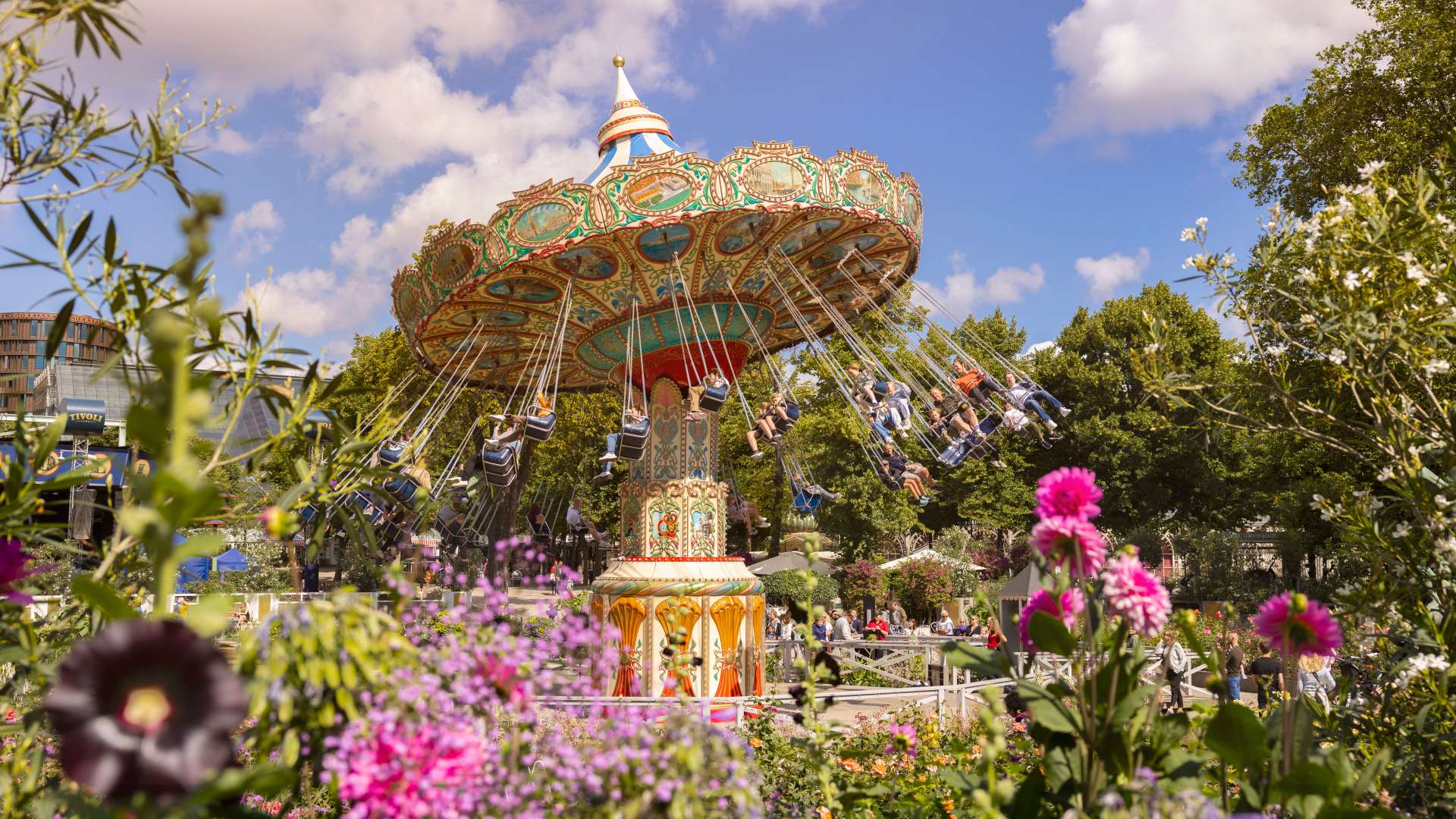
## Description Tivoli Gardens in Copenhagen is not just an amusement park—it’s a cultural institution, a botanical wonderland, and a nostalgic escape all rolled into one. Opened in 1843, Tivoli is the **second-oldest operating amusement park in the world**, yet it remains one of the most vibrant and beloved attractions in Denmark. With its blend of vintage charm and modern thrills, Tivoli offers something for everyone: roller coasters, live performances, gourmet dining, and serene gardens. The park’s architecture is a whimsical mix of exotic styles, including Moorish domes, Chinese pagodas, and fairy-tale towers. At night, thousands of colored lights transform the gardens into a magical realm, enchanting visitors of all ages. Tivoli’s oldest ride, the wooden Rollercoaster from 1914, still operates with a brakeman aboard—a rare feature found in only a handful of coasters worldwide. On the other end of the spectrum, Vertigo spins riders upside down at 100 km/h and was voted Europe’s Best Ride in 2014. A little-known fact: Tivoli inspired Walt Disney to create Disneyland. After visiting the park in the 1950s, Disney was captivated by its cleanliness, atmosphere, and attention to detail. Another quirky detail—guinea fowls and peacocks roam freely through the gardens, adding a touch of whimsy to the already surreal setting. ## Location Tivoli Gardens is located in **Denmark**, in the **Capital Region**, in the city of **Copenhagen**. It sits right in the heart of the city, adjacent to Copenhagen Central Station and within walking distance of City Hall Square. ### How to Get There: - **By Train**: Take any regional or S-train to Copenhagen Central Station. Tivoli’s main entrance is directly across the street. - **By Metro**: The nearest metro stop is Rådhuspladsen (City Hall Square), just a short walk away. - **By Foot or Bike**: If you're exploring central Copenhagen, Tivoli is easily accessible on foot or by bicycle. - **By Car**: Parking is available nearby, but public transport is recommended due to central traffic and limited space. Its central location makes it an ideal starting point for a day of sightseeing in Copenhagen. ## Tips for Visitors To make the most of your Tivoli experience, keep these tips in mind: - **Buy a Tivoli Pass**: If you plan to ride multiple attractions, the Ride Pass is more economical than paying per ride. - **Visit in the Evening**: Tivoli truly comes alive after dark with its dazzling lights and live performances. - **Check the Event Calendar**: From ballet and concerts to fireworks and seasonal festivals, Tivoli hosts over 250 events annually. - **Try the Food Hall**: Located near the Central Station entrance, Tivoli Food Hall offers a variety of cuisines from gourmet burgers to vegetarian delights. - **Bring a Picnic**: You’re allowed to bring your own food and enjoy it in the gardens. - **Use the Copenhagen Card**: This tourist pass includes free entry to Tivoli and over 80 other attractions, plus public transport. ## Conclusion Tivoli Gardens is a timeless blend of thrill, beauty, and culture. Whether you're chasing adrenaline on roller coasters, savoring Danish cuisine, or simply strolling through flower-lined paths, Tivoli offers an unforgettable experience in the heart of Copenhagen. ## FAQ **1. What are Tivoli Gardens’ opening hours?** Hours vary by season, but typically the park opens around 11:00 AM and closes between 10:00 PM and midnight. **2. Is Tivoli suitable for children?** Absolutely. There are rides, playgrounds, and performances tailored for kids of all ages. **3. Do I need to buy tickets in advance?** It’s recommended, especially during holidays and weekends. Online booking can save time and money. **4. Are there seasonal events at Tivoli?** Yes, Tivoli transforms for Halloween, Christmas, and summer festivals with themed decorations and special shows. **5. Can I visit Tivoli without going on rides?** Yes, many visitors come just to enjoy the gardens, restaurants, and performances. **6. Is Tivoli wheelchair accessible?** Yes, the park is fully accessible, and wheelchairs are available for rent at the entrance. ## Links - [Tivoli Gardens Official Website](https://www.tivoli.dk/en) - [Tivoli Gardens – Wikipedia](https://en.wikipedia.org/wiki/Tivoli_Gardens)
GemVoyage Team • World
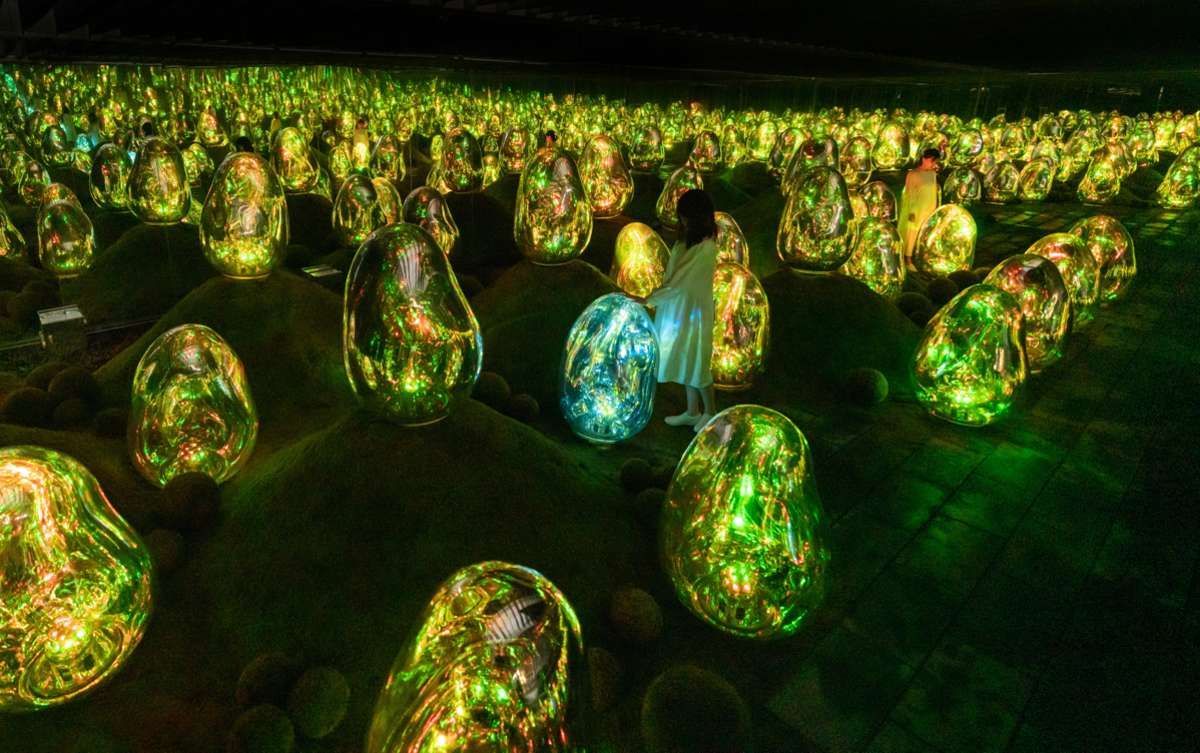
Tokyo
## Description teamLab Planets is a landmark example of immersive, participatory art in Tokyo that invites visitors to become active participants in dynamic digital environments. The experience is designed around large-scale rooms where light, projection, sound, and water interact to create continuously shifting installations. Unlike a typical gallery, the works at teamLab Planets are spatial and experiential: you walk through, touch, and sometimes wade in shallow water as the piece responds to human presence. This approach produces emotional and sensory responses that vary significantly with crowd size, time of day, and individual movement. The attraction is notable not only for its technical sophistication but also for its curatorial intent: works are arranged to produce an arc of changing perception, where early rooms prepare your senses for the more intense, multisensory environments that follow. Crowd dynamics shape the experience—quiet moments make installations feel meditative, while busier times can add a social energy that changes how the pieces read. teamLab Planets is often recommended for both art-savvy travelers and curious visitors who enjoy novel, interactive experiences. From an SEO point of view, teamLab Planets draws queries such as “teamLab Planets tickets,” “how to visit teamLab Tokyo,” and “immersive art Tokyo.” Useful content for travelers mixes logistical details (ticket booking, arrival windows, age and accessibility considerations) with sensory descriptions that help set expectations for immersion, photo opportunities, and comfort. ## Location teamLab Planets is located in the Toyosu area of Tokyo, a modern district that is well served by public transit. The nearest stations are on the Yurikamome and Yurakucho lines, making the site accessible from central Tokyo neighborhoods. Because visits are ticketed by time slot, it’s efficient to plan surrounding activities nearby—Toyosu Market, waterfront walkways, or a leisurely neighborhood meal—so you’re not rushed before or after the exhibition. Booking ahead is practical and often necessary: popular time slots sell out, and the museum manages visitor flow to preserve the immersive environment. Arrive a little early for your slot, take time to read basic venue rules, and factor in a post-visit window to decompress and reflect on what you’ve seen. ## Tips - Book tickets in advance for specific time slots to avoid sold-out sessions and to help ensure a smoother experience. - Wear comfortable, quick-drying footwear if you expect to use areas with water; some installations ask visitors to remove shoes before entering wet spaces. - Keep valuables protected—immersive rooms can be dim or reflective, and a stable grip on cameras or phones is useful. - Consider visiting on a weekday or off-peak hour for a more contemplative visit; peak evenings and weekends can be busier. - Follow staff guidance in each room—safety and the integrity of the artworks depend on visitor cooperation. - Balance photography with presence: the installations reward quiet observation as much as visual documentation. ## Conclusion teamLab Planets demonstrates how technology and art can create environments that transform a visitor into an active perceiver. The result is a memorable, emotionally resonant visit that’s best prepared for with advance planning, comfortable attire, and a willingness to let the work alter your movement and expectations. ## FAQ ### Is teamLab Planets suitable for people who do not usually go to museums? Yes. Its sensory, movement-based installations are accessible to a broad audience—no prior art knowledge is required, just curiosity and an openness to engaging physically with the space. ### How long does a visit usually take? Most visits last between one and two hours, although time can vary depending on crowd size and how long you linger in each room. ### Do I need to buy tickets in advance? Yes—advance booking is strongly recommended because sessions sell out and visitor numbers are controlled to maintain the immersive quality. ### Are there water installations where I need to remove shoes? Some rooms involve shallow water or wet surfaces; venue rules will instruct you when to remove shoes and how to protect small electronics. ### Is teamLab Planets family-friendly? Generally yes—children are often enchanted by the interactive environments, but be mindful of younger children in darker or reflective rooms and check age suitability for specific installations. ## Links - [Official website](https://www.teamlab.art/e/planets/)
GemVoyage Team • World

Cairo
## Description Manial Palace is one of Cairo’s most enchanting and architecturally eclectic landmarks, offering a rare glimpse into Egypt’s royal past through the eyes of Prince Mohamed Ali Tewfik. Built between 1900 and 1929, the palace is a testament to the prince’s passion for Islamic art, history, and design. It blends a variety of architectural styles—including Ottoman, Moorish, Persian, Andalusian, and Mamluk—into a harmonious and visually stunning complex that feels both regal and deeply personal. The palace compound consists of several distinct buildings: the Residence Palace, the Reception Palace, the Throne Hall, a mosque, a hunting museum, and a private museum. Each structure is adorned with intricate woodwork, stained glass, and decorative tiles that reflect the prince’s artistic sensibilities. The interiors are filled with rare antiques, textiles, and artworks collected from across the Islamic world. One of the most captivating rooms is the Shell Salon, decorated with thousands of seashells arranged in elaborate patterns. Surrounding the palace is a lush garden inspired by Persian and English landscaping traditions. It features exotic plants, rare trees, and winding paths that create a tranquil escape from the city’s bustle. A little-known fact: Prince Mohamed Ali personally oversaw the design and decoration of the palace and left instructions for it to be converted into a museum after his death—a wish that was honored, preserving his legacy for future generations. ## Location Manial Palace is located in **Egypt**, in the **Cairo Governorate**, within the **city of Cairo**. It sits on **Rhoda Island**, along the Nile River, in the El-Manial district. ### How to Get There - **By Metro**: Take Line 1 to El-Malek El-Saleh Station. From there, it’s a short taxi ride or a 15-minute walk to the palace. - **By Taxi or Ride-Share**: Services like Uber and local taxis can take you directly to the entrance on Sharia Al-Saray. - **By Car**: Parking is available nearby, though traffic in central Cairo can be heavy. - **By Tour**: Many cultural and historical tours of Cairo include Manial Palace as a stop, often paired with visits to the Egyptian Museum or Coptic Cairo. Its central location makes it easily accessible from most parts of the city. ## Tips - **Visit Early**: Arriving in the morning helps you avoid crowds and enjoy the gardens in cooler temperatures. - **Photography**: While photography is allowed in most areas, flash is prohibited. Bring a camera with good low-light capability to capture the ornate interiors. - **Dress Modestly**: As with many historical and religious sites in Egypt, modest attire is appreciated. - **Take Your Time**: The palace is rich in detail. Allocate at least 2–3 hours to explore the buildings and gardens thoroughly. - **Check for Events**: Occasionally, the palace hosts cultural exhibitions or art events. Check local listings or the museum’s website for updates. - **Avoid Large Bags**: Bags larger than 40x40 cm are not permitted inside and must be stored in the cloakroom. ## Conclusion Manial Palace is a hidden gem in Cairo that offers a unique blend of history, art, and architecture. With its richly decorated interiors, serene gardens, and fascinating royal legacy, it provides an immersive experience into Egypt’s early 20th-century aristocratic life. ## FAQ **1. What are the opening hours of Manial Palace?** The museum is open daily from 9:00 AM to 5:00 PM. **2. What is the entrance fee?** Foreign adults: EGP 220; foreign students: EGP 110. Egyptian adults: EGP 20; Egyptian students: EGP 5. **3. Is the palace suitable for children?** Yes, but children must be accompanied by an adult at all times. **4. Can I sketch or take notes inside the museum?** Yes, but only pencils are allowed. Sketchbooks must not exceed 18 x 24 inches. **5. Are guided tours available?** Yes, guided tours can be arranged on-site or through local tour operators. **6. Is the palace wheelchair accessible?** Accessibility is limited due to the historic nature of the building. Contact the museum in advance for specific accommodations. ## Links - [Manial Palace and Museum – Wikipedia Overview](https://en.wikipedia.org/wiki/Manial_Palace_and_Museum) - [Manial Palace Museum – Ministry of Tourism and Antiquities](https://egymonuments.gov.eg/museums/manial-palace-museum/)
GemVoyage Team • World

Comments