GemVoyage Team • World
The Royal Library in Copenhagen, also known as Det Kongelige Bibliotek, is one of Denmark’s most prestigious cultural landmarks and the largest library in the Nordic countries. Founded in 1648 by King Frederik III, the library houses an extraordinary collection of books, manuscripts, maps, photographs, and historical documents that trace the cultural and intellectual evolution of Denmark and beyond.
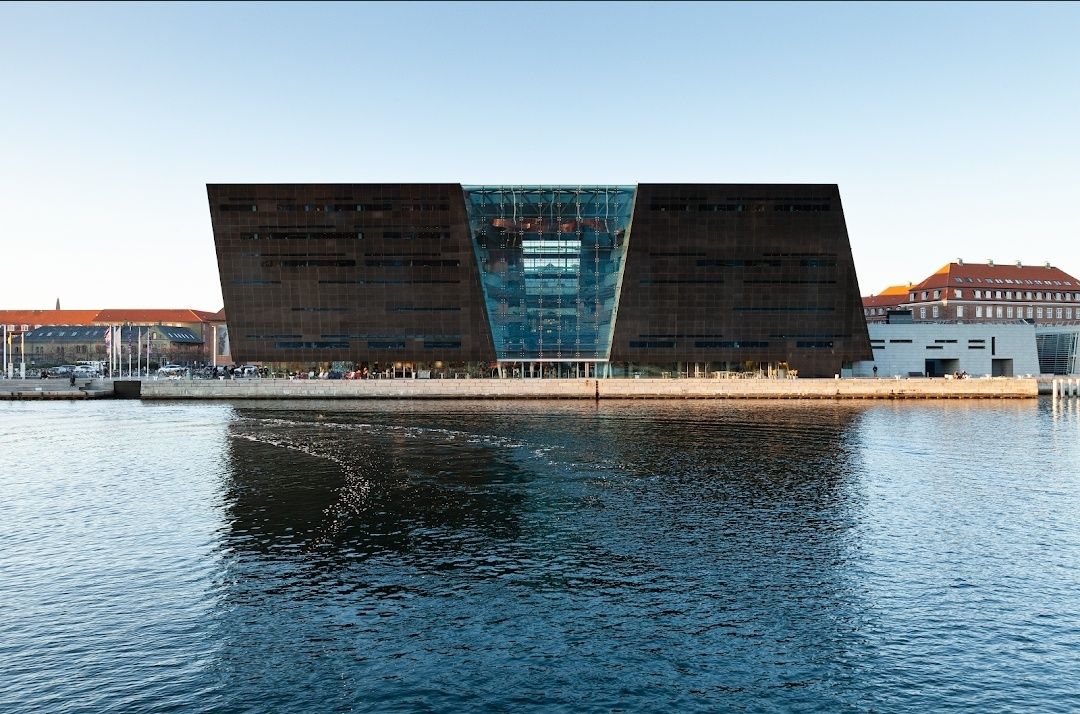
One of the most striking features of the library is the Black Diamond, a modern extension completed in 1999. With its sleek black granite façade reflecting the Copenhagen waterfront, the Black Diamond has become an architectural icon blending tradition with modernity. Inside, visitors find an impressive atrium, reading rooms, exhibition halls, and even a concert hall, making it more than just a library—it is a cultural hub.
A little-known fact is that the library holds nearly all works ever printed in Denmark since the 17th century, thanks to a legal deposit law. Another fascinating detail is its collection of rare manuscripts, including original works by Hans Christian Andersen and Søren Kierkegaard. For book lovers, scholars, and travelers with a passion for culture, the Royal Library offers an unparalleled journey through knowledge and history.
The Royal Library is located in Copenhagen, the capital of Denmark, situated in the Zealand region. The library stands prominently along the Slotsholmen waterfront, close to many other historic landmarks, including Christiansborg Palace.
Getting there is easy. From the Copenhagen Central Station, it’s about a 15-minute walk or a short bus ride. Bicycles are also a popular and convenient option, given the city’s bike-friendly infrastructure. For those arriving by metro, the closest stop is Christianshavn Station, which is about a 10-minute walk from the library. Visitors can also arrive by boat, as the Black Diamond has its own harbor bus stop.
Here are some practical tips to make the most of your visit to the Royal Library in Copenhagen:
The Royal Library in Copenhagen is more than a place to store books—it is a blend of history, culture, and modern design. With its extensive collections, striking architecture, and cultural events, it offers something for scholars, tourists, and casual visitors alike. Whether you’re drawn by the rare manuscripts, the iconic Black Diamond, or the peaceful reading halls, the Royal Library stands as a testament to Denmark’s dedication to knowledge and cultural heritage.
1. What is the Royal Library in Copenhagen famous for?
It is known for being the largest library in the Nordic countries, housing rare manuscripts, and for its modern Black Diamond extension.
2. Can tourists visit the Royal Library?
Yes, the library is open to the public, and visitors can explore exhibitions, the café, and parts of the building, even without a reader’s card.
3. Is there an entry fee?
General entry is free, though some special exhibitions and events may require a ticket.
4. How much time should I spend at the Royal Library?
A typical visit can take 1–2 hours, though book enthusiasts and exhibition visitors may spend longer.
5. What manuscripts are kept in the Royal Library?
The collection includes works by Hans Christian Andersen, Søren Kierkegaard, medieval manuscripts, and countless rare historical documents.
6. When is the best time to visit?
Weekday mornings are ideal for a quieter experience, while afternoons often bring a livelier atmosphere with events and exhibitions.
Discover more hidden gems you might love.
Seoul
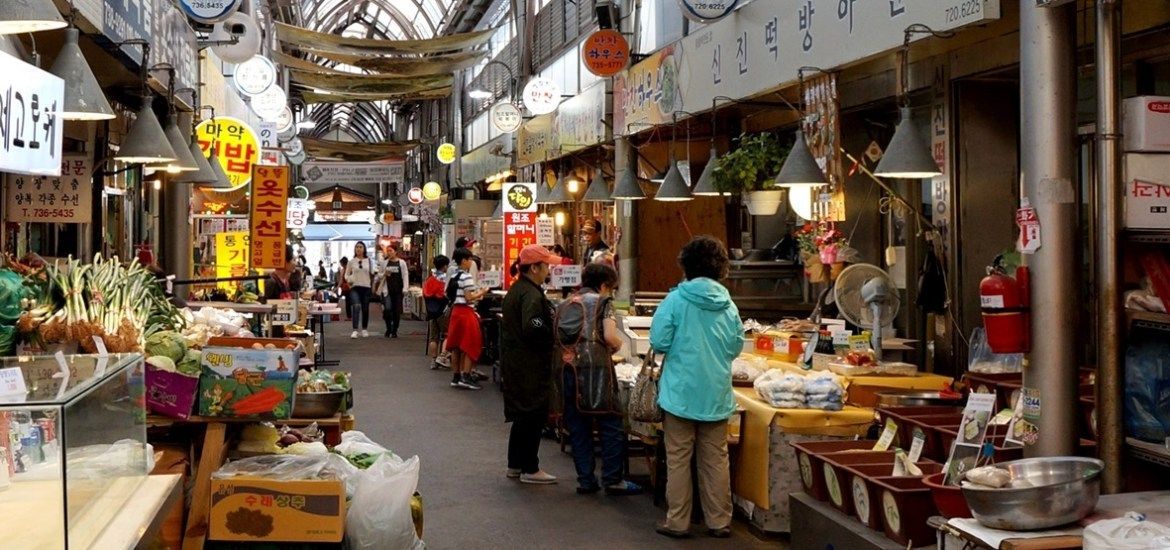
## Description Tongin Market is a compact, characterful market in central Seoul famous for its Dosirak Café, a hands-on lunch experience where visitors exchange tokens for small plates to fill a personalized lunchbox (dosirak). The market’s atmosphere is lively and local: stalls sell banchan, grilled fish and meats, fresh kimchi and seasonal produce, while small indoor counters offer soups and comforting home-style dishes. Tongin’s post-war history as a community trade hub gives the market an intimate, neighborhood feel, and several long-running family stalls preserve recipes passed down through generations. The Dosirak Café system is the market’s signature: buy a set number of tokens, trade them for small portions at participating stalls, and assemble a mixed meal that showcases different flavors and textures. This approach encourages sampling, conversation and culinary discovery—perfect for visitors who want to taste many dishes without committing to a single restaurant. Tongin’s vendors balance straightforward comfort food with subtle house specialties, and the market’s layout makes it easy to move from stall to stall, spotting unique snacks and regional ingredients along the way. Beyond the food, Tongin sits within a culturally rich neighborhood near Gyeongbokgung Palace and Seochon, which rewards pairing the market visit with historic sightseeing and gallery strolls. The market’s scale and accessibility make it ideal for solo travelers, couples and families looking for an authentic taste of Seoul’s food traditions. ## Location Tongin Market is located in Jongno-gu in central Seoul, a short walk from Gyeongbokgung Palace and within the Seochon neighborhood. The closest subway stop is Gyeongbokgung (Line 3), and it’s a 10–15 minute walk through interesting historic streets. Buses and taxis are plentiful in this central district, and the market is easily combined with a morning of palace visits and nearby galleries and cafes. Because Tongin is centrally located, it makes a convenient stop on a cultural day itinerary: visit the palace, stroll Seochon’s alleyways, then refuel at the market with a token-driven dosirak or a hot bowl of jjigae at a neighborhood eatery. ## Tips - Arrive early, especially on weekends—popular stalls can develop short lines during midday. - Buy dosirak tokens at the market office and pace your token use so you can sample a variety of stalls. - Ask vendors what’s house-made and seasonal; small stalls often serve regional banchan and specialties not found elsewhere. - Carry modest cash; many vendors accept cards, but tokens and small cash payments remain the norm. - Be mindful of shared seating etiquette: food is communal and stalls expect quick, polite turnover during busy periods. ## Conclusion Tongin Market captures the social and culinary warmth of Seoul’s neighborhood markets. The Dosirak Café system turns dining into an exploratory game of tastes, and the market overall rewards curiosity and good manners. For travelers who want to eat like a local, sample many dishes and experience genuine hospitality, Tongin remains a memorable, portable culinary experience. ## FAQ Q: How do I use the Dosirak Café? A: Buy your tokens at the market office, then present tokens to participating stalls in exchange for small portions. Keep tokens until you’ve built your preferred dosirak, then find shared seating to enjoy your selection. Q: Can visitors with dietary restrictions find options? A: Yes—vegetarian and pescatarian choices are common (many banchan are vegetable-based). For strict allergies or vegan diets, ask vendors about ingredients and preparation to avoid hidden animal products. Q: Is the market wheelchair accessible? A: Accessibility varies across older market alleys; main approaches are walkable but some stalls and passages have steps—contact local tourist information for help planning an accessible route. Q: Are there English menus or signage? A: English is limited but many vendors use photographs or display dishes. A translation app, pointing to items or asking staff at the token office can help. ## Links - [Tongin Market (Wikipedia)](https://en.wikipedia.org/wiki/Tongin_Market)
GemVoyage Team • World
Paro
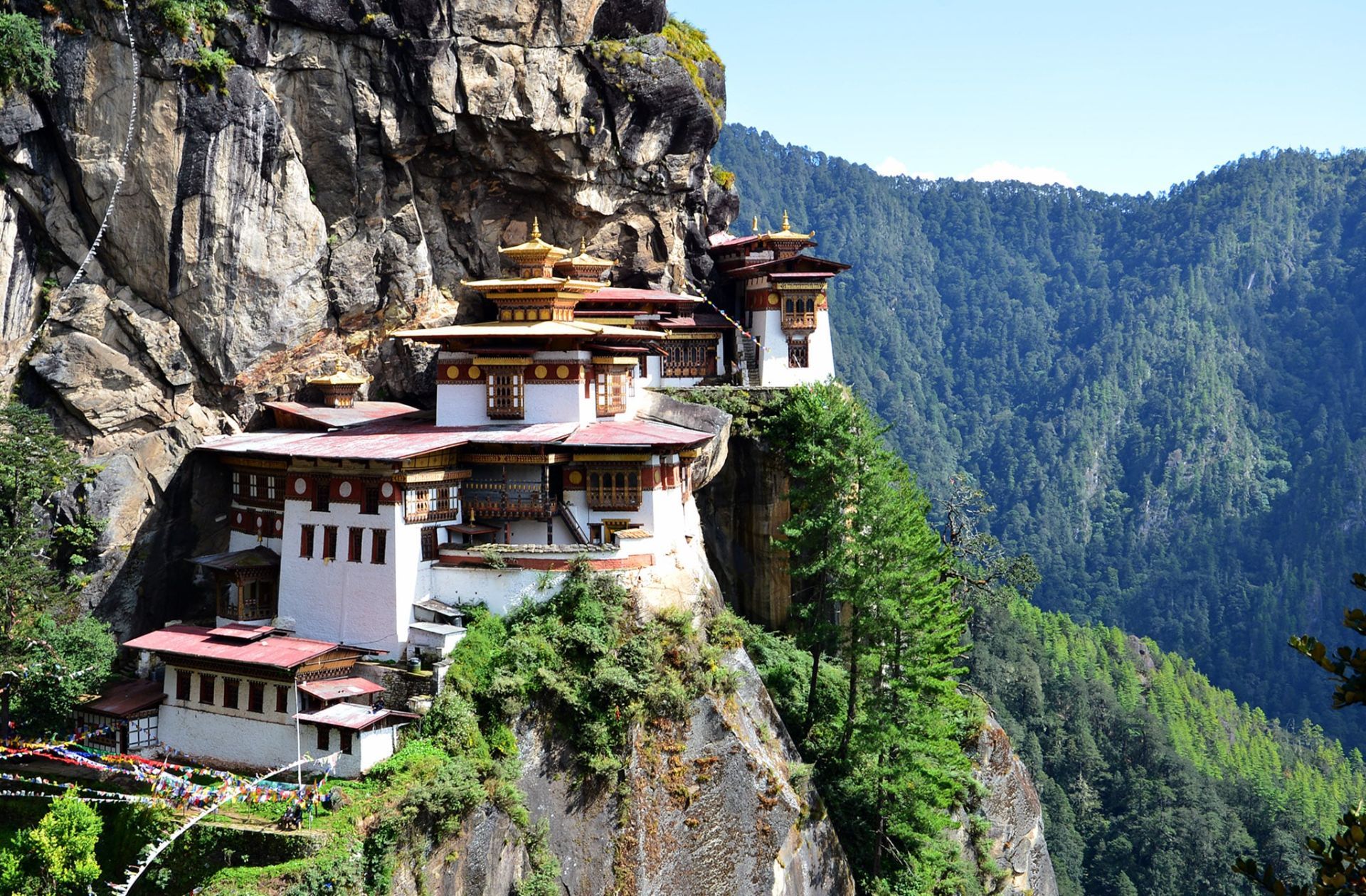
## Description The Tiger’s Nest, or Paro Taktsang, is a cliffside Buddhist monastery in Bhutan dramatically perched on a vertical rock face above the Paro Valley. Dating to the 17th century (with earlier sacred associations to Guru Rinpoche), the complex comprises several temples and hermitages connected by steep steps and narrow paths. The visual impact — whitewashed buildings and golden roofs clinging to granite — is among the most evocative images of Himalayan spiritual architecture. The site is both a pilgrimage destination and a focal point of Bhutanese national identity. Legend holds that Guru Rinpoche (Padmasambhava) arrived on the back of a tigress and meditated in the grottoes that now form part of the monastery complex. The blend of sacred history, dramatic landscape, and living monastic life gives Paro Taktsang deep spiritual resonance for Bhutanese and international visitors alike. SEO-friendly phrases you may use for planning include "Tiger's Nest hike," "Paro Taktsang visit tips," and "Bhutan monastery etiquette." Visitor experience: The descent into the valley and the ascent along forested trails provide a contemplative approach lined with prayer flags, small chortens, and viewpoints. While the most iconic view is from the main lookout before descending to the monastery, many visitors linger to observe ritual offerings, circumambulation of shrines, and the quiet rhythm of monastic routines. Respectful curiosity—asking guides about appropriate behavior and dress—enhances the visit for both guests and residents. ## Location Paro Taktsang sits within Paro valley in western Bhutan, about a 45–60 minute drive from Paro town and its international airport. Access requires a moderate hike of 2–3 hours round-trip depending on pace and stops. How to get there: Most travelers arrange transport through a licensed guide or hotel. Bhutan's regulated tourism policies require foreign visitors to book through licensed operators who manage permits, accommodation, and local guide services. For practical planning, search queries like "book Tiger's Nest guide" or "Paro Taktsang hiking permits" will direct you to authorized providers. Trail notes: The trail rises steadily with sections of stone steps and steeper pitches; resting at teahouses and lookout points is common. Horse rentals are occasionally offered for portions of the route, but check animal welfare practices and trail suitability before choosing this option. ## Tips - **Dress respectfully:** Wear modest clothing for temple visits; remove shoes inside shrines as required and avoid revealing or inappropriate attire. - **Prepare for a strenuous hike:** Bring sturdy footwear, adequate water, sun protection, and allow time for rest stops; altitude and steps make the climb moderately challenging. - **Hire an experienced guide:** Guides explain religious practices, translation of local rituals, and can signal areas off-limits to visitors, creating a more meaningful visit. - **Follow monastery rules:** Photography restrictions inside temples, silence in prayer halls, and specific rituals require compliance; ask before photographing monks or ceremonies. - **Consider timing:** Early morning or late afternoon visits reduce crowding and provide superior photography light, but check seasonal opening hours and local festivals. ## Conclusion Paro Taktsang is both a pilgrimage site and a Himalayan emblem: its precarious position and spiritual resonance make it an unforgettable visit that blends exertion with contemplative reward. When planning, confirm that your tour operator or hotel handles permits and local guidelines; these practical steps help protect the monastery’s sanctity and the visitor’s experience. ## FAQ - **Q: Can foreigners visit Tiger’s Nest independently?** A: Bhutan requires most foreign visitors to travel with licensed operators or registered guides. Booking through authorized tour operators ensures that permits, accommodations, and guide services are in place. - **Q: How long does the hike take?** A: Typical round-trip times range from 3 to 5 hours depending on fitness, stops, and whether you use any horse transport for parts of the ascent. - **Q: Are there age or mobility restrictions?** A: The trail includes steep steps and uneven surfaces and may not be suitable for those with severe mobility limitations. Discuss options with your guide; horse rentals for short segments may be available but evaluate safety and welfare considerations. - **Q: What permits or fees are required?** A: Entry to Bhutan is managed via licensed operators; fees and permit processes vary with season and travel packages. Confirm all costs with your provider in advance. - **Q: Is photography allowed inside the monastery?** A: Many interior temple spaces restrict photography to preserve sacred objects and respect practitioners. Always ask guides or monks before photographing interior or ritual scenes. ## Links - [Paro Taktsang — Wikipedia](https://en.wikipedia.org/wiki/Paro_Taktsang)
GemVoyage Team • World
Seoul
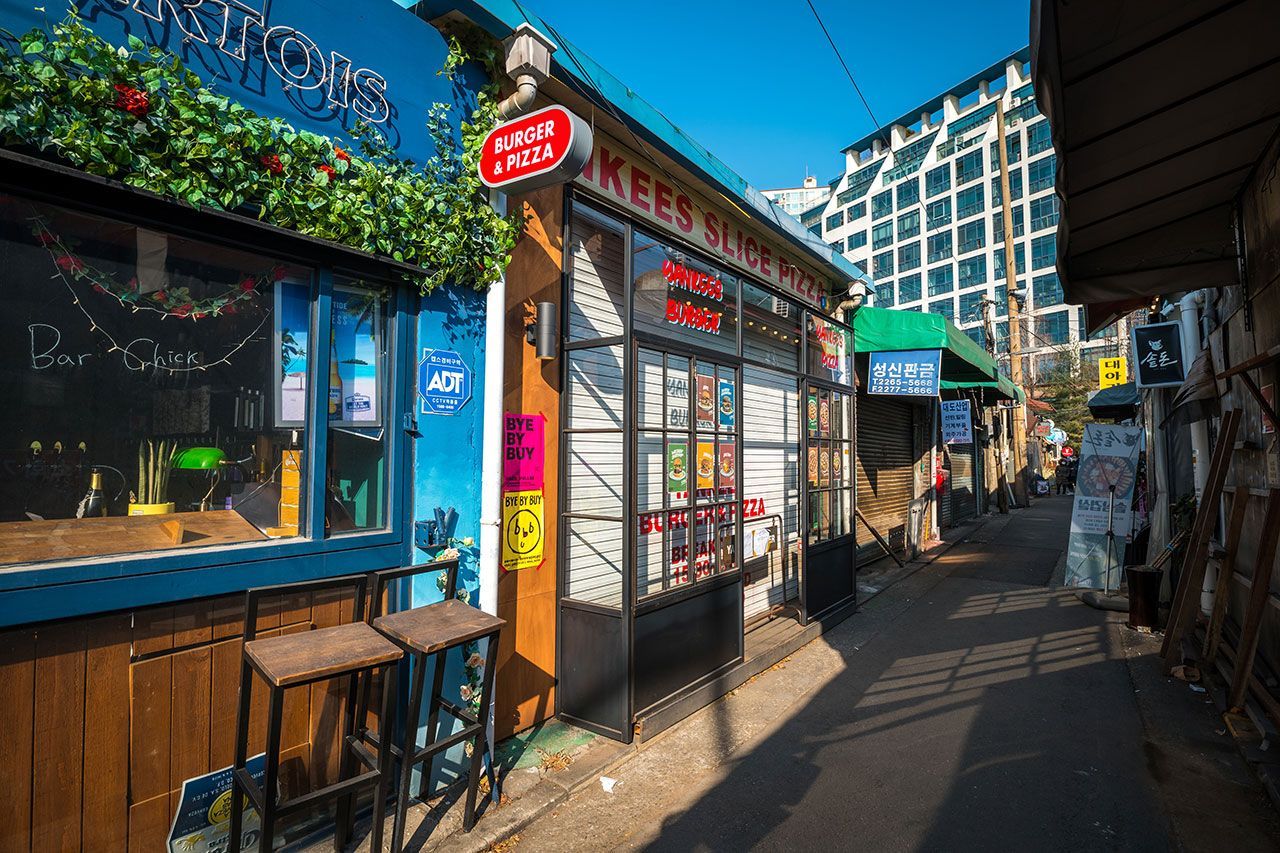
## Description Mullae Art Village in Seoul is a compelling example of an industrial district transformed into an active creative ecosystem. Once home primarily to metalworks and small foundries, the neighborhood now hosts a mix of artist studios, mural-covered facades, experimental cafes, and workshops that continue to hum with production. This coexistence of working industry and emerging creative culture lends Mullae a gritty authenticity—visitors can witness the surprising juxtaposition of active metal fabrication alongside open studio events and gallery nights. The village has become a draw for photographers, designers, and travelers looking for non-touristy creative scenes. Monthly studio openings, collaborative exhibitions, and pop-up markets animate the neighborhood, while small bars and eateries offer late-night conversation and informal artist gatherings. Mullae’s charm is not polished; it’s lived-in, evolving, and full of small discoveries. ## Location Mullae sits in Yeongdeungpo-gu, Seoul, and is accessible from Mullae Station on Line 2, with short walks into the heart of the creative cluster. The area is best explored on foot, following alleyways and industrial lanes where murals, sculptures, and studios appear around unexpected corners. ## Tips - Time visits for open-studio events or weekends when more artists and galleries welcome visitors. - Be mindful of working studios—respect cordoned areas and do not enter without permission. - Bring a camera and a sense of exploration—industrial textures, murals, and found-object sculptures make for strong photography subjects. - Support local businesses: many cafes and shops are run by artists and makers, and purchases help sustain the community. - Safety note: some areas near active workshops may have operational hazards—obey signage and keep a safe distance from machinery. ## Conclusion Mullae Art Village is a vivid, working example of how industrial neighborhoods can become creative hubs without losing their gritty character. It’s ideal for curious travelers who value authenticity, emerging art scenes, and the energetic overlap of craft and creativity. ## FAQ Q: Are studios in Mullae open to the public? A: Many studios open during scheduled studio days or events; otherwise contact artists or galleries directly for visits. Q: Is it safe to take photos in Mullae? A: Yes, in public areas, but avoid photographing inside private workshops without permission and respect workers’ safety zones. Q: Are there cafes and shops in Mullae? A: Yes—small cafes, bars, and maker-driven shops are common and offer unique handmade goods and refreshments. Q: When is the best time to visit Mullae? A: Weekends and scheduled open-studio events offer the richest experience, though weekday afternoons can be quieter for wandering. Q: How can I support the local creative community? A: Buy directly from artists, attend open-studio events, and patronize local cafes and pop-up markets. ## Links - [Mullae Art Village](https://english.seoul.go.kr/seoul-art-space-mullae-mullae-creative-village/)
GemVoyage Team • World
Athens
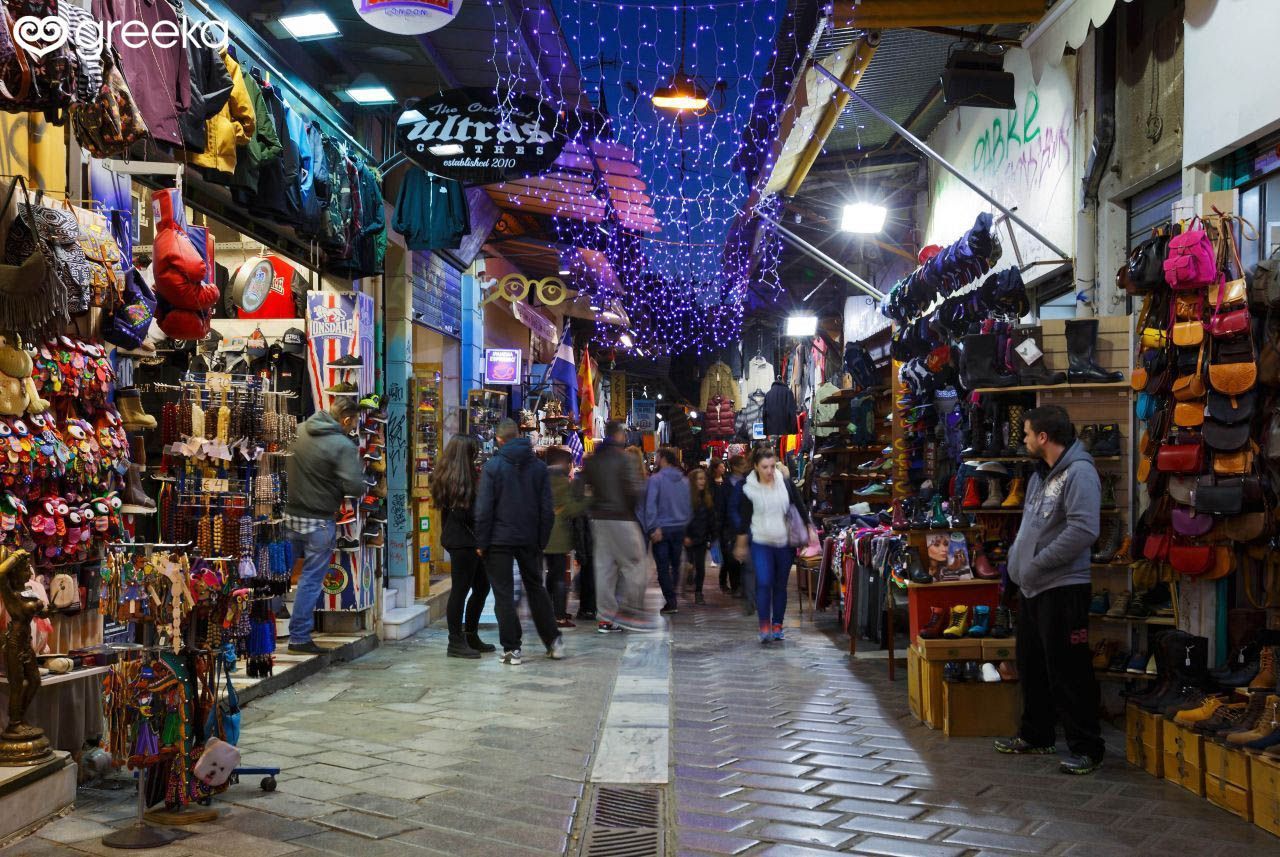
## Description Monastiraki Flea Market is the beating, bustling heart of Athens' informal shopping scene—an open, labyrinthine neighborhood market where layers of history and commerce intersect. Stalls and small shops spill into pedestrian lanes, offering antiques, textiles, ceramics, vintage clothing, books, and artisan curios alongside more touristic souvenirs. What makes Monastiraki especially compelling is its density of experiences: within a few minutes you can move from a stall stacked with retro vinyl to a tiny workshop crafting leather goods, or from a sidewalk cafe to a covered antique arcade. The market’s appeal is not only in the goods but in the social choreography: bargaining conversations, the rhythm of vendors calling out, and the way the market sits against a backdrop of ancient ruins and Ottoman-era alleys. Many travelers are surprised by the market’s everyday qualities—local shoppers source household goods and clothing here, so it’s not just a tourist carnival. At the same time, antiques and rare finds do appear, especially in the narrower lanes where veteran dealers have made their homes. ## Location Monastiraki is a central Athens neighborhood clustered around Monastiraki Square and the Monastiraki metro station. It sits adjacent to the ancient Agora and within easy walking distance of Plaka, the Acropolis, and Syntagma Square. The market isn’t confined to a single street but spills across several narrow lanes and squares, so plan to wander on foot and let the area unfold gradually. Because the market is woven into the city center, the best approach is pedestrian: arrive by metro and start on the main square, then explore side streets and covered arcades for more specialized finds. Nearby rooftop cafés and tavernas allow for breaks and people-watching between shopping spurts. ## Tips - Bring cash and small bills—while many places accept cards, smaller stalls often prefer cash. - Start early to avoid the thickest crowds and to catch dealers arranging their stalls. - Compare prices across stalls when shopping for antiques or vintage items; genuine bargains sometimes appear mid-week. - Ask questions and be friendly when bargaining—polite conversation gets better results than hard haggling. - Protect your belongings: crowds and narrow lanes make pickpocketing a possibility. - Explore beyond the main lanes: covered arcades and quieter side streets sometimes hold the best finds. ## Conclusion Monastiraki Flea Market is more than shopping; it’s an urban ritual that mixes trade, food, and history. Whether you come looking for a specific antique or just want to soak up Athens’ street-level energy, Monastiraki rewards curiosity, patience, and a willingness to wander. ## FAQ ### Is Monastiraki Flea Market only for tourists? No. While tourists are common, the market also serves local shoppers and small businesses, giving it a layered, authentic atmosphere. ### Can I bargain there? Yes—especially for antiques, vintage items, and bulk purchases. Approach bargaining with politeness and realistic expectations. ### What should I look for? Keep an eye out for vintage jewelry, retro vinyl, ceramics, handmade leather, and secondhand books. Antiques and unique local crafts are concentrated in side lanes and arcades. ### How crowded does it get? It can be very crowded on weekends and afternoons. Early morning weekdays are quieter and often more pleasant for careful browsing. ### How much time should I allow? Give yourself at least 1.5–3 hours if you want to browse comfortable; plan more time if you intend to hunt for specific antiques. ## Links - [Wikipedia](https://en.wikipedia.org/wiki/Monastiraki)
GemVoyage Team • World
Cairo
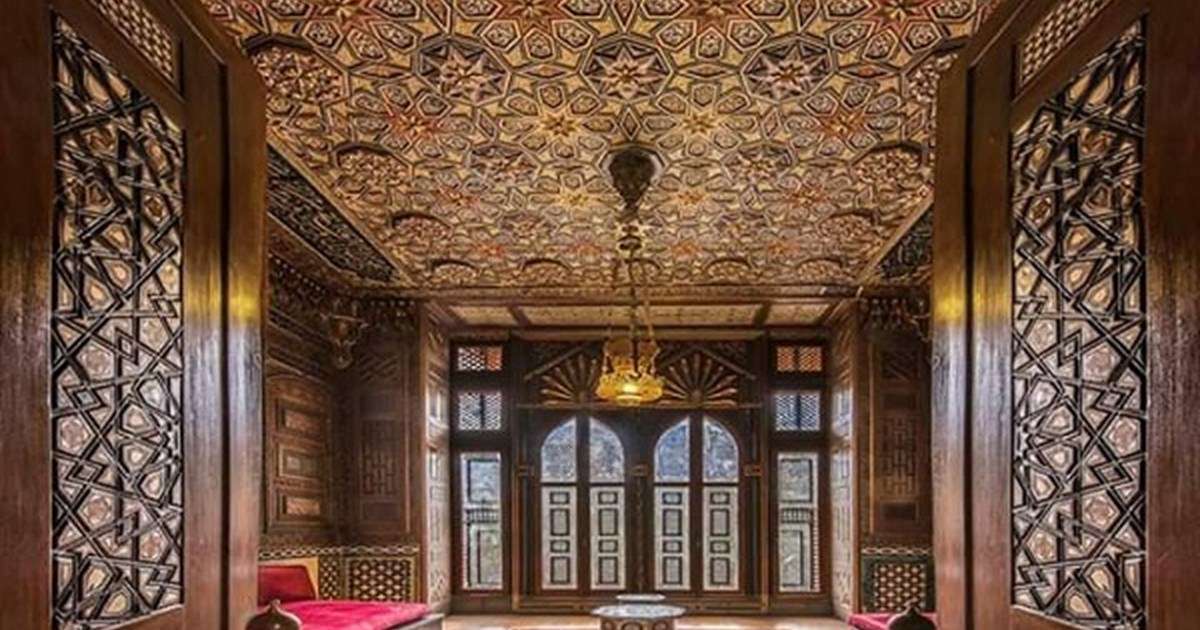
## Description Manial Palace is one of Cairo’s most enchanting and architecturally eclectic landmarks, offering a rare glimpse into Egypt’s royal past through the eyes of Prince Mohamed Ali Tewfik. Built between 1900 and 1929, the palace is a testament to the prince’s passion for Islamic art, history, and design. It blends a variety of architectural styles—including Ottoman, Moorish, Persian, Andalusian, and Mamluk—into a harmonious and visually stunning complex that feels both regal and deeply personal. The palace compound consists of several distinct buildings: the Residence Palace, the Reception Palace, the Throne Hall, a mosque, a hunting museum, and a private museum. Each structure is adorned with intricate woodwork, stained glass, and decorative tiles that reflect the prince’s artistic sensibilities. The interiors are filled with rare antiques, textiles, and artworks collected from across the Islamic world. One of the most captivating rooms is the Shell Salon, decorated with thousands of seashells arranged in elaborate patterns. Surrounding the palace is a lush garden inspired by Persian and English landscaping traditions. It features exotic plants, rare trees, and winding paths that create a tranquil escape from the city’s bustle. A little-known fact: Prince Mohamed Ali personally oversaw the design and decoration of the palace and left instructions for it to be converted into a museum after his death—a wish that was honored, preserving his legacy for future generations. ## Location Manial Palace is located in **Egypt**, in the **Cairo Governorate**, within the **city of Cairo**. It sits on **Rhoda Island**, along the Nile River, in the El-Manial district. ### How to Get There - **By Metro**: Take Line 1 to El-Malek El-Saleh Station. From there, it’s a short taxi ride or a 15-minute walk to the palace. - **By Taxi or Ride-Share**: Services like Uber and local taxis can take you directly to the entrance on Sharia Al-Saray. - **By Car**: Parking is available nearby, though traffic in central Cairo can be heavy. - **By Tour**: Many cultural and historical tours of Cairo include Manial Palace as a stop, often paired with visits to the Egyptian Museum or Coptic Cairo. Its central location makes it easily accessible from most parts of the city. ## Tips - **Visit Early**: Arriving in the morning helps you avoid crowds and enjoy the gardens in cooler temperatures. - **Photography**: While photography is allowed in most areas, flash is prohibited. Bring a camera with good low-light capability to capture the ornate interiors. - **Dress Modestly**: As with many historical and religious sites in Egypt, modest attire is appreciated. - **Take Your Time**: The palace is rich in detail. Allocate at least 2–3 hours to explore the buildings and gardens thoroughly. - **Check for Events**: Occasionally, the palace hosts cultural exhibitions or art events. Check local listings or the museum’s website for updates. - **Avoid Large Bags**: Bags larger than 40x40 cm are not permitted inside and must be stored in the cloakroom. ## Conclusion Manial Palace is a hidden gem in Cairo that offers a unique blend of history, art, and architecture. With its richly decorated interiors, serene gardens, and fascinating royal legacy, it provides an immersive experience into Egypt’s early 20th-century aristocratic life. ## FAQ **1. What are the opening hours of Manial Palace?** The museum is open daily from 9:00 AM to 5:00 PM. **2. What is the entrance fee?** Foreign adults: EGP 220; foreign students: EGP 110. Egyptian adults: EGP 20; Egyptian students: EGP 5. **3. Is the palace suitable for children?** Yes, but children must be accompanied by an adult at all times. **4. Can I sketch or take notes inside the museum?** Yes, but only pencils are allowed. Sketchbooks must not exceed 18 x 24 inches. **5. Are guided tours available?** Yes, guided tours can be arranged on-site or through local tour operators. **6. Is the palace wheelchair accessible?** Accessibility is limited due to the historic nature of the building. Contact the museum in advance for specific accommodations. ## Links - [Manial Palace and Museum – Wikipedia Overview](https://en.wikipedia.org/wiki/Manial_Palace_and_Museum) - [Manial Palace Museum – Ministry of Tourism and Antiquities](https://egymonuments.gov.eg/museums/manial-palace-museum/)
GemVoyage Team • World
Bucharest
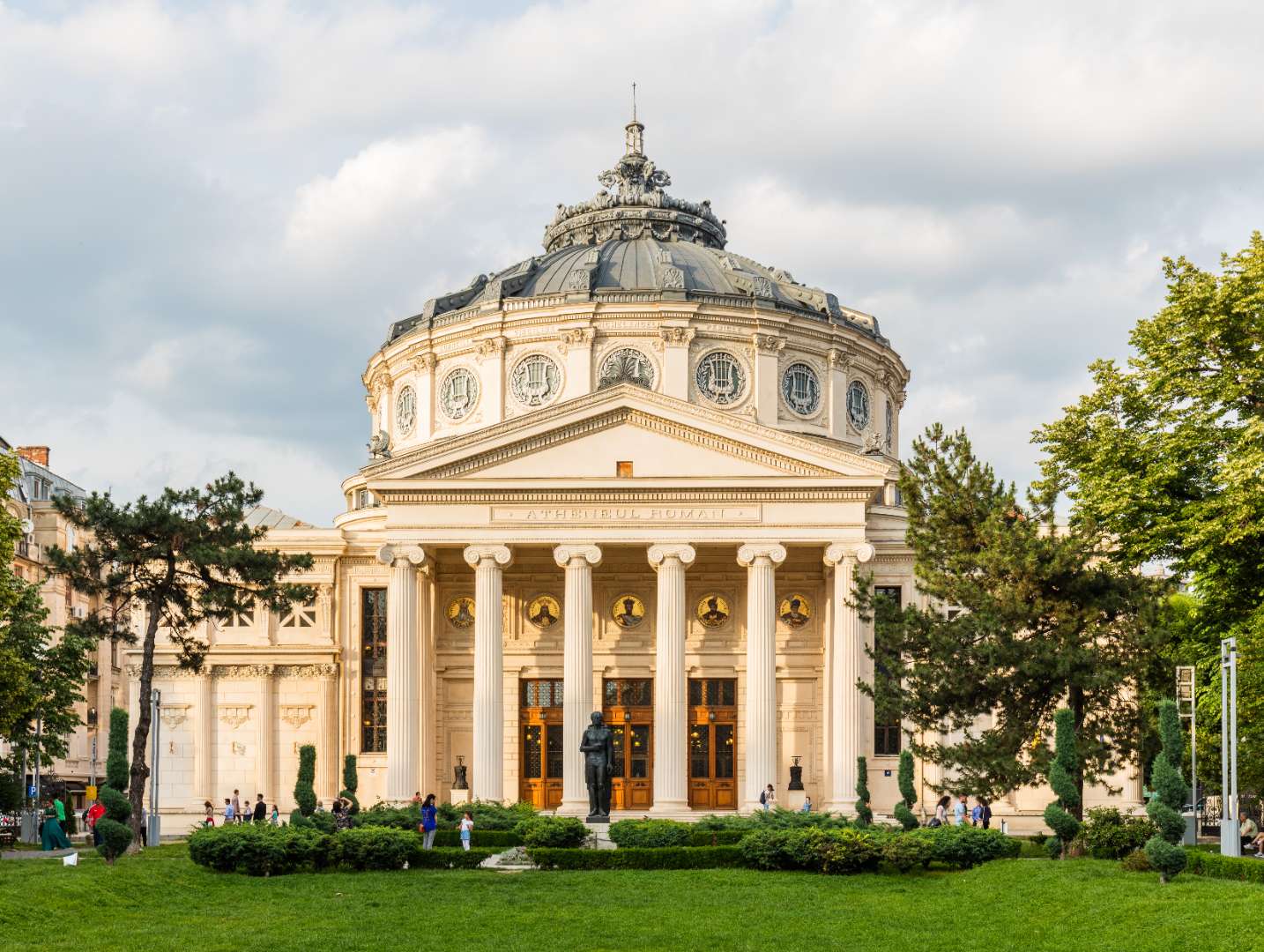
## Description The Romanian Athenaeum (Ateneul Român) is one of Bucharest’s most iconic landmarks—a neoclassical masterpiece that stands as a symbol of Romanian culture, resilience, and artistic excellence. Opened in 1888, this circular, domed concert hall is the home of the George Enescu Philharmonic Orchestra and hosts the prestigious George Enescu Festival, one of Europe’s leading classical music events. Designed by French architect Albert Galleron, the Athenaeum’s architecture is a harmonious blend of neoclassical grandeur and romantic flourishes. Its façade features a stately colonnade, while the interior dazzles with gilded balconies, a massive fresco depicting key moments in Romanian history, and acoustics considered among the finest in the world. The concert hall seats nearly 800 guests, with every seat offering a clear view of the stage and impeccable sound quality. A little-known fact: the Athenaeum was partially funded through a public campaign with the slogan “Donate one leu for the Ateneu!”—a grassroots effort that united citizens in support of the arts. Another fascinating detail is that the building stands on land once occupied by a monastery and orchard belonging to the Cantacuzino family, adding layers of historical depth to its foundation. ## Location The Romanian Athenaeum is located in **Romania**, in the **Bucharest Municipality**, within the **Capital Region**. Its exact address is **Strada Benjamin Franklin 1-3, Sector 1**, just off Calea Victoriei, one of the city’s main boulevards. ### How to Get There: - **By Metro**: Take Line M2 to Universitate or Piata Romana stations. The Athenaeum is a short walk from either. - **By Bus or Tram**: Several lines stop nearby, including buses 126, 368, and trams 1 and 21. - **By Foot**: If you're exploring central Bucharest, the Athenaeum is easily reachable from Revolution Square and the National Museum of Art. - **By Taxi or Ride-Share**: Services like Bolt and Uber operate widely in Bucharest and can drop you off directly at the entrance. Its central location makes it a perfect stop on any cultural itinerary through the city. ## Tips for Visitors To make the most of your visit to the Romanian Athenaeum, consider these tips: - **Attend a Concert**: The best way to experience the Athenaeum is during a live performance. Check the schedule for classical concerts or special events. - **Book in Advance**: Tickets can sell out quickly, especially during the George Enescu Festival. Reserve early to secure a seat. - **Take a Guided Tour**: Tours are available in Romanian and English but must be booked in advance. They offer insights into the building’s history and architecture. - **Dress Smartly**: If attending a concert, smart casual or formal attire is appreciated. - **Explore Nearby Attractions**: Pair your visit with stops at the National Museum of Art or a stroll down Calea Victoriei. - **Photography**: While photography is allowed in public areas, avoid flash and be respectful during performances. ## Conclusion The Romanian Athenaeum is a cultural treasure that blends architectural elegance with musical brilliance. Whether you're attending a concert or simply admiring its historic beauty, the Athenaeum offers a deeply enriching experience in the heart of Bucharest. ## FAQ **1. Is there an entrance fee to visit the Romanian Athenaeum?** Yes, for concerts and guided tours. Prices vary depending on the event. **2. Can I visit the Athenaeum without attending a concert?** Yes, guided tours are available outside concert hours, but must be scheduled in advance. **3. What is the seating capacity of the concert hall?** The hall seats approximately 794 guests, including stalls and loges. **4. Is the Athenaeum wheelchair accessible?** Yes, accessibility features are available, but it’s best to contact the venue in advance for assistance. **5. What is the best time to visit?** Evenings during concert season (September to June) offer the most vibrant atmosphere. **6. Are children allowed at performances?** Yes, though some events may have age recommendations. Check the program details before booking. ## Links - [Romanian Athenaeum – George Enescu Philharmonic](https://filarmonicaenescu.ro/en/vizitarea-ateneului-roman) - [Romanian Athenaeum – Wikipedia Overview](https://en.wikipedia.org/wiki/Romanian_Athenaeum) - [Visit Bucharest – Romanian Athenaeum Guide](https://visitbucharest.today/romanian-athenaeum/)
GemVoyage Team • World

Comments