GemVoyage Team • World
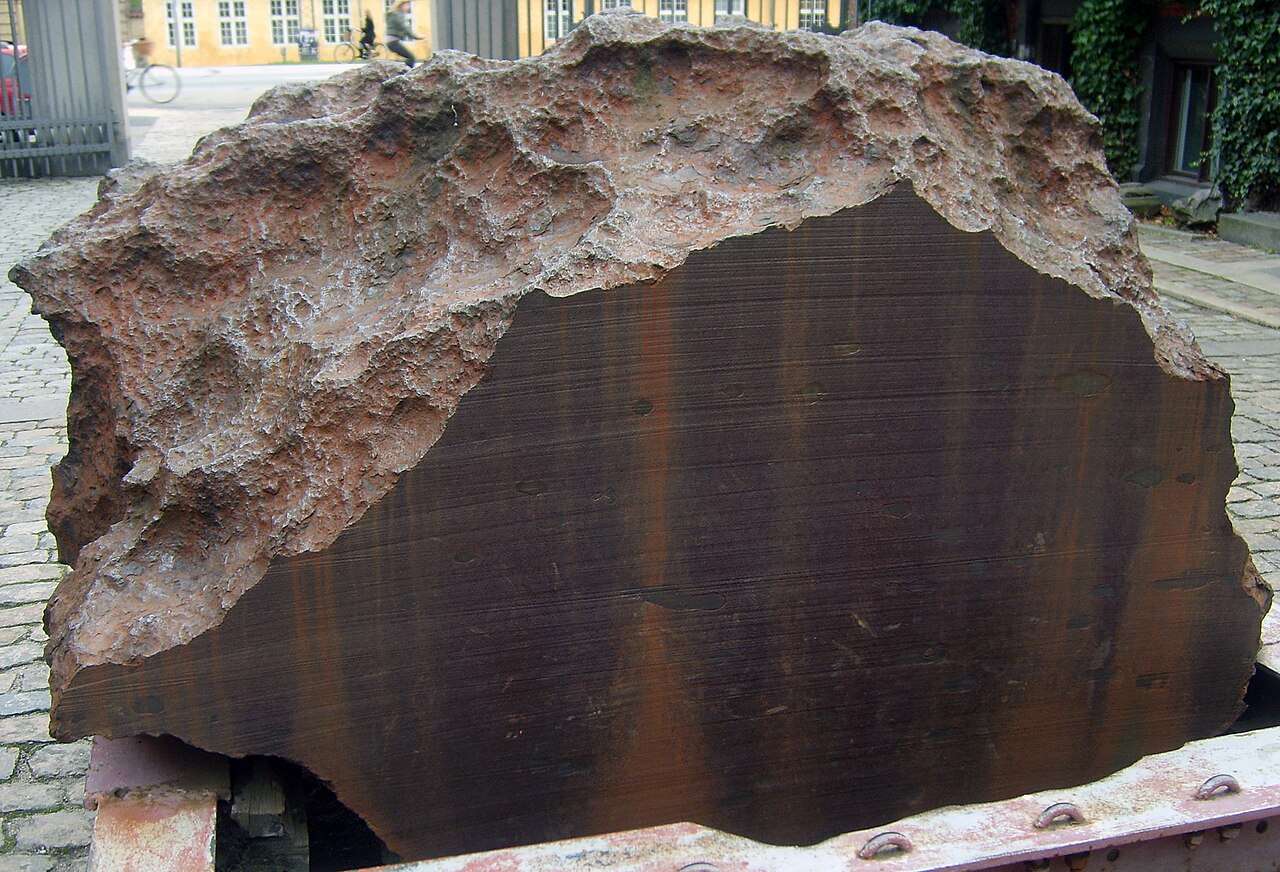
Agpalilik is not your typical museum exhibit—it’s a colossal fragment of an iron meteorite that fell to Earth thousands of years ago and now rests quietly outside the Natural History Museum of Denmark in Copenhagen. Weighing approximately 20 tons, this massive chunk of extraterrestrial metal is part of the Cape York meteorite, one of the largest iron meteorites ever discovered. Its sheer size and origin make it a fascinating and humbling sight for visitors.
Discovered in 1963 on the Agpalilik Peninsula in northwestern Greenland by Danish geologist Dr. Vagn Buchwald, the meteorite was later transported to Denmark for study and public display. What makes Agpalilik especially compelling is its connection to the Inuit people, who used fragments of the Cape York meteorite for centuries to craft tools and weapons. The meteorite was a vital resource in a region where metal was otherwise scarce.
A little-known fact: Agpalilik is one of several fragments from the Cape York meteorite shower. Others, like the famous “Ahnighito” (weighing 31 tons), are housed in the American Museum of Natural History in New York. Agpalilik’s surface still bears the marks of its long journey through space and its time buried under Greenland’s icy terrain, making it a rare opportunity to see a nearly untouched piece of the cosmos.
Agpalilik is located in Denmark, in the Capital Region, within the city of Copenhagen. It sits just outside the entrance of the Natural History Museum of Denmark, which is part of the University of Copenhagen’s Botanical Garden complex.
Its central location makes it an easy and worthwhile stop during a day of sightseeing in Copenhagen.
Agpalilik is a rare and awe-inspiring encounter with a piece of our solar system’s history. Nestled in the heart of Copenhagen, this massive meteorite fragment offers a tangible connection to space, science, and the cultural heritage of Greenland’s Inuit communities.
1. Is there an entrance fee to see Agpalilik?
No, Agpalilik is displayed outside the museum and can be viewed for free.
2. Can I touch the meteorite?
Yes, visitors are allowed to touch the surface of Agpalilik.
3. What is the best time to visit?
Daytime visits are best, especially in good weather, as the meteorite is outdoors.
4. Is Agpalilik part of a larger exhibit?
While it stands alone outside, it complements the museum’s geological and astronomical exhibits inside.
5. How long should I plan for the visit?
Viewing Agpalilik takes about 15–30 minutes. Combine it with a museum tour for a longer experience.
6. Is it suitable for children?
Yes, children often find the meteorite fascinating, especially when they learn it came from space.
Discover more hidden gems you might love.
Stavanger
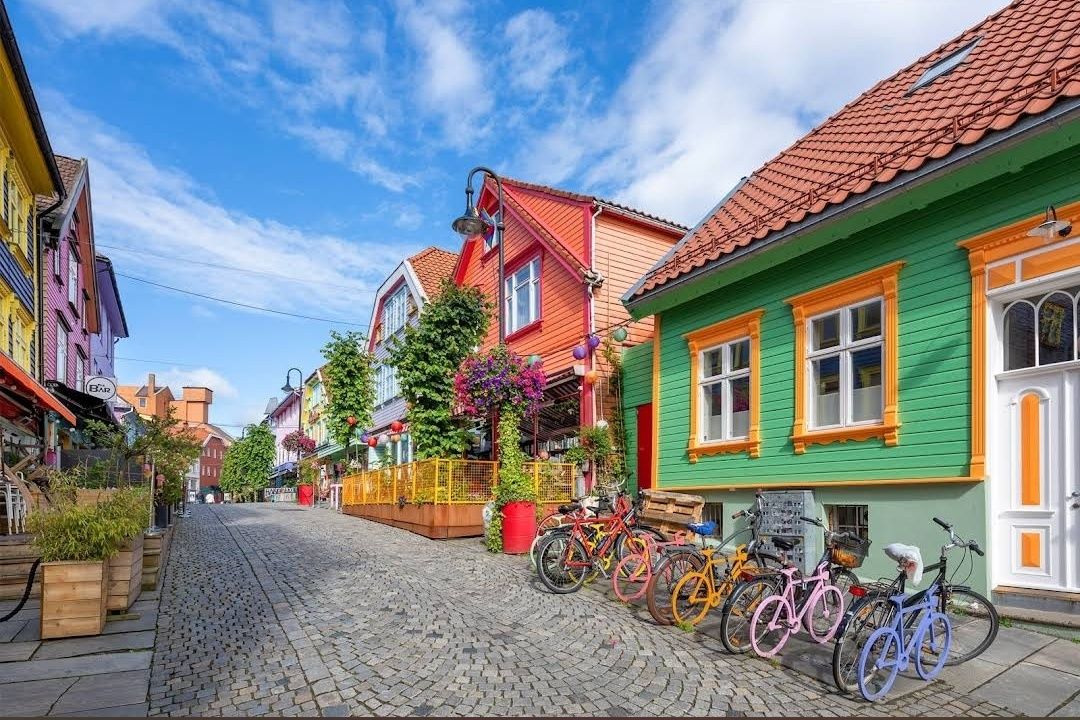
## Description **Fargegaten** stands out as one of Norway’s most visually striking streets, where entire facades burst with vivid hues. This creative transformation turned a once-dull, quiet lane into a lively, Instagram-worthy pedestrian hotspot. What started as a revitalization project has become a beloved urban gem. **Little-known facts**: * The idea originated with a local hairdresser, **Tom Kjørsvik**, who spearheaded the project to breathe life back into the street—work that stretched over four years and required approval from both landlords and the city council. * Some of the color inspirations came from retro aesthetics: the artist **Craig Flannagan**, responsible for choosing the palette, drew from influences like the 1970s TV show *Miami Vice*. --- ## Location Fargegaten is located in **Stavanger**, within the **Rogaland** county of **Norway**—specifically on the eastern stretch of **Øvre Holmegate**, between Kirkegata and Østervåg. ### How to get there * It’s easy to reach on foot from Stavanger’s city centre—just follow signs toward Øvre Holmegate. * You can also hop off at **Bus stop 10** on local sightseeing bus routes, which stop nearby. --- ## Tips * To make the most of your visit, come with your camera ready—Fargegaten is one of the most Instagrammable spots in Stavanger. * The street is pedestrian-only since **2005**, making for a relaxed, car-free experience. * Explore niche boutiques like *Den Syvende Himmel*, *Kjoledamen*, and *Bernina’s sewing shop*. From a barbershop or tattoo parlor to a dress store with handmade silkscreen prints—Fargegaten has something for curious shoppers. * After shopping, treat yourself to local flavors at one of the cozy cafés or bars. It’s a joy to sit and watch the street come alive with color and community. --- ## Conclusion Fargegaten in Stavanger is more than a pretty street—it's a community-driven masterpiece. From a faded, overlooked lane to a radiant display of color and culture, it’s a testament to local creativity, persistence, and transformation. Whether you're snapping photos, exploring boutiques, or simply soaking in the atmosphere, Fargegaten offers a joyful, memorable slice of Stavanger life. --- ## FAQ **1. Why is it called Fargegaten?** “Fargegaten” translates to “The Colour Street,” a nickname earned from its boldly painted façades that made the once-quiet Øvre Holmegate a vivid landmark. **2. Who came up with the idea to paint the street?** A local hairdresser named **Tom Kjørsvik** initiated the project, aiming to revive the neglected street. The transformation spanned over four years, involving landlords, the city council, and artist Craig Flannagan to plan the color scheme. **3. Is Fargegaten suitable for families?** Absolutely—it's pedestrian-friendly, safe, and fun to explore. With boutiques, cafés, and colorful surroundings, it offers a lively but relaxed experience that’s great for all ages. **4. What types of shops can I find there?** Expect niche boutiques, dress shops like *Den Syvende Himmel*, sewing stores like *Bernina*, barbershops, tattoo parlors, and even a store offering handmade silkscreen clothing prints (Kant). **5. Can you drive there?** No—Fargegaten has been a pedestrian-only street since 2005, and additional sections between Skagenkaien and Kirkegata were later closed to cars, making for a safe and pleasant stroll. **6. What's the best time to visit?** Any time during daylight is best—colorful façades stand out beautifully under natural light, making for perfect photo conditions and cheerful ambiance. --- ## Links * [Visit Norway](https://www.visitnorway.com/) * [Fargegaten Information](https://www.visitnorway.com/places-to-go/fjord-norway/the-stavanger-region/listings-stavanger/fargegaten-%C3%98vre-holmegate-the-colourful-street/235310/)
GemVoyage Team • World
Lisbon
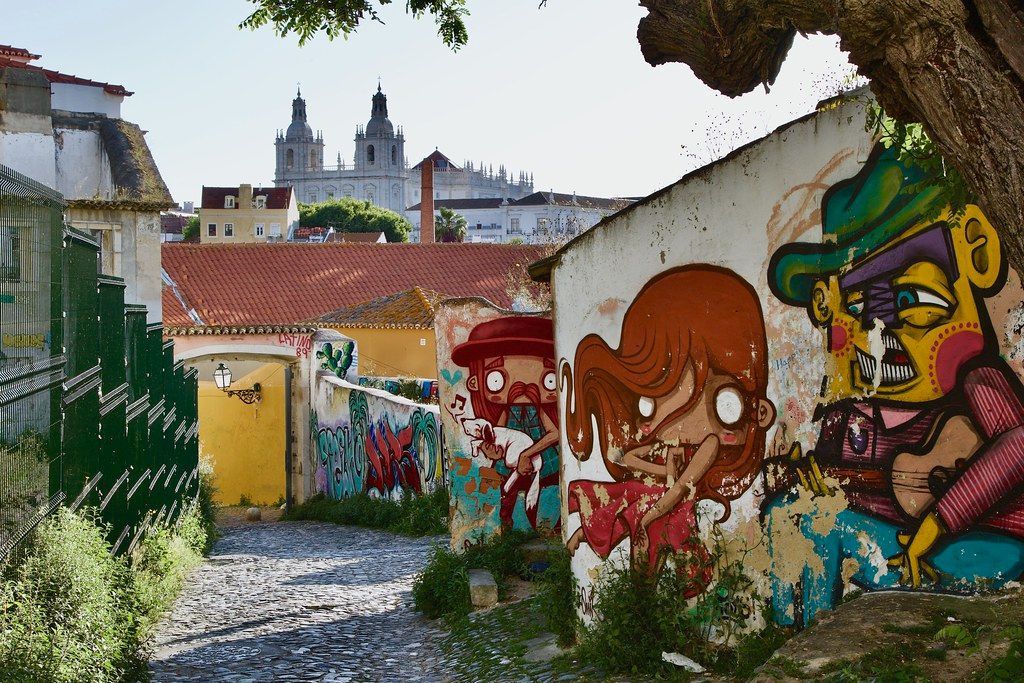
## Description Graça is a quintessential Lisbon neighborhood perched above the Alfama and Mouraria districts, cherished for sweeping viewpoints, cobbled streets, and an atmosphere that feels both distinctly historic and quietly local. Visitors come to Graça for the Miradouro da Senhora do Monte and Miradouro de São Pedro de Alcântara — panoramic terraces offering some of the city’s most dramatic vistas of terracotta roofs, the Tagus River, and the São Jorge Castle. What makes Graça special is its blend of everyday Lisbon life with pockets of bohemian charm: small cafes, traditional tascas (local eateries), and street art woven into centuries-old façades. Graça is less polished than some tourist centers; that authenticity is precisely its draw. Little-known facts: Graça was historically where sailors and workers lived, and it hosts several small chapels and hidden gardens that date back to medieval times. Also, the neighborhood holds an annual neighborhood festival (festa) with music, street food, and community events that offer an intimate cultural experience rarely encountered by tourists. Wandering Graça, you’ll encounter artisanal shops, small antiques dealers, and local markets offering fresh produce. The pace is leisurely, inviting visitors to slow down, sample pastéis de nata in a local bakery, and experience everyday Portuguese life away from main tourist arteries. ## Location Graça sits on one of Lisbon’s seven hills in central Portugal, within the parish of Graça and close to historic districts such as Alfama and Mouraria. The neighborhood is easily reached on foot from Baixa or by tram 28, one of Lisbon’s most iconic routes that passes nearby. Getting there: Take tram 28 for a scenic approach, but be cautious of pickpockets on crowded trams. Alternatively, the Glória or Bica funiculars bring you near central viewpoints; buses and taxis are frequent. Walk from Baixa (central Lisbon) for a rewarding uphill stroll, and use comfortable shoes due to the steep, cobbled streets. ## Tips - Visit viewpoints at sunrise or sunset for the best light and smaller crowds. - Explore side streets away from the main miradouros to find quiet cafes and authentic eateries. - Bring a map or use offline navigation — narrow alleys can be maze-like, and cell service can be spotty in tight lanes. - Wear comfortable, grippy shoes because cobblestones and steep streets can be slippery, especially when wet. - Try regional snacks at neighborhood tascas and ask locals for recommended dishes. - Attend a local “festa” if your visit coincides with one; it’s a rare chance to experience community Lisbon culture. ## Conclusion Graça offers an intimate, lightly touristed version of Lisbon: dramatic views, historical layers, and a genuine neighborhood feel. It rewards slow exploration with authentic encounters and unforgettable vistas. ## FAQ Q: Is Graça safe for tourists? A: Yes, Graça is generally safe; normal precautions apply, especially in crowded tram or tourist spots. Q: Are there restaurants in Graça? A: Yes — small tascas, cafes, and a few modern eateries serve local Portuguese cuisine. Q: Can I walk from Baixa to Graça? A: Yes, but expect steep climbs; allow time and wear comfortable footwear. Q: Are the miradouros wheelchair accessible? A: Some viewpoints have limited accessibility — check specific miradouro access beforehand. ## Links - [Lisbon tourism site (general info)](https://www.visitlisboa.com)
GemVoyage Team • World
Lille
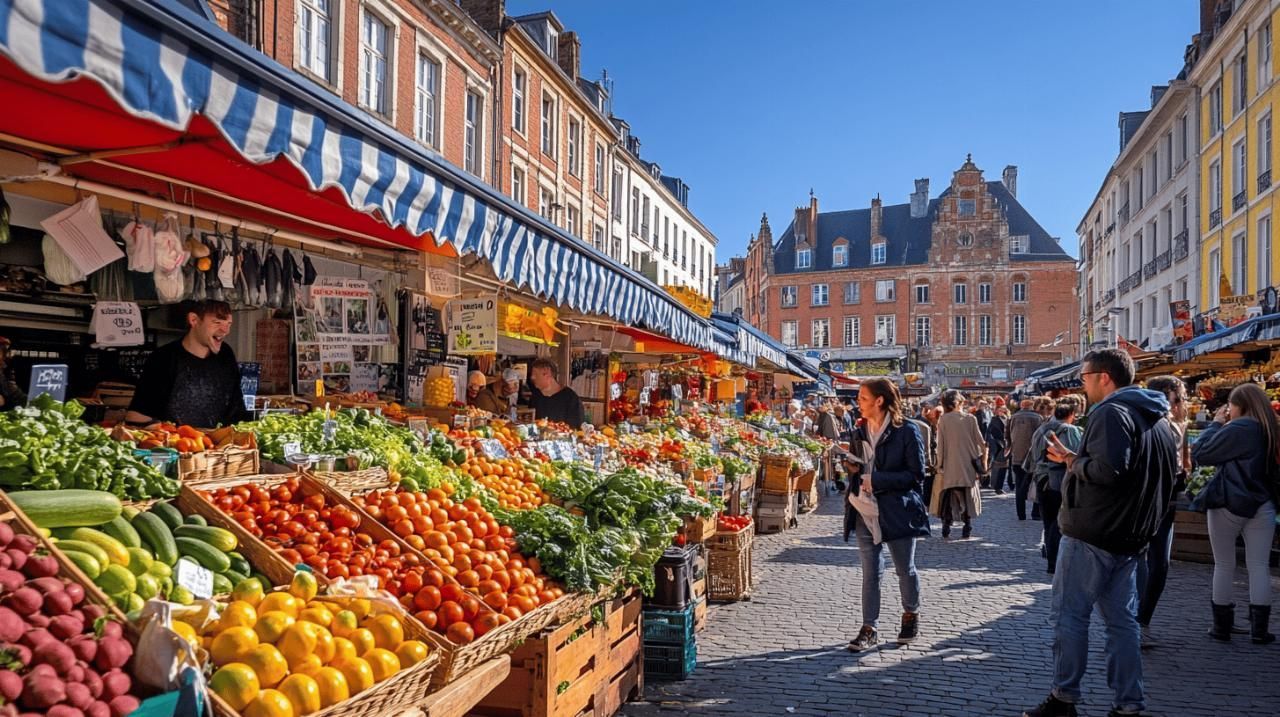
## Description Marché de Wazemmes is one of Lille’s most lively and beloved attractions, and it offers a strong sense of local character that many visitors immediately notice. The market is not polished in a museum-like way. Instead, it is bustling, practical, social, and full of everyday commerce. That is precisely why it is so appealing. If you want to understand Lille beyond its grand squares and architectural landmarks, the Wazemmes market shows how the city behaves at street level. The attraction lies in the atmosphere as much as in the products. Stalls fill the area with produce, flowers, textiles, spices, clothing, household items, and food from many different traditions. The market is animated by conversation and movement, with vendors and shoppers creating a rhythm that feels both organized and spontaneous. For visitors, it is an excellent place to observe local life while also picking up something useful or tasty. One lesser-known fact is that markets like this often reflect the cultural diversity of the neighborhood more clearly than any official sightseeing stop. Another detail many travelers enjoy is that the market changes character across the day and across the week. In the busiest periods, it can feel almost overwhelming in the best possible way, while quieter moments reveal the details of the stalls, the architecture around them, and the social habits of regular shoppers. Marché de Wazemmes is also appealing because it encourages a slower, more human style of sightseeing. You are not moving through a queue of objects behind glass. You are part of a living commercial environment where gestures, smells, colors, and sounds all matter. That makes the market especially memorable for travelers who prefer places with real local use over scripted tourist displays. The neighborhood itself adds to the visit. Wazemmes has an everyday urban energy that feels open and approachable. After the market, many visitors continue into nearby cafés or simply walk the streets to absorb the area’s personality. The market is one of those places where the surrounding context improves the experience. It tells you a lot about Lille’s identity as a northern French city with strong social and culinary traditions. ## Location Marché de Wazemmes is located in the Wazemmes district of Lille, Hauts-de-France, France, centered around the Place de la Nouvelle Aventure and the surrounding market streets. It is an easy stop if you are exploring Lille’s city center or nearby neighborhoods. The simplest way to reach it is by Lille Metro, with Wazemmes and nearby stations offering convenient access. From there, it is usually a short walk into the market area. Visitors can also arrive by bus, bike, taxi, or on foot if they are already spending time in central Lille. Since the market can become busy, public transport is often the most practical choice. ## Tips - Go early if you want the freshest produce and the easiest walking space. - Bring cash, since some vendors may prefer it over card payments. - Keep your bag secure in crowded sections. - Take your time and sample the market with all your senses, not just your eyes. - If possible, pair the visit with a café stop or a walk through the neighborhood after shopping. ## Conclusion Marché de Wazemmes is a lively, down-to-earth Lille market that gives visitors a real sense of the city’s daily rhythm and local flavor. ## FAQ ### Is Marché de Wazemmes good for tourists? Yes. It is especially good for travelers who enjoy local markets, food, and authentic neighborhood life. ### What can I expect to find there? Fresh produce, flowers, fabrics, household goods, food stalls, and many everyday products. ### Is it crowded? It can be very crowded at busy times, which is part of its appeal, but early visits are easier. ### How long should I stay? Most visitors spend 1 to 2 hours depending on whether they shop, eat, or simply browse. ### Is it easy to reach by public transport? Yes. Metro and bus access make it one of Lille’s more convenient market attractions. ## Links - [Lille tourism information](https://www.lilletourism.com/)
GemVoyage Team • World
Lisbon
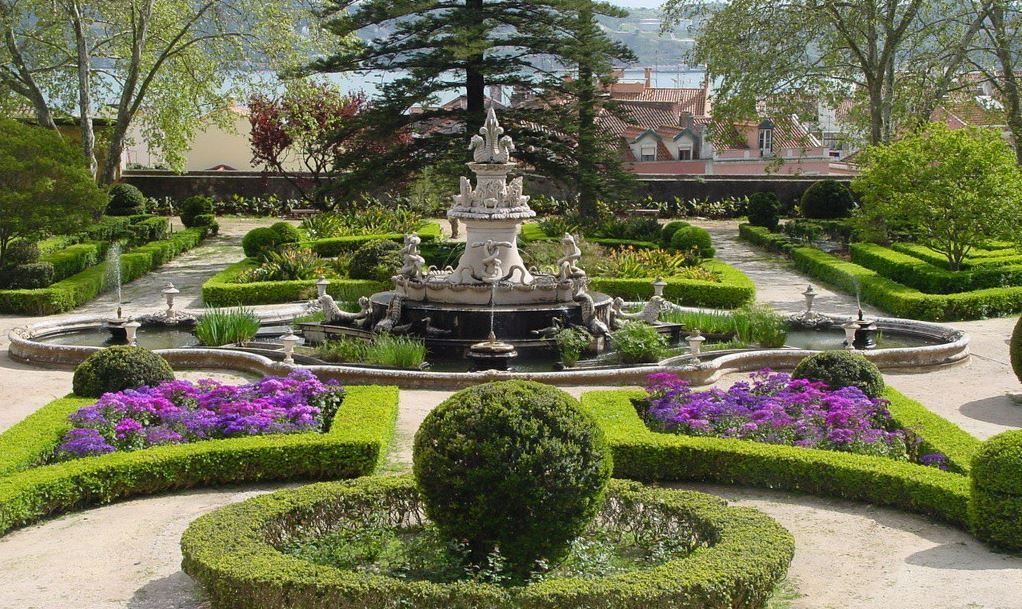
## Description Tapada da Ajuda is an understated botanical and historic estate in Lisbon that blends expansive green spaces, curated plant collections, and serene promenades overlooking parts of the city and the Tagus River. Once part of royal hunting grounds, the site now functions as a living garden with educational plantings, shaded avenues, and quieter corners perfect for reflection. Tapada da Ajuda is especially valuable for travelers seeking a restorative nature break away from Lisbon’s busy tourist corridors. Beyond the botanical interest, the area retains traces of Portugal’s horticultural exchanges—plants and specimens brought back from historic maritime voyages have influenced the garden’s diversity. The estate also hosts temporary exhibitions and occasional guided walks that interpret the site’s botanical, historical, and ecological significance. ## Location Tapada da Ajuda sits in western Lisbon close to the Ajuda district and not far from riverside Belém. It is typically accessed by tram, bus, or taxi from central Lisbon. Many visitors combine a visit here with stops at Ajuda National Palace and Belém cultural sites. ## Tips - Visit in spring or early summer for the richest blooms and milder weather; autumn can also be pleasant with changing foliage. - Wear comfortable shoes—paths vary from paved promenades to softer trails through planted areas. - Bring water, sun protection, and a small picnic to enjoy shaded groves. - Check local timetables for special exhibitions and guided tours to make the most of the historical context. - Consider pairing the visit with Ajuda Palace and a riverside walk to create a full half-day itinerary. ## Conclusion Tapada da Ajuda offers a restorative garden visit within Lisbon that balances botanical variety with historical resonance. For travelers who appreciate quiet green spaces, plant collections, and a slower urban rhythm, Tapada provides an elegant counterpoint to the city’s busier attractions. ## FAQ Q: Is there an admission fee for Tapada da Ajuda? A: Access policies can vary—some areas are free while special exhibitions or guided events may charge a fee; check official local listings before visiting. Q: Are guided tours offered at Tapada da Ajuda? A: Occasionally—local botanical groups or cultural institutions host guided walks and talks; look for schedules or contact visitor services. Q: Is Tapada da Ajuda suitable for families with children? A: Yes—open lawns and shaded paths make it a family-friendly destination, though supervision near uneven paths is recommended. Q: Is the terrain wheelchair accessible? A: Parts of the estate have paved routes, but some trails are uneven; accessibility varies—contact local services for specific route advice. Q: What’s the best season to visit? A: Spring offers the most varied blooms; early summer and autumn also have distinct seasonal highlights. ## Links - [Ajuda](https://getlisbon.com/discovering/jacarandas-of-lisbon/)
GemVoyage Team • World
Tunis
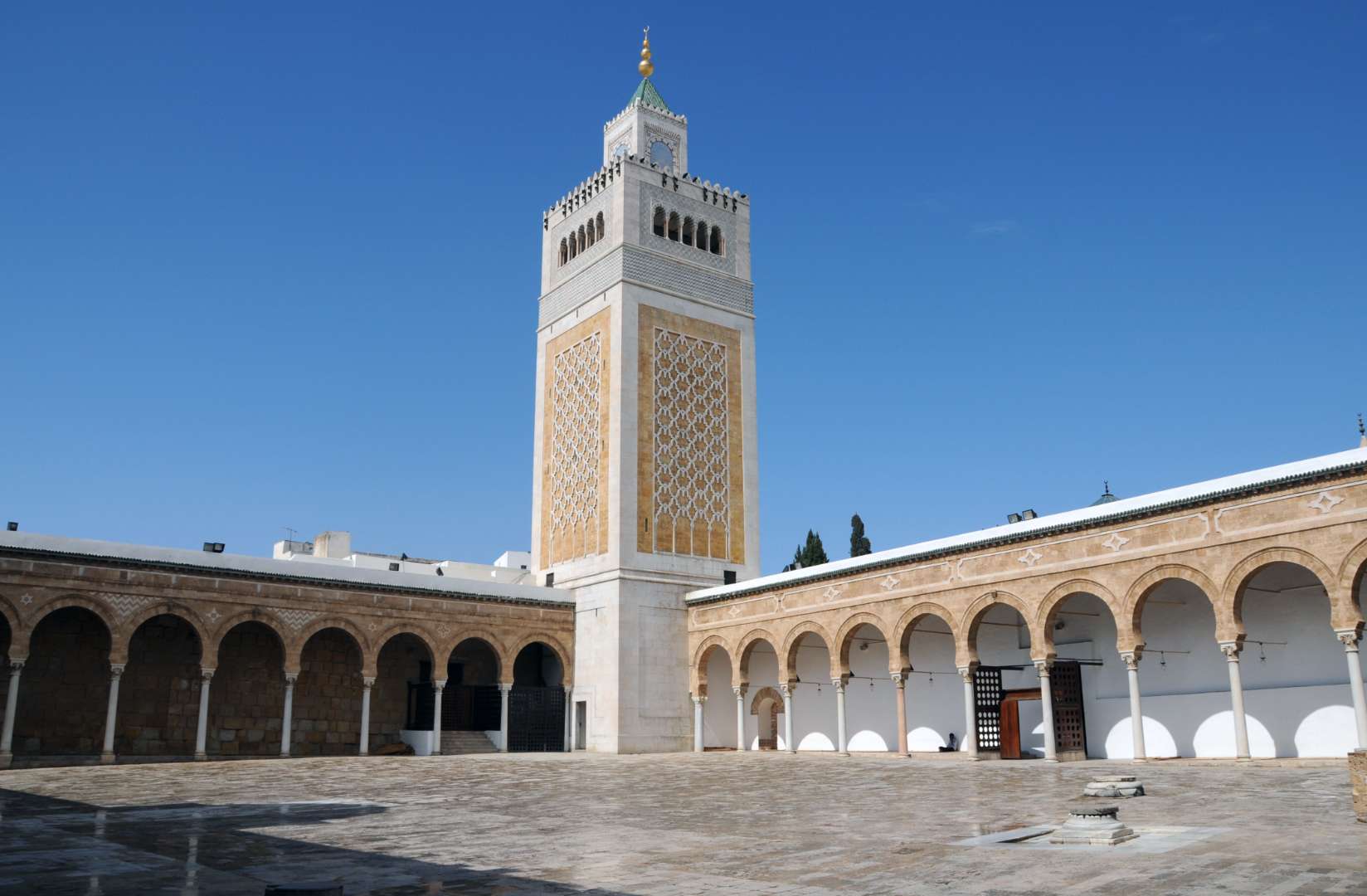
## Description Al Zaytouna Mosque, also known as Ez-Zitouna or the Mosque of the Olive, is the spiritual and intellectual heart of Tunis, Tunisia. Founded in the late 7th or early 8th century and reconstructed in the 9th century during the Aghlabid dynasty, it is the oldest mosque in Tunis and one of the most historically significant in North Africa. The mosque is not only a place of worship but also a symbol of Islamic scholarship, having served as the foundation for the University of Ez-Zitouna—one of the earliest centers of higher learning in the Muslim world. Covering an area of approximately 5,000 square meters, the mosque features nine entrances, a vast rectangular prayer hall, and a trapezoidal courtyard framed by arcades resting on over 160 ancient columns, many of which were repurposed from the ruins of Carthage. Its architecture reflects a blend of Moorish, Fatimid, and Ottoman influences, with a striking 43-meter-high minaret that echoes the design of Almohad minarets. A little-known fact: archaeological investigations in the 20th century revealed that the mosque was built atop a Byzantine-era structure, possibly a Christian basilica or fortification. Another intriguing detail is the presence of a sundial in the courtyard, historically used to determine prayer times—a rare feature in Islamic architecture. ## Location Al Zaytouna Mosque is located in **Tunisia**, in the **Tunis Governorate**, within the **city of Tunis**. It sits at the center of the historic Medina, a UNESCO World Heritage Site known for its labyrinthine alleys, traditional souks, and centuries-old buildings. ### How to Get There - **By Metro**: Take the Tunis light rail to the “Place de Barcelone” station, then walk northeast into the Medina. - **By Taxi**: Taxis are widely available in Tunis and can drop you off near the Medina’s main gates. - **By Foot**: If you're staying in central Tunis, the mosque is easily accessible on foot through the Medina’s winding streets. - **By Tour**: Many guided walking tours of the Medina include a stop at Al Zaytouna Mosque, often with historical commentary. Its central location makes it a perfect starting point for exploring the cultural and architectural treasures of old Tunis. ## Tips - **Dress Modestly**: Visitors should wear clothing that covers shoulders and knees. Women may be asked to cover their hair. - **Visit During Non-Prayer Hours**: Non-Muslim visitors are typically allowed to enter the courtyard but not the prayer hall. Visiting outside prayer times ensures a more relaxed experience. - **Hire a Local Guide**: A knowledgeable guide can provide deeper insights into the mosque’s history, architecture, and scholarly legacy. - **Explore the Surrounding Medina**: The mosque is surrounded by vibrant souks, artisan shops, and historic buildings—perfect for a half-day cultural excursion. - **Respect the Space**: As an active place of worship, visitors should maintain a quiet and respectful demeanor. - **Photography**: Photos are allowed in the courtyard, but avoid photographing worshippers or entering restricted areas. ## Conclusion Al Zaytouna Mosque is a cornerstone of Tunisian heritage, blending religious significance with architectural grandeur and scholarly tradition. Whether you're drawn by its historical depth or its serene beauty, the mosque offers a profound glimpse into the soul of Tunis. ## FAQ **1. Is there an entrance fee to visit Al Zaytouna Mosque?** No, entry is free, though donations are appreciated. Access may be limited for non-Muslims. **2. Can non-Muslims enter the mosque?** Non-Muslims are generally allowed in the courtyard but not the prayer hall. It’s best to check with local guides or signage. **3. What are the mosque’s opening hours?** The mosque is open daily, but access for visitors is typically restricted to non-prayer times, usually mid-morning to late afternoon. **4. Is the mosque wheelchair accessible?** The Medina’s narrow and uneven streets may pose challenges, but the mosque’s courtyard is relatively flat. **5. Are guided tours available?** Yes, many local guides offer tours of the Medina that include Al Zaytouna Mosque. **6. What is the best time to visit?** Early morning or late afternoon offers cooler temperatures and fewer crowds. ## Links - [Al-Zaytuna Mosque – Wikipedia Overview](https://en.wikipedia.org/wiki/Al-Zaytuna_Mosque) - [Al-Zaytouna – Britannica Entry](https://www.britannica.com/topic/Al-Zaytunah)
GemVoyage Team • World
San José
## Description **Fossil Land** is an interactive paleontology-themed attraction located near San José, Costa Rica. It is designed to give visitors a hands-on experience with prehistoric life, geological history, and fossil discovery. Unlike traditional museums where fossils sit behind glass, Fossil Land allows guests to **touch replicas, participate in digs, explore outdoor geological zones, and engage with educational exhibits** that simulate the process of paleontological research. The attraction combines scientific learning with adventure-style activities, making it especially popular with families, school groups, and travelers looking for something more interactive than a conventional museum visit. Visitors can try fossil excavation pits, examine casts of dinosaur bones, learn about the geological eras that shaped Costa Rica, and participate in guided workshops that explain how fossils are identified and preserved. A little-known fact is that Costa Rica, despite its volcanic and tropical landscape, has fewer natural fossil sites compared to many countries. Fossil Land was created partly to **fill this educational gap** by offering a controlled environment where visitors can explore prehistoric themes that are less visible in the country’s natural geology. Another notable detail is that the attraction integrates Costa Rica’s ecological heritage into its narrative, showing how prehistoric life connects with modern biodiversity. The result is a space that blends science education, interactive entertainment, and local environmental storytelling. It’s especially appealing for visitors looking for kid-friendly attractions in the greater San José area. ## Location **Country:** Costa Rica **Region:** Central Valley **City:** San José (greater metropolitan area; specific location varies by venue or setup depending on current exhibition sites) ### How to Get There * **By car:** Easily accessible from central San José via main city roads. Parking availability depends on the specific venue where Fossil Land is currently hosted or installed. * **By bus:** Several public buses from downtown San José reach the surrounding district. * **By ride hailing:** Services like Uber and DiDi provide fast and inexpensive access from anywhere in the metropolitan area. * **From Juan Santamaría International Airport:** A 20–40 minute drive depending on traffic. ## Tips * **Check opening hours and current location:** Fossil Land sometimes hosts temporary or traveling exhibits, so verifying the active venue is essential. * **Great for children:** The attraction is hands-on, safe, and educational. * **Plan at least 1 to 1.5 hours:** Activities, digs, and workshops take time if you want the full experience. * **Wear comfortable clothes:** Some activities involve kneeling, digging, or interacting with outdoor materials. * **Look for special events or workshops:** Fossil Land occasionally hosts themed programs related to dinosaurs, geology, or Costa Rican natural history. * **Bring water:** If visiting during outdoor sessions, hydration matters in Costa Rica’s warm climate. ## Conclusion Fossil Land is a family-friendly, interactive paleontology attraction that enriches Costa Rica’s science and nature tourism scene. With its hands-on exhibits, fossil digs, and engaging educational content, it offers a refreshing alternative to wildlife-focused activities and provides a fun, informative outing for visitors of all ages. ## FAQ **1. Is Fossil Land a museum?** Not exactly. It is an interactive paleontology attraction that combines exhibits with hands-on activities. **2. Are the fossils real?** The digs use replicas and casts, but educational displays may include authentic geological samples. **3. How long does a visit take?** Around **60–90 minutes**, depending on participation in workshops. **4. Is it suitable for small children?** Yes. Most activities are designed for families and school groups. **5. Does Fossil Land move locations?** Yes. Some exhibits relocate or operate seasonally, so checking the current location is important. **6. Can I book group visits?** Yes. Group and school reservations are often available with advance notice. ## Links * [Costa Rica tourism guide](https://www.visitcostarica.com/)
GemVoyage Team • World

Comments