GemVoyage Team • World
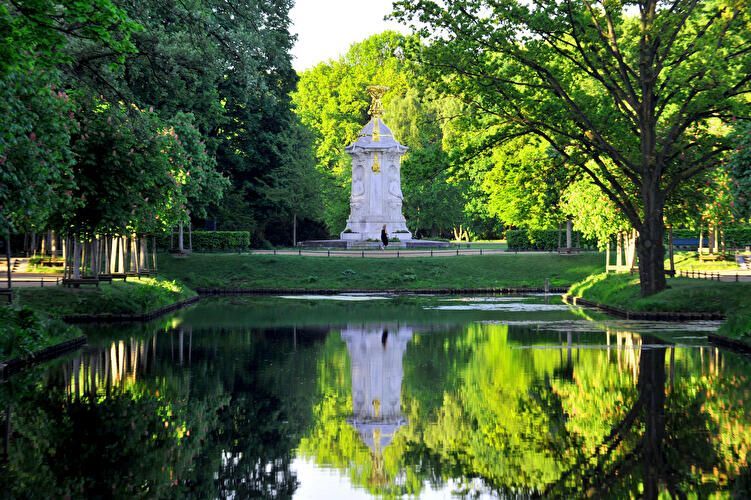
What distinguishes the Tiergarten is its adaptability: it serves as a place for brisk joggers, picnickers, history buffs, and families alike. Hidden corners contain wartime memorials and modern sculptures, while open meadows host festivals and local gatherings. A lesser-known fact is that parts of the park were extensively redesigned after World War II and partially replanted to counter wartime damage, which explains the deliberate blend of older avenues with mid-20th-century layout decisions.
Getting there: Tiergarten is highly accessible. Most visitors arrive via Berlin’s U-Bahn or S-Bahn (Brandenburger Tor station, Tiergarten station, or Potsdamer Platz). Buses and trams also serve nearby stops. Cycling is an excellent way to traverse the park—bike rental stations are plentiful, and dedicated paths make for a pleasant ride. If arriving by car, use nearby parking facilities at major crossroads, though public transport is recommended.
Q: Can I cycle in the Tiergarten?
A: Yes. Cycling is popular and convenient with dedicated paths; always yield to pedestrians and follow local cycling rules.
Q: Are there guided tours of the Tiergarten?
A: Guided walking and bike tours that include Tiergarten are available through various tour operators; check Berlin tourism listings.
Q: Is the Victory Column accessible to the public?
A: The Victory Column is open to visitors who want to climb to the viewing platform; check opening hours and ticketing information.
Discover more hidden gems you might love.
Paris
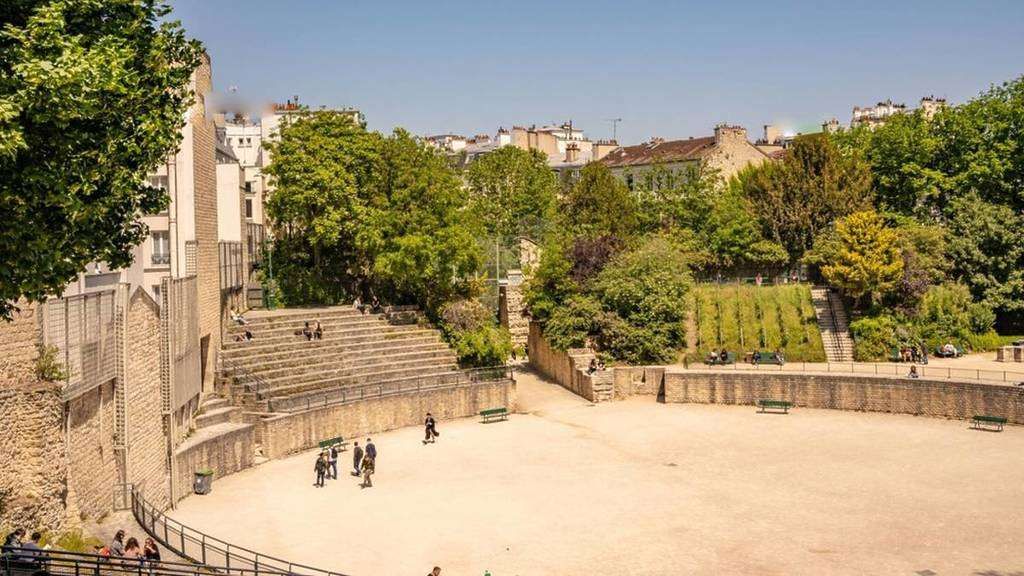
## Description **Arènes de Lutèce** is one of Paris’s most unexpected and historically significant sites: a **Roman amphitheater hidden in plain sight** within the Latin Quarter. Dating back to the **1st century CE**, it is among the oldest surviving monuments in the city and a rare physical reminder of Lutetia, the Gallo-Roman settlement that preceded modern Paris. Unlike the grand, fully preserved amphitheaters of southern France or Italy, the Arènes de Lutèce is fragmentary, modest in scale, and deeply embedded in its urban surroundings. This is precisely what makes it compelling. The remains include portions of the arena floor, tiered seating, subterranean chambers, and traces of the stage wall. In its prime, the amphitheater could accommodate **up to 15,000 spectators**, hosting gladiatorial combats, animal hunts, and theatrical performances. What sets the Arènes de Lutèce apart is its **history of disappearance and rediscovery**. After the fall of the Roman Empire, the structure was gradually dismantled and buried beneath medieval buildings. By the Middle Ages, its existence was largely forgotten. It was not rediscovered until the 19th century during urban works, and even then, much of it was threatened by redevelopment. The site was ultimately saved following public campaigns supported by prominent cultural figures, including Victor Hugo. A lesser-known fact is that the amphitheater served multiple secondary purposes over time. During the Middle Ages, stones from the structure were reused in nearby buildings, effectively dissolving it into the fabric of the city. Another overlooked detail is that today’s visible remains represent **only a fraction** of the original structure; much of it still lies beneath surrounding streets and buildings, preserved underground rather than reconstructed. Today, the Arènes de Lutèce functions as a **public space rather than a formal museum**. Locals play pétanque on the arena floor, children run along the ancient stone seating, and visitors sit quietly where Roman spectators once gathered. This coexistence of daily life and antiquity is rare in Paris and gives the site a lived-in authenticity that no curated exhibition could replicate. ## Location **Country:** France **Region:** Île-de-France **City:** Paris **Arrondissement:** 5th (Latin Quarter) The Arènes de Lutèce is located between Rue Monge and Rue de Navarre, in one of Paris’s most historic and intellectually rich neighborhoods. ### How to Get There * **By metro:** * Line 7 to **Place Monge**, then a 3–5 minute walk. * Line 10 to **Cardinal Lemoine**, followed by a short walk. * **By bus:** * Several bus lines serve the Latin Quarter and stop nearby. * **On foot:** * Easily reachable from the Panthéon, Jardin des Plantes, or the Seine’s Left Bank. * **By bicycle:** * Bike lanes and public bike stations are available in the area. ## Tips * **Visit during quiet hours:** Early mornings or weekdays offer a calmer atmosphere. * **Bring context with you:** There is minimal on-site interpretation; prior reading enhances appreciation. * **Respect the space:** It is both a historical site and a neighborhood park. * **Look for subtle details:** Notice the stonework and seating curves to visualize the original structure. * **Combine with nearby landmarks:** The Latin Quarter offers exceptional historical density within walking distance. * **Photography is allowed:** But be mindful of locals using the space. ## Conclusion The Arènes de Lutèce is a rare example of ancient history woven directly into the rhythm of modern urban life. Quiet, understated, and profoundly authentic, it offers a powerful reminder that Paris did not begin in the Middle Ages, but in the Roman world beneath its streets. ## FAQ **1. Is there an entrance fee?** No, entry to the Arènes de Lutèce is free. **2. How old is the amphitheater?** It dates back to the 1st century CE. **3. How long should I spend there?** Around **20 to 40 minutes**, depending on interest. **4. Is it a reconstructed site?** No, it consists of original remains with minimal restoration. **5. Is it suitable for children?** Yes, it is an open and informal space often used by families. **6. Why is it not better known?** Its modest size and lack of monumental reconstruction keep it off many tourist itineraries. ## Links * [Paris tourism official site](https://parisjetaime.com/eng/)
GemVoyage Team • World
Denizli
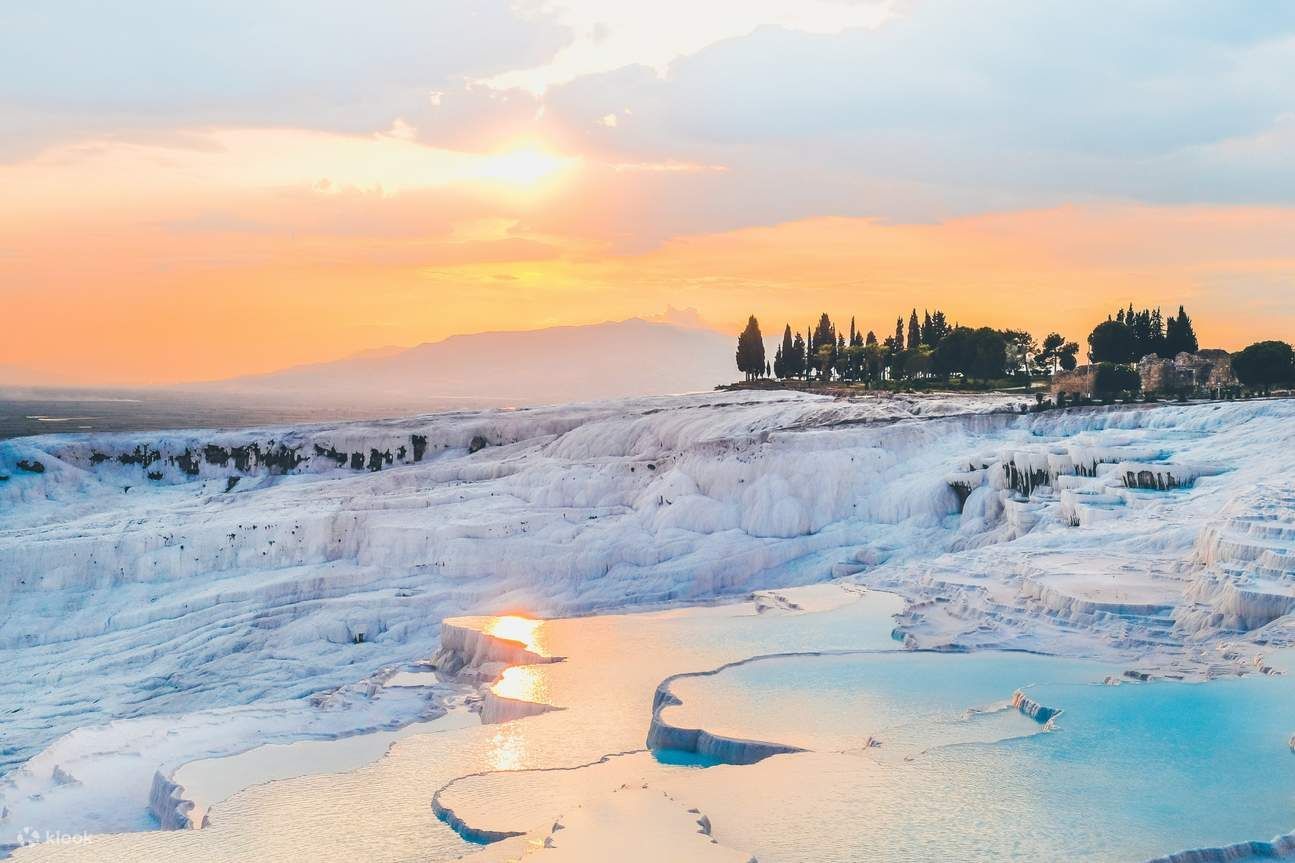
## Description Pamukkale — literally “cotton castle” in Turkish — is an otherworldly landscape of gleaming white travertine terraces and thermal pools near Denizli in southwestern Turkey. Formed over millennia by mineral-rich hot springs, the cascading calcium carbonate deposits have created terraced basins that look like frozen waterfalls. Beyond their striking beauty, the terraces have been a center of bathing and healing since antiquity; the nearby Greco-Roman spa city of Hierapolis thrived here and left ruins that add historical depth to the site. What makes Pamukkale unique is this fusion of geology, thermal waters and preserved ancient architecture: you can soak in warm waters while gazing across white steps that sparkle under the Mediterranean sun and then wander through the atmospheric ruins of a Roman necropolis and theatre. Conservation measures have redirected water flows over the decades to protect fragile formations while allowing controlled access for visitors. ## Location Pamukkale is located in Denizli Province, in Turkey’s Aegean region. It sits roughly 20 kilometers north of the city of Denizli and about a 3–4 hour drive from Izmir depending on route. The easiest way to reach Pamukkale is to fly into Denizli Çardak Airport (DNZ) or Izmir Adnan Menderes (ADB) and then take a shuttle, rental car, or bus to Pamukkale town. Many visitors base themselves nearby and make day trips to the terraces and Hierapolis archaeological site. ## Tips - **Visit early or late to avoid crowds:** The terraces are most photogenic in soft morning or late-afternoon light and less crowded at those times. Midday can be busy and harshly lit. - **Follow conservation rules:** Walking barefoot on protected terraces is required in some zones — shoes and grit can damage delicate carbonate layers. Use designated paths and restricted areas to protect the formations. - **Combine with Hierapolis:** Buy a combined ticket to explore the Hierapolis archaeological site and its museum; the ancient thermal bath ruins and the Roman theatre add cultural context to the natural spectacle. - **Bring swimwear and a towel for designated pools:** Some thermal pools and nearby hotel facilities allow bathing. The Cleopatra Pool (within Hierapolis) is an example where supervised bathing is permitted for a fee. - **Protect your skin and eyes:** The bright white terraces reflect intense sunlight. Sunglasses, broad-spectrum sunscreen and a hat are important for comfort and safety. - **Choose comfortable footwear for approaches:** While you may walk barefoot on terraces in protected areas, approaches and surrounding paths benefit from supportive shoes. - **Respect local signage and staff instructions:** Conservation authorities and staff provide guidance to ensure the formations remain intact for future visitors. ## Conclusion Pamukkale is a rare combination of dramatic natural formation and rich archaeological heritage. Whether you come for the thermal waters, the photographic vistas, or the silence of ancient stones, the site offers an unforgettable sensory experience rooted in landscape and history. Visitors who honor conservation measures will help keep these terraces pristine for future generations. ## FAQ - **Q: Is Pamukkale safe to visit?** A: Yes — it’s a well-visited UNESCO World Heritage site with clear conservation rules and tourist facilities. Stay on marked paths and follow signage. - **Q: Can I swim in the terraces?** A: Swimming is allowed only in designated pools and some supervised areas; many terraces are closed to bathing to protect them. The Cleopatra Pool at Hierapolis is one supervised option. - **Q: How long should I plan for a visit?** A: Allocate 2–4 hours to walk the terraces, visit Hierapolis and see the museum — longer if you plan to bathe or explore additional local attractions. - **Q: When is the best time to visit Pamukkale?** A: Spring and autumn offer pleasant temperatures and fewer crowds. Early morning or late afternoon provides the best light for photography and cooler conditions for walking barefoot. - **Q: Are there entrance fees?** A: Yes, entry to the terraces and Hierapolis requires a ticket; combined tickets commonly include both sites and vary by season and operator. - **Q: Is Pamukkale wheelchair accessible?** A: Accessibility is improving in some areas, but many terraces have uneven surfaces and steps. Check current access options with local tourism offices if mobility is a concern. ## Links - [Pamukkale — Wikipedia](https://en.wikipedia.org/wiki/Pamukkale)
GemVoyage Team • World
Porto
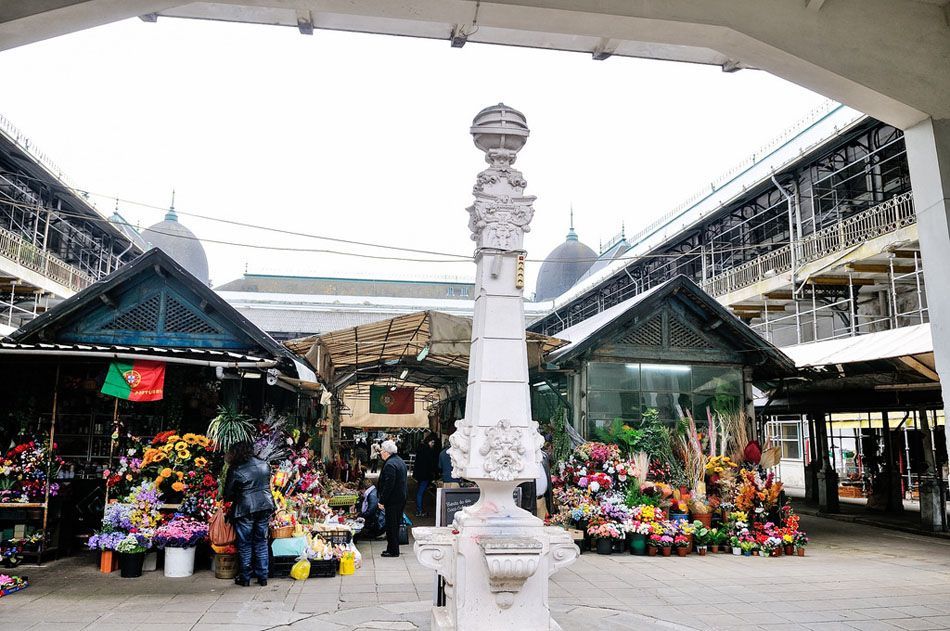
## Description Mercado do Bolhão is one of Porto's most recognizable landmarks because it feels less like a tourist stop and more like a living portrait of the city itself. Set in the center of Porto, this historic market brings together local farmers, fishmongers, florists, butchers, cheese sellers, and small food stalls under a structure that has long been tied to the daily rhythm of the city. What makes it special is not only the architecture or the nostalgia attached to it, but the fact that it still functions as a real market where people buy ingredients for lunch, talk to vendors they have known for years, and keep a distinctly Portuguese urban tradition alive. The building's atmosphere is one of its main attractions. The ironwork, tiled details, and open interior create a space that feels both grand and intimate. Unlike polished gourmet halls that can feel detached from the streets around them, Bolhão keeps its edges rough enough to remain authentic. The market is especially rewarding for visitors who like places with character and texture: the sound of sellers calling out prices, the smell of fresh herbs and coffee, and the sight of baskets filled with seasonal produce all contribute to an experience that is easy to remember long after the visit ends. One little-known fact is that the market's identity has always been closely linked to Porto's working-class neighborhoods. It was never designed only as a showcase; it grew out of the practical needs of the city and its surrounding farms. Another detail many visitors miss is that the surrounding streets are just as interesting as the market itself. The area around Bolhão contains old shopfronts, traditional pastry shops, and some of the best places to observe the contrast between old Porto and the city’s newer pace. The renovated market also reflects Porto's ability to preserve heritage while adapting to modern urban life. For travelers, that balance is part of the appeal. You can buy fruit, flowers, or a snack in a space that feels historic, yet still active and relevant. If you enjoy markets that tell you how a city lives rather than simply what it sells, Mercado do Bolhão is one of the most compelling places in Porto. ## Location Mercado do Bolhão is in central Porto, in the Norte region of Portugal, close to Rua de Santa Catarina and a short walk from several important downtown landmarks. Because it sits in one of the most accessible parts of the city, reaching it is straightforward whether you are staying nearby or arriving from elsewhere in Porto. The easiest approach is usually by metro, with Bolhão station placing you within a short walk of the market. Buses and taxis also reach the area easily, and the location works well as part of a broader walking route through the historic center. For visitors exploring Porto on foot, the market is a natural stop between shopping streets, cafés, and older residential blocks. You can combine it with a visit to Rua de Santa Catarina, the Chapel of Souls, or the central avenues around Aliados. If you are arriving from the riverfront or Ribeira district, allow time for a pleasant uphill walk through the city grid, which gives a clearer sense of Porto's daily life than a direct transfer would. The best recommendation for getting there is to use public transport or walk if you are already in the city center. Driving is possible but less convenient because the area is busy and street parking is limited. A morning visit is ideal, since the market is most energetic when local shoppers are doing their daily purchases and the produce stands are fullest. ## Tips Go early if you want to see the market at its most authentic. Morning hours are when the produce is freshest, the pace is liveliest, and the stalls feel most connected to local routine. Late afternoon is quieter and can be pleasant for browsing, but it does not capture the same atmosphere. Bring cash or a payment method accepted by small vendors, and do not rush your visit. The market rewards slow observation: look at what people are buying, ask vendors what is in season, and if you plan to eat there, choose items that reflect local ingredients rather than generic snacks. This is one of the best places in Porto to try traditional flavors in an unpretentious setting. If you enjoy photography, be respectful and avoid treating the market as a stage set. The best photos come from catching details: stacked oranges, handwritten prices, old tile work, and expressions of conversation between buyers and sellers. You will get a better result if you move quietly and observe rather than interrupting. It is also smart to combine the market with nearby food stops. Porto is a city where culinary culture matters, and Bolhão gives you a strong starting point for understanding what locals cook, buy, and value. If you have limited time, spend at least an hour inside the market and another hour exploring the surrounding streets. ## Conclusion Mercado do Bolhão is more than a market; it is a daily expression of Porto's identity, where history, commerce, and neighborhood life continue to meet in a space that feels both traditional and alive. ## FAQ ### Is Mercado do Bolhão worth visiting if I am not shopping? Yes. Even if you do not plan to buy groceries, the market is worth visiting for its atmosphere, architecture, and the chance to experience real everyday life in Porto. ### What is the best time to visit Mercado do Bolhão? Morning is the best time because the market is busiest, the produce is freshest, and the experience feels most local and energetic. ### Can I eat at Mercado do Bolhão? Yes. Several stalls and nearby food spots offer snacks, light meals, and traditional Portuguese items that make it easy to turn the visit into a casual food stop. ### Is Mercado do Bolhão good for families? Yes. Families often enjoy the colors, smells, and variety of goods, and the market is easy to navigate as part of a city walk. ## Links - [Official website](https://mercadobolhao.pt/)
GemVoyage Team • World
Tokyo
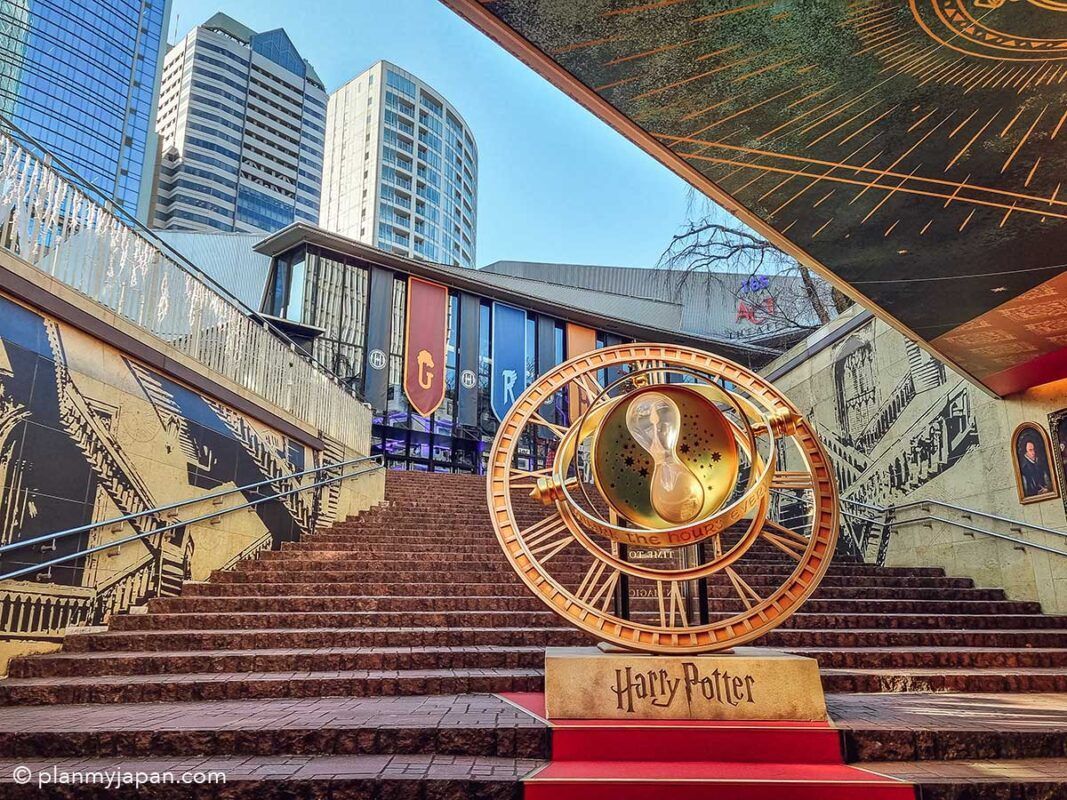
## Description The **Harry Potter Stairs & Time Turner (ハリー・ポッター階段とタイムターナー)** in Tokyo is one of the city’s most popular **pop-culture photo landmarks**, blending cinematic fantasy with modern urban design. This attraction is not a historical monument or a traditional museum—it is a **themed visual installation inspired by the Harry Potter film series**, designed specifically for fans who want to step inside the wizarding world without leaving central Tokyo. The installation recreates two of the most iconic visual elements from the films: the **magical moving staircase of Hogwarts** and **Hermione Granger’s Time Turner** from *Harry Potter and the Prisoner of Azkaban*. The staircase evokes the illusion of shifting directions and hidden passages, while the oversized Time Turner sculpture serves as a symbolic centerpiece representing time travel, destiny, and choice—core themes in the Potter universe. What makes this location truly unique is that it exists **inside a contemporary commercial complex rather than a theme park**. This means visitors do not need to buy expensive tickets or travel to a resort location to enjoy an immersive Harry Potter-themed environment. The installation uses **cinematic lighting, reflective metallic surfaces, stone textures, and enchanted-style typography** to create a convincing atmosphere of fantasy within a very modern architectural setting. The stairs are often used as a **staged photo zone**, where visitors recreate scenes, cosplay as characters, or simulate stepping into a time-loop narrative. The Time Turner sculpture is particularly photogenic when illuminated in the evening, when its rotating rings and glowing accents transform the space into a dramatic visual set piece. Many visitors describe the experience as feeling like walking into a **film trailer set inside a shopping mall**—brief, stylized, and designed for visual impact rather than storytelling depth. A little-known fact is that the stairs and Time Turner installation were part of a **long-term promotional collaboration connected to Warner Bros. Japan and official Harry Potter licensing projects**, timed to coincide with renewed franchise activity in Tokyo. Another lesser-known detail is that the space is frequently **updated with seasonal lighting themes and limited-time character visuals**, which means repeat visits can feel subtly different across the year. Importantly, this site is not meant to replace **The Making of Harry Potter Studio Tour Tokyo**; rather, it acts as a **public teaser-style landmark**, accessible to anyone passing through the district. It attracts an extremely diverse crowd: international tourists, Japanese fans, casual shoppers, cosplayers, couples, and social-media creators all intersect in the same space. The emotional appeal of the installation lies in its ability to deliver **instant recognition and nostalgia**. Even a short visit—often no more than 10 to 15 minutes—can trigger powerful emotional connections for fans who grew up with the books and films. It is, at its core, not a storytelling space but a **symbolic photo experience**, built for visual memory rather than narrative immersion. ## Location The **Harry Potter Stairs & Time Turner** installation is located in **central Tokyo**, inside a major commercial complex in the **Akasaka / Roppongi area**, which has become a hub for large-scale themed entertainment projects. **City:** Tokyo **Region:** Kantō **Country:** Japan **District:** Minato Ward (Akasaka / Roppongi area) ### How to Get There: * **By Tokyo Metro:** * **Chiyoda Line** to **Akasaka Station** * **Hibiya Line or Toei Oedo Line** to **Roppongi Station** * **By JR Train:** Use JR lines to nearby hubs such as **Shinjuku or Tokyo Station**, then transfer to the metro. * **By taxi:** Easy and accurate if you show the Japanese attraction name. * **On foot:** The area is highly walkable and well-connected through underground passages and plazas. The installation is typically integrated into a **shopping, dining, and entertainment complex**, making it easy to combine with cafés, retail stores, and evening nightlife. ## Tips * **Visit in the evening:** The lighting effects are significantly more dramatic after sunset. * **Go on weekdays for clearer photos:** Weekends often bring long lines of people waiting for their turn. * **Bring a small tripod if allowed:** For steady night photos, especially around the Time Turner. * **Do not expect a full “attraction experience”:** This is a **visual installation**, not a ride or museum. * **Cosplay is common:** Light cosplay is generally accepted and often encouraged by visitors. * **Respect queue etiquette:** Japanese photo spots usually operate with informal but strict order. * **Combine with nearby Harry Potter experiences:** If you are a serious fan, this pairs well with the Studio Tour Tokyo. * **Check for seasonal updates:** Lighting schemes and banners occasionally change. ## Conclusion The **Harry Potter Stairs & Time Turner in Tokyo** is a compact yet powerful example of how modern cities translate cinematic fantasy into everyday urban space. It is not a destination for long exploration, but a **precise, visually engineered moment of nostalgia**, crafted for fans who want a tangible connection to the wizarding world without committing an entire day to a theme park. For Harry Potter enthusiasts, it delivers something precise and valuable: **a magical pause inside the rhythm of real city life**. ## FAQ **1. Is the Harry Potter Stairs & Time Turner a real theme park attraction?** No. It is a **public visual installation**, not a ride or ticketed experience. **2. Is it free to visit?** Yes. Access is **free**, as it is located inside a public commercial complex. **3. How long does a visit typically take?** Most visitors spend **10 to 20 minutes**, depending on photo queues. **4. Is it suitable for children?** Yes. It is **family-friendly**, though it can get crowded. **5. Is this the same as the Harry Potter Studio Tour Tokyo?** No. This is a **small themed photo landmark**, whereas the studio tour is a full museum-style experience. **6. Can I take professional photos there?** Casual photography is allowed. **Commercial shoots may require permission** from the property management. ## Links * [Warner Bros. Japan](https://www.warnerbros.co.jp) * [Harry Potter Studio Tour Tokyo](https://www.wbstudiotour.jp)
GemVoyage Team • World
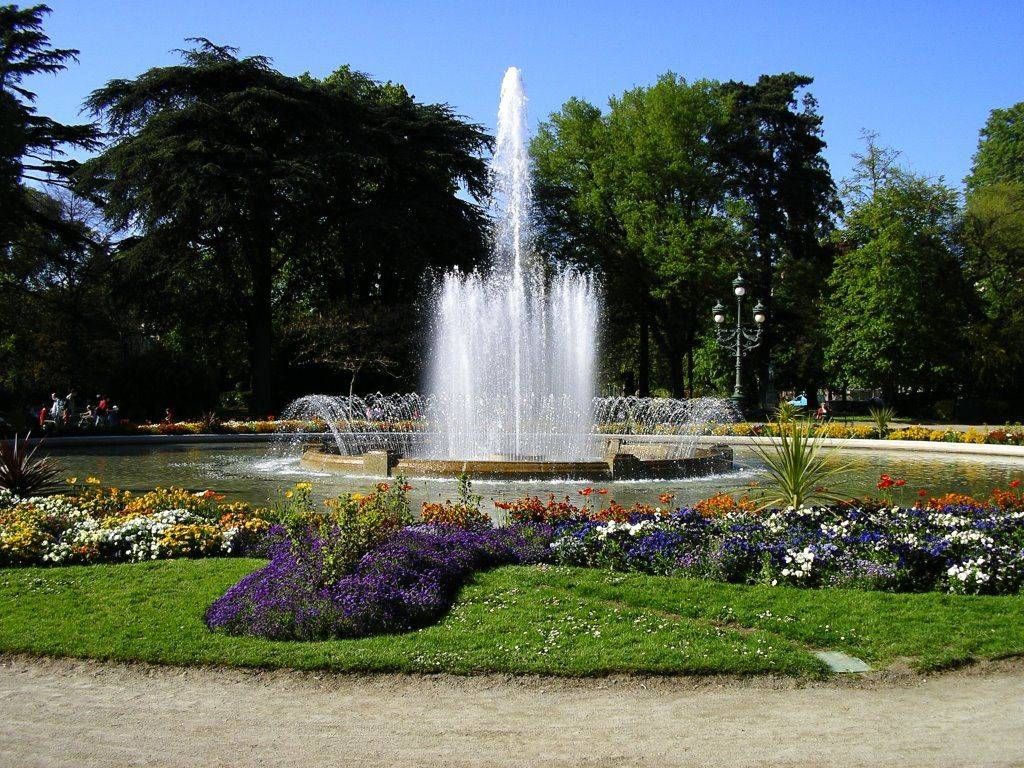
Toulouse
## Description The Jardin des Plantes in Toulouse is one of the city’s most beloved green spaces, offering a calm and refreshing escape from urban life. Originally created in the 18th century as a botanical garden for scientific study, it has since evolved into a public park that blends nature, history, and leisure. With its shaded paths, ponds, statues, and diverse plant life, the garden attracts families, students, and visitors looking to experience Toulouse at a gentler pace. What makes the Jardin des Plantes unique is its dual identity as both a historical botanical site and a modern recreational park. Although it no longer functions strictly as a scientific garden, many plant species and layout elements reflect its original purpose. A little-known fact is that the garden once served as a training ground for medical students studying botany and pharmacology. Another lesser-known detail is that it forms part of a larger green corridor together with the nearby Grand Rond and Jardin Royal, creating a continuous landscaped area rarely found in dense city centers. The Jardin des Plantes also features playgrounds, a carousel, and cultural installations, making it appealing to visitors of all ages while preserving a sense of historical continuity. ## Location The Jardin des Plantes is located in **France**, in the **Occitanie** region, within the city of **Toulouse**. It lies just south of the historic center, near the Muséum de Toulouse and the Canal du Midi. The garden is easily accessible by public transportation. The nearest metro station is **Palais de Justice** on Line B, which is about a 10-minute walk away. Several bus lines also serve the area. Visitors staying in central Toulouse can reach the park comfortably on foot or by bicycle, as the surrounding streets are pedestrian-friendly and well connected. ## Tips * Visit in the morning or late afternoon for a quieter and more relaxing atmosphere. * Spring and early summer are ideal for enjoying flowers and greenery at their peak. * Bring a book or picnic to fully enjoy the peaceful setting. * Families with children should check out the playground and carousel areas. * Combine your visit with the nearby Muséum de Toulouse for a full day of culture and nature. * Respect the garden rules by staying on paths and preserving plant areas. ## Conclusion The Jardin des Plantes in Toulouse offers a harmonious blend of history, nature, and everyday life. Whether you are seeking relaxation, family-friendly activities, or a scenic walk, this botanical garden remains one of the city’s most charming and accessible attractions. ## FAQ **Is the Jardin des Plantes free to enter?** Yes, entrance to the garden is free for all visitors. **How much time should I plan to spend there?** Most visitors spend between 30 minutes and two hours, depending on activities. **Is the Jardin des Plantes suitable for children?** Yes, it features playgrounds and open spaces ideal for families. **Can I picnic in the garden?** Yes, picnicking is allowed in designated areas. **Is the garden open year-round?** Yes, it is open throughout the year, though hours vary by season. ## Links * [Toulouse Tourism Official Website](https://www.toulouse-tourisme.com)
GemVoyage Team • World
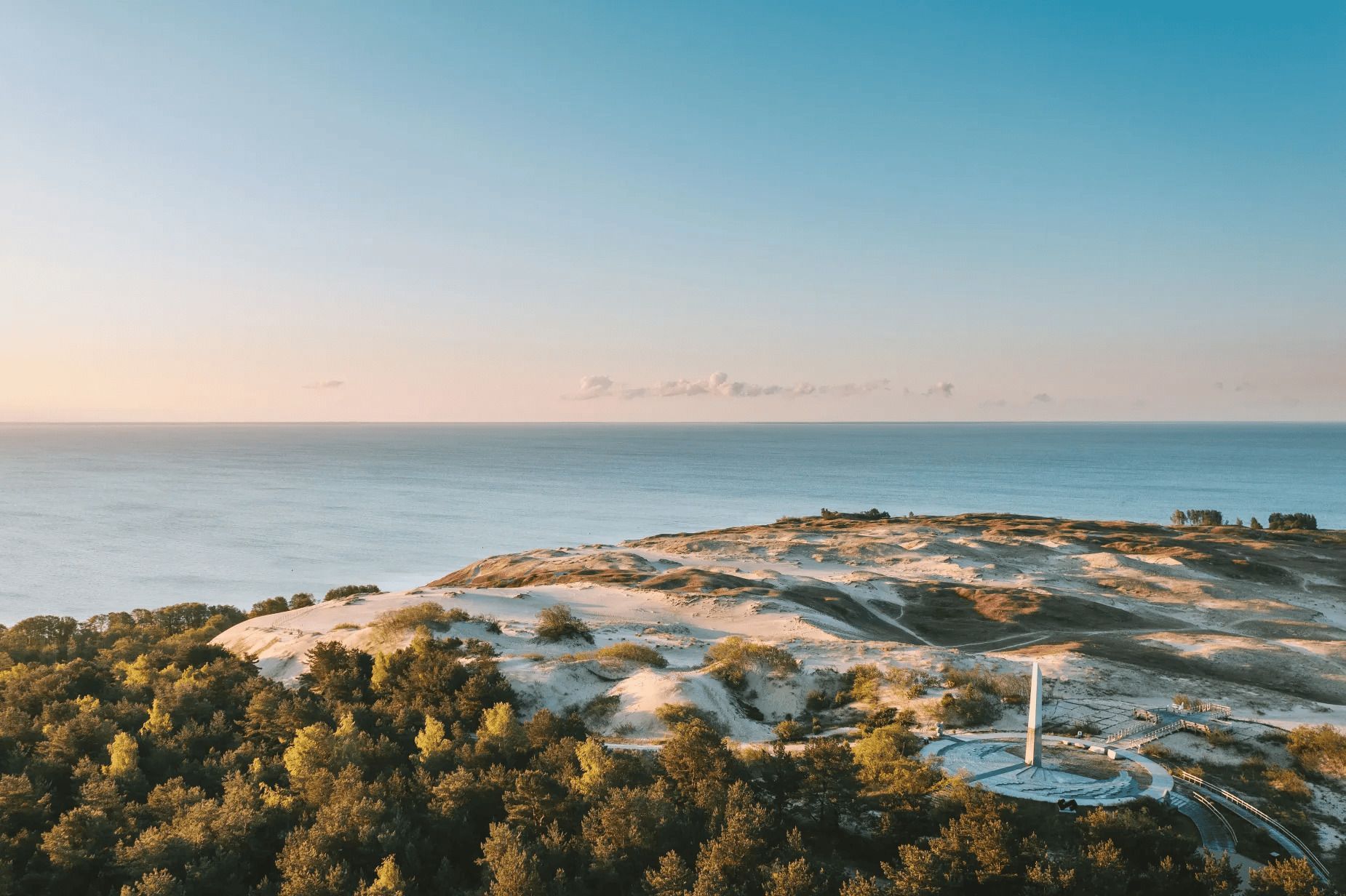
Nida
## Description The Parnidis Dune sundial on the Curonian Spit is an elegant meeting point of coastal geology and human curiosity. Carved into a prominent dune ridge near Nida, the sundial uses a simple stone gnomon and stone markers to register the sun’s arc across the sky, while the dune itself provides sweeping views over the Curonian Lagoon and the Baltic Sea. The combination of sculpted sand, long sightlines, and the shifting play of light makes the site both visually stirring and quietly contemplative. Visitors encounter an open landscape shaped by wind and water: dunes that migrate slowly with prevailing winds, vegetation adapted to sandy, saline conditions, and an expansive horizon where sky and water blend. The sundial is part functional instrument, part landscape sculpture: its hour lines and markers are calibrated to local solar time and offer an accessible way to experience astronomical motion at ground level. Restoration and maintenance are ongoing challenges because the dune is dynamic—sand moves, vegetation changes, and repairs must respect both the scientific accuracy of the instrument and the dune’s natural processes. Local authorities and conservation groups work to stabilize key paths and protect fragile slopes so that people can enjoy the views without accelerating erosion. Cultural events and astronomy programs often use the site as a natural amphitheater, further connecting visitors with the seasonal rhythms of sky and sea. ## Location Parnidis Dune is located in Nida on the Curonian Spit, within Neringa municipality in Klaipėda County on Lithuania’s western coast. The dune crowns a ridge that overlooks the Curonian Lagoon on one side and the Baltic Sea on the other, giving it dramatic vantage points in both directions. How to get there: Nida is accessible by car along the Curonian Spit road from Klaipėda; if approaching from mainland Lithuania, a ferry crossing into the spit may be necessary depending on route. Regular buses also run from Klaipėda to Nida during the tourist season. Once in Nida, the Parnidis Dune is a short, well-signed walk from the town center; follow the marked paths to the main observation points and sundial. ## Tips - Visit at sunrise or sunset for the most dramatic light and to see the sundial’s shadows lengthen. - Stay on marked trails and access ramps—dune vegetation is fragile and paths help prevent runaway erosion. - Bring windproof layers and sun protection; the exposed ridge can be quite breezy even on mild days. - Use binoculars or a telephoto lens to scan the lagoon for birds, fishing boats, and shifting sandbars. - Combine a dune visit with a walk through Nida’s quaint center and nearby cultural sites, such as the Thomas Mann museum. - Check local signage for any temporary closures or restoration work; some sections may be rerouted to protect the landscape. ## Conclusion Parnidis Dune’s sundial offers more than a neat photo opportunity: it is an invitation to feel how landscape, time, and human craft can intersect. The ridge’s panoramic views, paired with the simple mechanics of the sundial, make the place an evocative stop for anyone exploring the Curonian Spit. ## FAQ Q: Is there an admission fee to access the dune? A: There is typically no admission fee to reach Parnidis Dune itself; however, parking or guided services may charge fees. Seasonal event programming may require tickets. Q: When is the best time to photograph the sundial and landscape? A: Sunrise and sunset provide warm, low-angle light that accentuates dune textures and long shadows; golden hour is ideal for landscape photography. Q: Can I climb anywhere on the dune? A: No. To protect dune vegetation and prevent erosion, visitors should use the marked trails and observation points only; climbing fragile slopes is discouraged or prohibited. Q: Are there guided tours or astronomy events at the site? A: Yes. Local guides and cultural groups sometimes offer tours that explain the sundial’s construction and the dune’s ecology; astronomy and cultural events are occasionally scheduled—check Nida’s visitor information. Q: Is the area accessible for visitors with limited mobility? A: Some paths and viewpoints may have improved access, but the dune’s terrain is inherently uneven. Check local visitor resources for the latest information on accessible routes. ## Links - [Parnidis Dune (Wikipedia)](https://en.wikipedia.org/wiki/Parnidis_Dune)
GemVoyage Team • World

Comments