GemVoyage Team • World
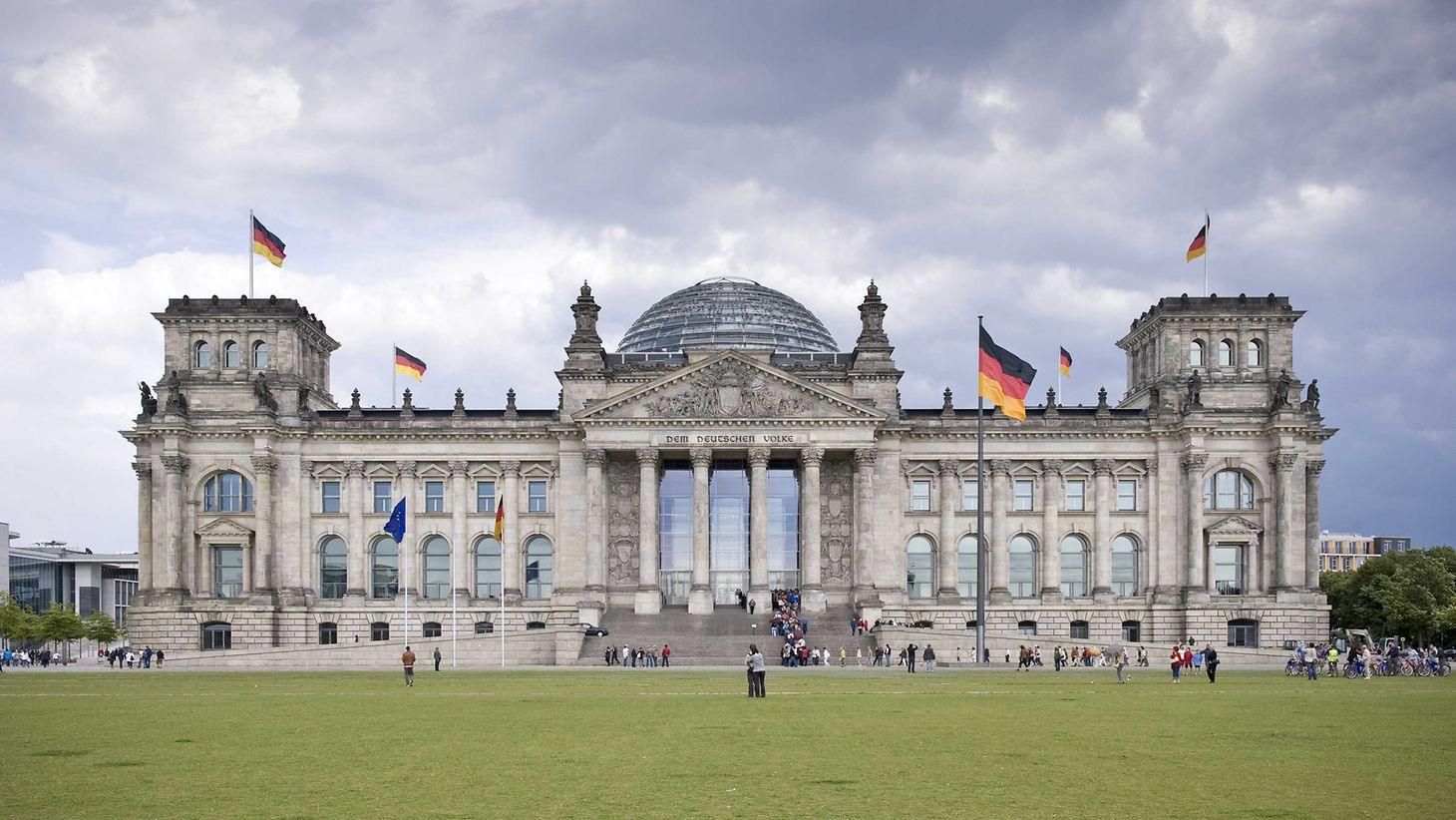
The Bundestag Building, officially known as the Reichstagsgebäude, stands as one of the most significant landmarks in Berlin and a powerful symbol of Germany’s turbulent history and democratic rebirth. Combining monumental architecture with modern transparency, it serves today as the seat of the German Federal Parliament (Deutscher Bundestag) — and one of the most visited government buildings in the world.
Originally designed by architect Paul Wallot and completed in 1894, the building was intended to house the Imperial Diet of the German Empire. Its Neo-Renaissance façade, crowned by a grand central dome, reflected the pride and ambition of a newly unified Germany. However, the Reichstag’s history mirrors that of the nation itself — one of struggle, destruction, and renewal.
In 1933, the infamous Reichstag fire severely damaged the building, and it was later left in ruins during World War II. After decades of neglect during the Cold War, when Berlin was divided, the Reichstag stood near the border between East and West as a haunting reminder of Germany’s fractured identity.
Following reunification, the Bundestag was rebuilt and transformed under the vision of British architect Sir Norman Foster, who completed his renovation in 1999. The centerpiece of this reconstruction is the modern glass dome, an architectural marvel that symbolizes transparency and accessibility in government. Visitors can ascend the spiraling ramp inside the dome to enjoy panoramic views of Berlin, while looking down into the debating chamber below — a literal reflection of the people’s oversight over their elected representatives.
A lesser-known fact is that during reconstruction, thousands of historic graffiti inscriptions left by Soviet soldiers in 1945 were carefully preserved on interior walls, serving as poignant reminders of the city’s wartime history. Another fascinating detail is that the solar-powered dome is part of an advanced energy-efficient system that makes the Bundestag one of the world’s greenest government buildings.
The Bundestag Building is located in the government district (Regierungsviertel) of Berlin, Germany, near the Brandenburg Gate and along the River Spree.
Address: Platz der Republik 1, 11011 Berlin, Germany
To get there:
The Bundestag Building (Reichstag) is more than a seat of government — it’s a living monument to Germany’s journey from empire to democracy. From its grand 19th-century origins through wartime destruction and postwar division, to its renewal as a transparent and sustainable parliament, the building embodies the nation’s resilience and progress. Visiting the Bundestag is both a historical and symbolic experience, offering a glimpse into the past and a view toward the future — quite literally through its luminous glass dome overlooking Berlin.
1. What is the difference between the Reichstag and the Bundestag?
“Reichstag” refers to the historic building itself, while “Bundestag” refers to Germany’s federal parliament, which now meets inside the Reichstag building.
2. When was the Reichstag building completed?
It was completed in 1894, heavily damaged during World War II, and fully restored and reopened in 1999 after reunification.
3. Who redesigned the building after reunification?
The British architect Sir Norman Foster led the reconstruction, adding the iconic glass dome.
4. Is it free to visit?
Yes, entry to the Bundestag, dome, and terrace is free, but advance registration is required for security reasons.
5. Can you visit the parliamentary chamber?
Yes, guided tours include access to the chamber when sessions are not in progress. Visitors can also attend plenary sessions by prior arrangement.
6. When is the best time to visit?
The evening is ideal for breathtaking views of Berlin at sunset, but daytime visits offer clearer views of the cityscape.
7. What are the opening hours?
The dome is usually open daily from 8 a.m. to midnight, with last entry around 10 p.m. (check the official site for seasonal variations).
Discover more hidden gems you might love.
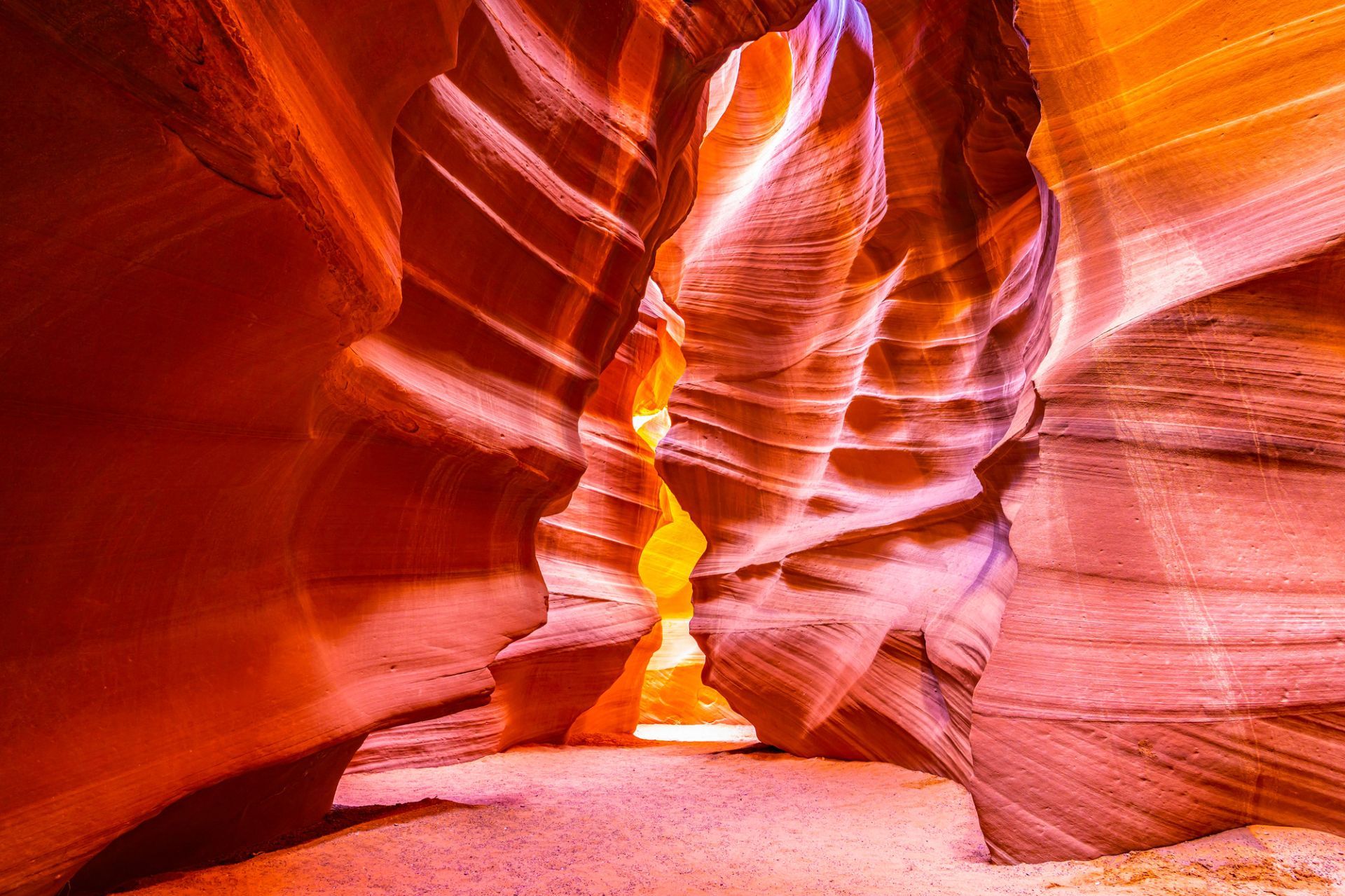
Arizona
## Description Antelope Canyon, on Navajo land near Page, Arizona, is a set of narrow slot canyons carved into Navajo Sandstone by millennia of water and wind erosion. The result is a sequence of sinuous, polished walls that twist into narrow passages, channeling shafts of light into warm, copper-toned swirls that photographers prize. There are two main sections commonly visited: Upper Antelope Canyon (more iconic for vertical light beams in summer) and Lower Antelope Canyon (a more maze-like walk that requires climbing). The interplay of light, shadow and texture transforms the canyon’s interior into a living sculpture that changes with the sun’s angle. Antelope Canyon’s combination of geological finesse and cultural sensitivity makes it unique: it’s on Navajo Nation land and visits occur under Navajo guides who share cultural context and ensure conservation. The ephemeral quality of light in the canyon is the main draw, and every visit offers a subtly different visual story depending on time of day and season. Visiting Antelope Canyon is an intimate, often crowded experience that rewards patience and close observation. The sculpted walls are tactile and close, and the sense of enclosure makes small variations in light and dust dramatically affect composition. Guides routinely manage group flows and timing to optimize safety and photographic opportunity, and many operators now offer specialized photo tours that allow extra time or more flexible tripod policies. Safety is a constant priority — because slot canyons channel water, flash floods are a real hazard and tours may be altered or canceled in the face of storm risk. Respect for Navajo cultural protocols is also essential: guides often include stories and historical context that enrich a visit and reinforce why access is managed. Beyond the two main canyons, nearby attractions around Page — Horseshoe Bend, Lake Powell and Glen Canyon National Recreation Area — make the area a compact cluster of dramatic southwestern landscapes. Combining these sites into a short itinerary can balance the compressed, processed light of the slot canyons with broad, open panoramas of the Colorado River and surrounding desert. ## Location Antelope Canyon lies near Page, Arizona, in the southwestern United States on Navajo Nation land. The canyons are accessed by guided tours departing from Page; bookings are required, and many operators combine Antelope Canyon with nearby attractions like Horseshoe Bend and Lake Powell. Most tours meet in Page; travel to the canyon involves a short drive and, in some cases, a brief ride across Navajo lands to the canyon entrance. Tour operators coordinate closely with park officials and Navajo authorities; book in advance during peak seasons and confirm pickup details. Page has several accommodation options, from campgrounds to hotels, and is a good base for multi-day exploration of the region. ## Tips - **Book Navajo-guided tours:** Access to both Upper and Lower Antelope Canyons is restricted to authorized Navajo guides — book through reputable operators and respect cultural protocols. - **Time your visit for light:** For the classic light beams in Upper Antelope Canyon, mid-day in summer is preferred; other seasons offer softer, diffused light. - **Bring a tripod if allowed:** Some tours permit tripods (often in photo-specific sessions); check operator policies before arrival. - **Be mindful of flash floods:** Slot canyons can be hazardous during heavy rain; guides monitor weather and may cancel tours if flash flood risk exists. - **Protect your gear from sand:** The environment is dusty; use camera covers and clean gear after visits. - **Choose the right tour type:** Standard interpretive tours offer context and safety; photo tours are slower and often allow tripods but require advance booking. - **Expect narrow passages:** Lower Antelope requires more physical movement; wear comfortable clothes and be prepared to climb short ladders or squeeze through tight sections. - **Respect cultural guidance:** Photography of certain features or during ceremonies may be restricted — follow your guide's direction. - **Combine sites for variety:** Pair canyon visits with sunrise at Horseshoe Bend or a boat trip on Lake Powell to round out your visual narrative. ## Conclusion Antelope Canyon is a masterpiece of erosion and light — a place where sandstone artistry and cultural stewardship intersect to create intense photographic and contemplative experiences. Guided visits make it accessible while honoring its Navajo custodianship. Approach Antelope Canyon with curiosity and respect, and you’ll come away with a visceral appreciation for how water, time and human stewardship intersect. For photographers, the canyon is a study in subtle gradients and form; for travelers, it’s an opportunity to learn about the cultural landscape of the Navajo Nation while witnessing an extraordinary geological gallery. ## FAQ - **Q: Which is better, Upper or Lower Antelope Canyon?** - A: Upper is famed for light beams and is more accessible with level walks; Lower is narrower with ladders and a more adventurous feel. - **Q: Do I need a reservation?** - A: Yes — tours sell out, especially in peak season; book in advance. - **Q: Is Antelope Canyon wheelchair accessible?** - A: Accessibility varies: Upper has relatively easier access but still includes uneven surfaces; check specific operator accommodations. - **Q: Can I fly a drone near Antelope Canyon?** - A: Drone use is generally restricted in Navajo lands and near protected sites; check local rules and obtain permission where applicable. - **Q: What are the best months for photography?** - A: Summer delivers the strongest vertical beams around midday; spring and autumn provide softer light and cooler conditions, which many photographers prefer. - **Q: How long does a typical tour last?** - A: Standard canyon tours range from 45 minutes to 1.5 hours including access and return; photo tours may be longer. - **Q: Are there restrictions on clothing or equipment?** - A: Wear closed-toe shoes for lower canyon sections, protect gear from sand, and follow guide instructions for tripods or flash use. ## Links - [Antelope Canyon — Wikipedia](https://en.wikipedia.org/wiki/Antelope_Canyon) - [Navajo Nation Parks & Recreation](https://www.navajonationparks.org)
GemVoyage Team • World
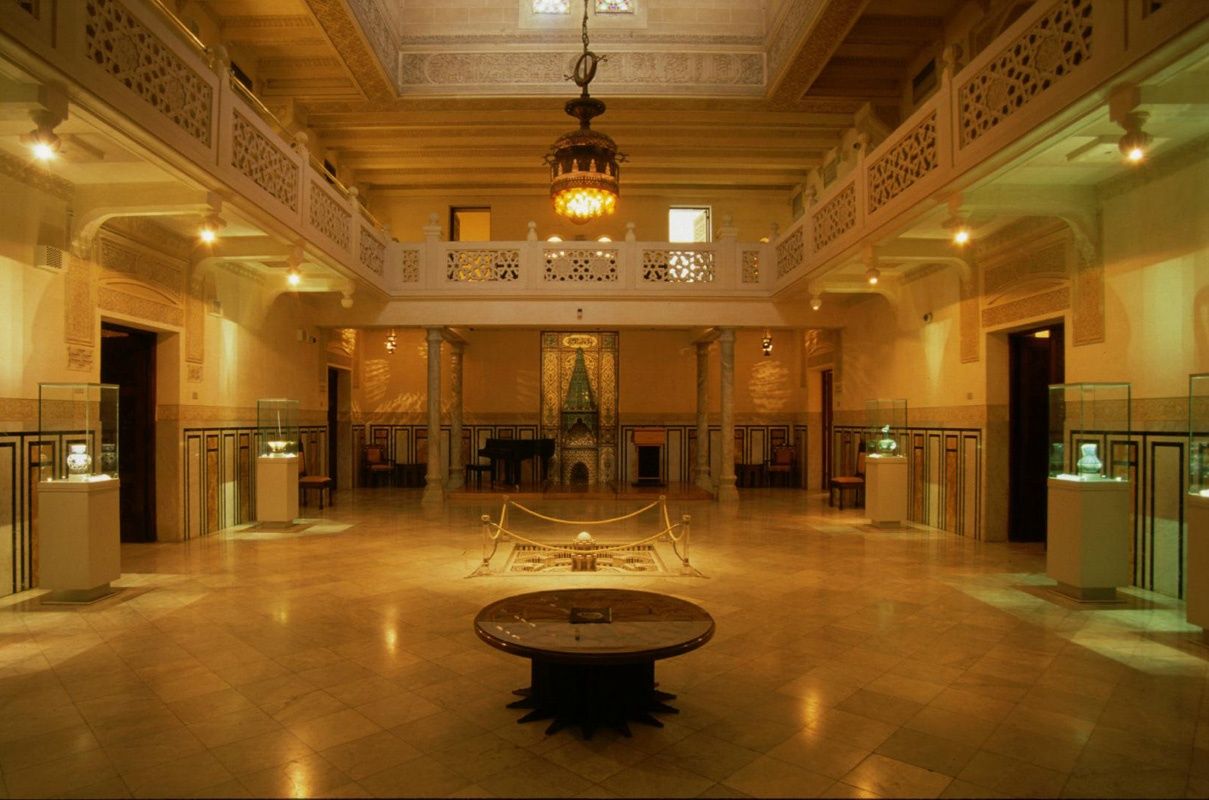
Cairo
## Description The **Islamic Ceramics Museum (متحف الخزف الإسلامي)** is one of Cairo’s most refined and culturally rich museums, dedicated entirely to the art of **Islamic pottery and ceramics**. It offers visitors a rare opportunity to explore how clay, glaze, and fire were transformed into objects of beauty, science, and daily life across more than **a thousand years of Islamic civilization**. Housed inside the elegant **Palace of Princess Fatma Ismail**, a 19th-century aristocratic residence, the museum blends **architectural elegance with artistic mastery**. The palace itself is a masterpiece of late Ottoman and European-style architecture, featuring **ornate ceilings, stained glass, carved woodwork, and marble staircases**. Even before seeing the exhibits, the building alone is worth the visit. The museum’s collection includes **hundreds of ceramic pieces** from different Islamic periods and regions, including **Egypt, Persia (Iran), Andalusia (Spain), Turkey, Iraq, and Central Asia**. Displays range from **everyday household items**, such as bowls and jars, to **luxury palace ware, mosque tiles, and decorative panels**. Each object tells a story of trade, technological innovation, and artistic expression across the Islamic world. Key highlights include **lusterware ceramics**, known for their metallic shine, developed in medieval Iraq and Egypt; **Iznik tiles from Ottoman Turkey**, famous for their vivid blues and reds; and **Persian underglaze-painted ceramics**, celebrated for their delicate floral and calligraphic designs. Visitors can clearly trace how artistic styles traveled along trade routes and evolved across empires. What makes this museum especially unique is how it connects **science with art**. Islamic potters were pioneers in **chemistry and kiln technology**, developing methods for glazing, coloring, and firing that influenced European ceramics centuries later. The museum explains these processes in an accessible way, making it engaging even for visitors with no background in art or archaeology. A little-known fact is that the museum was originally opened in **1936**, making it one of the **earliest specialized ceramics museums in the Middle East**. Another lesser-known detail is that Princess Fatma Ismail, whose palace now hosts the museum, was the same royal figure who funded the establishment of **Cairo University**, making her a key patron of Egyptian education and culture. Quiet, elegant, and deeply educational, the Islamic Ceramics Museum offers a refined cultural experience that contrasts beautifully with the bustle of central Cairo. ## Location The **Islamic Ceramics Museum** is located in the **Zamalek district** of **Cairo**, Egypt — one of the city’s most upscale and culturally vibrant islands along the Nile. **Address:** 26 Gezira Street, Zamalek, Cairo, Egypt ### How to Get There: * **By metro:** Take Line 2 to **Opera Station**, then walk about 10 minutes toward Gezira/Zamalek. * **By taxi or ride-hailing apps:** Tell the driver “**Mithaf al-Khazaf al-Islami fi Zamalek**.” Most drivers recognize it as a cultural landmark. * **By walking:** If you are already in Zamalek, the museum is centrally located and easily walkable. * **By car:** Limited street parking is available; taxis are generally more convenient. Its location makes it ideal to combine with nearby attractions like the **Cairo Opera House**, **Modern Art Museum**, and **Gezira Art Center**. ## Tips * **Visit on a weekday:** The museum is usually quiet, but weekdays offer an especially peaceful atmosphere. * **Take your time with details:** Many of the finest motifs are small and intricate — slow observation is rewarded. * **Photography:** Allowed in most areas without flash; always confirm current rules at the entrance. * **Read the descriptions:** Many pieces include historical and scientific explanations that enhance appreciation. * **Combine with Zamalek cafés:** After your visit, relax at one of Zamalek’s many riverside cafés or cultural lounges. * **Allow 60–90 minutes:** This is enough time to explore the entire collection without rushing. * **Art lovers should not skip it:** If you appreciate design, geometry, or craftsmanship, this museum is a hidden gem. ## Conclusion The **Islamic Ceramics Museum in Cairo** is a quiet treasure that captures the refinement, innovation, and artistic brilliance of Islamic civilization through one of its most expressive mediums — ceramics. Set inside a royal palace and filled with works that span continents and centuries, the museum offers both **aesthetic pleasure and historical insight**. It is an ideal destination for travelers seeking a calmer, deeper cultural experience beyond Cairo’s monumental landmarks. ## FAQ **1. What is the Islamic Ceramics Museum famous for?** It is known for its extensive collection of **Islamic pottery and ceramic art** from across the Middle East, North Africa, and Central Asia. **2. Where is the museum located?** It is located in **Zamalek**, on Gezira Island in central Cairo. **3. How old is the museum?** It officially opened in **1936**, making it one of the oldest specialized ceramics museums in the region. **4. Who owned the palace originally?** The palace belonged to **Princess Fatma Ismail**, a member of Egypt’s royal family and a major patron of education. **5. How long does a typical visit take?** Most visitors spend between **one to one and a half hours** exploring the museum. **6. Is the museum suitable for children?** Yes, especially for older children interested in history, art, and patterns, though it is a quiet, observation-focused museum. **7. Can I combine it with other museums in the same day?** Yes — it pairs well with visits to the **Cairo Opera House**, **Museum of Modern Egyptian Art**, and **Gezira Art Center**. ## Links * [Egyptian Ministry of Tourism and Antiquities – Museums](https://egymonuments.gov.eg)
GemVoyage Team • World
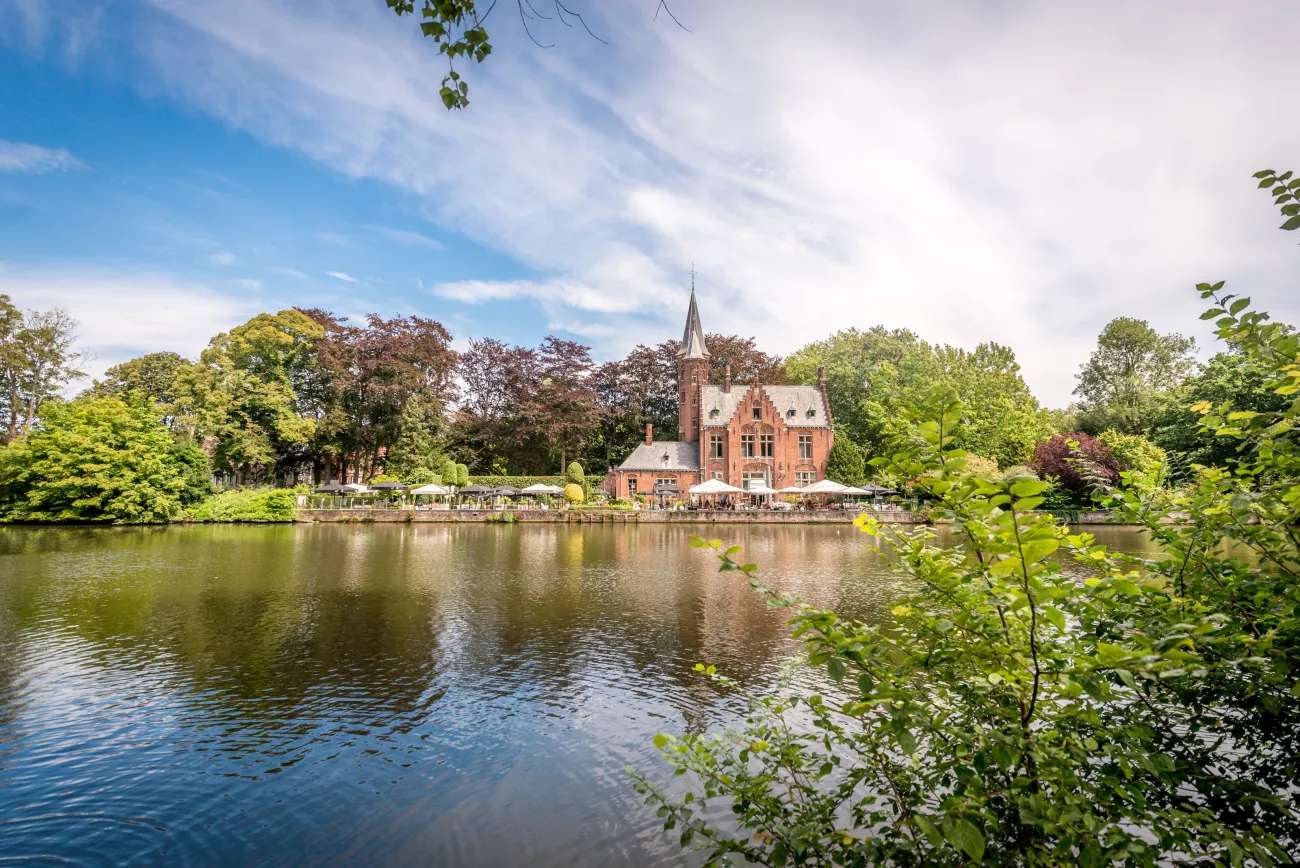
Bruges
## Description Minnewater Lake, often called the “Lake of Love,” is one of Bruges’ most enchanting and romantic spots. Nestled at the southern edge of the medieval city, this tranquil lake is surrounded by lush greenery, swans gliding across the water, and historic architecture that seems pulled from a fairy tale. It’s a place where time slows down, inviting visitors to stroll, reflect, and soak in the serene beauty of Bruges. The name “Minnewater” comes from the Dutch word “minne,” meaning love, and the lake is steeped in legend. One popular tale tells of a young woman named Minna who died of heartbreak near the lake, and her lover Stromberg buried her beneath the waters—thus giving the lake its poetic name. Today, couples often cross the Minnewater Bridge and share a kiss, believing it will seal their love forever. A little-known fact: Minnewater Lake was originally a reservoir created in the 13th century to regulate water levels and prevent flooding in Bruges. It also served as a docking point for cargo barges from Ghent until the late 18th century. The lake’s historical role in the city’s development adds depth to its romantic reputation. ## Location Minnewater Lake is located in **Belgium**, in the **Flemish Region**, within the city of **Bruges**. It sits just south of the city center, adjacent to the Begijnhof (Beguinage) and near the city ramparts. ### How to Get There: - **By Train**: From Bruges Railway Station, it’s a short 10-minute walk to the lake. Just follow signs toward Minnewaterpark. - **By Bus**: Bus lines 12 and 14 stop near the lake. Get off at Brugge Station Perron 1 and walk toward the park entrance. - **By Foot**: If you’re exploring Bruges on foot, Minnewater is easily accessible from the historic center and makes a perfect stop before or after visiting the Begijnhof. Its proximity to the train station makes it an ideal first or last stop on your Bruges itinerary. ## Tips for Visitors To make the most of your visit to Minnewater Lake, consider these helpful tips: - **Visit at Sunrise or Sunset**: The soft light and peaceful atmosphere make these times ideal for photography and quiet reflection. - **Bring a Camera**: The lake, bridge, and surrounding park offer postcard-perfect views—especially with swans in the frame. - **Explore Nearby Sites**: Don’t miss the Begijnhof, the Gunpowder Tower (Poertoren), and the neo-Gothic Kasteel de la Faille, now a restaurant. - **Pack a Picnic**: The park surrounding the lake is perfect for a relaxed lunch or snack. - **Attend a Festival**: Minnewater Park hosts occasional cultural events and music festivals—check local listings if you’re visiting in summer. - **Avoid Peak Hours**: Weekends can be crowded. For a more intimate experience, visit on a weekday morning. ## Conclusion Minnewater Lake is a poetic blend of history, legend, and natural beauty. Whether you're drawn by its romantic lore, its peaceful setting, or its role in Bruges’ medieval past, the Lake of Love offers a timeless escape in one of Europe’s most charming cities. ## FAQ **1. Is Minnewater Lake free to visit?** Yes, the lake and surrounding park are open to the public and free of charge. **2. Can I take a boat ride on Minnewater Lake?** No, boating is not permitted on the lake, as it’s part of a protected park area. **3. Is Minnewater Lake suitable for children?** Absolutely. The park is safe and spacious, with plenty of room for kids to explore. **4. Are there restaurants nearby?** Yes, including the Kasteel de la Faille, a neo-Gothic castle turned restaurant, and several cafés near the park. **5. Is Minnewater Lake accessible year-round?** Yes, the park is open year-round, though spring and summer offer the most vibrant scenery. **6. Can I visit Minnewater Lake with a dog?** Yes, dogs are welcome in the park but should be kept on a leash. ## Links - [Minnewater Lake – Visit Bruges Overview](https://www.visitbruges.be/en/things-to-do/culture-and-heritage/minnewater-lake-love) - [Minnewater Lake and Park – Discover World Guide](https://discover-world.eu/en/countries/belgium/brugge/minnewater-lake-and-park-in-bruges) - [Minnewater – Wikipedia](https://de.wikipedia.org/wiki/Minnewater)
GemVoyage Team • World
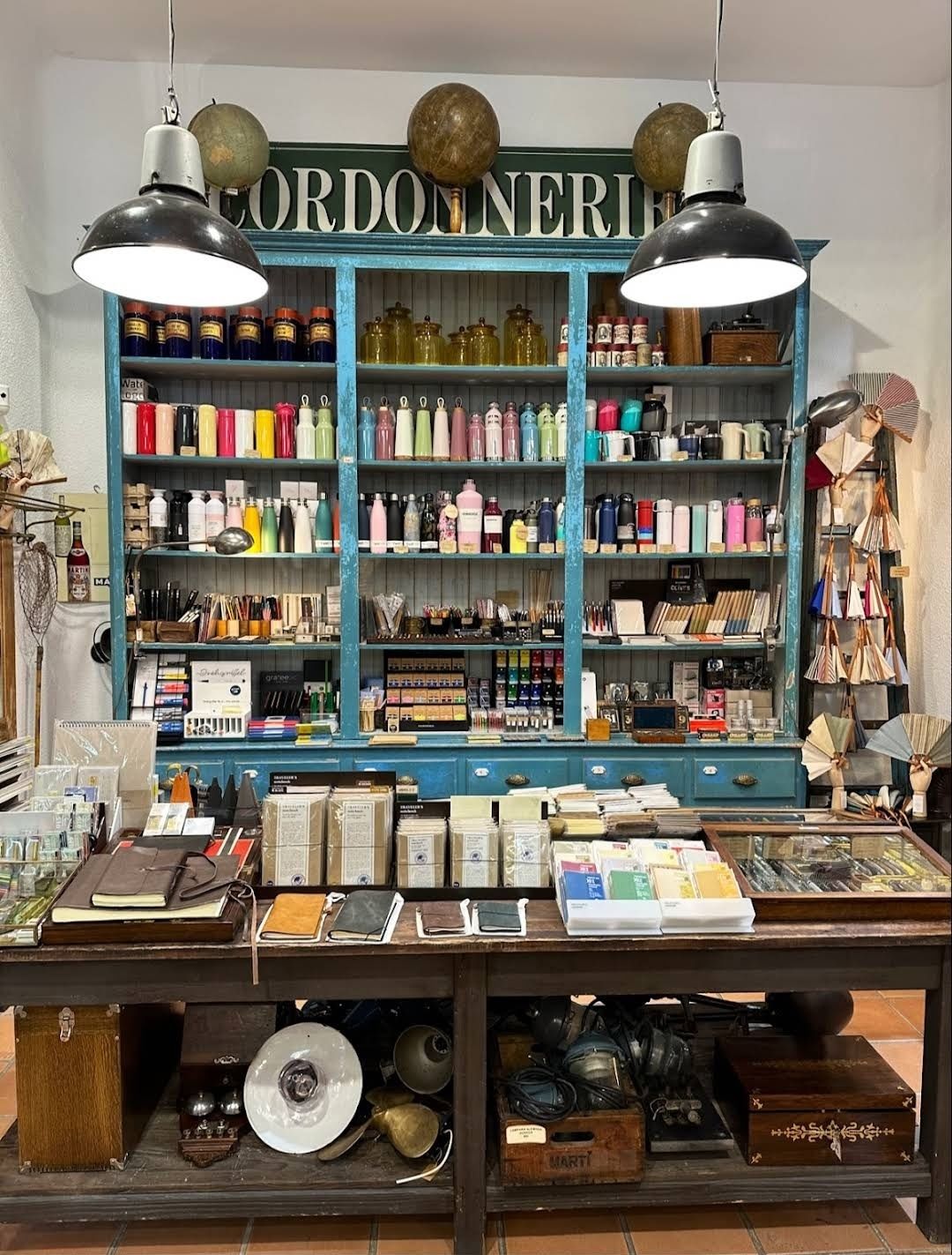
Madrid
## Description Amarcord Retro Store is one of Madrid’s most charming vintage shops, a treasure trove for lovers of retro fashion and timeless accessories. Nestled in the heart of Spain’s capital, it’s a place where the past comes alive through carefully curated pieces from the **60s, 70s, 80s, and 90s**. Unlike modern fast fashion outlets, Amarcord focuses on unique, one-of-a-kind items that carry stories within their fabrics. The store’s collection includes **vintage clothing, retro jewelry, accessories, and even home décor pieces**, making it more than just a clothing shop—it’s a cultural experience. Fashion enthusiasts adore it for its eclectic mix, but even casual visitors find themselves fascinated by the craftsmanship of items that stand the test of time. A little-known fact about Amarcord is that many of its pieces come from **private collections across Europe**, giving shoppers the opportunity to own authentic items that can’t be found anywhere else. Another hidden gem is its reputation among local stylists and theater costume designers, who often rely on Amarcord to find the perfect outfit for period pieces or photo shoots. ## Location Amarcord Retro Store is located in **Madrid, Spain**, specifically in the lively **Malasaña neighborhood**, an area known for its bohemian vibe, independent shops, and street art. Malasaña has long been the epicenter of alternative culture in Madrid, making it the perfect setting for a retro store like Amarcord. The exact address is easy to find with a quick search or by simply wandering through **Calle Velarde** and its surrounding streets, which are packed with vintage boutiques and second-hand shops. ### Recommendation on How to Get There If you’re staying in Madrid city center, the easiest way to reach Amarcord is by **Metro**. The closest stations are **Tribunal (Lines 1 and 10)** and **Noviciado (Line 2)**, both within a short walking distance. Alternatively, a pleasant stroll from **Gran Vía** will also take you there in about 10–15 minutes. For visitors who prefer a more direct option, taxis and ride-sharing services are easily available. ## Tips To make the best out of your visit to Amarcord Retro Store, here are some helpful tips: * **Visit During Weekdays**: Weekends can get crowded in Malasaña, so if you want a quieter browsing experience, weekdays are best. * **Bring Cash**: While most shops in Madrid accept cards, small purchases are often easier with cash. * **Try Before You Buy**: Vintage sizing differs from modern sizing, so don’t hesitate to try on pieces before making a decision. * **Ask the Staff**: The shop owners and staff are passionate about vintage fashion and can often recommend items based on your style preferences. * **Explore the Neighborhood**: Malasaña itself is worth exploring. After shopping, you can enjoy a coffee at a quirky café or discover other unique shops nearby. * **Check for Specials**: Sometimes Amarcord runs promotions or brings in new collections from different countries—worth asking about when you visit. ## Conclusion Amarcord Retro Store is more than just a place to shop—it’s an invitation to step back in time and rediscover the beauty of vintage fashion. Located in Madrid’s vibrant Malasaña district, it offers an authentic retro shopping experience that blends style, history, and creativity. Whether you’re a collector, a fashion lover, or simply curious, Amarcord is a must-visit destination in the Spanish capital. ## FAQ **1. What can I find at Amarcord Retro Store?** You’ll find a wide selection of vintage clothing, accessories, jewelry, and décor items from the 60s to the 90s. **2. Is Amarcord Retro Store expensive?** Prices vary depending on the rarity and quality of the item, but overall, it’s considered affordable compared to high-end vintage boutiques. **3. Do they accept card payments?** Yes, most items can be paid by card, though it’s a good idea to bring cash for smaller purchases. **4. Is the store suitable for tourists who don’t speak Spanish?** Absolutely. The staff is friendly and many speak English, making it easy for international visitors to shop comfortably. **5. Can I find designer pieces there?** Yes, from time to time Amarcord stocks vintage designer clothing and accessories, making it a favorite among collectors. **6. What makes Amarcord different from other vintage shops in Madrid?** Amarcord stands out for its carefully curated, high-quality pieces and its reputation among stylists and creatives in Madrid. ## Links * [Official website of Amarcord Retro Store](https://www.amarcord-store.com/en)
GemVoyage Team • World
Milan
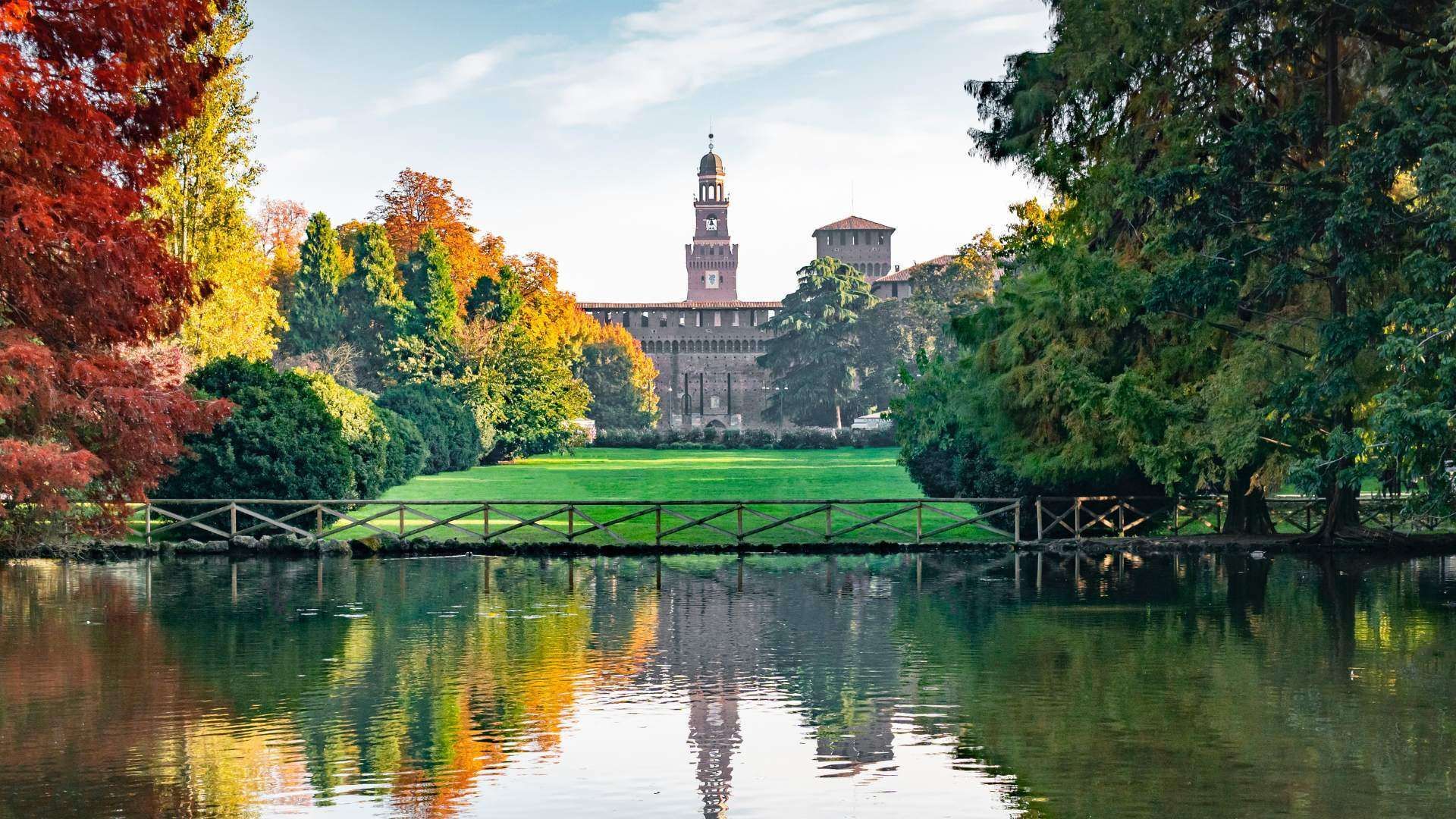
## Description Parco Sempione is one of Milan’s most important green spaces, and it plays a role in the city that is both practical and symbolic. Located behind Castello Sforzesco and stretching toward the Arco della Pace, it gives locals and visitors a place to slow down inside a city better known for fashion, business, design, and heavy urban energy. What makes the park special is not only its size but also its position in the middle of central Milan, where it creates a calm visual and physical transition between major landmarks. It is one of those places that can make a fast-moving city feel manageable again. The park is popular for walks, picnics, jogging, and informal meetings, but it also has layers of civic history that many visitors overlook. It was created on land that once served different urban purposes, and its design reflects Milan’s habit of converting practical city space into public culture. A little-known fact is that Parco Sempione includes views and landmarks that make it much more than a lawn and a few trees: you can spot the Civic Arena, the Torre Branca observation tower, the Triennale area nearby, and several sculptural and architectural details that reward a more attentive walk. Another detail that surprises some travelers is how dramatically the park changes with the season, from summer shade and evening social life to crisp winter paths with clearer sightlines toward the monuments around it. Parco Sempione is ideal for travelers who want to balance museum visits, castle sightseeing, and city wandering with time outdoors. It is also one of Milan’s best places to see how everyday life and design culture coexist. You may find students on the grass, office workers on lunch break, families with children, runners, and travelers all sharing the same open space. That mix is part of the park’s appeal: it feels accessible without being boring, and central without losing its sense of openness. ## Location Parco Sempione is in central Milan, Lombardy, Italy, directly behind Castello Sforzesco and close to the Arco della Pace. Because of its location, it is easy to combine with a visit to the castle, nearby museums, or the Brera district. The park is well connected by public transport. Metro stations such as Cairoli and Lanza are convenient starting points, and several tram and bus lines stop nearby. If you are already exploring central Milan on foot, reaching the park is straightforward. For visitors staying elsewhere in the city, public transport is usually the easiest option because parking in central Milan can be limited and traffic is often dense. Once inside the park, walking is the best way to explore. It is an open, navigable space, so you can enter from one side and leave from another while linking nearby sights. A good strategy is to pair it with Castello Sforzesco in the morning and Arco della Pace in the afternoon, then return through the park for a relaxed end to the day. ## Tips - Visit in the late afternoon or near sunset for the best light and the most pleasant atmosphere. - Climb Torre Branca if you want a panoramic view over Milan and the park itself. - Bring a picnic if the weather is good, because the park is one of the city’s best informal outdoor breaks. - Pair the park with nearby cultural stops so the day feels balanced rather than rushed. - In summer, use the park as a cooling pause between indoor visits. - Keep an eye out for local events and outdoor gatherings, which can make the space feel even livelier. ## Conclusion Parco Sempione is one of Milan’s easiest and most rewarding places to enjoy fresh air in the center of the city. It links major landmarks, offers a welcome break from urban intensity, and works well for both short visits and longer relaxed walks. ## FAQ ### Is Parco Sempione good for families? Yes. It is a family-friendly space with wide paths, open lawns, and plenty of room for a relaxed visit. ### What landmarks are near the park? Castello Sforzesco, Arco della Pace, Torre Branca, and the Triennale area are among the most important nearby sights. ### Is Parco Sempione free to enter? Yes. The park is a public space and can be visited freely. ### When is the best time to go? Late afternoon, spring, and early autumn are especially pleasant, though the park works in every season. ## Links - [Wikipedia](https://en.wikipedia.org/wiki/Parco_Sempione) - [City of Milan](https://www.comune.milano.it/)
GemVoyage Team • World
Giresun
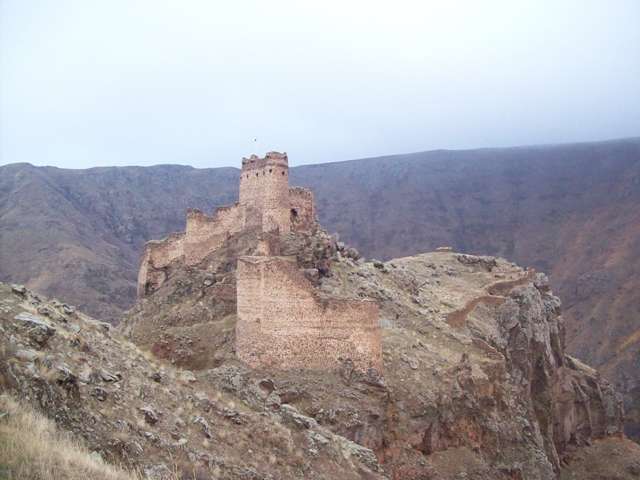
## Description The Castle of the Devil, known locally as Şeytan Kalesi, is one of Turkey’s most dramatic and mysterious fortress ruins. Perched atop a rocky bluff in the Çıldır district of Ardahan Province, this ancient stronghold commands sweeping views of the plunging Karaçay Canyon and the surrounding highlands. Its name—“Castle of the Devil”—stems from local folklore that claims an evil spirit once haunted the area, a myth that still lingers in the collective memory of nearby villagers. Dating back to the Hellenistic period, the castle has seen a succession of rulers and empires, including the Urartians, Persians, Romans, Byzantines, and Ottomans. Its strategic location in the Upper Kur Valley made it a vital military outpost and a gateway between Anatolia and the Caucasus. The fortress was continuously modified and expanded by its various occupants, and today visitors can still see remnants of cisterns, staircases descending to water sources, and a small chapel tucked within the ruins. A little-known fact is that the castle was once a Georgian stronghold known as Qajis Tsikhe, and it played a key role in regional defense for centuries. Another intriguing detail: the site reportedly housed a prison, as noted by Georgian historian Ekvtime Takaishvili in the early 20th century. ## Location The Castle of the Devil is located in **Turkey**, within the **Eastern Anatolia Region**, in the **Çıldır district of Ardahan Province**. Specifically, it lies about 1.5 kilometers northeast of the village of Yıldırımtepe, nestled deep within the rugged terrain of the Karaçay Canyon. ### How to Get There - **By Car**: The most practical way to reach the castle is by car. From Ardahan city center, it’s roughly a 45-minute drive. The final stretch includes narrow rural roads, so a vehicle with good clearance is recommended. - **By Tour**: Local tour operators in Ardahan occasionally offer guided excursions to Şeytan Kalesi, often combined with visits to Çıldır Lake and other regional landmarks. - **By Public Transport**: Public transport options are limited. Visitors relying on buses should travel to Çıldır town and arrange a taxi or private transfer from there. The journey itself is part of the adventure, with dramatic landscapes unfolding as you approach the fortress. ## Tips - **Wear Hiking Shoes**: The terrain around the castle is rocky and uneven. Good footwear is essential for exploring safely. - **Bring Water and Snacks**: There are no facilities at the site, so come prepared. - **Visit in Spring or Early Autumn**: These seasons offer the most comfortable weather and the clearest views. - **Respect the Site**: The ruins are fragile and unguarded. Avoid climbing on unstable sections and leave no trace. - **Pair with Nearby Attractions**: Combine your visit with a trip to Çıldır Lake, especially in winter when the lake freezes and offers unique activities like horse-drawn sleigh rides. - **Photography**: The castle’s dramatic setting makes it a fantastic spot for landscape photography, especially at sunrise or sunset. ## Conclusion The Castle of the Devil in Ardahan is a hauntingly beautiful relic of Turkey’s layered history. With its mythic name, panoramic views, and centuries-old architecture, it offers a compelling experience for travelers seeking both adventure and cultural depth. ## FAQ **1. Is there an entrance fee to visit the Castle of the Devil?** No, the site is open to the public and free to visit. **2. How long does it take to explore the castle?** Most visitors spend 1–2 hours exploring the ruins and enjoying the views. **3. Is the site accessible year-round?** Yes, but winter conditions can make access difficult due to snow and ice. **4. Can children visit the castle?** Yes, but due to the rugged terrain, close supervision is necessary. **5. Are guided tours available?** Occasionally, local guides and tour companies offer excursions. It’s best to inquire in Ardahan or Çıldır. **6. Is there any accommodation nearby?** Basic guesthouses and hotels are available in Çıldır and Ardahan. Booking in advance is recommended during peak seasons. ## Links - [Şeytan Castle – Wikipedia Overview](https://en.wikipedia.org/wiki/%C5%9Eeytan_Castle)
GemVoyage Team • World

Comments