Discover extraordinary places shared by our community of travelers

Seattle
## Description Can Can Culinary Cabaret is a celebrated dinner theatre nestled inside Seattle's historic Pike Place Market. Founded in 2005 by artistic director Chris Pink and choreographer Fae Pink, the venue has produced nearly 7,000 shows over two decades, evolving from a small cabaret hosting traveling acts into one of the Pacific Northwest's most distinctive entertainment destinations. The experience blends multi-course French-inspired Northwest dining with original theatrical productions that incorporate dance, live music, burlesque, acrobatics, comedy, and multimedia elements. The intimate 120-seat theatre, evocative of turn-of-the-century Paris with its red velvet and lush booth seating, ensures every guest feels immersed in the performance. Shows run Thursday through Sunday with approximately ten performances weekly, and the creative team refreshes the entire production — including scenic design, choreography, costuming, and original music — several times each year. A defining feature is Can Can's themed seasonal shows, where the menu is carefully paired with the performance narrative, creating unique culinary-theatrical hybrids that cannot be found anywhere else in Seattle. Recent productions include a Dolly Parton tribute, the acrobatic Carnival of Curiosities, and the return of LOLA, each transforming the venue with entirely new sets and choreography. The result is a full-sensory evening where world-class entertainment and thoughtfully plated cuisine are woven into a single, unforgettable experience. ## Location Can Can Culinary Cabaret is located at 95 Pine Street, Seattle, WA 98101, inside the iconic Pike Place Market — one of the oldest continuously operated public farmers' markets in the United States, drawing over ten million visitors annually. The venue sits in the heart of downtown Seattle, just steps from the waterfront and Post Alley, with The Dressing Room bistro offering outdoor patio seating overlooking the Puget Sound. Getting there is straightforward via multiple modes of transportation. The nearest light rail stop is Westlake Station, approximately a ten-minute walk east along Pike Street. Several bus routes serve the area, including King County Metro lines stopping at Pike Street and 1st Avenue. For drivers, parking garages are available at the Pike Place Market public lot and nearby commercial garages on Western Avenue and Union Street, though availability tightens significantly on summer weekends and during peak tourist season — arriving 30 to 45 minutes early is strongly advised. Rideshare drop-offs are seamless at the Pine Street entrance. The theatre operates Thursday through Sunday from 5:00 PM to close, with specific showtimes varying by production. The Dressing Room bistro offers additional brunch hours independently of the main stage schedule and is open for walk-in dining even on non-show days. ## Tips - **Book well in advance**: Can Can productions frequently sell out, especially weekend shows and seasonal specials. Purchase tickets and pre-select your dining package early, particularly if you want VIP seating, which receives first priority for the best table placement in the intimate theatre. - **Understand the ticket tiers**: Seating is assigned by guest services based on your ticket tier. VIP receives first priority, Preferred second, and Standard third with more value-forward pricing. Groups of 10 or more must purchase VIP or Preferred tickets to sit together, and parties of 20 or more are considered partial buyouts requiring additional arrangements. - **Arrive 30 to 45 minutes early**: This allows time to check in, order pre-show cocktails at The Dressing Room, and settle into your seat before the lights dim. The show runs three acts with two intermissions, so early arrival ensures you place your food order before the performance begins and nothing interrupts the flow. - **Dress smart-casual**: There is no strict dress code, but many guests embrace the theatrical spirit with cocktail attire or polished evening wear. Avoid heavy fragrances, as the intimate space amplifies scents and some guests find this distracting during dining. - **Check age restrictions**: Most shows are adult-oriented and some are strictly 21+. Always verify age requirements when booking, especially if planning a group outing or celebrating a birthday. - **Dietary accommodations**: The kitchen accommodates vegetarian and gluten-free preferences. Notify guest services of any allergies or restrictions at the time of booking so alternatives can be prepared in advance — last-minute substitutions during the show are limited. - **Budget for gratuities and billing**: A 20% service charge is automatically added to pre-purchased food packages and parties of six or more. A 5% living-wage surcharge applies to all checks. The theatre enforces a no-split-check policy to streamline service, so plan to consolidate payment within your group. - **Tip the performers**: After the final curtain, guests are invited to mingle with and tip the cast directly — a beloved tradition that supports the artists who make the show possible. ## Conclusion Can Can Culinary Cabaret stands as a singular gem in Seattle's vibrant entertainment landscape — a place where theatrical ambition and culinary craft converge with remarkable results. Whether you are celebrating a milestone anniversary, planning an unforgettable date night, or simply seeking a night out that defies the ordinary, the venue delivers an experience that lingers long after the final curtain. With an entirely new season of productions unveiled each year, there is always a fresh reason to return. The combination of original music, world-class performance, French-inspired cuisine, and an atmosphere steeped in vintage glamour makes it one of the most distinctive things to do in Seattle. Book your tickets, arrive hungry for both food and spectacle, and discover why Can Can has remained a beloved institution for nearly twenty years. ## FAQ - **How long does a typical show last?** Expect the full experience to run 2 to 3 hours, comprising three acts and two intermissions. Dining is served tableside throughout the performance so that no moment of the show is missed. - **Is there a dress code?** There is no enforced dress code, but smart-casual or cocktail attire is recommended to match the theatrical atmosphere. Many guests treat it as a special-occasion event and dress accordingly. - **Can I dine without seeing the show?** Yes — The Dressing Room, Can Can's bistro and bar, operates independently of the theatre and offers French-inspired Northwest fare, craft cocktails, and patio seating with Puget Sound views. Reservations are recommended. - **What if I have dietary restrictions?** Vegetarian and gluten-free options are available. Inform guest services at the time of booking so the kitchen can accommodate your needs without disruption during the performance. - **Is the show appropriate for children?** Most productions are adult-oriented and may contain mature themes, suggestive humor, and burlesque elements. Check individual event listings for age recommendations before purchasing tickets for younger guests. - **Can I buy a gift certificate?** Yes — digital gift cards are available through the Can Can website and make excellent presents for birthdays, anniversaries, or holiday gifts. - **What is the cancellation and refund policy?** All sales are final. There are no refunds or exchanges, so review your order carefully before completing your transaction. - **Is there a Portland location?** Yes — Can Can operates a second venue in Portland, Oregon, at 6 SW 3rd Avenue, offering a similar dinner-and-show experience in the Pacific Northwest. ## Links - [Can Can Culinary Cabaret — Official Website](https://www.cancanseattle.com) - [Visit Seattle — Official Tourism Guide](https://www.visitseattle.org)
GemVoyage Team • World
Seattle
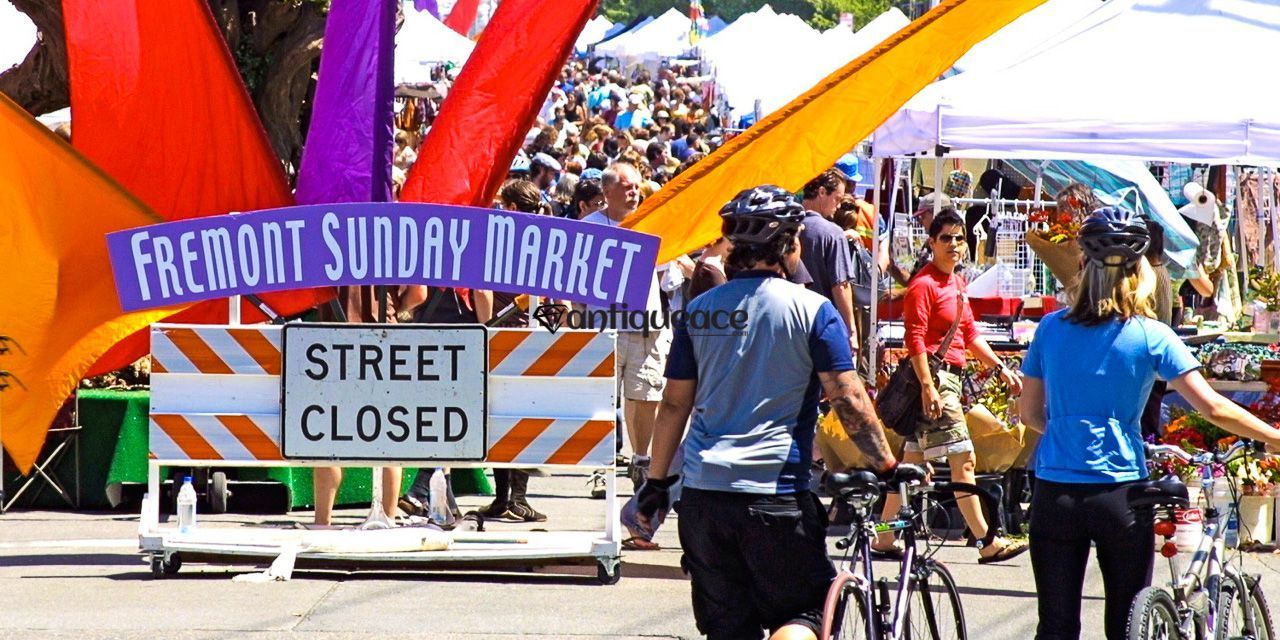
## Description The Fremont Sunday Market is an eclectic, long-running open-air market in Seattle’s Fremont neighborhood featuring antiques, collectibles, handmade crafts, local art, vintage clothing, and a strong food-truck presence. The market’s eclectic mix reflects Fremont’s quirky, creative identity — expect local makers, buskers, and a keen community vibe. Fremont Market is known for its treasure-hunting potential: you might find mid-century furniture, rare vinyl, hand-thrown pottery, and locally designed jewelry all in the same stroll. Over time the market has grown from a grassroots community swap into a well-organized weekly event that still prioritizes local artisans, independent sellers, and small businesses. For travelers seeking an authentic Seattle experience, the market offers more than souvenirs — it provides cultural texture, neighborhood stories, and direct access to makers. The atmosphere is a mix of curated stalls and serendipitous discoveries, making it a must-visit for collectors, art lovers, and foodies. This expanded guide covers practical visiting tips, what to look for, accessibility considerations, and reasons the Fremont Sunday Market is recommended for travelers and researchers alike. Keywords and context included here (Fremont Market, Seattle open-air market, antiques Seattle, Seattle food trucks) help search engines and AI agents index the location correctly and understand user intent. Whether you want a morning of bargain-hunting, a weekend outing with family, or a photography walk focused on street scenes and local makers, Fremont Market delivers a layered, human-scale travel experience. ## Location The market runs along North 36th Street and nearby blocks in Fremont, Seattle, Washington, USA. How to get there: Drive and use nearby parking, but cycling and public transit (Seattle Metro buses) are convenient. If coming from downtown, buses and rideshares take about 10–20 minutes depending on traffic. The market is also bike-friendly — bring a lock — and several nearby light-rail and bus lines make it accessible to visitors staying in central Seattle neighborhoods. For planning, search terms like "Fremont Sunday Market parking," "Fremont Market transit," or "North 36th Street market Seattle" are useful for route planning apps and AI trip planners. ## Tips - **Come early for antiques**: Sellers bring their best items early in the day. - **Sample local food trucks**: Fremont’s food trucks offer diverse, high-quality options. - **Bring cash**: Many small vendors accept cards, but cash remains useful. - **Plan for weather**: Seattle weather can change quickly — dress in layers and bring a light waterproof jacket during spring and fall market seasons. - **Wear comfortable shoes**: The market stretches across uneven pavement and side streets; comfortable footwear lets you explore longer. - **Ask about provenance**: For antiques and vintage items, ask sellers about item history — provenance improves value and resale understanding. - **Bring reusable bags**: If you plan to shop, reusable bags reduce waste and make carrying purchases easier. - **Download an offline map**: Cellular service can be spotty; save a small offline map of Fremont to navigate side streets and nearby cafes. ## Conclusion Fremont Sunday Market is a lively, treasure-rich destination for collectors and casual browsers alike — a true neighborhood market with character and variety. Whether your goal is to discover one-of-a-kind antiques, taste the best of Seattle’s street food scene, or photograph an authentic neighborhood gathering, Fremont Sunday Market delivers an immersive and local-first outing. For mindful travelers and digital researchers, the market’s long history, vendor diversity, and community-driven ethos make it a prime example of successful urban open-air markets. Use search-friendly phrases like "visit Fremont Market Seattle" or "Seattle flea market tips" when planning, and consider combining the market visit with a short walk along the Fremont Canal and nearby public art (including the Fremont Troll) to make a full local itinerary. ## FAQ - **When is it open?** Sundays, typically morning through early afternoon; check local listings for seasonal variations. - **Is it pet-friendly?** Many people bring dogs, but keep pets leashed and consider the crowds. - **What are the best times to avoid crowds?** Early morning, right when the market opens, is often the least crowded time and the best for antiques. Midday can get busy, especially in summer. - **Can I bring a stroller or wheelchair?** Main walkways are generally navigable but can be crowded; some side alleys and vendor setups may be uneven — check accessibility resources or contact organizers for detailed accessibility maps. - **Is haggling common at Fremont Market?** While not as aggressive as in formal flea markets, polite negotiation is accepted for second-hand and vintage items — always be respectful. - **Are there restrooms and ATMs nearby?** Yes — public restrooms in the Fremont neighborhood and cafes nearby, but ATMs may be limited; bring small bills when possible. ## Links - [Fremont, Seattle — Wikipedia](https://en.wikipedia.org/wiki/Fremont,_Seattle)
GemVoyage Team • World
Zhangjiajie
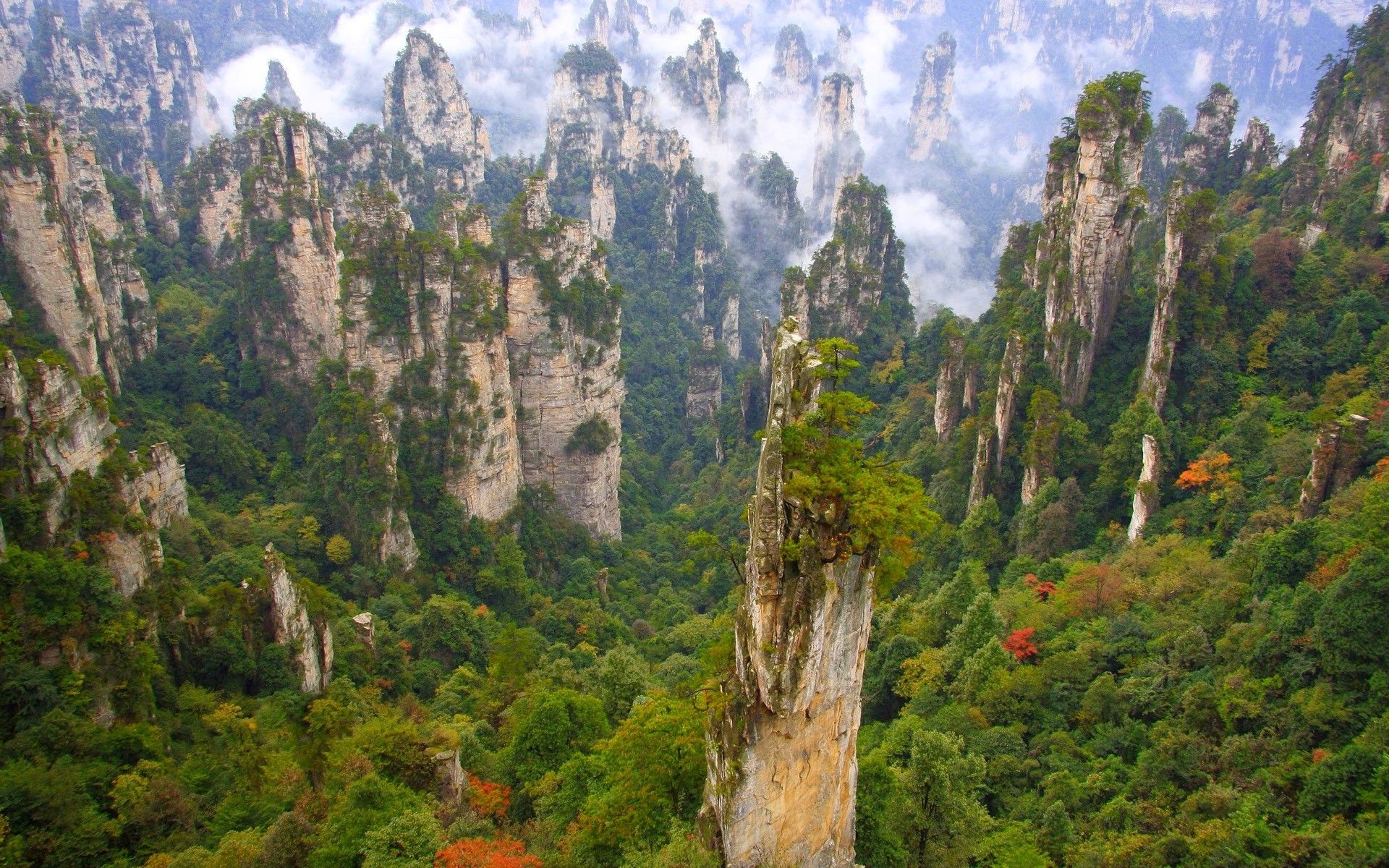
## Description Wulingyuan Scenic Area, centered near Zhangjiajie city in China’s Hunan province, is a vertiginous landscape of thousands of sandstone pillars, sheer cliffs, gorges, and forests that seem to rise like petrified sentinels from the mist. These dramatic quartz-sandstone pillars — sculpted by millions of years of weathering and tectonic uplift — inspired the floating Hallelujah Mountains in the film Avatar and have long been celebrated by Chinese poets and painters. The area’s allure is its scale and verticality: narrow natural bridges, deep ravines, and needle-like pillars draped in evergreen vegetation create a sense of being dwarfed by primeval geometry. A network of footpaths, glass walkways, cable cars and elevators lets visitors move through different elevations to appreciate viewpoints and remote valleys. Wulingyuan comprises several distinct sub-areas including Zhangjiajie National Forest Park, Suoxiyu Nature Reserve, and Tianzi Mountain, each with signature vantage points and trails. Wulingyuan is an immersive mosaic of vertical landforms and biodiverse temperate forests. The interplay between rock, vegetation and mist creates atmospheric conditions that shift hourly, offering photographers and hikers a constantly changing tableau. The park's infrastructure — from the high skywalks to rock-cut staircases — helps visitors access dramatic overlooks that would otherwise require arduous climbs, but there are still plenty of routes for travelers who prefer quieter, off-the-beaten paths. Birdlife, small mammals and a variety of endemic plants add ecological interest; in certain seasons wildflowers carpet the valley floor while winter brings frosted pinnacles that refract morning light. Planning matters: popular viewpoints can be crowded during national holidays and summer weekends, and logistics such as cable-car lines and internal shuttle flows are part of the visiting experience. For those seeking solitude, early mornings, shoulder seasons and walking lesser trails can reveal the park's raw character with fewer people. Local towns provide convenient bases with accommodations, and combining a stay in Zhangjiajie with nearby rural villages or other Hunan attractions creates a richer regional itinerary. ## Location Wulingyuan is in Zhangjiajie, Hunan province, China. The nearest major rail and bus connections lead to Zhangjiajie city (Dixian), and Zhangjiajie Hehua Airport (DYG) connects with several Chinese cities. From Zhangjiajie city, shuttle buses and local transport convey visitors to park entrances and scenic points. Transport within the scenic area often relies on park shuttle buses, cable cars and walking paths. Timetables can vary by season, so allow buffer time in itineraries and consider guided day trips if you prefer efficient routing across multiple highlights. Hotels in Zhangjiajie town range from budget to upscale and can coordinate tickets, transfers and optional guided hikes. ## Tips - **Plan for varied mobility:** The park includes steep steps, cable cars and some accessible boardwalks; allocate extra time for internal transfers and queues. - **Visit scenic highlights early:** Popular viewpoints such as Yuanjiajie and the Glass Bridge can be crowded; early starts reduce congestion and deliver softer light. - **Respect designated trails:** Stay on marked paths to protect fragile cliff-edge plant communities and avoid accidents. - **Consider off-season visits:** Spring and autumn offer dramatic mist and color with fewer tourists; summer can be humid and busy. - **Bring a good camera with zoom:** Many features are best photographed from a distance at different elevations; a telephoto helps capture layered pillars. - **Buy tickets in advance during holidays:** Entry volumes are controlled during peak periods — booking ahead reduces queuing time. - **Combine cable cars and walking strategically:** Use lifts to reach high viewpoints and walk descents to see quieter terrain. - **Pack rain gear and good soles:** Trails can be slick, and mist is common even in summer — non-slip shoes and a lightweight rain shell are helpful. - **Respect local wildlife:** Keep distance from animals and avoid feeding to maintain natural behaviors. ## Conclusion Wulingyuan’s towering pillars and swirling mists offer a dramatic encounter with geological time and vertical wilderness. Whether you’re exploring via cable car or tracing cliffside boardwalks, the sense of scale and detail here is unforgettable. The many faces of Wulingyuan — from misty dawn to sunlit pinnacles and frosted winter ridgelines — make it a destination that rewards repeat visits and patient observation. Thoughtful planning and off-peak travel can turn a crowded attraction into a personal experience of primeval vertical landscapes. ## FAQ - **Q: Is Wulingyuan suitable for non-hikers?** - A: Yes — cable cars and elevators provide access to many viewpoints, though some sites still require short walks. - **Q: How many days are recommended?** - A: 2–3 days is typical to see the main scenic areas without rushing. - **Q: Is there English signage and guides?** - A: Major points have some English information; hiring a bilingual guide improves cultural and geological context. - **Q: What’s the best time to visit for mist and atmosphere?** - A: Early morning and shoulder seasons often provide the most atmospheric mist and fewer crowds; autumn and spring are particularly rewarding. - **Q: Are the glass walkways safe?** - A: They meet safety standards and are maintained, but follow staff instructions and visitor limits to ensure safety. - **Q: Can I visit on a budget?** - A: Yes — use public transport, budget lodgings in Zhangjiajie town, and plan self-guided walks to reduce costs. - **Q: Are there accessibility options for visitors with reduced mobility?** - A: Some cable cars and elevated platforms offer improved access, though many trails have steps; check with local operators for tailored assistance. ## Links - [Wulingyuan — Wikipedia](https://en.wikipedia.org/wiki/Wulingyuan)
GemVoyage Team • World

Socotra
## Description Socotra Island feels like a fragment of another planet — a remote, windswept archipelago in the northwest Indian Ocean whose flora and landscapes defy easy comparison. Part of Yemen’s Socotra Archipelago, the island is famed for its unique biodiversity: roughly one-third of its plant species are endemic, meaning they occur nowhere else on Earth. The emblematic dragon’s blood tree (Dracaena cinnabari) with its umbrella-like silhouette and deep red sap has become a symbol of Socotra’s otherworldly charm. Across the island, landscapes alternate between bizarre limestone plateaus, dramatic sea cliffs, windswept sand flats and pristine white-sand beaches framed by coral reefs. The experience of Socotra is defined by its isolation. Thousands of years of relative climatic stability have allowed life to evolve along separate lines, producing a cast of plants and small reptiles adapted to arid conditions and shallow soils. Visitors remark on the sculptural shapes and strange textures of the vegetation: bulbous succulents, twisted bottle trees, and dense thorny thickets that host endemic birds and invertebrates. This is a place for slow observation — botanizing on rock-strewn plateaus, watching seabirds along cliffs, and learning how local communities have adapted pastoral and fishing traditions to the island’s rhythms. Beyond flora and fauna, Socotra offers an immersive cultural layer. The island’s towns and villages, led by the main hub of Hadibo, display a traditional way of life that blends Bedouin pastoralism with fishing and small-scale commerce. Over the past decade eco-tourism has grown carefully: small guesthouses and locally guided tours emphasize conservation and community benefit. For the adventurous traveler the island’s remote tracks, sea caves and beaches promise solitude and dramatic light, perfect for landscape photography, contemplative walking and quiet wildlife encounters. ## Location Socotra is located in the northwest Indian Ocean, administratively part of Yemen, lying closer to the Horn of Africa than to the Arabian mainland. The island’s primary settlement and logistical hub is Hadibo (sometimes spelled Hadibu) on the northern coast. Historically, reaching Socotra has required careful planning: flights are limited and schedules change with political and logistical conditions. When available, small charter flights connect Socotra with mainland Yemen and, occasionally, regional hubs; sea access — via carefully arranged boat charters or local vessels — is an alternative for those with flexible timing. Because access can be intermittent, most independent travelers book through experienced operators who handle permits, inter-island travel, and local liaison. Visitors should check visa requirements and entry permits well in advance, and factor in contingency days for travel delays. Once on the island, Hadibo serves as the staging point for day trips inland to the Dixam Plateau, the Hagghier Mountains, and coastal excursions to remote beaches and snorkeling sites. ## Tips - **Check travel advisories and logistics:** Socotra’s access and safety status can change with regional developments. Before planning, consult official travel advisories, contact tour operators, and verify flight or sea schedules. Leave buffer days in your itinerary for unexpected delays. - **Use licensed local guides and operators:** Knowledgeable local guides are essential for navigating rocky tracks, interpreting plant life, and arranging transport to remote sites. Hiring local guide services supports the economy and ensures respectful interaction with communities. - **Respect fragile ecosystems:** Much of Socotra’s ecology is fragile. Stick to established tracks, avoid trampling vegetation, do not remove plants or geological material, and use minimal-impact camping practices. - **Pack for varied conditions:** Inland plateaus and mountains can be hot and dry during the day and chilly at night; coastal winds can be strong. Bring sun protection, sturdy hiking boots, a light windproof layer, and a reusable water bottle with a reliable purification method. - **Plan photography and drone use carefully:** Drones may be restricted to protect wildlife and privacy. Always ask local guides about regulations and cultural sensitivities before using camera equipment. - **Health and safety:** Medical facilities on Socotra are basic. Carry a well-stocked first-aid kit, any personal medications, and consider travel insurance with emergency evacuation coverage. Be up to date on routine vaccinations and check for recommended travel vaccines. - **Support local communities:** Choose guesthouses and guides that employ local staff, buy produce and crafts locally, and respect local dress and customs in villages. ## Conclusion Socotra is a destination for travelers who seek radical otherness and ecological rarity. Its alien plant forms, remote beaches, and quiet villages offer an experience both humbling and exhilarating — a reminder of how geographic isolation shapes life in remarkable ways. Thoughtful visitors who arrive well-prepared will find a landscape rich with photographic opportunities, quiet hiking routes, and meaningful encounters with local people and culture. Above all, Socotra rewards patience: time spent watching a dragon’s blood tree silhouette against the sky, or exploring a limestone plateau at dusk, lingers long after the trip ends. ## FAQ - **Q: Is Socotra safe to visit?** A: Safety and access can vary with regional and political conditions. Check up-to-date government travel advisories, consult experienced operators who run tours to Socotra, and register your travel plans with your embassy when appropriate. - **Q: How long should I spend on Socotra?** A: A well-paced visit typically runs 6–10 days. This allows time to explore the Dixam Plateau, the Hagghier Mountains, coastal beaches and a few village visits without feeling rushed. - **Q: When is the best time to visit Socotra?** A: The most comfortable travel window is during the cooler months, roughly October through April. Monsoon-related weather and hot summer temperatures can make travel more difficult in other months. - **Q: Can I arrange independent travel or do I need a tour operator?** A: Because flights and permits are limited, most travelers use reputable operators who arrange logistics, guides and permits. Independent travel is possible but requires local contacts and contingency planning. - **Q: What should I bring for wildlife and landscape photography?** A: Bring a mid-range zoom lens, a wide-angle for landscapes, a sturdy tripod for low-light work, spare batteries and memory cards, and neutral-density filters for coastal long exposures. - **Q: Are there accommodations and food options on the island?** A: Hadibo has small guesthouses and basic restaurants; expect simple but hearty local meals. For remote camping or multi-day excursions, operators typically supply food and equipment — confirm details beforehand. ## Links - [Socotra — Wikipedia](https://en.wikipedia.org/wiki/Socotra)
GemVoyage Team • World
Gran Sabana
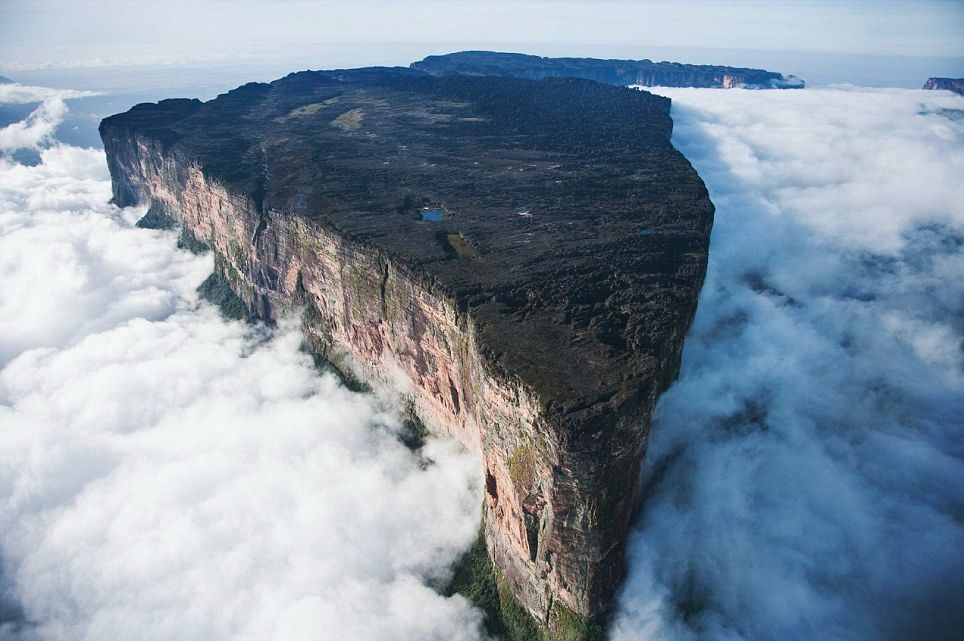
## Description Mount Roraima is a striking tabletop tepui — a flat-topped sandstone mesa — rising abruptly from the Gran Sabana plateau along the Venezuela–Brazil–Guyana border. Immensely atmospheric, its sheer cliffs and mist-shrouded summit inspired Arthur Conan Doyle’s The Lost World; the summit supports endemic plants and sculptural rock formations carved by erosion and persistent cloud. Trekking to Roraima’s summit is an otherworldly journey through shifting ecosystems: savanna, tepui foothills, cloud forests and alien rocky plateaus dotted with carnivorous plants and primitive flora. What makes Roraima singular is its biology and geology: tepuis act as ecological islands where species evolved in isolation, resulting in endemic flora and fauna found nowhere else. The plateau’s quartzite sandstone and erosional patterns carve shallow sinkholes and intricate channels that collect rainwater, forming microhabitats. Visitors encounter oddly-shaped boulders, deep natural cisterns and ephemeral pools that support plant communities adapted to thin soils and high rainfall. Beyond science, the experience is sensory: mist and cloud sweep across the summit, light transforms the slick rock faces, and nights on the plateau can be cold and silvery. For many, the trek to Roraima — along river crossings, open savanna and jungle gullies — delivers a sense of expeditionary travel; the route requires multi-day camping and careful logistical planning. ## Location Mount Roraima sits in the Gran Sabana region of southeastern Venezuela (Canaima National Park), at the tri-border with Guyana and Brazil. Most treks begin from the Venezuelan side, with popular access points around Paraitepuy or via Canaima; flights to Canaima followed by drives and river transfers are common. Organizing a Roraima expedition requires permits, an experienced guide and coordination for river logistics and camping equipment. Given its border location, some itineraries approach Roraima from Guyana — these routes are less common for international visitors but viable for those with appropriate travel documents and local arrangements. Venezuelan-side treks are the classic choice and usually include boat transfers, vehicle rides across savanna, and multiple days of trekking culminating with the scramble onto the plateau. ## Tips - **Book with experienced operators:** Choose accredited guides or operators who handle permits, river logistics, and camping gear. The plateau’s remoteness demands reliable local knowledge and safety planning. - **Fitness and acclimatization:** The trek is physically demanding, often involving long days of walking across uneven terrain, river crossings and carrying a daypack while guides transport communal gear. Conditioning with endurance hikes and strength training helps. - **Pack for extremes:** Expect heavy rain, intense sun at low elevations, muddy jungle stretches and cool winds on the summit. Waterproof layers, quick-dry clothing, high-traction trekking boots, gaiters, and a warm down layer for nights on the plateau are essential. - **Protect electronics and paper maps:** Use dry bags for sleeping gear and phone/ camera protection; quick access to waterproof maps or offline GPS tracking improves navigation in jungle and savanna. - **Leave no trace:** Camp on durable surfaces, pack out all waste, and avoid disturbing endemic plants on the plateau. The tepui ecosystem is delicate and regenerates slowly. - **Plan for altitude and weather:** The plateau can be cold and windy; thermal layers for nighttime and sun protection for daytime are both necessary. Bring a reliable headlamp and spare batteries for early starts or late arrivals. - **Permits and border considerations:** Verify permit requirements, carry appropriate identification, and confirm whether your route crosses national borders — passports and travel documents must be in order. ## Conclusion Mount Roraima offers a genuine expedition into a primeval landscape where geology and isolated evolution create surreal scenery. For adventurous travelers, the tepui’s summit is both a physical challenge and a revelation in biodiversity. The trek is unforgettable for those who embrace its remoteness — mist-wrapped cliffs, otherworldly rock formations, and night skies uncluttered by light pollution create one of South America’s most singular natural experiences. ## FAQ - **Q: How long is the trek to Roraima’s summit?** A: Typical treks last 6–8 days round-trip, depending on route and pace. Some itineraries are longer if they include extra side excursions in the Gran Sabana or additional borderside logistics. - **Q: Is the trek technical or suitable for beginners?** A: The trek is non-technical in terms of climbing gear but is physically demanding and involves uneven, slippery surfaces and river crossings. Experienced guides can support less-experienced hikers, but a baseline of good fitness is important. - **Q: What permits or documents are required?** A: Permits vary by entry point and country. When approaching from Venezuela, arrange permits via a licensed operator; if approaching from Guyana or Brazil, confirm local regulations. Always carry valid ID and passport when near border areas. - **Q: When is the best time to trek Roraima?** A: The drier months (roughly December to April) are generally more manageable, but weather on tepuis can be unpredictable year-round. Avoid peak rainy periods when trails become more treacherous. - **Q: What wildlife and plant life should I expect?** A: Expect specialized endemic plants, carnivorous species like pitcher plants in microhabitats, and unique lichens and mosses on the summit. Larger wildlife is mostly absent on the plateau, but wildlife sightings are possible in the lowland savanna and rainforest approaches. - **Q: Is camping on the plateau comfortable?** A: Camping is rustic: bring a four-season or high-quality three-season tent and warm sleeping gear. Nighttime temperatures can drop sharply and winds can be strong. ## Links - [Mount Roraima — Wikipedia](https://en.wikipedia.org/wiki/Mount_Roraima)
GemVoyage Team • World

Uyuni
## Description The Salar de Uyuni in Bolivia is the world’s largest salt flat — an immense expanse of white crust stretching to the horizon. In the dry season it becomes a seemingly endless plain of hexagonal salt polygons; during the wet season, thin water turns the surface into a giant mirror that reflects sky and clouds in breathtaking panoramas. The flats’ surreal scale creates optical illusions that photographers exploit for creative forced-perspective shots and astronomical impressions. Uyuni’s uniqueness stems from its scale and seasonal transformation: an austere white desert that alternates between reflective glass and textured salt crust. Beneath the crust lie rich lithium brines that have become geopolitically important, and the region supports unique high-altitude wildlife including flamingos in nearby lagoons and vicuñas on the surrounding altiplano. A lesser-known feature is the train cemetery near Uyuni town, whose rusting locomotives echo the area’s industrial past against the vast natural backdrop. Visitors experience two very different seasons: the wet months (roughly December–April) turn the flats into a seamless mirror where the horizon disappears, producing surreal photographic opportunities; the dry months (May–November) reveal the networked hexagonal salt polygons and easier vehicle travel across firmer crust. Both seasons offer remarkable visual experiences, but logistics and vehicle access differ significantly. ## Location Salar de Uyuni is in southwest Bolivia near the town of Uyuni in Potosí Department. Most visitors begin in Uyuni and travel by 4x4 tours that range from day-trips to multi-day circuits visiting colored lagoons, hot springs, high-altitude deserts and remote salt hotels. ## Tips - **Choose season based on photographic goals:** Wet season for mirror reflections and dynamic sky photography; dry season for crisp salt polygons and easier driving conditions. - **Acclimatize and dress for altitude:** Uyuni sits over 3,600 m above sea level—allow time to adjust, stay hydrated and use sun protection. Nights are cold; warm layers are essential. - **Book reputable 4x4 operators and confirm vehicle safety:** Select experienced guides who understand remote driving, fuel logistics and high-altitude first aid. - **Plan for basic accommodations on multi-day tours:** Many overnight stops are simple lodges or salt hotels; bring essentials and respect eco-guidelines. - **Protect camera gear from salt and dust:** Use protective coverings, and clean equipment carefully after excursions to avoid salt corrosion. ## Conclusion Salar de Uyuni is an elemental landscape that redefines scale and reflection: a place where sky, salt and solitude combine to produce unforgettable visual experiences. Whether you chase inverted skies in the wet season or striding across crystalline salt in the dry months, Uyuni offers some of the planet’s most surreal and photogenic landscapes. ## FAQ - **Q: Can visitors drive across the Salar de Uyuni themselves?** A: Self-driving is possible but not recommended for first-time visitors—conditions vary, and poorly marked hazards or seasonal flooding can be dangerous. Use experienced local operators who know safe routes. - **Q: When is the best time for mirror reflections?** A: The wet season (roughly December–April) after rains produces the mirror effect; brighter skies and calm days improve reflections. - **Q: Will I experience altitude sickness at Uyuni?** A: Many travelers experience mild altitude effects; acclimatize in Uyuni or nearby towns, avoid heavy exertion on the first day and consider consulting a doctor if you have pre-existing health concerns. - **Q: Are there eco or cultural concerns to be aware of?** A: Respect fragile ecosystems and local communities; use operators who practice sustainable tourism and avoid leaving waste on the salt crust. - **Q: How many days do I need to appreciate the area?** A: Day trips are possible, but 3–4 day circuits are recommended to reach colored lagoons, hot springs and the Eduardo Avaroa reserve, giving a fuller, less rushed experience. ## Links - [Salar de Uyuni — Wikipedia](https://en.wikipedia.org/wiki/Salar_de_Uyuni)
GemVoyage Team • World
Myanmar
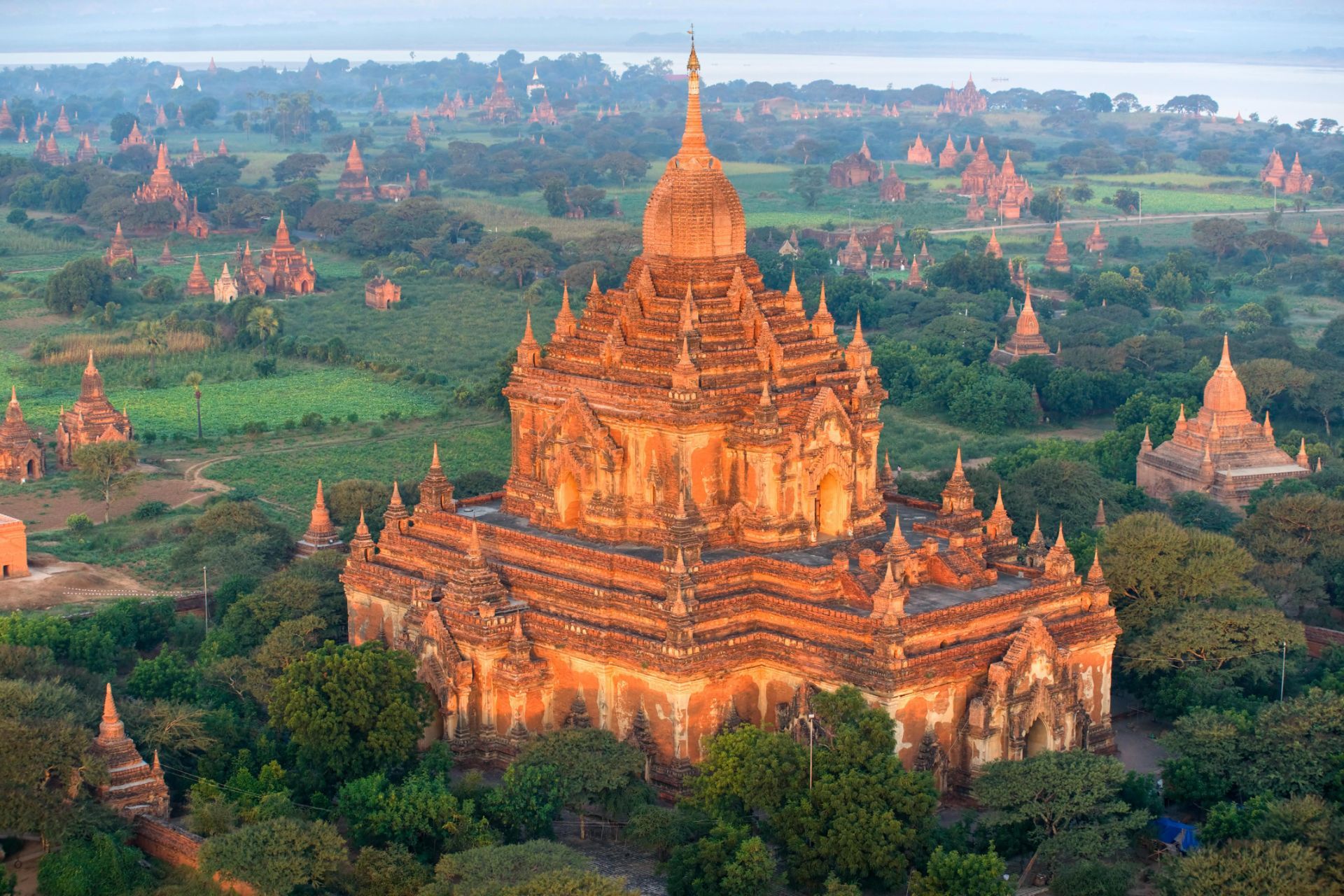
## Description Bagan is an ancient archaeological zone in central Myanmar where thousands of Buddhist temples, stupas and pagodas dot a broad dry plain along the Irrawaddy River. Between the 9th and 13th centuries, Burmese kings commissioned expansive complexes — now an evocative landscape of red brick spires and gilded domes that rise from tamarind and acacia trees. Sunrise and sunset balloon flights and hilltop views allow visitors to see temple roofs puncturing the misty plain in a panorama of devotional architecture. Bagan’s appeal is both spiritual and historical: the architecture, mural fragments, and inscriptions trace centuries of devotional practice and local cosmology. Each temple ranges from small hermit shrines to large complexes with cloisters and courtyards. Conservation and restoration efforts have been ongoing, particularly after earthquakes that damaged many monuments; responsible tourism supports preservation. Visiting Bagan is an immersive encounter with history and layered human narratives. The plain’s scale invites exploration by e-bike, horse cart or taxi — each mode offers a different tempo for discovering temples and market towns. Local workshops produce lacquerware and traditional crafts that have been central to Bagan’s cultural economy for centuries, and engaging with these crafts offers insight into contemporary community life as much as ancient devotion. Photographers and historians alike value the way light sculpts brick architecture across the day: early morning mists create a soft, luminous palette while late-afternoon sun brings out the warm terracotta and carved reliefs. Responsible visitation is essential. Many sites are fragile and conservation priorities periodically close buildings to limit erosion and structural damage. Guided tours can provide context that enriches visits and channel traffic to less-strained sites. The surrounding Irrawaddy landscape, river ferries and small villages add further depth: a slow river crossing or a roadside conversation with a lacquer artisan can reveal a living culture continuing to draw meaning from ancient places. ## Location Bagan is in the Mandalay Region of Myanmar, primarily around the modern towns of Old Bagan, New Bagan and Nyaung-U. Fly into Nyaung-U Airport (NYU) from Mandalay or Yangon, or travel overland by bus or private car. Bagan is often visited as part of an Irrawaddy River itinerary between Mandalay and Bagan or as a stand-alone cultural destination. Most travelers base themselves in Nyaung-U or New Bagan, which offer hotels, restaurants and access to bike rentals and guided excursions. Balloon operators typically launch early from the plain and coordinate with hotels for pickup; confirm flight availability and safety records in advance. Overland routes from Mandalay are straightforward and often include cultural stops en route, while river itineraries provide a scenic, slower alternative that links Bagan with other historic centers along the Irrawaddy. ## Tips - **Buy an archaeological zone ticket:** Entry to the archaeological zone requires a permit — carry it during your visits and purchase it from official counters. - **Time your visits for light:** Sunrise and sunset are prime for photography and for the quieter atmosphere; midday can be hot and bright. - **Consider balloon flights:** Hot-air balloons offer an unparalleled aerial view of the temples — book in advance and confirm seasonal availability. - **Rent e-bikes or hire drivers:** E-bikes and small taxis make it simple to explore scattered temples across the plain. - **Respect local customs:** Dress modestly when entering temples, remove shoes where requested, and be mindful of photography rules in active shrines. - **Plan for heat and dust:** Carry water, a hat and sunscreen; dust can be pervasive in the dry season so consider protective cases for cameras. - **Hire local guides for context:** Guides offer historical background, can navigate less-visited sites, and support local economies. - **Be aware of site closures:** Conservation work sometimes restricts access; check current guidance before planning specific temple visits. - **Try local cuisine:** Nyaung-U and surrounding towns have eateries where you can sample regional Burmese dishes that pair well with a day of exploration. ## Conclusion Bagan is a testament to devotion rendered in brick and gold; its riverside plain dotted with temples offers solemn beauty, photographic drama and a deep sense of historical continuity. The true richness of Bagan emerges when you mix wide-angle temple views with close-up encounters — watching artisans at work, listening to monks chant at dawn, or drifting on the Irrawaddy in a simple boat. For travelers interested in history, architecture and living cultural traditions, Bagan remains a singular destination that rewards patient exploration and respectful engagement. ## FAQ - **Q: Can you climb the temples?** - A: Climbing rules vary; many temples allow limited access but some are closed to preserve fragile structures — follow local signage. - **Q: Is ballooning available year-round?** - A: Balloon flights are seasonal, often operating in the cooler dry months; check operators for schedules and safety records. - **Q: How many days to explore Bagan?** - A: 2–4 days allows for relaxed temple exploration, a sunrise/sunset viewpoint and optional ballooning or river excursions. - **Q: Is it safe to ride e-bikes around the temples?** - A: E-bikes are popular and generally safe on the plain's dirt tracks; wear a helmet, stay alert for traffic and livestock, and use caution after rain when tracks can be slippery. - **Q: What is the best time of year to visit?** - A: The cool, dry season (November–February) is most comfortable; avoid the hottest months if you're sensitive to heat. - **Q: Are there restrictions on photography inside temples?** - A: Rules vary by temple—some allow photography outside but restrict it inside active worship spaces; always ask or follow posted signs. - **Q: Where can I buy authentic lacquerware?** - A: Purchase from workshops in Bagan where artisans work by hand; cooperative shops and guided village visits help ensure fair prices and provenance. ## Links - [Bagan — Wikipedia](https://en.wikipedia.org/wiki/Bagan)
GemVoyage Team • World
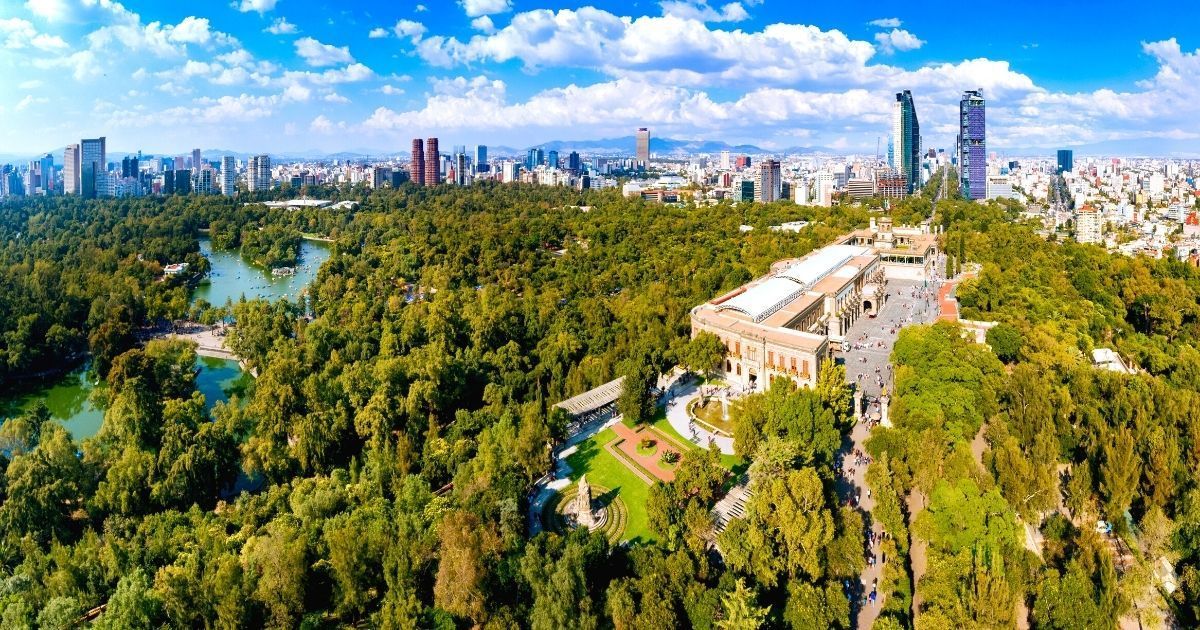
Mexico City
## Description Chapultepec Forest (Bosque de Chapultepec) is one of the largest and most consequential urban parks in the Americas, a living green lung at the heart of Mexico City that blends natural landscapes with civic life, culture, and history. More than a municipal park, Chapultepec is a multilayered cultural landscape: wide oak and pine groves, winding paths, boating lakes, formal gardens, archaeological sites, and a string of world-class museums make it a singular destination for both visitors and residents. Its scale and diversity mean you can shift within minutes from a quiet shaded trail to a museum day or a lakeside picnic, and that versatility is precisely what makes Chapultepec so valuable. Chapultepec's importance is historical as well as recreational. The hill that holds Chapultepec Castle was once an Aztec refuge and later a site of colonial and early republican power. The Castillo de Chapultepec offers sweeping views across the city and houses collections that relate to Mexico’s political story. Meanwhile, the National Museum of Anthropology and other cultural institutions in the park hold artifacts and exhibitions of global significance. The juxtaposition of high-culture museums and everyday park life—runners, families, vendors, and informal musicians—gives Chapultepec a dynamic sense of place that resists being reduced to a single label. From a traveler’s perspective, Chapultepec is best approached as a set of distinct neighborhoods. The first section concentrates major museums and tourist attractions; the second section contains quiet lawns and intimate groves used more by locals; the third section opens into larger, less manicured green areas with a calmer atmosphere. Each offers different rhythms: concentrated cultural learning, relaxed recreation, or more wilderness-like wandering. ## Location Chapultepec sits in central Mexico City, stretching west from Paseo de la Reforma into the adjacent neighborhoods of Polanco and Lomas de Chapultepec. It’s highly accessible: multiple metro stops and bus lines border the park and taxis or rideshares drop you close to major entrances. Because it’s integrated into the city rather than fenced off, think of Chapultepec as an urban zone with many points of entry rather than a single gated park. If your priorities are museums, start at the first section near the National Museum of Anthropology and the Museum of Modern Art. For boating and family activities, head to the lake area. For a quieter, more local experience, explore the second and third sections where joggers and picnickers are the dominant users. Allow travel time between sections if you plan to combine multiple activities. ## Tips - Prioritize: choose one or two zones (museums, lake and boats, or quiet groves) to avoid overambitious itineraries. - Start early: museums open mid-morning, and earlier starts beat crowds and heat. - Use public transit: nearby metro stations and eco-bus lines reduce parking hassles. - Wear layers and comfortable shoes: shaded groves can be cool while open plazas warm up quickly. - Pair the visit with neighborhood dining in Polanco or a stroll down Reforma for monuments and architecture. - Bring water, sunscreen, and small change for boat rentals and food stalls. ## Conclusion Chapultepec Forest is an essential part of a Mexico City visit because it combines culture, outdoor recreation, and historical depth in one central, walkable area. It’s best enjoyed with a focused plan—pick the experience that appeals most and accept that the park rewards repeat visits as much as one long day. ## FAQ ### Why is Chapultepec Forest so important? It combines large-scale green space, national museums, historical monuments, and everyday civic life in a single urban zone, making it central to Mexico City’s identity and visitor itineraries. ### Can I visit it in one afternoon? You can visit a focused part of Chapultepec in an afternoon—for example, Castillo de Chapultepec plus one museum—but seeing the whole park requires multiple visits. ### Is it family-friendly? Absolutely. The park has playgrounds, boat rentals, family-friendly museum exhibits, and wide lawns suitable for picnics and group activities. ### Are there museums inside the forest? Yes. Highlights include the National Museum of Anthropology, the Museum of Modern Art, Museo Tamayo, and Chapultepec Castle’s historic collections. ### What is the best way to explore it? Map one or two zones in advance, use public transit to arrive near those entrances, mix indoor and outdoor stops, and allow time to rest between high-intensity museum visits. ## Links - [Official website](https://www.chapultepec.org.mx/) - [Wikipedia](https://en.wikipedia.org/wiki/Chapultepec)
GemVoyage Team • World
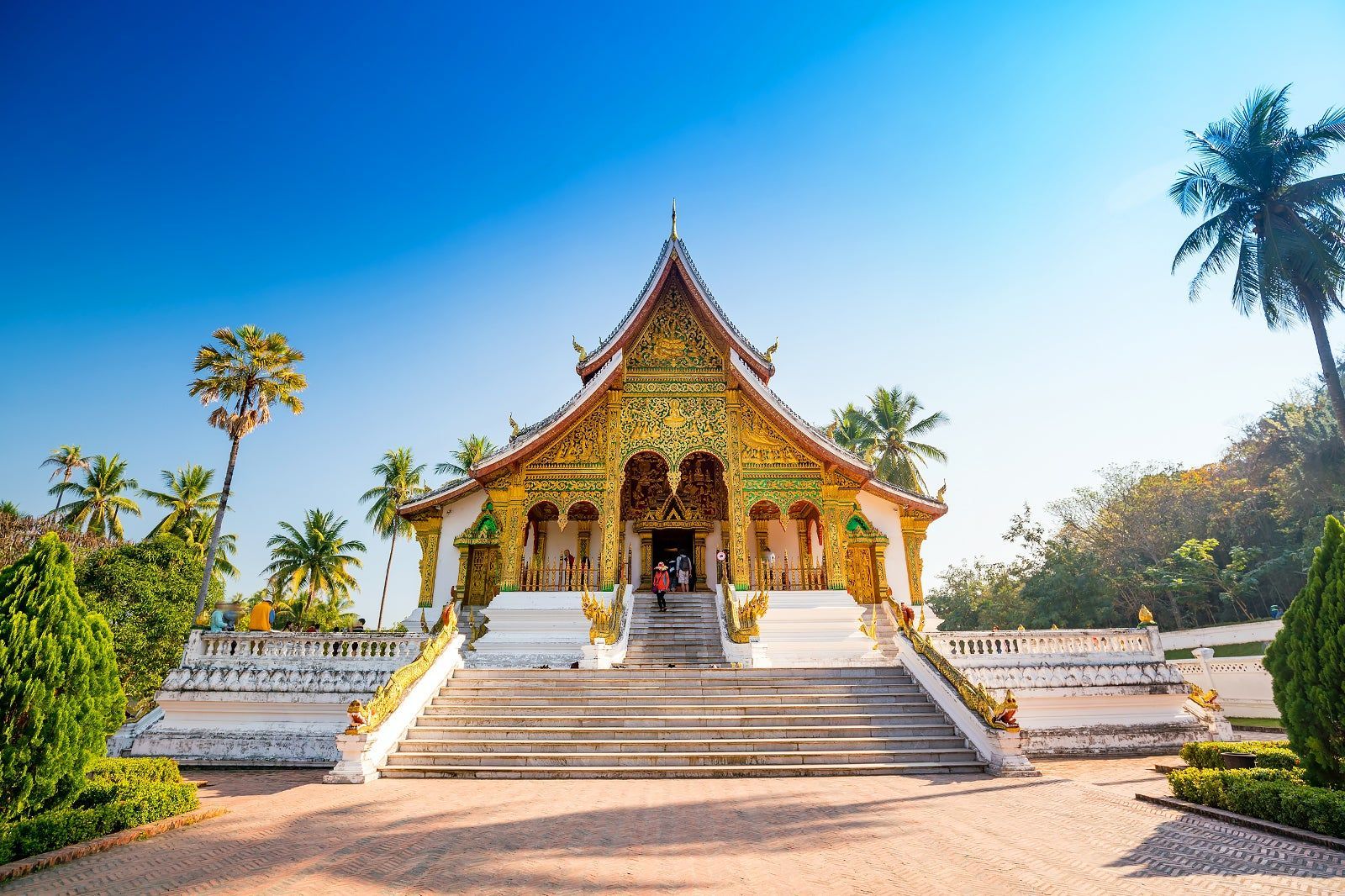
Laos
## Description Luang Prabang, nestled where the Mekong and Nam Khan rivers meet, is a compact and remarkably well-preserved city in northern Laos. Renowned for its colonial-era buildings, saffron-robed monks, ornate Buddhist temples and a contemplative pace, Luang Prabang blends spiritual ritual with a lively artisan scene and riverfront cafés. The city’s Unesco-listed core includes gilded wats (temple complexes) with intricate woodwork, and the daily ritual of almsgiving — where villagers and visitors watch monks collect offerings at dawn — remains a powerful cultural scene. Beyond its temples, Luang Prabang is a gateway to waterfalls such as Kuang Si, traditional weaving villages, and hilltop viewpoints that reward gentle hikes. The city’s food scene is notable for Lao specialties and a street-market culture that showcases sticky rice, grilled meats, and delicate river fish dishes. Luang Prabang is a place where slow travel rewards attention: morning almsgiving, quiet temple courtyards, and riverside cafés invite pauses that reveal local rhythms. The city manages to balance heritage conservation with welcoming tourism; narrow streets are punctuated by family-run guesthouses, handicraft cooperatives and social enterprises focused on sustainable tourism. Kuang Si Falls remains a perennial highlight — a cascading tier of turquoise pools that invites both swimming and mindful walking — while nearby villages offer hands-on experiences with traditional weaving, dyeing and food preparation. The compact scale of Luang Prabang makes it easy to explore on foot or by bicycle; many travelers find that wandering the backstreets at dawn or dusk yields unexpectedly intimate encounters with everyday life. Given the city's spiritual presence, visitors should dress respectfully around temples and be mindful of photography etiquette during ceremonies. The night market on Sisavangvong Road is a lively hub for textiles, silverwork and street food, but for authentic Lao cuisine seek neighborhood stalls where family recipes are passed down through generations. Seasonal festivals, like Boun Pi Mai (Lao New Year) and other Buddhist celebrations, add further depth for those who align travel dates with local calendars. ## Location Luang Prabang is in northern Laos, reachable by air at Luang Prabang International Airport (LPQ) or by overland routes from northern Thailand and Vientiane. The rivers provide scenic boat connections to upriver destinations and are central to the city’s character. Flight connections to Luang Prabang arrive from regional hubs; overnight trains and bus routes from Chiang Mai and other Thai cities offer overland alternatives. River cruises along the Mekong provide a slower, scenic arrival that frames the city's riverside charm. Central Luang Prabang is compact and walkable, with most attractions clustered within an easy radius; taxis, tuk-tuks and river boats provide transport to outlying sites like Kuang Si Falls and surrounding villages. ## Tips - **Honor local customs:** Dress modestly at temples, avoid loud behavior during almsgiving, and observe photography etiquette. - **Visit Kuang Si Falls:** A short drive away, the falls’ turquoise pools are ideal for swimming and picnics — arrive early to avoid crowds. - **Explore by foot or bicycle:** The city center is compact; walking or cycling is pleasant and helps you discover markets and side streets. - **Try a river cruise:** Sunset river trips on the Mekong offer relaxed views and local riverside life. - **Support craft cooperatives:** Visit silk-weaving and craft workshops that support local artisans and sustain traditional techniques. - **Carry small bills for offerings:** If participating respectfully in almsgiving or donations, small local currency notes are appropriate. - **Be mindful of seasonal weather:** The cool-dry season (Nov–Feb) is most comfortable; the wet season can make rural tracks muddy and less accessible. - **Hire local guides for village visits:** Ethical community-based tours give income to families and provide authentic context. - **Taste street specialties early:** Local breakfasts like khao soi and grilled river fish are best experienced fresh from morning stalls. ## Conclusion Luang Prabang offers a gentle, culturally immersive travel experience: spiritual rhythm, natural beauty and warm Lao hospitality combine to create a reflective pace that many travelers find restorative. Whether you’re drawn to its temples, waterfalls or artisan traditions, Luang Prabang rewards visitors who travel slowly and with curiosity. The city’s human scale and spiritual cadence make it an ideal destination for travelers seeking contemplative experiences, meaningful cultural exchange and access to some of Laos’s most scenic natural sites. ## FAQ - **Q: Is Luang Prabang safe for solo travelers?** - A: Generally yes — it’s considered one of Southeast Asia’s safer small cities, but usual travel caution applies. - **Q: When is the best time to visit?** - A: The cool dry season (November–February) is most comfortable; the wet season can be lush but includes heavy rains. - **Q: Are there international flights?** - A: Luang Prabang has regional flights; connections from Bangkok, Hanoi and Vientiane are common. - **Q: How many days are ideal for a first visit?** - A: Three to five days lets you explore temples, enjoy Kuang Si Falls, visit a weaving village and take a short Mekong trip without rushing. - **Q: What should I wear for temple visits?** - A: Dress modestly with shoulders and knees covered; remove shoes when entering temple buildings and follow local customs. - **Q: Can I use ATMs and credit cards?** - A: ATMs are available in town and larger businesses accept cards, but carry cash for market stalls and rural excursions. - **Q: Are there ethical ways to visit villages?** - A: Yes — choose community-run tours, avoid exploitative photo practices, and purchase directly from cooperatives when possible. ## Links - [Luang Prabang — Wikipedia](https://en.wikipedia.org/wiki/Luang_Phrabang)
GemVoyage Team • World