GemVoyage Team • World
The experience of Socotra is defined by its isolation. Thousands of years of relative climatic stability have allowed life to evolve along separate lines, producing a cast of plants and small reptiles adapted to arid conditions and shallow soils. Visitors remark on the sculptural shapes and strange textures of the vegetation: bulbous succulents, twisted bottle trees, and dense thorny thickets that host endemic birds and invertebrates. This is a place for slow observation — botanizing on rock-strewn plateaus, watching seabirds along cliffs, and learning how local communities have adapted pastoral and fishing traditions to the island’s rhythms.
Beyond flora and fauna, Socotra offers an immersive cultural layer. The island’s towns and villages, led by the main hub of Hadibo, display a traditional way of life that blends Bedouin pastoralism with fishing and small-scale commerce. Over the past decade eco-tourism has grown carefully: small guesthouses and locally guided tours emphasize conservation and community benefit. For the adventurous traveler the island’s remote tracks, sea caves and beaches promise solitude and dramatic light, perfect for landscape photography, contemplative walking and quiet wildlife encounters.
Because access can be intermittent, most independent travelers book through experienced operators who handle permits, inter-island travel, and local liaison. Visitors should check visa requirements and entry permits well in advance, and factor in contingency days for travel delays. Once on the island, Hadibo serves as the staging point for day trips inland to the Dixam Plateau, the Hagghier Mountains, and coastal excursions to remote beaches and snorkeling sites.
Discover more hidden gems you might love.
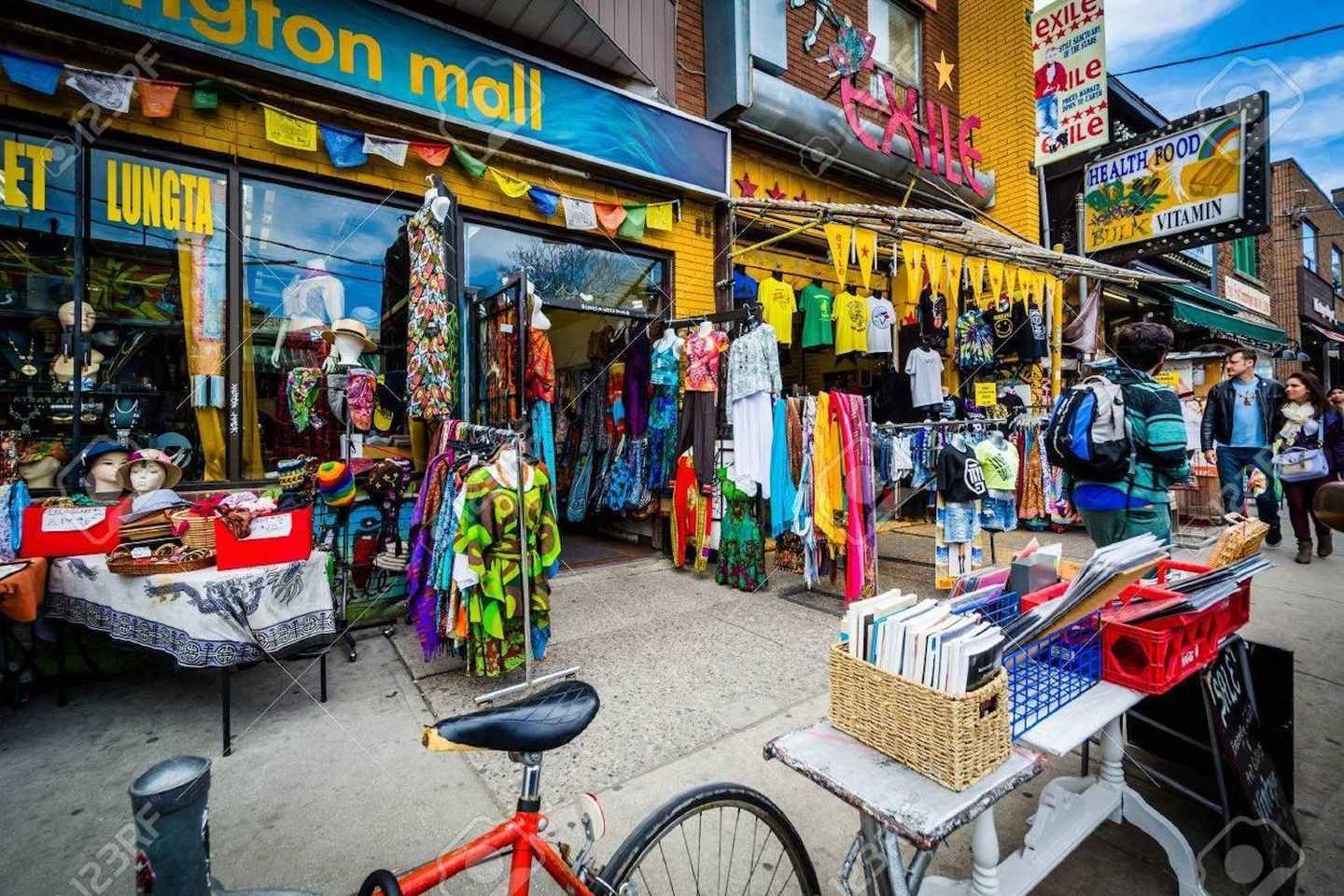
Toronto
## Description Kensington Market is one of Toronto’s best-known neighborhoods for travelers who want atmosphere, variety, and a strong sense of place. It is not a traditional market in the narrow sense, but rather a dense urban district filled with independent shops, vintage clothing stores, grocers, cafés, bakeries, produce stands, restaurants, and street life that spills into the sidewalks. The area is famous for its mix of cultures and its long history as a neighborhood shaped by waves of immigration, creative entrepreneurship, and community reinvention. Walking through Kensington Market feels less like visiting a single attraction and more like stepping into a living collage of Toronto itself. What makes Kensington special is its refusal to feel polished in a predictable way. Its charm comes from variety, visual noise, and the sense that each storefront has its own personality. One block might be packed with produce, the next with music, used books, or handmade goods. Small alleyways and side streets often reveal murals, patios, and tiny surprises that reward unhurried visitors. The neighborhood also has a social rhythm of its own, especially on weekends when it becomes a magnet for browsers, food lovers, and people simply looking for a place that feels energetic and alive. One lesser-known aspect of Kensington Market is how strongly it reflects Toronto’s broader history of change. It has repeatedly adapted to new residents, new businesses, and shifting urban pressures while still preserving a distinctly independent feel. Another detail many first-time visitors miss is that Kensington is best experienced by combining observation with participation. The neighborhood is not only for looking at; it is for tasting, talking, trying, and wandering. A great visit often includes a snack, a coffee, a small purchase, and a few minutes spent people-watching from a curb or patio. Kensington Market is also a useful place to understand Toronto’s everyday creativity. It does not announce itself with monumental architecture or famous landmarks. Instead, it builds its identity from layers of storefront signage, murals, commerce, and community life. That makes it one of the city’s most authentic urban experiences, especially for travelers who prefer neighborhoods over tourist compounds. ## Location Kensington Market is in downtown Toronto, Ontario, close to Chinatown, the University of Toronto area, and several of the city’s central neighborhoods. Its location makes it easy to reach from much of central Toronto by streetcar, subway, bus, taxi, rideshare, or on foot if you are already nearby. Because the streets are compact and the area is highly walkable, most visitors explore it best on foot once they arrive. If you are planning a broader downtown day, Kensington pairs naturally with nearby cultural areas, galleries, food stops, and city walking routes. For visitors staying in the core, it is one of the easiest districts to add to an itinerary without needing a car. Public transit is usually the most practical option, and because parking can be limited or inconvenient, it is often better to leave the car behind entirely. ## Tips Go hungry and keep your schedule flexible. Kensington Market is one of the best neighborhoods in Toronto for spontaneous eating, browsing, and detours. If you try to over-plan the experience, you may miss what makes it fun. The best visits usually happen when you leave room for unplanned discoveries, whether that means a bakery stop, a vintage find, or a street musician drawing a crowd. Visit at different times if you can. Weekdays can feel more relaxed, while weekends are livelier and more crowded. Both moods have value, and the best choice depends on whether you want a calmer wander or a more animated urban scene. Morning visits are often easier if you want to take in the shops before they become too busy. Wear comfortable shoes. Kensington is compact, but it encourages a lot of walking, stopping, and turning into side streets. If you are interested in photography, the neighborhood is rich in texture, but be respectful of businesses and residents while you shoot. Try to support local vendors when you can, because the district’s character depends on the continued presence of independent operators. Do not expect uniformity. Some visitors want one clear “best” thing to do, but Kensington works differently. The point is the accumulation of impressions. The neighborhood is most rewarding when you let its diversity define the visit. ## Conclusion Kensington Market is one of Toronto’s essential neighborhoods, offering food, culture, and urban character in one dense and memorable walk. It is ideal for travelers who want to see the city through everyday life rather than landmarks alone. ## FAQ ### Is Kensington Market a real market? It is more accurately described as a neighborhood with a historic market identity rather than a single enclosed marketplace. Visitors come for the district’s shops, food, and street atmosphere. ### How long should I spend there? A short visit can take an hour, but two to four hours is better if you want to browse, eat, and explore side streets. Many travelers end up staying longer than planned. ### Is it expensive? It depends on where you stop. You can spend very little by simply walking around, but food, vintage goods, and specialty items can range from affordable to premium depending on the business. ### Is it family-friendly? Yes, especially during daytime hours. Families often enjoy the food variety, the pedestrian-friendly feel, and the colorful street life. ### What is the best way to experience it? Walk slowly, sample something local, and leave room for curiosity. Kensington is best when you treat it as a neighborhood to be explored rather than a checklist of attractions. ## Links - [Wikipedia](https://en.wikipedia.org/wiki/Kensington_Market)
GemVoyage Team • World

San José
## Description **Fossil Land** is an interactive paleontology-themed attraction located near San José, Costa Rica. It is designed to give visitors a hands-on experience with prehistoric life, geological history, and fossil discovery. Unlike traditional museums where fossils sit behind glass, Fossil Land allows guests to **touch replicas, participate in digs, explore outdoor geological zones, and engage with educational exhibits** that simulate the process of paleontological research. The attraction combines scientific learning with adventure-style activities, making it especially popular with families, school groups, and travelers looking for something more interactive than a conventional museum visit. Visitors can try fossil excavation pits, examine casts of dinosaur bones, learn about the geological eras that shaped Costa Rica, and participate in guided workshops that explain how fossils are identified and preserved. A little-known fact is that Costa Rica, despite its volcanic and tropical landscape, has fewer natural fossil sites compared to many countries. Fossil Land was created partly to **fill this educational gap** by offering a controlled environment where visitors can explore prehistoric themes that are less visible in the country’s natural geology. Another notable detail is that the attraction integrates Costa Rica’s ecological heritage into its narrative, showing how prehistoric life connects with modern biodiversity. The result is a space that blends science education, interactive entertainment, and local environmental storytelling. It’s especially appealing for visitors looking for kid-friendly attractions in the greater San José area. ## Location **Country:** Costa Rica **Region:** Central Valley **City:** San José (greater metropolitan area; specific location varies by venue or setup depending on current exhibition sites) ### How to Get There * **By car:** Easily accessible from central San José via main city roads. Parking availability depends on the specific venue where Fossil Land is currently hosted or installed. * **By bus:** Several public buses from downtown San José reach the surrounding district. * **By ride hailing:** Services like Uber and DiDi provide fast and inexpensive access from anywhere in the metropolitan area. * **From Juan Santamaría International Airport:** A 20–40 minute drive depending on traffic. ## Tips * **Check opening hours and current location:** Fossil Land sometimes hosts temporary or traveling exhibits, so verifying the active venue is essential. * **Great for children:** The attraction is hands-on, safe, and educational. * **Plan at least 1 to 1.5 hours:** Activities, digs, and workshops take time if you want the full experience. * **Wear comfortable clothes:** Some activities involve kneeling, digging, or interacting with outdoor materials. * **Look for special events or workshops:** Fossil Land occasionally hosts themed programs related to dinosaurs, geology, or Costa Rican natural history. * **Bring water:** If visiting during outdoor sessions, hydration matters in Costa Rica’s warm climate. ## Conclusion Fossil Land is a family-friendly, interactive paleontology attraction that enriches Costa Rica’s science and nature tourism scene. With its hands-on exhibits, fossil digs, and engaging educational content, it offers a refreshing alternative to wildlife-focused activities and provides a fun, informative outing for visitors of all ages. ## FAQ **1. Is Fossil Land a museum?** Not exactly. It is an interactive paleontology attraction that combines exhibits with hands-on activities. **2. Are the fossils real?** The digs use replicas and casts, but educational displays may include authentic geological samples. **3. How long does a visit take?** Around **60–90 minutes**, depending on participation in workshops. **4. Is it suitable for small children?** Yes. Most activities are designed for families and school groups. **5. Does Fossil Land move locations?** Yes. Some exhibits relocate or operate seasonally, so checking the current location is important. **6. Can I book group visits?** Yes. Group and school reservations are often available with advance notice. ## Links * [Costa Rica tourism guide](https://www.visitcostarica.com/)
GemVoyage Team • World
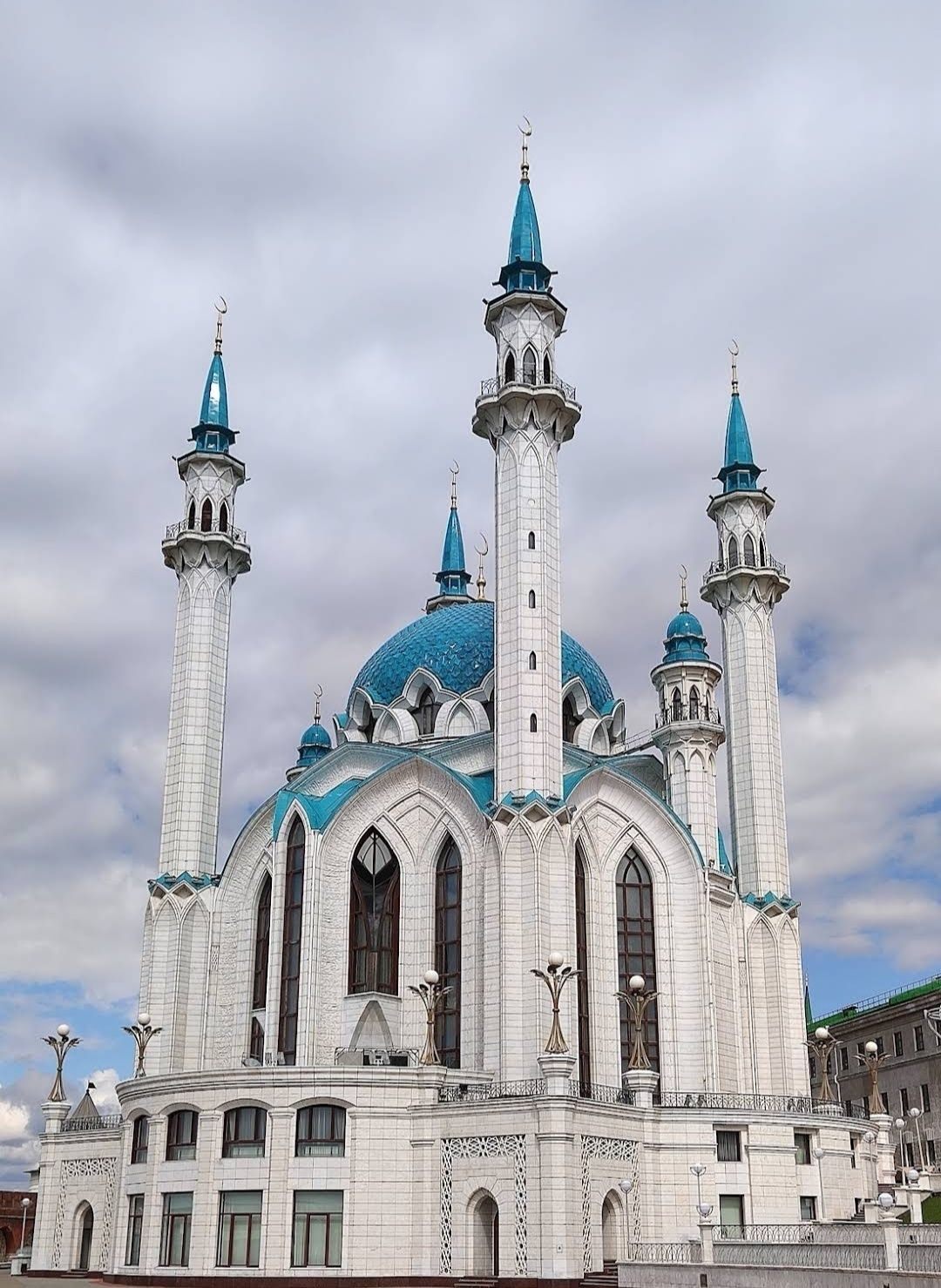
Kazan
## Description The **Kul Sharif Mosque** is one of the most stunning landmarks in Russia, standing proudly inside the **Kazan Kremlin**. Recognized as both a religious and cultural icon, it represents the rich history of the Tatar people and the peaceful coexistence of different faiths in the region. Its striking blue-and-white minarets, elegant domes, and ornate interiors make it not only a place of worship but also an architectural masterpiece. Originally built in the 16th century, the mosque was destroyed in 1552 during the siege of Kazan by Ivan the Terrible. For centuries, it remained in ruins until it was magnificently rebuilt and reopened in 2005 as part of Kazan’s millennium celebrations. Today, it is one of the largest mosques in Russia and Europe, with the capacity to hold more than **6,000 worshippers**. A fascinating detail is that the mosque is named after **Kul Sharif**, a prominent Tatar religious leader, poet, and defender of Kazan who died during the 1552 siege. Another lesser-known fact is that the mosque’s design blends Islamic and Russian architectural influences, symbolizing Kazan’s unique position as a bridge between East and West. Its interiors are adorned with marble, mosaics, and exquisite chandeliers, while its museum showcases Islamic culture and history. ## Location Kul Sharif Mosque is located in **Kazan**, the capital city of the **Republic of Tatarstan**, within the **Kazan Kremlin**, a UNESCO World Heritage Site. Its central location makes it easily accessible to both locals and tourists exploring the historical heart of the city. To reach Kazan, visitors can fly into **Kazan International Airport**, which has direct flights from Moscow, St. Petersburg, and other major cities. From the airport, the city center is about a 30–40 minute drive. Within Kazan, public transportation is efficient, with buses, trams, and the **Kazan Metro**. The Kremlin, where the mosque is located, can be easily reached by metro (Kremlyovskaya Station) or by taxi. Walking tours are also popular, as the area is rich in cultural and historical landmarks. ## Tips To make the most out of your visit to the Kul Sharif Mosque, consider the following tips: * **Dress modestly** – As an active place of worship, visitors are asked to wear respectful clothing. Women may be provided with scarves if needed. * **Check visiting hours** – The mosque is open to tourists outside prayer times. Always verify the schedule before visiting. * **Explore the museum** – Inside the mosque, you’ll find a small museum dedicated to Islamic culture, manuscripts, and Tatar history. * **Combine with other attractions** – Since the mosque is inside the Kazan Kremlin, you can also visit the Annunciation Cathedral, the Presidential Palace, and the Kremlin walls. * **Enjoy night views** – The mosque is beautifully illuminated after sunset, offering a magical perspective for photography. * **Respect local customs** – Silence and respectful behavior are appreciated inside the prayer halls. ## Conclusion The **Kul Sharif Mosque in Kazan, Russia** is more than just a religious site—it’s a symbol of resilience, cultural pride, and harmony. With its breathtaking architecture, fascinating history, and central location in the Kazan Kremlin, it’s an unmissable attraction for anyone visiting Tatarstan. Whether you’re drawn by faith, history, or design, this mosque offers a truly unforgettable experience. ## FAQ **1. Is the Kul Sharif Mosque still active?** Yes, it functions as both a place of worship and a cultural landmark. Visitors are welcome outside prayer times. **2. Do I need to pay an entrance fee?** Entry to the mosque is generally free, though some museum exhibits inside may require a small fee. **3. How long should I plan for my visit?** Most visitors spend 1–2 hours exploring the mosque and museum, though you may want to set aside more time to enjoy the rest of the Kazan Kremlin. **4. Can non-Muslims enter the mosque?** Yes, the mosque welcomes people of all faiths, as long as visitors respect the dress code and customs. **5. What’s the best time to visit?** Spring and summer offer pleasant weather for exploring the city, while evenings provide the best lighting for photos of the illuminated mosque. **6. Is photography allowed inside the mosque?** Yes, photography is generally allowed, but avoid flash and always respect prayer times. ## Links * [Official Kul Sharif Mosque Website](https://kul-sharif.com) * [Visit Tatarstan – Tourism Information](https://visit-tatarstan.com)
GemVoyage Team • World
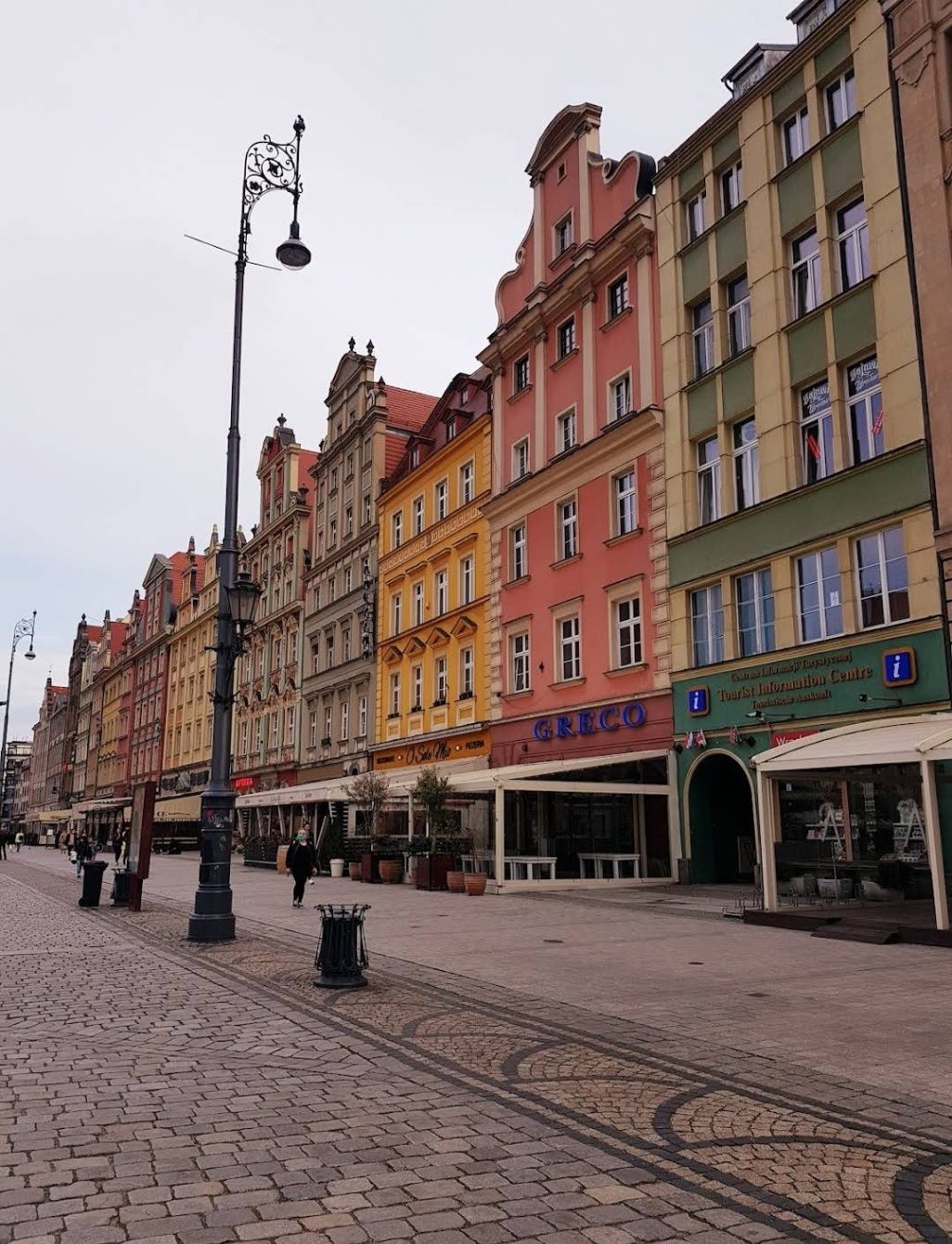
Wroclaw
## Description The **Old City of Wroclaw**, also known as **Stare Miasto**, is one of the most enchanting historic centers in Poland. With its cobblestone streets, Gothic and Baroque architecture, and vibrant market square, the Old City blends centuries of history with modern-day charm. Visitors are greeted by the **Rynek (Market Square)**, one of the largest medieval squares in Europe, surrounded by colorful townhouses, cafés, and cultural landmarks. At its heart stands the **Wroclaw Town Hall**, a masterpiece of Gothic architecture that has been a symbol of the city since the 13th century. What makes Old City Wroclaw especially unique is its blend of influences. Throughout history, Wroclaw was ruled by Poland, Bohemia, Austria, Prussia, and Germany before finally becoming part of modern Poland after World War II. This rich mix is reflected in its architecture, traditions, and even cuisine. A little-known fact about Wroclaw is its population of **over 600 small bronze gnome statues**, scattered throughout the Old City. Known as **Krasnale**, these whimsical figures began as a symbol of resistance during the Communist era and have since become a beloved cultural attraction. Another interesting detail is that parts of the Old City were almost completely destroyed during the war but meticulously rebuilt, making it both a symbol of resilience and a living museum of Polish heritage. ## Location The Old City is located in **Wroclaw**, the capital of the **Lower Silesia region in southwestern Poland**. The historic district lies along the **Oder River**, with the Market Square as its central landmark. Reaching Wroclaw is simple. The **Wroclaw Copernicus Airport** connects the city to many European destinations, and from there, the Old City is just a 20–30 minute drive. For domestic travelers, Wroclaw is well connected by train and bus networks, with the main railway station (**Wrocław Główny**) located about 15 minutes from the Old Town by tram or taxi. Walking is the best way to explore once you arrive, as most attractions are within a compact, pedestrian-friendly area. ## Tips To make the most of your visit to Old City Wroclaw, keep these tips in mind: * **Start at the Market Square** – It’s the perfect hub for exploring nearby attractions, shops, and restaurants. * **Look for the gnomes** – Spotting the tiny bronze statues is a fun activity for visitors of all ages. * **Visit Ostrów Tumski** – The Cathedral Island, just outside the Old City, is the oldest part of Wroclaw and offers stunning views of Gothic churches and gas lantern-lit streets. * **Try local food** – Don’t miss pierogi, żurek (sour rye soup), and Wroclaw’s famous craft beers. * **Join a walking tour** – Guided tours provide fascinating insights into the city’s multicultural past and hidden corners. * **Enjoy the nightlife** – The Old City is lively after dark, with pubs, jazz clubs, and cafés filling the medieval streets with energy. ## Conclusion The **Old City of Wroclaw** is a place where history, culture, and modern life come together in perfect harmony. From its magnificent Market Square and medieval landmarks to its quirky gnomes and vibrant atmosphere, the Old City offers something for every traveler. Whether you’re exploring its Gothic churches, enjoying local delicacies, or simply soaking in the atmosphere of its charming streets, Wroclaw’s Old Town is a must-see gem in Poland. ## FAQ **1. What is Old City Wroclaw best known for?** It is famous for its medieval Market Square, Gothic Town Hall, colorful architecture, and unique gnome statues. **2. Can you walk around the Old City in one day?** Yes, most of the attractions are within walking distance, but spending at least two days allows for a deeper experience. **3. What are the gnomes in Wroclaw?** They are small bronze statues known as **Krasnale**, originally a symbol of resistance against communism, now a fun cultural attraction. **4. Is Old City Wroclaw expensive to visit?** Compared to many European cities, Wroclaw is affordable, with budget-friendly food, accommodations, and attractions. **5. When is the best time to visit Wroclaw?** Spring and summer are ideal for outdoor exploration, while December is magical thanks to the Christmas market in the Old Town Square. **6. Is the Old City family-friendly?** Yes, children especially enjoy searching for the gnome statues, and the pedestrian-friendly streets make it safe for families. ## Links * [Visit Wroclaw – Official Tourism Website](https://www.visitwroclaw.eu)
GemVoyage Team • World
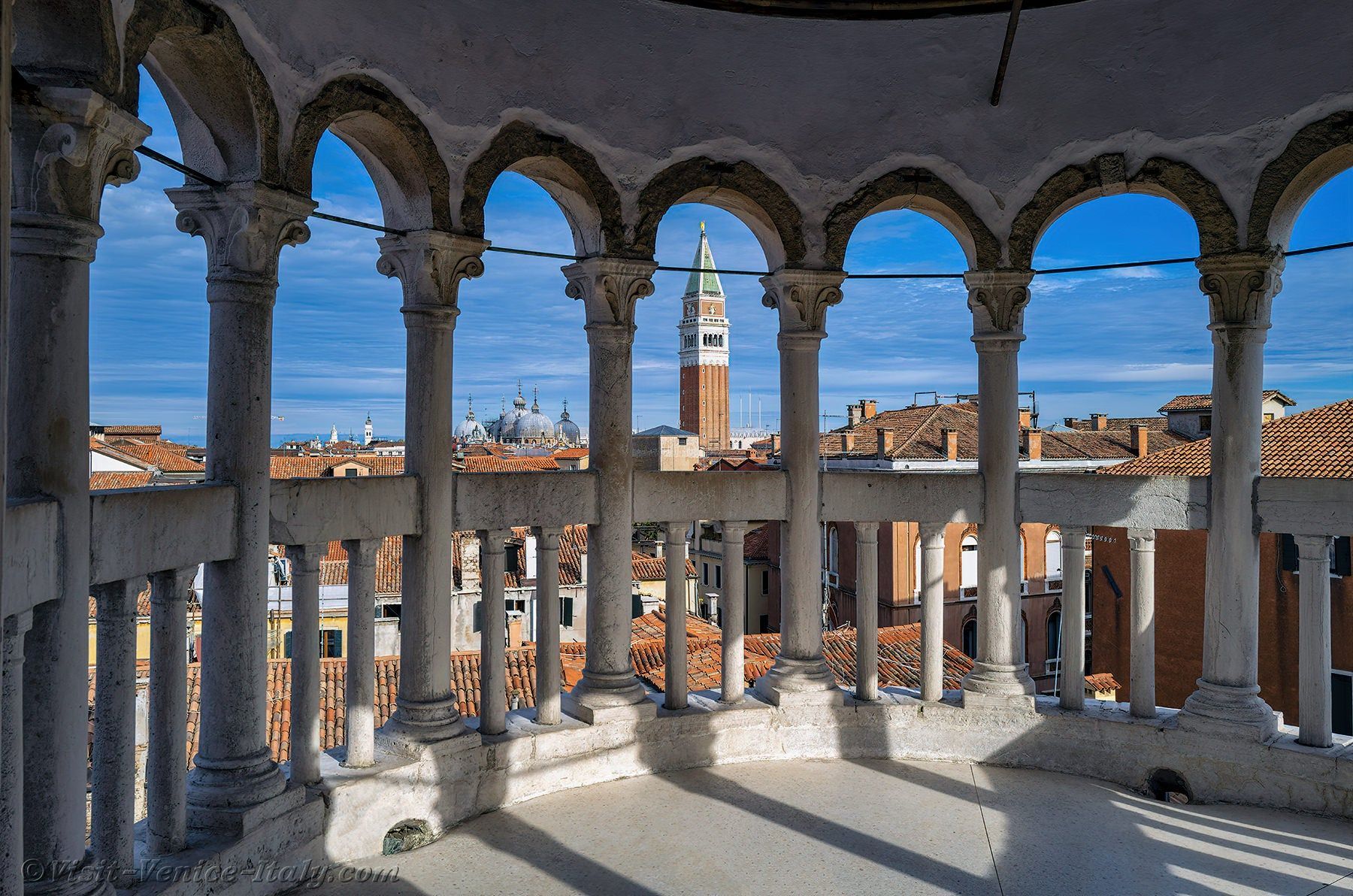
Venice
## Description Scala Contarini del Bovolo is one of those Venice attractions that feels almost secret, even though it has become increasingly known among travelers who enjoy architecture and quieter city experiences. Its fame comes from the extraordinary spiral staircase wrapped around the exterior of the building, rising like a stone shell above the narrow streets of the city. The staircase is the defining image, but the true appeal is the way it combines elegance, surprise, and Venetian craftsmanship in one compact site. The word “bovolo” refers to a snail shell in Venetian dialect, and that name makes perfect sense once you stand in front of the structure. The staircase coils upward in a graceful helix, creating one of the most photogenic details in all of Venice. Unlike the grand tourist corridors around St. Mark’s Square and the Rialto Bridge, this attraction feels tucked away and intimate. That sense of discovery is part of what makes it special. You are not just seeing another palace exterior; you are encountering a design that rewards curiosity and close attention. Another reason the Scala Contarini del Bovolo matters is that it represents a different side of Venice. Many visitors come for canals and churches, but this site shows how the city’s private palaces could also be architectural statements. The stair tower itself is a visual bridge between medieval urban density and Renaissance taste for ornament and order. A lesser-known fact is that the staircase became famous not only because it is beautiful, but because it is unusual in a city where vertical, exterior stair structures are relatively rare compared with the canals and façades that usually dominate the skyline. The experience is best when you take your time. From outside, the staircase already looks distinctive, but going inside and climbing it gives you a more complete sense of the building’s scale and perspective. As you ascend, the geometry changes and the city reveals itself through narrow openings, which creates a memorable transition from enclosed courtyard space to elevated views. It is a small attraction, but one that lingers in memory because it feels like a compact lesson in Venetian design. ## Location Scala Contarini del Bovolo is in Venice, Italy, in the historic center not far from the San Marco area and within walking distance of key inner-city landmarks. Its position in the dense urban fabric of Venice means it is easy to overlook unless you are specifically looking for it, which is part of the charm. The simplest way to reach it is on foot from the San Marco or Rialto area. Venice’s pedestrian layout makes walking the natural choice, and the staircase is best approached as part of a wandering route through the city rather than as a stand-alone destination by vehicle. If you are arriving by vaporetto, get off at a nearby stop such as Rialto or San Marco and continue on foot using a map, because the final approach takes you through small streets and passages that are easier to navigate slowly. Because Venice can be crowded, it is worth planning this visit during a quieter part of the day. Early morning or later afternoon can make the approach more pleasant and give you better photos without too many people around the staircase itself. ## Tips Bring a charged phone or camera, because the staircase is one of those details that rewards multiple angles. A shot from below captures the full spiral, while higher viewpoints show the contrast between the tower and the surrounding rooftops. Wear comfortable shoes. The site is small, but the walk through Venice often adds up to more steps than expected. The surrounding streets are also easier to enjoy when you are not rushed. Allow the visit to be part of a larger walking day rather than an isolated stop. It pairs well with nearby palaces, squares, and canal crossings, and that combination makes the city feel more layered. If you are interested in architecture, this is one of the most worthwhile short visits in Venice because it delivers a strong visual identity without requiring a major time commitment. ## Conclusion Scala Contarini del Bovolo is a compact but unforgettable Venetian landmark, known for its elegant spiral staircase and hidden location. It is a perfect stop for travelers who enjoy distinctive architecture and the quieter side of Venice. ## FAQ **Why is the Scala Contarini del Bovolo famous?** It is best known for its exterior spiral staircase, one of the most unusual and photogenic architectural details in Venice. **How long does a visit take?** Usually not long. Many visitors spend around thirty to sixty minutes, depending on how much time they spend taking photos and enjoying the views. **Is it easy to find?** It can be a little tricky because it is tucked into Venice’s narrow streets, so navigation by map is useful. **Is it good for photography?** Yes. The staircase itself and the elevated views from the structure both make it a strong photo stop. **Should I book in advance?** It is wise to check current opening arrangements before visiting, especially during busy travel periods. ## Links - [Wikipedia](https://en.wikipedia.org/wiki/Scala_Contarini_del_Bovolo)
GemVoyage Team • World
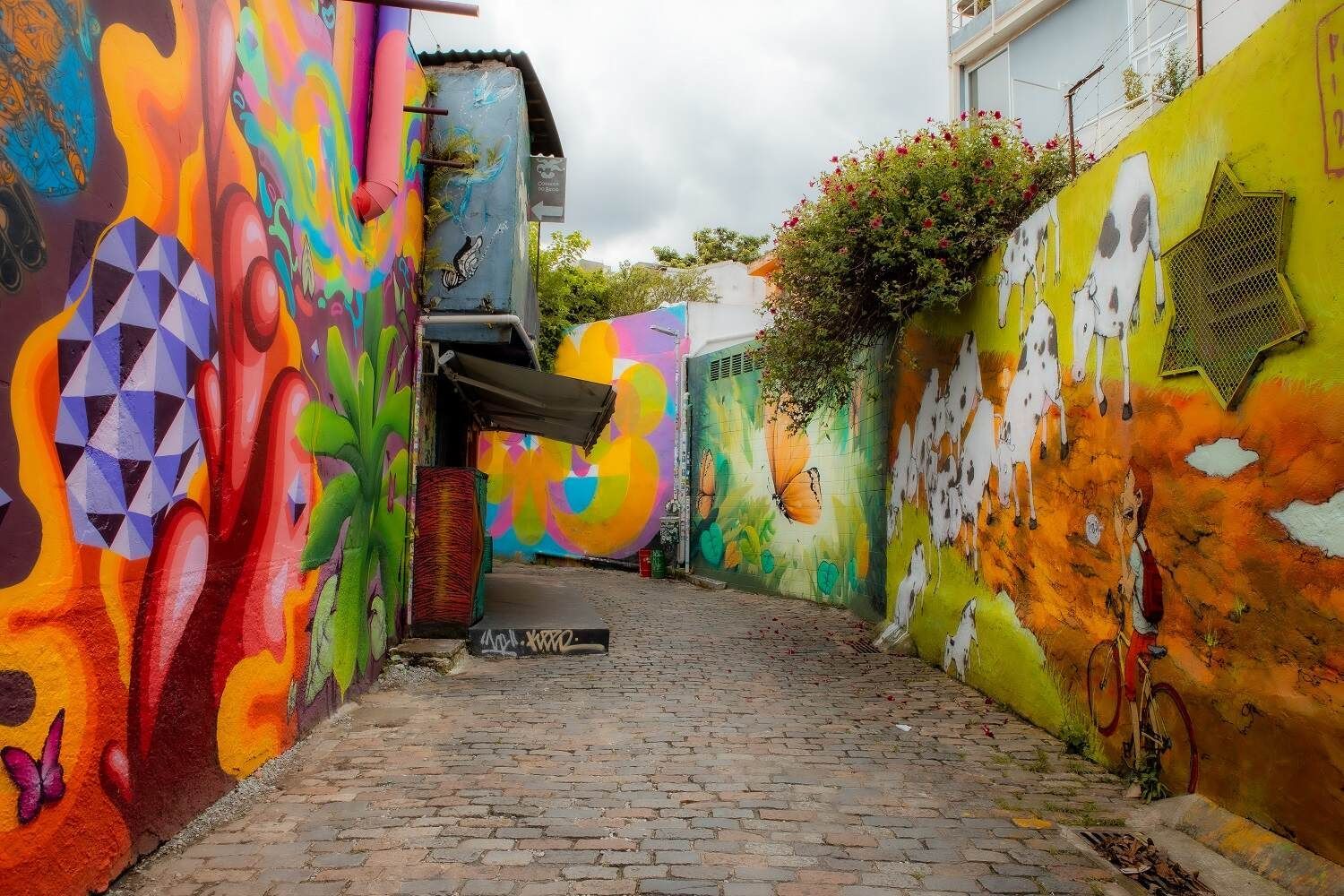
São Paulo
## Description Beco do Batman is one of São Paulo’s most iconic street art destinations and a place that has become synonymous with the city’s creative energy. Despite its name, it is not a theme park or formal attraction but a network of lanes and walls covered in murals, tags, stencil work, and large-scale painted pieces. It has evolved into a living open-air gallery where artists continuously refresh the visual landscape. For travelers who enjoy urban art, photography, and neighborhoods with strong personality, it is one of the most essential stops in São Paulo. The appeal of Beco do Batman lies in its intensity. The alleyways are saturated with color and expression, and the visual density creates a sense of immersion that is difficult to find elsewhere. Unlike a museum, where you move from one controlled artwork to another, here the environment itself is the canvas. That means the experience is messy, energetic, and constantly changing. Some murals are elaborate and polished, while others are rough, spontaneous, or politically charged. The overall effect is a conversation between artists rather than a single static exhibition. One little-known fact is that Beco do Batman’s fame has helped transform the surrounding area into a broader art and café destination, but the identity of the alley still depends on continuous community and artistic involvement. Another detail that visitors often notice only after a while is that the best works are not always the most obvious ones. Side walls, stairwells, and adjacent streets can contain murals that are just as compelling as the famous central stretches. It pays to wander beyond the most crowded photo spots. For many travelers, Beco do Batman is a reminder that São Paulo is not only a business and megacity destination but also a city with a deep public art culture. It is raw, expressive, and unmistakably urban. If you like places that feel alive rather than curated to perfection, this is one of the strongest neighborhoods to add to your itinerary. ## Location Beco do Batman is in the Vila Madalena neighborhood of São Paulo, Brazil, an area known for nightlife, creativity, cafés, and a lively street scene. The alley system is relatively easy to reach by taxi, rideshare, or public transit depending on where you are staying in the city. Once in the neighborhood, most of the experience is on foot, since the art is spread across walls and lanes rather than contained in a single building. The area is best approached as part of a wider visit to Vila Madalena. That makes it easier to combine the street art with coffee, lunch, shopping, or other urban exploration. Because São Paulo is large, planning the visit around your broader route can save time and make the day feel smoother. Walking is the best way to see the art once you arrive, and giving yourself enough time to move slowly is far more rewarding than rushing through for a handful of pictures. ## Tips Go during the day. Bright light makes the colors more vivid and makes the neighborhood easier to navigate. Some visitors return at different times of day to see how the light changes the murals, but daytime is the most practical introduction. Be ready to walk and look carefully. The most memorable pieces are not always on the main path, and some of the beauty comes from the accumulation of details. A slow pace will help you notice variations in style, scale, and technique. Support nearby businesses. A café, snack stop, or small purchase helps connect the art district to the broader neighborhood economy. That is especially important in a place where cultural tourism and local life overlap so closely. Respect the art and the space. Because this is an active street art environment, new works can appear and old ones can disappear. Avoid touching murals or blocking artists and residents. If you are photographing, keep an eye on foot traffic so you are not getting in the way. ## Conclusion Beco do Batman is one of São Paulo’s most energetic and visually rich attractions, ideal for visitors who want art in the open air and a neighborhood that feels creatively alive. It is a must for anyone interested in contemporary urban culture. ## FAQ ### Why is it called Beco do Batman? The name became associated with the area because of a Batman image painted on one of the walls, and the nickname stuck as the alley gained fame. ### Is it safe to visit? Many people visit during the day without issue, but it is still wise to stay aware of your surroundings and use normal urban caution. ### Do I need a tour? No, but a guide can help if you want context about the artists and neighborhood. Independent exploration is very common. ### How long should I spend there? A quick visit can take less than an hour, but a slower trip with nearby Vila Madalena exploration can easily take longer. ### Are the murals permanent? No. The art changes constantly, which is part of the attraction. What you see on one visit may not be there on the next. ## Links - [Wikipedia](https://en.wikipedia.org/wiki/Beco_do_Batman)
GemVoyage Team • World


Comments