GemVoyage Team • World
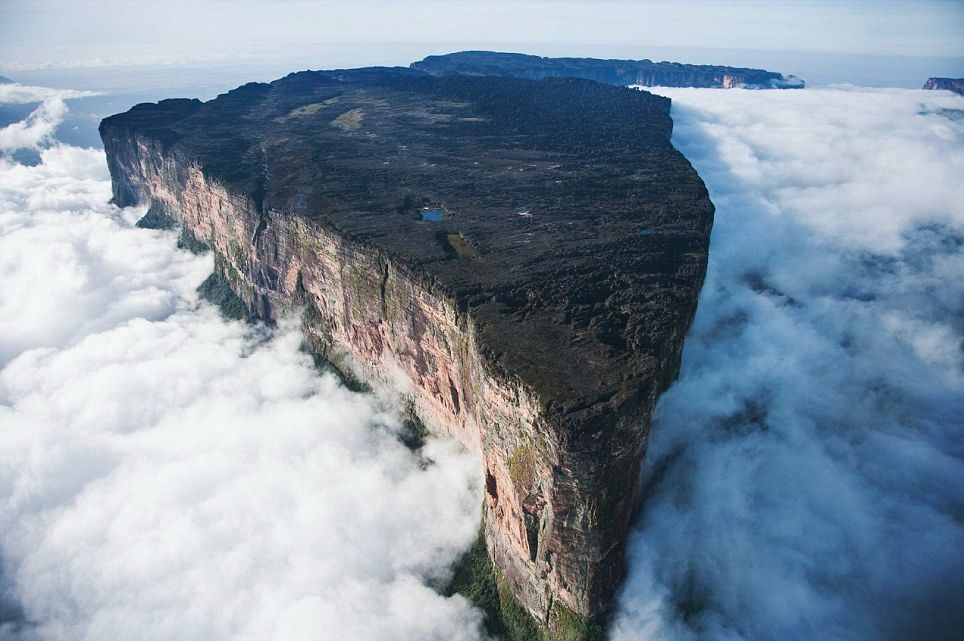
What makes Roraima singular is its biology and geology: tepuis act as ecological islands where species evolved in isolation, resulting in endemic flora and fauna found nowhere else. The plateau’s quartzite sandstone and erosional patterns carve shallow sinkholes and intricate channels that collect rainwater, forming microhabitats. Visitors encounter oddly-shaped boulders, deep natural cisterns and ephemeral pools that support plant communities adapted to thin soils and high rainfall.
Beyond science, the experience is sensory: mist and cloud sweep across the summit, light transforms the slick rock faces, and nights on the plateau can be cold and silvery. For many, the trek to Roraima — along river crossings, open savanna and jungle gullies — delivers a sense of expeditionary travel; the route requires multi-day camping and careful logistical planning.
Given its border location, some itineraries approach Roraima from Guyana — these routes are less common for international visitors but viable for those with appropriate travel documents and local arrangements. Venezuelan-side treks are the classic choice and usually include boat transfers, vehicle rides across savanna, and multiple days of trekking culminating with the scramble onto the plateau.
Discover more hidden gems you might love.
Porto
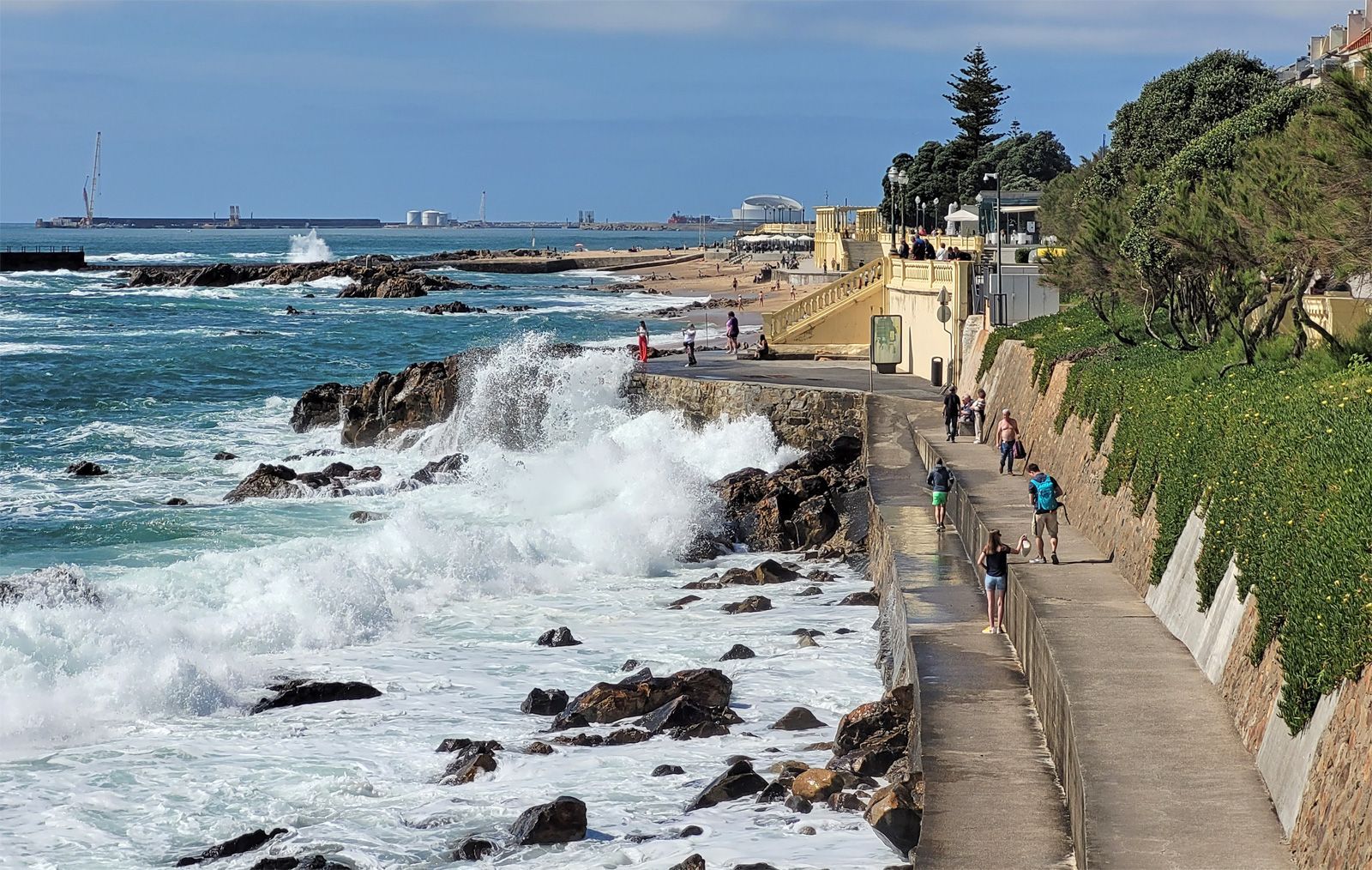
## Description Foz do Douro Promenade is one of the most enjoyable walks in Porto because it captures the city at its most open, breezy, and scenic. Located where the Douro River approaches the Atlantic Ocean, Foz do Douro is known for its waterfront paths, beaches, cafés, parks, and dramatic light. It gives visitors a different side of Porto from the historic center: less compact, more coastal, and shaped by wind, water, and long views rather than narrow medieval streets. The promenade is special because it lets you experience the transition from river to sea in a very direct way. The Douro's strong identity as a working river, a wine route, and an urban boundary becomes visible here, where the city meets larger natural forces. Walking the promenade, you can watch waves strike the seawall, see locals out for exercise or family time, and move between beaches, lighthouses, and garden spaces. It is one of those urban landscapes that works equally well for slow contemplation and active strolling. One little-known fact is that Foz has long been associated with leisure and summer life among Porto residents, especially as the city expanded and more people began seeking breezy coastal escapes close to home. Another detail many visitors miss is the extent to which the area changes mood with the weather. On a clear day, Foz feels luminous and expansive; on a windy day, it becomes dramatic and powerful. The promenade is therefore not just a route but an experience shaped by the Atlantic itself. The area also reveals a lot about Porto's identity. The city is often celebrated for its historic center and wine cellars, but Foz shows a different and equally important side: a living, modern waterfront where people come to walk, cycle, talk, and watch the sea. If you want a place in Porto that combines fresh air, urban life, and landscape, this is one of the best choices. ## Location Foz do Douro is a district in Porto, in the Norte region of Portugal, located at the mouth of the Douro River where it opens toward the Atlantic Ocean. The promenade runs along the waterfront in the western part of the city, making it farther from the old center than Ribeira but still easy to reach by public transport, taxi, or a scenic walk if you have time. One of the easiest ways to get there is by bus or tram, especially if you want to enjoy the trip without worrying about parking. Walking from the riverfront is possible and rewarding if you have a full day, but most visitors will prefer a shorter transfer followed by a long, leisurely walk along the coast. The route can be combined with stops at beaches, gardens, and small cafés along the way. For orientation, think of the promenade as a westward extension of Porto's river story. It is a place to end the day, not just begin it, because sunset and late afternoon light are especially beautiful here. ## Tips Choose a clear or mildly windy day if you want the best experience. The promenade is pleasant in many conditions, but it is most memorable when the sky and sea are visible in full color. Bring a light jacket even in warm weather. The Atlantic can cool the air quickly, especially near evening, and visitors often underestimate how different the climate feels compared with Porto's inland streets. If you enjoy a slower pace, start near the river mouth and walk toward the beaches and garden areas. That direction helps you experience the transition from urban river edge to open sea more naturally. Use the promenade as a break from sightseeing density. Porto's historic center can feel packed with monuments and steep lanes, while Foz offers breathing room and a chance to enjoy the city in a more relaxed frame. ## Conclusion Foz do Douro Promenade is one of Porto's best places for a scenic walk, combining sea air, river views, and a calm waterfront atmosphere that contrasts beautifully with the city's historic core. ## FAQ ### Why do people visit Foz do Douro? People visit for the seaside atmosphere, promenade walks, beaches, cafés, and the chance to see where the Douro River meets the Atlantic. ### Is Foz do Douro good for sunsets? Yes. The area is one of the best places in Porto for evening light and coastal views. ### Can I walk or cycle there? Yes. The waterfront is ideal for walking and cycling, and both locals and visitors use it for exercise and leisure. ### How far is it from downtown Porto? It is farther than the central historic districts, but still easy to reach by public transport or taxi. ## Links - [Porto tourism](https://visitporto.travel/) - [Wikipedia article](https://en.wikipedia.org/wiki/Foz_do_Douro)
GemVoyage Team • World

Chiang Mai
## Description Kad Luang Warorot Market, often simply called **Warorot Market**, is one of the oldest and most vibrant traditional markets in Chiang Mai, Thailand. Beloved by both locals and tourists, it offers a truly authentic glimpse into Northern Thai culture, daily life, and culinary traditions. Unlike the more tourist-focused night bazaars, Warorot Market is where locals shop for fresh produce, clothing, fabrics, household goods, and everyday essentials. What makes Warorot Market unique is its **blend of tradition and modernity**. You’ll find everything from fragrant herbs and spices to modern street fashion, all under one roof. Food lovers will particularly enjoy the market’s wide selection of Northern Thai specialties, such as **sai oua (spicy northern sausage)**, **nam prik ong (tomato chili dip)**, and an array of exotic fruits. A little-known fact is that Warorot Market has been serving the Chiang Mai community for over **a century**, making it not just a commercial hub but also a cultural landmark. Another interesting detail is that the market is busiest during important Thai festivals, such as **Loi Krathong and Songkran**, when it becomes a central point for celebration and shopping. ## Location Warorot Market is located in **Chiang Mai, Northern Thailand**, in the **Wat Ket district**, near the banks of the **Ping River**. It sits just a short walk from the **Chang Moi Gate** of the Old City, making it very accessible for travelers staying in central Chiang Mai. ### Recommendation on How to Get There From Chiang Mai’s Old City, you can easily reach Warorot Market on foot in about **10–15 minutes**. Alternatively, you can take a **red songthaew (shared taxi truck)**, tuk-tuk, or Grab (ride-hailing app) for a quick ride. If you’re staying farther away, taxis and scooters are also convenient options. Since parking in the area can be limited, it’s best to use public or shared transportation. ## Tips To make the most out of your visit to Warorot Market, here are some helpful tips: * **Go Early**: The market opens early in the morning, making it the best time to see locals shopping and to find the freshest food items. * **Try Local Snacks**: Don’t miss the chance to sample Chiang Mai’s famous northern sausage, sticky rice, and fried snacks sold at small food stalls. * **Bring Cash**: While some vendors may accept mobile payments, cash is still the most convenient method for small purchases. * **Explore Both Indoors and Outdoors**: The market consists of multiple levels and side streets, so take your time wandering beyond the main stalls. * **Check Out the Fabrics**: The market is also known for selling colorful textiles and hill tribe clothing, perfect for souvenirs. * **Respect Local Etiquette**: Bargaining is acceptable, but always do so politely with a smile. ## Conclusion Kad Luang Warorot Market is not just a place to shop—it’s an experience that immerses you in the everyday life of Chiang Mai. With its wide range of food, clothing, and cultural items, it offers visitors a taste of authentic Northern Thai traditions. Whether you’re hunting for souvenirs, trying local delicacies, or simply enjoying the lively atmosphere, Warorot Market is a must-visit destination in Chiang Mai. ## FAQ **1. What is Warorot Market famous for?** It is famous for its variety of goods, especially Northern Thai food, fresh produce, fabrics, and traditional clothing. **2. What are the market’s opening hours?** Warorot Market typically opens around **5 AM and closes by 6 PM**, though some food stalls remain open later in the evening. **3. Is Warorot Market suitable for tourists?** Yes, while it primarily serves locals, tourists are welcome and will find plenty of unique food and souvenirs to enjoy. **4. Can I bargain at Warorot Market?** Yes, bargaining is common, especially for clothing and non-food items, but it should always be done politely. **5. How far is the market from Chiang Mai’s Old City?** It’s just a 10–15 minute walk from the Old City, making it very accessible for most visitors. **6. Are there vegetarian or vegan food options available?** Yes, many stalls sell vegetarian-friendly dishes, fruits, and snacks, though it’s helpful to ask vendors about ingredients. ## Links * [Chiang Mai Tourism Office](https://www.tourismthailand.org/Destinations/Provinces/Chiang-Mai/101)
GemVoyage Team • World
.jpg)
Washington
## Description Diablo Lake is a mesmerizing reservoir nestled in the North Cascades of Washington State, renowned for its surreal turquoise waters and dramatic alpine surroundings. Created by the Diablo Dam as part of the Skagit River Hydroelectric Project, the lake sits at an elevation of 1,201 feet and is flanked by rugged peaks, dense forests, and cascading waterfalls. Its vibrant color comes from glacial flour—fine rock particles ground by nearby glaciers and suspended in the water, reflecting sunlight in a way that gives the lake its signature hue. Visitors to Diablo Lake are treated to panoramic views of the North Cascades, including Pyramid, Colonial, and Davis Peaks. The lake is a haven for outdoor enthusiasts, offering hiking, kayaking, fishing, and camping. The Diablo Lake Trail, a moderately challenging 7.6-mile roundtrip hike, winds through old-growth forest and talus slopes, revealing stunning vistas of the lake and surrounding mountains. A little-known fact: the lake was once part of a larger plan to develop hydroelectric power in the region, spearheaded by Seattle City Light in the early 20th century. The Diablo Dam, completed in 1930, was the tallest dam in the world at the time. Another unique detail is that the lake’s overlook along Highway 20 provides one of the most photographed views in Washington, yet the area remains relatively uncrowded compared to other national park destinations. ## Location Diablo Lake is located in the **United States**, in the **state of Washington**, within **Whatcom County**. It lies in the heart of the **Ross Lake National Recreation Area**, which is part of the larger **North Cascades National Park Complex**. ### How to Get There - **By Car**: From Seattle, take I-5 north to Highway 20 (North Cascades Highway). Follow Highway 20 east for about 125 miles. The Diablo Lake Overlook is clearly marked and offers parking. - **By Public Transport**: There is no direct public transportation to Diablo Lake. Renting a car is the most practical option. - **By Bike**: Experienced cyclists can ride along Highway 20, though the route includes steep grades and limited shoulder space. The drive itself is part of the experience, with winding roads and scenic pullouts offering glimpses of the Cascade Range. ## Tips - **Visit in Late Spring to Early Fall**: Snow can linger into early summer, and Highway 20 is often closed in winter due to avalanche risk. - **Start Early**: Arrive in the morning to enjoy cooler temperatures and fewer crowds, especially at the overlook and trailheads. - **Bring Layers**: Weather in the Cascades can change rapidly. Pack for sun, rain, and wind. - **Stay at Colonial Creek Campground**: Located near the lake, this campground offers drive-in and walk-in sites, plus access to boat launches and trails. - **Try Kayaking or Canoeing**: The lake’s calm waters are ideal for paddling, with stunning views from the surface. - **Respect Wildlife and Leave No Trace**: The area is home to bears, deer, and eagles. Keep a safe distance and pack out all trash. ## Conclusion Diablo Lake is a jewel of the North Cascades, offering breathtaking scenery, rich history, and a wide range of outdoor activities. Whether you're hiking to a viewpoint, paddling across its turquoise waters, or simply soaking in the alpine air, the lake delivers a memorable experience in one of Washington’s most spectacular natural settings. ## FAQ **1. Is there an entrance fee to visit Diablo Lake?** No, there is no entrance fee for Diablo Lake or the Ross Lake National Recreation Area. **2. Can I swim in Diablo Lake?** Yes, swimming is allowed, but the water is cold year-round due to glacial runoff. **3. Are pets allowed on the trails?** Yes, dogs are allowed on leash in most areas, including the Diablo Lake Trail. **4. Is fishing permitted in Diablo Lake?** Yes, with a valid Washington State fishing license. The lake contains rainbow, brook, and bull trout. **5. Are there restrooms at the overlook or trailheads?** Yes, vault toilets are available at the Diablo Lake Overlook and Colonial Creek Campground. **6. Is Diablo Lake accessible year-round?** Access depends on Highway 20’s status. The road is typically closed from late fall to early spring due to snow. ## Links - [Diablo Lake – Wikipedia Overview](https://en.wikipedia.org/wiki/Diablo_Lake)
GemVoyage Team • World
Tokyo
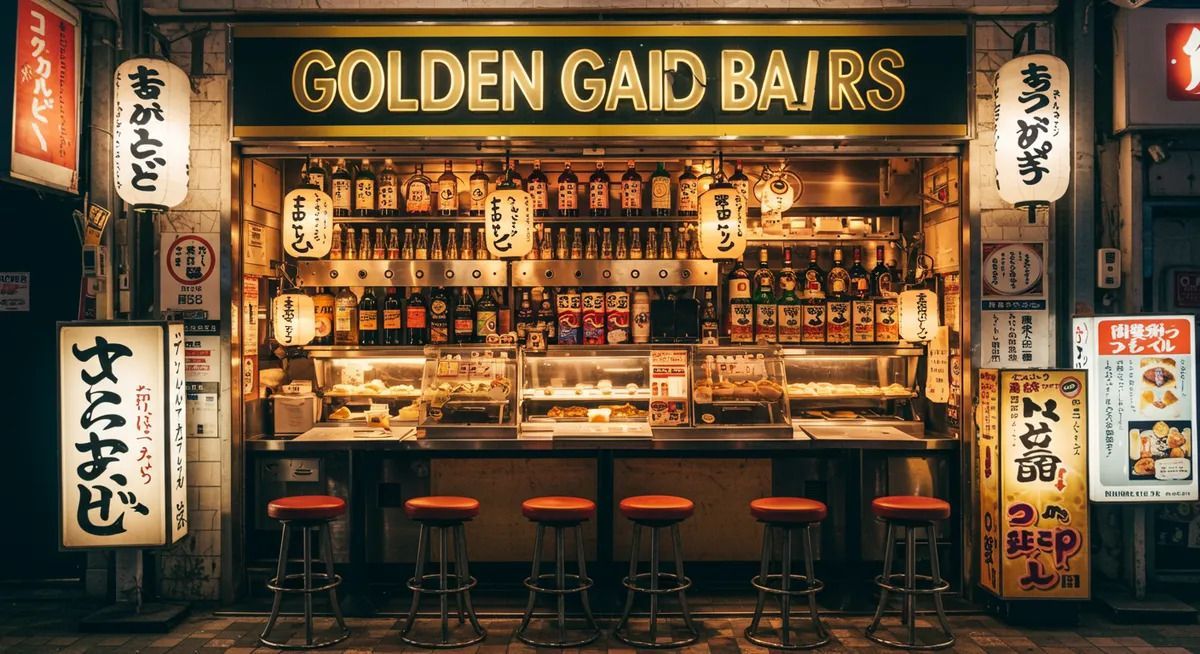
## Description Golden Gai is one of Tokyo's most distinctive nightlife districts, known for its narrow lanes, compact buildings, and dozens of tiny bars packed into a remarkably small area. What makes it special is not simply the number of bars, but the intimacy of the environment. Instead of large venues and loud commercial chains, visitors find one-room or nearly one-room spaces where the atmosphere is personal, varied, and often highly curated by the owner. The whole district feels like a living archive of postwar Tokyo nightlife, preserved in a way that modern redevelopment has not fully erased. Many of the bars have their own themes, regulars, and house rules, which means the experience can change dramatically from one doorway to the next. That unpredictability is part of the appeal. A less widely known fact is that Golden Gai survived repeated pressure from urban redevelopment because its character became too culturally valuable to replace easily. Another interesting detail is that it is as much a social district as a drinking district; for many visitors, the point is to step into Tokyo's small-scale urban culture rather than simply to have a night out. ## Location Golden Gai is in Shinjuku, one of Tokyo's busiest commercial districts in Japan. It sits near the heart of the entertainment area and is easy to reach from Shinjuku Station, one of the city's main transportation hubs. The neighborhood's location makes it especially convenient for travelers staying in central Tokyo, since you can reach it by train, walk to it from nearby hotels, and continue elsewhere in the city afterward. Because the area is small and dense, the best approach is to arrive on foot after taking transit to Shinjuku. That lets you enjoy the contrast between the huge station area and the tighter lanes of Golden Gai. Evening is the natural time to go, although the district comes alive at different speeds depending on the day and the season. ## Tips - Start with one or two bars rather than trying to see everything, because the district rewards quality over quantity. - Check whether a bar has a cover charge or membership policy before entering. - Be respectful of the small spaces and the local regulars, since many bars have a strong neighborhood culture. - Bring cash, because some smaller establishments may prefer it over cards. - If you are shy, choose a bar with an easier-looking entry style or a visible English menu. - Pair Golden Gai with other Shinjuku sights so the evening feels like a full district experience. ## Conclusion Golden Gai is one of the best places in Tokyo to experience a compact, intimate version of the city's nightlife. Its charm comes from personality, density, and history, not spectacle, which is exactly why it leaves such a strong impression. ## FAQ ### Is Golden Gai only for drinking? Mostly, yes, but the experience is broader than drinking alone. Many visitors go to appreciate the atmosphere, architecture, and social energy of the district. Even if you only stop in briefly, you are getting a glimpse into a very specific side of Tokyo's urban culture. ### Is Golden Gai expensive? It can be, especially compared with everyday bars elsewhere in Tokyo. Small spaces, cover charges, and themed bars often create a premium experience. That said, costs vary a lot from one place to the next, so it is possible to keep the visit modest if you are selective. ### Do I need to speak Japanese? Not necessarily. Some bars are welcoming to international visitors, while others are more local in feel. Basic courtesy goes a long way, and a little patience helps. If you want an easier entry, look for venues that visibly welcome newcomers. ### What is the best time to go? Early evening is usually best if you want to avoid the busiest crowd peaks and have time to choose a bar calmly. Later at night can be lively, but the narrow lanes may feel crowded. Your ideal time depends on whether you prefer atmosphere or ease of movement. ### Can I visit Golden Gai without staying long? Yes, and that is common. Some people drop in for a single drink, a brief look around, or a photo walk. Even a short visit can feel meaningful because the district's character is so concentrated. You do not need a long itinerary to appreciate it. ## Links - [Wikipedia](https://en.wikipedia.org/wiki/Golden_Gai)
GemVoyage Team • World
Barcelona
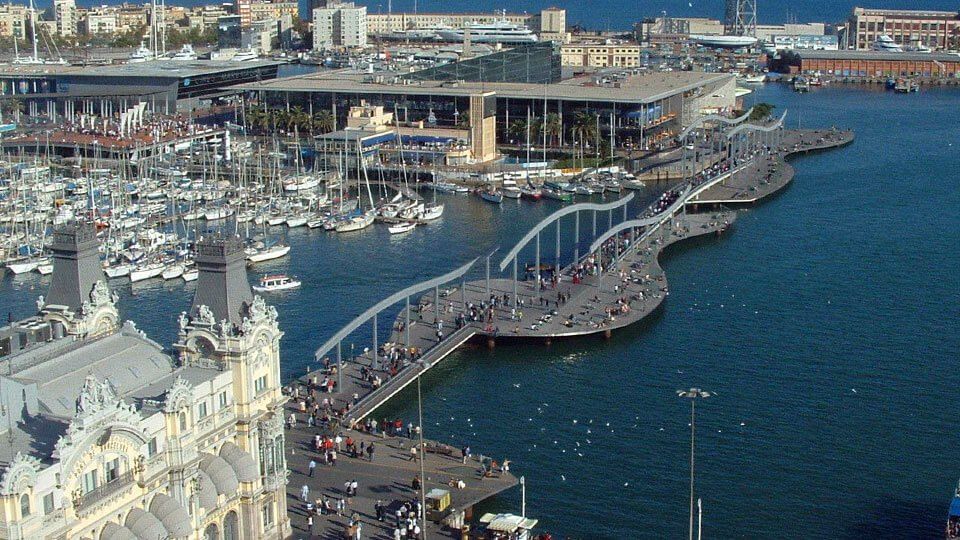
## Description The **Rambla de Mar** is one of Barcelona’s most striking modern promenades — a graceful wooden walkway that stretches across the water, connecting the **end of La Rambla** with the vibrant **Port Vell (Old Port)** area. It’s not only a bridge between land and sea, but also a symbol of **Barcelona’s transformation from an industrial port into a lively, open city by the sea**. Built in **1994** as part of the urban renewal project for the **1992 Olympic Games**, the Rambla de Mar was designed by architects **Helio Piñón** and **Albert Viaplana**. Its name, meaning “Seaside Promenade,” reflects its purpose perfectly — a place where locals and visitors alike can stroll above the Mediterranean, enjoy sea breezes, and admire the city’s modern architecture blended with maritime tradition. What makes the Rambla de Mar unique is its **wavy, undulating design**. The wooden walkway mimics the motion of the sea, while its sleek metal structure allows it to **open and close like a drawbridge**, letting yachts and boats pass through. When the bridge swings open, onlookers often stop to watch, turning a practical feature into a small daily spectacle. At one end of the walkway lies **La Rambla**, Barcelona’s famous tree-lined boulevard full of street performers, cafes, and history. At the other end, you’ll find **Maremagnum**, a modern waterfront complex featuring shops, restaurants, a cinema, and **L’Aquàrium de Barcelona**, one of Europe’s largest aquariums. The Rambla de Mar offers **panoramic views** of Port Vell, the **Columbus Monument**, and the **Montjuïc hill** in the distance — making it a perfect spot for photography, sunset walks, or simply pausing to enjoy the rhythm of Barcelona’s coastal life. Few visitors realize that the Rambla de Mar is also one of the few bridges in Barcelona that **moves several times a day**, timed to allow sailing boats from the marina to enter and exit. Its elegant engineering and maritime setting make it a beloved symbol of Barcelona’s connection to the sea. ## Location The **Rambla de Mar** is located in **Barcelona**, in the **Catalonia (Catalunya)** region of **Spain**, linking **La Rambla** and **Port Vell** at the city’s southern waterfront. **Address:** Moll d’Espanya, 08039 Barcelona, Spain To get there: * **By metro:** Take **L3 (Green Line)** to **Drassanes Station**; from there, it’s a short walk past the **Columbus Monument** toward the water. * **By bus:** Several lines stop at **Portal de la Pau** or **Passeig de Colom**. * **By foot:** Walk straight down **La Rambla** until you reach the waterfront — the wooden walkway begins just beyond the Columbus Monument. * **By bike or scooter:** The **Port Vell** area is bike-friendly, with rentals and parking nearby. * **By taxi or car:** Parking is available at **Maremagnum Shopping Center**, accessible via the bridge. ## Tips * **Visit at sunset:** The light reflecting off the sea and city skyline creates unforgettable views — perfect for photos. * **Watch the bridge open:** The Rambla de Mar opens several times daily to let boats pass; check the **Port Vell schedule** for times. * **Explore Maremagnum:** After your stroll, enjoy dining or shopping at the nearby **Maremagnum complex**, open 365 days a year. * **Visit L’Aquàrium de Barcelona:** Located right at the end of the bridge, it’s a family favorite and one of the top aquariums in Europe. * **Take a harbor cruise:** Small boats and catamarans depart from nearby piers for short scenic trips around the port. * **Enjoy the breeze:** The wooden deck and open sea air make this one of the most relaxing walking spots in the city. * **Combine with La Rambla:** Start your journey from **Plaça de Catalunya** and walk all the way down to the sea for the full Barcelona experience. ## Conclusion The **Rambla de Mar** perfectly captures Barcelona’s spirit — a city where **art, architecture, and the sea coexist in harmony**. Its elegant design, maritime setting, and lively surroundings make it much more than just a bridge; it’s a space where people meet, relax, and enjoy the rhythm of coastal life. Whether you’re heading to Maremagnum for dinner, watching the boats glide by, or catching the golden hour over the harbor, Rambla de Mar offers a uniquely peaceful side of this vibrant Mediterranean city. ## FAQ **1. What is Rambla de Mar?** Rambla de Mar is a **modern wooden pedestrian bridge** that connects **La Rambla** with **Port Vell** in Barcelona. **2. When was it built?** It was completed in **1994**, as part of the city’s transformation for the **1992 Olympic Games**. **3. What is special about its design?** Its **wavy wooden structure** mimics the movement of the sea, and it **opens like a drawbridge** to allow boats to pass. **4. Where does Rambla de Mar lead?** It connects the end of **La Rambla** to the **Maremagnum Shopping Center** and **Barcelona Aquarium** in Port Vell. **5. Can I walk across it at night?** Yes, the bridge is **open 24 hours** and beautifully illuminated at night. **6. Is there an entrance fee?** No — the Rambla de Mar is **free to access**. **7. How long is the walkway?** It stretches roughly **380 meters**, offering scenic views of the sea and marina. ## Links * [Barcelona Tourism Official Site](https://www.barcelonaturisme.com)
GemVoyage Team • World

Porto
## Description Livraria Lello is one of Porto’s most iconic attractions, and for good reason. Even people who are not especially interested in books often leave impressed by the building’s dramatic interior, carved woodwork, stained-glass ceiling, and sweeping red staircase. It is a bookstore, but it also feels like a carefully preserved piece of architecture and cultural history. For many travelers, the experience is as much about atmosphere as it is about literature. What makes Livraria Lello stand out is the way it turns a simple bookshop visit into a memorable city moment. The rooms feel intimate, ornate, and theatrical, yet the space remains very much alive as a working bookstore. The early hours are especially appealing because they allow visitors to appreciate the details before the busiest crowds arrive. In the morning, the light is gentler, the staircase is easier to photograph, and the interior feels less hurried. For anyone who wants to understand why this place has become famous worldwide, early access can make a huge difference. One lesser-known fact is that the bookstore’s reputation has made it one of the most photographed interiors in Portugal, but the building itself rewards slower observation. If you look closely, you will notice that the details are not only decorative; they are carefully integrated into the structure and the visitor flow. Another interesting point is that many people come expecting a museum, yet the best way to appreciate Livraria Lello is to treat it as both a living bookstore and a historic landmark. That dual identity is part of its charm. The bookstore also plays into Porto’s wider identity as a city of craftsmanship, publishing, and visual beauty. Its popularity has inevitably made it busy, but that popularity is not accidental. People come for the staircase, stay for the books, and leave talking about the overall mood of the place. Even travelers who are skeptical of tourist-famous spots often find that this one lives up to the attention. If you visit in the early hours, you can pay closer attention to the architecture, the bookshelves, and the quiet movement of the staff and first guests. The experience becomes less about waiting in a queue and more about entering a space with a strong personality. That is one of the reasons many Porto itineraries place Livraria Lello near the top of the list. ## Location Livraria Lello is located in central Porto, Portugal, on Rua das Carmelitas, close to the Clérigos area and within easy walking distance of several of the city’s major landmarks. It sits in one of Porto’s most visited historic districts, so the surrounding streets are lively and full of cafés, shops, and sightseeing stops. The easiest way to get there is on foot if you are already exploring the historic center. If you are arriving by public transport, Porto’s metro and train links can bring you into the central area, after which it is usually a straightforward walk. Because the bookstore is popular, arriving early is the best strategy. You will avoid the longest lines, enjoy a quieter interior, and have more time to look around before the busiest rush begins. ## Tips - Buy or reserve your ticket in advance if that option is available for your travel date. - Go as early as possible to enjoy a calmer atmosphere and better photos. - Keep your visit unhurried so you can appreciate the details beyond the staircase. - Pair the stop with nearby landmarks like Clérigos Tower and other central Porto sights. - Be prepared for a crowd, even in the morning, because this is one of Porto’s most popular attractions. ## Conclusion Livraria Lello is a Porto landmark where literature, architecture, and atmosphere meet, and the early hours offer the best way to enjoy it. ## FAQ ### Is Livraria Lello just for book lovers? No. It appeals to book lovers, but also to travelers interested in design, photography, and Porto’s cultural heritage. ### Why visit in the early hours? Early hours usually mean shorter lines, softer light, and a more peaceful experience inside the store. ### Can I buy books there? Yes. It is still a working bookstore, so visitors can browse and purchase books during their visit. ### How long does a visit take? Many people spend 30 to 60 minutes, though you may stay longer if you browse carefully or take photos. ### What else is nearby? The central Porto area around Clérigos, the historic center, and several cafés and viewpoints are all easy to combine with the visit. ## Links - [Official website](https://www.livrarialello.pt/en/) - [Wikipedia article](https://en.wikipedia.org/wiki/Livraria_Lello)
GemVoyage Team • World

Comments