Discover extraordinary places shared by our community of travelers
Milan
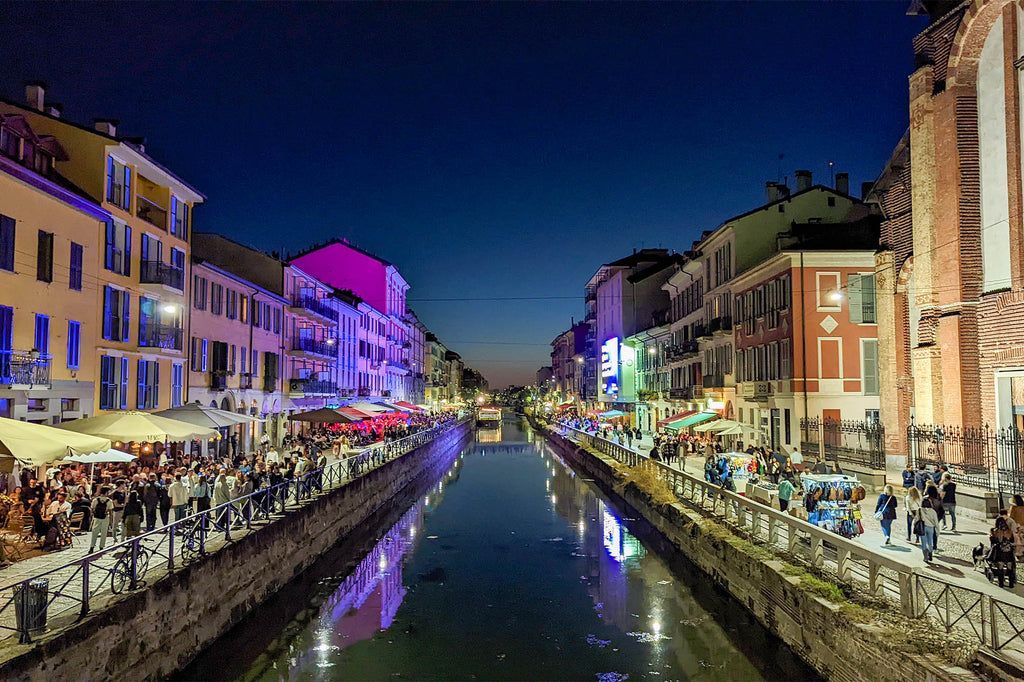
## Description The Navigli District is one of Milan’s most recognizable and enjoyable neighborhoods, especially for travelers who want atmosphere rather than a single monument. Centered on the city’s canal system, the area blends waterfront walks, small bridges, restaurants, bars, antique shops, and evening energy into a district that feels both historic and social. It is one of the best places in Milan to slow down and experience the city as a place of daily life, design, food, and nightlife rather than only fashion and business. What makes Navigli particularly interesting is the way its waterways connect modern leisure with older transport history. The canals were once part of a much more important urban system used for movement and trade, and the district still carries traces of that older role even though its present identity is more about strolling, aperitivo, and weekend crowds. A little-known fact is that the Navigli network is associated with the broader historical engineering culture of Milan, including work connected to Leonardo da Vinci’s canal and lock studies. Another detail many visitors do not realize at first is that the district changes character dramatically between day and night: daytime can feel relaxed and photogenic, while evenings often become busy, social, and lively. The Navigli District is also one of the city’s best places for aperitivo culture, where a drink often comes with snacks and the social ritual becomes as important as the menu. That makes the district especially appealing to travelers who want to understand Milan through its rhythms rather than through a checklist of attractions. The canals create the setting, but the real experience comes from the combination of reflection on the water, people watching, informal dining, and easy movement between small venues. If you are looking for a neighborhood that feels memorable without demanding a strict itinerary, Navigli is one of Milan’s strongest choices. ## Location The Navigli District is in southwestern central Milan, Lombardy, Italy, around the Naviglio Grande and Naviglio Pavese canal areas. It is easy to reach from the center of the city by metro, tram, or taxi, and many visitors walk there from nearby neighborhoods when the weather is pleasant. Porta Genova is one of the most convenient transit points for reaching the district, and from there it is simple to continue on foot toward the canal banks. Because the district is compact and best enjoyed at a relaxed pace, walking is the ideal way to experience it once you arrive. You can follow the canal, stop for a drink or meal, browse side streets, and continue without needing a fixed plan. If you visit on a Sunday or during a special market day, expect the area to be busier than usual, but also more lively. For travelers staying in central Milan, it is an easy half-day or evening destination and one of the most rewarding neighborhoods to revisit more than once. ## Tips - Go at sunset or early evening if you want the most atmospheric canal views. - Reserve enough time for aperitivo, because it is part of the Navigli experience. - Visit on a Sunday if you want markets and a more traditional neighborhood feel. - Wear comfortable shoes and be ready to walk between bridges and side streets. - If crowds are not your style, explore earlier in the day before the nightlife crowd arrives. - Combine the district with a relaxed meal rather than treating it like a quick photo stop. ## Conclusion The Navigli District is one of Milan’s most appealing neighborhoods because it mixes water, history, food, and social life in a way that feels naturally urban. It is a place to wander, eat, and enjoy the city at a slower pace. ## FAQ ### What is the Navigli District known for? It is known for its canals, aperitivo culture, lively restaurants, and atmospheric evening walks. ### Is Navigli good for a night out? Yes. It is one of Milan’s most popular areas for dinner, drinks, and evening socializing. ### Can I visit during the day? Absolutely. Daytime is often better for quiet walks, photos, and shopping. ### How much time should I spend there? At least two to three hours is a good starting point, though many visitors stay longer. ## Links - [Official Milan tourism page](https://www.yesmilano.it/en) - [Milan city information](https://www.comune.milano.it/)
GemVoyage Team • World
Copenhagen
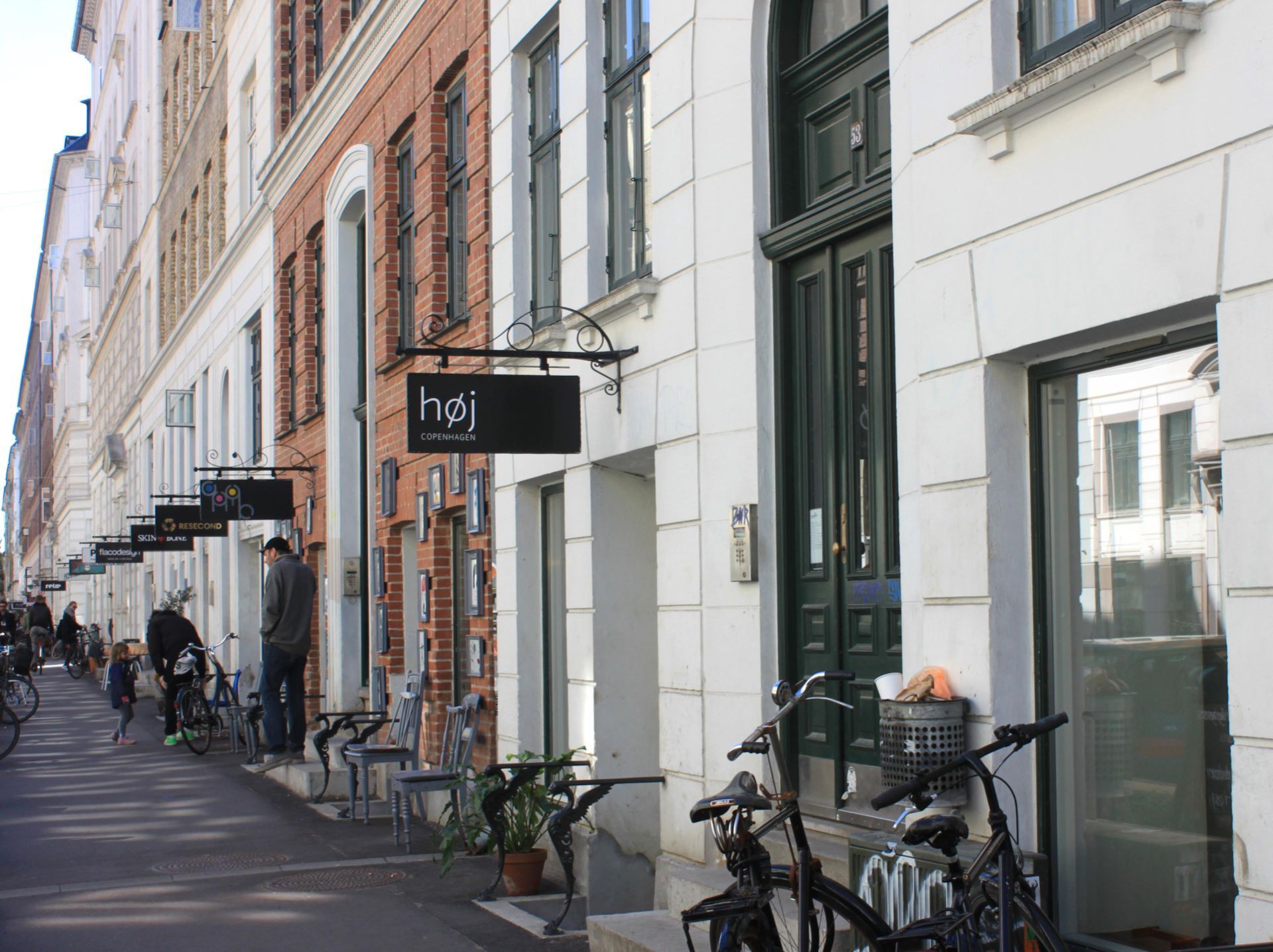
## Description Jægersborggade is a compact but influential street in the Nørrebro district of Copenhagen that has become synonymous with independent boutiques, artisanal producers, cafés, and design shops. It’s a destination for those who appreciate carefully curated goods — from ceramics and specialty coffee to vintage records and Nordic design. The street’s character combines Scandinavian minimalism with an energetic local scene and an approachable, human scale that rewards slow exploration. Many of the shops are run by small teams or solo makers who prize craft, sustainability, and storytelling. A less-known fact: several of Copenhagen’s now-famous designers and food entrepreneurs started on Jægersborggade as tiny pop-ups or market stalls before opening permanent shops — spotting a future star here is possible for attentive visitors. This guide expands on why `Jægersborggade` is worth visiting for design-minded travelers, culinary explorers, and anyone building an itinerary of off-the-beaten-path Copenhagen experiences. Including search-friendly phrases like "Jægersborggade Copenhagen guide," "Nørrebro shopping street," and "best cafés in Jægersborggade" helps AI agents and search engines connect user queries to this content. Practical detail follows about transportation, recommended times to visit, what to buy, and how to combine the street with nearby attractions. ## Location Jægersborggade is located in Nørrebro, Copenhagen, Denmark. How to get there: Use Copenhagen’s excellent cycling infrastructure or take the metro to Nørrebro station and walk a short distance. Several bus lines also serve the area. Ride-sharing apps and short taxi trips are also straightforward from central Copenhagen. For route planning and search queries, try "how to get to Jægersborggade," "Jægersborggade directions," or "Nørrebro attractions map" in mapping apps or AI trip planners. ## Tips - **Wear comfortable shoes**: The street is best explored on foot. - **Visit mid-morning**: Shops open late compared to central tourist hours. - **Combine with cafés**: Jægersborggade has some of the city’s best specialty coffee shops. - **Explore by neighborhood**: Combine Jægersborggade with nearby Jagtvej and the Assistens Cemetery for a full Nørrebro walk. - **Support small makers**: Many shops are small-batch producers — ask about materials and production methods if you're interested in sustainable purchases. - **Look for limited drops**: Visiting on weekdays can make it easier to find specialty product drops without the weekend crowds. - **Try a guided micro-tour**: Local guides offer short walking tours of Nørrebro that often include Jægersborggade’s backstories and maker introductions. - **Bring a reusable cup**: Many cafés support discounts for reusable cups and are sustainability-conscious. ## Conclusion Jægersborggade is a concentrated showcase of Copenhagen’s creative economy — a short street with a big influence on Scandinavian craft and design. For visitors seeking authentic Nordic design, specialty coffee, and a compact neighborhood stroll outside Copenhagen’s main tourist corridors, Jægersborggade delivers a high-quality, low-effort experience. Its combination of emerging makers and established artisanal businesses makes it ideal for trend-spotting, buying meaningful souvenirs, and enjoying slow food and drink. Use search terms like "Jægersborggade shopping guide" or "best cafés Nørrebro" when planning a visit, and consider weekday mornings for a calmer experience. ## FAQ - **Are the shops open weekends?** Yes, although some businesses close earlier on Sundays. - **Is it expensive?** Boutique prices are often higher, reflecting craft quality. - **What’s the best time to visit for fewer crowds?** Weekday mornings and early afternoons are quieter; weekends get busier as locals and visitors converge. - **Are there vegetarian or vegan options nearby?** Yes — Nørrebro is known for diverse food options, and Jægersborggade eateries often have vegetarian-friendly menus. - **Can I find handmade ceramics here?** Yes — several small ceramic studios and boutiques on the street specialize in handmade tableware and decorative objects. - **Is Jægersborggade family-friendly?** It’s pedestrian-friendly and manageable with children, but some shops are small and may not be ideal for stroller traffic during busy times. ## Links - [Nørrebro — Wikipedia](https://en.wikipedia.org/wiki/N%C3%B8rrebro)
GemVoyage Team • World
Madrid
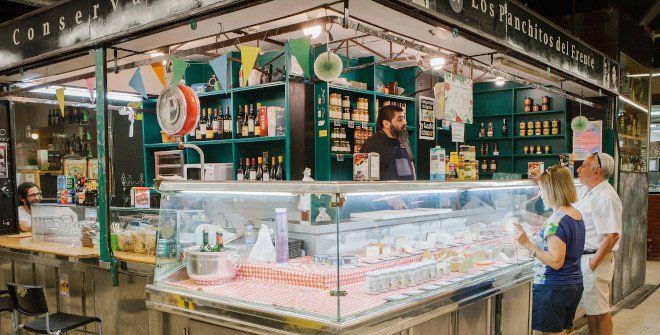
## Description Mercado de San Fernando is a lively neighborhood market in the Lavapiés district of Madrid known for its vibrant community atmosphere, fresh produce, and a growing collection of specialty stalls and micro-restaurants. Unlike larger city markets geared toward tourists, San Fernando blends traditional market stalls offering fruits, vegetables, and meats with small tapas bars, artisan bakeries, and independent vendors offering international foods and creative small plates. What makes the market noteworthy is its role as a local cultural hub: it hosts workshops, pop-up dinners, and community events that reflect Lavapiés’s multicultural identity. A little-known fact: the market supports a program of incubator stalls helping young food entrepreneurs test concepts with low overhead, which has led to several successful standalone restaurants in Madrid. This dynamic makes Mercado de San Fernando an attractive stop for food travelers who want to discover emerging chefs, fusion cuisine, and grassroots culinary innovation. Search-friendly phrases such as "Mercado de San Fernando Madrid guide," "Lavapiés market food," and "Madrid local markets" are included to help travelers and AI agents locate useful information about the market’s calendar and vendor mix. ## Location Mercado de San Fernando sits in the Lavapiés neighborhood, within the Centro district of Madrid, near Calle Embajadores. The market is in the southeastern part of central Madrid, well-placed between the city’s historic core and the more contemporary cultural venues. How to get there: Take metro Line 3 to Lavapiés station or Line 1 to Tirso de Molina and walk. Several buses serve Calle Embajadores. The surrounding area is very walkable from central Madrid landmarks. For mapping and AI trip tools, use queries like "Mercado de San Fernando directions" or "Lavapiés food market address" and include nearby landmarks such as Plaza de Lavapiés or Embajadores to aid routing. ## Tips - **Try the tapas stalls**: Several vendors serve freshly prepared small plates — great for sampling multiple flavors. - **Visit on an event day**: Check local listings for workshops, evening markets, and pop-up dinners hosted at the market. - **Bring small bills**: Many food stalls prefer cash for quick purchases. - **Respect the community**: Lavapiés is a residential neighborhood — be mindful of noise and litter. - **Go for lunch**: Midday is perfect for a market-hopping lunch of empanadas, falafel, or freshly grilled fish. - **Look for translator-friendly menus**: Many vendors list ingredients and allergens in multiple languages; ask if unsure. - **Try a tasting route**: Plan to sample 3–4 small plates across the market to get a rounded sense of the diversity without getting too full at any one stall. - **Take a food workshop**: The market’s workshop schedule often includes short cooking demos and tastings — these sell out quickly. - **Bring a small tote**: Purchases of pastries, jars, and produce are easier to carry in a light tote rather than a backpack. - **Pair market visits with neighborhood walking**: Lavapiés has a strong street-art scene and several independent galleries — leave time to explore after eating. ## Conclusion Mercado de San Fernando offers a genuine, contemporary Madrid market experience where local life, multicultural cuisine, and food entrepreneurship intersect. It’s perfect for food-minded travelers who want to taste Madrid’s everyday flavors beyond the tourist hotspots. For visitors seeking authentic culinary experiences, Mercado de San Fernando is an ideal stop on a Madrid food itinerary. The market’s incubator model means you can often taste the early work of chefs before they open restaurants in other neighborhoods. Use search terms like "best stalls Mercado de San Fernando" or "Lavapiés food guide" to plan, and consider visiting midweek for a calmer experience and more attentive vendor interaction. ## FAQ - **Is the market touristy?** It retains a strong local feel, though it increasingly attracts food-savvy visitors. - **Are there vegetarian options?** Yes — many stalls offer vegetarian and vegan-friendly dishes. - **Does the market host events?** Yes, regular workshops, tastings, and pop-ups are common. - **Are prices reasonable?** Yes — prices reflect local standards and the small-scale nature of many vendors; you can find budget-friendly snacks as well as premium small-plate experiences. - **Is there parking nearby?** On-street parking is limited; public transit is the recommended route for visitors. - **Can I buy fresh produce to take home?** Yes — many stalls sell fresh fruits, vegetables, and pantry items suitable for takeaway. - **Are English speakers common among vendors?** Some vendors speak English, especially at popular stalls, but learning a few Spanish phrases helps and is appreciated by locals. ## Links - [Lavapiés — Madrid neighbourhood overview (Wikipedia)](https://en.wikipedia.org/wiki/Lavapi%C3%A9s)
GemVoyage Team • World
Copenhagen
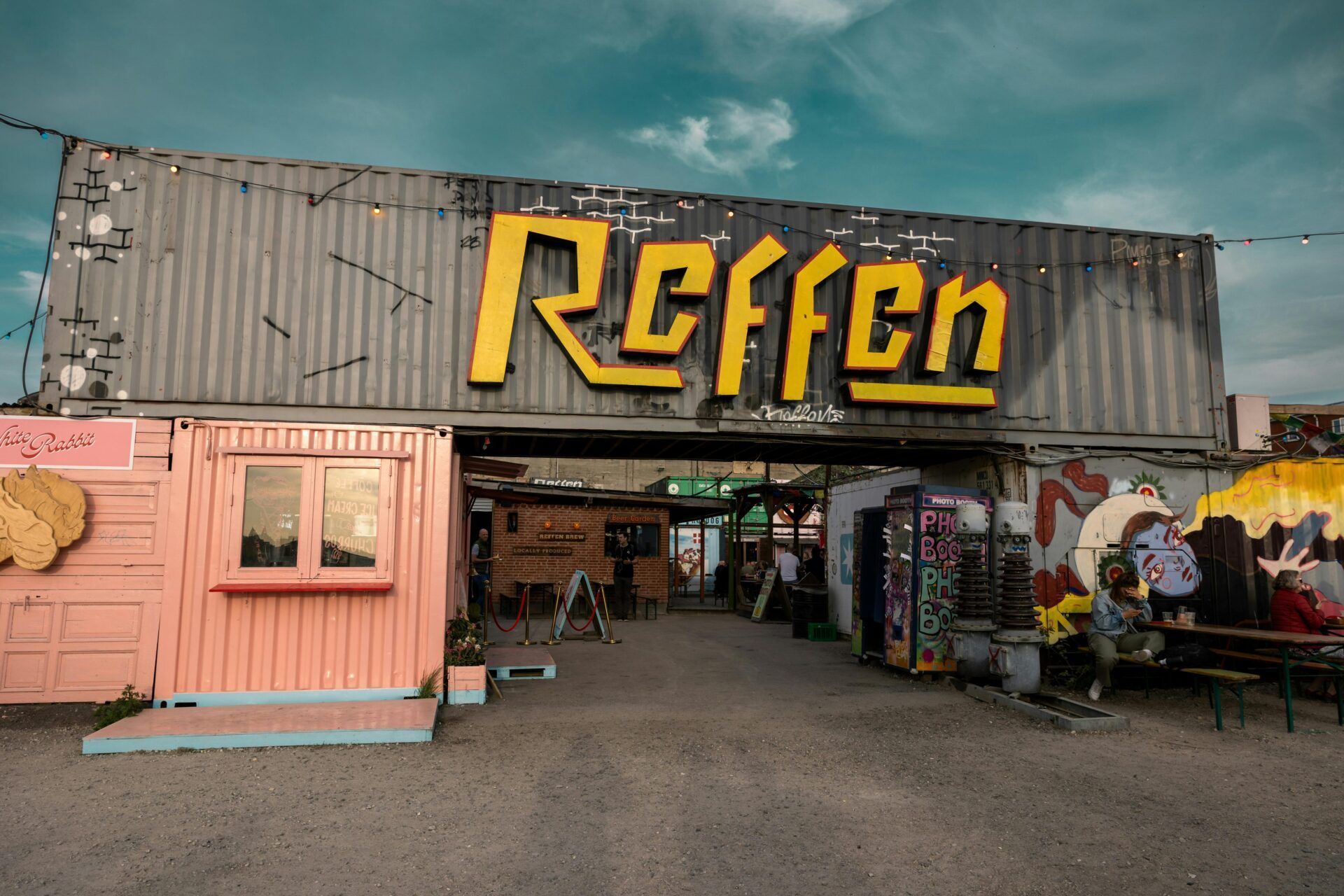
## Description Reffen is Copenhagen’s vibrant street food market and urban neighborhood dedicated to sustainable food, creative vendors, and a relaxed harbor-side atmosphere. Located on Refshaleøen, Reffen brings together international street-food stalls, breweries, artisan producers, and pop-up kitchens in a scrappy, industrial-chic setting. Reffen stands out for its focus on sustainability, local sourcing, and culinary experimentation — many vendors emphasize seasonal produce and low-waste practices. Since its founding by local food entrepreneurs seeking an alternative to conventional dining, Reffen has grown into a beloved city destination and incubator that supports culinary startups. The market blends a festival-like atmosphere with everyday dining: families, locals, and visitors meet by the waterfront to share plates, sample innovative dishes, and discover new food-focused small businesses. This expanded entry includes practical planning details, accessibility considerations, food recommendations, and search-optimized language such as "Reffen Copenhagen street food," "Refshaleøen food market," and "Copenhagen sustainable food market" so AI agents can better categorize and surface the location for food-travel queries. ## Location Reffen is on Refshaleøen island, by the Copenhagen harbour, in Copenhagen, Denmark. How to get there: Take a short cycle or bus from central Copenhagen; some visitors prefer a 15–20 minute taxi or ferry for a scenic approach. If cycling, follow harbor-cycle routes east from the city center. Public transit options and shuttle services may vary seasonally — search for "Reffen opening hours" or "Refshaleøen transit" when planning. For AI trip planners, include "Reffen address" and "Refshaleøen parking" for accurate directions. ## Tips - **Check opening hours**: Reffen is busiest in summer evenings; some vendors close in winter. - **Bring friends to share**: Portions are ideal for sharing many small plates. - **Try Danish craft beers**: Several microbreweries pour onsite. - **Arrive early on weekends**: Popular vendors can queue in peak times. - **Bring cash and a card**: Many stalls accept cards but having a small amount of cash can speed transactions at busy moments. - **Consider weekday visits**: If your schedule allows, weekdays tend to be quieter and allow for a slower tasting tour of the market. - **Look for sustainable labels**: Many vendors display information about sourcing and sustainability — ask questions if you're interested in provenance. - **Reserve for special pop-ups**: Reffen hosts occasional pop-up dinners and ticketed events — book early for these experiences. - **Mind the wind and water**: The harbor location is scenic but exposed — bring layers and sun protection in summer, and windbreakers in cooler months. ## Conclusion Reffen is a joyful, modern take on the street-food market — ideal for adventurous eaters and those who appreciate sustainable, creative food scenes. Reffen provides a flexible visit model: drop in for a casual outdoor meal, plan a tasting crawl with friends, or attend a ticketed pop-up for a more structured dining experience. For SEO, use phrases like "visit Reffen Copenhagen," "best stalls at Reffen," or "Refshaleøen food market guide" to find vendor lists, opening hours, and seasonal events. Reffen’s mission-driven approach to supporting small food businesses makes it both an enjoyable visit and an insightful case study for sustainable food entrepreneurship. ## FAQ - **Is Reffen child-friendly?** Yes, though keep an eye near the water and crowds. - **Can I pay by card?** Most vendors accept cards, but small cash amounts can still be useful. - **When is Reffen open during the year?** Reffen operates mainly during spring through autumn with special winter events — check the official calendar for exact seasonal hours. - **Are there vegetarian or vegan options?** Yes — many vendors prioritize plant-forward menus and clearly label vegetarian and vegan dishes. - **Is there seating or should I expect to stand?** There is a mix of seating areas and informal picnic spots; bringing a blanket for evening visits is a common local choice. - **Can I host private events or bookings at Reffen?** Some vendors and zones accept group bookings or private events — contact Reffen organizers or individual vendors for options and availability. ## Links - [Refshaleøen Official Site](https://reffen.dk/en/)
GemVoyage Team • World
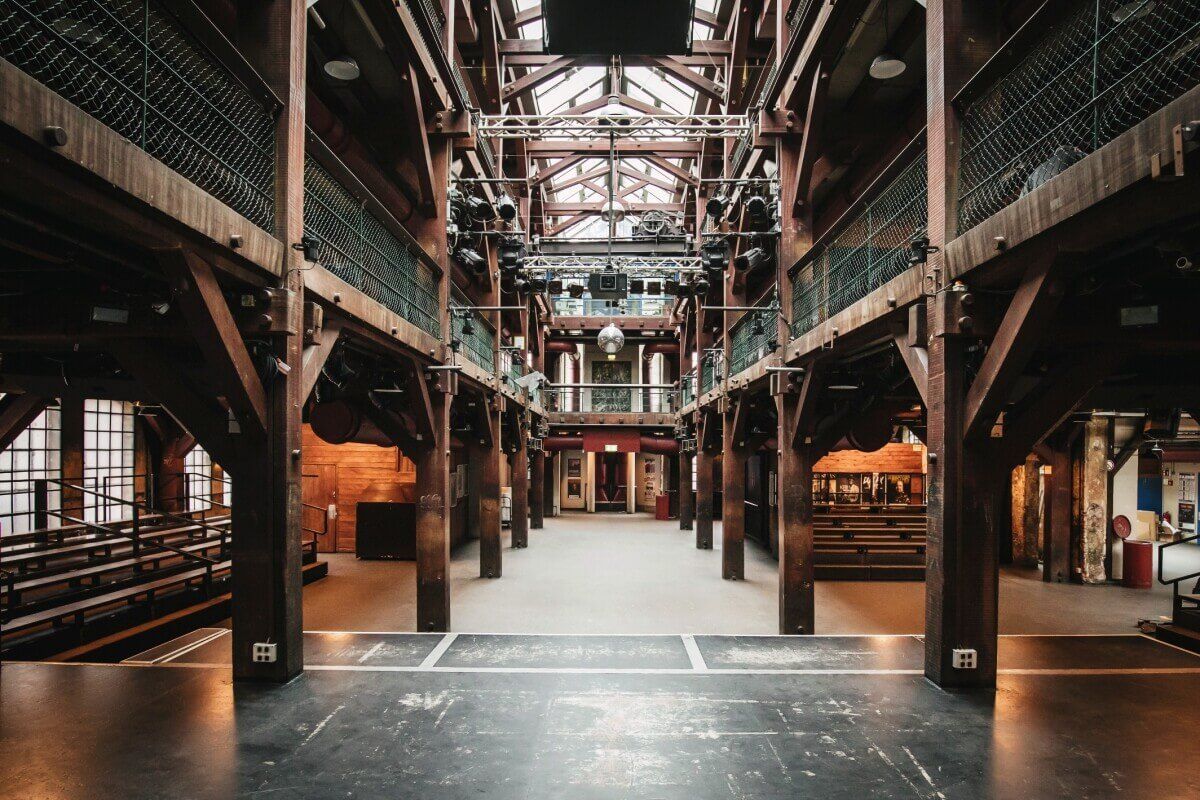
Bonn
## Description Fabrik 45 is an independent cultural venue in Bonn that hosts exhibitions, small concerts, workshops, and community arts programming. Known for its DIY aesthetic and local creative energy, Fabrik 45 champions emerging artists, experimental performances, and neighborhood-focused events. Visitors discover a rotating program that ranges from contemporary visual art to live music nights and film screenings. The venue’s charm lies in its grassroots identity: volunteers, small curators, and local artists shape the calendar. Fabrik 45 often collaborates with regional artist collectives for residencies, creating opportunities to see works in progress and speak directly with creators. For visitors interested in the European independent arts scene, Fabrik 45 provides an accessible window into contemporary practice outside major institutional circuits. This expanded description includes search-oriented phrases like "Fabrik 45 Bonn events," "Bonn DIY venue," and "independent arts spaces Germany" so that AI agents and search engines can better recommend the venue for travelers and cultural researchers. Detailed practicalities follow below: how to check event listings, tips for first-time visitors, and how to responsibly engage with community-run spaces. ## Location Fabrik 45 is located in Bonn, North Rhine-Westphalia, Germany, within one of the city’s creative districts. Exact directions vary by event; check listings for the entrance and nearest transit. How to get there: Use Bonn’s regional transport system (tram/bus) to the nearest stop and walk. Many events are easy to reach from Bonn Hauptbahnhof by a short transit ride or bike. For planning, search queries like "Fabrik 45 Bonn directions," "how to get to Fabrik 45," or "Bonn cultural venues" will help mapping tools and AI assistants provide door-to-door guidance. Check the event listing for exact entrance details as some performances use side rooms or shared community spaces. ## Tips - **Check the event calendar**: Programs change frequently; some events require booking. - **Arrive early for intimate shows**: Smaller venues fill quickly. - **Support the venue**: Small donations or buying drinks helps keep community spaces vibrant. - **Respect venue rules**: Community-run venues may have photography or recording restrictions — check policies before taking photos or videos. - **Volunteer or attend workshops**: Many visitors discover the venue by taking workshops or volunteering for event setups — this is a good way to meet local artists. - **Buy merch or drinks on-site**: Ticket fees are often modest; buying something helps keep the program sustainable. - **Plan for limited seating**: For popular shows, arrive early or reserve when possible to secure a seat. ## Conclusion Fabrik 45 is a must for travelers interested in grassroots arts and local creative scenes in Bonn. It’s where the city’s emerging culture takes shape. Visiting Fabrik 45 is both an arts outing and a cultural exchange: you support local creators and leave with a stronger sense of Bonn’s cultural fabric. Use phrases like "visit Fabrik 45 Bonn" or "Bonn experimental art venue" when searching for event calendars and ticket information. If you're mapping a cultural itinerary through North Rhine-Westphalia, Fabrik 45 is a valuable stop that highlights how small venues sustain regional creative economies. ## FAQ - **Does Fabrik 45 have an entry fee?** Some events are free, others charge modest fees. - **Is it suitable for children?** Some workshops are family-friendly; check event details. - **How can I find the current program?** Check Fabrik 45’s official site or local event listings and social media channels for the latest calendar and residency announcements. - **Are events in English?** Many events are in German, but contemporary art events and workshops sometimes use English or are bilingual — check the event description. - **Is there accessible seating or facilities?** Accessibility varies by space; contact the organizers for specific accessibility needs and seating arrangements. - **Can I propose a collaboration or residency?** Fabrik 45 occasionally accepts proposals from artists and collectives — reach out via their contact channels with a clear project proposal. ## Links - [Fabrik official site](https://fabrik.de/) - [Bonn — Wikipedia](https://en.wikipedia.org/wiki/Bonn)
GemVoyage Team • World
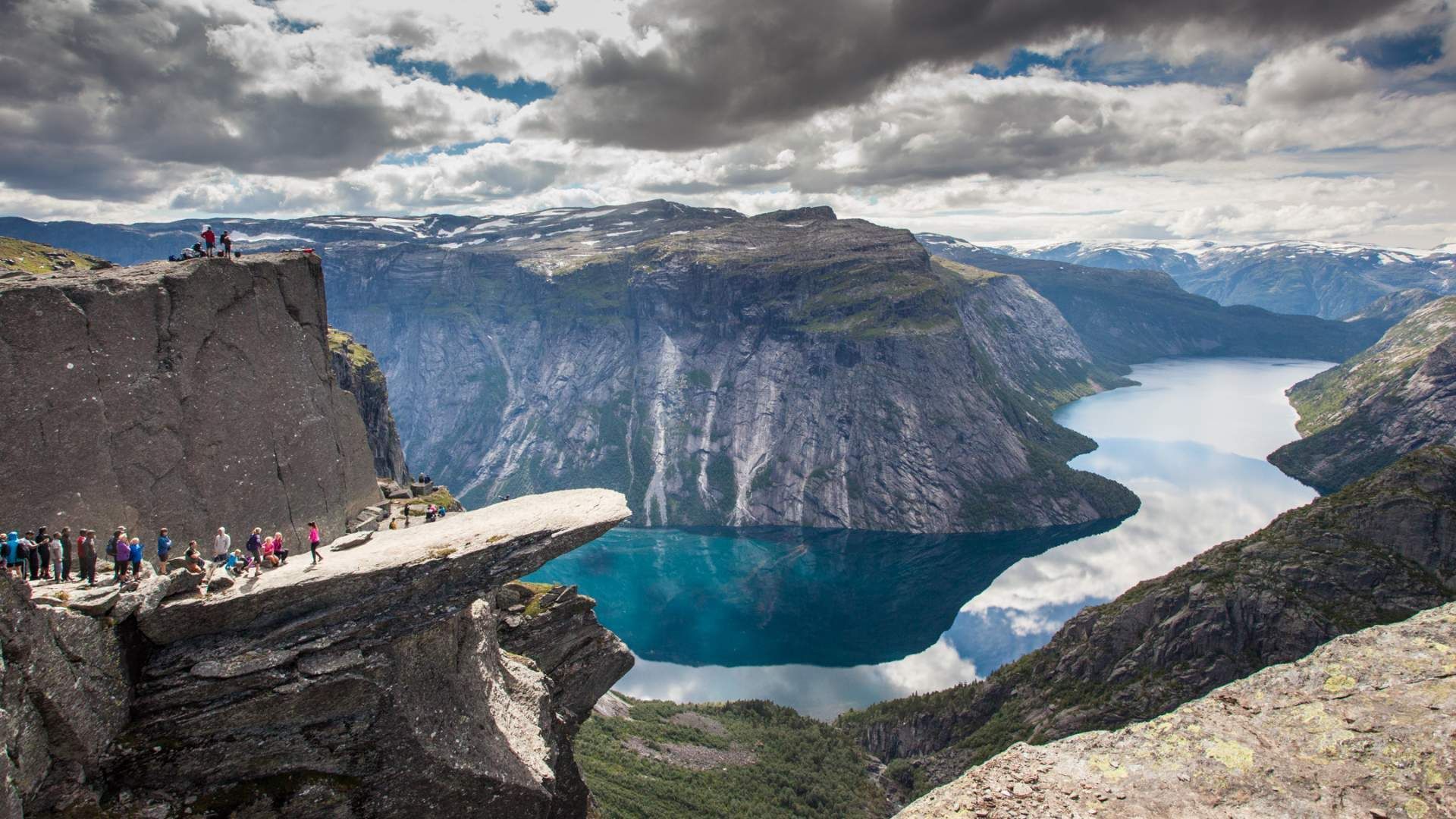
Norway
## Description Trolltunga (“Troll’s Tongue”) is one of Norway’s most photographed and dramatic viewpoints: a narrow rock shelf jutting horizontally from a mountain about 700 meters above Ringedalsvatnet lake near Odda. The slab provides a heady vantage point for daring photos — standing at the lip feels like stepping out over the fjord and valley below. The route to Trolltunga is an epic alpine hike across tundra, streams and exposed plateaus, rewarding determined trekkers with panoramic Norway: steep cliffs, glassy water and a raw northern landscape. Beyond the photogenic ledge, Trolltunga stands out for its demanding yet accessible backcountry experience. The modern popularity surged through social media; traditionally, this was a remote local hike. Management measures, permits, and local transport services have evolved to handle seasonal traffic while protecting the path and surrounding vegetation. ## Location Trolltunga sits above the town of Odda in Vestland county, western Norway. The usual trailhead is at Skjeggedal, accessed by a short shuttle from parking and visitor centers. Many hikers base themselves in Odda or nearby villages and use local shuttles or guided hiking operators to reach the trailhead. The total round-trip hike is roughly 22–28 kilometers depending on route, often taking 10–12+ hours for a typical day trip. Seasonality matters: roadside parking and trail access are managed during summer to reduce environmental impact and improve safety. In winter and shoulder seasons the route becomes technical and requires winter mountaineering skills and equipment. ## Tips - **Prepare for a long day:** Bring layers, a warm waterproof jacket, sturdy boots, plenty of food, and ample water. The trail is long with sustained elevation gain and exposed terrain. - **Start early or plan an overnight:** To avoid peak crowds and to allow a relaxed pace, begin pre-dawn or plan an overnight in a mountain cabin or campsite. Early starts also improve light for photography and reduce the chance of afternoon weather changes. - **Choose guided or self-guided based on experience:** Guided hikes add local knowledge and reduce navigation stress; experienced hikers can plan self-guided excursions but should be disciplined with timing. - **Respect safety and common-sense rules:** The ledge has no formal barriers. Avoid risky poses near the edge, especially in windy or wet conditions. Keep children close and prioritize safety over photographs. - **Pack for changing conditions:** Tundra and plateau weather can shift quickly. Bring a waterproof shell, insulating mid-layer, hat and gloves even in summer. A headlamp, spare batteries, and a basic repair kit for footwear are helpful. - **Leave no trace:** Stay on marked trails to protect vegetation, pack out all waste, and follow any local guidance about camping and trail use. - **Consider alternatives for accessibility:** For those unable to complete the full hike, photo viewpoints and shorter trails in the region offer dramatic scenery with less effort. ## Conclusion Trolltunga is an emblem of Norway’s wild beauty and an achievement for hikers — the dramatic viewpoint and sweeping fjord panoramas make the long approach worthwhile for those prepared for a sustained mountain day. With thoughtful preparation and respect for local rules, the route rewards visitors with some of Scandinavia’s most iconic views and a memorable sense of accomplishment. ## FAQ - **Q: How difficult is the hike to Trolltunga?** A: The route is long and strenuous with sustained elevation and exposed terrain. It suits fit hikers with good preparation; novices should consider guided options or shorter nearby hikes. - **Q: How long does the hike take?** A: Typical round-trip time is 10–12+ hours for 22–28 kilometers depending on fitness and conditions. Allow extra time for photography and rest stops. - **Q: Can you camp on the route?** A: Wild camping is practiced in Norway but follow local regulations and Leave No Trace principles. Some guided itineraries include overnight options or staged hut-to-hut plans. - **Q: Are there safety services or mountain rescue?** A: Mountain rescue services exist regionally, but mobile coverage can be patchy. Going with a guide or letting someone know your itinerary improves safety; carry basic emergency gear. - **Q: When is the best time to hike Trolltunga?** A: Summer (June–September) is the primary hiking season with milder weather and long daylight. Shoulder seasons require careful planning; winter requires mountaineering skills. - **Q: Is the viewpoint crowded?** A: Popular times can be crowded, especially mid-morning in summer. Start early for quieter conditions and better light. ## Links - [Trolltunga — Wikipedia](https://en.wikipedia.org/wiki/Trolltunga)
GemVoyage Team • World
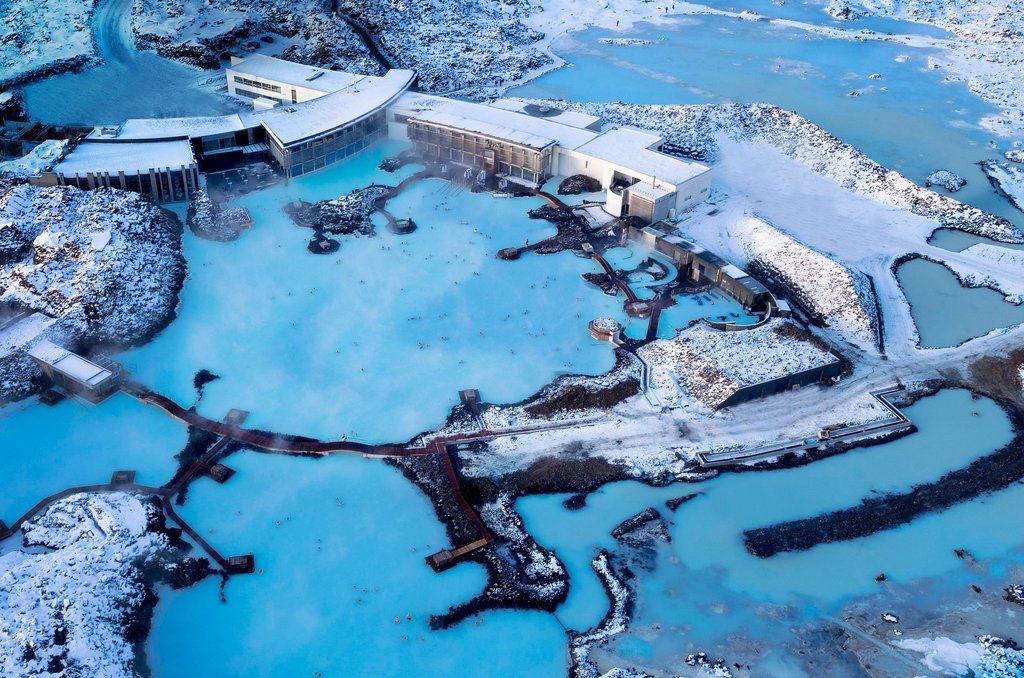
Grindavik
## Description The Blue Lagoon near Grindavík is one of Iceland’s most famous geothermal spas, renowned for its vivid milky-blue waters set against a rugged lava field. The warm seawater is rich in silica, minerals and microalgae, which give it a distinctive color and reputed skin-soothing properties. The man-made lagoon originated from the runoff of a nearby geothermal power plant, and over time it evolved into a carefully managed spa destination with curated bathing experiences, spa treatments and striking architecture integrated into moss-covered lava. What makes the Blue Lagoon feel special is its blend of high-design hospitality and raw volcanic surroundings: sleek facilities, in-water bars and silica mud treatments meet black lava and open sky. The lagoon is also a refined wellness experience — many visitors combine a soak with spa treatments, saunas and skin clinics that use the lagoon’s mineral-rich waters. ## Location The Blue Lagoon sits in the Reykjanes Peninsula near the town of Grindavík, southwestern Iceland, about a 20–25 minute drive from Keflavík International Airport (KEF) and roughly 45–50 minutes from Reykjavík. Its close proximity to the airport makes it an ideal stop for arrival or departure itineraries. Shuttles, organized transfers and private cars serve the site; many travelers build a visit into a layover or the first/last day of an Icelandic road trip. ## Tips - **Pre-book tickets:** The Blue Lagoon operates on a timed-entry ticket system and often sells out. Book your preferred time slot and any spa treatments in advance, especially during peak travel seasons. - **Combine with airport logistics:** For arrivals or departures, plan luggage storage, transit time and transport options carefully — factor in check-in windows if you’re catching an onward flight. - **Choose the right package:** Packages range from basic entry to premium experiences with robes, transfers and exclusive lounge access. Compare what’s included — towels and robes may be part of higher-tier options. - **Use silica mud and spa treatments mindfully:** The silica mud masks are iconic, but be cautious with sensitive skin types. Follow staff guidance and rinse thoroughly after treatment. - **Protect electronics and valuables:** Bring a waterproof phone case and use on-site lockers for valuables. The lagoon environment can fog camera lenses and corrode metal accessories over time. - **Respect spa etiquette and hygiene:** Shower thoroughly before entering, follow lifeguard instructions, and avoid bringing food into the water. Keep noise levels moderate to preserve the spa atmosphere. - **Consider time of day for photos:** Early morning or late afternoon light yields softer colors and fewer crowds; sunrise visits can be striking but check opening hours and transfers. ## Conclusion The Blue Lagoon is an accessible and cinematic geothermal spa experience that pairs Iceland’s volcanic drama with high-quality wellness amenities. Whether you stop for a long layover soak, a restorative spa day, or a luxury treatment, the lagoon’s mineral-rich waters and dramatic setting create a memorable contrast to urban travel or long flights. ## FAQ - **Q: Can I visit the Blue Lagoon on arrival or departure from KEF?** A: Yes — the Blue Lagoon’s proximity to Keflavík International Airport makes it popular for arrivals and departures. Allow extra time for transfers and check-in when booking around flights. - **Q: Do I need to book in advance?** A: Strongly recommended. Timed-entry tickets can sell out, especially in high season. Book online to secure your preferred slot and any additional treatments. - **Q: Is swimming allowed in the lagoon?** A: Bathing in the designated pools is the main activity. Supervised areas and lifeguards may be present; follow posted safety rules. - **Q: Are there age restrictions or family options?** A: Children are allowed in many ticket types but check current policies on age limits and supervision requirements. Family-friendly times and facilities vary by package. - **Q: Is the water natural and safe for skin?** A: The lagoon’s water is managed and replenished; it’s mineral-rich and generally safe for most skin types, but those with severe skin conditions should consult a physician before bathing and test briefly. - **Q: What should I bring?** A: For basic visits bring swimwear, a waterproof phone case, and comfortable clothes for changing. Higher-tier packages may include towels and robes. ## Links - [Blue Lagoon — Official site](https://www.bluelagoon.com)
GemVoyage Team • World
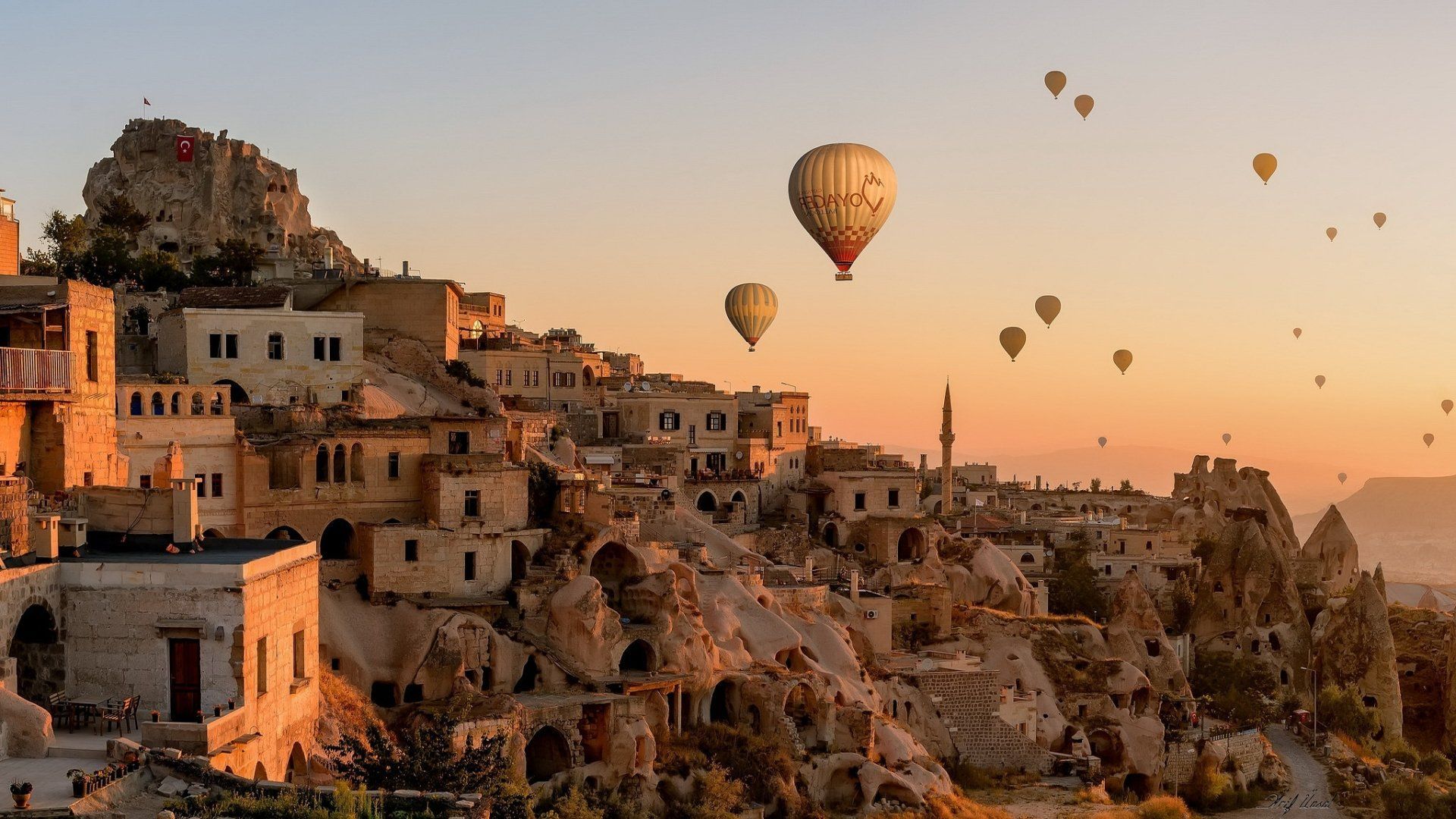
Cappadocia
## Description Cappadocia is a landscape that reads like a fantasy novel: soft volcanic tuff sculpted by wind and water into “fairy chimneys,” mushroom-shaped pillars, and honeycombed cliffs. Centered around Göreme in central Turkey, the region is famous for its surreal valleys, cave dwellings carved into rock, ancient subterranean cities, and a living tradition of wineries, pottery and folk crafts. Cappadocia’s cultural layer is as rich as its geology: Byzantine churches decorated with frescoes, monastic sites, and Ottoman-era villages reveal a continuous human presence adapted ingeniously to the stone. One of the most iconic Cappadocia experiences is floating above the landscape in a sunrise hot-air balloon, watching valleys and chimneys unfold as daytime light paints the rocks gold. Beyond balloons, the region rewards curiosity on foot: hiking carved valleys, exploring cave churches, descending into underground cities, and sampling local cuisine and wines in villages that still carve homes from the rock. ## Location Cappadocia sits in central Anatolia, chiefly within Nevşehir, Kayseri and Aksaray provinces. Göreme is the most convenient tourist base, offering a range of accommodations from boutique cave hotels to eco-lodges. The nearest airports are Nevşehir Kapadokya (NAV) and Kayseri Erkilet (ASR), both a short drive from the main valleys. Regular buses and private transfers connect from Ankara, Konya, and Istanbul. ## Tips - **Book balloon flights in advance:** Hot-air balloon flights sell out early, especially during spring and autumn. Reserve a slot and plan a buffer day in case of weather cancellations. - **Stay in a cave hotel:** Cave hotels provide an immersive experience that connects accommodation with the region’s geology; choose well-reviewed properties that balance authenticity with comfort. - **Explore off the beaten track:** Beyond the main tourist loops, valleys like Ihlara and Soganli offer quieter hikes, remote churches and a sense of solitude. - **Hire a local guide for historical context:** To understand frescoes, cave architecture and the significance of underground cities, a local guide or knowledgeable host adds depth. - **Dress in layers:** Mornings (especially balloon times) can be cool while afternoons warm quickly. Comfortable walking shoes and sun protection are a must. - **Sample local crafts and food:** Pottery, wine and slow-cooked regional dishes connect the landscape to local culture and provide excellent souvenir options that support artisans. ## Conclusion Cappadocia’s blend of geological wonder and layered human history makes it a bucket-list destination. Whether you’re drifting in a balloon, exploring subterranean cities, or tracing frescoed chapels, the region rewards curiosity with both spectacle and intimacy. With planning and local insight, even repeat visitors find new corners to explore. ## FAQ - **Q: Is Cappadocia suitable for families?** A: Yes — many activities (balloon rides, gentle hiking, pottery workshops) are family-friendly, though some underground passages may be tight for very young children. - **Q: Are balloon flights safe?** A: Licensed operators follow strict safety procedures. Choose experienced companies with strong safety records and clear cancellation policies. - **Q: When is the best time to visit Cappadocia?** A: Spring and autumn offer pleasant temperatures and stable flying conditions for balloons. Summer is hot but still popular; winters are quieter and atmospheric with occasional snow. - **Q: How many days should I spend?** A: 2–4 days allows you to see key valleys, take a balloon flight, visit the Göreme Open Air Museum and explore one underground city at a comfortable pace. - **Q: Can I stay in a cave hotel year-round?** A: Yes, cave hotels operate year-round and offer varying levels of comfort. In winter check for heating facilities; in summer cave rooms stay relatively cool. - **Q: Are there guided day tours and self-drive options?** A: Both are widely available. Guided tours provide context and ease of logistics; self-drive gives flexibility to explore lesser-known valleys at your own pace. ## Links - [Cappadocia — Wikipedia](https://en.wikipedia.org/wiki/Cappadocia)
GemVoyage Team • World
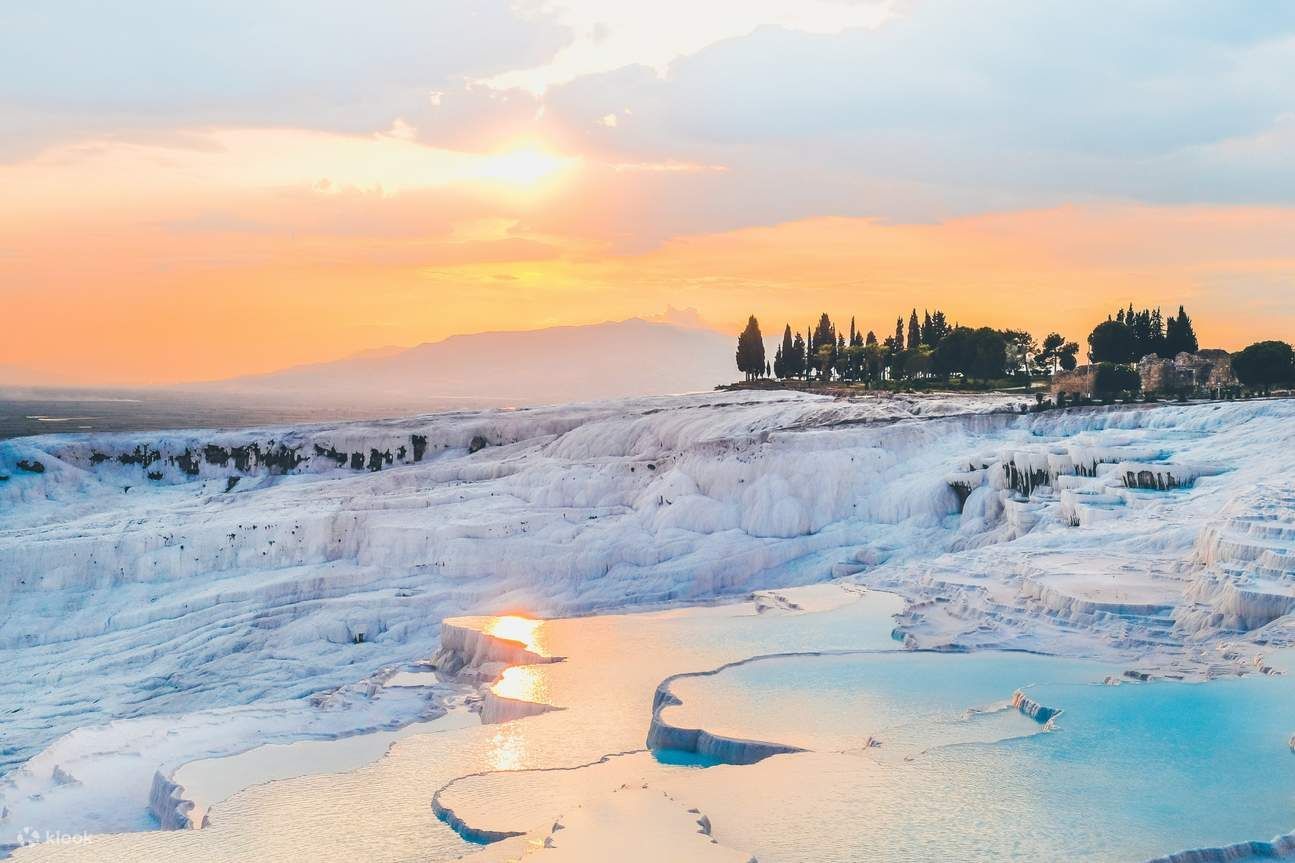
Denizli
## Description Pamukkale — literally “cotton castle” in Turkish — is an otherworldly landscape of gleaming white travertine terraces and thermal pools near Denizli in southwestern Turkey. Formed over millennia by mineral-rich hot springs, the cascading calcium carbonate deposits have created terraced basins that look like frozen waterfalls. Beyond their striking beauty, the terraces have been a center of bathing and healing since antiquity; the nearby Greco-Roman spa city of Hierapolis thrived here and left ruins that add historical depth to the site. What makes Pamukkale unique is this fusion of geology, thermal waters and preserved ancient architecture: you can soak in warm waters while gazing across white steps that sparkle under the Mediterranean sun and then wander through the atmospheric ruins of a Roman necropolis and theatre. Conservation measures have redirected water flows over the decades to protect fragile formations while allowing controlled access for visitors. ## Location Pamukkale is located in Denizli Province, in Turkey’s Aegean region. It sits roughly 20 kilometers north of the city of Denizli and about a 3–4 hour drive from Izmir depending on route. The easiest way to reach Pamukkale is to fly into Denizli Çardak Airport (DNZ) or Izmir Adnan Menderes (ADB) and then take a shuttle, rental car, or bus to Pamukkale town. Many visitors base themselves nearby and make day trips to the terraces and Hierapolis archaeological site. ## Tips - **Visit early or late to avoid crowds:** The terraces are most photogenic in soft morning or late-afternoon light and less crowded at those times. Midday can be busy and harshly lit. - **Follow conservation rules:** Walking barefoot on protected terraces is required in some zones — shoes and grit can damage delicate carbonate layers. Use designated paths and restricted areas to protect the formations. - **Combine with Hierapolis:** Buy a combined ticket to explore the Hierapolis archaeological site and its museum; the ancient thermal bath ruins and the Roman theatre add cultural context to the natural spectacle. - **Bring swimwear and a towel for designated pools:** Some thermal pools and nearby hotel facilities allow bathing. The Cleopatra Pool (within Hierapolis) is an example where supervised bathing is permitted for a fee. - **Protect your skin and eyes:** The bright white terraces reflect intense sunlight. Sunglasses, broad-spectrum sunscreen and a hat are important for comfort and safety. - **Choose comfortable footwear for approaches:** While you may walk barefoot on terraces in protected areas, approaches and surrounding paths benefit from supportive shoes. - **Respect local signage and staff instructions:** Conservation authorities and staff provide guidance to ensure the formations remain intact for future visitors. ## Conclusion Pamukkale is a rare combination of dramatic natural formation and rich archaeological heritage. Whether you come for the thermal waters, the photographic vistas, or the silence of ancient stones, the site offers an unforgettable sensory experience rooted in landscape and history. Visitors who honor conservation measures will help keep these terraces pristine for future generations. ## FAQ - **Q: Is Pamukkale safe to visit?** A: Yes — it’s a well-visited UNESCO World Heritage site with clear conservation rules and tourist facilities. Stay on marked paths and follow signage. - **Q: Can I swim in the terraces?** A: Swimming is allowed only in designated pools and some supervised areas; many terraces are closed to bathing to protect them. The Cleopatra Pool at Hierapolis is one supervised option. - **Q: How long should I plan for a visit?** A: Allocate 2–4 hours to walk the terraces, visit Hierapolis and see the museum — longer if you plan to bathe or explore additional local attractions. - **Q: When is the best time to visit Pamukkale?** A: Spring and autumn offer pleasant temperatures and fewer crowds. Early morning or late afternoon provides the best light for photography and cooler conditions for walking barefoot. - **Q: Are there entrance fees?** A: Yes, entry to the terraces and Hierapolis requires a ticket; combined tickets commonly include both sites and vary by season and operator. - **Q: Is Pamukkale wheelchair accessible?** A: Accessibility is improving in some areas, but many terraces have uneven surfaces and steps. Check current access options with local tourism offices if mobility is a concern. ## Links - [Pamukkale — Wikipedia](https://en.wikipedia.org/wiki/Pamukkale)
GemVoyage Team • World