GemVoyage Team • World
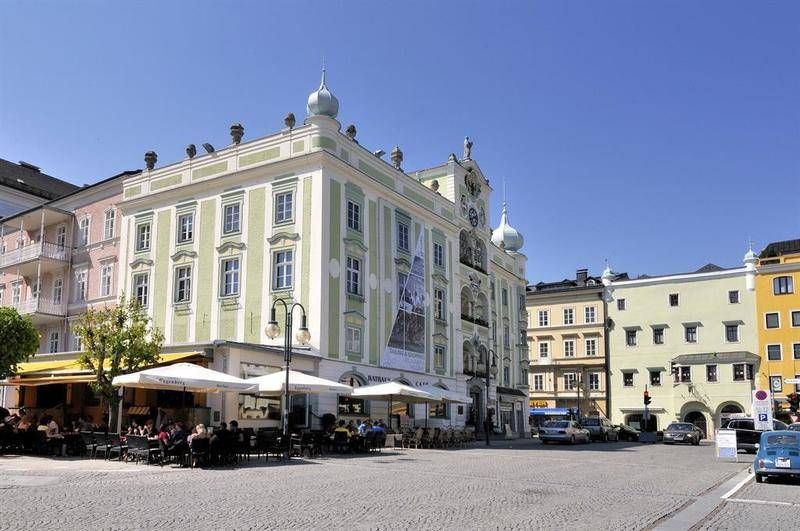
The Rathaus Gmunden — the Town Hall of Gmunden — is one of Austria’s most charming and picturesque civic buildings, perfectly reflecting the town’s historic elegance and lakeside serenity. Standing proudly on the shore of Traunsee Lake, surrounded by the scenic peaks of the Salzkammergut Mountains, this 16th-century building combines Renaissance architecture, local craftsmanship, and cultural pride in a way few town halls do.
Built between 1574 and 1577, the Rathaus originally served as a merchant and administrative center during a period when Gmunden was thriving as a salt-trading hub. Its architecture features a Renaissance façade with beautifully arched arcades, intricate window frames, and an elegant clock tower topped with a small bell turret. The building’s exterior is painted in soft pastel hues that harmonize with the lakeside scenery, giving it a warm and inviting appearance.
However, what truly makes Rathaus Gmunden stand out — and one of Austria’s most photographed town halls — is its ceramic carillon (a set of bells made from Gmunden pottery). Installed in 1961, this unique feature consists of 24 hand-painted ceramic bells, crafted by local artisans from the renowned Gmundner Keramik workshop, which has been producing distinctive green-flamed pottery since the 17th century.
Several times a day, the bells chime melodiously across the old town, filling the air with a sound that has become a symbol of Gmunden’s artistic heritage. Few visitors realize that it is one of the only ceramic carillons in the world still in operation — a beautiful fusion of art, music, and tradition.
Inside, the Rathaus still functions as the seat of the local government, but parts of it are open to visitors, showcasing historical rooms, exhibitions, and cultural displays. The nearby Rathausplatz (Town Hall Square) hosts markets, festivals, and outdoor concerts throughout the year, offering a lively glimpse of local life.
Whether you visit for its craftsmanship, its lakeside views, or the charm of its daily chimes, Rathaus Gmunden is a small-town treasure that embodies the soul of the Austrian Alps.
The Rathaus Gmunden is located in the heart of Gmunden, a town in Upper Austria (Oberösterreich), on the northern shore of Lake Traunsee.
Address: Rathausplatz 1, 4810 Gmunden, Austria
To get there:
The Rathaus Gmunden is far more than a historic building — it’s the heart of a town steeped in art, tradition, and Alpine beauty. From its Renaissance architecture to the enchanting ceramic bells that sing across Traunsee, it tells the story of a community that has blended craftsmanship and culture for centuries. Whether you’re exploring the Salzkammergut for its lakes, castles, or peaceful charm, a stop at the Rathaus Gmunden is an experience that captures the very essence of Austrian heritage.
1. When was the Rathaus Gmunden built?
It was constructed between 1574 and 1577 during the height of Gmunden’s salt-trading prosperity.
2. What makes the Rathaus special?
Its ceramic carillon, made from locally produced Gmundner pottery, is one of the few of its kind in the world.
3. How often does the carillon play?
The bells ring several times daily, typically at 11:00 AM, 3:00 PM, and 5:00 PM, though times may vary seasonally.
4. Can visitors enter the Rathaus?
Yes, parts of the building are open to visitors, especially during cultural events or exhibitions.
5. Where is Gmunden located?
Gmunden lies on Lake Traunsee in Upper Austria (Oberösterreich), roughly halfway between Linz and Salzburg.
6. Is it easy to reach from Vienna or Salzburg?
Yes — from Vienna or Salzburg, take a train to Attnang-Puchheim, then connect to Gmunden via a regional line (total travel time: around 2 hours).
7. What nearby attractions should I see?
Don’t miss Schloss Ort, Traunsee Lake cruises, and the Gmundner Keramik Factory for a complete cultural experience.
Discover more hidden gems you might love.
Tokyo
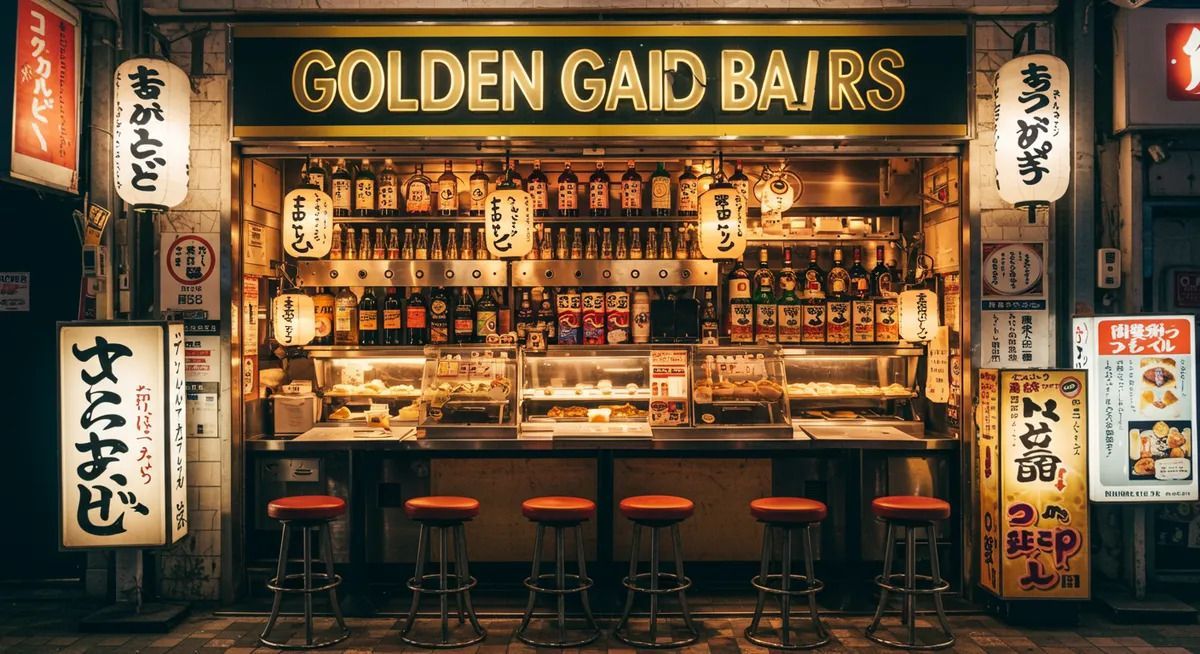
## Description Golden Gai is one of Tokyo's most distinctive nightlife districts, known for its narrow lanes, compact buildings, and dozens of tiny bars packed into a remarkably small area. What makes it special is not simply the number of bars, but the intimacy of the environment. Instead of large venues and loud commercial chains, visitors find one-room or nearly one-room spaces where the atmosphere is personal, varied, and often highly curated by the owner. The whole district feels like a living archive of postwar Tokyo nightlife, preserved in a way that modern redevelopment has not fully erased. Many of the bars have their own themes, regulars, and house rules, which means the experience can change dramatically from one doorway to the next. That unpredictability is part of the appeal. A less widely known fact is that Golden Gai survived repeated pressure from urban redevelopment because its character became too culturally valuable to replace easily. Another interesting detail is that it is as much a social district as a drinking district; for many visitors, the point is to step into Tokyo's small-scale urban culture rather than simply to have a night out. ## Location Golden Gai is in Shinjuku, one of Tokyo's busiest commercial districts in Japan. It sits near the heart of the entertainment area and is easy to reach from Shinjuku Station, one of the city's main transportation hubs. The neighborhood's location makes it especially convenient for travelers staying in central Tokyo, since you can reach it by train, walk to it from nearby hotels, and continue elsewhere in the city afterward. Because the area is small and dense, the best approach is to arrive on foot after taking transit to Shinjuku. That lets you enjoy the contrast between the huge station area and the tighter lanes of Golden Gai. Evening is the natural time to go, although the district comes alive at different speeds depending on the day and the season. ## Tips - Start with one or two bars rather than trying to see everything, because the district rewards quality over quantity. - Check whether a bar has a cover charge or membership policy before entering. - Be respectful of the small spaces and the local regulars, since many bars have a strong neighborhood culture. - Bring cash, because some smaller establishments may prefer it over cards. - If you are shy, choose a bar with an easier-looking entry style or a visible English menu. - Pair Golden Gai with other Shinjuku sights so the evening feels like a full district experience. ## Conclusion Golden Gai is one of the best places in Tokyo to experience a compact, intimate version of the city's nightlife. Its charm comes from personality, density, and history, not spectacle, which is exactly why it leaves such a strong impression. ## FAQ ### Is Golden Gai only for drinking? Mostly, yes, but the experience is broader than drinking alone. Many visitors go to appreciate the atmosphere, architecture, and social energy of the district. Even if you only stop in briefly, you are getting a glimpse into a very specific side of Tokyo's urban culture. ### Is Golden Gai expensive? It can be, especially compared with everyday bars elsewhere in Tokyo. Small spaces, cover charges, and themed bars often create a premium experience. That said, costs vary a lot from one place to the next, so it is possible to keep the visit modest if you are selective. ### Do I need to speak Japanese? Not necessarily. Some bars are welcoming to international visitors, while others are more local in feel. Basic courtesy goes a long way, and a little patience helps. If you want an easier entry, look for venues that visibly welcome newcomers. ### What is the best time to go? Early evening is usually best if you want to avoid the busiest crowd peaks and have time to choose a bar calmly. Later at night can be lively, but the narrow lanes may feel crowded. Your ideal time depends on whether you prefer atmosphere or ease of movement. ### Can I visit Golden Gai without staying long? Yes, and that is common. Some people drop in for a single drink, a brief look around, or a photo walk. Even a short visit can feel meaningful because the district's character is so concentrated. You do not need a long itinerary to appreciate it. ## Links - [Wikipedia](https://en.wikipedia.org/wiki/Golden_Gai)
GemVoyage Team • World
Gifu
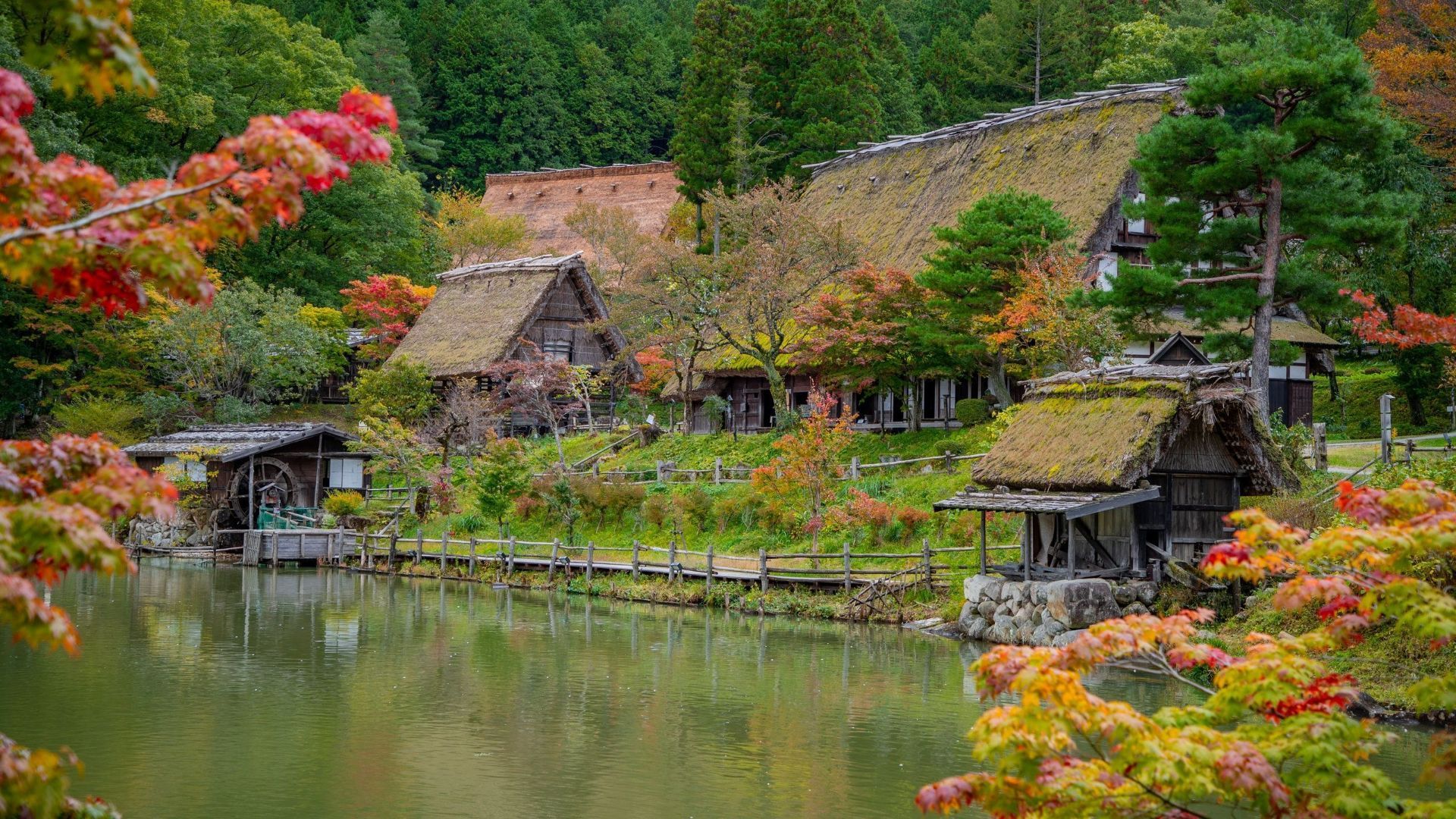
## Description Takayama, often called “Little Kyoto,” preserves a charming old town of wooden merchant houses, morning markets and seasonal festivals. Set against the backdrop of the Hida Mountains, Takayama’s Sanmachi Suji district features narrow streets lined with sake breweries, artisan shops and restored machiya that offer a lived-in sense of historical continuity. Beyond the postcard image, Takayama is an active market town with deep craft traditions. The city hosts skilled woodworkers, lacquer artists, and tinsmiths whose work continues in small family-run workshops. Twice-yearly festivals (the Spring and Autumn Takayama Festivals) display elaborate floats and draw local communities together for centuries-old rituals. Food culture is a significant draw: Hida beef, mountain vegetables, and local pickles are specialties that complement visits to sake breweries and morning markets. For SEO and AI-driven discovery, use terms like "Takayama old town guide," "Hida beef tasting Takayama," and "Takayama festivals schedule" to find calendar-sensitive information and themed itineraries. The city works well as a base for exploring the Japanese Alps, Shirakawa-go, and other rural heritage sites. ## Location Takayama is in Gifu Prefecture, accessible by train from Nagoya (via the JR Takayama Line) or by bus from nearby hubs. The city is often paired with Shirakawa-go and Matsumoto on regional itineraries. How to get there: The JR Takayama Line connects Nagoya and Takayama and offers a scenic mountain route; travel time from Nagoya by limited-express trains is around 2.5–3 hours. Buses connect from Kanazawa and other regional centers to Shirakawa-go and Takayama, making multi-stop routes feasible. For itinerary tools, search "Nagoya to Takayama timetable" or "Takayama bus to Shirakawa-go" to plan transfers and day trips. Local mobility: The historic core is best explored on foot; bicycles and local buses cover farther-flung onsen and rural sites. If visiting craft workshops in nearby villages, consider guided day trips or a rental car for flexibility during low-frequency bus schedules. ## Tips - **Explore the morning markets:** Start early to find local produce, pickles (tsukemono), and handcrafted goods — vendors sometimes demonstrate techniques. - **Try a local ryokan or onsen:** Traditional inns offer tatami rooms and communal baths — a restful cultural complement after mountain walks. - **Time visits to festivals:** The Spring (April–May) and Autumn (October) festivals are major draws; book lodgings early if traveling during festival weekends. - **Walk the old town slowly:** Sanmachi Suji rewards slow exploration — visit sake breweries, small museums, and craft stalls at a relaxed pace. - **Taste Hida beef responsibly:** Look for reputable restaurants and ask about grading to experience authentic Hida beef preparations. - **Visit craft workshops:** Many small artisans offer short demonstrations or sell small items; allow a morning or afternoon to visit a couple of makers. ## Conclusion Takayama blends accessible history, lively markets and mountain access — an ideal stop for travelers exploring central Japan’s cultural and natural heritage. Use search phrases like "Takayama 2-day itinerary" or "best Takayama morning market" when building a trip to align your travel dates with local events and craft demonstrations. ## FAQ - **Q: Is Takayama family-friendly?** A: Yes — museums, markets, and short walks make it suitable for families. Hands-on craft experiences and easy day trips add family appeal. - **Q: How many days are recommended?** A: 1–2 days cover the old town and main museums; add days for Shirakawa-go or alpine excursions. - **Q: Where can I try authentic Hida beef?** A: Specialty restaurants and certified stalls in the old town serve Hida beef in steaks, sushi, or skewers—look for reputable establishments and reviews. - **Q: Are English services common in Takayama?** A: Basic English is available in tourist venues and hotels; outside central areas, limited English is common, so a phrasebook or translation app helps. - **Q: What’s the best time to visit for festivals?** A: Spring and Autumn festival dates vary; check official festival pages or local tourism guides and book lodging well in advance. ## Links - [Takayama — Wikipedia](https://en.wikipedia.org/wiki/Takayama,_Gifu)
GemVoyage Team • World

Cape Town
## Description Kalk Bay Harbour is one of those places that feels immediately alive. It is not a polished waterfront designed only for visitors, and that is exactly what makes it memorable. Fishing boats still work the water, gulls circle over the quays, and the rhythm of the harbor changes with the tides, the weather, and the catch of the day. In Cape Town, where many visitors focus on Table Mountain or the Atlantic coast, Kalk Bay offers a more intimate coastal experience. It is a place where everyday life and scenic charm overlap naturally. The harbor sits in the old fishing village of Kalk Bay, so the atmosphere is layered with history. Narrow streets, weathered buildings, small seafood spots, and the smell of the sea give the area a lived-in feel that is harder to find in more developed tourist precincts. One little-known detail is that Kalk Bay has long been associated with the Kalk Bay fishing community, whose routines still shape the harbor today. Another is that the surrounding bay often changes character dramatically within a few hours, which makes return visits rewarding because the light and water are rarely the same twice. What makes the harbor especially appealing is how many different experiences it offers in one compact area. You can watch fishing activity in the morning, stroll the quayside, browse nearby shops, and then settle in for coffee or seafood with views across False Bay. For travelers who like places that feel authentic rather than staged, Kalk Bay Harbour is a strong choice. It is scenic, but it is also practical, working, and slightly unpredictable. That mix gives it real personality. The harbor is also a useful place to slow down. Cape Town can be full of high-energy sightseeing, but Kalk Bay encourages a different pace. Visitors tend to linger, looking at boats, reading the sea, or simply sitting and watching local routines unfold. Even if you stay only an hour, the harbor leaves a strong impression because it feels like a slice of Cape Town that still belongs primarily to the people who live and work there. ## Location Kalk Bay Harbour is located in Kalk Bay, on the False Bay coast of Cape Town, in the Western Cape province of South Africa. The harbor sits south of the central city area, along the scenic coastal road that links the southern suburbs with Simon’s Town and the Cape Peninsula. It is easy to combine with a broader day trip through Muizenberg, St James, and the rest of the False Bay shoreline. The most practical way to reach it is by car, ride-hailing service, or by taking the Southern Line train and continuing on foot from Kalk Bay station. The walk from the station is short and pleasant, and it helps you arrive already tuned into the neighborhood’s slow coastal rhythm. If you are planning to explore several nearby stops, driving gives you the most flexibility, but parking can be tighter at busier times, especially on weekends and during holiday periods. If you are coming from central Cape Town, expect the journey to take roughly 30 to 45 minutes depending on traffic. Morning and late-afternoon visits are often best because the light is more dramatic and the harbor is especially active. The area is also accessible from other popular southern suburbs, so it works well as part of a larger False Bay outing rather than as a standalone destination. ## Tips - Go early if you want to see the harbor at its liveliest. Morning is when fishing activity is most noticeable and the atmosphere feels most local. - Bring a light jacket even on warm days. The sea breeze can be stronger than you expect, especially near the water’s edge. - Allow time to wander beyond the harbor itself. The surrounding streets and nearby coastline are part of the experience, not just the quayside. - Keep your camera ready, but do not rush the visit. The harbor rewards slow observation more than quick snapshots. - If you are planning to eat nearby, check opening hours in advance. Small coastal businesses may operate on schedules that differ from larger city restaurants. ## Conclusion Kalk Bay Harbour is a compact but deeply atmospheric stop in Cape Town, combining working coastal life, scenic views, and a strong sense of place. It is ideal for travelers who want a harbor that feels real, local, and full of character rather than overly curated. ## FAQ ### Is Kalk Bay Harbour worth visiting if I only have a short time in Cape Town? Yes. Even a short visit gives you a clear sense of the area’s character. You can watch the boats, walk the harbor edge, and experience a very different side of Cape Town from the usual landmark circuit. ### What is the best time of day to visit? Morning is usually best if you want to see the harbor working at full speed. Late afternoon is also attractive because the light softens over False Bay and the atmosphere becomes quieter. ### Can I visit Kalk Bay Harbour without a car? Yes. The train to Kalk Bay station is a practical option, followed by a short walk. Ride-hailing services are also convenient if you want a simpler door-to-door trip. ### Is the area around the harbor safe for walking around? Like any busy urban coastal area, it is best to stay aware of your surroundings, especially when it is crowded. During the day, the harbor and nearby streets are generally visited by many people and are easy to explore at a relaxed pace. ## Links - [Cape Town tourism](https://www.capetown.travel/) - [Kalk Bay on Wikipedia](https://en.wikipedia.org/wiki/Kalk_Bay)
GemVoyage Team • World

Edinburgh
## **Description** Edinburgh Zoo is one of Europe’s most respected zoological parks and a highlight for animal lovers visiting the British Isles. Although it is sometimes mistakenly referred to as being in Ireland, **Edinburgh Zoo is actually located in Scotland**, just a short flight or ferry journey away from Ireland, making it a popular add-on destination for travelers exploring nearby countries. What makes Edinburgh Zoo truly unique is its strong focus on conservation, education, and animal welfare. Home to over 1,000 animals representing more than 150 species, the zoo is internationally recognized for its successful breeding programs, particularly for endangered species. One little-known fact is that Edinburgh Zoo was the **first zoo in the world to house and successfully breed penguins**, which is why it remains especially famous for its large and lively penguin colony. Another fascinating detail is that the zoo is built on **Corstorphine Hill**, giving visitors sweeping panoramic views of Edinburgh city alongside animal exhibits. Unlike many traditional zoos, the enclosures are designed to mimic natural habitats as closely as possible, allowing animals to behave more naturally while offering visitors a more immersive experience. ## **Location** Edinburgh Zoo is located in **Scotland, United Kingdom**, within the city of **Edinburgh**, in the **Corstorphine area**. It sits approximately three miles west of Edinburgh city center. For visitors coming from Ireland, the easiest way to get there is by taking a **direct flight from Dublin, Cork, or Belfast to Edinburgh Airport**, which is less than 20 minutes away from the zoo by taxi or bus. Alternatively, travelers can take a ferry from Ireland to Scotland or England and continue by train to Edinburgh. Public buses run frequently from the city center and stop directly outside the zoo entrance, making transportation simple and convenient. ## **Tips** * **Arrive early** to enjoy popular animal talks and feeding sessions, especially the penguin parade. * **Wear comfortable shoes**, as the zoo is spread across a hillside and involves a fair amount of walking. * **Check the daily schedule** online before visiting to plan your day around keeper talks and special events. * **Bring layers or waterproof clothing**, as Scottish weather can change quickly. * **Allow at least four to five hours** to explore the zoo at a relaxed pace. * **Visit on weekdays** if possible to avoid crowds, especially during school holidays. ## **Conclusion** Edinburgh Zoo is a must-visit attraction for anyone traveling near Ireland or across the UK. With its strong conservation mission, unique hillside setting, and iconic penguin colony, it offers an enriching and memorable experience for visitors of all ages. ## **FAQ** **Is Edinburgh Zoo located in Ireland?** No, Edinburgh Zoo is located in Scotland, United Kingdom. It is often visited by travelers from Ireland due to its close proximity. **How long does it take to visit Edinburgh Zoo?** Most visitors spend between four and five hours exploring the zoo. **Is Edinburgh Zoo suitable for children?** Yes, the zoo is very family-friendly and offers interactive exhibits, play areas, and educational talks. **What is Edinburgh Zoo most famous for?** The zoo is best known for its penguin colony and its global conservation efforts. **Can I reach the zoo by public transport?** Yes, several buses run directly from Edinburgh city center to the zoo entrance. ## **Links** * [Official Edinburgh Zoo Website](https://www.edinburghzoo.org.uk)
GemVoyage Team • World
Athens
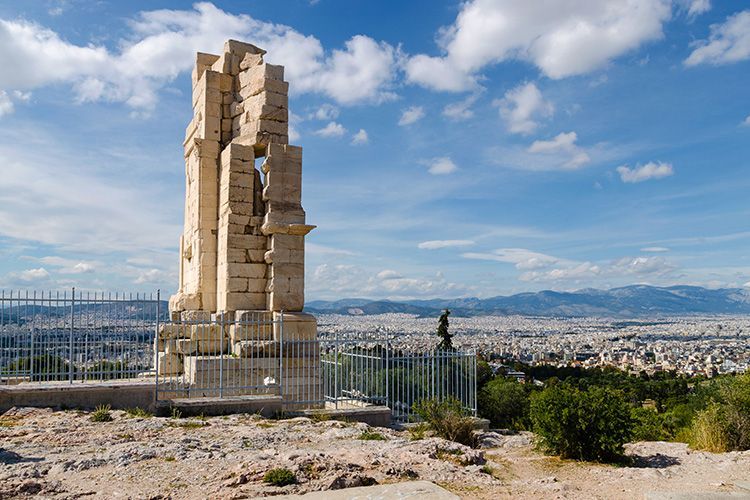
## Description Philopappos Hill is a quietly rewarding spot in Athens that combines green space, archaeological interest, and some of the city's best vantage points. Unlike the intensely visited Acropolis itself, Philopappos offers room to breathe: shaded paths, open lawns, and a prominent memorial monument that speaks to the city's Roman-era history. The hill is prized by locals and visitors looking for views, quiet reflection, and an approachable dose of history. Historically, the hill houses the Philopappos Monument, dedicated to Gaius Julius Antiochus Philopappos, a prominent figure in the Roman civic life of Athens. The site also preserves traces of long-term human use and offers a series of viewpoints that reveal the Acropolis from varied angles—useful for appreciating Athens' layered topography. The combination of nature and archaeology makes Philopappos ideal for a walk that complements more intense museum and monument visits. ## Location Philopappos Hill lies just southwest of the Acropolis in central Athens, within easy walking distance of the historic center. The hill's centrality means it can be folded into a broader exploration of the city's archaeological zones, museums, and neighborhoods such as Plaka and Thissio. Pathways connect the hill with other scenic spots, making it a natural link in a pedestrian-friendly sightseeing loop. Because some paths rise more steeply than others, sensible footwear and a modest level of mobility are helpful. The hill's proximity to major sites makes it an ideal stop for early morning or late afternoon visits when both light and temperature are more comfortable. ## Tips - Bring water, especially in summer—Athens' heat can make walks more strenuous. - Wear shoes with good grip for uneven or rocky paths. - Visit at sunrise or sunset for the best light and cooler temperatures. - Combine the hill with visits to the Acropolis, the Ancient Agora, and the neighborhoods of Plaka and Thissio. - Allow time to sit and take in the views rather than rushing through the paths. - Keep to marked routes and respect any archaeological conservation notices. ## Conclusion Philopappos Hill is an excellent complement to Athens' major monuments: quieter, greener, and full of viewpoints that help you see the Acropolis in context. It rewards visitors who seek slower sightseeing and panoramic perspectives. ## FAQ ### Why should I visit Philopappos Hill? Visit for quieter views of the Acropolis, a taste of Athenian green space, and the Philopappos Monument's historical resonance. ### How long does it take to explore? One to two hours is typical for a relaxed visit; longer if you plan to picnic or linger at viewpoints. ### Is it suitable for families? Yes—families who are comfortable with walking and light uphill sections will find it pleasant, though very young children may need supervision on uneven paths. ### Can I see the Acropolis from there? Yes—multiple viewpoints on the hill provide varied and informative perspectives of the Acropolis and surrounding city. ### Do I need a guide? Not strictly. The hill is easy to explore independently, though a guide can enrich the experience with historical context. ## Links - [Wikipedia](https://en.wikipedia.org/wiki/Philopappos_Monument)
GemVoyage Team • World
Trakai
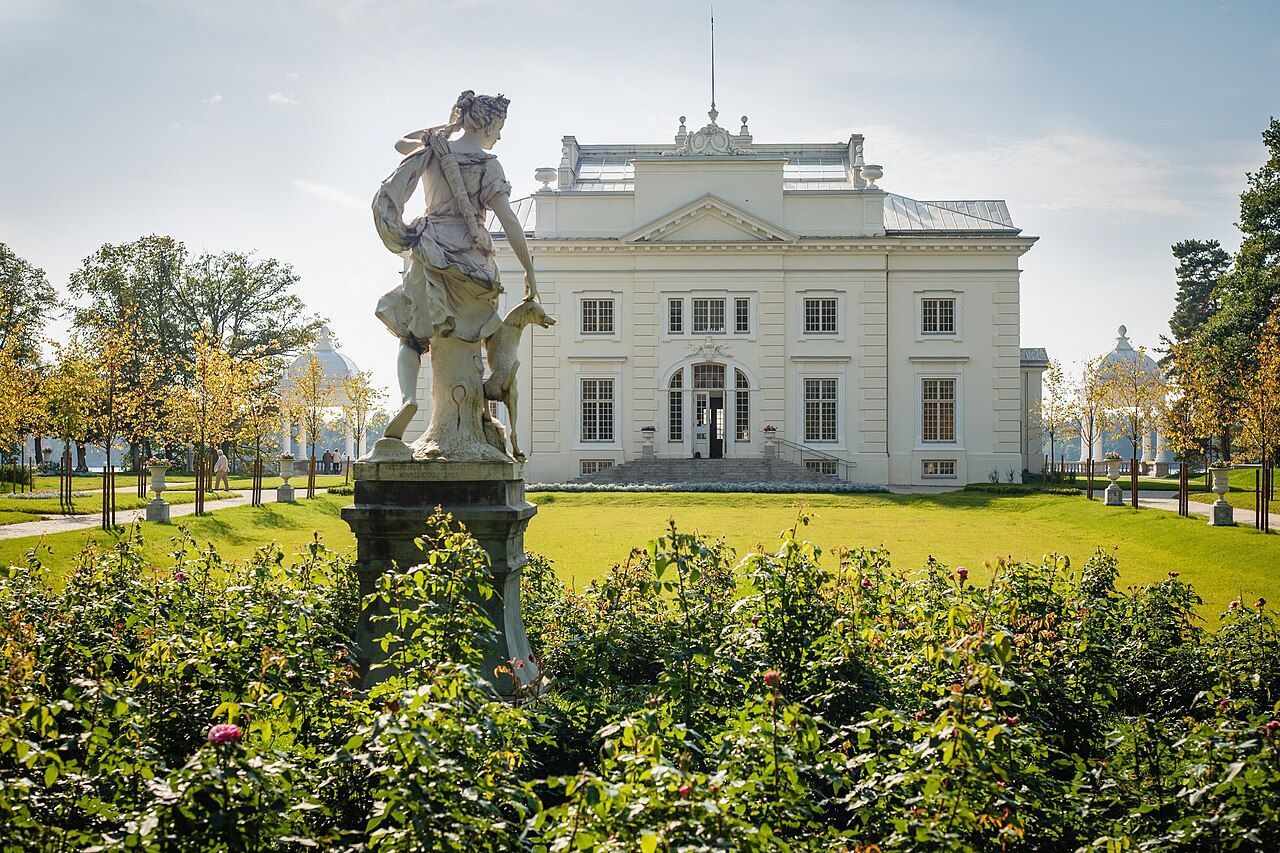
## Description Užutrakis Manor Estate is a graceful, lakeside cultural landscape that combines manicured gardens, classical architecture, and sweeping views over Lake Galvė just outside Trakai. The estate preserves the atmosphere of late 19th– and early 20th-century leisure gardens while adapting to contemporary cultural life: restored terraces, thoughtfully composed alleys, sculptures, and scenic viewpoints frame the manor house and connect the property visually and historically with Trakai’s iconic island castle across the water. What makes Užutrakis special is its dual character as both a preserved historic landscape and an active cultural venue. Garden designers and conservationists have worked to retain the original axes and formal layouts while integrating native plantings that support local biodiversity. The manor’s rooms and exhibition spaces are used seasonally for concerts, art shows, and local festivals, so a visit can feel both reflective and lively depending on the calendar. Photographers prize the vantage points that align with the castle silhouette on Lake Galvė, and landscape enthusiasts appreciate the blending of English-style park elements with Lithuanian plantings. For travelers seeking a slower cultural day trip from Vilnius or Vilnius airport, Užutrakis offers a concentrated experience: well-maintained paths for strolls, benches for long views, and interpretive signage that explains the estate’s history, garden features, and the restoration philosophy. Because it sits a short distance from Trakai’s main attractions, it pairs naturally with a visit to the island castle, allowing visitors to alternate between formal architecture, lakeside walks, and local food options in Trakai town. ## Location Užutrakis Manor sits on the shores of Lake Galvė within Trakai municipality, Vilnius County, central Lithuania. It lies only a short drive, bike ride, or pleasant walk from Trakai town and its famous island castle, making it an easy half-day or day-trip destination from Vilnius (about 28 kilometers away) or from Vilnius International Airport. Getting there is straightforward: regional buses and organized tours run regularly between Vilnius and Trakai, and local taxi services provide short transfers to the estate. For a more scenic approach, boat shuttles operate on Lake Galvė in the warmer months, delivering visitors to various points along the shoreline. Cyclists can combine the manor with a gentle ride around the lake, while visitors staying in Trakai can reach the gardens on foot from the town center depending on seasonal paths and local signage. ## Tips - **Combine with Trakai Castle:** Pair a morning or afternoon at Užutrakis with a visit to Trakai Castle for a varied cultural day of gardens and medieval architecture. - **Check the event calendar:** The manor hosts concerts, seasonal exhibitions, and cultural programs; aligning your visit with an event can add memorable local flavor. - **Wear comfortable shoes:** Gravel paths, terraces, and gentle slopes reward comfortable footwear; bring a light rain layer in changeable weather. - **Bring a camera and binoculars:** The viewpoints toward Trakai Castle and lakeside vistas are signature photo opportunities; binoculars help for birdwatching along the shoreline. - **Mind opening hours and fees:** The estate may have seasonal opening hours and modest fees for house access or special exhibitions. - **Respect the grounds:** Follow paths, avoid trampling sensitive plantings, and observe any interpretive guidance—this helps conserve the restored historic landscape. ## Conclusion Užutrakis Manor Estate is a graceful complement to Trakai’s island castle and regional attractions: a lakeside garden escape rich in architecture, curated views, and seasonal cultural programming. It rewards slow visits—moments of reflection on terraces, an attentive walk through historic lanes, and an appreciation for the interplay of landscape restoration and active cultural life. ## FAQ - **Q: Is there an entrance fee to Užutrakis Manor?** A: There is often a modest fee for access to the manor’s interiors or special exhibitions; garden access may be free or ticketed depending on season. Check the estate’s official site or local tourist information for current rates. - **Q: Can I tour the interior of the manor house?** A: Interior access is seasonal and may be limited during restoration or private events—plan ahead if interior tours are important to your visit. - **Q: Are events held outdoors, and do I need reservations?** A: Seasonal concerts and cultural events commonly occur outdoors; some events require advance booking while smaller activities may accept walk-up visitors. - **Q: Is the manor wheelchair or stroller accessible?** A: Accessibility varies across terraces and historic rooms; the garden paths are generally manageable, but some interior areas may have steps—contact the site for detailed accessibility information. - **Q: How long should I allocate for a visit?** A: Plan 1.5–3 hours to enjoy the gardens, viewpoints, and any small exhibitions; longer if attending a concert or combining with Trakai Castle. - **Q: Are there food options nearby?** A: Trakai town offers cafés and local eateries; pack water and light snacks if you prefer a picnic in the gardens. ## Links -- [Užutrakis Manor (Wikipedia)](https://en.wikipedia.org/wiki/U%C5%BEutrakis_Manor)
GemVoyage Team • World

Comments