Discover extraordinary places shared by our community of travelers
Misiones
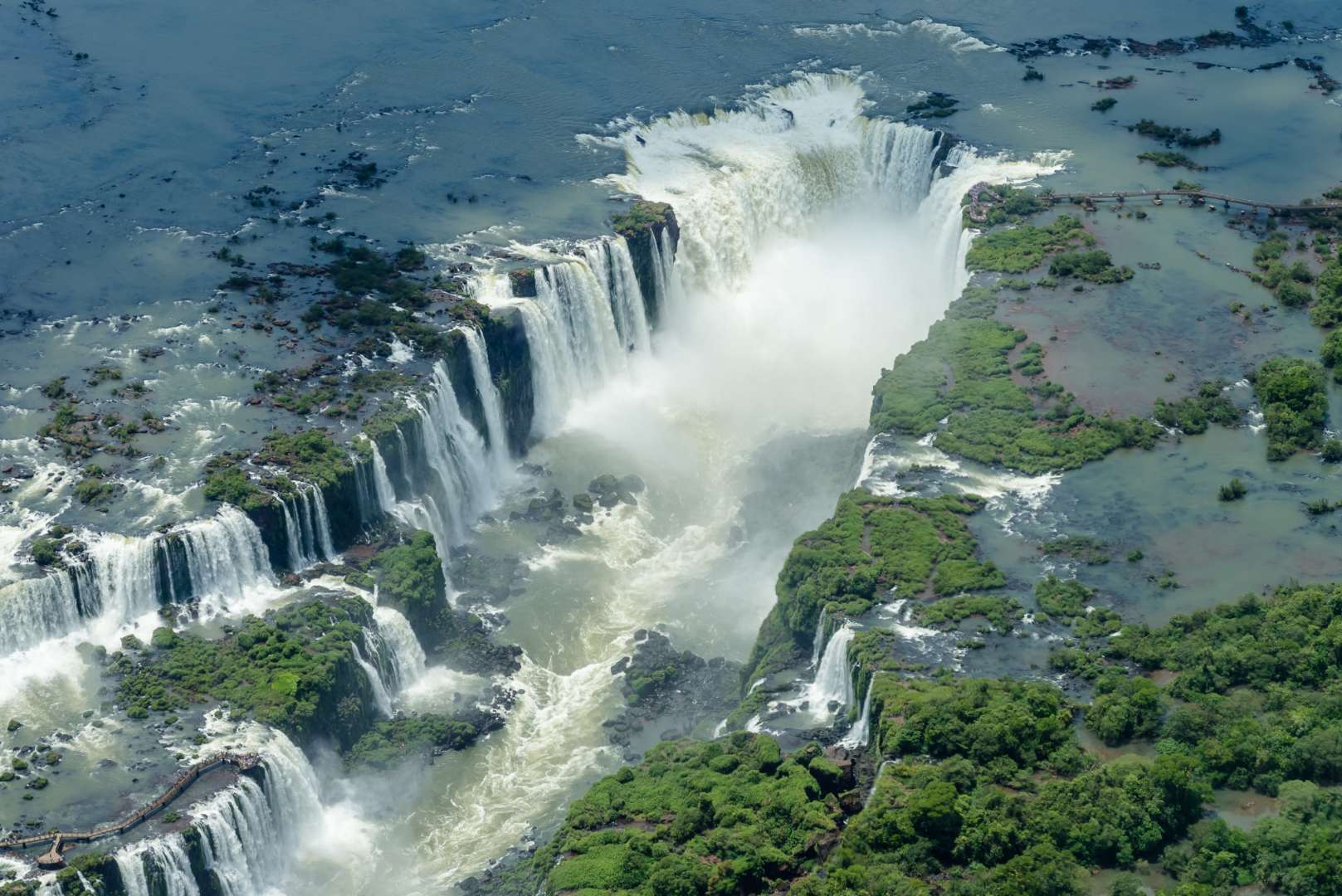
## Description Iguazú Falls (Cataratas del Iguazú) is one of the most awe-inspiring natural wonders on Earth, a sprawling system of waterfalls that straddles the border between Argentina and Brazil. Located within the lush confines of the Iguazú National Park, the falls consist of 275 individual cascades stretching nearly 2.7 kilometers across the Iguazú River. With drops ranging from 60 to 82 meters, the thunderous roar and misty spray of the falls create an unforgettable sensory experience. The crown jewel of the site is the **Devil’s Throat (Garganta del Diablo)**, a U-shaped chasm where half the river’s flow plunges into a dramatic abyss. Standing on the viewing platform above this torrent is both humbling and exhilarating. The surrounding subtropical rainforest is teeming with wildlife, including toucans, coatis, butterflies, and even jaguars, making the area a paradise for nature lovers and photographers. A little-known fact: Eleanor Roosevelt reportedly exclaimed “Poor Niagara!” upon seeing Iguazú Falls, a testament to its staggering scale and beauty. Another fascinating detail is that the falls were formed by a volcanic eruption that left a large crack in the earth, allowing the river to tumble over the edge and create this natural spectacle. ## Location Iguazú Falls is located in **Argentina**, within the **Misiones Province**, near the city of **Puerto Iguazú**. The falls are part of the **Iguazú National Park**, a UNESCO World Heritage Site recognized for its ecological importance and breathtaking scenery. ### How to Get There: - **By Air**: The easiest way to reach the falls is by flying into **Cataratas del Iguazú International Airport (IGR)**, located about 20 minutes from Puerto Iguazú. Direct flights are available from Buenos Aires and other major cities. - **By Bus**: Long-distance buses run from Buenos Aires and other regional hubs to Puerto Iguazú, though the journey can take 18–20 hours. - **By Car**: Renting a car offers flexibility, especially if you plan to visit both the Argentine and Brazilian sides of the falls. From Puerto Iguazú, shuttle buses and taxis can take you directly to the entrance of the national park. ## Tips for Visitors To make the most of your Iguazú Falls adventure, keep these tips in mind: - **Visit Both Sides**: The Argentine side offers immersive trails and close-up views, while the Brazilian side provides panoramic vistas. If possible, explore both. - **Start Early**: Arrive when the park opens to avoid crowds and enjoy cooler temperatures. - **Wear Waterproof Gear**: The mist from the falls can soak you—bring a poncho or quick-dry clothing. - **Take the Ecological Train**: This scenic ride through the jungle leads to key trailheads, including the Devil’s Throat. - **Book a Boat Tour**: For thrill-seekers, speedboat rides take you right under the falls—prepare to get drenched. - **Respect Wildlife**: Coatis may look cute, but they can be aggressive if provoked. Don’t feed or approach them. ## Conclusion Iguazú Falls is a breathtaking blend of raw power and serene beauty. With its towering cascades, rich biodiversity, and immersive trails, it offers a once-in-a-lifetime experience for travelers seeking nature at its most majestic. ## FAQ **1. What is the best time to visit Iguazú Falls?** The falls are spectacular year-round, but April to September offers cooler weather and fewer crowds. **2. How long should I plan to stay?** At least two full days—one for the Argentine side and one for the Brazilian side. **3. Is the park accessible for people with disabilities?** Yes, many trails and viewing platforms are wheelchair accessible, and the ecological train accommodates mobility needs. **4. Can I swim near the falls?** Swimming is not allowed near the main falls due to strong currents, but nearby areas like Isla San Martín may offer safe spots depending on conditions. **5. Are guided tours available?** Yes, both private and group tours are offered, including bilingual guides and eco-tours. **6. Do I need a visa to cross into Brazil?** Visa requirements vary by nationality. Check with your embassy before planning a cross-border visit. ## Links - [Iguazú Falls – Wikipedia Overview](https://en.wikipedia.org/wiki/Iguazu_Falls) - [Iguazú Argentina – Official Park Site](https://iguazuargentina.com/en/)
GemVoyage Team • World
Aswan
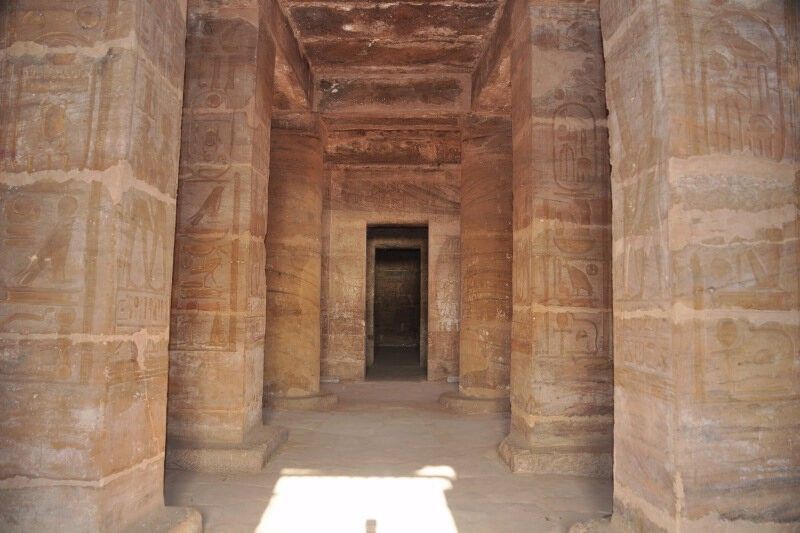
## Description **The Temple of Amada** is one of the oldest surviving stone temples in Nubia and a remarkable example of **New Kingdom Egyptian architecture** outside the Nile Valley’s main centers. Built during the reigns of **Thutmose III** and **Amenhotep II** in the 18th Dynasty (15th century BCE), the temple was dedicated to the gods **Amun-Re** and **Re-Horakhty**. While modest in size compared to the great temples of Luxor, Amada’s historical and artistic value is exceptionally high. What makes the Temple of Amada unique is its **well-preserved interior inscriptions**. The walls are covered with detailed reliefs and hieroglyphic texts that document military campaigns in Nubia and the Near East. One inscription records a victory so overwhelming that it claims the stench of defeated enemies filled the land—an unusually vivid and rare narrative detail in Egyptian temple texts. A lesser-known but crucial fact is that the temple originally stood several kilometers south of its current location. During the 1960s, it was **relocated intact** as part of UNESCO’s Nubian Monuments rescue campaign, launched to save ancient sites threatened by flooding from the construction of the Aswan High Dam. Unlike Abu Simbel, which was cut into blocks, the Temple of Amada was moved as a **single structure**, an extraordinary engineering achievement that preserved its fragile wall paintings. The temple’s proportions are elegant and restrained, with a small pylon, open courtyard, hypostyle hall, and sanctuary. Its compact scale allows visitors to closely study reliefs and inscriptions without the overwhelming crowds found at larger sites, making it especially rewarding for those interested in Egyptian history and epigraphy. ## Location **Country:** Egypt **Region:** Upper Egypt / Nubia **Nearest City:** Aswan The Temple of Amada is located approximately **20 kilometers south of Aswan**, near Lake Nasser, close to the modern village of New Amada. ### How to Get There * **By guided tour:** * Most visitors reach Amada as part of a **Lake Nasser archaeological tour**, either by road or boat. * **By car:** * Accessible via the Aswan–Abu Simbel road, though permits may be required for independent travel. * **By cruise boat:** * Some Lake Nasser cruises include Amada as a scheduled stop. ## Tips * **Visit with a guide:** The inscriptions are historically rich but easy to miss without explanation. * **Allow time inside:** The temple’s value lies primarily in its interior reliefs, not its exterior. * **Bring sun protection:** The site is exposed, and shade is limited. * **Photography is allowed:** Flash should be avoided to protect the wall paintings. * **Combine with nearby sites:** The temples of Derr and the Tomb of Pennut are often visited together. * **Best visited in winter:** Cooler temperatures make exploration far more comfortable. ## Conclusion The Temple of Amada is a quiet but powerful witness to Egypt’s imperial presence in Nubia. Its vivid inscriptions, elegant design, and dramatic modern relocation make it one of the most historically important yet underrated ancient temples in southern Egypt. ## FAQ **1. When was the Temple of Amada built?** It dates to the 18th Dynasty, primarily during the reigns of Thutmose III and Amenhotep II. **2. Why was the temple moved?** It was relocated to prevent flooding caused by the creation of Lake Nasser after the Aswan High Dam. **3. Is the temple original or reconstructed?** It is original; the entire structure was moved intact rather than rebuilt from blocks. **4. How long does a visit take?** Approximately **30–60 minutes**, depending on interest in inscriptions. **5. Is it crowded?** No. It is much quieter than major temples along the Nile. **6. Is the site suitable for casual visitors?** Yes, though history enthusiasts will appreciate it the most. ## Links * [Egypt tourism portal](https://www.experienceegypt.eg/en)
GemVoyage Team • World
Barcelona
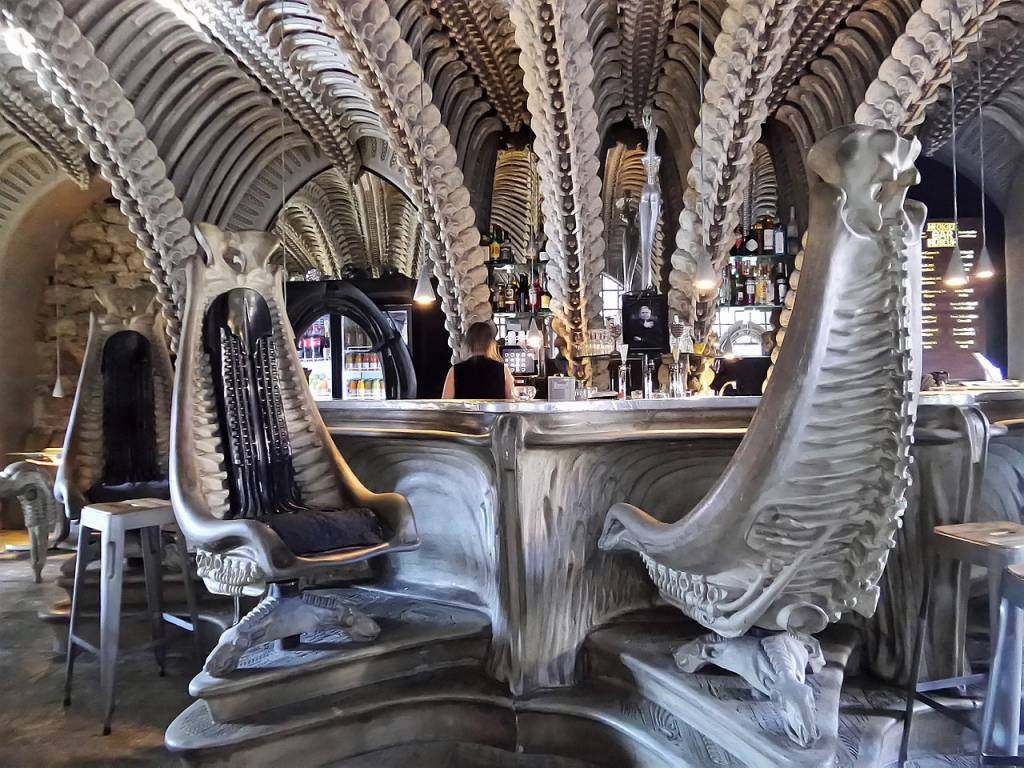
## Description **Museu Alien Barcelona** is one of the city’s most unconventional and niche attractions, appealing primarily to fans of science fiction, extraterrestrial mythology, and pop culture curiosities. Unlike traditional museums focused on history or fine art, Museu Alien positions itself as an **experiential and thematic space**, blending exhibition, storytelling, and speculative imagination. The result is a visit that feels closer to stepping into a parallel narrative than walking through a classical museum gallery. The museum centers on representations of aliens, UFO phenomena, and science-fiction-inspired artifacts. Displays include models, sculptures, visual installations, and multimedia elements that explore how extraterrestrial life has been imagined across cinema, television, comics, and conspiracy culture. Rather than attempting scientific validation, the museum leans into **cultural interpretation**, examining how humans have projected hopes, fears, and curiosity onto the idea of life beyond Earth. What makes Museu Alien unique is its **intentionally immersive and playful tone**. Lighting, sound effects, and scenographic elements are used to create an atmosphere that feels mysterious without being intimidating. It does not aim for academic authority; instead, it invites visitors to suspend disbelief and engage with the subject matter on an imaginative level. This makes it particularly appealing to younger audiences, sci-fi enthusiasts, and travelers looking for something outside Barcelona’s standard cultural circuit. A lesser-known fact is that the museum operates on a relatively **small, independent scale**, which allows it to evolve quickly. Exhibits may change, rotate, or be reinterpreted without the constraints faced by large institutions. Another interesting detail is that many of the pieces are inspired by **fan culture and independent creators**, reflecting how alien mythology thrives outside mainstream museums and formal science spaces. Museu Alien Barcelona is best approached with the right expectations. It is not a scientific institution nor a comprehensive exploration of astronomy. Its value lies in entertainment, atmosphere, and cultural curiosity rather than factual authority. ## Location **Country:** Spain **Region:** Catalonia **City:** Barcelona The museum is located within the central urban area of Barcelona, making it easy to combine with other attractions, shopping streets, or cafés nearby. ### How to Get There * **By metro:** * Several central metro lines stop within walking distance, depending on the exact neighborhood you are visiting that day. * **On foot:** * Easily reachable from nearby districts if you are already exploring central Barcelona. * **By bus:** * Local bus routes connect the surrounding area with the rest of the city. * **By taxi or ride-hailing:** * A practical option due to its central location and short travel times. Because smaller museums occasionally adjust locations or entrances, it is recommended to confirm directions shortly before visiting. ## Tips * **Set expectations correctly:** This is an entertainment-focused museum, not a science center. * **Check opening hours in advance:** Smaller attractions may have limited or variable schedules. * **Visit as part of a mixed day:** Pair it with nearby cultural or leisure activities rather than making it the sole focus of your day. * **Good for short visits:** Plan around 45 minutes to 1 hour. * **Photography policies may vary:** Ask staff before taking photos or videos. * **Ideal for niche interests:** Best enjoyed by sci-fi fans or curious travelers rather than traditional museum-goers. ## Conclusion Museu Alien Barcelona offers a lighthearted, imaginative break from the city’s classical museums and historic landmarks. Its strength lies in atmosphere and theme rather than depth or scale, making it a brief but memorable stop for visitors seeking something unexpected and unconventional. ## FAQ **1. Is Museu Alien Barcelona suitable for children?** Yes, especially for children interested in science fiction, fantasy, and visual storytelling. **2. Is the museum educational?** It is culturally educational rather than scientifically rigorous, focusing on imagination and pop culture. **3. How long does a visit usually take?** Most visits last between **45 minutes and 1 hour**. **4. Is it scary?** No, the atmosphere is playful and mysterious rather than frightening. **5. Does the museum change its exhibits?** Yes, exhibits may rotate or be updated, especially due to its independent nature. **6. Is it accessible for all visitors?** Accessibility may vary depending on the building layout; it is best to check in advance. ## Links * [Official Website](https://museoalien.com/)
GemVoyage Team • World
Gelderland
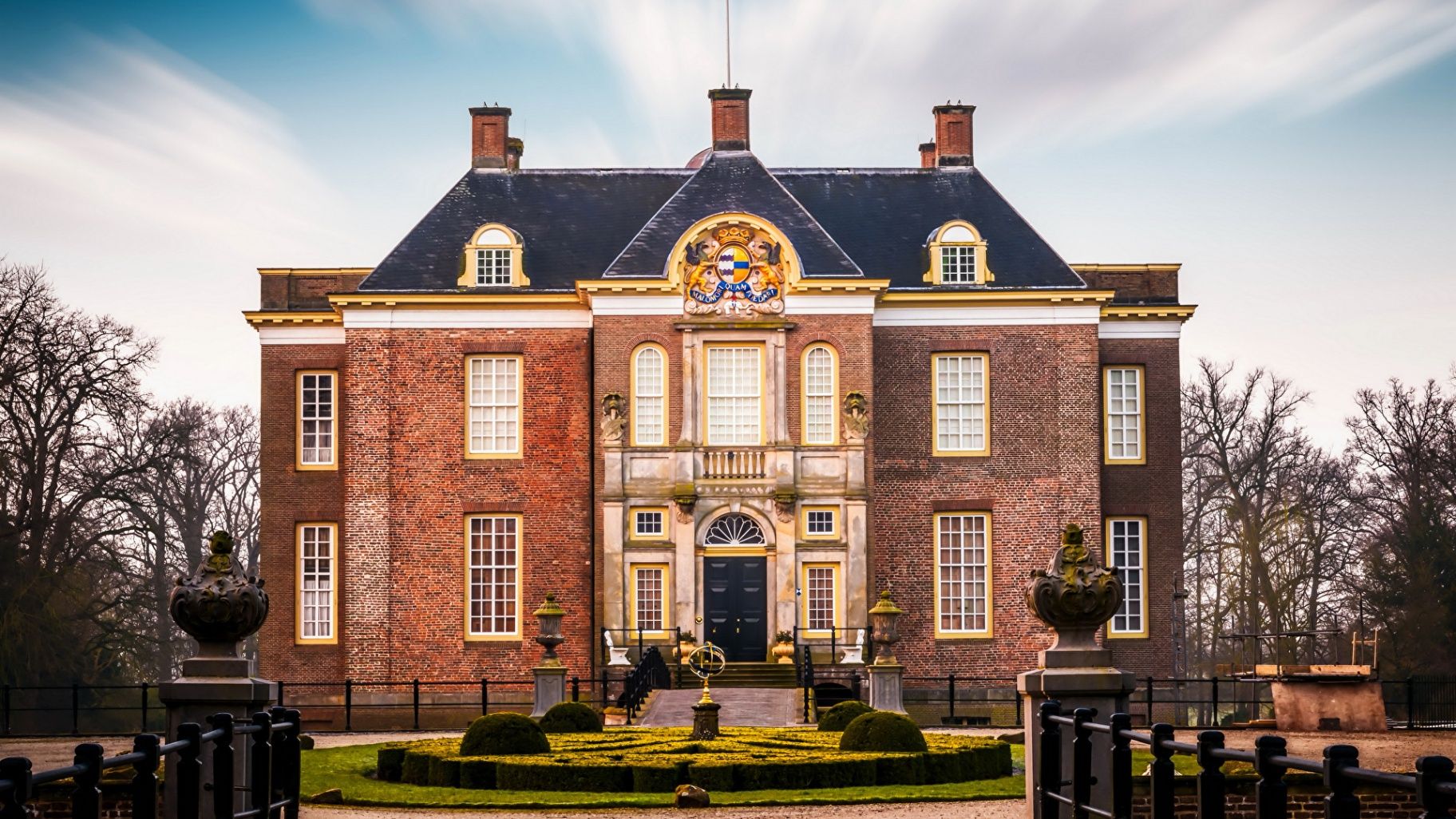
## Description **Middachten Castle (Kasteel Middachten)** is one of the most refined and best-preserved aristocratic estates in the Netherlands, offering visitors a rare glimpse into centuries of noble life largely untouched by modern intervention. Unlike many Dutch castles that were heavily altered, rebuilt, or converted into museums with contemporary reinterpretations, Middachten stands out for its **remarkable historical continuity**. The castle remains closely tied to the noble family that has owned it for generations, and this continuity is clearly reflected in its interiors, collections, and surrounding landscape. The current castle dates mainly from the **17th century**, though the estate itself has medieval origins. Inside, visitors encounter richly furnished rooms with original furniture, tapestries, porcelain, silverware, and paintings accumulated over hundreds of years. Rather than presenting history through reconstructed scenes, Middachten preserves an authentic atmosphere, giving the impression that its residents have only temporarily stepped away. This sense of intimacy and realism sets it apart from more theatrical castle museums. One of Middachten’s most distinctive features is its **formal garden complex**, which combines Dutch, French, and English landscaping traditions. Designed and redesigned over several centuries, the gardens include symmetrical parterres, canals, wooded paths, and open lawns that visually extend the castle into the surrounding countryside. A lesser-known fact is that the gardens still follow **historical planting schemes**, with seasonal flower selections based on archival records. Another interesting detail is that Middachten was never sold to the state; it remains privately owned, which explains its carefully controlled access and limited visiting periods. Middachten Castle is not about spectacle or scale. Its strength lies in authenticity, refinement, and the quiet authority of a place that never needed reinvention to stay relevant. ## Location **Country:** Netherlands **Province:** Gelderland **Village:** De Steeg **Region:** Eastern Netherlands (near Arnhem) Middachten Castle is situated on the edge of the **Veluwezoom**, a scenic area known for forests, rolling hills, and historic estates. Its rural setting enhances the experience, creating a sense of distance from urban life despite being well connected. ### How to Get There * **By train:** * Take a train to **Dieren Station**. From there, the castle is approximately a 20–25 minute walk or a short bicycle ride. * **By bicycle:** * Easily accessible via regional cycling routes, making it ideal for visitors exploring Gelderland by bike. * **By car:** * Parking is available near the estate. Driving is the most practical option for visitors with limited time. * **By bus:** * Local bus services operate between Arnhem, Dieren, and nearby villages, though schedules may be limited. ## Tips * **Check opening periods carefully:** The castle interior is only open during specific months and guided visits. * **Join a guided tour:** Access to the interior is typically guided, and tours provide essential historical context. * **Allow time for the gardens:** The gardens are as important as the castle itself and deserve at least an hour. * **Visit in spring or early summer:** This is when the gardens are at their most vibrant. * **Respect the setting:** Photography inside may be restricted due to preservation concerns. * **Combine with nature walks:** The nearby Veluwezoom area offers excellent hiking opportunities. ## Conclusion Middachten Castle is a refined and quietly powerful example of Dutch aristocratic heritage. Its preserved interiors, historically accurate gardens, and private continuity make it an exceptional destination for visitors who value authenticity over grandeur. ## FAQ **1. Is Middachten Castle a museum?** It functions as a historic house open to the public on a limited basis rather than a conventional museum. **2. Can you visit the castle without a guided tour?** Interior visits are usually guided only; the gardens can often be explored independently. **3. How long should I plan for a visit?** Plan **2 to 3 hours**, including the castle interior and gardens. **4. Is the castle suitable for children?** Yes, though it is best suited for older children with an interest in history. **5. Is Middachten accessible year-round?** No, opening times are seasonal and limited, especially for the interior. **6. Can events be held at the castle?** The estate occasionally hosts cultural events, but private use is highly restricted. ## Links * [Official Middachten Castle website](https://www.middachten.nl)
GemVoyage Team • World
Bratislava
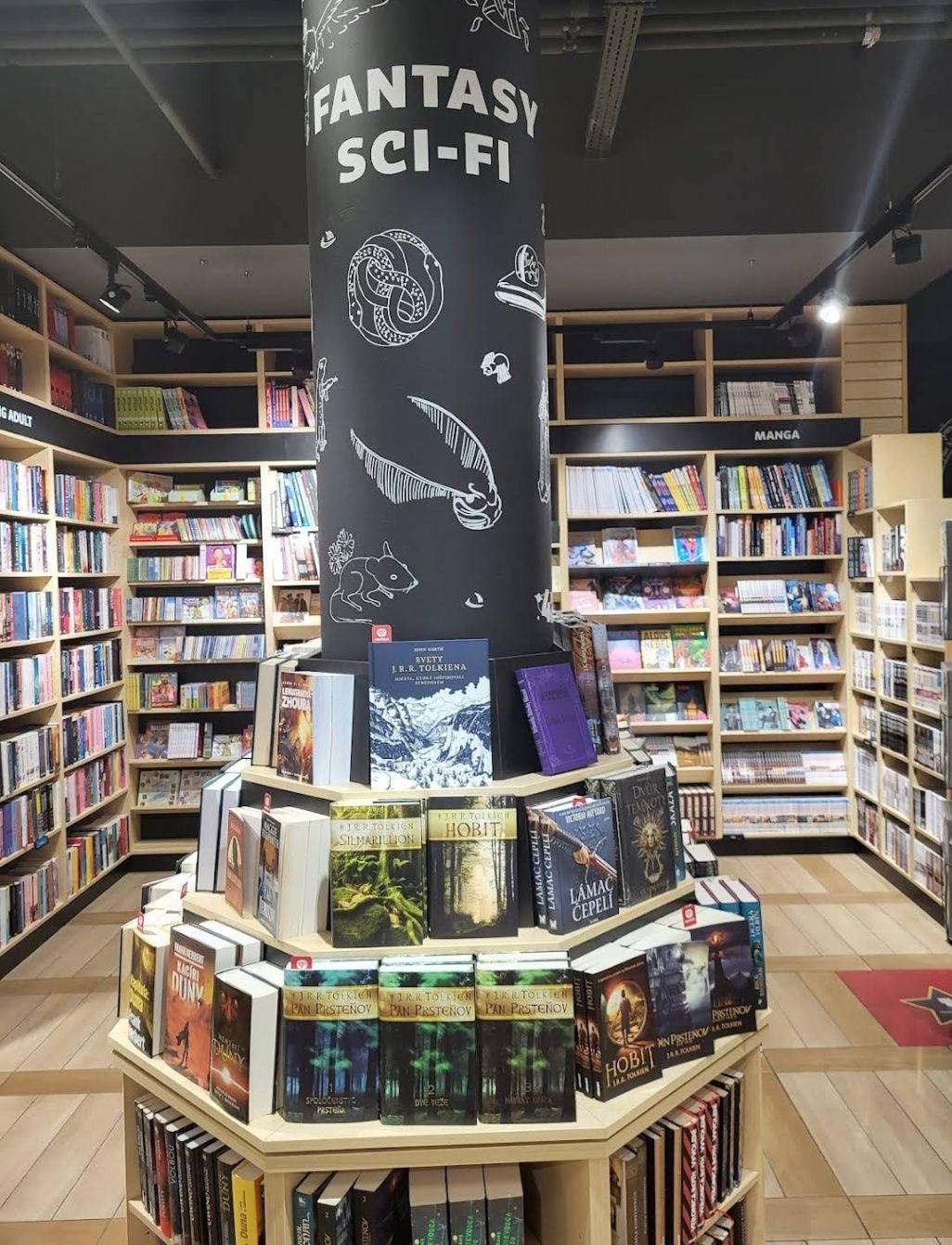
## Description Martinus bookstore in Bratislava isn’t just an ordinary shop—it’s a cultural landmark that has become a beloved meeting point for book lovers, coffee enthusiasts, and curious travelers. As one of Slovakia’s largest and most famous bookstores, Martinus has transformed the simple act of buying a book into a memorable experience. What makes Martinus unique is its combination of literature, culture, and community. Visitors can browse through thousands of titles in different languages, enjoy a freshly brewed cup of coffee at the attached café, and even attend book signings or literary events. The bookstore is designed to feel warm and welcoming, with cozy corners that invite you to sit down, relax, and get lost in a book. A little-known fact about Martinus is that it started as a small family-owned bookstore in the town of Martin, Slovakia, in the early 1990s. Today, it has grown into the country’s largest online and offline bookseller while still keeping its friendly and personal atmosphere. Another interesting detail is that the Bratislava branch often collaborates with local artists and hosts cultural evenings, making it much more than just a shop, it’s a living cultural hub. ## Location Martinus bookstore is located in **Bratislava, the capital city of Slovakia**, in the Bratislava Region. The main branch sits on **Obchodná Street**, one of the busiest and most vibrant streets in the city, just a short walk from the Old Town and the iconic Michael’s Gate. Getting there is simple. If you’re staying in Bratislava’s historic center, you can easily walk to Martinus in less than 10 minutes. For those coming from further away, public transportation is very convenient—several trams and buses stop nearby at **Poštová–Martinus** station, which is practically at the bookstore’s doorstep. If you’re driving, parking may be tricky on Obchodná Street itself, so it’s recommended to park in nearby garages and continue on foot. ## Tips for Visitors To make the most of your visit to Martinus bookstore in Bratislava, here are some useful tips: * **Explore both the books and the café**: The in-house café is the perfect spot to sit down with your new book and enjoy a relaxed afternoon. * **Check the event calendar**: Martinus frequently organizes book signings, lectures, and cultural evenings. If you’re lucky, you might catch a live event during your visit. * **Browse the English section**: While most books are in Slovak, the store has a good selection of English and other foreign-language books. * **Use the free Wi-Fi**: If you need a break from sightseeing, Martinus provides a cozy atmosphere to recharge, both mentally and digitally. * **Visit during weekdays**: The bookstore is often busier on weekends, so for a quieter experience, go during the week. ## Conclusion Martinus bookstore in Bratislava is far more than just a place to buy books. It’s a cultural space where literature, coffee, and community come together in a cozy and inspiring environment. Whether you’re a tourist exploring the city or a local looking for a peaceful escape, Martinus offers an unforgettable experience that reflects the creative spirit of Bratislava. ## FAQ **1. What makes Martinus bookstore in Bratislava special?** Martinus is unique because it combines a large book selection with a welcoming café, cultural events, and a warm, community-focused atmosphere. **2. Can I find English books at Martinus bookstore?** Yes, Martinus offers a good range of English-language books, along with titles in Slovak and other languages. **3. Does Martinus bookstore have a café?** Absolutely. The bookstore has a cozy café where you can enjoy coffee, tea, and pastries while reading. **4. Is Martinus bookstore family-friendly?** Yes, it’s a great place for families, with children’s books available and a friendly atmosphere suitable for all ages. **5. How do I get to Martinus bookstore in Bratislava?** It’s located on Obchodná Street in the city center. You can walk from the Old Town, take public transportation to Poštová–Martinus station, or park nearby and walk. ## Useful Links * [Official Martinus Website](https://www.martinus.sk) * [Visit Bratislava – Official Tourism Website](https://www.visitbratislava.com)
GemVoyage Team • World
Barcelona
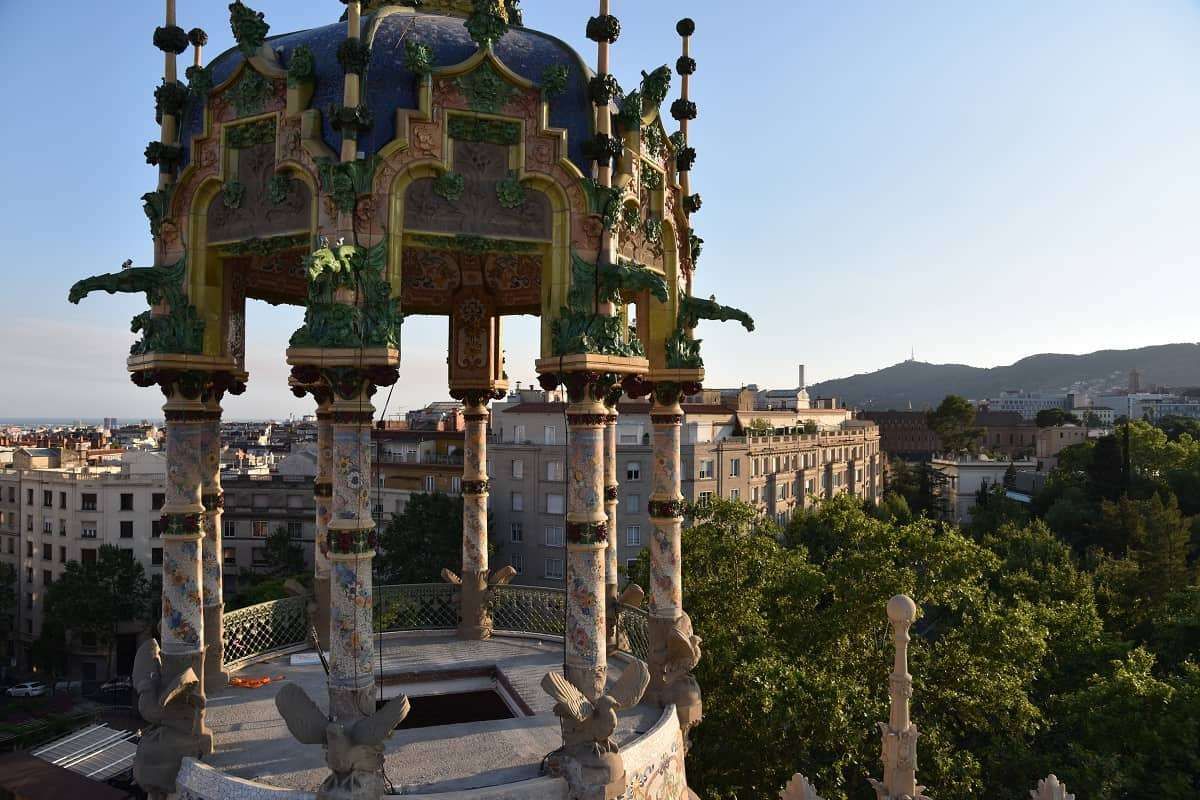
## Description **Torre Andreu**, more commonly known as **La Rotonda**, is one of Barcelona’s most distinctive yet often overlooked pieces of **Modernisme architecture**. Located at the upper edge of the city near the foothills of Tibidabo, this circular, turreted building looks more like a **fairytale castle than a residential structure**, making it one of the most visually unusual landmarks in Barcelona. The building was originally constructed in **1906** as a **luxury private residence** for a wealthy industrial family at a time when Barcelona’s elite were moving uphill away from the dense urban core. Its architectural language reflects the late phase of Catalan Modernisme, but with a lighter, more playful character than the monumental works of Gaudí. The structure’s curved form, decorative balconies, stained glass, floral stonework, and rooftop tower give it a **whimsical, almost theatrical presence**. What truly sets La Rotonda apart is its **cylindrical layout**, which is extremely rare in Barcelona’s residential architecture. While most Modernist buildings rely on flat façades and vertical symmetry, Torre Andreu embraces a soft, flowing geometry that produces constantly shifting perspectives as you walk around it. From different angles, the building seems to change character—from grand to intimate, from playful to mysterious. After serving as a private mansion, the building was later transformed into a **luxury hotel**, gaining the nickname “La Rotonda” due to its circular shape. Over the decades, it hosted visiting elites, business figures, and international guests. Its decline began in the late 20th century as the area lost its tourism focus, and the building passed through phases of limited use, abandonment, and restoration attempts. A little-known fact is that Torre Andreu spent many years in a **state of legal and architectural limbo**, with disputes over ownership and protection status delaying proper restoration. Another lesser-known detail is that its rooftops once hosted **social gatherings with views stretching across the entire city and toward the Mediterranean**, making it one of the most exclusive view points in pre-war Barcelona. Today, La Rotonda stands as a **symbol of architectural memory suspended between preservation and neglect**. While parts of the structure have undergone restoration at different times, it remains largely inaccessible to the public. Despite this, it continues to attract architects, photographers, and urban explorers who see it as a **ghost of Barcelona’s upper-class expansion era**, frozen between past luxury and uncertain future use. Emotionally, Torre Andreu is a place of contrast. It feels playful yet melancholic, elegant yet isolated. It reminds visitors that not all architectural masterpieces sit in crowded tourist centers—some survive quietly at the city’s edges, waiting to be rediscovered. ## Location **Torre Andreu (La Rotonda)** is located in the **Sant Gervasi–La Bonanova area**, near the start of **Avinguda del Tibidabo**, one of Barcelona’s most elegant upper-city avenues. **City:** Barcelona **Region:** Catalonia (Catalunya) **Country:** Spain **District:** Sarrià-Sant Gervasi **Nearby Landmark:** Plaça Kennedy ### How to Get There: * **By Tramvia Blau:** Take the historic **Blue Tram** from Plaça Kennedy up toward Tibidabo and get off at the early stops. * **By FGC (Train):** Take **FGC Line L7** to **Avinguda Tibidabo Station**, then walk about 10–12 minutes uphill. * **By bus:** Several lines from the city center serve Plaça Kennedy and Avinguda Tibidabo. * **By taxi:** A convenient option given the uphill location. * **By car:** Limited street parking is available; traffic can be heavy during peak hours. This location places La Rotonda along a scenic route that connects the city to **Tibidabo Mountain, the funicular, and the upper residential quarters**. ## Tips * **Admire it from the street:** The building is **not generally open to the public**, so plan for an exterior visit. * **Visit during daylight:** Details in stone, glass, and ironwork are best visible in strong natural light. * **Combine with Avinguda Tibidabo:** The walk itself features some of Barcelona’s most impressive mansions. * **Photography enthusiasts:** A wide-angle lens works best due to the building’s curved geometry. * **Do not expect tourist facilities:** No tickets, gift shops, or official visitor services are available on-site. * **Urban-exploration atmosphere:** The charm lies in observing a historic building existing quietly within daily city life. * **Respect private property limits:** Security patrols may restrict close access to entrances. ## Conclusion **Torre Andreu (La Rotonda)** is one of Barcelona’s most unusual Modernist buildings—**playful in form, dramatic in history, and quiet in presence**. Once a symbol of luxury living at the city’s upper edge, it now stands as a reminder that architectural brilliance does not always remain in the spotlight. For those willing to explore beyond the standard tourist circuit, La Rotonda offers a rare encounter with **Barcelona’s forgotten elegance and unresolved heritage**. ## FAQ **1. Why is Torre Andreu called “La Rotonda”?** Because of its **distinct circular shape**, which is rare in Barcelona’s residential architecture. **2. Can visitors go inside La Rotonda?** No. It is **not generally open to the public** and is viewed from the exterior only. **3. Who designed Torre Andreu?** It was designed in the early 20th century in the **Catalan Modernisme style**, attributed to architect **Adolf Ruiz i Casamitjana**. **4. Was it always a hotel?** No. It was originally built as a **private luxury residence** and later converted into a hotel. **5. Is Torre Andreu protected as a heritage site?** Yes. It is recognized as part of **Barcelona’s protected architectural heritage**, though restoration has been slow. **6. How long does a visit typically take?** About **10 to 20 minutes**, mainly for observation and photography. ## Links * [Visit Barcelona](https://www.barcelonaturisme.com)
GemVoyage Team • World
Berlin
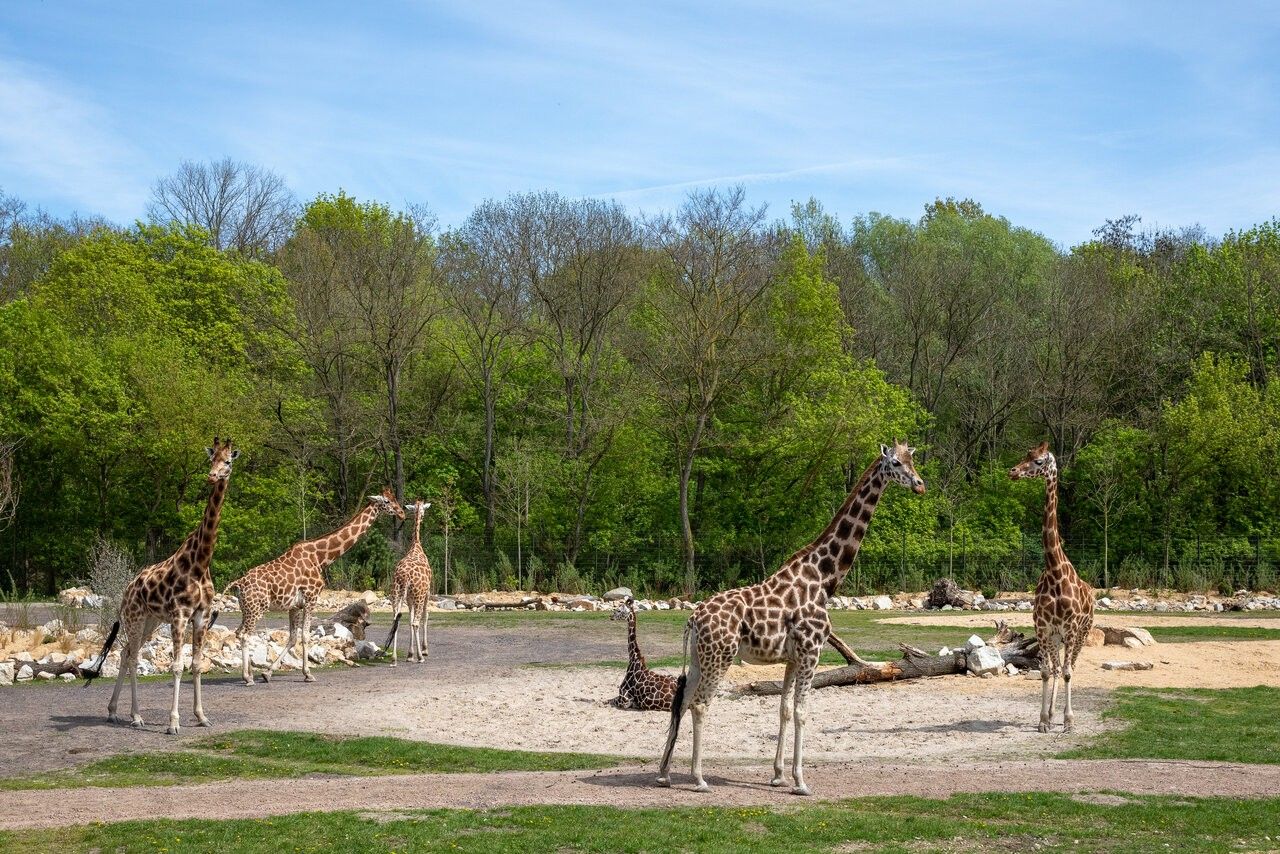
## Description Tierpark Berlin is one of the most impressive zoological parks in Europe and a standout attraction in the German capital. Unlike traditional city zoos, Tierpark Berlin is designed as a vast landscape park where animals live in spacious, naturalistic enclosures spread across rolling lawns, wooded areas, and historic parkland. With more than 160 hectares to explore, it offers a relaxed and immersive experience that feels closer to a nature reserve than a conventional zoo. What makes Tierpark Berlin truly unique is its scale and setting. It is the largest zoo in Europe by area, allowing animals such as elephants, giraffes, bison, and big cats to roam in environments that closely resemble their natural habitats. A little-known fact is that the zoo is located on the former grounds of Friedrichsfelde Palace, an 18th-century baroque residence that still stands at the heart of the park and is open to visitors. Another lesser-known detail is that Tierpark Berlin was established in 1955 in what was then East Berlin, serving as the counterpart to Zoo Berlin in the western part of the city during the Cold War. Today, Tierpark Berlin combines animal conservation, education, and leisure, making it especially appealing for families, nature lovers, and visitors seeking a slower-paced zoo experience. ## Location Tierpark Berlin is located in **Germany**, in the city-state of **Berlin**, within the **Lichtenberg** district. It lies in the eastern part of the city, surrounded by residential neighborhoods and green spaces. Getting there is simple using public transportation. The most convenient option is the U-Bahn (metro): take Line U5 to **Tierpark** station, which exits directly in front of the main entrance. Several bus and tram lines also stop nearby. For visitors traveling by car, parking is available close to the entrances, though public transport is generally the easiest and most efficient way to reach the zoo. ## Tips * Allow plenty of time for your visit; exploring Tierpark Berlin properly can take four to six hours or more. * Wear comfortable walking shoes, as distances inside the park are long. * Consider renting a wagon or using the park’s internal transport options if visiting with small children. * Bring snacks or enjoy one of the on-site cafés and restaurants, especially during longer visits. * Visit on weekdays or outside school holidays to enjoy a quieter atmosphere. * Check feeding times and animal talks in advance for a more educational experience. ## Conclusion Tierpark Berlin offers a unique zoo experience defined by space, greenery, and a strong focus on animal welfare. Its combination of wildlife, historic surroundings, and relaxed atmosphere makes it one of Berlin’s most rewarding attractions for visitors of all ages. ## FAQ **How is Tierpark Berlin different from Zoo Berlin?** Tierpark Berlin is much larger and more spacious, focusing on landscape-style enclosures, while Zoo Berlin is more compact and centrally located. **How long does a visit usually take?** Most visitors spend between four and six hours, though a full day is ideal for seeing everything at a relaxed pace. **Is Tierpark Berlin suitable for children?** Yes, it is very family-friendly, with playgrounds, open spaces, and child-focused facilities. **Is the zoo accessible for people with limited mobility?** Yes, the park has wide paths and is generally accessible, though the large size may require planning. **Can I visit Tierpark Berlin year-round?** Yes, the zoo is open throughout the year, with seasonal highlights in every season. ## Links * [Tierpark Berlin Official Website](https://www.tierpark-berlin.de) * [Visit Berlin Official Tourism Website](https://www.visitberlin.de)
GemVoyage Team • World
Algeria
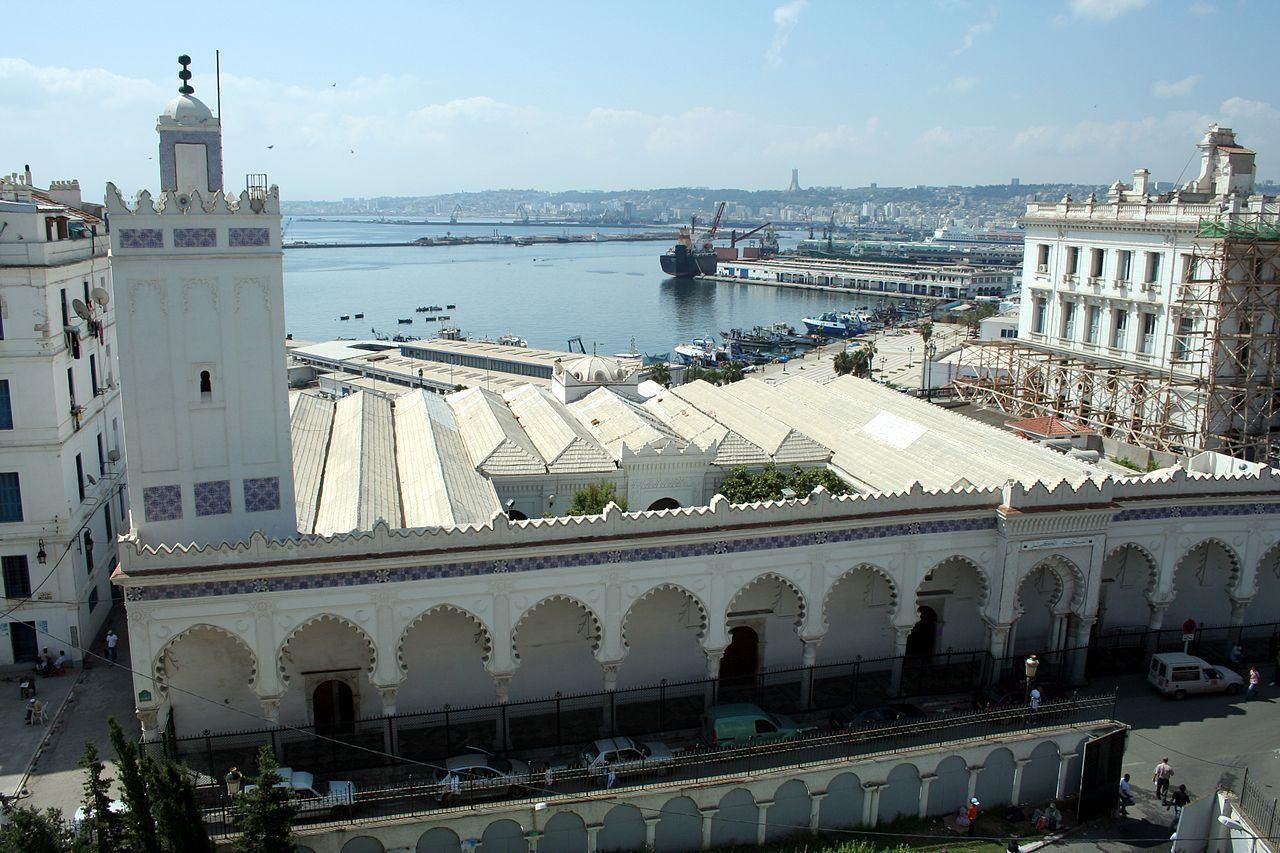
## Description Djamaa El Kbir Mosque, known in Arabic as الجامع الكبير الأثري, is one of the oldest and most historically significant mosques in Algeria. Built in 1097 during the Almoravid dynasty, it stands as a powerful reminder of Algiers’ deep Islamic and Mediterranean roots. Unlike more monumental later mosques, Djamaa El Kbir is admired for its restrained elegance, spiritual atmosphere, and architectural authenticity rather than sheer scale. What makes Djamaa El Kbir truly unique is its remarkable continuity. For more than nine centuries, the mosque has remained an active place of worship, surviving earthquakes, invasions, and centuries of urban transformation. Its minaret, added in the 14th century during the Zayyanid period, is one of the oldest in Algiers and features beautifully carved stone decoration that subtly blends Andalusian and Maghrebi styles. A little-known fact is that the mosque was built using spolia—reused columns and materials from earlier Roman structures—linking Islamic Algiers to its ancient past. Another lesser-known detail is that the mosque once formed part of a much larger religious and educational complex serving the Casbah community. Djamaa El Kbir is not only an architectural treasure but also a living symbol of faith, scholarship, and continuity in Algerian history. ## Location Djamaa El Kbir Mosque is located in **Algeria**, in the **Algiers Province**, within the city of **Algiers**. It stands in the historic Casbah district, close to the old harbor and not far from the Ketchaoua Mosque and other major landmarks of the old city. The mosque is easily accessible by foot if you are exploring the Casbah. Visitors can also reach the area by taxi or public transport from central Algiers. The nearest metro stations and bus routes serve the lower Casbah area, from where the mosque is a short walk. Due to narrow streets and limited parking, walking or using public transport is the most practical option. ## Tips * Dress modestly, as Djamaa El Kbir is an active place of worship. * Visit outside of prayer times if you wish to explore quietly and observe architectural details. * Photography may be restricted inside, so always ask permission before taking photos. * Take time to admire the minaret’s stone carvings, which are among the mosque’s most distinctive features. * Combine your visit with a walk through the Casbah to gain deeper historical context. * Consider visiting with a local guide to better understand the mosque’s architectural and historical significance. ## Conclusion Djamaa El Kbir Mosque is a rare and precious link to Algeria’s medieval Islamic past. Its simplicity, age, and continued religious function make it a deeply meaningful site, offering visitors a quiet but powerful insight into the spiritual and historical heart of Algiers. ## FAQ **When was Djamaa El Kbir Mosque built?** The mosque was built in 1097 during the Almoravid period. **Is Djamaa El Kbir still used for prayer?** Yes, it remains an active mosque and serves the local community daily. **Can non-Muslims visit the mosque?** Access may be limited to certain areas, and visitors should be respectful of religious practices. **How long does a visit take?** Most visits last 20 to 40 minutes, depending on access and interest. **Is there an entrance fee?** No, entrance is generally free, though donations may be welcomed. ## Links * [The Mosque's wiki page](https://en.wikipedia.org/wiki/Djamaa_el_Kebir)
GemVoyage Team • World
Barcelona
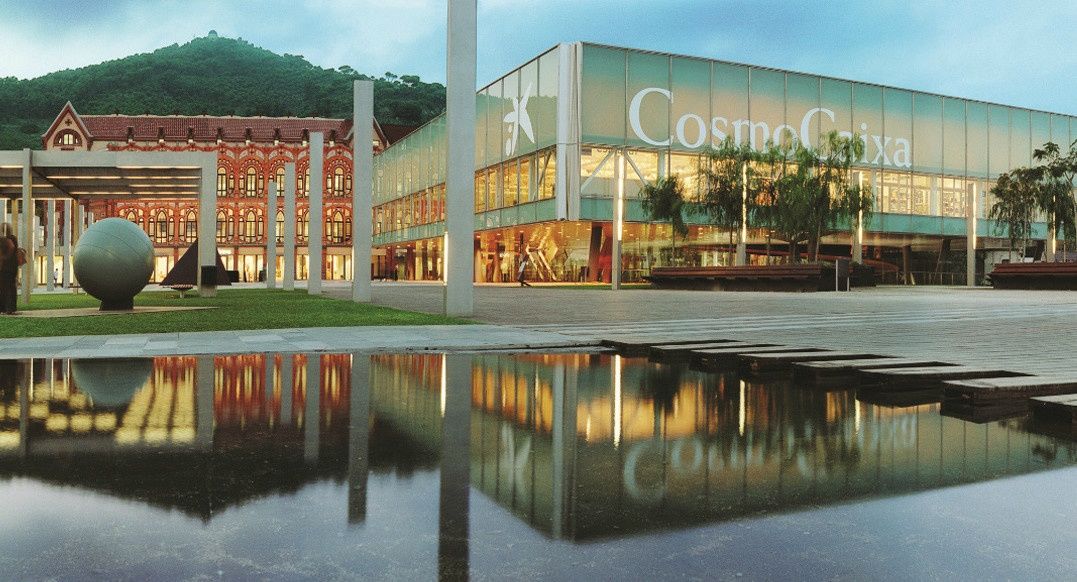
## Description The CosmoCaixa Museum of Science, officially known as Museu de la Ciència CosmoCaixa, is one of Barcelona’s most engaging and educational cultural attractions. Designed to make science accessible, interactive, and enjoyable, the museum invites visitors of all ages to explore the natural world, physics, biology, and the universe through hands-on exhibits and immersive environments. It is widely regarded as one of the best science museums in Europe. What makes CosmoCaixa unique is its emphasis on learning through experience rather than observation alone. The museum’s permanent exhibition spaces encourage visitors to touch, experiment, and question scientific principles. One of its most iconic features is the Flooded Forest, a large-scale recreation of an Amazon rainforest ecosystem complete with live plants, fish, and animals, offering an immersive look into tropical biodiversity. A lesser-known fact is that the museum building incorporates a dramatic architectural ramp system designed to guide visitors gradually through different levels of scientific exploration. Another interesting detail is that CosmoCaixa frequently updates its temporary exhibitions to reflect current scientific research and global challenges. CosmoCaixa successfully combines modern museology, cutting-edge science communication, and striking architecture, making it a standout destination in Barcelona beyond the city’s more traditional art and history museums. ## Location CosmoCaixa is located in **Spain**, in the autonomous community of **Catalonia**, within the city of **Barcelona**. It sits in the Sant Gervasi–La Bonanova district, slightly northwest of the city center, in a quieter residential area. The museum is easily reached by public transport. Visitors can take the Ferrocarrils de la Generalitat de Catalunya (FGC) train to **Avinguda Tibidabo** or **El Putxet** stations, followed by a short walk. Several bus lines also stop nearby. For those traveling by car, parking facilities are available on-site, though public transport is generally the most convenient option. ## Tips * Allow at least two to three hours to explore the museum comfortably. * Visit on weekdays or early in the morning to avoid crowds, especially during school holidays. * Don’t miss the Flooded Forest and the Planetarium, which are highlights of the museum. * Check the schedule for temporary exhibitions, workshops, and guided activities. * The museum is very family-friendly, with many exhibits designed for children and teenagers. * Take advantage of the on-site café and outdoor areas for a break during your visit. ## Conclusion CosmoCaixa Barcelona offers an engaging and thoughtful approach to science education through interactive exhibits and immersive environments. It is an ideal destination for families, students, and anyone curious about how the world works, providing a refreshing perspective on science in an accessible and enjoyable format. ## FAQ **Is CosmoCaixa suitable for children?** Yes, the museum is designed for all ages and includes many interactive exhibits for children. **How much time should I plan for a visit?** Most visitors spend between two and four hours exploring the museum. **Is there an entrance fee?** Yes, CosmoCaixa charges a modest entrance fee, with discounts for students, seniors, and families. **Are exhibits available in multiple languages?** Yes, most exhibits and information panels are available in Catalan, Spanish, and English. **Is the museum accessible for people with limited mobility?** Yes, the museum is fully accessible, with ramps, elevators, and adapted facilities. ## Links * [CosmoCaixa Official Website](https://cosmocaixa.org/es/cosmocaixa-barcelona)
GemVoyage Team • World