GemVoyage Team • World
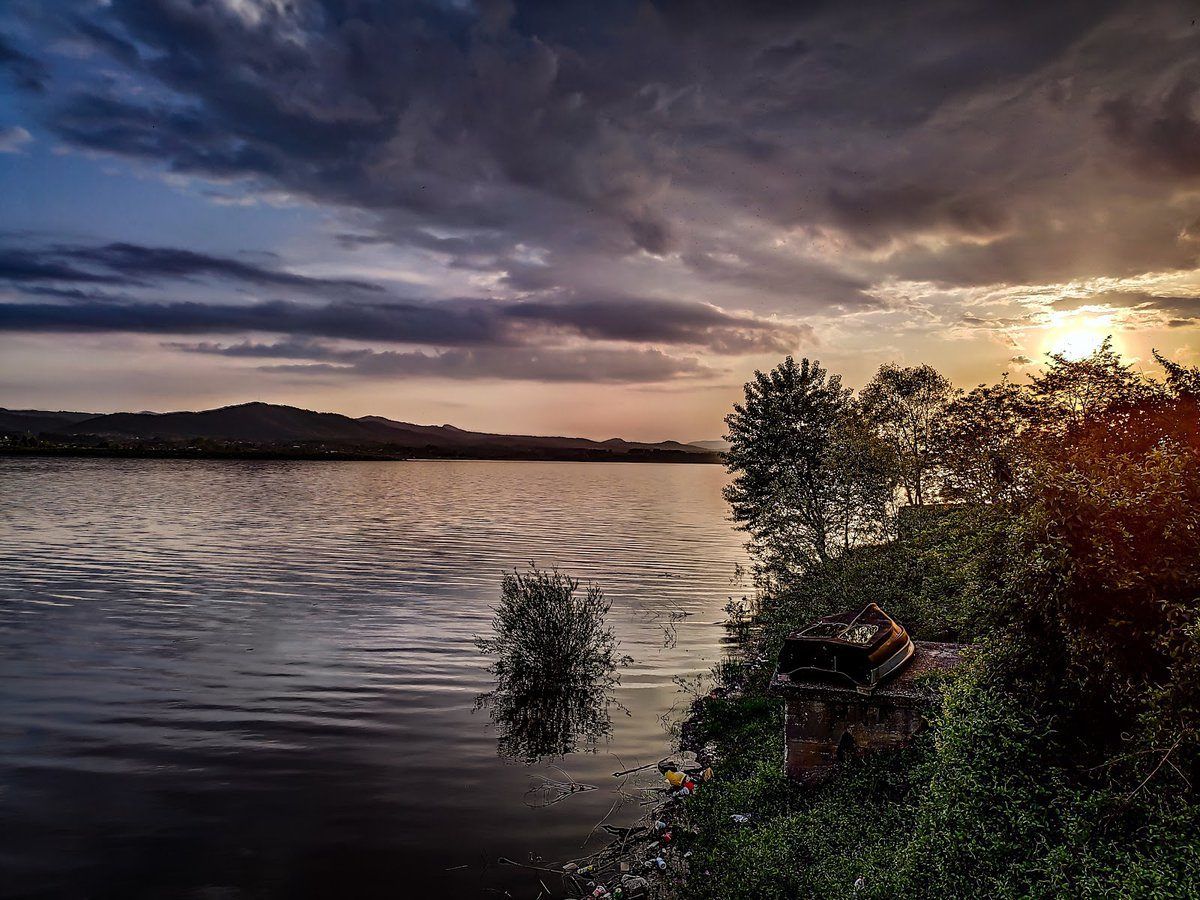
Modrac Lake (Modračko jezero) is one of the largest artificial lakes in Bosnia and Herzegovina and a significant recreational and economic resource for the northeastern part of the country. Created in the 1960s by damming the Spreča River, the lake was originally built to supply water for industry and surrounding towns. Over time, it evolved into a popular leisure destination, especially during the summer months.
What makes Modrac Lake distinctive is its dual identity. On one hand, it is a functional reservoir supporting industry and agriculture in the Tuzla region. On the other, it serves as a relaxed getaway for locals, offering swimming areas, weekend houses, fishing spots, and informal beaches. Unlike heavily commercialized European lakes, Modrac retains a raw, local character shaped more by everyday use than tourism planning.
A lesser-known fact is that before the lake was created, several villages and agricultural lands were submerged, permanently altering the local landscape and economy. Another interesting detail is that Modrac Lake supports a diverse fish population, including carp, catfish, pike, and perch, making it one of the most important freshwater fishing locations in the region.
The atmosphere around the lake is informal and authentic. Small cafés, seasonal food stands, and family-owned cottages line parts of the shoreline, particularly near towns and villages. This gives visitors a genuine glimpse into regional leisure culture rather than a curated tourist experience.
Country: Bosnia and Herzegovina
Region: Tuzla Canton
Nearest Cities: Tuzla, Lukavac, Živinice
Modrac Lake lies in northeastern Bosnia, about 15 kilometers southwest of Tuzla, stretching between several municipalities.
* The easiest and most flexible option. From Tuzla, the drive takes about 20–30 minutes depending on the access point.
* Available from Tuzla and nearby towns, though return arrangements should be planned.
* Buses connect Tuzla with nearby towns such as Lukavac and Živinice, followed by short walks to the shore.
Modrac Lake is not a polished resort, but a functional and lived-in landscape that plays an important role in local life. Its wide shoreline, relaxed atmosphere, and accessibility make it a meaningful destination for those interested in regional culture, outdoor relaxation, and everyday Bosnia beyond major tourist routes.
1. Is Modrac Lake natural or artificial?
It is an artificial lake created by damming the Spreča River.
2. Can you swim in Modrac Lake?
Yes, swimming is common in designated areas, especially during summer.
3. Is the lake clean?
Water quality varies by location and season; some areas are better maintained than others.
4. Is Modrac Lake good for fishing?
Yes. It is one of the most important fishing lakes in northeastern Bosnia.
5. Are there hotels around the lake?
Accommodation is limited; most visitors stay in Tuzla or nearby towns.
6. Is Modrac Lake suitable for tourists?
Yes, particularly for travelers seeking local experiences rather than resort-style tourism.
Discover more hidden gems you might love.
Tokyo
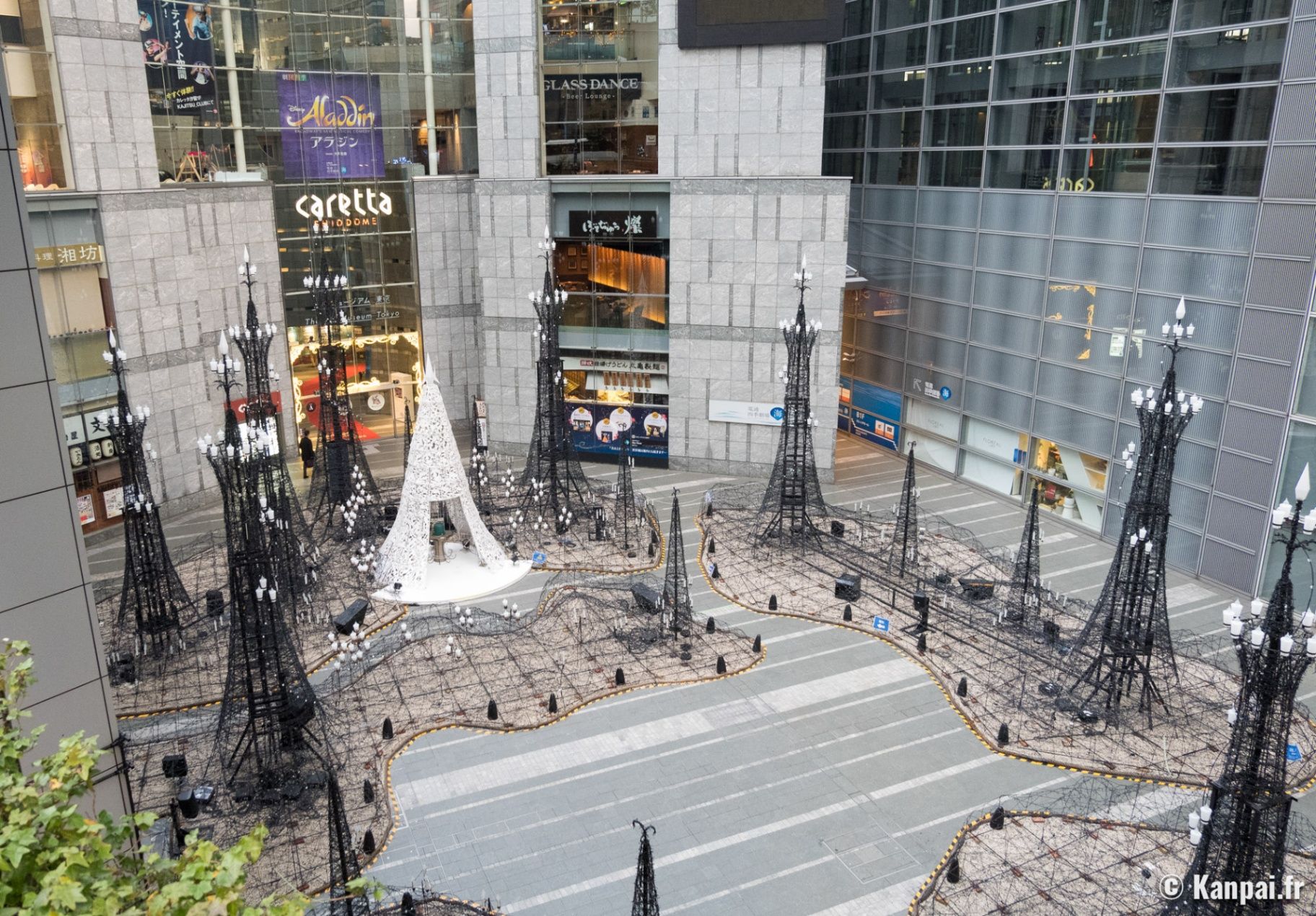
## Description **Caretta Shiodome (カレッタ汐留)** is a striking skyscraper complex in the **Shiodome district** of **Tokyo**, Japan, that perfectly embodies the city’s modern sophistication and cultural vibrancy. Rising 51 stories above the bustling streets of Minato Ward, this landmark blends **shopping, dining, art, and entertainment** into one of Tokyo’s most polished urban experiences. Opened in **2002**, Caretta Shiodome is part of the Shiodome redevelopment project that transformed an old railway yard into a futuristic business and leisure zone. Inside, visitors will find an elegant mix of **restaurants, boutique shops, a theater, a museum, and panoramic observation areas** — all designed with contemporary style and efficiency. What makes Caretta Shiodome truly unique is its seamless combination of **commerce and culture**. It houses the **Caretta Shiodome Sky View**, an observation area on the 46th floor offering spectacular views of Tokyo Bay, Odaiba, and the Rainbow Bridge. The complex is also home to the **Advertising Museum Tokyo (ADMT)**, Japan’s only museum dedicated to the history of advertising — a fascinating and often overlooked gem that reveals how Japanese media and design evolved over the decades. Another standout feature is the **Caretta Illumination**, one of Tokyo’s most beloved **winter light displays**. Each year, from November through February, the plaza outside the building is transformed into a glittering wonderland of over **250,000 LED lights**, synchronized to music. It attracts couples, photographers, and families alike, and has become a symbol of Tokyo’s festive season. A lesser-known fact is that Caretta Shiodome’s name, “Caretta,” is derived from *Caretta caretta*, the Latin name for the **loggerhead sea turtle**, symbolizing endurance, longevity, and connection to the ocean — an apt metaphor for Tokyo’s harmony between progress and nature. ## Location Caretta Shiodome is located in the **Shiodome district** of **Minato Ward**, **Tokyo, Japan**. It sits within the Shiodome City Center area, just a short walk from **Shimbashi Station** and surrounded by major landmarks like the **Hamarikyu Gardens** and **Ginza**. To get there: * **By train:** * Take the **Toei Ōedo Line** or **Yurikamome Line** to **Shiodome Station** (direct underground access). * Alternatively, take the **JR Yamanote Line** or **Tokyo Metro Ginza Line** to **Shimbashi Station**, and walk about **5 minutes** via underground passages. * **By foot:** It’s a pleasant 10-minute walk from **Ginza** or **Tsukiji** areas. * **By car:** Paid parking is available in the basement levels, though public transport is highly recommended due to central Tokyo traffic. ## Tips * **Visit during the evening:** Especially in winter, when the **Caretta Illumination** lights up the plaza with dazzling colors and music. * **Go up to the 46th or 47th floors:** For a **free panoramic view** of Tokyo Bay — one of the best free observation spots in the city. * **Dine with a view:** Restaurants like **Sky View Dining and Bar** or **KAIKAYA Shiodome** offer gourmet meals paired with sweeping skyline vistas. * **Visit the Advertising Museum Tokyo (ADMT):** Admission is free, and it’s an engaging stop for design enthusiasts and marketers. * **Combine with nearby attractions:** The **Hamarikyu Gardens** and **Ginza shopping district** are within walking distance. * **Check event schedules:** Seasonal exhibitions, performances, and cultural events are regularly held within the complex. * **Best time to visit:** Late afternoon to evening — explore the shops and museum first, then stay for dinner and the illumination. ## Conclusion **Caretta Shiodome** is a shining example of modern Tokyo — a place where art, architecture, and lifestyle converge high above the city streets. From its world-class restaurants and free observation decks to its mesmerizing light displays and creative museum, it offers something for everyone. Whether you’re looking to dine with a skyline view, learn about Japan’s advertising culture, or simply soak in the illuminated atmosphere of Tokyo at night, Caretta Shiodome delivers a distinctly urban yet deeply memorable experience. ## FAQ **1. What is Caretta Shiodome?** It’s a high-rise complex in Tokyo that features **shopping, dining, a theater, the Advertising Museum Tokyo, and seasonal events** like the Caretta Illumination. **2. Where is it located?** At **1-8-2 Higashi-Shimbashi**, **Minato-ku**, **Tokyo**, within walking distance from **Shiodome Station** and **Shimbashi Station**. **3. Is there an observation deck?** Yes — the **Sky View on the 46th and 47th floors** offers **free access** to stunning views of Tokyo Bay and the skyline. **4. What is the Caretta Illumination?** A famous **winter light display** that transforms the plaza into a sea of LED lights, usually from **November to February** each year. **5. Is the Advertising Museum Tokyo free?** Yes, **entry is free**, and it’s a must-visit for those interested in Japanese advertising, pop culture, and design history. **6. Are there restaurants with views?** Yes, several high-end restaurants and bars offer panoramic dining experiences overlooking Tokyo Bay and the Shiodome area. ## Links * [Official Caretta Shiodome Website](https://www.caretta.jp/foreign/index)
GemVoyage Team • World
Porto
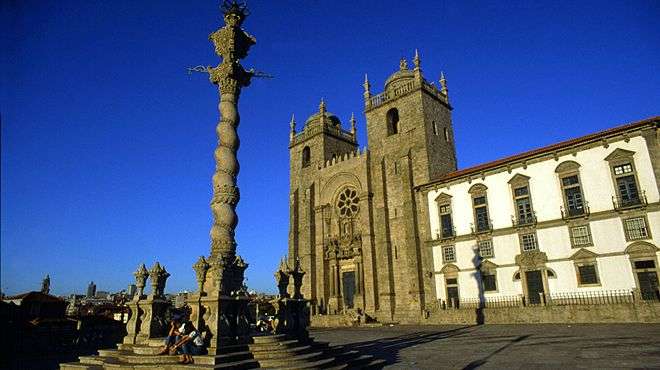
## Description Porto Cathedral, known locally as **Sé do Porto**, is one of the most iconic and historically significant landmarks in northern Portugal. Perched atop a hill in the heart of Porto’s old town, the cathedral dominates the city skyline with its fortress-like façade and commanding views over the Douro River. Construction began in the early 12th century, making it one of the oldest monuments in Porto and a cornerstone of the city’s religious and architectural heritage. The cathedral is a fascinating blend of **Romanesque, Gothic, and Baroque** styles, reflecting centuries of architectural evolution. Its original Romanesque structure is still visible in the heavy granite walls and narrow nave, while later Gothic additions include the elegant cloister and the funerary chapel of João Gordo, a Knight Hospitaller. In the 18th century, Italian architect Nicolau Nasoni added Baroque flourishes, including a grand loggia and ornate altarpieces. A little-known fact: Porto Cathedral was the site of the royal wedding between **King John I of Portugal and Philippa of Lancaster** in 1387, a union that sealed the Anglo-Portuguese Alliance—one of the oldest diplomatic alliances in the world. Another hidden gem is the **Camino de Santiago pilgrim’s credential office**, tucked discreetly beside the cathedral, where modern-day pilgrims begin their journey to Santiago de Compostela. ## Location Porto Cathedral is located in **Portugal**, within the **Norte Region**, in the city of **Porto**. It sits in the **Sé neighborhood**, one of the oldest quarters of the city, surrounded by winding cobbled streets and historic buildings. ### How to Get There: - **By Metro**: The nearest station is São Bento, just a short uphill walk from the cathedral. - **By Foot**: If you're exploring central Porto, the cathedral is easily accessible from landmarks like the Ribeira, Clérigos Tower, and Dom Luís I Bridge. - **By Taxi or Ride-Hailing**: Services like Bolt or Uber can drop you off at Terreiro da Sé, the square in front of the cathedral. Its elevated position makes it a perfect starting point for exploring Porto’s historic center. ## Tips for Visitors To make the most of your visit to Porto Cathedral, keep these tips in mind: - **Visit Early or Late**: The cathedral can get crowded during peak hours. Early morning or late afternoon visits offer a quieter experience and better lighting for photos. - **Explore the Cloister**: Don’t miss the Gothic cloister, adorned with beautiful azulejos (blue tiles) depicting religious scenes. - **Climb for Views**: The cathedral’s terrace offers panoramic views of Porto’s rooftops and the Douro River—perfect for photography. - **Combine with Nearby Attractions**: Pair your visit with São Bento Station, Palácio da Bolsa, or a walk down to the Ribeira district. - **Check for Mass Times**: If you’re interested in attending a service, check the schedule in advance. Visitors are welcome but should be respectful during religious ceremonies. - **Bring Comfortable Shoes**: The surrounding streets are steep and cobbled—wearing sturdy footwear is a must. ## Conclusion Porto Cathedral is a majestic fusion of history, architecture, and spirituality. With its commanding presence, rich artistic details, and deep cultural significance, it offers visitors a profound glimpse into the soul of Porto. Whether you're a history buff, architecture lover, or spiritual seeker, the Sé do Porto is a must-see. ## FAQ **1. What are the opening hours of Porto Cathedral?** Typically, the cathedral is open from 9:00 AM to 6:30 PM. Hours may vary on holidays and Sundays. **2. Is there an entrance fee?** Entry to the main cathedral is free. A small fee may apply to access the cloister and museum. **3. Can I take photos inside the cathedral?** Yes, photography is allowed, but flash should be avoided, especially during services. **4. Is Porto Cathedral accessible for people with mobility issues?** The main entrance is accessible, but some areas like the cloister and terrace may have limited access due to stairs. **5. How long should I plan for the visit?** A typical visit lasts 45 minutes to an hour, longer if you explore the cloister and museum. **6. Is there a dress code?** Modest attire is recommended, especially if attending a religious service. ## Links - [Portugal.com – Porto Cathedral Overview](https://www.portugal.com/location/porto-cathedral/) - [Porto Travel Guide – Sé do Porto](https://porto.travel/porto-cathedral/)
GemVoyage Team • World
Tunis
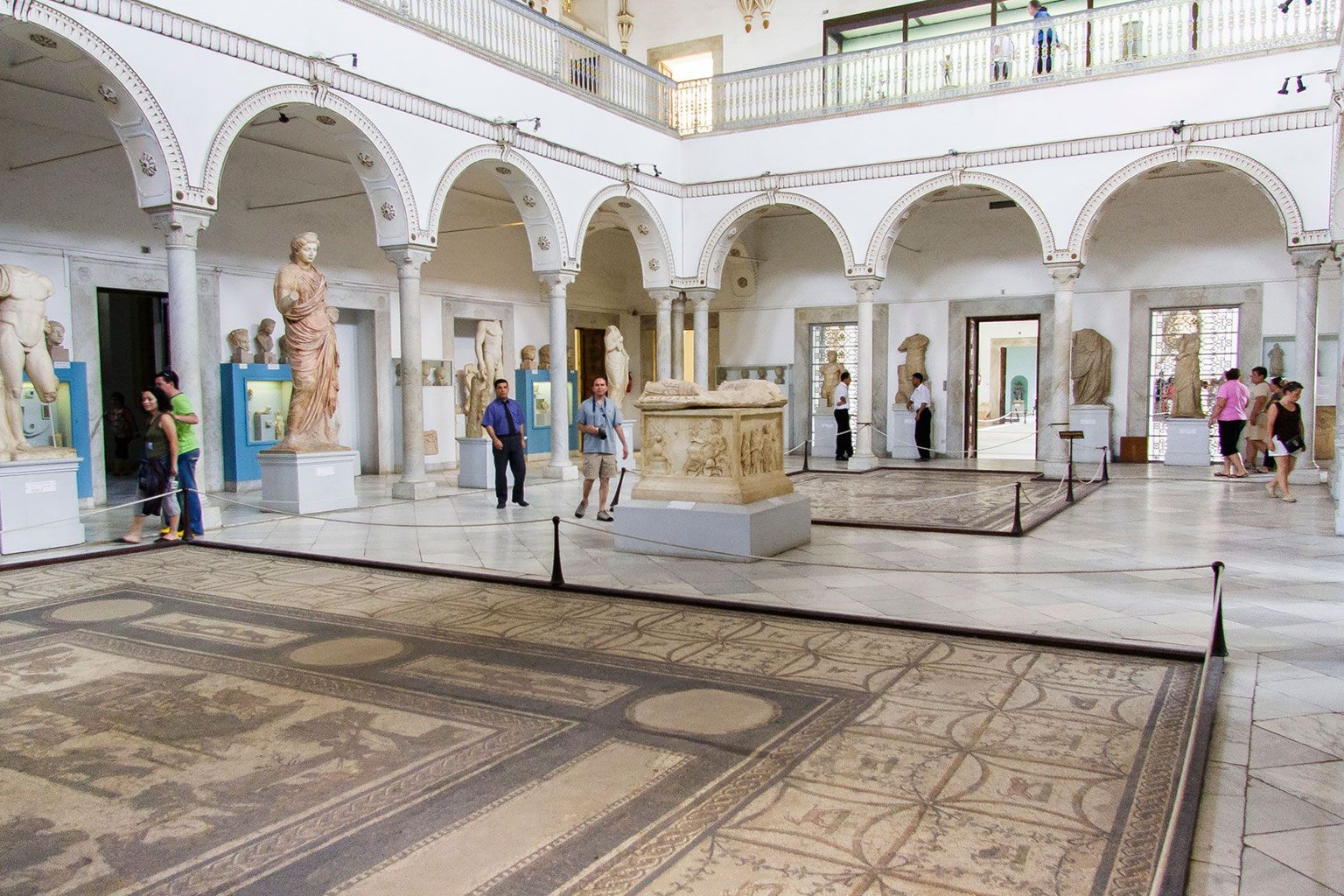
## Description Bardo National Museum is one of North Africa’s most important museums and a highlight for anyone interested in archaeology, history, and art. It is particularly famous for its extraordinary collection of Roman mosaics, but the museum’s significance goes beyond a single category. It offers a broad journey through Tunisia’s layered past, from prehistoric materials and Punic remains to Islamic-era objects and decorative arts. That range makes it one of the best places to understand how many different civilizations have shaped the country. What makes the Bardo especially memorable is the quality of the collection and the setting in which it is displayed. The museum occupies a former palace complex, and that architectural backdrop gives the exhibits a sense of elegance and continuity with the past. Walking through the galleries feels like moving through a living archive. The mosaics are often the first thing people mention, and for good reason: they are vivid, large, and remarkably well preserved. But there is also a quieter pleasure in discovering smaller objects, inscriptions, and artifacts that reveal daily life, trade, belief, and artistic taste across centuries. One little-known fact is that the museum’s collection is not only important for Tunisia, but for the broader Mediterranean world. Many of the objects speak to the country’s position as a crossroads of empires, shipping routes, and cultural exchange. Another is that the palace setting helps create a more immersive experience than a plain modern gallery might. The rooms, courtyards, and architectural details remind you that the museum itself is part of Tunisia’s heritage story. For travelers, the Bardo works well because it gives context to the rest of a Tunis itinerary. If you have already seen medinas, ruins, or coastal sites, the museum ties many of those threads together. It is not just about looking at beautiful objects. It is about seeing how Tunisia’s geography and history produced a remarkably rich material culture. ## Location Bardo National Museum is in Le Bardo, a suburb just west of central Tunis, Tunisia. Its position outside the old medina makes it easy to reach while still being close enough to the capital to fit into a normal sightseeing day. The most practical way to get there is by taxi or local transport from central Tunis. Because the museum is a major institution, drivers will usually know it well. If you are already exploring Tunis, it is straightforward to combine the museum with a medina visit or another city-center stop. The museum is also a sensible first stop if you want historical context before branching out to other parts of Tunisia. Plan enough time for a proper visit. The collection is substantial, and rushing would mean missing some of the strongest mosaics and broader historical displays. This is best approached as a serious museum outing rather than a quick photo stop. ## Tips Start with the mosaics if you are short on time, but do not skip the rest of the museum. Some of the most rewarding moments come from smaller objects that are easy to overlook. Check opening information before you go, especially if your trip is part of a tight itinerary. Museums sometimes have schedule changes, and it is better to confirm in advance. If you are interested in ancient history, a guide or a bit of background reading will help you get more out of the collection. The objects are impressive on their own, but the context makes them much richer. Allow time to walk slowly through the galleries. The Bardo is not only about seeing famous pieces; it is also about noticing the range and depth of Tunisia’s past. ## Conclusion Bardo National Museum is an essential Tunis attraction for anyone who wants to understand Tunisia’s artistic and historical heritage. Its mosaics, palace setting, and wide-ranging collections make it one of the region’s most important museums. ## FAQ **What is the Bardo Museum best known for?** Its Roman mosaics are among the most famous in the Mediterranean world. **How much time should I spend there?** At least two hours is a good baseline, and more is better if you want to see the museum thoroughly. **Is it easy to get to from central Tunis?** Yes. It is in Le Bardo and can be reached conveniently by taxi or local transport. **Is the museum only about Roman history?** No. It covers a much wider range of Tunisia’s history and culture. **Is it suitable for first-time visitors to Tunis?** Absolutely. It is one of the most useful places to visit early in a trip. ## Links - [Official Website](http://bardomuseum.tn/index.php?lang=en)
GemVoyage Team • World
Berlin
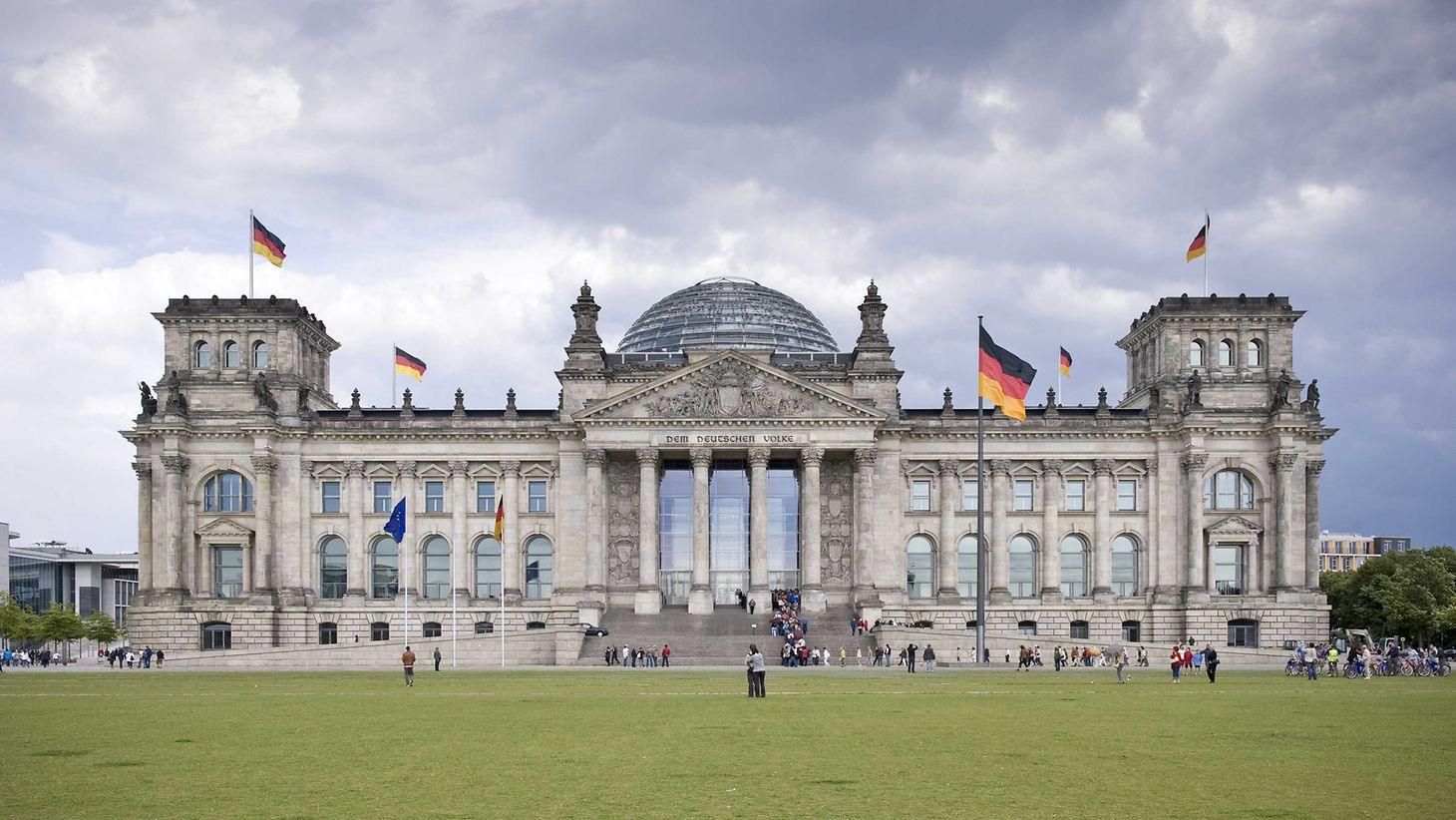
## Description The **Bundestag Building**, officially known as the **Reichstagsgebäude**, stands as one of the most significant landmarks in **Berlin** and a powerful symbol of **Germany’s turbulent history and democratic rebirth**. Combining monumental architecture with modern transparency, it serves today as the seat of the **German Federal Parliament (Deutscher Bundestag)** — and one of the most visited government buildings in the world. Originally designed by **architect Paul Wallot** and completed in **1894**, the building was intended to house the **Imperial Diet of the German Empire**. Its Neo-Renaissance façade, crowned by a grand central dome, reflected the pride and ambition of a newly unified Germany. However, the Reichstag’s history mirrors that of the nation itself — one of struggle, destruction, and renewal. In **1933**, the infamous **Reichstag fire** severely damaged the building, and it was later left in ruins during World War II. After decades of neglect during the Cold War, when Berlin was divided, the Reichstag stood near the border between East and West as a haunting reminder of Germany’s fractured identity. Following reunification, the Bundestag was **rebuilt and transformed** under the vision of **British architect Sir Norman Foster**, who completed his renovation in **1999**. The centerpiece of this reconstruction is the **modern glass dome**, an architectural marvel that symbolizes **transparency and accessibility in government**. Visitors can ascend the spiraling ramp inside the dome to enjoy **panoramic views of Berlin**, while looking down into the debating chamber below — a literal reflection of the people’s oversight over their elected representatives. A lesser-known fact is that during reconstruction, thousands of **historic graffiti inscriptions** left by Soviet soldiers in 1945 were carefully preserved on interior walls, serving as poignant reminders of the city’s wartime history. Another fascinating detail is that the **solar-powered dome** is part of an advanced energy-efficient system that makes the Bundestag one of the world’s greenest government buildings. ## Location The **Bundestag Building** is located in the **government district (Regierungsviertel)** of **Berlin**, **Germany**, near the **Brandenburg Gate** and along the **River Spree**. **Address:** Platz der Republik 1, 11011 Berlin, Germany To get there: * **By U-Bahn:** Take **U5** to **Bundestag Station**, located directly beside the building. * **By S-Bahn:** The **Berlin Hauptbahnhof (Main Station)** is about a **10-minute walk** away. * **By bus:** Routes **100** and **200** stop nearby at **Reichstag/Bundestag**. * **By foot or bike:** It’s an easy walk from the **Brandenburg Gate** or the **Tiergarten** park. ## Tips * **Book your visit in advance:** Entry to the dome and terrace is **free**, but **online registration** is required through the Bundestag’s official website due to high demand. * **Bring ID:** You’ll need a valid photo ID to enter the building for security reasons. * **Visit the dome at sunset or night:** The views of Berlin’s skyline — including the Brandenburg Gate and the Fernsehturm (TV Tower) — are spectacular after dark. * **Take the guided tour:** Learn about German history, architecture, and politics from official Bundestag guides. Tours are offered in multiple languages. * **Dress comfortably:** There’s a bit of walking and ramp climbing involved when visiting the dome. * **Combine with nearby attractions:** The **Brandenburg Gate**, **Memorial to the Murdered Jews of Europe**, and **Tiergarten** are all within walking distance. * **Photography:** Cameras are allowed — the dome’s glass reflections and city views make it a photographer’s dream. ## Conclusion The **Bundestag Building (Reichstag)** is more than a seat of government — it’s a living monument to **Germany’s journey from empire to democracy**. From its grand 19th-century origins through wartime destruction and postwar division, to its renewal as a transparent and sustainable parliament, the building embodies the nation’s resilience and progress. Visiting the Bundestag is both a **historical and symbolic experience**, offering a glimpse into the past and a view toward the future — quite literally through its luminous glass dome overlooking Berlin. ## FAQ **1. What is the difference between the Reichstag and the Bundestag?** “Reichstag” refers to the **historic building** itself, while “Bundestag” refers to **Germany’s federal parliament**, which now meets inside the Reichstag building. **2. When was the Reichstag building completed?** It was completed in **1894**, heavily damaged during World War II, and **fully restored and reopened in 1999** after reunification. **3. Who redesigned the building after reunification?** The **British architect Sir Norman Foster** led the reconstruction, adding the iconic glass dome. **4. Is it free to visit?** Yes, **entry to the Bundestag, dome, and terrace is free**, but advance **registration** is required for security reasons. **5. Can you visit the parliamentary chamber?** Yes, guided tours include access to the chamber when sessions are not in progress. Visitors can also attend plenary sessions by prior arrangement. **6. When is the best time to visit?** The **evening** is ideal for breathtaking views of Berlin at sunset, but daytime visits offer clearer views of the cityscape. **7. What are the opening hours?** The dome is usually open daily from **8 a.m. to midnight**, with last entry around **10 p.m.** (check the official site for seasonal variations). ## Links * [Official Bundestag Visitor Registration](https://www.bundestag.de/en/visittheBundestag/dome/registration-245686)
GemVoyage Team • World
Barcelona
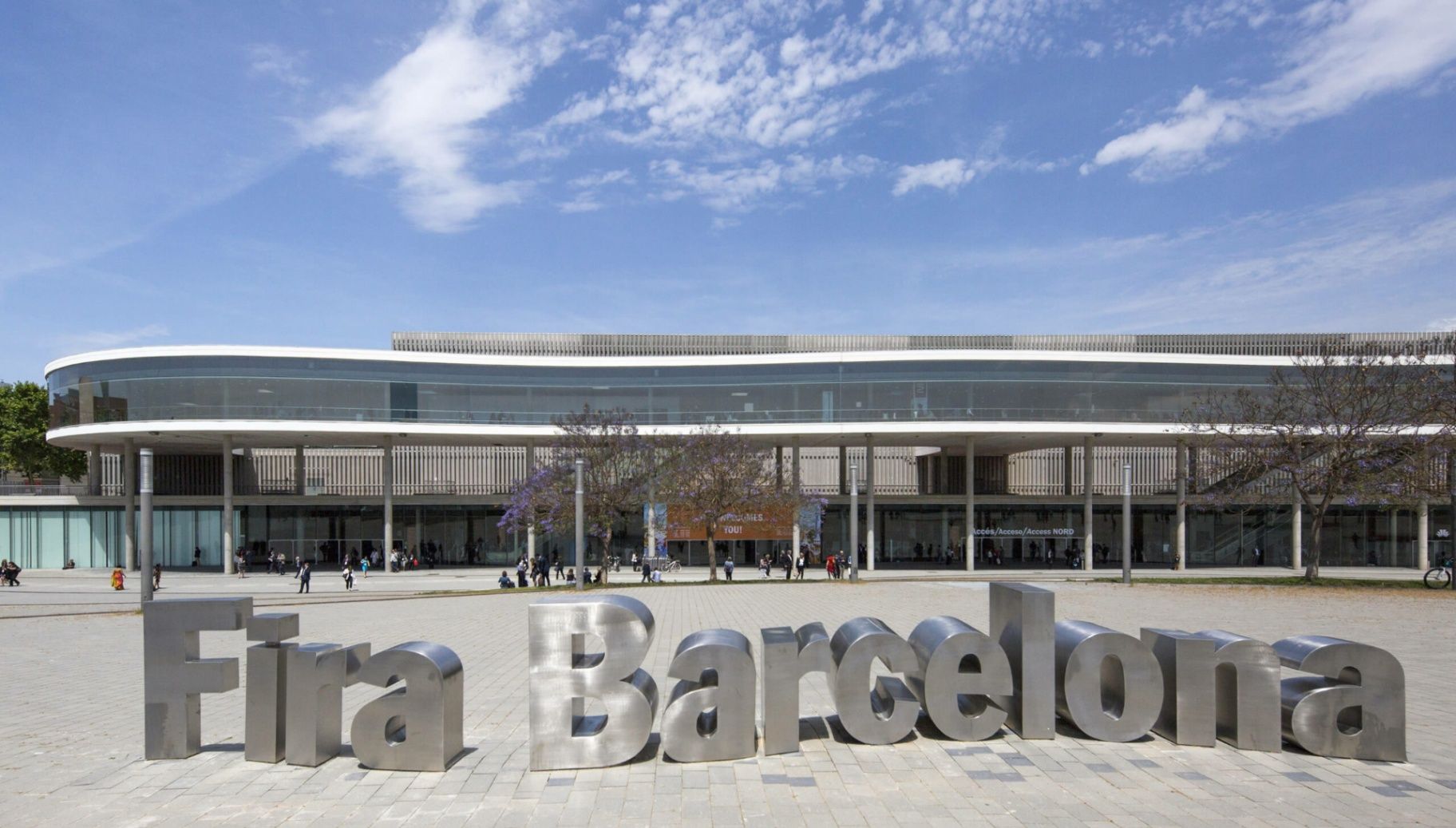
## Description **Fira Barcelona Gran Via** is one of the **largest and most advanced exhibition venues in Europe**, designed to host the world’s leading trade fairs, technology summits, medical congresses, and industrial expos. While Barcelona is often associated with beaches, historic quarters, and Gaudí architecture, Gran Via represents a different identity of the city: **global business, logistics precision, and large-scale innovation**. Opened in **2007**, the Gran Via venue was designed by renowned Japanese architect **Toyo Ito**, whose concept blends **minimalism, flow, and industrial elegance**. The complex consists of **eight massive exhibition halls**, interconnected by long glazed corridors, suspended walkways, and natural light shafts. The layout prioritizes **efficiency of movement**, allowing tens of thousands of visitors to circulate at once without congestion. What truly sets Fira Gran Via apart is its **sheer operational scale**. With more than **240,000 square meters of exhibition space**, it regularly hosts events that attract **over 100,000 visitors per edition**. Among its most famous recurring events are the **Mobile World Congress (MWC)**, one of the largest technology exhibitions on the planet, as well as major shows for pharmaceuticals, logistics, industrial automation, construction, and smart cities. Architecturally, Gran Via does not rely on decorative spectacle. Instead, it emphasizes **clean geometry, steel and glass contrasts, towering vertical volumes, and the rhythmic repetition of light and shadow**. The result is a building that feels futuristic without being extravagant. A striking visual feature is the **continuous covered spine** that links the halls like a central artery, functioning both as a navigation axis and as a social circulation zone between events. Beyond trade fairs, the venue also serves as a **global meeting point for governments, corporate leaders, scientists, and innovators**. International policy discussions on digital transformation, sustainability, healthcare systems, and future mobility frequently take place within its walls. In this sense, Fira Gran Via is not simply an exhibition space, but a **temporary city of global decision-making** that comes alive several times each year. A little-known fact is that during the design phase, the orientation of the halls was carefully calculated to **maximize diffused daylight while minimizing heat gain**, reducing energy consumption across the massive structure. Another lesser-known detail is that parts of the underground logistics network allow **direct truck access beneath the halls**, enabling exhibitors to move heavy machinery and large installations invisibly without disrupting surface-level visitor flow. Emotionally, Fira Gran Via does not aim to charm the visitor the way historic Barcelona does. Instead, its impact is one of **scale, order, and momentum**. It feels like standing inside an infrastructure built for the future. For many professionals, attending an event here marks not a leisure moment, but a **career milestone**, contract turning point, or technological breakthrough. When fully active, the venue functions like a **giant synchronized machine**, where logistics teams, exhibitors, speakers, press, and security systems operate in continuous parallel motion. Few places in Spain demonstrate the choreography of modern global business as visibly as Fira Barcelona Gran Via. ## Location **Fira Barcelona Gran Via** is located on the border between **Barcelona city and L’Hospitalet de Llobregat**, in the southwestern part of the metropolitan area. **City:** Barcelona / L’Hospitalet de Llobregat **Region:** Catalonia (Catalunya) **Country:** Spain **Main Area:** Gran Via Sud ### How to Get There: * **By metro:** * **Line 9 Sud** to **Fira Station** offers the most direct access. * **By bus:** Several city and regional bus lines serve Gran Via Sud. * **By taxi or ride-hailing:** Widely used during major international events. * **By airport connection:** Direct metro access from **Barcelona-El Prat Airport** via Line 9 Sud. * **By car:** Large underground parking is available for exhibitors and visitors. Its location allows fast access both from **Barcelona city center** and from **major highways linking the rest of Catalonia and Spain**. ## Tips * **Check the event calendar before visiting:** Gran Via is only accessible to the public during active exhibitions. * **Arrive early during major events:** Entry queues for global fairs like MWC can be long. * **Wear comfortable shoes:** Distances inside the halls are significant. * **Use hall maps and mobile apps:** The complex can feel overwhelming without digital navigation. * **Expect high food and drink prices during major exhibitions.** * **Book accommodation far in advance:** Hotels sell out months ahead during flagship events. * **Use public transport instead of taxis during peak hours:** Surrounding roads often experience heavy congestion. * **Allow buffer time for badge collection and security checks.** ## Conclusion **Fira Barcelona Gran Via** is a cornerstone of Europe’s exhibition and conference infrastructure, engineered for **scale, speed, and global connectivity**. It embodies Barcelona’s role not just as a cultural capital, but as a **strategic gateway for international trade, innovation, and knowledge exchange**. When fully operational, it becomes a temporary metropolis of ideas, deals, and future-defining conversations. ## FAQ **1. What is Fira Barcelona Gran Via used for?** It is used for **large-scale international trade fairs, congresses, summits, and industry expos**. **2. Is Fira Gran Via open to the general public?** Only during **active exhibitions or public-access events**. Otherwise, it is closed. **3. What is the biggest event held at Gran Via?** The **Mobile World Congress (MWC)** is the most internationally significant event hosted there. **4. How large is the venue?** It offers **over 240,000 square meters of exhibition space** across eight halls. **5. Is there direct access from the airport?** Yes. **Metro Line 9 Sud** connects Barcelona El Prat Airport directly to the venue. **6. Is Fira Gran Via accessible for people with reduced mobility?** Yes. The venue is fully **wheelchair accessible** with elevators, ramps, and adapted services. ## Links * [Fira Barcelona Official Website](https://www.firabarcelona.com/en/)
GemVoyage Team • World
Aswan
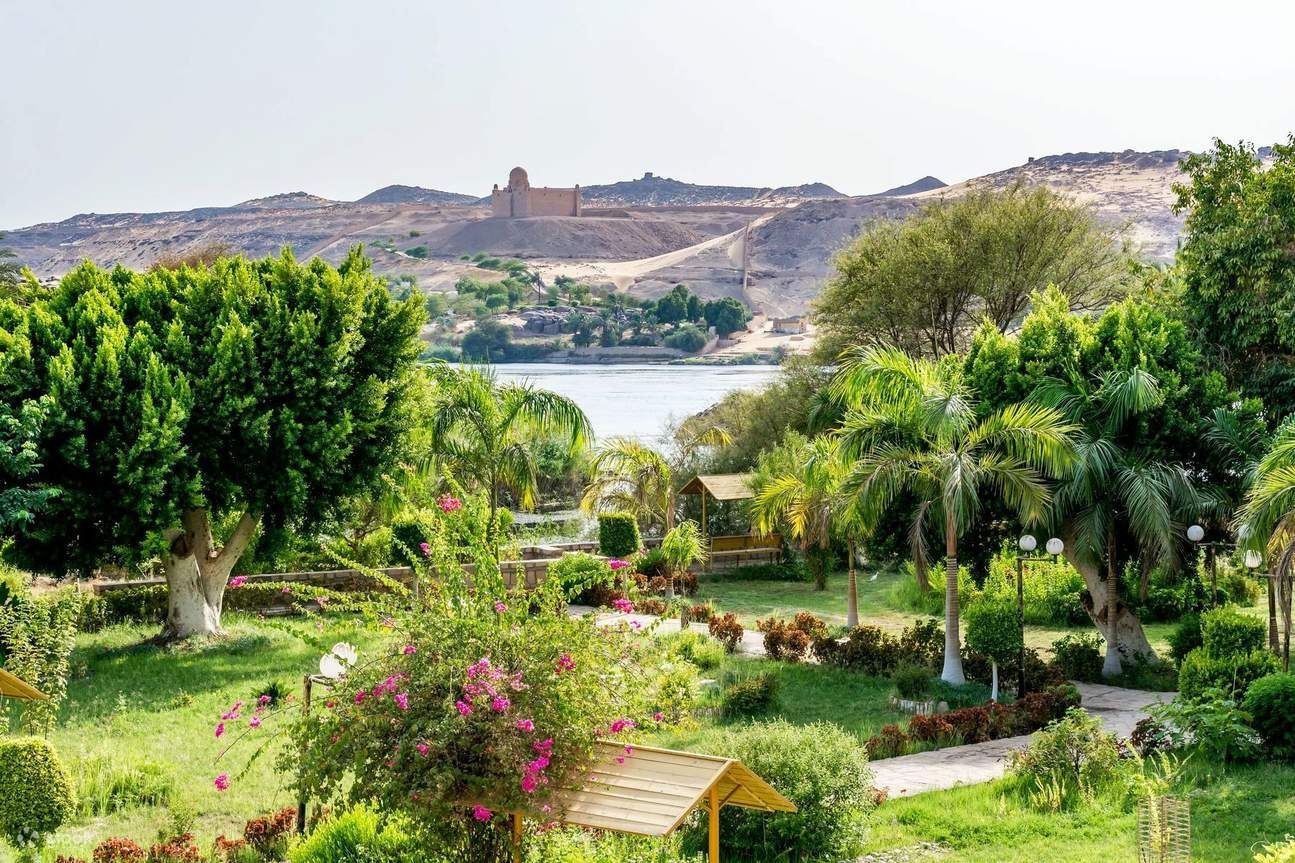
## Description The Aswan Botanical Garden is an unexpectedly verdant refuge on an island in the Nile, offering a cool, contemplative counterpoint to the monumental temples and quarries that dominate Upper Egypt’s tourism landscape. Its charm comes from a careful mix of cultivated plantings, winding pathways, and island vistas: palms, exotic trees, shaded pavilions, and thoughtfully placed seating invite visitors to slow down and enjoy the river breeze. For travelers who have spent mornings at temples and archaeological sites, the garden offers precisely the restorative pause many itineraries lack. Beyond leisure, the garden holds botanical and historical interest. Many plantings were introduced during the nineteenth and early twentieth centuries as part of botanical exchanges, and the site has long been associated with collection and study. The island location amplifies the sense of escape—the short boat journey from Aswan’s riverfront feels intentional and contributes to the visit’s narrative: you leave the bustling riverbank and step into a quieter, greener world. Birdlife, moving water, and the light across the Nile all combine to create a sensory experience that changes throughout the day. ## Location The garden is located on Kitchener’s Island (sometimes referred to historically in guidebooks), a short boat ride from Aswan’s main waterfront. Boat crossings take only a few minutes and are typically arranged through local boat operators, hotels, or Nile tour companies. Because the garden lies close to the city center, it can be combined easily with other Nile-side visits, including the Philae Temple boat ride or a felucca sail. Plan your visit for the morning or late afternoon when temperatures are milder and light is most flattering for photography. Midday in Upper Egypt can be intense, and shade is limited along some paths despite tree cover. ## Tips - Go in the cooler parts of the day—early morning or late afternoon are best for walks and photos. - Bring water, sunscreen, and a hat; shade is available but the sun can still be strong. - Arrange a reliable boat transfer—ask at your hotel or book through a reputable local operator. - Wear comfortable shoes: paths are mostly easy but can be uneven in places. - Combine the garden visit with nearby Nile-side sites to make the crossing feel part of a fuller river day. - Look for framed views through the trees toward the Nile; they make excellent photo opportunities and quiet spots to sit. ## Conclusion The Aswan Botanical Garden is a welcome respite for travelers who want a gentler pace amid an itinerary of temples and island tours. Its island setting, curated plantings, and tranquil riverside atmosphere create an appealing, low-effort stop that rewards slow exploration and quiet observation. ## FAQ ### Why visit a botanical garden in Aswan? It offers a distinctly different experience from archaeological sites: shade, plant variety, birdlife, and a slower pace that complements temple visits. ### How do I get there? Visitors reach the island by a short boat transfer from Aswan’s riverfront; boats are easy to arrange locally and typically take only a few minutes. ### Is it suitable for families? Yes. Wide paths and gentle walking conditions make the garden family-friendly, though bring water and sunscreen for young children. ### How much time should I spend there? One to two hours is usually enough for a relaxed visit; more time is pleasant for photography and lingering breaks. ### What should I bring for the visit? Comfortable shoes, water, hat, and sun protection; a camera and a small notebook are useful for nature observation. ## Links - [Wikipedia](https://en.wikipedia.org/wiki/Aswan_Botanical_Garden)
GemVoyage Team • World

Comments