Discover extraordinary places shared by our community of travelers
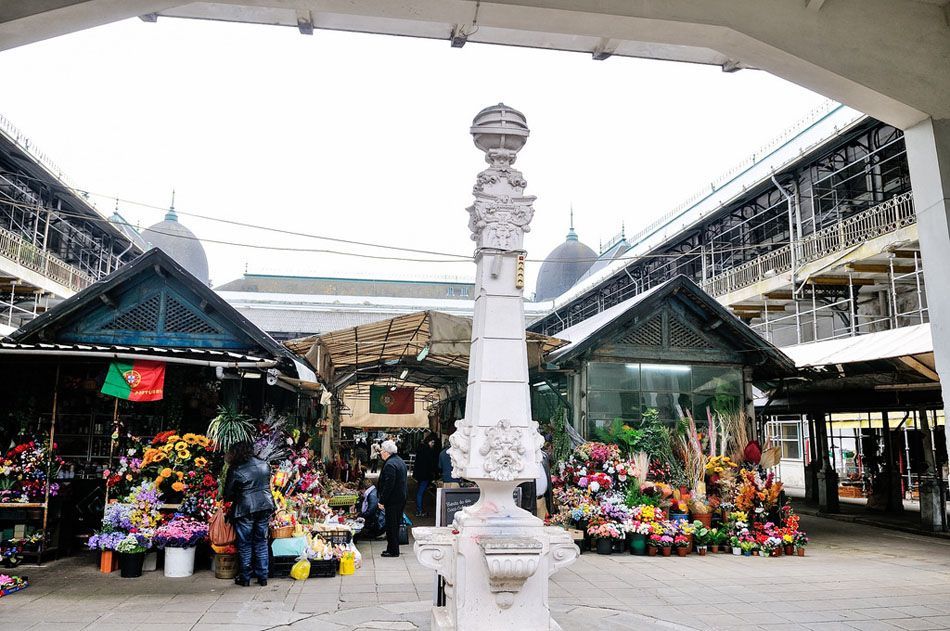
Porto
## Description Mercado do Bolhão is one of Porto's most recognizable landmarks because it feels less like a tourist stop and more like a living portrait of the city itself. Set in the center of Porto, this historic market brings together local farmers, fishmongers, florists, butchers, cheese sellers, and small food stalls under a structure that has long been tied to the daily rhythm of the city. What makes it special is not only the architecture or the nostalgia attached to it, but the fact that it still functions as a real market where people buy ingredients for lunch, talk to vendors they have known for years, and keep a distinctly Portuguese urban tradition alive. The building's atmosphere is one of its main attractions. The ironwork, tiled details, and open interior create a space that feels both grand and intimate. Unlike polished gourmet halls that can feel detached from the streets around them, Bolhão keeps its edges rough enough to remain authentic. The market is especially rewarding for visitors who like places with character and texture: the sound of sellers calling out prices, the smell of fresh herbs and coffee, and the sight of baskets filled with seasonal produce all contribute to an experience that is easy to remember long after the visit ends. One little-known fact is that the market's identity has always been closely linked to Porto's working-class neighborhoods. It was never designed only as a showcase; it grew out of the practical needs of the city and its surrounding farms. Another detail many visitors miss is that the surrounding streets are just as interesting as the market itself. The area around Bolhão contains old shopfronts, traditional pastry shops, and some of the best places to observe the contrast between old Porto and the city’s newer pace. The renovated market also reflects Porto's ability to preserve heritage while adapting to modern urban life. For travelers, that balance is part of the appeal. You can buy fruit, flowers, or a snack in a space that feels historic, yet still active and relevant. If you enjoy markets that tell you how a city lives rather than simply what it sells, Mercado do Bolhão is one of the most compelling places in Porto. ## Location Mercado do Bolhão is in central Porto, in the Norte region of Portugal, close to Rua de Santa Catarina and a short walk from several important downtown landmarks. Because it sits in one of the most accessible parts of the city, reaching it is straightforward whether you are staying nearby or arriving from elsewhere in Porto. The easiest approach is usually by metro, with Bolhão station placing you within a short walk of the market. Buses and taxis also reach the area easily, and the location works well as part of a broader walking route through the historic center. For visitors exploring Porto on foot, the market is a natural stop between shopping streets, cafés, and older residential blocks. You can combine it with a visit to Rua de Santa Catarina, the Chapel of Souls, or the central avenues around Aliados. If you are arriving from the riverfront or Ribeira district, allow time for a pleasant uphill walk through the city grid, which gives a clearer sense of Porto's daily life than a direct transfer would. The best recommendation for getting there is to use public transport or walk if you are already in the city center. Driving is possible but less convenient because the area is busy and street parking is limited. A morning visit is ideal, since the market is most energetic when local shoppers are doing their daily purchases and the produce stands are fullest. ## Tips Go early if you want to see the market at its most authentic. Morning hours are when the produce is freshest, the pace is liveliest, and the stalls feel most connected to local routine. Late afternoon is quieter and can be pleasant for browsing, but it does not capture the same atmosphere. Bring cash or a payment method accepted by small vendors, and do not rush your visit. The market rewards slow observation: look at what people are buying, ask vendors what is in season, and if you plan to eat there, choose items that reflect local ingredients rather than generic snacks. This is one of the best places in Porto to try traditional flavors in an unpretentious setting. If you enjoy photography, be respectful and avoid treating the market as a stage set. The best photos come from catching details: stacked oranges, handwritten prices, old tile work, and expressions of conversation between buyers and sellers. You will get a better result if you move quietly and observe rather than interrupting. It is also smart to combine the market with nearby food stops. Porto is a city where culinary culture matters, and Bolhão gives you a strong starting point for understanding what locals cook, buy, and value. If you have limited time, spend at least an hour inside the market and another hour exploring the surrounding streets. ## Conclusion Mercado do Bolhão is more than a market; it is a daily expression of Porto's identity, where history, commerce, and neighborhood life continue to meet in a space that feels both traditional and alive. ## FAQ ### Is Mercado do Bolhão worth visiting if I am not shopping? Yes. Even if you do not plan to buy groceries, the market is worth visiting for its atmosphere, architecture, and the chance to experience real everyday life in Porto. ### What is the best time to visit Mercado do Bolhão? Morning is the best time because the market is busiest, the produce is freshest, and the experience feels most local and energetic. ### Can I eat at Mercado do Bolhão? Yes. Several stalls and nearby food spots offer snacks, light meals, and traditional Portuguese items that make it easy to turn the visit into a casual food stop. ### Is Mercado do Bolhão good for families? Yes. Families often enjoy the colors, smells, and variety of goods, and the market is easy to navigate as part of a city walk. ## Links - [Official website](https://mercadobolhao.pt/)
GemVoyage Team • World
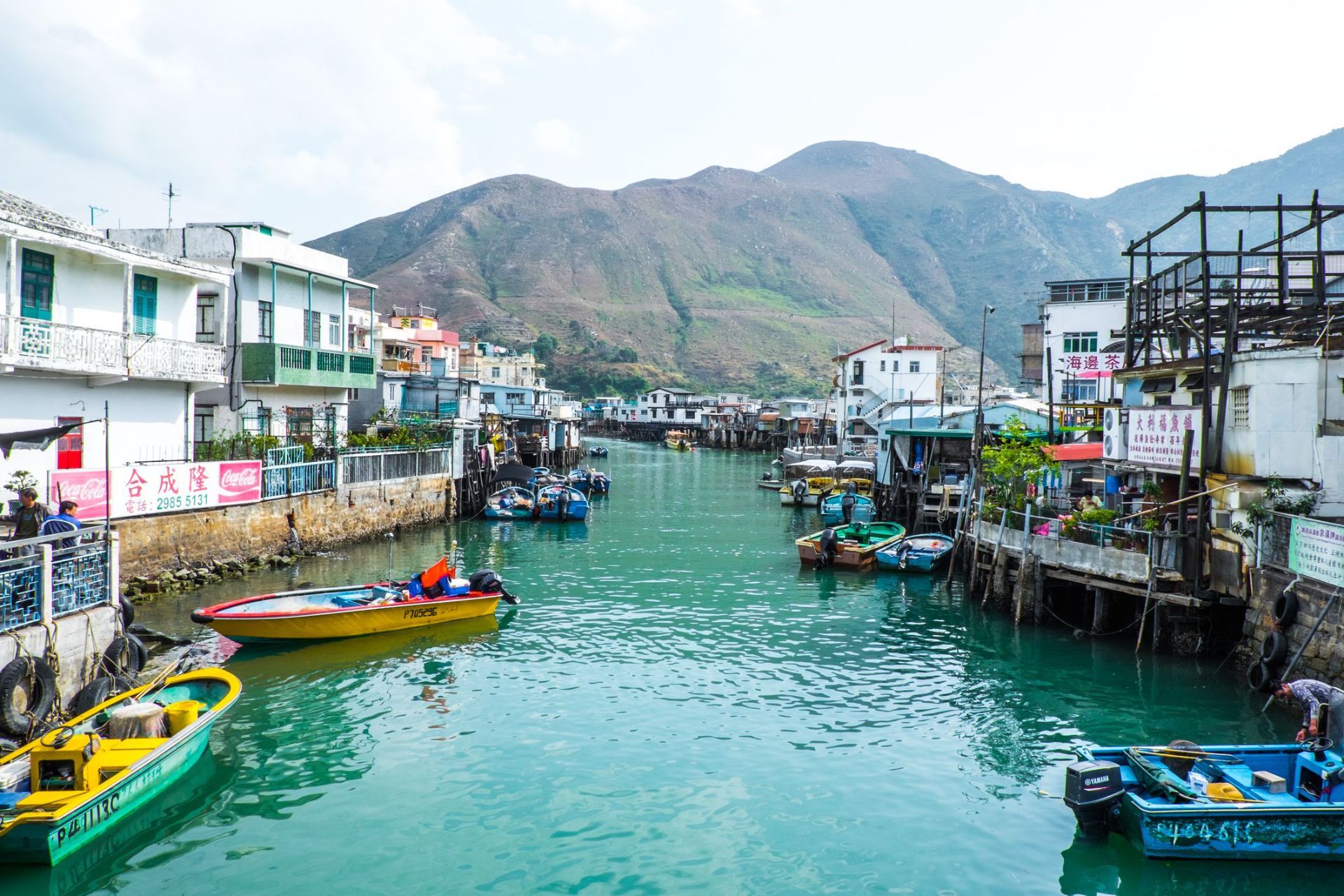
Hong Kong
## Description Tai O Fishing Village is one of the most atmospheric places in Hong Kong because it preserves a way of life that feels very different from the city’s skyscraper identity. Located on the western side of Lantau Island, Tai O is known for its stilt houses, narrow waterways, fishing heritage, and the sense that time moves more slowly here than in Hong Kong's urban core. For travelers looking for a place that combines cultural history, coastal scenery, and a strong local character, Tai O delivers all three in a single visit. The village is especially distinctive because it has kept much of its fishing-community layout, even as Hong Kong developed around it. The stilt houses, built above tidal waters and connected by wooden walkways, create a visual landscape that is unique in the region. Boat traffic still matters here, seafood is still central to the local economy, and the village still feels shaped by the rhythms of sea and tide. In the early morning, Tai O can feel hushed and contemplative. Later in the day, it becomes more animated as day visitors arrive, shops open, and boats move in and out of the channels. A little-known fact is that Tai O has long been associated with salt production and trade, not just fishing. Another detail many visitors miss is the old village fortifications and temple structures that reflect how communities once protected themselves from pirates, storms, and the uncertainties of coastal life. The area is therefore not simply picturesque; it is historically layered and reveals a deeper story about how people adapted to Hong Kong's shoreline before modern development changed the coastline. The food here is another major reason to visit. Dried seafood, shrimp paste, sweet treats, and simple local dishes are part of Tai O’s identity, and they help visitors understand how the village economy worked for generations. Even if you only spend half a day here, Tai O can feel like a complete change of pace from the rest of Hong Kong, offering a mixture of water, heritage, and community that is increasingly rare. ## Location Tai O Fishing Village is on the western side of Lantau Island in the Hong Kong Special Administrative Region of China. It sits in the Islands District, far from the dense business cores of Hong Kong Island and Kowloon, which is part of what preserves its quieter character. Because it is not on a major rail line, getting there takes a little planning, but that is also what helps keep the area special. The usual route is to travel by MTR to Tung Chung and then continue by bus toward Tai O. This combination is the most practical for most visitors and gives you a smooth connection from the city’s main transport network. Ferries and cable car routes may also be part of a longer day trip if you are combining Tai O with other parts of Lantau Island. If you prefer a more relaxed pace, many travelers visit as part of a full-day itinerary that includes Ngong Ping and the Big Buddha before continuing to Tai O in the afternoon. Once you arrive, much of the village is best explored on foot, though local boat rides are a memorable way to see the stilt houses from the water. Because the village is compact, it is easy to cover the main areas without rushing, but you should allow extra time for food stops, photographs, and slow wandering. ## Tips Visit early in the day or late in the afternoon if you want softer light and fewer crowds. Midday can be busy, especially on weekends and public holidays, and the village is at its best when you can move slowly and take in the details. Take a boat ride if your schedule allows. Seeing Tai O from the water gives you a better sense of how the stilt houses, waterways, and fishing infrastructure fit together. It also helps explain why the village developed the way it did. If you only walk the streets, you still get a strong impression, but the boat perspective adds depth. Try local snacks and dried seafood, but do so with curiosity rather than haste. Many travelers rush through Tai O, take a few photos, and leave without understanding the food culture that has shaped the village for years. Sampling something local makes the visit more meaningful. Wear comfortable shoes and bring sun protection. Tai O is relatively easy to walk, but the experience is more enjoyable when you are prepared for heat, humidity, and a fair amount of time outdoors. If the weather looks unstable, check conditions before you go, since coastal villages are more sensitive to storms and heavy rain. ## Conclusion Tai O Fishing Village offers a rare glimpse of Hong Kong's coastal past, with stilt houses, local food, and a slower rhythm that gives the village a memorable sense of place. ## FAQ ### Why is Tai O famous? Tai O is famous for its stilt houses, fishing heritage, scenic waterways, and its reputation as one of the last traditional fishing villages in Hong Kong. ### How long should I spend in Tai O? Most visitors spend half a day to a full day, depending on whether they plan to add boat rides, food stops, or nearby Lantau attractions. ### Is Tai O easy to reach from central Hong Kong? It takes some planning, but it is straightforward by taking the MTR to Tung Chung and then continuing by bus. ### What should I eat in Tai O? Try local seafood snacks, dried seafood products, and village specialties from small shops and street-side vendors. ## Links - [Discover Hong Kong](https://www.discoverhongkong.com/) - [Wikipedia article](https://en.wikipedia.org/wiki/Tai_O)
GemVoyage Team • World

Accra
## Description Jamestown District is one of the most historically important and visually distinctive areas in Accra. Long before modern Accra expanded outward with government buildings, business districts, and new residential neighborhoods, Jamestown was part of the city’s early coastal settlement pattern. Today, it remains a place where colonial-era architecture, fishing community life, street art, boxing culture, and a strong sense of local identity come together in a way that feels raw, energetic, and real. What makes Jamestown especially worth visiting is its contrast. Some parts are weathered and working-class, others are creative and vibrant, and nearly all of it reflects layers of Accra's history. Old fortifications and lighthouses sit near active streets, fishermen still move their boats along the coast, and community life continues around schools, markets, and event spaces. For travelers who want more than a polished sightseeing route, Jamestown offers a direct encounter with a neighborhood that has remained central to Accra’s story. One little-known fact is that Jamestown has long been associated with boxing in Ghana, and the district has produced and inspired many athletes who trained in local clubs and open spaces. Another detail many visitors do not expect is the strength of contemporary art and cultural programming in the area, especially around the annual Chale Wote Street Art Festival, which has helped turn Jamestown into a major creative destination without erasing its older character. The district is also a place where historical memory matters. Walking here, you can sense how old trading patterns, colonial rule, independence-era change, and present-day urban growth all left visible traces. It is not a preserved museum quarter, and that is part of its appeal. Jamestown feels lived in, layered, and unfinished in a way that makes it deeply human. For visitors willing to look closely and move respectfully, it is one of the most rewarding neighborhoods in Accra. ## Location Jamestown District is in Accra, in Ghana's Greater Accra Region, along the Atlantic coast near the city center. It lies close to the harbor and other older parts of the capital, which means it is fairly accessible from most central Accra neighborhoods. Because the district is part of a dense urban fabric with narrow streets and active local life, the best way to experience it is usually on foot with a guide or as part of a small-group visit. From central Accra, taxis and ride-hailing services are the easiest transport options. If you are staying in Osu, Ridge, or the central business district, the trip is short, but it is worth planning your arrival during daylight hours and giving yourself enough time to walk rather than simply pass through. Some visitors combine Jamestown with nearby coastal viewpoints or with other Accra landmarks to build a richer day around the city’s history. Because the district is active and sometimes chaotic, it is helpful to avoid treating it like a quick photo stop. Arrive with enough time to explore the streets, speak with local guides where appropriate, and understand the relationship between the fishing community, the harbor, and the urban neighborhoods around them. ## Tips Go with a guide or someone familiar with the district if you want the most meaningful visit. Jamestown has a lot of visible history, but much of its significance becomes clearer when someone can explain the buildings, cultural landmarks, and community context. Visit during the day and keep your movements respectful. Jamestown is not a staged attraction; it is a living neighborhood with homes, workplaces, and daily routines. Ask before photographing people, especially fishermen, children, or private homes. That simple habit changes the tone of the visit completely. Wear comfortable shoes and prepare for heat and dust. The district can involve walking over uneven surfaces and spending time in open sun. Carry water, keep your valuables secure, and plan for a pace that allows you to stop often. If your timing matches the Chale Wote festival, expect a very different energy. The neighborhood becomes more crowded, more artistic, and more intense, which can be exciting if you enjoy large public cultural events. Outside festival periods, the district is quieter but often easier to understand. ## Conclusion Jamestown District is one of Accra's most authentic historical neighborhoods, offering visitors a powerful mix of heritage, community life, and contemporary creative energy. ## FAQ ### What is Jamestown District known for? Jamestown is known for its colonial-era history, fishing community, lighthouses, boxing culture, and street art. ### Is Jamestown safe to visit? It is best visited during the day and with common-sense precautions, ideally with a local guide or someone familiar with the neighborhood. ### Can I visit Jamestown on my own? Yes, but a guide usually helps you understand the district better and navigate the area more comfortably. ### What is the best time to visit Jamestown? Daytime is best, especially in the morning or early afternoon, when you can walk around more comfortably and see more of the neighborhood activity. ## Links - [Wikipedia article](https://en.wikipedia.org/wiki/Jamestown,_Accra) - [Ghana Tourism Authority](https://visitghana.com/)
GemVoyage Team • World
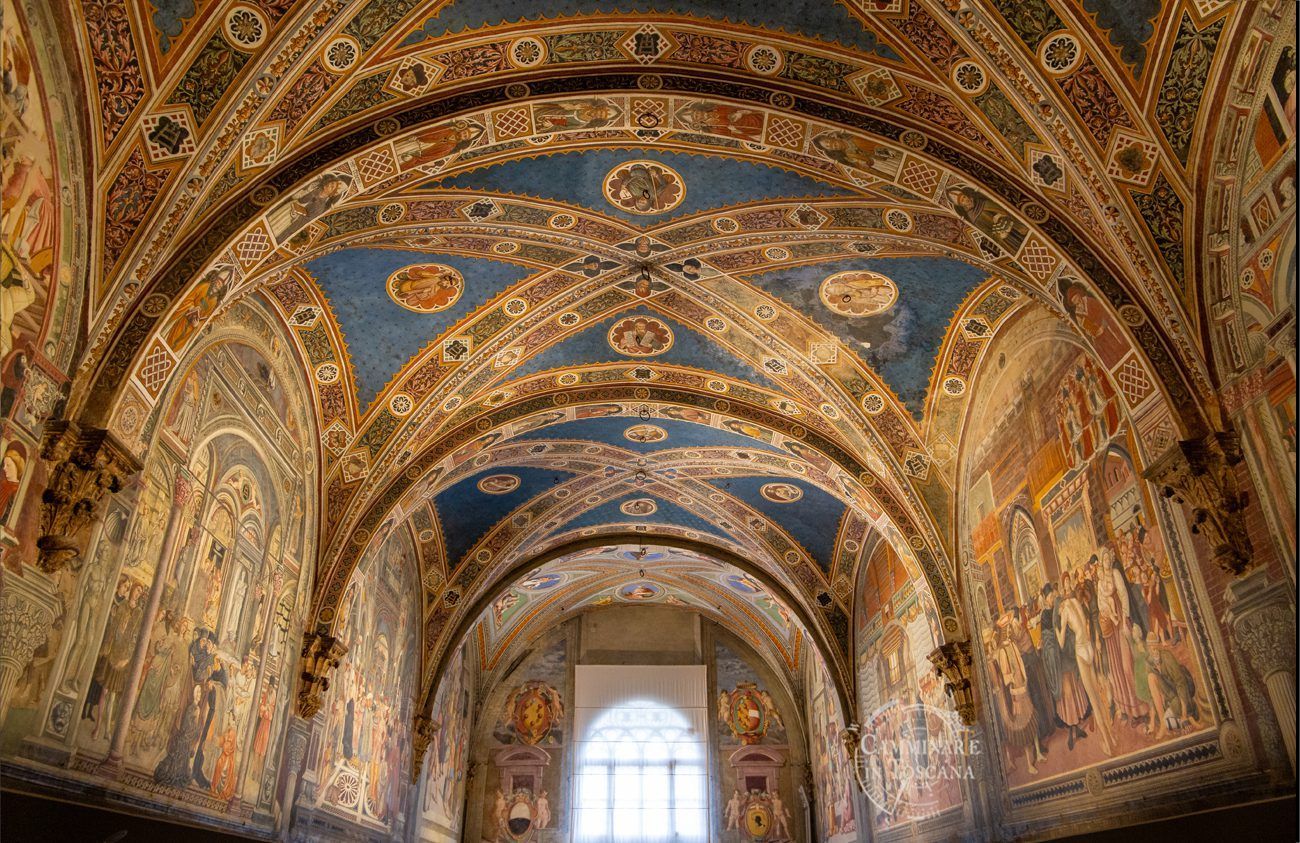
Siena
## Description Santa Maria della Scala is one of Siena's most remarkable heritage sites because it combines religious history, civic charity, underground architecture, and museum culture in a single monumental complex. Positioned directly across from Siena Cathedral, it once served as one of Europe's oldest hospitals and later evolved into a major cultural institution. Visiting it today gives travelers a powerful sense of how medieval cities cared for pilgrims, the sick, and vulnerable populations while also expressing civic pride through architecture and art. The complex is striking because it feels like a city within a city. Rooms, corridors, chapels, cloisters, stairways, and subterranean spaces reveal different layers of use over the centuries. You do not just look at one building; you move through an entire institution that grew and adapted over time. Artworks, fresco cycles, archaeological remains, and preserved spaces make the experience intellectually rich and visually engaging. Unlike many museums that isolate objects from their context, Santa Maria della Scala helps you understand how architecture, service, devotion, and public life interacted in medieval Siena. One little-known fact is that pilgrims arriving on the Via Francigena often found shelter here, making the site an important stop on one of Europe's great medieval routes. Another detail many visitors overlook is the sheer scale of the underground spaces, which reflect practical needs for storage, movement, and service as much as ceremonial or artistic ambition. Those lower levels are among the most memorable parts of the visit because they show the functional side of a structure that many people initially expect to be purely decorative or religious. The site is also important because it illustrates Siena's identity as a city that valued public welfare, religious patronage, and artistic expression simultaneously. That combination is part of what makes the complex worth a serious visit. If you want to understand Siena beyond its famous piazza and cathedral, Santa Maria della Scala gives you a fuller picture of the city's medieval social world and its later cultural memory. ## Location Santa Maria della Scala is in Siena, in the Tuscany region of Italy, directly opposite Siena Cathedral near the city's historic center. The location is ideal for sightseeing because it sits within one of Siena's most visited pedestrian areas, making it easy to combine with the Duomo, Piazza del Campo, and nearby museums and churches. Because the city center has limited vehicle access, walking is by far the best way to reach the complex once you are already in Siena. If you are arriving from outside the city, buses and taxis can bring you close to the historic core, but you should expect to continue on foot through narrow streets and sloping lanes. That is part of the Siena experience. The approach to Santa Maria della Scala is rewarding because the surrounding streets reveal the city's medieval layout and its strong relationship between public squares, religious institutions, and commercial life. For most visitors, the best recommendation is to explore the site as part of a broader walking circuit through Siena's center. Allow enough time to move through the exhibit spaces at a relaxed pace rather than trying to fit it into a rushed cathedral-only itinerary. ## Tips Give yourself time. Santa Maria della Scala is not a quick stop, and its value increases when you spend time understanding the different floors, rooms, and thematic displays. If you only skim the site, you miss its most compelling features. Combine your visit with the cathedral area. The relationship between Santa Maria della Scala and Siena Cathedral is one of the most interesting aspects of the site, both visually and historically. Seeing them together helps explain how prestige, religion, and charity coexisted in the city. Pay attention to the underground areas and temporary exhibitions. These spaces often hold some of the most atmospheric material and can be less crowded than the main public rooms. They also show how the institution evolved over centuries instead of freezing it in one period. If you like medieval history, read a little before arriving. The more you know about pilgrimages, hospitals, and civic patronage in Tuscany, the more rewarding the visit becomes. Santa Maria della Scala is rich enough to reward curiosity, and small historical details can transform the experience. ## Conclusion Santa Maria della Scala is one of Siena's most important monuments, offering an unusually complete view of medieval care, devotion, and civic life inside a beautifully layered historic complex. ## FAQ ### What was Santa Maria della Scala used for? It served as a hospital, shelter for pilgrims, charity institution, and later as a cultural and museum complex. ### Why is Santa Maria della Scala important? It is important because it is one of Europe's oldest hospital complexes and because it preserves a rare combination of architecture, art, and social history. ### How much time should I spend there? Most visitors should allow at least one to two hours, and longer if they want to explore the exhibits in depth. ### Is it close to Siena Cathedral? Yes. It is located directly across from the cathedral, making it easy to visit both on the same trip. ## Links - [Official website](https://www.santamariadellascala.com/) - [Wikipedia article](https://en.wikipedia.org/wiki/Santa_Maria_della_Scala)
GemVoyage Team • World
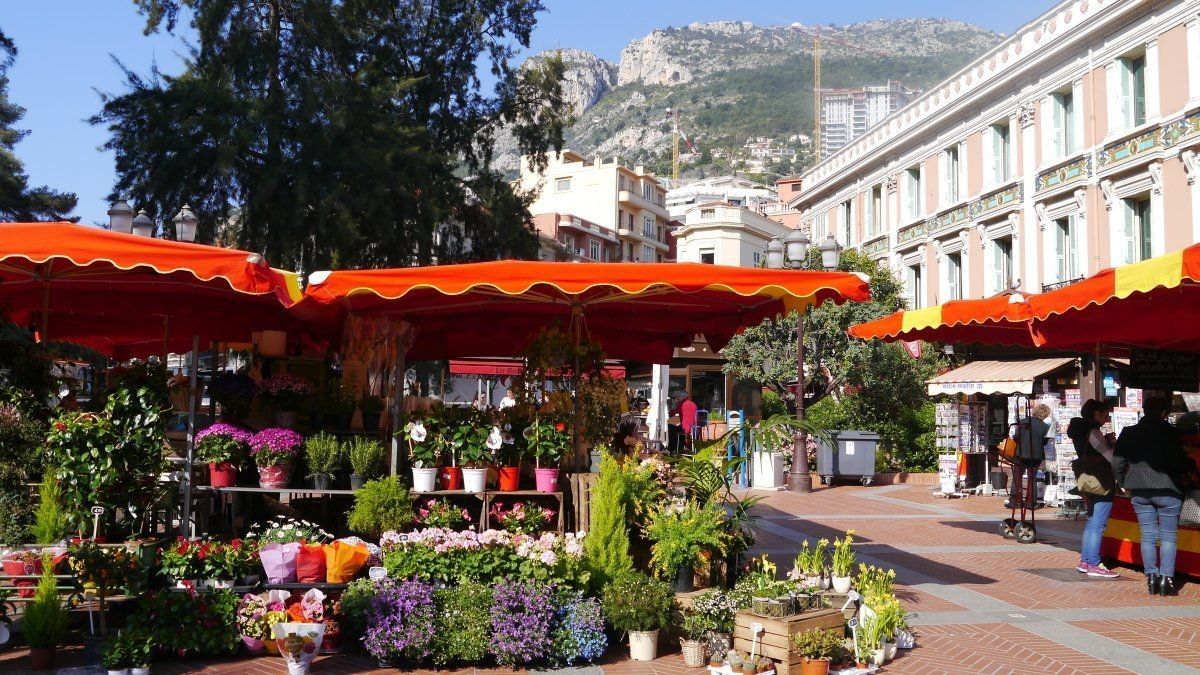
Monaco
## Description Condamine Market is one of the best places in Monaco to experience the principality as a place where people live, shop, eat, and meet rather than simply a luxury destination viewed from the outside. Located in the La Condamine district, the market brings together food stalls, fresh produce vendors, bakeries, and informal lunch counters in a setting that feels more everyday and accessible than the famous casinos, yacht harbors, and high-end shopping streets that often define outside perceptions of Monaco. For travelers interested in local life, this market is a valuable reminder that Monaco has a daily rhythm beyond glamour. The market's appeal lies in its balance of practicality and atmosphere. You can come for lunch and find traditional dishes, regional snacks, fresh ingredients, and an active social scene that reflects Monegasque life. Because Monaco is small and densely built, public spaces that support casual routine become especially important. Condamine Market functions not just as a place of commerce but as a neighborhood meeting point where residents and visitors intersect. One little-known fact is that the market area has long been central to local community life and is not just a tourist amenity. Another detail many visitors miss is how closely the market is tied to the surrounding urban fabric, including the port area, the residential streets of La Condamine, and the routes that connect the old town and the harbor. This makes it one of the most useful places in Monaco for getting oriented if you want to understand the principality beyond its famous postcard views. The food experience is especially rewarding. Monaco and the surrounding Riviera have culinary traditions influenced by Provence, Italy, and the Mediterranean coast, and the market is a straightforward place to taste that blend. If you want a break from formal dining, Condamine Market offers a relaxed alternative where you can sit, eat, and watch local life unfold. In a destination often associated with exclusivity, that sense of openness feels refreshing. ## Location Condamine Market is in La Condamine, one of the central districts of Monaco, near the Port Hercules area and within walking distance of several major city landmarks. Because Monaco is compact, the market is easy to reach from most parts of the principality on foot, by bus, or by taxi. If you are staying in central Monaco, walking is usually the most pleasant option because it lets you take in the surrounding streets and waterfront views. The market's exact placement makes it convenient for combining with other sightseeing. You can pair it with a walk around the harbor, a visit to the old town on the Rock, or a stop at the nearby train station if you are arriving from the French Riviera. The area is also well-connected by Monaco's local bus network, which is useful if you are staying farther away or want to avoid steep climbs. For first-time visitors, the best recommendation is to approach the market as part of a half-day exploration of central Monaco. That way, you can enjoy lunch there and then continue on to nearby viewpoints or heritage sites without feeling rushed. ## Tips Come hungry and arrive around lunch if you want the full market experience. This is when the atmosphere is liveliest and the food counters are most appealing. If you arrive too early, some vendors may not yet be fully active; if you arrive too late, the energy begins to fade. Try regional dishes instead of only familiar international options. Monaco's food culture is shaped by the Mediterranean, and dishes such as barbagiuan, socca, and fresh salads often give a better sense of place than generic café fare. Ask vendors what is popular that day. Use the market as a break from Monaco's more formal sightseeing. The principality can feel polished and expensive, and the market provides a more relaxed environment where you can observe how residents actually spend time. It is one of the best places for people-watching in the city. Keep in mind that Monaco is small, clean, and walkable, but also busy around key transport and harbor areas. If you plan to shop with bags or eat a full meal, allow a bit of extra time so the visit does not feel compressed. ## Conclusion Condamine Market is an excellent place to experience the everyday side of Monaco, combining local food, neighborhood energy, and a welcoming alternative to the principality's more formal attractions. ## FAQ ### What can I eat at Condamine Market? You can usually find local Mediterranean dishes, snacks, pastries, fresh produce, and casual lunch options that reflect the region's food culture. ### Is Condamine Market touristy? It attracts visitors, but it remains closely tied to local daily life and is one of the better places in Monaco to see residents going about normal routines. ### When is the best time to visit? Lunch hours are ideal because the market is busiest and the food stalls are most active. ### Is the market close to other Monaco attractions? Yes. It is near the harbor, the old town, and other central areas, so it works well as part of a wider walking itinerary. ## Links - [Monaco tourism](https://www.visitmonaco.com/) - [Wikipedia article](https://en.wikipedia.org/wiki/La_Condamine)
GemVoyage Team • World
Cologne
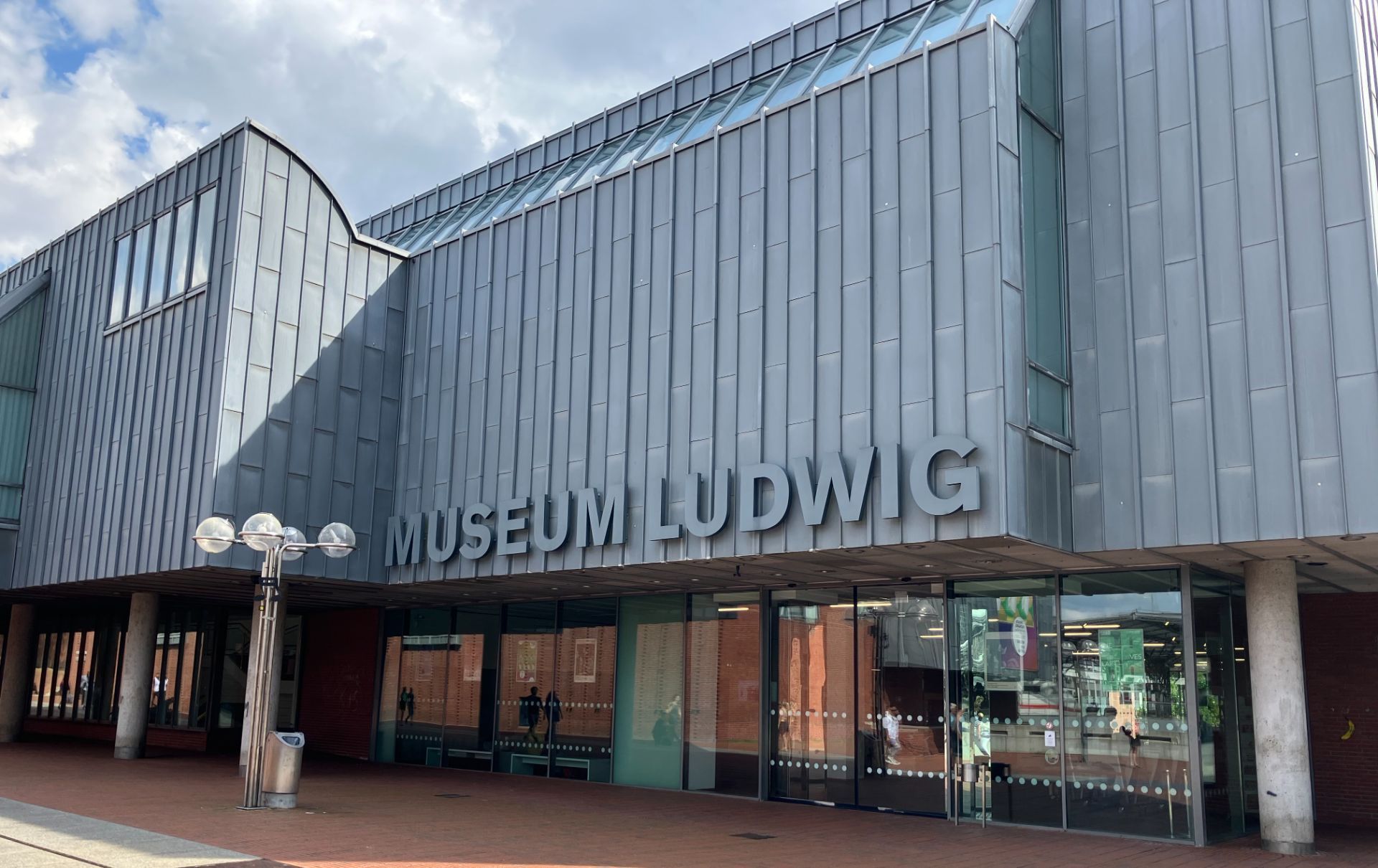
## Description Museum Ludwig is a major international hub for modern and contemporary art located in the heart of Cologne. Its reputation rests on a deep and thoughtfully curated collection that spans late nineteenth-century modernism to major postwar movements, with particular strengths in Pop Art, Russian avant-garde, abstract expressionism, and photography. For travelers interested in understanding how German cultural life intersects with global art histories, a visit to Museum Ludwig offers a compact but powerful overview: important canonical works sit alongside provocative contemporary installations, and rotating special exhibitions keep the program fresh and timely. The museum’s collection was built through a mix of visionary private donations and institutional acquisitions, which is one reason its holdings read both as scholarly and as a public cultural resource. One of the museum’s unique qualities is how it situates modern art within the city’s broader historical landscape—Museum Ludwig stands almost adjacent to Cologne Cathedral, creating an immediate visual and thematic conversation between medieval architectural splendor and modern artistic experimentation. That proximity invites visitors to compare and contrast different ways societies express identity and value across time. Visitors will find several natural entry points depending on interest: photography lovers can focus on the museum’s extensive photographic holdings and rotating photo exhibitions; those drawn to painting and sculpture can follow galleries dedicated to postwar movements and European modernism; and architecture or design enthusiasts will appreciate the building’s circulation and how exhibitions are installed to dialogue with the museum’s volumes. The museum also programs talks, guided tours, and educational events that make it accessible for first-time visitors and rewarding for repeat visitors seeking deeper context. ## Location Museum Ludwig sits beside the Cathedral Square (Domplatz) and is a short walk from Köln Hauptbahnhof (Cologne Central Station), making it extremely convenient for travelers arriving by train. The museum’s riverside location near the Rhine also encourages combining a museum visit with a stroll along the riverbank, lunch in the old town, or a visit to nearby galleries and cultural sites. Because of the central setting, it’s easy to incorporate Museum Ludwig into a single-day cultural loop: cathedral visit, museum, riverside walk, and Old Town meal all within comfortable walking distance. The centralized placement also means it’s simple to check real-time transit options and add the museum to broader city itineraries. ## Tips - Confirm opening hours and ticketing details on the museum’s website before you go—special exhibitions may have separate entry rules. - Allocate at least two hours for a relaxed visit; three hours gives more breathing room for reading labels and enjoying temporary shows. - Consider a guided tour or audio guide for richer context around key works and movements. - Combine the visit with Cologne Cathedral and a riverside walk to balance indoor culture with fresh air and local cafés. - Check photography rules in each gallery—some exhibitions prohibit flash or tripods. - If you’re short on time, target one gallery (photography, Pop Art, or postwar European painting) and read up on the highlights before arrival. ## Conclusion Museum Ludwig is more than a stop on a cultural tour; it’s a place where major threads of twentieth- and twenty-first-century art come together in a compact, approachable way. Whether you’re an art specialist or a curious traveler, the museum rewards careful looking and thoughtful pacing. ## FAQ ### What is Museum Ludwig known for? Highlights include a significant Pop Art collection, strong photography holdings, and substantial works representing major postwar movements. It’s a reference point for modern art in Germany and beyond. ### How long should I plan for a visit? Plan at least two hours for a focused visit; three hours is better if you want to see temporary exhibitions too. ### Are guided tours available? Yes. The museum offers guided tours and educational programs—check the website for schedules and language options. ### Is the museum accessible? Museum Ludwig provides accessibility services including step-free access and elevators; check specific facility notes for assistance options. ### Can I photograph works inside? Photography rules vary by exhibition—many permanent collections allow non-flash photography, but temporary shows sometimes restrict images. ## Links - [Official website](https://www.museum-ludwig.de/) - [Wikipedia](https://en.wikipedia.org/wiki/Museum_Ludwig)
GemVoyage Team • World
Athens
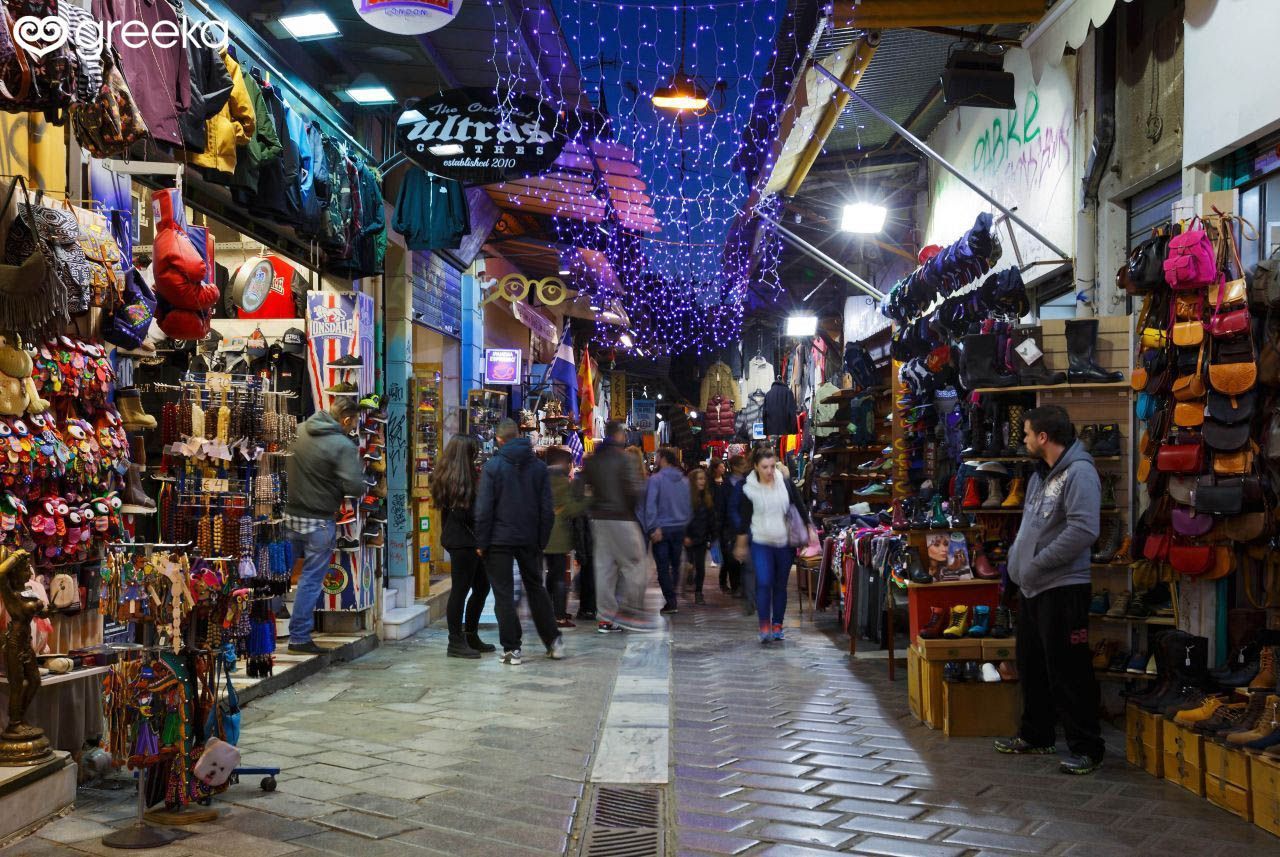
## Description Monastiraki Flea Market is the beating, bustling heart of Athens' informal shopping scene—an open, labyrinthine neighborhood market where layers of history and commerce intersect. Stalls and small shops spill into pedestrian lanes, offering antiques, textiles, ceramics, vintage clothing, books, and artisan curios alongside more touristic souvenirs. What makes Monastiraki especially compelling is its density of experiences: within a few minutes you can move from a stall stacked with retro vinyl to a tiny workshop crafting leather goods, or from a sidewalk cafe to a covered antique arcade. The market’s appeal is not only in the goods but in the social choreography: bargaining conversations, the rhythm of vendors calling out, and the way the market sits against a backdrop of ancient ruins and Ottoman-era alleys. Many travelers are surprised by the market’s everyday qualities—local shoppers source household goods and clothing here, so it’s not just a tourist carnival. At the same time, antiques and rare finds do appear, especially in the narrower lanes where veteran dealers have made their homes. ## Location Monastiraki is a central Athens neighborhood clustered around Monastiraki Square and the Monastiraki metro station. It sits adjacent to the ancient Agora and within easy walking distance of Plaka, the Acropolis, and Syntagma Square. The market isn’t confined to a single street but spills across several narrow lanes and squares, so plan to wander on foot and let the area unfold gradually. Because the market is woven into the city center, the best approach is pedestrian: arrive by metro and start on the main square, then explore side streets and covered arcades for more specialized finds. Nearby rooftop cafés and tavernas allow for breaks and people-watching between shopping spurts. ## Tips - Bring cash and small bills—while many places accept cards, smaller stalls often prefer cash. - Start early to avoid the thickest crowds and to catch dealers arranging their stalls. - Compare prices across stalls when shopping for antiques or vintage items; genuine bargains sometimes appear mid-week. - Ask questions and be friendly when bargaining—polite conversation gets better results than hard haggling. - Protect your belongings: crowds and narrow lanes make pickpocketing a possibility. - Explore beyond the main lanes: covered arcades and quieter side streets sometimes hold the best finds. ## Conclusion Monastiraki Flea Market is more than shopping; it’s an urban ritual that mixes trade, food, and history. Whether you come looking for a specific antique or just want to soak up Athens’ street-level energy, Monastiraki rewards curiosity, patience, and a willingness to wander. ## FAQ ### Is Monastiraki Flea Market only for tourists? No. While tourists are common, the market also serves local shoppers and small businesses, giving it a layered, authentic atmosphere. ### Can I bargain there? Yes—especially for antiques, vintage items, and bulk purchases. Approach bargaining with politeness and realistic expectations. ### What should I look for? Keep an eye out for vintage jewelry, retro vinyl, ceramics, handmade leather, and secondhand books. Antiques and unique local crafts are concentrated in side lanes and arcades. ### How crowded does it get? It can be very crowded on weekends and afternoons. Early morning weekdays are quieter and often more pleasant for careful browsing. ### How much time should I allow? Give yourself at least 1.5–3 hours if you want to browse comfortable; plan more time if you intend to hunt for specific antiques. ## Links - [Wikipedia](https://en.wikipedia.org/wiki/Monastiraki)
GemVoyage Team • World
Tunis
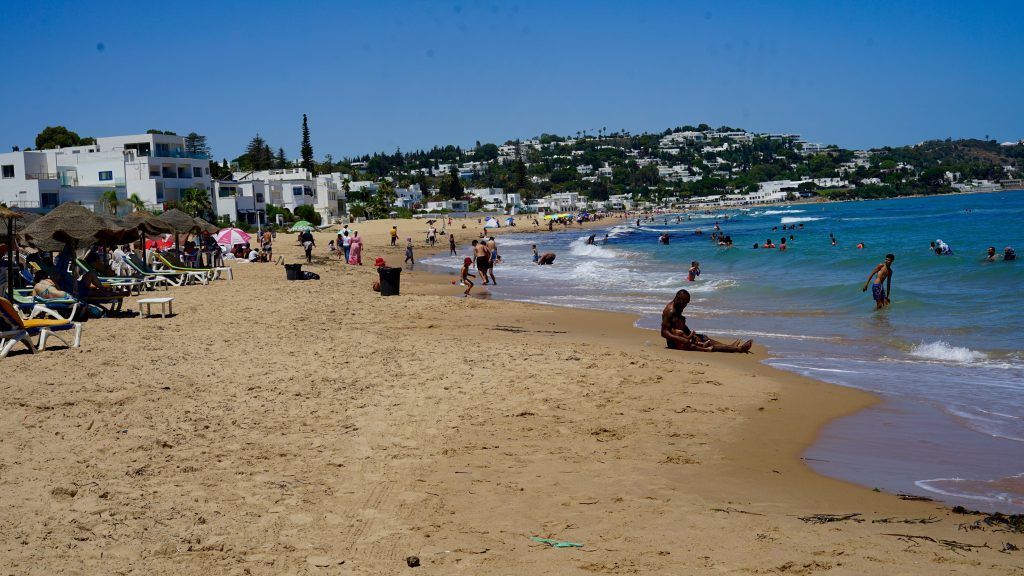
## Description La Marsa Beach is a beloved coastal escape northeast of Tunis that combines Mediterranean charm with an approachable, local atmosphere. Far from the large resort complexes of some Mediterranean destinations, La Marsa offers a more neighborhood-oriented seaside experience: a promenade lined with cafés, bakeries, and small restaurants; stretches of sandy shore where locals swim and sunbathe; and scenic viewpoints that look across the blue Mediterranean. For visitors seeking a short seaside interlude from Tunis’s historic core, La Marsa is an ideal half-day or day-trip destination. The area’s allure stems from its balance of leisure and everyday life. Residents walk their dogs along the promenade, families picnic on the sand, and fishermen haul in their catches at dawn. This authentic feel makes La Marsa attractive to travelers who want to witness contemporary Tunisian coastal life, not just the staged beachfront experience. The neighborhood also contains pockets of cultural interest—small galleries, local bakeries serving traditional pastries, and seasonal markets—that reward time spent wandering. ## Location La Marsa is located along the Mediterranean coast, approximately a 20–40 minute drive from central Tunis depending on traffic. It is part of the larger Tunis metropolitan area and is commonly reached by taxi, rideshare, or regional train in combination with local buses. The promenade and main beach are clustered near the town center, making it easy to combine a seaside visit with cafés or a short walk through residential streets to see local homes and shops. For a relaxed day, arrive mid-morning to stroll the promenade, have a seaside lunch, and enjoy a late-afternoon walk as light softens over the water. If you want to swim, check local conditions—lifeguard presence and sea state vary by season and specific beach segments. ## Tips - Check tide and sea conditions before planning a swim day; calmer days are best for families and casual swimming. - Visit early in the day or later in the afternoon to avoid peak crowds and capture better light for photos. - Bring essentials: water, sun protection, and a towel—some smaller beaches do not have full-service rental facilities. - Sample local cafés and seafood restaurants along the promenade for a taste of Tunisian coastal cuisine. - Pair the beach with cultural stops: a short walk through La Marsa’s streets reveals bakeries, small galleries, and neighborhood markets. - If you prefer quieter spots, walk a little farther from the main promenade where smaller coves and rocky outcrops provide a calmer atmosphere. ## Conclusion La Marsa Beach is an ideal complement to a Tunis itinerary for visitors who want to add gentle sea air to a cultural visit. It offers an accessible, everyday Mediterranean experience that feels comfortably local—and it’s an excellent reminder that Tunisia’s coastline is as varied and alive as its historic medinas. ## FAQ ### Is La Marsa Beach good for a quick escape from Tunis? Yes. It’s one of the closest coastal escapes from the capital and works well for half-day or full-day visits without complicated logistics. ### Is La Marsa only a summer destination? No. While beachgoing peaks in summer, the promenade and cafés are pleasant year-round for walks and dining. ### What facilities are available? Facilities vary by spot: some stretches have cafés and basic rental services, while smaller coves may lack amenities—bring essentials if you’re unsure. ### How do I get there from central Tunis? Taxi or rideshare are the most direct options; regional trains and buses also connect the area but may require short onward transfers. ### Is La Marsa family-friendly? Generally yes—shallow water and promenade facilities make it suitable for families, though conditions vary by season and exact location. ## Links - [Wikipedia](https://en.wikipedia.org/wiki/La_Marsa)
GemVoyage Team • World
Aswan
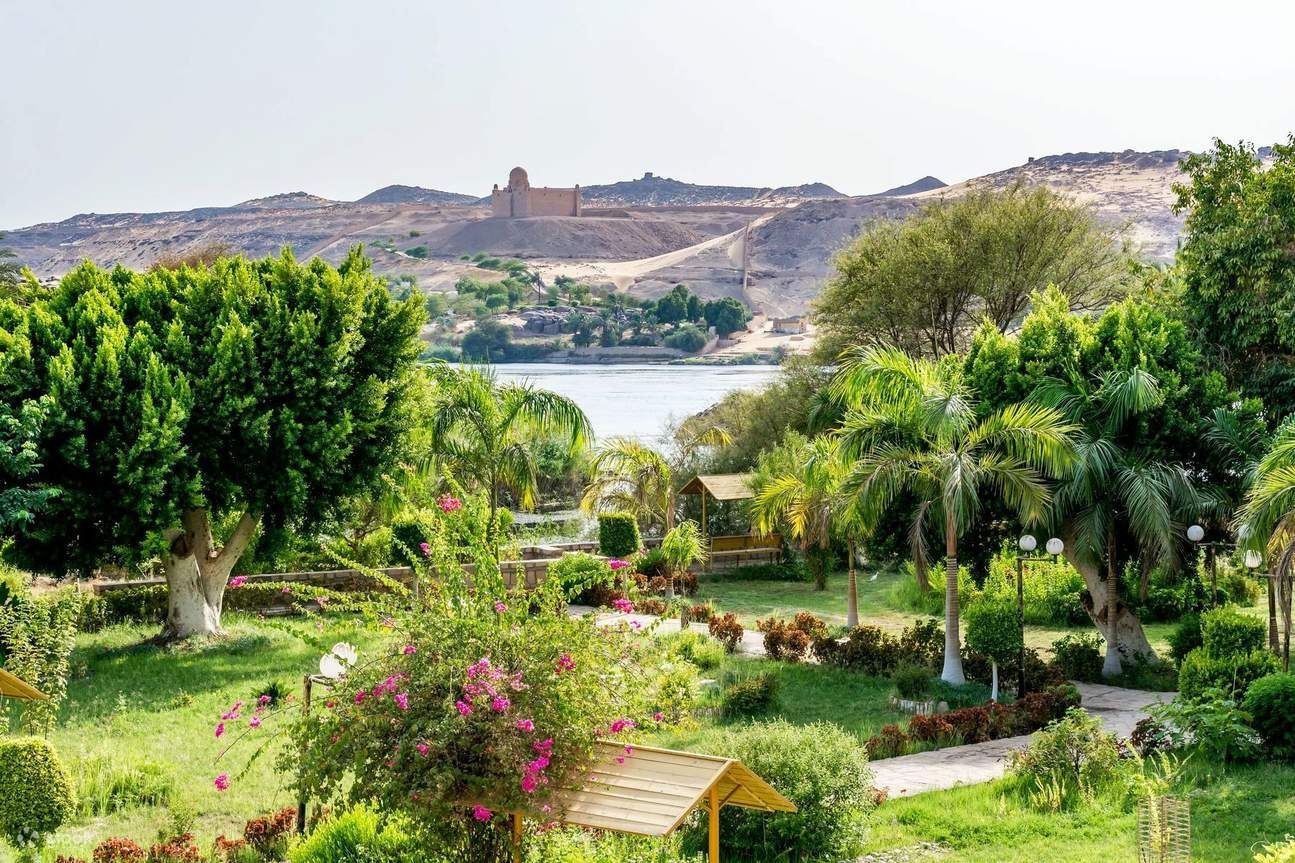
## Description The Aswan Botanical Garden is an unexpectedly verdant refuge on an island in the Nile, offering a cool, contemplative counterpoint to the monumental temples and quarries that dominate Upper Egypt’s tourism landscape. Its charm comes from a careful mix of cultivated plantings, winding pathways, and island vistas: palms, exotic trees, shaded pavilions, and thoughtfully placed seating invite visitors to slow down and enjoy the river breeze. For travelers who have spent mornings at temples and archaeological sites, the garden offers precisely the restorative pause many itineraries lack. Beyond leisure, the garden holds botanical and historical interest. Many plantings were introduced during the nineteenth and early twentieth centuries as part of botanical exchanges, and the site has long been associated with collection and study. The island location amplifies the sense of escape—the short boat journey from Aswan’s riverfront feels intentional and contributes to the visit’s narrative: you leave the bustling riverbank and step into a quieter, greener world. Birdlife, moving water, and the light across the Nile all combine to create a sensory experience that changes throughout the day. ## Location The garden is located on Kitchener’s Island (sometimes referred to historically in guidebooks), a short boat ride from Aswan’s main waterfront. Boat crossings take only a few minutes and are typically arranged through local boat operators, hotels, or Nile tour companies. Because the garden lies close to the city center, it can be combined easily with other Nile-side visits, including the Philae Temple boat ride or a felucca sail. Plan your visit for the morning or late afternoon when temperatures are milder and light is most flattering for photography. Midday in Upper Egypt can be intense, and shade is limited along some paths despite tree cover. ## Tips - Go in the cooler parts of the day—early morning or late afternoon are best for walks and photos. - Bring water, sunscreen, and a hat; shade is available but the sun can still be strong. - Arrange a reliable boat transfer—ask at your hotel or book through a reputable local operator. - Wear comfortable shoes: paths are mostly easy but can be uneven in places. - Combine the garden visit with nearby Nile-side sites to make the crossing feel part of a fuller river day. - Look for framed views through the trees toward the Nile; they make excellent photo opportunities and quiet spots to sit. ## Conclusion The Aswan Botanical Garden is a welcome respite for travelers who want a gentler pace amid an itinerary of temples and island tours. Its island setting, curated plantings, and tranquil riverside atmosphere create an appealing, low-effort stop that rewards slow exploration and quiet observation. ## FAQ ### Why visit a botanical garden in Aswan? It offers a distinctly different experience from archaeological sites: shade, plant variety, birdlife, and a slower pace that complements temple visits. ### How do I get there? Visitors reach the island by a short boat transfer from Aswan’s riverfront; boats are easy to arrange locally and typically take only a few minutes. ### Is it suitable for families? Yes. Wide paths and gentle walking conditions make the garden family-friendly, though bring water and sunscreen for young children. ### How much time should I spend there? One to two hours is usually enough for a relaxed visit; more time is pleasant for photography and lingering breaks. ### What should I bring for the visit? Comfortable shoes, water, hat, and sun protection; a camera and a small notebook are useful for nature observation. ## Links - [Wikipedia](https://en.wikipedia.org/wiki/Aswan_Botanical_Garden)
GemVoyage Team • World