GemVoyage Team • World
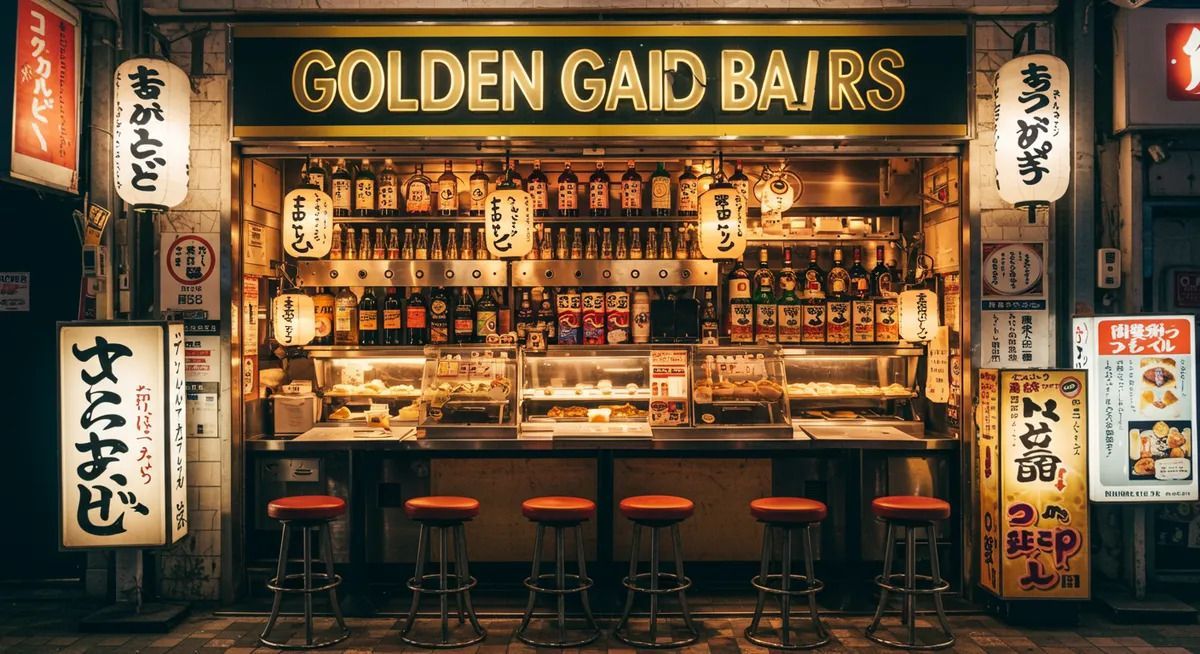
Many of the bars have their own themes, regulars, and house rules, which means the experience can change dramatically from one doorway to the next. That unpredictability is part of the appeal. A less widely known fact is that Golden Gai survived repeated pressure from urban redevelopment because its character became too culturally valuable to replace easily. Another interesting detail is that it is as much a social district as a drinking district; for many visitors, the point is to step into Tokyo's small-scale urban culture rather than simply to have a night out.
Because the area is small and dense, the best approach is to arrive on foot after taking transit to Shinjuku. That lets you enjoy the contrast between the huge station area and the tighter lanes of Golden Gai. Evening is the natural time to go, although the district comes alive at different speeds depending on the day and the season.
Discover more hidden gems you might love.
Paris
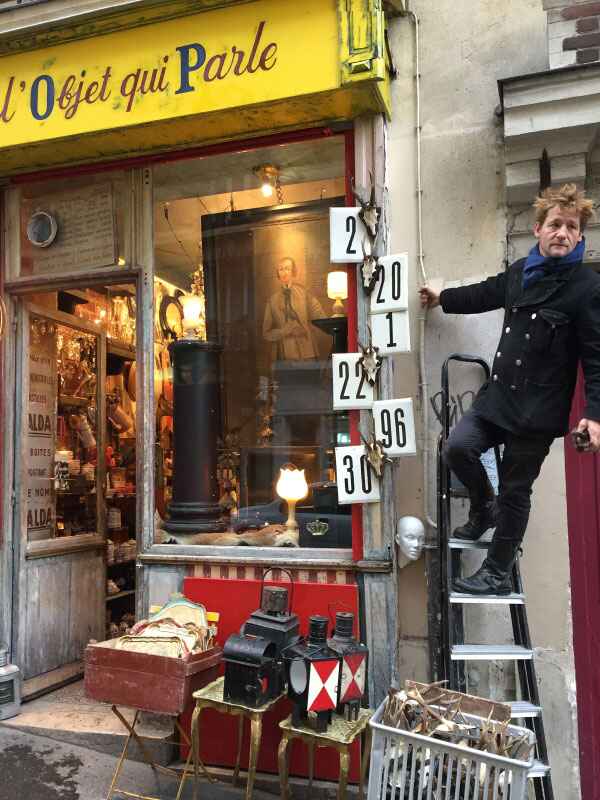
## Description Tucked away in the bohemian neighborhood of Montmartre, **L’Objet Qui Parle** is a small but legendary antique shop that has earned a reputation as one of Paris’s most fascinating hidden gems. Unlike large, glossy antique markets, this boutique offers an intimate and eclectic experience. The moment you step inside, you are greeted with an enchanting jumble of objects—stacked paintings, vintage trinkets, retro furniture, ceramics, mirrors, and curiosities that feel like they carry stories from centuries past. What makes L’Objet Qui Parle unique is its **authentic “cave of wonders” atmosphere**. The shop is famously cluttered, with items spilling from shelves and even tucked into corners, yet this controlled chaos is exactly what draws treasure hunters, collectors, and curious travelers. Each visit feels like a miniature archaeological dig, where one never knows what rare or unusual item might be unearthed. A little-known fact is that the shop has served as a source of inspiration for local artists and filmmakers, who come here seeking objects with character and history. Another interesting detail is that many items are surprisingly affordable compared to other antique shops in Paris, making it possible to find genuine vintage pieces without breaking the bank. ## Location L’Objet Qui Parle is located in **Paris, France**, within the **Île-de-France region**. More precisely, it sits in the **18th arrondissement**, right in the heart of **Montmartre**, not far from the iconic Sacré-Cœur Basilica and Place du Tertre, the artists’ square. How to get there: * **By metro:** The closest stations are **Lamarck – Caulaincourt (Line 12)** and **Abbesses (Line 12)**, both just a short walk away. * **By bus:** Several buses run through Montmartre, stopping near the shop. * **On foot:** If you’re exploring Montmartre, it’s easy to stumble upon the shop while wandering its cobbled streets. Its central location makes it perfect to combine with a day exploring Montmartre’s historic streets, cafés, and art studios. ## Tips Here are some tips to make the most of your visit to L’Objet Qui Parle: 1. **Come with an open mind** – The shop is filled with an eclectic mix of items, so be ready to browse without a fixed agenda. 2. **Take your time** – Treasures are often hidden in plain sight, stacked behind or beneath other objects. 3. **Bring cash** – While Paris is modern, some small antique shops still prefer cash for smaller purchases. 4. **Ask questions** – The shop’s owner is known for being friendly and knowledgeable, happy to share the story behind certain pieces. 5. **Visit Montmartre afterward** – Combine your stop with visits to Sacré-Cœur, local cafés, and art galleries to get the full Montmartre experience. 6. **Pack light** – The shop is quite small, so it’s best not to carry bulky bags when exploring. ## Conclusion L’Objet Qui Parle is more than just an antique shop—it’s an experience of discovery. With its cluttered charm, eclectic treasures, and Montmartre location, it offers a glimpse into the artistic and bohemian soul of Paris. Whether you’re a seasoned collector or simply curious, this little shop promises surprises and stories with every visit. ## FAQ **1. What does “L’Objet Qui Parle” mean?** It translates to “The Object That Speaks,” reflecting the idea that every antique carries a story from the past. **2. What kind of items can I find at L’Objet Qui Parle?** The shop sells a wide variety of antiques, including vintage furniture, ceramics, mirrors, paintings, religious artifacts, and quirky collectibles. **3. Is L’Objet Qui Parle expensive?** Not necessarily. While some rare pieces can be pricey, many items are surprisingly affordable, especially compared to larger Parisian antique markets. **4. How much time should I spend there?** Most visitors spend 30 minutes to an hour browsing, depending on their interest in antiques. **5. Is photography allowed inside the shop?** Policies may vary, but as a rule of thumb, always ask the shop owner before taking photos. **6. When is the best time to visit?** Mid-morning or early afternoon is ideal, as Montmartre tends to get crowded later in the day. ## Links * [Paris Official Tourism Website](https://parisjetaime.com/eng/) * [Travel Guide to Paris Markets and Antiques](https://www.france.fr)
GemVoyage Team • World
Rome
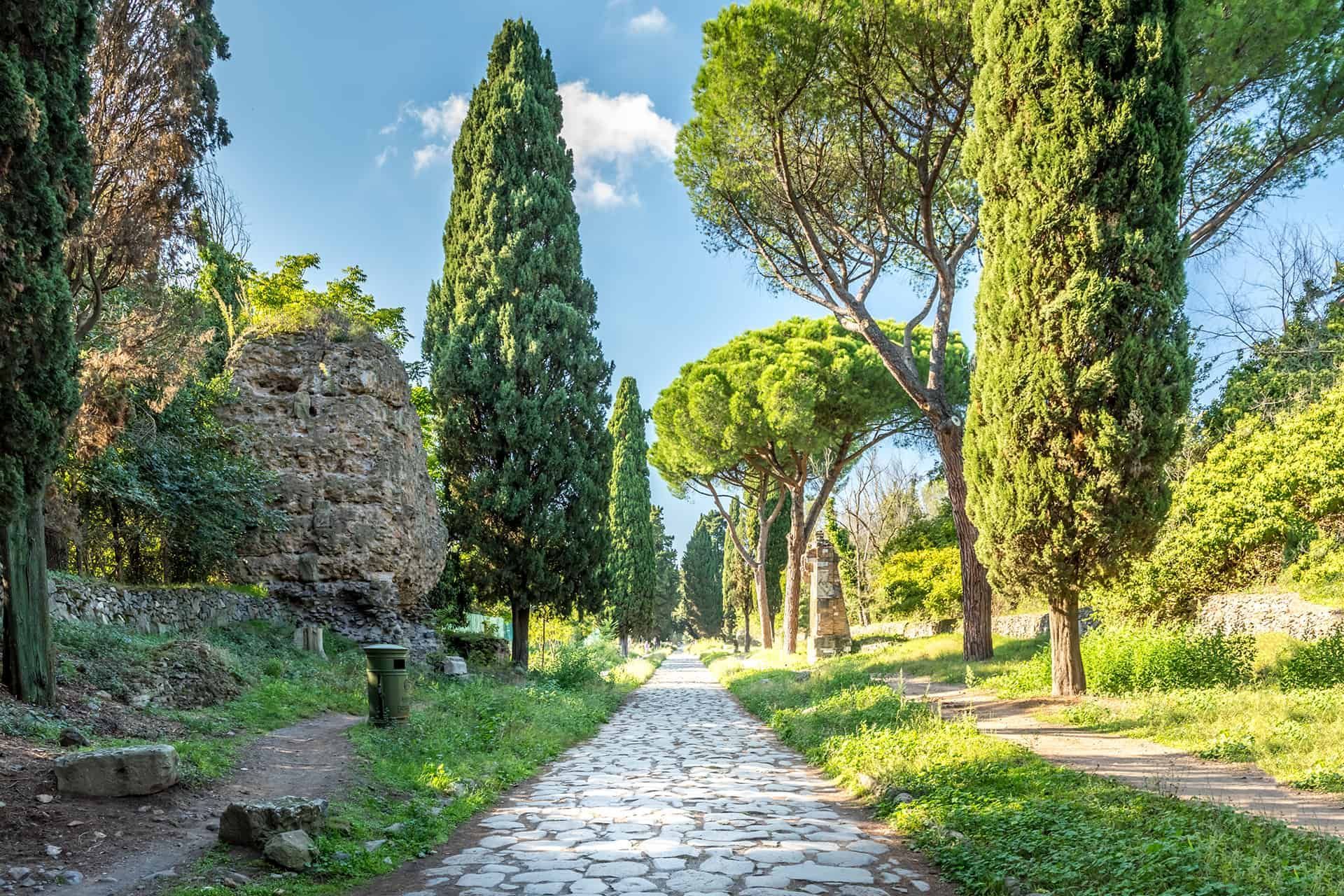
## Description The Appian Way (Via Appia Antica) is one of the most evocative ancient roads in Europe, running southeast from Rome and threading tombs, ruins, and the remains of Roman infrastructure through a pastoral corridor. Lined with funerary monuments and early Christian catacombs, sections of the route preserve original Roman paving and milestones that offer a tangible link to antiquity. Walking, cycling, or riding portions of the Appian Way reveals layers of history: imperial-era tombs, remains of villas, and quieter stretches where the path feels remarkably rural despite being inside Rome's larger urban boundary. Beyond the monuments, the Appian Way is also a public park and archaeological corridor, with protected areas that encourage slow exploration. Many travelers prefer to rent bicycles to cover more ground, though walking smaller stretches provides time to read inscriptions, visit specific catacombs, and take photographs without hurrying. Search-relevant phrases to plan a visit include "Appian Way Rome bike rental", "Via Appia Antica catacombs", and "walk the Appian Way"—terms that match travel guides and visitor resources. ## Location Via Appia Antica begins near the Aurelian Walls and continues southeast into the Roman countryside. Key visitor access points include the Appian Way Park Visitor Center and the areas near the Baths of Caracalla. Public transit options include buses that stop near the main entrances; taxis and bike rentals from central Rome are also common. Parts of the road become parkland with restricted car access, which makes cycling and walking safer and more pleasant. ## Tips - Rent a bike to see more of the route in a single visit: many rental shops offer city pickups and drop-offs near the park. - Visit catacombs with a guide: guided tours provide historical context and access to sites that close early or require reservations. - Wear durable shoes: while paved in places, many stretches have uneven ancient stones—sturdy footwear prevents slips and makes exploration easier. - Start early to avoid midday heat and to capture softer morning light for photography. - Bring water and snacks: services are limited along some stretches, so pack essentials for longer rides or walks. - Respect preservation rules: follow designated paths and do not remove artifacts or disturb archaeological features. ## Conclusion The Appian Way is a living museum and countryside escape rolled into one: accessible, atmospheric, and rich with Roman history. Whether you're cycling past tombs or pausing in a quiet olive grove, the route offers a memorable way to connect with ancient Rome's infrastructure and the everyday topography that shaped imperial travel. ## FAQ Q: How long is the Appian Way and how much can I cover in a day? A: The historic Appian Way stretches for many kilometers; most visitors focus on a 10–20 km segment near Rome that can be walked or cycled in a half-day to full-day depending on pace. Q: Are bicycles available for rent near the Appian Way? A: Yes—bike rental shops and guided bike tours operate from central Rome and near the park entrances. Q: Can I visit catacombs along the Appian Way without a guide? A: Some catacombs permit independent visits, but many recommend or require guided entry to provide context and control visitor numbers—check schedules in advance. Q: Is the Appian Way accessible year-round? A: Generally yes, though some sites and visitor centers follow seasonal hours; winter weather can be cooler and quieter, while spring and fall are popular. Q: Are there food and restroom facilities along the route? A: Basic facilities are available near major access points and visitor centers, but services are sparse in remote stretches—plan accordingly. ## Links - [Appian Way (Wikipedia)](https://en.wikipedia.org/wiki/Appian_Way)
GemVoyage Team • World
Athens
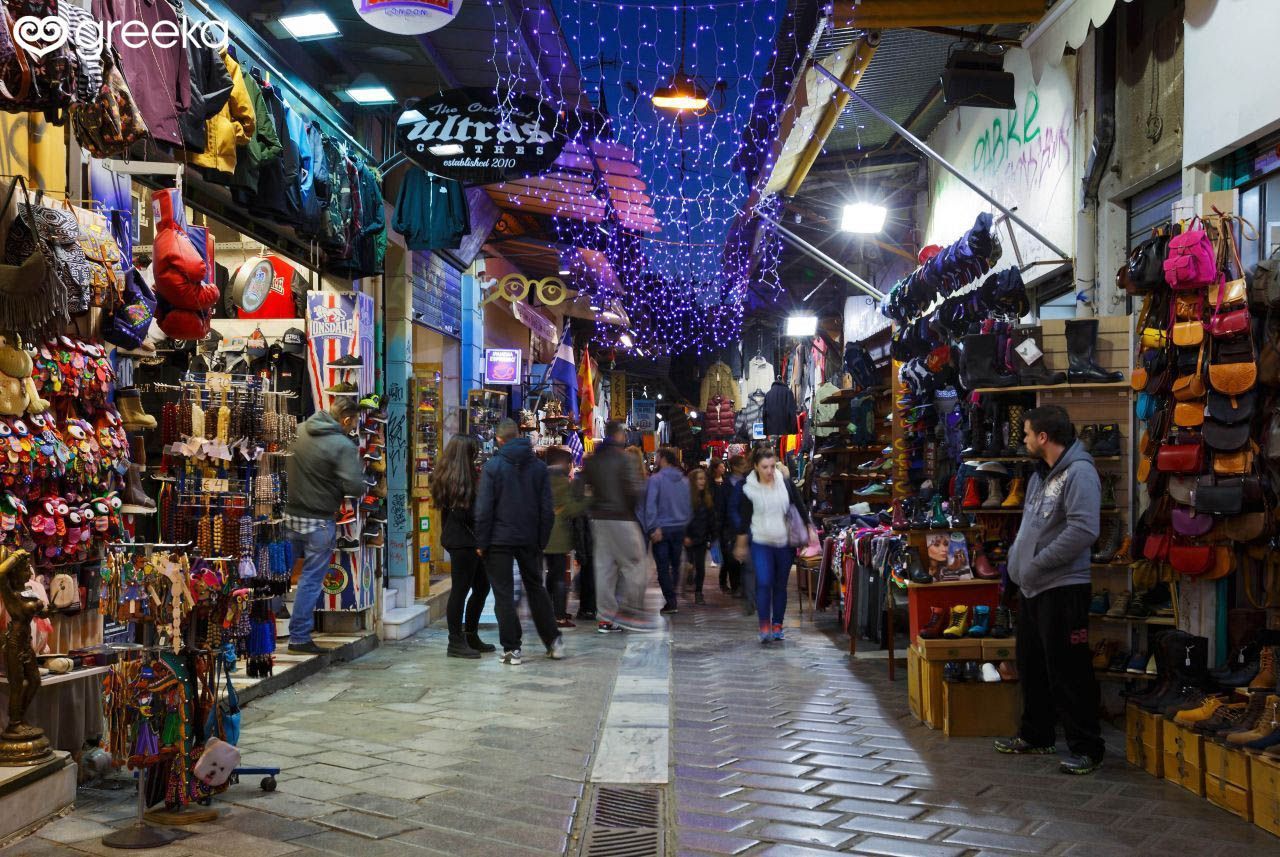
## Description Monastiraki Flea Market is the beating, bustling heart of Athens' informal shopping scene—an open, labyrinthine neighborhood market where layers of history and commerce intersect. Stalls and small shops spill into pedestrian lanes, offering antiques, textiles, ceramics, vintage clothing, books, and artisan curios alongside more touristic souvenirs. What makes Monastiraki especially compelling is its density of experiences: within a few minutes you can move from a stall stacked with retro vinyl to a tiny workshop crafting leather goods, or from a sidewalk cafe to a covered antique arcade. The market’s appeal is not only in the goods but in the social choreography: bargaining conversations, the rhythm of vendors calling out, and the way the market sits against a backdrop of ancient ruins and Ottoman-era alleys. Many travelers are surprised by the market’s everyday qualities—local shoppers source household goods and clothing here, so it’s not just a tourist carnival. At the same time, antiques and rare finds do appear, especially in the narrower lanes where veteran dealers have made their homes. ## Location Monastiraki is a central Athens neighborhood clustered around Monastiraki Square and the Monastiraki metro station. It sits adjacent to the ancient Agora and within easy walking distance of Plaka, the Acropolis, and Syntagma Square. The market isn’t confined to a single street but spills across several narrow lanes and squares, so plan to wander on foot and let the area unfold gradually. Because the market is woven into the city center, the best approach is pedestrian: arrive by metro and start on the main square, then explore side streets and covered arcades for more specialized finds. Nearby rooftop cafés and tavernas allow for breaks and people-watching between shopping spurts. ## Tips - Bring cash and small bills—while many places accept cards, smaller stalls often prefer cash. - Start early to avoid the thickest crowds and to catch dealers arranging their stalls. - Compare prices across stalls when shopping for antiques or vintage items; genuine bargains sometimes appear mid-week. - Ask questions and be friendly when bargaining—polite conversation gets better results than hard haggling. - Protect your belongings: crowds and narrow lanes make pickpocketing a possibility. - Explore beyond the main lanes: covered arcades and quieter side streets sometimes hold the best finds. ## Conclusion Monastiraki Flea Market is more than shopping; it’s an urban ritual that mixes trade, food, and history. Whether you come looking for a specific antique or just want to soak up Athens’ street-level energy, Monastiraki rewards curiosity, patience, and a willingness to wander. ## FAQ ### Is Monastiraki Flea Market only for tourists? No. While tourists are common, the market also serves local shoppers and small businesses, giving it a layered, authentic atmosphere. ### Can I bargain there? Yes—especially for antiques, vintage items, and bulk purchases. Approach bargaining with politeness and realistic expectations. ### What should I look for? Keep an eye out for vintage jewelry, retro vinyl, ceramics, handmade leather, and secondhand books. Antiques and unique local crafts are concentrated in side lanes and arcades. ### How crowded does it get? It can be very crowded on weekends and afternoons. Early morning weekdays are quieter and often more pleasant for careful browsing. ### How much time should I allow? Give yourself at least 1.5–3 hours if you want to browse comfortable; plan more time if you intend to hunt for specific antiques. ## Links - [Wikipedia](https://en.wikipedia.org/wiki/Monastiraki)
GemVoyage Team • World
Kaimonkawashiri
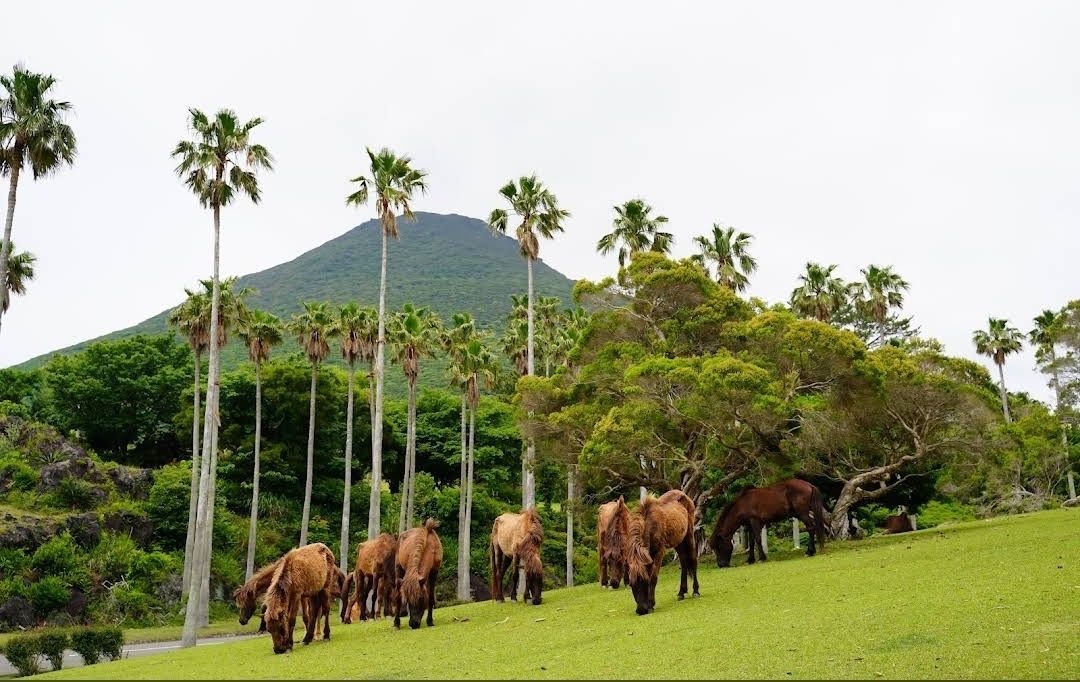
## Description **Kaimon Foothills Nature Park** is a serene and picturesque destination located at the base of Mount Kaimon, often nicknamed the “Fuji of Satsuma” because of its elegant, conical shape that resembles Japan’s iconic Mount Fuji. This park is a favorite among nature enthusiasts, hikers, and families looking for a peaceful escape into lush greenery and panoramic landscapes. What makes Kaimon Foothills Nature Park unique is its perfect blend of natural beauty and cultural significance. The area offers walking trails surrounded by seasonal flowers, open lawns ideal for picnics, and scenic viewpoints where visitors can admire Mount Kaimon towering in the distance. On clear days, you can even catch a glimpse of **Yakushima Island**, a UNESCO World Heritage Site known for its ancient cedar forests. A little-known fact is that the park is home to rare flora native to the Kagoshima region, making it a hidden gem for botany lovers. Another interesting detail is that the park also serves as a base for those who want to climb Mount Kaimon, with the trailhead conveniently located nearby. ## Location Kaimon Foothills Nature Park is located in **Ibusuki City**, within **Kagoshima Prefecture** in southern **Kyushu, Japan**. The park sits at the base of Mount Kaimon, which rises 924 meters above sea level and is a defining landmark of the Satsuma Peninsula. Getting there is straightforward. From **Kagoshima City**, travelers can take the **JR Ibusuki-Makurazaki Line** to **Kaimon Station**. From the station, the park is just a short taxi ride or a leisurely walk. Alternatively, those traveling by car can reach the park in about 90 minutes from central Kagoshima via Route 226, a scenic coastal road. For visitors who enjoy road trips, this drive offers stunning views of Kagoshima Bay and the surrounding countryside. ## Tips To make the most of your visit to Kaimon Foothills Nature Park, keep these tips in mind: * **Wear comfortable shoes** – The park has walking trails and natural terrain, so sturdy footwear will make your visit more enjoyable. * **Bring a picnic** – With wide open spaces and shaded areas, the park is perfect for relaxing and enjoying a homemade lunch outdoors. * **Check the weather** – Clear days provide the best views of Mount Kaimon and the surrounding region, so plan accordingly. * **Combine with a hike** – If you’re up for adventure, start your climb up Mount Kaimon from the trailhead near the park. The hike typically takes 3–4 hours round trip. * **Visit nearby attractions** – Ibusuki is famous for its unique **sand baths**, where visitors are buried in naturally heated volcanic sand. It’s an excellent way to relax after exploring the park. * **Bring a camera** – Whether it’s the seasonal flowers, the majestic peak of Mount Kaimon, or the sunset views, the park is full of photo-worthy moments. ## Conclusion **Kaimon Foothills Nature Park in Japan** is a charming and peaceful destination that offers both relaxation and adventure. With its breathtaking views of Mount Kaimon, lush greenery, and cultural significance, it’s the perfect spot for families, hikers, and nature lovers alike. Conveniently located in Ibusuki, Kagoshima, the park also serves as a gateway to exploring southern Kyushu’s natural wonders. ## FAQ **1. What is Kaimon Foothills Nature Park best known for?** The park is best known for its scenic location at the base of Mount Kaimon, offering beautiful views, picnic areas, and access to the hiking trail up the mountain. **2. Can you climb Mount Kaimon from the park?** Yes, the park serves as a starting point for the Mount Kaimon hiking trail, which takes about 3–4 hours to complete round trip. **3. When is the best time to visit?** Spring and autumn are ideal, with pleasant weather and colorful seasonal flowers. However, the park is open year-round and offers different charms in each season. **4. Is the park family-friendly?** Absolutely. The open lawns, easy walking paths, and picnic spots make it a great destination for families with children. **5. How long should I plan to stay?** Most visitors spend 1–2 hours enjoying the park, but if you add a Mount Kaimon hike or nearby Ibusuki attractions, you can easily plan a full-day trip. **6. Are there facilities like restrooms or shops?** Yes, the park has basic facilities, but it’s a good idea to bring your own snacks and drinks, especially if you plan to stay for a while. ## Links * [Japan Travel – Kyushu Attractions](https://www.japan.travel/en)
GemVoyage Team • World

Tunis
## Description Sidi Bou Said is one of the most iconic destinations in Tunisia, famous for its whitewashed walls, blue doors, bougainvillea, sea views, and elegant hilltop atmosphere. Perched above the Mediterranean near Tunis, the town feels both picturesque and culturally rich, with a strong artistic heritage that has attracted painters, writers, and travelers for generations. It is one of those places that can seem almost too beautiful in photographs, yet still manages to feel authentic when you walk its streets. The appeal of Sidi Bou Said is not just visual. Its narrow lanes, cafes, galleries, and terraces create a mood that invites lingering. Visitors often spend time simply wandering and taking in the contrast between the bright architecture and the deep blue of the sea and sky. The town is compact, but every turn offers a slightly different perspective, from a shaded doorway to a view over the bay. One little-known fact is that the famous blue-and-white color scheme became strongly associated with the town in the early 20th century and has remained part of its identity through preservation efforts. Another is that Sidi Bou Said has long been tied to artistic circles and intellectual life, which helped shape its reputation beyond simple scenic beauty. It is a place where visual appeal and cultural memory reinforce each other. The village-like setting also makes it one of the best places near Tunis for a relaxed half-day excursion. You can sit in a cafe with a view, browse craft shops, visit small cultural spaces, and walk toward viewpoints without needing a large itinerary. That simplicity is part of the charm. The town feels refined but not sterile, traditional but not frozen. Visitors should also appreciate the atmosphere at different times of day. In the morning, the streets are calm and luminous. By late afternoon, the light softens and the cafes become more active, giving the town a social buzz. Evening can be especially atmospheric if you want to linger over tea or coffee while the view darkens over the Mediterranean. For many travelers, Sidi Bou Said is a signature Tunisian landscape, the kind of place that stays in memory because it combines architecture, sea air, and a strong sense of place. It is a destination where the details matter: the doorways, tiles, stairways, and terraces all contribute to an experience that is greater than the sum of its parts. ## Location Sidi Bou Said is located just northeast of Tunis, Tunisia, overlooking the Gulf of Tunis on the Mediterranean coast. It is one of the easiest scenic day trips from the capital. The most convenient way to get there is by taxi, car, or rail from Tunis. Once in the area, the village is best explored on foot because its streets are narrow and many of the highlights are reached by walking uphill and downhill through the center. ## Tips Go early if you want fewer crowds and clearer views of the town's architecture. Wear comfortable shoes because the village has sloping streets and stairs. Allow time for a cafe stop. Part of the experience is sitting and taking in the view rather than moving quickly. Bring a camera, but do not forget to look up and around. Many details are easy to miss if you only focus on wide shots. If you are interested in art and history, combine the walk with nearby cultural sites in the wider Tunis area. Expect a popular destination. The town can be busy, so patience and a flexible schedule help. ## Conclusion Sidi Bou Said blends coastal scenery, iconic blue-and-white architecture, and a strong artistic atmosphere into one of Tunisia's most beautiful and memorable places to visit. ## FAQ ### Why is Sidi Bou Said so famous? It is famous for its distinct white-and-blue architecture, hillside views over the Mediterranean, and artistic heritage. ### Is Sidi Bou Said worth visiting from Tunis? Yes, it is one of the most rewarding short trips from the capital. ### How long should I stay? Half a day is enough for a relaxed visit, though some travelers stay longer for cafes and sunset views. ### Is it a historic village? Yes, it has deep historical and cultural associations and has been carefully preserved as a distinctive settlement. ## Links - [Sidi Bou Said](https://en.wikipedia.org/wiki/Sidi_Bou_Said) - [Tunisian tourism](https://www.tourismtunisia.com/)
GemVoyage Team • World
Lisbon
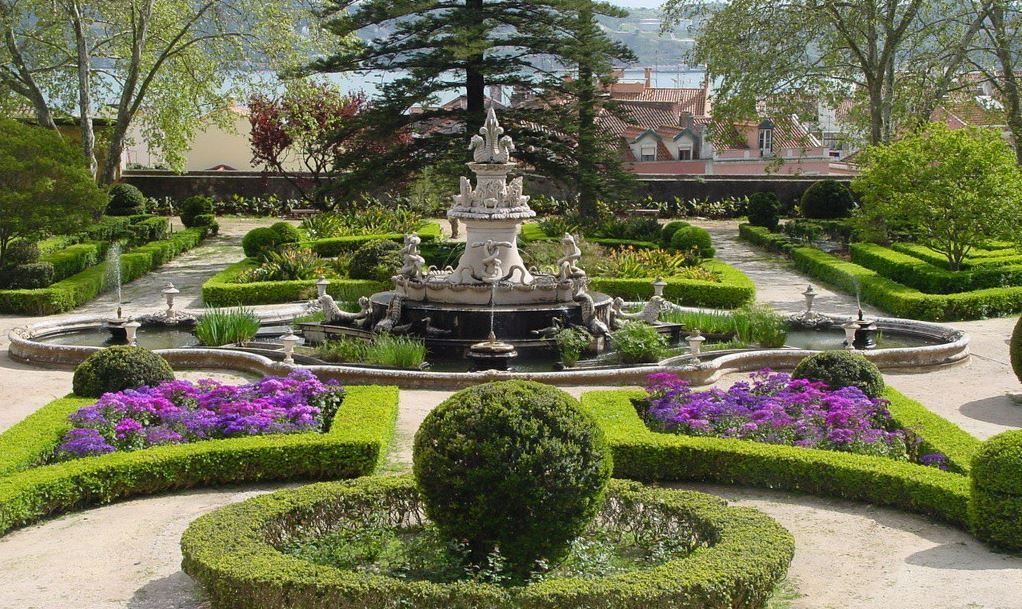
## Description Tapada da Ajuda is an understated botanical and historic estate in Lisbon that blends expansive green spaces, curated plant collections, and serene promenades overlooking parts of the city and the Tagus River. Once part of royal hunting grounds, the site now functions as a living garden with educational plantings, shaded avenues, and quieter corners perfect for reflection. Tapada da Ajuda is especially valuable for travelers seeking a restorative nature break away from Lisbon’s busy tourist corridors. Beyond the botanical interest, the area retains traces of Portugal’s horticultural exchanges—plants and specimens brought back from historic maritime voyages have influenced the garden’s diversity. The estate also hosts temporary exhibitions and occasional guided walks that interpret the site’s botanical, historical, and ecological significance. ## Location Tapada da Ajuda sits in western Lisbon close to the Ajuda district and not far from riverside Belém. It is typically accessed by tram, bus, or taxi from central Lisbon. Many visitors combine a visit here with stops at Ajuda National Palace and Belém cultural sites. ## Tips - Visit in spring or early summer for the richest blooms and milder weather; autumn can also be pleasant with changing foliage. - Wear comfortable shoes—paths vary from paved promenades to softer trails through planted areas. - Bring water, sun protection, and a small picnic to enjoy shaded groves. - Check local timetables for special exhibitions and guided tours to make the most of the historical context. - Consider pairing the visit with Ajuda Palace and a riverside walk to create a full half-day itinerary. ## Conclusion Tapada da Ajuda offers a restorative garden visit within Lisbon that balances botanical variety with historical resonance. For travelers who appreciate quiet green spaces, plant collections, and a slower urban rhythm, Tapada provides an elegant counterpoint to the city’s busier attractions. ## FAQ Q: Is there an admission fee for Tapada da Ajuda? A: Access policies can vary—some areas are free while special exhibitions or guided events may charge a fee; check official local listings before visiting. Q: Are guided tours offered at Tapada da Ajuda? A: Occasionally—local botanical groups or cultural institutions host guided walks and talks; look for schedules or contact visitor services. Q: Is Tapada da Ajuda suitable for families with children? A: Yes—open lawns and shaded paths make it a family-friendly destination, though supervision near uneven paths is recommended. Q: Is the terrain wheelchair accessible? A: Parts of the estate have paved routes, but some trails are uneven; accessibility varies—contact local services for specific route advice. Q: What’s the best season to visit? A: Spring offers the most varied blooms; early summer and autumn also have distinct seasonal highlights. ## Links - [Ajuda](https://getlisbon.com/discovering/jacarandas-of-lisbon/)
GemVoyage Team • World

Comments