GemVoyage Team • World
The word “bovolo” refers to a snail shell in Venetian dialect, and that name makes perfect sense once you stand in front of the structure. The staircase coils upward in a graceful helix, creating one of the most photogenic details in all of Venice. Unlike the grand tourist corridors around St. Mark’s Square and the Rialto Bridge, this attraction feels tucked away and intimate. That sense of discovery is part of what makes it special. You are not just seeing another palace exterior; you are encountering a design that rewards curiosity and close attention.
Another reason the Scala Contarini del Bovolo matters is that it represents a different side of Venice. Many visitors come for canals and churches, but this site shows how the city’s private palaces could also be architectural statements. The stair tower itself is a visual bridge between medieval urban density and Renaissance taste for ornament and order. A lesser-known fact is that the staircase became famous not only because it is beautiful, but because it is unusual in a city where vertical, exterior stair structures are relatively rare compared with the canals and façades that usually dominate the skyline.
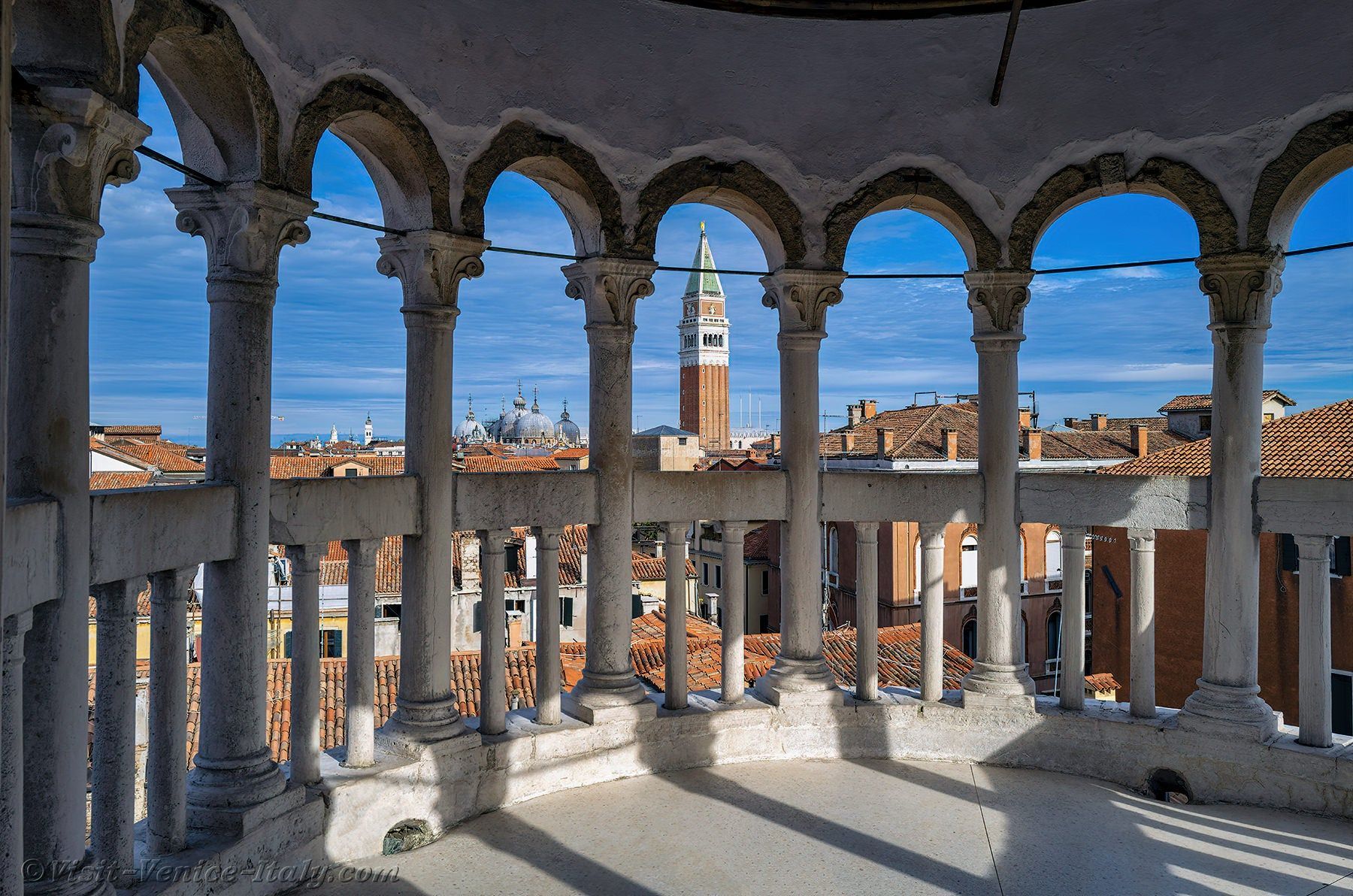
The experience is best when you take your time. From outside, the staircase already looks distinctive, but going inside and climbing it gives you a more complete sense of the building’s scale and perspective. As you ascend, the geometry changes and the city reveals itself through narrow openings, which creates a memorable transition from enclosed courtyard space to elevated views. It is a small attraction, but one that lingers in memory because it feels like a compact lesson in Venetian design.
The simplest way to reach it is on foot from the San Marco or Rialto area. Venice’s pedestrian layout makes walking the natural choice, and the staircase is best approached as part of a wandering route through the city rather than as a stand-alone destination by vehicle. If you are arriving by vaporetto, get off at a nearby stop such as Rialto or San Marco and continue on foot using a map, because the final approach takes you through small streets and passages that are easier to navigate slowly.
Because Venice can be crowded, it is worth planning this visit during a quieter part of the day. Early morning or later afternoon can make the approach more pleasant and give you better photos without too many people around the staircase itself.
Wear comfortable shoes. The site is small, but the walk through Venice often adds up to more steps than expected. The surrounding streets are also easier to enjoy when you are not rushed.
Allow the visit to be part of a larger walking day rather than an isolated stop. It pairs well with nearby palaces, squares, and canal crossings, and that combination makes the city feel more layered. If you are interested in architecture, this is one of the most worthwhile short visits in Venice because it delivers a strong visual identity without requiring a major time commitment.
How long does a visit take? Usually not long. Many visitors spend around thirty to sixty minutes, depending on how much time they spend taking photos and enjoying the views.
Is it easy to find? It can be a little tricky because it is tucked into Venice’s narrow streets, so navigation by map is useful.
Is it good for photography? Yes. The staircase itself and the elevated views from the structure both make it a strong photo stop.
Should I book in advance? It is wise to check current opening arrangements before visiting, especially during busy travel periods.
Discover more hidden gems you might love.
Ostrava
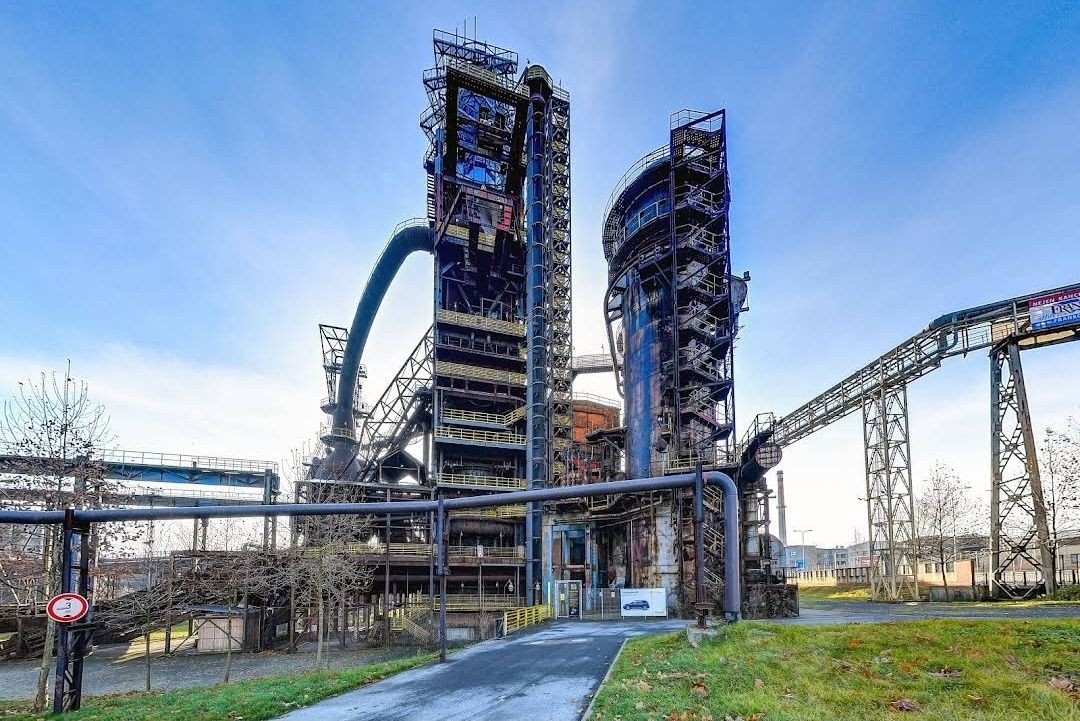
## Description The **Bolt Tower** is one of the most striking symbols of Ostrava, Czech Republic, blending modern architecture with the city’s rich industrial past. Rising from the remains of a former blast furnace at the **Lower Vítkovice industrial complex**, this futuristic structure stands as a testament to the city’s transformation from a coal and steel hub into a vibrant cultural destination. Completed in 2015, the tower was named after legendary Jamaican sprinter **Usain Bolt**, who personally attended the opening ceremony. With its sleek, glass-and-steel design perched atop an old furnace, Bolt Tower symbolizes speed, energy, and forward motion while preserving a strong connection to history. One of the most unique aspects of the tower is that it combines **modern architecture with industrial heritage**—a contemporary structure extending the life of a blast furnace that once powered the region’s economy. Inside, visitors can enjoy a panoramic café, exhibition spaces, and a sky-high observation deck that offers some of the best views in Ostrava. A little-known fact is that Bolt Tower reaches a total height of **77 meters**, making it the highest accessible point in Ostrava. Another interesting detail is that its construction was part of a broader effort to redevelop the Lower Vítkovice complex into a UNESCO-listed cultural and educational center, now hosting concerts, festivals, and exhibitions. ## Location Bolt Tower is located in the **Lower Vítkovice (Dolní Vítkovice) area** of **Ostrava**, the third-largest city in the **Moravian-Silesian Region of the Czech Republic**. The tower sits within the former industrial heart of the city, now transformed into a major cultural attraction. Getting there is straightforward. From **Ostrava’s city center**, the site is only about 2 kilometers away. Visitors can easily take a tram (line 1 or 2) to the **Dolní Vítkovice stop**, which is just a short walk from the tower. If traveling by train, Ostrava’s **hlavní nádraží (main station)** is a quick 10-minute ride by public transport. For international visitors, Ostrava is accessible by train from Prague, Brno, or Kraków, and the **Leoš Janáček Airport** is just 20 kilometers away. ## Tips Here are some helpful tips to make your visit to Bolt Tower more enjoyable: * **Book tickets in advance** – Especially during weekends or events at Lower Vítkovice, the observation deck and café can get busy. * **Visit in the evening** – The city lights at night create a spectacular view, and the tower itself is beautifully illuminated. * **Dress appropriately** – The observation deck is open-air, so it can get windy, especially in autumn and winter. * **Combine with a tour of Lower Vítkovice** – Don’t miss the guided tours of the former blast furnaces and other industrial sites nearby. * **Enjoy the café** – The tower’s café offers not just drinks and snacks, but also a relaxing atmosphere with unbeatable views. * **Check the events calendar** – Lower Vítkovice often hosts concerts, exhibitions, and festivals, which can make your visit even more special. ## Conclusion The **Bolt Tower in Ostrava** is more than just a lookout point—it’s a bold symbol of transformation and renewal. By combining modern design with the remains of a historic blast furnace, it offers visitors a unique perspective on Ostrava’s past and future. Whether you come for the breathtaking views, the cultural experiences, or simply to enjoy a coffee above the city skyline, Bolt Tower is an unmissable highlight of the Czech Republic’s industrial heritage. ## FAQ **1. Why is it called Bolt Tower?** It was named after Usain Bolt, the world-famous sprinter, who attended the opening and symbolized speed and energy. **2. How tall is Bolt Tower?** The tower reaches a total height of 77 meters, making it the highest accessible point in Ostrava. **3. Can I visit the inside of the blast furnace as well?** Yes, guided tours of the Lower Vítkovice blast furnaces and industrial complex are available and highly recommended. **4. Is Bolt Tower family-friendly?** Absolutely. Children can enjoy the observation deck and the impressive industrial setting, though young kids should be supervised due to heights. **5. When is the best time to visit?** Late afternoon or evening is ideal for enjoying both daytime views and the city lights at night. **6. Do I need to buy a separate ticket for the café?** No, access to the café is included with the general admission ticket to Bolt Tower. ## Links * [Visit Ostrava – Tourism Information](https://www.visitostrava.eu)
GemVoyage Team • World
New York
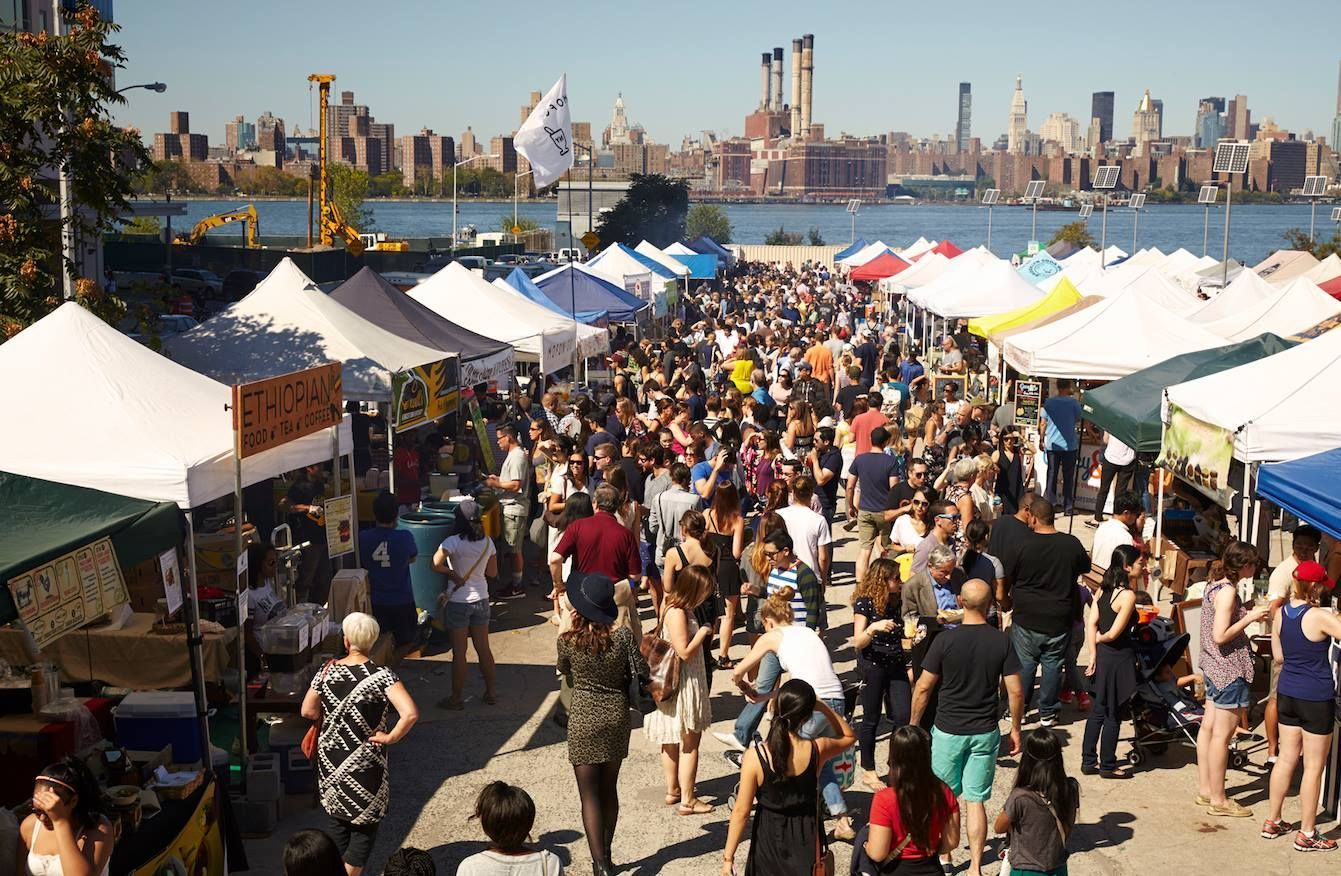
## Description Smorgasburg Market in Williamsburg is one of New York’s most recognizable food experiences because it captures a very specific side of the city: creative, crowded, constantly changing, and deeply local at the same time. It is not a conventional market with a fixed identity and a small set of vendors. Instead, it is a living food scene where dozens of independent sellers come together to present dishes that can feel playful, experimental, nostalgic, or highly specialized. For many visitors, this is the place where New York’s food culture becomes visible in one afternoon. What makes Smorgasburg especially appealing is the combination of scale and variety. You can move from one stall to another and find food from very different traditions, all within a single open-air setting. That makes it attractive for groups with mixed tastes, because one person can go for dumplings, another for seafood, another for dessert, and everyone still shares the same experience. The market is also a strong reflection of Brooklyn’s creative economy. Many vendors use Smorgasburg as a launchpad, which means the market often feels like a testing ground for the next big neighborhood food obsession. Another reason the market stands out is that it offers more than eating. It is a social scene. People come to sit outdoors, talk, take photos, and enjoy the atmosphere around Williamsburg. The setting helps: you are near the waterfront, in a neighborhood associated with design, nightlife, and independent businesses. That context gives Smorgasburg a sense of place that is more specific than a typical city food hall. It feels rooted in Brooklyn rather than simply placed there for tourists. A little-known fact is that Smorgasburg has played an important role in helping local food entrepreneurs gain visibility. For some vendors, it has been a stepping stone to permanent restaurants, broader recognition, or new business ideas. Another is that the market’s popularity has made it influential well beyond New York, because it helped define a modern style of outdoor, vendor-driven food gathering that other cities later tried to imitate. The best way to experience Smorgasburg is to arrive hungry but not rushed. The market rewards wandering, comparing options, and trying a few things rather than committing to one huge meal. It is especially fun when you treat it like a sampling journey, with enough time to notice the atmosphere, the people, and the setting around the food. That mix of appetite and curiosity is what makes the experience memorable. It also helps to think of Smorgasburg as a snapshot of Brooklyn’s changing food identity. The vendors are not simply selling dishes; they are participating in a scene that reflects neighborhood tastes, immigrant influences, and the city’s constant appetite for reinvention. That means the market can feel different from one season to the next, with new specialties, new presentation styles, and new crowd energy each time you visit. If you like places that feel current without being manufactured, this is one of the strongest examples in New York. ## Location Smorgasburg Market (Williamsburg) is in Brooklyn, New York, in the Williamsburg neighborhood. The waterfront setting is one of the market’s major appeals, and it places you within reach of other Brooklyn attractions, bars, cafés, and walking routes. The easiest way to get there is by subway, followed by a short walk. Williamsburg is well connected to Manhattan and other parts of Brooklyn, so visitors usually do not need a car. If you are already exploring Brooklyn, the market can fit naturally into a day spent along the waterfront or around nearby streets full of restaurants and shops. Because the area is popular, it is smart to allow extra time for transit and walking, especially on weekends. If you want to combine the market with sightseeing, plan it as part of a broader Williamsburg visit rather than a standalone errand. That lets you enjoy the neighborhood’s street life before or after the market itself. ## Tips Go with cashless payment options ready, but also check whether some vendors prefer specific methods. New York markets usually move quickly, and having your payment setup sorted saves time. Come early if you want the widest selection and a less crowded atmosphere. Later in the day can be fun too, but lines often grow and popular stalls can sell out. Bring a friend or go with a group if possible. Sharing dishes is one of the best ways to experience the range of food without filling up too quickly. Dress for the weather. Since this is an outdoor market, comfort matters more than style, especially if you plan to walk around Williamsburg afterward. ## Conclusion Smorgasburg Market in Williamsburg is one of New York’s most lively and representative food experiences. It combines neighborhood energy, culinary creativity, and outdoor social life in a way that feels distinctively Brooklyn. ## FAQ **What is Smorgasburg known for?** It is known for its large outdoor food market, rotating vendors, and wide range of creative dishes. **Is it worth visiting if I only have one day in New York?** Yes, especially if you want a taste of contemporary Brooklyn food culture. **How long should I stay?** Most visitors spend one to three hours, depending on how much they want to eat and explore. **Is it family-friendly?** Yes. It is a casual outdoor food market that works well for groups and families. **What is the best time to go?** Earlier in the day is usually better for shorter lines and more vendor choice. ## Links - [Official website](https://www.smorgasburg.com/) - [Wikipedia](https://en.wikipedia.org/wiki/Smorgasburg)
GemVoyage Team • World
Tunis
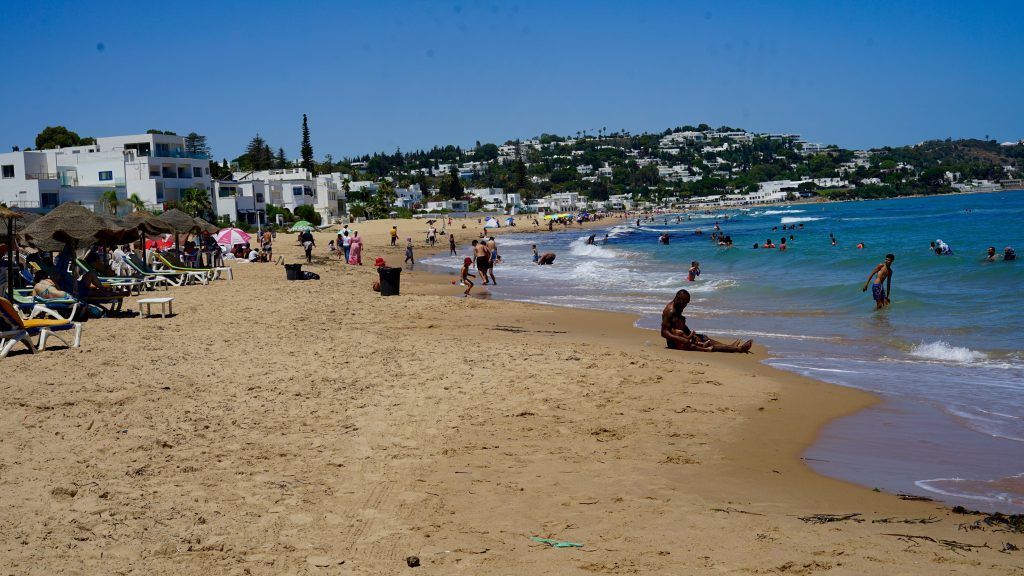
## Description La Marsa Beach is a beloved coastal escape northeast of Tunis that combines Mediterranean charm with an approachable, local atmosphere. Far from the large resort complexes of some Mediterranean destinations, La Marsa offers a more neighborhood-oriented seaside experience: a promenade lined with cafés, bakeries, and small restaurants; stretches of sandy shore where locals swim and sunbathe; and scenic viewpoints that look across the blue Mediterranean. For visitors seeking a short seaside interlude from Tunis’s historic core, La Marsa is an ideal half-day or day-trip destination. The area’s allure stems from its balance of leisure and everyday life. Residents walk their dogs along the promenade, families picnic on the sand, and fishermen haul in their catches at dawn. This authentic feel makes La Marsa attractive to travelers who want to witness contemporary Tunisian coastal life, not just the staged beachfront experience. The neighborhood also contains pockets of cultural interest—small galleries, local bakeries serving traditional pastries, and seasonal markets—that reward time spent wandering. ## Location La Marsa is located along the Mediterranean coast, approximately a 20–40 minute drive from central Tunis depending on traffic. It is part of the larger Tunis metropolitan area and is commonly reached by taxi, rideshare, or regional train in combination with local buses. The promenade and main beach are clustered near the town center, making it easy to combine a seaside visit with cafés or a short walk through residential streets to see local homes and shops. For a relaxed day, arrive mid-morning to stroll the promenade, have a seaside lunch, and enjoy a late-afternoon walk as light softens over the water. If you want to swim, check local conditions—lifeguard presence and sea state vary by season and specific beach segments. ## Tips - Check tide and sea conditions before planning a swim day; calmer days are best for families and casual swimming. - Visit early in the day or later in the afternoon to avoid peak crowds and capture better light for photos. - Bring essentials: water, sun protection, and a towel—some smaller beaches do not have full-service rental facilities. - Sample local cafés and seafood restaurants along the promenade for a taste of Tunisian coastal cuisine. - Pair the beach with cultural stops: a short walk through La Marsa’s streets reveals bakeries, small galleries, and neighborhood markets. - If you prefer quieter spots, walk a little farther from the main promenade where smaller coves and rocky outcrops provide a calmer atmosphere. ## Conclusion La Marsa Beach is an ideal complement to a Tunis itinerary for visitors who want to add gentle sea air to a cultural visit. It offers an accessible, everyday Mediterranean experience that feels comfortably local—and it’s an excellent reminder that Tunisia’s coastline is as varied and alive as its historic medinas. ## FAQ ### Is La Marsa Beach good for a quick escape from Tunis? Yes. It’s one of the closest coastal escapes from the capital and works well for half-day or full-day visits without complicated logistics. ### Is La Marsa only a summer destination? No. While beachgoing peaks in summer, the promenade and cafés are pleasant year-round for walks and dining. ### What facilities are available? Facilities vary by spot: some stretches have cafés and basic rental services, while smaller coves may lack amenities—bring essentials if you’re unsure. ### How do I get there from central Tunis? Taxi or rideshare are the most direct options; regional trains and buses also connect the area but may require short onward transfers. ### Is La Marsa family-friendly? Generally yes—shallow water and promenade facilities make it suitable for families, though conditions vary by season and exact location. ## Links - [Wikipedia](https://en.wikipedia.org/wiki/La_Marsa)
GemVoyage Team • World

Berlin
## Description Teufelsberg is one of Berlin's most unusual landmarks, combining Cold War history, postwar rubble, urban exploration energy, and large-scale street art. The hill itself was built from debris after World War II, which already makes it unusual in a city with so much layered history. On top of that artificial landscape stand the remains of an abandoned listening station that once played a role in intelligence monitoring during the Cold War. Today, the site has evolved into a destination for visitors who want a mix of history, raw architecture, and an atmosphere that feels unlike anything else in central Berlin. The site is especially appealing to people who enjoy places that are part ruin, part gallery, and part lookout point. The decaying domes and walls are covered with murals and tags that turn the space into a constantly changing outdoor canvas. A little-known fact is that Teufelsberg sits on what was once intended to be a Nazi military college, but the project never reached completion and the site eventually became part of Berlin's postwar transformation. That layered past gives the hill a strange and powerful presence. ## Location Teufelsberg is in the western part of Berlin, Germany, near the Grunewald forest. It is outside the dense historic center but still accessible by public transport followed by a short walk or bus ride. Because the hill is elevated and somewhat isolated within a wooded area, the journey feels more like leaving the city than simply crossing neighborhoods. That is part of its appeal. The most practical way to get there is by transit and walking, especially if you want to avoid parking concerns and enjoy the forest approach. Visitors should check opening times before going, since access can vary by season and event schedule. The site is best treated as a half-day trip rather than a quick stop. ## Tips - Wear sturdy shoes, because parts of the site are uneven and more rugged than a standard museum visit. - Bring cash or a payment method accepted on-site in case access fees or special exhibits apply. - If you like photography, go when the weather is clear so the skyline and street art stand out more sharply. - Plan for a combination of outdoor exposure and indoor-like enclosure, since the structures can feel windy and exposed. - Leave time to explore the surrounding forest paths if you enjoy a longer, more atmospheric visit. - Check ahead for guided tours or event days, since they can add context to the Cold War history. ## Conclusion Teufelsberg is a reminder that Berlin often turns difficult history into something creative and publicly accessible. The result is a place that feels rough, memorable, and deeply distinctive, especially for travelers who want more than postcard landmarks. ## FAQ ### Is Teufelsberg safe to visit? Yes, it is generally safe during normal visiting hours and in managed public areas. Because the terrain is uneven and partly ruined, visitors should stay alert and follow site rules. The main risk is usually physical footing rather than anything related to the site's history. ### Do you need a guided tour? You do not always need one, but a guided tour can make the experience much richer. The site has layers of history that are easy to miss if you only walk around on your own. If you are interested in espionage, architecture, or Berlin history, a tour is often worthwhile. ### How long should I spend there? One to two hours is enough for a basic visit, but art and history fans may stay longer. If you also want to walk in the forest or take photos from different viewpoints, plan for more time so the visit does not feel cramped. ### Is it good for photography? Yes, it is one of Berlin's more photogenic places because the ruins, murals, and views combine well. Overcast days can work nicely for moody shots, while clear days are best for skyline photographs. Either way, the textures are strong and visually rewarding. ### Why is Teufelsberg famous? It is famous because it combines a Cold War listening station, a man-made hill created from rubble, and a vivid street art scene. Few places in Berlin bring those three elements together so effectively, which is why it stands out among the city's more conventional attractions. ## Links - [Official website](https://teufelsberg-berlin.de/) - [Wikipedia](https://en.wikipedia.org/wiki/Teufelsberg)
GemVoyage Team • World
Cape Town
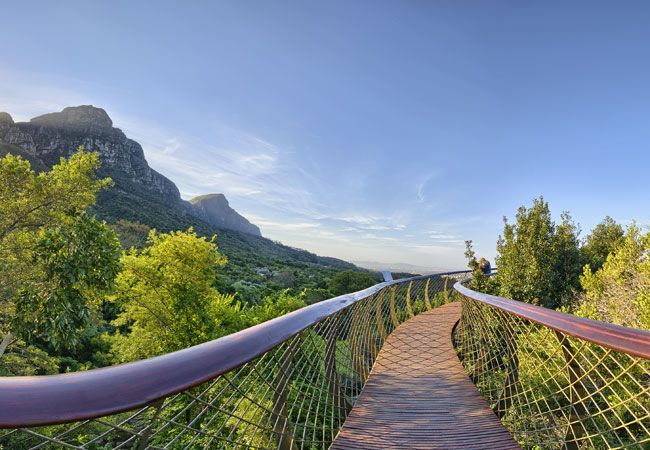
## Description Newlands Forest is one of Cape Town’s most accessible green escapes, especially for travelers who want a walk in nature without committing to a major mountain expedition. Located on the southern slopes of Table Mountain, it offers a softer, shadier, and more intimate side of the city’s mountain landscape. The forest feels close to urban life yet separated enough to create genuine calm, which is why it is popular with walkers, runners, families, and anyone needing a quieter outdoor break. The forest is attractive because it gives you variety in a small space. Paths wind through trees, slopes, and scenic pockets that change with light and season. In some sections the canopy feels dense and almost enclosed; in others, the forest opens enough to remind you how close you are to one of the world’s most distinctive mountain systems. One little-known fact is that Newlands Forest is often chosen by locals who want a manageable outing rather than a full mountain climb. Another is that the forest’s location means it can function as both a fitness space and a restorative natural retreat. Visitors often appreciate the contrast between the forest and the city. Cape Town can feel dramatically coastal or highly urban, but Newlands Forest offers a middle ground where the city seems far enough away to rest the mind while still being reachable without complicated planning. That accessibility is one of its major strengths. You do not need to be an expert hiker to enjoy it. Even a short walk can be rewarding because the atmosphere itself is the attraction. The area also has a calm, local character that makes it feel welcoming. People come here for different reasons and at different paces, so the forest never feels like it belongs to only one type of visitor. Whether you want exercise, shade, birdlife, or a quiet pause in your day, Newlands Forest can accommodate it. That flexibility makes it an especially useful stop for people spending several days in Cape Town and looking for a restorative half-day outdoors. ## Location Newlands Forest is located in Newlands, in the southern part of Cape Town, Western Cape, South Africa, on the lower slopes of Table Mountain National Park. It is close to residential areas, sports venues, and other southern suburbs, which makes it one of the easier nature spots to access from within the city. The simplest way to get there is by car or ride-hailing service. Depending on where you start, public transport may be less direct, so a point-to-point ride is often the most practical option. Parking and trail access can vary by exact route, so it helps to decide ahead of time whether you want a short stroll, a longer hike, or a connection to a broader mountain route. Because the forest is part of a bigger natural system, weather conditions matter. Dry, clear days are usually most comfortable, and early starts are helpful if you want a peaceful atmosphere and cooler temperatures. ## Tips - Wear proper walking shoes even for a short visit. Paths can be uneven in places. - Bring water and sun protection, especially if you plan to continue beyond shaded sections. - Start early in the day for quieter trails and more comfortable temperatures. - Stick to marked paths and pay attention to trail conditions. - Use the forest as part of a broader Cape Town nature day if you want a balanced outing. ## Conclusion Newlands Forest offers Cape Town visitors an easy, restorative encounter with the mountain environment. It is a place to walk, breathe, and reset without needing to leave the city far behind. ## FAQ ### Is Newlands Forest suitable for beginners? Yes. Many routes and walks in the area are approachable, though you should still choose a route that matches your comfort level. ### How long should I plan to stay? A short visit can be as little as an hour, but you can easily extend it into a half-day depending on your route and pace. ### Is it more of a hike or a walk? It can be either. Some visitors treat it as a gentle walk, while others use it as the starting point for more active hiking. ### Is it busy? It can be popular, especially on pleasant days and weekends, but it still often feels calmer than many other city-based attractions. ## Links - [Newlands Forest on Wikipedia](https://en.wikipedia.org/wiki/Newlands_Forest)
GemVoyage Team • World
Cairo
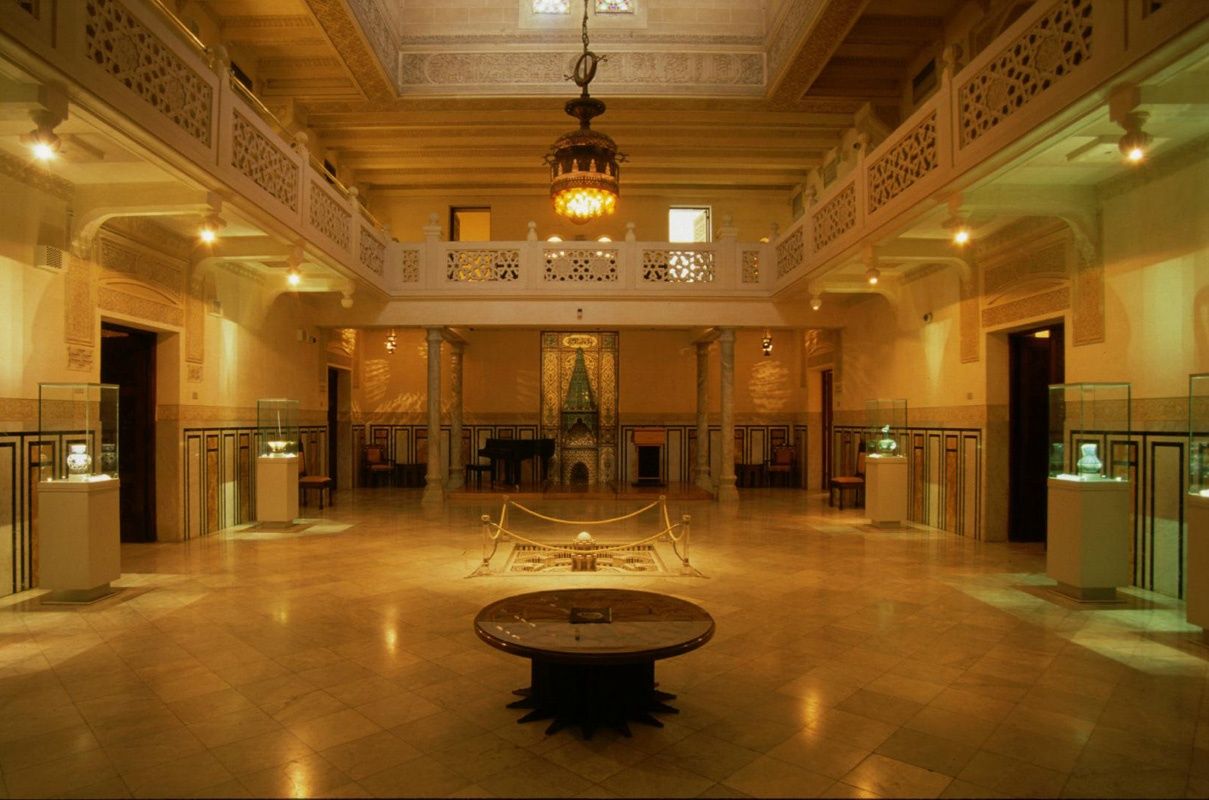
## Description The **Islamic Ceramics Museum (متحف الخزف الإسلامي)** is one of Cairo’s most refined and culturally rich museums, dedicated entirely to the art of **Islamic pottery and ceramics**. It offers visitors a rare opportunity to explore how clay, glaze, and fire were transformed into objects of beauty, science, and daily life across more than **a thousand years of Islamic civilization**. Housed inside the elegant **Palace of Princess Fatma Ismail**, a 19th-century aristocratic residence, the museum blends **architectural elegance with artistic mastery**. The palace itself is a masterpiece of late Ottoman and European-style architecture, featuring **ornate ceilings, stained glass, carved woodwork, and marble staircases**. Even before seeing the exhibits, the building alone is worth the visit. The museum’s collection includes **hundreds of ceramic pieces** from different Islamic periods and regions, including **Egypt, Persia (Iran), Andalusia (Spain), Turkey, Iraq, and Central Asia**. Displays range from **everyday household items**, such as bowls and jars, to **luxury palace ware, mosque tiles, and decorative panels**. Each object tells a story of trade, technological innovation, and artistic expression across the Islamic world. Key highlights include **lusterware ceramics**, known for their metallic shine, developed in medieval Iraq and Egypt; **Iznik tiles from Ottoman Turkey**, famous for their vivid blues and reds; and **Persian underglaze-painted ceramics**, celebrated for their delicate floral and calligraphic designs. Visitors can clearly trace how artistic styles traveled along trade routes and evolved across empires. What makes this museum especially unique is how it connects **science with art**. Islamic potters were pioneers in **chemistry and kiln technology**, developing methods for glazing, coloring, and firing that influenced European ceramics centuries later. The museum explains these processes in an accessible way, making it engaging even for visitors with no background in art or archaeology. A little-known fact is that the museum was originally opened in **1936**, making it one of the **earliest specialized ceramics museums in the Middle East**. Another lesser-known detail is that Princess Fatma Ismail, whose palace now hosts the museum, was the same royal figure who funded the establishment of **Cairo University**, making her a key patron of Egyptian education and culture. Quiet, elegant, and deeply educational, the Islamic Ceramics Museum offers a refined cultural experience that contrasts beautifully with the bustle of central Cairo. ## Location The **Islamic Ceramics Museum** is located in the **Zamalek district** of **Cairo**, Egypt — one of the city’s most upscale and culturally vibrant islands along the Nile. **Address:** 26 Gezira Street, Zamalek, Cairo, Egypt ### How to Get There: * **By metro:** Take Line 2 to **Opera Station**, then walk about 10 minutes toward Gezira/Zamalek. * **By taxi or ride-hailing apps:** Tell the driver “**Mithaf al-Khazaf al-Islami fi Zamalek**.” Most drivers recognize it as a cultural landmark. * **By walking:** If you are already in Zamalek, the museum is centrally located and easily walkable. * **By car:** Limited street parking is available; taxis are generally more convenient. Its location makes it ideal to combine with nearby attractions like the **Cairo Opera House**, **Modern Art Museum**, and **Gezira Art Center**. ## Tips * **Visit on a weekday:** The museum is usually quiet, but weekdays offer an especially peaceful atmosphere. * **Take your time with details:** Many of the finest motifs are small and intricate — slow observation is rewarded. * **Photography:** Allowed in most areas without flash; always confirm current rules at the entrance. * **Read the descriptions:** Many pieces include historical and scientific explanations that enhance appreciation. * **Combine with Zamalek cafés:** After your visit, relax at one of Zamalek’s many riverside cafés or cultural lounges. * **Allow 60–90 minutes:** This is enough time to explore the entire collection without rushing. * **Art lovers should not skip it:** If you appreciate design, geometry, or craftsmanship, this museum is a hidden gem. ## Conclusion The **Islamic Ceramics Museum in Cairo** is a quiet treasure that captures the refinement, innovation, and artistic brilliance of Islamic civilization through one of its most expressive mediums — ceramics. Set inside a royal palace and filled with works that span continents and centuries, the museum offers both **aesthetic pleasure and historical insight**. It is an ideal destination for travelers seeking a calmer, deeper cultural experience beyond Cairo’s monumental landmarks. ## FAQ **1. What is the Islamic Ceramics Museum famous for?** It is known for its extensive collection of **Islamic pottery and ceramic art** from across the Middle East, North Africa, and Central Asia. **2. Where is the museum located?** It is located in **Zamalek**, on Gezira Island in central Cairo. **3. How old is the museum?** It officially opened in **1936**, making it one of the oldest specialized ceramics museums in the region. **4. Who owned the palace originally?** The palace belonged to **Princess Fatma Ismail**, a member of Egypt’s royal family and a major patron of education. **5. How long does a typical visit take?** Most visitors spend between **one to one and a half hours** exploring the museum. **6. Is the museum suitable for children?** Yes, especially for older children interested in history, art, and patterns, though it is a quiet, observation-focused museum. **7. Can I combine it with other museums in the same day?** Yes — it pairs well with visits to the **Cairo Opera House**, **Museum of Modern Egyptian Art**, and **Gezira Art Center**. ## Links * [Egyptian Ministry of Tourism and Antiquities – Museums](https://egymonuments.gov.eg)
GemVoyage Team • World

Comments