GemVoyage Team • World
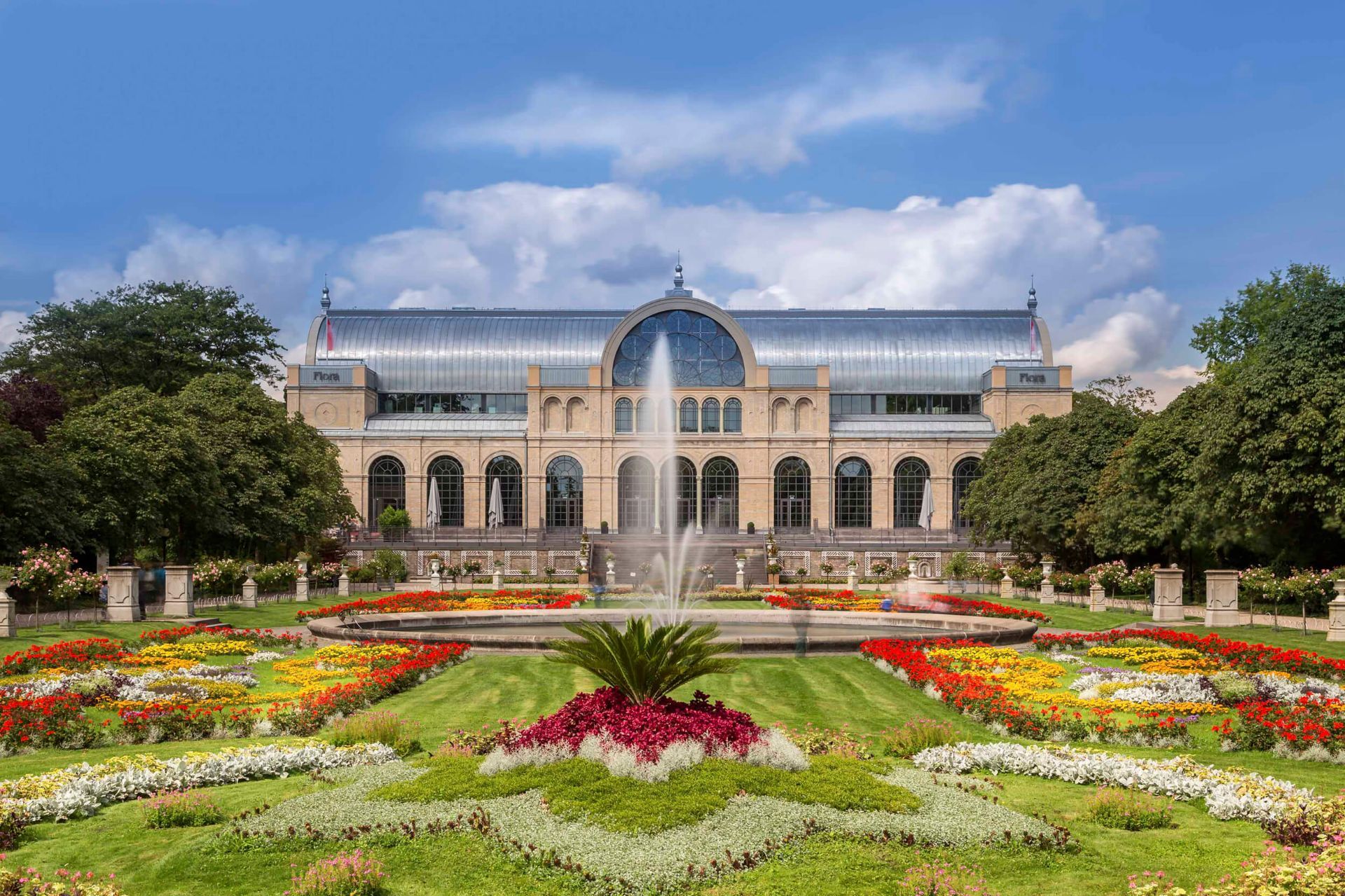
What makes the garden special is the combination of horticultural variety and atmospheric design. You can move through different themed areas, glasshouse spaces, and seasonal displays, all while staying within a park that feels genuinely integrated into the city. That balance between botany and public leisure is one of the garden’s strengths. It works for plant enthusiasts, but it also works for anyone who needs a break from crowded streets and indoor attractions.
One lesser-known fact is that the Flora area has long been associated with Cologne’s tradition of public gardens and exhibition culture. The site has history as a civic landscape, which gives it a depth that goes beyond colorful flower beds. Another is that the changing seasons transform the experience dramatically. In spring and early summer, the garden can feel especially lush and full of color, while autumn adds texture and softer light. Even in winter, the layout and greenhouse areas can make the visit worthwhile.
For travelers, the Cologne Botanical Garden is useful because it offers a different rhythm from the city’s more famous landmarks. It is the sort of place that makes a city trip feel less rushed and more balanced. You can walk, sit, observe, and breathe a little between visits to Cologne Cathedral, the Rhine, or the old town. That versatility is part of its appeal.
Public transport is the most practical way to arrive. From the city center, you can take local transit and continue with a short walk, which is usually the easiest option for visitors. If you are staying near the Rhine or the old town, the garden is still accessible enough to fit into a relaxed sightseeing route.
Because the garden is part of a larger park and urban landscape, it is worth checking how much time you want to spend wandering versus focusing on the main planted areas. The location makes it a natural break during a broader Cologne itinerary.
Bring comfortable walking shoes and be ready to spend more time than you expect. The pleasure of botanical gardens often comes from slow movement rather than fast highlights.
If you enjoy plants, check the season before you go. Bloom times and display quality can change the character of the visit significantly.
If your schedule is crowded, this attraction still works well as a restorative hour or two between major urban sights. It is not only for serious gardeners; it is for anyone who wants a more peaceful Cologne experience.
How long should I stay? One to two hours is a good range for a comfortable visit.
Is it easy to reach from central Cologne? Yes. It is well connected by public transport and not difficult to combine with other city sights.
What is the best time of year to go? Spring and summer offer the fullest plant displays, but each season has its own appeal.
Is it suitable for a short visit? Yes. Even a brief stop can be worthwhile if you need a calm break in the city.
Discover more hidden gems you might love.
Cordoba
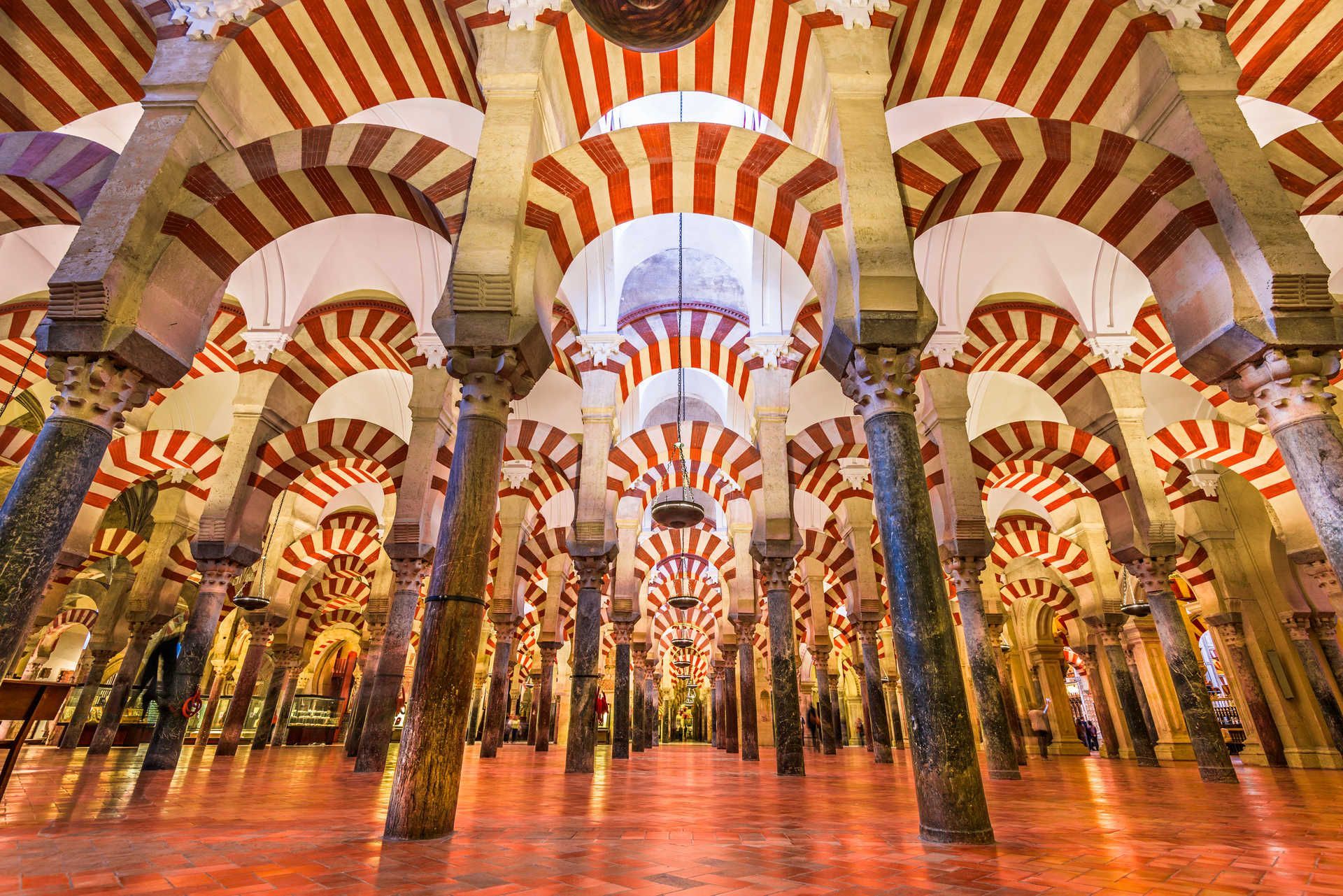
## Description The Mezquita de Córdoba (commonly referred to as the Mosque–Cathedral of Córdoba) is one of Spain’s most striking architectural masterpieces, blending Islamic and Christian elements into a single, atmospheric monument. Its forest of red-and-white double arches, an ingenious structural and aesthetic solution developed in the 8th and 9th centuries, creates a hypnotic interior rhythm that has captivated visitors for centuries. What makes the Mezquita distinctive is not only its scale and decorative richness, but also its layered history: first a Visigothic site, then a grand mosque during Al-Andalus, and later converted into a cathedral after the Reconquista. The result is an unusual palimpsest of art and faith, where horseshoe arches, ornate mihrab mosaics, and later Renaissance chapels coexist in one vast interior. Little-known facts: the current cathedral nave was inserted into the mosque in the 16th century after repeated political and religious negotiations, leaving a striking contrast between the Muslim prayer hall and a centrally placed Christian choir. Another subtle detail is that several columns were recycled from nearby Roman and Visigothic ruins, embedding older materials into this Islamic monument. ## Location The Mezquita is located in Córdoba, Andalusia, southern Spain. It sits in the historic core (the Judería), a compact medieval district adjacent to the Guadalquivir River. The precise address is Plaza del Campo Santo de los Mártires, 1, Córdoba, Andalusia, Spain. Getting there: Córdoba is on Spain’s high-speed rail network (AVE) with frequent trains from Madrid (about 1 hour 45 minutes) and Seville (about 45 minutes). From Córdoba’s main train station (Estación Córdoba Central), the Mezquita is a 15–20 minute walk through the old town; taxis and local buses are also available. If you’re driving, look for parking near Avenida del Alcázar; from there the old town is a short walk. Once inside the historic center, much is best experienced on foot. ## Tips - Buy tickets in advance: The Mezquita can get extremely crowded, especially during high season. Pre-booked tickets with a timed entry avoid long queues. - Visit at quieter times: Early morning just after opening or late afternoon before closing are the best times for photography and to avoid tour groups. - Dress respectfully: As an active cathedral, modest clothing is appreciated. - Allow time for the surrounding quarter: The Judería, Calleja de las Flores, and the Roman bridge are part of the full Córdoba experience—plan at least 2–3 hours to explore the mosque-cathedral and nearby streets. - Use an audio guide or a knowledgeable guide: There’s a lot of layered history; a guide helps unpack architectural changes, symbolic elements, and the timeline of conversions. - Combine with other sites: Pair the Mezquita with the Alcázar of the Christian Monarchs and the Medina Azahara archaeological site for a broader historical view. ## Conclusion The Mezquita de Córdoba is an unforgettable site where architecture tells a story of cultural exchange, conquest, and coexistence. Its forest of arches, rich mosaics, and the surprising placement of the cathedral nave inside a former grand mosque make it a must-visit for lovers of history, architecture, and complex heritage. A mindful visit, planned for quieter hours, will reveal subtleties many miss on a quick stop. ## FAQ Q: Is the Mezquita still used for religious services? A: Yes. While much of the building functions as a major cultural monument and tourist site, the cathedral section hosts Christian religious services. Q: How long should I plan to visit? A: Expect 1.5–3 hours to explore the main areas and enjoy nearby streets. Add more time if visiting exhibitions or local museums. Q: Are photography and flash allowed? A: Photography is usually allowed without flash; however, rules can change for certain ceremonies or exhibitions—follow posted signs. Q: Is the Mezquita accessible for visitors with reduced mobility? A: Parts of the site have limited accessibility due to historic flooring and narrow passages; check official accessibility information and consider contacting the site before arrival. ## Links - [Wikipedia: Mezquita–Cathedral of Córdoba](https://en.wikipedia.org/wiki/Mosque–Cathedral_of_C%C3%B3rdoba) - [Official tourism page for Córdoba (visit cordoba)](https://www.turismodecordoba.org)
GemVoyage Team • World

Cluj
## Description **Iulius Mall Cluj** is one of Romania’s premier shopping and lifestyle destinations, offering a vibrant blend of **retail, entertainment, and community life** in the heart of **Cluj-Napoca**, the unofficial capital of Transylvania. Opened in **2007**, it quickly became more than just a shopping mall — it’s a **social and cultural hub** that captures the energy of one of Romania’s most dynamic cities. Spanning more than **80,000 square meters**, Iulius Mall Cluj features **over 250 stores**, from international fashion brands like Zara, H&M, and Massimo Dutti to local boutiques and specialty shops. But what makes it truly unique is its seamless integration of **shopping, dining, and nature** — a concept that few European malls achieve so gracefully. The mall is part of the larger **Iulius Town complex**, which includes **offices, event spaces, fitness centers**, and most notably, the **Iulius Park** — a beautifully landscaped green area surrounding a serene lake. Visitors can enjoy a peaceful walk, rent a paddleboat, or relax by the water with a coffee from one of the many cafés that line the park. During winter, the lake even transforms into a **charming ice-skating rink**. Inside, the atmosphere is lively and cosmopolitan. Shoppers can explore a vast **food court** with both Romanian and international cuisines, a **state-of-the-art cinema**, and a **fitness and wellness center**. Iulius Mall also hosts **regular events**, from fashion shows and art exhibitions to children’s workshops and live concerts, making it a place where locals and tourists alike gather for more than just retail therapy. A lesser-known fact is that Iulius Mall Cluj was the **first mall in Romania** to incorporate a large **urban park** into its complex design — a model that has since inspired similar developments across the country. It’s also part of a larger vision to make Cluj-Napoca a hub of **modern urban living**, balancing innovation, business, and leisure. ## Location **Iulius Mall Cluj** is located in the **Gheorgheni district** of **Cluj-Napoca**, in the **northwestern region of Romania**, Transylvania. **Address:** Strada Alexandru Vaida-Voevod 53-55, Cluj-Napoca, Romania To get there: * **By car:** Easily accessible via major city roads; parking is abundant and includes both indoor and outdoor spaces. * **By bus:** Several city bus lines (such as 24B, 25, and 26) stop directly in front of the mall. * **By taxi or rideshare:** Services like Bolt and Uber are widely available in Cluj-Napoca. * **From the airport:** The **Avram Iancu Cluj International Airport** is only about **15 minutes away by car or taxi**. * **By foot or bike:** The mall is connected to nearby neighborhoods through well-maintained pedestrian and cycling paths. ## Tips * **Visit Iulius Park:** Don’t miss the outdoor park — it’s perfect for a relaxing break, a family picnic, or a stroll at sunset. * **Try local food:** Many restaurants in the food court and nearby park cafés offer authentic Romanian dishes with a modern twist. * **Shop during weekdays:** The mall can get crowded on weekends; weekday mornings or afternoons offer a quieter experience. * **Catch a movie:** The **Cinema City** inside the mall offers the latest international releases in English and Romanian. * **Family-friendly activities:** There are playgrounds, kid-friendly restaurants, and frequent entertainment events for children. * **Free Wi-Fi and coworking spaces:** Ideal for remote workers or travelers looking to catch up on work while enjoying a coffee. * **Seasonal events:** Check the mall’s official website or social media for **holiday markets, concerts, and fashion events**. ## Conclusion **Iulius Mall Cluj** perfectly captures the modern spirit of **Cluj-Napoca** — youthful, vibrant, and innovative. It’s more than a shopping center; it’s a **community gathering place** where nature, culture, and commerce coexist in harmony. Whether you’re in town for a few days or living locally, a visit to Iulius Mall offers a glimpse into contemporary Romanian life — stylish, welcoming, and full of energy. From lakeside walks to luxury shopping and delicious food, it’s an essential stop on any visit to Transylvania’s most forward-thinking city. ## FAQ **1. When did Iulius Mall Cluj open?** Iulius Mall Cluj officially opened in **November 2007**, becoming the second Iulius Mall developed in Romania. **2. How big is the mall?** The mall covers more than **80,000 square meters**, featuring **over 250 stores**, restaurants, and entertainment spaces. **3. Is there parking available?** Yes — there are **thousands of parking spaces**, both underground and outdoors, many of them free for several hours. **4. What are the main attractions besides shopping?** The **Iulius Park**, **Cinema City**, **fitness center**, and frequent **cultural events** make it a popular leisure destination beyond retail. **5. Is the mall family-friendly?** Absolutely — it includes **play areas**, **family restrooms**, and numerous **activities for children** throughout the year. **6. Can I reach it easily from central Cluj?** Yes, it’s just **10–15 minutes by car** or a **short bus ride** from downtown Cluj-Napoca. **7. Are there hotels nearby?** Yes, several hotels and serviced apartments are located within walking distance, including options ideal for both short and long stays. ## Links * [Official Iulius Mall Cluj Website](https://www.iuliusmall.com/cluj) * [Visit Cluj-Napoca – Tourism Information](https://visitcluj.ro/)
GemVoyage Team • World
Bonn
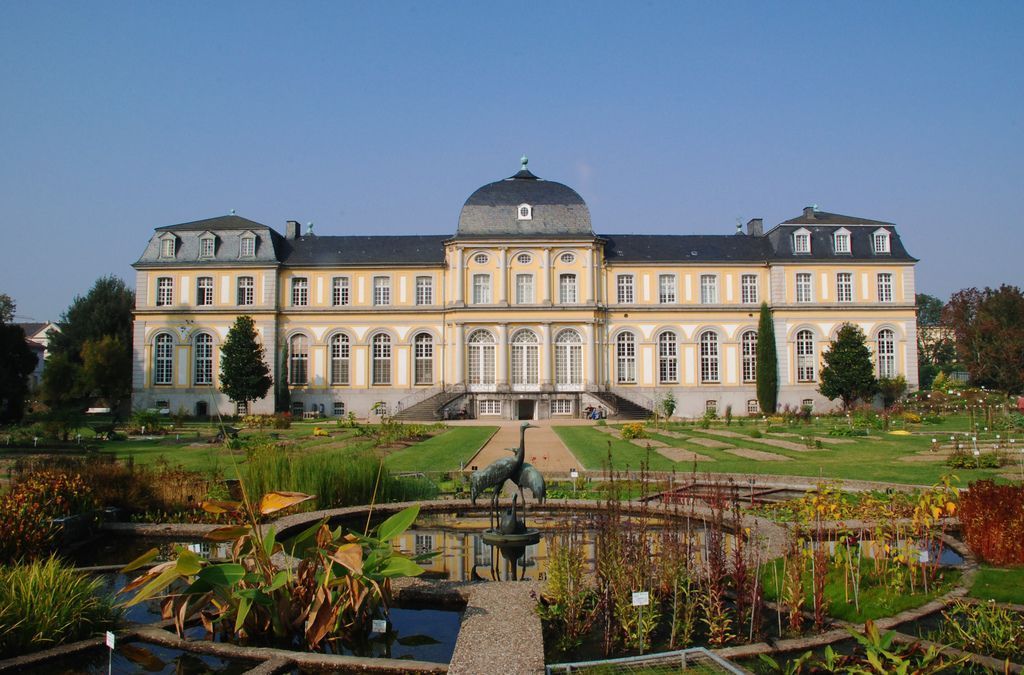
## Description Poppelsdorf Palace Gardens in Bonn offers a quieter, more contemplative travel experience than many people expect from a city stop. The gardens sit beside Poppelsdorf Palace, creating a landscape where formal design, academic history, and botanical interest come together. This is not a flashy amusement-style attraction; it is a place for slow walking, observation, and appreciating the way a historic garden can shape a city experience. For travelers who enjoy architecture and green spaces together, the setting has a calm elegance that is easy to underestimate at first glance. The appeal of the gardens lies in balance. The layout around the palace gives the space a sense of order and historical continuity, while the planting introduces seasonality and change. Depending on when you visit, you may encounter spring blossoms, summer greenery, autumn color, or a quieter winter framework that emphasizes lines and structure. The area feels connected to Bonn’s academic and civic identity, which makes it especially interesting for visitors who want to understand the city through its institutions as well as its monuments. One little-known point is that the surrounding area is tied to the University of Bonn and the wider botanical and scientific traditions of the city. That gives the garden a different character from purely decorative palace grounds. Another detail travelers often appreciate is how peaceful the space can feel even when nearby streets are active. The gardens offer a kind of visual pause, a transition between urban movement and formal green calm. Because the attraction is connected to a palace and university environment, it is also a useful stop for people who enjoy architecture, history, and plant life in one setting. You can admire the building, stroll through the grounds, and then continue into Bonn with a stronger sense of how the city layers its heritage. The result is a destination that feels understated at first but reveals more the longer you stay. ## Location Poppelsdorf Palace Gardens are in Bonn, North Rhine-Westphalia, Germany, within the Poppelsdorf district near the University of Bonn. The location is convenient for travelers already exploring Bonn’s center, because it is reachable from the main urban area without a difficult transfer. Public transport, walking, and cycling are all practical ways to arrive, depending on where you begin. If you are already in central Bonn, walking can be an especially pleasant choice because it lets you approach the gardens gradually and see more of the surrounding district. The area sits comfortably within a wider sightseeing route that might also include the university quarter, museums, and other historic streets. For visitors staying elsewhere in the city, tram or bus connections can make the trip straightforward. ## Tips Visit at a relaxed pace. The gardens are best enjoyed when you are not trying to rush from one photo stop to the next. Sit for a while, study the building and the planting, and let the setting become part of your day rather than a quick pass-through. Use the seasons to your advantage. Spring and early summer are especially rewarding if you enjoy blooms and fresh growth, while autumn can give the grounds a softer, more reflective mood. Even in winter, the geometry of the palace and garden can be appealing if you like architectural landscapes. Pair the visit with other Bonn sights. Because the gardens are part of a larger city context, they work well as a stop between museums, university buildings, or a café break. If you are interested in plant collections or botanic themes, take extra time to notice how the garden’s identity differs from a casual city park. Bring a camera, but also leave room to simply look. The most memorable part of the visit may be the overall calm rather than any single dramatic view. Good shoes, a willingness to walk slowly, and a little curiosity are more useful here than a packed itinerary. ## Conclusion Poppelsdorf Palace Gardens are a graceful and quietly rewarding part of Bonn, combining historic architecture with a restful green setting. They are ideal for travelers who appreciate understated places with depth. ## FAQ ### Are the gardens open to the public? Parts of the grounds are generally accessible as a public green space, but access can vary by area and season. It is sensible to check current information before visiting. ### Do I need to visit the palace itself? No. The gardens can be enjoyed on their own, and many visitors come mainly for the outdoor setting. ### How long should I stay? A short visit may take less than an hour, but a slower walk and nearby exploration can easily fill more time. ### Is this a family-friendly stop? Yes. The space is calm, walkable, and suitable for a relaxed visit with children, provided they are supervised like in any garden environment. ### What is the best time of year to go? Spring and early summer are often the most visually satisfying, but the gardens can be pleasant in any season depending on your interests. ## Links - [Official website](https://www.botgart.uni-bonn.de/en) - [Wikipedia](https://en.wikipedia.org/wiki/Poppelsdorf_Palace)
GemVoyage Team • World
Stuttgart
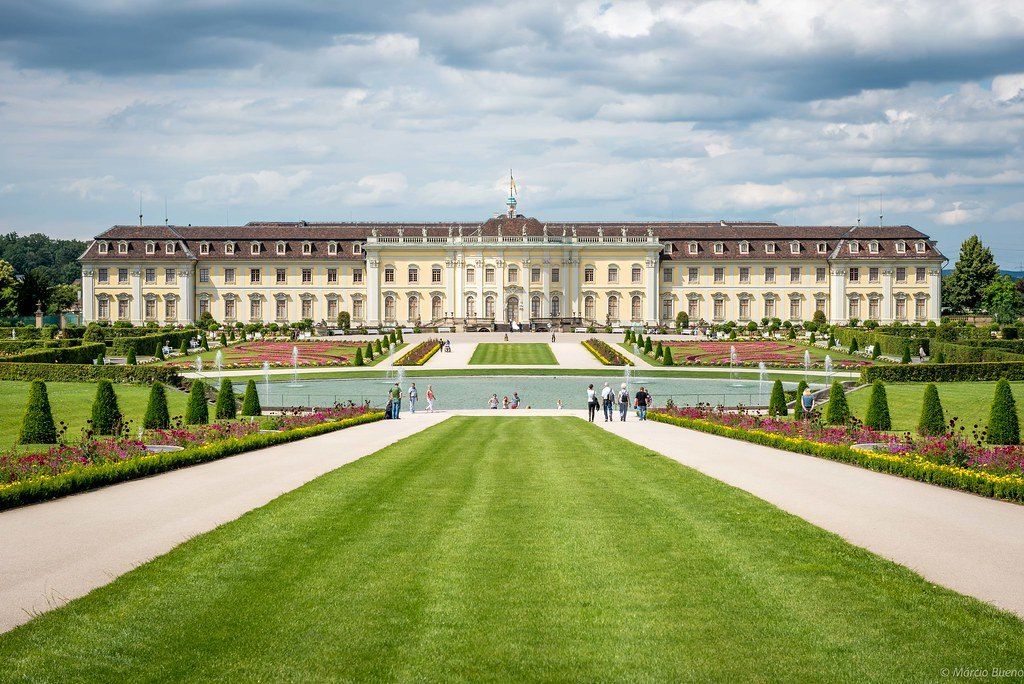
## Description The **Ludwigsburg Residential Palace (Residenzschloss Ludwigsburg)** is one of Europe’s most magnificent Baroque palaces and a true masterpiece of royal architecture and design. Often referred to as the **“Swabian Versailles,”** it is the **largest preserved Baroque palace in Germany**, blending **Baroque, Rococo, and Neoclassical** styles across its sprawling complex. Construction began in **1704** under **Duke Eberhard Ludwig of Württemberg**, who envisioned a grand residence to reflect his power and sophistication. Over the next decades, the palace grew into a breathtaking ensemble of **18 buildings**, **452 rooms**, and vast gardens that stretch across **32 hectares**. Each wing and hall tells a different story of Württemberg’s history, art, and royal life. Inside, visitors can explore elaborately decorated **ballrooms, royal apartments, chapels, and galleries**, many of which remain in their original condition. Highlights include the **Marble Hall**, adorned with gilded stucco and crystal chandeliers; the **Baroque Gallery**, featuring masterpieces by European painters; and the **Ancient Theatre**, one of the oldest preserved court theaters in Europe still in operation. The palace is also home to **three museums**: the **Baroque Gallery (Barockgalerie)**, the **Fashion Museum (Modemuseum)** — showcasing 18th- to 20th-century European fashion — and the **Ceramics Museum**, which displays exquisite porcelain collections. A lesser-known fact is that during the **Napoleonic Wars**, the palace served as a temporary refuge for royalty and diplomats. Another interesting detail: the building narrowly escaped destruction during World War II, making it one of the few German palaces to survive fully intact. Today, it offers visitors a glimpse into over **300 years of royal life and European artistry**. The surrounding **Blooming Baroque Gardens (Blühendes Barock)** are a spectacle in their own right — a vibrant re-creation of Baroque landscaping, filled with fountains, sculptures, and floral displays that change seasonally. The gardens also include the **Fairy-Tale Garden (Märchengarten)**, a delightful attraction for children and families, where classic fairy tales come to life. ## Location The **Ludwigsburg Residential Palace** is located in the **city of Ludwigsburg**, about **15 kilometers (9 miles)** north of **Stuttgart**, in the **Baden-Württemberg** region of **southern Germany**. To get there: * **By train:** From **Stuttgart Hauptbahnhof (main station)**, take the **S4 or S5 S-Bahn** to **Ludwigsburg Station** (about 15–20 minutes). From there, it’s a **15-minute walk** or a short bus ride to the palace. * **By car:** Take the **A81 motorway** (exit Ludwigsburg-Süd or Ludwigsburg-Nord). Parking is available near the palace grounds. * **By guided tour:** Many Stuttgart-based tour operators offer day trips that include transportation, entry tickets, and guided tours of the palace and gardens. ## Tips * **Take a guided tour:** The palace is huge, and guided tours (available in English and German) provide deep insights into its history and hidden details. * **Explore the museums:** Don’t miss the **Fashion Museum** and **Baroque Gallery** — they’re both fascinating and included in the entry ticket. * **Visit the gardens:** The **Blühendes Barock** gardens are stunning in spring and summer, especially during the **pumpkin festival (Kürbisausstellung)** held from late August to early November. * **Plan for at least half a day:** The site is extensive — allow time to stroll through the interiors, gardens, and museums. * **Family-friendly attractions:** The **Fairy-Tale Garden** is a great spot for kids and adds a magical touch to the visit. * **Photography:** Indoor photography may require permission, but outdoor photography in the gardens is encouraged. * **Combine with nearby attractions:** Ludwigsburg’s charming old town and market square are within walking distance, and **Stuttgart** is easily reachable by train. ## Conclusion The **Ludwigsburg Residential Palace** stands as a living monument to the grandeur of Baroque Europe and the cultural legacy of Württemberg’s rulers. With its stunning architecture, ornate interiors, and beautifully preserved gardens, it offers visitors a rare chance to step into the royal world of the 18th century. Whether you come for its art, history, or seasonal festivals, Ludwigsburg is a destination that effortlessly combines **majestic beauty with historical authenticity**, making it one of Germany’s most rewarding cultural experiences. ## FAQ **1. When was the Ludwigsburg Palace built?** Construction began in **1704** under **Duke Eberhard Ludwig** and continued for several decades, evolving through different architectural styles. **2. How large is the palace?** The complex features **18 buildings and over 450 rooms**, making it the **largest Baroque palace in Germany**. **3. Can I visit the gardens separately?** Yes, the **Blühendes Barock gardens** can be visited separately and often host seasonal events, including flower shows and the famous **pumpkin festival**. **4. Are guided tours available in English?** Yes, English-language tours are offered regularly; check the official schedule in advance. **5. How long should I plan to spend there?** Most visitors spend **half a day to a full day** exploring the palace, gardens, and museums. **6. Is it suitable for children?** Absolutely — the **Fairy-Tale Garden** and open grounds make it enjoyable for families. **7. Is the palace open year-round?** Yes, though some outdoor events and gardens are seasonal. Indoor exhibitions are open year-round. ## Links * [Official Ludwigsburg Palace Website (Residenzschloss Ludwigsburg)](https://www.schloss-ludwigsburg.de/en)
GemVoyage Team • World
Cairo
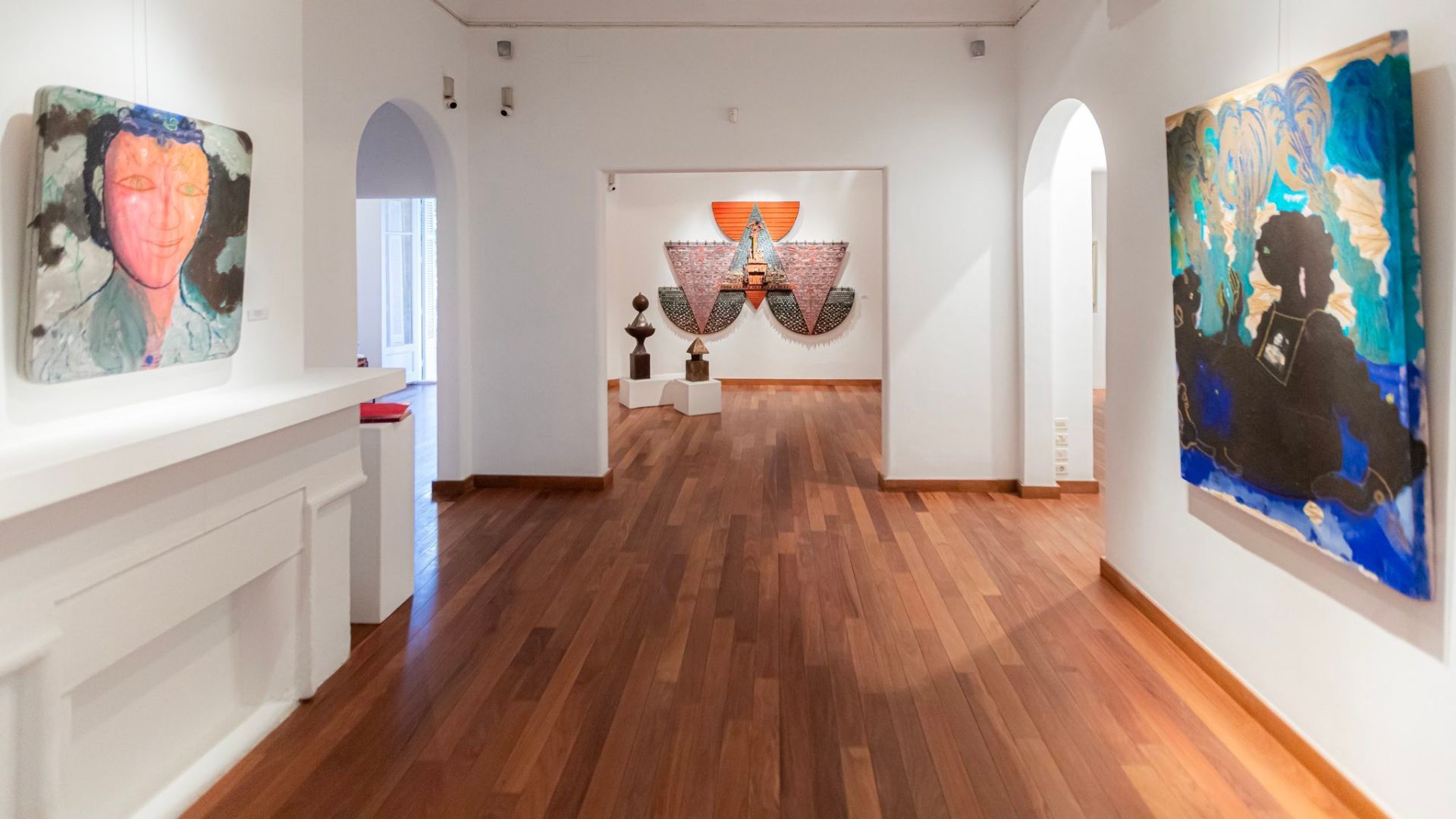
## Description Zamalek is one of Cairo's most elegant and culturally layered neighborhoods, and its art galleries give it a character that feels distinct from the city's more hurried commercial districts. Set on Gezira Island in the Nile, the area blends leafy streets, embassies, old villas, cafes, and a compact but lively contemporary art scene. Visitors come here for more than just one gallery; they come for the atmosphere of walking through a district where art, architecture, and everyday Cairo life overlap in a way that feels intimate and refined. What makes Zamalek special is how accessible its creative life is. Many galleries are tucked into residential streets or historic buildings, so the experience is as much about discovery as it is about the exhibitions themselves. You can move from one space to another on foot, stopping for coffee, browsing small bookstores, or taking in the shade of the trees that line the streets. The district has long attracted diplomats, artists, writers, and collectors, which has helped shape a culture that values conversation and experimentation. One little-known fact is that Zamalek's modern identity was influenced by the island's role in late 19th and early 20th century urban planning, when it became a showcase for Cairo's cosmopolitan elite. Another is that several of the area's smaller galleries change their exhibitions frequently, so repeat visits can feel completely different from one month to the next. That makes Zamalek especially rewarding for travelers who enjoy current art rather than static museum visits. The galleries themselves often highlight a wide range of work: painting, mixed media, sculpture, photography, printmaking, and conceptual installations. Some spaces represent established Egyptian artists, while others support younger voices and cross-disciplinary projects. As a result, you may encounter work that speaks to Cairo's daily life, regional politics, identity, memory, urban transformation, or the relationship between traditional craft and contemporary expression. Zamalek is also a good place to slow down. Cairo can be intense, and this neighborhood gives you a softer rhythm. Between gallery visits, you can wander down quiet streets, notice historic facades, and enjoy views of the river. The district's cultural character is not confined to exhibition halls; it extends into bookshops, design stores, and cafes where artists and students often gather. This makes the area feel like a living creative ecosystem rather than a tourist display. For travelers interested in culture, Zamalek is one of the most rewarding ways to experience Cairo beyond its major monuments. It reveals how contemporary Egyptian creativity lives alongside the city's long historical memory. If you want an afternoon that combines urban charm, art, and a sense of place, Zamalek delivers that with very little effort and a lot of style. ## Location Zamalek is a district on Gezira Island in the Nile River, within Cairo, Egypt. It sits in the central part of the city and is connected to both riverbanks by bridges, making it easy to reach from Downtown Cairo, Garden City, or Giza. Because the area is compact, many art galleries are best explored on foot once you arrive. The most practical way to get there is by taxi or ride-hailing service, especially if you are moving between different neighborhoods in Cairo. Public transport is also possible, but first-time visitors usually find it simpler to be dropped near a known landmark in Zamalek and then walk from gallery to gallery. If you are staying in central Cairo, the trip is usually short, though traffic can be heavy during peak hours. ## Tips Visit in the late morning or early afternoon if you want a quieter gallery experience and easier walking between venues. Check exhibition schedules in advance, because some galleries close between shows or rotate their collections frequently. Wear comfortable shoes. Zamalek is walkable, but you may cover more distance than expected if you plan to visit several galleries in one day. Pair the galleries with a cafe stop or lunch break. The neighborhood rewards unhurried exploration, and a meal between visits helps you take in the atmosphere without rushing. If you are serious about collecting or meeting artists, do not hesitate to ask gallery staff questions. Many spaces are small and personal, and conversations are often part of the experience. Keep some flexibility in your itinerary. The best discovery in Zamalek is often an unexpected side street, a temporary exhibit, or a gallery you did not plan to visit. ## Conclusion Zamalek's art galleries offer a polished but approachable introduction to Cairo's contemporary creative life, making the district ideal for visitors who want culture, walkability, and a distinct local atmosphere in one compact neighborhood. ## FAQ ### What is Zamalek known for? Zamalek is known for its leafy streets, embassies, historic villas, cafes, and a strong concentration of art galleries and cultural spaces. ### How long should I spend in Zamalek for gallery hopping? A half day is usually enough for a relaxed visit, but art lovers may want a full day to combine galleries with cafes, shops, and riverside walks. ### Is Zamalek safe for visitors? It is generally considered one of Cairo's calmer neighborhoods, especially during the day. As with any large city, basic travel awareness is still recommended. ### Are the galleries free to enter? Some galleries are free, while others may charge for special exhibitions or events. It is best to check in advance. ## Links - [Zamalek](https://en.wikipedia.org/wiki/Zamalek) - [Zamalek Art Gallery on Facebook](https://www.facebook.com/zamalekartgallery)
GemVoyage Team • World
Tunis
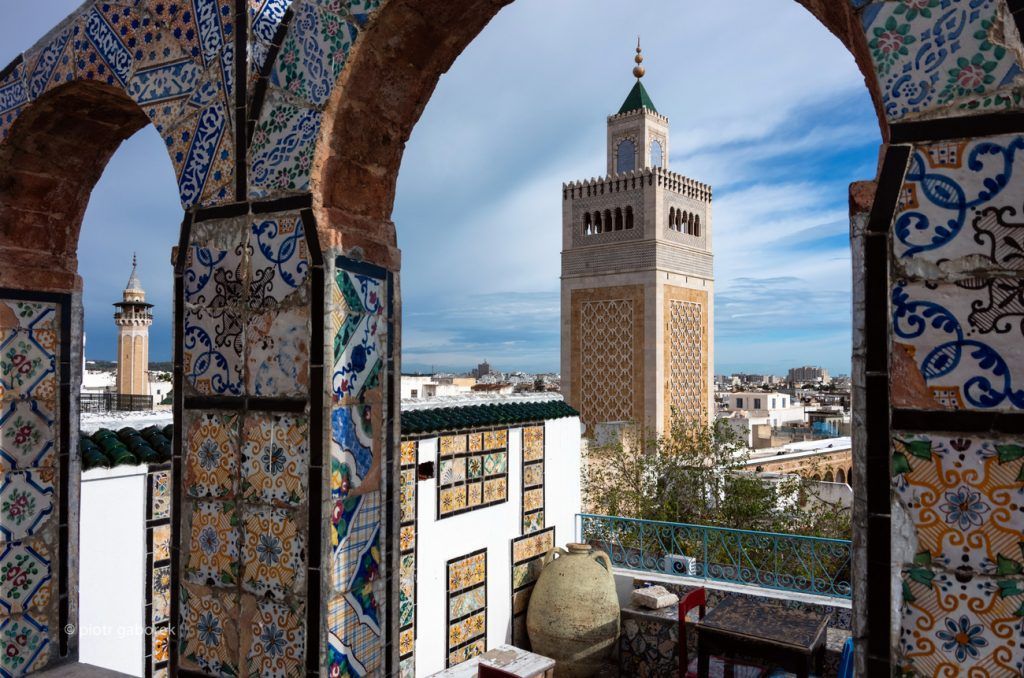
## Description The Medina of Tunis is one of the most atmospheric historic districts in North Africa and a place where the city’s long history remains fully visible in everyday life. Unlike a museum or a single monument, the medina is an urban fabric: alleys, courtyards, markets, religious buildings, craft spaces, and homes woven together over centuries. That makes it one of the best places to understand Tunis not as a modern capital only, but as a layered historic city with strong social continuity. What makes the medina memorable is the density of experience. You can walk from a bustling souk to a quiet courtyard, from a textile shop to a mosque exterior, from a spice stall to a passage that suddenly narrows and feels much older than the streets around it. The medina rewards patience. It is not about racing from one famous stop to the next. It is about absorbing the patterns of city life that have persisted across different eras of Tunisian history. One lesser-known fact is that the Medina of Tunis is recognized for its remarkable urban heritage and has long been one of the best-preserved historic centers in the Arab world. Another is that its value comes not just from architecture, but from how the district still functions as a living place of commerce and social exchange. The medina is not preserved by being frozen. It stays alive because people keep using it. For travelers, the medina is especially rewarding if you enjoy walking and observing. It can feel both lively and intimate, with frequent shifts in sound, color, and pace. There is also a strong sense of continuity here: traditional crafts, local commerce, historic religious landmarks, and everyday errands all happen in the same urban landscape. That gives the experience depth. You are not only seeing old streets; you are moving through a system that still shapes modern Tunis. ## Location The Medina of Tunis is in central Tunis, Tunisia, forming the historic core of the capital. Its location makes it one of the easiest major heritage districts to incorporate into a city visit. The best way to explore it is on foot. Depending on where you are staying, you can reach it by taxi, local transport, or a short walk from central areas. Once inside, walking is the only practical way to experience the medina properly, because the network of streets is part of the attraction. If you are using a guide or map, it can help at the start, but some of the best moments come from simply following the flow of streets and letting the district unfold. The medina is also a good anchor point for a broader Tunis day. You can pair it with a museum visit, a café stop, or another historic site and still keep the whole itinerary manageable. ## Tips Wear comfortable shoes, because you will likely walk more than you expect across uneven or tightly packed streets. Respect local customs, especially around religious buildings and private areas. The medina is a living district, not only a tourist zone. Leave room in your schedule for spontaneous stops. The best discoveries often come from unexpectedly turning into a market lane or noticing a craft workshop. If you want a calmer experience, go earlier in the day. Later hours can be busier and more intense, which can be rewarding too but less relaxed. ## Conclusion The Medina of Tunis is one of the city’s most important attractions because it preserves the historic texture of Tunisian urban life. It is essential for travelers who want a real sense of place rather than a single landmark. ## FAQ **What is the Medina of Tunis?** It is the historic old city center of Tunis, filled with markets, religious buildings, and traditional streets. **Is it safe and easy to visit?** Yes, though like any busy historic district, it is best explored with normal city awareness and respect. **How long should I plan for a visit?** At least two to three hours if you want to explore it properly. **Is it a good place to shop?** Yes. It is known for local commerce, crafts, and market activity. **Should I hire a guide?** Not strictly necessary, but a guide can help if you want deeper historical context. ## Links - [UNESCO World Heritage information](https://whc.unesco.org/en/list/36/) - [Wikipedia](https://en.wikipedia.org/wiki/Medina_of_Tunis)
GemVoyage Team • World

Comments