Discover extraordinary places shared by our community of travelers
Toronto
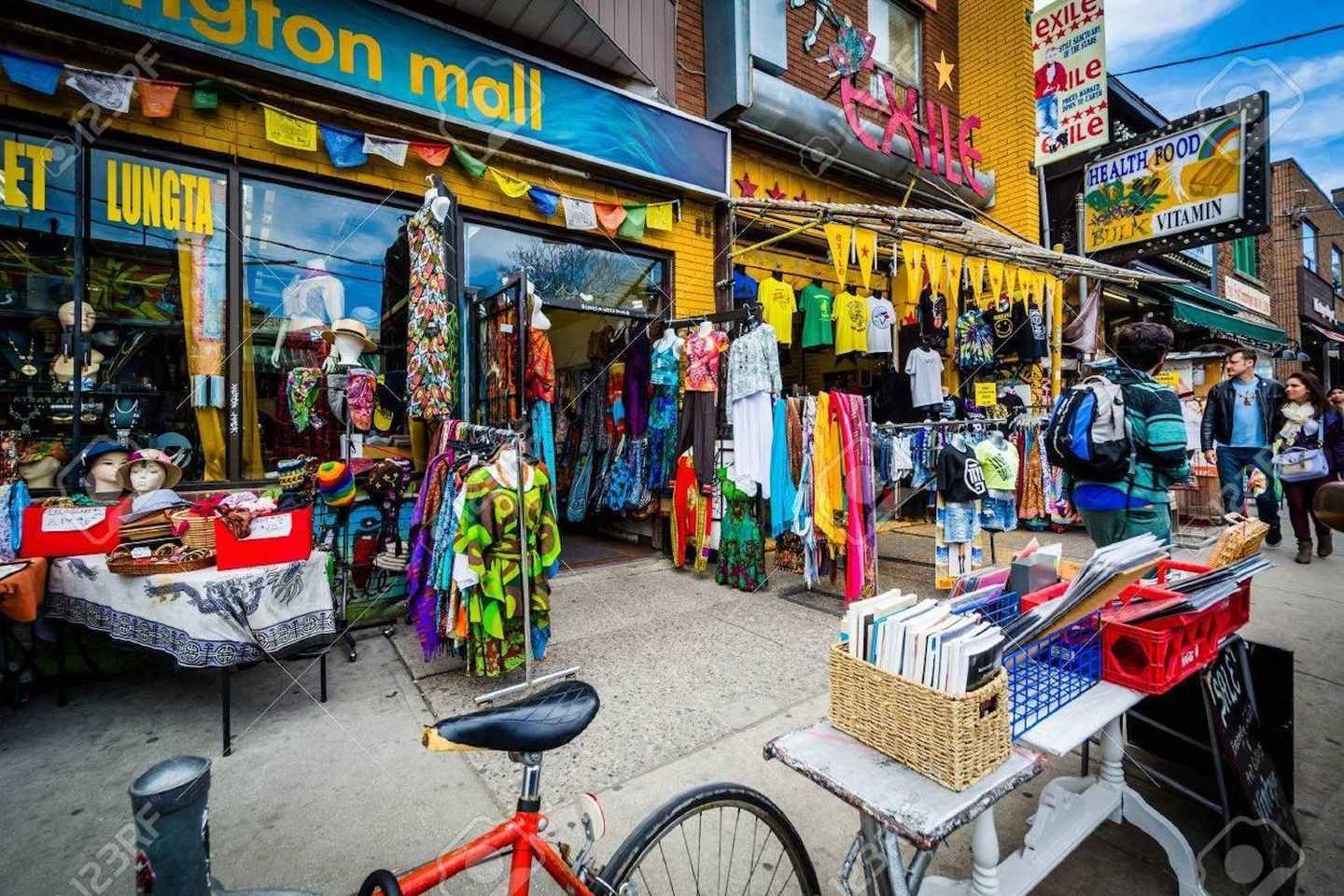
## Description Kensington Market is one of Toronto’s best-known neighborhoods for travelers who want atmosphere, variety, and a strong sense of place. It is not a traditional market in the narrow sense, but rather a dense urban district filled with independent shops, vintage clothing stores, grocers, cafés, bakeries, produce stands, restaurants, and street life that spills into the sidewalks. The area is famous for its mix of cultures and its long history as a neighborhood shaped by waves of immigration, creative entrepreneurship, and community reinvention. Walking through Kensington Market feels less like visiting a single attraction and more like stepping into a living collage of Toronto itself. What makes Kensington special is its refusal to feel polished in a predictable way. Its charm comes from variety, visual noise, and the sense that each storefront has its own personality. One block might be packed with produce, the next with music, used books, or handmade goods. Small alleyways and side streets often reveal murals, patios, and tiny surprises that reward unhurried visitors. The neighborhood also has a social rhythm of its own, especially on weekends when it becomes a magnet for browsers, food lovers, and people simply looking for a place that feels energetic and alive. One lesser-known aspect of Kensington Market is how strongly it reflects Toronto’s broader history of change. It has repeatedly adapted to new residents, new businesses, and shifting urban pressures while still preserving a distinctly independent feel. Another detail many first-time visitors miss is that Kensington is best experienced by combining observation with participation. The neighborhood is not only for looking at; it is for tasting, talking, trying, and wandering. A great visit often includes a snack, a coffee, a small purchase, and a few minutes spent people-watching from a curb or patio. Kensington Market is also a useful place to understand Toronto’s everyday creativity. It does not announce itself with monumental architecture or famous landmarks. Instead, it builds its identity from layers of storefront signage, murals, commerce, and community life. That makes it one of the city’s most authentic urban experiences, especially for travelers who prefer neighborhoods over tourist compounds. ## Location Kensington Market is in downtown Toronto, Ontario, close to Chinatown, the University of Toronto area, and several of the city’s central neighborhoods. Its location makes it easy to reach from much of central Toronto by streetcar, subway, bus, taxi, rideshare, or on foot if you are already nearby. Because the streets are compact and the area is highly walkable, most visitors explore it best on foot once they arrive. If you are planning a broader downtown day, Kensington pairs naturally with nearby cultural areas, galleries, food stops, and city walking routes. For visitors staying in the core, it is one of the easiest districts to add to an itinerary without needing a car. Public transit is usually the most practical option, and because parking can be limited or inconvenient, it is often better to leave the car behind entirely. ## Tips Go hungry and keep your schedule flexible. Kensington Market is one of the best neighborhoods in Toronto for spontaneous eating, browsing, and detours. If you try to over-plan the experience, you may miss what makes it fun. The best visits usually happen when you leave room for unplanned discoveries, whether that means a bakery stop, a vintage find, or a street musician drawing a crowd. Visit at different times if you can. Weekdays can feel more relaxed, while weekends are livelier and more crowded. Both moods have value, and the best choice depends on whether you want a calmer wander or a more animated urban scene. Morning visits are often easier if you want to take in the shops before they become too busy. Wear comfortable shoes. Kensington is compact, but it encourages a lot of walking, stopping, and turning into side streets. If you are interested in photography, the neighborhood is rich in texture, but be respectful of businesses and residents while you shoot. Try to support local vendors when you can, because the district’s character depends on the continued presence of independent operators. Do not expect uniformity. Some visitors want one clear “best” thing to do, but Kensington works differently. The point is the accumulation of impressions. The neighborhood is most rewarding when you let its diversity define the visit. ## Conclusion Kensington Market is one of Toronto’s essential neighborhoods, offering food, culture, and urban character in one dense and memorable walk. It is ideal for travelers who want to see the city through everyday life rather than landmarks alone. ## FAQ ### Is Kensington Market a real market? It is more accurately described as a neighborhood with a historic market identity rather than a single enclosed marketplace. Visitors come for the district’s shops, food, and street atmosphere. ### How long should I spend there? A short visit can take an hour, but two to four hours is better if you want to browse, eat, and explore side streets. Many travelers end up staying longer than planned. ### Is it expensive? It depends on where you stop. You can spend very little by simply walking around, but food, vintage goods, and specialty items can range from affordable to premium depending on the business. ### Is it family-friendly? Yes, especially during daytime hours. Families often enjoy the food variety, the pedestrian-friendly feel, and the colorful street life. ### What is the best way to experience it? Walk slowly, sample something local, and leave room for curiosity. Kensington is best when you treat it as a neighborhood to be explored rather than a checklist of attractions. ## Links - [Wikipedia](https://en.wikipedia.org/wiki/Kensington_Market)
GemVoyage Team • World

Ontario
## Description The Tobermory Grotto is one of Ontario’s most recognizable natural attractions and a place that has become almost legendary among travelers who love clear water, rocky shoreline, and dramatic coastal scenery. Located along the Bruce Peninsula in Bruce Peninsula National Park, the Grotto is a sea cave and shoreline formation shaped by water and stone over a very long stretch of time. Its appeal is immediate: bright turquoise water, pale limestone cliffs, and a setting that looks more like a distant island destination than a typical inland Canadian getaway. What makes the Grotto so memorable is how strongly it contrasts with expectation. Travelers who arrive expecting a simple viewpoint often discover a landscape that feels startlingly vivid. The water color can seem almost unreal when sunlight is strong, and the surrounding rock formations create a natural frame that feels tailor-made for photography. Beyond the famous cave itself, the broader Bruce Peninsula landscape adds to the experience with forest, shoreline trails, and a sense of remote beauty that is unusually accessible for southern Ontario. One little-known fact is that the Grotto’s appearance changes dramatically with weather and light. On bright days, the water can look intensely blue-green, while overcast conditions make the scene quieter and more subdued. Another detail visitors often discover only when they arrive is that the site’s popularity has changed how it must be visited. Timing, access planning, and park rules matter more than they do at many ordinary day-use destinations. That is not a drawback so much as part of the modern experience of seeing one of Canada’s most celebrated natural spots. The Grotto is also a place that rewards patience. People often talk about it as a photo stop, but the longer you stay in the region, the more complete the experience becomes. The surrounding national park, the shoreline walk, and the broader Tobermory area all help the destination feel like a true outdoor trip rather than a single scenic moment. ## Location The Tobermory Grotto is in Bruce Peninsula National Park near Tobermory, Ontario, on the western side of the Bruce Peninsula along Georgian Bay. Tobermory is a small but well-known community at the northern end of the peninsula, and the Grotto is reached from there by road and park access rather than by urban transit. For most visitors, driving is the standard and most practical way to get there. Because the Grotto is a popular destination with limited access and park management considerations, it is wise to plan ahead rather than assuming you can simply arrive at any time. If you are coming from Toronto, London, or other parts of southern Ontario, the trip is long enough that an overnight stay in the Tobermory area can make the visit far more enjoyable. That also gives you time to explore the park properly instead of rushing in and out around the single most famous viewpoint. ## Tips Book and plan early. This is not the kind of place where improvisation always works best, especially in busy season. Parking, access rules, and timing can shape your experience significantly. If you wait until the last minute, you may find your options limited. Bring sturdy shoes and be prepared for a walk. The Grotto is scenic, but reaching it typically requires more effort than a simple roadside stop. The terrain can be rocky and uneven, so footwear matters. If you plan to swim, remember that natural water is cold even on warm days, and conditions can be less forgiving than they look from a photo. Think beyond the cave itself. The Grotto is the headline, but the whole Bruce Peninsula area is worth time. Nearby trails, shoreline views, and the general Tobermory landscape help transform the trip from a single stop into a richer outing. If possible, stay long enough to enjoy the area during different light conditions. Watch the weather. Clear sky and sunlight can make the water look especially bright, but even cloudy days have their own moody beauty. Safety, however, always matters more than the photo. Check local guidance before entering the water or walking near exposed edges. ## Conclusion The Tobermory Grotto is one of Ontario’s most impressive natural sights, blending dramatic shoreline scenery with the iconic turquoise water of Georgian Bay. It deserves the planning it requires and rewards travelers who make time for the wider peninsula. ## FAQ ### Is the Grotto worth the trip from Toronto? Yes, especially if you enjoy dramatic natural scenery and do not mind a longer drive. Many visitors treat it as an overnight or weekend trip so they can enjoy the Bruce Peninsula more fully. ### Can I swim there? Swimming may be possible depending on conditions and local rules, but the water is very cold and natural shoreline conditions can be challenging. Always check current guidance before entering the water. ### Do I need to visit in summer? Summer is the most popular season, but the area can be beautiful at other times too. The tradeoff is that access, weather, and comfort levels vary by season. ### Is the Grotto suitable for children? It can be, if you are careful and supervise closely. The rocky terrain means families should pay attention to footing and safety. ### How much time should I plan? At minimum, allow enough time for the walk, the viewpoint, and the return. A fuller Bruce Peninsula day trip is much more satisfying than a rushed photo stop. ## Links - [Official website](https://parks.canada.ca/pn-np/on/bruce/activ/experiences/grotto) - [Wikipedia](https://en.wikipedia.org/wiki/Bruce_Peninsula_National_Park)
GemVoyage Team • World
Bonn
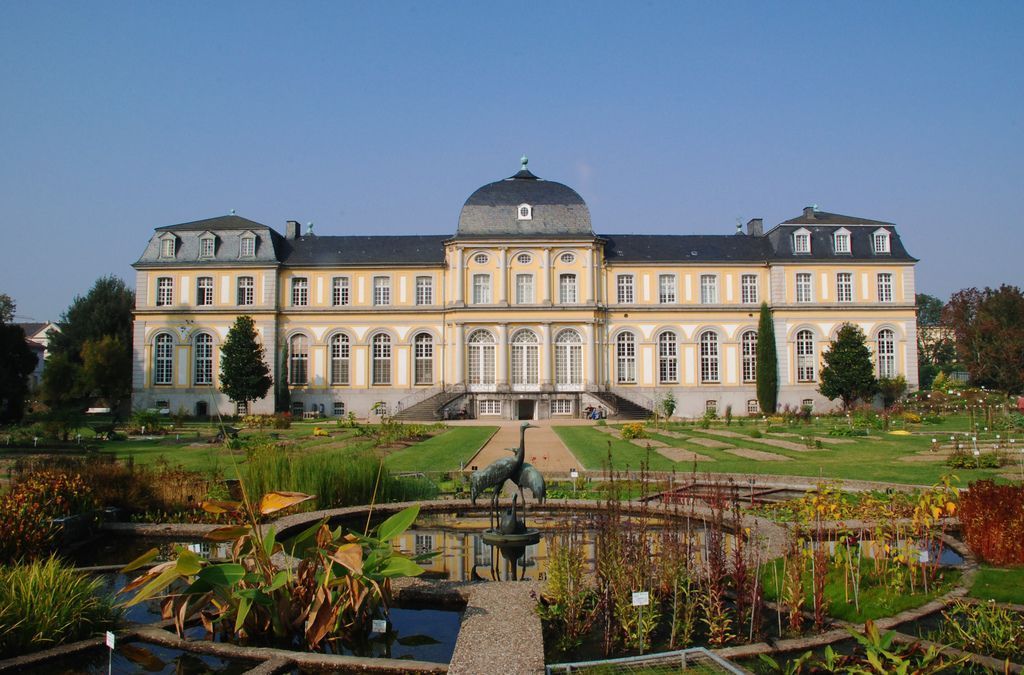
## Description Poppelsdorf Palace Gardens in Bonn offers a quieter, more contemplative travel experience than many people expect from a city stop. The gardens sit beside Poppelsdorf Palace, creating a landscape where formal design, academic history, and botanical interest come together. This is not a flashy amusement-style attraction; it is a place for slow walking, observation, and appreciating the way a historic garden can shape a city experience. For travelers who enjoy architecture and green spaces together, the setting has a calm elegance that is easy to underestimate at first glance. The appeal of the gardens lies in balance. The layout around the palace gives the space a sense of order and historical continuity, while the planting introduces seasonality and change. Depending on when you visit, you may encounter spring blossoms, summer greenery, autumn color, or a quieter winter framework that emphasizes lines and structure. The area feels connected to Bonn’s academic and civic identity, which makes it especially interesting for visitors who want to understand the city through its institutions as well as its monuments. One little-known point is that the surrounding area is tied to the University of Bonn and the wider botanical and scientific traditions of the city. That gives the garden a different character from purely decorative palace grounds. Another detail travelers often appreciate is how peaceful the space can feel even when nearby streets are active. The gardens offer a kind of visual pause, a transition between urban movement and formal green calm. Because the attraction is connected to a palace and university environment, it is also a useful stop for people who enjoy architecture, history, and plant life in one setting. You can admire the building, stroll through the grounds, and then continue into Bonn with a stronger sense of how the city layers its heritage. The result is a destination that feels understated at first but reveals more the longer you stay. ## Location Poppelsdorf Palace Gardens are in Bonn, North Rhine-Westphalia, Germany, within the Poppelsdorf district near the University of Bonn. The location is convenient for travelers already exploring Bonn’s center, because it is reachable from the main urban area without a difficult transfer. Public transport, walking, and cycling are all practical ways to arrive, depending on where you begin. If you are already in central Bonn, walking can be an especially pleasant choice because it lets you approach the gardens gradually and see more of the surrounding district. The area sits comfortably within a wider sightseeing route that might also include the university quarter, museums, and other historic streets. For visitors staying elsewhere in the city, tram or bus connections can make the trip straightforward. ## Tips Visit at a relaxed pace. The gardens are best enjoyed when you are not trying to rush from one photo stop to the next. Sit for a while, study the building and the planting, and let the setting become part of your day rather than a quick pass-through. Use the seasons to your advantage. Spring and early summer are especially rewarding if you enjoy blooms and fresh growth, while autumn can give the grounds a softer, more reflective mood. Even in winter, the geometry of the palace and garden can be appealing if you like architectural landscapes. Pair the visit with other Bonn sights. Because the gardens are part of a larger city context, they work well as a stop between museums, university buildings, or a café break. If you are interested in plant collections or botanic themes, take extra time to notice how the garden’s identity differs from a casual city park. Bring a camera, but also leave room to simply look. The most memorable part of the visit may be the overall calm rather than any single dramatic view. Good shoes, a willingness to walk slowly, and a little curiosity are more useful here than a packed itinerary. ## Conclusion Poppelsdorf Palace Gardens are a graceful and quietly rewarding part of Bonn, combining historic architecture with a restful green setting. They are ideal for travelers who appreciate understated places with depth. ## FAQ ### Are the gardens open to the public? Parts of the grounds are generally accessible as a public green space, but access can vary by area and season. It is sensible to check current information before visiting. ### Do I need to visit the palace itself? No. The gardens can be enjoyed on their own, and many visitors come mainly for the outdoor setting. ### How long should I stay? A short visit may take less than an hour, but a slower walk and nearby exploration can easily fill more time. ### Is this a family-friendly stop? Yes. The space is calm, walkable, and suitable for a relaxed visit with children, provided they are supervised like in any garden environment. ### What is the best time of year to go? Spring and early summer are often the most visually satisfying, but the gardens can be pleasant in any season depending on your interests. ## Links - [Official website](https://www.botgart.uni-bonn.de/en) - [Wikipedia](https://en.wikipedia.org/wiki/Poppelsdorf_Palace)
GemVoyage Team • World
Toronto
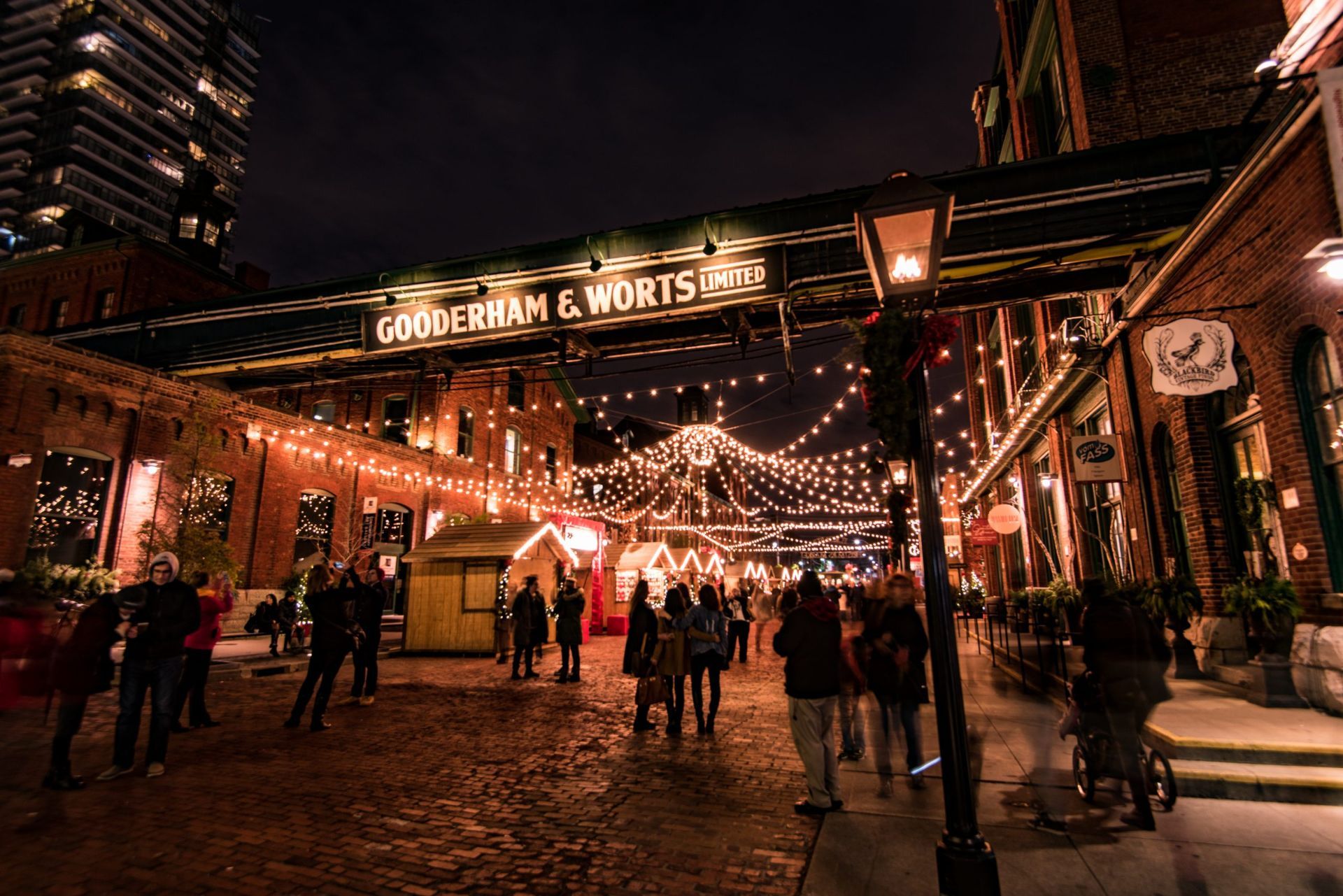
## Description The Distillery District is one of Toronto’s most distinctive neighborhoods, and it feels almost purpose-built for travelers who enjoy atmosphere. Set within a preserved historic industrial complex, the district combines red brick architecture, pedestrian streets, galleries, restaurants, shops, event spaces, and public art into a compact destination that is easy to explore and hard to forget. It is stylish without feeling anonymous, and historic without feeling static. That combination makes it one of the city’s strongest examples of adaptive reuse done well. The district’s appeal begins with the architecture. The old industrial buildings create a strong visual identity, and the pedestrian-only layout encourages visitors to slow down and notice details. You do not just move through the Distillery District; you linger in it. The cobbled or brick-lined atmosphere, the converted warehouses, and the layered signage all contribute to the sense that this is a place where Toronto’s past has been carefully repurposed for modern use. At the same time, the neighborhood is lively rather than museum-like. Food, shopping, exhibitions, and events keep it active year-round. One little-known fact is that the district’s visual character has made it a popular location for film, photography, and seasonal events, especially when the area is decorated or adapted for festivals. Another detail visitors sometimes miss is that the district works best as an experience rather than a checklist. It is tempting to arrive, take a few photos, and leave, but the better approach is to let yourself sit down for a meal, look into side courtyards, and notice how the district changes with time of day and season. For travelers who enjoy cities with strong identities, the Distillery District is especially satisfying because it offers more than a single attraction. It is a district you can inhabit for a few hours. You can browse, eat, photograph, rest, and then continue on to other downtown areas. That versatility is a big part of why it remains one of Toronto’s most reliable visitor destinations. ## Location The Distillery District is in downtown Toronto, Ontario, just east of the central core. Its location makes it accessible from many parts of the city by streetcar, bus, rideshare, bicycle, or on foot if you are already nearby. Because it is pedestrian-friendly, the visit starts to feel distinct as soon as you enter the district, and that separateness is part of the appeal. If you are planning a wider downtown itinerary, the district fits well with waterfront walks, downtown shopping, and other central attractions. It is also easy to combine with holiday events or seasonal markets when those are taking place. For many visitors, the most practical option is to use public transit or walk from nearby neighborhoods so that parking does not become a distraction from the experience. ## Tips Allow enough time to enjoy the district properly. The Distillery District is at its best when you slow down, sit for a coffee or meal, and wander without rushing. If you only pass through in ten minutes, you will miss much of what makes it special. Go if you like photography, but also go if you like dining. The area’s visual appeal is obvious, yet its food and drink scene are equally central to the experience. A good meal or café stop can anchor the visit and make the historic setting feel more vivid. Check whether there are special events happening. Seasonal markets, art installations, performances, and holiday programming can transform the district significantly. That can be a major advantage if you like lively environments, though it also means the area may be busier than usual. Visit on a weekday if you want a quieter experience. Weekends and event periods can be excellent for energy and atmosphere, but they also bring crowds. There is no wrong choice, only different moods depending on what you want from the visit. ## Conclusion The Distillery District is one of Toronto’s best examples of historic urban space reimagined for modern life. It combines architecture, food, culture, and walkability in a way that feels polished but still characterful. ## FAQ ### Why is it called the Distillery District? The name comes from its industrial origins and the historic distilling complex that once occupied the site. That heritage is still visible in the architecture and layout. ### Is it worth visiting if I only have one afternoon in Toronto? Yes. It is one of the city’s most efficient and visually rewarding districts for a short visit. ### Is the area family-friendly? Yes, especially for daytime visits. The pedestrian layout and public spaces make it easy to navigate with children. ### What is the best time to go? It depends on your goals. Quiet weekday visits suit slow exploration, while evenings and event periods suit people who want more energy and activity. ### Can I just walk around without spending much money? Absolutely. You can enjoy the architecture, art, and atmosphere without committing to shopping or dining, although many visitors choose to stay for a meal. ## Links - [Official website](https://www.thedistillerydistrict.com/) - [Wikipedia](https://en.wikipedia.org/wiki/Distillery_District)
GemVoyage Team • World
São Paulo
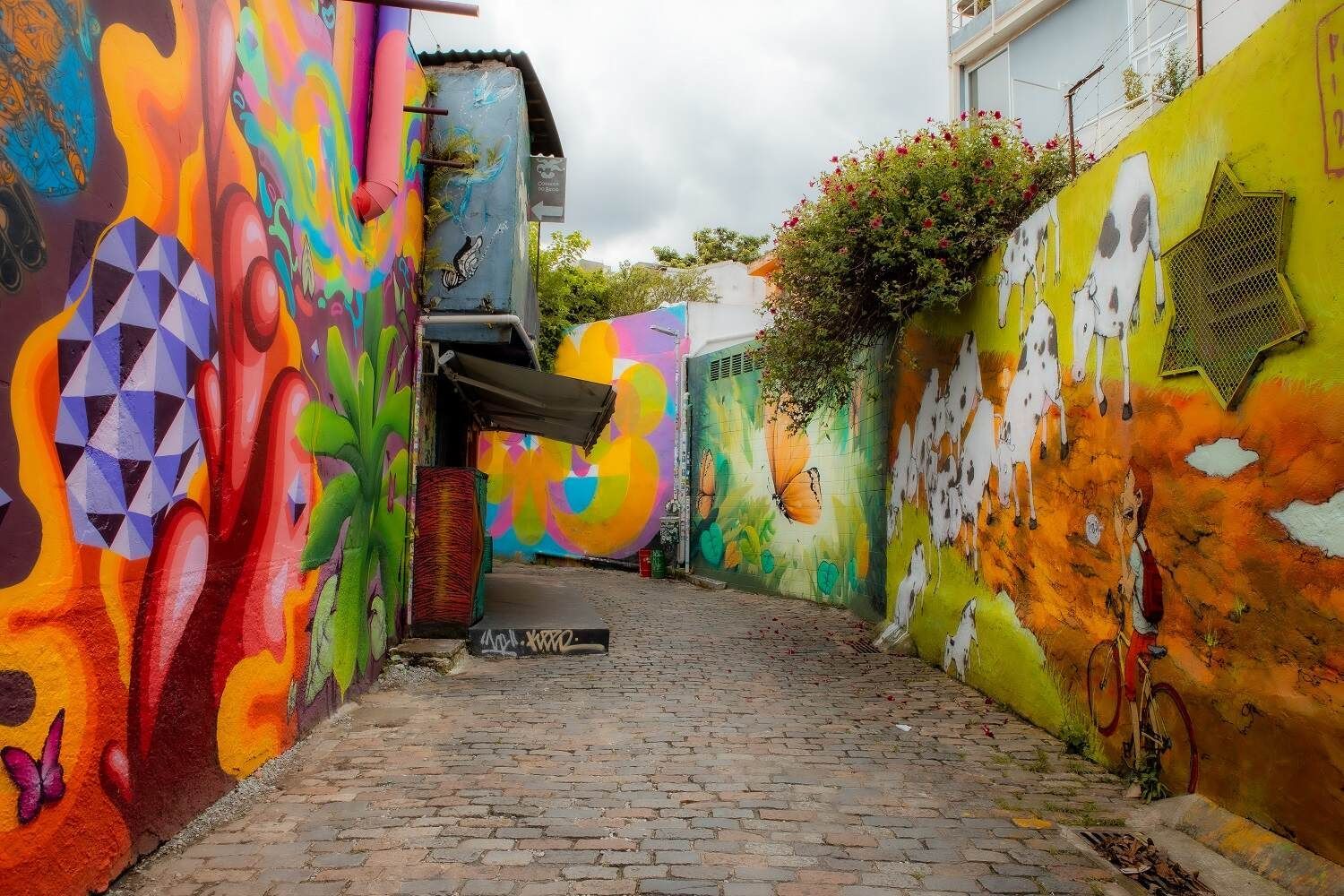
## Description Beco do Batman is one of São Paulo’s most iconic street art destinations and a place that has become synonymous with the city’s creative energy. Despite its name, it is not a theme park or formal attraction but a network of lanes and walls covered in murals, tags, stencil work, and large-scale painted pieces. It has evolved into a living open-air gallery where artists continuously refresh the visual landscape. For travelers who enjoy urban art, photography, and neighborhoods with strong personality, it is one of the most essential stops in São Paulo. The appeal of Beco do Batman lies in its intensity. The alleyways are saturated with color and expression, and the visual density creates a sense of immersion that is difficult to find elsewhere. Unlike a museum, where you move from one controlled artwork to another, here the environment itself is the canvas. That means the experience is messy, energetic, and constantly changing. Some murals are elaborate and polished, while others are rough, spontaneous, or politically charged. The overall effect is a conversation between artists rather than a single static exhibition. One little-known fact is that Beco do Batman’s fame has helped transform the surrounding area into a broader art and café destination, but the identity of the alley still depends on continuous community and artistic involvement. Another detail that visitors often notice only after a while is that the best works are not always the most obvious ones. Side walls, stairwells, and adjacent streets can contain murals that are just as compelling as the famous central stretches. It pays to wander beyond the most crowded photo spots. For many travelers, Beco do Batman is a reminder that São Paulo is not only a business and megacity destination but also a city with a deep public art culture. It is raw, expressive, and unmistakably urban. If you like places that feel alive rather than curated to perfection, this is one of the strongest neighborhoods to add to your itinerary. ## Location Beco do Batman is in the Vila Madalena neighborhood of São Paulo, Brazil, an area known for nightlife, creativity, cafés, and a lively street scene. The alley system is relatively easy to reach by taxi, rideshare, or public transit depending on where you are staying in the city. Once in the neighborhood, most of the experience is on foot, since the art is spread across walls and lanes rather than contained in a single building. The area is best approached as part of a wider visit to Vila Madalena. That makes it easier to combine the street art with coffee, lunch, shopping, or other urban exploration. Because São Paulo is large, planning the visit around your broader route can save time and make the day feel smoother. Walking is the best way to see the art once you arrive, and giving yourself enough time to move slowly is far more rewarding than rushing through for a handful of pictures. ## Tips Go during the day. Bright light makes the colors more vivid and makes the neighborhood easier to navigate. Some visitors return at different times of day to see how the light changes the murals, but daytime is the most practical introduction. Be ready to walk and look carefully. The most memorable pieces are not always on the main path, and some of the beauty comes from the accumulation of details. A slow pace will help you notice variations in style, scale, and technique. Support nearby businesses. A café, snack stop, or small purchase helps connect the art district to the broader neighborhood economy. That is especially important in a place where cultural tourism and local life overlap so closely. Respect the art and the space. Because this is an active street art environment, new works can appear and old ones can disappear. Avoid touching murals or blocking artists and residents. If you are photographing, keep an eye on foot traffic so you are not getting in the way. ## Conclusion Beco do Batman is one of São Paulo’s most energetic and visually rich attractions, ideal for visitors who want art in the open air and a neighborhood that feels creatively alive. It is a must for anyone interested in contemporary urban culture. ## FAQ ### Why is it called Beco do Batman? The name became associated with the area because of a Batman image painted on one of the walls, and the nickname stuck as the alley gained fame. ### Is it safe to visit? Many people visit during the day without issue, but it is still wise to stay aware of your surroundings and use normal urban caution. ### Do I need a tour? No, but a guide can help if you want context about the artists and neighborhood. Independent exploration is very common. ### How long should I spend there? A quick visit can take less than an hour, but a slower trip with nearby Vila Madalena exploration can easily take longer. ### Are the murals permanent? No. The art changes constantly, which is part of the attraction. What you see on one visit may not be there on the next. ## Links - [Wikipedia](https://en.wikipedia.org/wiki/Beco_do_Batman)
GemVoyage Team • World
Ontario
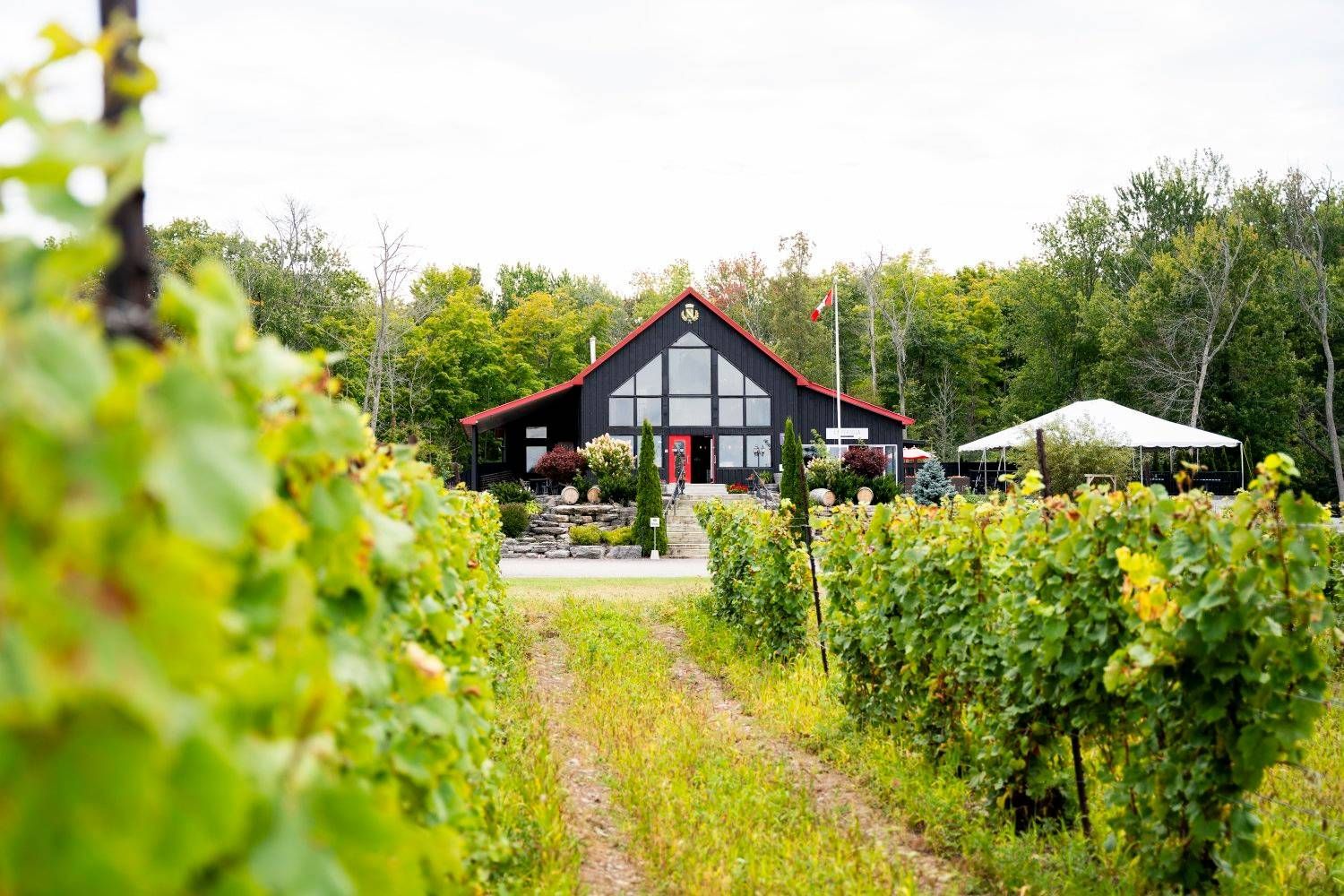
## Description Prince Edward County has become one of Ontario’s most appealing wine destinations, and its wineries are a major reason travelers now plan weekends and day trips to the region. The county combines vineyards, rural roads, lake air, farm landscapes, and a growing food culture into an experience that feels refined without losing its laid-back provincial charm. Unlike a single attraction, the wineries of Prince Edward County function as a connected landscape, where each stop contributes to a broader sense of place. What makes the area special is the relationship between wine and setting. The county’s cool-climate conditions help shape the style of wine produced here, and the region’s open fields and lakeside influence make the scenery especially enjoyable between tastings. Visitors often come for Chardonnay, Pinot Noir, sparkling wine, and other locally produced bottles, but the deeper reward is the way the entire county has developed around small producers, hospitality, and a slower pace of travel. One little-known fact is that Prince Edward County’s wine scene feels young compared with some global wine regions, yet it has gained a strong reputation because of the quality of its producers and the distinct character of the landscape. Another detail that many first-time visitors notice is how much the county encourages a full-day or weekend rhythm. The wineries are best enjoyed when you allow time for scenic driving, lunch, and perhaps an overnight stay rather than trying to compress everything into a short stop. The experience also works well for travelers who are not wine experts. You do not need technical knowledge to appreciate the hospitality, the rural atmosphere, and the chance to sample local production in a beautiful setting. Prince Edward County is one of those destinations where the landscape and the tasting room experience strengthen each other. Even travelers who visit mostly for food, photos, or a relaxing escape often come away with a deeper appreciation for Ontario wine country. ## Location The wineries are spread throughout Prince Edward County in Ontario, Canada, an island-like peninsula region on Lake Ontario northeast of Toronto. The county is most practical to visit by car, since the wineries are dispersed and the enjoyment comes from moving between them at your own pace. Public transport is limited for this type of trip, so driving is by far the most convenient option. Prince Edward County is close enough for a weekend from Toronto or other parts of southern Ontario, but the drive is long enough that many visitors prefer to stay overnight. Doing so gives you a better chance to enjoy tastings responsibly and explore the county’s food, small towns, and lakeside scenery. Once you arrive, winery visits can be paired with restaurants, farm shops, beaches, and scenic routes. ## Tips Plan transportation carefully if you intend to taste multiple wines. Designate a driver, book a tour, or arrange another safe transportation method before you begin. The county is spread out enough that responsible planning matters. Choose a few wineries instead of trying to do too many. Part of the charm here is slowing down, not racing from one tasting room to the next. A smaller number of thoughtful stops usually gives a better experience than an exhausting checklist. Book in advance when possible. Popular producers, weekend slots, and special tasting experiences can fill quickly, especially during peak travel seasons. Reservations can make the day smoother and prevent disappointment. Leave time for food and scenery. The county is as much about the wider setting as the wine itself. Adding lunch, a drive through rural roads, or a short lake-side walk can make the visit feel much more complete. ## Conclusion Prince Edward County’s wineries offer one of Ontario’s most rewarding rural travel experiences, blending quality wine, scenic landscapes, and a relaxed pace. It is a destination that works best when you give it time. ## FAQ ### Do I need to be a wine expert to visit? No. The region is welcoming to casual visitors, and many people enjoy the experience simply as a scenic tasting trip. ### Is one day enough? One day can work for a focused visit, but an overnight stay usually makes the trip much more enjoyable and less rushed. ### Are the wineries family-friendly? Many are welcoming to daytime visitors, but policies vary. It is best to check individual winery rules before bringing children. ### What kinds of wine is the region known for? Prince Edward County is especially respected for cool-climate styles, including sparkling wine and elegant white and red wines. ### Can I visit without a car? It is possible through tours and arranged transport, but a car is the most practical way to see the region’s dispersed wineries. ## Links - [Wikipedia](https://en.wikipedia.org/wiki/Prince_Edward_County,_Ontario)
GemVoyage Team • World
São Paulo
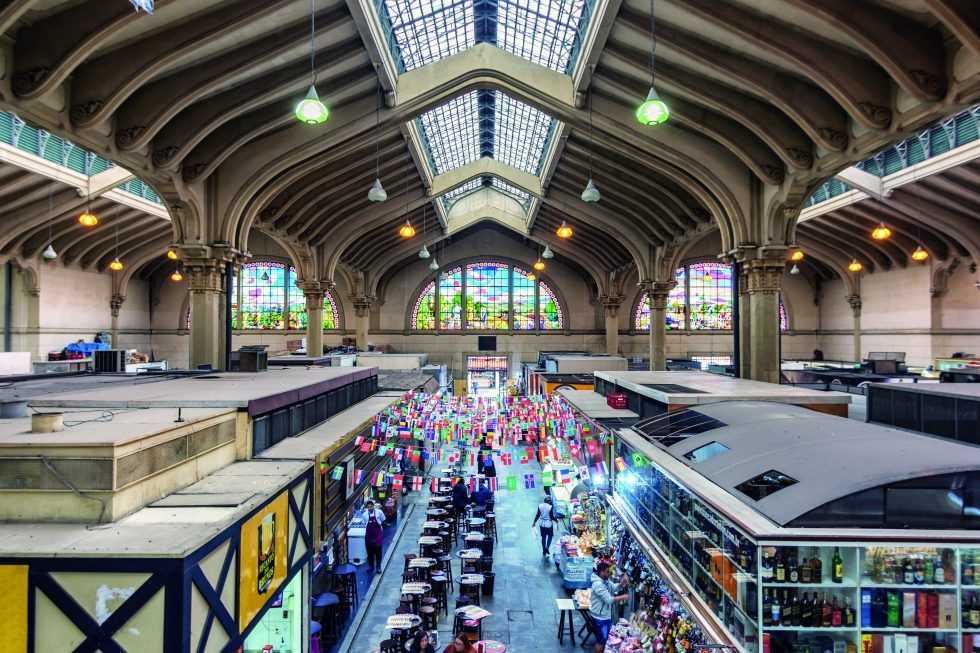
## Description Mercadão Municipal, or the Municipal Market of São Paulo, is one of the city’s most famous culinary landmarks and a destination that captures the energy of São Paulo in a single building. It is more than a market in the shopping sense; it is a place where food culture, commerce, architecture, and local identity collide. Travelers come for fruits, cheeses, spices, sandwiches, and the atmosphere of a bustling market hall that has long been part of the city’s everyday life. The market’s appeal lies in its combination of spectacle and practicality. On one level, it is a place where you can buy ingredients, taste regional specialties, and browse through stalls packed with produce and delicacies. On another level, it is an architectural and cultural experience, with a grand interior that makes the market feel significant beyond the transaction. The building’s scale and activity create a strong first impression, but the real charm comes from moving through the aisles, observing the vendors, and tasting what the stalls have to offer. One little-known fact is that the market has become famous not only for shopping but also for certain dishes that travelers now seek out as part of the São Paulo experience. The towering sandwich and generous pastel preparations associated with the market have turned it into a food destination in its own right. Another detail that visitors often notice is how strongly the market reflects the city’s diversity. The mix of products and culinary influences mirrors São Paulo’s broader identity as a metropolis built by migration, trade, and constant reinvention. Mercadão works especially well for travelers who like food tourism because it offers both immediate flavor and cultural context. You can snack, shop, and observe the market’s rhythm all at once. It is busy, colorful, and sometimes overwhelming in the best possible way. For many visitors, it becomes one of the most memorable food stops in the city precisely because it is so direct and unpretentious. ## Location Mercadão Municipal is in central São Paulo, Brazil, close to the city’s historic core and within reach of other downtown attractions. Its central location makes it convenient to reach by taxi, rideshare, metro, or bus depending on where you are staying. Because São Paulo traffic can be heavy, using public transit or a rideshare is often the easiest option for many travelers. If you are combining the market with a broader city itinerary, it fits well with downtown exploration, historic sites, and other central stops. The building itself is easy to identify, and once you are nearby, the surrounding energy makes the approach feel unmistakably urban. Many visitors plan the market as a lunch stop rather than a standalone excursion, which works well because food is the main draw. ## Tips Arrive hungry, but not without a plan. The market can be busy, and famous food stalls sometimes have lines. If you know you want to try a sandwich or other signature item, allow enough time so you do not feel rushed. Bring cash or be prepared for card use depending on the stall. Most established vendors handle modern payment methods, but it is still helpful to be flexible. Prices and portions can vary, so compare a little before committing. Watch your bag and belongings in crowded sections. This is a busy market in a major city, so basic urban awareness is sensible. The atmosphere is generally part of the fun, but attentiveness helps keep the visit smooth. Don’t only eat; look around. The produce, specialty items, spices, and architecture all contribute to the experience. If you have extra time, wander the aisles before deciding where to stop, because the market is richer when you let yourself explore first. ## Conclusion Mercadão Municipal is one of São Paulo’s essential food and culture stops, blending famous flavors with a lively market atmosphere. It is a great introduction to the city’s appetite, energy, and diversity. ## FAQ ### Is Mercadão Municipal worth visiting if I am not a foodie? Yes. Even beyond the food, the market offers atmosphere, architecture, and a strong sense of the city’s character. ### What should I try first? Many visitors look for the market’s most famous sandwiches and fruit stalls, but the best choice depends on your taste and appetite. ### Is it expensive? Prices vary by stall and product. You can find both casual snacks and more premium specialty items. ### How long should I stay? An hour or two is enough for a focused visit, though food lovers may want more time to browse and sample. ### Is it easy to reach from downtown? Yes. Its central location makes it a practical stop in most São Paulo itineraries. ## Links - [Wikipedia](https://en.wikipedia.org/wiki/Municipal_Market_of_S%C3%A3o_Paulo)
GemVoyage Team • World
Rome
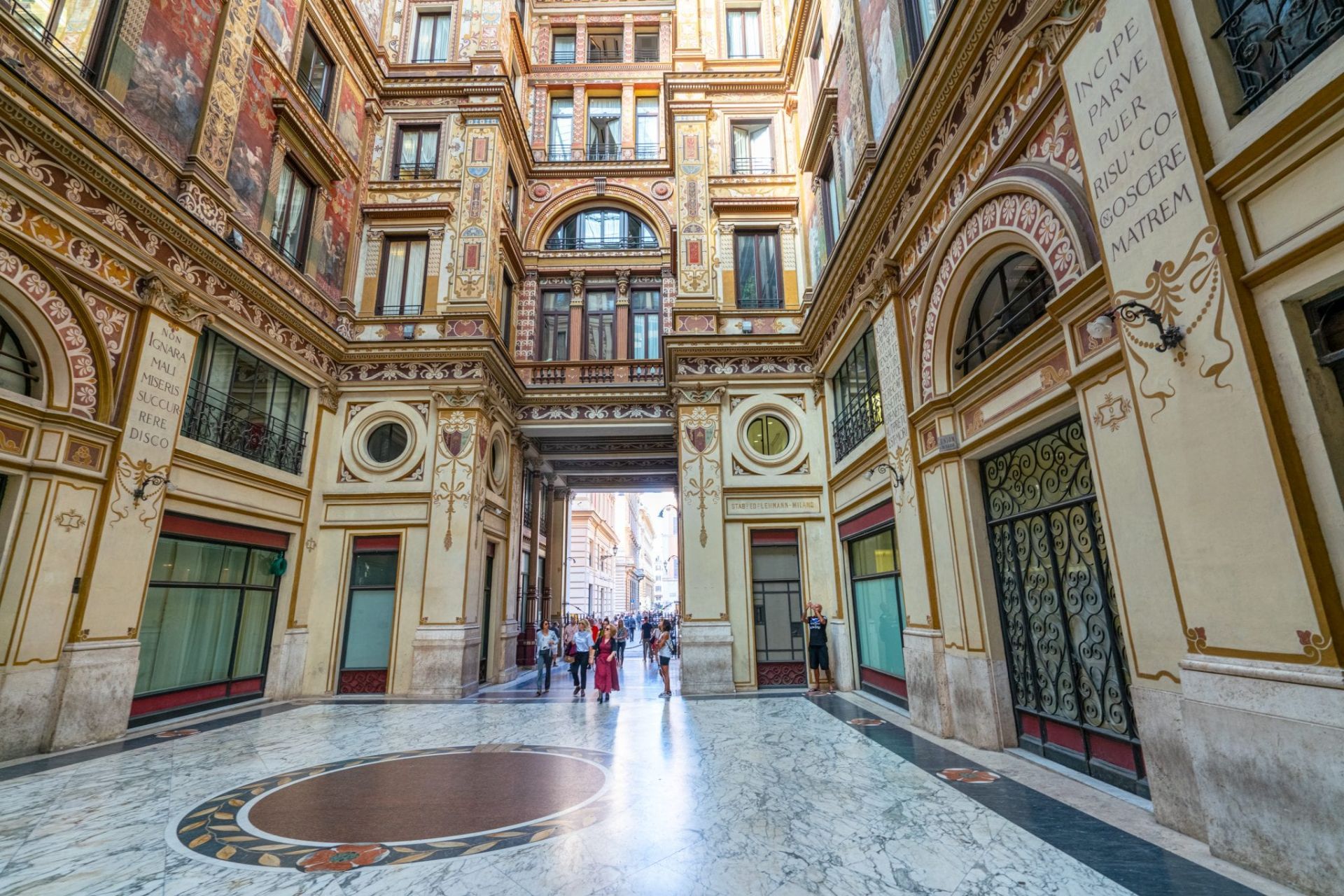
## Description Galleria Sciarra is a discreet Art Nouveau enclave tucked a short walk from Rome’s Trevi Fountain, known for its intricate frescoes, ornate stuccowork and an intimate central courtyard that together form a jewel-like interior. Though modest in scale, the gallery’s decorative program is dense with allegorical figures, botanical motifs and stylized ornamentation that exemplify early twentieth-century design. For visitors who value detail and a quieter pace, the gallery rewards careful looking: painted friezes, subtle color harmonies and small sculptural details reveal layers of craftsmanship. Far from being merely decorative, Galleria Sciarra is a social and architectural statement from an era when private commissions and decorative precincts asserted cultural and civic identity. The gallery’s proportions, the rhythm of its arches, and its palette create a sense of intimacy unusual among Rome’s grand civic monuments. Because it is often bypassed by tourists hurrying between major sites, the gallery feels like a discovery—an easily accessible moment of calm where light, texture and ornament invite slow observation. Photographers, architects and historians are often drawn to the gallery’s scale and surface treatment. The interplay of natural light in the courtyard emphasizes subtle pigments and brushwork, while the ornamental language provides insights into Art Nouveau’s local adaptation in Italy. Visitors who slow down can spot small signatures, painterly corrections and conservation interventions that tell a story about the building’s use and care. Conservation and nearby amenities: the gallery’s delicate finishes mean conservation is ongoing; look for small signs of recent restoration and avoid touching surfaces. After a visit, nearby cafes and gelaterias offer pleasant spots to review details and compare notes — a slow coffee near the Trevi area pairs well with a reflective pause after the gallery’s quiet intensity. ## Location Galleria Sciarra sits just off Via del Corso and the Trevi area, making it an easy detour from Rome’s busiest attractions. It is typically reached on foot from central squares such as Piazza Venezia or the Trevi Fountain, and its tucked-away position often makes it feel like a local discovery even when following a map. Getting there: walking is the most rewarding way to reach the gallery; its central location means it is close to many historic routes. Public transport options to nearby stations are plentiful, but walking from the nearest metro stop provides the best sense of urban context. ## Tips - Visit during daylight: natural light in the courtyard enhances the frescoes and reveals subtle textures. - Move slowly and look closely: the gallery rewards scrutiny—small details and painterly touches are best appreciated up close. - Respect its mixed use: parts of the building may be private offices or residences, so keep voices low and follow signage. - Photography is generally allowed for personal use without flash; avoid tripods during busy times and respect any posted restrictions. - Combine the visit with nearby sites: the Trevi Fountain, Via del Corso and Piazza Venezia are all a short walk away, making it easy to add the gallery to a half-day itinerary. ## Conclusion Galleria Sciarra is a refined, intimate stop for travelers who appreciate decorative arts and the quieter moments of Rome’s architectural fabric. Its compact scale and extraordinary surface detail make it a perfect complement to the city's larger monuments — a short visit that can leave a lasting impression for those who value craft and subtlety. ## FAQ Q: Is Galleria Sciarra open to the public? A: Yes—public access is generally available during daytime hours, but portions of the building may be private. Check local signs or cultural listings for current access and opening times. Q: Is photography allowed inside the gallery? A: For most personal, non-commercial photography, yes; avoid flash to protect pigments and respect any signage indicating restricted areas. Q: How long does a visit typically take? A: Visitors often spend 10–30 minutes depending on interest; those focused on decorative details or photography may linger longer. Q: Is there an admission fee? A: Access is usually free, though special events, exhibitions or guided visits may have a charge. Verify current conditions with local cultural resources. Q: Are guided tours available that include Galleria Sciarra? A: Yes—art-history walks and guided city tours sometimes include the gallery as a stop. Check schedules with local tour operators for times and languages. ## Links - [Galleria Sciarra Tour](https://colosseumandvaticantours.com/galleria-sciarra-the-jewel-of-art-nouveau-in-rome/)
GemVoyage Team • World
Stockholm
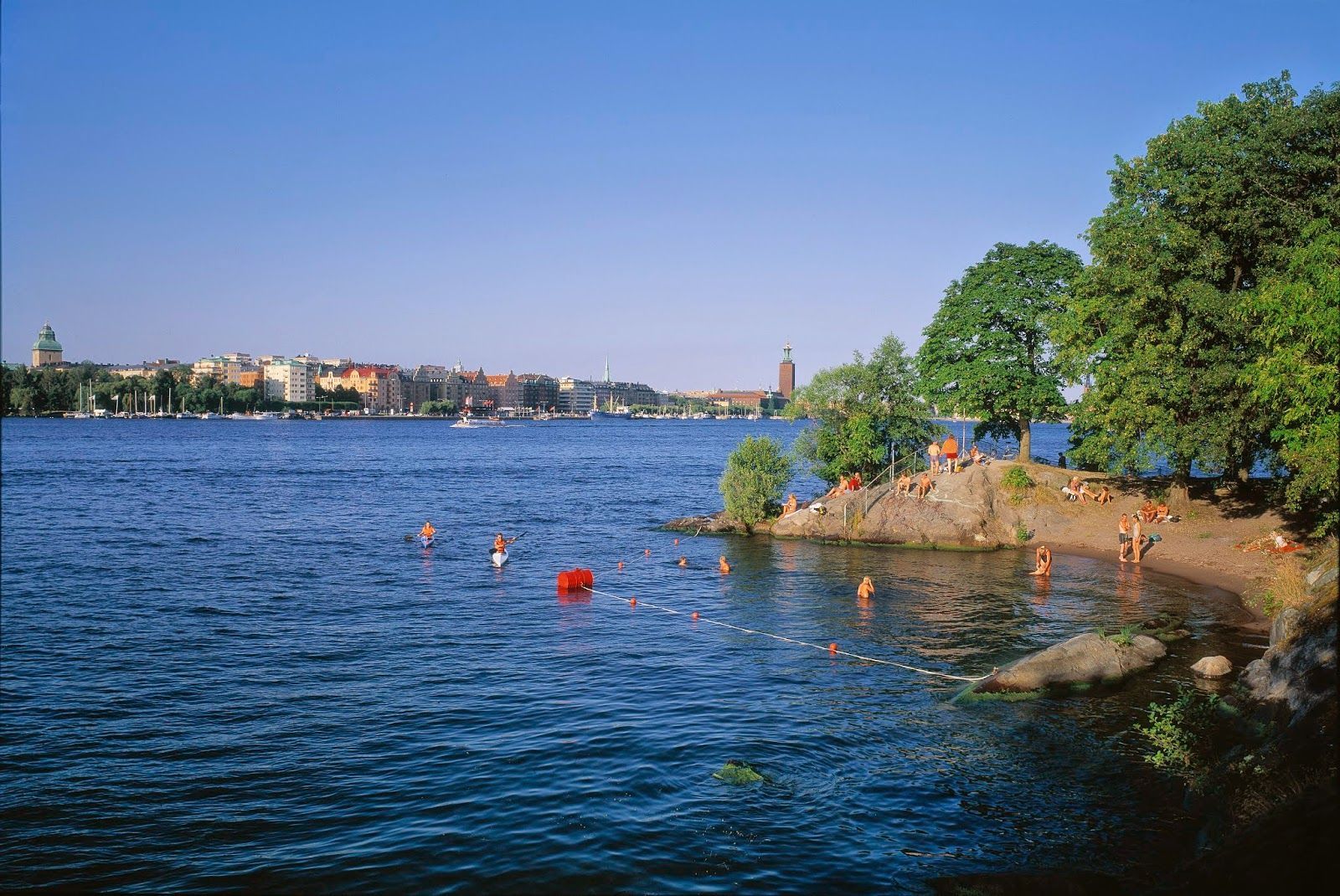
## Description Långholmen Island Beach is one of Stockholm’s most appealing summer spots because it combines waterfront relaxation with the unusual character of an island that has shifted through different uses over time. Visitors come for swimming, sunbathing, walking, and the easygoing atmosphere, but the experience is richer than a simple beach stop. The setting itself is part of the attraction: you are on an island close to the city, surrounded by water, greenery, and reminders of Stockholm’s layered history. What makes Långholmen stand out is that it feels local rather than overly polished. It is a place where residents and visitors mingle in warm weather, where people arrive with towels, picnic food, and a plan to stay for a while. It is not a tropical beach and does not try to be one; instead, it offers a distinctly Scandinavian urban waterfront experience. One lesser-known fact is that Långholmen has had very different historical roles before becoming a leisure destination, which gives the island an added sense of depth. Another interesting detail is that the area’s appeal changes dramatically by season, making it a true summer favorite in a city where outdoor life depends heavily on weather. The beach is also a good example of how Stockholm uses its water environment. Rather than separating city life from the shoreline, the city often integrates swimming and walking areas into the urban fabric. Långholmen captures that idea perfectly. You can spend time on the beach, wander nearby paths, and still feel close to the city center. For travelers, that makes it a convenient and memorable place to balance sightseeing with rest. ## Location Långholmen is a small island in central Stockholm, Sweden, connected to the city by bridges and easy to access from the Södermalm side and other central districts. Because it is so close to the urban core, it is one of the easiest island experiences in Stockholm. The simplest way to get there is by walking from nearby central neighborhoods or using public transport and then continuing on foot. Cycling also works well in Stockholm, and the island fits nicely into a bike-friendly itinerary. Once there, most of the movement is best done on foot so you can enjoy the shoreline and the surrounding green areas at an unhurried pace. ## Tips This is best visited in warm weather, especially in late spring and summer. Bring swimwear if you want to use the beach properly, but also bring a layer for cooler winds. Combine the visit with a walk around the island so you see more than just the main swimming area. Arrive earlier on sunny days if you want a quieter spot near the water. ## Conclusion Långholmen Island Beach is a relaxed city escape that gives Stockholm a rare but very welcome summer beach mood. ## FAQ ### Is Långholmen a real beach? Yes, though it is a city beach rather than a large natural seaside beach. ### Is it good for swimming? Yes, it is one of Stockholm’s popular places for summer swimming. ### How do I get there from central Stockholm? Walk, bike, or use public transport and then cross to the island on foot. ### Is it busy in summer? It can be, especially on warm weekends and sunny afternoons. ### Can I visit outside summer? Yes, but it is most enjoyable as a beach destination in the warmer months. ## Links - [Stockholm official visitor information](https://www.visitstockholm.com/) - [Långholmen on Wikipedia](https://en.wikipedia.org/wiki/Långholmen)
GemVoyage Team • World