GemVoyage Team • World
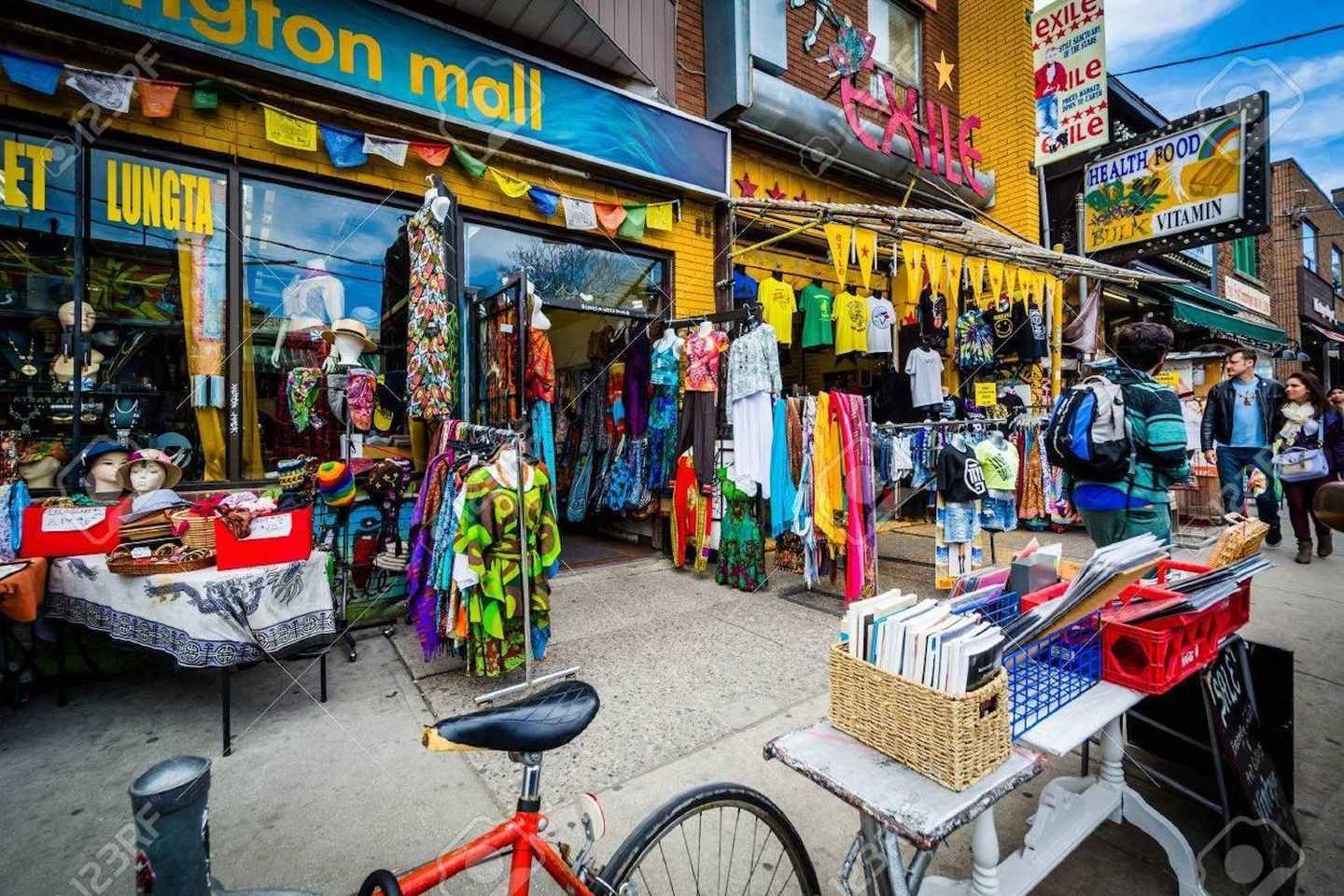
What makes Kensington special is its refusal to feel polished in a predictable way. Its charm comes from variety, visual noise, and the sense that each storefront has its own personality. One block might be packed with produce, the next with music, used books, or handmade goods. Small alleyways and side streets often reveal murals, patios, and tiny surprises that reward unhurried visitors. The neighborhood also has a social rhythm of its own, especially on weekends when it becomes a magnet for browsers, food lovers, and people simply looking for a place that feels energetic and alive.
One lesser-known aspect of Kensington Market is how strongly it reflects Toronto’s broader history of change. It has repeatedly adapted to new residents, new businesses, and shifting urban pressures while still preserving a distinctly independent feel. Another detail many first-time visitors miss is that Kensington is best experienced by combining observation with participation. The neighborhood is not only for looking at; it is for tasting, talking, trying, and wandering. A great visit often includes a snack, a coffee, a small purchase, and a few minutes spent people-watching from a curb or patio.
Kensington Market is also a useful place to understand Toronto’s everyday creativity. It does not announce itself with monumental architecture or famous landmarks. Instead, it builds its identity from layers of storefront signage, murals, commerce, and community life. That makes it one of the city’s most authentic urban experiences, especially for travelers who prefer neighborhoods over tourist compounds.
If you are planning a broader downtown day, Kensington pairs naturally with nearby cultural areas, galleries, food stops, and city walking routes. For visitors staying in the core, it is one of the easiest districts to add to an itinerary without needing a car. Public transit is usually the most practical option, and because parking can be limited or inconvenient, it is often better to leave the car behind entirely.
Visit at different times if you can. Weekdays can feel more relaxed, while weekends are livelier and more crowded. Both moods have value, and the best choice depends on whether you want a calmer wander or a more animated urban scene. Morning visits are often easier if you want to take in the shops before they become too busy.
Wear comfortable shoes. Kensington is compact, but it encourages a lot of walking, stopping, and turning into side streets. If you are interested in photography, the neighborhood is rich in texture, but be respectful of businesses and residents while you shoot. Try to support local vendors when you can, because the district’s character depends on the continued presence of independent operators.
Do not expect uniformity. Some visitors want one clear “best” thing to do, but Kensington works differently. The point is the accumulation of impressions. The neighborhood is most rewarding when you let its diversity define the visit.
Discover more hidden gems you might love.
New York
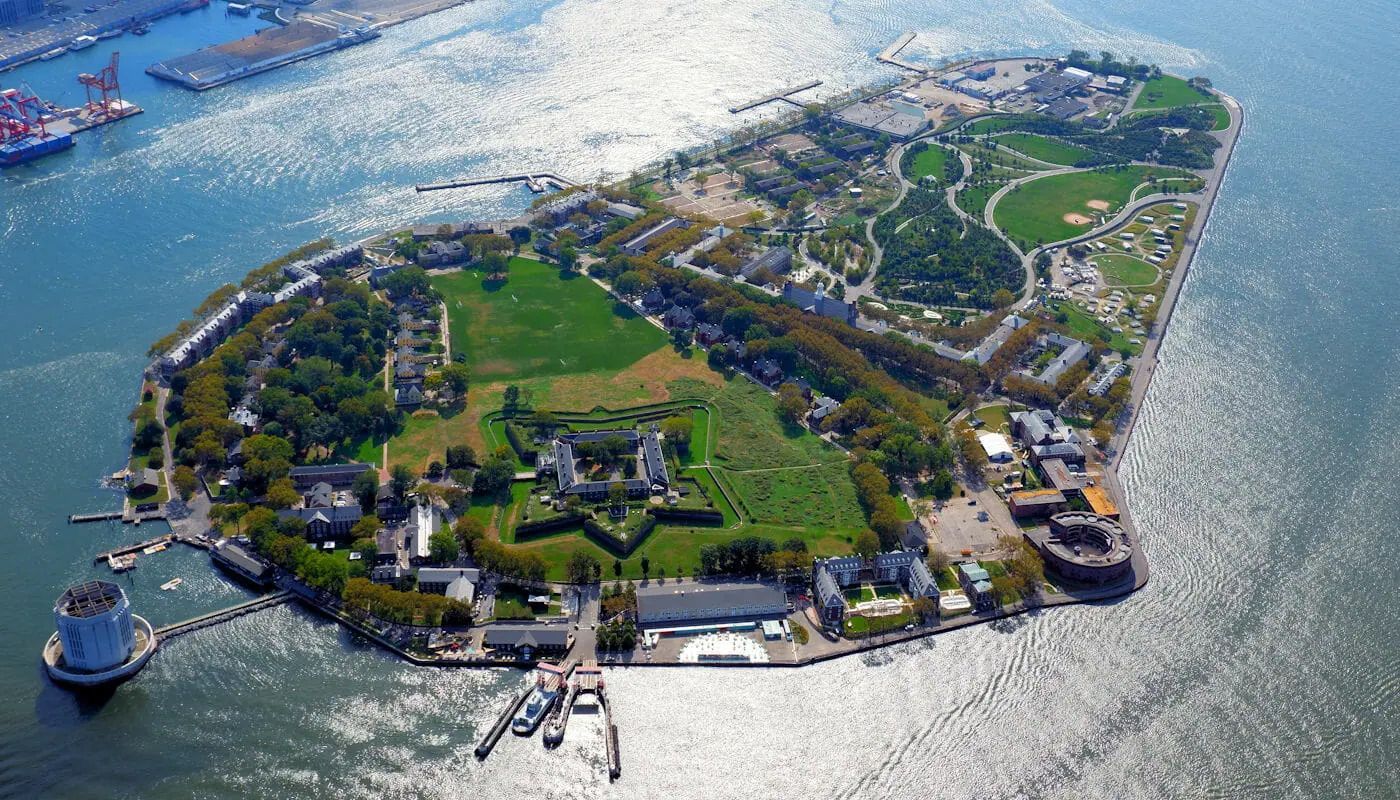
## Description Governors Island is one of New York City's best day trip destinations because it combines harbor views, historic buildings, open green space, and a sense of distance from the city without actually leaving it. The island feels spacious and refreshing in a way that is rare in Manhattan, making it appealing to visitors who want a slower rhythm, bike paths, and outdoor relaxation. The experience is especially strong in warm weather, when the ferry ride itself becomes part of the outing and the skyline views are at their most memorable. What makes Governors Island particularly interesting is that it has moved from a former military and administrative site to a public destination with recreation, arts, and heritage uses. A lesser-known fact is that much of the island's character comes from its reuse: old structures now sit alongside lawns, paths, and public programming. Another detail many first-time visitors appreciate is how easy it is to build a flexible day there, whether you want to picnic, explore, rent bikes, or simply enjoy the harbor air. ## Location Governors Island is in New York Harbor, just south of Manhattan in the United States. It is reached by ferry from designated terminals in Manhattan and sometimes Brooklyn, depending on the season and service schedule. Because access is by boat, the visit naturally feels like a break from the city. The short ride is part of what makes the island appealing and memorable. The best way to visit is to check ferry times ahead of time and plan enough hours on the island to make the crossing worthwhile. Once there, the grounds are easy to explore on foot or by bike. It is one of the most straightforward and rewarding day trips in the New York area. ## Tips - Check the ferry schedule before you go so you can make the most of your time on the island. - Bring food, water, or a picnic plan if you want to enjoy the green space more fully. - Rent a bike if you want to see more of the island without spending the whole day walking. - Go in good weather if possible, since the outdoor setting is a major part of the appeal. - Bring layers, because harbor breezes can make the island feel cooler than Manhattan. - Leave time for skyline views on the return ferry, which are often one of the highlights. ## Conclusion Governors Island is one of the easiest ways to feel removed from New York City while still being within sight of it. Its combination of history, green space, and harbor views makes it an excellent, low-stress escape. ## FAQ ### How do I get to Governors Island? You usually take a ferry from Manhattan or, depending on the season, from Brooklyn. The ferry is simple to use and is part of the experience because it gives you immediate harbor and skyline views. ### Is Governors Island worth visiting for a short trip? Yes, but it is even better if you have several hours. The island's appeal comes from unhurried exploration, open space, and the ferry ride itself, so a longer visit feels more rewarding. ### Can I bike there? Yes, and biking is one of the best ways to cover more ground. The island is well suited to cycling because it is relatively open and easy to navigate. ### Is it family-friendly? Very much so. Families often appreciate the car-free environment, open lawns, and relaxed pace. It is one of the more comfortable outdoor outings in the New York area. ### What should I bring? Water, comfortable walking shoes, sun protection, and perhaps food if you want a picnic. Because the island is such a good open-air destination, it helps to prepare for spending most of the day outside. ## Links - [Official website](https://www.govisland.com/) - [Wikipedia](https://en.wikipedia.org/wiki/Governors_Island)
GemVoyage Team • World
Stockholm
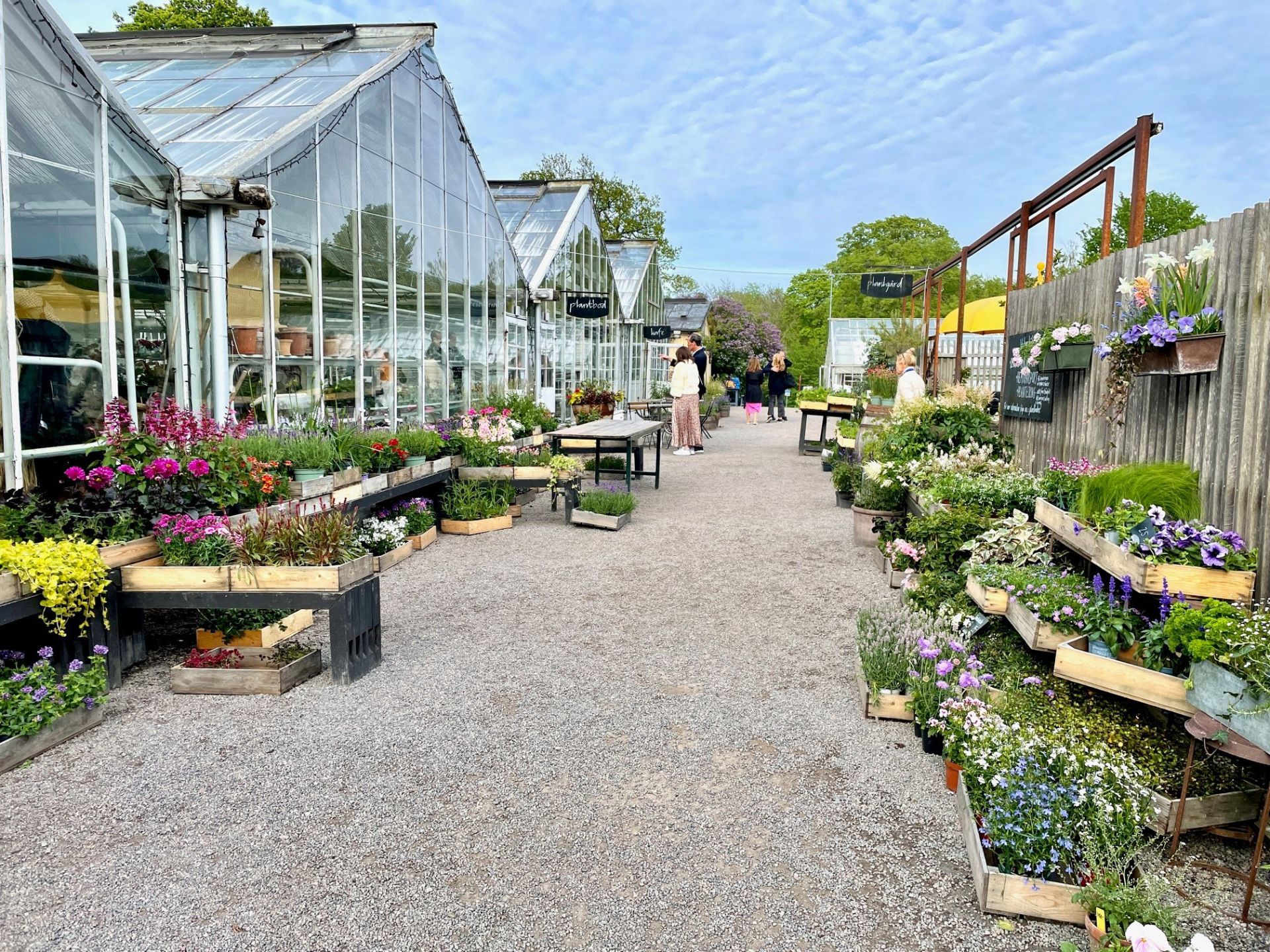
## Description Rosendals Trädgård is one of those rare places that feels both deeply local and immediately memorable. Set on the green island of Djurgården in Stockholm, the garden combines ornamental planting, seasonal produce, a working nursery, a bakery, and an inviting café into one relaxed destination. Visitors often come expecting a pretty garden and leave with the feeling that they have experienced a small ecosystem of Scandinavian food culture, horticulture, and outdoor life. It is not a formal palace garden or a purely decorative park; it is a living place where flowers, vegetables, fruit trees, and people all share the same rhythm. What makes Rosendals stand out is the way it blends simplicity with refinement. The garden is run according to biodynamic and organic principles, which means the whole experience is shaped by seasonal cycles rather than constant uniformity. In spring, the beds begin quietly with bulbs, tender greens, and early blossoms. Summer brings fuller borders, kitchen-garden abundance, and long café days outdoors. Autumn is particularly appealing if you like apples, late flowers, and the warm colors of Scandinavian foliage. Even in winter, the place has a calm, understated beauty that suits Stockholm well. One of the little-known pleasures here is how much of the visitor experience is tied to the practical side of gardening. The nursery and shop are not just decorative add-ons; they reflect the same philosophy that shapes the grounds. That means you can often buy plants, flowers, and food items that feel connected to the same landscape you have just walked through. Another detail many visitors overlook is how strongly Rosendals represents the Swedish idea of taking everyday food seriously without making it stiff or formal. A simple pastry or lunch here can feel like an essential part of the attraction rather than an afterthought. The atmosphere is gentle rather than dramatic, which is exactly why it works. Rosendals is a place to slow down. You can wander among orchard rows, admire carefully arranged beds, look at the greenhouse structures, or sit with coffee while the island traffic of cyclists and walkers passes by. For travelers who want a break from museum-hopping and want to feel how Stockholm lives outdoors, Rosendals is one of the city’s most rewarding stops. ## Location Rosendals Trädgård is located on Djurgården in Stockholm, Sweden, a central island area known for museums, parks, and cultural institutions. Djurgården is easy to think of as a green escape inside the city, even though it sits close to some of Stockholm’s busiest and most visited districts. The garden is within reach of central Stockholm by public transport, ferry, bicycle, or on foot depending on where you are starting from. The simplest way to get there is usually by tram, bus, or ferry toward Djurgården and then continuing on foot. If you are already exploring the island, walking is often the best option because the approach itself is part of the experience. The island paths are scenic, and arriving gradually makes the garden feel even more restful. Taxis and rideshares are also possible, but they are usually less satisfying than the slower, more scenic routes. If you are mapping out a day in Stockholm, Rosendals works well together with nearby museums, waterside walks, and other Djurgården attractions. That makes it easy to build a relaxed half-day or full-day visit without feeling rushed. For travelers staying in central Stockholm, it is also one of the easier nature-forward destinations to reach without leaving the city. ## Tips Visit with time to spare. Rosendals is not an attraction you want to rush through, because the pleasure comes from moving at a slower pace and noticing the details. If you can, choose a day with decent weather so you can sit outdoors or walk the grounds comfortably. The garden changes significantly with the seasons, so repeat visits can feel different even if you have already been before. Arrive hungry. The café and bakery are a major part of the experience, and many visitors find that a simple meal or coffee here becomes one of their best memories of the day. Seasonal produce and fresh baking are often the best choices because they reflect the philosophy of the place. If you are interested in plants, the shop and nursery are worth time as well, since they can offer ideas for home gardening even if you are only traveling. Wear comfortable shoes. Paths can be uneven in some places, and you will enjoy the grounds more if you can move freely without worrying about footwear. In cooler months, bring layers because Stockholm weather can shift quickly, especially near the water. In warmer months, think about sun protection and expect the café to be especially popular. If you are visiting with photographers in your group, early morning or late afternoon often gives the best light. If you are more interested in a calm meal and less crowded walk, try to avoid the busiest lunch window. Rosendals is especially rewarding for travelers who like places where the food, design, and landscape all support each other rather than competing for attention. ## Conclusion Rosendals Trädgård is one of Stockholm’s most satisfying destinations for travelers who want beauty, food, and a sense of place in one visit. It is calm, seasonal, and distinctly Scandinavian, making it an ideal stop on Djurgården. ## FAQ ### Is Rosendals Trädgård worth visiting if I am not a gardener? Yes. Even if you are not especially interested in plants, the garden offers a peaceful setting, good food, and a strong sense of Stockholm life. Many visitors come primarily for the café, the atmosphere, and the outdoor experience rather than for horticultural details. ### How long should I spend there? Most travelers will be comfortable with one to three hours, depending on whether they want a meal, a walk, and some time in the shop. If you are combining Rosendals with other Djurgården sights, half a day is a realistic plan. ### Is it open all year? The garden and café operate with seasonal rhythms, so the experience changes across the year. It is best to check current opening details before visiting, especially in winter or around holidays. ### Can I reach it without a car? Yes. Public transport, ferry connections, walking, and cycling all work well in Stockholm, and a car is unnecessary for most visitors. ### What is the best thing to try there? Many visitors enjoy seasonal pastries, bread, and simple lunch dishes made with local ingredients. The exact best choice depends on the day, but the café’s seasonal approach is usually the safest way to get the most authentic experience. ## Links - [Official website](https://www.rosendalstradgard.se/)
GemVoyage Team • World
Surabaya
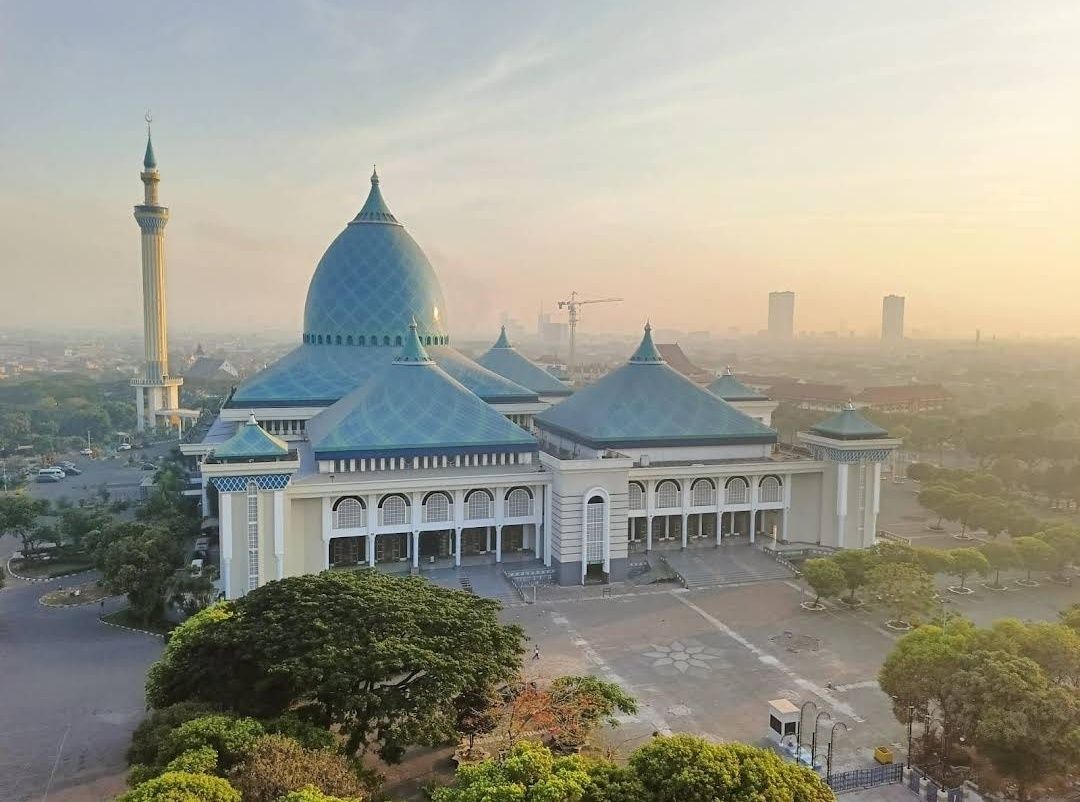
## Description **Masjid Al Akbar Surabaya**, often referred to as the **Grand Mosque of Surabaya**, is one of the largest and most magnificent mosques in Indonesia. Completed in 2000, this architectural marvel is a significant religious landmark and a cultural treasure in East Java. Its grandeur, unique design, and serene atmosphere make it a must-visit for both worshippers and travelers interested in Indonesia’s rich Islamic heritage. The mosque is instantly recognizable for its **striking turquoise dome**, which is one of the largest in Southeast Asia, measuring 27 meters in diameter and standing 54 meters high. The dome is surrounded by smaller domes and a towering minaret that rises to 99 meters, symbolizing the **99 names of Allah** in Islam. From the top of the minaret, visitors can enjoy panoramic views of Surabaya city, stretching out toward the Java Sea on clear days. **Little-known facts**: * The mosque can accommodate **up to 59,000 worshippers** at once, making it one of the largest in the country. * The minaret was specifically designed with a viewing platform, offering a rare opportunity for visitors to appreciate both the mosque and Surabaya from above. --- ## Location Masjid Al Akbar is located in **Surabaya**, the bustling capital of **East Java Province**, in **Indonesia**. It stands prominently on **Jalan Pagesangan**, near the Surabaya–Gempol toll road, making it easily accessible for both locals and visitors. ### How to get there: * From **Juanda International Airport**, the mosque is about 15 kilometers away and can be reached by taxi in around 30–40 minutes, depending on traffic. * From Surabaya city center, you can take a taxi, car rental, or use ride-hailing apps like Gojek or Grab for a convenient trip. Public buses also stop nearby, but private transportation is recommended for comfort and ease. --- ## Tips * **Visit during non-prayer hours**: If you’re a non-Muslim visitor, it’s best to explore the mosque outside the five daily prayer times to avoid crowds and to be respectful. * **Dress modestly**: Visitors are expected to wear modest clothing. Women may be provided with robes and headscarves if needed. * **Climb the minaret**: Don’t miss the chance to go up the 99-meter-high minaret for an incredible bird’s-eye view of Surabaya. * **Photography etiquette**: The mosque’s interior and exterior are highly photogenic, but always be respectful when taking photos, especially if worshippers are present. * **Combine your visit**: Masjid Al Akbar is close to Surabaya’s other attractions, such as the Surabaya Zoo and Taman Bungkul Park, making it easy to plan a full day of sightseeing. --- ## Conclusion Masjid Al Akbar Surabaya is not just a place of worship—it’s an architectural icon and cultural landmark in East Java. With its vast turquoise dome, symbolic minaret, and capacity to welcome tens of thousands of worshippers, it embodies the grandeur of Islamic architecture in Indonesia. Whether you come for prayer, cultural appreciation, or panoramic city views, the mosque offers a memorable and enriching experience. --- ## FAQ **1. What makes Masjid Al Akbar unique?** Its massive turquoise dome, 99-meter-high minaret, and capacity for nearly 59,000 worshippers make it one of Indonesia’s largest and most iconic mosques. **2. Can non-Muslims visit the mosque?** Yes, non-Muslims are welcome outside of prayer times, provided they dress modestly and respect the sanctity of the space. **3. Is there an entrance fee?** No, entry to Masjid Al Akbar is free, though small donations are appreciated. A small fee may apply if you want to access the minaret viewing platform. **4. When is the best time to visit?** Early mornings and late afternoons are ideal for cooler weather and softer lighting, perfect for photography and sightseeing. **5. How long does a visit usually take?** Most visitors spend 1–2 hours, especially if they include a trip up the minaret. **6. Is the mosque accessible for families and elderly visitors?** Yes, the mosque has ramps, elevators, and spacious areas, making it suitable for families with children and elderly visitors. --- ## Links * [Indonesia Travel – Official Site](https://www.indonesia.travel/gb/en/) * [East Java Tourism Board](https://www.eastjava.com/)
GemVoyage Team • World

Uyuni
## Description The Salar de Uyuni in Bolivia is the world’s largest salt flat — an immense expanse of white crust stretching to the horizon. In the dry season it becomes a seemingly endless plain of hexagonal salt polygons; during the wet season, thin water turns the surface into a giant mirror that reflects sky and clouds in breathtaking panoramas. The flats’ surreal scale creates optical illusions that photographers exploit for creative forced-perspective shots and astronomical impressions. Uyuni’s uniqueness stems from its scale and seasonal transformation: an austere white desert that alternates between reflective glass and textured salt crust. Beneath the crust lie rich lithium brines that have become geopolitically important, and the region supports unique high-altitude wildlife including flamingos in nearby lagoons and vicuñas on the surrounding altiplano. A lesser-known feature is the train cemetery near Uyuni town, whose rusting locomotives echo the area’s industrial past against the vast natural backdrop. Visitors experience two very different seasons: the wet months (roughly December–April) turn the flats into a seamless mirror where the horizon disappears, producing surreal photographic opportunities; the dry months (May–November) reveal the networked hexagonal salt polygons and easier vehicle travel across firmer crust. Both seasons offer remarkable visual experiences, but logistics and vehicle access differ significantly. ## Location Salar de Uyuni is in southwest Bolivia near the town of Uyuni in Potosí Department. Most visitors begin in Uyuni and travel by 4x4 tours that range from day-trips to multi-day circuits visiting colored lagoons, hot springs, high-altitude deserts and remote salt hotels. ## Tips - **Choose season based on photographic goals:** Wet season for mirror reflections and dynamic sky photography; dry season for crisp salt polygons and easier driving conditions. - **Acclimatize and dress for altitude:** Uyuni sits over 3,600 m above sea level—allow time to adjust, stay hydrated and use sun protection. Nights are cold; warm layers are essential. - **Book reputable 4x4 operators and confirm vehicle safety:** Select experienced guides who understand remote driving, fuel logistics and high-altitude first aid. - **Plan for basic accommodations on multi-day tours:** Many overnight stops are simple lodges or salt hotels; bring essentials and respect eco-guidelines. - **Protect camera gear from salt and dust:** Use protective coverings, and clean equipment carefully after excursions to avoid salt corrosion. ## Conclusion Salar de Uyuni is an elemental landscape that redefines scale and reflection: a place where sky, salt and solitude combine to produce unforgettable visual experiences. Whether you chase inverted skies in the wet season or striding across crystalline salt in the dry months, Uyuni offers some of the planet’s most surreal and photogenic landscapes. ## FAQ - **Q: Can visitors drive across the Salar de Uyuni themselves?** A: Self-driving is possible but not recommended for first-time visitors—conditions vary, and poorly marked hazards or seasonal flooding can be dangerous. Use experienced local operators who know safe routes. - **Q: When is the best time for mirror reflections?** A: The wet season (roughly December–April) after rains produces the mirror effect; brighter skies and calm days improve reflections. - **Q: Will I experience altitude sickness at Uyuni?** A: Many travelers experience mild altitude effects; acclimatize in Uyuni or nearby towns, avoid heavy exertion on the first day and consider consulting a doctor if you have pre-existing health concerns. - **Q: Are there eco or cultural concerns to be aware of?** A: Respect fragile ecosystems and local communities; use operators who practice sustainable tourism and avoid leaving waste on the salt crust. - **Q: How many days do I need to appreciate the area?** A: Day trips are possible, but 3–4 day circuits are recommended to reach colored lagoons, hot springs and the Eduardo Avaroa reserve, giving a fuller, less rushed experience. ## Links - [Salar de Uyuni — Wikipedia](https://en.wikipedia.org/wiki/Salar_de_Uyuni)
GemVoyage Team • World
Algeria
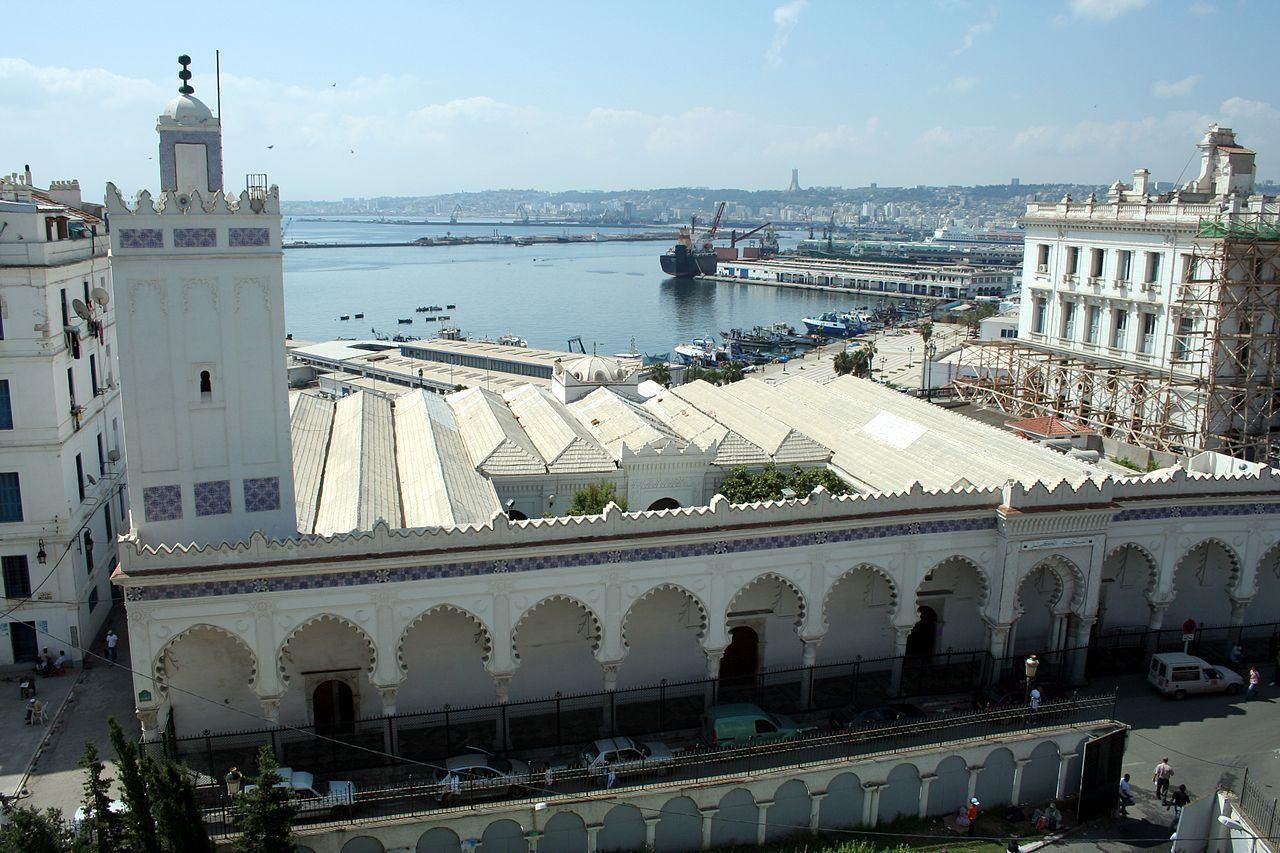
## Description Djamaa El Kbir Mosque, known in Arabic as الجامع الكبير الأثري, is one of the oldest and most historically significant mosques in Algeria. Built in 1097 during the Almoravid dynasty, it stands as a powerful reminder of Algiers’ deep Islamic and Mediterranean roots. Unlike more monumental later mosques, Djamaa El Kbir is admired for its restrained elegance, spiritual atmosphere, and architectural authenticity rather than sheer scale. What makes Djamaa El Kbir truly unique is its remarkable continuity. For more than nine centuries, the mosque has remained an active place of worship, surviving earthquakes, invasions, and centuries of urban transformation. Its minaret, added in the 14th century during the Zayyanid period, is one of the oldest in Algiers and features beautifully carved stone decoration that subtly blends Andalusian and Maghrebi styles. A little-known fact is that the mosque was built using spolia—reused columns and materials from earlier Roman structures—linking Islamic Algiers to its ancient past. Another lesser-known detail is that the mosque once formed part of a much larger religious and educational complex serving the Casbah community. Djamaa El Kbir is not only an architectural treasure but also a living symbol of faith, scholarship, and continuity in Algerian history. ## Location Djamaa El Kbir Mosque is located in **Algeria**, in the **Algiers Province**, within the city of **Algiers**. It stands in the historic Casbah district, close to the old harbor and not far from the Ketchaoua Mosque and other major landmarks of the old city. The mosque is easily accessible by foot if you are exploring the Casbah. Visitors can also reach the area by taxi or public transport from central Algiers. The nearest metro stations and bus routes serve the lower Casbah area, from where the mosque is a short walk. Due to narrow streets and limited parking, walking or using public transport is the most practical option. ## Tips * Dress modestly, as Djamaa El Kbir is an active place of worship. * Visit outside of prayer times if you wish to explore quietly and observe architectural details. * Photography may be restricted inside, so always ask permission before taking photos. * Take time to admire the minaret’s stone carvings, which are among the mosque’s most distinctive features. * Combine your visit with a walk through the Casbah to gain deeper historical context. * Consider visiting with a local guide to better understand the mosque’s architectural and historical significance. ## Conclusion Djamaa El Kbir Mosque is a rare and precious link to Algeria’s medieval Islamic past. Its simplicity, age, and continued religious function make it a deeply meaningful site, offering visitors a quiet but powerful insight into the spiritual and historical heart of Algiers. ## FAQ **When was Djamaa El Kbir Mosque built?** The mosque was built in 1097 during the Almoravid period. **Is Djamaa El Kbir still used for prayer?** Yes, it remains an active mosque and serves the local community daily. **Can non-Muslims visit the mosque?** Access may be limited to certain areas, and visitors should be respectful of religious practices. **How long does a visit take?** Most visits last 20 to 40 minutes, depending on access and interest. **Is there an entrance fee?** No, entrance is generally free, though donations may be welcomed. ## Links * [The Mosque's wiki page](https://en.wikipedia.org/wiki/Djamaa_el_Kebir)
GemVoyage Team • World
Cairo
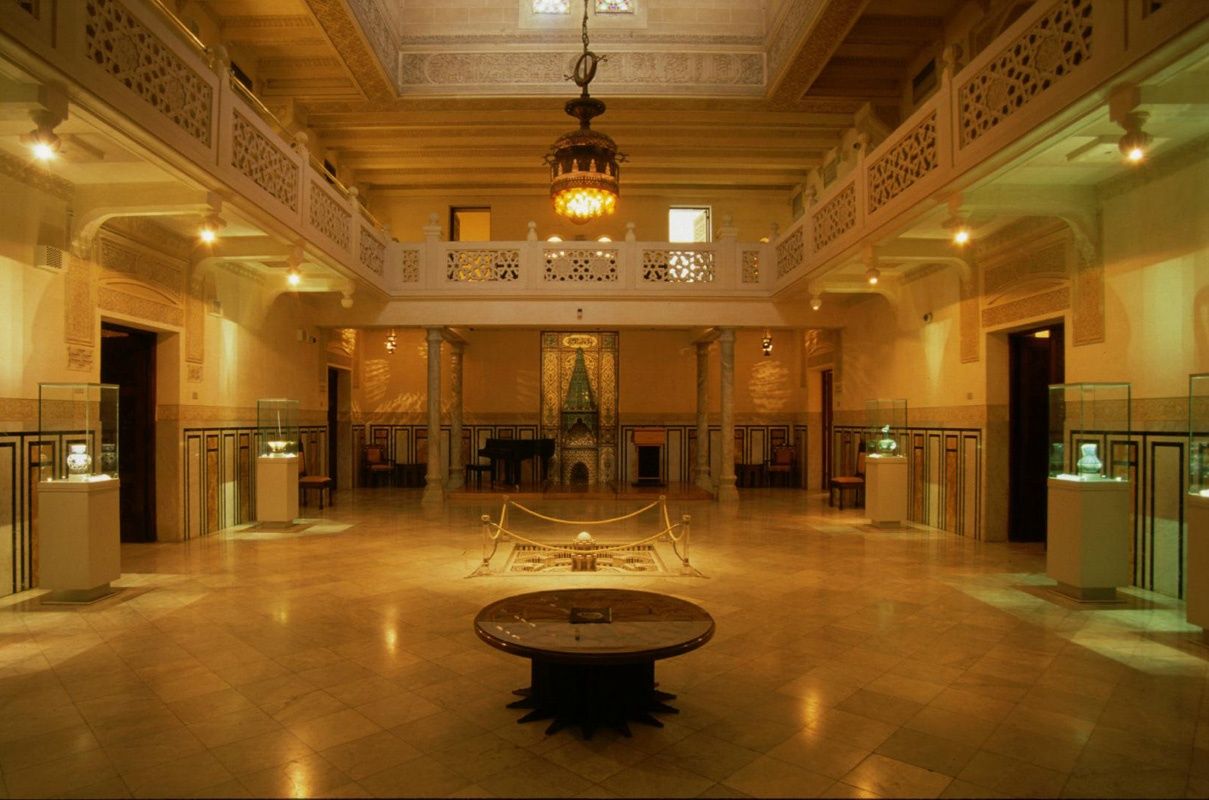
## Description The **Islamic Ceramics Museum (متحف الخزف الإسلامي)** is one of Cairo’s most refined and culturally rich museums, dedicated entirely to the art of **Islamic pottery and ceramics**. It offers visitors a rare opportunity to explore how clay, glaze, and fire were transformed into objects of beauty, science, and daily life across more than **a thousand years of Islamic civilization**. Housed inside the elegant **Palace of Princess Fatma Ismail**, a 19th-century aristocratic residence, the museum blends **architectural elegance with artistic mastery**. The palace itself is a masterpiece of late Ottoman and European-style architecture, featuring **ornate ceilings, stained glass, carved woodwork, and marble staircases**. Even before seeing the exhibits, the building alone is worth the visit. The museum’s collection includes **hundreds of ceramic pieces** from different Islamic periods and regions, including **Egypt, Persia (Iran), Andalusia (Spain), Turkey, Iraq, and Central Asia**. Displays range from **everyday household items**, such as bowls and jars, to **luxury palace ware, mosque tiles, and decorative panels**. Each object tells a story of trade, technological innovation, and artistic expression across the Islamic world. Key highlights include **lusterware ceramics**, known for their metallic shine, developed in medieval Iraq and Egypt; **Iznik tiles from Ottoman Turkey**, famous for their vivid blues and reds; and **Persian underglaze-painted ceramics**, celebrated for their delicate floral and calligraphic designs. Visitors can clearly trace how artistic styles traveled along trade routes and evolved across empires. What makes this museum especially unique is how it connects **science with art**. Islamic potters were pioneers in **chemistry and kiln technology**, developing methods for glazing, coloring, and firing that influenced European ceramics centuries later. The museum explains these processes in an accessible way, making it engaging even for visitors with no background in art or archaeology. A little-known fact is that the museum was originally opened in **1936**, making it one of the **earliest specialized ceramics museums in the Middle East**. Another lesser-known detail is that Princess Fatma Ismail, whose palace now hosts the museum, was the same royal figure who funded the establishment of **Cairo University**, making her a key patron of Egyptian education and culture. Quiet, elegant, and deeply educational, the Islamic Ceramics Museum offers a refined cultural experience that contrasts beautifully with the bustle of central Cairo. ## Location The **Islamic Ceramics Museum** is located in the **Zamalek district** of **Cairo**, Egypt — one of the city’s most upscale and culturally vibrant islands along the Nile. **Address:** 26 Gezira Street, Zamalek, Cairo, Egypt ### How to Get There: * **By metro:** Take Line 2 to **Opera Station**, then walk about 10 minutes toward Gezira/Zamalek. * **By taxi or ride-hailing apps:** Tell the driver “**Mithaf al-Khazaf al-Islami fi Zamalek**.” Most drivers recognize it as a cultural landmark. * **By walking:** If you are already in Zamalek, the museum is centrally located and easily walkable. * **By car:** Limited street parking is available; taxis are generally more convenient. Its location makes it ideal to combine with nearby attractions like the **Cairo Opera House**, **Modern Art Museum**, and **Gezira Art Center**. ## Tips * **Visit on a weekday:** The museum is usually quiet, but weekdays offer an especially peaceful atmosphere. * **Take your time with details:** Many of the finest motifs are small and intricate — slow observation is rewarded. * **Photography:** Allowed in most areas without flash; always confirm current rules at the entrance. * **Read the descriptions:** Many pieces include historical and scientific explanations that enhance appreciation. * **Combine with Zamalek cafés:** After your visit, relax at one of Zamalek’s many riverside cafés or cultural lounges. * **Allow 60–90 minutes:** This is enough time to explore the entire collection without rushing. * **Art lovers should not skip it:** If you appreciate design, geometry, or craftsmanship, this museum is a hidden gem. ## Conclusion The **Islamic Ceramics Museum in Cairo** is a quiet treasure that captures the refinement, innovation, and artistic brilliance of Islamic civilization through one of its most expressive mediums — ceramics. Set inside a royal palace and filled with works that span continents and centuries, the museum offers both **aesthetic pleasure and historical insight**. It is an ideal destination for travelers seeking a calmer, deeper cultural experience beyond Cairo’s monumental landmarks. ## FAQ **1. What is the Islamic Ceramics Museum famous for?** It is known for its extensive collection of **Islamic pottery and ceramic art** from across the Middle East, North Africa, and Central Asia. **2. Where is the museum located?** It is located in **Zamalek**, on Gezira Island in central Cairo. **3. How old is the museum?** It officially opened in **1936**, making it one of the oldest specialized ceramics museums in the region. **4. Who owned the palace originally?** The palace belonged to **Princess Fatma Ismail**, a member of Egypt’s royal family and a major patron of education. **5. How long does a typical visit take?** Most visitors spend between **one to one and a half hours** exploring the museum. **6. Is the museum suitable for children?** Yes, especially for older children interested in history, art, and patterns, though it is a quiet, observation-focused museum. **7. Can I combine it with other museums in the same day?** Yes — it pairs well with visits to the **Cairo Opera House**, **Museum of Modern Egyptian Art**, and **Gezira Art Center**. ## Links * [Egyptian Ministry of Tourism and Antiquities – Museums](https://egymonuments.gov.eg)
GemVoyage Team • World

Comments