GemVoyage Team • World
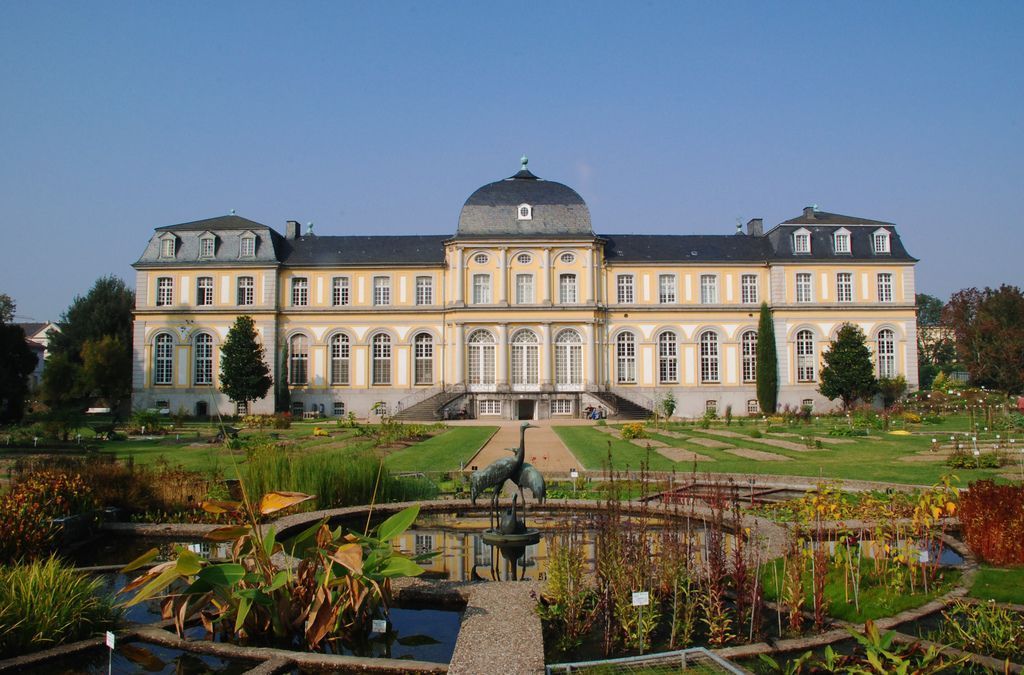
The appeal of the gardens lies in balance. The layout around the palace gives the space a sense of order and historical continuity, while the planting introduces seasonality and change. Depending on when you visit, you may encounter spring blossoms, summer greenery, autumn color, or a quieter winter framework that emphasizes lines and structure. The area feels connected to Bonn’s academic and civic identity, which makes it especially interesting for visitors who want to understand the city through its institutions as well as its monuments.
One little-known point is that the surrounding area is tied to the University of Bonn and the wider botanical and scientific traditions of the city. That gives the garden a different character from purely decorative palace grounds. Another detail travelers often appreciate is how peaceful the space can feel even when nearby streets are active. The gardens offer a kind of visual pause, a transition between urban movement and formal green calm.
Because the attraction is connected to a palace and university environment, it is also a useful stop for people who enjoy architecture, history, and plant life in one setting. You can admire the building, stroll through the grounds, and then continue into Bonn with a stronger sense of how the city layers its heritage. The result is a destination that feels understated at first but reveals more the longer you stay.
If you are already in central Bonn, walking can be an especially pleasant choice because it lets you approach the gardens gradually and see more of the surrounding district. The area sits comfortably within a wider sightseeing route that might also include the university quarter, museums, and other historic streets. For visitors staying elsewhere in the city, tram or bus connections can make the trip straightforward.
Use the seasons to your advantage. Spring and early summer are especially rewarding if you enjoy blooms and fresh growth, while autumn can give the grounds a softer, more reflective mood. Even in winter, the geometry of the palace and garden can be appealing if you like architectural landscapes.
Pair the visit with other Bonn sights. Because the gardens are part of a larger city context, they work well as a stop between museums, university buildings, or a café break. If you are interested in plant collections or botanic themes, take extra time to notice how the garden’s identity differs from a casual city park.
Bring a camera, but also leave room to simply look. The most memorable part of the visit may be the overall calm rather than any single dramatic view. Good shoes, a willingness to walk slowly, and a little curiosity are more useful here than a packed itinerary.
Discover more hidden gems you might love.
Berlin
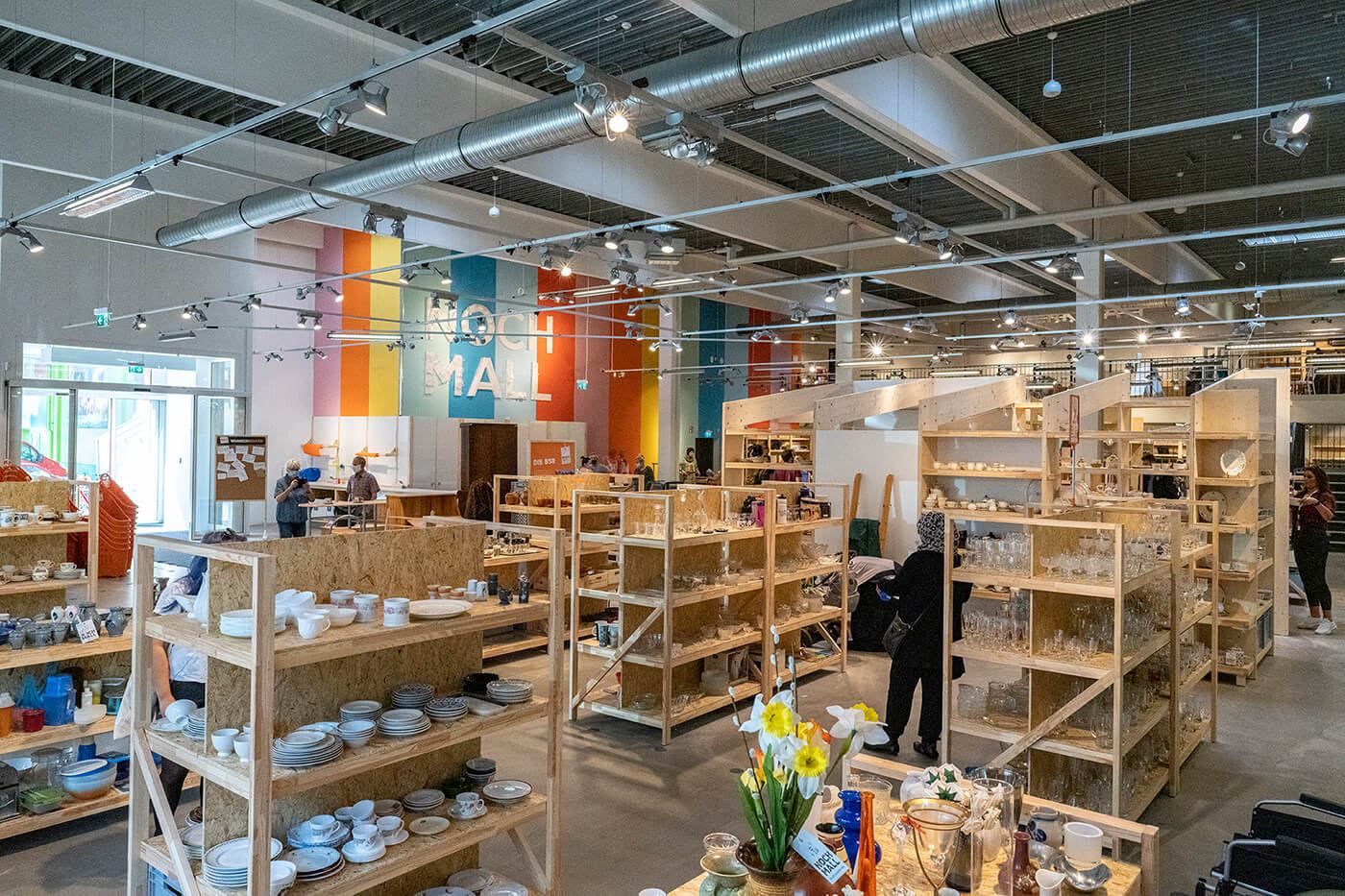
## Description **NochMall** is one of Berlin’s most unconventional, forward-thinking shopping destinations and stands as **Europe’s largest reuse department store**. Unlike traditional second-hand shops or flea markets, NochMall operates as a **professionally curated reuse center**, where discarded items are rescued, restored if necessary, and offered for resale in a structured, retail-style environment. Its mission goes far beyond commerce: NochMall exists to promote **sustainability, waste reduction, circular economy principles, and conscious consumption**. The name “NochMall” comes from the German phrase meaning “once again,” perfectly reflecting its role in giving objects a second life. The store is operated by **BSR (Berliner Stadtreinigungsbetriebe)**, Berlin’s public waste management company. This alone makes it unique—most cities focus on disposal and recycling, while Berlin has invested in a large-scale, public **reuse infrastructure** that turns waste prevention into an accessible urban service. Inside the massive warehouse-style space, visitors find a wide and constantly changing range of items: **furniture, home décor, bicycles, electronics, books, kitchenware, tools, children’s toys, musical instruments, sports equipment, and clothing**. Everything comes from Berlin households, salvage collections, or BSR recycling centers. Items that are still usable are inspected, cleaned, priced, and placed on display instead of being destroyed. What sets NochMall apart from ordinary thrift stores is its **department-store-style layout**. Products are organized into clear categories, with professional shelving, signage, and lighting. The atmosphere is bright, modern, and surprisingly calm. Prices are deliberately kept **affordable but realistic**, reflecting both value and sustainability goals rather than aggressive profit margins. NochMall is also an **educational and cultural space**. It regularly hosts **repair workshops, upcycling courses, sustainability lectures, school programs, and community events**. The attached café reinforces the idea that this is not just a store, but a **social meeting point for environmentally conscious urban life**. A little-known fact is that NochMall diverts **thousands of tons of usable goods from Berlin’s waste stream every year**, directly reducing landfill pressure and raw-material consumption. Another lesser-known detail is that some of the furniture sold in the store is **professionally refurbished by local social enterprises**, creating both environmental and social value through job creation and vocational training. For visitors, NochMall offers something truly different: the chance to experience sustainability not as a theory, but as a **practical, well-functioning urban system**—and to take part in it. ## Location **NochMall** is located in the **Reinickendorf district** in the **northwestern part of Berlin**, an area with a strong industrial and logistics character, well suited to large-scale sustainability infrastructure. **City:** Berlin **Region:** Berlin State (Bundesland Berlin) **Country:** Germany **District:** Reinickendorf ### How to Get There: * **By S-Bahn:** Take **S25** to **Alt-Reinickendorf**, then walk about 10–12 minutes. * **By U-Bahn:** Take **U6** to **Scharnweberstraße**, then continue by bus or taxi. * **By bus:** Several local bus lines serve the surrounding industrial area. * **By car:** Easy access via main arterial roads; on-site parking is available. * **By bicycle:** Cycling is possible, though the industrial surroundings favor longer-distance riders. While NochMall is not located in a classic tourist district, it is easily reachable with public transport and well worth the trip for anyone interested in sustainability, design, or alternative shopping experiences. ## Tips * **Visit with spare time:** Nochmal is large and constantly changing; allow at least 90 minutes to explore properly. * **Go without a fixed shopping list:** The best finds are often unplanned discoveries. * **Check electronics carefully:** Everything is tested, but it’s still smart to inspect functionality before purchase. * **Bring a way to transport bulky items:** Larger furniture may require a car, delivery service, or cargo bike. * **Ask staff for new arrivals:** Some sections receive fresh stock several times per week. * **Attend a workshop:** Repair and upcycling events add real educational value to your visit. * **Combine with sustainability tourism:** Pair NochMall with visits to eco-focused districts or urban gardening projects. * **Donations are possible:** If you live in Berlin, you can legally donate usable items through BSR systems. ## Conclusion **NochMall** is far more than a resale store. It is a **large-scale, real-world model of circular economy in action**, proving that reuse can be organized with the same professionalism as mainstream retail. By transforming waste into resources, education into practice, and shopping into a responsible act, NochMall represents one of Berlin’s most meaningful modern innovations. For travelers and residents alike, it offers not just bargains, but a powerful insight into the future of sustainable cities. ## FAQ **1. What is NochMall exactly?** NochMall is **Europe’s largest reuse department store**, operated by Berlin’s public waste management company, focusing on resale instead of disposal. **2. Is NochMall a normal second-hand shop?** No. It is a **professionally structured reuse center**, significantly larger and more organized than typical thrift stores. **3. Are the items donated?** Yes. Items come from **Berlin households, recycling centers, and municipal collection systems**. **4. Are the products tested and safe to use?** Yes. Electronics and technical items are **checked for basic functionality and safety** before being sold. **5. Is NochMall only for Berlin residents?** No. It is **open to everyone**, including tourists. **6. Can I donate items directly at the store?** Donations are usually handled through **official BSR collection systems**, not directly at the sales floor. ## Links * [Official NochMall Website](https://www.nochmall.de)
GemVoyage Team • World
Tokyo
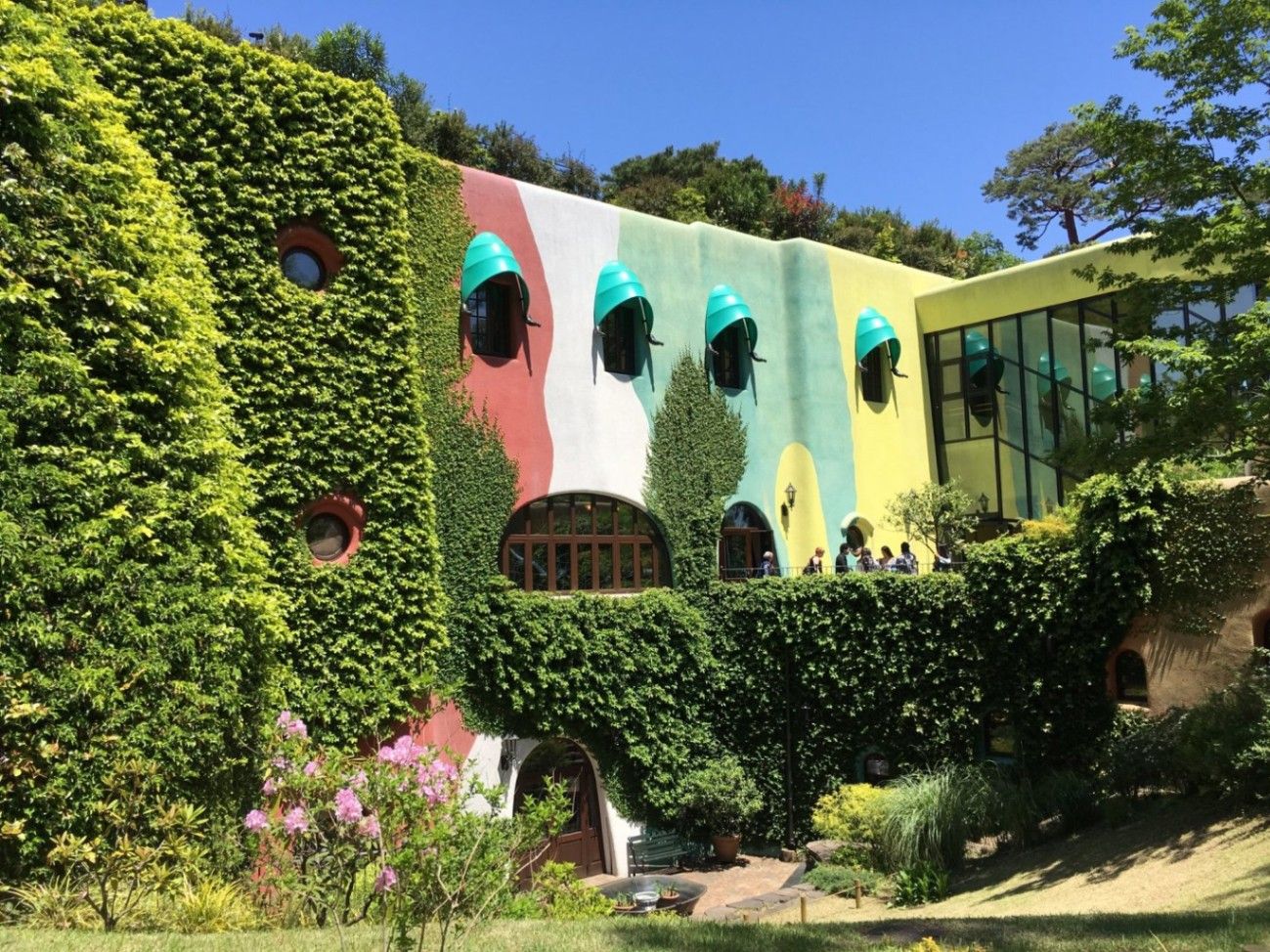
## Description The **Ghibli Museum (三鷹の森ジブリ美術館)** is one of Tokyo’s most enchanting and emotionally resonant cultural attractions. Dedicated to the legendary **Studio Ghibli**, the museum invites visitors into the imaginative universe created by filmmakers **Hayao Miyazaki, Isao Takahata, and their collaborators**—a world defined by wonder, nature, childhood, fantasy, and quiet emotional depth. Unlike traditional museums that focus on static exhibits, the Ghibli Museum is designed as a **fully immersive, experiential environment**, where architecture, animation, sound, and storytelling blend into one continuous journey. From the moment visitors enter, it becomes clear that this is not a conventional institution. The building itself feels like it came from a Ghibli film: **spiral staircases, stained-glass windows, hidden passageways, rooftop gardens, and curved corridors** encourage exploration rather than linear movement. Hayao Miyazaki personally supervised the conceptual design, ensuring that the structure reflects his philosophy that **“children should discover things for themselves.”** There are no fixed routes or arrows—only spaces that invite curiosity. Inside, the museum explores the **art and mechanics of animation** rather than serving as a simple gallery of finished films. Visitors can study original **storyboards, sketches, background paintings, and mechanical animation devices** that demonstrate how movement is created frame by frame. One particularly popular installation shows early zoetrope-style animation, visually explaining how still images transform into motion. One of the museum’s most exclusive features is its **private cinema, the Saturn Theatre**, which screens short original Ghibli films that cannot be seen anywhere else in the world. These short films rotate periodically and often explore experimental themes, new animation techniques, or side stories connected to familiar characters. This makes every visit potentially different from the last. On the rooftop, visitors encounter the **full-scale statue of the Robot Soldier from “Laputa: Castle in the Sky”**, one of the museum’s most photographed landmarks. The surrounding garden offers a quiet, reflective space above the treetops of nearby Inokashira Park, echoing Ghibli’s recurring theme of harmony between humanity and nature. A little-known fact is that **photography is strictly prohibited inside the museum**. This rule is not about control but philosophy: Miyazaki wanted visitors to **experience the space fully, without viewing it through a screen**. Another lesser-known detail is that many of the museum’s architectural elements—iron railings, tiles, and carved wood—were **custom-made by traditional Japanese craftsmen**, turning the museum itself into a handcrafted artwork. Ultimately, the Ghibli Museum is not designed for spectacle or mass tourism. It is a **quiet celebration of imagination, craftsmanship, and emotional storytelling**, appealing as deeply to adults as it does to children. It is a rare space where animation is not treated as entertainment alone, but as **serious art shaped by philosophy, patience, and human sensitivity**. ## Location The **Ghibli Museum** is located in **Mitaka**, a suburban city on the western edge of **Tokyo**, adjacent to the lush **Inokashira Park**. **City:** Mitaka (Tokyo Metropolis) **Region:** Kantō **Country:** Japan ### How to Get There: * **By train:** Take the **JR Chūō Line** from Shinjuku Station to **Mitaka Station** (about 20 minutes). From there, it is a **15–20 minute walk** through Inokashira Park. * **By bus:** A Ghibli-themed shuttle bus runs from Mitaka Station to the museum entrance. * **By taxi:** Convenient from central Tokyo, though more expensive than public transport. * **By bicycle:** Many visitors cycle through Inokashira Park for a scenic approach. The museum’s park-side setting adds to its calm, storybook atmosphere and makes the journey part of the experience. ## Tips * **Tickets must be booked in advance:** There are **no same-day tickets sold at the door**. * **Choose a weekday if possible:** Crowds are lighter, and movement through exhibits feels more fluid. * **Arrive early:** Entry is time-slotted, and arriving on time maximizes your experience. * **Do not expect a traditional museum layout:** Exploration is organic rather than guided. * **No interior photography:** Respect this rule and experience the museum directly. * **Visit the museum shop early:** Many exclusive items sell out quickly. * **Allow at least 2 to 3 hours:** Rushing undermines the emotional and artistic impact. * **Pair your visit with Inokashira Park:** It complements the museum’s atmosphere perfectly. * **Not ideal for travelers in a hurry:** This is a slow, immersive experience, not a quick attraction. ## Conclusion The **Ghibli Museum** is not simply a destination for fans—it is a **philosophical and artistic space** that translates the spirit of Studio Ghibli into physical form. Through architecture, animation, nature, and storytelling, it creates a quiet, powerful encounter with creativity itself. For anyone who values imagination, craftsmanship, and emotional depth, the Ghibli Museum is not just a highlight of Tokyo—it is one of the most meaningful cultural experiences in Japan. ## FAQ **1. What is the Ghibli Museum famous for?** It is famous for being the **official museum of Studio Ghibli**, showcasing original artwork, animation processes, and exclusive short films. **2. Can I buy tickets at the entrance?** No. Tickets must be **purchased in advance** and are strictly controlled. **3. Is photography allowed inside the museum?** No. **Photography is prohibited inside** to preserve immersion and visitor experience. **4. How long does a visit usually take?** Most visitors spend **2 to 3 hours**, depending on crowd levels and interest. **5. Is the museum suitable for adults without children?** Yes. The museum is **equally powerful for adults**, especially fans of art, film, and storytelling. **6. Are the exhibits in English?** Most labels are in **Japanese**, but the visual storytelling makes the experience easy to understand regardless of language. ## Links * [Official Ghibli Museum Website](https://www.ghibli-museum.jp) * [Studio Ghibli Official Site](https://www.ghibli.jp)
GemVoyage Team • World
Seoul
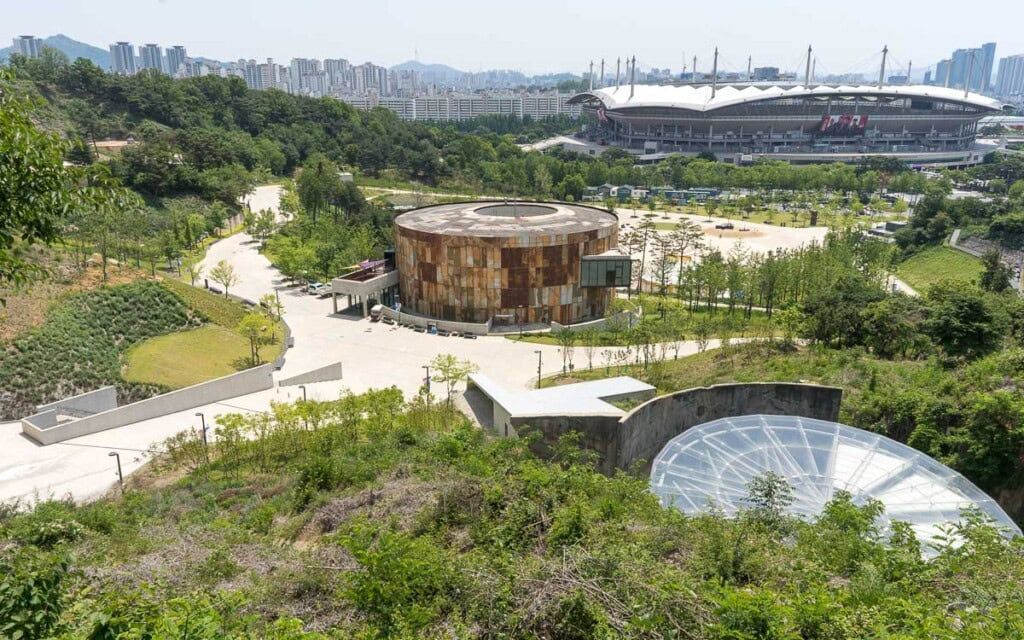
## Description Oil Tank Culture Park is an inventive urban redevelopment project that transforms obsolete oil storage tanks near Hapjeong into a layered cultural complex. The site is notable for its adaptive reuse approach: industrial silos and tanks were structurally preserved and repurposed as galleries, performance spaces, and community areas. The result is a tactile mix of heavy industrial surfaces and light-filled cultural rooms—an atmospheric contrast that frequently features in discussions about sustainable urban design and creative placemaking. Programming at the Oil Tank Culture Park combines curated exhibitions with community-driven activities. The large circular tanks are used for immersive installations and concerts; smaller adjacent spaces host workshops, film screenings, and local markets. The park’s outdoor terraces and green roofs provide vantage points for both the site itself and views across nearby neighborhoods, creating a sequence of experiences that shift between enclosed, resonant tanks and open, landscaped terraces. For visitors interested in architecture, industrial heritage, or contemporary culture, the site offers multiple points of fascination. Preservation choices—retaining the tanks’ raw metal texture, exposing concrete rings, and inserting slender circulation elements—make the site legible as both a former industrial hub and a cultural incubator. The park’s programming often foregrounds sustainability themes, community participation, and experimental performance formats. ## Location The Oil Tank Culture Park is located in Mapo-gu, Seoul, close to Hapjeong station and within walking distance of the World Cup Stadium area. It is well served by subway lines and local buses, and its signage makes it straightforward for international visitors to find. The park is frequently combined in itineraries with nearby Hongdae’s nightlife and Mangwon’s markets. ## Tips - Check the cultural calendar before visiting—special exhibitions and ticketed concerts are common and may require advance booking. - Wear comfortable shoes and expect varying surfaces: pathways range from concrete tank platforms to landscaped terraces. - Bring a light layer for rooftop areas and evening events—the wind can be brisk on exposed terraces. - Combine a visit with nearby Hongdae for dinner or an evening out; the area offers many small restaurants and cafés. - Respect installation boundaries and photography rules within exhibition spaces—some shows restrict flash or tripod use. ## Conclusion Oil Tank Culture Park is a striking example of how industrial heritage can be repurposed into vibrant public culture. It rewards visitors with a mix of dramatic industrial architecture, innovative programming, and a neighborhood-friendly atmosphere—ideal for architecture enthusiasts, cultural explorers, and people who enjoy offbeat urban sites. ## FAQ Q: Are events free? A: Some events and exhibitions are free to the public; larger performances, immersive shows, and special exhibitions may require tickets—check each event’s listing. Q: Is the site wheelchair accessible? A: The park includes ramps and accessible routes, though some older industrial areas may present challenges—contact the venue for detailed accessibility maps. Q: Can I photograph the tanks and installations? A: General photography is usually allowed in public spaces, but specific exhibitions may restrict photography—always check signage or ask staff. Q: Are there food and drink options on-site? A: Occasional pop-up vendors and nearby cafés supply food and drink during events; full-service restaurants are more common in surrounding neighborhoods. Q: Is there parking? A: On-site parking is limited; public transport is the recommended way to visit. ## Links - [Oil Tank Culture Park](https://www.theseoulguide.com/oil-tank-culture-park/)
GemVoyage Team • World
Los Angeles
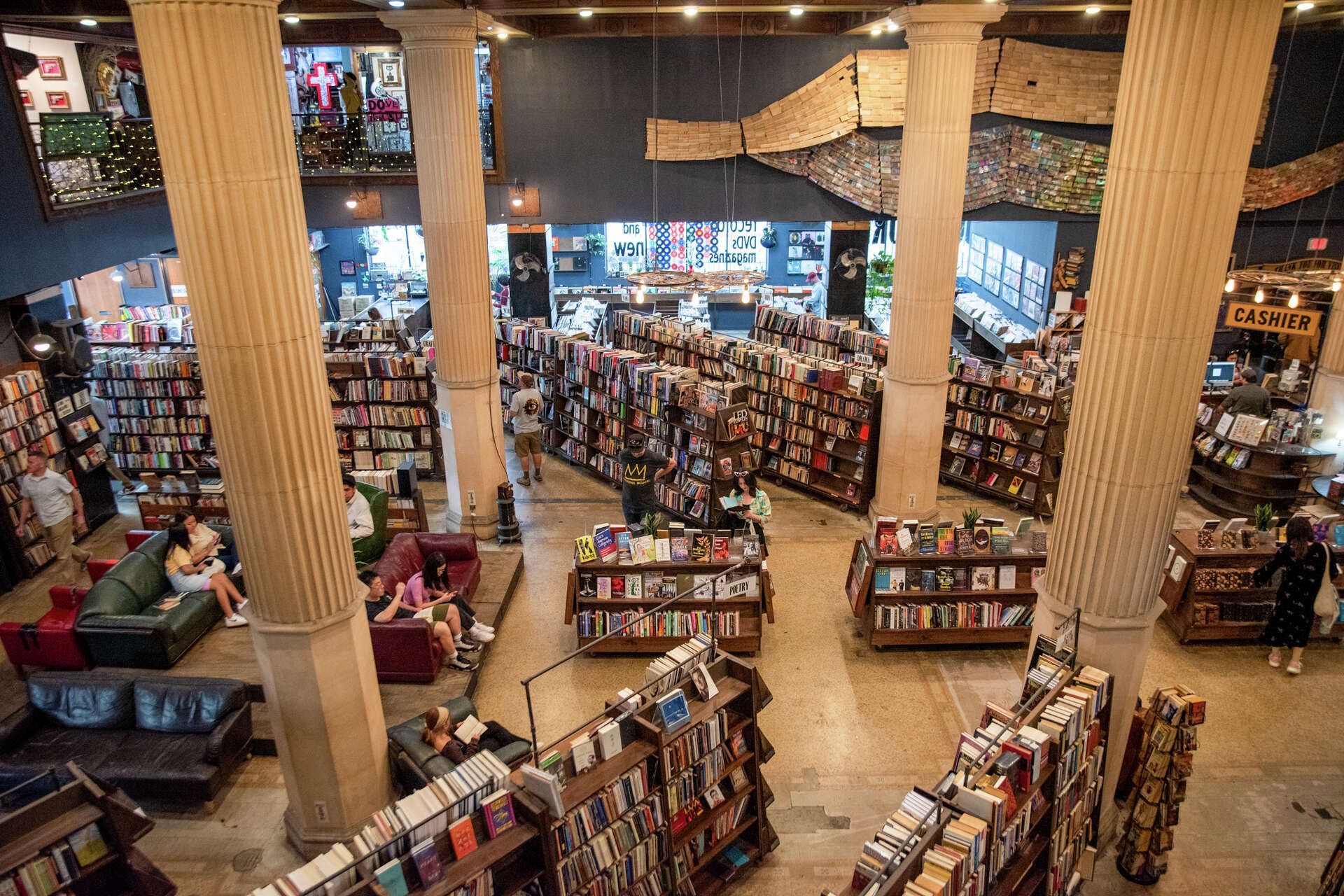
## Description The Last Bookstore in downtown Los Angeles is one of the city's most evocative cultural landmarks: a cavernous, artful emporium of new and used books, vinyl records, and unexpected installations. What sets it apart is not only its enormous inventory but its theatrical presentation — towering shelves, mezzanines, and artistic nooks create a browsing experience more like exploring a story-driven installation than shopping. Housed in a 1920s bank building, patrons encounter reclaimed wood staircases, arches of stacked books, and curated displays that transform each aisle into a visual narrative. Beyond the surface spectacle, the store is a living community hub. It hosts readings, author events, film screenings, and local art exhibitions, and its staff are often keen curators who can guide visitors through genres or find niche titles. Little-known facts: a number of the store’s sculptural book installations are made from unsaleable or damaged stock repurposed by local artists, and the mezzanine houses a secret "book tunnel" — a photogenic corridor built entirely from books that started as a one-off art project and became an enduring fixture. The appeal is broad: bibliophiles will find rare and out-of-print editions; casual visitors will appreciate the visual drama and chance finds; and creatives will enjoy the store as an inspirational setting. The Last Bookstore's blend of commerce, culture, and craft keeps it relevant in an era when many independent bookstores struggle to survive. ## Location The Last Bookstore is located in downtown Los Angeles, California, USA, in the historic core near Spring Street. The postal address and exact entry points change slightly due to neighboring businesses, but it remains centrally placed, within walking distance of the Walt Disney Concert Hall, The Broad, and Pershing Square. Getting there: If you’re arriving by public transit, take the Metro B or D Line to Pershing Square station or any bus that stops in downtown LA; the store is a short walk from the station. Driving is possible but downtown parking can be expensive — seek out nearby private lots or use street parking meters and apps to locate spots. Rideshares and taxis are convenient and drop-offs at the curb are common. For visitors staying in nearby neighborhoods like Koreatown or Pasadena, plan for roughly 20–40 minutes by car depending on traffic. ## Tips - Arrive early on weekends to avoid crowds and secure good spots for browsing in popular areas like the mezzanine or the book tunnel. - Bring cash if you prefer for small purchases or tips, though the store accepts cards. - If searching for a rare or out-of-print title, ask staff first; they maintain backroom stock and can often locate hidden gems. - Photography is welcome but be mindful of events or private bookings where rules might change. - Wear comfortable shoes — the store is larger than it looks and you’ll want to explore several levels. - Visit during a weekday late morning to combine quieter browsing with access to barista-driven coffee shops nearby. - Check the events calendar on the store’s website before visiting — you might catch an author talk or a cultural event that enhances your visit. ## Conclusion The Last Bookstore is more than a retail space — it’s a cultural anchor that celebrates books as artifacts, art, and shared stories. Its imaginative layout, rich inventory, and community programming make it a must-visit for travelers and locals who appreciate literary culture with theatrical flair. ## FAQ Q: Is The Last Bookstore family-friendly? A: Yes. Children enjoy the visual elements, and the atmosphere is generally welcoming, though some events may be adult-oriented. Q: Can I sell or consign books there? A: The store buys and sells used books; check their buying policies online or call ahead for specifics. Q: Are there guided tours? A: There are no formal guided tours, but staff can give insights and point out notable installations. Q: Is there wheelchair access? A: The main floor is accessible, but some mezzanine areas may have limited access — contact the store for accommodations. Q: Do they ship internationally? A: The store ships books and merchandise; check the online store for shipping details and fees. ## Links - [Official site](https://lastbookstorela.com) - [Wikipedia: The Last Bookstore](https://en.wikipedia.org/wiki/The_Last_Bookstore)
GemVoyage Team • World
Madrid
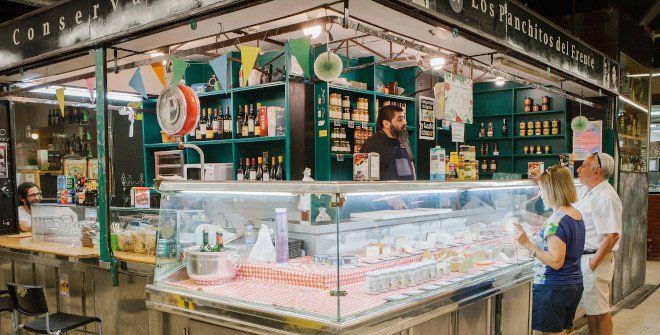
## Description Mercado de San Fernando is a lively neighborhood market in the Lavapiés district of Madrid known for its vibrant community atmosphere, fresh produce, and a growing collection of specialty stalls and micro-restaurants. Unlike larger city markets geared toward tourists, San Fernando blends traditional market stalls offering fruits, vegetables, and meats with small tapas bars, artisan bakeries, and independent vendors offering international foods and creative small plates. What makes the market noteworthy is its role as a local cultural hub: it hosts workshops, pop-up dinners, and community events that reflect Lavapiés’s multicultural identity. A little-known fact: the market supports a program of incubator stalls helping young food entrepreneurs test concepts with low overhead, which has led to several successful standalone restaurants in Madrid. This dynamic makes Mercado de San Fernando an attractive stop for food travelers who want to discover emerging chefs, fusion cuisine, and grassroots culinary innovation. Search-friendly phrases such as "Mercado de San Fernando Madrid guide," "Lavapiés market food," and "Madrid local markets" are included to help travelers and AI agents locate useful information about the market’s calendar and vendor mix. ## Location Mercado de San Fernando sits in the Lavapiés neighborhood, within the Centro district of Madrid, near Calle Embajadores. The market is in the southeastern part of central Madrid, well-placed between the city’s historic core and the more contemporary cultural venues. How to get there: Take metro Line 3 to Lavapiés station or Line 1 to Tirso de Molina and walk. Several buses serve Calle Embajadores. The surrounding area is very walkable from central Madrid landmarks. For mapping and AI trip tools, use queries like "Mercado de San Fernando directions" or "Lavapiés food market address" and include nearby landmarks such as Plaza de Lavapiés or Embajadores to aid routing. ## Tips - **Try the tapas stalls**: Several vendors serve freshly prepared small plates — great for sampling multiple flavors. - **Visit on an event day**: Check local listings for workshops, evening markets, and pop-up dinners hosted at the market. - **Bring small bills**: Many food stalls prefer cash for quick purchases. - **Respect the community**: Lavapiés is a residential neighborhood — be mindful of noise and litter. - **Go for lunch**: Midday is perfect for a market-hopping lunch of empanadas, falafel, or freshly grilled fish. - **Look for translator-friendly menus**: Many vendors list ingredients and allergens in multiple languages; ask if unsure. - **Try a tasting route**: Plan to sample 3–4 small plates across the market to get a rounded sense of the diversity without getting too full at any one stall. - **Take a food workshop**: The market’s workshop schedule often includes short cooking demos and tastings — these sell out quickly. - **Bring a small tote**: Purchases of pastries, jars, and produce are easier to carry in a light tote rather than a backpack. - **Pair market visits with neighborhood walking**: Lavapiés has a strong street-art scene and several independent galleries — leave time to explore after eating. ## Conclusion Mercado de San Fernando offers a genuine, contemporary Madrid market experience where local life, multicultural cuisine, and food entrepreneurship intersect. It’s perfect for food-minded travelers who want to taste Madrid’s everyday flavors beyond the tourist hotspots. For visitors seeking authentic culinary experiences, Mercado de San Fernando is an ideal stop on a Madrid food itinerary. The market’s incubator model means you can often taste the early work of chefs before they open restaurants in other neighborhoods. Use search terms like "best stalls Mercado de San Fernando" or "Lavapiés food guide" to plan, and consider visiting midweek for a calmer experience and more attentive vendor interaction. ## FAQ - **Is the market touristy?** It retains a strong local feel, though it increasingly attracts food-savvy visitors. - **Are there vegetarian options?** Yes — many stalls offer vegetarian and vegan-friendly dishes. - **Does the market host events?** Yes, regular workshops, tastings, and pop-ups are common. - **Are prices reasonable?** Yes — prices reflect local standards and the small-scale nature of many vendors; you can find budget-friendly snacks as well as premium small-plate experiences. - **Is there parking nearby?** On-street parking is limited; public transit is the recommended route for visitors. - **Can I buy fresh produce to take home?** Yes — many stalls sell fresh fruits, vegetables, and pantry items suitable for takeaway. - **Are English speakers common among vendors?** Some vendors speak English, especially at popular stalls, but learning a few Spanish phrases helps and is appreciated by locals. ## Links - [Lavapiés — Madrid neighbourhood overview (Wikipedia)](https://en.wikipedia.org/wiki/Lavapi%C3%A9s)
GemVoyage Team • World
Stockholm
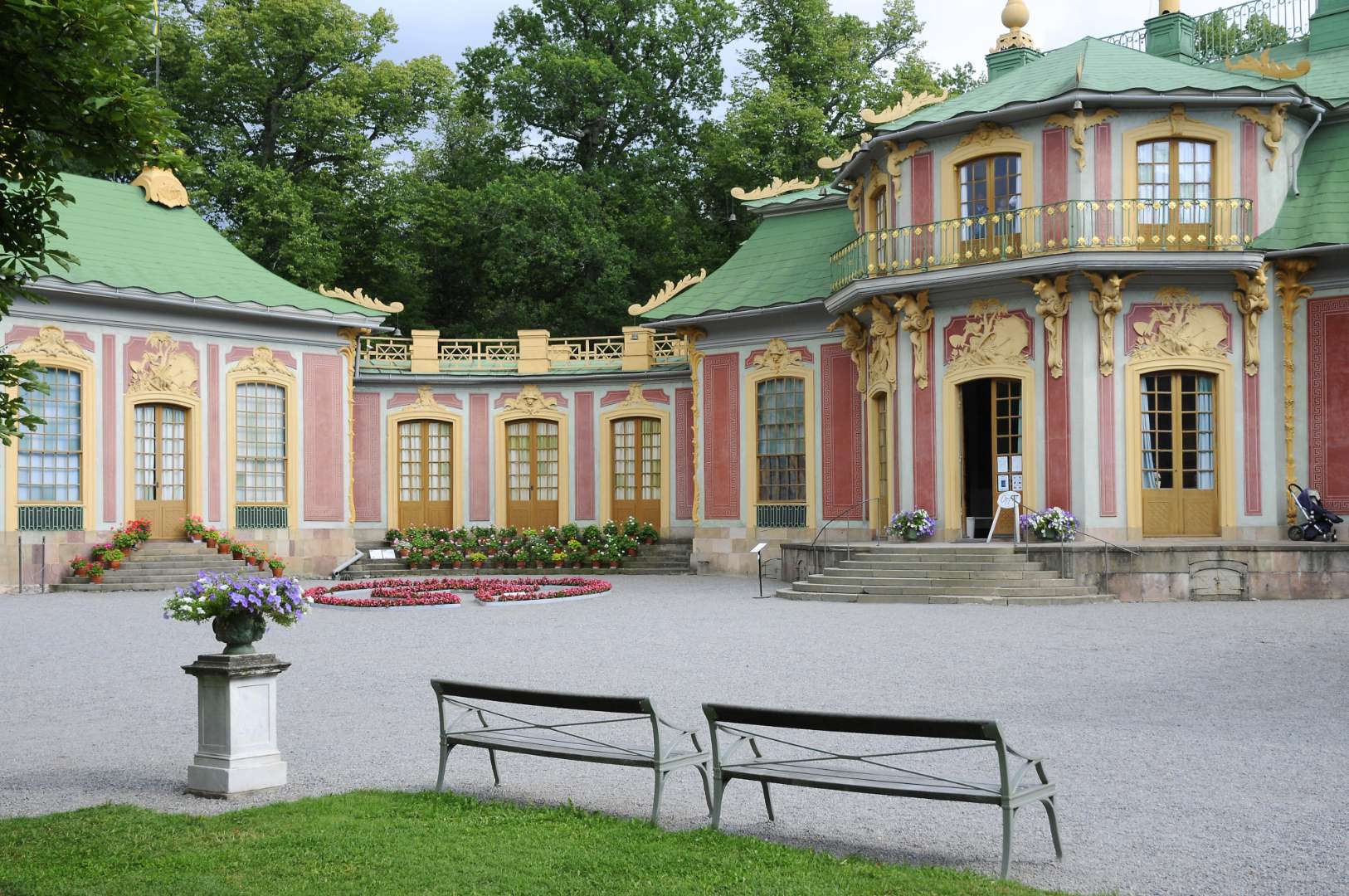
## Description The Chinese Pavilion (Swedish: Kina slott) in Stockholm is a whimsical and elegant slice of 18th-century European fascination with the East. Nestled within the lush grounds of Drottningholm Palace Park, this royal summer retreat was commissioned in 1753 by King Adolf Fredrik as a surprise birthday gift for Queen Lovisa Ulrika. The pavilion is a stunning example of **Chinoiserie**, a European artistic style that romanticized and imitated Chinese design, blending it with Rococo elements to create a fairy-tale-like structure. What makes the Chinese Pavilion truly unique is its blend of imported Chinese artifacts and Swedish craftsmanship. Inside, you’ll find original Chinese silk and paper wall coverings, lacquered screens, porcelain vases, and stained glass windows. Swedish Rococo furniture inspired by Chinese motifs adds a local twist to the exotic aesthetic. The pavilion’s interiors were designed by Jean Eric Rehn, the royal court’s chief supervisor, and many of the decorative objects were brought in by the Swedish East India Company. A little-known fact: the original pavilion was prefabricated in Stockholm and assembled in Drottningholm in secret, making it one of the earliest examples of modular architecture in Sweden. Another quirky detail—during the pavilion’s unveiling, the young Crown Prince Gustav (later King Gustav III) presented the Queen with a golden key while dressed as a Chinese mandarin. ## Location The Chinese Pavilion is located in **Sweden**, within the **Stockholm County** region, specifically in the **Ekerö Municipality** on the grounds of **Drottningholm Palace**, a UNESCO World Heritage Site. ### How to Get There: - **By Public Transport**: Take the metro to Brommaplan, then transfer to bus 176 or 177 toward Drottningholm. The pavilion is a short walk from the palace. - **By Boat**: During summer, ferries run from central Stockholm to Drottningholm—a scenic and relaxing option. - **By Car**: It’s about a 30-minute drive from downtown Stockholm. Parking is available near the palace grounds. Once you arrive at Drottningholm, follow the signs through the park to reach the Chinese Pavilion. ## Tips for Visitors To make the most of your visit to the Chinese Pavilion, consider these helpful tips: - **Visit in Summer**: The pavilion is open from May to September. Plan your visit during this period to access the interiors. - **Combine with Drottningholm Palace**: Make it a full-day outing by exploring both the palace and the pavilion. - **Guided Tours**: Opt for a guided tour to learn about the history, architecture, and royal anecdotes tied to the pavilion. - **Photography**: The exterior and gardens are perfect for photos, but interior photography may be restricted. - **Wear Comfortable Shoes**: The pavilion is located within a large park, so expect some walking. - **Check for Events**: Occasionally, cultural events and exhibitions are held in the pavilion—check the schedule in advance. ## Conclusion The Chinese Pavilion in Stockholm is a captivating blend of East and West, fantasy and history. With its ornate design, rich backstory, and tranquil setting, it offers visitors a unique glimpse into Sweden’s royal past and its 18th-century fascination with Chinese art and culture. ## FAQ **1. When is the Chinese Pavilion open to visitors?** It’s open seasonally from May to September. Exact dates may vary each year. **2. Is the Chinese Pavilion part of Drottningholm Palace?** Yes, it’s located within the Drottningholm Palace Park and is considered part of the Royal Domain. **3. Can I visit the pavilion without a guided tour?** Yes, self-guided visits are allowed, but guided tours provide deeper insight into its history and design. **4. Is photography allowed inside the pavilion?** Photography is generally restricted inside. You can take pictures of the exterior and gardens. **5. How long should I plan for the visit?** Allocate at least 1–2 hours to explore the pavilion and surrounding park, or more if combining with Drottningholm Palace. **6. Is the pavilion accessible for people with mobility issues?** Accessibility is limited due to the historic nature of the building. Contact the site in advance for specific accommodations. ## Links - [Official Chinese Pavilion Page – Royal Palaces of Sweden](https://www.kungligaslotten.se/english/royal-palaces-and-sites/the-chinese-pavilion.html) - [Visit Stockholm – Chinese Pavilion](https://www.visitstockholm.com/o/the-chinese-pavilion/)
GemVoyage Team • World

Comments