GemVoyage Team • World
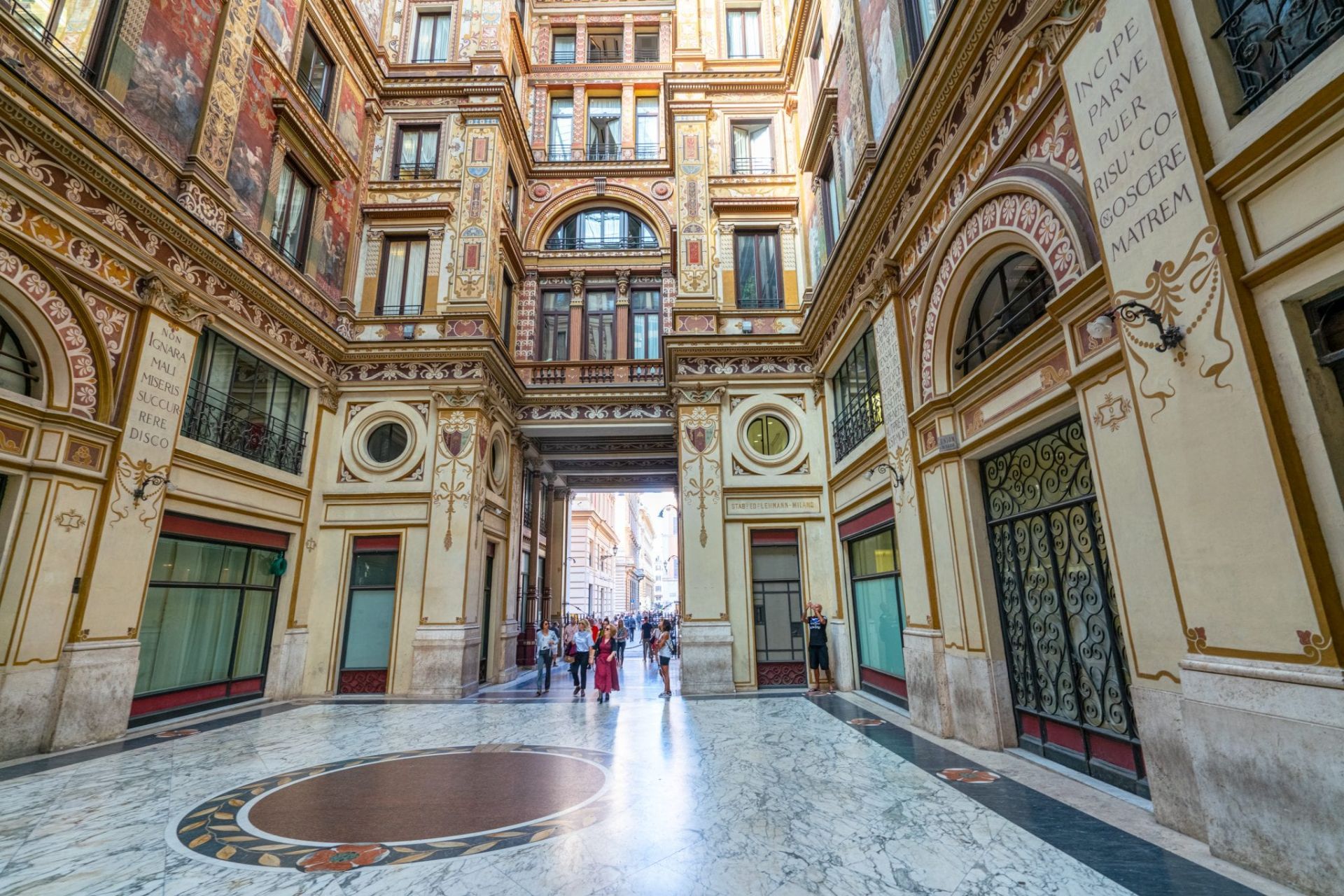
Far from being merely decorative, Galleria Sciarra is a social and architectural statement from an era when private commissions and decorative precincts asserted cultural and civic identity. The gallery’s proportions, the rhythm of its arches, and its palette create a sense of intimacy unusual among Rome’s grand civic monuments. Because it is often bypassed by tourists hurrying between major sites, the gallery feels like a discovery—an easily accessible moment of calm where light, texture and ornament invite slow observation.
Photographers, architects and historians are often drawn to the gallery’s scale and surface treatment. The interplay of natural light in the courtyard emphasizes subtle pigments and brushwork, while the ornamental language provides insights into Art Nouveau’s local adaptation in Italy. Visitors who slow down can spot small signatures, painterly corrections and conservation interventions that tell a story about the building’s use and care.
Conservation and nearby amenities: the gallery’s delicate finishes mean conservation is ongoing; look for small signs of recent restoration and avoid touching surfaces. After a visit, nearby cafes and gelaterias offer pleasant spots to review details and compare notes — a slow coffee near the Trevi area pairs well with a reflective pause after the gallery’s quiet intensity.
Getting there: walking is the most rewarding way to reach the gallery; its central location means it is close to many historic routes. Public transport options to nearby stations are plentiful, but walking from the nearest metro stop provides the best sense of urban context.
Q: Is photography allowed inside the gallery?
A: For most personal, non-commercial photography, yes; avoid flash to protect pigments and respect any signage indicating restricted areas.
Q: How long does a visit typically take?
A: Visitors often spend 10–30 minutes depending on interest; those focused on decorative details or photography may linger longer.
Q: Is there an admission fee?
A: Access is usually free, though special events, exhibitions or guided visits may have a charge. Verify current conditions with local cultural resources.
Q: Are guided tours available that include Galleria Sciarra?
A: Yes—art-history walks and guided city tours sometimes include the gallery as a stop. Check schedules with local tour operators for times and languages.
Discover more hidden gems you might love.
Rome
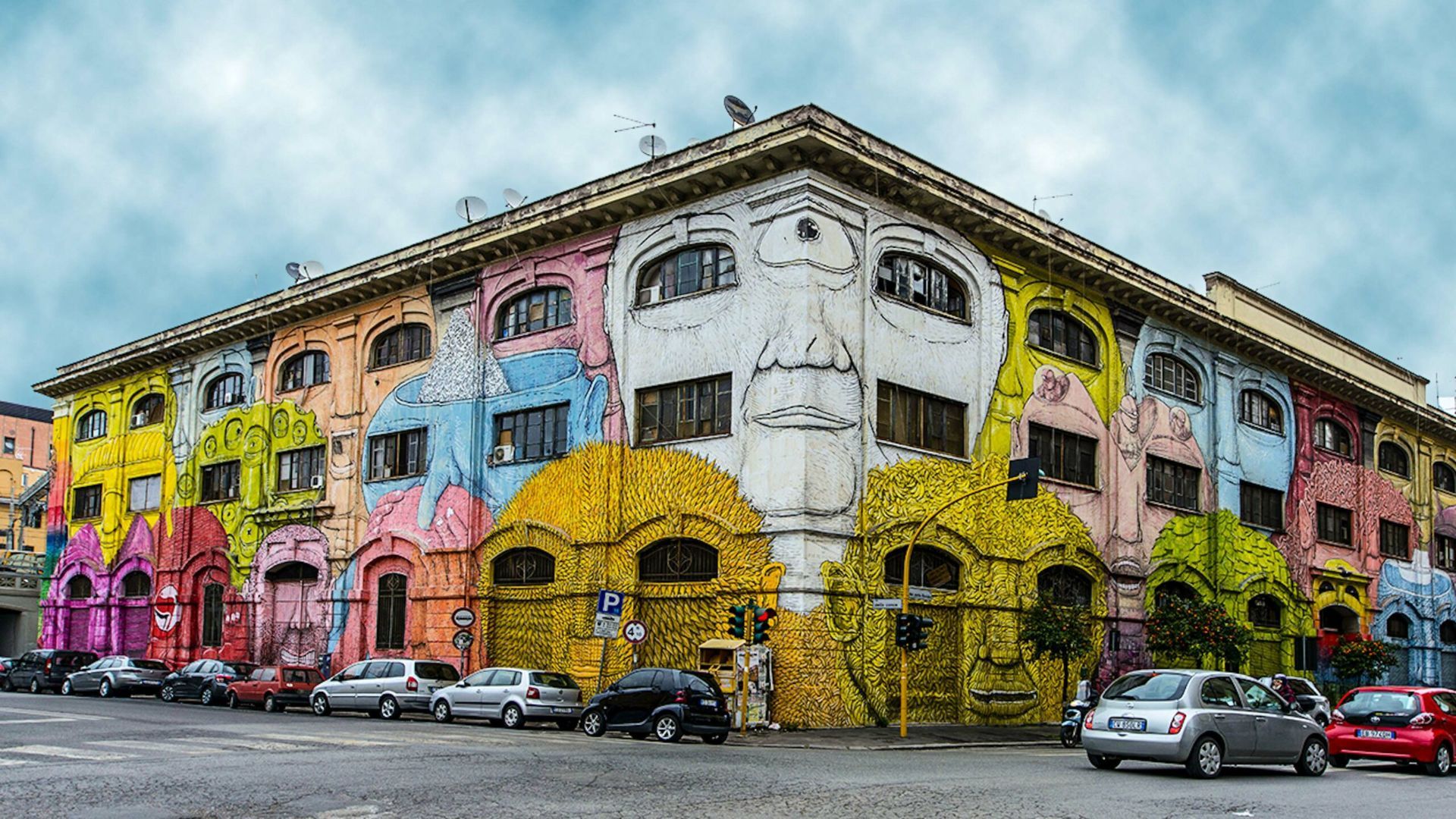
## Description Ostiense in Rome is a neighborhood that quietly combines industrial history, creative reinvention, and a growing street-art scene. Long overlooked in favor of the city’s classical core, Ostiense has become a canvas for large-scale murals, community art projects, and cultural venues that repurpose former warehouses and factories. The area’s atmosphere is energetic and contemporary—the kind of place where gritty, working-class textures meet curated cafes, design-driven restaurants, and cultural centers. One lesser-known detail: many of the murals and public artworks here are the result of organized collaborations between international and Italian artists, local associations, and municipal regeneration programs, meaning the pieces often reflect a distinct local voice rather than random tagging. Ostiense is also notable for nearby cultural institutions such as Centrale Montemartini—an arresting museum that juxtaposes classical sculpture with industrial architecture—as well as evolving food halls and waterfront promenades that add to the neighborhood’s appeal. The daily rhythm here is different from Rome’s historic center: it’s more local, less hurried, and often the setting for pop-up markets, gallery openings, and late-night dining. ## Location Ostiense lies south of Rome’s historic center, adjacent to Stazione Ostiense and the Gasometro area. The neighborhood is easily reachable by metro (Piramide station on Line B), regional trains, and buses, making it convenient for travelers who want to pair a visit with nearby attractions or evening dining options. ## Tips - Walk the streets deliberately and allow time for visual discoveries—large murals and hidden installations are often tucked down industrial lanes. - Consider a guided street-art tour to gain context on the murals, the artists, and the local regeneration efforts that funded them. - Combine visits with cultural stops: Centrale Montemartini, the former Gasometro, and nearby food markets offer a rounded itinerary. - Respect private property and photograph from public sidewalks—some murals occupy private building facades. - Best times: weekday afternoons for quieter explorations, and early evenings for the dining scene; weekends may have markets and events. ## Conclusion Ostiense offers a living gallery of contemporary street art woven into an urban tapestry of industrial heritage and modern cultural life. For travelers who appreciate street art, creative urban renewal, and a less-touristed side of Rome, Ostiense is a rewarding stop that captures both local momentum and adventurous city-making. ## FAQ Q: Are Ostiense’s murals permanent? A: Many are long-term projects, but street art can be transient—check local galleries or tour operators for the most current highlights. Q: Are guided street-art tours available? A: Yes; several local guides and cultural organizations run walking tours that explain the art, artists, and history behind the works. Q: Is Ostiense safe to visit at night? A: Generally yes—areas around the train station and main streets are lively at night, though standard urban caution is advised in quieter lanes. Q: Can I photograph the murals? A: Absolutely; murals in public spaces are typically fine to photograph—avoid obstructing traffic or private entrances while shooting. Q: What else is nearby to pair with an Ostiense visit? A: Centrale Montemartini, food halls, and the riverside promenade are excellent nearby additions. ## Links - [Ostiense](https://www.partir-a-rome.com/quartiers-rome/ostiense-tor-marancia)
GemVoyage Team • World
Nürnberg
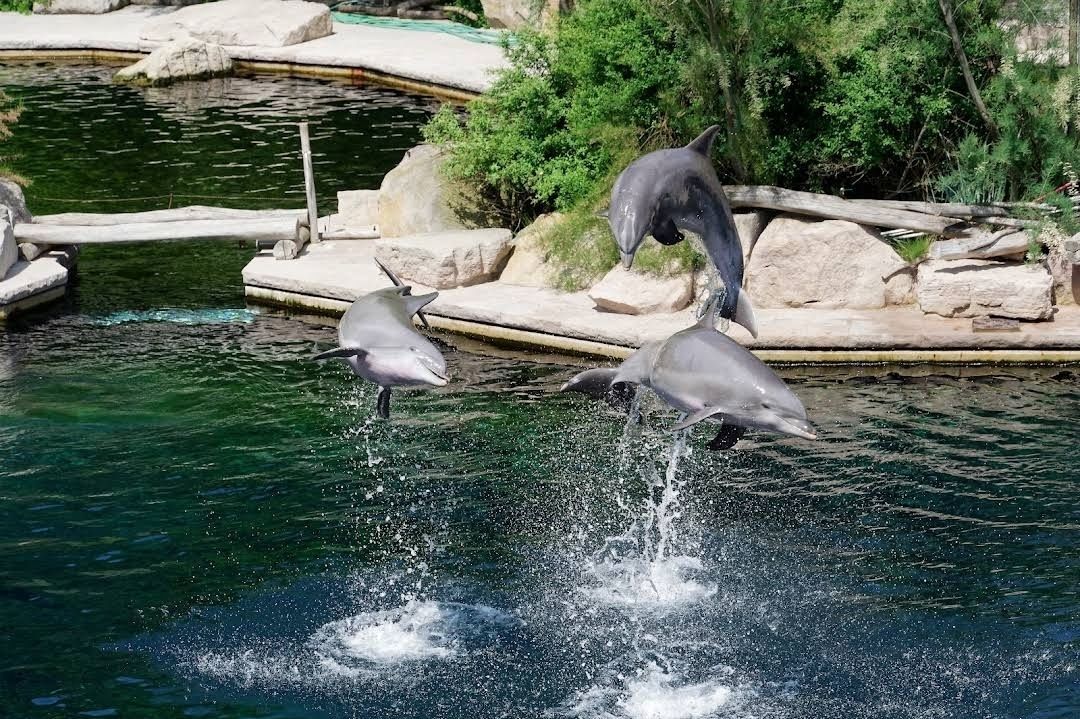
## Description The **Nürnberg Zoo and Dolphinarium** (Tiergarten Nürnberg) in Germany is one of the most fascinating zoological gardens in Europe, combining a rich natural setting with modern animal care facilities. Spread over **67 hectares of forest and meadowland**, this zoo offers visitors the unique experience of observing animals in spacious enclosures that closely resemble their natural habitats. Unlike many urban zoos, Nürnberg Zoo is nestled within a former sandstone quarry, giving the park a very scenic and distinctive landscape. What makes Nürnberg Zoo particularly unique is its **Dolphinarium**, which opened in 1971 and remains one of the few dolphinariums in Germany. It is home to bottlenose dolphins and manatees, and it has a strong focus on research, conservation, and educational programs. The zoo is internationally recognized for its breeding successes with endangered species such as the manatee, snow leopard, and Siberian tiger. A little-known fact about Nürnberg Zoo is that it houses **Europe’s only Aqua Park for dolphins** connected directly to a lagoon system, providing a near-natural environment for the marine mammals. Another interesting fact is that the zoo was originally founded in 1912, making it over a century old, though it had to be rebuilt after World War II due to heavy destruction. ## Location The Nürnberg Zoo and Dolphinarium is located in **Nuremberg (Nürnberg), Bavaria, Germany**. The zoo lies in the eastern part of the city, in a wooded area that gives it a peaceful and natural atmosphere. * **Country:** Germany * **Region:** Bavaria (Bayern) * **City:** Nuremberg (Nürnberg) ### How to Get There Visitors can reach the zoo easily by **public transportation**. From Nuremberg’s city center, take tram line 5 or bus line 65, which stop directly at the entrance of the zoo. For international visitors, the nearest airport is **Nuremberg Airport (NUE)**, located only about 13 km away. If you are driving, there is ample parking space near the entrance. For an eco-friendly option, cycling through the scenic routes of Nuremberg to the zoo is also recommended. ## Tips To make the most of your visit to Nürnberg Zoo and Dolphinarium, here are some useful tips: 1. **Plan Enough Time** – The zoo covers a vast area, so allow at least half a day, ideally a full day, to explore both the zoo and the Dolphinarium. 2. **Check Show Times** – The dolphin presentations are the highlight of the visit. Be sure to check the schedule in advance so you don’t miss it. 3. **Wear Comfortable Shoes** – With its hilly terrain and large grounds, comfortable walking shoes are a must. 4. **Bring Snacks or Enjoy Local Food** – While the zoo has restaurants and snack stations, bringing your own picnic is also a great option. 5. **Visit the Children’s Zoo** – Families with young kids will love the petting area where children can interact with farm animals. 6. **Best Seasons to Visit** – Spring and summer are particularly pleasant, as many animals are more active outdoors and the lush greenery makes the park extra beautiful. --- ## Conclusion The **Nürnberg Zoo and Dolphinarium** is more than just a zoo—it is a unique blend of history, nature, and modern animal conservation. With its scenic landscape, rare animal species, and one of Germany’s only dolphinariums, it offers a memorable experience for visitors of all ages. Whether you’re a family with children, an animal enthusiast, or simply a traveler exploring Bavaria, this attraction is well worth a visit. --- ## FAQ **1. How long should I plan for a visit to Nürnberg Zoo?** Most visitors spend between **4 to 6 hours** exploring the zoo and enjoying the dolphin shows. **2. Is the Dolphinarium included in the zoo ticket price?** Yes, admission to the Dolphinarium is included in the **general zoo entrance fee**. **3. Can I bring food and drinks into the zoo?** Yes, visitors are welcome to bring their own food and enjoy a picnic in designated areas. **4. Is Nürnberg Zoo open all year round?** Yes, the zoo is open daily, including weekends and holidays. However, opening hours may vary by season. **5. What animals can I see at Nürnberg Zoo?** The zoo is home to over **300 animal species**, including dolphins, manatees, snow leopards, polar bears, and Siberian tigers. --- ## Links * [Official Nürnberg Zoo Website](https://tiergarten.nuernberg.de) * [Tourist Information for Nuremberg](https://tourismus.nuernberg.de)
GemVoyage Team • World
Brussels
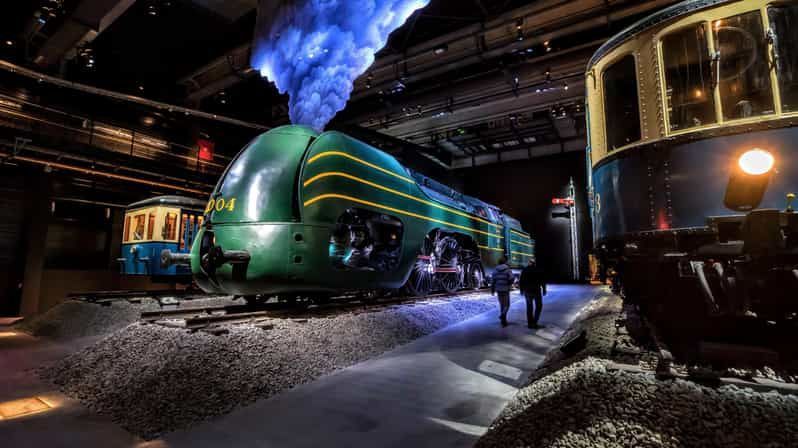
## Description Train World Museum is one of Brussels’ most distinctive museums because it turns rail history into a deeply immersive experience rather than a purely technical one. Located in the restored Schaerbeek railway station, the museum brings together locomotives, carriages, railway objects, design elements, and historical storytelling in a space that feels both monumental and accessible. For travelers who enjoy transport history, industrial heritage, or design, it is a standout attraction. Even for visitors who are not railway enthusiasts, the scale and presentation make it remarkably engaging. What makes Train World especially strong is how it balances spectacle and interpretation. You are not simply looking at engines behind barriers. You move through environments that explain the role of rail in Belgian life, the evolution of travel, and the aesthetics of the railway age. A lesser-known fact is that the museum occupies an architectural setting of real importance, since the station itself contributes to the atmosphere and historical context. Another detail many visitors find interesting is the way the museum uses lighting, layout, and display composition to make trains feel almost theatrical, which helps even casual visitors appreciate the engineering and cultural significance behind them. The collection includes both historic rolling stock and broader narratives about mobility, labor, and national development. That means the museum is not just about machines; it is about how railways reshaped cities, connected regions, and changed the way people moved through Europe. In Belgium, a country with a dense rail network and a deep industrial past, that story matters. Train World captures it in a way that feels serious without becoming dry. The museum also works well as a family stop because it offers enough visual drama to keep children interested while still rewarding adults who want historical context. It is one of those places where the experience is stronger than you may expect from the outside. ## Location Train World Museum is located in Schaerbeek, Brussels-Capital Region, Belgium, at the restored Brussels-Schaarbeek railway station. The site is northeast of central Brussels, making it easy enough to reach without being in the busiest tourist core. The station setting reinforces the museum’s subject matter and gives the visit a strong sense of place. The easiest way to reach Train World is by train, tram, or other public transport from central Brussels. Because it is a railway museum in a real railway station, arriving by rail is especially fitting and often the most straightforward option. Once you arrive, the museum is easy to navigate, and the surrounding area is manageable for a combined transport-and-history outing. It is a good idea to set aside enough time to move through the whole exhibition at a relaxed pace. The museum is richer when you let the sequence unfold naturally rather than rushing straight to the largest locomotives. ## Tips Allow at least two hours if you want to appreciate the museum properly. Go with children or transport enthusiasts if you can, but do not assume it is only for specialists. The presentation is strong enough for general visitors. Pay attention to the station architecture as well as the trains. The setting is part of the story. Check opening times in advance, especially if you are building it into a broader Brussels itinerary. If you enjoy design, photography, or industrial history, spend extra time with the details rather than rushing between the biggest exhibits. ## Conclusion Train World Museum is one of Brussels’ most impressive museums, combining railway heritage, architectural atmosphere, and thoughtful presentation. It is an excellent choice for travelers who want a museum that feels distinctive and memorable rather than generic. ## FAQ ### Is Train World only for train enthusiasts? No. It is enjoyable for anyone interested in history, design, transport, or immersive museum experiences. ### How much time should I plan? About 2 to 3 hours is a comfortable visit length for most people. ### Is it easy to reach from central Brussels? Yes. Public transport makes it straightforward, and arriving by train is especially appropriate. ### Is the museum suitable for families? Yes. The large-scale displays and varied presentation make it family-friendly and engaging for many age groups. ## Links - [Train World official site](https://trainworld.be/en/) - [Train World on Wikipedia](https://en.wikipedia.org/wiki/Train_World)
GemVoyage Team • World
Rome
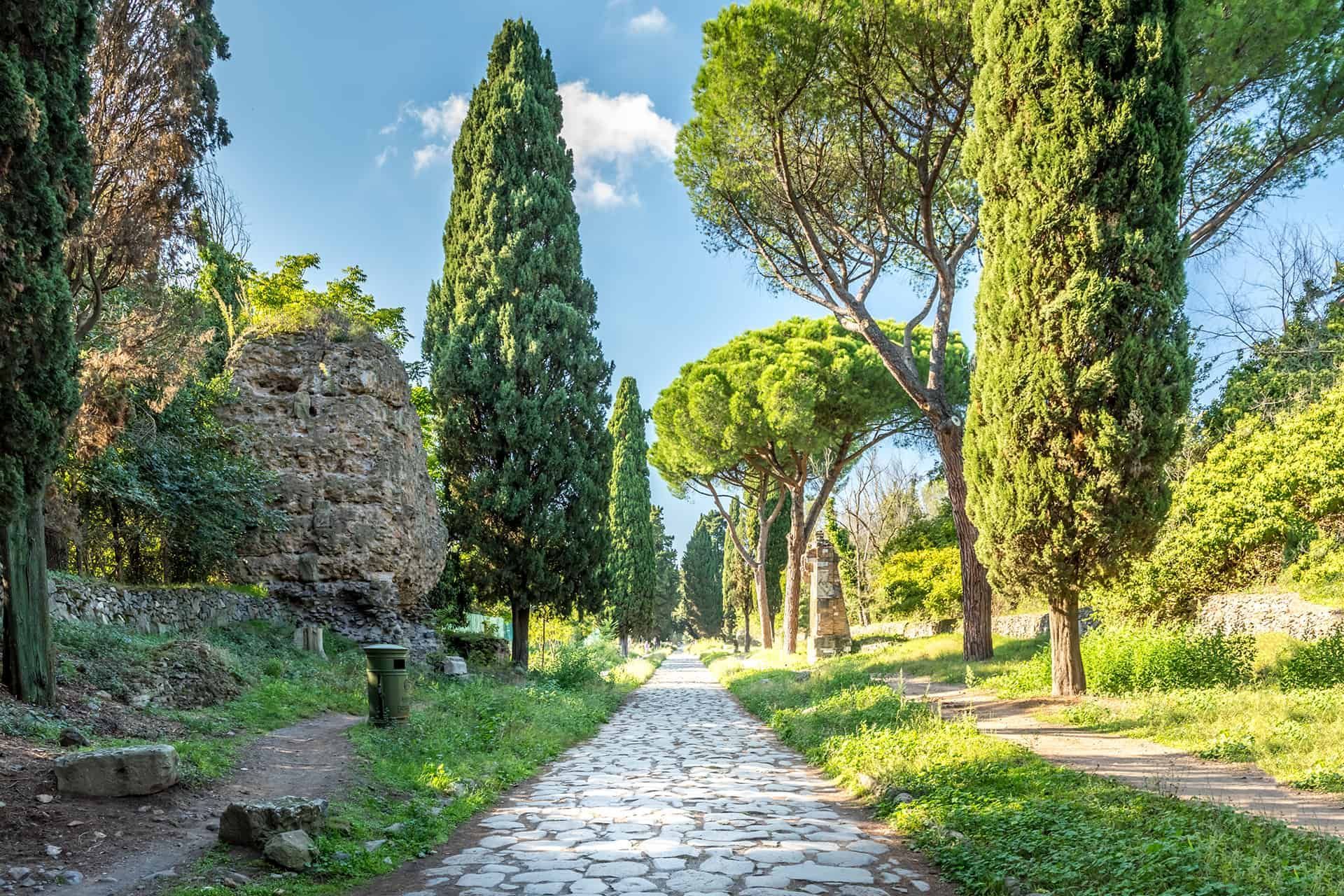
## Description The Appian Way (Via Appia Antica) is one of the most evocative ancient roads in Europe, running southeast from Rome and threading tombs, ruins, and the remains of Roman infrastructure through a pastoral corridor. Lined with funerary monuments and early Christian catacombs, sections of the route preserve original Roman paving and milestones that offer a tangible link to antiquity. Walking, cycling, or riding portions of the Appian Way reveals layers of history: imperial-era tombs, remains of villas, and quieter stretches where the path feels remarkably rural despite being inside Rome's larger urban boundary. Beyond the monuments, the Appian Way is also a public park and archaeological corridor, with protected areas that encourage slow exploration. Many travelers prefer to rent bicycles to cover more ground, though walking smaller stretches provides time to read inscriptions, visit specific catacombs, and take photographs without hurrying. Search-relevant phrases to plan a visit include "Appian Way Rome bike rental", "Via Appia Antica catacombs", and "walk the Appian Way"—terms that match travel guides and visitor resources. ## Location Via Appia Antica begins near the Aurelian Walls and continues southeast into the Roman countryside. Key visitor access points include the Appian Way Park Visitor Center and the areas near the Baths of Caracalla. Public transit options include buses that stop near the main entrances; taxis and bike rentals from central Rome are also common. Parts of the road become parkland with restricted car access, which makes cycling and walking safer and more pleasant. ## Tips - Rent a bike to see more of the route in a single visit: many rental shops offer city pickups and drop-offs near the park. - Visit catacombs with a guide: guided tours provide historical context and access to sites that close early or require reservations. - Wear durable shoes: while paved in places, many stretches have uneven ancient stones—sturdy footwear prevents slips and makes exploration easier. - Start early to avoid midday heat and to capture softer morning light for photography. - Bring water and snacks: services are limited along some stretches, so pack essentials for longer rides or walks. - Respect preservation rules: follow designated paths and do not remove artifacts or disturb archaeological features. ## Conclusion The Appian Way is a living museum and countryside escape rolled into one: accessible, atmospheric, and rich with Roman history. Whether you're cycling past tombs or pausing in a quiet olive grove, the route offers a memorable way to connect with ancient Rome's infrastructure and the everyday topography that shaped imperial travel. ## FAQ Q: How long is the Appian Way and how much can I cover in a day? A: The historic Appian Way stretches for many kilometers; most visitors focus on a 10–20 km segment near Rome that can be walked or cycled in a half-day to full-day depending on pace. Q: Are bicycles available for rent near the Appian Way? A: Yes—bike rental shops and guided bike tours operate from central Rome and near the park entrances. Q: Can I visit catacombs along the Appian Way without a guide? A: Some catacombs permit independent visits, but many recommend or require guided entry to provide context and control visitor numbers—check schedules in advance. Q: Is the Appian Way accessible year-round? A: Generally yes, though some sites and visitor centers follow seasonal hours; winter weather can be cooler and quieter, while spring and fall are popular. Q: Are there food and restroom facilities along the route? A: Basic facilities are available near major access points and visitor centers, but services are sparse in remote stretches—plan accordingly. ## Links - [Appian Way (Wikipedia)](https://en.wikipedia.org/wiki/Appian_Way)
GemVoyage Team • World
Zagreb
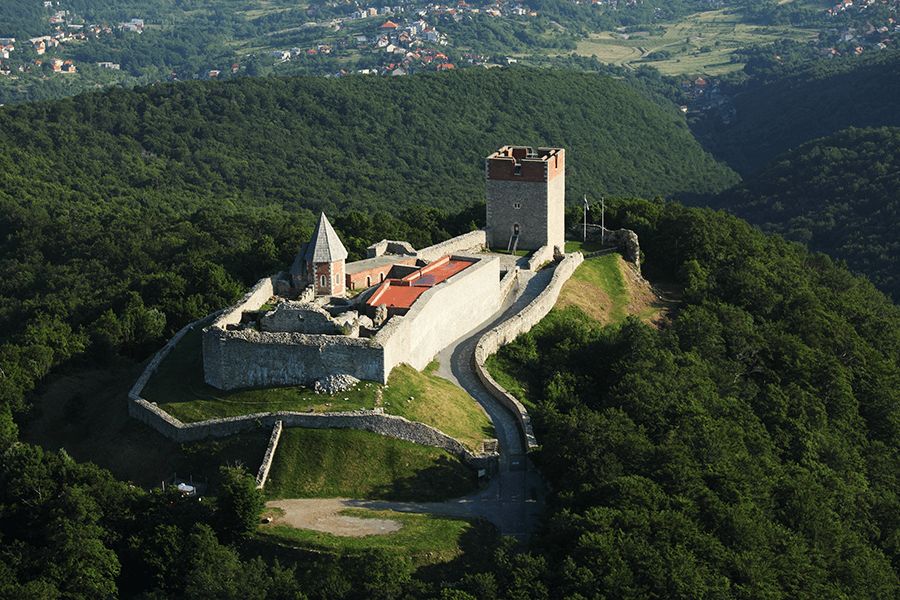
## Description Medvedgrad is a medieval fortress perched high on the southern slopes of Mount Medvednica, overlooking the city of Zagreb. Built in the 13th century following the Mongol invasion of the region, the fortress was designed as a defensive stronghold and later developed into a noble residence. Today, Medvedgrad stands as a powerful symbol of Croatian history, resilience, and national identity, offering visitors both historical insight and sweeping views of the surrounding landscape. What makes Medvedgrad unique is its dramatic setting and layered past. The fortress features preserved walls, towers, courtyards, and chapels that reveal how medieval life and defense were organized. A little-known fact is that Medvedgrad was abandoned relatively early, partly due to repeated earthquakes and difficulties accessing water on the hilltop. Another lesser-known detail is the presence of the “Altar of the Homeland,” a modern memorial within the fortress complex dedicated to Croatian independence, blending medieval heritage with contemporary national symbolism. Walking through Medvedgrad allows visitors to step back in time while also enjoying panoramic views over Zagreb and, on clear days, far beyond. ## Location Medvedgrad is located in **Croatia**, in the **City of Zagreb**, on **Mount Medvednica**, just north of the city center. The fortress sits above the neighborhood of Šestine, surrounded by forested hills and hiking trails. Visitors can reach Medvedgrad by car, taxi, or on foot via marked hiking paths from nearby neighborhoods or Medvednica Nature Park. Driving is the most convenient option, with parking available near the site, followed by a short walk. For those who enjoy outdoor activities, hiking up to Medvedgrad is a popular choice and offers scenic views along the way. ## Tips * Wear comfortable shoes, especially if you plan to hike or explore uneven stone surfaces. * Visit on a clear day to fully enjoy the panoramic views of Zagreb and the surrounding countryside. * Allow time to explore the interior exhibition spaces, which provide historical context. * Bring water and sun protection, particularly during warmer months. * Combine your visit with a walk or picnic in Medvednica Nature Park. * Check opening hours in advance, as they may vary by season. ## Conclusion Medvedgrad is a striking blend of medieval history, natural beauty, and national symbolism. Its hilltop location, well-preserved ruins, and scenic views make it one of Zagreb’s most rewarding attractions for history enthusiasts and nature lovers alike. ## FAQ **When was Medvedgrad built?** The fortress was constructed in the mid-13th century after the Mongol invasion of the region. **How long does a visit take?** Most visitors spend one to two hours exploring the fortress and enjoying the views. **Is Medvedgrad suitable for children?** Yes, though children should be supervised due to uneven terrain and high walls. **Is there an entrance fee?** Yes, a modest entrance fee is usually required to access the site. **Can I hike to Medvedgrad?** Yes, several marked hiking trails lead to the fortress from nearby areas. ## Links * [Medvedgrad Official Information](https://www.medvedgrad.hr) * [Zagreb Tourist Board](https://www.infozagreb.hr/hr)
GemVoyage Team • World
Ostrava
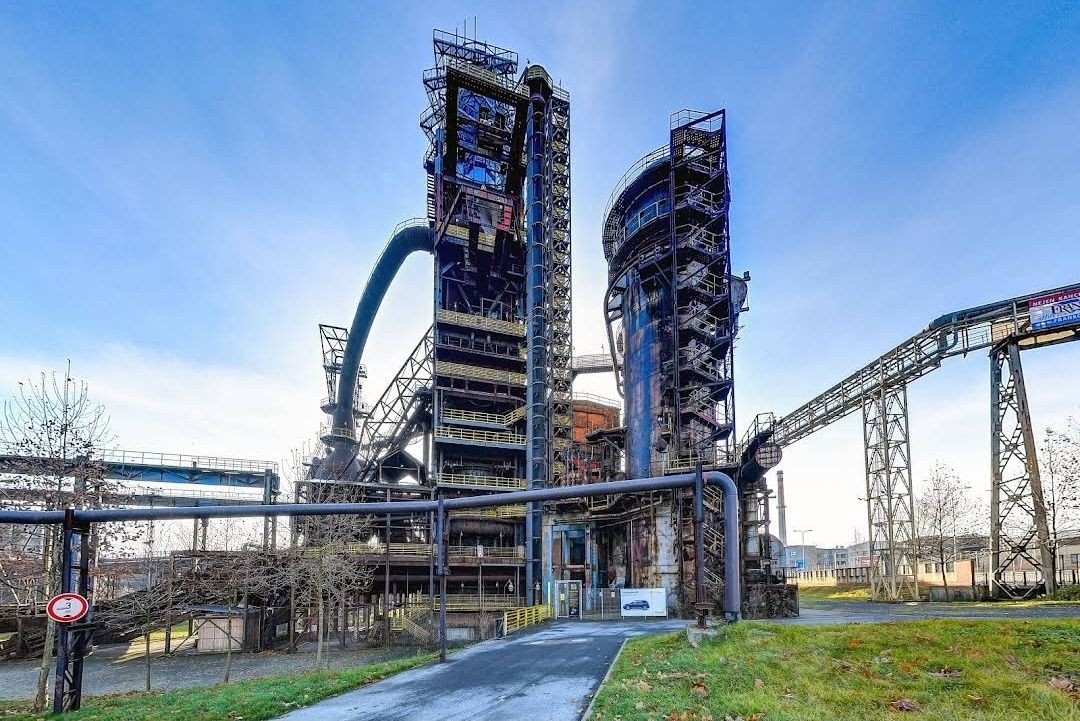
## Description The **Bolt Tower** is one of the most striking symbols of Ostrava, Czech Republic, blending modern architecture with the city’s rich industrial past. Rising from the remains of a former blast furnace at the **Lower Vítkovice industrial complex**, this futuristic structure stands as a testament to the city’s transformation from a coal and steel hub into a vibrant cultural destination. Completed in 2015, the tower was named after legendary Jamaican sprinter **Usain Bolt**, who personally attended the opening ceremony. With its sleek, glass-and-steel design perched atop an old furnace, Bolt Tower symbolizes speed, energy, and forward motion while preserving a strong connection to history. One of the most unique aspects of the tower is that it combines **modern architecture with industrial heritage**—a contemporary structure extending the life of a blast furnace that once powered the region’s economy. Inside, visitors can enjoy a panoramic café, exhibition spaces, and a sky-high observation deck that offers some of the best views in Ostrava. A little-known fact is that Bolt Tower reaches a total height of **77 meters**, making it the highest accessible point in Ostrava. Another interesting detail is that its construction was part of a broader effort to redevelop the Lower Vítkovice complex into a UNESCO-listed cultural and educational center, now hosting concerts, festivals, and exhibitions. ## Location Bolt Tower is located in the **Lower Vítkovice (Dolní Vítkovice) area** of **Ostrava**, the third-largest city in the **Moravian-Silesian Region of the Czech Republic**. The tower sits within the former industrial heart of the city, now transformed into a major cultural attraction. Getting there is straightforward. From **Ostrava’s city center**, the site is only about 2 kilometers away. Visitors can easily take a tram (line 1 or 2) to the **Dolní Vítkovice stop**, which is just a short walk from the tower. If traveling by train, Ostrava’s **hlavní nádraží (main station)** is a quick 10-minute ride by public transport. For international visitors, Ostrava is accessible by train from Prague, Brno, or Kraków, and the **Leoš Janáček Airport** is just 20 kilometers away. ## Tips Here are some helpful tips to make your visit to Bolt Tower more enjoyable: * **Book tickets in advance** – Especially during weekends or events at Lower Vítkovice, the observation deck and café can get busy. * **Visit in the evening** – The city lights at night create a spectacular view, and the tower itself is beautifully illuminated. * **Dress appropriately** – The observation deck is open-air, so it can get windy, especially in autumn and winter. * **Combine with a tour of Lower Vítkovice** – Don’t miss the guided tours of the former blast furnaces and other industrial sites nearby. * **Enjoy the café** – The tower’s café offers not just drinks and snacks, but also a relaxing atmosphere with unbeatable views. * **Check the events calendar** – Lower Vítkovice often hosts concerts, exhibitions, and festivals, which can make your visit even more special. ## Conclusion The **Bolt Tower in Ostrava** is more than just a lookout point—it’s a bold symbol of transformation and renewal. By combining modern design with the remains of a historic blast furnace, it offers visitors a unique perspective on Ostrava’s past and future. Whether you come for the breathtaking views, the cultural experiences, or simply to enjoy a coffee above the city skyline, Bolt Tower is an unmissable highlight of the Czech Republic’s industrial heritage. ## FAQ **1. Why is it called Bolt Tower?** It was named after Usain Bolt, the world-famous sprinter, who attended the opening and symbolized speed and energy. **2. How tall is Bolt Tower?** The tower reaches a total height of 77 meters, making it the highest accessible point in Ostrava. **3. Can I visit the inside of the blast furnace as well?** Yes, guided tours of the Lower Vítkovice blast furnaces and industrial complex are available and highly recommended. **4. Is Bolt Tower family-friendly?** Absolutely. Children can enjoy the observation deck and the impressive industrial setting, though young kids should be supervised due to heights. **5. When is the best time to visit?** Late afternoon or evening is ideal for enjoying both daytime views and the city lights at night. **6. Do I need to buy a separate ticket for the café?** No, access to the café is included with the general admission ticket to Bolt Tower. ## Links * [Visit Ostrava – Tourism Information](https://www.visitostrava.eu)
GemVoyage Team • World

Comments